Chest Wrinkles: Best Prevention Tips
Chest wrinkles: why they happen and what you can do about a wrinkly chest at any age
Chest wrinkles are fine lines and creases that form on the skin of your décolletage—the area between your neck and breasts—often becoming noticeable in women over 30 due to thinner skin and cumulative damage from sun exposure, sleep habits, and the natural aging process. Many women search for answers to common concerns: “Why do I have chest wrinkles?” or “My chest is wrinkled, what can I do?” If you're asking these questions, you're not alone. This comprehensive guide explains the causes—from natural collagen loss to controllable lifestyle factors—and offers practical prevention and treatment steps grounded in dermatological science.
The skin on your chest is delicate, often neglected in skincare routines, and uniquely vulnerable to the visible signs of aging. Whether you've noticed your first lines in your late 20s or you're dealing with deeper creases in your 40s, understanding what causes a wrinkly chest and what you can do about it empowers you to reclaim smooth, confident skin.
Section 1: what are chest wrinkles and when do they start?
Defining chest wrinkles and the wrinkly chest
Chest wrinkles, also called “wrinkly chest” or cleavage lines, are persistent creases on the décolletage caused by collagen breakdown and repeated mechanical folding of the skin—not temporary sleep creases that fade within minutes. These lines appear most commonly in the vertical grooves between the breasts and horizontal lines across the upper chest. Unlike natural skin folds that shift with movement, chest wrinkles result from structural changes in the skin's support system: when collagen and elastin weaken, the skin loses its ability to bounce back, and folds become permanent etchings. You’ll see dermatologists describe this same process when they talk about chest and décolletage aging.
The décolletage—the anatomical area stretching from just below your jawline, across your neck, and down to your upper chest—is covered in thinner, more delicate skin than your face. This region contains fewer oil glands, making it drier and more prone to damage. As wrinkles form here, they often look deeper and more pronounced than similar lines elsewhere on your body.
The difference between temporary lines and permanent chest wrinkles
It's important to distinguish between transient sleep lines and genuine wrinkly chest wrinkles. A sleep crease from your pillow or bra mark that disappears within an hour is temporary; your skin's elasticity allows it to smooth out. However, when you notice lines that remain visible throughout the day, even after moisturizing or changing positions, those are structural wrinkles caused by collagen loss and elastin breakdown. That’s the same pattern you’ll see described in resources on facial and chest wrinkles.[1]
Permanent chest wrinkles develop when repeated mechanical stress—like nightly side sleeping—combines with declining collagen production. Over time, the skin loses its firmness and resilience, and what started as a temporary fold becomes an etched line that doesn't fully disappear.[1][3]
When do chest wrinkles typically start?
Many women notice early chest wrinkles at 30 or even in their late 20s, especially if they have a history of sun exposure, side sleeping, or genetics that favor earlier skin aging. You’re not imagining it—dermatologists now see more women in their 30s asking about chest lines than ever before, a trend echoed in guides on chest wrinkles and sun damage.[1][2] This doesn't mean something is “wrong”—it simply reflects accumulated environmental and lifestyle factors. Modern habits like frequent sun exposure from tanning beds, outdoor activities, low sunscreen use in youth, and constant forward posture from device use all accelerate the appearance of chest wrinkles.[1][2]
The good news: early onset of lines doesn't determine your future. When you're in your 30s, you still have substantial collagen reserves, meaning interventions work faster and prevention can halt deepening before wrinkles become severe.
Section 2: why do I have chest wrinkles? key causes explained
Intrinsic aging: natural collagen and elastin decline
The primary reason “Why do I have chest wrinkles?” traces to intrinsic aging—changes that happen naturally inside your skin over time. As you age, your body produces less collagen and elastin, the two proteins responsible for skin's firmness, elasticity, and structure. Additionally, cell turnover slows, meaning your skin repairs itself less efficiently, and natural oil production decreases, leaving skin drier.[1][3][7] The National Institute on Aging describes this same pattern in facial and body skin.
The décolletage is especially vulnerable because its skin is naturally thinner and has fewer sebaceous (oil) glands than the face. This means the chest area receives less natural hydration and protection, making it more susceptible to visible aging. Even without external stressors, intrinsic aging alone will eventually lead to some wrinkling in this delicate zone.[4]
Sun damage: the leading external cause of a wrinkly chest
Sun damage is the number-one external cause of chest wrinkles. UV radiation penetrates the skin and breaks down collagen and elastin fibers, causing them to fragment and lose function. Over years, this accelerates wrinkling, creates rough, crepey texture, and triggers pigment changes like brown spots and uneven tone.[1][2][4] You’ll see the same warning in resources on sun damage and skin aging.
The problem: your décolletage gets substantial sun exposure through necklines, v-necks, and outdoor activities, yet it's often left unprotected. Many women apply sunscreen to their face but forget the chest entirely. By the time you're in your 30s, decades of accumulated UV damage may be showing as noticeable wrinkly chest lines.[2][6]
Sun damage is cumulative and, unfortunately, irreversible once it occurs—which is why prevention through consistent SPF is so critical.
Sleep position and mechanical compression
The way you sleep directly impacts chest wrinkles. Side sleeping and stomach sleeping press your breasts together and fold the chest skin nightly, creating vertical lines that, over years, become permanent wrinkles. Each night, the repetitive mechanical stress “etches” these creases deeper into the skin.[1]
This effect is especially pronounced in women with larger breasts or those who sleep in unsupportive positions without cushioning between the breasts. Night after night, the skin in this area is compressed and folded, preventing elastin fibers from remaining taut. Even if you have other risk factors for a wrinkly chest, changing your sleep position can significantly slow progression.[1]
Lifestyle accelerators: smoking, dehydration, and weight changes
Smoking dramatically accelerates chest wrinkles. Toxins in cigarette smoke trigger free radical production on the skin, particularly on exposed areas like the chest. Free radicals damage collagen and elastin, decrease blood flow to the skin, and inhibit collagen synthesis. Smokers often see wrinkles—including chest wrinkles—years earlier than non-smokers.[2] You’ll find this echoed in wrinkle overviews on WebMD.
Dehydration makes existing lines look deeper and more pronounced because shrunken skin cells create more visible shadows. Chronic dehydration also slows your skin's repair processes, reducing its ability to rebuild collagen and maintain elasticity. Drinking adequate water supports skin plumpness and helps minimize the appearance of fine lines.[2][5]
Weight fluctuations stretch and relax the chest skin repeatedly. When you gain weight, the skin stretches to accommodate larger breast tissue. When you lose weight, the skin doesn't always shrink back proportionally—collagen and elastin fibers lose their tone, leaving loose, wrinkled skin behind. Multiple cycles of gain and loss compound this effect.[1][3][5]
Poor support: bras and posture
An ill-fitting bra without adequate support allows breast tissue to pull downward, stretching the delicate chest skin over time. This prolonged tension contributes to sagging and wrinkling, especially on the upper décolletage.[1]
Posture also matters. Tech neck—the forward head posture from constant phone and computer use—creates constant creasing on the upper chest and neck. This mechanical stress, combined with decreased blood flow from poor posture, accelerates skin aging in this zone.[1][4] Articles on anti-aging skin care now routinely call out posture as a real factor.
Hormonal changes and life stages
Hormonal shifts at different life stages affect your skin's collagen production and thickness. Pregnancy and breastfeeding cause dramatic breast size changes that stretch skin; after weaning or weight loss, the skin deflates, sometimes leaving loose, wrinkled décolletage.[1]
Perimenopause and menopause bring a sharp decline in estrogen, which directly reduces collagen production and skin thickness. Many women notice their wrinkly chest becomes much more pronounced during menopause as their skin loses volume and elasticity simultaneously.[1][3][8]
Section 3: chest wrinkles at 30 – is it normal?
How common are chest wrinkles at 30?
Chest wrinkles at 30 are increasingly common and entirely normal. Whether you're seeing fine lines or deeper creases in your late 20s or early 30s, you're part of a growing group of women dealing with early décolletage aging. Modern lifestyle factors—including tanning beds, outdoor recreation without adequate SPF, and device-related posture issues—mean that today's younger women often show chest wrinkles earlier than previous generations.[1][2]
This doesn't reflect poor health or inadequate self-care on your part. Rather, it reflects cumulative sun exposure from your teen years and 20s, genetics, sleep habits, and lifestyle choices. The silver lining: recognizing wrinkles at 30 gives you decades to prevent them from deepening.
Why younger women notice a wrinkly chest sooner
Early chest wrinkles at 30 typically result from several converging factors:
Accumulated sun exposure: Sun damage compounds over time. If you spent your teens and 20s at the beach, tanning, or exercising outdoors without chest protection, that UV exposure is showing up now as lines and spots.[1][2] It’s the same pattern described in research on crepey chest skin.
Tech neck and poor posture: Constant forward head posture from phones and computers creates chronic creasing on the upper chest and neck.[1]
Genetics: Family tendency toward thinner skin, faster collagen breakdown, or earlier wrinkling plays a significant role. If your mother or grandmother had early chest wrinkles, you may be predisposed.[1][3]
Sleep habits: Years of side sleeping starting in your 20s can manifest as visible wrinkles by your 30s.[1]
Are chest wrinkles at 30 “normal”?
Yes, chest wrinkles at 30 are normal and treatable. Early wrinkles reflect your environment and habits, not poor genes or a personal failing. The encouraging truth: at 30, your skin still has substantial collagen reserves. Lines that appear now are often more responsive to skincare and lifestyle interventions than deeper wrinkles in later decades.[1][7]
Why starting early is your greatest advantage
If you're noticing chest wrinkles at 30, starting intervention immediately is a strategic advantage. Prevention—stopping wrinkles from deepening—is far easier and more effective than trying to erase deeply etched lines at 50. Your skin cells are still cycling at a good rate, and topical actives like retinoids and vitamin C work efficiently to boost collagen.[7]
Every month you maintain sun protection, hydration, and supportive sleep habits, you prevent new wrinkles and allow existing fine lines to gradually improve. This early intervention mindset often yields better long-term outcomes than waiting until wrinkles are severe.
Section 4: my chest is wrinkled—what can I do right now?
If you're wondering, “My chest is wrinkled, what can I do?” here are immediate, evidence-based steps that produce visible improvements.
Step 1: hydrate from the inside and outside
Internal hydration: Drink adequate water daily. Proper hydration supports skin cell plumpness, making fine lines less obvious and giving your skin a smoother appearance. Aim for at least eight glasses of water daily, more if you're active or live in a dry climate.[2][5] Resources on crepey skin consistently point to hydration as a first step.
External hydration: Apply a rich moisturizer to your chest twice daily—morning and evening. Look for products containing humectants like hyaluronic acid or glycerin, which draw water into the skin and plump lines temporarily. Pair these with emollients like ceramides or plant oils to lock moisture in.[2][5]
A simple routine: after cleansing, apply your moisturizer to damp skin (which enhances absorption), and follow with SPF in the morning. This basic step softens fine lines visibly within weeks.[2]
Step 2: check your bra fit and support
An ill-fitting bra is a hidden culprit in wrinkly chest formation. Consider a professional bra fitting—many lingerie stores offer this free—to ensure your bra provides adequate lift and support. A well-fitted bra keeps breasts supported, reducing downward pull and skin stretching.[1]
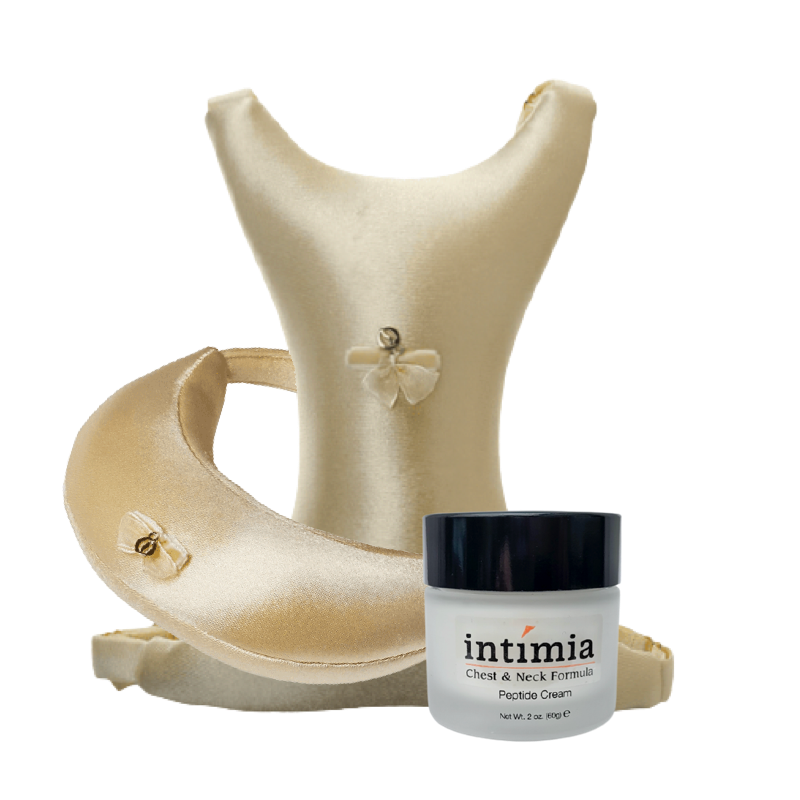
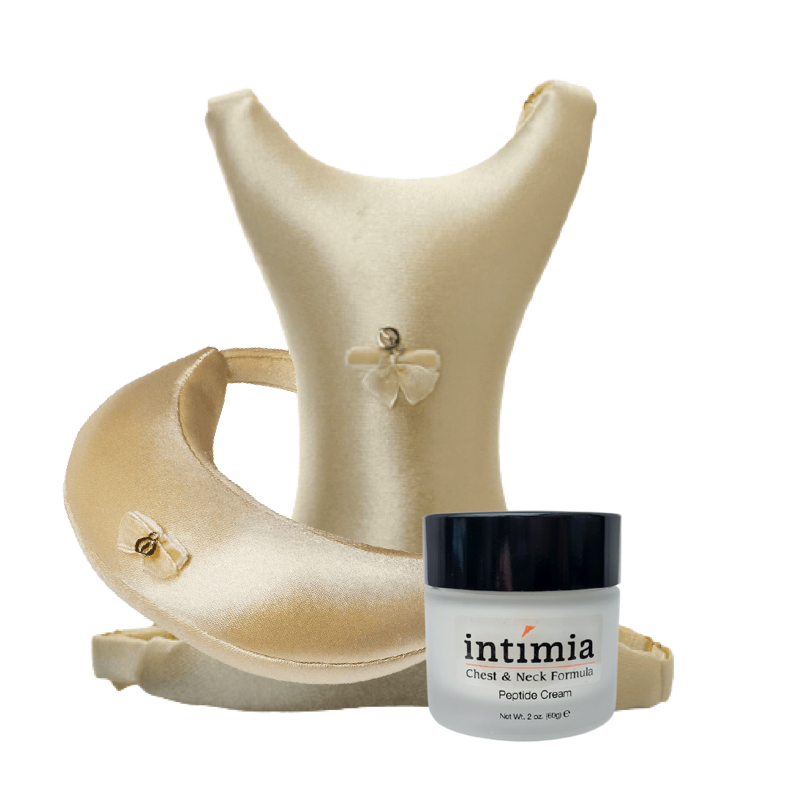
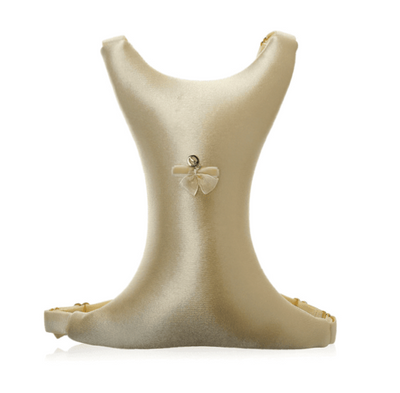
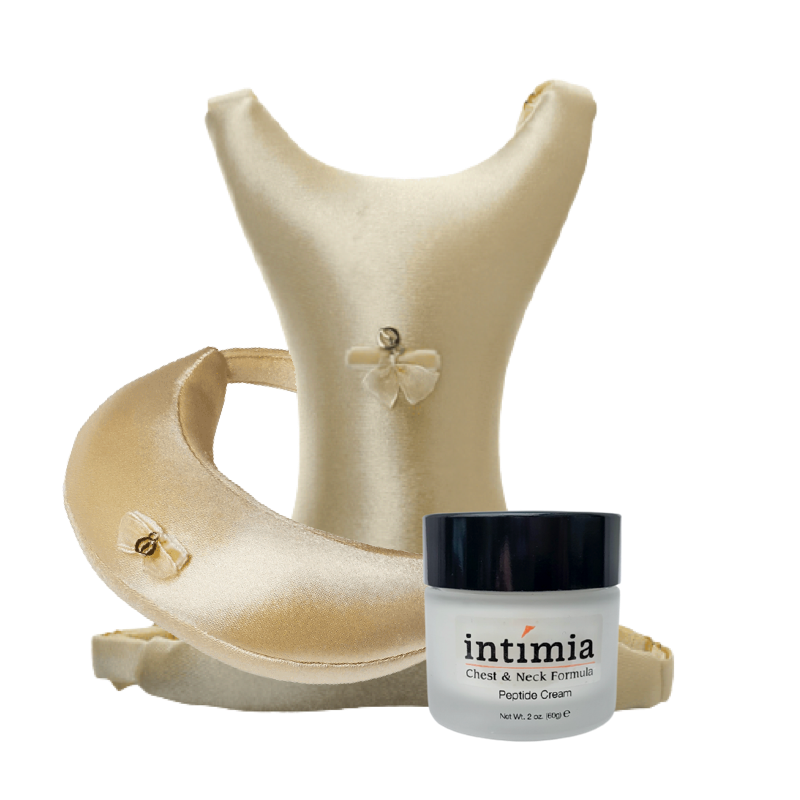
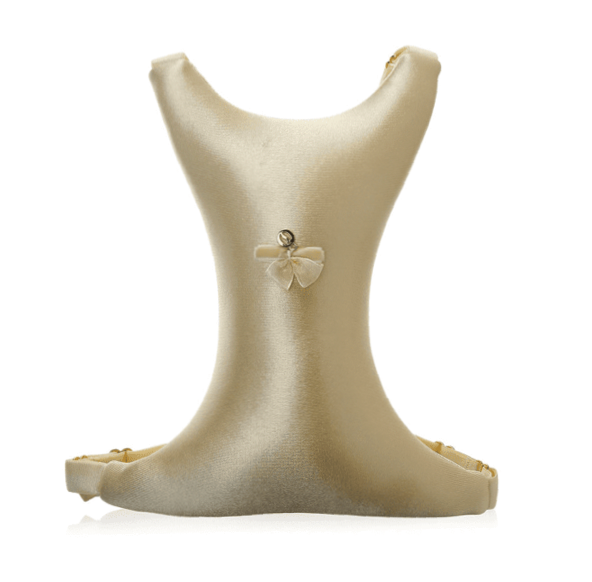
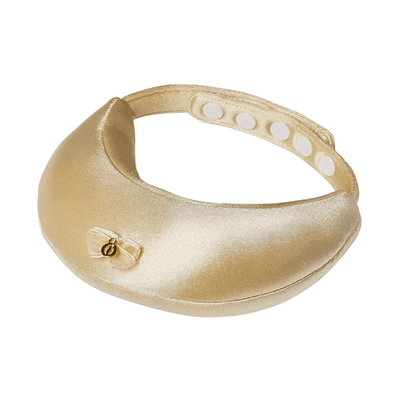
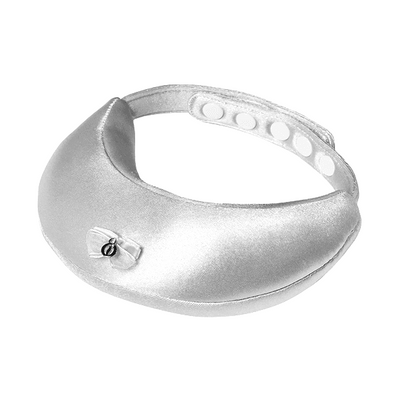
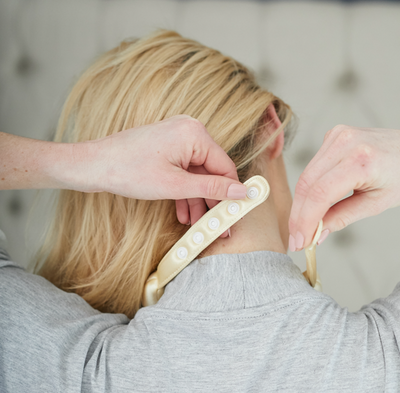
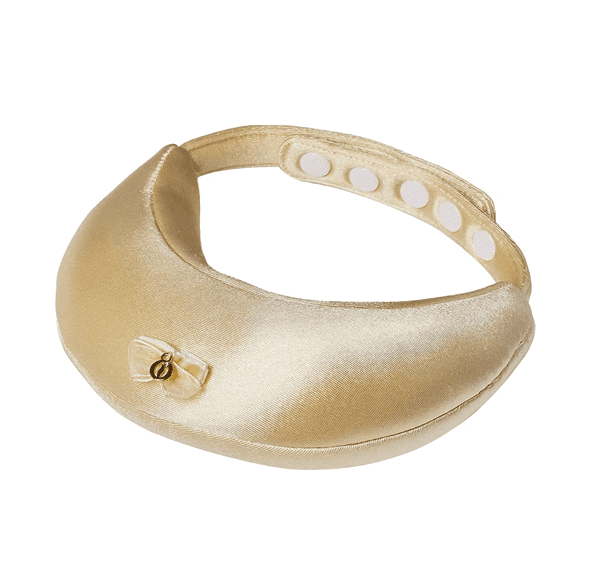
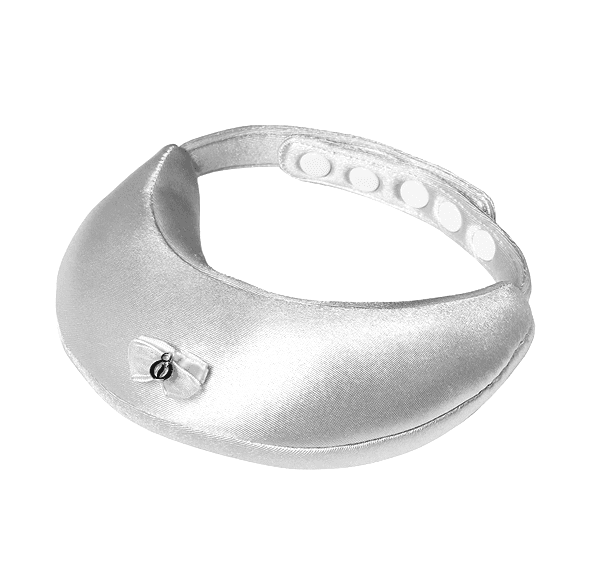
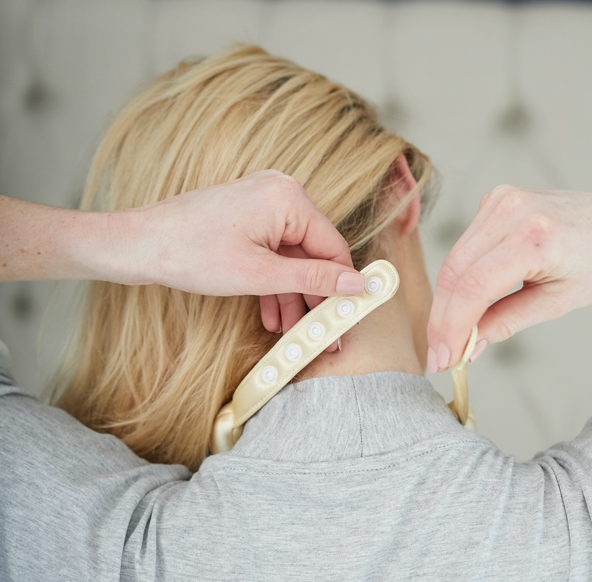
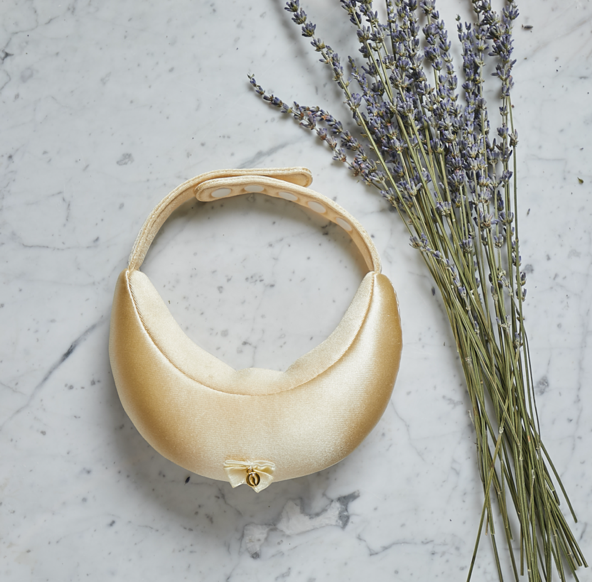
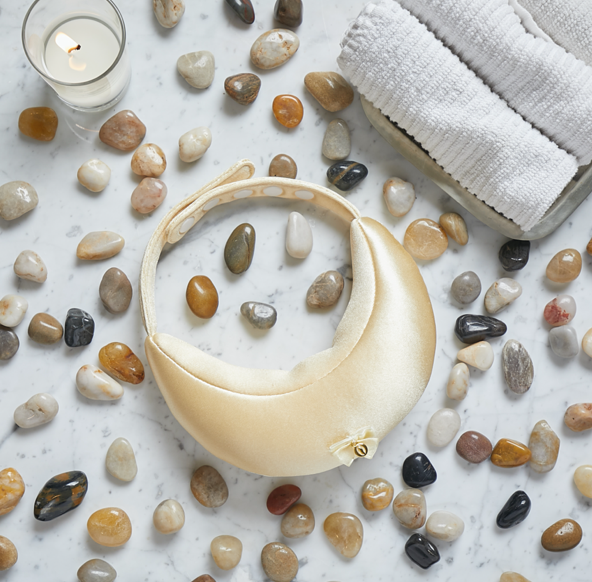
For sleep, explore sleep bras or soft support options that keep breasts from compressing together. Some women benefit from specialized chest support garments or even a simple soft pillow between breasts while sleeping to reduce skin folding.[1]
Step 3: make a small but impactful sleep change
Sleep position dramatically affects wrinkly chest progression. If you're a side sleeper, begin transitioning to back sleeping:
- Place a pillow under your knees for comfort and spinal support
- Position small pillows on either side of your body to prevent rolling
- Place a small pillow or soft support cushion between your breasts to keep them separated and skin smooth[1]
If you can't fully switch to back sleeping, even partial nights (3–4 nights per week) on your back reduce mechanical stress. Over months, you'll notice less deep creasing and softer lines.[1]
Step 4: start a simple chest skincare routine today
Your chest deserves the same care as your face. Begin with this bare-minimum routine:
Morning:
- Gentle cleanser (lukewarm water, no harsh soaps)
- Basic moisturizer
- Broad-spectrum SPF 30 or higher[1][2][4]
Evening:
- Gentle cleanser
- Moisturizer[1][2]
Avoid fragrant products, which can irritate the thin chest skin. Consistency matters more than complexity—use the same products every day for at least 4–6 weeks before expecting visible changes.[2]
Step 5: quick lifestyle tweaks that gradually improve a wrinkly chest
Reduce or quit smoking: If you smoke, this is the single most impactful lifestyle change for chest wrinkles. Quitting halts free radical damage and allows collagen to recover.[2]
Limit sun exposure: Avoid midday sun (10 a.m.–4 p.m.), wear UPF clothing or higher necklines, use hats, and seek shade. Apply sunscreen to your chest even under thin or sheer clothing—exactly what dermatology guides on chest wrinkles and sun care recommend.[2][4]
Eat antioxidant-rich foods: Fruits, vegetables, nuts, and healthy fats (olive oil, avocado, fatty fish) provide vitamins C and E, and antioxidants that support collagen and defend against free radical damage. A diet rich in colorful produce visibly improves skin texture over weeks.[1][2]
These small shifts accumulate into noticeable improvement within weeks to months.
Section 5: long-term skincare strategies for chest wrinkles
Build a daily routine specifically for the chest
Your chest deserves the same multi-step anti-aging routine as your face. Here's a comprehensive approach, aligned with expert guidance from sources like Cleveland Clinic’s anti-aging skin care recommendations.[7]
Morning routine:
- Gentle cleanser: Use a fragrance-free, soap-free cleanser or simply lukewarm water to remove overnight oils without stripping natural moisture.[7]
- Antioxidant serum (vitamin C): Apply a vitamin C serum to defend against UV rays and free radical damage. Vitamin C also brightens skin tone and supports collagen.[2][4]
- Moisturizer with hydrating ingredients: Choose a product containing hyaluronic acid, glycerin, or ceramides to plump skin and smooth fine lines.[2][5][6]
- Broad-spectrum SPF 30+: Apply generously to your entire chest and décolletage. Reapply if you're outdoors for extended periods.[1][2][4]
Evening routine:
- Gentle cleanser: Same as morning.
- Retinoid or retinol product (if tolerated): Start with low concentration (0.25%–0.5%) once or twice weekly, gradually increasing frequency as your skin builds tolerance. Retinoids boost collagen production and accelerate cell turnover, directly addressing chest wrinkles.[1][7]
- Moisturizer: Lock in hydration and support your skin barrier, especially important when using active ingredients like retinoids.[1][6]
Key ingredients that target chest wrinkles
Hydrating ingredients:
Hyaluronic acid draws water deep into skin layers, plumping fine lines and improving elasticity. It works best on damp skin (apply serum to slightly wet chest after cleansing).[6]
Glycerin is a humectant that pulls moisture into the skin and improves water retention, making lines softer and less visible within days.[5]
Collagen-supporting ingredients:
Retinoids (retinol, tretinoin, retinaldehyde) are the gold standard for stimulating collagen production and accelerating cell turnover. Start slowly—once weekly at first—to avoid irritation on sensitive chest skin. Over 3–6 months, retinoids visibly smooth wrinkles and improve texture.[1][7][2]
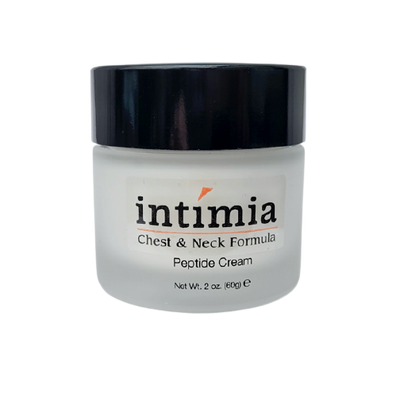
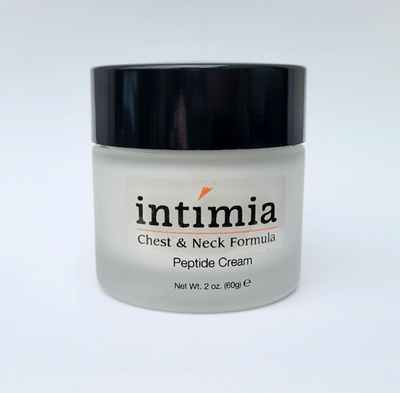
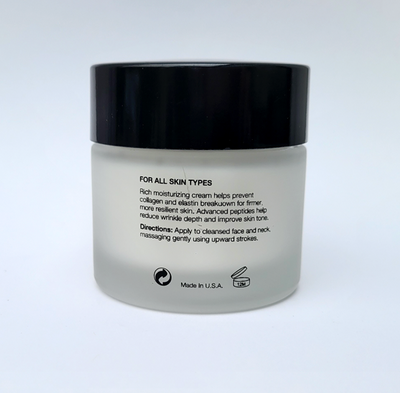
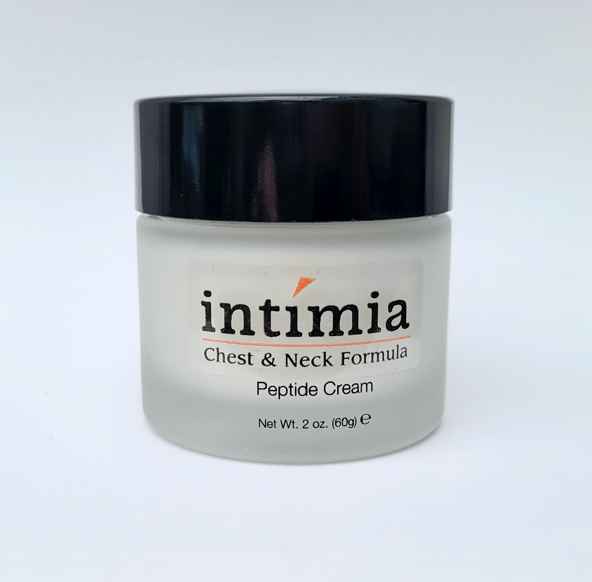
Peptides are amino acid chains that signal your skin to repair itself and build collagen. They're gentler than retinoids, making them ideal if you have sensitive skin.[1][3][7]
Antioxidants (vitamin C, vitamin E, niacinamide) neutralize free radicals that accelerate aging, help with discoloration and brown spots, and support collagen stability.[2][4]
Daily SPF: the non-negotiable for a wrinkly chest
Sunscreen is the single most important anti-aging product for your chest. Use broad-spectrum SPF 30 or higher every single day, even if you're indoors (UV rays penetrate windows). If your clothing is thin or sheer, apply SPF under clothes as well. Reapply every two hours during outdoor activities.[1][2][4] This is the same non-negotiable step highlighted in overviews of chest and décolleté care.
Combine sunscreen with sun-safe habits: wear higher necklines, use hats, seek shade during peak hours, and avoid tanning beds entirely. These habits, combined with daily SPF, prevent new sun damage and allow existing damage to partially improve over time.[1][2][4]
How consistency changes a wrinkly chest over time
Results aren't immediate, but they're real and measurable:
- Weeks 1–4: Hydration and SPF begin softening fine lines; skin feels smoother and more supple.[2]
- Months 2–3: With consistent moisturizing and retinoid use, skin texture improves noticeably; shallow lines appear softer.[2]
- Months 3–6: Deeper lines gradually smooth as new collagen builds; skin appears firmer and more radiant.[2]
- 6+ months: Continued consistent care prevents new wrinkles from forming and allows existing wrinkles to further improve.[1][2]
Taking before-and-after photos monthly helps you track subtle progress that's hard to see day-to-day. Many women are amazed by the difference when comparing month one to month six.
Section 6: sleep habits and chest wrinkles
How side and stomach sleeping contribute to chest wrinkles
Each night you sleep on your side, your breasts compress together and fold the thin chest skin inward, creating vertical lines. Over years, these temporary folds—created hundreds of times—become permanent wrinkles etched into the skin. The effect is especially pronounced if you already have signs of aging or thinner, less resilient skin in your 30s.[1]
Stomach sleeping has a similar effect: breasts are pushed to the sides and compressed against the mattress, creating horizontal creasing across the upper chest and décolletage.[1]
This mechanical stress is entirely preventable by adjusting sleep position, making it one of the easiest wrinkle-prevention strategies.
Strategies to reduce chest compression while you sleep
Train yourself to sleep on your back:
- Place a pillow under your knees to reduce lower back strain and support spinal alignment
- Position small pillows on either side of your body to prevent rolling onto your side
- Use one pillow under your head (not too thick, to avoid neck strain)
Even if you roll onto your side during sleep, having pillows positioned to remind you helps your body naturally return to back sleeping over time.[1]
If side sleeping is unavoidable:
- Use a pillow or soft cushion between your breasts to prevent them from compressing together
- Invest in a sleep bra or specialized chest support garment designed to reduce skin folding during sleep
- Many women find that dedicating even 3–4 nights per week to back sleeping produces noticeable reduction in morning chest creasing[1]
If your décolletage looks flawless by morning—check if you actually slept on your side.
Sleep surface and fabrics
Silk or satin pillowcases reduce friction on your chest, neck, and face compared to cotton. This friction reduction, over years, can slow formation of new wrinkles. Additionally, satin pillowcases cause less dehydration of skin because they absorb less moisture than cotton.[1]
Mattress and pillow support matter too. Ensure your mattress supports proper spinal alignment and that pillows don't force your shoulders forward, which can crease the upper chest. Good postural support during sleep reduces unintended chest creasing.[1]
Night-time aids for a wrinkly chest
Silicone décolletage pads are adhesive patches applied to the chest before bed. They work by:
- Physically keeping skin flat and smooth during sleep
- Preventing breasts from compressing together
- Trapping moisture under the pad, enhancing hydration overnight
Use these patches alongside your full skincare and SPF routine for best results. They're not a standalone solution but a helpful adjunct that prevents new creasing while you address deeper causes.[1]
Apply the pad to clean, dry skin, leave it on overnight, and remove in the morning. Some women notice softer, smoother chest skin within days of consistent use.[1]
Section 7: non-invasive treatments and at-home solutions
Professional in-office treatments for chest wrinkles
If home care produces limited improvement after 3 months, or if you have deeper wrinkles, professional treatments accelerate results—many of which you’ll see outlined in medical overviews on wrinkle treatments and anti-wrinkle procedures.[2][3]
Chemical peels:
Mild to medium-depth peels (glycolic acid, TCA, lactic acid) remove the outer layer of skin, triggering collagen remodeling and improving texture, pigmentation, and fine lines.[2]
A series of 3–6 peels spaced 2–4 weeks apart typically shows visible improvement. Downtime ranges from minimal (mild peels) to several days of redness and peeling (medium peels). Cost and downtime vary, so discuss options with your dermatologist.[2]
Microneedling:
This treatment uses controlled micro-injuries to trigger collagen and elastin production. It's especially effective for crepey, wrinkly chest skin because it remodels skin texture while maintaining skin barrier integrity.[1][3]
Typically requires 3–6 sessions spaced 4–6 weeks apart. Mild redness and swelling occur for 24–48 hours post-treatment. Many women see noticeable firming and smoothing within weeks.[1][3]
Laser and light therapies:
IPL (intense pulsed light) targets sunspots, redness, and uneven pigmentation on the chest, creating a more uniform skin tone and smoother appearance.[2]
Fractional non-ablative lasers stimulate collagen deep in the skin while preserving the surface, with less downtime than ablative options. Results appear gradually over weeks as new collagen forms.[2]
Both laser and IPL require multiple sessions (typically 4–6) and produce subtle to moderate improvements, not dramatic transformation. Discuss realistic expectations with your dermatologist.[2]
At-home topical treatments and devices
Over-the-counter retinol creams:
OTC retinol is weaker than prescription retinoids but still effective for fine lines and texture. Start using 1–2 nights per week, gradually increasing frequency as your skin tolerates. Always pair retinol with daytime SPF because it increases sun sensitivity.[7][2]
Expect visible improvement in fine lines within 8–12 weeks of consistent use.[2]
Exfoliating products (AHA/BHA):
Low-strength lactic or glycolic acid lotions applied a few times weekly smooth texture and improve cell turnover without harsh scrubbing.[1][2]
These work synergistically with retinoids: use AHA/BHA 2–3 times weekly, retinol 1–2 times weekly on alternate nights, to avoid over-exfoliation.[2]
Hydrating masks, chest-specific creams, and silicone pads:
Weekly hydrating masks boost moisture; chest-specific creams are formulated for sensitive décolletage skin; silicone pads prevent night-time creasing. None of these replace a solid SPF and retinoid routine, but they enhance results.[1][2]
How to choose safe, effective solutions
Look for products tested on sensitive skin; avoid high-fragrance formulas on the delicate chest area. Patch test new actives (retinoids, acids) on a small area first to check for irritation.
Always consult a board-certified dermatologist before professional procedures. They can assess your skin type, sun damage level, and goals to recommend the safest, most effective combination—exactly the kind of partnership encouraged by centers like Cleveland Clinic’s crepey-skin experts.[1][3][7]
Managing expectations: gradual improvement vs. instant fix
Non-invasive options require commitment and patience. There is no “quick fix” for chest wrinkles; instead, expect gradual, meaningful improvement:
- At-home topicals: 8–12+ weeks for visible changes.[2]
- Microneedling/laser series: Noticeable change after 3–4 sessions (roughly 3–4 months), with continued improvement for 6 months post-treatment. Maintenance sessions may be needed annually.[2]
- Chemical peels: Improvement visible after first peel; optimal results after a full series over 2–3 months.[2]
Taking photos monthly helps you see subtle progress that feels invisible day-to-day. Many women are surprised by how much their wrinkly chest improves when comparing photos from month one to month six.
Section 8: when to see a dermatologist about chest wrinkles
Signs home care may not be enough
After approximately 3 months of consistent skincare, SPF, and lifestyle changes, if you see minimal improvement, professional evaluation is worthwhile.[1][4][7]
Additionally, seek dermatology consultation if:
- Chest wrinkles are deep, etched, or severe[4][7]
- You have significant brown spots, sun damage, or rough texture alongside wrinkles[4]
- You notice thickened skin, scaly patches, or areas that look abnormal[4]
- You have a history of sun damage, tanning, or sunburns and want a full skin cancer screening[8]
Special considerations for chest wrinkles at 30
Early, pronounced wrinkles at 30 may signal extensive past sun exposure. This is the perfect time to discuss preventive strategies with a dermatologist to avoid accelerating deeper wrinkles in your 40s and beyond.[8]
If you have a history of tanning beds or significant sunburns, a dermatologist can perform a full-body skin check to screen for concerning lesions, not just address cosmetic wrinkles, as outlined in aging and skin-care guidelines.[8]
Questions to ask your dermatologist about a wrinkly chest
- Which in-office treatments are best for my skin type and chest wrinkles? (lasers, peels, microneedling, injectables, etc.)
- What at-home routine do you recommend to maintain professional treatment results?
- Are there any ingredients or procedures I should avoid due to skin sensitivity, pregnancy, breastfeeding, or medical conditions?
- What's a realistic timeline for improvement, and how many sessions would I need?
- What are potential side effects or downtime for each option?
Working together on a plan
The best approach is a partnership with your dermatologist. Share your goals, budget, and comfort level with downtime and procedures. A good dermatologist customizes recommendations based on your individual needs rather than pushing expensive treatments. Many offer combination approaches—for example, a series of peels plus consistent at-home retinoid and SPF—that yield excellent results without extreme expense or invasiveness.[1][3][7]
Section 9: prevention: protecting your chest skin for the future
Shift from “why do I have chest wrinkles?” to “how can I prevent more?”
If you're in your 30s or 40s, you've already accumulated some visible chest wrinkles. The encouraging news: prevention now stops progression and allows existing wrinkles to gradually improve. Shifting from a reactive mindset (“I have wrinkles; what do I do?”) to a proactive one (“I'll prevent deeper wrinkles”) saves time, money, and frustration in your 50s and beyond.[1][7]
Women who adopt consistent sun protection, hydration, and supportive sleep habits in their 30s notice far fewer severe wrinkles by 50 compared to peers who ignore chest care. Prevention reduces the need for expensive, invasive interventions later.[1][7]
Daily sun protection habits for the chest
Make applying SPF to your chest as automatic as brushing your teeth.[1][4]
Morning sun protection:
- Apply broad-spectrum SPF 30 or higher to your entire chest and décolletage every morning, even on cloudy days or when indoors[1][4]
- Reapply every two hours during outdoor activities[4]
- Use products that feel pleasant on your skin so you'll actually use them consistently[1]
Lifestyle sun protection:
- Wear clothing with higher necklines or UPF-rated fabric designed to block UV rays[4]
- Use wide-brimmed hats to shade your neck and upper chest[4]
- Seek shade during peak sun hours (10 a.m.–4 p.m.)[4]
- Avoid tanning beds entirely—they accelerate chest wrinkles faster than natural sun.[2][4]
Ongoing moisturizing and targeted actives
Keep your chest skin hydrated daily with a good moisturizer to minimize the appearance of existing lines and slow formation of new ones.[2][5][6]
Continue using antioxidants (vitamin C), retinoids (if tolerated), and peptides long-term. These ingredients don't just treat existing wrinkles—they prevent new ones from forming by supporting collagen production and defending against free radical damage.[1][2][6][7]
Think of these actives as “insurance” for your skin: consistent use compounds into visible, lasting improvement.[2][7]
Sleep, posture, and bra choices as prevention tools
Sleep position: Maintain back sleeping or supportive side-sleeping methods to prevent chest compression. Even partial weeks of back sleeping (3–4 nights) meaningfully reduce mechanical wrinkling.[1]
Posture: Be mindful of forward head posture from phones and computers. Periodically throughout the day, roll your shoulders back, lift your chin, and straighten your spine. Good posture reduces creasing on the upper chest and neck, and it improves overall health and appearance.[1]
Bra fit: Continue wearing well-fitted, supportive bras that prevent excessive sagging and downward pull on the chest. A good bra is an anti-aging tool.[1]
Whole-body habits that support smoother chest skin
Don't smoke; limit alcohol: Smoking accelerates wrinkles everywhere, not just the chest. Alcohol dehydrates skin and impairs collagen synthesis.[2]
Eat a balanced, antioxidant-rich diet: Colorful fruits and vegetables, fatty fish, nuts, olive oil, and whole grains provide vitamins, minerals, and antioxidants that support collagen and defend skin from aging. What you eat shows up in your skin.[1][2][6]
Stay hydrated: Drink adequate water daily. Proper hydration supports skin plumpness and the skin's ability to repair itself.[1][5]
Manage stress and get enough sleep: Chronic stress elevates cortisol, which breaks down collagen. Poor sleep impairs skin repair processes. Prioritize 7–9 hours nightly and stress-management practices like meditation, exercise, or time in nature.[2]
These habits—preventive sun care, hydration, sleep support, good posture, and whole-body wellness—create a foundation that keeps your wrinkly chest from worsening and allows existing wrinkles to gradually improve.
Conclusion: taking control of chest wrinkles with informed choices
Chest wrinkles result from both natural aging and modifiable factors like sun exposure, sleep position, smoking, dehydration, and poor skin support. The hopeful truth: even if your chest is already wrinkled, multiple non-invasive, evidence-based ways exist to improve texture, prevent progression, and restore confidence in your décolletage.
The key action steps are simple:
- Apply daily broad-spectrum SPF 30+ to your chest, every single day
- Use a consistent moisturizer morning and evening
- Transition to back sleeping or use chest support to reduce mechanical folding
- Incorporate gentle actives like retinoids or vitamin C over time
- Maintain healthy lifestyle habits (no smoking, good hydration, antioxidant-rich diet)
- Seek professional help if home care doesn't produce desired results after 3 months
Start today with one or two manageable changes—perhaps daily chest SPF and switching your pillowcase to silk. Small, consistent actions compound into visible, lasting results. Over weeks and months, you'll notice softer lines, smoother texture, and skin that looks and feels more youthful.
Remember: your chest skin is worthy of the same care and attention you give your face. It's visible every day, and it reflects your commitment to timeless, confident beauty. Whether you're noticing your first lines at 30 or deeper wrinkles at 50, it's never too late to begin. Consistent, informed care—grounded in dermatological science and adapted to your life—transforms a wrinkly chest into smooth, radiant skin that makes you feel like yourself again… maybe even more yourself than before.
Related articles
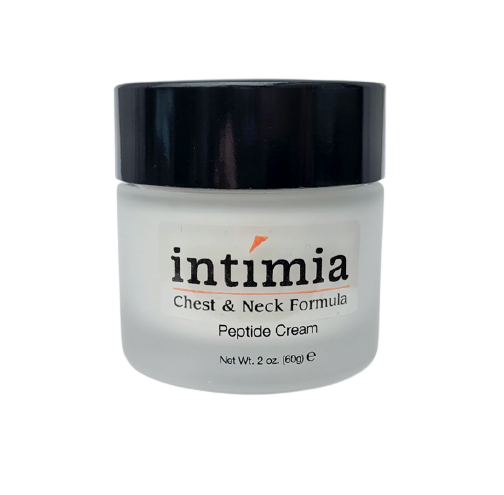
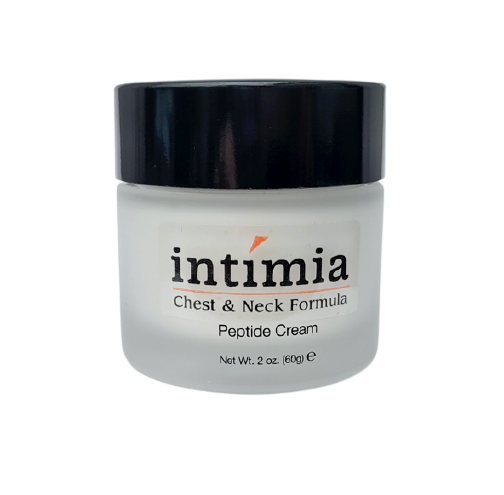
- Peptide cream décolleté for radiant chest — Discover the best peptide cream décolleté for youthful skin! Combat crepey texture with our anti-aging neck cream. Shop now for radiant results!
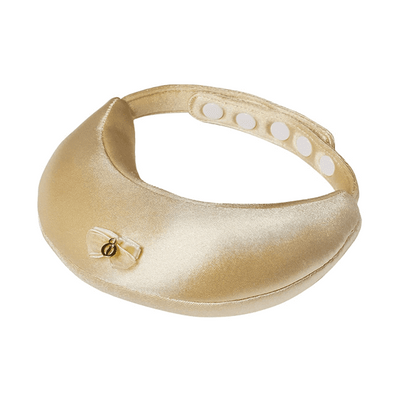
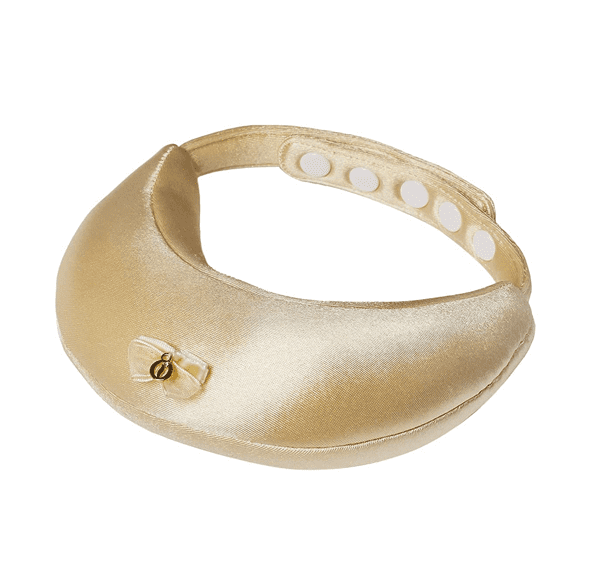
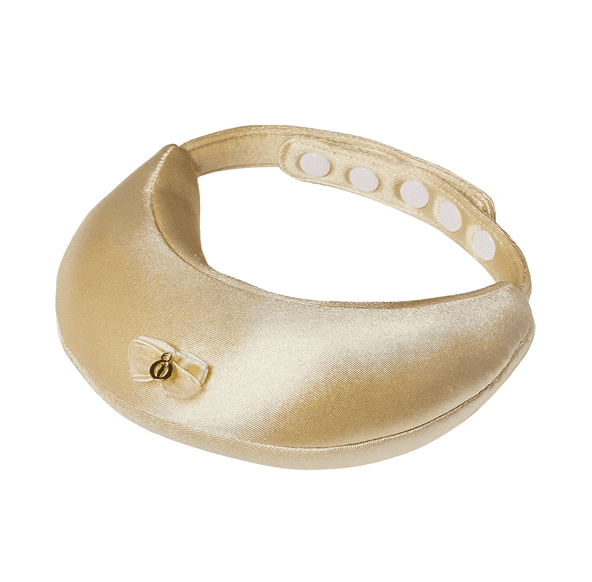
- Breast pillow for side sleepers: guide — Discover the best breast pillow for side sleepers to prevent wrinkles! Explore top anti-wrinkle options and enhance your sleep wellness today.
- Neck wrinkles pillow: prevent neck wrinkles — Discover the best neck wrinkles pillow to prevent signs of aging while you sleep. Uncover your ideal anti neck wrinkle pillow today!
Want to discover flawless skin with Intimia? Shop now here: here