Get rid of chest wrinkles: how-to
Discover how to get rid of chest wrinkles with my favorite mix of science, small habits, and a little feminine stubbornness. I’m Irene Komsky, and I’ve spent years thinking about that fragile slice of skin between the neck and the bra line — usually at 2 a.m., in a hotel room, staring at my own vertical lines in the bathroom mirror.
Chest wrinkles, also known as décolletage lines, are those stubborn lines, creases, and folds that appear on the skin between your neck and breasts. Many women over 35 want to get rid of chest wrinkles because they make you feel less confident in low-neck tops. I remember one fitting room with a beautiful silk wrap dress — the dress looked perfect, until I saw my chest in that horrible yellow light and thought, “When did that happen?”
If you're searching for how to get rid of chest wrinkles, you're not alone — these lines often stem from sun damage, side-sleeping, aging, loss of collagen and elasticity, dehydration, and habits like smoking. Dermatologists say the same: UV, time, and gravity have a wicked sense of humor. You can read more about these causes in this overview of chest wrinkles and their causes and a deeper look at the décolletage area and its unique skin. The National Institute on Aging’s guide to skin and aging and this WebMD breakdown on wrinkles back up everything I’m about to tell you.
For women 35 and older, chest wrinkles become more obvious because of thinner skin, hormone changes, and years of cumulative UV exposure quietly breaking down collagen. This guide explains what causes chest wrinkles, shares at-home habits and skincare to remove chest wrinkles, reviews professional chest wrinkle treatment options, and offers prevention tips to make results last. My goal is simple: to help you find the best way to get rid of chest wrinkles for your skin, lifestyle, and budget — without losing your sanity or your sense of humor along the way.
How to get rid of chest wrinkles: the best chest wrinkle treatments that really work
Section 1: What causes chest wrinkles? Understanding the problem before you treat it
Before diving into any chest wrinkle treatment, you and I need to understand the roots of those lines. When a woman sits across from me at a café, leans in and whispers, “Is it too late?” I always start here — with the “why.” Because when you know the cause, you stop throwing money at random creams that only smell expensive.
1.1 The anatomy of décolletage skin vs. facial skin
The skin over your chest is like the quiet, sensitive sister of your face — thinner, drier, more easily offended. Décolletage skin has a thinner epidermis and fewer oil glands than facial skin, so it dries and crepes faster. It also gets less protection from clothing or sunscreen, which means more direct UV, more rough texture, and earlier lines.
Dermatologists describe the décolletage as a high-risk, low-attention zone. You can see a clinical explanation of why this area is so delicate in this Healthline piece on décolletage skin and again in the NIA’s overview of aging skin. Translation? Your chest needs at least as much love as your face — and usually gets half.
1.2 Intrinsic aging: natural collagen and elastin loss
Even if you’d lived your whole life in a cave, your skin would still age from the inside out. Intrinsic aging slows collagen production and breaks down elastin fibers, while cell turnover drops. The skin thins and loses its bounce, and those vertical and horizontal chest lines slowly stop bouncing back after sleep or a long day.
Repetitive movements — breathing, leaning over laptops, hunching your shoulders — plus your sleep position press those same folds into thin skin night after night. Over time, the creases stay. If you want the science words, there’s more detail in this WebMD article on wrinkles and in the NIA guide to skin and aging. But you’ve probably already seen it in your own mirror.
1.3 Sun exposure and photoaging on the chest
Now the fun part: UV damage. Photoaging from UV rays causes DNA damage, collagen breakdown, pigment changes, and that dry, rough texture we call “crepey.” The upper chest is the one area that always peeks out of V-necks, bikinis, and sundresses — and somehow always “forgets” SPF.
Signs: scattered brown spots, redness, uneven tone, a rough or “crinkled paper” look, and visible lines that don’t fade by noon. The Cleveland Clinic’s guide on sun damage and protection is blunt about how dramatically UV accelerates wrinkles, and WebMD’s wrinkles resource echoes the same. When I see a woman with a smooth face and a sun-spotted, lined chest, I can practically trace her life in tank tops.
1.4 Side-sleeping, breast compression, and mechanical wrinkling
Let’s talk about that guilty pleasure: side-sleeping. You curl on your side, one breast falls over the other, and the skin in between folds up like an accordion. Gravity pulls, tissues squish, and your chest wakes up with deep vertical lines.
In your thirties, they fade by lunchtime. In your forties, they hang around until evening. Later, they stay. Every night, the same fold. The same line. Over years, those temporary creases become permanent wrinkles. There’s a good explanation of how this works in this Healthline article on chest wrinkles and sleep position. If your décolletage looks flawless by morning — check if you actually slept on your side.
1.5 Lifestyle factors: dehydration, smoking, and poor skincare habits
Then there are the little daily betrayals. Not enough water. Too much wine. Skipping moisturizer because you’re “too tired.” Grabbing whatever body wash is on sale and scrubbing your chest like a kitchen counter.
Dehydration makes every little line look deeper. Smoking — even “social” smoking — cuts blood flow and floods the skin with oxidative stress, speeding collagen loss. Diets low in antioxidants make sun damage worse. And when you skip regular moisturizer or exfoliation, your chest texture goes dull and rough, which makes wrinkles shout louder.
All of this is neatly mapped out in WebMD’s wrinkle overview and again in the Cleveland Clinic’s sun damage resource. But you don’t need a study to know — you can feel it the morning after a salty dinner and three glasses of champagne.
1.6 Why understanding the cause matters for choosing a chest wrinkle treatment
Here’s why we walked through all of this: different causes need different fixes. Collagen loss? Think retinoids, peptides, microneedling, lasers, or radiofrequency. Sun damage? You need religious SPF and antioxidants. Side-sleeping? That’s a job for sleep-position changes, pillows, and clever little devices.
Once you know what’s driving your lines, you can choose the most effective chest wrinkle treatment instead of collecting half-used serums. If you want a clinical overview of matching treatments to décolletage issues, have a look at this Healthline breakdown of décolletage care. I like to think of it as building a tiny, personal “wrinkle strategy” — cause by cause.
Section 2: How to get rid of chest wrinkles naturally at home
The good news: you can start working on your chest tonight, in your own bathroom, in your oldest T-shirt. Yes, even with kids banging on the door. Home care won’t replace lasers, but it will soften, smooth, and sometimes surprise you — if you give it a fair three months.
2.1 Set realistic expectations for at-home chest wrinkle treatment
At-home care works beautifully for mild to moderate lines, early prevention, and maintenance after professional treatments. It’s the quiet, daily work in the background.
Hydration changes appear in 1–2 weeks. Texture and firmness improvements show up in about 4–12 weeks of steady use. Think of it like saving: small, boring deposits, big long-term reward. Professional treatments beat this for speed and drama, but they cost more, and you still need home care afterward. Both Healthline’s décolletage guide and their piece on chest wrinkles make this point clearly.
2.2 Daily hydration: inside and out
Start with water. Boring, I know. Dehydration makes every chest line look like it’s shouting. Aim for steady water intake through the day — not chugging a liter at 9 p.m. and then cursing me at 2 a.m.
Topically, switch to a fragrance-free moisturizer with humectants (like hyaluronic acid or glycerin) and emollients (ceramides, squalane). Hydrated skin plumps, and those fine lines seem to soften overnight — not vanish, but soften. The NIA’s aging-skin guide and this Medical News Today article on wrinkles both highlight simple moisturization as a foundational step. It’s not glamorous. It works.
2.3 Gentle exfoliation to support cell turnover
Once or twice a week, give your chest a polite nudge — not a scrub down. I prefer low-strength lactic or mandelic acid on the chest. They smooth texture, brighten, and help your serums and creams absorb better.
Skip harsh scrubs with big beads; they’re like sandpaper on thin décolletage skin. Always patch-test first and protect with SPF afterward. You’ll find this same advice, plus ingredient suggestions, in Healthline’s chest wrinkle guide and again in that Medical News Today wrinkles overview.
2.4 Collagen-supporting skincare for the chest
Here’s where we get strategic. Use serums with antioxidants, peptides, or retinoids that are gentle enough for neck and chest. Most women lavish these on the face and stop at the jawline. No more.
Extend your gentle face products down to the bra line. Eight to twelve weeks is a realistic window to see visible softening of chest wrinkles. The Cleveland Clinic’s guide to neck-friendly skincare ingredients spells out which actives help this thin, sensitive area, and WebMD backs up the role of retinoids and peptides for collagen support.
2.5 Lifestyle adjustments to help remove chest wrinkles naturally
No serum beats a cigarette — the cigarette will always win. If you smoke, quitting is probably the most powerful beauty treatment you’ll ever give your chest. Alcohol, sugar, and chronic stress also quietly nibble away at collagen.
Feed your skin berries, leafy greens, quality proteins, healthy fats. Move your body enough to get blood circulating; your chest skin will glow more from a brisk walk than from an impulse buy at the beauty counter. The NIA and WebMD both place lifestyle right next to creams and procedures — and they’re right.
2.6 Consistency is key: how long before you see results?
If you treat your chest the way you treat your face, you’ll see:
- Plumping and better “bounce” in 1–2 weeks
- Smoother texture in 4–8 weeks
- Noticeable wrinkle softening in 8–12+ weeks
Think of at-home care as lifelong chest wrinkle treatment plus prevention. If you stop the moment it starts working — well, the lines will politely come back, one by one.
Section 3: Best skincare ingredients and products to help remove chest wrinkles
Now, ingredients. This is where I see women get overwhelmed by labels and marketing. Let’s keep it simple: a handful of proven actives can genuinely remove chest wrinkles as part of your chest wrinkle treatment. The art is in how you use them.
3.1 Retinoids and retinol: gold standard for collagen
Retinoids are the overachievers of skincare. They boost cell turnover, stimulate collagen, smooth lines, and even out tone. On the chest, you want to be gentle — treat it like the skin of your neck, not your heels.
Start with around 0.25–0.3% retinol two to three nights a week. Sandwich it between layers of moisturizer if you’re sensitive. Expect mild flaking or dryness at first — that’s normal, as long as it’s manageable. You’ll find solid explanations of how retinoids work in the Cleveland Clinic’s neck-ingredient guide, in WebMD’s article on wrinkles, and in this Medical News Today wrinkle overview. If you’re pregnant or breastfeeding, skip retinoids and lean on peptides and antioxidants instead.
3.2 Hyaluronic acid: plumping and hydrating the chest
Hyaluronic acid is the friend you want at every party. It draws water into the outer skin layers, instantly plumping and making lines look shallower, while supporting elasticity over time.
Apply a hyaluronic acid serum to slightly damp chest skin, then seal it with a moisturizer, morning and night. You’ll see the science and typical results described in this Medical News Today piece and as part of Healthline’s décolletage care guide. On days when I’m exhausted, this is my non-negotiable step — cleanser, HA, cream, bed.
3.3 Peptides: supporting collagen and firmness
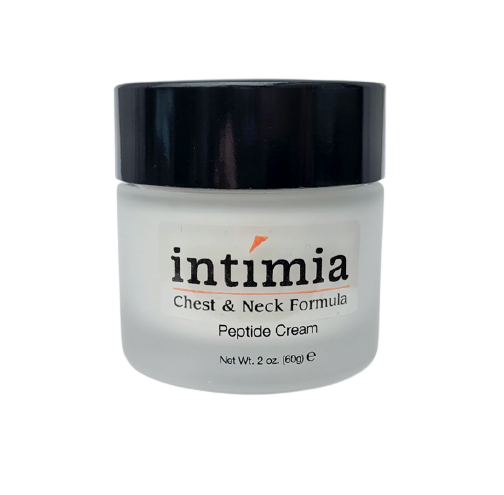
Peptides are like little text messages to your skin: “Produce more collagen, please.” They support firmness and elasticity without the irritation that sometimes comes with retinoids.
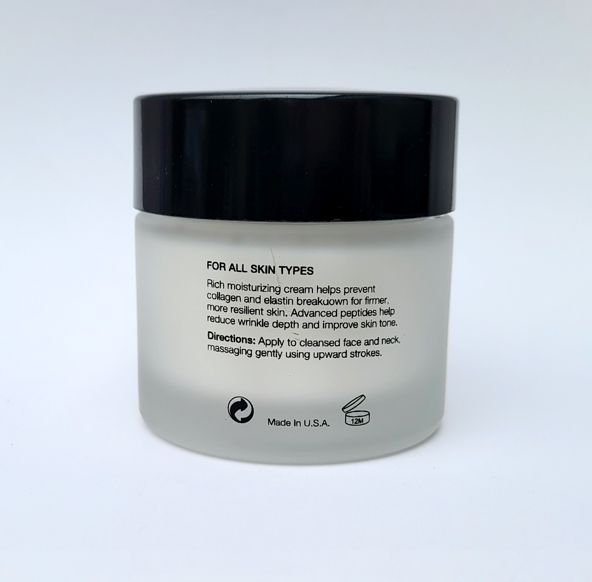
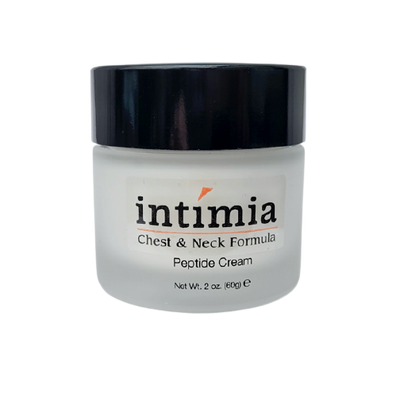
Look for peptide serums or creams and use them twice daily under moisturizer. The Cleveland Clinic guide to neck skincare ingredients lists several peptide types that work well for this fragile area. They’re gentle enough to become your long-term, everyday “insurance policy.”
3.4 Niacinamide: barrier support and brightening
Niacinamide, a form of vitamin B3, is quiet but powerful. It strengthens the skin barrier, reduces redness, softens rough texture, and helps fade sun spots — perfect for a sun-exposed chest.
Use niacinamide in a serum or moisturizer once or twice a day. You’ll see it highlighted among other important neck and chest ingredients in the Cleveland Clinic’s neck-care article. I like it especially for women who say, “My chest just looks angry — red, blotchy, reactive.” Niacinamide calms.
3.5 Vitamin C and other antioxidants: fighting sun damage
Vitamin C, vitamin E, ferulic acid, green tea — these are your anti-sun bodyguards. They neutralize free radicals from UV, pollution, and stress that would otherwise chew through your collagen.
An antioxidant serum in the morning — especially vitamin C — can brighten tone and help defend the chest from future damage. The Cleveland Clinic’s sun damage guide and their neck-ingredient breakdown, along with Healthline’s décolletage article, all emphasize antioxidants as essential teammates for SPF.
3.6 How to choose and layer products for the chest
Here’s a simple layering map:
- Cleanser
- Watery serums (vitamin C, niacinamide)
- Hydrating / peptide / hyaluronic acid serum
- Retinoid at night (on the nights you use it)
- Moisturizer
- SPF in the morning
Choose fragrance-free, alcohol-free formulas if your chest tends to get red or itchy. Add one active at a time and give it two weeks before you judge it. The Cleveland Clinic guide to neck ingredients suggests exactly this kind of gentle, layered approach — it keeps your chest happy while you quietly work on those lines.
Section 4: Sleep position and support: the best way to get rid of chest wrinkles overnight
Now we go to the bedroom. No, really. Your sleep habits are one of the most powerful, and most ignored, tools for the best way to get rid of chest wrinkles. If we don’t fix what happens for those 6–8 hours, every serum is playing defense.
4.1 How side-sleeping deepens chest lines
Side-sleeping pulls your breasts inward, folding the skin between them into vertical creases. When you’re 25, those lines fade by breakfast. Later, they linger. Eventually, they set in like little railroad tracks.
If you’ve ever woken up, looked down, and thought, “I definitely didn’t have that yesterday,” you’ve seen mechanical wrinkling in action. This is described clearly, with diagrams, in Healthline’s article on chest wrinkles and sleep. It’s not imagination; it’s physics.
4.2 Training yourself to sleep on your back
I won’t lie: changing your sleep position is annoying. But possible. I did it in my forties, with a pillow under my knees for lower-back support and small pillows at my sides to make rolling over less tempting.
You don’t need perfection. Even spending more of the night on your back reduces that constant chest folding. Over months, many women notice their morning lines soften. If your partner laughs at your new fortress of pillows, just smile and say, “This is my anti-wrinkle strategy. What’s yours?”
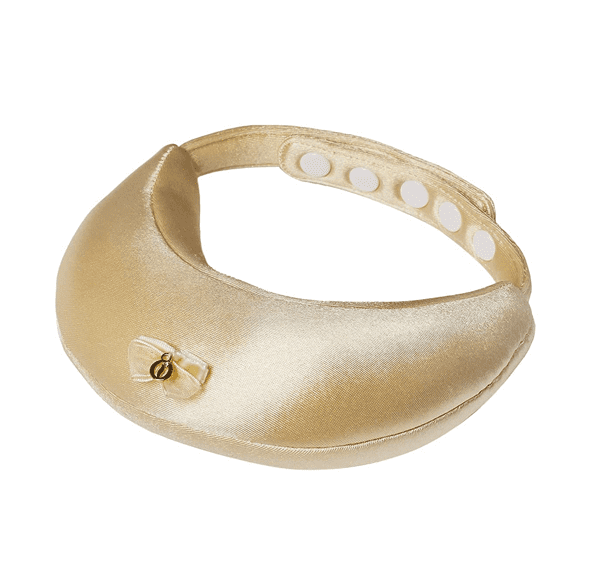
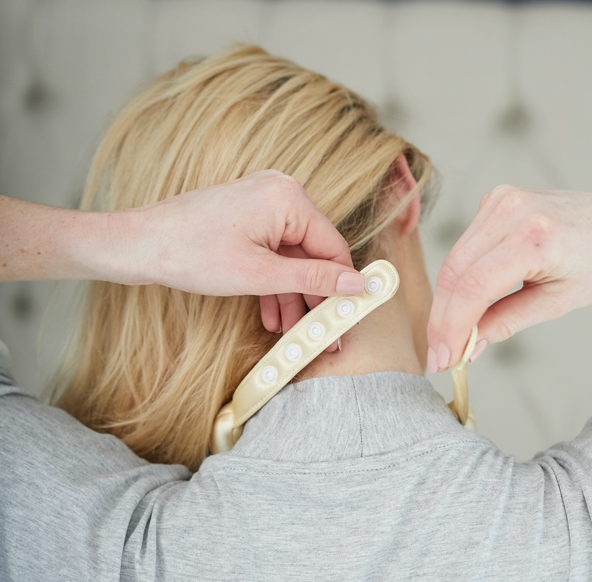
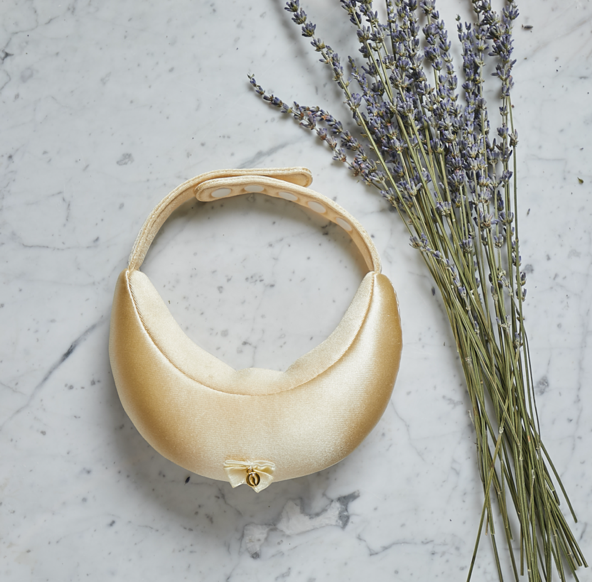
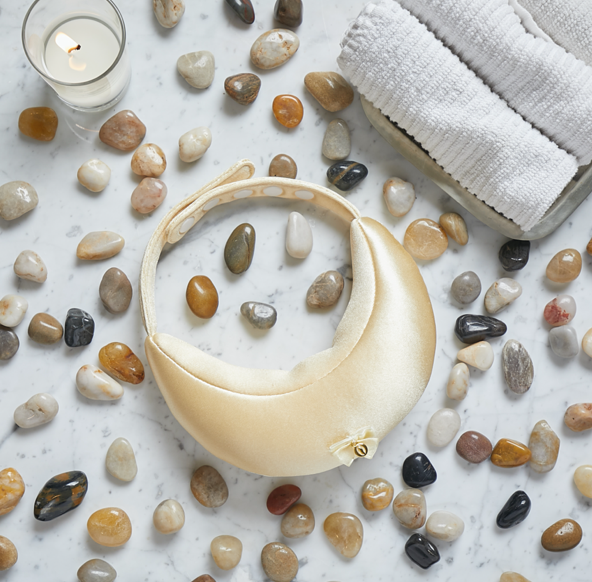
4.3 Non-invasive sleep aids: breast support and chest wrinkle prevention devices
If back-sleeping feels impossible, or you simply love sleeping on your side, bring in support. Literally.
- Soft sleep bras that gently separate and support the breasts.
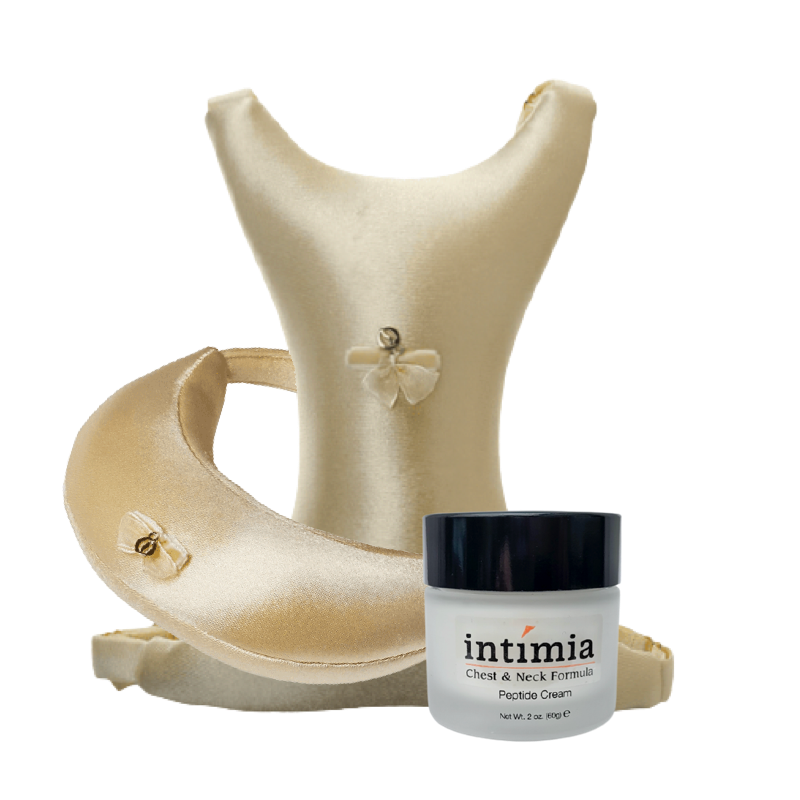
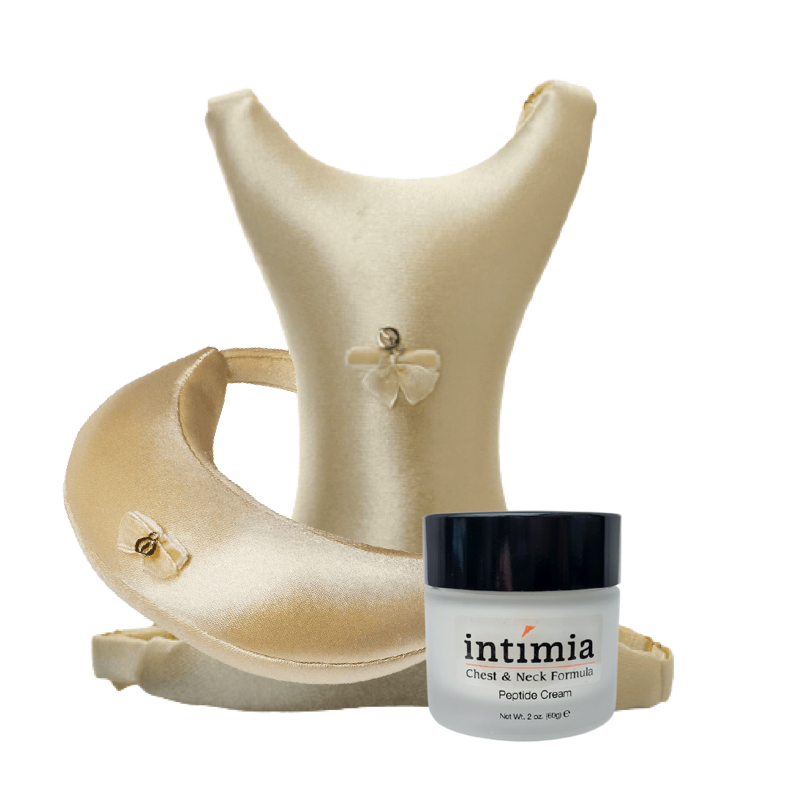
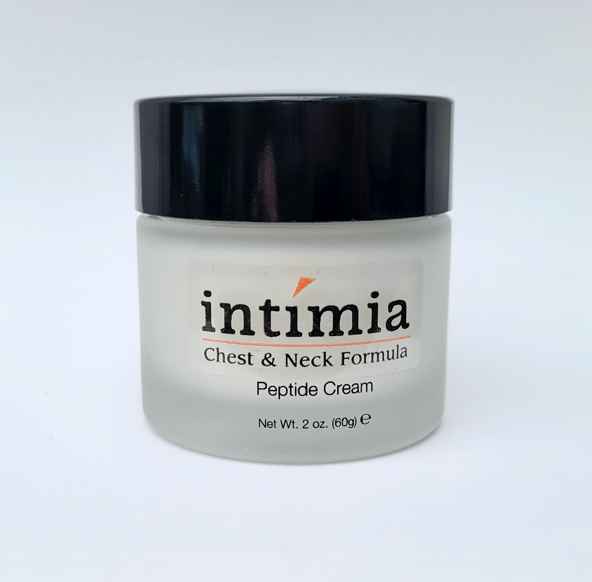
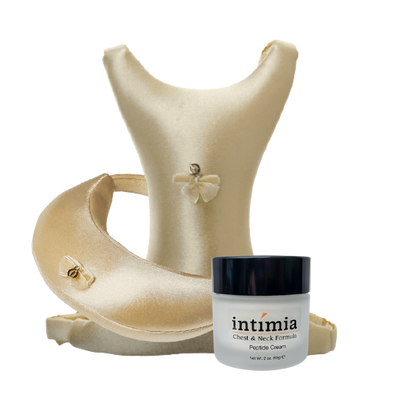
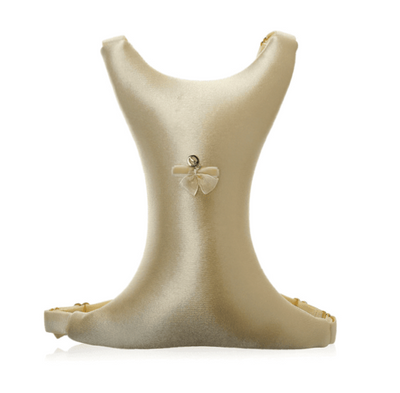
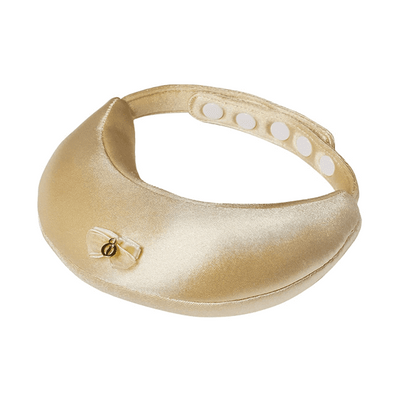
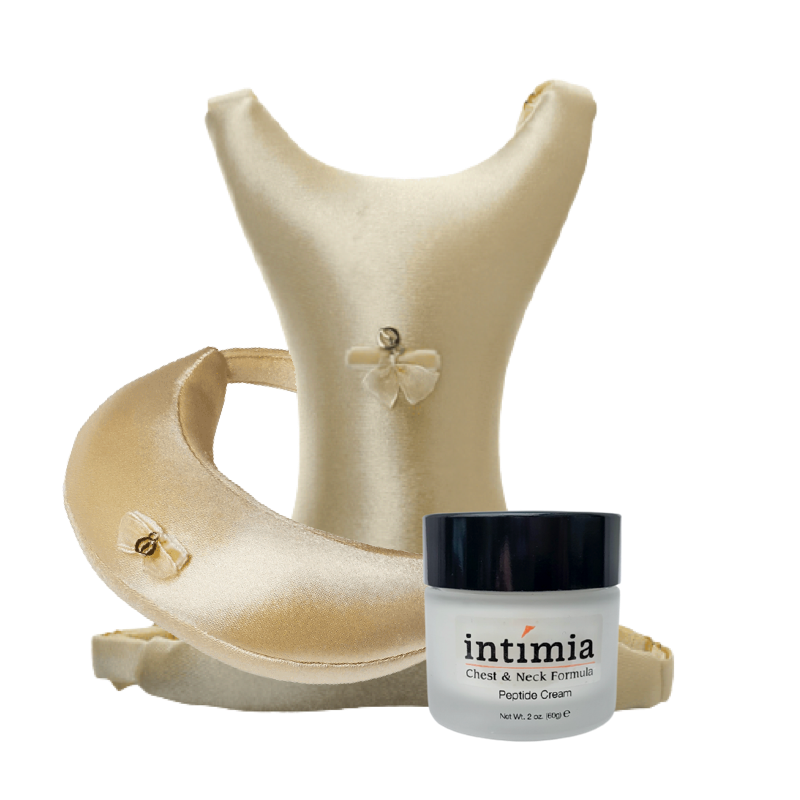
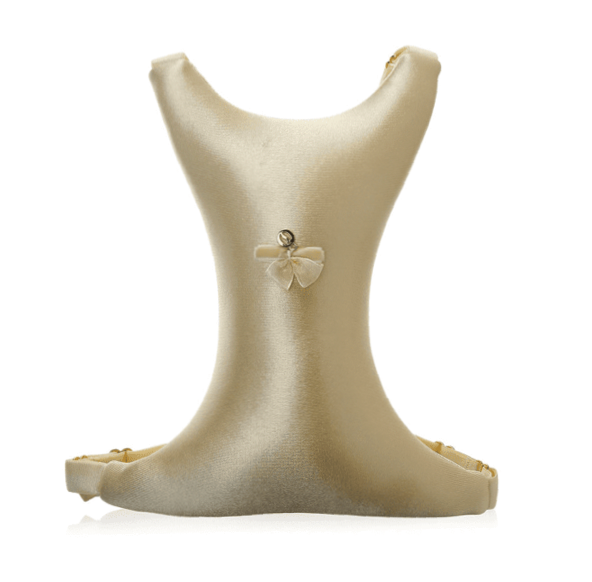
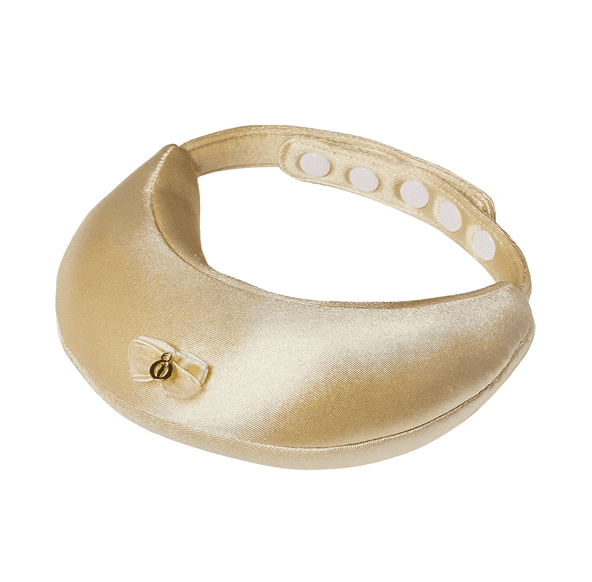
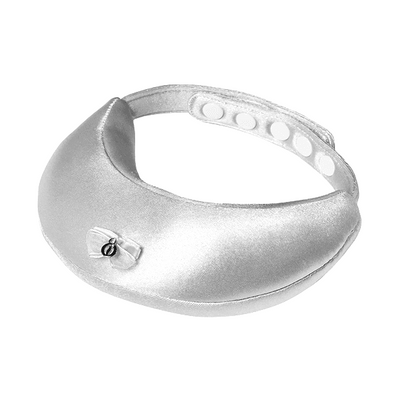
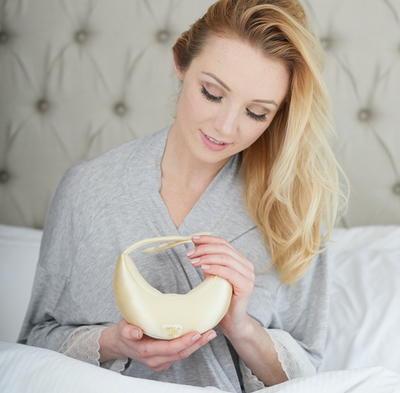
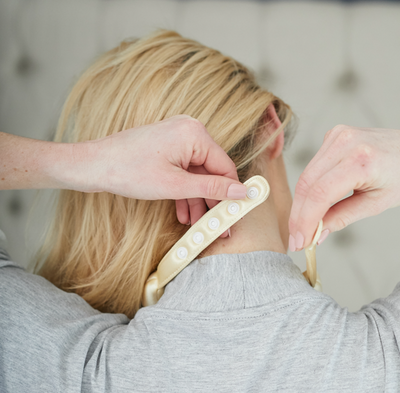
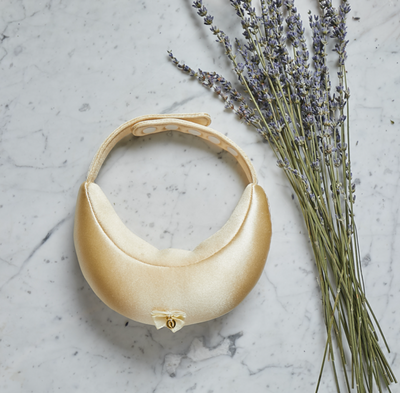
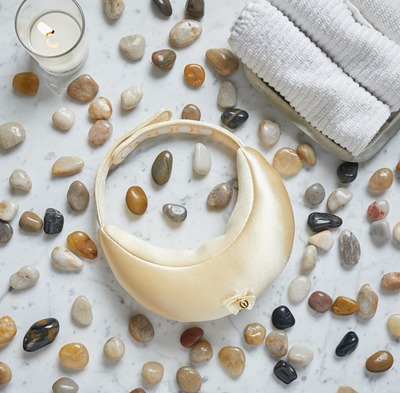
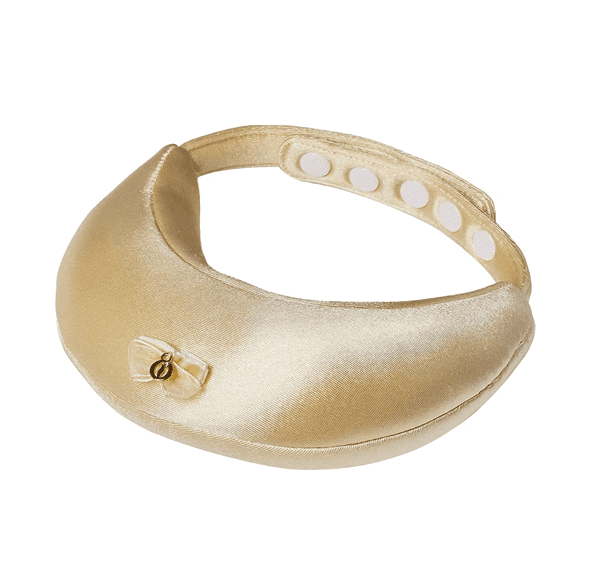
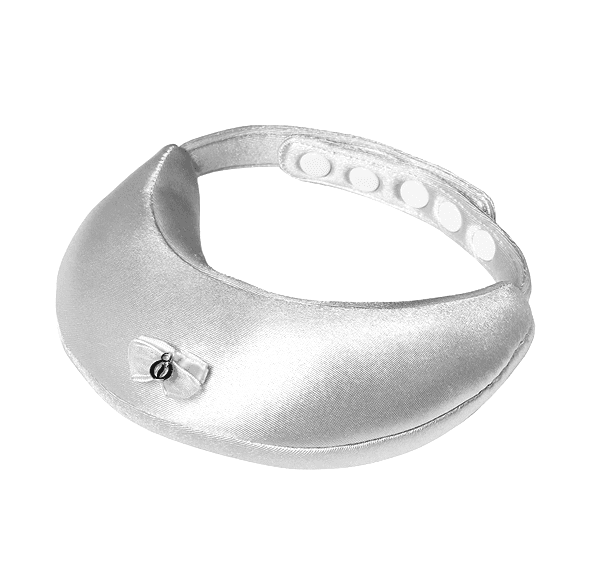
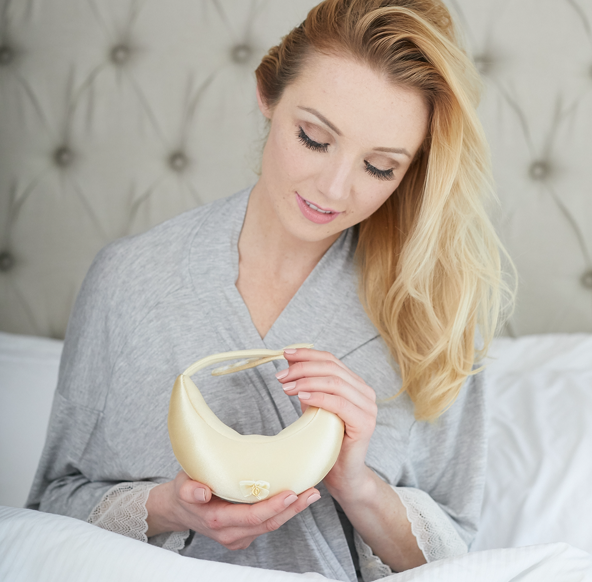
- Chest wrinkle pillows that cradle the upper body to keep the chest from collapsing inward.
- Silicone pads placed over the décolletage to keep skin smooth and hydrated overnight.
Silicone has long been used in scar therapy to flatten and soften tissue; applied to the chest, it can temporarily smooth and, over time, help the skin look more refined. You can read more about these types of strategies in Healthline’s chest wrinkle guide. Pair these tools with your evening cream and they work double duty — structure and moisture.
4.4 Why nighttime support is a powerful chest wrinkle treatment tool
I like to think of night support as putting your chest on “pause.” For those hours, you’re not wrinkling, squishing, or folding it. Your skincare gets a peaceful window to repair instead of fighting new damage.
Combine this with retinoids, peptides, and a rich moisturizer, and you’ll understand why I call it one of the best ways to get rid of chest wrinkles. It’s quiet, non-glamorous, and incredibly effective over time.
Section 5: Professional chest wrinkle treatments: when you want faster results
Sometimes you look at your chest and think, “No serum is fixing this.” Deep, etched lines, years of sun, maybe that one holiday you spent practically living in a lounge chair. This is where professional chest wrinkle treatment shines — more cost, more commitment, more results.
In-office options offer big changes quickly, especially for deep wrinkles and heavy sun damage. Always see a board-certified dermatologist or qualified aesthetic physician. To understand what’s out there and what results you can expect, I like the overviews in Medical News Today’s wrinkle treatment guide and this WebMD article on wrinkles and procedures.
5.1 Chemical peels for the chest
Chemical peels use acids — like glycolic or TCA — to remove damaged surface layers, trigger collagen, and reveal smoother skin. On the chest, they can soften lines, improve tone, and fade sun spots when done in a series.
Most women need 3–6 sessions spaced weeks apart, with 3–7 days of visible peeling each time. For details on how peels are used on the décolletage, check Healthline’s décolletage guide and the broader aging-skin perspective from the NIA. Plan them away from big events — and buy that gentle, high-neck T-shirt you won’t mind ruining with post-peel ointments.
5.2 Microneedling (collagen induction therapy)
Microneedling uses tiny needles to create micro-injuries in the skin and kickstart collagen production. On the chest, it smooths lines, improves laxity, and refines texture.
Expect 3–6 sessions, about 4–6 weeks apart. Redness often resolves in 1–3 days. You can get a good overview in Healthline’s chest wrinkle article and again in their piece on décolletage treatments. I always tell women: the day after, your chest may look like you fell asleep in the sun — then, slowly, it starts looking like it remembered how to be young.
5.3 Laser and light therapies (IPL, fractional lasers, PDT)
Lasers and light are the big guns:
- IPL (intense pulsed light) targets pigment and redness, evening out tone.
- Fractional lasers (CO₂, erbium) resurface the skin, smoothing lines and stimulating collagen.
- PDT (photodynamic therapy) treats sun damage and certain pre-cancerous spots.
Most women need 1–5 sessions, with 5–7 days of downtime for stronger resurfacing lasers. The Cleveland Clinic’s laser resurfacing guide explains what to expect, and Healthline’s pieces on décolletage and chest wrinkles walk through how these are adapted for the chest area.
5.4 Radiofrequency and ultrasound tightening (e.g., Ultherapy, HIFU)
Radiofrequency and focused ultrasound (like Ultherapy or HIFU) heat deeper layers of the skin to tighten collagen and build new fibers over time. They’re great for crepey, slightly sagging chests that need a subtle “lift.”
Most women do 1–3 sessions, and results gradually develop over 2–6 months. Downtime is minimal — maybe some tenderness or mild swelling. The Cleveland Clinic’s neck-care article mentions these technologies among tightening options, and Medical News Today lists them as non-surgical wrinkle solutions.
5.5 Injectable treatments (fillers, skin boosters, Botox)
Injectables are the quick-fix artists:
- Hyaluronic acid fillers or PLLA (poly-L-lactic acid) can fill and soften deeper chest creases for 6–18 months.
- Botox can relax certain dynamic lines (less common on the chest, but sometimes used).
- Skin boosters — microinjections of hydrating HA — improve overall texture and glow.
Treatments are relatively quick, with mild swelling or bruising for a few days. You’ll find more about injectables for wrinkles in WebMD’s wrinkle treatment guide and in Medical News Today’s overview. For very deep vertical folds, a tiny bit of filler can feel like a miracle — with the usual caveat: choose a skilled injector who respects the chest’s anatomy.
5.6 Pros, cons, and safety considerations for in-office chest wrinkle treatments
Professional treatments offer quick, dramatic change but come with higher cost, potential downtime, and risks like redness, pigment changes, or scarring if done poorly. This is why I always say: the provider matters more than the device.
Look for someone who regularly treats the chest, not just the face. Ask to see before-and-after photos of décolletage work specifically. The NIA reminds us that aging skin needs extra caution, and the Cleveland Clinic’s laser resurfacing guide outlines important safety questions to discuss. If your gut says, “They’re rushing,” walk away. Your chest is not a practice canvas.
Section 6: Non-invasive vs. invasive options: finding the best way to get rid of chest wrinkles for you
Every woman I know has a different mix of time, money, and tolerance for downtime. There is no one universal best way to get rid of chest wrinkles. There is only the best way for you — and yes, it will probably combine a few things.
6.1 What counts as non-invasive vs. more invasive treatments?
Think of treatments on a spectrum:
- Non-invasive: home skincare (retinoids, HA, peptides), SPF, sleep adjustments, silicone pads, light peels. Little to no downtime.
- More invasive: deeper peels, ablative lasers, radiofrequency or ultrasound tightening, injectables. More intensity, more results, more aftercare.
“Invasive” here doesn’t mean surgery — it just means how deeply a treatment works and how much recovery your skin needs afterward.
6.2 Comparing results, budget, and downtime
- Home care + sleep support: slower (weeks to months), affordable, no downtime — perfect for mild to moderate lines and prevention.
- Office procedures: faster and more dramatic, more expensive, some downtime — best for deep wrinkles and significant sun damage.
Combined, they do their best work. A woman who uses SPF, retinoids, and sleep support will always get better, longer-lasting results from microneedling or lasers. For more on how to think about this combo approach, check Healthline’s décolletage guide and Medical News Today’s wrinkles resource.
6.3 Personal factors: how to choose the best way to get rid of chest wrinkles
Ask yourself — honestly:
- How deep are my lines?
- How much downtime can I realistically handle?
- What’s my budget over six months, not just this week?
- Do I prefer slow and subtle, or fast and more obvious?
I often suggest: start with home care and sleep fixes for three months. If, after that, you still feel your chest doesn’t match how you feel inside, then consult about professional treatments. Nothing is wasted; all that prep work makes pro results better.
6.4 Combining approaches for optimal chest wrinkle treatment
A few real-life “recipes” I’ve seen work beautifully:
- Daily SPF + retinoid + HA + peptides + back-sleep training + yearly microneedling series.
- Antioxidant serum + silicone pads at night + radiofrequency or ultrasound tightening every 12–18 months.
- Gentle daily skincare + sleep bra + targeted filler for one or two very deep lines.
When women ask me, “What’s the real best way to get rid of chest wrinkles?” this is my answer: layers of small, smart habits, plus the occasional professional boost, chosen on your terms.
Section 7: Step-by-step routine: daily and weekly plan to get rid of chest wrinkles
If you like lists (I do), here’s your practical how to get rid of chest wrinkles plan — the one you can tape to your bathroom mirror and actually follow.
7.1 Morning routine (AM): protect and hydrate
- Cleanse: Use a gentle, non-stripping cleanser over neck and chest while you wash your face.
- Antioxidants: Apply a vitamin C serum over your chest to fight free radicals and brighten.
- Hydrate: Layer a hyaluronic acid or peptide serum over the same area.
- Moisturize: Use a cream with ceramides, glycerin, and maybe niacinamide.
- Protect: Finish with a broad-spectrum SPF 30+ down to the bra line; reapply if you’re outdoors.
The importance of this combination — especially SPF — is emphasized in the Cleveland Clinic’s sun damage guide, their neck-care ingredient breakdown, and the NIA’s aging-skin article. If you do nothing else, do this.
7.2 Evening routine (PM): repair and renew
- Cleanse: Gently wash away sunscreen, sweat, and city air.
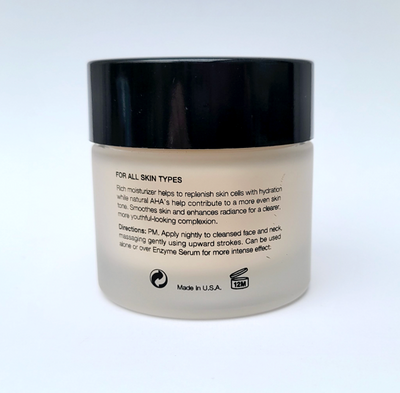
- Treat: Apply your retinoid 2–3 nights a week. On other nights, use peptides or niacinamide serums.
- Moisturize: Use a rich cream — especially if you’re using actives.
- Support: Apply silicone pads or put on your sleep bra; set up your back-sleep pillows.
This rhythm of treatment and support appears again and again in expert advice, from the Cleveland Clinic’s neck-care guide to Healthline’s chest wrinkle article. Skincare softens and repairs; support protects that work overnight.
7.3 Weekly treatments: exfoliation and masks
Once or twice a week:
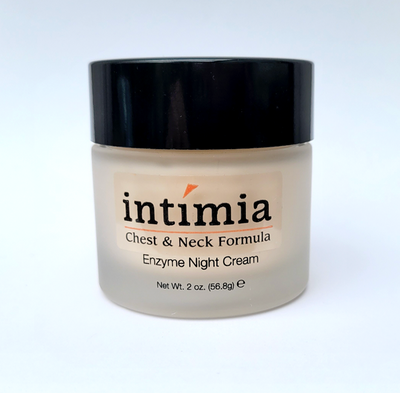
- Use a gentle AHA or enzyme exfoliant on your chest.
- Follow with a hydrating mask or extra-thick layer of moisturizer.
Avoid using strong acids on the same night as your retinoid. Your skin is a living organ, not a test subject. This pattern is supported in Medical News Today’s wrinkle care guide and the Healthline chest wrinkle article.
7.4 Integrating sleep habits into your routine
After your evening routine, take 60 seconds to prepare your sleep setup — pillows, pads, bra, whatever combination you choose. It doesn’t need to be Instagram-perfect; it just needs to work.
This is where you quietly decide whether your chest is going to spend the night folded or free. Sleep can either undo or amplify all your evening effort. Make it your ally.
7.5 Expected timeline and how to track progress
If you follow this plan:
- 2 weeks: your chest feels softer, more hydrated.
- 4–8 weeks: texture looks smoother, fine lines begin to soften.
- 3–6 months: deeper lines may look less etched; overall appearance more even and firm.
Take “before” photos in decent light — no dramatic poses, just honest angles. Then forget them for a while. The day you stumble on them again and compare, you’ll see what your patient daily work has done.
Section 8: Prevention tips to keep chest wrinkles from coming back
Once you’ve fought for smoother skin, you’ll do anything not to lose it again. I’ve seen women come back from sun damage, deep lines, the works — and the ones who stay smooth are the ones who treat prevention like brushing their teeth.
8.1 Sun protection: your #1 anti-wrinkle strategy
I’ll say it plainly: if you don’t wear SPF on your chest daily, no chest wrinkle treatment will last. Broad-spectrum SPF 30+ every morning, clouds or not. Reapply if you’re outdoors, at the beach, or in a car for a long drive.
Add UPF clothing, hats, and shade especially between 10 a.m. and 4 p.m. The Cleveland Clinic’s sun damage resource and the NIA’s aging-skin guide both repeat this like a mantra — because it’s true. UV is ruthless; SPF is your daily shield.
8.2 Clothing and style choices that protect the décolletage
You don’t need to dress like a nun — but you can be strategic. When you know you’ll be outside for hours, reach for high-neck or UPF tops. At the beach or pool, bring a light scarf or cover-up you actually like wearing, not just tolerating.
And make “down to the bra line” your default with SPF. I do my face, then three quick swipes: neck, chest, shoulders. Habit, not drama.
8.3 Ongoing hydration and skincare maintenance
Once your chest improves, don’t abandon the routine that got you there. Keep your AM/PM skincare in place, even if you reduce the intensity slightly (maybe retinoid every third night instead of every other).
Retinoids, peptides, and antioxidants build and protect collagen over years, not weeks — Section 3 was all about that. You don’t stop going to the gym because you’ve finally gotten strong; the same applies here.
8.4 Healthy lifestyle habits to support chest skin
You know this, but I’ll still be the annoying friend who repeats it:
- Don’t smoke. Really.
- Keep alcohol moderate.
- Eat fruits, vegetables, good proteins, and healthy fats.
- Watch your posture — hunching compresses the chest.
- Move daily; circulation feeds your skin from the inside.
Both WebMD and the NIA list these as essential pillars of wrinkle prevention. Your chest doesn’t live in isolation; it’s part of your whole story.
8.5 Continuing sleep support for long-term results
Whatever sleep strategy works for you — back-sleeping, bras, pillows, silicone pads — keep it. The moment you go back to nightly chest compression, new lines will slowly reappear. Not in a week, but in months, and then you’ll stand in front of the mirror, puzzled, tracing old patterns.
Stay just protective enough to avoid that “How did this sneak back?” feeling. After all the effort you’ve made, a pillow is a small price.
Section 9: When to see a dermatologist or specialist about chest wrinkle treatments
I’m a big believer in DIY — up to a point. There comes a moment when a woman looks at her chest and says, “I’ve done the home work. I need more.” That’s not failure; that’s wisdom.
9.1 Signs that DIY methods may not be enough
Consider booking a professional consultation if you notice:
- Deep vertical creases that are visible all day.
- Significant sunspots, redness, or rough patches that worry you.
- Crepey, sagging skin that doesn’t respond to months of good skincare.
- Little or no improvement after 3–6 months of consistent home care.
These are exactly the scenarios described in Healthline’s décolletage overview and the NIA’s aging-skin guide as reasons to seek professional help. Sometimes, you need stronger tools — and that’s okay.
9.2 What to expect at a professional consultation
A good dermatologist or aesthetic specialist will:
- Examine your skin for texture, pigment, and any suspicious lesions.
- Take your medical and skincare history.
- Discuss your goals and timeline honestly.
- Offer a custom plan — maybe peels, lasers, microneedling, or injectables.
For an idea of the procedures they might suggest and how they work, you can read Medical News Today’s wrinkle treatment guide and the Cleveland Clinic’s page on laser resurfacing. Bring your questions — and maybe even a photo of how you’d like your chest to look in that favorite dress.
9.3 Questions to ask your provider about chest wrinkle treatments
Write these down in your phone before you go:
- Which options are safest and most effective for my skin type and tone?
- What results can I realistically expect — and how long will they last?
- How many sessions will I need, and what is the total cost?
- What are the possible side effects or complications?
- How should I prepare and care for my skin afterward?
Clear answers now mean fewer surprises later. You’re not just a patient; you’re the project manager of your own skin.
9.4 How professional care complements at-home efforts
Professional treatments are not a replacement for daily care; they’re an accelerator. They can remove chest wrinkles more dramatically, but SPF, moisturizer, retinoids, antioxidants, and sleep support keep those results going.
Think of it as a partnership: your dermatologist brings the lasers, needles, and expertise; you bring the consistency. That’s how you get rid of chest wrinkles — and keep them from stealing the spotlight again.
Conclusion
Chest wrinkles come from so many places — aging, UV, side-sleeping, little habits we barely notice — but they’re not a life sentence. You can get rid of chest wrinkles or, at the very least, soften them so completely that you stop thinking about them every time you reach for a low neckline.
At home, hydration, retinoids, antioxidants, and thoughtful sleep support quietly remove chest wrinkles over weeks and months. In the clinic, peels, microneedling, lasers, radiofrequency, and injectables step in when you want faster, deeper change.
The best way to get rid of chest wrinkles is never just one magic cream or one dramatic procedure. It’s the blend — daily sun protection, chest-focused skincare, better sleep positioning, and, when you’re ready, well-chosen chest wrinkle treatments. Your journey of how to get rid of chest wrinkles can start with something as small as extending your SPF to your bra line tonight, or putting that extra pillow behind your back.
Give yourself three months. Watch what happens. And remember: it’s never too late to nurture your décolletage, claim your glow, and let your reflection finally match the woman you’ve turned into.
Related Articles
- Chest wrinkles: best prevention tips — Discover effective solutions for chest wrinkles and learn how to prevent a wrinkly chest at any age.
- Deep chest wrinkles: effective treatments — Explore the best treatments for deep chest wrinkles and regain your skin's youth today.
- Fine lines on chest: prevention tips — Learn effective strategies to combat fine lines on the chest and prevent chest wrinkles for a more youthful appearance.
- Chest wrinkles from sun damage: repair — Discover effective solutions for chest wrinkles from sun damage and the best creams and treatments for a youthful décolletage.
- Décolletage wrinkles: causes and treatments — Find out effective treatments to smooth lines on the décolletage and combat aging skin.
Want to discover flawless skin with Intimia? Shop now here: here