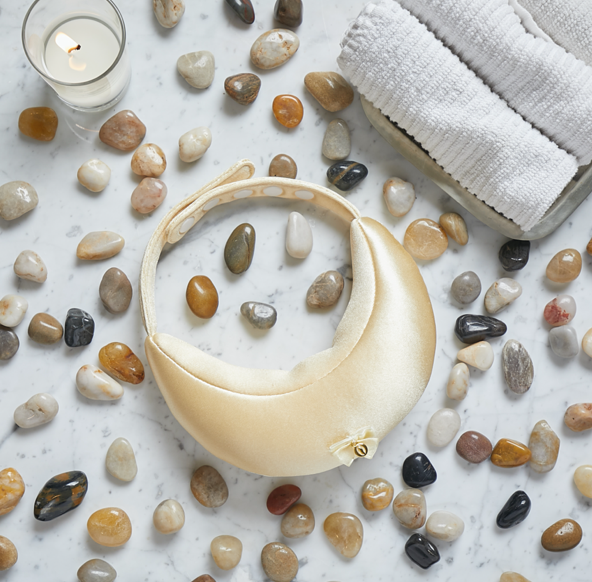
Enzyme Night Cream Rejuvenates Overnight
Enzyme night cream: the anti-aging night cream that boosts skin renewal while sleeping
Imagine slipping into bed, lights finally off, the house breathing that quiet little sigh it does after midnight. Your mind is tired — but your skin is wide awake.
I’m Irene, and I learned this the hard way, staring at my chest in the mirror at 6:15 a.m., thinking, “When did that happen?” Horizontal lines across my décolleté like someone slept on my skin with a ruler. Spoiler: that someone was me, on my side, for years.
An enzyme night cream is a night moisturizer formulated with skin-friendly enzymes that gently break down dead skin cells to support skin renewal while sleeping. This kind of anti aging night cream doesn’t fight your body — it works with your natural night rhythms, turning rest into quiet, consistent restoration.
Night is magic for your skin. Research shows that cell turnover and collagen production peak during sleep, which makes bedtime the best anti-aging appointment you’ll ever keep. In clinical reviews of skin’s circadian rhythms, scientists found that repair and regeneration processes ramp up at night while the barrier recovers from daytime damage (study on skin circadian rhythm and barrier repair; review on sleep, hormones, and skin aging).
Modern enzyme night cream formulas often blend in melatonin, retinoid precursors, antioxidants, and barrier-supporting lipids. These boost repair and defenses overnight. In clinical trials, melatonin-based night creams enhanced barrier repair, hydration, and antioxidant protection — and visibly reduced wrinkles over 12 weeks (melatonin–carnosine night cream study; melatonin Nutriage night cream clinical trial).
In this guide, I’ll walk you through the science of sleep and skin aging. We’ll look at how enzyme formulas supercharge skin renewal while sleeping, and I’ll show you exactly what to look for when choosing the best night cream anti aging — with real product examples and a few “don’t do what I did” stories woven in.
Section 1: How sleep affects skin aging and nighttime renewal
Your skin doesn’t clock out when you do. Sleep and skin aging are deeply linked, and night is when your face and chest quietly work overtime to fix the damage you gave them all day.
1.1 Sleep and skin aging – why nighttime is prime time for repair
Your skin runs on circadian rhythm — a 24-hour schedule. During the day, it’s in defense mode. At night, it shifts into repair mode (circadian rhythm and barrier function overview). In deep sleep, growth hormone rises, which fuels collagen production and cell turnover — that’s your built-in engine for skin renewal while sleeping (review on sleep, hormones, and skin).
When sleep is solid, a few things quietly happen:
- Cell shedding increases, clearing out dull, dead cells.
- Blood flow to the skin improves, delivering oxygen and nutrients.
- Barrier lipids rebuild after UV, pollution, and cleanser damage (skin barrier and circadian study; sleep and barrier recovery research).
Now picture the opposite. You scroll at midnight, sleep in pieces, wake up wired. Poor sleep spikes cortisol and oxidative stress. In clinical work, that combination is linked to more fine lines, slower barrier recovery, and that “I slept in my makeup” dullness even when you didn’t (cortisol and barrier impairment data; sleep deprivation and skin aging review).
For women 35+, it shows up very specifically: crow’s feet that don’t fade by noon, vertical lines above the lips, puffiness under the eyes, and my personal favorite — chest wrinkles that look deeper on mornings after restless, side-sleeping nights.
This is exactly the window where a thoughtful anti aging night cream can quietly tip the balance back toward repair.
1.2 Night vs. day skincare – why you need an anti aging night cream
Day creams are your shields: SPF, antioxidants, and lighter textures that sit nicely under makeup. They’re built to fight UV and pollution, not to rebuild what’s already broken (review on daytime vs. nighttime skin needs; Women’s Health guide to nighttime skincare routines).
An anti aging night cream is different. Think of it as a repair mask you don’t wash off. At night, your skin is more permeable, your microcirculation improves, and you’re not competing with sunscreens, sweat, or city air (nighttime absorption and repair overview). That’s when richer textures and actives shine.
Enzyme-based creams thrive in this environment. They use the open, relaxed nighttime skin barrier to gently exfoliate and nourish without the UV-sensitivity risk you’d face using the same actives in daylight. A good enzyme night cream will beat a basic moisturizer for skin renewal while sleeping every single time — not by being harsher, but by being smarter.
Section 2: What is an enzyme night cream and how does it work?
Let’s talk about the quiet heroes — enzymes. No stinging, no peeling sheets on your pillow. Just a slow, polite nudge to your dead skin cells to move along.
2.1 Enzyme night cream explained
In skincare, enzymes are usually proteolytic or keratolytic — meaning they break down proteins in the top layer of dead cells. They’re often derived from fruits like papaya or pineapple (papain, bromelain) or created via biotech. Clinical reviews show that enzyme-based exfoliation can smooth skin and improve product penetration with a lower irritation risk compared to classic acids (overview of enzymatic exfoliation and skin renewal).
An enzyme night cream tucks these actives into a hydrating, usually lipid-rich base. It works slowly overnight. Unlike retinoids, which can trigger peeling and dryness, or AHAs/BHAs — which can sting, especially on mature or already stressed skin — enzymes tend to be milder and more surface-focused (retinoid-melatonin night treatment trial; enzymatic vs. acid exfoliation review).
For sensitive or mature skin that’s dodging daily acids or retinol, an enzyme night cream is often that sweet spot where you get the glow without waking up tight, red, or silently regretting last night’s “brave” experiment.
2.2 Skin renewal while sleeping with enzymes
So what exactly are they doing while you sleep?
Enzymes gently loosen the “glue” between dead cells in the stratum corneum — the outermost layer of your skin. Overnight, this allows a controlled, natural shedding. Fresh, smoother skin is revealed at the surface, and your hydrating and antioxidant ingredients can sink in more effectively (mechanisms of enzyme-induced corneocyte shedding).
The result — when the formula is balanced — is:
- Smoother texture
- More even tone
- Softer fine lines
- A subtly brighter, “I actually slept” complexion
We see similar overnight benefits with other gentle actives. In clinical melatonin/carnosine night cream trials, participants saw increased hydration, reduced transepidermal water loss (TEWL), and fewer wrinkles after consistent nightly use (melatonin–carnosine anti-aging study; Nutriage melatonin night cream trial). Enzymes plug into the same nighttime repair window — just through surface polishing instead of deep retinoid action.
Section 3: Key anti-aging benefits of enzyme night creams
Let’s translate this into real life: the mirror, the neckline of your V-neck, the way makeup sits on your skin at 4 p.m.
3.1 Fine lines, wrinkles, and loss of firmness
Enzymes work like gentle declutterers. They help loosen and shed those compacted, uneven layers of dead cells that exaggerate lines. When they’re paired with humectants like hyaluronic acid and glycerin, plus firming peptides, an enzyme night cream can boost elasticity and plumpness — not just surface smoothness (skin barrier, hydration, and aging review; hyaluronic acid and skin elasticity study).
In one melatonin night cream study, crow’s feet depth decreased significantly after 12 weeks — with parallel gains in hydration and barrier function (melatonin–carnosine crow’s feet trial). The magic wasn’t just one ingredient; it was the combination of regeneration, hydration, and antioxidant support, night after night.
For women 35+, I tell my clients to keep a special eye on:
- Forehead lines and “11s” between the brows
- Crow’s feet
- Fine barcode lines above the upper lip
- Chest wrinkles from UV, thin skin, and side-sleeping
These areas love consistent, gentle resurfacing plus a strong barrier-supporting base.
3.2 Texture, tone, and radiance overnight
The right enzyme night cream works like a soft-focus filter while you sleep. Not dramatic, not drastic — but noticeable. With regular use, mild enzymatic exfoliation helps:
- Refine rough patches and uneven texture
- Subtly fade areas of dullness
- Help light bounce more evenly across your skin
Antioxidants layered in — think melatonin, CoQ10, vitamins C and E — help defend against oxidative stress, which is a major driver of dullness and pigmentation (hydration and antioxidant synergy in topical skincare).
You know that “I slept eight hours, drank a liter of water, and have zero stress” kind of glow? A consistent enzyme night cream can visually mimic that, even on weeks when your actual sleep and stress aren’t quite so angelic.
Section 4: How to choose the best night cream for anti aging (with enzymes)
Now we’re in my favorite aisle — the one where every jar swears it’s the “holy grail.” Let’s cut through the noise.
4.1 What makes the best night cream anti aging?
Here’s my over-35 checklist for the best night cream anti aging with enzymes — the one that truly maximizes skin renewal while sleeping without making your skin pay rent in irritation.
- Clinically backed actives: Look for clear enzyme systems (papain, bromelain, proteases) or advanced retinoid precursors. One example is A3O, an enzyme-converted retinoid used in Elm Biosciences’ Elemental Night Cream — designed to be gentler yet still effective (Women’s Health feature on A3O Elemental Night Cream).
- Hydrating humectants: Hyaluronic acid, glycerin, and panthenol to pull and hold water in the skin — critical for a stronger barrier and plumper look (clinical data on humectants and skin hydration).
- Barrier lipids: Ceramides, cholesterol, and fatty acids that replenish what your skin naturally loses with age and cleansing (barrier lipid composition and aging review).
- Nighttime antioxidants: Melatonin, coenzyme Q10, vitamins C and E, and polyphenols. One melatonin + carnosine formula showed improved wrinkles, higher hydration, and lower TEWL over 90 days (melatonin–carnosine anti-aging clinical study).
- Texture: Lightweight but nourishing, non-comedogenic, and low- or no-fragrance if you’re sensitive.
Then we match all that to your barrier reality: Are you dry or combination? Already on retinoids? Red and reactive from past experiments? Your best formula doesn’t just look good on paper — it fits into your actual, messy routine.
4.2 Enzyme night cream vs. other anti aging night cream options
Here’s how enzyme night cream stacks up against the usual suspects:
- Enzyme night cream: Gentle, surface-level exfoliation that boosts skin renewal while sleeping. Best for beginners, sensitive or mature skin, or anyone chasing glow with low irritation (gentle night actives and anti-aging review; sensitive-skin nighttime treatment study).
- Retinol night creams: Powerful cell turnover and collagen support, but with a real risk of dryness, peeling, and irritation — especially if you’re already using other actives (topical retinoids and tolerability overview).
- AHA/BHA creams: Acid exfoliation that can smooth texture and help pores but carries a medium irritation risk, plus increased photosensitivity (chemical vs. enzymatic exfoliation comparison).
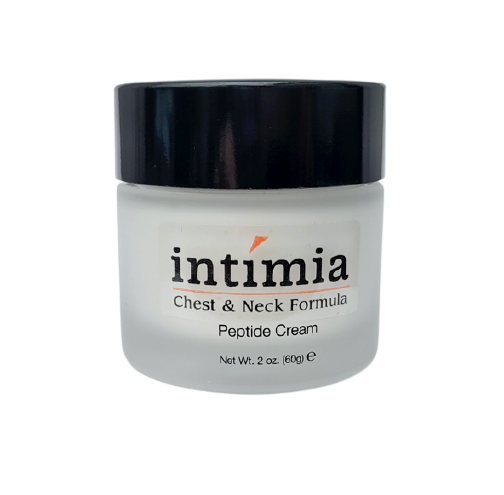
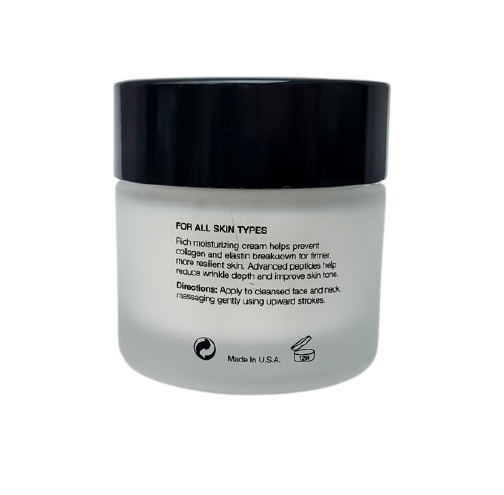
- Peptide night creams: Great for signaling and firmness, with almost no exfoliation. Lovely as partners, but rarely enough alone for dull, textured skin (peptides in anti-aging skincare review).
Think of enzymes as your soft-opening — ideal if you’re new to actives, prone to sensitivity spikes, or using them on delicate areas like the chest that don’t love harsh peels.
4.3 Ingredient checklist for skin renewal while sleeping
If you’re the screenshot type, this one’s for you — your quick list for skin renewal while sleeping:
- Enzymes: Papain, bromelain, protease blends — the resurfacing engine in an enzyme night cream (proteolytic enzymes in cosmetics overview).
- Humectants: Hyaluronic acid, glycerin, panthenol to attract and hold water (hydrating agents and epidermal water content study).
- Lipids/barrier supporters: Ceramides, squalane, linoleic acid-rich oils that mimic your own skin’s fats (lipid repair and barrier function review).
- Antioxidants/anti-glycation: Melatonin, CoQ10, carnosine, vitamins C/E, resveratrol — they fight oxidative stress and glycation, two big contributors to wrinkles and sagging (melatonin–carnosine anti-glycation data; antioxidant peptides in anti-aging).
- Soothers: Niacinamide, allantoin, bisabolol to calm redness and help the barrier recover.
When a formula checks most of those boxes, you’re not just exfoliating — you’re rebuilding as you resurface.
Section 5: How to use an enzyme night cream in your routine
Here’s where we leave the theory and walk into your bathroom together — metaphorically. Towel, mirror, that one light that shows everything.
5.1 Nighttime routine order for maximum skin renewal while sleeping
For face, neck, and chest, here’s the PM order I use and recommend:
- Gentle cleanse: Use a low-pH, non-stripping cleanser to remove sunscreen, makeup, and city dust without attacking your barrier (guide to gentle nighttime cleansing).
- Optional exfoliation (1–2x/week): If you’re using an enzyme night cream, especially at the start, skip separate acid exfoliants on the same night. Your skin is not a kitchen counter — it doesn’t need to be scrubbed down three times.
- Water-based serums: Think hydrating serums, peptides, or gentle antioxidants first — anything thin, watery, and layerable.
- Enzyme night cream: Apply a thin, even layer over face, neck, and chest. This is your main driver for skin renewal while sleeping.
- Occlusive (for dry skin): If you’re very dry, you can add a thin layer of petrolatum or a rich balm on the driest areas to lock things in.
If you’re also using retinoids, try alternating: retinoid one night, enzyme night cream the next. Clinical experience and studies both support this kind of “retinoid holiday” pattern as a way to keep results but lower irritation (retinoid tolerance and regimen optimization). Acids can live on separate nights completely.
5.2 Frequency, application tips, and what to expect
Real talk: your skin loves routines more than it loves miracles.
- Sensitive skin: Start 2–3 nights a week with your enzyme night cream, then build up to nightly if your skin stays calm.
- Normal/combination: You can usually go straight to nightly use as your main anti aging night cream.
Use about a nickel-sized amount for face, neck, and chest. On the chest, press the cream into the lines rather than rubbing hard — especially if you’re prone to redness.
What you can expect, if the formula is doing its job:
- Immediate (next morning): Softer feel, a bit of glow, makeup going on more evenly.
- 2–4 weeks: Smoother texture, fewer obvious rough spots, tone starting to look more even.
- 8–12 weeks: Softer lines, slight lift in firmness, a more “rested” look — in the same timeframe where melatonin and enzyme-supported night treatments have shown clinical improvements (12-week melatonin night cream trial; Nutriage 3-month outcome study).
And if you wake up one morning feeling a little tighter or pinker than usual? Scale back to every other night. Your skin isn’t failing — it’s talking. Listen.
Section 6: Sleep habits that boost your enzyme night cream’s results
A good formula can do a lot. But if your sleep is chaos, your skin is cleaning up with one hand tied.
6.1 Sleep and skin aging – simple lifestyle upgrades
Your enzyme night cream will work harder for you if you give it a friendlier environment. Here’s what research — and every tired woman I know — keeps confirming:
- 7–9 hours of sleep: Short sleep impairs barrier recovery and is linked with more wrinkles and uneven pigmentation over time (sleep duration and barrier function study; sleep deprivation and visible aging).
- Consistent schedule: Going to bed and waking up roughly at the same time stabilizes your circadian rhythm — and your skin renewal while sleeping processes ride that same rhythm.
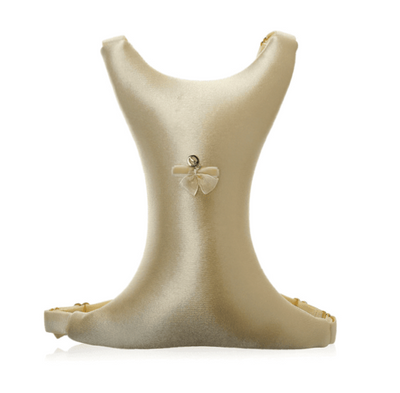
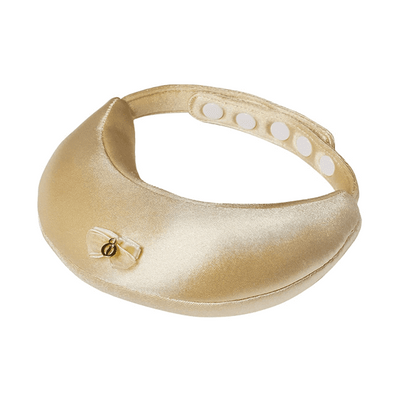
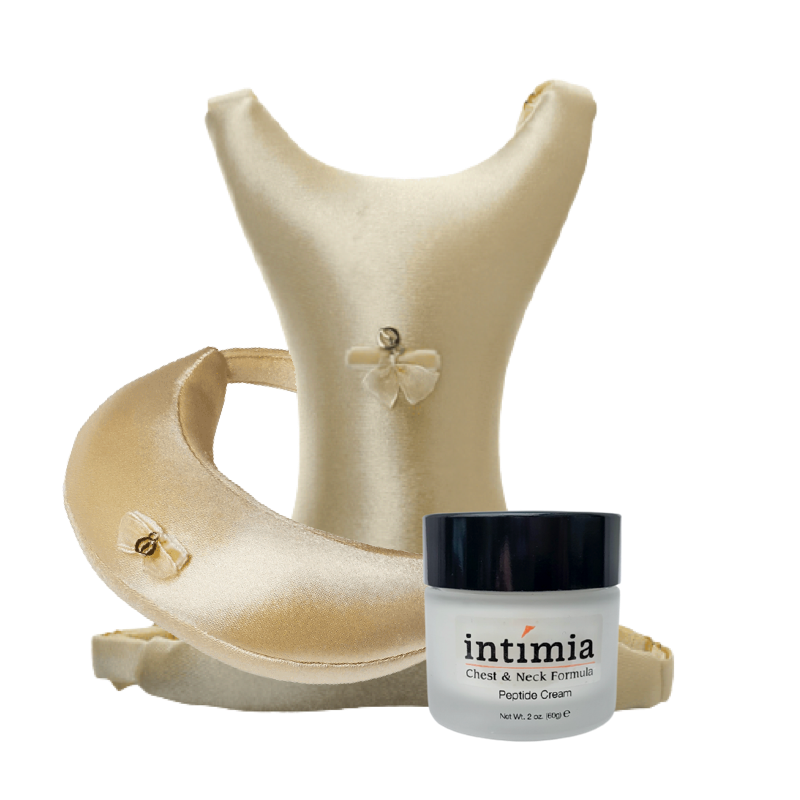
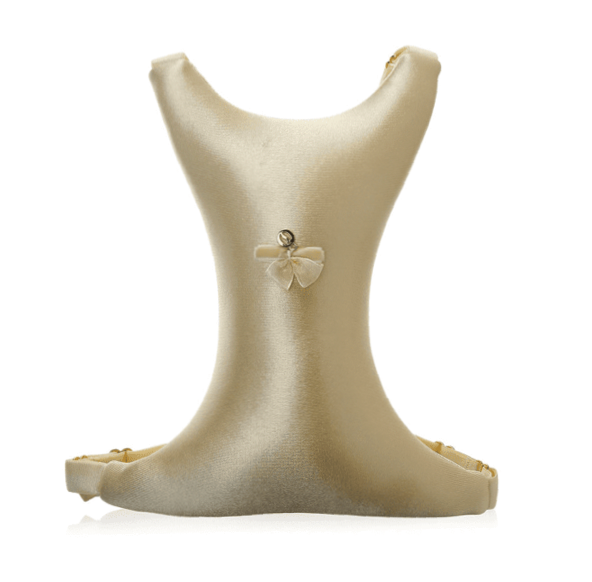
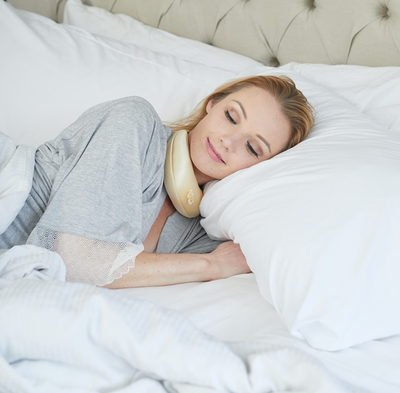
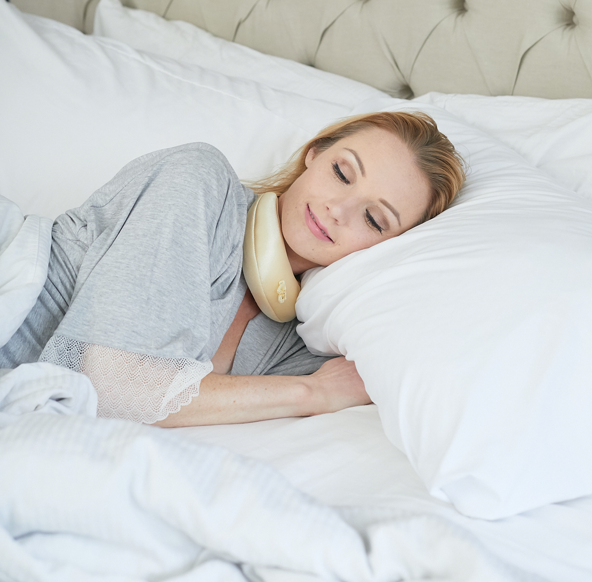
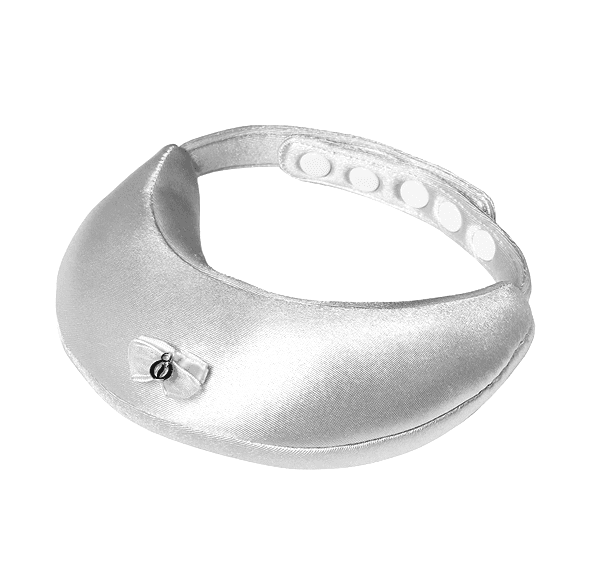
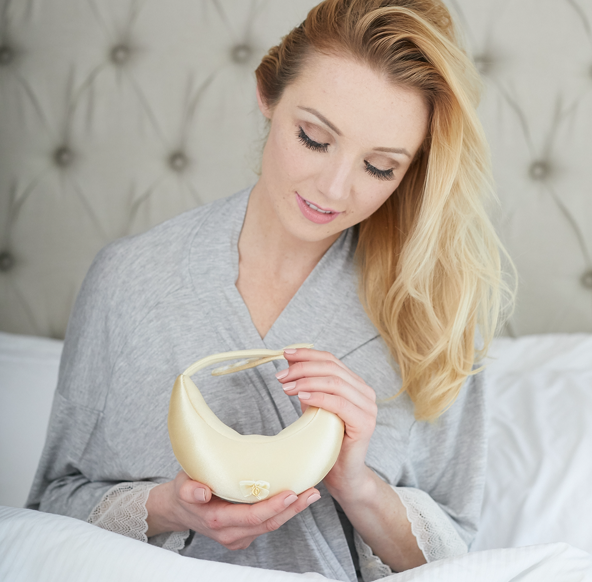
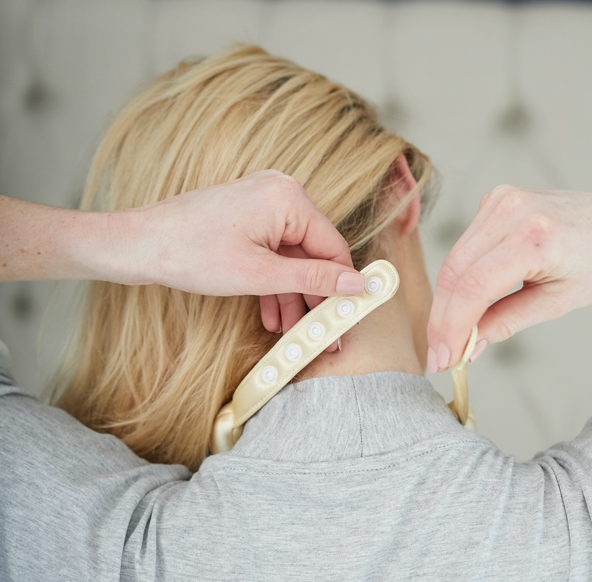
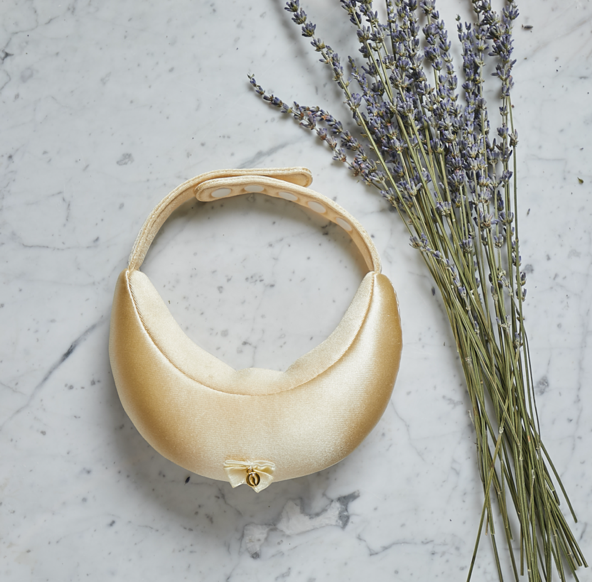
- Position: Back-sleeping is kinder to your chest and face. If that feels impossible, I’ll be the first to say it: use support pillows or chest cushions to reduce compression. Your future décolleté will send thank-you notes.
Good sleep doesn’t replace a strong anti aging night cream, but it makes every active in that jar a little more effective.
6.2 Creating a night ritual for better skin renewal while sleeping
I like to think of night skincare as a line in the sand. Day is over; you’re allowed to be a person now.
Try this rhythm 30–60 minutes before bed:
- Dim the lights, and if you can, reduce screens. Blue light exposure suppresses melatonin, which isn’t just a sleep hormone — it also acts as a strong skin antioxidant (melatonin’s role in skin and sleep).
- Do your skincare slowly. Apply your enzyme night cream in gentle, upward motions. I like to pair it with three deep breaths at the sink — nothing dramatic, just enough to tell my nervous system, “We’re winding down.”
- Keep your room cool and dark. Deep, uninterrupted sleep is one of the best free tools for peak skin renewal while sleeping.
Over time, that jar on your sink stops being “just a cream” and turns into your nightly ritual. A small, steady way of saying: I’m taking care of myself, not just everyone else.
Section 7: Who should use an enzyme night cream?
Not every product is for everyone — and that’s a good thing. But an enzyme night cream is one of those rare categories that suits a wide circle of us, especially when we’re eyeing best night cream anti aging options that don’t wreck our barrier in the process.
7.1 Ideal skin types and concerns
If you see yourself here, enzymes are likely a strong match:
- Women 35+ with creeping fine lines, dullness, uneven texture, or those stubborn chest wrinkles from side-sleeping and sun.
- Sensitive or over-exfoliated skin that flares with retinoids or strong acids (sensitive skin and retinoid tolerability review).
- Dry skin types that need rich lipids and humectants.
- Combination skin that wants balance — glow without oil slick.
- Reactive skin that prefers fragrance-free or low-fragrance formulas.
Always patch test first — especially if your skin has a flair for the dramatic. Avoid applying over broken skin or right after in-office treatments unless your dermatologist gives the green light.
7.2 When to consider a stronger or additional anti aging night cream
Enzymes are wonderful. They’re not magic wands.
If you’re dealing with deeper wrinkles, significant sagging, or advanced photoaging, you may need to bring in stronger active partners — retinoids, specific peptides, or growth factors (retinoids in photoaging management).
Options to combine wisely:
- Layering: A low-strength retinol serum under your enzyme night cream to buffer and reduce irritation — only if your skin already tolerates retinoids.
- Alternating nights: Retinoids or acids 2–3 nights per week; enzymes on the others for glow and barrier kindness.
- Peptides/growth factors: These can often live happily in the same routine, adding firmness and repair without extra exfoliation.
If your skin starts to feel tight, stingy, or looks chronically pink? That’s your cue to simplify, not double down.
Section 8: How to evaluate and compare enzyme night cream products (showcase focus)
Let’s leave theory and step into the shopping cart. Label in one hand, your reflection in the other.
8.1 Reading labels and claims on enzyme night creams
A true enzyme night cream will show its cards on the ingredient list. Look for:
- Named enzymes like papain, bromelain, “protease,” or “keratolytic enzymes.”
- Or an enzyme-retinoid system such as A3O — an enzyme-converted retinoid designed for lower irritation, featured in Elm Biosciences’ Elemental Night Cream (editor-tested A3O night cream feature).
Marketing phrases like “overnight renewal” or “enzymatic resurfacing” usually signal some level of gentle turnover — the good kind, when it’s backed by data. I always scan for clinical claims: wrinkle reduction, hydration boosts, tonicity improvements measured over 4–12 weeks, like the melatonin-based trials we talked about earlier (clinical anti-aging night cream results; Nutriage night cream clinical outcomes).
8.2 Showcasing example formulas and key features
Here are a few formulas that reflect the principles we’ve been talking about — including how I’d position them for different women:
- Elm Biosciences A3O Elemental Night Cream (product feature and routine breakdown): Uses an enzyme-converted retinoid (A3O) for lower-irritation retinoid benefits, plus antioxidants and barrier support. Best for early to moderate aging, sensitive or dry skin, and women who want firmness and glow without the usual retinol drama.
- Melatonin/carnosine night cream (melatonin–carnosine night cream trial): Combines an antioxidant hormone (melatonin) with anti-glycation peptide carnosine. In 90 days, clinical tests showed +64% hydration, a 10% drop in TEWL, and meaningful wrinkle reductions. Ideal for photoaged skin, fine lines, chest wrinkles, and barrier repair.
- Nutriage night cream with melatonin (Nutriage melatonin clinical study): Uses melatonin in lipospheres plus supportive actives. Improved skin roughness and tonicity in mature participants. Great for sensitive, dull, or mature skin that needs better texture and “bounce.”
- Advanced trifecting night cream (trifecting night treatment clinical data): Combines peptides, retinoid-like actives, and enzyme-style renewal to address wrinkles, pigmentation, and texture together. Best reserved for advanced aging and complex concerns like melasma — not your starter cream, but powerful when you’re ready.
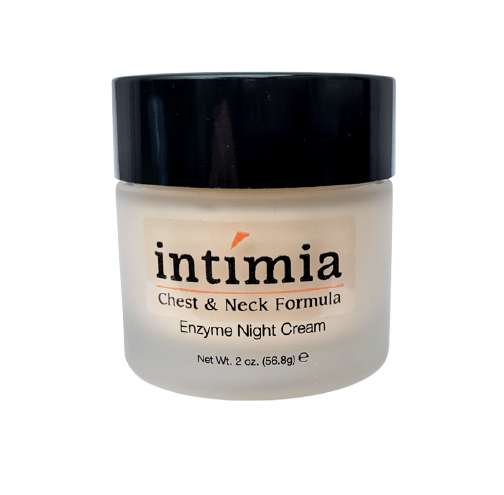
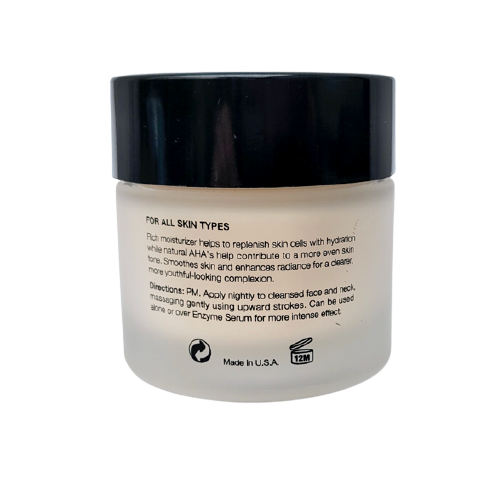
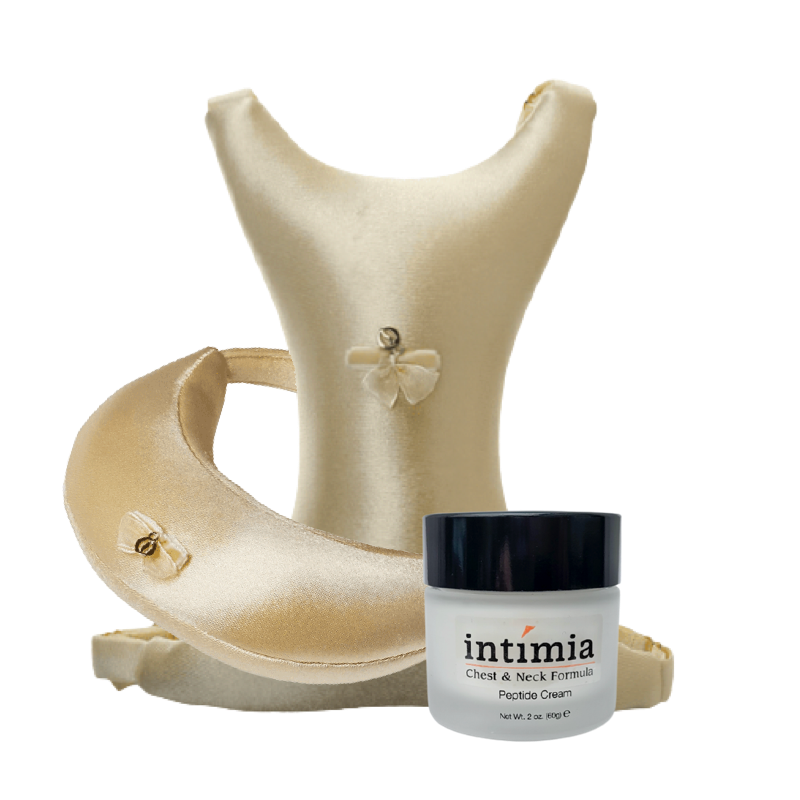
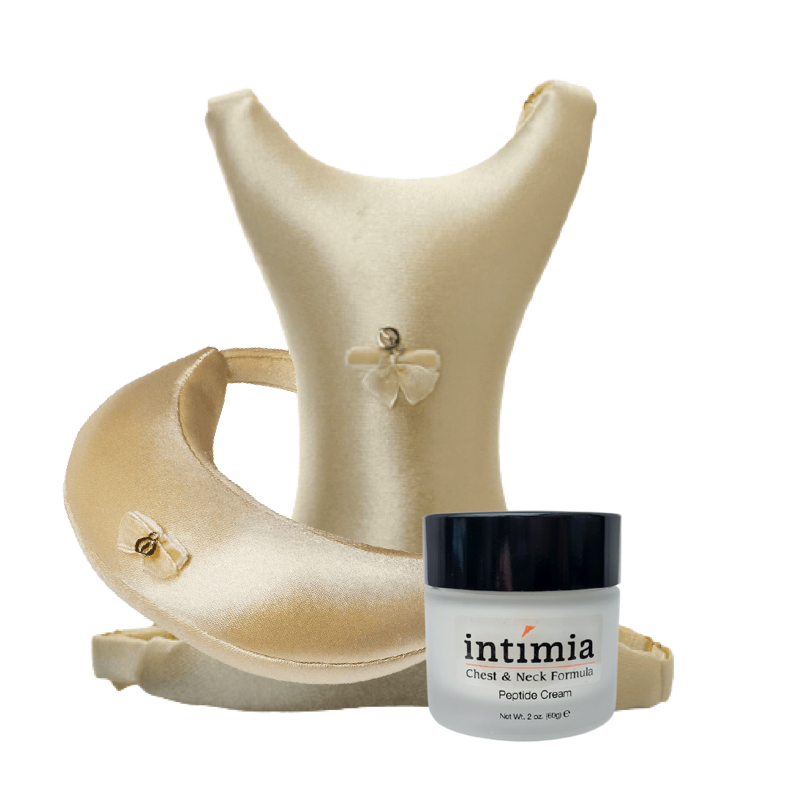
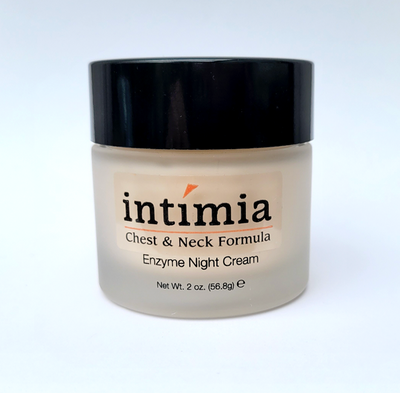
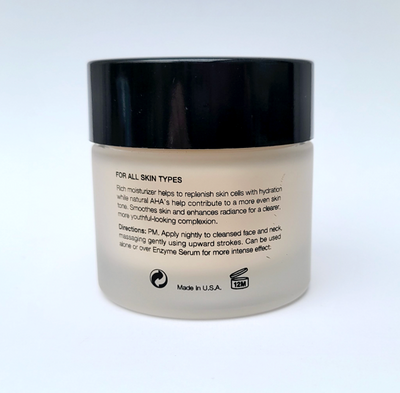
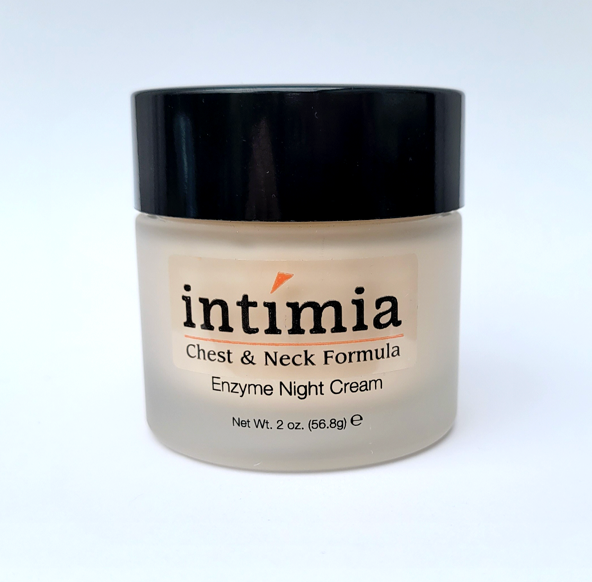
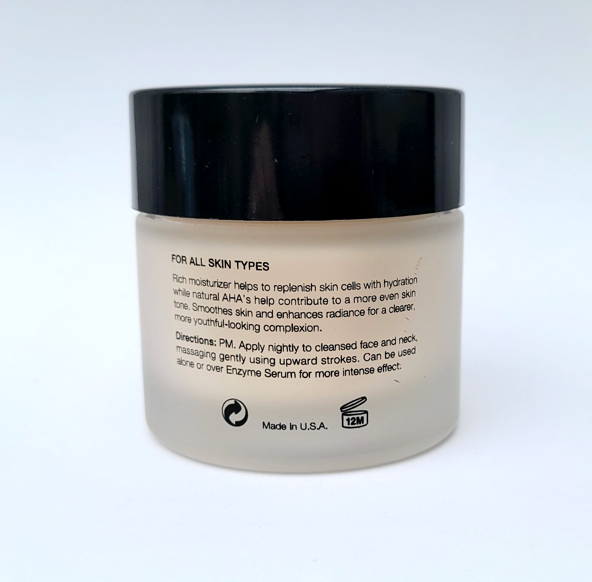
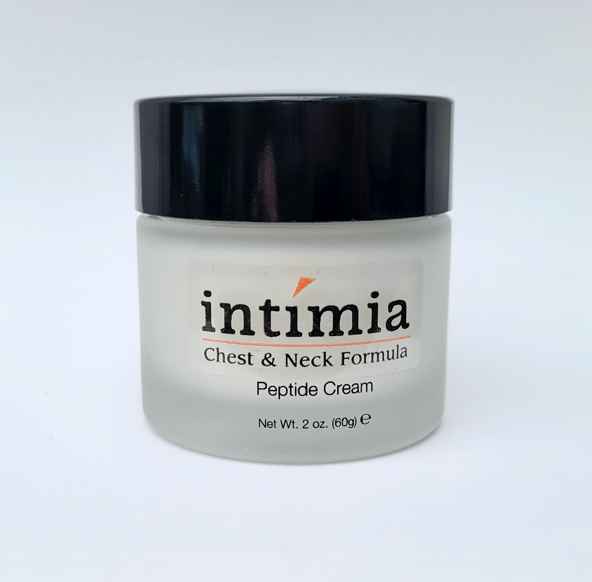
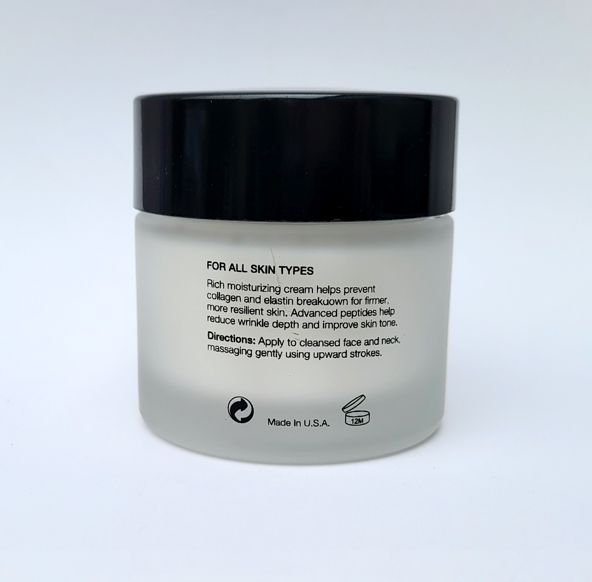
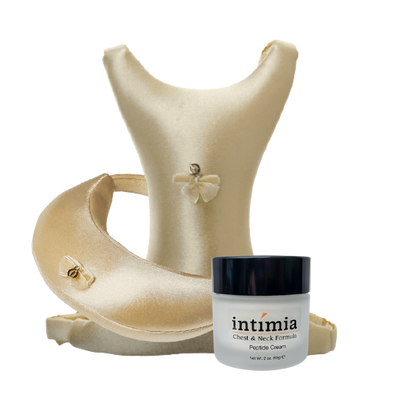
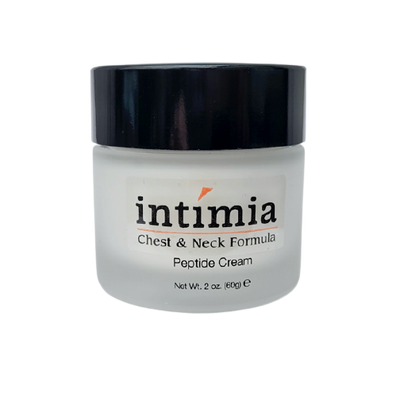
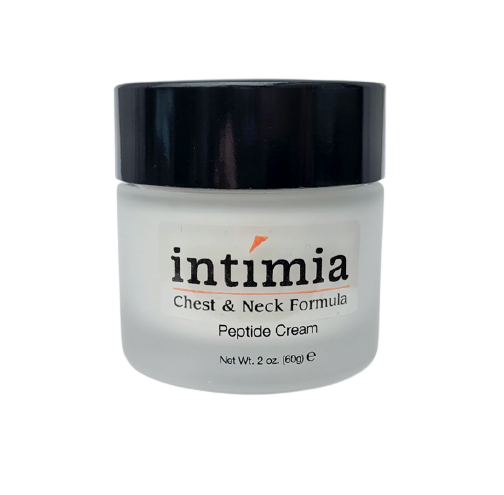
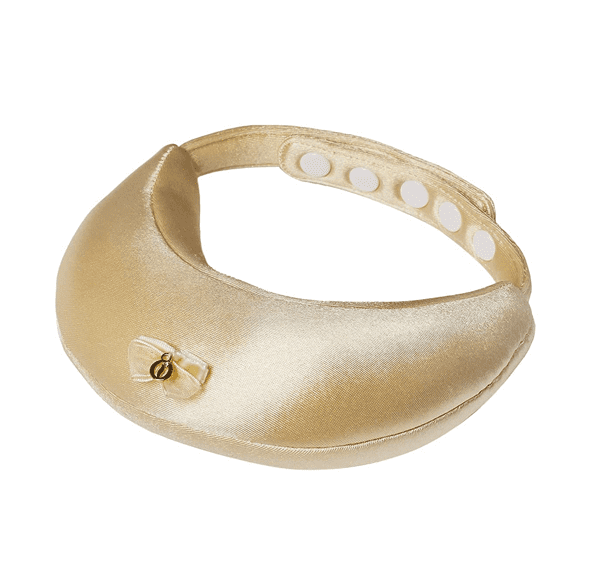
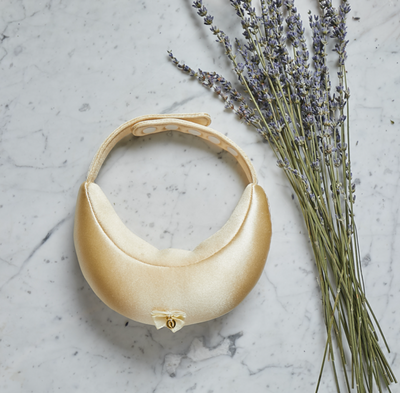
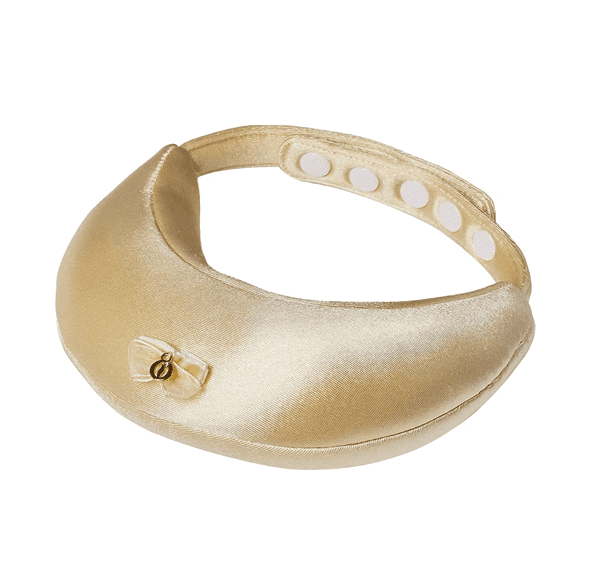
- Intimia enzyme night cream (positioning): Gentle enzymes in a chest-focused formula, designed to pair with anti-wrinkle pillows and sleep-supportive habits. Ideal for women 35+ who are serious about preventing and softening chest wrinkles, and who want irritation-free nightly renewal right where the skin is thinnest — and too often forgotten.
Remember, the “best” jar is the one that fits your skin, your lifestyle, and your patience level. The only bad cream is the one that lives in your drawer because your skin hated it.
Conclusion & call to action
Night is your skin’s quiet repair hour. You don’t see it, you don’t post it, but this is where a true anti aging night cream earns its keep.
An enzyme night cream takes that natural window of skin renewal while sleeping and gently amplifies it — smoothing, brightening, softening lines — especially for those of us 35+ who are done with harsh experiments and ready for sustainable, intelligent care.
Pair it with small, real-life sleep tweaks. Alternate it wisely with your actives. Let it become part of a ritual that belongs to you, not your to-do list. That’s how you turn a “nice cream” into your personal best night cream anti aging, and quietly start winning the long game against sleep and skin aging.
So tonight, when you stand at the sink and catch your reflection in that unforgiving bathroom light, don’t just judge. Assess. What does your skin need? Where is it fragile, where is it strong? Use the ingredient checklist, the examples, the stories. Choose — or upgrade — your enzyme night cream with intention.
Then smooth it over your face, your neck, your chest. Turn off the light. Let the enzymes and your own biology do what they were designed to do.
If your décolletage looks flawless by morning — check if you actually slept on your side.
Related Articles
- Neck wrinkles pillow: Prevent neck wrinkles — Discover the best neck wrinkles pillow to prevent signs of aging while you sleep.
- Decollete wrinkle treatment: Creams vs lasers — Discover the best décolleté wrinkle treatment options for effective prevention.
- Best anti wrinkle cream neck-chest — Discover the best anti wrinkle cream for neck and chest to smooth wrinkles and rejuvenate your skin.
- Chest wrinkle cream: Best options ranked — Discover the best chest wrinkle cream to rejuvenate your skin and achieve a youthful glow.
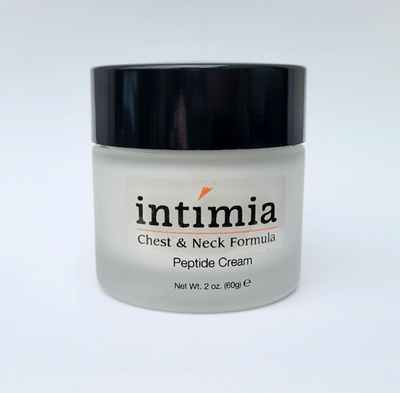
- Peptide cream décolleté for radiant chest — Discover the best peptide cream décolleté for youthful skin and to combat crepey texture.
Want to discover flawless skin with Intimia? Shop now here: here