Fine Lines on Chest: Prevention Tips
Fine lines on chest: causes, prevention, and at-home treatments for smoother skin
Fine lines on chest are shallow creases in the skin of the décolletage area, often appearing in women over 35 due to natural collagen and elastin loss combined with sun exposure and repetitive pressure from sleeping positions. Whether you recognize them as lines on chest, chest lines wrinkles, crease lines on chest, or chest creases, understanding their origins and managing them with gentle, consistent care can help you maintain smoother, more youthful-looking skin in this delicate zone.
Your chest skin is thinner and more delicate than facial skin, producing fewer natural oils and retaining less moisture. This means that fine lines on chest and other signs of aging often appear earlier and progress more noticeably on the décolletage than on the face. The good news is that chest aging is common, manageable, and doesn't require drastic procedures as a first step. With the right combination of prevention, daily skincare, smart sleep habits, and lifestyle choices, you can soften existing lines on chest, slow the formation of new chest creases, and restore confidence in how your skin looks and feels.
As I’m writing this, I’m thinking of a morning a few years ago. I was standing in front of my bathroom mirror, hair up, robe half-open, squinting at a thin vertical line between my breasts. “You weren’t here yesterday,” I told it. My husband walked by, glanced over my shoulder, and shrugged. “Irene, no one sees that.”
I did. And if you’re reading this, you probably do too.
Later that week, a client in her forties sat across from me at the studio, running her fingertip down the same spot on her own chest. “I take care of my face like it’s a national treasure,” she said. “But this area… I forgot it existed until now.” We laughed, but both of us knew it wasn’t just about one wrinkle. It was about finally noticing a part of ourselves that had been quietly aging while we were busy taking care of everyone else.
This article explores the causes of fine lines on chest, explains how to distinguish temporary morning creases from permanent wrinkles, and guides you through daily routines, sleep positioning strategies, at-home treatments, and professional options. By the end, you'll understand exactly how to care for this often-neglected area and when it's time to seek expert help.
Section 1: What are fine lines on chest? Understanding the different types of chest creasing
Definition and appearance
Fine lines on chest are early, subtle, shallow creases in the décolletage skin that typically appear in women in their mid-thirties and beyond. These lines differ from deeper chest lines wrinkles, which are more etched, visible even at rest, and linked to longer-term collagen breakdown and sun damage. Dermatologists describe this as part of the natural aging process of skin—collagen and elastin slowly decline, and repetitive folding patterns begin to “stick” over time, especially in thin areas like the chest (WebMD on wrinkles; Healthline on décolletage skin).
Think of fine lines on chest as the first whisper of aging in this zone—they're delicate, responsive to hydration and care, and often reversible with consistent attention.
When you first notice lines on chest, they may seem to come and go. You might see them prominently in the morning after sleeping on your side, then watch them fade as the day progresses and your skin plumps with hydration and movement. These transient crease lines on chest are your skin's way of signaling that it's becoming less resilient, but they're not yet etched into permanent texture.
Where they typically appear
Fine lines on chest most commonly develop in three zones. The first is between the breasts in the central cleavage area, where breast tissue naturally compresses, especially during sleep. The second is across the upper central chest in the décolletage proper—the broad expanse of skin from your collarbones down to just above your breasts. The third location is on the side of the chest where you sleep most frequently, where your breast tissue falls inward against your body, creating vertical compression and folding.
Over time, consistent sleep position and sun exposure mean that chest creases tend to deepen in these exact zones. If you're a side sleeper who favors one side, you may notice lines on chest becoming more pronounced on that particular side, almost like a map of your nightly habits etched into your skin.
How crease lines progress over time
Crease lines on chest typically follow a predictable progression. They start as faint, morning-only lines that appear after sleep and fade within minutes to a few hours as your skin rehydrates and recovers. In this early stage, your skin still has enough elasticity to bounce back. But with repeated nightly compression and the gradual decline of collagen and elastin production that begins in our twenties, something shifts (Healthline on premature aging; Cleveland Clinic on wrinkles).
Over months and years, those temporary morning chest creases begin to linger longer into the day. Then they stop fading completely. Eventually, they become visible even when your chest is relaxed and unsupported. At this point, lines on chest have transitioned from mechanical creases caused by sleep position to true wrinkles caused by structural loss in the skin itself. The skin can no longer "remember" its smooth state because collagen fibers have fragmented, elastin has lost its snap, and the dermis has thinned. This is when fine lines on chest become chest lines wrinkles—a shift from cosmetic concern to textural change.
Understanding this progression helps you recognize the importance of early intervention. The sooner you address fine lines on chest, the easier they are to prevent from becoming permanent chest creases.
Section 2: Common causes of lines on chest and décolletage
Natural aging: collagen and elastin loss
The most fundamental cause of lines on chest is the natural decline of two key proteins: collagen and elastin. Collagen production begins to slow in your twenties, declining by about 1% per year after age 30, and elastin follows a similar path (National Institute on Aging – skin and aging). When you're young, your skin contains abundant collagen and elastin fibers arranged in tight, organized networks. These proteins work together to keep skin firm, supple, and quick to recover from temporary creasing.
But as decades pass and these proteins decline, your skin becomes thinner, more fragile, and less able to bounce back. A fold in your chest that once smoothed out in minutes now lingers for hours. Fine lines on chest that once appeared only after sleep now remain visible all day. This is why lines on chest and other wrinkles become more prominent and persistent with age.
The chest is particularly vulnerable because this zone contains fewer sebaceous glands than the face, meaning it produces less natural oil to protect and hydrate the skin (Healthline – what the décolletage needs). Combined with thinner dermis and less subcutaneous fat for structural support, the chest simply ages faster than the face—even with identical skincare routines and sun protection.
Side-sleeping and mechanical compression
One of the most underestimated causes of chest creases is your sleep position. When you lie on your side—a position many of us naturally favor for comfort—your breast tissue falls inward and downward, compressing against your ribcage and the adjacent breast. This nightly fold creates a vertical crease line that runs from your sternum toward your shoulder. Medical writers even refer to these as “sleep wrinkles,” particularly noticeable on the chest (Healthline on chest wrinkles).
Unlike expression lines around the mouth, which form from muscle movement, these chest lines wrinkles are purely mechanical. They're caused by the repeated, sustained pressure and folding of skin eight hours per night. Night after night, for months and years, this folding pattern becomes imprinted in your skin. If you sleep on one side predominantly, one side of your chest may show deeper crease lines on chest than the other—a telltale sign of this mechanical pressure.
The damage is compounded in several ways. If your breasts are large or unsupported during sleep, the downward pull is stronger, creating deeper chest creases. If your skin is already losing collagen and elastin, it has less ability to resist this nightly molding. And if you've been sleeping on your side for decades, the cumulative effect can literally reshape the surface of your chest, transforming temporary fine lines on chest into permanent chest lines wrinkles.
Here’s where I’ll be very honest with you: my turning point was waking up one morning, glancing down, and seeing the exact same crease I’d been seeing on my clients—on my own chest. I remember thinking, “Well. That’s what thirty years of side-sleeping buys you.”
This is crucial: topical creams and serums cannot prevent or reverse the mechanical folding that occurs during side sleeping. No amount of vitamin C serum will stop your breasts from compressing against your chest cavity while you sleep. This is why sleep position changes and supportive sleep tools are essential for anyone serious about preventing lines on chest.
Sun exposure and UV damage
Sun damage is the number one culprit for accelerated aging of the chest area. UV rays from the sun generate free radicals—unstable molecules that damage skin cells at the molecular level. These free radicals attack collagen and elastin fibers, breaking them down and fragmenting them far faster than natural aging alone would cause (Medical News Today on wrinkles and sun; Cleveland Clinic on premature aging).
The problem is compounded by the fact that many women neglect to apply sunscreen to their chest and décolletage. You might be diligent about protecting your face with SPF daily, but your chest—often exposed in low-cut tops, scoop-neck dresses, and beach wear—sits unprotected, soaking up UV rays. Over years, this chronic sun exposure causes fine lines on chest to appear earlier and deepen faster.
UV damage also triggers hyperpigmentation, age spots, and mottled discoloration on the décolletage, creating the appearance of crepey, damaged skin (Cleveland Clinic on crepey skin). The combination of crease lines on chest plus sun-induced pigmentation changes makes the chest look noticeably older than it is. Worse, once sun damage has occurred, it's difficult to fully reverse—prevention is far more effective than treatment.
Lifestyle and environmental contributors
Beyond the big three (aging, sleep position, and sun exposure), several lifestyle factors accelerate the formation of lines on chest and chest creases.
Dehydration is a silent saboteur. When your skin lacks adequate water content, cells lose volume and plumpness. This makes existing fine lines on chest more visible and pronounced. Even mild, chronic dehydration can make your skin look dull, thin, and creased. Conversely, well-hydrated skin appears fuller, smoother, and less lined—a reason why crease lines on chest often look better after drinking plenty of water (premature aging and lifestyle).
Smoking is catastrophic for skin health everywhere, including your chest. Nicotine constricts blood vessels, reducing blood flow to the skin and depriving it of oxygen and nutrients. The toxins in cigarette smoke directly damage collagen and elastin, accelerating their breakdown (WebMD – wrinkles and smoking). Smokers typically develop chest lines wrinkles earlier and deeper than non-smokers. If you're serious about preventing lines on chest, quitting smoking is one of the most powerful steps you can take.
Poor skincare habits also play a role. Many women focus skincare attention exclusively on the face and neck, neglecting the chest entirely—no moisturizer, no sunscreen, no targeted actives like retinol. Over time, this neglect allows lines on chest to develop unchecked. The chest skin, already disadvantaged by fewer oil glands and thinner dermis, deteriorates faster without protection and nourishment.
Stress and poor sleep quality compound the problem. Chronic stress elevates cortisol, a hormone that impairs skin barrier function and accelerates collagen breakdown. Inadequate sleep prevents your body from completing the nightly repair and renewal cycle that keeps skin healthy (Healthline – lifestyle and aging). Together, these factors speed the appearance of chest creases and fine lines on chest.
Section 3: How to tell if chest lines wrinkles are temporary or permanent
Morning-only vs. all-day lines
One of the easiest ways to gauge the severity of your chest creases is to observe when they appear and disappear. Truly temporary crease lines on chest from sleep typically fade within minutes to a few hours after you wake up, shower, and move around. As your skin rehydrates, blood flow increases, and you stretch and move your chest, the lines simply vanish. This is normal and not a cause for concern—it's a sign that your skin still has good elasticity and resilience (chest wrinkles overview).
However, if lines on chest persist all day, even after showering, moisturizing, and hours of activity, that's a sign they're becoming more permanent. These lines indicate that your skin has lost enough elasticity that it can no longer spring back after compression. This progression from temporary fine lines on chest to all-day lines on chest is a critical threshold—it signals that prevention and active treatment should begin immediately.
Signs that fine lines are becoming wrinkles
Several telltale signs indicate that your fine lines on chest are transitioning into deeper, more permanent chest lines wrinkles (Cleveland Clinic – wrinkle stages).
Lines that stop fading after rest or after months of consistent hydration are a major red flag. If you've been drinking plenty of water, using rich moisturizers, and applying serums for three to six months, yet your chest creases haven't improved, you're likely dealing with structural damage rather than simple dehydration.
Lines visible in different lighting and from different angles indicate deeper wrinkles. If your lines on chest are visible only when your skin is bunched or folded, they're still relatively superficial. But if they're visible when you're standing relaxed, in natural light, from multiple angles—that's a sign of true photodamage and collagen loss (Medical News Today – wrinkle depth and causes).
Texture changes accompanying your fine lines on chest suggest advancing damage. If the skin around your crease lines on chest feels thin, crepey, or rough to the touch, if it looks dull or lacks smoothness, if you see accompanying sagging—these are all indicators that your chest skin has experienced significant aging and needs more aggressive intervention.
When to ramp up prevention and treatment
The ideal time to shift from basic prevention to more active treatment is as soon as fine lines on chest persist past mid-morning or begin to show accompanying discoloration, texture changes, or mild sagging. Don't wait for your chest creases to become deep and etched. Early intervention is exponentially more effective than trying to reverse years of accumulated damage (premature aging guidance).
If you notice lines on chest that linger for hours after waking, or that are visible at any point during the day, that's your signal to begin a more comprehensive routine. Start using retinol, increase your moisturizing, add targeted serums with peptides or growth factors, and commit to daily broad-spectrum sunscreen. Make sleep position changes. Consider professional treatments if the lines don't respond to at-home care within a few months.
The principle is simple: chest lines wrinkles are easiest to prevent in their earliest stages. Once they're deep and permanent, they require more aggressive (and expensive) professional treatments to address. So catch them early, and you'll have far better outcomes.
Section 4: Daily skincare routine to prevent and soften fine lines on chest
Cleanse gently and treat chest like your face
Your daily chest skincare routine should begin with gentle cleansing. Use a mild, non-stripping cleanser—the same one you use on your face, or one specifically formulated for sensitive skin—to cleanse your neck and chest once or twice daily. Avoid harsh soaps, sulfates, and abrasive scrubs that can disrupt the skin barrier and worsen dryness, which exacerbates lines on chest (caring for the décolletage).
Apply your cleanser with your fingertips, using gentle upward or circular motions. Rinse thoroughly with lukewarm water and pat (don't rub) your skin dry. This gentle approach protects the thin, delicate chest skin from unnecessary irritation and prevents additional creasing from aggressive rubbing.
The key principle is this: treat your chest skin exactly as you would treat your face. If you wouldn't use a harsh soap on your face, don't use it on your chest. If you cleanse your face twice daily, do the same for your chest. Too many women focus their skincare obsessively on the face and neck while completely neglecting the chest—and then wonder why chest creases and fine lines on chest develop so quickly in this zone.
Hydrate: moisturizers and serums for the décolletage
Hydration is foundational for softening fine lines on chest and preventing new crease lines on chest from forming. You need two layers of hydration: humectants and emollients.
Humectants draw water into the skin from the environment and from deeper skin layers. The most effective humectant is hyaluronic acid, a naturally occurring molecule in skin that can hold up to 1,000 times its weight in water. When you apply a hyaluronic acid serum to damp skin, it pulls moisture into the upper layers of the dermis, plumping cells and making fine lines on chest appear softer and less pronounced. Other effective humectants include glycerin and panthenol (premature aging and hydration).
Apply your humectant serum while your skin is still slightly damp from cleansing. This maximizes the amount of water available for the humectant to bind. Gently pat the serum into your chest, collarbone area, and upper décolletage with your fingertips.
Emollients and occlusives seal in that moisture and create a protective barrier. These include ingredients like ceramides, squalane, shea butter, and plant oils. After your humectant serum dries (usually 30 seconds to a minute), apply a rich moisturizer to your chest. Look for products containing ceramides, which strengthen the skin barrier and help skin retain moisture longer. This combination—humectant followed by occlusive moisturizer—is the most effective way to combat the dryness that makes lines on chest look worse (Cleveland Clinic – dry, crepey skin).
For extra intensive hydration, especially if your chest creases are pronounced, use a hydrating mask two to three times weekly. Sheet masks, gel masks, or rich overnight creams can deliver a concentrated dose of hyaluronic acid, glycerin, and other moisture-binding ingredients to your décolletage.
Targeted active ingredients for collagen and texture
Beyond basic hydration, targeted active ingredients can actually stimulate collagen production and improve the skin's texture, helping to fade chest lines wrinkles and crease lines on chest.
Retinol and retinoids are among the most powerful anti-aging ingredients available. These vitamin A derivatives bind to retinoid receptors in skin cells, triggering increased cell turnover and collagen production. Over weeks and months of consistent use, retinol can noticeably improve skin texture, reduce fine lines, and increase firmness (retinoids for wrinkles). However, retinol can be irritating, especially on the delicate chest skin. Start with a low concentration (0.25–0.3%), use it just two to three times per week, and gradually increase frequency as your skin builds tolerance. Never apply retinol to damp skin; wait until your face and chest are completely dry to avoid irritation.
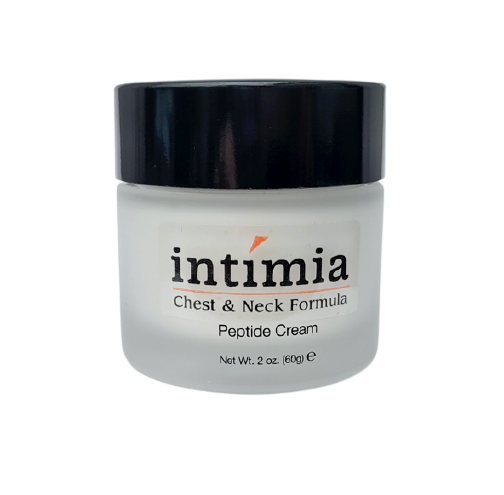
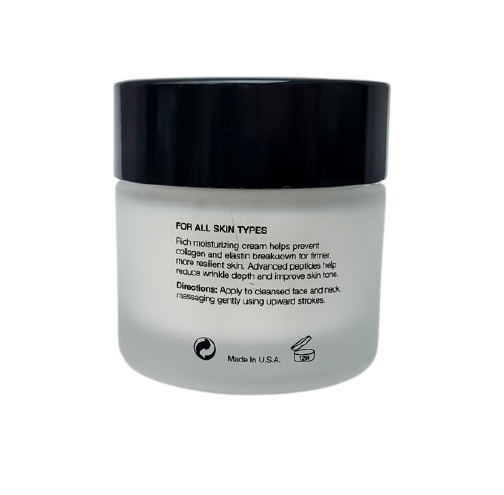
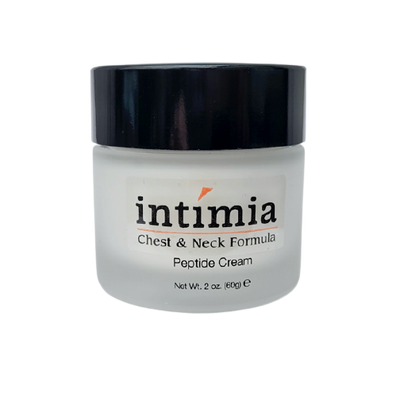
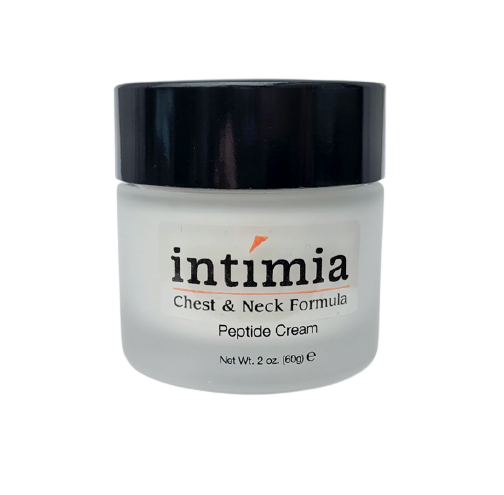
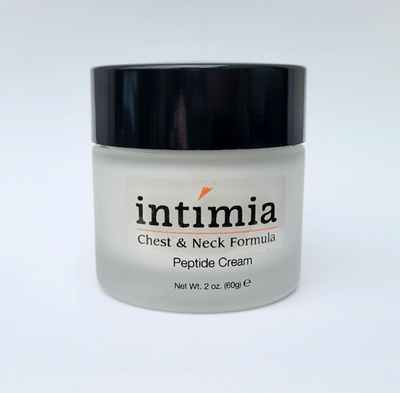
Peptides are short chains of amino acids that signal skin cells to increase collagen and elastin production. They're gentler than retinol and can be used daily without irritation. Look for peptide serums or moisturizers and apply them morning and night to your chest to support firmness and elasticity, which helps reduce the appearance of fine lines on chest (anti-aging ingredient overview).
Antioxidants like vitamin C, vitamin E, and niacinamide are essential for protecting your skin from oxidative stress caused by UV exposure and pollution. Vitamin C also brightens skin tone and supports collagen synthesis. Niacinamide strengthens the skin barrier and has anti-inflammatory properties. Use a vitamin C serum in the morning, followed by your moisturizer and sunscreen, to provide daytime protection and active treatment for lines on chest (chest wrinkle prevention tips).
Layer your actives strategically: apply serums (humectant, peptide, vitamin C) to damp skin, wait for them to dry, then apply your moisturizer to seal everything in. This order maximizes absorption and efficacy.
Daily sun protection for the chest
Sunscreen is non-negotiable if you want to prevent crease lines on chest and slow the progression of existing lines on chest. Yet many women skip sunscreen on the chest, applying it only to the face. This is a critical mistake.
Apply broad-spectrum sunscreen (SPF 30 or higher) to your chest every single morning, as part of your skincare routine. Don't save sunscreen only for beach days or vacations—UV damage accumulates daily, year-round, even on cloudy days (sun protection for décolletage). If you'll be spending time outdoors, reapply sunscreen to your chest every two hours, especially if you're wearing a low-cut top.
Beyond sunscreen, consider additional sun-protective measures. Wear high necklines, long sleeves, or lightweight, UPF-rated clothing when you know you'll be in strong sun. A lightweight scarf or shawl can protect your décolletage during outdoor activities. These habits prevent new chest creases from forming and protect against the sun damage that deepens existing fine lines on chest.
Application techniques to avoid extra pulling
How you apply your skincare products matters as much as what you apply. The chest skin is thin and delicate, with less structural support than facial skin. Aggressive rubbing, tugging, or scrubbing can cause irritation, break down collagen, and actually worsen the appearance of lines on chest.
Always apply products to your chest and neck with gentle upward or patting motions. Use your fingertips or the back of your hand, never harsh friction. Pat serums and creams gently into the skin rather than rubbing them in circular motions. Avoid any exfoliating tools like brushes or harsh scrubs on the décolletage—if you exfoliate, use a gentle chemical exfoliant (like an AHA or BHA serum) no more than twice weekly, and avoid the chest area if it's sensitive (gentle application advice).
When applying sunscreen, don't drag it across your chest; instead, gently pat and press it in. Think of your chest skin as delicate tissue that needs protection and gentleness, not aggressive treatment. This mindful approach to application can prevent additional damage and creasing while you're trying to heal existing chest creases.
Section 5: Sleep habits and positioning to reduce crease lines on chest
How side-sleeping creates lines
Your sleep position is responsible for a significant portion of chest creases and fine lines on chest, yet it's one of the most overlooked factors in anti-aging routines. When you lie on your side, gravity pulls your breast tissue downward and inward, compressing it against your ribcage. This sustained compression for six to eight hours per night creates vertical fold lines that run along the center of your chest and across your décolletage (sleep wrinkles on the chest).
Unlike facial expression lines, which form from muscle movement, these crease lines on chest are purely mechanical. Your skin is literally being molded into a creased shape every single night. Over years, this nightly compression weakens collagen fibers in the exact pattern where you fold, making it harder for your skin to spring back. Eventually, what started as a temporary morning crease line on chest becomes a permanent feature—fine lines on chest that never fully fade, even at rest.
If you're a side sleeper who favors one side, you may notice asymmetrical chest creases, with deeper lines on your preferred sleeping side. This is a direct result of the mechanical pressure from that sleeping position.
The cumulative effect of years of poor sleep posture
Think of nightly side-sleeping as "molding" your chest skin every single night. Over months and years, this repeated molding creates structural changes in your skin. The same way that smile lines form around the mouth from decades of repeated muscle contractions, chest lines wrinkles form from decades of repeated mechanical folding (Cleveland Clinic – repetitive movement and wrinkles).
If you've been a side sleeper since your teens or twenties, by your thirties and forties, you've spent literally thousands of nights compressing your chest skin. This cumulative mechanical trauma is one of the primary reasons why lines on chest can appear and deepen so dramatically in middle age, even in women who are careful about sun protection and skincare.
The good news is that this is also one of the most controllable factors. Unlike sun damage from the past (which you can't undo) or genetic predisposition to collagen loss (which you can't change), your sleep position is something you can modify starting tonight.
Practical positioning tips and tools
Back-sleeping is the gold standard for preventing chest creases and fine lines on chest. When you sleep on your back, your breast tissue is fully supported, your chest skin lies flat and relaxed, and there's no compression or folding. Additionally, back-sleeping is beneficial for your face (it prevents sleep creases there too) and your neck (it prevents neck pain and craning) (sleep advice for chest wrinkles).
If you're a lifelong side sleeper, transitioning to back-sleeping takes practice and patience. Start by placing a pillow under your knees to support your lower back and make back-sleeping more comfortable. Place a small pillow beside your hips on both sides to prevent yourself from rolling onto your side during sleep. Some people find it helpful to place a body pillow beside them for security. It typically takes two to four weeks to establish a new sleep habit, so be patient and consistent.
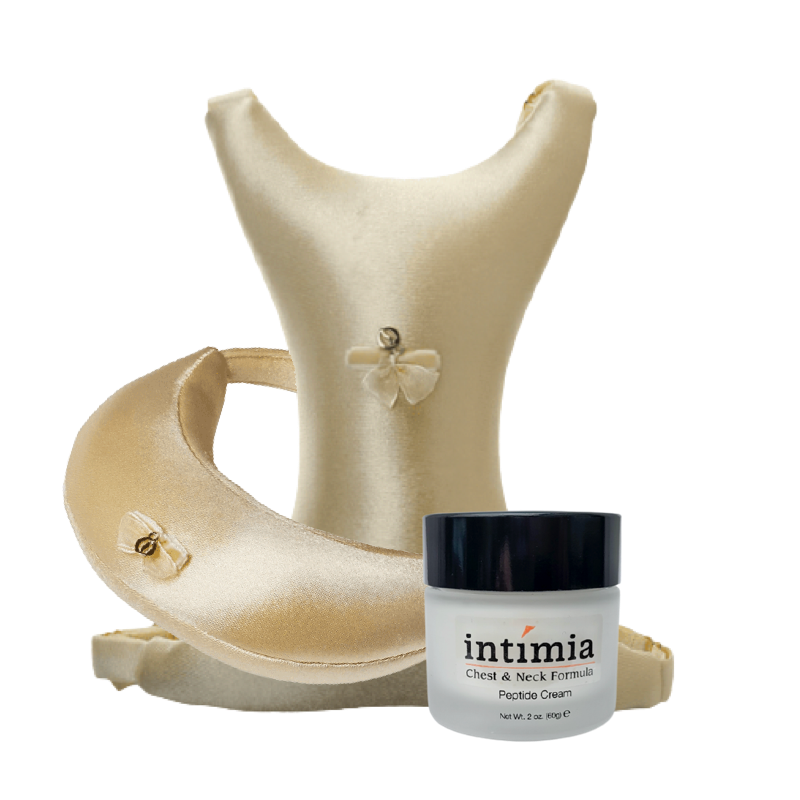
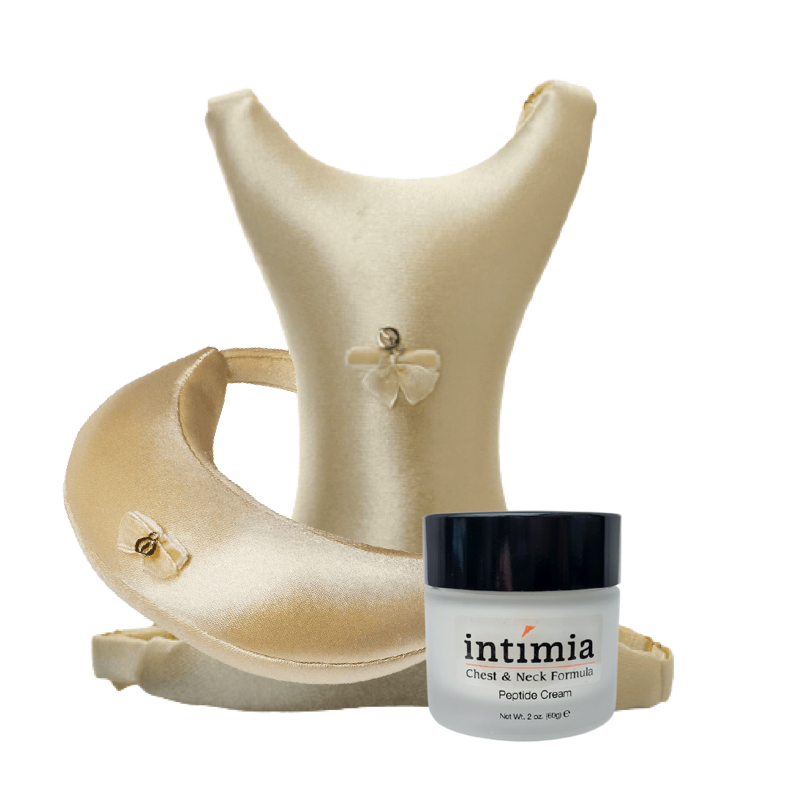
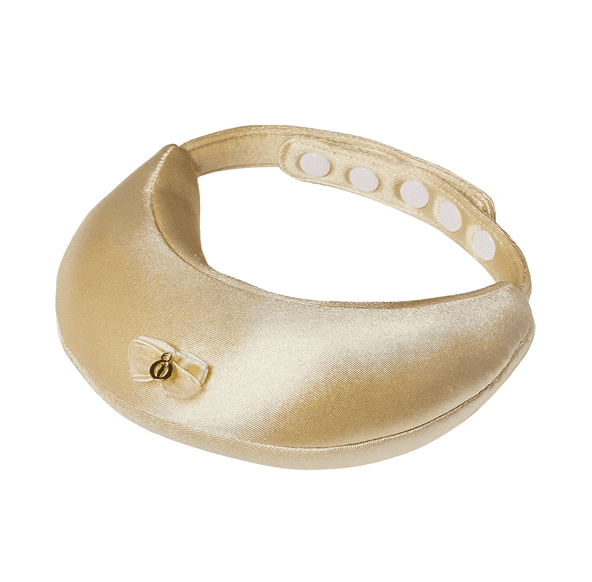
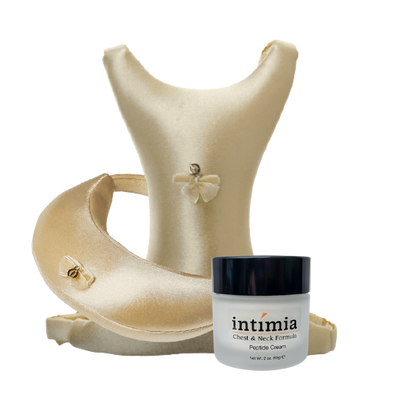
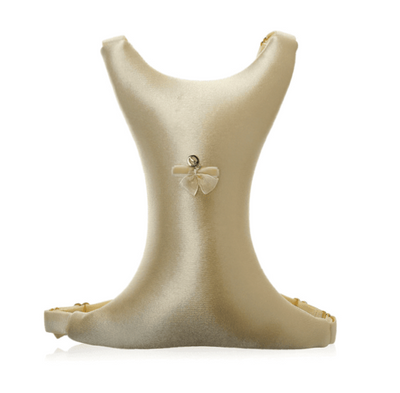
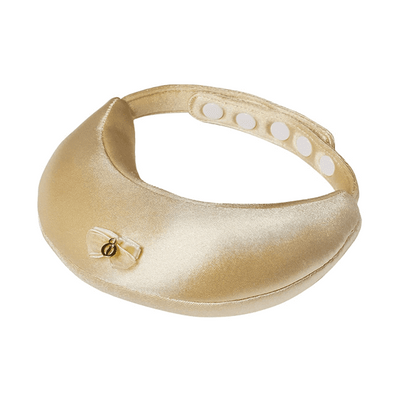
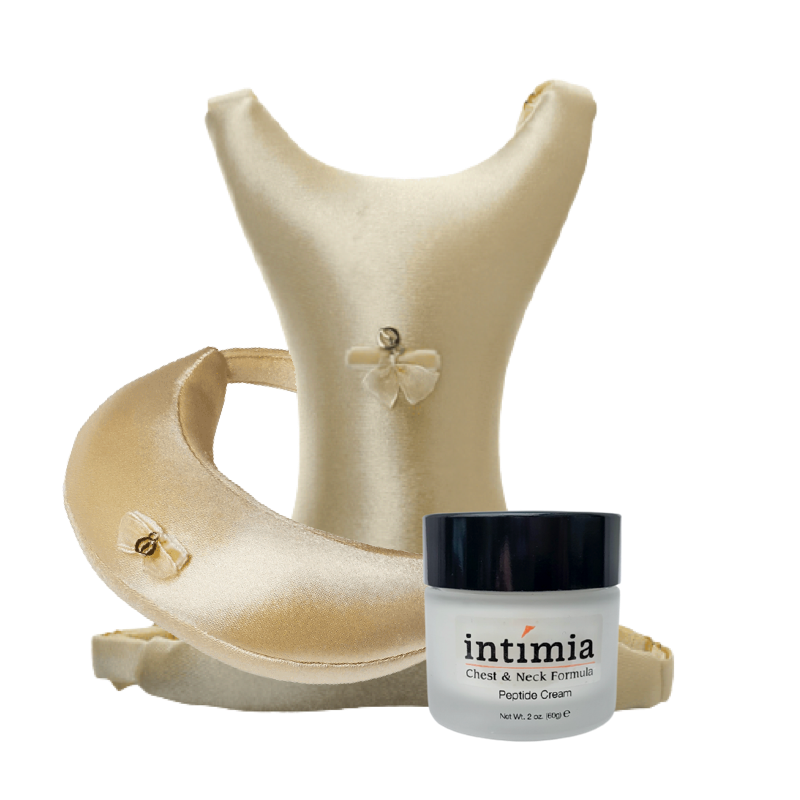
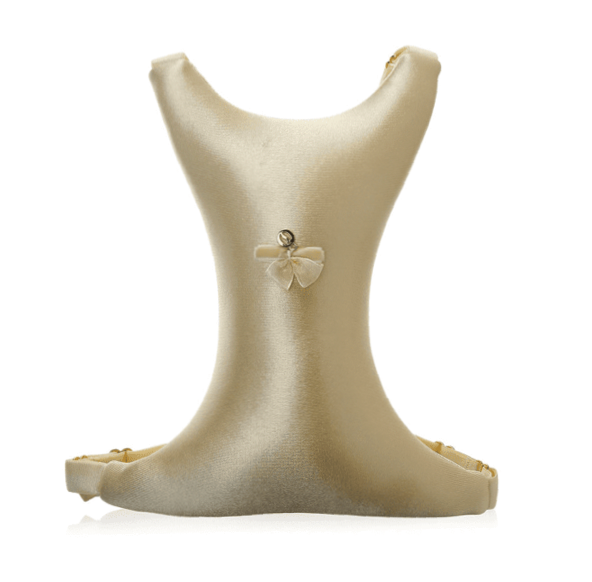
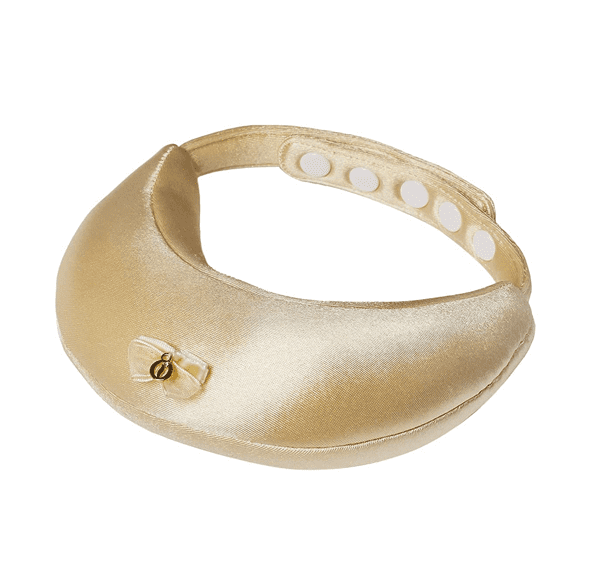
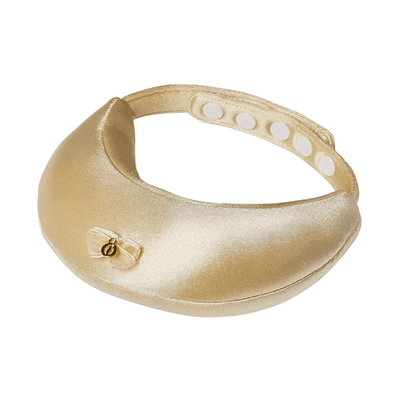
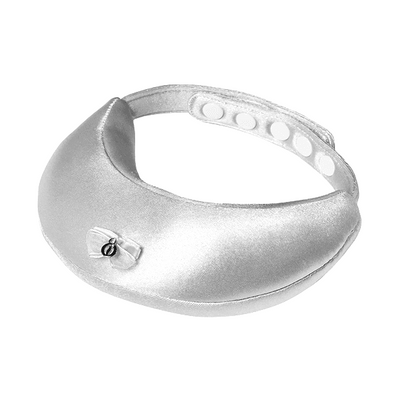
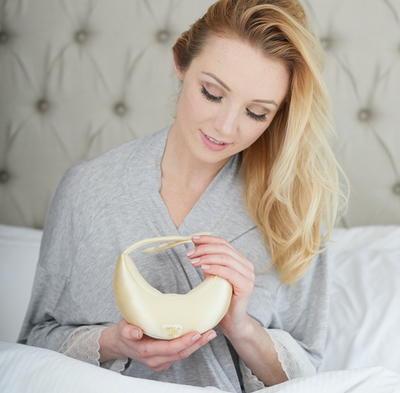
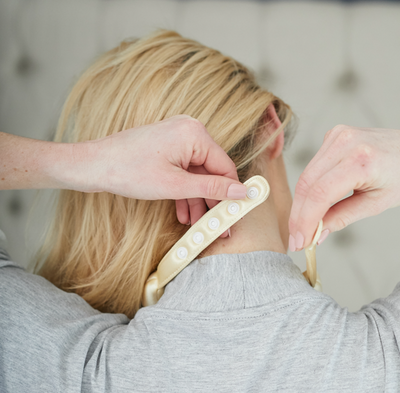
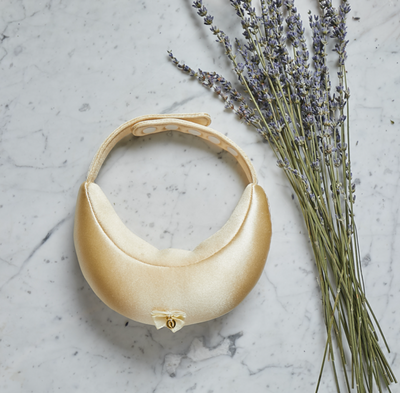
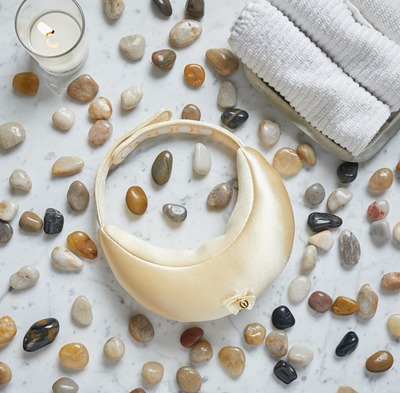
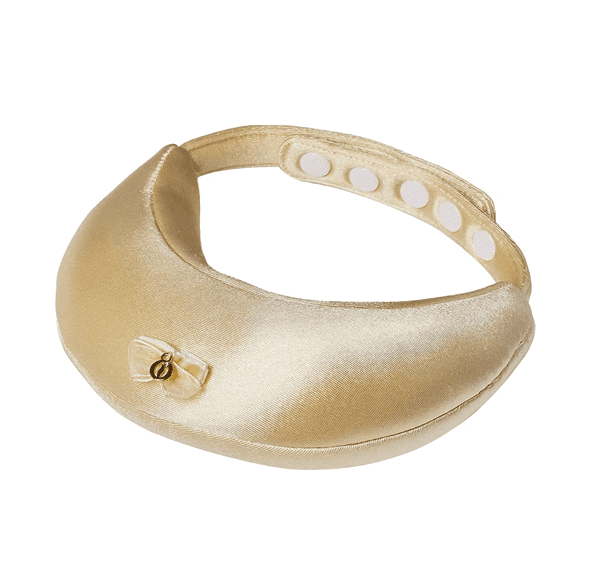
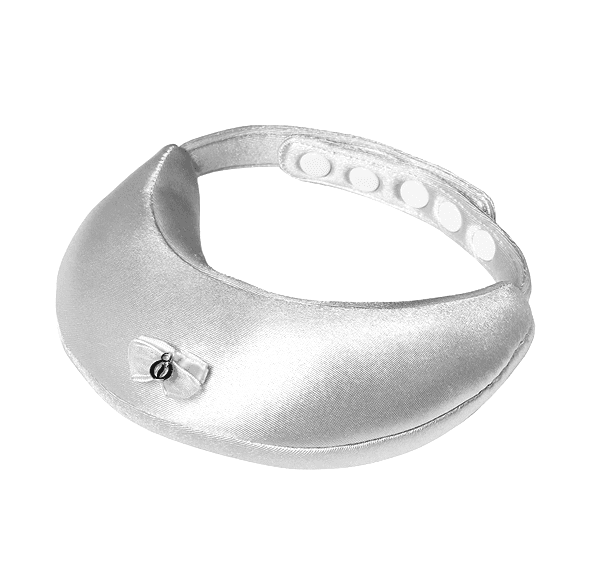
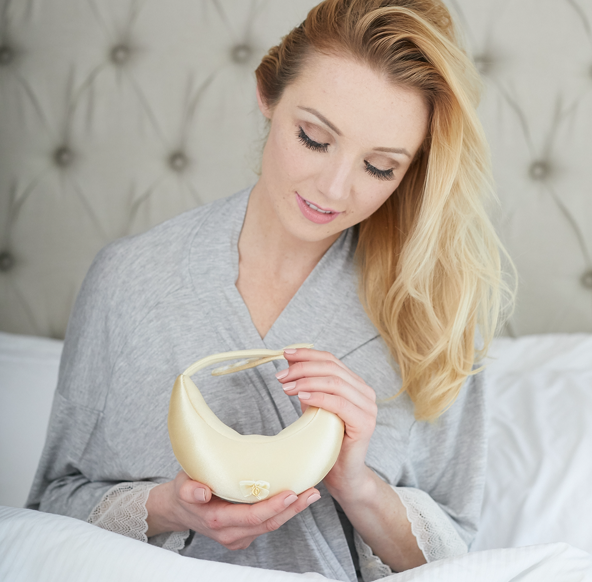
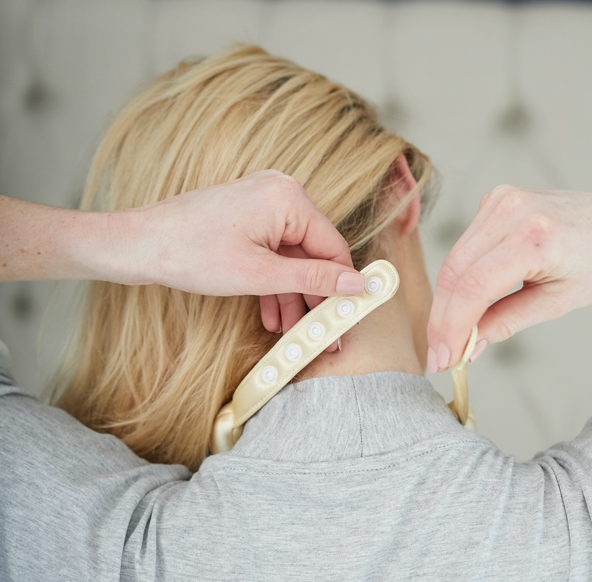
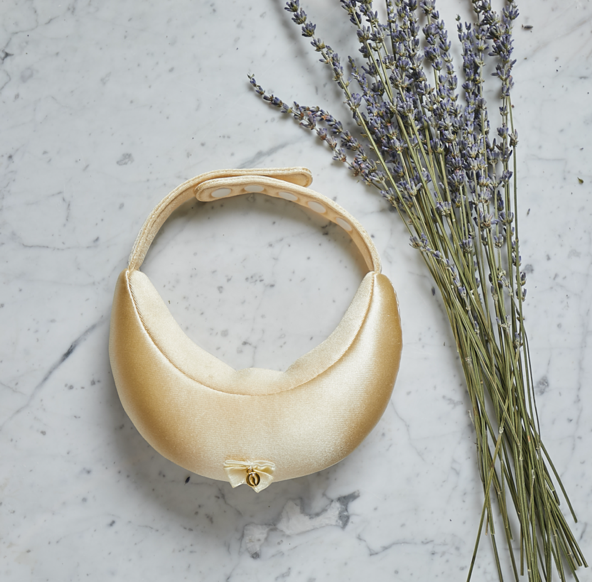
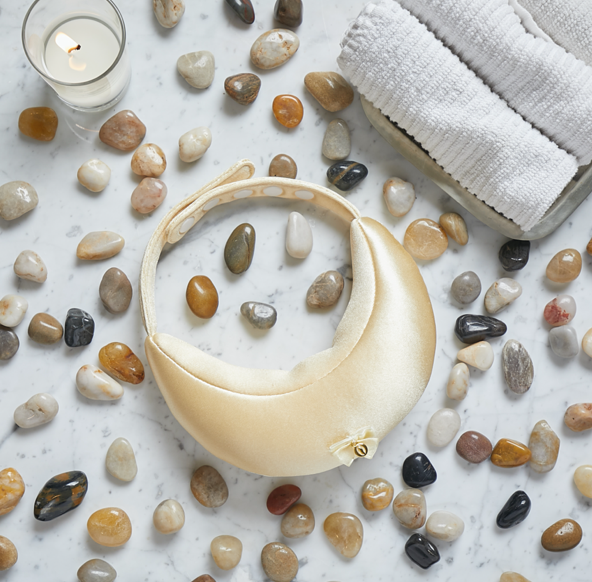
If you absolutely cannot switch to back-sleeping, consider using a specialized chest pillow or anti-aging breast support pillow designed to create a gap between your breasts while you sleep on your side. These pillows separate and support your breasts, reducing compression and folding. They're not a perfect substitute for back-sleeping, but they can meaningfully slow the progression of crease lines on chest and chest creases in side sleepers.
Similarly, a supportive sleep bra or anti-aging breast support garment designed specifically for sleep can help. Unlike tight, restrictive bras, these soft, gentle garments provide light support and prevent breast tissue from falling inward and compressing. They keep your chest area more open and relaxed during sleep, reducing the mechanical pressure that creates fine lines on chest.
And one small, slightly cruel truth from a woman who makes sleep products: if your décolletage looks flawless by morning—check if you actually slept on your side.
Even if you can't commit to full back-sleeping, any reduction in side-sleeping helps. If you can manage to sleep on your back for half the night, or even a few nights per week, you'll slow the progression of chest lines wrinkles. Small adjustments compound over time.
Section 6: At-home treatments and non-invasive options for chest creases
Hydrating masks and overnight treatments
Beyond daily moisturizers, intensive hydrating masks can deliver a concentrated dose of moisture and active ingredients to soften fine lines on chest and improve texture. Use these treatments two to three times weekly for maximum benefit.
Sheet masks are convenient and effective. Soak a sheet mask in a hydrating serum (hyaluronic acid, glycerin, and peptides are ideal), apply it to your chest for 15–20 minutes while you relax, then gently pat in any remaining serum. The occlusive environment of the mask holds moisture against your skin, plumping cells and softening lines on chest noticeably.
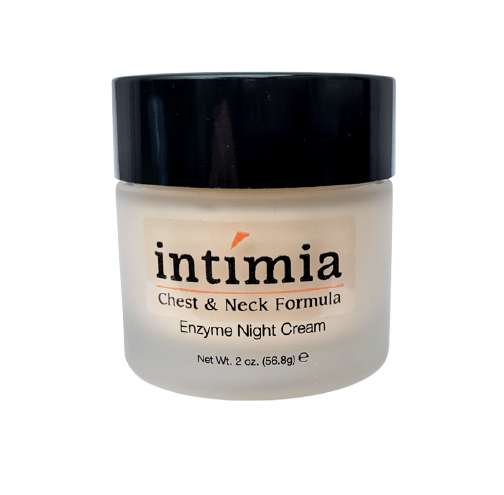
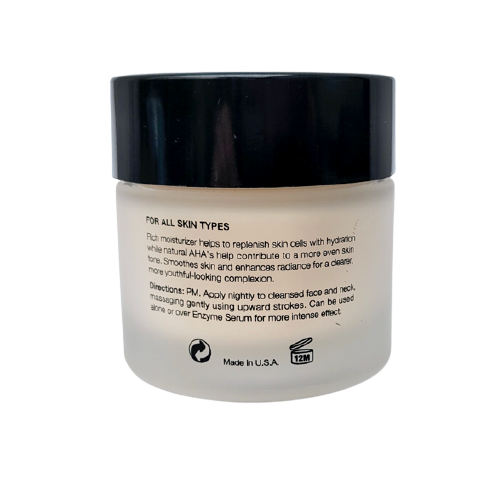
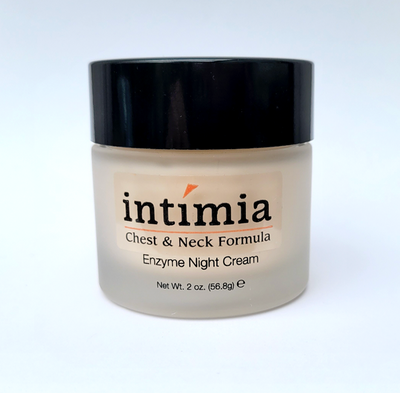
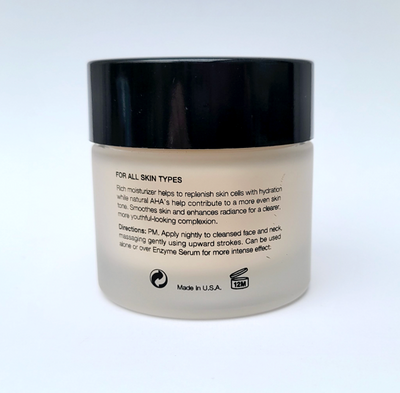
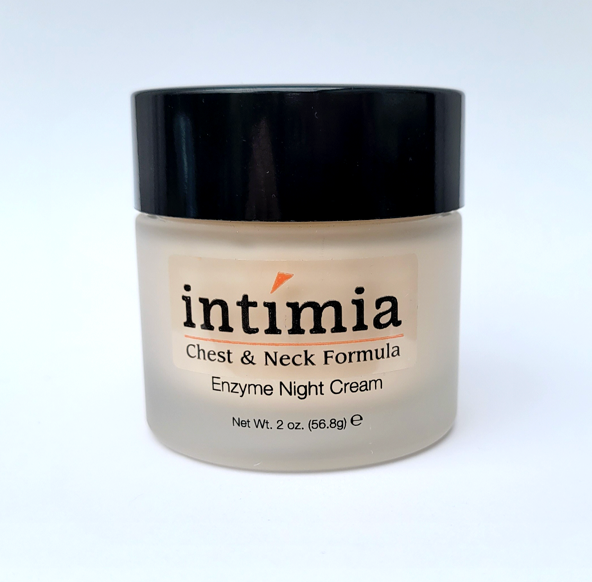
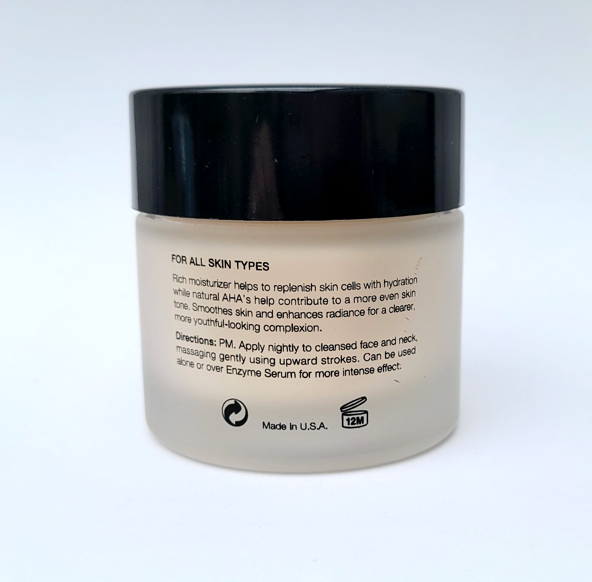
Overnight creams are richer, thicker formulations designed to be left on your skin while you sleep. Apply a generous layer to your chest after your evening skincare routine—after your serums and before your nighttime moisturizer—and let it work overnight. Look for formulations with hyaluronic acid, ceramides, shea butter, or plant oils to provide intensive moisture and barrier repair (crepey skin treatment approaches).
These intensive treatments won't permanently erase chest creases, but they provide immediate plumping and softening effects, making lines on chest appear less pronounced. Regular use over weeks can improve overall skin texture and hydration, making your chest look smoother and more youthful.
Silicone patches for smoothing and training the skin
Medical-grade silicone patches are an innovative, non-invasive tool for managing chest creases and lines on chest. These thin, transparent patches adhere to your chest and create an occlusive microenvironment that holds your skin flat while drawing moisture into the top layers of skin.
When you wear a silicone patch overnight on a crease line on chest, the patch prevents the skin from folding and wrinkling. Simultaneously, it creates a moist environment that hydrates the skin and allows it to absorb moisture-binding ingredients from serums applied underneath the patch. Over weeks of nightly use, silicone patches can gradually train your skin to hold a smoother shape, softening the appearance of fine lines on chest and reducing the depth of chest creases (non-invasive chest wrinkle options).
Silicone patches are reusable, non-invasive, and require no downtime or recovery. They're ideal for mild to moderate lines on chest and can be part of a comprehensive routine alongside retinol, sunscreen, and sleep position changes. While they won't eliminate deep chest lines wrinkles, they're a gentle, effective option for anyone looking to improve their décolletage without professional procedures.
Gentle massage and tools (gua sha, rollers)
Light massage and traditional tools like gua sha stones or jade rollers may support skin health by boosting circulation and lymphatic drainage. The theory is that improved blood flow delivers more oxygen and nutrients to chest skin, supporting collagen production and natural healing (lifestyle techniques and skin).
In practice, the evidence for massage and gua sha is mostly anecdotal. While these techniques feel lovely and may provide a subtle improvement in skin appearance, they're not as scientifically proven as retinol, sunscreen, or professional treatments. That said, if you enjoy these practices, they're harmless and can be a relaxing part of your routine. Use a gua sha stone or roller with light pressure, moving upward from your sternum toward your collarbone. Never drag downward or apply aggressive pressure to this delicate skin.
Comparing at-home methods to more aggressive procedures
It's important to have realistic expectations about what at-home treatments can achieve. At-home skincare, hydrating masks, silicone patches, and gentle tools are excellent for prevention and management of mild to moderate fine lines on chest and lines on chest. With consistent use over months, you can soften the appearance of crease lines on chest and slow the formation of new wrinkles.
However, if you have deep, etched chest lines wrinkles, significant sun damage with pigmentation and crepey texture, or sagging skin in the décolletage, at-home treatments alone likely won't provide the dramatic improvement you're seeking. In these cases, professional treatments like lasers, microneedling, or chemical peels offer more powerful results (comparison of treatments).
There's no shame in moving to professional care when at-home options have reached their limits—it's simply a recognition that some damage requires more aggressive intervention.
Section 7: When to consider professional help for chest lines wrinkles
Signs at-home care isn't enough
If you've committed to a comprehensive at-home routine—daily moisturizer and sunscreen, targeted actives like retinol, sleep position changes, and hydrating masks—for three to six months without significant improvement, it may be time to consult a dermatologist or aesthetic provider. Persistent chest lines wrinkles that don't respond to at-home care usually indicate deeper structural damage that requires professional intervention (when to see a professional).
Additional signs that you're ready for professional treatment include:
- Deep, visible chest creases that are prominent at rest, not just when your skin is folded or compressed. If your lines on chest are etched and visible in natural light from multiple angles, topical products likely won't fully address them.
- Accompanying sagging or loss of firmness in the décolletage. If your chest skin looks crepey, thin, or sagging alongside your crease lines on chest, you may benefit from treatments that stimulate collagen production or provide structural support.
- Sun damage with pigmentation changes, age spots, or mottled discoloration alongside your fine lines on chest. While sunscreen and vitamin C can help prevent further damage, existing pigmentation often requires professional treatment like lasers or chemical peels to improve (premature aging signs).
- Progressive worsening of your lines on chest despite consistent at-home efforts. If your chest lines wrinkles seem to be deepening or multiplying, professional intervention can slow or reverse this progression.
Common in-office treatments for chest wrinkles
A skilled dermatologist or aesthetic provider has several evidence-based options for treating chest lines wrinkles and crease lines on chest.
Chemical peels use a controlled chemical solution to remove the outer layers of skin, triggering collagen remodeling and revealing fresher, smoother skin underneath. Light to medium peels can improve texture, reduce the appearance of fine lines on chest, and address mild sun damage and pigmentation. Peels are relatively quick (15–30 minutes) with minimal downtime for light peels, making them accessible for many patients. Multiple sessions are often needed for optimal results (peels for wrinkles).
Laser and light therapies are among the most effective professional treatments for chest lines wrinkles. Intense Pulsed Light (IPL) and non-ablative fractional lasers work by creating controlled thermal injury to the skin, which triggers collagen remodeling and new collagen production. These treatments improve skin texture, reduce fine lines on chest, and address sun damage and pigmentation. Unlike ablative lasers that remove the entire outer layer of skin, non-ablative lasers preserve the skin surface, allowing for faster healing. A series of three to six treatments, spaced four to six weeks apart, typically provides the best results. Mild redness and swelling may occur but usually resolve within 24–48 hours (laser options for wrinkles).
Microneedling uses tiny needles to create micro-injuries in the skin, which triggers the body's natural healing response and stimulates collagen production. The procedure is relatively quick, causes minimal discomfort (especially with numbing cream), and requires no downtime. Over several treatments (typically four to six sessions spaced four weeks apart), microneedling can noticeably soften fine lines on chest, improve texture, and increase firmness. Results continue to improve for several months after treatment as collagen remodels (microneedling for chest wrinkles).
Injectables like dermal fillers or Botox may be used for specific patterns of chest lines wrinkles, though they require a skilled provider experienced with chest anatomy. Fillers can add volume to hollow areas and soften the appearance of crease lines on chest. Botox can relax muscles that contribute to dynamic wrinkles. However, because chest skin is thin and delicate, injectable treatments carry a higher risk of visible irregularities or prolonged swelling compared to the face. Discuss these options carefully with your provider (WebMD – injectables for wrinkles).
Questions to ask your dermatologist or aesthetic provider
Before committing to any professional treatment for your chest lines wrinkles, ask your provider these important questions (choosing wrinkle treatments):
- Which treatments are safest and most effective for thin chest skin? Not all treatments are appropriate for all areas. Your provider should explain why they're recommending specific treatments and how they account for the unique properties of chest skin.
- How many sessions are typical, and what is the expected downtime? Understand the full treatment timeline and what to expect in terms of recovery, redness, swelling, or activity restrictions.
- What realistic improvement can I expect for my lines on chest? Honest providers will show you before-and-after photos of similar cases and explain realistic outcomes. They won't promise to completely erase deep wrinkles; instead, they'll discuss noticeable improvement and softening.
- What is the maintenance plan? Many professional treatments require periodic touch-ups to maintain results. Ask how often you'll need follow-up treatments and whether at-home skincare can extend results.
- How do I protect my skin after treatment? Your provider should give you detailed post-treatment instructions, including sun protection requirements. Some treatments require strict sun avoidance for weeks, which is essential for healing and preventing complications.
Section 8: Lifestyle habits that support a smoother chest over time
Nutrition for skin and collagen health
Your diet directly impacts your skin health and your body's ability to produce and maintain collagen. If you want to prevent fine lines on chest and support skin repair, prioritize foods and nutrients that support collagen production and skin healing.
Antioxidant-rich foods like colorful fruits and vegetables neutralize free radicals generated by sun exposure and environmental pollution. These free radicals are primary culprits in breaking down collagen and creating chest lines wrinkles (diet and skin aging). Eat a rainbow: berries, leafy greens, orange and red vegetables, tomatoes, and dark chocolate are all excellent sources of skin-protective antioxidants.
Vitamin C is essential for collagen synthesis—your body literally cannot produce new collagen without adequate vitamin C. Citrus fruits, kiwi, bell peppers, and strawberries are excellent food sources. While dietary vitamin C alone won't prevent lines on chest, it supports your body's baseline collagen production (NIA – nutrients and skin).
Vitamin A supports skin cell turnover and collagen remodeling. Include sweet potatoes, carrots, spinach, and kale in your diet.
Vitamin D supports skin barrier function and immune health. Fatty fish like salmon and mackerel are excellent sources, and safe sun exposure (with SPF) supports vitamin D production.
Vitamin E works synergistically with vitamin C to fight oxidative stress. Nuts, seeds, and plant oils provide vitamin E.
Omega-3 fatty acids from fatty fish, walnuts, flax seeds, and chia seeds support skin barrier integrity and elasticity. These healthy fats are building blocks for cell membranes and support skin's ability to retain moisture and resist fine lines on chest.
Protein and amino acids are literally the building blocks of collagen. Include adequate protein at each meal: lean meats, fish, eggs, legumes, and dairy products (Cleveland Clinic – lifestyle and aging).
Collectively, a diet rich in antioxidants, vitamins, minerals, and healthy fats provides your skin with the raw materials it needs to produce collagen and repair damage. While diet alone won't erase chest creases or prevent sun damage, it's foundational for skin health.
Hydration, exercise, and posture
Hydration is critical for skin health. When your body is dehydrated, cells lose volume and plumpness, making lines on chest appear more pronounced. Drink adequate water daily—a common guideline is around eight cups, though individual needs vary based on activity level, climate, and body size. You'll notice that your skin looks plumper, more radiant, and your crease lines on chest appear softer when you're well-hydrated (hydration and skin).
Regular exercise improves circulation, delivering more oxygen and nutrients to your skin. It also supports muscle tone and posture, which indirectly affects how your chest looks. Exercise can reduce stress levels, which supports overall skin health. Aim for 150 minutes of moderate activity weekly—anything from brisk walking to yoga to strength training counts (NIA – lifestyle and skin).
Posture matters more than many people realize. Chronic slouching or forward posture compresses the chest area, encouraging folding and creasing of skin. Standing tall with your shoulders back and your chest open creates better support and less compression. This is especially important if you spend hours at a desk. Make a conscious effort to sit and stand with good posture throughout the day, and you'll reduce the mechanical stress that contributes to chest creases.
Stress management, smoking cessation, and sleep quality
Chronic stress elevates cortisol, a hormone that impairs skin barrier function, reduces collagen production, and accelerates aging throughout the body, including your chest. Practices that reduce stress—yoga, meditation, deep breathing, time in nature, hobbies you enjoy—directly support skin health. Even 10 minutes of daily stress reduction can make a meaningful difference in reducing fine lines on chest and supporting overall skin quality (stress and premature aging).
Smoking is one of the most damaging habits for skin aging. Nicotine constricts blood vessels, reducing oxygen delivery to skin. Tobacco smoke contains toxins that directly damage collagen and elastin. Smokers develop deeper chest lines wrinkles earlier than non-smokers. If you smoke, quitting is one of the single most powerful anti-aging steps you can take for your entire body, including your chest (WebMD – lifestyle and wrinkles).
Sleep quality and quantity are foundational for skin repair. During deep sleep, your body increases blood flow to the skin and rebuilds collagen. Insufficient or poor-quality sleep impairs these processes. Aim for seven to nine hours of quality sleep nightly. Good sleep hygiene—consistent bedtime, cool dark room, no screens before bed—supports restorative sleep that keeps your skin, including your chest creases, healthier (NIA – sleep and skin).
Remember that beyond sleep position (which we've discussed as crucial for preventing chest creases), the overall quality and quantity of your sleep matters for skin health and collagen repair.
Conclusion: A gentle, consistent approach to fine lines on chest
Fine lines on chest stem from several interconnected causes: the natural decline of collagen and elastin with age, sun exposure and photoaging, the mechanical compression of side-sleeping, dehydration, lifestyle factors like smoking and stress, and simple neglect of this delicate zone in skincare routines. Understanding these causes empowers you to address them systematically.
The good news is that lines on chest and chest creases respond well to early, consistent intervention. Daily skincare with hydrating moisturizers, targeted actives like retinol and vitamin C, and broad-spectrum sunscreen can visibly soften existing fine lines on chest and prevent new crease lines on chest from forming (chest care basics; foundations of wrinkle care). Sleep position changes and supportive sleep tools can slow the mechanical damage from nightly compression. Lifestyle habits—hydration, nutrition, stress management, exercise, and sleep quality—support your skin's natural healing and collagen production (lifestyle and aging skin).
You don't need to overhaul your entire routine at once. Instead, start with small, sustainable changes:
- This week, add sunscreen to your daily chest routine if you haven't already.
- Next week, extend your moisturizer application to include your chest and décolletage.
- The following week, consider trying back-sleeping for at least part of the night, or invest in a supportive sleep bra.
Build from there, adding retinol, hydrating masks, and other treatments as you're ready.
Over months of consistent, gentle care, you'll notice your lines on chest soften, your skin texture improves, and your confidence in how your décolletage looks grows. This isn't about achieving perfect skin—it's about respecting and caring for this often-neglected zone, recognizing its unique needs, and taking action early rather than waiting until chest lines wrinkles are deep and require professional intervention.
Your chest deserves the same skincare attention and anti-aging support you give your face. Start today with one small change, and build from there. One quiet evening, months from now, you’ll catch your reflection while you’re changing into pajamas, notice how much softer that central line has become—and smile, just a little, at the woman who decided she was worth the effort.
Related Articles
- Chest wrinkles: best prevention tips — Discover effective solutions for chest wrinkles and learn how to prevent a wrinkly chest at any age.
- Décolletage wrinkles: causes and treatments — Explore effective treatments for décolletage wrinkles to smooth lines on the chest and combat aging skin.
- Neck and chest wrinkles: prevent aging — Find effective tips to prevent neck and chest wrinkles, empowering your beauty routine.
- Deep chest wrinkles: effective treatments — Discover effective treatment options for deep chest wrinkles and regain your skin's youthful appearance.
- Cleavage wrinkles: prevent & fade — Learn effective ways to prevent cleavage wrinkles and enhance your confidence by improving your skin's texture.
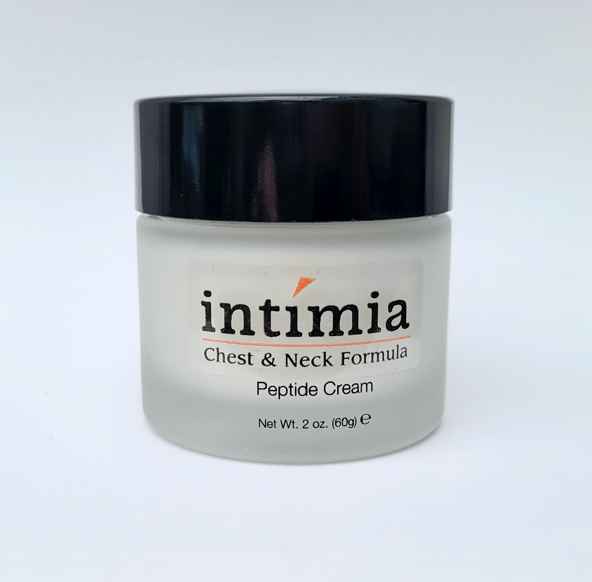
Want to discover flawless skin with Intimia? Shop now here: here