Side Sleeper Neck Wrinkles: Prevent
How to prevent side sleeper neck wrinkles (without giving up the sleep you love)
Why side sleepers see neck wrinkles sooner
I’ll tell you a small secret from my own bathroom mirror.
One morning, around 43, I leaned closer to the mirror and thought, “When did my neck start looking like a concertina?” It wasn’t dramatic, just these faint little horizontal lines, like someone had folded my skin overnight and forgot to smooth it back.
I blamed everything at first—age, stress, that late-night tiramisu. But then I started noticing a pattern with my clients and girlfriends. The women who slept religiously on their backs? Their necks looked smoother, often years longer. The loyal side sleepers, like me? Much more likely to have those faint lines turning into little grooves.
Dermatologists back this up. When you sleep on your side night after night, your skin folds the same way, in the same spots, for hours. WebMD explains that repeated mechanical pressure and folding of the skin can turn temporary sleep lines into permanent wrinkles over time. The neck and chest—so soft, so thin—take the hit first.
Back sleeping, by contrast, doesn’t press your face and neck into the pillow. It’s not magic, but experts note it creates far less compression, and less friction, so your skin has a chance to age at its own pace instead of being crumpled like a shirt in a suitcase.
Now, do I expect you to suddenly become a zen-like back sleeper who never flips onto her side at 3 a.m.? No. I tried that “I’ll just train myself to sleep on my back” nonsense. I woke up on my side, hugging my pillow like it was my last lifeline. If your décolletage looks flawless by morning—check if you actually slept on your side.
So instead of fighting who we are, we work with it. There are ways to keep sleeping on your side and still protect your neck. That’s what this guide is about.
What really causes neck wrinkles (it’s not just age)
Let’s untangle the usual suspects first. Because it’s not just the birthday candles.
1. Repeated folding from your sleep position
Picture your neck and lower face pressed into the pillow. Your jaw slides slightly forward, your chin tilts down, and the skin on your neck creases in horizontal bands. Eight hours like that. Then again tomorrow. And next week. And next year.
Over time, those “temporary” lines don’t fully go away in the morning. They start to etch in. Cleveland Clinic explains that repetitive skin compression and decreased elasticity together are a perfect recipe for deeper wrinkles—exactly what we see in loyal side and stomach sleepers.
2. Aging collagen and elastin
After 30, our skin slowly cuts back on collagen and elastin production. We all know this, but we feel it most where the skin is thinnest: eyes, neck, chest.
Dermatologists at Cleveland Clinic describe wrinkles as the visible result of reduced collagen, impaired elastin, and repeated motion or folding. In plain language—less spring, more folding.
So if your neck already has less structural support, and then you press and fold it every night on your side, the lines deepen faster.
3. Tech neck and posture
“Look up,” I told a client once as I watched her scrolling in my waiting room. Chin practically on her chest, shoulders rolled, neck folded in three neat lines.
Hours of that posture—phone, laptop, even reading in bed—create what many people call “tech neck.” Healthline notes that constantly bending your neck forward can exaggerate horizontal neck lines. Those are movement wrinkles, just like crow’s feet from squinting.
4. Sun damage
One of my girlfriends has the softest, plumpest facial skin. She’s religious about SPF on her face. Her neck and chest? Different story. Freckles, roughness, visible lines. She once shrugged and said, “I didn’t think to drag it down.”
The neck gets just as much sun as the face, but we often forget sunscreen there. Over time, Mayo Clinic confirms UV exposure breaks down collagen and elastin, making the skin thinner and more prone to wrinkles.
5. Dehydrated and neglected skin
We moisturize our faces like they’re fine silk, then treat the neck like it’s an afterthought—if we remember it at all.
But Cleveland Clinic dermatologists say the neck absolutely benefits from the same active ingredients as the face: retinoids, peptides, vitamin C, hyaluronic acid, and sunscreen. Ignore it, and the skin becomes drier, thinner, and more fragile. Lines appear sooner and stay longer.
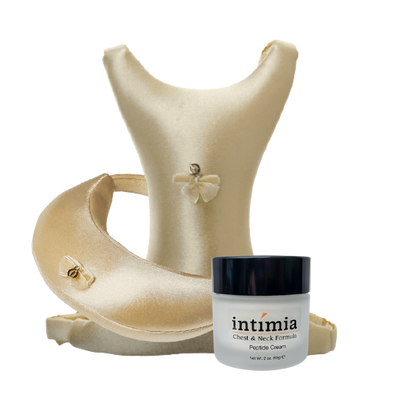
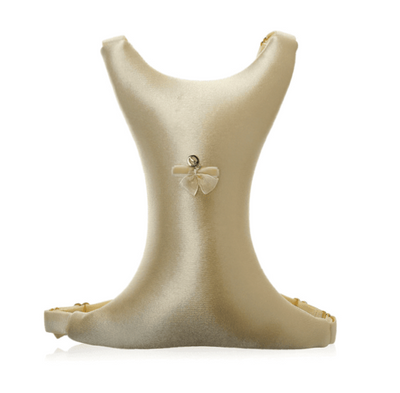
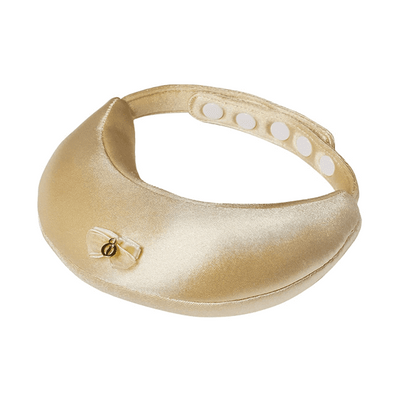
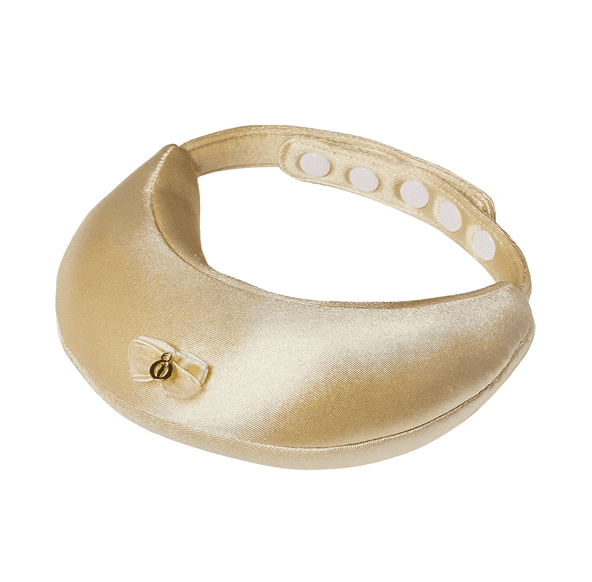
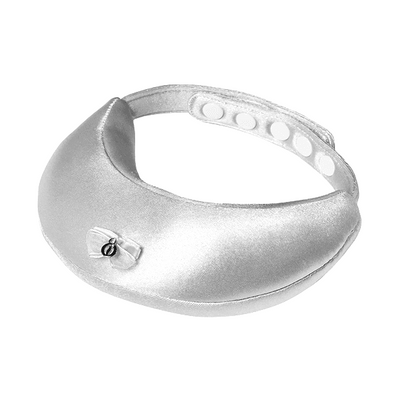
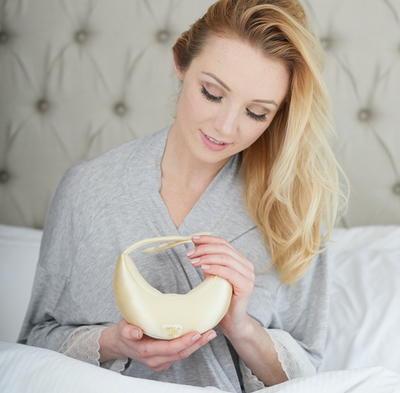
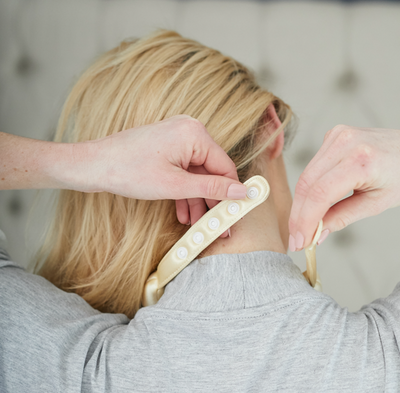
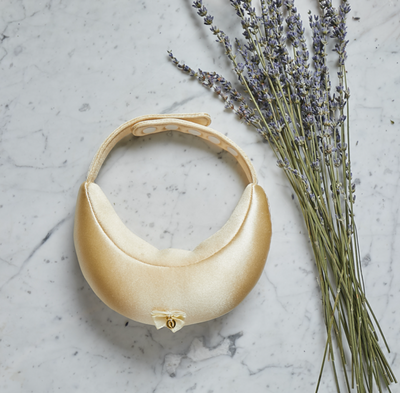
What is a neck wrinkle prevention pillow?
When women first hear “neck wrinkle prevention pillow,” they usually laugh.
“What’s next, anti-aging socks?” someone once joked to me over coffee.
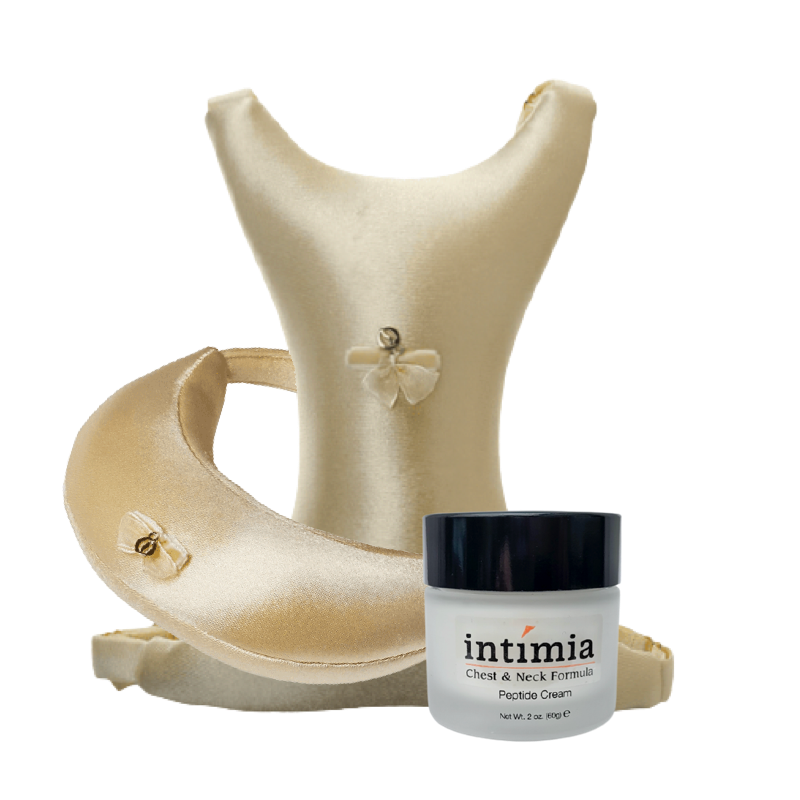
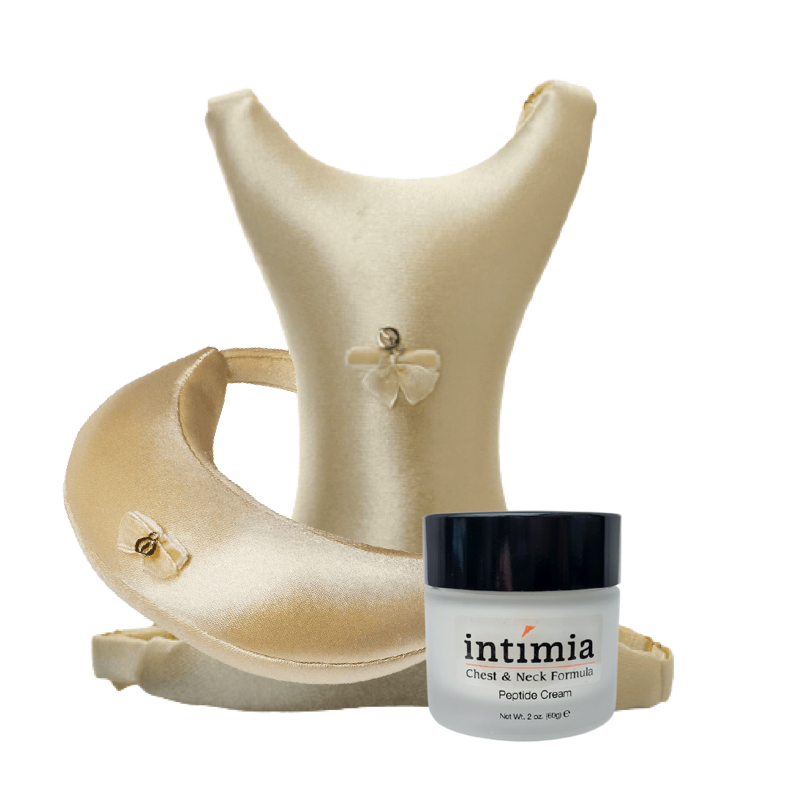
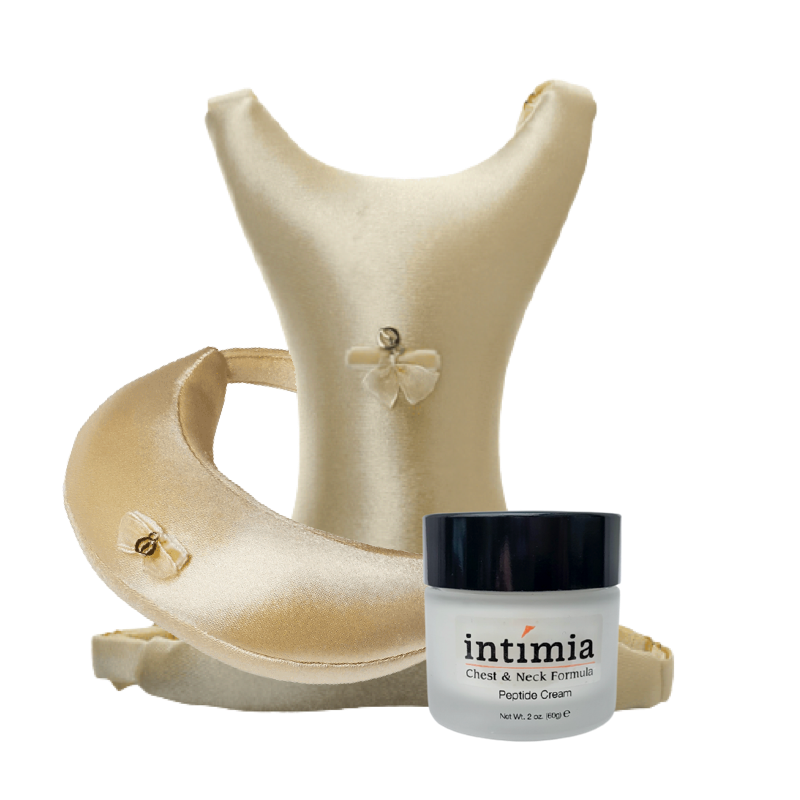
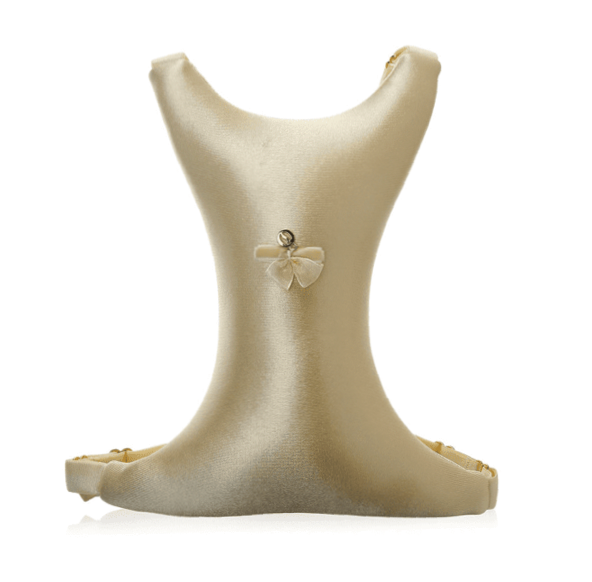
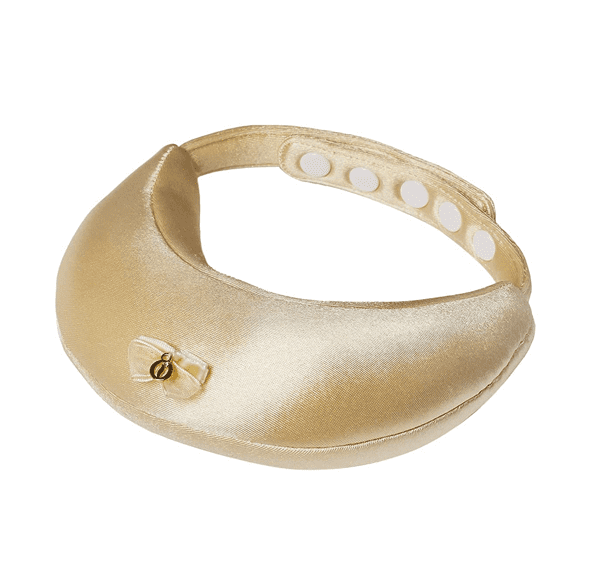
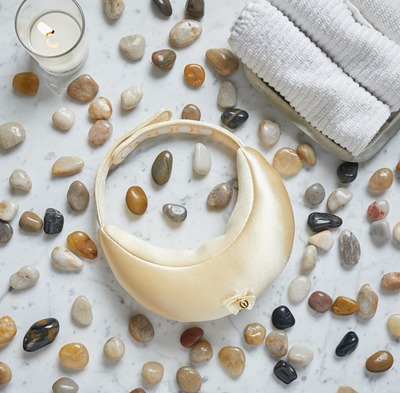
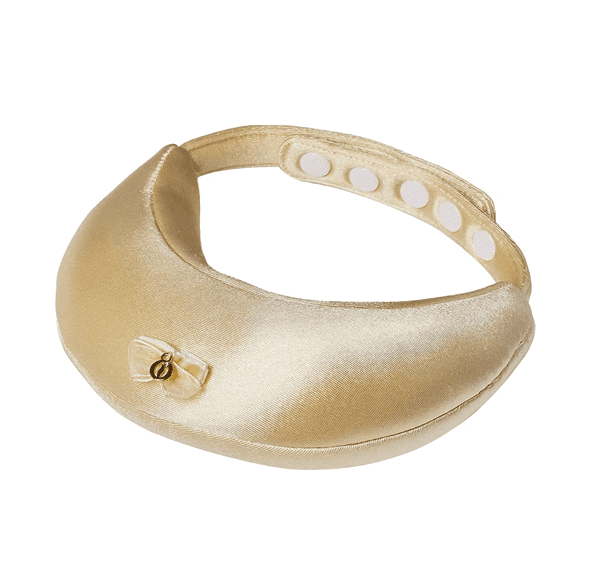
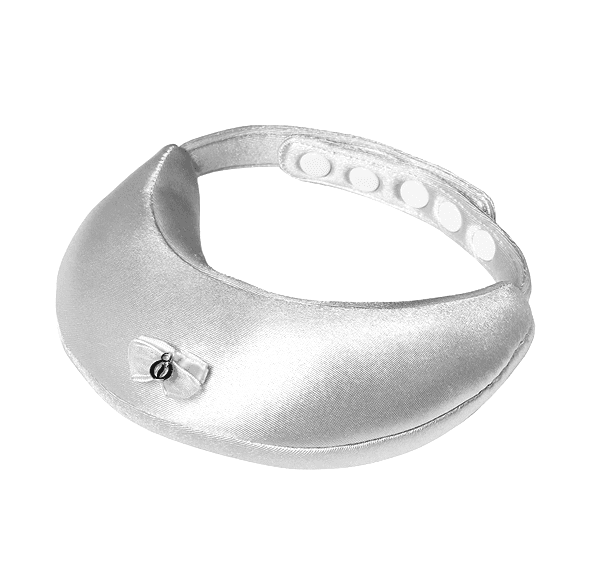
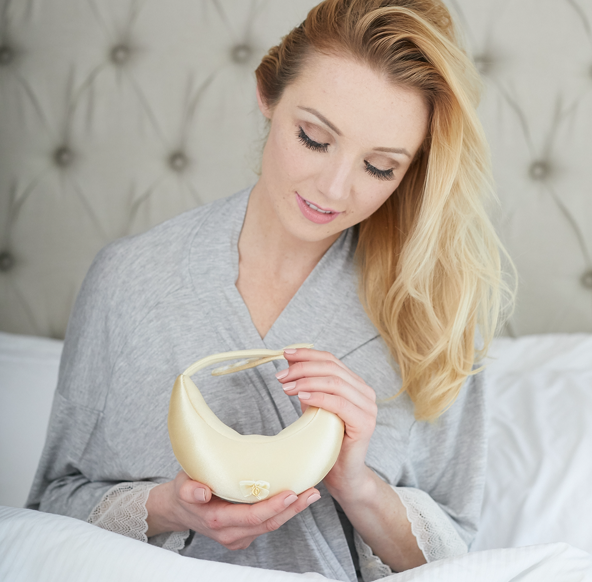
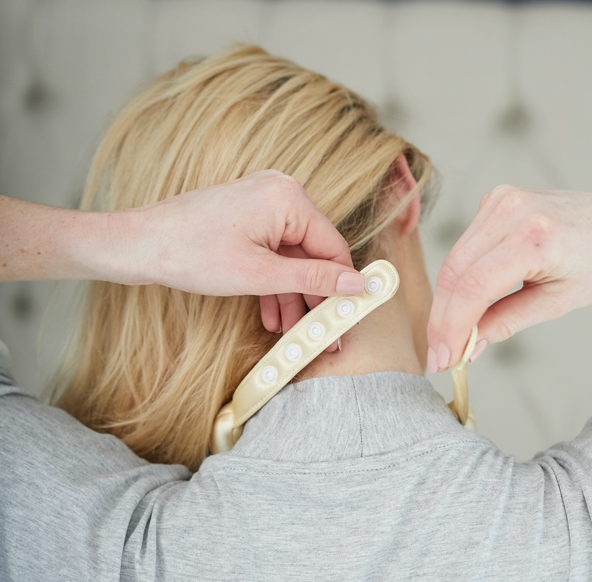
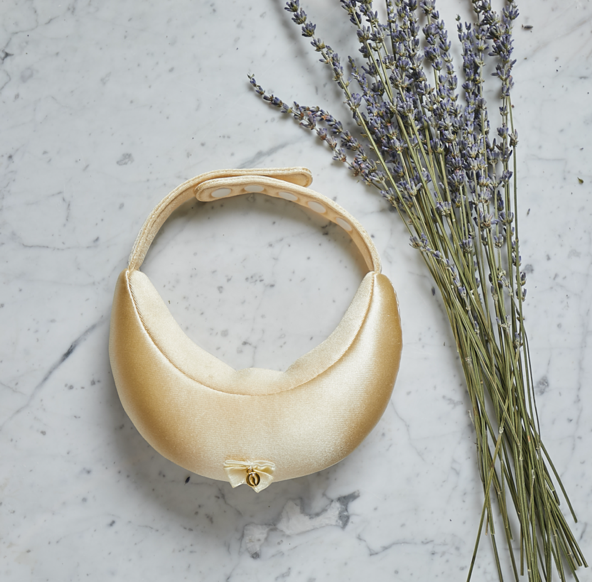
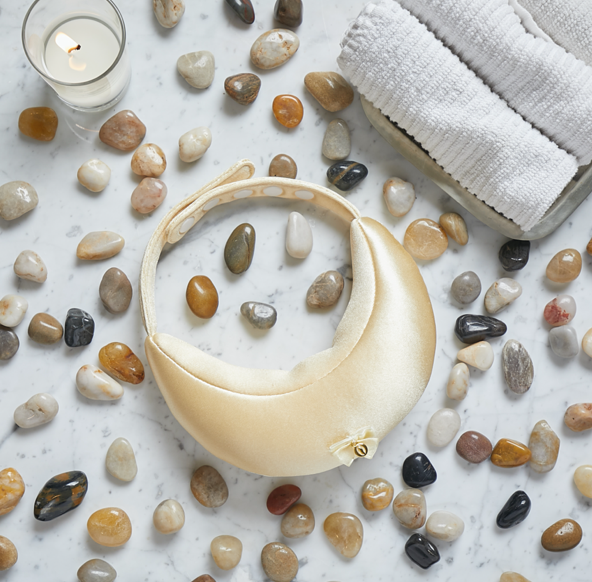
But the idea is actually simple—and practical. A neck wrinkle prevention pillow is designed not just for spinal comfort, but to reduce the folding and compression that happen around your neck and lower face when you sleep, especially on your side.
How it works
Instead of one big flat cushion pressing everything forward, a good neck wrinkle prevention pillow does three things:
-
Supports the neck’s natural curve
It cradles the cervical spine so your head isn’t tilting sharply down or to the side. This better alignment means less bunching of the skin at the front of the neck. -
Reduces pressure on the lower face and jaw
When your jaw and cheek aren’t being pushed into the pillow, your neck doesn’t get “accordion folded” from above. Less compression, fewer sleep lines. -
Minimizes fabric friction
Pairing this kind of pillow with low-friction fabrics—like silk—can reduce tugging on the skin. Healthline notes that silk pillowcases create less friction than cotton and may help prevent wrinkle formation.
No, it won’t “erase” deep wrinkles—that’s where in-office treatments come in. But it can absolutely slow new sleep lines from forming and keep early ones from getting stamped deeper.
What it’s not
It’s not a magic device that replaces sunscreen, retinol, or a healthy lifestyle. Evidence-based wrinkle care still relies on topical ingredients (like retinoids and vitamin C), professional treatments, and daily SPF. A pillow is one piece of the puzzle—the “mechanical” side of prevention.
Who actually needs a neck wrinkle prevention pillow?
Let’s see if you recognize yourself in any of these scenes.
Side sleepers who wake with neck or chest lines
You wake up. You walk to the mirror. Across your neck are three soft horizontal lines, maybe a little redness near your collarbone. They fade by noon—at least for now.
Those are sleep lines. Dermatology sources warn that if the same lines show up every morning, they can eventually become permanent. A neck wrinkle prevention pillow helps reduce exactly that repeated folding, while still letting you sleep on your side.
Women over 35 with early “necklace lines”
By mid-thirties, many of us notice soft, horizontal bands around the neck even when we’re standing tall. Some come from tech neck, some from genetics, and some from years of side sleeping.
Healthline explains that topical treatments like retinoids, hyaluronic acid, and vitamin C help improve these lines—but mechanical factors (like sleep position) still matter. Supporting the neck properly at night can keep those lines from deepening as quickly.
Women who’ve invested in treatments
Maybe you’ve had microneedling, radiofrequency, laser, or even a neck lift. Your doctor told you, “Protect your results.”
Cleveland Clinic lists a range of medical treatments for wrinkles—chemical peels, laser resurfacing, fillers, and more—but every single one still relies on what you do afterward. If you keep sleeping with your neck deeply creased for eight hours every night, results can fade faster than they should.
Chronic back sleepers who occasionally roll to the side
Even if you consider yourself a back sleeper, pay attention to where you are at 5 a.m. A lot of women start on their back and end up on their side, especially in the second half of the night.
For you, a neck wrinkle prevention pillow is like an insurance policy. It helps keep your head aligned and makes side-sleeping less aggressive on your neck when you inevitably roll.
How to choose the right neck wrinkle prevention pillow
When I bought my first “special pillow,” I made every mistake possible. It was too high, too hard, and smelled like a tire shop. I lasted two nights.
Let me save you from that.
1. Height and firmness
You want your spine in a neutral line—no dramatic tilt forward or backward. For side sleepers, the pillow should generally fill the space between your ear and shoulder without pushing your head up too high.
- Too high — your neck bends, skin at the front folds more.
- Too low — your head falls toward the mattress, pulling and stretching the neck.
If you have broader shoulders, you’ll usually need a slightly higher pillow. Narrow shoulders—slightly lower. Medium firmness works for most women: supportive, but with some softness so your skin isn’t crushed.
2. Shape and cutouts
Look for designs that:
- Support the natural curve of your neck (a gentle slope or cervical contour).
- Reduce direct pressure on the lower face, jaw, and front of the neck.
- Allow your head to rest without your chin tucking aggressively toward your chest.
You’re not just supporting bones; you’re protecting the skin that drapes over them.
3. Fabric and pillowcase
I always tell women: if you can, choose fabrics that glide, not drag.
Healthline highlights silk pillowcases as helpful for reducing friction and potential wrinkle formation. Cotton tends to grab and crease the skin more. Satin or silk over your neck wrinkle pillow is an easy upgrade that your hair will also appreciate.
4. Breathability and heat
Overheating can make you toss and turn—and every flip is another chance to squish your face and neck. Look for breathable foam, ventilated designs, or natural fills that don’t trap heat.
If you’re in perimenopause or menopause and prone to night sweats, this becomes even more important. Less tossing means steadier alignment.
5. Trial period
Your body will need a week or two to adjust. If a pillow doesn’t offer a trial period or return option, be a little suspicious. Comfort matters. You are not going to sacrifice sleep just to baby your neck—and you shouldn’t have to.
How to use a neck wrinkle prevention pillow correctly
A good pillow can only help if you actually use it properly. I’ve watched women gently place their head in the right spot at 11 p.m. and wake up with half their face buried in the wrong corner at 6 a.m.
Step 1: Set your alignment while you’re fully awake
Lie down on your side with the pillow. Have someone take a photo from behind you, or use your phone with a timer prop it up somewhere so you can see:
- Is your head in line with your spine—or tilted up or down?
- Is your chin slightly tucked (bad) or comfortably neutral?
- Is the front of your neck smooth—or already creased in this position?
Adjust the pillow height or shape until your neck looks smooth and long, not folded.
Step 2: Support your upper body
If your upper body collapses forward, your neck will twist, and that twist travels up into your jaw and down into your chest.
Try this:
- Place a small pillow or rolled towel in front of your chest to hug—this keeps you from rolling too far forward.
- Use a thin pillow between your knees to align hips and spine, so your whole body is in a calmer, more stable line.
When the body is aligned, the skin folds less. Simple, but powerful.
Step 3: Combine with the right pillowcase
Slip a silk or satin case over your wrinkle prevention pillow. The goal is to let your skin glide if you move, instead of sticking and folding.
Remember, wrinkle prevention experts consistently mention friction and pressure as factors—this is where textiles matter.
Step 4: Train gently, not perfectly
Don’t expect perfection from night one. You might still wake up half on your stomach, or twisted like a croissant.
What I tell my clients:
First week — just fall asleep on the new pillow. That’s all.
Second week — if you wake up in the night, quietly return to the pillow’s intended position. No drama, no frustration.
Third week — by now, your body usually “remembers” the new default position more easily.
We’re not chasing 100% perfect form. If you go from eight hours of aggressive folding to four, you’ve already made a real difference.
Skincare that supports your pillow (and vice versa)
Your neck wrinkle prevention pillow handles the mechanical part of aging—less folding, less compression. Your skincare handles the biology.
1. Retinoids for collagen support
Cleveland Clinic dermatologists strongly recommend retinoids (like retinol or prescription tretinoin) to help boost collagen production, improve texture, and soften fine lines on the neck.
If you’re new to retinoids:
- Start 1–2 nights per week.
- Use a pea-sized amount for the whole neck—no more.
- Moisturize afterward to reduce irritation.
If redness or flaking happens, pause, recover with a gentle moisturizer, and restart more slowly. No heroics.
2. Vitamin C for brightness and firmness
In the morning, apply a vitamin C serum from face all the way down the neck and chest. Evidence shows vitamin C helps with collagen synthesis and fights free radical damage from UV and pollution.
Think of it as primer for your skin’s day out in the world.
3. Daily SPF (yes, on the neck)
The neck is a UV magnet. You put SPF on your face, then stop at the jawline—and the sun says thank you, I’ll take everything below.
Mayo Clinic emphasizes broad-spectrum sunscreen (SPF 30 or higher) as one of the most important tools to prevent wrinkles. Extend your SPF down the neck and onto the chest every single morning, even if the only person seeing it is your cat.
Make it automatic: serum, moisturizer, SPF—face, neck, chest.
4. Moisturizers with hyaluronic acid
Dehydrated skin wrinkles more dramatically and recovers more slowly. Hydrated skin looks smoother, plumper.
Healthline mentions that ingredients like hyaluronic acid help attract and retain moisture in the skin, improving the look of fine neck lines. Look for serums or creams that combine hyaluronic acid with ceramides or glycerin for barrier support.
And yes—apply them at night, then let your neck wrinkle prevention pillow do its quiet work while you sleep.
What if your plan isn’t perfect? (Because it won’t be.)
Let me tell you how this usually goes:
You decide to care about your neck. You buy the pillow. You set it up. Night one feels strange. Night two is better. Night three you fall asleep watching a show, without the pillow, half sitting up, neck bent at a 90-degree angle while Netflix asks if you’re still there.
And then you think, “I’ve ruined everything.”
No. You haven’t.
Aging and prevention are not pass/fail exams. They’re more like averages. What you do most of the time matters more than the occasional chaos.
If you:
- Use your pillow most nights.
- Wear SPF on your neck most days.
- Use your retinoid and moisturizer consistently, even with pauses.
…you are already far ahead of where you would be doing nothing. Remember, wrinkles form from years of repeated habits. You’re changing those habits. That counts, even if it’s messy.
When to see a dermatologist
I’m a big believer in starting with simple, consistent habits at home. But there are moments when bringing in a professional is wise.
Consider seeing a dermatologist if:
- Your neck lines are deep and visible even when the skin is fully stretched.
- You’ve tried topical care and mechanical changes (like a wrinkle prevention pillow) for several months with minimal change.
- Your neck skin feels crepey, sun-damaged, or you see spots you’re unsure about.
Dermatology clinics have a whole toolbox—chemical peels, laser treatments, microneedling, radiofrequency, injectables—that can improve established neck wrinkles. But even after these treatments, your nighttime habits still matter. The neck wrinkle prevention pillow doesn’t become obsolete; it becomes your long-term maintenance partner.
Your neck, your sleep, your rules
One last story.
A client of mine, 52, came in for a chest and neck consultation. Side sleeper, tech executive, chronic Zoom user. We talked about skincare, SPF, posture. I suggested a neck wrinkle prevention pillow.
She laughed. “Irene, I already have a mattress that costs more than my first car. Now a pillow?”
Two months later she came back for a follow-up. “Okay,” she said, settling into the chair, “you were right.”
Her words, not mine:
“I still wake up on my side, but the deep creases I used to see in the morning? Softer. Some days, barely there. And I actually sleep better—my neck doesn’t ache as much. It’s not Photoshop, but I feel…ahead of the curve again.”
This is what I want for you. Not perfection. Not pretending we’re 25. Just that quiet sense that you’re caring for yourself with intention. That your habits match the woman you’re becoming, not the girl who fell asleep with makeup on and woke up on a stranger’s couch.
So here’s your simple starting plan:
- Keep sleeping on your side if that’s how you rest best—but protect your neck with better alignment and support.
- Invest in a neck wrinkle prevention pillow that actually fits your body and your habits.
- Feed the skin on your neck: retinoid at night, vitamin C and SPF by day, hydration always.
- Lift your chin from your phone, just a little, each time you remember.
Little by little, line by line, you’re writing a softer story into your skin. One that says: I slept well, I lived well—and I took care of the woman in the mirror.
Read also
- Breast pillow for side sleepers: guide — Discover the best breast pillow for side sleepers to prevent wrinkles! Explore top anti-wrinkle options and enhance your sleep wellness today.
- Neck wrinkles pillow: prevent neck wrinkles — Discover the best neck wrinkles pillow to prevent signs of aging while you sleep. Uncover your ideal anti neck wrinkle pillow today!
- Under eye wrinkles from sleeping: prevent — Discover how to prevent under eye wrinkles from sleeping! Learn effective tips to combat sleep lines under eyes for a youthful look.
- Sleep lines on face: fade wrinkles — Discover effective ways to get rid of sleep lines on face! Learn about prevention and solutions for sleep line wrinkles that won’t go away.
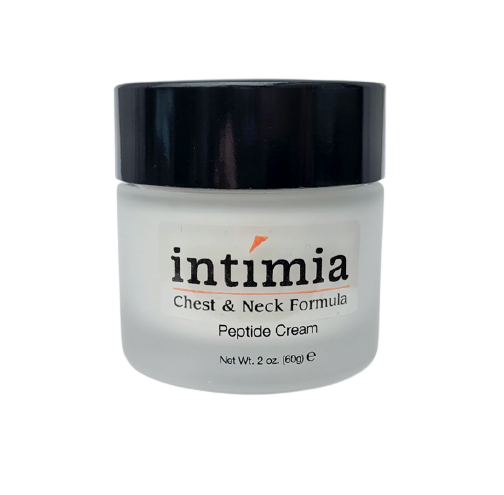
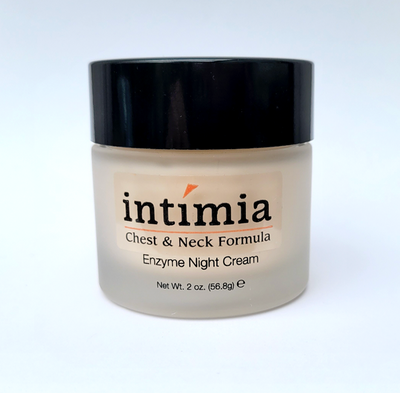
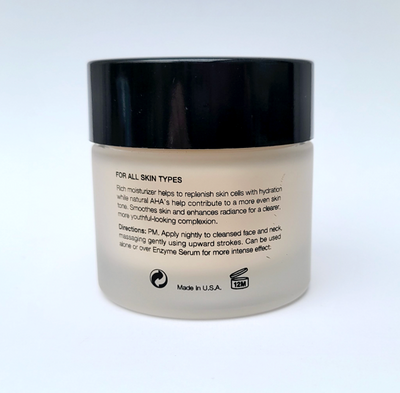
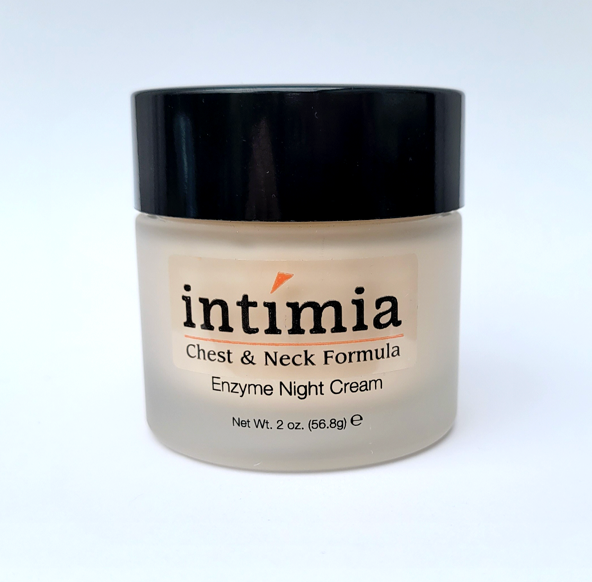
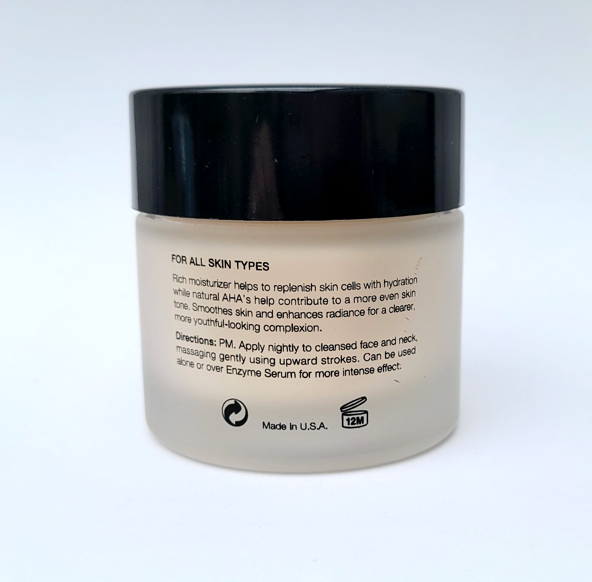
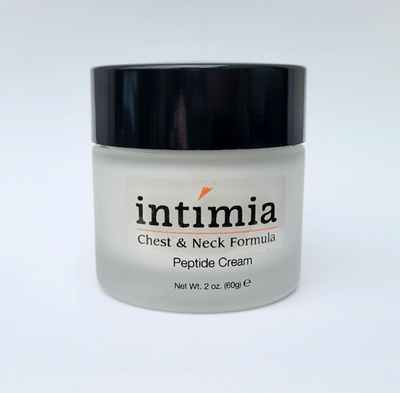
- Best anti wrinkle cream neck-chest — Discover the best anti wrinkle cream for neck and chest. Explore our top picks for smoothing wrinkles and rejuvenating your skin today!
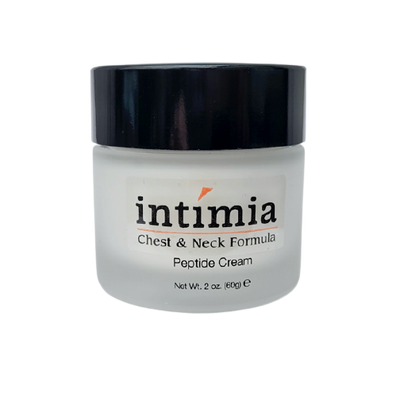
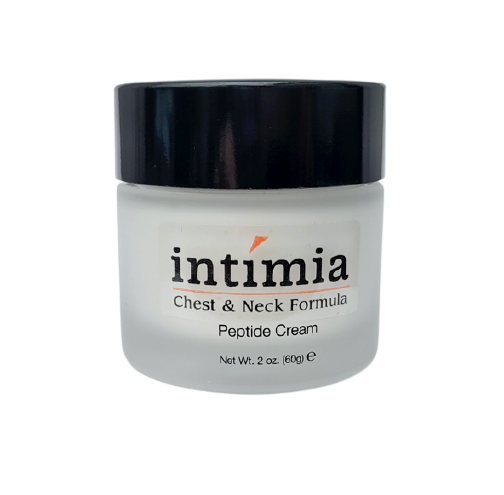
Want to discover flawless skin with Intimia? Shop now here: here