In this article you will learn:
- What Are Chest Wrinkles and Décolleté Lines?
- Overview of Posture and Skin Aging Research
- How Posture Affects the Chest – Biomechanics of Slouching and Skin Folds
- Bad Posture and Décolleté Lines – What Studies Suggest
- Slouching and Chest Wrinkles – Daily Habits Under the Microscope
- Other Factors in Chest Aging and How They Interact With Posture
- Practical, Science-Grounded Ways to Improve Posture and Protect the Chest
- What Future Posture Chest Wrinkles Studies Need to Explore
- Conclusion: Key Takeaways From Posture and Chest Wrinkle Research
I started noticing it in photos first. My face looked rested, but my chest told on me with those faint little lines that didn’t quite fade by noon. If you’ve ever caught your reflection and thought, “My posture and my décolleté are definitely in a relationship,” you’re exactly who I’m writing to today.
A posture chest wrinkles study may not be a term you’ve heard before, but the science behind it touches a truth many of us feel in our bodies. As we move past 35, we begin to notice the subtle maps life leaves on our skin. The story of our days, our work, and our rest appears not just on our faces, but on the delicate expanse of our décolleté. This growing curiosity about the connection between our posture and our skin isn't vanity; it's a deep-seated desire for wellness, for understanding how posture affects chest skin, and for aging with grace and strength. Current posture and skin aging research is beginning to connect the dots between how we hold ourselves and the lines that form on our chest.
In simple terms, a posture chest wrinkles study would be a scientific investigation into how our daily posture—the way we sit at a desk, cradle a phone, or curl up on the couch—creates mechanical forces that can lead to creases on our chest. Think of it as looking at how sustained slouching might press lasting slouching chest wrinkles into the skin.
It’s important to set a clear expectation: right now, there are no large, long-term clinical trials with that exact title. But that doesn’t mean the science isn’t there. This article will act as your guide, weaving together the threads of posture and skin aging research from several related fields to build a powerful and plausible story. We will explore:
- The proven link between sleep compression and facial wrinkles, including sleep position and facial wrinkles.
- The biomechanics of how our body’s position changes pressure on the skin.
- How the neck’s muscles and aging patterns affect the upper chest.
- The known roles of sun damage and the skin’s natural aging process.
Our journey will show how these forces come together. The constant mechanical pressure from poor posture, combined with the natural loss of collagen and the effects of the sun, creates a clear pathway to bad posture décolleté lines. Every claim here is rooted in solid, peer-reviewed science, giving you the confidence to care for your body from the inside out.
Section 1: what are chest wrinkles and décolleté lines? (context for any posture chest wrinkles study)
Before we dive into the science of a potential posture chest wrinkles study, you and I need to agree on the landscape we’re talking about. The décolleté is the beautiful, expressive area of your upper body—the canvas that includes your upper chest, collarbones, the top of your breasts, and the base of your neck. It’s a region that tells a story, but sometimes, that story includes lines we’d rather soften.
1.1 Defining the décolleté and chest wrinkles
Chest wrinkles, or décolleté lines, aren't all the same. They can appear in distinct patterns:
- Vertical creases: Often found between the breasts, these lines can become more pronounced from side-sleeping or slouching.
- Diagonal lines: These may run from the center of the chest out toward the shoulders.
- Horizontal lines: These can form across the upper chest, sometimes mirroring the lines on our neck.
It's also helpful to distinguish between the types of texture changes. Fine lines are shallow and may only be visible up close, while deeper, etched wrinkles are more permanent folds in the skin. Crepiness is another common change, where the skin loses its smooth texture and appears thin and finely wrinkled, like tissue paper. When I first saw that on my own chest, I blamed a “bad pillow night.” The mirror disagreed. Understanding these differences helps us see how posture affects chest skin in various ways.
1.2 Dynamic vs. static lines
Skin wrinkles are generally categorized into two types: dynamic and static.
- Dynamic lines are the creases that appear with movement. When you slouch forward, you might see vertical lines form on your chest. When you sit up straight, they largely disappear. These are dynamic. They are caused by the immediate folding of the skin.
- Static lines are the ones that stick around, even when your body is at rest and your skin is smooth. These lines form after years of repeated movement and collagen loss. The skin’s underlying support structure has weakened, so it no longer bounces back completely.
The connection is simple but profound: dynamic bad posture décolleté lines, repeated day after day for years, can eventually become permanent, static wrinkles. The temporary fold becomes a lasting etch.
1.3 Why the chest is especially vulnerable after 35
The skin on our décolleté is uniquely prone to aging, especially after our mid-thirties. Several factors are at play:
- Thinner skin: The skin on the chest is naturally thinner and has fewer oil glands than the skin on our face. This means it has a weaker protective barrier and is more susceptible to dryness and environmental damage.
- Sun exposure: This area gets a high amount of cumulative sun exposure over a lifetime, often without the same diligent SPF protection we give our faces. This photodamage breaks down collagen and elastin, the proteins that keep skin firm and plump.
- Less TLC: We often forget to extend our skincare routines down to our chest, leaving it under-moisturized and unprotected.
- Mechanical stress: Beyond posture, common habits like sleeping on your side or wearing push-up bras that bunch the skin together can create compression and folding for hours at a time.
All these factors create a foundation of vulnerability. When you add the repetitive stress of poor posture, it’s easy to see why the décolleté can show signs of aging so distinctly. Any future posture chest wrinkles study would need to consider these realities to isolate the true impact of how we carry ourselves. Current reviews on photodamage and UV-driven collagen changes already paint a very clear backdrop.
Section 2: overview of posture and skin aging research
While a dedicated posture chest wrinkles study is still on the scientific horizon, a wealth of posture and skin aging research from related fields gives us powerful clues. By connecting these dots, we can build a strong, evidence-based case for why how we sit and stand matters to the skin on our chest.
2.1 Evidence from sleep compression and facial wrinkles
One of the strongest pieces of evidence comes from sleep. Research on sleep compression and facial wrinkles has clearly shown that sleeping on your side or stomach creates significant mechanical forces on your face: compression, shear, and tension. Over time, these forces can lead to "sleep lines," a type of wrinkle that forms not from muscle movement, but from the skin being pressed and folded against a pillow for hours every night.
A pivotal review in the aesthetic literature confirms that these sleep-related forces contribute to the formation of facial wrinkles. This is a crucial finding because it provides direct proof of a core concept: repetitive, sustained mechanical pressure can and does create permanent wrinkles. It’s a short leap to hypothesize that similar forces, applied to the chest through posture, would have a similar effect.
2.2 Biomechanical research on body position and pressure distribution
The field of biomechanics, which often studies how to prevent pressure sores in hospital patients, offers another key insight. Studies using pressure-mapping technology show that simply changing your body’s position alters pressure distribution dramatically on your skin and soft tissues.
When you sit up straight, your weight is distributed evenly. When you slouch, the pressure shifts. Your shoulders round forward, your chest collapses, and the skin on your décolleté is subjected to new compressive forces. This research proves that posture isn’t just about bones and muscles; it directly changes the mechanical environment of your skin. This is fundamental to understanding how posture affects chest skin integrity.
2.3 Mechanical forces and skin aging at the cellular level
What happens inside the skin when it’s repeatedly stretched or compressed. Research in mechanobiology—the study of how physical forces affect cells—gives us the answer. Chronic mechanical stress, as described in work on mechanical forces and skin aging, can disrupt the neat, supportive network of collagen and elastin in the dermis.
Studies show that these forces can trigger a low-grade inflammatory response and signal skin cells (fibroblasts) to remodel their environment, sometimes in ways that lead to disorganized, weaker tissue. In essence, the skin reacts to constant folding by breaking down its own support structure in that area, making the crease more likely to become permanent.
2.4 Current gaps specific to chest and posture
It is vital to be transparent about what science has not yet done. There is no large, randomized "posture chest wrinkles study" that has followed women over many years to prove causation. Most of the evidence we have is extrapolated from:
- Studies on facial sleep wrinkles.
- Research on neck aging, which shows how muscle tension and posture affect the skin of the lower face and neck.
- General studies on how skin cells respond to mechanical stress.
The existing research often involves small groups of people or focuses on other parts of the body. However, every stream of evidence flows toward the same conclusion: repeated mechanical folding damages the skin’s structure and accelerates wrinkle formation. Work on skin aging at the cellular level only reinforces how sensitive our collagen matrix is. This creates a compelling and scientifically plausible foundation for investigating how posture affects chest skin and justifies taking a proactive approach to our own posture.
Section 3: how posture affects the chest – biomechanics of slouching and skin folds
Now, let's connect the dots from broad scientific principles to your body in your chair. Understanding how posture affects chest skin isn’t complicated; it’s a simple story of mechanics. When we change our posture, we change the shape of our skin, and doing so repeatedly can leave a lasting mark, contributing to slouching chest wrinkles.
3.1 The typical “slouched” posture pattern
Think about how your body settles when you’re tired or focused on a screen. The "slouched" posture usually involves a few key changes:
- Forward head posture: Your head drifts forward, out of alignment with your spine.
- Rounded shoulders: Your shoulders roll inward and forward, a condition sometimes called thoracic kyphosis.
- Collapsed chest: Your rib cage sinks down, shortening the space in the front of your body.
When these things happen, the distance between your chin and your sternum (breastbone) gets shorter. The skin in that area has nowhere to go but to bunch up and fold. This is the simple, physical origin of posture-related chest creases.
3.2 Step-by-step: from slouch to skin fold
Imagine the sequence of events each time you sink into your chair to work on your laptop or scroll through your phone:
- Your shoulders begin to round forward.
- Your upper back curves, and your chest gently collapses inward.
- The skin on your décolleté, which was smooth and taut, is now compressed. Vertical creases may appear between your breasts, and diagonal folds can form toward your shoulders.
This is a perfect real-world example of the pressure distribution principles seen in biomechanical research, the same ones mapped out in body position and pressure distribution studies. When your posture shifts from a neutral, upright position, the mechanical load is no longer evenly distributed. Instead, it becomes concentrated in the folds and creases of the compressed skin on your chest.
3.3 From temporary creases to permanent wrinkles
When we are young, our skin is rich in collagen and elastin, giving it incredible "bounce-back." You can slouch for an hour, stand up, and the temporary creases vanish in minutes.
But over time, things change. Intrinsic aging (our genetic clock) and extrinsic aging (like sun damage) degrade our skin's supportive proteins. As research on photodamage confirms, UV exposure is especially destructive to the collagen framework. With this support system weakened, the skin’s ability to recover from folding diminishes.
Each time you slouch, you are causing micro-damage to these already-compromised collagen fibers. The skin responds to this repeated stress by remodeling itself along those fold lines. Eventually, the "bounce-back" is lost for good. This is how temporary, posture-induced creases evolve into permanent slouching chest wrinkles. The more hours you spend folded, the deeper the story is etched.
3.4 Why a posture chest wrinkles study is scientifically plausible
Based on everything we know from posture and skin aging research, a direct link is not just possible, but probable. The causal pathway is clear:
- A measurable mechanical force (slouching) leads to...
- Microstructural damage (collagen breakdown in the fold) which results in...
- A macroscopic, visible change (a wrinkle).
A future posture chest wrinkles study could easily track this. Researchers could measure the angle of a person's slouch, track how many hours they spend in that position, and use high-resolution imaging to measure the depth of their chest wrinkles over time. The science is ready for it, especially with existing skin imaging and aging methods already validated.


Section 4: bad posture and décolleté lines – what studies suggest
While we wait for a definitive posture chest wrinkles study, we can look to adjacent research for compelling clues. Studies on the aging neck and clinical observations from experts who work with the body every day provide strong, suggestive evidence linking bad posture décolleté lines to how we carry ourselves.
4.1 Imaging and observations from neck and lower face research
The neck and the upper chest are intimately connected. The platysma, a broad sheet of muscle that runs from the upper chest, over the collarbone, and up the sides of the neck, is a key player. Research on neck aging shows that changes in this muscle, along with skin laxity and the pull of gravity, contribute to neck bands and a loss of contour.
Studies confirm that forward head posture, a hallmark of slouching, can increase tension in the platysma. This chronic tension can affect how the skin drapes not just over the neck, but over the clavicle and upper chest as well. While this research doesn't focus directly on bad posture décolleté lines, it shows that postural habits have a documented effect on the appearance of the skin in this entire anatomical region, as detailed in current neck and posture research.
4.2 Lifestyle-driven posture problems and the décolleté
Our modern lives are filled with activities that encourage poor posture, creating a perfect storm for the development of chest wrinkles. Consider these daily scenarios:
- Desk work: Hours spent leaning toward a laptop set too low is a primary driver of rounded shoulders and a collapsed chest.
- "Text neck": The act of looking down at a smartphone or tablet for extended periods is one of the most significant new postural challenges, placing immense strain on the neck and folding the décolleté.
- Commuting: Many of us spend hours a day driving, often in seats that encourage a slumped posture.
Each of these common habits maintains chest compression for hours on end. As biomechanical studies show, and as pressure and mechanical load experiments confirm, this sustained pressure concentrates mechanical stress in specific areas. The creases that form on your chest while you work or scroll are not random; they are a direct result of these lifestyle-driven forces.
4.3 Expert consensus and clinical impressions
Sometimes, the wisdom of experience fills the gaps in formal research. While they may not have a randomized trial to cite, many dermatologists, physical therapists, and estheticians observe a clear pattern in their clients.
They frequently report seeing more pronounced vertical and diagonal chest lines in individuals who have a noticeable forward head posture or rounded upper back. These experts also note that when a person begins to actively improve their posture through exercise and awareness, the appearance of their dynamic bad posture décolleté lines often softens, even if the deeper static wrinkles remain. This is not definitive scientific proof, but it is a powerful consensus from professionals who observe the interplay between the body’s structure and skin day in and day out.
Section 5: slouching and chest wrinkles – daily habits under the microscope
The connection between slouching chest wrinkles and daily life becomes crystal clear when we examine the specific moments and postures that fill our days. It's in these quiet, repeated habits that the skin of the décolleté is folded and compressed, hour after hour. Understanding how posture affects chest skin is about looking at your life with fresh eyes.
5.1 Common slouch-heavy scenarios
Let's break down how everyday activities physically fold the skin on your chest:
- Office / computer work: As you lean in to focus on a screen, your shoulders naturally roll forward. Your chest collapses slightly, creating vertical creases between the breasts. Resting your forearms on the desk can exaggerate this rounding.
- Smartphone use: This is a modern classic. The head tilts down, the chin moves toward the chest, and the upper back rounds. This posture directly compresses the upper chest, creating both horizontal neck lines and vertical décolleté folds.
- Driving: In the car, it’s easy to slide down in the seat, pushing your head forward to see the road while your shoulders slump. The seatbelt, cutting diagonally across the chest, can even hold a skin fold in place for the entire journey.
- Relaxing on the couch: Sinking into soft cushions feels comforting, but it often puts the spine into a C-shape curve. This posture removes all support for the upper torso, leading to a deeply collapsed chest.
- Carrying children or heavy bags: Consistently carrying a heavy load on one side can cause an asymmetrical slouch. One shoulder dips and rolls forward more than the other, creating uneven creases on that side of the chest.
5.2 Duration and intensity: why time under tension matters
In the world of skin science, how long the skin is held in a certain position matters more than the intensity of the force. Think of it like this: a brief, hard pinch won't leave a mark, but a gentle, sustained pressure can.
The science of mechanobiology shows that skin cells respond to chronic, low-grade stress. Spending eight hours a day in a gently slouched position at your desk provides a continuous signal to the skin cells in the décolleté creases. This constant "time under tension" is what encourages the collagen to remodel and the fold to become permanent. It’s not the one-time slouch that creates slouching chest wrinkles; it's the thousands of hours accumulated over years.
5.3 Experimental parallels in other body areas
How could a future posture chest wrinkles study measure this. Scientists could borrow methods from existing research. Studies on facial wrinkles, for example, have successfully used high-resolution 3D cameras to map the depth and number of "sleep lines" caused by compression against a pillow.
Similar experiments have shown how repeated facial expressions (like smiling or frowning) etch permanent lines into the skin over time. The principle is the same: repeated mechanical folding in a specific location leads to a wrinkle. A future study could easily apply this methodology to the chest, taking images of the décolleté before and after a prolonged period of controlled slouching to quantify the immediate formation of dynamic lines and track their transition to static lines over time, using the same rigor seen in skin aging imaging studies.
Section 6: other factors in chest aging and how they interact with posture
Posture is a powerful character in the story of chest aging, but it doesn't act alone. A variety of other factors contribute to the health and appearance of our décolleté. Understanding these influences helps explain why some of us are more susceptible to wrinkles and clarifies how posture affects chest skin that is already vulnerable. A comprehensive view, like that of any good posture and skin aging research, must consider the whole picture.
6.1 UV exposure and photodamage
The number one environmental factor in skin aging is the sun. The chest is a high-exposure area, yet it is often left unprotected. Ultraviolet (UV) radiation triggers a cascade of damage within the skin, leading to the breakdown of collagen and the abnormal buildup of elastin, a condition called elastosis.
As a comprehensive review explains, and as you can see in UV exposure and photodamage research, this photodamage is the primary driver of premature aging. Skin that has been weakened by the sun has less structural integrity and less ability to bounce back from mechanical stress. In this way, sun damage sets the stage, making the skin far more likely to hold onto the creases created by poor posture.
6.2 Intrinsic aging, hormones, and menopause
As we age, our bodies naturally produce less collagen. This intrinsic aging process is accelerated during and after menopause, when declining estrogen levels lead to a significant drop in collagen production. The skin, including on the chest, becomes thinner, drier, and more fragile. It loses its youthful plumpness and elasticity. When this happens, a posture that wouldn't have left a mark in your twenties can now more easily create a lasting wrinkle.
6.3 Sleep position and mechanical chest compression
Just as posture during the day matters, so does your position at night. Sleeping on your side is a major contributor to vertical chest wrinkles. When you lie on your side, gravity pulls the top breast downward and over, compressing the skin between the breasts and folding it into deep vertical creases. You are essentially holding your chest in a "slouched" position for the eight hours you are asleep. This nightly mechanical stress is a powerful force that can work in tandem with daytime slouching.
6.4 Lifestyle: smoking, nutrition, and genetics
Other lifestyle factors also play a crucial role:
- Smoking: Constricts blood vessels, depriving the skin of oxygen and nutrients. It also generates free radicals that actively destroy collagen and elastin.
- Nutrition: A diet lacking in antioxidants, healthy fats, and protein can impair the skin’s ability to repair and rebuild itself. Dehydration can also make fine lines more obvious.
- Genetics: Your genes play a part in determining your skin’s natural thickness, collagen density, and susceptibility to sun damage.
6.5 How posture amplifies these other factors
Here is the key takeaway: poor posture acts as a force multiplier. It takes skin that is already compromised by sun, hormones, and lifestyle and subjects it to hours of daily mechanical folding.
Think of your skin's collagen as a woven fabric. UV rays and hormonal changes might make the threads thinner and weaker. Poor posture is like repeatedly folding that weakened fabric along the same line, day after day. Eventually, the threads will break, and a permanent crease will form. This is why a future posture chest wrinkles study will need to account for these other factors to truly understand posture’s unique contribution.
Section 7: practical, science-grounded ways to improve posture and protect the chest
Understanding the science behind slouching chest wrinkles is empowering because it points directly to actionable solutions. You have the power to change the mechanical forces acting on your skin every day. These practical, science-backed strategies can help you improve your posture, reduce the formation of bad posture décolleté lines, and support the health of your chest skin from the inside out.
7.1 Ergonomic strategies to reduce daily slouching
Your environment shapes your posture. By making small changes to your workspace, you can significantly reduce the time you spend in a chest-compressing slouch.
- Raise your screen: Position your computer monitor so the top of the screen is at or slightly below eye level. This encourages you to keep your head up and your neck in a neutral position.
- Support your back: Use a chair with good lumbar support or add a small cushion to the small of your back. This helps maintain the natural curve of your lower spine, which makes it easier to keep your upper body upright.
- Keep things close: Bring your keyboard and mouse close to the edge of your desk so you don't have to reach for them, which encourages shoulder rounding.
- Set posture reminders: Use a timer or an app to remind you to stand up, stretch, and reset your posture every 30–60 minutes. As biomechanical research shows, simply changing your body position redistributes pressure and gives your skin a break.
Try this tomorrow: every time you hit “send” on an email, gently slide your shoulders back and let your sternum lift a centimeter. Tiny, repeatable cues work better than heroic one-time efforts.
7.2 Posture-awareness and stretching exercises
Counteract the effects of sitting with simple movements that open the chest and realign the spine.
- Doorway stretch: Stand in a doorway and place your forearms on the frame, with your elbows slightly below shoulder height. Gently step forward until you feel a stretch across your chest. Hold for 30 seconds.
- Scapular squeezes: Sit or stand tall. Without shrugging your shoulders up, gently squeeze your shoulder blades together as if you’re trying to hold a pencil between them. Hold for 5 seconds and release. Repeat 10 times.
- Chin tucks: Stand with your back against a wall. Gently tuck your chin and press the back of your head into the wall, lengthening the back of your neck. This directly counteracts forward head posture.
7.3 Strengthening for long-term posture support
Good posture isn't just about awareness; it's about having the muscular endurance to hold yourself upright. Focus on strengthening the muscles of your upper back and core.
- Seated rows: Use a resistance band looped around a stable object. Sit tall and pull the band toward your torso, squeezing your shoulder blades together.
- Wall angels: Stand with your back against a wall, with your feet a few inches away. Try to keep your head, shoulders, and hips against the wall as you slide your arms up and down like you're making a snow angel.
- Bird-dog: Start on your hands and knees. Extend your right arm forward and your left leg back, keeping your core tight and your back flat. Hold for a moment, then switch sides. This builds core stability, which is the foundation of good posture.
7.4 Sleep positioning and chest support at night
Reduce mechanical compression on your chest while you sleep.
- Try back-sleeping: This is the ideal position to prevent décolleté wrinkles, as it places no compressive forces on the chest skin. If your décolletage looks flawless by morning, check if you actually slept on your side.
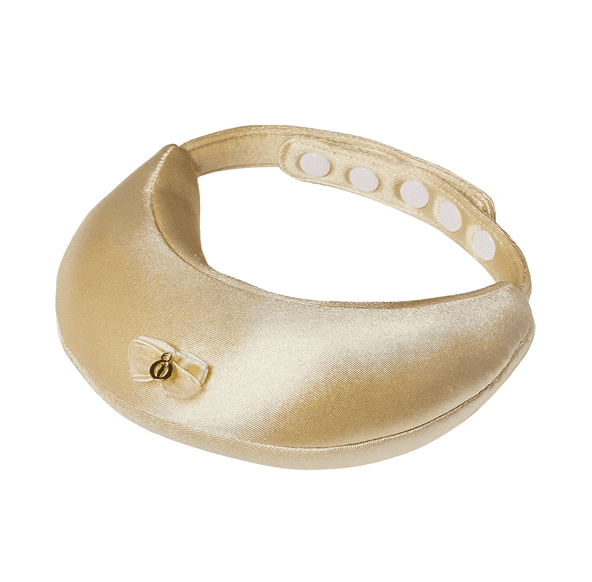
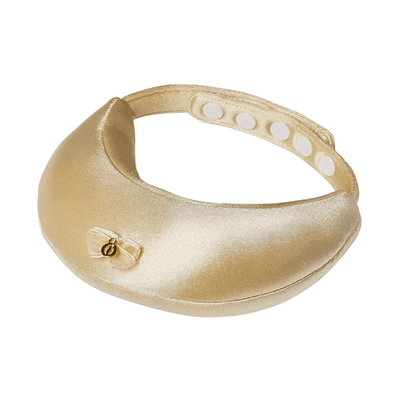
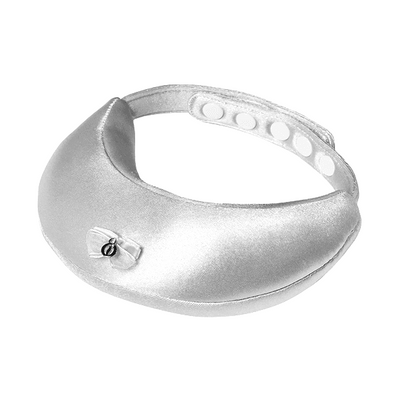
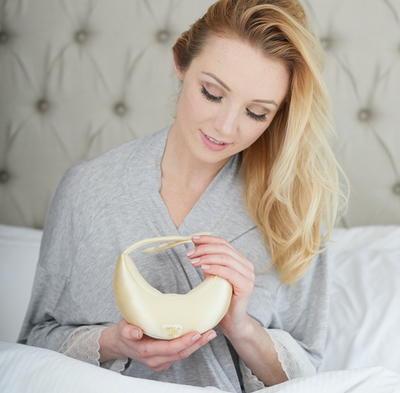
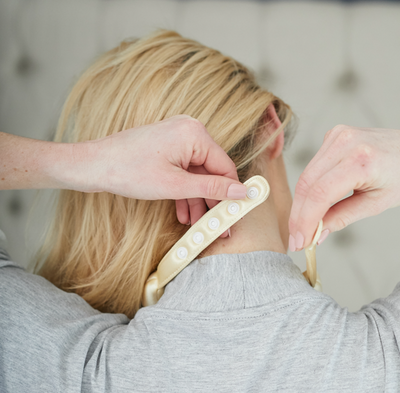
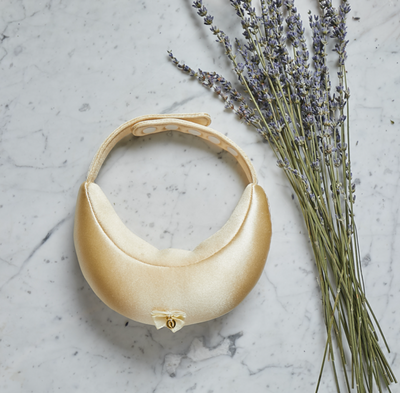
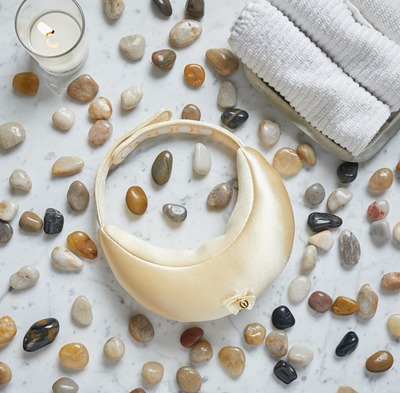
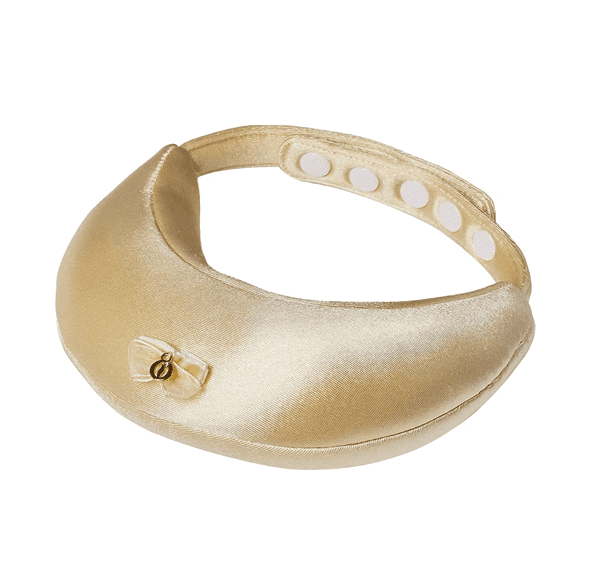
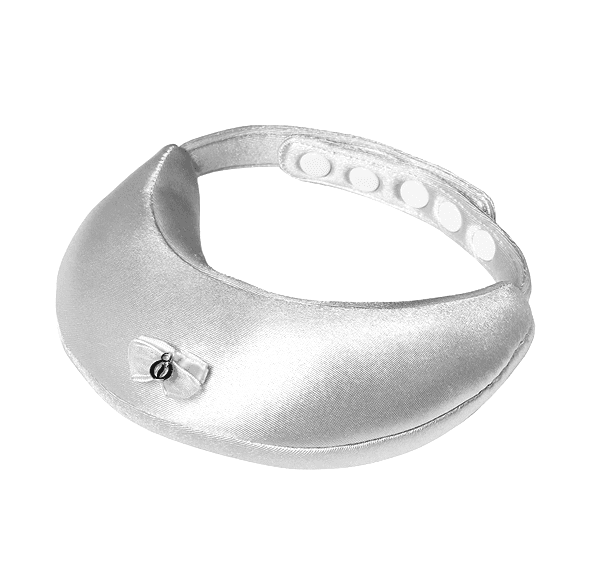
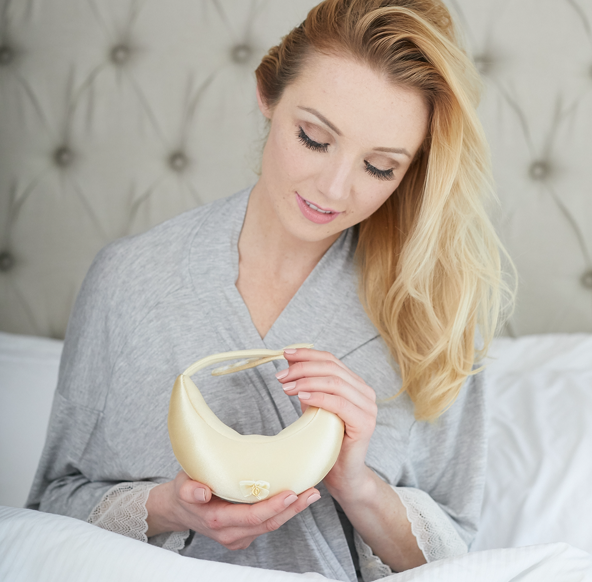
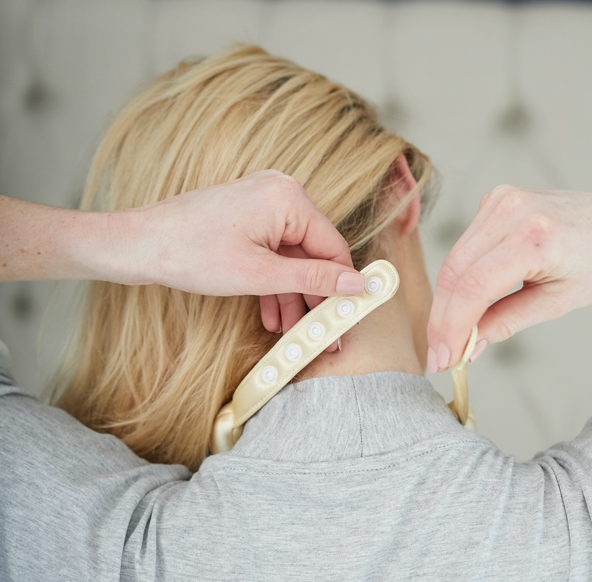
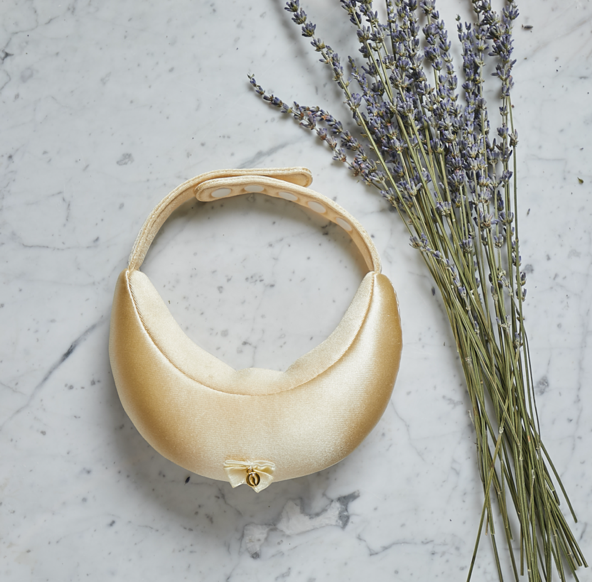
- Support for side-sleepers: If you must sleep on your side, consider using a thin pillow to place between your breasts. You can also explore specialized anti-wrinkle chest pillows or pads designed to keep the skin separated and smooth throughout the night. This applies the same logic as the facial sleep compression studies: less compression means fewer wrinkles.
7.5 Skin and sun-care to complement posture work
Support your skin’s resilience from the outside.
- Daily SPF: The most important step. Apply a broad-spectrum sunscreen of SPF 30 or higher to your neck and chest every single day, rain or shine.
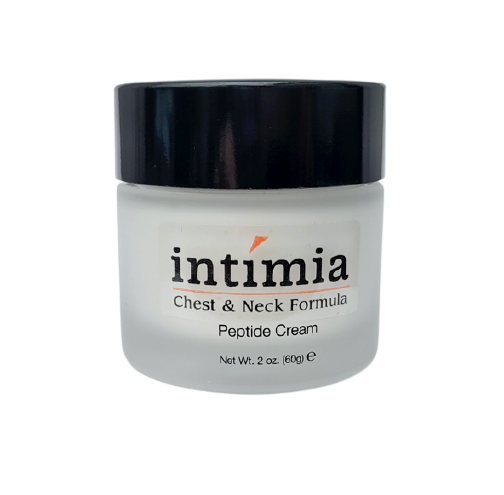
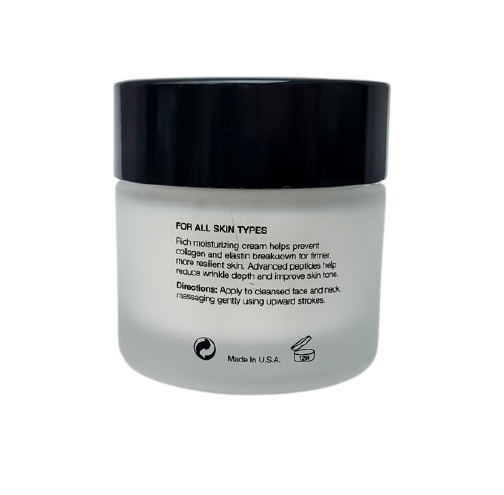
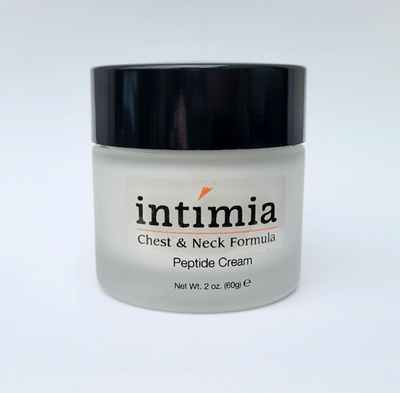
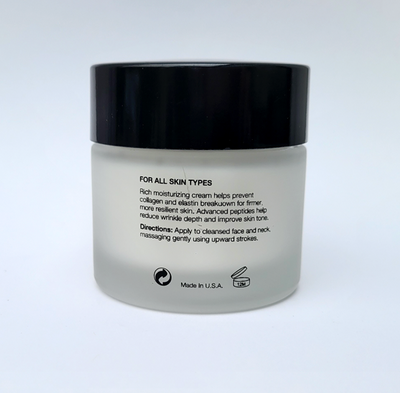
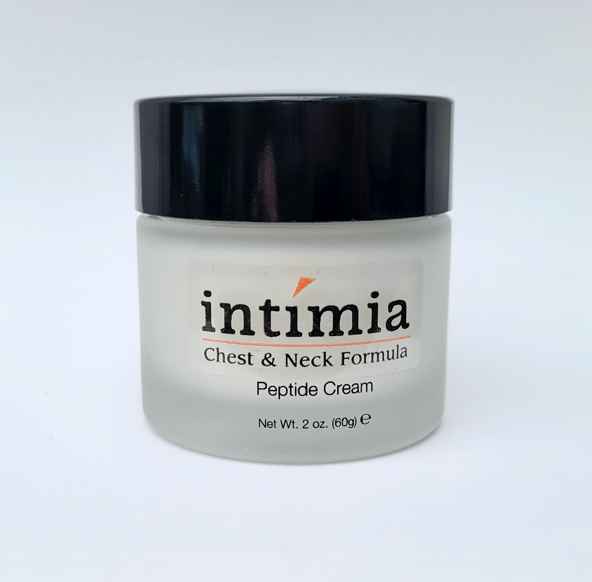
- Targeted ingredients: Look for serums containing antioxidants like Vitamin C to protect against environmental damage and ingredients like retinoids or peptides to support collagen production. Building stronger, healthier skin makes it better able to withstand the mechanical stress from any momentary lapses in posture.
These steps might sound simple, but layered on top of what we know from mechanical loading and tissue balance research, they become something else: a quiet daily strategy for your future chest.
Section 8: what future posture chest wrinkles studies need to explore
The link between posture and chest wrinkles is a compelling new frontier in posture and skin aging research. To move from strong theory to concrete proof, scientists will need to design specific, rigorous studies. Here’s what a future posture chest wrinkles study would need to look like to provide the definitive answers women are seeking.
8.1 Ideal design of a posture chest wrinkles study
The gold standard would be a longitudinal study that follows a large group of women (a cohort) over many years. Here’s how it would work:
- Participants: Researchers would recruit hundreds of women, starting around age 35, with a variety of different postural habits and occupations.
- Measurements at the start: At the beginning of the study, each woman would have her posture professionally assessed using tools like photogrammetry to measure the precise angle of her shoulder rounding and forward head position. Her chest skin would be analyzed with high-resolution 3D imaging to create a baseline map of any existing wrinkles.
- Ongoing tracking: Over the next 5 to 10 years, participants would wear small sensors to objectively track how many hours they spend sitting or in a slouched position. They would return for follow-up skin and posture assessments every year to monitor changes.
8.2 Randomized controlled posture interventions
To prove that improving posture actually prevents wrinkles, a randomized controlled trial would be needed. In this type of study, researchers would divide participants into two groups:
- The intervention group: This group would receive a targeted posture-correction program, including ergonomic coaching for their workspace, a specific exercise plan, and regular reminders to maintain good posture.
- The control group: This group would receive no specific instructions and continue with their normal habits.
After several years, scientists would compare the rate of new wrinkle formation between the two groups. This would provide powerful evidence on whether posture correction is an effective anti-aging strategy for the chest.
8.3 Biomechanical and imaging sub-studies
To understand exactly how posture affects chest skin, smaller, more detailed studies could be done.
- Pressure mapping: Using thin, flexible sensors placed on the décolleté, researchers could measure the exact amount of pressure in pounds per square inch (PSI) that is applied to the skin in different postures—sitting upright, slouching slightly, and slouching deeply. This would quantify the mechanical load.
- Dermal imaging: Using advanced tools like high-frequency ultrasound, scientists could look beneath the surface of the skin. They could measure dermal thickness and look at the organization of collagen fibers in areas that are frequently compressed versus areas that are not, providing visual proof of posture-induced changes.
All of this would build on the same mechanobiology methods already used to study how tissues remodel under load.
8.4 Interactions with UV, hormones, and lifestyle
A thorough study would also collect data on other known aging factors. This would allow for subgroup analyses to answer important questions like:
- Is the effect of poor posture more severe in women with a history of high sun exposure.
- Do chest wrinkles from slouching accelerate after menopause.
- Does posture matter more in smokers, whose collagen is already compromised.
8.5 Why better posture and skin aging research matters for women 35+
Investing in this kind of research is about more than just aesthetics. It’s about empowerment. Precise data would allow doctors and skincare professionals to give women evidence-based advice for preventing bad posture décolleté lines. It could lead to the development of smarter, more effective non-invasive tools, from targeted exercise programs to better-designed supportive garments and sleep products. It would validate the intuitive feeling many of us have: that the way we carry our bodies is deeply connected to how we age.
Conclusion: key takeaways from posture and chest wrinkle research
Our exploration of the science has brought us to a clear and powerful conclusion. While a direct, large-scale posture chest wrinkles study has yet to be published, the weight of the indirect evidence is undeniable. The story science tells us is one of simple mechanics, cellular biology, and the accumulated impact of our daily habits.
Recap the core scientific story
Let's summarize the central truth. Decades of posture and skin aging research have firmly established that mechanical forces—compression, shear, and repetitive folding—are proven drivers of skin aging. We see this plainly in studies on facial sleep wrinkles, where the simple pressure of a pillow creates lasting lines. We also see it at the cellular level, where mechanical stress has been shown to disrupt the skin’s delicate collagen network.
These foundational principles make it highly probable that how posture affects chest skin is a significant factor in décolleté aging. The chronic folding of the skin caused by slouching and rounded shoulders creates the exact mechanical environment known to accelerate the formation of wrinkles. Over time, this can lead to both slouching chest wrinkles and deeper, more permanent bad posture décolleté lines.
Clarify the evidence vs. hypothesis
To be perfectly clear: the idea that poor posture directly causes chest wrinkles is currently a very strong, evidence-based hypothesis, not a proven fact from a dedicated trial. The evidence from many different fields converges to support this idea, building a convincing framework. The final, definitive data from a targeted posture chest wrinkles study is the missing piece of the puzzle.
Practical encouragement for the reader
You don’t have to wait for that final study to take gentle, powerful action. The knowledge we have today is more than enough to guide us. As a woman over 35, you can integrate simple, proactive steps into your life right now:
- Bring mindful awareness to your daily posture and make small ergonomic adjustments.
- Consciously reduce the long hours you spend in a deeply slouched position.
- Diligently protect the delicate skin of your chest from the sun.
- Incorporate gentle strengthening and stretching to support an open, upright posture.
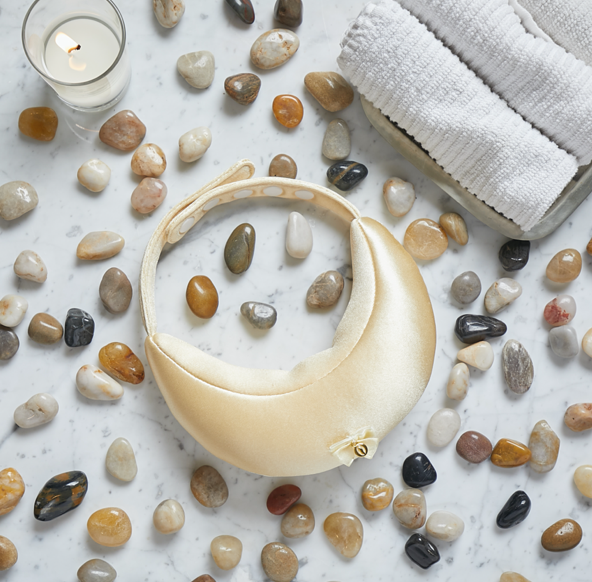
We cannot stop the clock, but we can choose how we live in our bodies. Aligning your posture with what we know from posture and skin aging research is a simple, free, and empowering way to honor your body, protect your décolleté, and support a smoother, more confident you for years to come. And if, along the way, you decide your night routine needs a little structural help, that’s exactly why I created the Intimia® Breast Pillow in the first place.
I want you to look down at your chest one quiet morning, see softer lines and a more open posture, and know that you didn’t just get lucky—you changed the script.
Ready to wake up with smoother skin — start here.