In this article you will learn:
- Why a Chemical Peel for Chest Wrinkles Is So Effective
- What Is a Chemical Peel for Chest Wrinkles?
- An Overview of Décolleté Chemical Peel Types
- Glycolic Peel Chest Results – What to Expect
- TCA Peel Décolleté – Effectiveness and Recovery
- Chest Peel Before and After – Setting Realistic Expectations
- Comparing Décolleté Chemical Peel Types for Different Needs
- How to Prepare for a Chemical Peel on the Chest
- Aftercare for Optimal Chest Peel Results
- Who Should Avoid Chemical Peels on the Chest or Use Caution
- Alternatives and Complements to Chemical Peels for Chest Wrinkles
- Summary and Decision Guide for Women Researching Chemical Peels for Chest Wrinkles
A chemical peel for chest wrinkles is a quiet promise of renewal. It is a professional treatment where a skilled hand applies a special acid solution to your décolleté. This gentle but powerful formula works to lift away the outer layers of sun-kissed, time-worn skin. Beneath the surface, it awakens your skin’s own healing power, encouraging new collagen to form, smoothing the delicate, crepey texture and softening the lines that tell a story of sun and sleep.
For women over 35, the chest often reveals our history first. It’s an area of high sun exposure from years of favorite necklines, a place where skin is naturally thinner. The way we sleep, curled on our side, can etch lines into the very fabric of our skin. A chemical peel chest wrinkles treatment is not surgery; it is a thoughtful, in-office procedure to honor and restore this beautiful, expressive part of our body.
The results can be as subtle as a fresh morning glow or as transformative as a deeply renewed canvas, depending on the peel’s strength and the number of treatments. There will be a recovery period, and trusted medical guides on how clinical peels work on different skin areas and broader overviews of peel depths, benefits, and risks can help you picture that time of redness and peeling that signals a fresh start. This journey is unique to you.
This guide will walk you through everything you need to feel confident and informed, including:
- A comparison of décolleté chemical peel types, from the gentlest touch to deeper renewal.
- A clear picture of typical chest peel before after changes.
- Detailed insight into glycolic peel chest results and who it’s best for, with real-world timelines similar to those you see in clinical before-and-after peel galleries.
- A day-by-day guide to the TCA peel décolleté recovery process.
Why a chemical peel for chest wrinkles is so effective
The skin on your chest is different from the skin on your face. It is often thinner with fewer oil glands to keep it naturally supple and hydrated. With less fatty tissue beneath it for support, this delicate area is more prone to showing fine lines, wrinkles, and a crepey texture.
Life adds its own story to this canvas:
- Sun exposure: Years of V-necks and scoop-neck tops mean the décolleté has faced the sun, often without the same diligent sunscreen protection we give our faces. This UV exposure breaks down collagen, the skin’s supportive structure, leading to wrinkles and sun spots.
- Side-sleeping: The simple, comforting act of sleeping on your side can cause the skin on your chest to fold and crease. Over time, these temporary sleep lines can become permanent vertical wrinkles in the cleavage area.
By your mid-30s and beyond, you might notice vertical lines running down from your cleavage. A cross-hatching of fine creases across the upper chest. A thin, almost papery texture. Brown spots and uneven skin tone from sun damage. A loss of the firmness you once had.
We often focus our best serums and sunscreens on our faces, leaving the chest neglected. This is why targeted treatments like a chemical peel for chest wrinkles can feel like a revelation. It is one of the few procedures that can address both texture and pigmentation at the same time, and if you like to understand the science, a review of how skin ages at different body sites explains why this area responds so well when we finally give it attention using the right décolleté chemical peel types to restore the skin’s smooth, even beauty.
What is a chemical peel for chest wrinkles?
A chemical peel is a controlled, restorative treatment. A skincare professional applies a carefully chosen acid solution to your chest, which works to dissolve the bonds holding old, damaged skin cells together. This process removes a precise amount of the skin’s outer layers, signaling to the deeper layers that it’s time to regenerate. Your body responds by creating fresh, new cells and building new collagen.
This process can beautifully transform the skin on your décolleté by:
- Exfoliating the rough, crepey surface to reveal smoother skin.
- Softening fine lines and making deeper wrinkles less noticeable over a series of treatments.
- Fading sun spots and blending uneven skin tone for a clearer complexion.
- Firming the skin over several weeks and months as new collagen forms.
Treating the chest is different from treating the face. A skilled provider will use lower acid concentrations or shorter application times for a chemical peel on chest wrinkles because the skin is more delicate. They will take extra care to apply the solution evenly across the broad surface of the décolleté to avoid patchiness. Proper technique and aftercare are vital to prevent side effects like unwanted pigmentation changes.
There are many décolleté chemical peel types, each with a unique purpose. They are generally grouped by how deeply they work: superficial, medium, and sometimes a customized combination of both.
An overview of décolleté chemical peel types
Choosing the right treatment from the available décolleté chemical peel types is a personal decision made with your provider. The best choice depends on your skin, the depth of your wrinkles, and how much downtime you are comfortable with.
Superficial décolleté chemical peel types (light peels)
Think of a superficial peel as a refreshing reset for your skin. These light peels work only on the outermost layer, the epidermis, to gently exfoliate and brighten. They have minimal downtime and are very safe when performed by a professional.
Common superficial acids used on the chest include:
- Glycolic acid: A popular and effective choice for general smoothing.
- Lactic acid: A gentler, hydrating option perfect for dry or sensitive chest skin.
- Mandelic acid: A slow-penetrating acid ideal for reactive skin types.
These light décolleté chemical peel types are best for mild, fine chest wrinkles. Early sun damage and dullness. Maintaining results after a stronger treatment.
They are an excellent starting point for women in their 30s and 40s just beginning to see changes, or for anyone with sensitive skin. For the best results, a series of 3 to 5 peels spaced a few weeks apart is usually recommended, much like you see in many step-by-step peel result timelines that show gradual brightening rather than overnight miracles.
Medium-depth décolleté chemical peel types
For more significant signs of aging, a medium-depth peel offers a more profound renewal. These peels reach deeper, through the epidermis and into the upper part of the dermis. This creates more dramatic changes in wrinkles and sun damage but also requires more healing time.
The main medium-depth options for a chemical peel for chest wrinkles are:
- TCA (Trichloroacetic acid): A powerful and effective acid. The concentration is carefully adjusted by your provider to control the depth of the peel.
- Stronger glycolic acid: Higher concentrations of glycolic acid can be used to achieve a deeper exfoliation.
- Blended peels: Formulas like a Jessner’s solution or other custom blends can be used cautiously on the chest to target multiple concerns at once.
Medium-depth décolleté chemical peel types are preferred for moderate to deep vertical chest wrinkles. Noticeable crepey texture and skin laxity. Significant sun spots and mottled pigmentation.
Combination and layered décolleté peels for wrinkles
The most personalized chemical peel for chest wrinkles often involves a combination approach. Your provider might use a formula that blends multiple acids to balance effectiveness with safety. For example, a peel might combine TCA with lactic acid to deliver deep exfoliation while also hydrating the skin.
Another technique is layering. A provider may apply several thin layers of the acid, watching your skin’s response with each pass. This allows them to gradually increase the peel’s depth with precision, which is especially important on the delicate skin of the chest.
These customized décolleté chemical peel types are never one-size-fits-all. Your provider will consider your skin tone, age, and concerns to create a treatment plan that is uniquely yours, and if you enjoy reading about different peel formulas, you might explore a medical review that breaks down how combination and layered peels behave in the skin before your consultation.


Glycolic peel chest results – what to expect
Glycolic acid is one of the most trusted and well-known ingredients in skincare. Derived from sugarcane, this alpha-hydroxy acid (AHA) has a small molecular size that allows it to effectively penetrate the skin, making it a popular choice for a first-time peel.
On the chest, glycolic acid works by gently loosening the "glue" that holds dead, dull skin cells to the surface. As these cells are swept away, a smoother, more radiant complexion is revealed. Over time and with a series of treatments, it also signals your skin to produce more collagen, which helps soften fine lines and firm the skin.
Here is a timeline of typical glycolic peel chest results:
- Immediately after: Your chest may look a bit pink and feel tight, but many women notice an immediate glow and smoothness.
- Days 1–7: You may experience some light flaking or peeling, especially in areas with more sun damage. The skin’s texture will feel softer and look less dull.
- After a series (3–5 peels): This is when the true transformation appears. Fine lines and mild vertical wrinkles will be visibly softened. Superficial sun spots will fade, and your overall skin tone will look more even and bright. Your décolleté will have a healthy, youthful radiance.
A glycolic peel is an ideal choice for women with mild to moderate chemical peel chest wrinkles concerns. It is often recommended for lighter to medium skin tones and for those who want a gentle introduction to décolleté chemical peel types with minimal downtime. While it won't erase very deep wrinkles, it offers beautiful, cumulative results for restoring the skin's texture and glow.
TCA peel décolleté – effectiveness and recovery
When chest wrinkles are more deeply set and sun damage is more pronounced, a TCA (trichloroacetic acid) peel offers a more powerful solution. This medium-depth peel works by causing a controlled injury to the skin, which prompts a significant healing and regeneration response. During the treatment, you may see a "frosting" effect on the skin, which is a sign that the acid is working at the correct depth.
TCA is often chosen for the décolleté because it can create a more dramatic softening of stubborn, etched vertical wrinkles. Significantly improve mottled pigmentation and fade dark sun spots. Promote a deeper level of collagen remodeling, leading to a firmer look and feel.
Compared to a glycolic peel, TCA provides a more substantial correction for moderate to advanced signs of aging. It is the preferred choice when lighter décolleté chemical peel types are not strong enough to achieve the desired results, and its role as a medium-depth option is very similar to how medical sources describe TCA peels for more stubborn lines and pigment on other areas.
Detailed TCA peel décolleté recovery timeline
The TCA peel décolleté recovery process is more involved than that of a light peel, typically lasting 7 to 14 days. Understanding the stages can help you plan and feel confident throughout your healing journey.
- Day 0–2: During the treatment, you will feel a strong stinging or burning sensation. Afterward, your chest will look and feel like it has a moderate sunburn, red, swollen, and warm to the touch. The skin will feel very tight.
- Days 3–5: The treated skin will begin to darken, turning a brownish or bronze color. This is a normal part of the process as the outer layers prepare to shed.
- Days 5–10: This is the active peeling phase. The old, damaged skin will begin to flake and peel away, sometimes in large sheets. It is essential to let this happen naturally. Do not pick or pull at the skin, as this can cause scarring or pigmentation issues. You may experience some itching during this time.
- Days 10–14 (and beyond): As the old skin sheds, fresh, new skin is revealed. It will be pink, smooth, and very sensitive. The redness will gradually fade over the following days and weeks. The full results, especially the collagen-firming effects, will continue to develop for months to come.
Risks and considerations for a TCA peel on the chest
The power of a TCA peel comes with higher risks that must be managed with expert care. The thin skin of the décolleté is particularly vulnerable to post-inflammatory hyperpigmentation, a risk of dark spots developing after the peel, especially in medium to darker skin tones or if the skin is exposed to the sun during healing. Scarring or hypopigmentation can happen if the peel is too strong or if aftercare instructions are not followed. The chest may stay pink for longer than the face would after a similar peel.
Strict sun avoidance is non-negotiable during TCA peel décolleté recovery. You must keep your chest covered with clothing or stay indoors. Once your provider gives you the okay, daily use of a broad-spectrum SPF 30+ is crucial to protect your beautiful new skin, and if you want more context about risk profiles, you can look at balanced medical summaries of chemical peel side effects and safety before you decide. A TCA peel may be the right choice for your chemical peel chest wrinkles if you have deep lines and are willing to commit to the downtime for a more dramatic result.
Chest peel before and after – setting realistic expectations
Visualizing your potential results is an exciting part of the process. A typical "before" picture for a woman considering a chemical peel might show a décolleté with visible vertical lines between the breasts. A network of fine, cross-hatched wrinkles on the upper chest. A scattering of brown spots from years of sun.
Your realistic chest peel before and after results will depend on the chosen décolleté chemical peel types:
- After a light peel: Expect a subtle but lovely improvement. Your skin will look brighter and feel smoother. The finest of lines may soften, but deeper wrinkles will remain.
- After a glycolic peel series: With consistent treatments, you’ll see a noticeable improvement in skin texture and tone. The glycolic peel chest results will show a softening of mild to moderate wrinkles and a more radiant, less crepey appearance.
- After a TCA peel: Following the full TCA peel décolleté recovery, the transformation can be significant. Expect a much smoother texture, a visible reduction in deeper wrinkles, and a marked fading of sun spots. Your décolleté will look firmer and more rejuvenated.
It’s important to remember that the goal is rejuvenation, not perfection. No peel can completely erase every deep, long-standing wrinkle. The aim is to soften their appearance and restore an overall youthful quality to the skin. When you review a provider’s chest peel before after photos, look for consistent, natural-looking improvements in patients with skin similar to yours.
Comparing décolleté chemical peel types for different needs
To help you decide which path might be right for you, here is a comparison of the different décolleté chemical peel types.
Light glycolic/lactic peels
- Depth: Superficial.
- Downtime: 1 to 7 days of mild redness and light flaking.
- Discomfort: A mild stinging or tingling feeling during the application.
- Sessions: A series of 3 to 5 peels, spaced 2 to 5 weeks apart, is usually needed.
- Best for: Women with mild fine lines, early sun damage, or sensitive skin who are focused on prevention and maintaining a healthy glow.
- Cost: Generally the most affordable option.
Stronger glycolic peels
- Depth: Can range from superficial to approaching medium depth.
- Downtime: 3 to 7 days with more noticeable peeling than a light peel.
- Discomfort: A moderate burning sensation during the peel.
- Sessions: Often requires an initial series followed by periodic maintenance peels.
- Best for: Those with moderate crepiness and sun damage who need more correction than a light peel can offer.
- Cost: Moderate.
TCA peels for the décolleté
- Depth: Medium.
- Downtime: A significant healing period of 7 to 14 days (or up to 21 days for deeper peels) with prominent peeling.
- Discomfort: A higher level of burning during the application, followed by prolonged redness and tightness.
- Sessions: Fewer sessions are needed; a single peel can provide dramatic results that may be repeated every 6 to 12 months.
- Best for: Women with deep, etched wrinkles, significant sun damage, and a desire for the most dramatic rejuvenation possible, who can accommodate the downtime.
- Cost: The highest of the three, reflecting the intensity and expertise required.
To choose the right approach for your chemical peel chest wrinkles, consider your goals. If your concerns are mild, a series of light peels is a wonderful place to start. If you have deeper wrinkles and are prepared for the TCA peel décolleté recovery, a medium-depth peel could be your answer.
How to prepare for a chemical peel on the chest
Proper preparation helps ensure the best possible outcome for your chemical peel chest wrinkles treatment. In the weeks leading up to your appointment, nurture your skin. Use a gentle cleanser and a simple, hydrating moisturizer on your chest. Protect your skin and apply a broad-spectrum sunscreen to your décolleté every single day. You want your skin to be as healthy as possible before the peel, and you can borrow routines from clinical guides on how clinics prep skin for resurfacing treatments.
In the week before your treatment, you will need to pause certain products and practices. Stop exfoliants and avoid using retinoids (like retinol or tretinoin), other exfoliating acids (AHA/BHA), and physical scrubs on your chest. Avoid hair removal and do not wax or use depilatory creams on or near the treatment area.
On the day of and for a few days after, plan your lifestyle accordingly. Dress for comfort, wear loose, soft tops that won’t rub against or irritate your healing chest. Stay cool and plan to avoid strenuous workouts, saunas, and hot tubs immediately after your peel to minimize sweat and friction.
During your consultation, ask thoughtful questions about the different décolleté chemical peel types to feel fully prepared:
- "Which peel do you recommend for my chest, and why?"
- "How many sessions will I need to see the results I want?"
- "What should I expect for downtime and side effects specifically on the chest?"
- "What steps do you take to minimize the risk of pigmentation issues?"
Aftercare for optimal chest peel results
How you care for your skin after the peel is just as important as the treatment itself. Following these steps will help you heal beautifully and achieve the best chest peel before after results.
The three universal rules of post-peel care are simple. Be gentle and cleanse your chest with a mild, non-foaming cleanser and lukewarm water. Gently pat the skin dry with a soft towel, never rub. Stay hydrated and apply a simple, fragrance-free moisturizer or a special healing ointment recommended by your provider several times a day to keep the skin comfortable and protected. Hands off, do not pick, pull, or scrub at any peeling skin. Let it shed on its own schedule, forcing it can lead to scarring and changes in pigmentation.
Sun protection is the most critical part of your aftercare. Avoid the sun and keep your chest completely out of direct sunlight until all peeling has stopped and your skin no longer feels sensitive. Protect with SPF, once your provider says it's safe, apply a broad-spectrum sunscreen with SPF 30 or higher to your chest every morning. Use barriers and wear high-neck tops, scarves, or UPF-rated clothing as an extra layer of protection, especially during the TCA peel décolleté recovery period.
Your aftercare may vary slightly depending on the peel. After a glycolic peel, you can often resume your normal gentle skincare within a day or two, which helps maintain your glycolic peel chest results. After a TCA peel, your skin will be sensitive for much longer, and you will need to delay the return of active ingredients like retinoids. Strict aftercare is key to a successful chemical peel chest wrinkles journey, and medical overviews of post-peel risks and healing are helpful reminders to take this stage seriously.
Who should avoid chemical peels on the chest or use caution
A chemical peel for chest wrinkles is a wonderful treatment, but it isn't right for everyone. It’s important to be honest with your provider about your health and skin history.
Use extra caution or avoid peels if you have very dark skin tones, because higher Fitzpatrick skin types have a greater risk of developing pigmentation issues (dark or light spots) after a medium-depth peel on the body. A history of keloid scars, if you tend to form thick, raised scars, a chemical peel could trigger them. Active skin conditions mean you should not have a peel if you have an active infection, rash, or dermatitis on your chest. Recent sun exposure is another red flag, your skin should not be tanned or sunburned before a treatment.
Certain medications and health conditions are also contraindications. If you have taken isotretinoin (Accutane) in the last several months. If you have an immune disorder or a condition that affects your ability to heal.
Always seek a consultation with a board-certified dermatologist or a highly experienced aesthetic provider, and if you like to read ahead, you can skim a medical review that summarizes who is and is not an ideal peel candidate so you know what to mention. For a medium-depth peel like TCA, you can ask for a small patch test to see how your chest skin reacts before committing to the full treatment. A thorough consultation will ensure your TCA peel décolleté recovery and results are as safe and predictable as possible.
Alternatives and complements to chemical peels for chest wrinkles
A chemical peel can be a cornerstone of your décolleté care, but it works best as part of a complete approach to skin health.
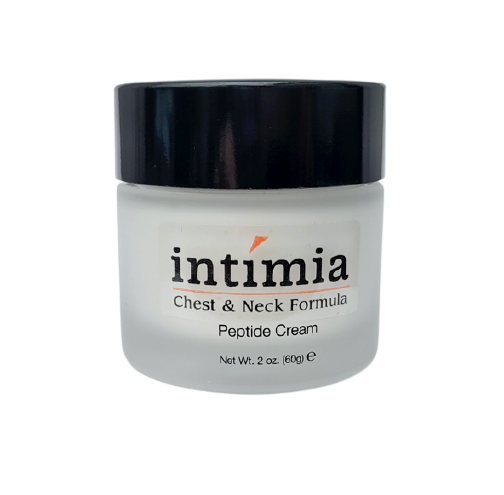
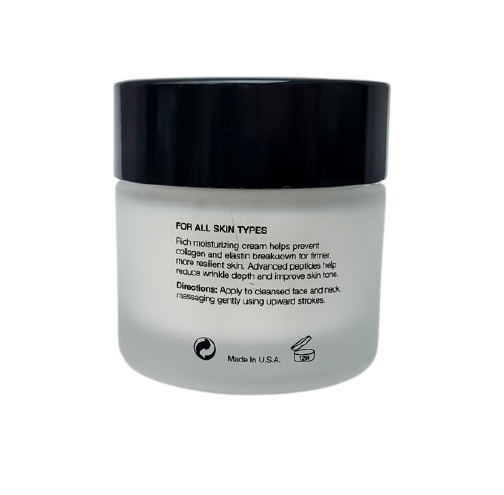
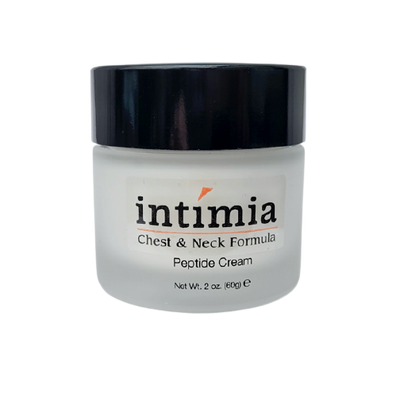
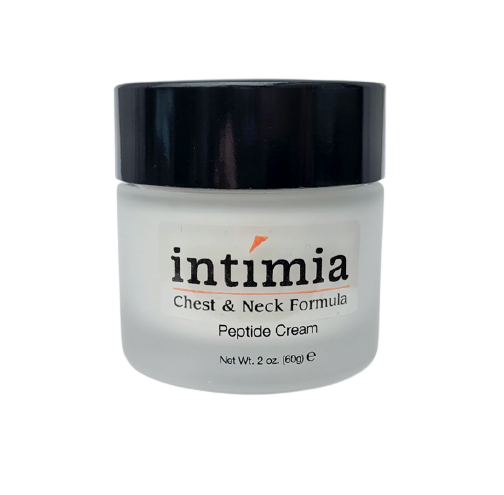
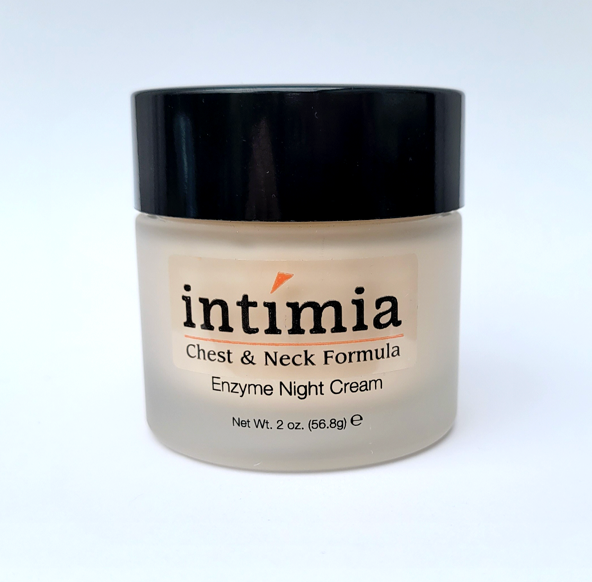
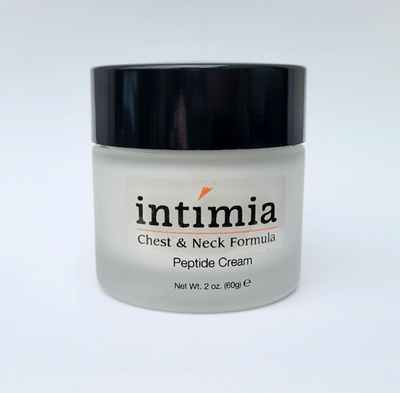
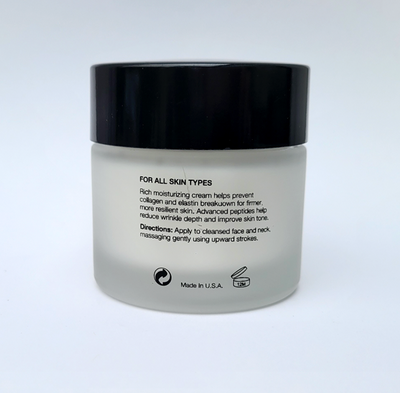
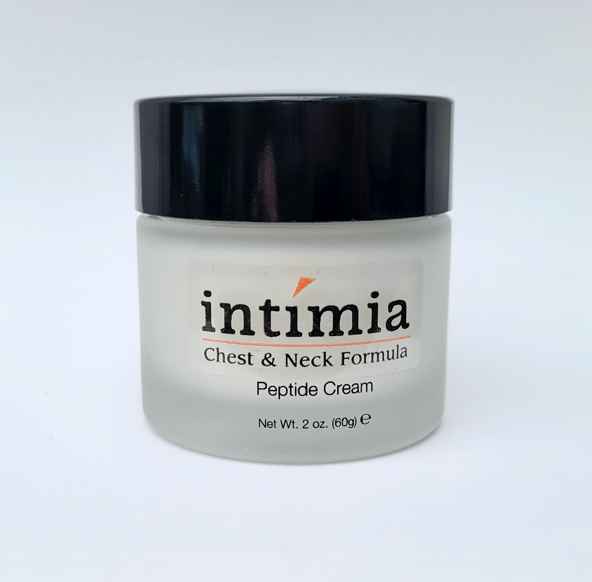
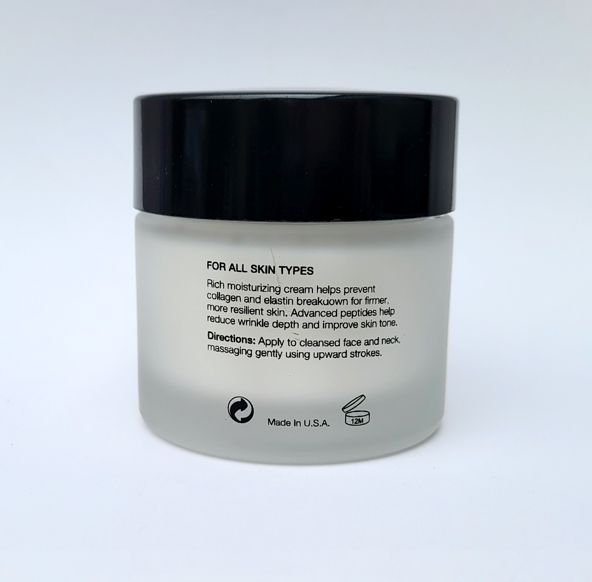
For at-home care, especially to maintain your chest peel before after results, consider these topicals. Retinoids, products with retinol or prescription tretinoin can stimulate collagen over the long term, but they must be introduced carefully on the sensitive chest area. Peptides, serums and creams with peptides can help support skin firmness. Antioxidants, a daily vitamin C serum can help protect your skin from environmental damage and brighten its tone. Sunscreen, the single most important product for preventing future wrinkles and sun damage is a daily broad-spectrum SPF.
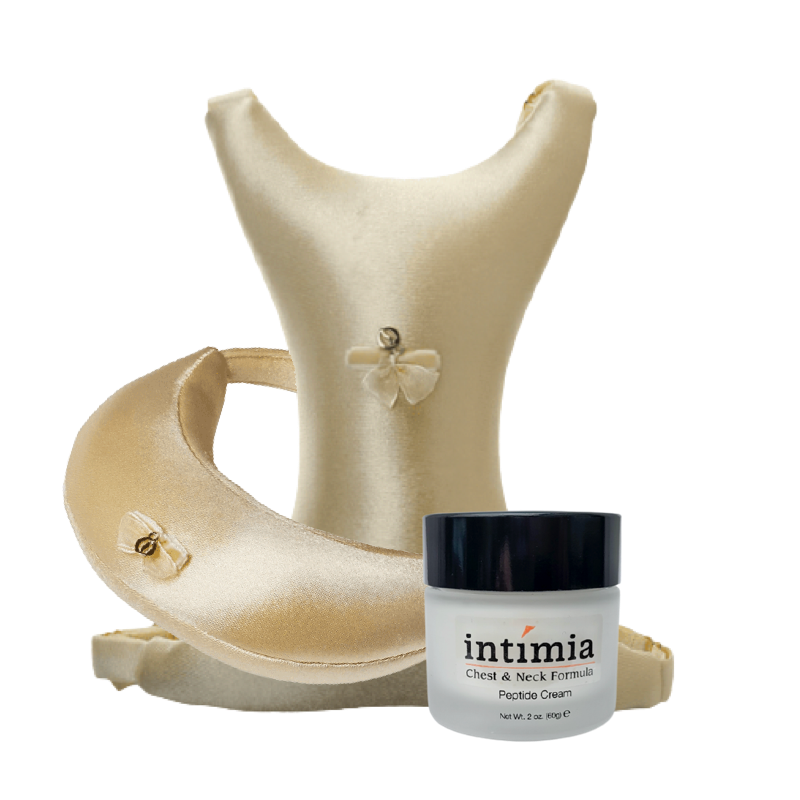
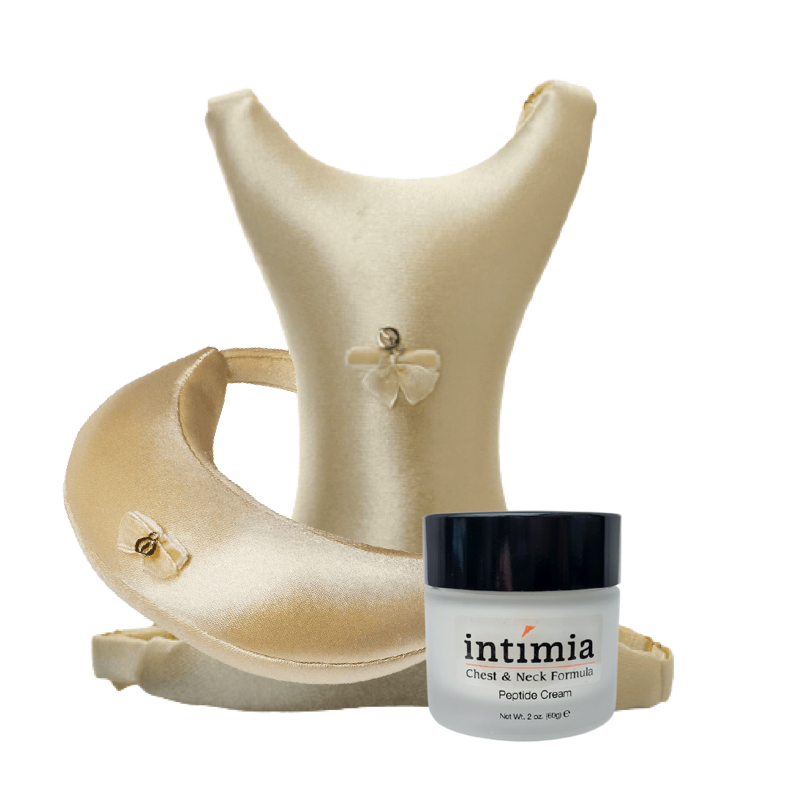
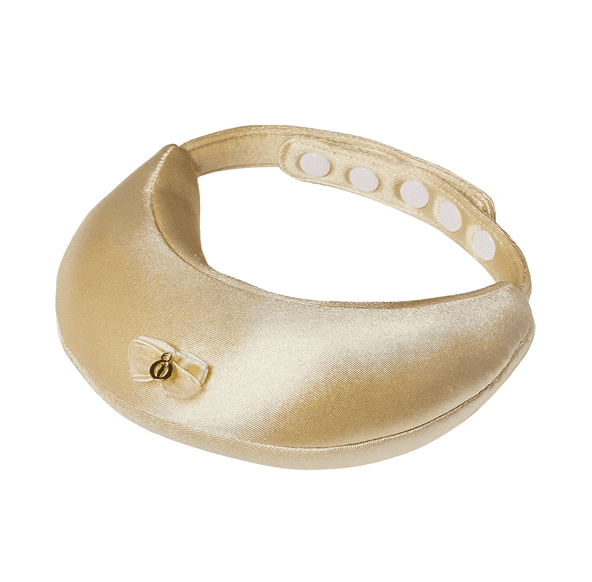
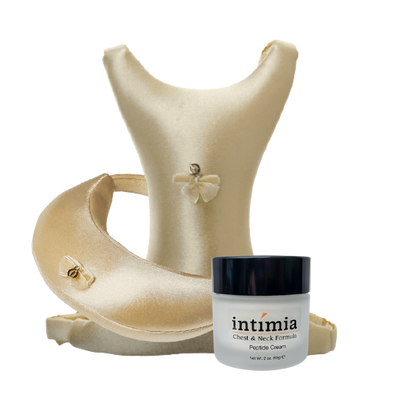
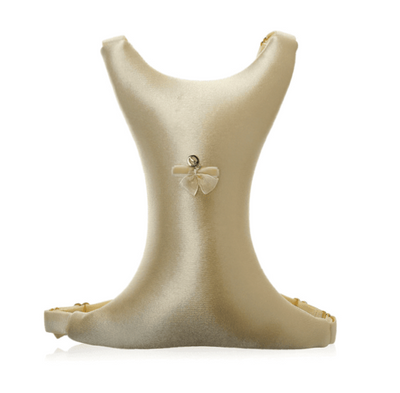
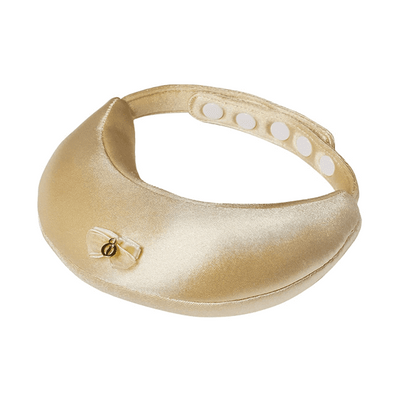
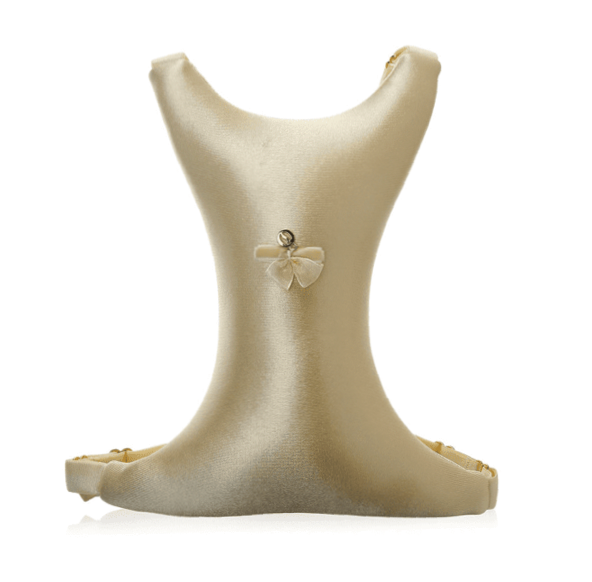
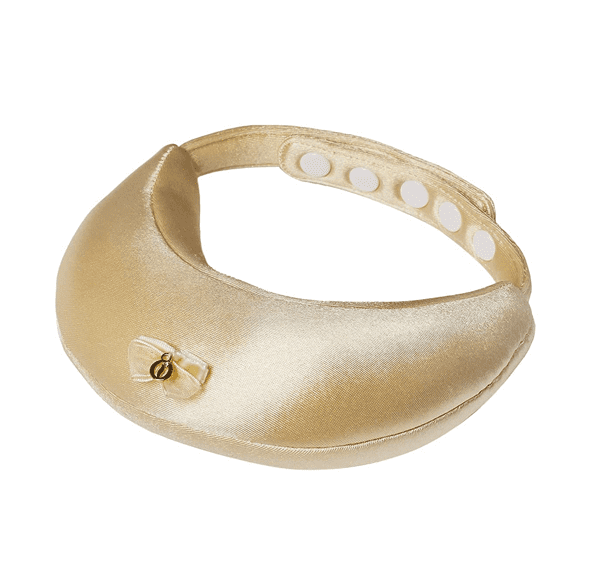
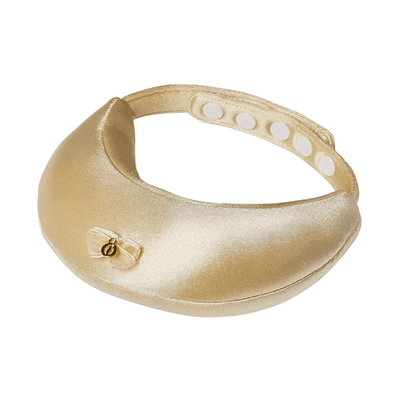
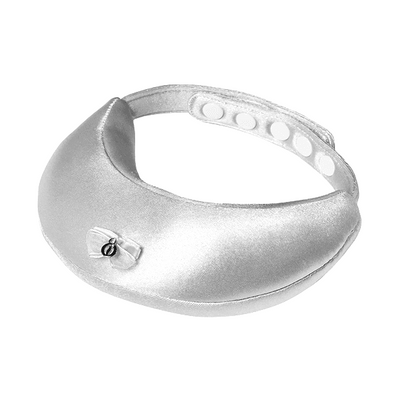
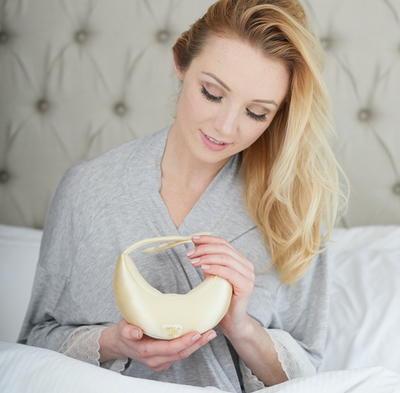
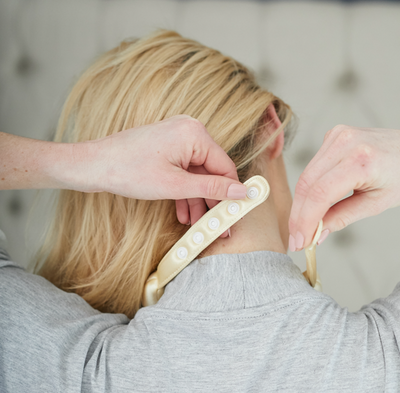
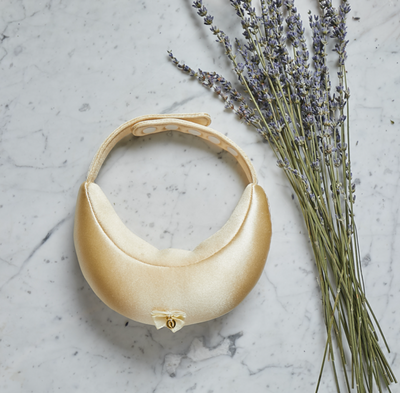
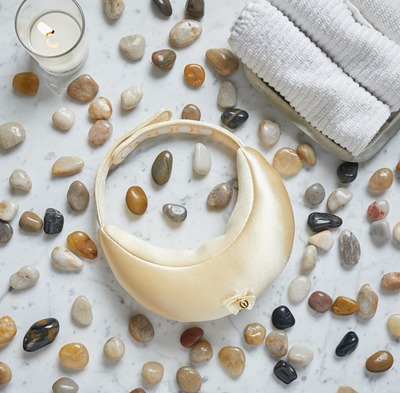
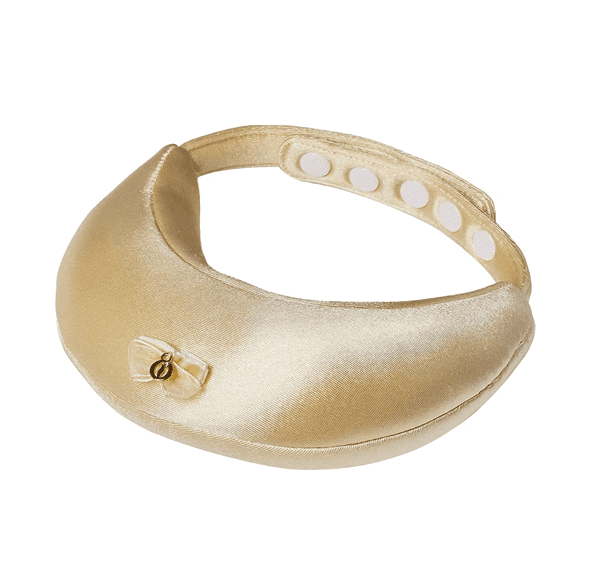
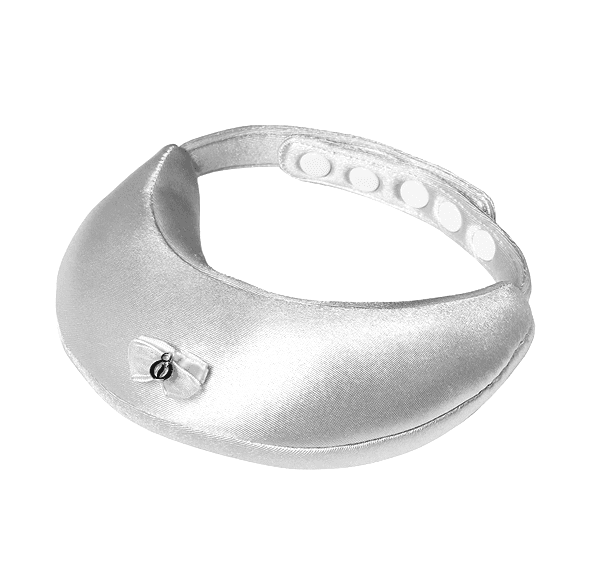
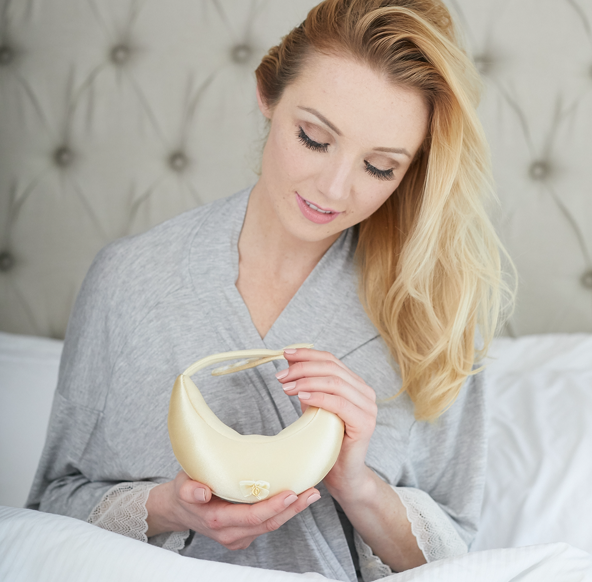
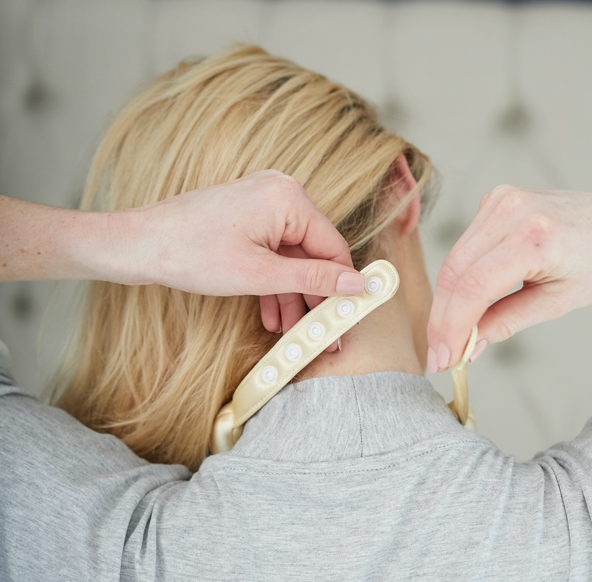
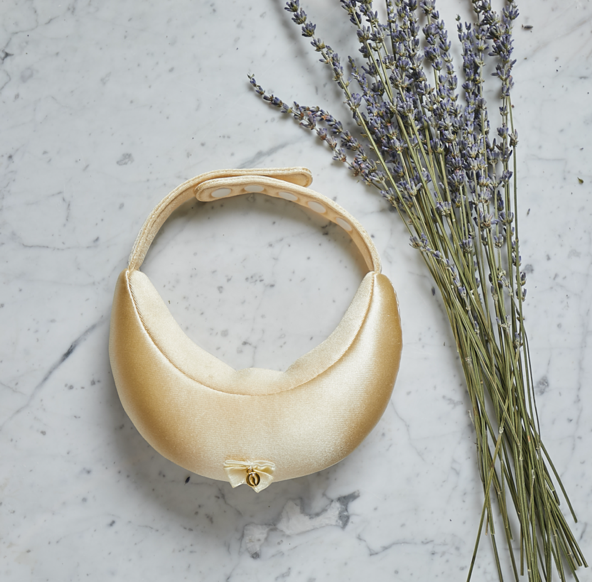
Lifestyle habits also play a huge role in complementing any chemical peel chest wrinkles treatment. Be diligent about sun protection by wearing sunscreen and sun-protective clothing. If you are a side-sleeper, consider supportive pillows or pads designed to reduce overnight chest creasing.
Other professional treatments, such as microneedling or certain lasers, can also be used in combination with peels to address different aspects of skin aging. Think of a chemical peel not as a one-time fix, but as a powerful part of your timeless self-care ritual.
Summary and decision guide for women researching chemical peels for chest wrinkles
Your décolleté is a beautiful part of you, and caring for it is an act of self-love. We’ve learned that the chest often ages faster due to its delicate structure and high sun exposure, but powerful treatments are available.
The main décolleté chemical peel types offer different paths to renewal. Glycolic and other light peels are for addressing mild lines, improving texture, and preventing future damage with little downtime. TCA and other medium-depth peels are for correcting deeper, more established wrinkles and significant sun damage, but require a committed recovery period.
To help find your starting point, ask yourself what your main concern is. Is it fine lines and dullness, or is it deeper, etched wrinkles and heavy sun spots, and what is your tolerance for downtime. Can you accommodate a few days of light flaking, or are you willing to plan for one to two weeks of more intensive healing. What is your skin’s history, are you prone to sensitivity or pigmentation issues.
Your answers will guide your conversation with a professional. If your concerns are mild, you can confidently explore glycolic peel chest results. If your goals are more dramatic, you can have an informed discussion about the TCA peel décolleté recovery process. Always ask to see chest peel before after photos to align your expectations.
Armed with this knowledge of chemical peel chest wrinkles options, you are ready to partner with a trusted provider to create a plan that honors your skin and restores your décolleté’s timeless beauty.
And when you finally catch yourself in the mirror, seeing a smoother, calmer chest looking back at you, you will know that every careful question, every quiet evening of healing cream and loose cotton shirts, was a small act of choosing yourself.
Ready to wake up with smoother skin — start here.
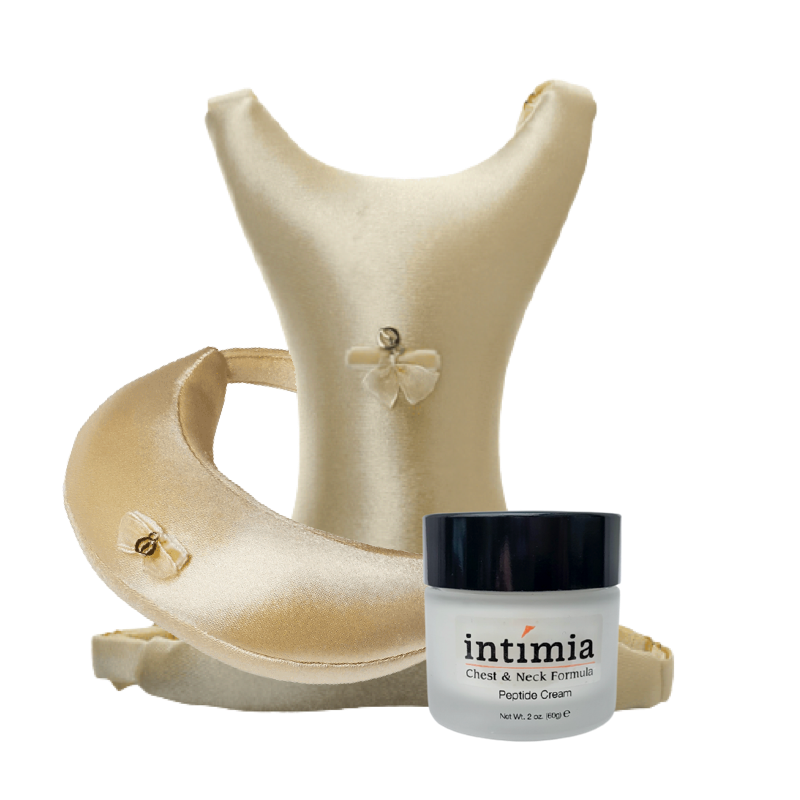
And if you are wondering what supports your chest while you sleep through all this careful work, that would be my Intimia® Breast Pillow keeping those new lines from forming in the first place.