In this article you will learn:
- Stress, Skin Aging, and Cortisol: The Science in Simple Terms
- How Cortisol Triggers Collagen Breakdown in Chest Skin
- Stress Wrinkles on the Décolleté: Why the Chest Shows Aging Early
- Anxiety and Skin Aging Effects: When the Mind Shows on Your Chest
- Lifestyle Stressors That Accelerate Cortisol Chest Skin Damage
- Science-Backed Wellness Strategies to Lower Cortisol for Healthier Chest Skin
- Skincare Routines to Protect the Chest From Cortisol-Induced Damage
- Sleep Position, Support, and Nighttime Strategies for Décolleté Wrinkles
- When to Seek Professional Help for Anxiety and Accelerated Skin Aging
- Conclusion: Taking Control of Stress, Cortisol, and Chest Skin Aging
I still remember the first time I caught those faint lines between my breasts in the bathroom mirror. Early morning, harsh light, coffee going cold on the counter. They faded by noon back then, so I shrugged and told myself, “Just slept funny.” Years later, I know better. Those lines were my stress report card, written in tiny creases across my chest, and no serum could erase what my cortisol kept etching in every night.
The connection between stress skin aging cortisol is written on our bodies, often showing up first in the delicate curve of the chest. It’s a quiet story, told in the fine lines that gather on the décolleté. This article is for you if you’re over 35, feel the weight of a full life, and notice its echo in your skin. Career meetings, late-night emails, kids calling “Mom” from two different rooms, maybe a quiet worry about your own hormones. You love wellness, you respect science, and you’re tired of pretending those chest lines are “just from the pillow.”
We live in a world where stress feels constant. This isn’t just a feeling; it’s a biological event. When you experience psychological stress, your body releases a powerful hormone called cortisol. In small bursts, it helps you cope. But when it’s always on, this “stress hormone” turns into a slow vandal, quietly causing cortisol chest skin damage. Researchers looking at stressed women found visibly worse skin texture and more fine lines, and not just on the face. High cortisol directly triggers cortisol collagen breakdown chest, weakening the scaffolding that keeps your skin smooth and firm, something you can see described clearly in dermatology research on stress and skin aging here.
The chest and décolleté are early warning zones for this damage. The skin here is thinner, has fewer oil glands, and lives under constant attack from sun, gravity, underwire, and the way you sleep. It’s a vulnerable little stage where stress loves to perform first. Sometimes your face still looks fine while your cleavage is already telling the truth.
This guide is my way of sitting down with you at the kitchen table and saying, “Let’s look at the whole picture.” I’ll walk you through the simple science of how stress rewires your skin from the inside out. Then we’ll get practical. Small shifts. Things you can actually do between school drop-off and that Zoom call. From how you sleep, to what you put on your chest, to when you might want to talk to a doctor. The goal isn’t perfection. It’s to give that delicate skin over your heart a fighting chance.
Stress, skin aging, and cortisol: the science in simple terms
To understand how to protect your chest, you and I need to peek behind the curtain at the chemistry show running in the background. The link between stress skin aging cortisol is not about “being dramatic.” It’s about a predictable cascade that starts in your brain and ends in the fine lines on your décolleté. Dermatology studies on stressed skin explain how chronic cortisol quietly disrupts barrier function and speeds up wrinkling, and you can see that spelled out in clinical detail here.
What is psychological stress?
Psychological stress is that tight, invisible backpack you wear when life demands more than your nervous system can comfortably deliver. If you’re anything like me, the weight comes from all directions. A Slack message lighting up at 9:43 p.m., a mother’s appointment you still need to schedule, a teenager standing in the doorway asking, “Mom, do we have a minute?” when you obviously don’t.
There are two flavors of this stress:
- Acute stress: the jolt you feel when your boss says, “Can we talk?” or you miss your exit.
- Chronic stress: the slow, steady background noise that never turns off, week after week, year after year.
The chest doesn’t complain about the short, sharp moments. It’s the chronic buzz that carves itself into the skin over time.
How the stress response works: the HPA axis and sympathetic nervous system
When your brain thinks, “We’re in trouble,” it pulls a lever. Sometimes the threat is real. Sometimes it’s just your inbox. Either way, the same machinery wakes up. Your hypothalamus whispers to your pituitary. The pituitary shouts to your adrenal glands. The adrenals answer with cortisol. In parallel, your sympathetic nervous system floods you with adrenaline. Heart racing, palms damp, focus narrowed. Cortisol walks in a bit later and keeps the whole show running.
I’ve watched women in my life live in that mode for years without realizing it. You might recognize it in yourself: jaw a little tight, shoulders a little high, mind a little too busy to fall asleep. That’s not just “personality.” That’s chemistry.
What is cortisol and what does it do?
Cortisol isn’t the villain. It’s the employee who doesn’t know when to go home. It helps regulate your blood sugar, keeps inflammation in line, nudges your blood pressure up when needed, and helps you wake in the morning. In a healthy rhythm, cortisol peaks early in the day and slowly slides down so you can sleep. The trouble begins when that curve flattens and the hormone that should be a wave becomes a plateau.
If your mind is racing at 2 a.m., if you wake up wired but tired, that’s the body’s rhythm gone sideways. And skin, especially fragile chest skin, notices before you do.
How chronic cortisol affects skin biology
Chronically high cortisol is like bad weather that never clears. Inside your skin it does four unforgiving things: it stirs up oxidative stress, pokes holes in your barrier, slows repair, and fans low-grade inflammation. Studies on stressed women show measurable changes in barrier function, more wrinkles, poorer texture, and reduced antioxidant capacity; the numbers are cold, but the effect is exactly what you see when you lean toward the mirror and squint at those new lines, as summarized in stress–skin research you can browse here.
This is where anxiety skin aging effects stop being abstract. When your barrier weakens, your chest feels drier, a little more reactive. When repair slows, yesterday’s sun and side-sleeping still echo through today’s creases. It’s all one story.
Intrinsic vs. extrinsic aging and where stress fits
Some aging lives in your DNA. Some lives in your calendar. Intrinsic aging is the quiet, built-in program: collagen production slowing, cell turnover easing up. Extrinsic aging is the world’s contribution: UV exposure, pollution, cigarettes, careless tanning in our twenties that we now pretend never happened.
Chronic stress is the troublemaker that sits in the middle. It accelerates the inner program and turns up your sensitivity to outside hits, especially UV. Dermatology papers on glucocorticoids and skin aging show how cortisol interferes with collagen and the extracellular matrix in ways that eerily resemble long-term steroid cream overuse, and you can see their diagrams and data laid out here. Add midlife hormones shifting under your feet and suddenly your chest becomes the early messenger.
How cortisol triggers collagen breakdown in chest skin
The smooth, firm skin of the décolleté is like a well-made mattress. You don’t think about the springs until they start to give. Once the link between daily stress and stress skin aging cortisol settles in, you start noticing how that mattress has softened in all the places gravity likes best. Understanding how cortisol triggers collagen breakdown chest skin is less about theory and more about giving you back some control.
Collagen and elastin 101 for the chest and décolleté
Under your skin, collagen is the scaffolding, elastin the bungee cords. Together, with a mix of other unsung molecules, they make up the extracellular matrix that keeps everything lifted and springy. On the chest that matrix is naturally a little more fragile. Less fat padding, thinner dermis, fewer oil glands. When it loses strength, it doesn’t hide it well.
I often think of those early, faint vertical lines between the breasts as the first loosened screws in that scaffolding. You barely notice at first. Then one morning you catch them in a dressing-room mirror and wonder when, exactly, they arrived.
Cortisol’s direct impact on collagen production and breakdown
When cortisol runs high day after day, it does two very specific things to that internal structure. First, it whispers to your fibroblasts, the tiny collagen factories, “Slow down, we’re not building today.” Second, it turns up the volume on enzymes—MMPs—that behave like little scissors, snipping at your existing collagen and elastin fibers. Research into the enzyme 11β-HSD1 shows how the skin can even amplify cortisol locally, like installing a tiny cortisol factory right in your dermis, and you can see that mechanism mapped out here.
That’s why sometimes you feel like your chest aged faster than the rest of you over just a few stressful years. It kind of did.
Why the chest is especially vulnerable to cortisol-driven collagen loss
The chest is not a forgiving area. With less natural collagen density to start with, any loss shows early. Fewer oil glands mean more dryness, which makes every little crease more visible. So cortisol chest skin damage doesn’t arrive with fanfare; it sneaks in as:
- Fine vertical lines between the breasts that used to fade and now stay.
- Horizontal creases across the upper chest that cling stubbornly to your reflection.
- A slight loss of firmness, that beginnings of crepey texture in your cleavage.
Then we add our old friend the sun. UV plus high cortisol is a particularly bad romance for collagen. Scientific reviews on extrinsic aging describe how UV and glucocorticoids together ramp up collagen-degrading enzymes, and if you like graphs, you can see them laid out here. The point is simple: the more your chest is out in the sun during a stressful season of life, the louder the damage.
Stress wrinkles on the décolleté: why the chest shows aging early
You know those mornings when you look down and see faint, straight little lines etched between your breasts. They fade by lunch, at first. Over the years they stop fading. These are your stress wrinkles décolleté. They don’t care whether you smiled too much. They care how you slept, how you stood, and what your cortisol was doing while you were trying to rest.
What are “stress wrinkles” on the décolleté?
Facial wrinkles can tell stories about laughter or frowns. Chest wrinkles tell stories about pressure and folding. They’re born from two parents: internal loss of collagen and elastin from the stress skin aging cortisol loop, and mechanical creasing from posture, bras, and your favorite side of the bed. Because they come from a weakening structure rather than facial muscle movement, they tend to become “static.” They don’t need you to move to be visible. They’re simply there.
Mechanical factors that team up with cortisol to etch lines
Think of your chest skin like a sheet of paper you fold the same way every night. At first, it smooths out. Eventually the crease stays even when you lay the paper flat. Side sleeping pulls the top breast down and in, pressing the skin into those same vertical folds. Gravity never takes a day off. An underwire that digs or a bra that squeezes the wrong spot adds its own daily pressure.
On resilient, well-rested skin, this folding is annoying. On cortisol-weakened skin, it’s sculpting.
How stressed, dry skin can’t repair these folds
Normally, your body uses the night shift to quietly fix daytime insults. But when cortisol is high, that overnight repair crew shows up late, underfunded, and half-asleep. The barrier on your chest becomes a little leakier, so more water escapes, and dryness deepens the folds. Regeneration slows, inflammation hums in the background, and each night’s folds heal just a bit less than the night before. Studies on stressed skin barriers describe this exact pattern—higher transepidermal water loss, slower recovery, more sensitivity—documented in clinical settings you can skim through here.
You might see this in small, specific ways. Lines that used to vanish by breakfast now hang on past lunch. Red patches across your chest after a rough week. That feeling that no amount of moisturizer quite catches up. That’s the combination of mechanical folding and cortisol chest skin damage quietly turning temporary lines into permanent ones.
Anxiety and skin aging effects: when the mind shows on your chest
Anxiety doesn’t always look like panic. Sometimes it looks like waking up at 3:17 a.m., staring at the ceiling, and rehearsing every possible failure in your head. It feels like nothing is wrong enough to justify this tension, yet you can’t convince your body to unclench. That state keeps your internal alarms buzzing, and over time, the anxiety skin aging effects write themselves on the easiest canvas: the thin skin across your chest.
How anxiety keeps cortisol “stuck on”
Chronic anxiety tells your HPA axis there’s danger on the horizon, all the time. The conversation never ends. Cortisol doesn’t get to rise and fall; it hovers. The “fight-or-flight” switch gets jammed halfway on. So even when the house is quiet and everyone is finally asleep, your chemistry hasn’t gotten the memo. I’ve watched women go months in that state, blaming themselves for “overreacting,” when in reality their bodies are just following the instructions anxiety keeps whispering.
Documented anxiety skin aging effects
That constant hum shows up in the mirror. Increased inflammation, flare-ups of eczema or acne, slower healing from the little things—a scratch from a necklace, a breakout along the bra line that leaves a stubborn mark. Barrier tests in anxious, stressed people show more water loss, drier texture, dullness, uneven tone. Hormones tied into the stress response can also nudge melanin, which is why new chest spots sometimes appear right after a rough chapter in your life.
When you hear that stress skin aging cortisol accelerates both intrinsic and extrinsic aging, this is what it looks like day to day: more redness, a crepey cast, tiny marks that don’t fade like they used to. The clinical language lives in journals about stress-related dermatoses you can scroll through here, but you’ve probably already seen the real-life version on your own chest.
Why anxiety-related changes are especially visible on the chest
The chest has very little room to hide trouble. Flushes of redness during stressful calls, blotchy patches after a long week, fine lines that appear faster than on your cheeks. All of that lives under the umbrella of cortisol chest skin damage driven by anxiety. Dryness plus inflammation is a cruel combination; it frays collagen while making every tiny texture irregularity easier to see.
The feedback loop between stress, appearance, and more anxiety
Here’s the part I see too often: you notice the changes, and the noticing becomes its own stress. You catch your chest in a fitting-room mirror under brutal lighting, think, “When did it get this bad,” and that spike of panic feeds the same cortisol that helped make those lines. It’s a loop. The good news is that once you see the loop, you can start nudging it in the other direction—with habits that soothe mind and skin together.
Lifestyle stressors that accelerate cortisol chest skin damage
We love to blame big events: divorce, layoffs, pandemics. But for most of us, cortisol chest skin damage comes from smaller, quieter choices stacked on top of each other. Habits so normal you don’t even see them as stress. Late-night scrolling in bed. Another cup of coffee at 4 p.m. “Powering through” fatigue instead of resting, because there’s just too much to do.
Daily habits that spike cortisol
Some of the most skin-sabotaging habits feel harmless in the moment. Irregular bedtimes that push midnight more often than not. An “always-on” work mode where your phone lives on your nightstand and every ping gets answered. Blue glow from your laptop lighting your face at 11 p.m. A diet leaning heavily on quick carbs and convenience snacks. One more glass of wine to “take the edge off,” which steals quality sleep instead.
Individually, each one is a tiny nudge to your HPA axis. Together, they keep your stress hormones simmering so high that your skin never truly gets its off-duty hours.
How these stressors show up as cortisol chest skin damage
Your chest quietly tallies the bill. Faster collagen breakdown, a thinner barrier, irritation that seems to come from nowhere. You start waking with deeper vertical lines, especially after nights spent tossing around or falling asleep over your phone. Red blotches across the décolleté after brutal deadlines. A slowly spreading sense that the skin there feels older than the rest of you.
Women tell me, “My face looks okay with makeup, but my chest gives me away in a V-neck.” That’s the sum of all the tiny habits we were told were “normal modern life.”
The compounding effect with posture and sleep position
The inside chemistry would be enough of a challenge. Then we layer on the physical realities of how we sit and sleep. Hunched over laptops, shoulders rounding forward, chest caving in. Side sleeping, breasts falling toward each other, skin folded in the exact same places for hours. When cortisol has already softened your collagen, these repetitive positions act like a sculptor’s tool, carving the weakened tissue into more permanent lines.
Science-backed wellness strategies to lower cortisol for healthier chest skin
Now for the part that matters most: what you can do, starting tonight, without turning your life into a wellness retreat. Once you understand how deeply stress skin aging cortisol runs through this story, any practice that gently lowers cortisol stops being “self-care” and becomes structural repair—inside and out.
Why lowering cortisol supports skin and overall health
When cortisol gets a chance to drop, your body quietly switches modes. Repair genes turn up. Collagen breakdown slows. Inflammation cools. Barrier lipids rebuild. Researchers following stress-reduction interventions see not just mood changes but improvements in skin barrier function and inflammatory markers; it’s all part of one system. Give your chemistry some breathing room and your chest will often be the first place to show calmer mornings.
Mind-body practices with evidence for stress reduction
I’m not asking you to become a monk. I’m asking for five minutes you actually keep. Simple breathwork—like a slow box breath, four counts in, hold, out, hold—tells your nervous system, “We’re safe.” A short guided meditation in the car before picking up the kids, a three-minute body scan while your tea cools. Gentle yoga that opens the chest instead of punishing it. A bedtime journal page where you dump every spinning worry onto paper so your brain doesn’t keep juggling them at 2 a.m.
Sleep hygiene for nighttime skin repair
Skin rejuvenation is not a metaphor. It happens at very specific times, in very specific hormonal landscapes. You reclaim that landscape by giving your body a consistent sleep rhythm. Same bedtime, same wake-up, even on weekends, as much as life allows. Lights dimmed, screens off long enough before bed that your brain believes it. A bedroom that feels like a cave, not a control center.
When nighttime cortisol falls the way it’s supposed to, your chest finally gets those repair hours. The folds from your favorite sleep position don’t have to become permanent residents quite so fast.
Movement and exercise for cortisol balance
Movement is a lever, not a punishment. Twenty brisk minutes most days—a walk around the block, a bike ride, light strength training—can help regulate cortisol and improve circulation to your skin. Overdoing it with intense workouts every single day, though, can backfire and bump cortisol higher. I always tell women to treat exercise like a conversation with their bodies, not an argument.
Nutrition and daily rhythms to support lower stress and healthier skin
What you eat changes how your stress feels. Meals anchored in protein, healthy fats, and fiber keep your blood sugar steady so your body doesn’t have to mount a mini stress response every time you crash. Water helps your barrier stay plump and functional. Caffeine after lunch and nightly wine both quietly steal sleep quality and confuse your cortisol rhythm. Colorful fruits and vegetables, plus omega-3 fats, help mop up the free radicals stress makes more of—those same free radicals that chip away at your chest’s collagen from the inside.
Skincare routines to protect the chest from cortisol-induced damage
I see this all the time: a diligent 10-step facial routine that stops sharply at the jawline. Meanwhile, the chest bravely faces sun, perfume, and scratchy fabrics with whatever body lotion was on sale that month. If stress is already stealing from your collagen savings account, your chest deserves its own routine to fight back against cortisol chest skin damage and slow stress wrinkles décolleté.
Why the chest deserves its own routine
The décolleté is prime real estate. It sits where the sun hits, where necklines frame it, where necklaces rub. It’s also structurally less equipped to handle abuse. That combination—more exposure, less natural resilience—means cortisol collagen breakdown chest shows earlier here than almost anywhere else. So no, your leftover hand cream is not a strategy.
Morning: protect against daily damage
Morning is your armor-building time. A gentle, non-stripping cleanser over chest and neck. An antioxidant serum rich in vitamin C or E to catch some of the free radicals sparked by stress and light. And then the non-negotiable: sunscreen. Broad-spectrum, SPF 30 or higher, all over the chest every single day, clouds or not. Researchers talk about “UV–cortisol synergy” when explaining accelerated photoaging; you don’t need the jargon, you just need to know that daily SPF cuts one of cortisol’s favorite partners in crime.
Evening: repair and rebuild while cortisol naturally dips
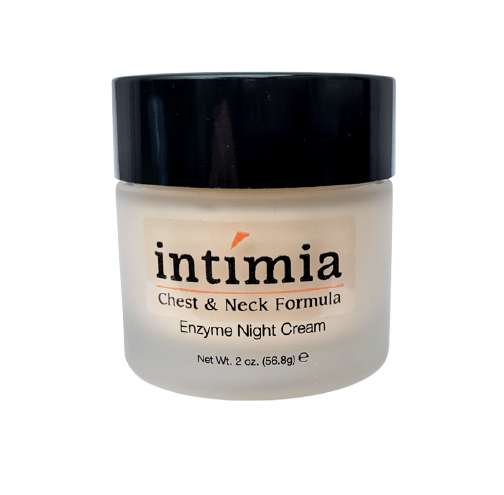
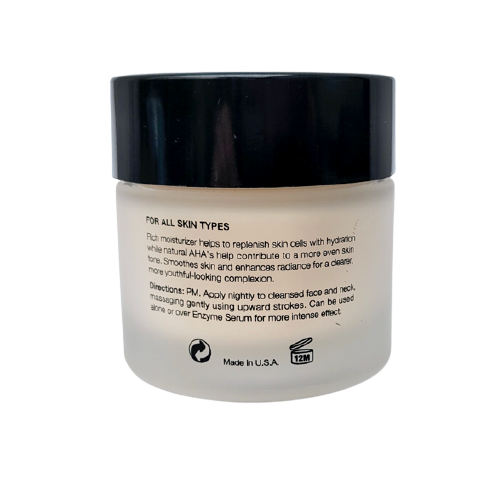
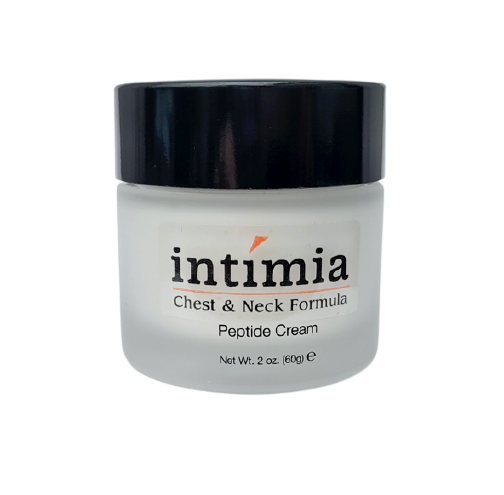
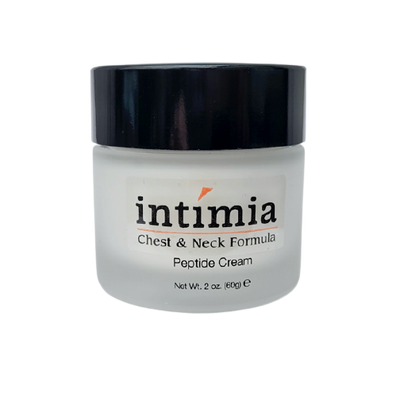
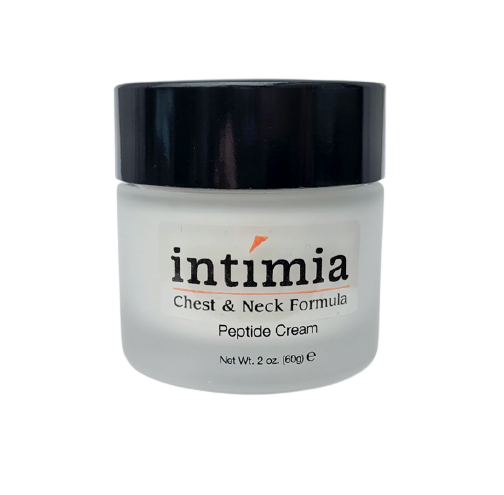
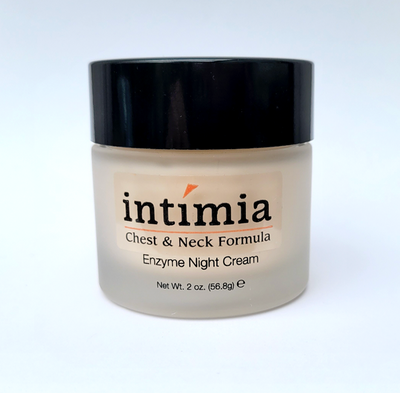
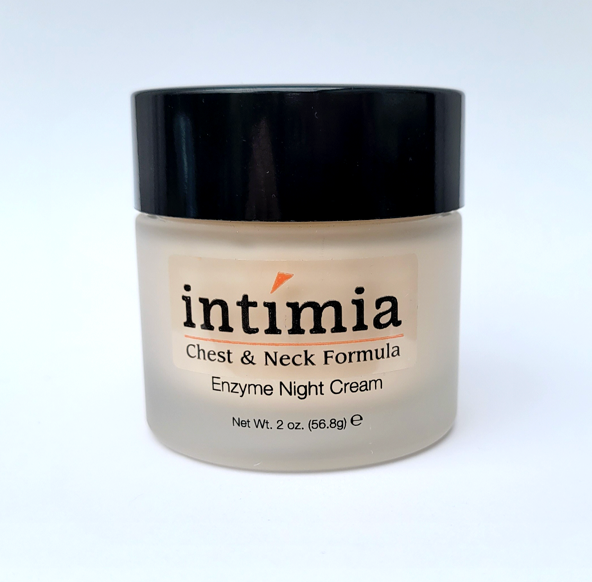
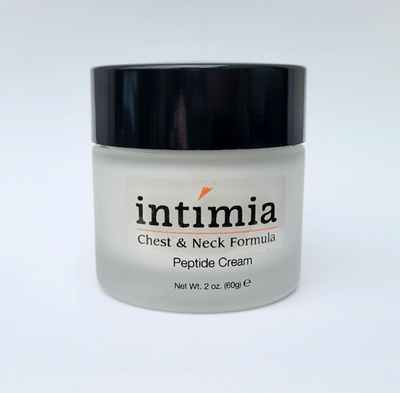
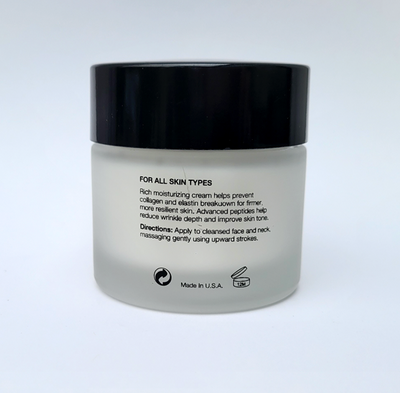
Night is when you become your own lab technician, quietly repairing what the day took. As cortisol naturally dips, your skin is primed for rebuilding. That’s when you bring in the big helpers: peptides to nudge more collagen production, niacinamide to strengthen the barrier and calm redness, ceramides and lipids to patch up the mortar between your skin cells. Maybe a low-dose retinoid, carefully tested and buffered, to stimulate turnover and collagen if your chest tolerates it.
Calming ingredients—cica, panthenol, aloe—help soothe the smoldering inflammation that tracks along with chronic stress. When you apply these from your face down past your bra line with slow, upward strokes, you’re not just hydrating. You’re reminding the tissue that it’s still being cared for.
Texture, creping, and spot treatments
If certain lines bother you more, it’s okay to play favorites. A targeted peptide or gentle retinoid serum pressed directly into the vertical cleavage lines. A brightening serum with azelaic acid or licorice extract dotted onto sunspots that bloomed during a wild summer or a hard year. Localized care, repeated quietly and consistently, often does more than dramatic, one-off treatments.
What to avoid on stressed chest skin
Stressed skin doesn’t need to be scrubbed within an inch of its life. Harsh physical exfoliants, strong peels, heavy fragrance—these are the skincare equivalent of yelling at someone who’s already exhausted. On the chest, where the barrier is naturally thinner, that kind of irritation can tug you further into the same cycle you’re trying to escape.
Sleep position, support, and nighttime strategies for décolleté wrinkles
You can meditate, eat kale, and invest in beautiful serums, and still wake up with chest lines if all night long your breasts are collapsing into each other. I say this as a lifelong side-sleeper. Eight hours of mechanical folding is a lot to ask any collagen to tolerate, especially when stress skin aging cortisol is already in play.
How side sleeping and stomach sleeping contribute to chest lines
On your side, the top breast falls forward and down, pressing the skin into narrow vertical pleats. On your stomach, your chest twists, neck torques, and the skin follows the path of least resistance into whichever fold your pillow allows. Do this once, nothing happens. Do it every night for ten years and you get a very specific pattern of lines.
Why mechanical stress + cortisol = deeper stress wrinkles décolleté
Mechanical stress alone is like a sculptor working in soft clay. Add high cortisol and you bake the clay between passes. Your body can’t fully erase the impressions before you add new ones. Repair work that used to happen efficiently overnight gets cut short. So those “temporary” sleep lines begin to linger. Many women notice their first permanent stress wrinkles décolleté during the exact years their life felt most overwhelming.
Supportive tools to reduce mechanical folding
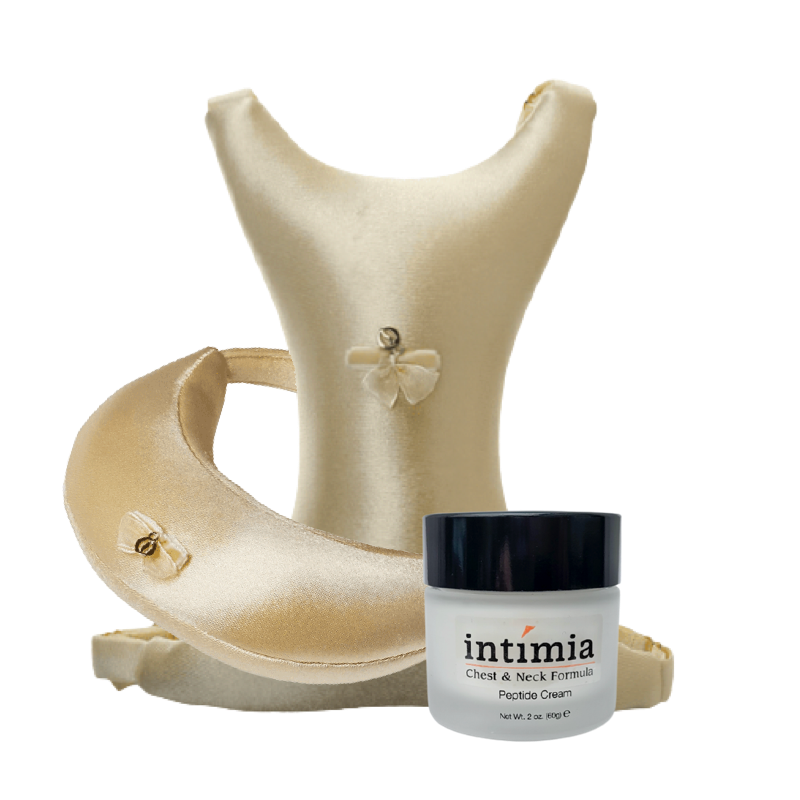
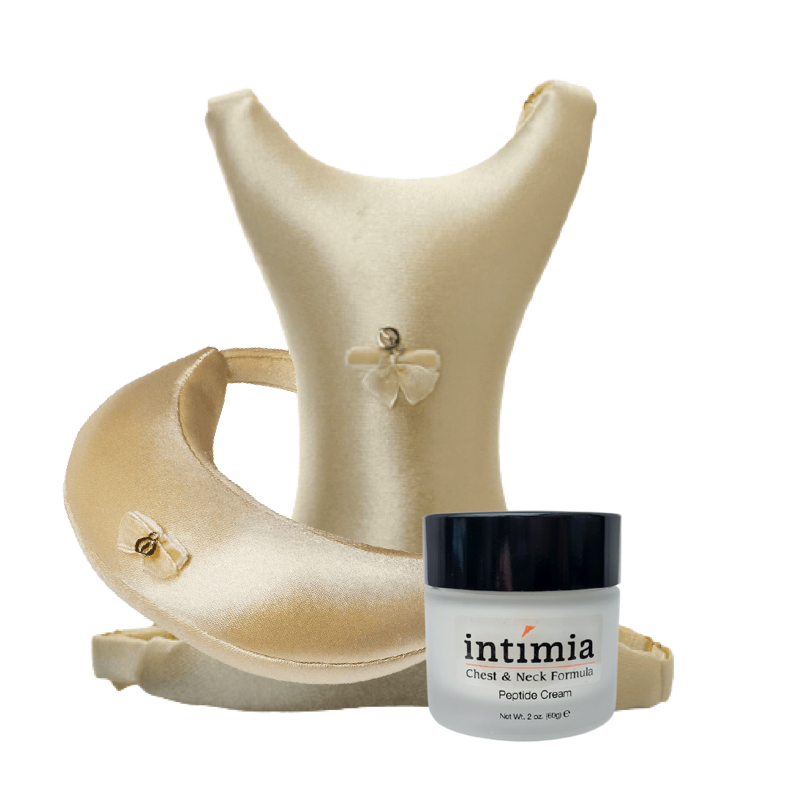
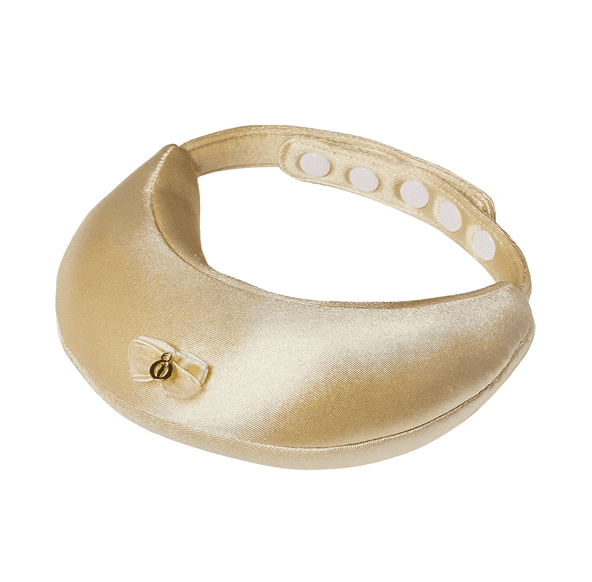
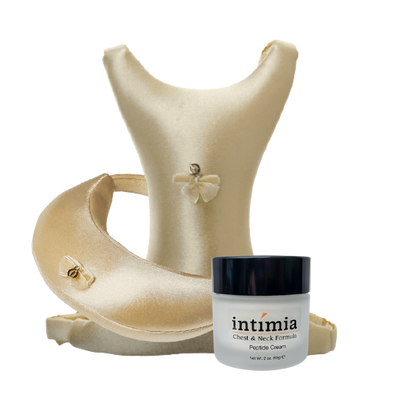
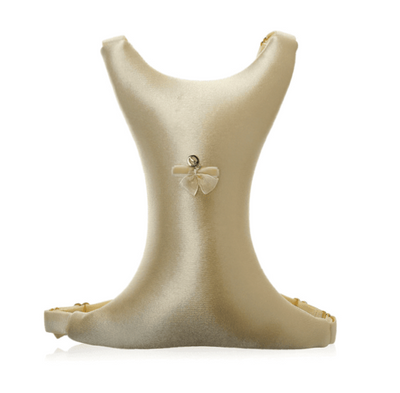
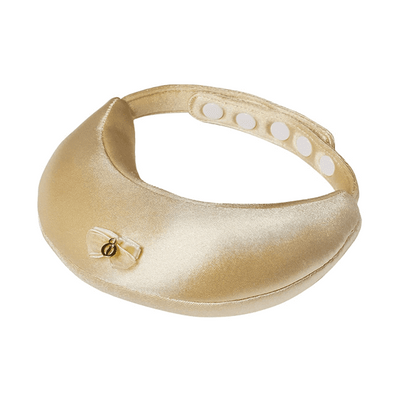
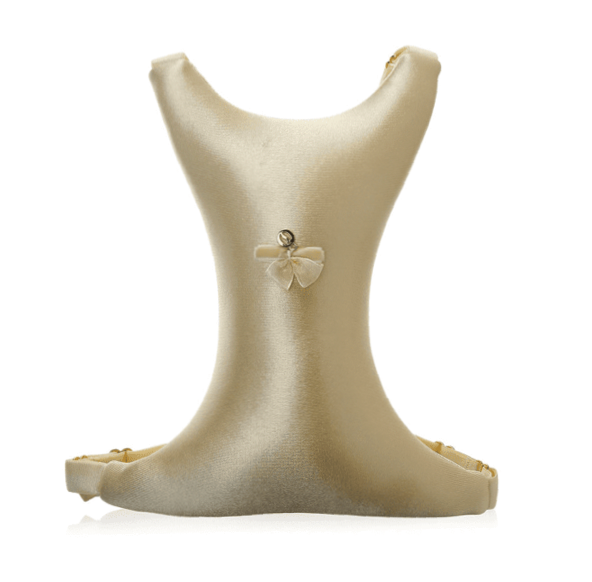
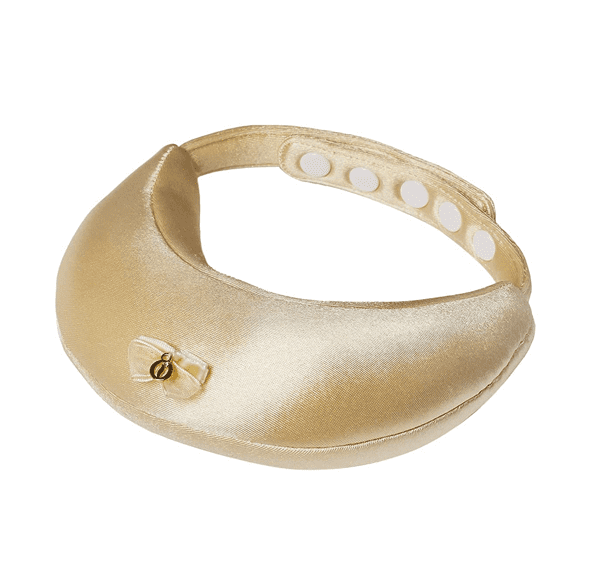
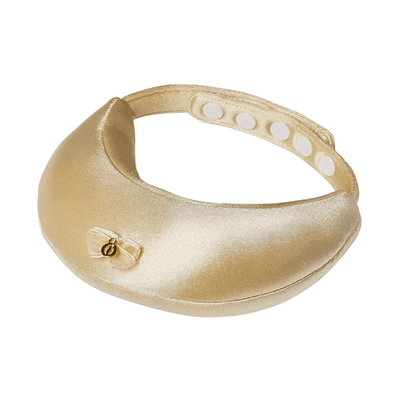
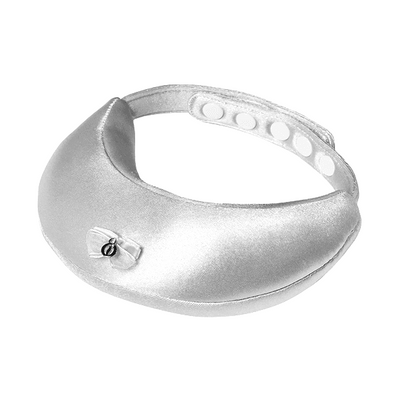
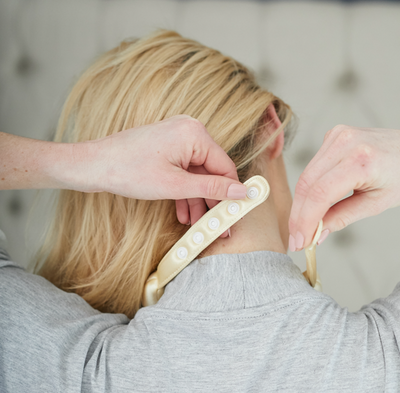
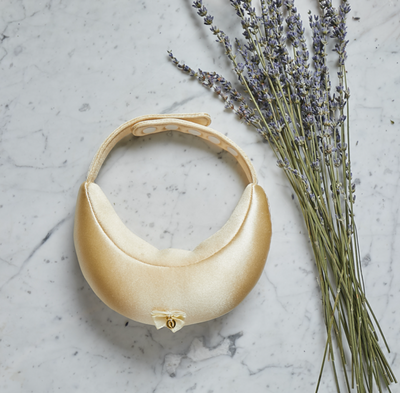
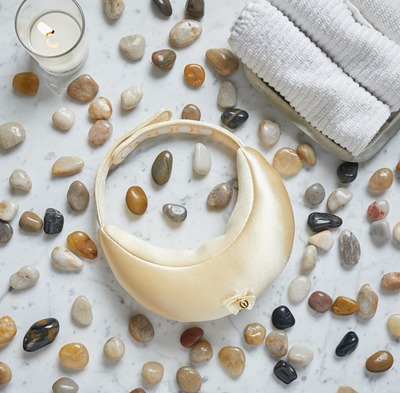
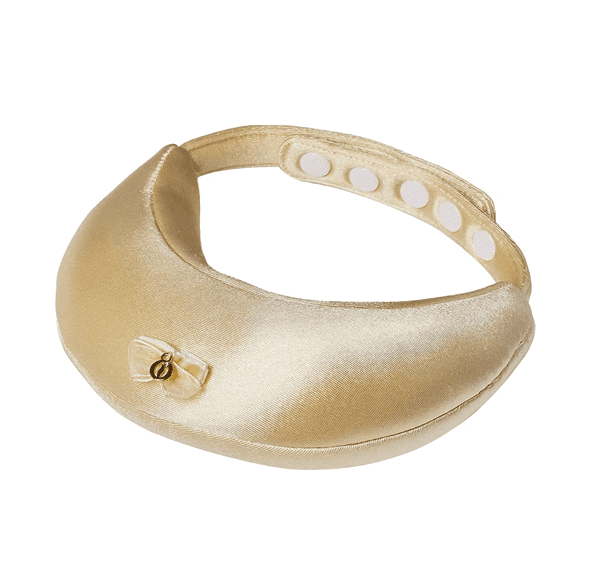
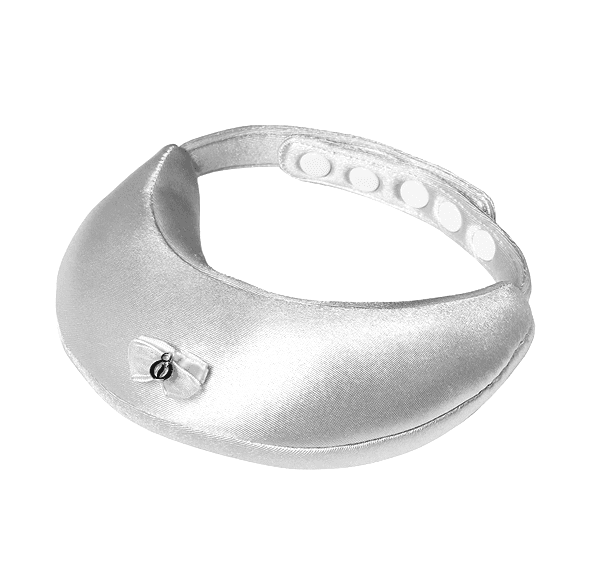
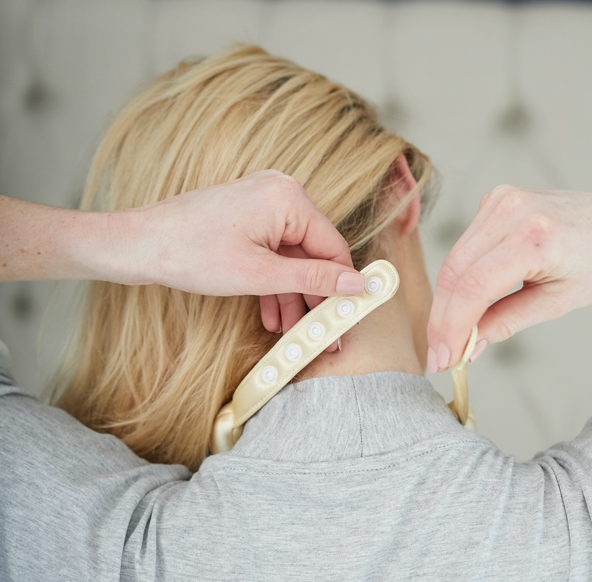
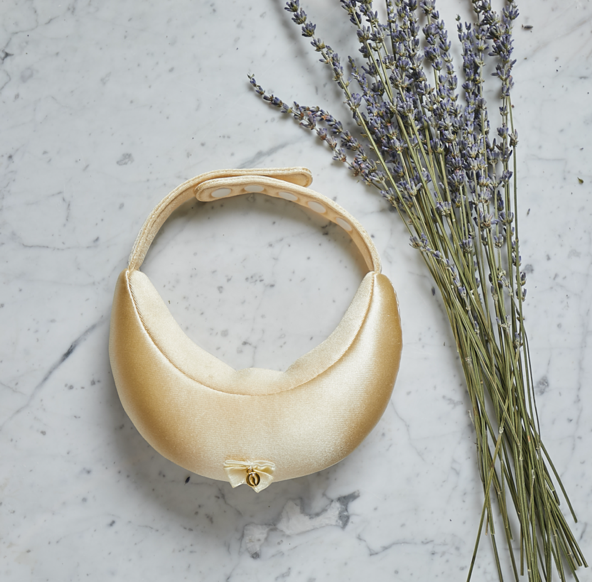
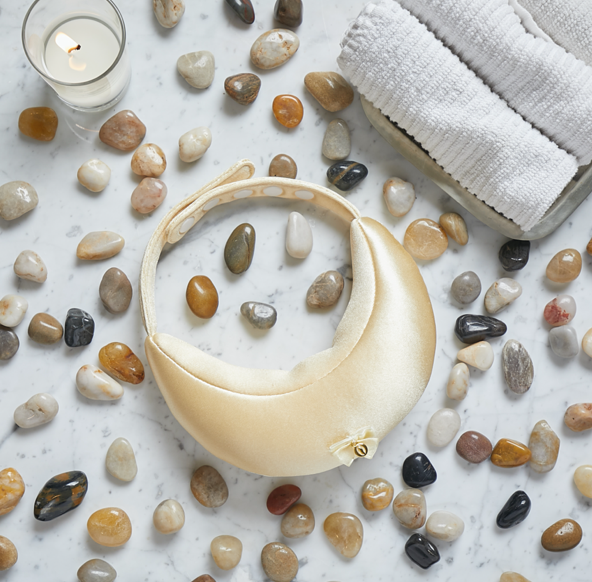
Training yourself to sleep flat on your back is a lovely idea. It’s also not how most human bodies behave at 3 a.m. That’s where smart tools earn their place. A soft, anti-wrinkle chest pillow that nestles between the breasts and keeps them from collapsing together. A supportive sleep bra that lifts without digging. A full-length body pillow that keeps your torso more stable so your chest doesn’t cave in as deeply. Smooth silk or satin fabrics against your skin to cut friction.


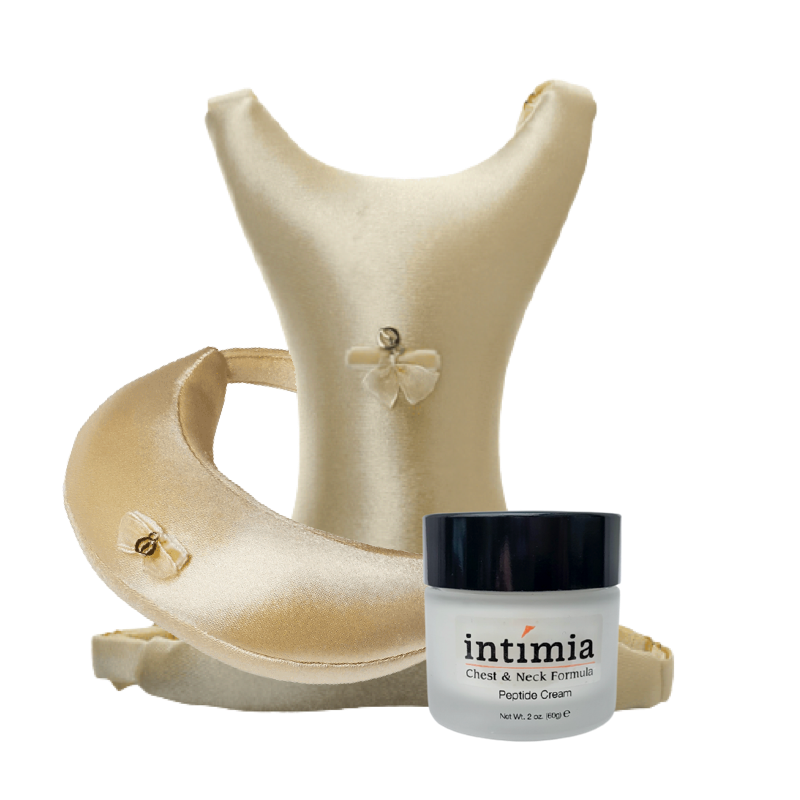
I designed the Intimia pillow originally because my own side-sleeping chest lines drove me mad. I wanted to keep my favorite sleep position and my blouses. The first night I slept with support between my breasts, I woke up to softer lines and thought, “Ah. There you are. This is what rested skin looks like.”
Integrating posture and nighttime rituals
The magic happens when you stack these things. A few minutes of breathwork or journaling before bed so your cortisol starts to slide down. Your evening chest routine, massaged in with warm hands. Then you tuck yourself in with a supportive chest pillow or bra that keeps the skin from folding so deeply. Head on a smooth pillowcase, spine a little straighter from the stretches you did earlier. None of this is fancy. But together, they give your skin hours of quiet, undisturbed repair time it hasn’t had in years.
When to seek professional help for anxiety and accelerated skin aging
I’m an entrepreneur, a mother, a woman who once believed she could “handle it” indefinitely. So I’ll tell you what I wish someone had told me sooner: there’s a line between a stressful season and a system that’s genuinely overwhelmed. When your mind and skin are both sending up flares, that’s not your cue to buy a stronger cream. That’s your sign to bring in backup for those anxiety skin aging effects.
Red flags that it’s more than “just a stressful week”
If worry feels like your default setting most days. If joy feels muted. If sleep refuses to cooperate no matter how good your sleep hygiene is. If your chest skin seems to be aging in fast-forward—new wrinkles, stubborn redness, sudden flare-ups of eczema or breakouts along the décolleté—that’s your body waving a small red flag and hoping you’ll look.
Professionals who can help and what they offer
This doesn’t have to be dramatic. It can be a conversation with a therapist who teaches you cognitive tools to interrupt the anxiety loops. A visit with your doctor to check in on your overall health, sleep, maybe even your cortisol pattern if appropriate. A dermatologist who looks at your chest with clinical eyes and says, “Here’s what we can do,” whether that’s a prescription cream, gentle in-office treatments, or both. Integrative practitioners sometimes weave these pieces together, adding nervous system support alongside topical care.
How professional support indirectly improves chest skin
Getting help is one of the most underrated skincare decisions you can make. Not because a therapist will hand you an anti-wrinkle cream, but because as your baseline anxiety softens, your cortisol follows. As sleep moves from fractured to decent, repair improves. As your mood lifts, you’re more likely to keep up with the small daily steps that protect your chest. Over months, the texture, tone, and resilience of that delicate skin respond.
Conclusion: taking control of stress, cortisol, and chest skin aging
The story of your life is written in many places. The delicate skin over your heart just happens to be one of the most honest. We’ve walked through how stress skin aging cortisol works behind the scenes, how it accelerates cortisol collagen breakdown chest, weakens your barrier, and quietly speeds up every little crease your sleep position and posture try to carve.
But knowing this doesn’t mean you need to live in fear of every busy week. It means you have levers you can pull. Breath by breath, night by night, product by product. You can soften the anxiety skin aging effects with small habits that lower your stress load. You can protect yourself from ongoing cortisol chest skin damage with sunscreen, smart skincare, and kinder sleep setups. You can ease stress wrinkles décolleté not by chasing perfection but by saying, “I matter enough to protect this skin too.”
When I press my own palm over my chest at night, feeling the rise and fall of a body that has carried children, businesses, hopes, and fears, I don’t wish for my twenty-year-old skin back; I just choose, again, to care for this version—lines, stories, and the soft armor of an Intimia® Breast Pillow keeping tomorrow’s creases at bay.
Ready to wake up with smoother skin — start here.