In this article you will learn:
- Why chest and décolleté wrinkles form faster
- What retinol is and how it works
- Can you use retinol on chest skin safely?
- How to use retinol on décolleté safely (step-by-step)
- Choosing the right retinol products for chest wrinkles
- Preventing and managing retinol chest skin irritation
- Combining retinol with lifestyle and sleep habits for better results
- Sample weekly routine for retinol on décolleté
- When to expect results and when to consult a professional
I wrote this retinol chest wrinkles guide after one too many mornings of catching my own reflection in the bathroom mirror and thinking, “Ah, so this is what side-sleeping and California sun really look like.” You deserve a way to smooth that story gently, safely, and on your own terms, without turning your evenings into a chemistry class.
This retinol chest wrinkles guide is a path to understanding your skin, a quiet ritual of self-care for women over 35. It is a step-by-step map for embracing the power of retinol to smooth and renew the delicate skin of your chest and décolleté, all from the comfort of your home. It’s for the woman who seeks not to turn back time, but to honor the skin she’s in with wisdom and grace.
The skin of your décolletage tells a story, of sunny days, of restful nights, of a life fully lived. But often, this area is overlooked in our daily skincare, left to face the elements without the same loving attention we give our faces. This guide will walk you through everything you need to know, from the earth of the science to the art of the routine.
We will explore:
- How the golden touch of retinol awakens the skin on your chest.
- The answer to, can you use retinol on chest skin, and the gentle secrets to doing it safely, avoiding needless retinol chest skin irritation.
- How to build a simple, realistic routine and choose products that feel like a gift to your skin.
- How to weave in the simple magic of lifestyle and sleep habits to support your beautiful results.
The skin on your chest is often the first to whisper signs of aging. It’s thinner, more delicate, and drinks in more sun than your face. As a result, it can appear older, faster. But with the right knowledge, drawn from what we now know about décolletage aging and care, you can tend to it with the same care and intention, helping it reflect the vibrant confidence you feel inside.
Why chest and décolleté wrinkles form faster
Before we begin our retinol chest wrinkles guide, we must first understand the canvas. The skin of your décolleté is unique, a landscape with its own geography and needs. It is not the same as the skin on your face, and knowing why it ages differently is the first step toward caring for it with wisdom.
The skin here is naturally thinner and has fewer oil glands. Think of it like fine silk compared to the sturdier linen of your face. This lack of natural oils means it’s more prone to dryness and its protective barrier is more easily disturbed, leading to irritation and the visible etching of wrinkles. Add to this the fact that it’s often bathed in sunlight from V-neck tops and outdoor living, and you have a recipe for accelerated aging that many women only recognize after reading about chest wrinkles and their causes.
Several forces conspire to create wrinkles on the chest and décolleté:
- The weight of a good night’s sleep: Sleeping on your side or stomach, night after night, gently presses your chest skin together. Over years, this compression etches vertical “sleep lines” between the breasts, which can become permanent fixtures.
- The sun’s persistent memory: Every moment of unprotected sun exposure adds up. Ultraviolet rays break down the skin’s vital support structure, collagen and elastin, leaving the skin feeling less firm and looking crepey and sun-spotted.
- The unfolding of time: After our early thirties, our body’s production of collagen and elastin naturally slows down. The skin’s inner scaffolding becomes less robust, and it loses its youthful bounce and thickness.
- The ebb and flow of hormones: The journey through perimenopause and menopause brings hormonal shifts that can thin the skin and reduce its moisture, making it more fragile and susceptible to wrinkling.
This is where retinol enters the story. Recommended by dermatologists, and often highlighted in discussions about crepey skin and retinoids, retinol is a true ally for this delicate area. It works from within to encourage the production of new collagen and speed up cell turnover, helping to soften fine lines, smooth a crepey texture, and restore a more even, luminous tone to your chest and décolleté. It doesn’t erase the story your skin tells, but it helps you write the next chapter with strength and vitality.
Retinol for décolletage – what it is and how it works
Understanding retinol for décolletage is like learning the language of your skin. It’s a powerful dialect of Vitamin A, but it comes in different forms, each with its own rhythm and strength. Knowing the difference empowers you to choose what’s right for you.
Let me pause here, because this is where many women get lost between labels and late-night online reviews, and articles on the best retinol creams do not always explain the basics clearly.
Let’s clarify the terms in this retinol chest wrinkles guide:
- Retinoids: This is the family name for all Vitamin A derivatives. It includes everything from potent prescription-only treatments to gentler over-the-counter options.
- Retinol: This is the most common and beloved over-the-counter retinoid. It’s a gentler cousin to prescription forms. Once applied to your skin, it slowly converts into retinoic acid, the active form that gets to work on renewal. It’s effective and much kinder to sensitive skin, which is why you see it recommended so often in décolletage care guides.
- Prescription retinoids (like tretinoin): These are the strongest members of the family. They are pure retinoic acid and work more quickly, but they also carry a much higher risk of irritation. They are typically reserved for facial use under a dermatologist’s watchful eye.
So, how does this gentle yet powerful ingredient work its magic on the décolletage? Retinol works on a deep, cellular level to bring about visible change, a process skin experts describe again and again when they talk about the best ingredients for the neck.
- It awakens a youthful pace: Retinol encourages your skin cells to turn over more quickly. This process sheds old, sun-damaged cells from the surface, revealing the smoother, more radiant skin underneath. It’s a quiet, steady renewal that improves texture and tone.
- It rebuilds the foundation: The true power of retinol lies in its ability to stimulate collagen production. Collagen is the protein that gives skin its firmness and structure. By encouraging your skin to build more of its own natural support, retinol gradually softens the appearance of fine lines and improves the crepey texture that can appear on the chest.
- It evens the canvas: Over time, retinol helps to break up and fade the appearance of sun spots and hyperpigmentation. This results in a more uniform, luminous skin tone across your décolleté, restoring a look of health and vitality.
It’s essential to approach retinol with the right expectations. This is a marathon, not a sprint. While you may notice a smoother texture within a few weeks, the more profound softening of wrinkles takes several months of consistent, patient use. Articles on neck and chest creams and timelines quietly repeat the same truth, and they are right. Retinol can beautifully improve fine lines and texture, but it will not completely erase deep, long-standing sleep lines. It is a tool for graceful improvement, not an eraser of your life’s story.
Can you use retinol on chest? Safety basics
So, we arrive at the central question, can you use retinol on chest and décolleté skin. The answer is a confident and resounding yes. You absolutely can. However, it must be done with intention, respect, and a gentle hand. Think of it as introducing a powerful new friend to a sensitive soul, it requires a slow, caring approach.
The skin on your chest is more delicate and has a thinner protective barrier than your face. It has fewer oil glands to keep it naturally moisturized and resilient. Because of this, it can be more prone to redness, dryness, and sensitivity when introduced to active ingredients like retinol for décolletage. Using retinol on décolleté safely is about honoring this sensitivity and borrowing a little wisdom from the way dermatologists talk about using actives carefully on this area.
Who will benefit most from using retinol on the chest?
This practice is particularly beautiful for women, generally 35 and older, who are beginning to notice:
- Fine, feathery lines that spread across the upper chest.
- Etched vertical "sleep lines" forming between the breasts.
- A crinkly, crepey texture that has replaced once-smooth skin.
- A constellation of sun spots or freckling across the décolleté.
For these concerns, retinol can be a wonderfully effective, non-invasive solution to help restore smoothness and radiance, especially when paired with the kind of neck and chest care dermatologists recommend for women in their forties and fifties.
Who should approach with caution or seek advice?
While retinol is a gift for many, it’s not for everyone without a bit of guidance. You should be cautious or speak with your dermatologist or doctor first if you have:
- Very sensitive or reactive skin: If your skin often reacts to new products with redness or stinging, a very slow start is critical.
- Extremely dry skin or a compromised barrier: Retinol can be drying initially, so it’s vital to ensure your skin is well-hydrated before you begin.
- Active skin conditions: If you have eczema, psoriasis, or rosacea on your chest or neck, using retinol could cause a flare-up.
- Recently had a skin procedure: If you’ve had a laser treatment, chemical peel, or microneedling on the area, allow your skin to heal completely before starting retinol.
- Pregnancy or breastfeeding: Most medical experts advise against using retinoids during pregnancy or while breastfeeding. It’s essential to consult with your doctor for personal guidance, not just skim a generic list of retinol side effects.
Knowing your skin is the first step to caring for it beautifully. By understanding its unique needs, you can introduce retinol safely and unlock its remarkable benefits for your décolletage.
How to use retinol on décolleté safely (step-by-step)
Now we move from the why to the how. Learning to use retinol on décolleté safely is a graceful dance of listening to your skin. This step-by-step ritual will ensure you nurture your skin while gently encouraging its renewal. Remember, the goal is steady progress, not instant perfection, and every sensible retinol routine you see from skin experts says the same thing in slightly different words.
Step 1 – the patch test: a gentle introduction
Before you commit, give your skin a small preview. Apply a tiny amount of your chosen retinol product to a discreet area on your upper chest, perhaps near your shoulder. Do this for two or three consecutive nights. Watch for any signs of a strong reaction like a rash, intense burning, or significant peeling. A little dryness is normal, but a fiery response is a sign to try a gentler product.
Step 2 – start low and slow: the rhythm of renewal
Your journey with retinol for décolletage should begin at a whisper, not a shout.
- Choose a low strength: Begin with a formula specifically designed for sensitive skin, the neck, or the body, which will typically have a lower concentration of retinol.
- Start with twice a week: Apply your retinol just one or two nights per week to start. This gives your skin ample time to rest and adapt between applications, a pattern also suggested in many retinol use guidelines.
- Apply to dry skin: After cleansing, wait at least 10 to 20 minutes until your skin is completely dry. Applying retinol to damp skin can increase penetration and lead to unnecessary stinging or irritation.
- Use a pea-sized amount: A small amount goes a long way. Use a single pea-sized dab for your entire chest and décolleté. Spread it in a thin, even layer. More is not better, it only increases the risk of irritation.
Step 3 – night-only application: working in the moonlight
Retinol works best under the cover of darkness. It makes your skin more sensitive to the sun, and UV light can break down the ingredient, making it less effective. Make retinol a sacred part of your nighttime ritual only. This also sets the stage for repair and renewal as you sleep, a rhythm echoed in most décolletage routines you’ll come across.
Step 4 – moisturize strategically: a comforting embrace
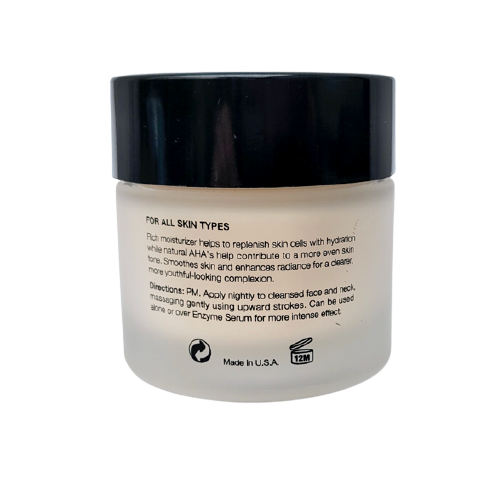
After your retinol has fully absorbed (wait a few minutes), follow it with a generous layer of a barrier-supporting moisturizer. This is a non-negotiable step. Look for creams rich in ingredients like ceramides, hyaluronic acid, and niacinamide. This comforting blanket of moisture will help soothe the skin, reduce dryness, and minimize the risk of retinol chest skin irritation.
Step 5 – gradually increase frequency: listening to your skin
After a few weeks of using retinol twice a week with no issues, you can consider increasing the frequency. You might move to every other night. Pay close attention to your skin’s response. If it feels comfortable and calm, with maybe just a touch of mild dryness, you can proceed. If it feels tight, red, or irritated, pull back to your previous frequency. For the delicate chest, consistency with a gentler routine is far more effective in the long run than pushing your skin too hard, too fast, and that is a lesson every best-practices list on retinoids quietly reinforces.
Choosing the right retinol products for chest wrinkles
Navigating the world of skincare can feel overwhelming, but this retinol chest wrinkles guide is here to simplify your choices. When selecting a product for décolletage care, the key is to prioritize gentle formulas that respect the delicate nature of the skin.
There are several types of products that work beautifully for the chest:
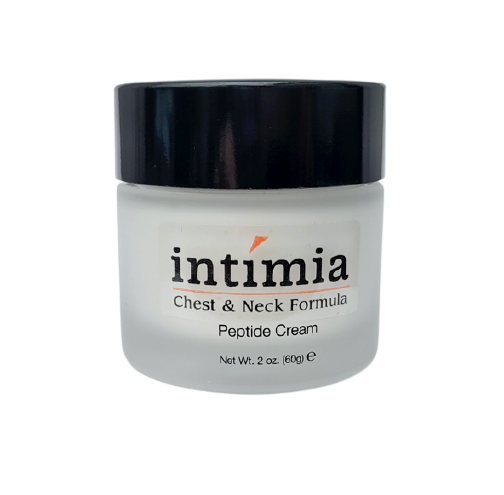
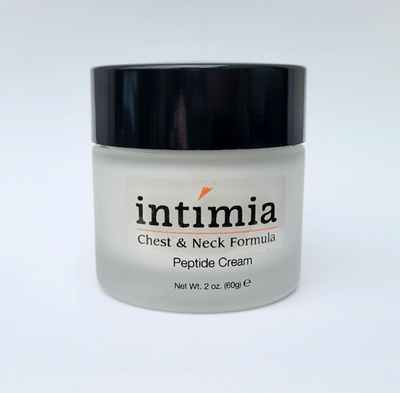
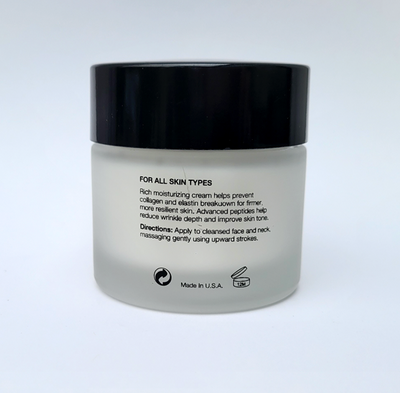
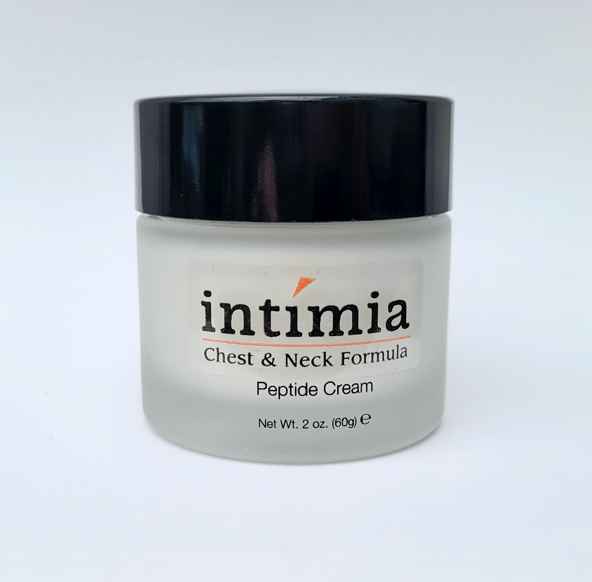
- Neck and décolleté creams: These are your best bet. They are specifically formulated with the thinner skin of this area in mind, often combining a gentle dose of retinol with nourishing, firming ingredients like peptides and antioxidants, just as many neck-care product roundups describe.
- Body lotions with retinol: A growing number of body lotions now include low-strength retinol. These are excellent for covering a larger area like the chest and are typically designed to be hydrating and non-irritating.
- Gentle facial retinol serums: If you already use a low-strength, gentle retinol serum on your face that your skin loves, you can often extend its use down to your chest. Just be sure it’s a formula your face tolerates without any irritation.
What to look for in a product
When you turn over a bottle, look for a team of ingredients that work in harmony. To use retinol on décolleté safely and effectively, seek out formulations that contain:
- Gentle, stabilized retinol: Look for products with a low-to-moderate strength, such as 0.1% to 0.2%, or those that use "encapsulated" or "slow-release" technology. This helps deliver the benefits of retinol without overwhelming the skin, greatly reducing the risk of retinol chest skin irritation.
-
A chorus of hydrators: The best formulas pair retinol with deeply hydrating ingredients to support your skin’s moisture barrier. Key players to look for include:
- Hyaluronic acid: A moisture magnet that draws water into the skin, plumping it from within.
- Ceramides: These are lipids that are naturally part of your skin barrier. Adding them back topically helps strengthen and protect your skin.
- Niacinamide: A versatile B vitamin that calms redness, evens skin tone, and supports the skin barrier.
- Soothing components: Ingredients like aloe, panthenol (pro-vitamin B5), or allantoin can help calm and soothe the skin, making the retinol experience more comfortable.
- Fragrance-free formulas: Fragrance is a common irritant, especially for sensitive skin. Choosing a fragrance-free product is a simple way to minimize the risk of a reaction on your delicate décolleté, a point repeated in almost every list of recommended retinol creams.
Examples of product styles to consider
While we don’t endorse specific brands, here are types of products that embody these principles:
- Hydrating retinol creams: Formulas similar to the well-known RoC Retinol Correxion line, which pair retinol with hyaluronic acid, are great for addressing both wrinkles and dryness on the neck and chest.
- Targeted neck and chest formulas: Look for creams like SkinCeuticals Tripeptide-R Neck Repair, which uses a low concentration of slow-release retinol (0.2%) alongside peptides to specifically target signs of aging on delicate skin.
- Gentle retinaldehyde options: Products containing retinaldehyde (or retinal), such as Avène RetrinAL 0.1, are a great alternative. Retinal is one step closer to retinoic acid than retinol, making it potent, but it is known for being exceptionally gentle and less irritating.
A holistic approach: beyond the bottle
Remember, topical treatments are only one part of the equation. You can beautifully complement the skin-renewing effects of retinol by addressing the mechanical causes of wrinkles, something chest wrinkle discussions often emphasize when they mention the role of sleep position.
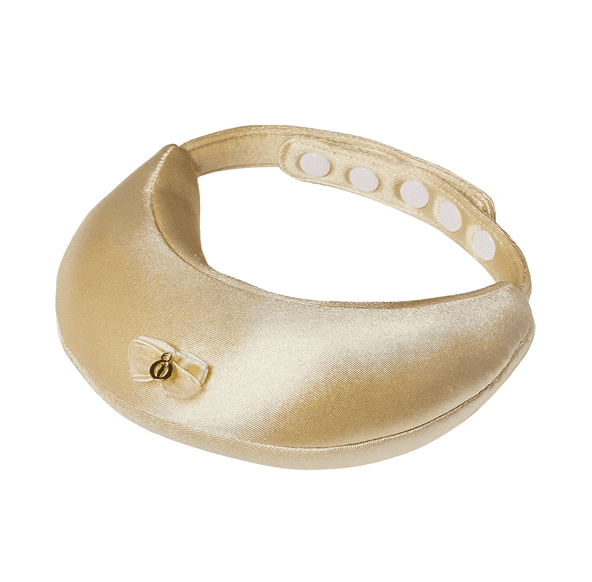
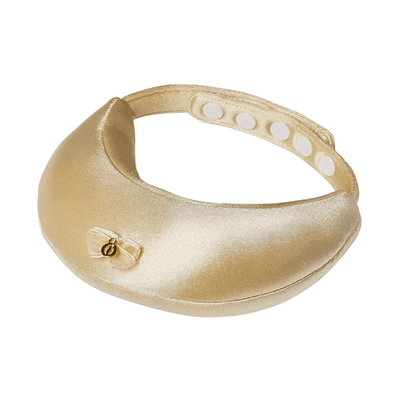
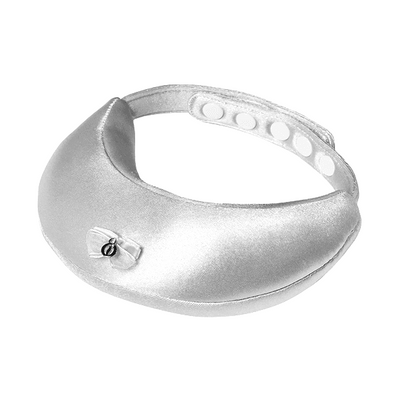
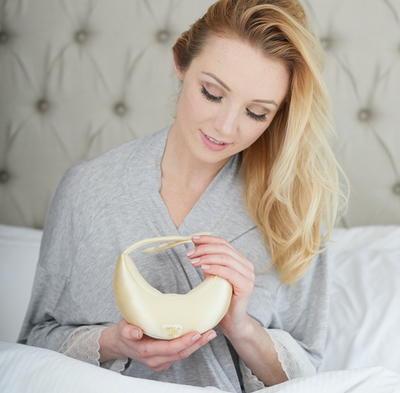
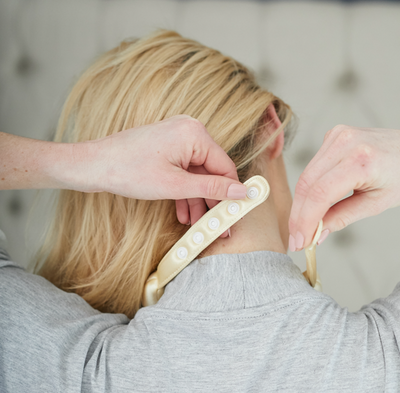
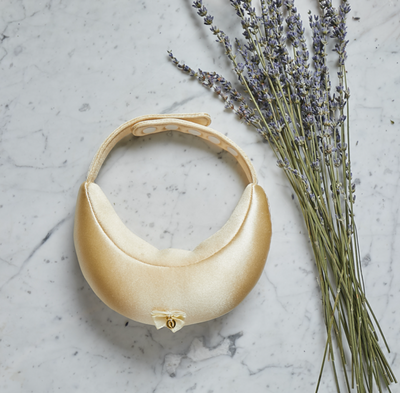
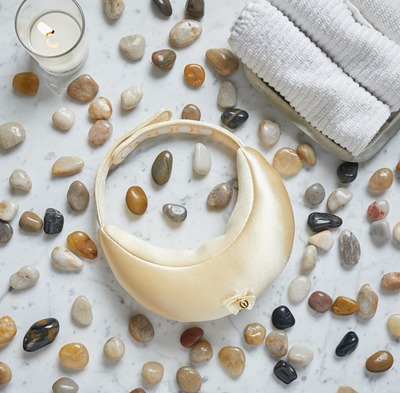
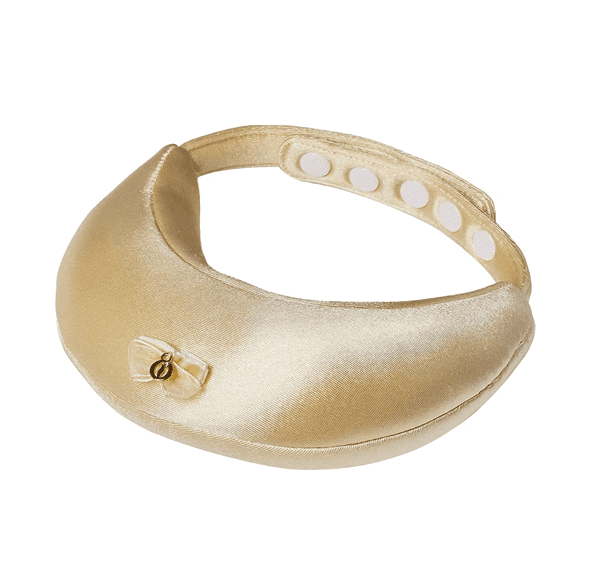
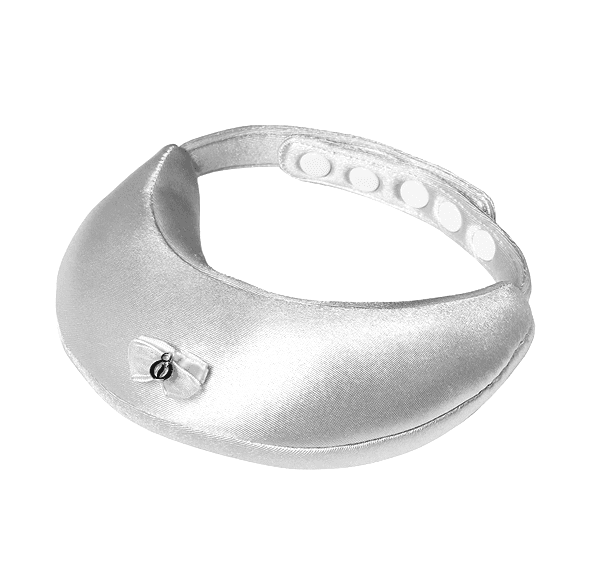
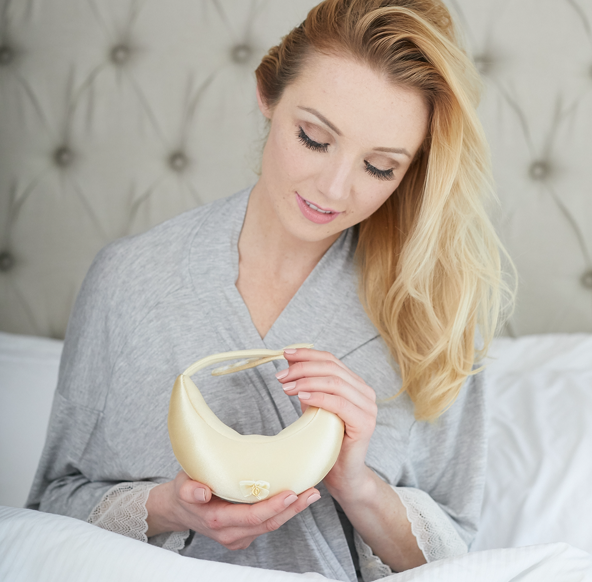
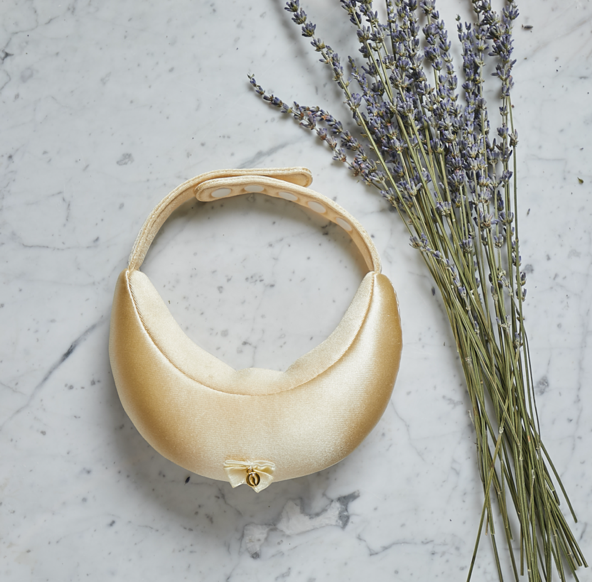
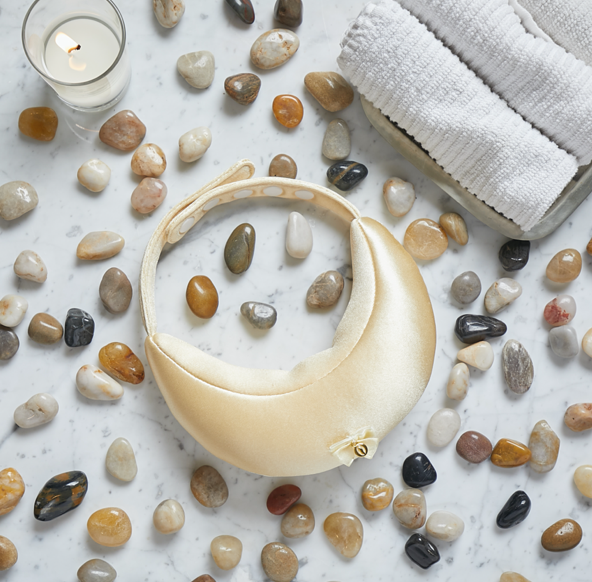
Combining your nightly retinol routine with a solution like an Intimia chest pillow prevents the skin from folding and creasing while you sleep. This synergistic approach allows the retinol to work on improving skin quality while the pillow prevents new sleep lines from forming.


Preventing and managing retinol chest skin irritation
The journey to smoother skin should be a peaceful one. Understanding, preventing, and managing retinol chest skin irritation ensures your experience is empowering, not frustrating. When you know what to expect and how to respond, you can confidently navigate the initial adjustment period, instead of frantically searching through lists of retinol side effects at midnight.
What does irritation look and feel like?
When you first introduce retinol, your skin goes through a process called "retinization." It’s learning to tolerate the ingredient and speed up its cell turnover. During this phase, it’s common to experience mild, temporary side effects, such as:
- Dryness and a feeling of tightness.
- Light flaking or peeling, especially in the first few weeks.
- A slight pinkness or redness in the application area.
- Mild stinging when you apply other products, like your moisturizer or sunscreen.
These are usually signs that the retinol is working, and they typically subside as your skin adapts.
Preventive strategies: a gentle defense
The best way to manage irritation is to prevent it from becoming severe in the first place. These simple strategies will help you use retinol on décolleté safely, just as many décolletage care articles quietly advise.
- The buffering technique: This is a wonderful trick for sensitive skin. You can either apply a thin layer of a simple, bland moisturizer before your retinol to create a gentle buffer, or you can "sandwich" your retinol between two layers of moisturizer (moisturizer, wait, retinol, wait, more moisturizer). This reduces irritation significantly without canceling out the benefits.
- Avoid other strong actives: On the nights you use retinol on your chest, do not use other potentially irritating ingredients in the same area. This includes alpha-hydroxy acids (AHAs like glycolic acid), beta-hydroxy acids (BHAs like salicylic acid), strong vitamin C serums, or physical scrubs. Over-exfoliating is a major cause of irritation, as every sensible chest wrinkle guide will warn you.
- Make sunscreen your unwavering ritual: This is the most important rule. Retinol makes your skin more vulnerable to sun damage. You must apply a broad-spectrum sunscreen with SPF 30 or higher to your chest and décolleté every single morning, without fail. This protects your skin, prevents further aging, and ensures your retinol results are not undone by the sun. If you’re outdoors, reapply every two hours.
What to do if irritation occurs
If you experience more irritation than you’re comfortable with, simply listen to your skin and adjust.
- For mild irritation: If you have persistent dryness or flaking, cut back on your retinol frequency. If you were using it every other night, go back to just twice a week. At the same time, increase your use of a rich, soothing, fragrance-free moisturizer.
- For significant irritation: If you experience intense burning, a rash, or heavy peeling, it’s a sign to take a break. Stop using retinol completely until your skin is fully calm and healed. During this break, treat your skin like a precious wound, use only a gentle cleanser, a healing barrier cream, and sunscreen. Once your skin is back to normal, you can try reintroducing retinol much more slowly, perhaps with an even gentler product or just once a week.
Remember that severe, persistent burning or deep redness is not normal. It’s a sign you’re overdoing it. Be kind to your skin, and it will reward you.
Combining retinol with lifestyle and sleep habits for better results
Your skincare routine does not end when you screw the cap back on the bottle. True, lasting results from your retinol for décolletage efforts come from a holistic approach that weaves together powerful topicals with mindful daily habits. The way you sleep, live, and protect your skin all play a role in the story it tells, a point that comes up often when experts talk about chest wrinkles and sleep position.
The impact of your sleep position
Think about a piece of paper. If you fold it in the same place repeatedly, a permanent crease forms. Your skin is much the same. When you sleep on your side, your breasts are compressed, and the delicate skin of your chest folds and creases for hours at a time. Over many years, this mechanical stress creates deep-set vertical wrinkles that can be difficult to treat with topicals alone.
Even the best retinol chest wrinkles guide cannot fully counteract eight hours of nightly skin compression. This is why addressing your sleep position is so crucial, something you see echoed in every thoughtful décolletage aftercare and chest wrinkle discussion.
Supportive solutions for a smoother night
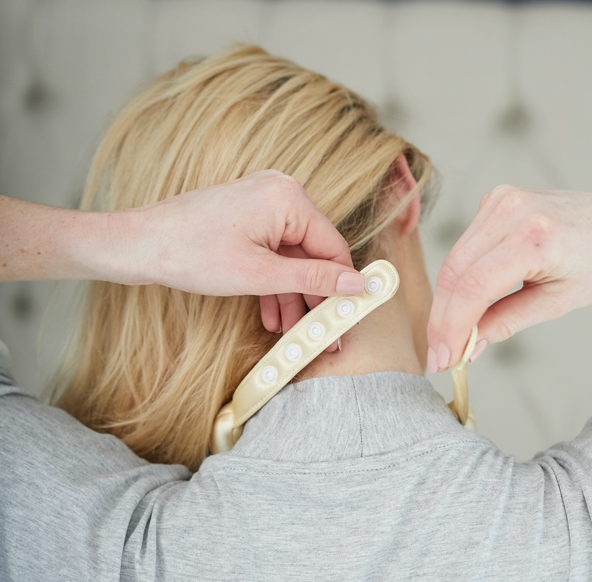
- Chest pillows: Specially designed chest pillows, like those from Intimia, are a game-changer. They fit comfortably between your breasts, providing soft separation and support that keeps the chest skin smooth and unfolded all night long, no matter which side you sleep on. This allows your retinol to work its magic on a smooth canvas.
- Supportive sleep bras: A soft, non-wired sleep bra can also help by gently holding the breasts in place, reducing the skin-on-skin friction and compression that leads to wrinkles.
- Encourage back sleeping: While it can be a hard habit to adopt, sleeping on your back is the ultimate anti-wrinkle position for your face, neck, and chest. Using pillows to support your knees and sides can make it more comfortable.
Lifestyle habits to amplify your results
Beyond sleep, simple daily choices can protect your investment in your skin and enhance your results:
- Shun the sun: Avoid intentional sunbathing and tanning beds, which are the fastest way to create new wrinkles and undo the benefits of retinol.
- Be diligent with SPF: Always, always apply sunscreen to your chest when you will be outdoors, especially at the beach or pool. Reapply generously every two hours, and after swimming or sweating, just as every neck and chest care guide pleads with you to do.
- Cleanse gently: Treat your décolleté with kindness. Avoid harsh, stripping cleansers and rough loofahs or scrubs. Use your hands or a soft washcloth and a mild, hydrating cleanser. Aggressive scrubbing can damage the skin barrier and worsen a crepey appearance.
- Hydrate from within: Healthy skin is hydrated skin. Drinking plenty of water and eating a balanced diet rich in antioxidants from fruits and vegetables provides your skin with the building blocks it needs to repair and thrive.
By combining the cellular renewal of retinol with these protective, supportive habits, you create a powerful, comprehensive strategy for a smoother, more radiant décolleté.
Sample weekly routine – retinol for décolletage made simple
Putting it all into practice should feel simple and intuitive, not complicated. Here are two sample weekly routines to help you start your journey. The key is to listen to your skin and find a rhythm that works for you, the same way thoughtful retinol routine guides suggest starting from where you are, not where someone else’s skin is.
Beginner’s 7-day plan (for those new to retinol on the chest)
This plan prioritizes safety and allows your skin plenty of time to adapt.
Night routine:
-
Monday (retinol night):
- Gently cleanse your chest and décolleté. Pat dry.
- Wait 20–30 minutes until your skin is completely dry to the touch.
- Apply a pea-sized amount of your low-strength retinol for décolletage in a thin, even layer.
- Follow with a rich, nourishing moisturizer with ingredients like ceramides or hyaluronic acid.
-
Tuesday (recovery night):
Focus on hydration. After cleansing, apply only your nourishing moisturizer.
-
Wednesday (retinol night):
Repeat the steps from Monday night.
-
Thursday, Friday, Saturday, Sunday (recovery nights):
Give your skin a rest. Stick to a simple routine of gentle cleansing and moisturizing to support your skin barrier as it adjusts.
Morning routine (every day):
- Gently cleanse if needed, or simply rinse with water.
- (Optional) Apply a gentle antioxidant serum, like a Vitamin C formula designed for sensitive skin.
- Generously apply a broad-spectrum sunscreen with SPF 30+ over your entire chest and décolleté. This is the most critical step of your morning routine, and every serious neck and décolletage daily care guide agrees.
Advanced routine (for experienced facial retinol users)
If you already use retinol on your face and your skin is well-acclimated, you can start with a slightly more frequent schedule for your chest.
- Start with 3 nights per week (e.g., Monday, Wednesday, Friday). Use the same retinol you tolerate on your face if it’s a gentle formula, or use a dedicated neck/décolleté cream.
- On alternate nights (Tuesday, Thursday, Saturday, Sunday), focus on barrier repair with a hydrating cream or a body lotion containing calming niacinamide or hyaluronic acid.
- Monitor your skin closely for signs of dryness or irritation. If it remains comfortable after several weeks, you could consider moving to every other night. However, daily use on the chest is often unnecessary and can increase the risk of irritation.
- Incorporate mechanical support every night. Use a chest pillow or supportive sleep bra nightly to prevent the skin from folding, maximizing the smoothing effects of your retinol treatment.
Remember, this answers the question “can you use retinol on chest” with a clear, actionable plan. Using retinol on décolleté safely is about finding the right balance for your unique skin, not copying someone else’s schedule from a magazine.
When to expect results and when to consult a professional
Patience is a vital ingredient in any successful skincare journey. This retinol chest wrinkles guide is designed for steady, graceful improvement over time. Understanding the timeline and knowing when to seek professional advice will keep you feeling confident and in control, especially when you compare your skin to the hopeful timelines you might see in neck cream reviews.
Timelines for results on the chest and décolleté
Your skin’s renewal process is a gradual unfolding. Here’s a realistic timeline of what you can expect:
- Early improvements (4–8 weeks): With consistent use, you will likely notice the first changes in your skin’s texture. It may feel softer and smoother to the touch, and its overall tone may appear slightly more even and bright.
- Longer-term changes (3–6 months and beyond): This is when the collagen-boosting effects really begin to show. You may see a visible softening of fine lines and a reduction in the crepey appearance of your skin. Deep sleep lines may appear less etched, but they will likely not vanish completely with topical retinol alone, and that is perfectly normal.
Signs you are progressing safely
You will know your routine is working well if you experience:
- Mild, temporary dryness or flaking that is easily managed with your moisturizer.
- A gradual improvement in your skin’s feel and appearance over weeks and months.
- No significant increase in retinol chest skin irritation after the initial adjustment period, something that both dermatologists and sensible retinol guides consider a green flag.
Signs you are overdoing it
Listen to your skin’s warning signals. It’s time to pull back or take a break if you experience:
- Persistent burning or stinging that doesn’t go away, even when you are not applying products.
- Intense redness, a patchy rash, or thick sheets of peeling skin that are not calmed by moisturizer.
- Increased sensitivity to products that never bothered you before, like your gentle cleanser or sunscreen.
If you experience these signs, stop using retinol and focus on soothing your skin, following the same red-flag advice you see in careful discussions of retinol side effects.
When to consult a professional
While at-home care is incredibly powerful, sometimes a professional touch is needed. Consider making an appointment with a board-certified dermatologist if:
- You have used retinol consistently for 3 to 6 months and see little to no improvement and wish to explore stronger options (like prescription retinoids, lasers, or microneedling).
- You have a chronic skin condition like eczema, psoriasis, or rosacea on your chest and want expert guidance on creating a safe and effective routine.
- You experience severe or worsening retinol chest skin irritation or suspect you might be having an allergic reaction, or if you are worried your crepey skin might need medical treatment rather than just cosmetic care.
A dermatologist can provide a personalized plan to help you achieve your goals safely and effectively.
Conclusion: your personalized retinol chest wrinkles guide in action
The journey of caring for your skin is deeply personal. As this retinol chest wrinkles guide has shown, the answer to can you use retinol on chest is a clear and hopeful yes. You can use retinol for décolletage with beautiful results when you approach it with knowledge, patience, and a gentle touch. Using retinol on décolleté safely means starting slowly, choosing kind formulas, and making sun protection an unbreakable promise to yourself.
This is not about an overnight transformation but a steady, sustainable ritual of renewal. The most profound results come from the synergy of a thoughtful routine:
- The cellular magic of a gentle retinol, chosen with care.
- The daily shield of broad-spectrum sunscreen.
- The mindful support of sleep solutions, like an Intimia chest pillow, that prevent the mechanical creasing that retinol works so hard to soften.
We encourage you to begin with a simple routine and listen to the quiet language of your skin. Adjust as you go, and never hesitate to seek personalized advice from a dermatologist.
View the care of your chest and décolleté not as an afterthought, but as an integral part of your self-care, a celebration of the beautiful skin you are in, today and for all the years to come with the Intimia® Breast Pillow by your side.
When you smooth on that tiny drop of retinol at night and feel the pillow cradle your chest, you are not chasing youth, you are choosing how you want your story to be written on your skin.
Ready to wake up with smoother skin — start here.