Breast Pillow Pregnancy Comfort Tips
Breast pillow pregnancy: real comfort for tender breasts and restless nights
I still remember the night I tried to “solve” pregnancy breast pain with a rolled-up towel.
It was week 11. My boobs felt like they’d been replaced with two overinflated water balloons, and I was still stubbornly trying to sleep the way I always had—on my side, arm tucked under the pillow. By 2 a.m., I had tried stacking regular pillows, folding a blanket, negotiating with gravity… and yes, that towel. My husband woke up, blinked at the construction site on my side of the bed, and asked, “Are we… moving?”
“Yes,” I hissed. “Into my breasts.”
If you’re pregnant and your chest feels like it’s running its own drama series, you know the feeling. That deep, tender ache. The pulling. The way even the softest t-shirt suddenly becomes “too much.” And then there’s sleep—your one sacred break—turning into another battle with discomfort.
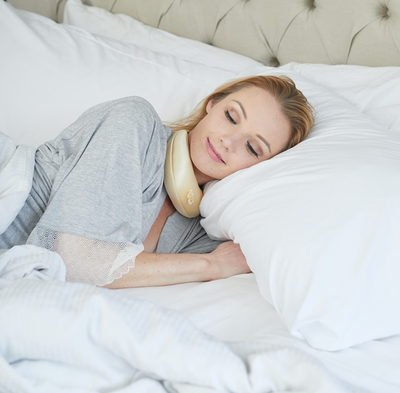
That’s where a breast pillow for pregnancy can quietly, almost invisibly, change things. It doesn’t fix hormones or erase pressure from your growing body. But it does something beautifully simple: it takes the weight off your breasts when you lie down, so you don’t wake up feeling like someone parked a car on your chest all night.
And if your décolletage looks flawless by morning—check if you actually slept on your side.
Why pregnancy makes your breasts feel like they belong to someone else
The first time your breasts hurt so much that even rolling over wakes you up, you might think something’s wrong. Most of the time, it’s very, very right—just annoyingly intense.
During pregnancy, your body starts preparing for breastfeeding almost immediately. Estrogen and progesterone climb. Blood flow increases. Milk ducts expand. Your breasts become fuller, heavier, and often, extremely tender. Many women notice this before they even see the positive test.
This isn’t just theory—major medical centers like the Cleveland Clinic explain that breast and body changes are a normal part of a healthy pregnancy transition as your body builds blood volume and prepares for feeding your baby (Cleveland Clinic healthy pregnancy guide).
Now add this lovely cocktail to sleep. Almost every professional guideline will tell you the same thing: the second trimester is a good time to start practicing side sleeping—especially on your left—to support blood flow and reduce pressure on your organs (WebMD on pregnancy pillows and sleep positions). Side sleeping is better for your baby and your circulation. But if you have larger breasts or extra sensitivity, that side-lying position can pull your chest downward, stack breast tissue on breast tissue, and strain delicate ligaments.
So you do the “pillow shuffle.” One under your knees, one behind your back, one between your thighs… and your breasts? Usually flattened, squished, or dangling uncomfortably under the top arm.
I’ve watched women at my boutique mimic this move, hand on chest, elbow raised slightly, saying the same quiet sentence: “I just want to be able to lie down without this hurting.”
How a breast pillow for pregnancy is different from regular pregnancy pillows
When people say “pregnancy pillow,” they usually mean the big ones—the C-shaped or U-shaped body pillows you wrap yourself around like a sleepy sea lion. Those are wonderful. They support your back, hips, knees, and belly, and can make side sleeping more sustainable (Medical News Today overview of pregnancy pillows). But they don’t actually solve the weight-and-pressure issue on the breasts themselves.
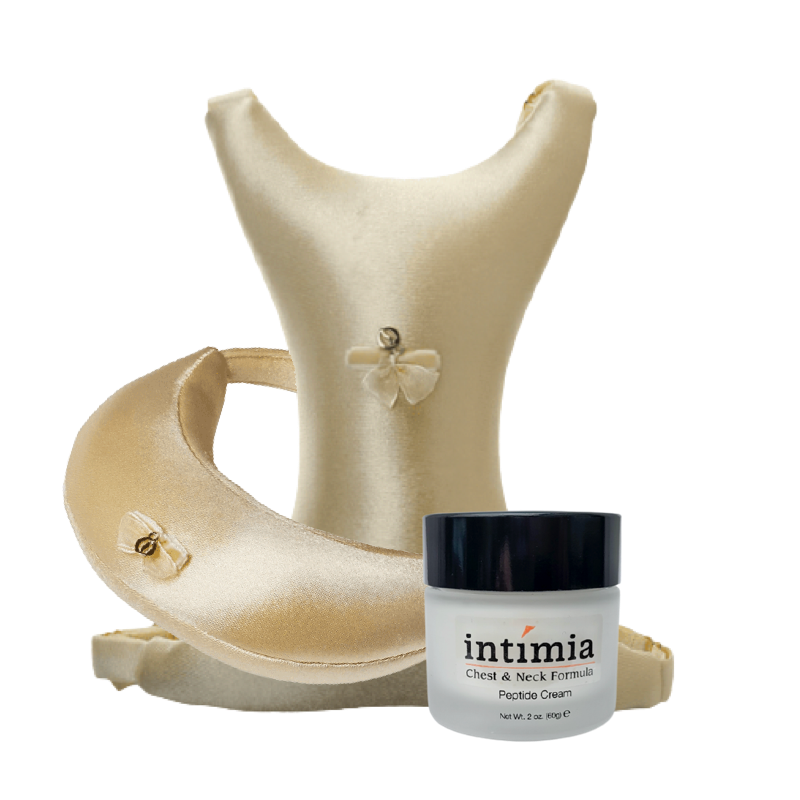
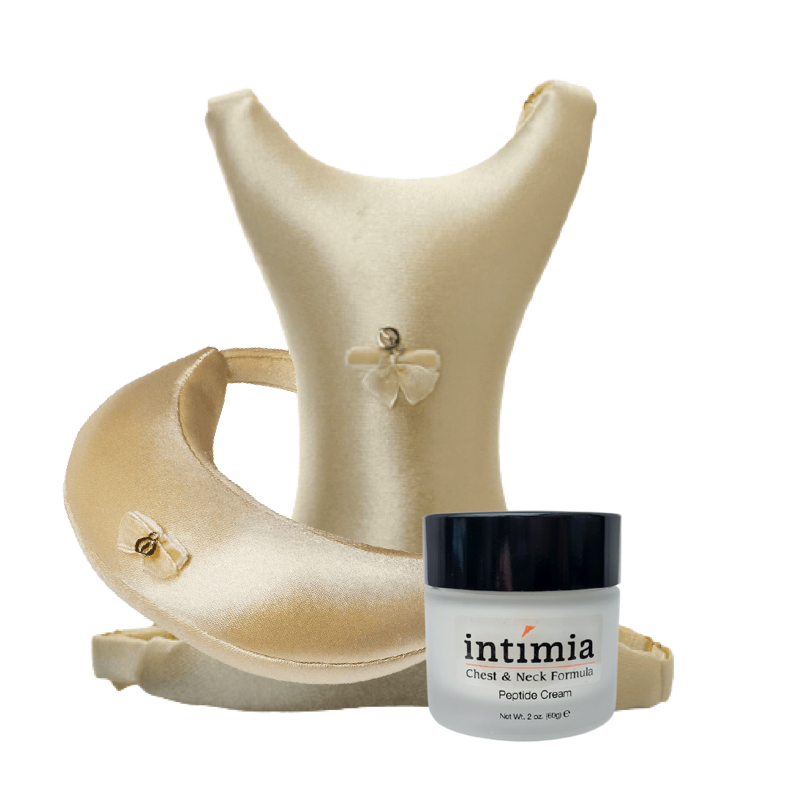
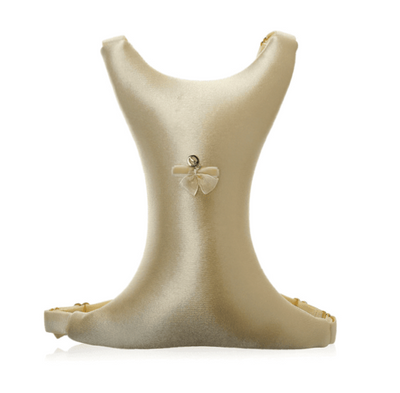
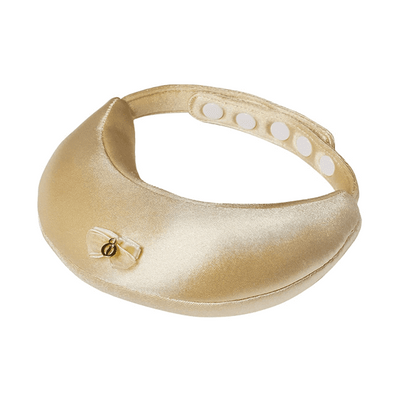
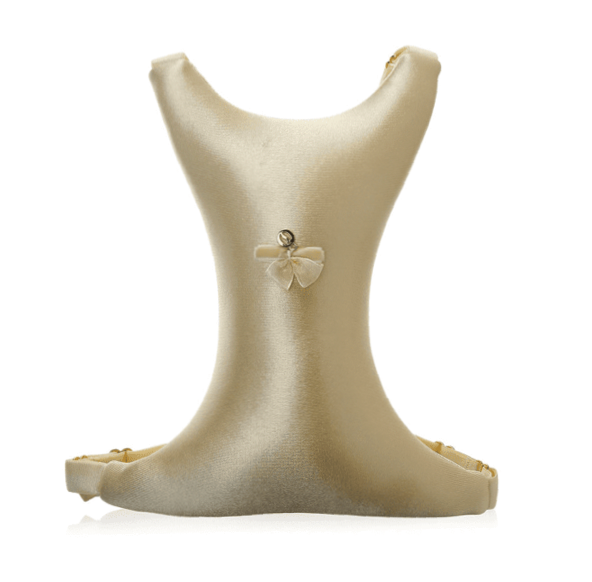
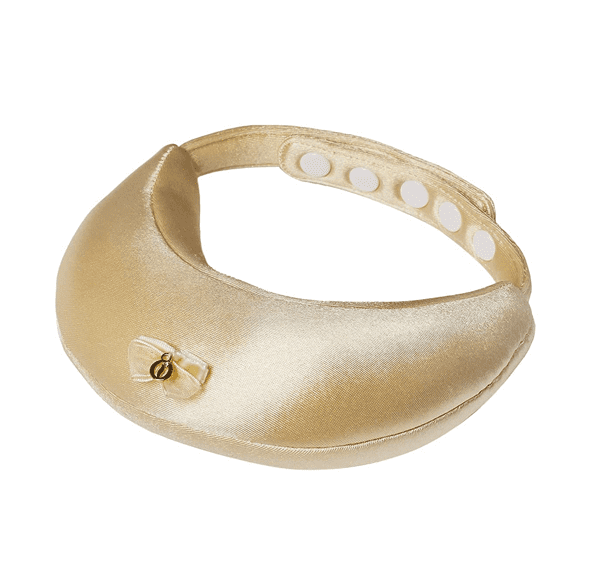
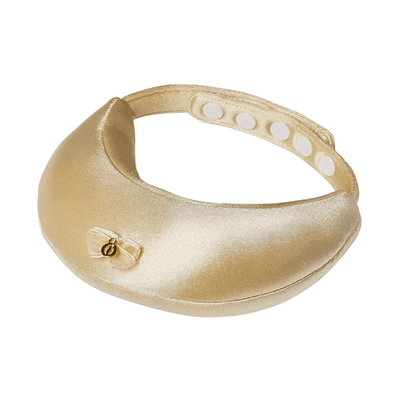
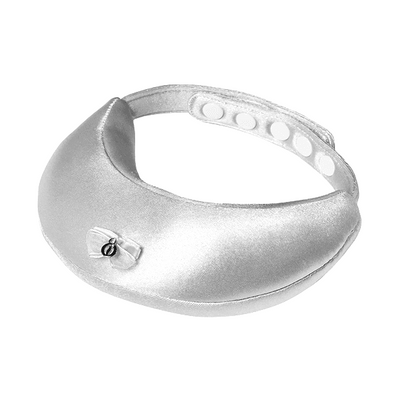
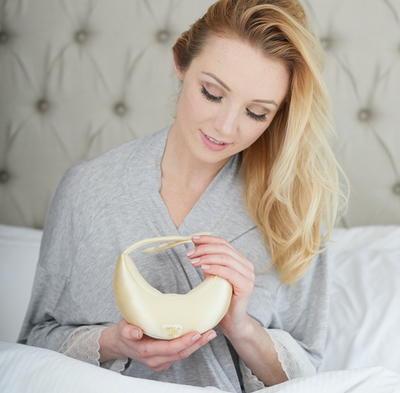
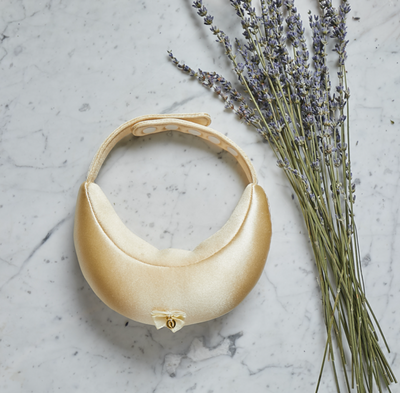
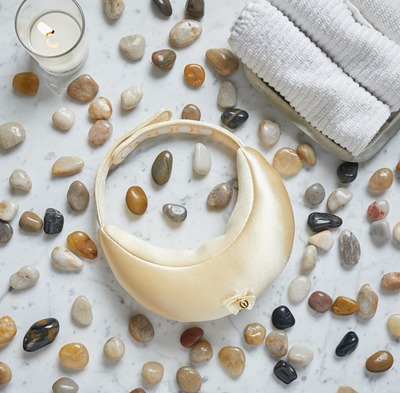
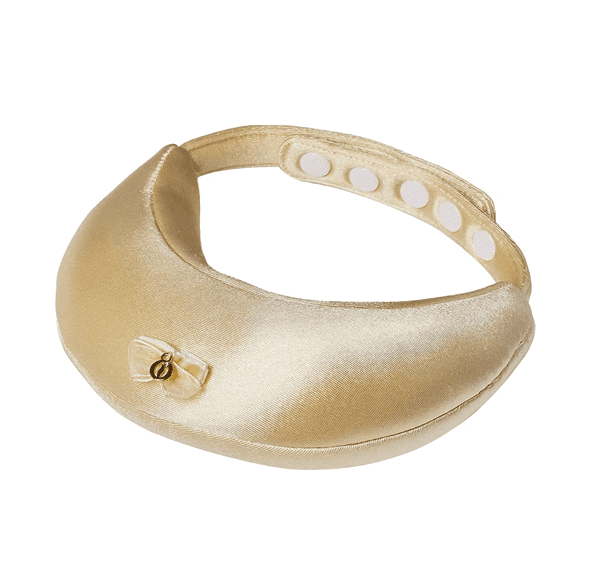
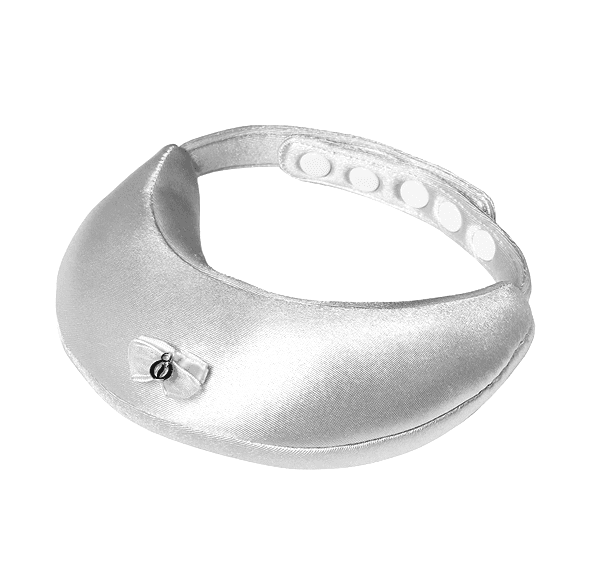
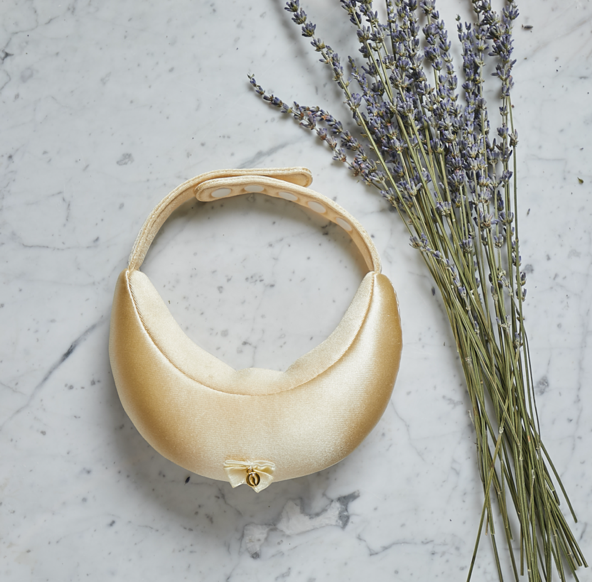
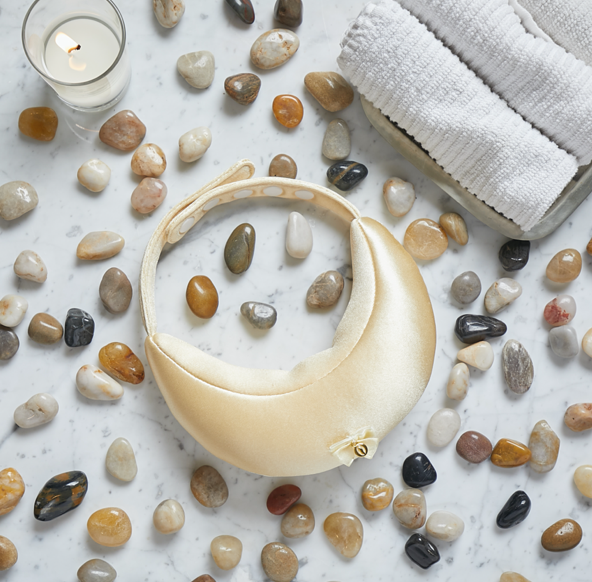
A breast pillow is narrower, more targeted, and very specific in what it supports. Think of it as a little architect that lives between your breasts and the mattress—or between your breasts and your arm—making sure nothing collapses, folds, or pulls painfully while you sleep.
While there aren’t randomized controlled trials specifically studying breast pillows in pregnancy, there is strong medical consensus that:
- Proper support and aligned sleep position can reduce pain and improve rest quality during pregnancy (WebMD on pregnancy pillows).
- Side sleeping with adequate support for pressure points (hips, belly, back) reduces discomfort (Medical News Today: best pregnancy pillows).
- Soft tissue, like breast tissue, is vulnerable to strain and compression when not supported—especially when body weight increases quickly.
So we borrow the logic from what’s well studied: if supporting your hips, back, and belly helps, supporting your breasts—those newly heavy, very involved players—should, too.
How a breast pillow pregnancy actually works at night
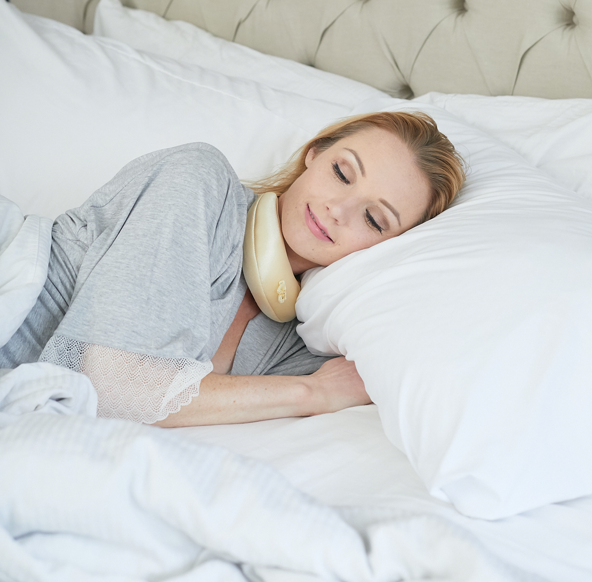
Picture this. You’re lying on your side, as your doctor suggested. Your top breast slides down and presses into the bottom breast. The tissue compresses and folds in the center of your chest. The skin between your breasts creases. The ligaments at the top of your chest stretch.
Now insert a small, shaped pillow between your breasts. Soft but structured. It keeps the breasts slightly apart—no more heavy stacking. It lifts and cradles, instead of letting gravity drag everything forward and down.
That’s essentially how a breast pillow for pregnancy works. It supports in three ways:
1. Reducing downward pull and stretching
The more your breasts grow, the more weight your Cooper’s ligaments carry. These are the little internal supports that help give your chest its shape. During pregnancy, those ligaments are under pressure, and side sleeping with no support just adds another layer of strain.
A breast pillow gently holds the tissue so it doesn’t hang fully downward. It’s a small, quiet detail—but over hours and months, your chest feels the difference.
2. Softening compression and tenderness
Many women describe the pain as “bruise-like.” That makes sense. Increased blood flow plus hormonal changes equals hyper-sensitivity. When you roll onto your side and your top breast lands heavily onto the bottom one, that tenderness spikes.
By creating a soft barrier between the breasts, a breast pillow can reduce that direct, heavy contact. The pressure spreads across a surface instead of landing like a weight. Again, no miracle. Just physics, gently in your favor.
3. Helping you stay in a comfortable position longer
Good sleep in pregnancy is a little like a negotiation.
You adjust your belly, prop your knees, support your back, then finally find that almost perfect spot—until something starts tingling, or aching, or getting smothered. For many women, the breasts are that “something.”
Once the chest is supported, you’re less likely to toss and twist in search of relief. And while we don’t have breast-pillow-specific data, we know from broader research that better positioning, comfort, and reduced pain can improve sleep quality in pregnancy (NCBI article on pregnancy, sleep, and discomfort).
An extra hour of solid, unbroken sleep at 2 a.m. may not sound like a big clinical outcome—but ask a woman in her third trimester. She’ll probably call it life-changing.
When a breast pillow pregnancy can help the most
Not every pregnant woman needs a breast pillow. But for some of us, it’s the difference between “I woke up ten times” and “I actually rested.” Here’s when I see it help the most.
Early pregnancy: “My breasts hurt more than my back”
In the first trimester, you might not have much of a belly yet—but your breasts are already announcing the news. You may not feel ready for the giant body pillow era. That’s where a small breast pillow is an easy, non-intimidating first step.
You can still use your “normal” pillows for your head and legs. A breast pillow just fits into your existing routine, giving that focused comfort where the pain screams loudest.
Second and third trimester: heavy chest plus side sleeping
By this point, you’ve probably been told—gently or firmly—to avoid sleeping on your back for too long. Medical resources like WebMD and major hospitals highlight side sleeping as the go-to safe position in later pregnancy.
But side sleeping without chest support can do a number on your ligaments and skin. If you naturally sleep on your side or curl forward, a breast pillow can stop that “fold” from forming at your cleavage, reduce pulling, and help you stay in that doctor-approved position without constantly adjusting.
Large breasts, implants, or previous breast surgery
If you’re fuller-chested, have implants, or have had a lift or reduction, you might be even more sensitive to weight, pulling, or pressure. That’s when I gently nudge women toward taking breast support seriously while they sleep.
Even outside pregnancy, many plastic surgeons recommend good sleep support to protect results and comfort. During pregnancy, when the body is in rapid change mode, this kind of support becomes less of an “extra” and more of a kind investment in long-term comfort.
Choosing the right breast pillow during pregnancy
Let’s be honest—some pregnancy products feel like they were designed by someone who has never actually been pregnant. Or slept. Or had breasts.
When you’re choosing a breast pillow, I want you to think like a woman who will be half-awake, slightly sweaty, and trying to adjust it in the dark without starting a wrestling match.
Shape and size that fit your actual body
A good breast pillow should sit comfortably between your breasts without digging in or getting lost. If you have a smaller chest, go for a slimmer, softer profile. If you’re fuller, look for something with enough height to keep the top breast from pushing fully onto the lower one.
Some designs are more like a long roll that runs between the breasts down the midline. Others are shaped to sit more centrally at the cleavage. There’s no single “perfect” design—only what your body says yes to when you lie on your side and breathe out.
Fabric and fill: your skin will tell you the truth
Pregnancy skin can be… dramatic. One day fine, the next day irritated by your favorite bra. Look for soft, breathable fabrics—think cotton, modal, or high-quality microfiber—that won’t trap too much heat. If your skin tends to react to seams or tags, check those details carefully.
For filling, many women prefer something that molds slightly but doesn’t flatten by morning. Too hard, and it feels like sleeping with a book between your breasts. Too soft, and your chest sinks straight through. You want that in-between, cloud-with-a-backbone feeling.
Ease of cleaning (trust me on this)
Between night sweats, leaked colostrum, skin oils, and general life—your breast pillow will need washing. Make sure the cover is removable and washable, or that the whole pillow can be gently washed without turning into a lumpy pancake.
This is one of those details we think we’ll “deal with later,” until 3 a.m. arrives with a milk-stained pillow and no backup.
Compatibility with your other pillows
If you already use a full-body pregnancy pillow or a wedge pillow—both commonly recommended for back and belly support in pregnancy (Medical News Today on wedge and body pillows)—the breast pillow should work with, not against it.
Test the combo. Lie down the way you usually do, bring in your body pillow, then add the breast pillow last. If you have to fight your setup every time, you won’t use it. Leave perfection to Instagram. Go for what you’ll actually reach for, night after night.
How to use a breast pillow for pregnancy — without overcomplicating it
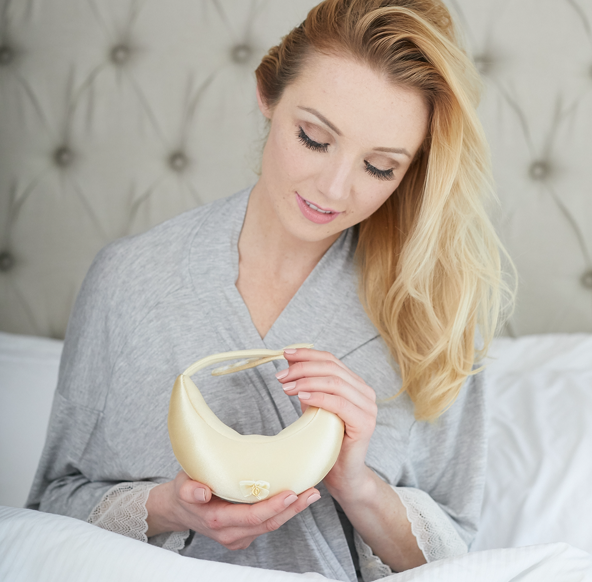
When women ask me, “Okay, but how do I actually use this thing?” I smile. Because I’ve watched more than one customer hold a breast pillow like an alien artifact at first.
Step 1: Set up your main sleep position
Start like you normally do:
- Lie on your side (left side if that’s comfortable and your provider agrees—it’s often recommended for circulation and baby’s oxygen supply).
- Use your usual head pillow.
- Add your pregnancy body pillow or wedge if you use one—for belly, back, or between your knees. These are often suggested to reduce strain on your hips and spine (WebMD: types of pregnancy pillows).
Step 2: Place the breast pillow between your breasts
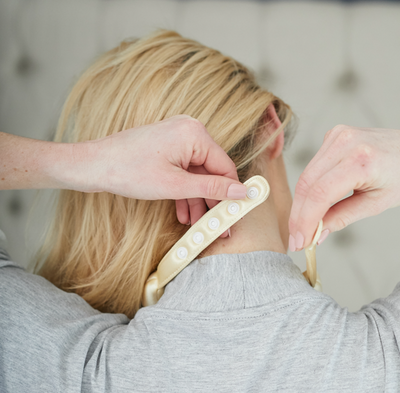
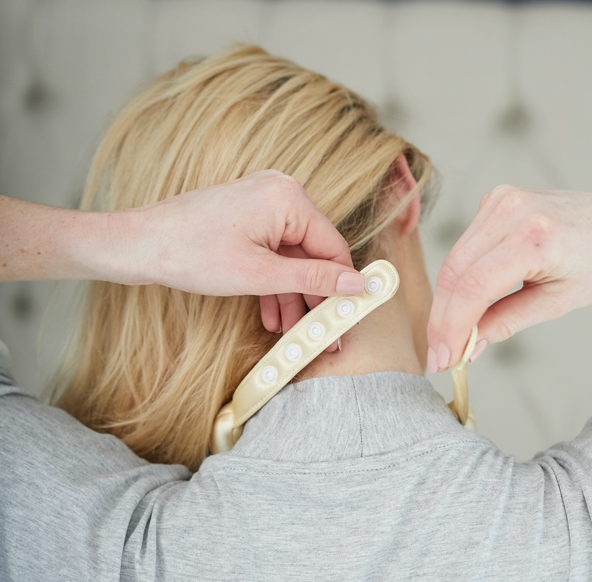
Now gently lift your top breast with your upper hand and slide the breast pillow between your breasts, close to the chest wall, not near your neck. Let your top breast rest on the pillow. You shouldn’t feel like it’s pushing your chest apart aggressively—just softly keeping space and support.
If you feel pressure at your sternum or ribs, reposition slightly lower or higher until your chest can expand comfortably with each breath.
Step 3: Do a “roll test”
This is my little ritual.
Before you commit to sleep, do a few micro-rolls: slightly forward, slightly backward, like you might move in the middle of the night. Does the pillow stay roughly where it should? Can you tuck it back into place with one half-asleep hand?
If your pillow flies out of bed every time you shift, adjust its position or try a model that’s shaped to stay put better.
Step 4: Notice how your chest feels in the morning
The real feedback comes at sunrise—or whenever pregnancy insomnia releases you.
Ask yourself:
- Do my breasts feel less sore when I press on them?
- Do I feel fewer deep, pulling aches at the top of my chest?
- Did I wake up less from chest discomfort?
If the answer is yes to even one of these, you’re on the right track. If not, tweak. Sometimes it’s as small as slightly changing the angle, or pairing the breast pillow with looser sleepwear or a softer sleep bra.
Other ways to ease breast tenderness in pregnancy—alongside the pillow
A breast pillow is one tool. A powerful one, but not the only one. When women sit across from me, hand pressed over their chest, I never stop at “just buy this.” We go deeper.
Supportive daytime bras
Those lacey, underwired pre-pregnancy bras? Lovely memories. For now, look for soft, supportive bras without too much compression or hard seams over the nipple.
You want something that lifts the weight but doesn’t dig in. Many maternity experts recommend properly fitted bras as a first-line defense for breast discomfort, even before you buy any specialized pillow.
Gentle touch, warm or cool compresses
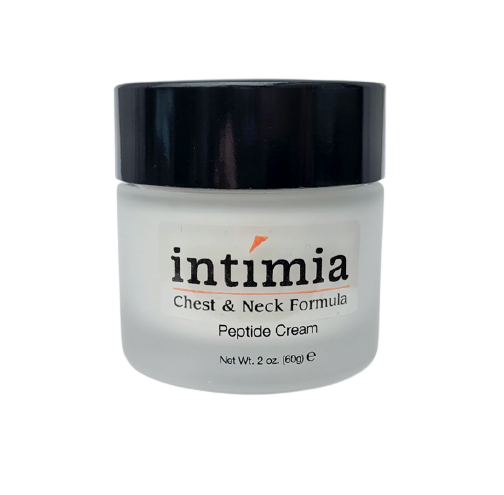
I’ve seen women do two extremes: avoid touching their breasts at all, or constantly pressing to “check” them. Both can make things worse. Instead, aim for one or two intentional, gentle moments a day—light massage with a safe oil or cream after your shower, if your doctor approves.
Some women find relief with warm compresses; others prefer cool. If you’re unsure what’s safe for you, your obstetric provider or midwife can guide you. Medical centers like the Mayo Clinic and Cleveland Clinic often provide general guidance on postpartum and breast comfort, which can overlap with what you feel late in pregnancy (Mayo Clinic on postpartum breast care).
Full-body relaxation and prenatal massage
Sometimes, breast pain is louder when the rest of the body is tense. Shoulders hunched, back tight, jaw clenched—you know the posture.
Evidence shows that prenatal massage, done safely by a trained therapist, can ease general pregnancy discomfort and improve relaxation (Cleveland Clinic on prenatal massage). When your neck, chest muscles, and upper back soften, the breasts often feel less “wired” too.
It all connects. The breast pillow helps with the direct pressure. Massage, gentle stretching, and good posture help with the context your breasts live in all day.
What if it doesn’t “work” right away?
I’ll tell you a story.
A woman came back to my shop once, breast pillow in hand, eyebrows raised. “I’m not sure about this,” she said. “It worked one night, and the second night I fought with it like it owed me money.”
We walked through how she slept. It turned out that night two, she’d gone to bed more anxious, scrolled on her phone longer, and fallen asleep half on her stomach, half on her side.
We adjusted a few things:
- She set up her position more carefully before sleep instead of collapsing into bed.
- She tried a softer sleep top so the pillow could sit closer to the skin without sliding.
- She gave herself three nights of “trial time” instead of a single verdict.
She called a week later. “Okay,” she said, “I’m not giving it back.”
If your breast pillow doesn’t feel magical immediately, don’t assume it’s useless. Check:
- Is it the right size for your chest?
- Are you pairing it with too-tight or too-loose sleepwear?
- Are you actually letting yourself get settled, or are you falling asleep mid-scroll, half twisted?
And always, always listen to your body. If anything causes pain, numbness, or weird pressure—especially over your ribs or sternum—reposition or stop using it and talk to your provider.
A quiet investment in your body—now and later
Pregnancy teaches you, sometimes abruptly, that your body is not a machine to be pushed. It’s a relationship. And sleep is one of the most honest mirrors in that relationship.
A breast pillow pregnancy is a small item. It won’t appear in dramatic before-and-after photos. No one will stop you in the street and ask, “Wow, what are you doing for your cleavage at night?”
But the way you treat your breasts now—how you support them, protect their ligaments, keep your skin from chronic folding and pressure—follows you into your 40s, 50s, 60s. I’ve spent years helping women smooth chest wrinkles that started with years of side sleeping and no support. I say this with all the tenderness and zero judgment: prevention is so much easier than repair.
So tonight, when you settle into bed, notice the little things. The way your chest feels when you roll onto your side. The way your skin folds—or doesn’t. Ask your body a simple question: “What would make this easier for you?”
Sometimes the answer is a bigger body pillow. Sometimes it’s a softer bra. And sometimes it’s that small, quiet breast pillow that turns a night of shifting pain into a night of real rest.
Because you’re not just sleeping for “now.” You’re sleeping for the woman you’ll be in ten years—the one who will look in the mirror, smooth her hand over her chest, and feel grateful for all the ways you cared for her before she arrived.
Read also
- Breast pillow for side sleepers: guide — Discover the best breast pillow for side sleepers to prevent wrinkles and enhance your sleep wellness!
- Breast pillow for nursing: comfort tips — Explore options for breastfeeding pillows designed for ultimate comfort and support for nursing mothers.
- Breast feeding pillow: top picks — Discover the best breastfeeding pillow for large breasts and find the perfect support during nursing.
- Breast pillow for stomach sleepers anti-wrinkle — Learn how to choose the right breast pillow for stomach sleepers to prevent stomach sleeping wrinkles and improve sleep comfort.
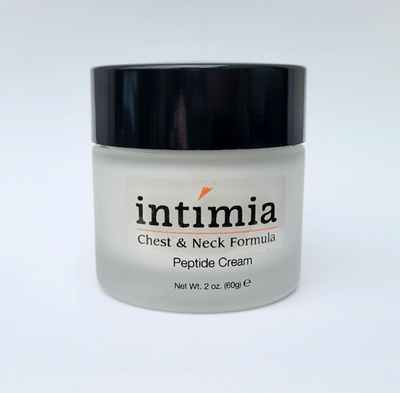
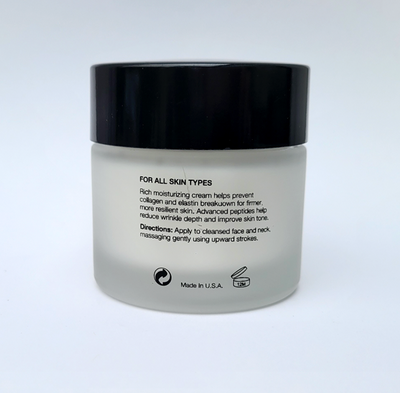
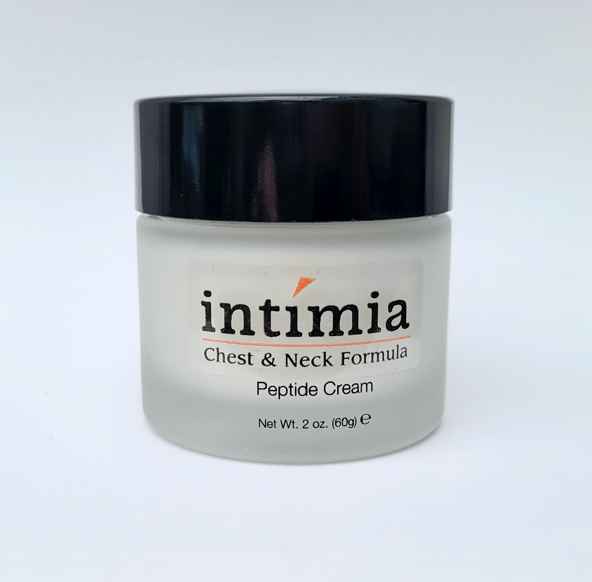
Want to discover flawless skin with Intimia? Shop now here: here