In this article you will learn:
- Why Chest & Décolleté Need Their Own Skincare Layering Routine
- Core Principles of Skincare Layering for the Chest
- Morning Routine – A Step‑by‑Step Décolleté Product Layering Guide
- Evening Routine – How to Apply Skincare Chest for Repair & Anti‑Aging
- Choosing the Right Serums and Creams for an Optimal Serum Cream Order Chest
- Application Techniques: How to Apply Skincare Chest Without Tugging or Wasting Product
- Special Considerations for Your Skincare Layering Décolleté Routine
- Common Mistakes in Layer Skincare Chest Order (and How to Fix Them)
- Sample Routines – A Practical Décolleté Product Layering Guide for Different Lifestyles
- Conclusion & Key Takeaways
I learned to read my chest in the bathroom mirror, usually in bad lighting and usually in a hurry. Tiny folds from side-sleeping, a sunspot I swore was a freckle last summer, that faint crinkle right where the necklace sits. Once you notice them, you can’t unsee them. That’s when **layer skincare chest order** stops being a theory and becomes very personal.
The right layer skincare chest order is more than a routine; it’s a quiet promise you make to yourself. A promise to honor the delicate skin of your décolleté, the sun-kissed expanse that tells the story of your life. After 35, this area, which includes the upper chest, cleavage, and sometimes the soft curve of your neck and shoulders, begins to show that story more clearly. Learning how to apply skincare chest products correctly, especially the proper serum cream order chest, is the key to preserving its smooth, radiant beauty.
The skin on your chest is thinner and has fewer oil glands than your face, making it prone to dryness and the fine, crepey lines that come with it. It’s also an area that has gathered decades of sunlight from v-neck sweaters and summer dresses, leading to sunspots and a breakdown of the firming collagen beneath. Even the way you sleep, curled on your side, can press vertical wrinkles into the cleavage area.
This is where a thoughtful skincare layering décolleté ritual comes in. The principle is simple and timeless: apply products from the thinnest texture to the thickest. This allows potent, active ingredients to sink deep into the skin before richer creams seal them in. This post is your complete décolleté product layering guide, a map to nurturing this beautiful, vulnerable part of you, morning and night.
Why chest & décolleté need their own skincare layering routine
Your face gets plenty of attention, but the skin just below it has a different nature and different needs. Treating it as an afterthought with leftover face cream simply isn’t enough. Understanding why this area requires its own dedicated skincare layering décolleté plan is the first step toward preserving its youthful grace.
Anatomy & structure differences
The skin on your décolleté is a delicate fabric. It’s structurally thinner and has a less robust barrier than the skin on your face. With fewer oil glands, it struggles to keep itself naturally moisturized, leading to a feeling of dryness and a surface that can easily look dehydrated. The dermis, the deep layer where firming collagen and springy elastin live, is more fragile here. This means damage from the sun or mechanical stress shows up faster as fine lines and a loss of bounce.
Damage patterns in women 35+
After 35, you might begin to notice changes in your chest’s appearance. These are the common stories the skin starts to tell:
- Vertical wrinkles: Fine lines that run from the cleavage upward, often etched by sleeping on your side.
- Crepey texture: A delicate, crinkled appearance, like fine tissue paper, caused by dryness and collagen loss.
- Sunspots & redness: Years of cumulative sun exposure can lead to dark spots and a persistent flush.
- Loss of firmness: The skin may feel less taut and begin to sag slightly, especially in the cleavage area.
The sun is a powerful force, and its UV rays are a primary driver of aging, breaking down collagen on any skin left uncovered. As we age, especially around 40, natural hormonal shifts further reduce our collagen reserves, making the décolleté even more vulnerable. Dermatologists describe exactly this pattern of sun-driven aging on the chest in their general guidance on skin changes over time, and once you see it, you start to recognize it in every low-cut top at brunch.
Why “leftover face cream” isn’t enough
Simply swiping what’s left on your hands from your facial routine down to your chest can do more harm than good. Facial products, particularly strong retinoids or acids, might be too harsh for the sensitive décolleté, causing irritation and redness. On the other hand, a light facial moisturizer might not provide the deep, lasting hydration this drier area craves.
Without a specific layer skincare chest order, you risk wasting expensive products that can't penetrate properly or, worse, creating a reaction. A dedicated approach to how to apply skincare chest respects its unique needs, ensuring that every layer works in harmony to protect, repair, and beautify.
Core principles of skincare layering for the chest
Mastering the art of layer skincare chest order is about understanding a few simple, powerful rules. It’s not about using more products, but about using them in the right sequence so each one can do its best work. This thoughtful approach turns your routine from a task into a graceful ritual.
What “layering” means
At its heart, layering is an intuitive process that honors the texture and purpose of each product in your skincare layering décolleté routine.
- Thinnest to thickest: Always begin with your most lightweight, liquid products and end with the heaviest creams or oils. Think of it like dressing for the cold, a light shirt goes on before a heavy coat.
- Water-based before oil-based: Water-based serums are like a drink of water for your skin. They need to go on first to quench its thirst. Heavier, oil-based creams then act as a protective layer to lock that moisture in.
- Actives first: Potent ingredients like antioxidants, peptides, or retinoids need direct contact with your skin to work their magic. They should be applied early in the routine, right after cleansing, before moisturizers create a barrier.
How absorption works on chest skin
Because chest skin is thinner, it’s a double-edged sword. Active ingredients can sink in more easily, which is great for seeing results. However, this also means it can become irritated more quickly. This is why a correct layer skincare chest order is crucial, it ensures actives are delivered gently and effectively. If you apply a thick, occlusive cream first, it creates a seal on the skin, blocking any lighter serums you apply afterward from ever reaching their destination.
AM vs. PM objectives
Your skin’s needs change from sunrise to sunset. Your layering strategy should, too.
- Morning (AM): protection. Your daytime goal is to shield your décolleté from the world. This means layers of antioxidants to fight environmental damage, hydration to keep it plump, and always, always a broad-spectrum SPF as your final armor.
- Evening (PM): repair. Night is when your skin rebuilds and rejuvenates. Your evening routine should focus on supporting this process with ingredients that encourage cell turnover, boost collagen, and restore the skin’s protective barrier.
How to avoid pilling and irritation
A well-layered routine should feel seamless, not sticky or bumpy.
- Less is more: You don’t need a dozen products. A focused routine of 3 to 6 well-chosen layers is often most effective.
- Give it a moment: Allow each layer to absorb for about 30 to 60 seconds before applying the next. This prevents products from clashing and creating those tiny, annoying balls known as "pilling."
- Don’t overdo actives: Be gentle with your décolleté. Avoid using multiple strong actives, like a high-strength retinol and a potent acid, in the same routine. This helps protect its delicate nature from redness and sensitivity.
If your chest starts to sting or look pink after products, open a general guide on safe at-home exfoliation, like the ones dermatologists write for everyday readers, and compare your routine to their pace and strength recommendations. Your skin will usually tell you when you’ve gone faster than science would suggest.
Morning routine – a step‑by‑step décolleté product layering guide
Your morning ritual sets the tone for the day, and for your skin, it’s all about protection. This practical AM décolleté product layering guide shows you the exact layer skincare chest order to shield your skin from the sun and environment, keeping it smooth and radiant until dusk.
Step 1 – gentle cleanser or body wash
Begin by washing away the night. Use a mild, pH-balanced cleanser on your chest and décolleté in the shower. Lukewarm water is best; very hot water can strip the skin of its natural oils, leading to dryness and that crepey look we want to avoid. The goal is a fresh, clean canvas, not a tight, squeaky feeling.
Step 2 – toner or essence (optional, but helpful for dry/crepey chests)
This step is a gentle wake-up call for your skin. A spritz of an alcohol-free, hydrating toner or a few drops of an essence patted onto the skin adds a first wave of moisture. It makes your skin more receptive to the serums that follow, helping them spread easily and absorb more effectively. This is especially comforting if you live in a dry climate.
Step 3 – antioxidant serum (e.g., vitamin C)
This is the first true treatment step in your morning serum cream order chest. A lightweight, water-based vitamin C serum is your décolleté’s best friend. It acts like a shield, neutralizing damaging free radicals from pollution and UV rays that your sunscreen might miss. Over time, it also helps to brighten sunspots and support collagen for firmer-looking skin. A pea-sized amount is all you need for the entire area.
Step 4 – hydrating serum (e.g., hyaluronic acid, peptides)
While your skin is still faintly damp from the antioxidant serum, it’s time to plump it up. A hydrating serum with hyaluronic acid acts like a magnet for moisture, drawing water into the skin to soften fine lines and give the décolleté a smoother, bouncier look. Peptide serums can also fit here, sending signals to your skin to maintain its firmness.
Step 5 – lightweight chest cream or décolleté lotion
Now it’s time to lock in all that goodness. Choose a moisturizer designed for the neck and chest or a gentle facial lotion. Look for ingredients like ceramides, glycerin, or shea butter to nourish and strengthen the skin barrier. This cream seals in your serums, preventing moisture from evaporating throughout the day and leaving your skin feeling soft and supple.
Step 6 – broad‑spectrum SPF (the unskippable last AM layer)
This is the most critical step in your morning skincare layering décolleté routine. Always finish with a broad-spectrum sunscreen of SPF 30 or higher. It must be the very last product you apply, as it sits on top of the skin to form a protective shield against both UVA (aging) and UVB (burning) rays. Be generous, covering the entire chest, cleavage, and neck.
Your morning serum cream order chest, simplified:
Cleanse → (Toner/Essence) → Antioxidant Serum → Hydrating Serum → Chest Cream → SPF.


Evening routine – how to apply skincare chest for repair & anti‑aging
As the day ends, your skincare focus shifts from protection to repair. Your evening routine is a quiet time to help your skin heal from daily stresses and work on deeper concerns like wrinkles and uneven tone. Knowing how to apply skincare chest products at night ensures that powerful ingredients can work undisturbed while you rest.
Step 1 – gentle cleanse
Your first step is to wash the day away. A mild cleanser is essential to remove every trace of sunscreen, sweat, and environmental pollution without stripping your skin’s delicate barrier. If you wore body makeup or a particularly stubborn mineral sunscreen, you might try a double cleanse, start with an oil-based cleanser to dissolve everything, then follow with a gentle, creamy wash.
Step 2 – targeted treatment serum (retinol/retinoid, peptides, or gentle acids)
This is the powerhouse step in your nighttime layer skincare chest order. Apply your chosen active serum to clean, dry skin.
- Retinol/retinoids: These are the gold standard for softening wrinkles and building collagen. Because chest skin is sensitive, start with a low-strength formula only 2-3 nights a week.
- Gentle acids (AHAs/PHAs): On nights you don't use retinol, you can occasionally use a mild exfoliating acid like lactic acid to improve texture and tone. Be careful not to over-exfoliate.
- Peptides: If your skin is too sensitive for retinoids, a peptide serum is a wonderful, non-irritating alternative for supporting skin firmness.
Whenever I start a new active, I like to double-check how it fits with my other treatments against a general overview of common cosmetic procedures and their aftercare. The way experts describe healing and sensitivity after even mild peels or lasers on the chest in resources like general skin procedure guides is a good reminder not to rush things at home.
Step 3 – hydrating or soothing serum
Follow your active treatment with a wave of comfort. A hydrating serum packed with ingredients like hyaluronic acid, glycerin, or panthenol helps to buffer the active ingredient, reducing potential irritation and replenishing moisture. For very reactive skin, you can even apply this serum before your retinol as a protective cushion.
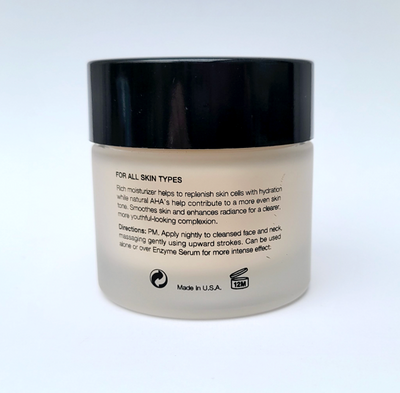
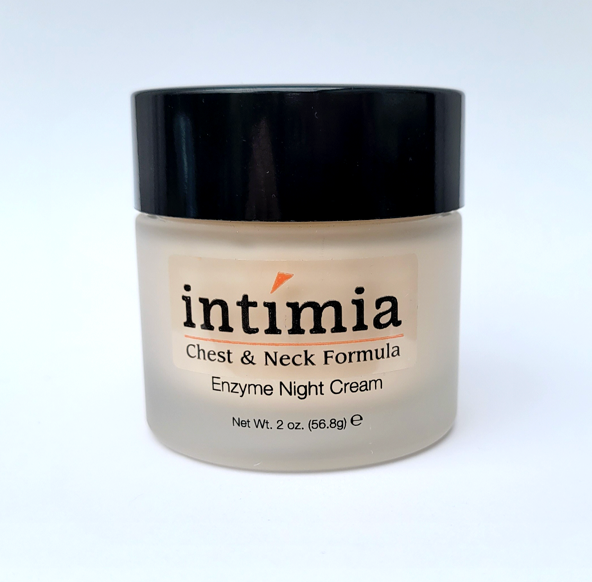
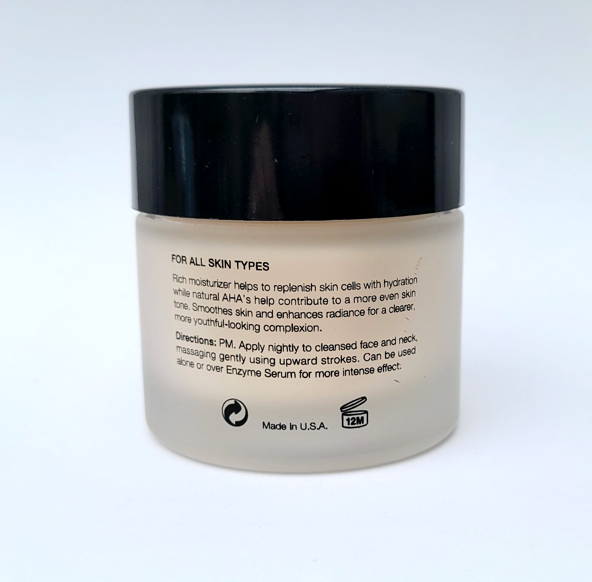
Step 4 – rich chest cream or décolleté cream
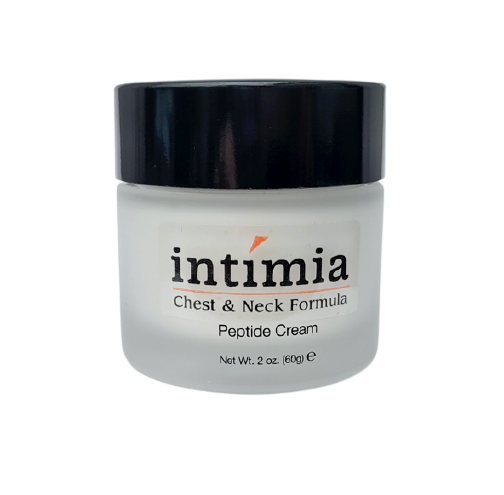
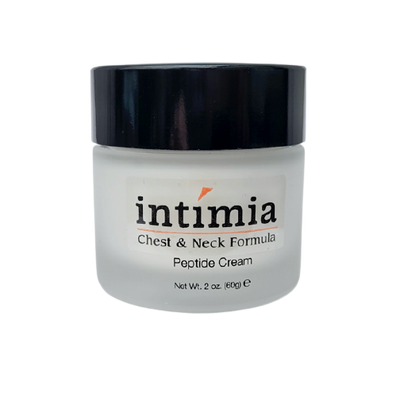
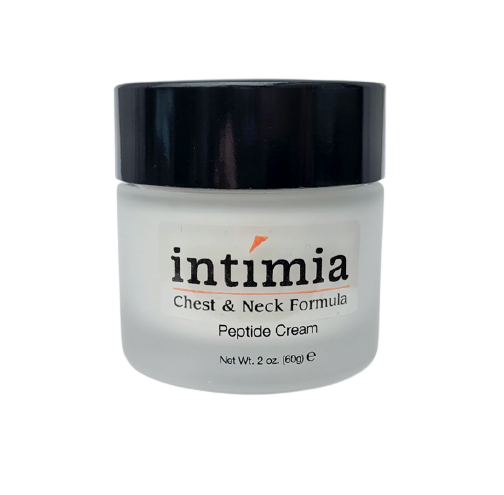
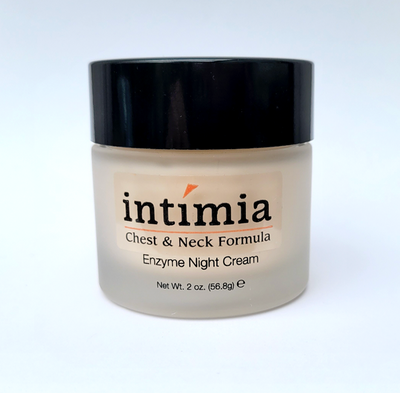
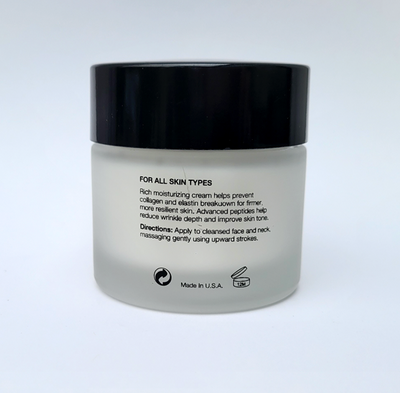
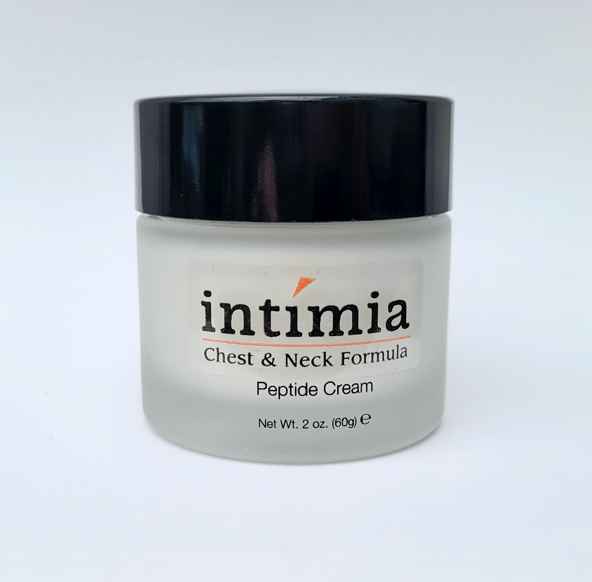
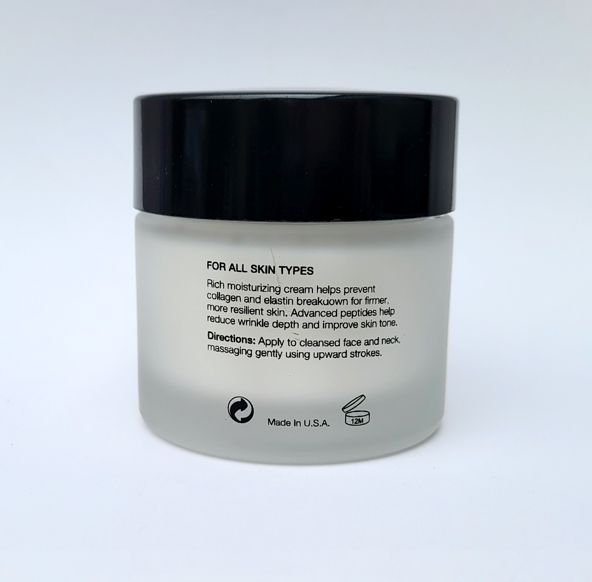
Nighttime is the time for a richer, more nourishing cream. This layer seals in your treatment and hydrating serums and supports your skin’s barrier while you sleep. Look for a formula with restorative ingredients like peptides, ceramides, or niacinamide. Try to choose fragrance-free options if you’re prone to sensitivity.
Step 5 – optional occlusive layer (for very dry or crepey chests)
If your chest is particularly dry or crepey, or during the harsh winter months, you can add a final, protective layer. A thin film of a non-comedogenic oil like squalane or a simple balm can work wonders to prevent overnight water loss, leaving your skin feeling deeply moisturized and velvety by morning.
Your nighttime layer skincare chest order is different from the morning, there is no SPF, and the goal is repair. Actives go on early, followed by layers of hydration and nourishment.
If you ever doubt whether nighttime repair really matters, skim through a clinical overview of how skin regenerates after controlled damage in something like a laser resurfacing explainer. The science behind collagen remodeling in those articles is the same quiet biology you harness, in smaller steps, with your evening serums and creams.
Choosing the right serums and creams for an optimal serum cream order chest
Building the perfect layer skincare chest order is about choosing the right players for your team. By selecting serums and creams that target your specific concerns, you can create a powerful, personalized routine that delivers beautiful results.
Match serums to specific chest concerns
Think of serums as concentrated shots of potent ingredients. Choose yours based on what your skin needs most.
- For wrinkles and crepiness: Look for serums with retinol (or a gentle retinoid alternative) and peptides to support collagen production. Back them up with hydrating serums containing hyaluronic acid to plump the skin from within.
- For sunspots and uneven tone: A vitamin C serum is your go-to for brightening and protecting against further damage. Niacinamide is another excellent ingredient for evening out skin tone. Consistent daily use of SPF is non-negotiable here.
- For redness or sensitivity: Your focus should be on calming and strengthening. Choose fragrance-free formulas with barrier-supportive ingredients like ceramides, centella asiatica (cica), or oat extract. Avoid strong acids.
Coordinate actives within the serum cream order chest
Timing and pairing are everything when it comes to active ingredients.
- Vitamin C is for mornings: This powerful antioxidant works best during the day to protect your skin, and it should always be worn under sunscreen.
- Retinoids are for nights: Retinoids can make your skin more sensitive to the sun, so they should only be used in your evening routine. Avoid layering them in the same routine with strong exfoliating acids on the delicate décolleté.
- Introduce new actives slowly: If you want to use both vitamin C and retinol, stagger them. Use vitamin C in the AM and start with retinol just a few nights a week, on alternate days.
Moisturizers and creams for the décolleté
The job of your moisturizer is to hydrate, nourish, and protect. A good chest cream will contain a blend of:
- Humectants: Like hyaluronic acid and glycerin, which draw moisture into the skin.
- Emollients: Like shea butter and ceramides, which soften and smooth the skin’s surface.
- Occlusives: Like squalane or gentle balms, which create a seal to prevent moisture loss.
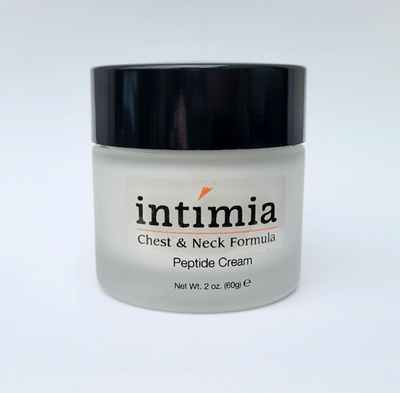
Many "neck and chest" creams are formulated with this balance in mind and often include extra firming ingredients like peptides. Some of my favorite formulas are described in those long, obsessive beauty roundups that test dozens of neck creams on real women, the kind of articles that make you want to stand a little taller and moisturize your collarbones immediately.
Product compatibility and irritation prevention
The skin on your chest can be more reactive than your face.
- Always patch-test: Before applying a new active product all over your décolleté, test it on a small, discreet area for a few nights to watch for any signs of redness or irritation.
- Consult a professional: If you are receiving in-office treatments like IPL or laser resurfacing for your chest, talk to your dermatologist. They will guide you on the best at-home skincare layering décolleté routine to support your results and avoid over-treating the skin.
When you read through the fine print on things like fractional laser or light-based treatments for the chest, the emphasis on gentle, fragrance-free, barrier-focused care jumps off the page. That same caution should guide your everyday layering, not only the dramatic days in a clinic.
Application techniques: how to apply skincare chest without tugging or wasting product
The way you touch your skin matters. A mindful application not only ensures your products work better but also transforms your routine into a moment of true self-care. Learning how to apply skincare chest products with gentle, deliberate motions protects its delicate structure.
Application motions and pressure
Treat your décolleté with the same care you would give to fine silk.
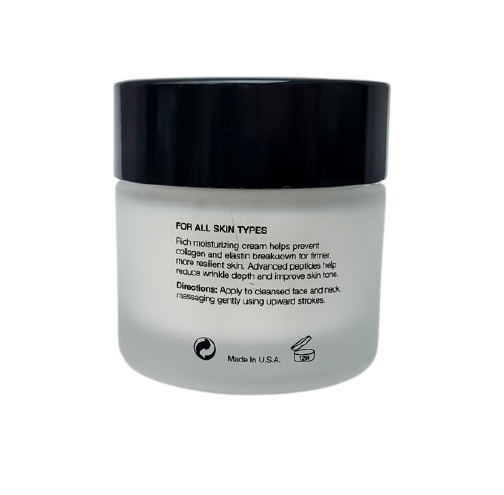
- Use upward strokes: Always massage products in gentle, upward motions. Start from the center of your chest, moving up toward your neck and sweeping outward toward your shoulders. This works against gravity and avoids pulling the skin down.
- Light, gentle pressure: Use the flats of your hands or your first three fingers. Avoid vigorous rubbing, which can cause irritation and potentially damage tiny capillaries over time. In the delicate cleavage area, use light pressing or patting motions to encourage absorption.
How much product to use on the chest and décolleté
A little goes a long way. Using too much product can lead to stickiness and waste.
- Serums: A pea to nickel-sized amount is usually sufficient to cover the area from your collarbones down to the top of your bra line.
- Creams: A dime to quarter-sized dollop should be enough, depending on the richness of the cream and the size of the area you’re treating.
- Sunscreen: This is the one place not to skimp. You need at least a nickel-sized amount for your chest and décolleté alone to get the full protection promised on the bottle.
Timing and body position
A few small adjustments can make a big difference in your application.
- Apply upright: Stand or sit up straight when applying your products. This allows you to see the entire area and ensure you get even coverage, especially around the sides of the neck and chest.
- Allow time to absorb: Give your final layer of cream or sunscreen a few minutes to sink in before getting dressed. This simple pause prevents the product from rubbing off onto your clothes.
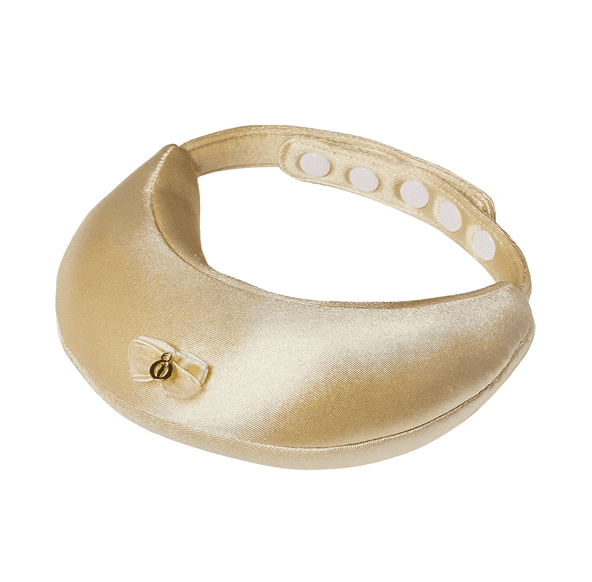
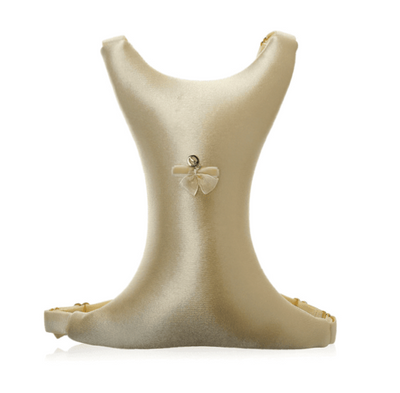
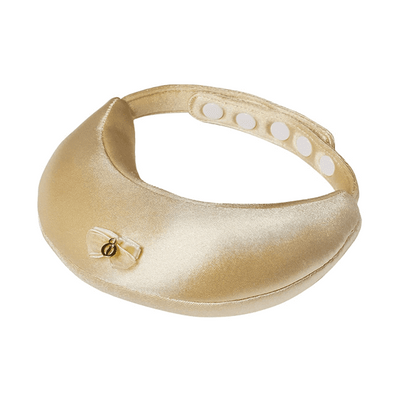
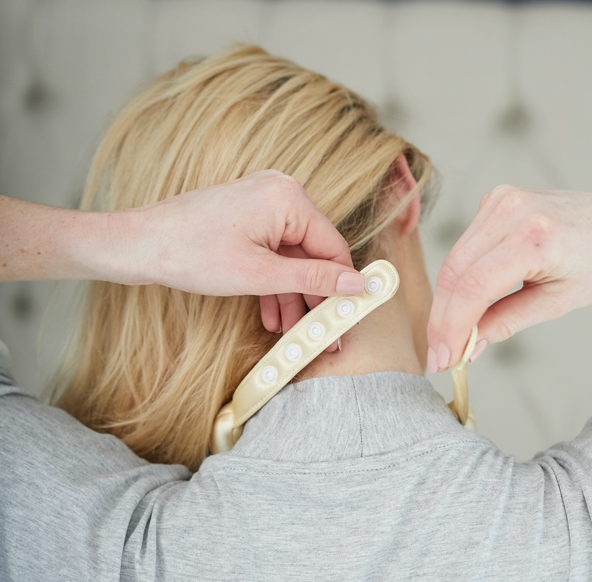
- Coordinate with sleep aids: If you use anti-wrinkle solutions like silicone chest pads or chest pillows at night, apply them after your final skincare step has fully absorbed. This helps them adhere properly and stay in place all night long.
Special considerations for your skincare layering décolleté routine
Your skin is a living, breathing organ that responds to your environment, your lifestyle, and the changing seasons. A truly effective skincare layering décolleté routine is one that can adapt to its shifting needs.
Sensitive or reactive chests
If your chest is prone to redness or irritation, simplicity is your friend.
- Start with a basic 3-step routine, a gentle cleanser, a simple hydrating serum, and a soothing, fragrance-free cream for both morning and night (adding SPF in the AM).
- Introduce only one new active product at a time. Use it just once or twice a week at first, slowly increasing the frequency as your skin builds tolerance.
- Always patch-test a new product on a small area of your chest for a few nights before applying it everywhere.
Seasonal adjustments
Summer: The heat and humidity call for lighter textures. Switch to gel serums and lightweight lotions. Your focus should be on antioxidants to fight sun damage and a diligent SPF application. Avoid heavy, occlusive creams that might feel sticky or clog pores in the heat.
Winter: Cold air and indoor heating can sap moisture from your skin. This is the time to bring in richer creams and perhaps add an occlusive balm or oil as the final step in your nightly routine to combat dryness.
Post-sun exposure and irritation from clothing
After sun exposure: If your chest gets too much sun, treat it with kindness. Skip all active ingredients like retinoids and acids for a few days. Instead, focus on soothing, hydrating layers. Cool compresses and moisturizers with aloe, panthenol, and ceramides can help calm the skin.
Fabric friction: Tight bra straps or scratchy fabrics can rub against your skin, causing irritation. Choose soft, breathable materials, and ensure your bras fit well without digging in, especially after applying your skincare products.
Side-sleeping lines and mechanical stress
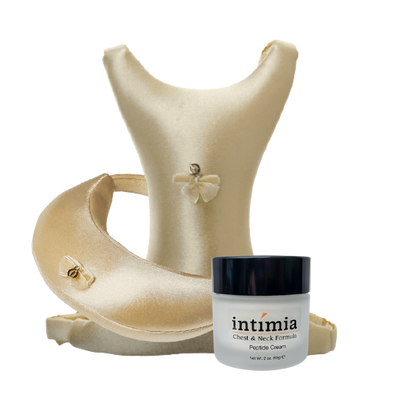
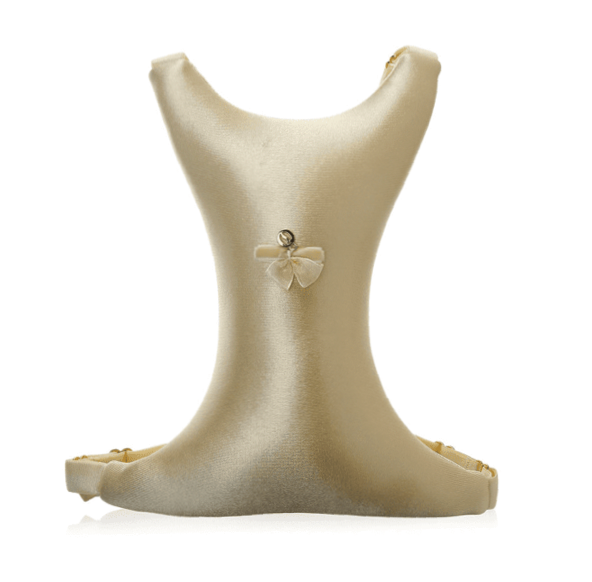
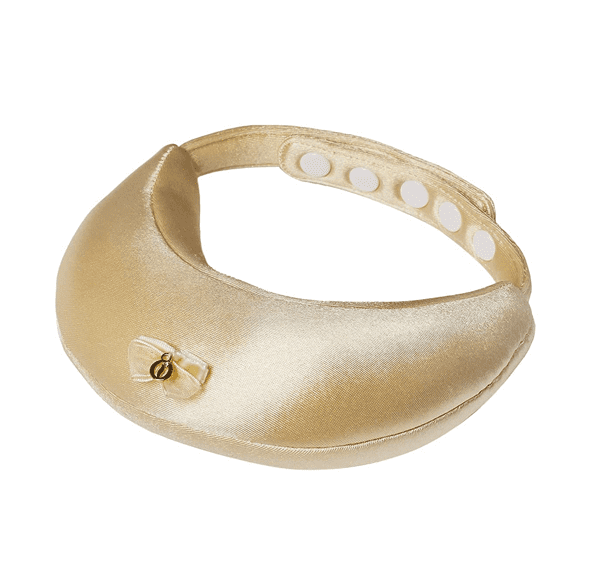
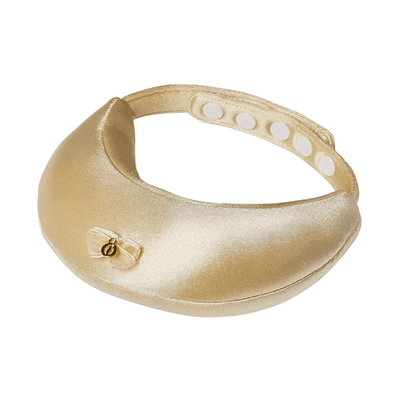
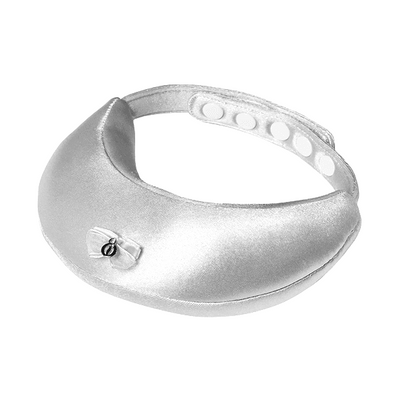
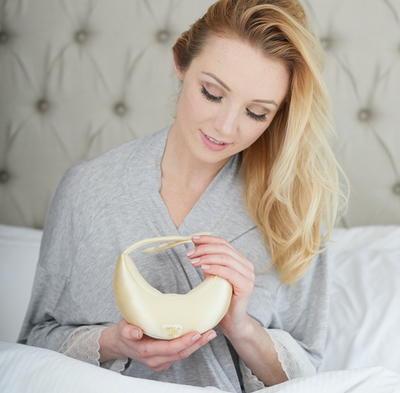
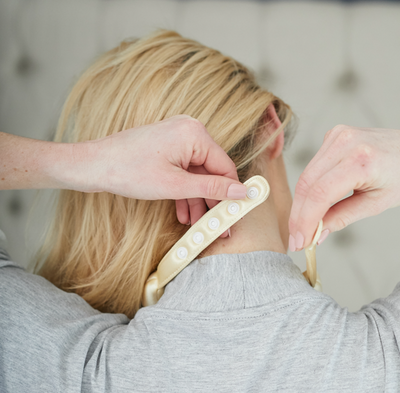
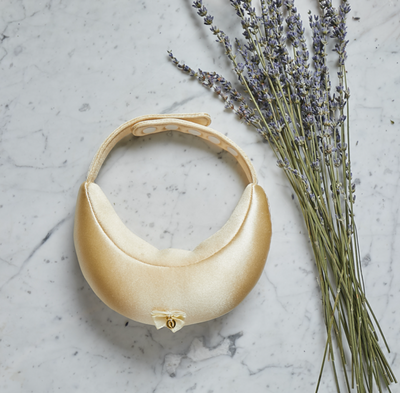
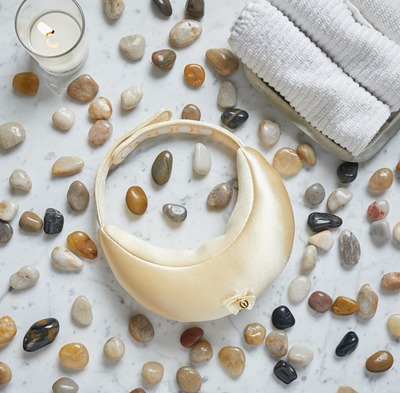
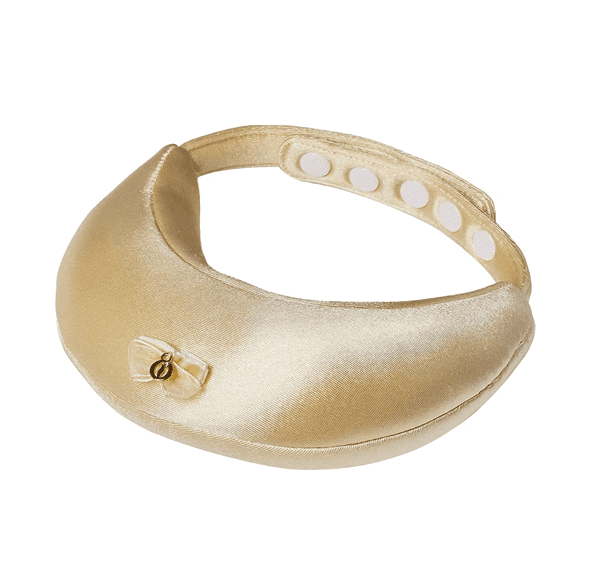
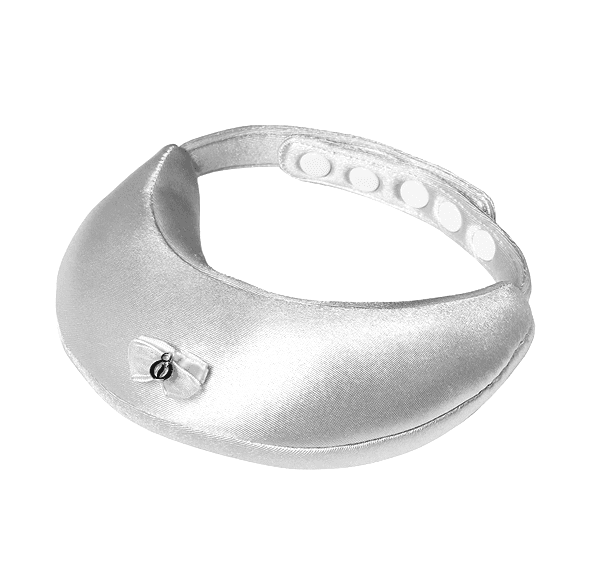
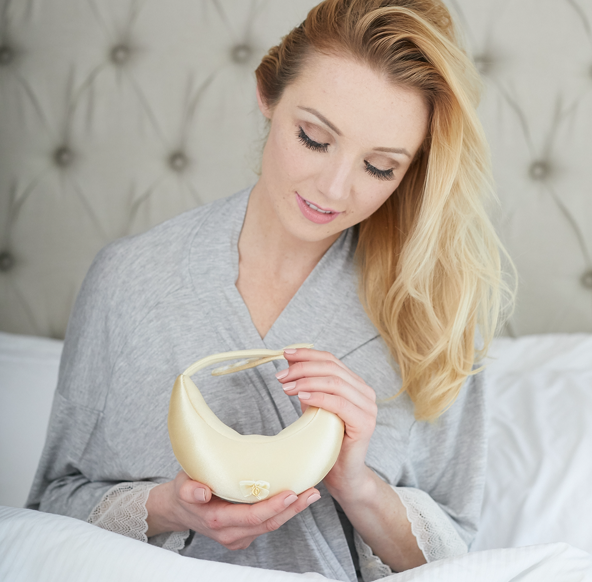
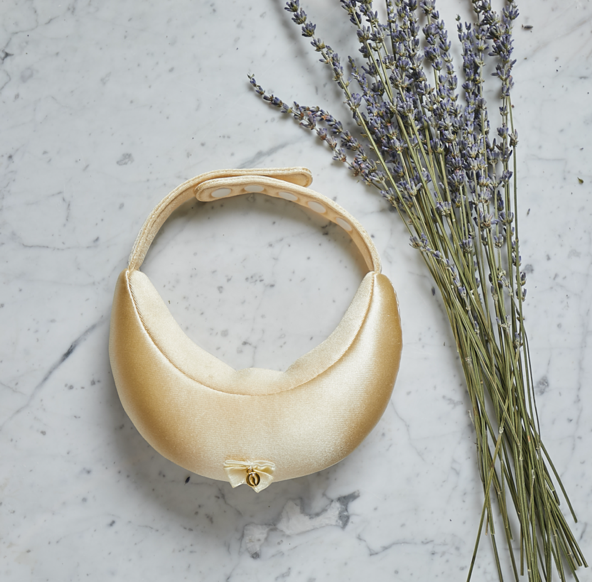
Sleeping on your side night after night can press the skin between your breasts together, creating deep, vertical wrinkles over time. While your skincare routine can help keep the skin plump and resilient, this is a mechanical issue. To complement your layer skincare chest order, consider physical strategies like specialized chest pillows that provide support or silicone pads that hold the skin smooth while you sleep.
When to reduce layers
More is not always better. If you notice any congestion, breakouts, or small bumps on your chest, it might be a sign that your routine is too rich. Scale back to a few simple, non-occlusive layers until your skin clears. A consistent, targeted routine is far more effective than an overly complicated one on this delicate area.
Common mistakes in layer skincare chest order (and how to fix them)
Even with the best intentions, it’s easy to make small missteps in your layer skincare chest order. Here are some of the most common mistakes and the simple fixes to get your skincare layering décolleté routine back on track.
Mistake 1 – applying SPF before serums or cream
Why it’s a problem: Sunscreen is designed to form a protective film on the surface of your skin. If you apply it first, it will block your serums and creams from penetrating, making them ineffective and potentially disrupting your sun protection.
The fix: The rule is simple and absolute for both face and chest, SPF is always the last step in your morning skincare routine.
Mistake 2 – heavy cream before water-based serum
Why it’s a problem: A thick cream creates an occlusive barrier that seals the skin. A lightweight, water-based serum applied on top simply can’t get through this barrier to do its job. It’s a waste of a good product.
The fix: Always remember the golden rule, thinnest to thickest. Serums first, then creams.
Mistake 3 – skipping the chest entirely
Why it’s a problem: The décolleté is just as exposed to the sun and environment as your face. When you neglect it, you can create a noticeable difference in the texture and tone between your face and your chest over time.
The fix: Make it a habit to "take your skincare to the tatas." Extend every step of your facial routine down to your bra line, adjusting the strength of actives as needed for this more sensitive skin.
Mistake 4 – overusing strong actives on the décolleté
Why it’s a problem: The thin skin on the chest can’t handle the same intensity as the face. Bombarding it with high-strength retinoids or daily exfoliating acids can damage its delicate barrier, leading to chronic redness, peeling, and sensitivity.
The fix: Be gentle and patient. Introduce retinoids slowly, starting with just a couple of nights per week. Limit chemical exfoliation to once or twice a week at most. Always follow up with hydrating and soothing layers.
Mistake 5 – ignoring professional guidance with procedures
Why it’s a problem: Using aggressive at-home treatments while undergoing professional procedures like laser or IPL on your chest can seriously compromise your skin’s ability to heal, potentially leading to adverse reactions and poor results.
The fix: Always follow your dermatologist’s pre- and post-procedure instructions. This usually involves pausing all strong actives and simplifying your skincare layering décolleté routine to a gentle cleanser, a basic hydrator, and SPF.
If you ever skim a patient handout on something like light-based therapy or resurfacing, the long list of “do not use” ingredients and the emphasis on plain moisturizer and sunscreen make these fixes feel like common sense. Your chest doesn’t need bravery, it needs consistency.
Sample routines – a practical décolleté product layering guide for different lifestyles
The best skincare routine is the one you’ll actually do. Here is a practical décolleté product layering guide with sample routines tailored to different needs, all built on the core principle of a correct layer skincare chest order.
A. Quick 3-step AM/PM routine for busy moms
This is a simple, effective routine that delivers results without taking up precious time.
AM routine (3 steps):
- Cleanse: In the shower with a gentle body wash.
- Multi-tasking serum: Apply an all-in-one serum with antioxidants (like Vitamin C) and hydrators (like hyaluronic acid).
- Protect: Finish with a chest cream that contains SPF 30+, or a simple cream followed by a separate sunscreen.
PM routine (3 steps):
- Cleanse: Remove the day’s grime.
- Hydrate & firm: Apply a gentle peptide or hydrating serum.
- Moisturize: Lock it in with a rich but non-greasy chest cream before bed.
B. Expanded 5–6 step routine for deeper chest wrinkles & sun damage
For those wanting to target more significant signs of aging, this comprehensive routine uses powerful actives.
AM routine (5–6 steps):
- Cleanse: Start with a clean slate.
- Hydrating toner/essence (optional): Prep the skin for better absorption.
- Vitamin C serum: Protect against free radicals and brighten tone.
- Hydrating serum: Plump fine lines with hyaluronic acid.
- Décolleté cream: Nourish and lock in serums.
- Broad-spectrum SPF 30+: The essential final shield.
PM routine (5 steps):
- Cleanse: Thoroughly remove sunscreen and impurities.
- Retinol serum: Apply to dry skin to target wrinkles and boost collagen (start 2-3x/week).
- Soothing serum: Buffer the retinol and add hydration.
- Rich chest cream: Support the skin barrier and seal in the treatment.
- Occlusive balm (optional): Add a final layer in winter for extra moisture.
C. Minimal, sensitive-skin skincare layering décolleté routine
This routine prioritizes calming, strengthening, and hydrating without any potentially irritating actives.
AM routine (3–4 steps):
- Gentle cleanse: Use a creamy, soap-free formula.
- Hydrating serum: Apply a fragrance-free serum with hyaluronic acid or ceramides.
- Lightweight cream: Use a simple, soothing moisturizer.
- SPF 30+: Choose a mineral-based sunscreen if chemical ones cause irritation.
PM routine (2–3 steps):
- Gentle cleanse: Wash the day away carefully.
- Hydrating/soothing serum: Replenish moisture and calm the skin.
- Gentle cream: Apply a nourishing, barrier-repairing cream.
D. Example routine for women using professional treatments on the chest
When supporting in-office procedures like laser or IPL, your routine should be focused on healing and protection.
Post-procedure routine (AM & PM):
- Ultra-gentle cleanser: Use only as directed by your provider.
- Hydrating serum: Apply a simple, pure hyaluronic acid serum to damp skin.
- Barrier-repair cream: Use a bland, fragrance-free, occlusive moisturizer to protect healing skin.
- SPF 50+ (AM only): Diligent sun protection is critical to protect your investment and prevent complications.
It’s the same logic you’ll see repeated in overviews of laser resurfacing and light therapies, protect the fresh, vulnerable skin with moisture and sun avoidance first, worry about brightening and tightening later.
Conclusion & key takeaways
Caring for your décolleté is an act of quiet grace, a recognition that this sun-facing, delicate skin deserves its own mindful ritual. It’s not about erasing the stories your skin tells, but about helping it tell them with radiance and health. The skin here is thinner and more vulnerable to sun, sleep, and time, which is why a thoughtful skincare layering décolleté routine is so much more effective than a swipe of leftover face cream.
By now, you have a complete décolleté product layering guide to help you. The core principle is beautifully simple, a correct layer skincare chest order always moves from the lightest product to the heaviest. This ensures every drop of your chosen serums and creams can be absorbed effectively.
Remember these timeless rules:
- Thinnest to thickest: Always apply water-based serums before richer creams.
- Actives early, creams late: Potent treatments go on clean skin; moisturizers follow to lock them in.
- AM is for protection, PM is for repair: Use antioxidants and SPF by day; use retinoids and reparative ingredients by night.
- Introduce new actives slowly: Be gentle with your chest skin, especially with retinoids and acids.
- SPF is non-negotiable: Your final morning step, every single day.
Consistent practice is what creates lasting beauty. A simple, well-structured routine of learning how to apply skincare chest products correctly will, over time, leave the skin looking smoother, feeling softer, and glowing with an even tone. Pair this ritual with smart lifestyle habits, sun protection, gentle fabrics, and strategies to mitigate side-sleeping, and you create a powerful, holistic approach to timeless self-care.
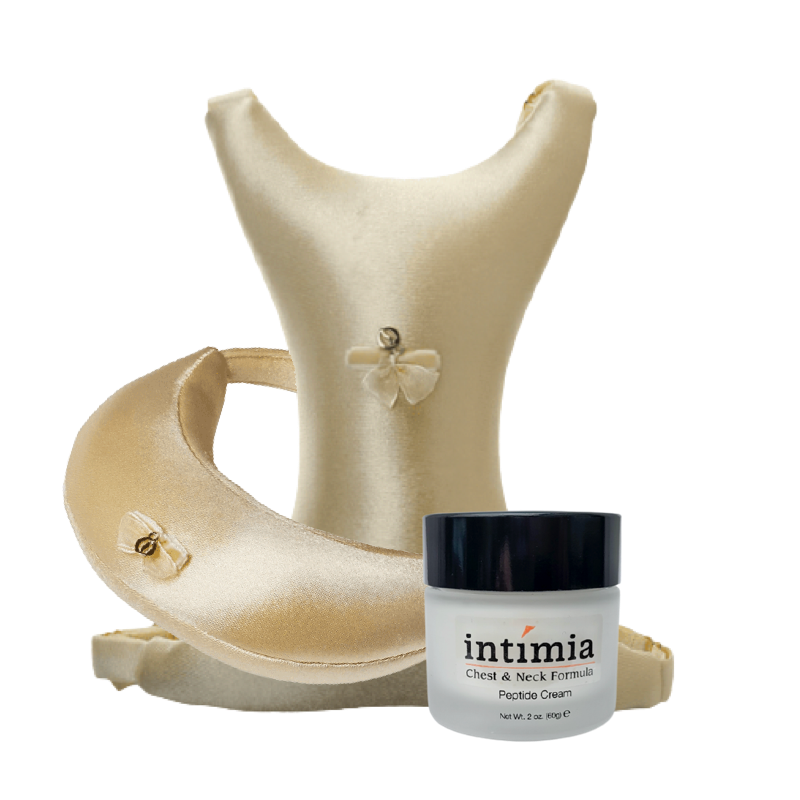
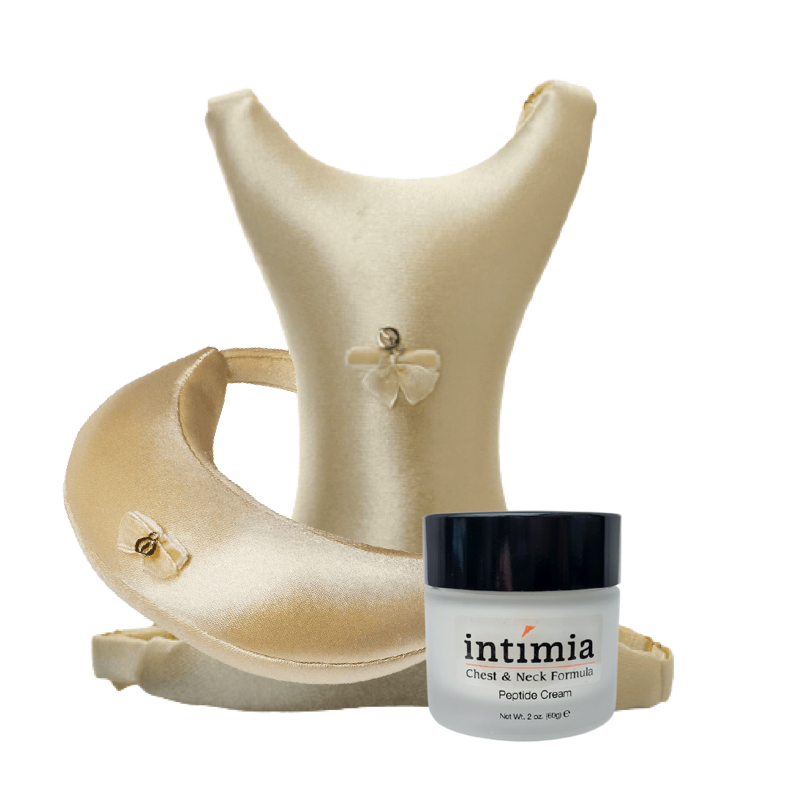
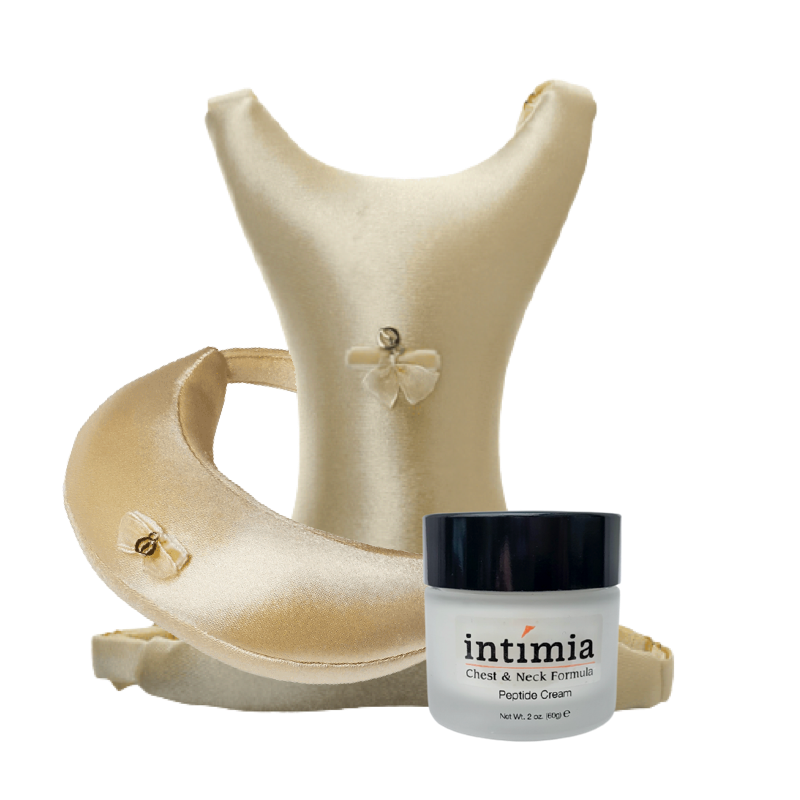
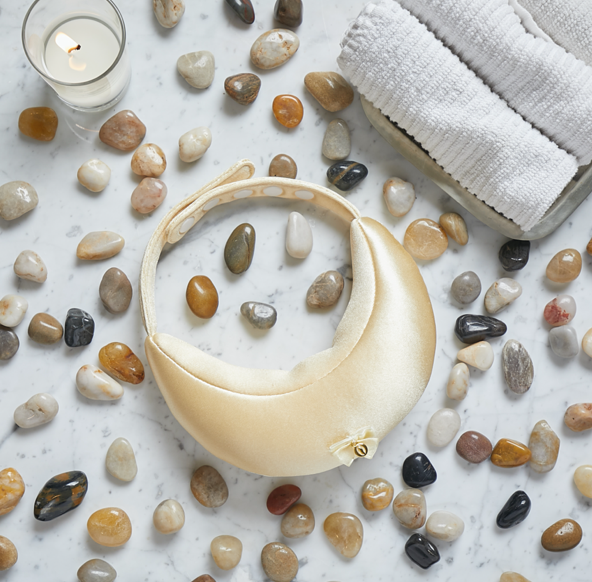
And if one small change keeps you from waking up with folded cleavage and a story you didn’t mean to write across your chest just yet, that’s where something as humble as an Intimia® Breast Pillow quietly earns its place on your nightstand.
Ready to wake up with smoother skin — start here.