In this article you will learn:
- Understanding Dehydration in Chest Skin
- Key Dehydration Chest Skin Signs to Watch For
- Common Causes of Dry Skin Chest Wrinkles and Dehydration
- How Water Intake Supports Skin and Décolleté Hydration
- Chest Skin Dehydration Fix – At-Home Strategies
- Lifestyle and Preventive Habits for Long-Term Hydration Chest Skin Health
- When to Seek Professional Advice
- Conclusion and Action Steps
I learned to read my chest before I learned to read ingredient lists. Those faint morning lines, the dull patch that caught the bathroom light, the way my skin felt one size too small after a hot shower. That’s where this started for me, and that’s where it starts for you.
The early signs of dehydration on your chest skin are like a quiet whisper from your body, a gentle signal that asks for a little more care. Learning to read these dehydration chest skin signs is the first step toward preserving the delicate, beautiful landscape of your décolleté. For women over 35, understanding the link between internal moisture and external radiance is key to preventing dry skin chest wrinkles and nurturing lasting hydration chest skin health.
The skin on your chest, or décolleté, is a story waiting to be told. It’s thinner than the skin on your face, with fewer oil glands to keep it naturally supple. This makes it one of the first places to show the subtle effects of time and lifestyle.
- A vulnerable canvas: Your chest skin is more delicate and has less natural lubrication than your face, meaning dryness and fine lines can appear here first, especially as you navigate life beyond your mid-thirties.
- An early warning: The dehydration chest skin signs you might notice, like dry patches, a feeling of tightness, or fine, crisscrossing lines, are more than just surface issues. They are reflections of your body’s overall water balance. When your skin barrier is compromised by a lack of water, it can accelerate the formation of chest wrinkles and sagging.
- The overlooked area: We often dedicate our best skincare rituals to our faces, leaving the décolleté exposed and forgotten. Yet, this area faces daily challenges from sun exposure, friction from clothing, the weight of jewelry, and even the pressure of how you sleep.
This guide is your partner in self-care. It will empower you to recognize the earliest dehydration chest skin signs. You will learn the crucial difference between skin that is dry and skin that is dehydrated. We will explore the hidden lifestyle and environmental causes that affect your chest, and most importantly, we will walk through a practical chest skin dehydration fix, blending the power of internal hydration supported by steady water intake with nourishing topical care. Let’s begin this journey to a more radiant, resilient you.
Understanding dehydration in chest skin
Nurturing your skin begins with understanding its language. The feelings of tightness or the appearance of new lines on your chest are messages. By learning what causes these dehydration chest skin signs, you can respond with care and precision, supporting your overall hydration chest skin health.
What dehydration chest skin signs really mean
You’ve likely heard the terms "dry" and "dehydrated" used interchangeably, but they describe two different states of your skin. Recognizing the distinction is the first step toward addressing dry skin chest wrinkles effectively.
-
Dry skin vs. dehydrated skin:
- Dry skin is a skin type, something you are often born with. It means your skin lacks sufficient oil, or lipids, in its outer layer. It can feel rough, look flaky, and may even crack.
- Dehydrated skin is a temporary condition, not a type. It means your skin is missing water. Any skin type, oily, combination, or dry, can become dehydrated. It often looks dull, feels tight, and shows a loss of bounce or elasticity.
- A reflection of your inner well-being: The dehydration chest skin signs you see are a direct result of your body's overall fluid balance. When you don't drink enough water, your skin becomes less plump and resilient from the inside out. This effect is especially visible in thin-skinned areas like the chest.
-
How dehydration appears on the décolleté:
- You might notice fine, crisscrossing lines that look like crepe paper, especially in the morning.
- Your chest may have a rough or papery texture when you run your fingers across it.
- Early dry skin chest wrinkles may appear, lingering for a while before they smooth out.
- The turgor test: In a clinical setting, doctors often check hydration with a skin turgor test, gently pinching the skin on the arm or abdomen. Healthy, hydrated skin snaps back quickly, while dehydrated skin "tents" or flattens slowly. You can observe this same principle on your chest; if the skin seems to rebound slowly or holds onto sleep creases for a long time, it’s a clear sign of water loss.
Why the décolleté is so vulnerable to dehydration
The décolleté is uniquely susceptible to dryness and aging. Its delicate structure and high exposure make it a prime area for dehydration chest skin signs to appear, compromising long-term hydration chest skin health.
-
Anatomical fragility:
- The skin on your chest has a thinner dermis and fewer sebaceous glands compared to your face. This means it has a weaker protective barrier and less natural lubrication to seal in moisture.
- The collagen and elastin fibers that provide structure and bounce are more easily damaged in this area from sun exposure and mechanical pressure.
-
Constant exposure to external stressors:
- Think about how often your chest is exposed to the sun. V-neck tops, athletic wear, and swimsuits leave this area vulnerable to daily UV damage.
- Fragrances spritzed directly onto the décolleté, the friction from certain fabrics, and even the weight of necklaces can irritate skin that is already compromised by dehydration.
-
Age and hormonal shifts:
- After 35, your body naturally produces less collagen and elastin. The skin’s oil production also declines, especially as estrogen levels fluctuate during perimenopause and menopause. This natural process makes dehydration chest skin signs more common and harder to resolve.
- Hormonal changes can lead to increased overall dryness and sensitivity, making a dedicated chest care routine more important than ever.
-
Lifestyle habits that take a toll:
- Chronically low water intake is one of the biggest contributors to dehydrated skin, something you also see reflected in your skin’s elasticity and turgor.
- Long, hot showers feel relaxing, but they strip away the skin's natural protective oils, leaving it parched.
- Harsh soaps and body washes can disrupt the delicate pH balance of your chest skin, leading to further moisture loss.
Key dehydration chest skin signs to watch for
Learning to spot the subtle cues of dehydration on your chest is an act of self-love. It allows you to intervene early, preventing temporary dryness from becoming lasting dry skin chest wrinkles and preserving your hydration chest skin health.
Early visual signs of dehydrated chest skin
Before deep wrinkles set in, your skin sends out quiet visual signals. Pay attention to these early dehydration chest skin signs to protect your décolleté.
- A loss of radiance: One of the first things you might notice is a dull, lackluster appearance. Your chest skin may lose its natural glow and look less vibrant compared to the skin on your upper shoulders or even your face.
- A change in texture: Gently run your fingers over your upper chest, especially the area between your breasts. Does it feel as smooth as it used to. A slightly rough or scaly texture is a common sign of surface dehydration.
- The appearance of "sleep lines": Notice the fine dry skin chest wrinkles that seem more prominent in the morning after you wake up or after a day in the sun. These temporary lines are a clear indicator of low moisture levels.
- The "crisscross" pattern: Look closely in a well-lit mirror. You might see a network of very fine, net-like lines across your upper chest. This crepiness is different from deeper, more permanent wrinkles; it’s a sign that both the surface and deeper layers of your skin are thirsty for water.
Over time, if this dehydration is not addressed, these temporary creases, combined with daily sun exposure and mechanical stress, can deepen and transform into permanent dry skin chest wrinkles.
Sensation-based signs: How your chest skin feels
Sometimes, you can feel dehydration before you can clearly see it. These sensations are your body’s earliest warnings, prompting you to begin a chest skin dehydration fix routine.
- A feeling of tightness: Does your chest skin feel tight or "pulled," almost like it’s a size too small. This sensation is often most noticeable right after you get out of the shower or after spending time in a dry, air-conditioned room.
- Unexplained itchiness: Mild itching or a slight burning sensation on your chest, even without a visible rash, can be a sign of a compromised skin barrier struggling to hold onto moisture.
- Increased sensitivity: You may notice that your skin is suddenly more reactive. Perfume sprayed on your chest might cause redness, a favorite necklace may feel irritating, or certain fabrics may make your skin feel prickly.
These feelings often appear long before visible dry skin chest wrinkles. By listening to them, you can give your skin the hydration and support it needs before minor issues become major concerns.
Morning vs. evening: When dehydration shows most clearly
Your skin changes throughout the day, and paying attention to these shifts can reveal a lot about its hydration status. The morning and evening are the best times to check for dehydration chest skin signs.
-
Your morning checklist:
- When you wake up, look in the mirror for sleep lines. If you are a side-sleeper, you’ll likely see vertical or diagonal fold marks between your breasts and across your décolleté.
- Time how long these lines take to disappear. If they fade within an hour, your skin’s elasticity is in good shape. If they linger for hours, transforming into dry skin chest wrinkles that last all day, it suggests your skin is dehydrated and has poor rebound.
-
Your evening checklist:
- After a long day, does your chest look dull or feel rough, even if you applied moisturizer in the morning. Dehydrated skin struggles to hold onto moisture, and the effects of your morning routine may have worn off.
- Check for any redness or irritation where clothing or jewelry may have rubbed against your skin. Dehydrated skin is more easily irritated.
-
A simple daily self-check:
- Step 1 (morning): Inspect your chest in the mirror. Note the depth and pattern of any sleep creases.
- Step 2 (morning): Gently pinch the skin on your upper chest. If it forms a "tent" and takes more than two seconds to smooth out completely, your hydration and elasticity are low.
- Step 3 (evening): Touch your chest skin. Feel for roughness, tightness, or any areas of sensitivity.
Make this a weekly ritual. Monitoring these dehydration chest skin signs over time will show you whether your new lifestyle and skincare habits are making a beautiful difference.
Common causes of dry skin chest wrinkles and dehydration
To achieve lasting hydration chest skin health, you need to look beyond moisturizers. Understanding the root causes of dry skin chest wrinkles and dehydration allows you to build a holistic chest skin dehydration fix that addresses the issue from the inside out.
Lifestyle triggers that dry out the chest area
Your daily choices have a profound impact on your skin. Certain habits can quietly drain moisture from your body, making dehydration chest skin signs more visible on your delicate décolleté.
- Low water intake: This is the most direct cause of dehydrated skin. When you don't drink enough fluids throughout the day, your body’s overall water content drops. This reduces blood flow and nutrient delivery to the skin, diminishing the plump, supple look we associate with youth.
- The dehydrating duo, alcohol and caffeine: Both alcohol and caffeine act as diuretics, meaning they cause your body to lose more fluid through urination. A glass of wine in the evening or multiple cups of coffee throughout the day can contribute to systemic dehydration that shows up on your skin.
- Dietary saboteurs: A diet high in sodium can disrupt the water balance in your cells, pulling moisture away from the skin’s surface. Processed foods, canned soups, and salty snacks can worsen dryness.
- The impact of smoking: Smoking constricts blood vessels, reducing the flow of oxygen and vital nutrients to your skin. It also accelerates the breakdown of collagen and elastin, making the chest area more susceptible to deep-set dry skin chest wrinkles.
These triggers don't just affect your face; their impact is often magnified on the thin, exposed skin of your chest, where the foundation for good hydration chest skin health is more fragile. Optimizing your water intake and supporting your skin’s turgor and bounce is your first line of defense.
Environmental factors and daily habits
The world around you can be tough on your skin. From the sun in the sky to the water in your showers, environmental stressors play a huge role in the appearance of dry skin chest wrinkles and other dehydration chest skin signs.
- Everyday sun exposure: You don't have to be sunbathing for UV radiation to take its toll. The daily sun exposure your chest gets while driving, walking to the mailbox, or sitting near a window adds up. UV rays break down collagen, cause pigmentation, and lead to significant water loss from the skin’s surface.
- Bathing habits: A long, hot shower might feel like a luxury, but it’s one of the fastest ways to strip your skin of its natural protective oils. This compromises the skin barrier, allowing moisture to escape and leaving your chest feeling tight and dry.
- Harsh products: Many standard body washes and bar soaps contain sulfates and strong fragrances that can irritate and dehydrate the delicate skin of the décolleté. Perfumes sprayed directly on the chest can also have a drying effect due to their alcohol content.
- The indoor climate: The air inside your home and office can be incredibly dry. Air conditioning in the summer and central heating in the winter both zap humidity from the air, which in turn pulls moisture directly from your skin.
Sleep position and mechanical wrinkling
How you sleep at night directly influences the wrinkles you see in the morning. This mechanical wrinkling is especially damaging when your skin is already dehydrated.
- The side-sleeper's dilemma: When you sleep on your side, gravity causes your top breast to fall forward and rest on the lower one. This compresses the skin in between, creating deep vertical folds that run from your cleavage up toward your collarbone. Stomach sleeping can cause similar compression.
- The dehydration connection: Well-hydrated skin is like a plump, resilient pillow, it bounces back easily from pressure. Dehydrated skin, however, has lost its elasticity and rebound capacity. It’s more like a piece of paper that, once creased, holds the fold. When your skin is dehydrated, those sleep lines from side-sleeping last much longer and are more likely to become etched into permanent dry skin chest wrinkles.
- A holistic fix: This shows why a true chest skin dehydration fix isn't just about applying moisturizer. It's about restoring your skin's internal hydration so it can better withstand the nightly mechanical pressures of sleep. Addressing your sleep position is a powerful, often overlooked, part of the solution.
How water intake supports skin and décolleté hydration
The journey to smooth, glowing skin begins from within. A simple glass of water is one of the most powerful tools in your chest skin dehydration fix toolkit, directly supporting your hydration chest skin health and combating visible dehydration chest skin signs.
Water intake and skin décolleté health connection
The link between the water you drink and the health of your skin is direct and profound. Systemic hydration is the foundation upon which all other skincare efforts are built, and you see it in everything from your skin’s turgor to how quickly those fine lines fade after sleep.
- Hydration from the inside out: When you drink enough water, you maintain healthy blood volume and circulation. This ensures that essential nutrients and oxygen are delivered to the dermis, the living layer of your skin. This internal support is crucial for producing collagen, repairing the skin barrier, and maintaining elasticity.
- Setting realistic expectations: Increasing your water intake can make a visible difference. Your chest may look less dull, feel more comfortable, and appear more supple. However, be realistic. Drinking more water alone cannot erase deep wrinkles caused by years of sun damage or erase the effects of gravity. It is a vital part of a comprehensive approach that must also include sun protection and targeted topical care.
- The post-35 consideration: As you move into your late thirties and beyond, hormonal shifts affect how your body retains and distributes fluid. The skin’s natural ability to hold onto moisture also decreases. This means paying conscious attention to your daily water intake becomes even more critical for maintaining smooth, resilient skin on the chest and décolleté.
Hydration habits for better chest skin health
Making small, consistent changes to your daily fluid habits can lead to big improvements in your hydration chest skin health and reduce dehydration chest skin signs.
- Aim for consistency: A common recommendation is to aim for about 8 to 10 cups of fluids per day. Your individual needs may vary based on activity level, climate, and overall health. The key is consistency. Sip water throughout the day rather than chugging a large amount at once so your body can absorb and use it more efficiently.
- Eat your water: You don't have to get all your hydration from a glass. Many fruits and vegetables are packed with water and can contribute significantly to your daily intake, think crisp cucumber, juicy watermelon, sweet berries, bright oranges, and fresh lettuce.
- Listen to your body's signals: Your body has its own built-in hydration meter. Signs that you may not be drinking enough include dark yellow urine, feeling tired or dizzy, a dry mouth and chapped lips, headaches and, of course, skin that looks dull and doesn't bounce back quickly when you gently pinch it.
Pairing these improved fluid habits with an external care routine is the most effective way to create a lasting chest skin dehydration fix.


Chest skin dehydration fix – at-home strategies
With a solid foundation of internal hydration, you can turn your attention to topical care. A dedicated at-home routine is your most powerful tool for a successful chest skin dehydration fix, helping to reduce dry skin chest wrinkles and restore vibrant hydration chest skin health.
Building a hydrating chest and décolleté routine
Treat the skin on your chest with the same gentle care you give your face. A simple, consistent routine can make a world of difference in combating dehydration chest skin signs.
-
Cleanse with care:
- Turn down the temperature. Always use lukewarm, not hot, water in the shower to avoid stripping your skin's natural oils.
- Choose a gentle, creamy, or milky cleanser. Look for formulas that are fragrance-free and sulfate-free to avoid irritation.
- Pat, don't rub. After cleansing, gently pat your chest and décolleté dry with a soft towel. Aggressive rubbing can cause friction and irritation.
-
Hydrate in layers:
- The best time to apply hydrating products is right after cleansing, when your skin is still slightly damp. This helps to lock in moisture.
- Start with a water-binding serum that uses ingredients like hyaluronic acid or glycerin, they act like tiny sponges to draw moisture into the skin.
- Follow with a nourishing moisturizer that creates a protective seal on the surface to prevent all that precious water from evaporating.
- Extend your skincare south: Make it a non-negotiable habit to extend all your facial skincare products, from serums to moisturizers to sunscreen, down your neck and all the way across your chest.
Ingredients that support hydration chest skin health
When choosing products for your chest skin dehydration fix, the ingredient list is your best friend. Look for these hydration heroes to nourish your skin and soften the appearance of dry skin chest wrinkles.
-
Powerful humectants: These ingredients pull water into the skin.
- Hyaluronic acid: A gold-standard hydrator that can hold up to 1,000 times its weight in water, it instantly plumps the skin and improves turgor.
- Glycerin: A classic and effective humectant that draws moisture into the skin’s outer layer.
- Aloe vera: Known for its soothing and calming properties, aloe is also wonderfully hydrating for skin that feels tight or irritated.
-
Barrier-repairing champions: These ingredients strengthen your skin's protective barrier to prevent water loss.
- Ceramides: Lipids that are a natural part of your skin barrier. Replenishing them helps seal in moisture and protect against irritants.
- Niacinamide (vitamin B3): A multi-tasking superstar that supports barrier function, reduces redness, and improves skin texture.
- Squalane and plant oils: Emollients like squalane, jojoba oil, and sunflower seed oil soften and smooth the skin’s surface, helping to reduce the look of fine lines.
-
Choose the right texture:
- For daytime, a lighter lotion or serum can feel more comfortable under clothing.
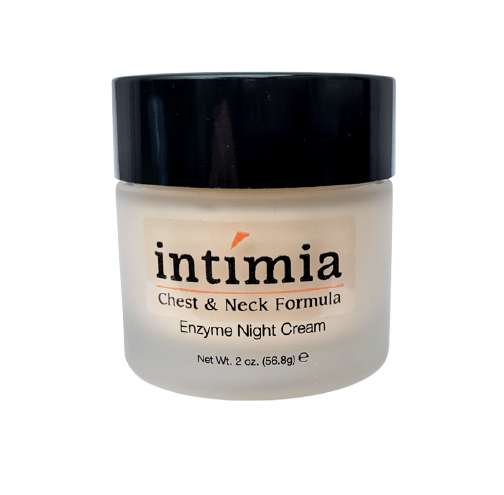
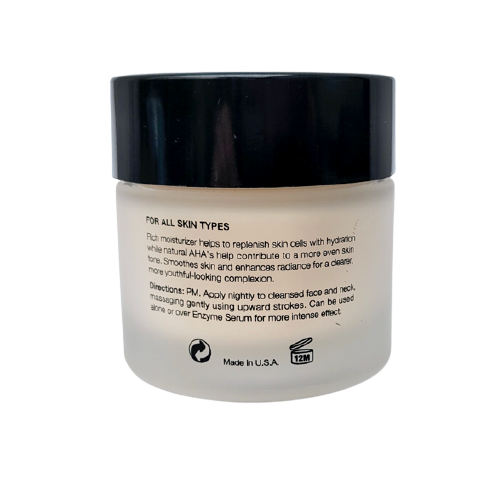
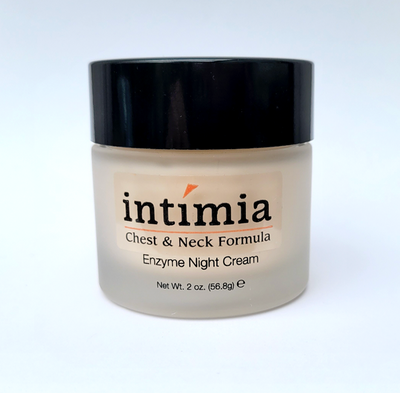
- At night, don't be afraid to use a richer, thicker cream or balm. The overnight hours are when your skin does its most important repair work, and a more substantial formula can provide sustained hydration.
Nighttime care to reduce dry skin chest wrinkles
Your nighttime routine is the cornerstone of your chest skin dehydration fix. While you sleep, your skin’s repair processes are in high gear, making it the perfect time to deliver intensive hydration and address the mechanical causes of wrinkling.
- The power of overnight repair: Skin regeneration peaks while you sleep. By providing your chest with a rich, nourishing environment, you can significantly improve its texture and moisture levels, waking up to smoother, more comfortable skin.
-
A suggested nightly layering ritual:
- Step 1: Gently cleanse your chest with lukewarm water and a non-stripping cleanser.
- Step 2: While the skin is still damp, press in a hydrating serum with hyaluronic acid or glycerin.
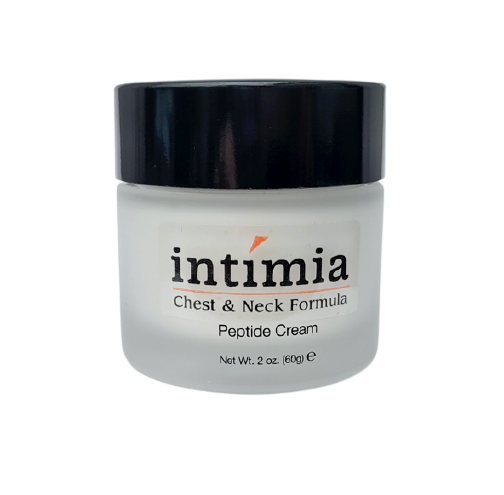
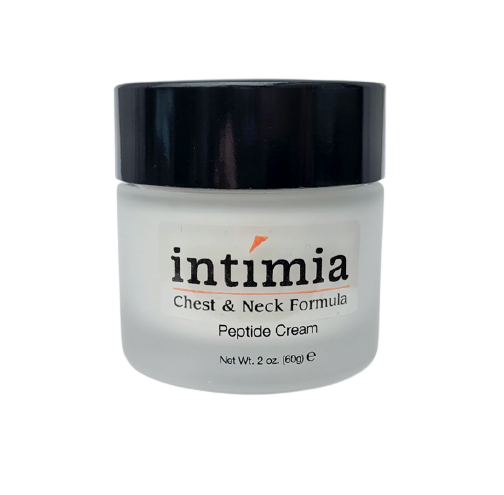
- Step 3: Massage a generous amount of a ceramide-rich cream or a nourishing oil blend onto the entire décolleté, paying special attention to areas with visible dehydration chest skin signs.
- Step 4 (optional): For very deep sleep lines, you can apply a thin layer of an occlusive balm directly into the creases to create an ultra-protective barrier against overnight moisture loss.
-
Incorporate sleep-focused tools:
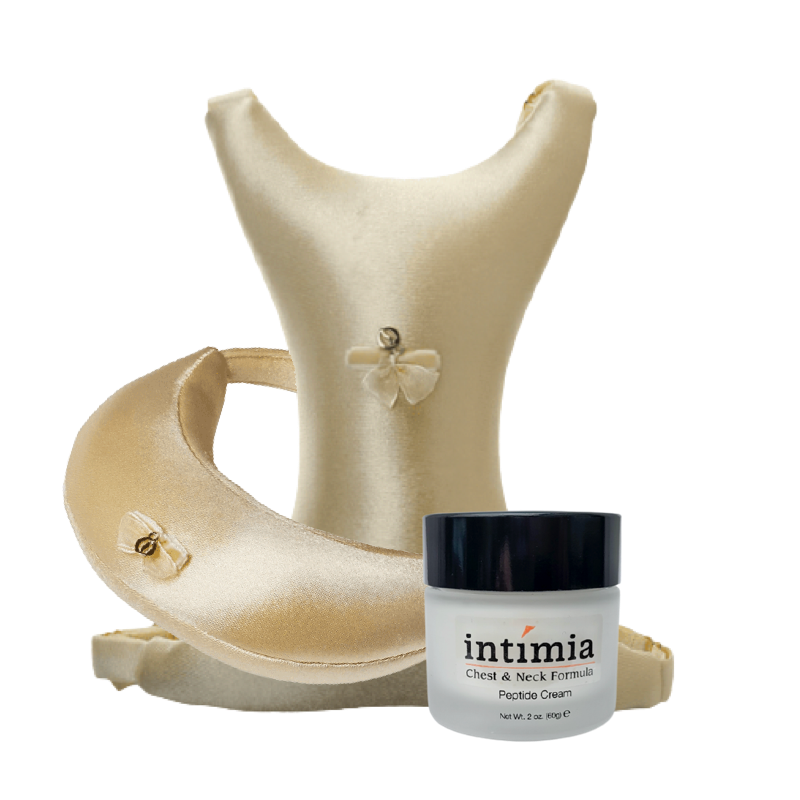
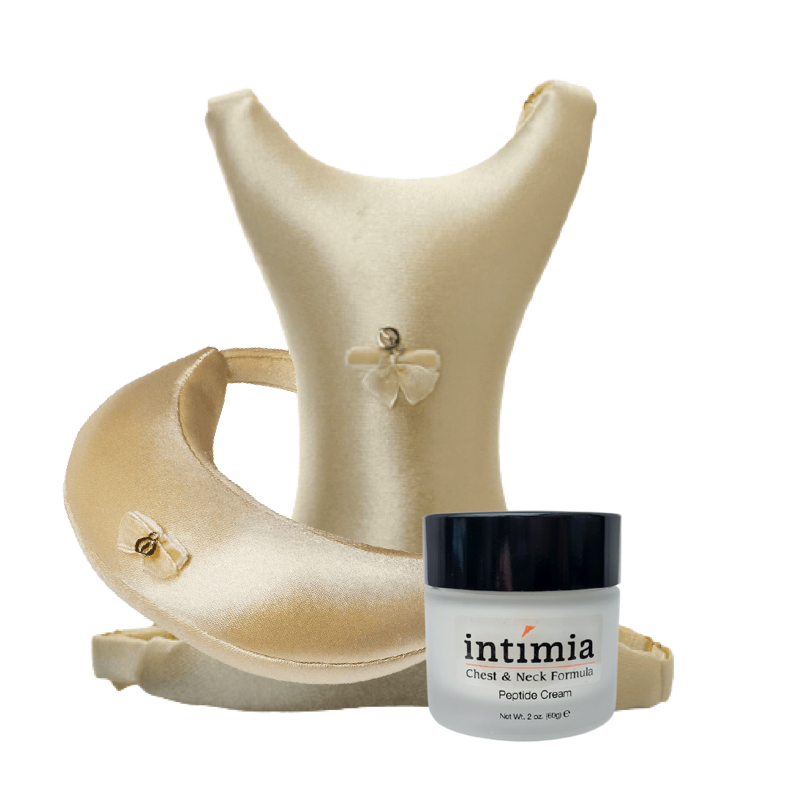
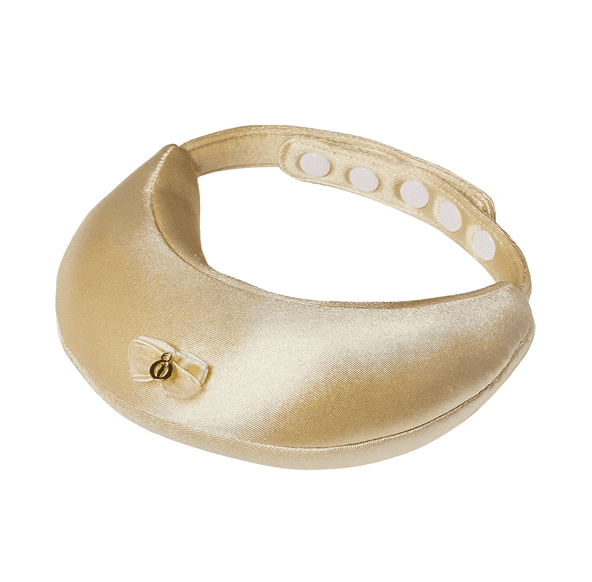
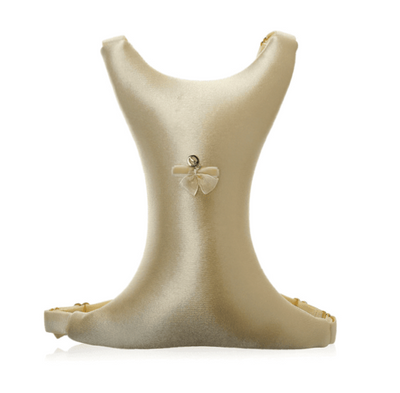
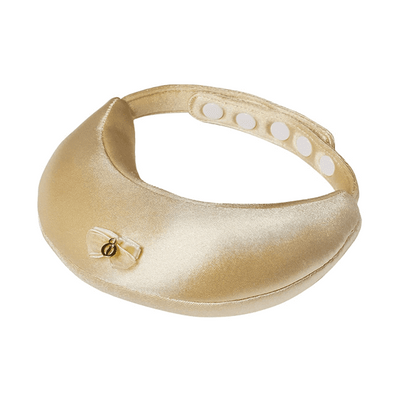
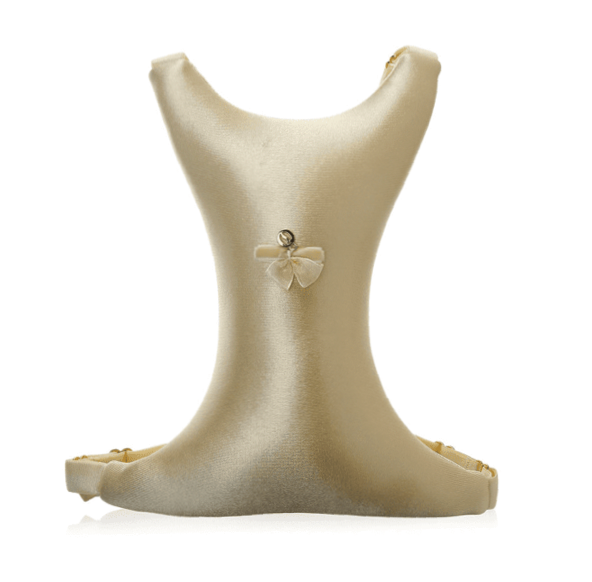
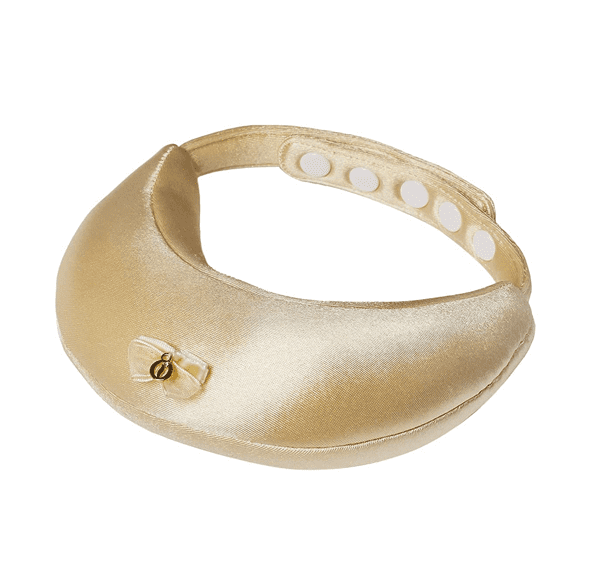
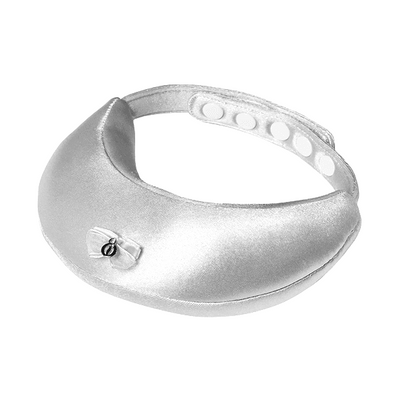
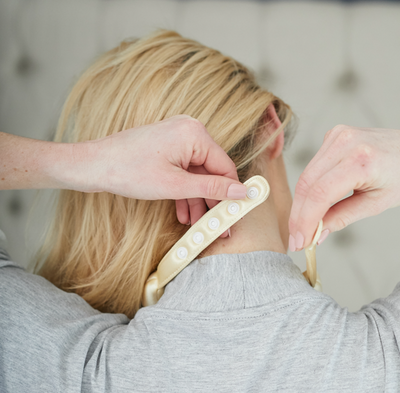
- If you are a dedicated side-sleeper, consider using a specialized chest pillow or silicone pad designed to separate the breasts and prevent the skin from creasing.
- Practice sleeping on your back whenever possible. This is the best position to prevent mechanical compression that deepens dry skin chest wrinkles.
Consistency is everything. A dedicated nightly routine, maintained for weeks and months, will yield beautiful, lasting results.
Lifestyle and preventive habits for long-term hydration chest skin health
A truly effective chest skin dehydration fix is about more than just products and water. By adopting smart, preventive habits, you can protect your décolleté from future damage and maintain beautiful hydration chest skin health for years to come.
Sun protection for the chest and décolleté
Sunscreen is the single most important anti-aging step for your chest. Daily, consistent protection is non-negotiable for preventing dry skin chest wrinkles and other signs of damage.
- The UV connection: Ultraviolet rays are the primary driver of premature aging. They break down the skin's supportive collagen and elastin fibers, thin the epidermis, and increase water loss, creating the perfect storm for deep wrinkles and a crepey texture.
-
Practical SPF habits:
- Every single morning, rain or shine, apply a broad-spectrum sunscreen with an SPF of 30 or higher to your entire chest and décolleté.
- If you are spending time outdoors, be sure to reapply your sunscreen at least every two hours, and more often if you're sweating or swimming.
- Find a formula you love to use so it becomes a daily ritual instead of a chore.
-
Physical protection matters too:
- When you know you'll be in direct sun for a long time, wear protective clothing. A wide-brimmed hat, a light scarf, or a shirt made from UPF-rated fabric can provide an excellent physical barrier.
- Resist the urge to tan your chest. A tan is your skin’s response to injury, and it will only accelerate the aging process.
Keep your SPF next to your toothbrush. When you reach for one, you remember the other, and your chest never leaves the house naked.
Sleep, stress, and hormones
Your overall well-being is reflected in your skin. A holistic approach that includes quality sleep, stress management, and awareness of hormonal changes is essential for fighting dehydration chest skin signs.
- The beauty of sleep: When you don't get enough quality sleep, your body's ability to repair its skin barrier is impaired, leading to increased water loss and inflammation. Aim for a consistent sleep schedule in a cool, dark room to support your skin’s natural regeneration cycle.
- The impact of stress: Chronic stress leads to elevated levels of cortisol, which can break down collagen and disrupt the skin barrier. Incorporate stress-reducing practices into your day, whether it’s a quiet walk, deep breathing, or gentle yoga, and use those moments as reminders to sip some water.
- Navigating hormonal changes: In perimenopause and menopause, declining estrogen levels can lead to significantly thinner, drier skin. During this life stage, your skin's needs change. You may find you need richer moisturizers, more deliberate water intake, and a gentler approach to skincare to maintain good hydration chest skin health.
When to seek professional advice
While a dedicated at-home routine is powerful, there are times when it’s wise to consult a professional. A dermatologist can provide expert guidance and advanced treatments to complement your chest skin dehydration fix.
-
When to make an appointment:
- If you experience persistent redness, burning, or itching on your chest that doesn't improve with gentle care.
- If you notice that chest wrinkles or crepiness are getting rapidly worse despite your best efforts with hydration and sunscreen.
- If you see any suspicious spots, new moles, or discolorations on your décolleté, it’s crucial to have these checked for signs of sun damage or skin cancer.
-
Potential professional treatments:
- A dermatologist may recommend prescription-strength barrier creams or topical retinoids, which have to be used with care on the delicate chest skin.
- In-office treatments like micro-needling, chemical peels, or non-ablative laser therapies can help to build collagen and improve the texture of the chest skin.
Think of a dermatologist as a valuable partner on your journey to healthy, beautiful skin rather than a last resort.
Conclusion and action steps
Your décolleté is a testament to your life's journey, and caring for it is an empowering act of self-love. By learning to recognize the subtle whispers of dehydration chest skin signs, you can respond with nourishing care that preserves its beauty and resilience for years to come.
-
Key dehydration signs to remember:
- Visual: A dull, rough texture, fine crisscross lines, and dry skin chest wrinkles that linger long after waking.
- Sensory: A feeling of tightness or itchiness, and new sensitivity to fabrics, jewelry, or perfumes.
- Functional: Skin on the upper chest that tents or rebounds slowly when gently pinched.
- The inside-out philosophy: Lasting hydration chest skin health is achieved by blending internal and external care. Consistent water intake, combined with a daily topical routine and smart lifestyle habits, is the most effective path to a smooth, radiant chest.
-
Your daily and nightly checklist for timeless beauty:
- Morning ritual: Begin your day with a glass of water. Always apply a broad-spectrum SPF 30+ to your neck and chest. Layer a hydrating serum and moisturizer onto your décolleté, then choose soft fabrics and be mindful of irritating jewelry.
- Daytime habits: Sip water steadily throughout the day. Nourish your body with water-rich fruits and vegetables, and protect your chest from direct, prolonged sun exposure.
- Nighttime ritual: Gently cleanse your chest with lukewarm water. Apply your most nourishing serum and a rich cream to seal in moisture. Consider your sleep position, try back-sleeping or use a chest pillow to prevent creasing, and once a week, perform a quick pinch test to track your progress and celebrate the renewed elasticity of your skin.
I’ve watched so many women transform their chest from crumpled and thirsty to smooth and quietly confident, and every single time it started with small, stubborn choices that said, “this skin matters to me.”
Ready to wake up with smoother skin — start here.
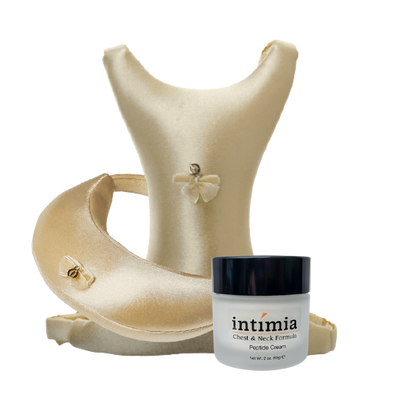
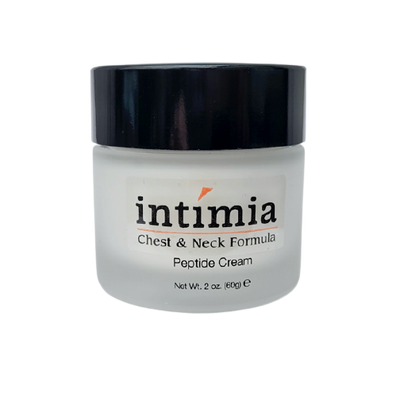
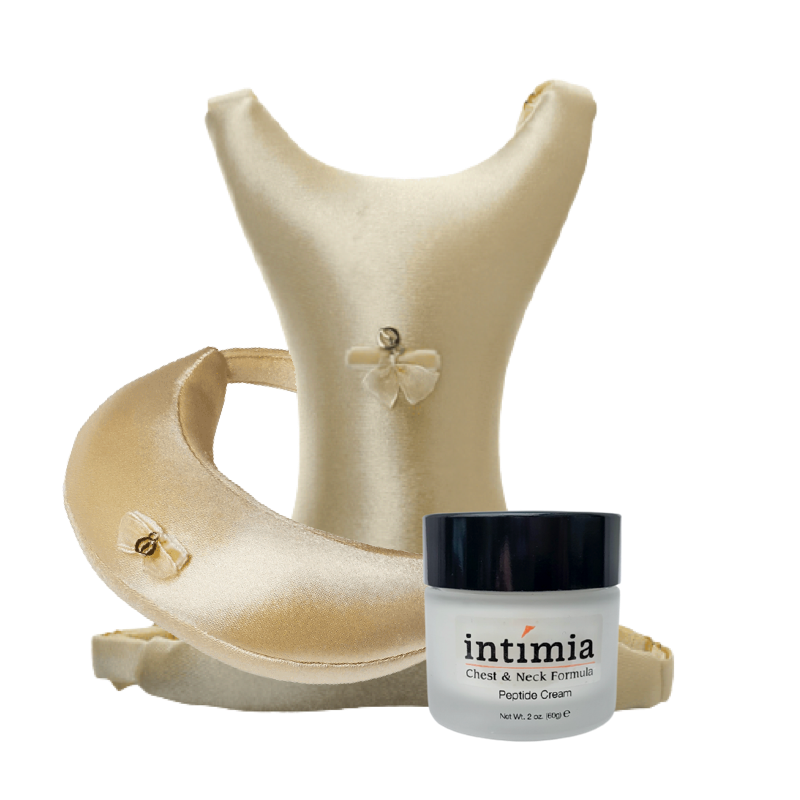
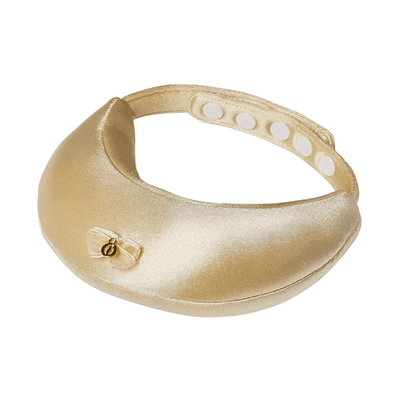
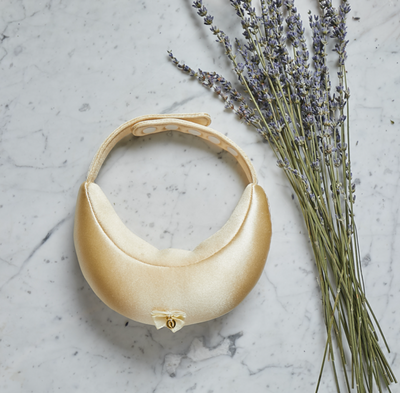
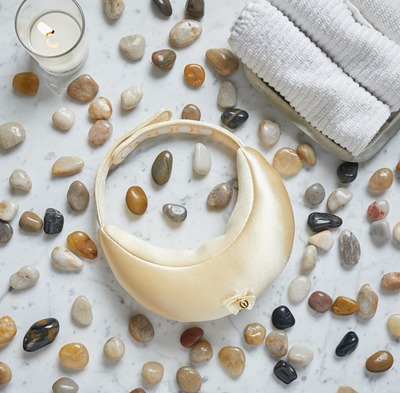
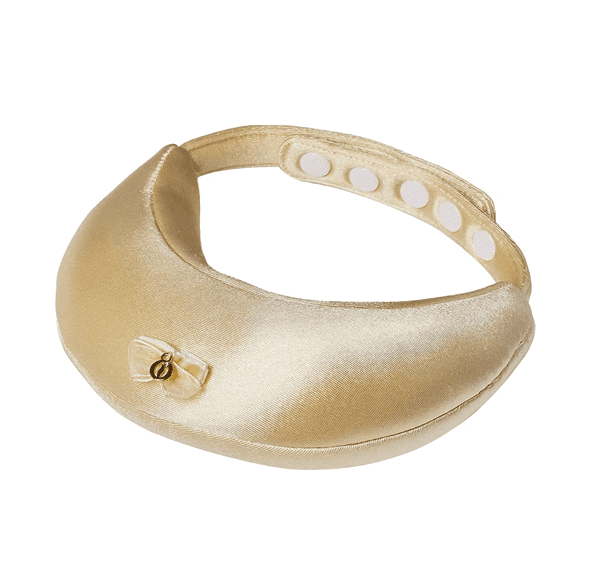
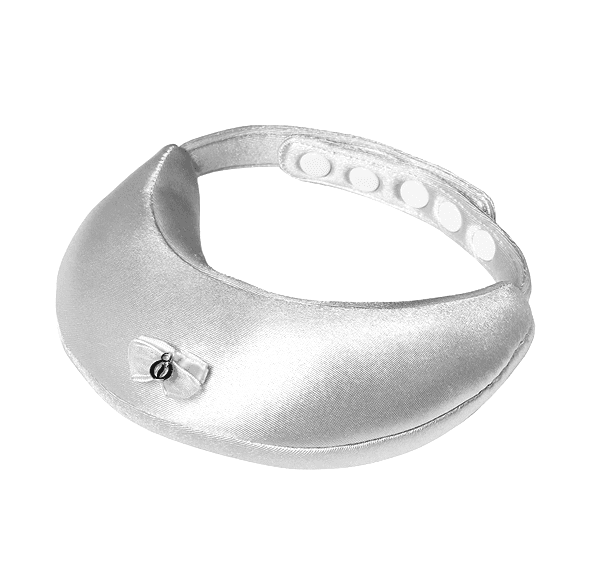
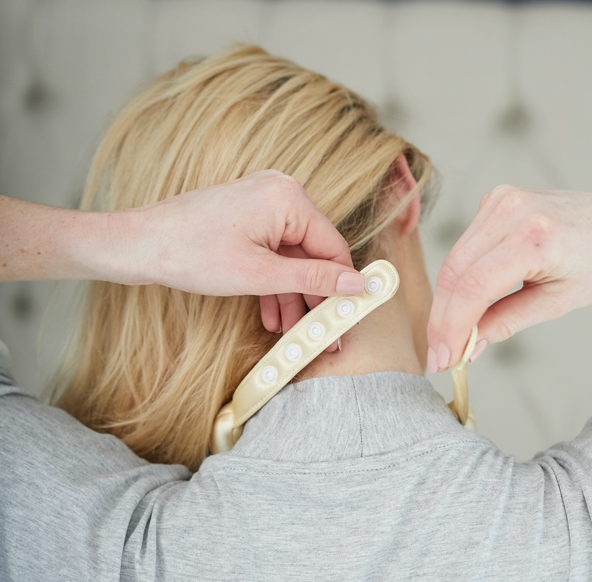
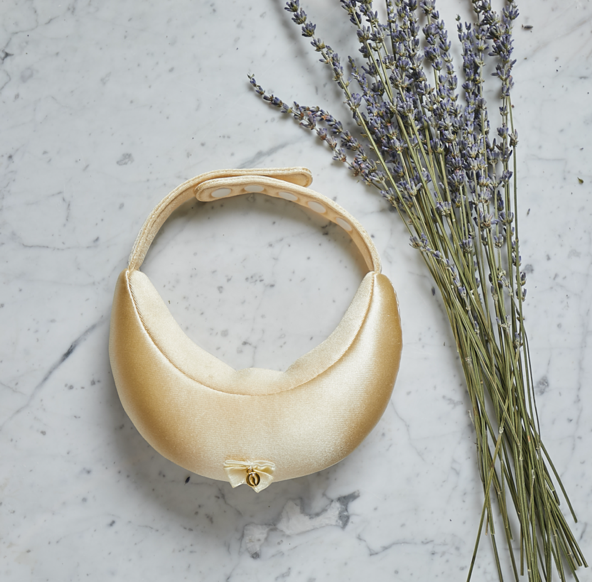
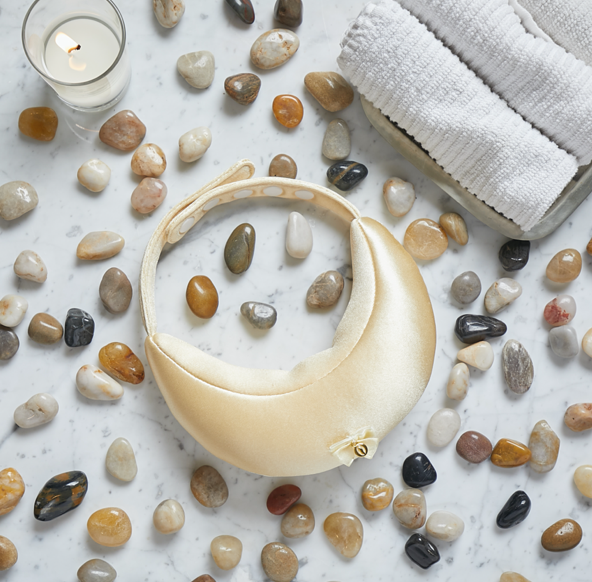
And if you’re a loyal side-sleeper, my Intimia® Breast Pillow has been doing silent night duty for years, giving our chests the space and softness they deserve.