In this article you will learn:
- My Wake-Up Call with Over Exfoliation Décolleté Damage
- Too Many Acids on My Chest: What I Was Doing Wrong
- From Glow to Ouch: Early Symptoms of Sensitized Chest Skin
- Connecting the Dots: Chest Skin Irritation vs. Real Wrinkles
- Stop, Strip Back, Simplify: Emergency Chest Skin Irritation Fix
- Rebuilding the Barrier: Ingredients That Saved My Décolleté
- How I Avoided Another Round of Too Many Acids Chest
- Beyond Products: Lifestyle Tweaks for Sensitized Chest Skin
- Feeling Self-Conscious About My Chest (and Why That’s Okay)
- What I Do Now to Prevent Over Exfoliation Décolleté Damage
- What I Wish I Knew Before I Damaged My Décolleté
The skin of your décolleté—that lovely, sweeping expanse from your collarbones to the top of your breasts—is a quiet storyteller. It holds the warmth of the sun, the memory of a favorite necklace, the curve of your body as you sleep. But this skin is also delicate. It’s thinner, with fewer oil glands to protect it, and it often bears the brunt of sun exposure, showing the passage of time more readily than the skin on your face. That’s why my journey with over exfoliation décolleté damage was such a shock, and why my path to chest skin barrier recovery became a lesson in gentle strength.
My wake-up call with over exfoliation décolleté damage
My journey into over exfoliation décolleté damage didn’t happen overnight. It was a slow burn, a quiet betrayal by a routine I thought was perfect. I first noticed it on a bright Tuesday morning, the kind of day when the sunlight is unforgiving. My face looked fine, plump, even-toned, a testament to my diligent care. But the skin on my chest told a different story.
- It was red, a persistent, blotchy flush that wouldn’t fade.
- It felt tight, as if the skin was a size too small.
- Fine lines, which I’d never paid much attention to, suddenly seemed etched deep into my skin, crisscrossing the area like a roadmap of distress.
My first thought was panic. Was this it? Had I aged a decade in a single week? But something didn’t feel right. This wasn't the slow creep of time; this felt like an injury. It was raw. This was sensitized chest skin, and I soon learned it was a classic case of damage from stripping the skin’s protective outer layer. When you remember how thin and exposed this area is, and how often it soaks up sun and heat, the whole picture shifts.
I felt a wave of frustration. I was doing everything "right," using the best acids, the most celebrated retinoids, following every influencer’s advice. Yet, I had only succeeded in making things worse. This post is the story of that mistake. It’s the story of my full journey from damaging my skin to a slow, deliberate chest skin barrier recovery, with every step I took to heal it.
Too many acids on my chest: what I was doing wrong
My descent into over exfoliation décolleté damage was paved with good intentions. I wanted that smooth, glowing skin I saw everywhere online, and I believed more was more. I treated my chest like an extension of my face, but with even less caution. Looking back, my routine was a perfect storm for creating sensitized chest skin.
Here’s a snapshot of what I was doing, day in and day out:
- In the shower: A daily scrub with a body wash full of exfoliating beads, scouring the area raw.
- Post-shower: Several nights a week, I’d slather on a body lotion packed with glycolic or lactic acid.
- Facial overflow: My face-strength AHA/BHA toners and peels didn’t stop at my jawline. I dutifully swiped them all the way down my neck and across my chest.
- Retinoid regimen: The powerful retinoid cream for my face was also swept down to my décolleté, because “anti-aging” shouldn’t stop at the chin, right?
- The occasional extra: On top of all this, I’d sometimes use a physical scrub for good measure, thinking I was buffing away imperfections.
This constant, layered approach meant I had too many acids chest-deep in a cycle of irritation. My skin never had a day off. It never had time to rest and repair. I was treating this delicate area as if it were as tough as the skin on my cheeks or forehead, completely ignoring its fundamental differences. When you look at what neck and chest specialists recommend for this area, with softer textures and more protective ingredients, it becomes painfully obvious where I went wrong.
I was chasing the “glass skin” I saw on Instagram and TikTok, copying routines that never came with a warning label for the décolleté. What works for a resilient, oily face can be a disaster for the chest. To make matters worse, as I entered perimenopause, my skin became even drier and more reactive due to hormonal shifts that reduce collagen, moisture, and elasticity. Articles on midlife skin told me to use more actives for glow, yet the same sources quietly warned that menopausal skin needs much gentler care. I was piling harsh products onto skin that was crying out for gentle support, compounding the damage with every application.
From glow to ouch: early symptoms of sensitized chest skin
Before my décolleté reached its breaking point, it sent out distress signals. I was so focused on my goal of "perfect" skin that I misinterpreted them, or worse, ignored them completely. These were the first signs of sensitized chest skin that I should have paid attention to.
The early warning signs of over exfoliation décolleté damage were subtle at first:
- A new sting: Products that used to feel fine, even simple moisturizers, suddenly started to burn or sting upon application.
- Persistent redness: A faint, blotchy redness settled across my chest that no longer faded after a few hours. It was just… there.
- The shiny-but-rough texture: My skin had a strange, tight sheen to it, almost like plastic wrap. But when I touched it, it felt rough and sandpapery.
- Deeper-looking creases: The fine lines on my chest seemed to deepen right after I applied my products, a sign of severe dehydration.
It’s important to understand the difference between having naturally sensitive skin and having sensitized chest skin. Sensitive skin is a skin type you’re born with. Sensitized skin is a condition you create. It happens when the skin’s protective barrier, the outermost layer called the stratum corneum, is damaged. Think of this barrier as a brick wall. The skin cells are the bricks, and the lipids are the mortar holding them together. When I later read research on how those lipids break down, it felt like reading my own autopsy report.
My daily habits were making the problem worse. Side-sleeping, my preferred position, folded my inflamed skin, making the creases look like angry red canyons in the morning. And any sun exposure, even just a few minutes through my car window, triggered intense chest skin irritation and mottling. UV radiation is a primary driver of aging on the décolleté, but on compromised skin, its effects are multiplied, leading to even more redness and damage. If your décolletage looks flawless by morning, check if you actually slept on your side.
If you recognize any of these red flags, it’s time to listen to your skin:
- Does plain water or a simple moisturizer sting your chest?
- Does your chest skin look both shiny and feel rough?
- Does the area feel tender, raw, or constantly irritated?
These are not signs that your products are "working." They are cries for help.
Connecting the dots: chest skin irritation vs. real wrinkles
The turning point came when I looked in the mirror one day and felt a genuine sense of despair. My chest looked ten years older than my face. I finally booked an appointment with an esthetician, convinced I needed a powerful laser treatment to fix what I thought were permanent, deep-set wrinkles.
That appointment saved my skin. The esthetician took one look at my décolleté and gently shook her head. She didn't see irreversible aging. She saw a full-blown case of over exfoliation décolleté damage.
Her professional assessment identified all the classic signs of a disrupted chest skin barrier:
- Widespread redness and inflammation.
- Rough, scaly patches that indicated severe dehydration.
- My own report of burning and stinging, even with mild products.
She explained that most of what I was seeing wasn't true wrinkling. It was profound chest skin irritation. The lines and creases were exaggerated by inflammation and a complete lack of moisture. My skin wasn't aging overnight; it was screaming in protest.
She explained that by over-exfoliating, I had systematically stripped away the essential lipids, the ceramides, cholesterol, and fatty acids that act as the mortar in my skin barrier. This created tiny, invisible cracks in my skin’s protective wall. Through these cracks, moisture was escaping at an alarming rate, and irritants from the environment were getting in. Reading later about barrier lipids and transepidermal water loss in clinical papers, I could almost feel each drop that had leaked out of my own skin.
Of course, some lines are caused by true aging, the natural loss of collagen and elastin from sun exposure and hormonal changes, especially during and after menopause. But the texture I was seeing was different. It was the temporary, accordion-like effect of a dehydrated and inflamed surface. The esthetician gave me the most crucial piece of advice I’d ever received: my chest didn’t need more harsh anti-aging actives. It needed a ceasefire. It needed peace. It needed a focused plan for chest skin barrier recovery.
Stop, strip back, simplify: emergency chest skin irritation fix
The first step in healing my over exfoliation décolleté damage was the hardest. I had to stop everything. My esthetician recommended a complete "skin fast" for my chest, and it felt like taking away the very tools I thought were helping me. This was my emergency chest skin irritation fix.
Here’s what I stopped immediately:
- All actives: No more acids (glycolic, lactic, salicylic), no retinoids, no vitamin C serums on my chest.
- All physical exfoliants: I threw out my scrubs and loofahs.
- All fragrance: I switched to fragrance-free cleansers and lotions to avoid any potential irritation.
- All heat: I stopped taking scorching hot showers and started using only lukewarm water on my chest.
My complex, multi-step routine was replaced with a routine so simple it felt wrong. This minimalist approach was focused on one thing only: calming my sensitized chest skin and allowing it to begin the healing process.
My temporary routine looked like this:
- Cleanse gently: Once a day, I would use a splash of lukewarm water or a tiny amount of a gentle, fragrance-free, soap-free cleanser. No rubbing, no scrubbing.
- Moisturize blandly: While my skin was still slightly damp, I would apply a thick, simple moisturizer designed for sensitive or compromised skin. No fancy ingredients, no actives, just pure hydration and protection.
That was it. Two steps. It was a radical departure from the aggressive routine I had been following. The guiding principle was "less is more." Dermatologists who see a lot of midlife skin quietly repeat this line, especially for the neck and chest, when they talk about how menopause changes the barrier. Every product I had been using was contributing to the problem, not solving it. My skin didn't need to be forced into behaving; it needed to be supported so it could heal itself.
If your chest feels hot, tight, or shiny and you’re unsure what to cut, stop everything for one week and use only a bland moisturizer and sunscreen. Your skin will tell you quickly if that was the right move.
Rebuilding the barrier: ingredients that saved my décolleté
After the initial "skin fast" calmed the fire of my chest skin irritation fix, it was time to actively start the chest skin barrier recovery process. This meant moving beyond a simple moisturizer and introducing specific ingredients known to rebuild and fortify the skin’s protective wall. The goal was to give my skin the raw materials it needed to repair the "mortar" I had stripped away.
The science is simple: the skin barrier’s health depends on a delicate balance of lipids, specifically ceramides, cholesterol, and fatty acids. When these are depleted, the barrier becomes weak and leaky. Clinical discussions of the barrier keep coming back to this same trio, and once I saw that pattern in the research on barrier repair, I stopped chasing exotic ingredients and went back to basics.
These are the hero ingredients that saved my décolleté from over exfoliation décolleté damage:
- Ceramides, cholesterol, and fatty acids: These are the "big three" of barrier repair. I looked for moisturizers specifically formulated with these lipids in the right ratio. They work by literally filling in the gaps in the skin’s barrier, locking in moisture and keeping irritants out.
- Niacinamide (vitamin B3): In a low concentration (around 2–5%), niacinamide is a powerhouse. It helps the skin produce more of its own ceramides, reduces redness, and improves overall resilience. I made sure to patch-test it first, as even beneficial ingredients can be too much for severely sensitized chest skin.
- Colloidal oatmeal: This classic soothing ingredient is a miracle for irritated skin. It calms itching and inflammation and forms a protective, hydrating film over the skin’s surface, giving it a chance to heal underneath.
- Panthenol (pro-vitamin B5): A wonderful humectant, panthenol draws moisture into the skin and holds it there. It’s also known for its calming and anti-inflammatory properties, helping to reduce redness and discomfort.
- Aloe vera and squalane: I used aloe vera for its immediate cooling and soothing effect. Squalane, a lightweight oil that mimics the skin's natural sebum, provided a final layer of protection without feeling greasy, helping to lock in all the other beneficial ingredients.
My daily repair routine looked like this:
-
AM routine:
- Rinse chest with lukewarm water.
- Apply a light, hydrating serum with ingredients like glycerin or hyaluronic acid.
- Apply a generous layer of a barrier cream rich in ceramides, cholesterol, and fatty acids.
- Finish with a broad-spectrum sunscreen with SPF 30 or higher. This is non-negotiable.
-
PM routine:
- Cleanse with a gentle, non-foaming cleanser.
- Apply a soothing serum with niacinamide or panthenol.
- Apply a thick layer of the barrier cream, sometimes mixing in a few drops of squalane oil for extra nourishment.
During this phase, my only goal was comfort. If a product tingled, it was out. If my skin felt tight, I added more moisturizer. When I got tempted by new neck creams promising miracles, I would go back and reread practical reviews that focused on barrier support and how they actually feel on mature skin, then choose the most boring, barrier-building option. This gentle, supportive approach was the true chest skin barrier recovery my décolleté had been craving.
How I avoided another round of too many acids chest
After several weeks of my intensive barrier-repair routine, my skin finally felt calm. The redness had subsided, the rough texture was gone, and my décolleté no longer stung when I applied moisturizer. These were the "green flags" I was waiting for, signaling that my chest skin barrier recovery was well underway. Only then did I consider reintroducing active ingredients, but this time, with extreme caution. I was determined to never again have too many acids chest-deep in irritation.
My new approach was slow, conservative, and built on respecting the unique needs of this delicate area. I had learned my lesson about over exfoliation décolleté damage.
Here’s how I safely brought treatments back into my routine:
- Start with the gentlest exfoliants: I completely abandoned high-strength glycolic acid and harsh scrubs for my chest. Instead, I chose the mildest possible options, like a low-concentration lactic acid serum or a gentle fruit enzyme mask.
- Lower the frequency: Instead of daily exfoliation, I started with just once every two weeks. I watched my skin carefully for any signs of sensitized chest skin. After a month, I moved to once a week, and that has remained my absolute maximum. I never, ever use multiple exfoliating products on the same day.
- Handle retinoids with care: I was terrified of using retinoids on my chest again. When I did reintroduce one, I used the "moisturizer sandwich" method, a layer of moisturizer, a pea-sized amount of a gentle retinoid, and another layer of moisturizer on top. I started at once a week and have stayed there. For many women, especially post-menopause when skin is much drier, skipping retinoids on the chest altogether is the safest option.
- Respect the décolleté: My biggest mindset shift was to stop treating my chest like my face. The skin here is different and requires a different approach. You see this echoed again and again when neck care experts describe why the formulas for this area are softer and the schedules slower.
- Adopt a new mantra: My rule is now simple: "If it tingles or burns on my chest, it doesn't belong there." A product "working" should feel comfortable and soothing, not painful. This simple test has prevented me from repeating my past mistakes and causing another round of damage.
Beyond products: lifestyle tweaks for sensitized chest skin
Healing my damaged chest skin barrier wasn’t just about the creams and serums I was using. I quickly realized that my daily habits played a huge role in perpetuating chest skin irritation. Making a few simple lifestyle changes became a crucial part of my long-term chest skin barrier recovery plan.
These are the non-negotiable habits that helped support my healing skin:
- Sun protection is everything: This is the most important habit. I now apply a broad-spectrum SPF 30+ sunscreen to my neck and chest every single morning, without fail, rain or shine. UV exposure is the number one cause of wrinkles, sagging, and pigmentation on the décolleté. On days when I know I'll be in the sun for a long time, I wear clothing that covers the area, like a chic scarf or a high-necked top, and I always wear a wide-brimmed hat.
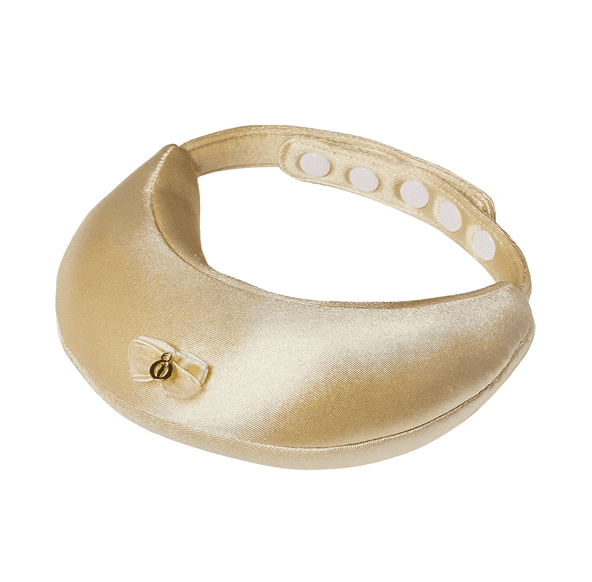
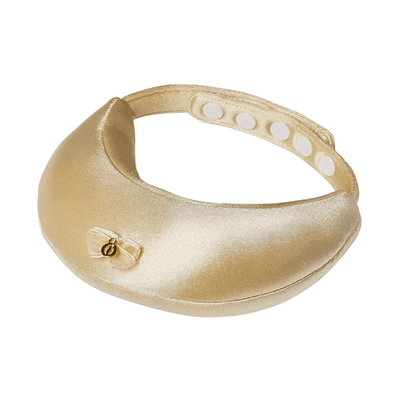
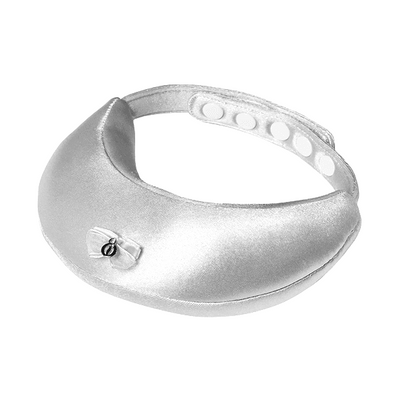
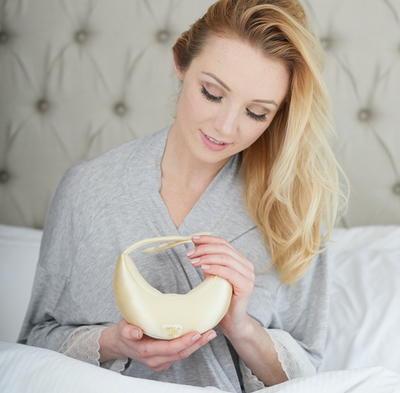
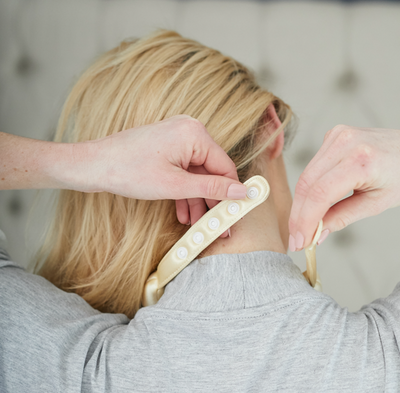
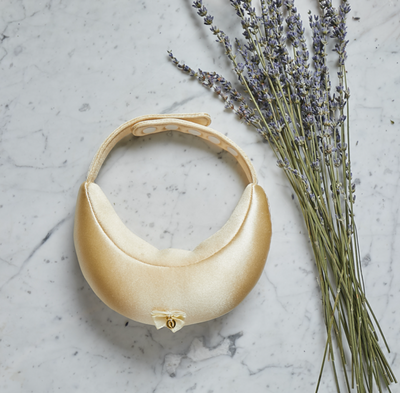
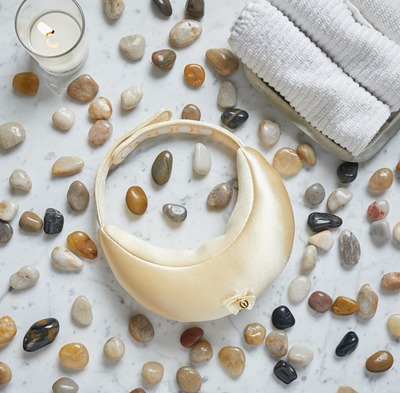
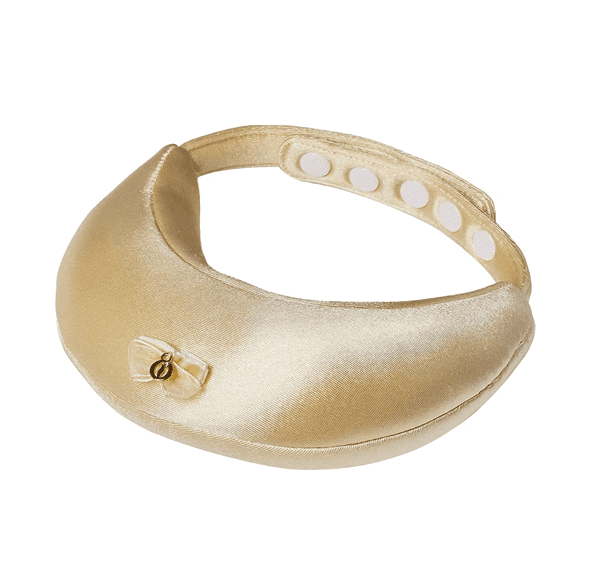
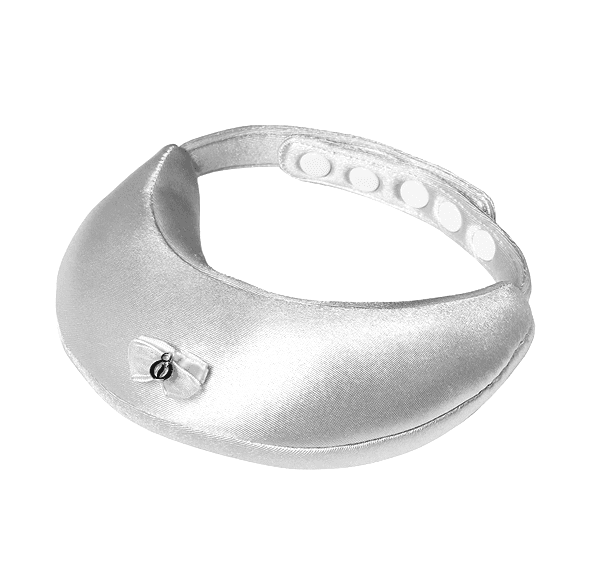
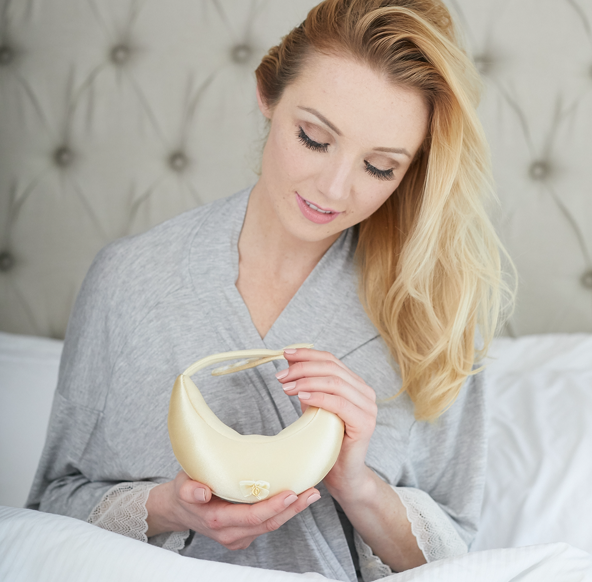
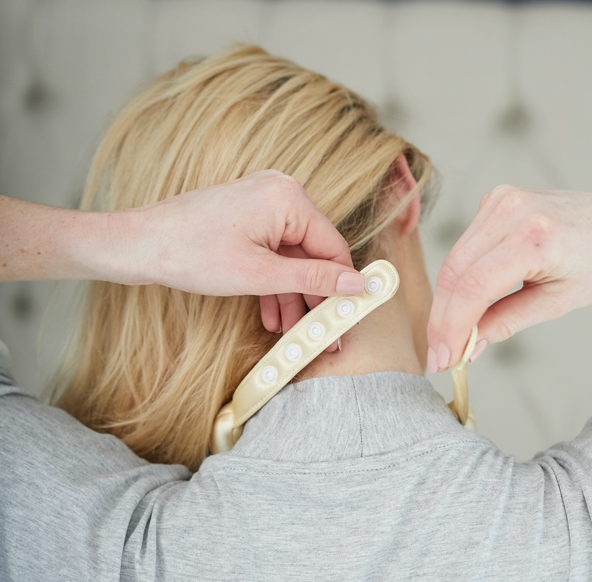
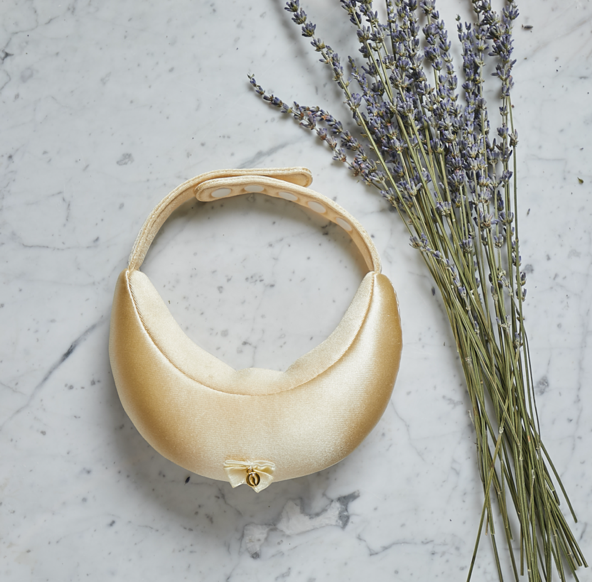
- Rethinking my sleep position: I was a devoted side-sleeper, but I couldn't ignore the deep vertical lines etched into my chest every morning. These compression wrinkles look much worse on inflamed, sensitized chest skin. I made a conscious effort to sleep on my back more often. I use pillows to prop myself up and prevent rolling over. For extra support, specialized sleep pillows or pads designed to keep the chest smooth can make a world of difference.
- Choosing skin-friendly fabrics: I packed away my scratchy wool sweaters and anything with tight, digging straps. My wardrobe now favors soft, breathable fabrics like cotton, modal, and silk. I also choose bras with soft, wide bands that don't chafe or rub against the delicate skin of my décolleté.
- Changing my shower habits: I broke my habit of long, hot showers. Heat strips the skin of its natural oils and can worsen irritation. Now, I take shorter, lukewarm showers and avoid letting the direct spray hit my chest for too long. I use a gentle, sulfate-free body wash only where needed, and after my shower, I gently pat my chest dry and apply moisturizer while my skin is still damp to lock in hydration.
These small adjustments support overall skin health. Staying hydrated, eating a nutrient-rich diet, and managing stress are all part of a holistic approach that helps your skin, especially during midlife and beyond, remain resilient and healthy from the inside out. When you read about how the décolleté tends to show cumulative sun and lifestyle damage earlier than the face, in quiet explainers on what this area actually is and how it ages, these habits stop feeling optional.


Feeling self-conscious about my chest (and why that’s okay)
The physical reality of over exfoliation décolleté damage was one thing, but the emotional impact was something I wasn't prepared for. My chest became a source of anxiety and self-consciousness. I started dressing differently, avoiding my favorite V-neck tops and swimwear. I felt like this red, irritated patch of skin was a spotlight, announcing a mistake I had made.
It was frustrating to feel that my chest looked so much older than my face, especially after I had invested so much time and effort into my skincare. I felt like a failure. For women over 35, and especially those in menopause who are earnestly trying to care for their skin, ending up with sensitized chest skin can feel like a betrayal.
The constant flood of conflicting information online only made things worse. One article would urge me to use more acids to "resurface" the damage, while another would warn against it. It was confusing and isolating.
If you’re going through this, please know that it’s okay to feel this way. It’s normal to feel self-conscious when a part of your body doesn't look or feel its best. But it’s also important to remember that this condition is fixable. Your skin has an incredible capacity to heal when given the right support.
During my healing phase, I focused on comfort. I wore soft fabrics and used gentle at-home supports, like a soft sleep bra, to prevent creasing at night. These small acts of kindness made living with the temporary chest skin irritation easier and helped me feel more comfortable in my own body again. True confidence isn’t about having "perfect" skin; it’s about treating your body with compassion and respect, especially when it needs it most.
What I do now to prevent over exfoliation décolleté damage
My current routine is a world away from the aggressive approach that led to my over exfoliation décolleté damage. It is built on a foundation of respect for my chest skin barrier. Anti-aging is still a goal, but it is now a secondary goal to skin health. I will never again sacrifice the integrity of my skin for the promise of a quick fix.
This balanced routine keeps my décolleté calm, hydrated, and healthy, ensuring my chest skin barrier recovery is a permanent state, not a temporary fix. It’s a simple, sustainable plan that prevents a relapse into having too many acids chest-deep in irritation.
Here is what my chest routine looks like now:
-
AM routine:
- Gentle cleanse (optional): Most mornings, a simple splash of lukewarm water is enough.
- Hydrating serum: I apply a serum with hyaluronic acid and glycerin to draw in moisture.
- Barrier-support moisturizer: I use a cream containing ceramides, cholesterol, fatty acids, and niacinamide to fortify my skin’s defenses.
- Daily SPF 30+: This is the most crucial step. I apply it generously to my neck and chest every single day.
-
PM routine:
- Gentle cleanse: I use a creamy, non-foaming cleanser to wash away the day.
- Occasional, mild exfoliant: No more than once a week, and only if my skin shows zero signs of sensitized chest skin, I might use a gentle enzyme mask or a low-strength lactic acid pad.
- Retinoid (rarely): I only use a retinoid on my chest about once a week, sandwiched between layers of moisturizer, and I skip it entirely if my skin feels even slightly dry or sensitive.
- Rich barrier cream: I finish with a rich, nourishing cream. If my skin feels extra dry, I’ll add a few drops of squalane oil.
I actively monitor my skin for any of the old warning signs, redness, stinging, tightness. At the first hint of trouble, I immediately pause all actives and return to a simple, barrier-only routine for a few days. When I shop for new neck and chest products, I always cross-check that they match what specialists suggest for this area and look for formulas that echo the protective profiles recommended for the neck. My supportive habits, like back-sleeping and wearing soft fabrics, are now non-negotiable parts of my routine, helping to maintain my skin’s health for the long term.
What I wish I knew before I damaged my décolleté
My journey with over exfoliation décolleté damage was a difficult but powerful lesson in skin health. Looking back, I wish I had understood a few core truths that could have saved me from months of irritation and anxiety. If you take anything away from my story, let it be this.
Here are the lessons I learned the hard way:
- Your décolleté is not your face: This is the most important rule. The skin on your chest is thinner, drier, and more delicate. It cannot handle too many acids chest-deep or the same aggressive routines you might use on your face. Treat it with unique care.
- Damage can masquerade as aging: The redness, roughness, and fine lines from over exfoliation décolleté damage can make the area look significantly older. Weakening the skin barrier amplifies every imperfection. Often, what you need isn’t more anti-aging treatment, but less irritation.
- Healing starts with stopping: A successful chest skin irritation fix is not about finding a magic healing cream. It’s about having the discipline to stop all potential irritants, simplify your routine down to the bare essentials, and commit fully to chest skin barrier recovery.
- Gentle consistency wins: For women over 35 and especially post-menopause, a gentle, consistent, and protective approach will always outperform a harsh, quick-fix strategy. Soothing, hydrating, and protecting your skin daily will deliver far better long-term results than shocking it with strong actives.
I encourage you to take a hard look at your own chest care routine. Are you layering multiple exfoliants? Are you ignoring the early signs of sensitized chest skin, like stinging or tightness?
Listen to your body. Your skin is always communicating with you. Instead of trying to force it into submission, learn to support it. Treat your décolleté with the same respect you give your face, but with a gentler hand and a slower pace. The journey back from damage is possible, and it’s never too late to pivot from over-treating to truly nurturing your beautiful skin.
When you finally wake up and your chest feels calm instead of angry, you realize the real luxury was never the product, it was the patience.
Ready to wake up with smoother skin — start here.
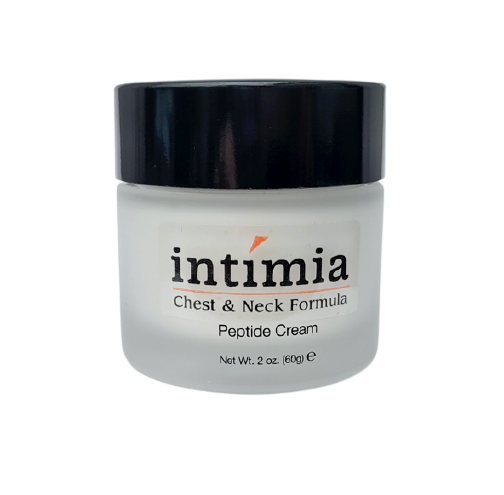
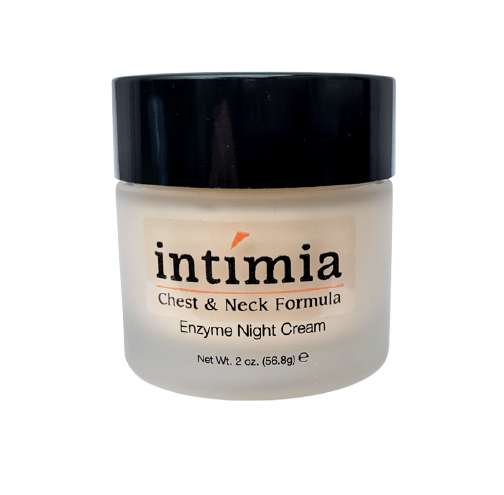
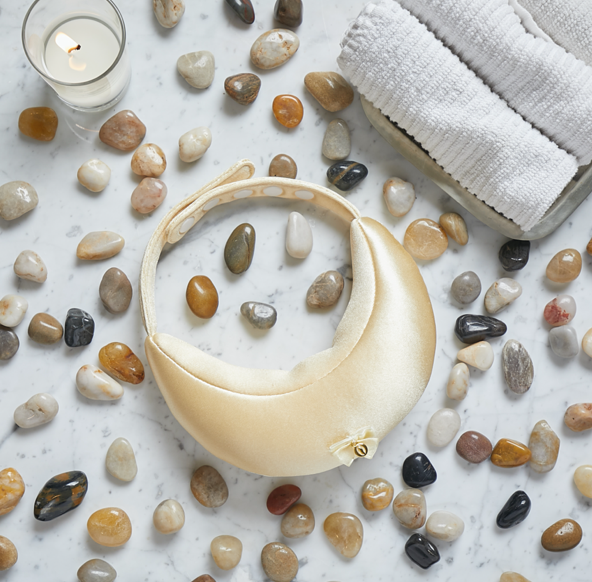
And when you are ready to baby your side-sleeping lines at night, you know where to find the Intimia® Breast Pillow.