In this article you will learn:
- Your Skin’s Quiet Strength: The Barrier Repair Trend 2026 for Your Chest
- Understanding the Skin Barrier on the Chest & Décolleté
- Why “Skin Barrier Repair Chest” Is a Growing Trend in 2026
- Key Ingredients for Chest Skin Barrier Health
- Daily Routine for Skin Barrier Repair on the Chest & Décolleté
- Sleep, Clothing, and Lifestyle Habits That Affect Chest Skin Barrier Health
- Common Mistakes That Sabotage Chest Skin Barrier Repair
- How to Choose the Right Skin Barrier Repair Products for the Chest
- Timeline & Expectations – How Fast Can You Repair the Chest Skin Barrier?
- When to Seek Professional Help
- Bringing the Barrier Repair Trend to Your Chest Routine
I remember the first time I really looked at my chest in the morning light and thought, quietly, “When did this happen?” The faint lines, the patchy redness, that tired, thin look that no face serum could fix. If your décolletage looks flawless by morning — check if you actually slept on your side. That was the moment I started treating my chest like the rest of me deserved to be treated: as skin with a story, a shield that needed repair, not another battlefield.
Your skin’s quiet strength: the barrier repair trend 2026 for your chest
The journey to skin barrier repair chest care begins with a simple truth: your skin is a living shield. It breathes, protects, and communicates its needs through every soft touch and subtle change. For years, we’ve honored the skin on our face, but the graceful sweep of the décolleté—the canvas of skin from chin to chest—has often been left to fend for itself. Now, a quiet revolution is underway. The barrier repair trend 2026 is shifting our focus from harsh treatments to deep, foundational nourishment.
Your skin barrier is the very outermost layer of your skin, a beautiful and complex tapestry woven from skin cells, natural fats like ceramides, and a healthy microbiome, a structure you’ll see described as your skin’s “protective wall” in many modern dermatology guides and articles about the skin barrier. Its job is profound: to hold moisture in and keep irritants out. When this barrier is strong, your skin is calm, plump, and resilient. But when it’s compromised, especially on the delicate chest, it can lead to dryness, redness, and the premature appearance of fine lines.
The chest skin barrier health movement recognizes that this vulnerable area deserves the same gentle, intelligent care we give our faces. You and I are turning away from complex, multi-step routines that promise the world but often deliver irritation, a shift I see reflected in every new piece about barrier repair and in those quiet sections of clinical overviews that explain how a damaged skin barrier behaves. Instead, we are embracing fewer, more effective products that support the skin’s innate strength. This is where ceramide chest care and a focus on décolleté barrier restore become more than a trend—they become a timeless ritual of self-preservation.
This guide is your map. We will walk through the simple, science-backed steps to protect and restore your chest’s delicate skin barrier, using non-invasive strategies, powerful ingredients, and lifestyle habits that honor your body’s natural wisdom.
Understanding the skin barrier on the chest & décolleté
Before we can nurture, we must understand. The skin on your chest is unique, with its own strengths and vulnerabilities. Recognizing its nature is the first step in a powerful skin barrier repair chest journey.
What is the skin barrier and why it matters for your chest skin
Think of your skin barrier, or stratum corneum, as a perfectly constructed brick wall. The "bricks" are your tough skin cells (corneocytes), and the "mortar" holding them together is a rich mixture of natural fats—ceramides, cholesterol, and fatty acids. This structure is beautifully simple yet incredibly effective, exactly the kind of architecture that gets broken down step by step in those long, careful explainers on how the skin barrier works. A healthy microbiome, the community of good bacteria living on your skin, adds another layer of defense.
For the chest and décolleté, this barrier performs several vital jobs:
- Locks in moisture: It prevents precious water from evaporating out of your skin, a process called transepidermal water loss (TEWL). This keeps the skin on your chest looking plump, hydrated, and supple.
- Blocks out harm: It acts as a gatekeeper, shielding the deeper layers of your skin from environmental aggressors like pollution, allergens, and irritating chemicals.
- Maintains smoothness: A strong barrier helps your skin resist mechanical stress. This includes the subtle folding and creasing that can happen overnight, which eventually form deeper wrinkles.
The skin on the décolleté is especially fragile for a few key reasons. It is naturally thinner and has fewer oil glands than the skin on your face, making it more prone to dryness. It also bears the brunt of years of sun exposure from V-necks and scoop-neck tops, something every article on sun damage quietly warns us about when it explains how UV light chips away at collagen and the skin’s defenses. Add the constant, subtle friction from bra straps and the compression from sleeping on your side, and you have a recipe for a compromised barrier that needs gentle, dedicated care.
Signs your chest skin barrier is damaged and needs restoration
Your skin speaks a clear language when its defenses are down. Listening to these signals is crucial for maintaining your chest skin barrier health. A damaged barrier on your chest might feel or look like:
- Dryness and tightness: A feeling of tightness, almost like the skin is a size too small, especially after a shower. It might feel "squeaky clean," which is actually a sign that its natural oils have been stripped.
- Rough or flaky texture: The skin may lose its smooth, silky feel and become rough, bumpy, or even flaky to the touch.
- Redness and sensitivity: You might notice persistent patchiness, redness, or a general look of irritation. Products or fabrics that never bothered you before might suddenly cause stinging, itching, or burning.
- Visible fine lines: Dehydration from a broken barrier makes fine lines and chest wrinkles look much more pronounced. The skin loses its plumpness, and crêpiness becomes more apparent.
Ignoring these signs can lead to chronic sensitivity and accelerate the visible signs of aging. This is why a proactive décolleté barrier restore plan isn't just about comfort—it’s a fundamental anti-aging strategy that nurtures your skin from the outside in, the same way many repair-focused routines do when they walk you through how to restore a damaged barrier rather than chase quick, harsh fixes.
Why “skin barrier repair chest” is a growing trend in 2026
The world of skincare is experiencing a gentle, powerful shift. We are moving away from the idea of "fighting" our skin and toward the wisdom of supporting it. The skin barrier repair chest movement is a beautiful expression of this change.
The barrier repair trend 2026: what’s driving it?
The barrier repair trend 2026 is born from a desire for authenticity and sustainability in our self-care rituals. Women, especially those 35 and older, are trading cabinets full of aggressive actives for a few hero products that deliver real, lasting health, a shift you see echoed in every new discussion of upcoming skincare trends that quietly favor repair over drama.
This trend is driven by several key factors:
- A shift to "skinimalism": We are tired of product overload. The focus is now on barrier-first routines that prioritize gentle cleansing, deep hydration, and robust protection. It’s about less, but better.
- The rise of body care as skincare: We're finally treating the skin on our bodies with the same respect we give our faces. Dermatologist-inspired body treatments, like body retinols and lipid-rich creams, are becoming mainstream, designed to improve texture and tone below the neck.
- A desire for gentle, long-term results: Instead of chasing quick fixes that often lead to irritation, we are embracing strategies that support the skin’s long-term health and collagen production.
The chest and neck are often the first areas to reveal our skin’s history with the sun and time. As we become more educated, we realize that protecting these highly visible zones is essential for a cohesive, graceful aging journey.
From face to chest: expanding barrier repair beyond facial care
The principles of skin barrier repair chest care are a natural extension of what we’ve learned about nurturing our facial skin. The core philosophy is the same: be gentle, replenish what is lost, and protect from harm.
Brands are responding by launching sophisticated formulas designed for the body. We are seeing an explosion of ceramide-rich body moisturizers, body serums with niacinamide, and gentle body retinoids formulated specifically to address sun damage and texture on the chest, arms, and legs. This aligns perfectly with the prediction that body retinol will be a major trend, allowing us to bring the regenerative power of vitamin A to our entire body, carefully and consciously, just as many forward-looking pieces on future body-care trends quietly predict.
Within the barrier repair trend 2026, the décolleté barrier restore movement has positioned the chest as a new frontier for advanced, non-invasive anti-aging. It’s a holistic approach that ensures the skin on your chest feels as calm, comfortable, and cared for as the skin on your face.


Key ingredients for chest skin barrier health
The right ingredients are like loving words for your skin. They soothe, replenish, and strengthen. When building a routine for chest skin barrier health, focusing on a few key players will make all the difference.
Ceramide chest care: the hero of barrier repair
If your skin barrier is a brick wall, ceramides are the most important part of the mortar. These lipid molecules are naturally present in your skin and make up over 50% of its outer structure. They are the true heroes of barrier repair.
Ceramides are essential for two main reasons: they seal the spaces between your skin cells to lock in moisture, and they form a protective layer that keeps irritants out. As we age and expose our skin to the sun, our natural ceramide levels decline. Hot showers and harsh soaps can strip them away even faster, a pattern every repair-focused guide on healing damaged skin quietly warns about.
This is why ceramide chest care is so transformative for a décolleté barrier restore routine. By topically reapplying ceramides, you are directly replenishing what your skin has lost. This helps to:
- Deeply hydrate: Ceramides reduce water loss, leading to plumper, smoother-looking skin on the chest and a visible softening of fine lines.
- Soothe and calm: By strengthening the barrier, ceramides make the skin less reactive and more resilient against friction and irritants.
- Support other actives: A ceramide-rich barrier allows you to better tolerate gentle actives, like low-dose retinoids, without experiencing redness or peeling.
When shopping, look for products that list ceramides by name on the ingredient list, such as ceramide NP, ceramide AP, or ceramide EOP. Lotions and creams labeled "barrier repair" or "lipid-replenishing" are often excellent choices, especially when their formula mirrors the ratios you see recommended in technical discussions of the lipid barrier rather than just leaning on pretty marketing words.
Supporting barrier repair ingredients (beyond ceramides)
While ceramides are the star, they work best with a strong supporting cast. A well-formulated product for chest skin barrier health will often include these powerful allies:
- Cholesterol and fatty acids: These lipids work in synergy with ceramides to create the complete "mortar" for your skin barrier. Products that contain all three types of lipids are considered the gold standard for comprehensive repair.
- Niacinamide (vitamin B3): This multitasking vitamin is a true powerhouse. It encourages your skin to produce more of its own natural ceramides, reduces redness and blotchiness, improves hydration, and strengthens the barrier over time.
- Humectants (hyaluronic acid and glycerin): These ingredients act like tiny sponges, drawing moisture from the air into the top layers of your skin. They provide a burst of hydration that feels light and fresh, and when sealed in with a ceramide cream, they keep your chest skin dewy and comfortable.
- Soothing agents: Ingredients like panthenol (provitamin B5), allantoin, and non-fragrant plant oils such as jojoba or argan oil help to calm inflammation, reduce itchiness, and support the skin’s natural healing process.
Combining these ingredients gives your skin everything it needs for a full décolleté barrier restore, creating a routine that is both gentle and deeply effective, very much in line with what many research summaries on niacinamide and lipid repair quietly recommend beneath the marketing noise.
Daily routine for skin barrier repair on the chest & décolleté
A ritual of care, performed daily, can transform the health and appearance of your décolleté. This simple, two-part routine is designed to protect by day and restore by night, creating the foundation for lasting chest skin barrier health.
Step-by-step AM routine for chest barrier protection
Your morning routine is about gently cleansing and arming your skin for the day ahead.
- Step 1: Gentle cleansing: In the shower, use a mild, creamy, or low-foaming cleanser on your chest. Avoid harsh bar soaps, antibacterial washes, and anything with a strong fragrance, as these can strip the skin’s protective lipids. Use your hands or a soft cloth—never a rough loofah.
- Step 2: Optional hydrating mist: If you enjoy an extra layer of hydration, a light spritz of a facial mist containing glycerin or hyaluronic acid can be a refreshing treat for your décolleté before you moisturize.
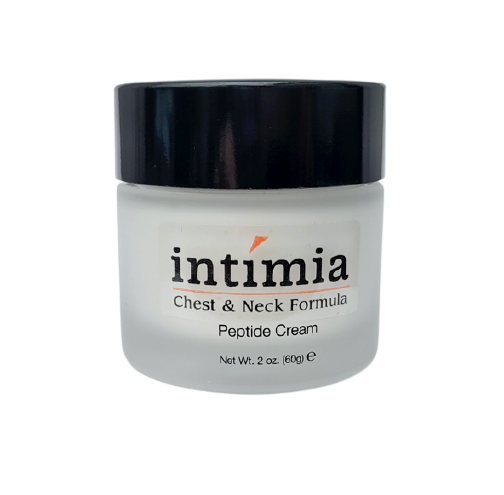
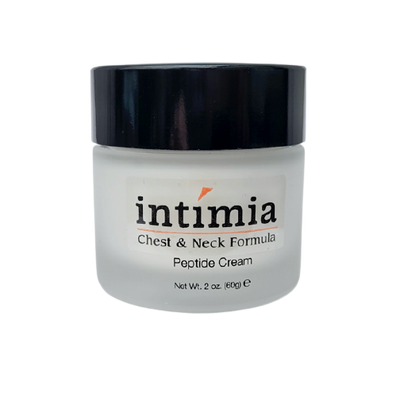
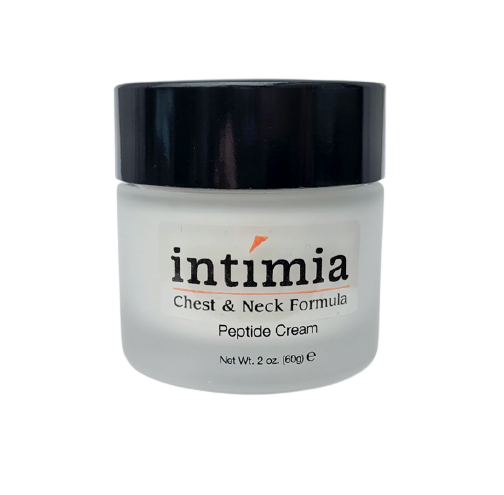
- Step 3: Ceramide chest care moisturizer: While your skin is still slightly damp, apply a generous layer of a moisturizer rich in ceramides. Look for formulas that also contain niacinamide, cholesterol, and fatty acids to provide comprehensive barrier support.
- Step 4: Broad-spectrum SPF (the non-negotiable step): This is the single most important step in your routine. Every single morning, apply a broad-spectrum sunscreen with an SPF of 30 or higher to your entire neck and chest area. Sun exposure is the primary enemy of chest skin barrier health and collagen. Make it an unbreakable habit.
Dermatologists repeat this in every discussion of barrier healing and sun damage for a reason—you cannot repair what you keep burning, and the same sources that explain how to calm a damaged barrier will quietly point you back to daily SPF as the real anti-aging secret.
PM routine for décolleté barrier restore
Your evening routine is a time for healing and replenishment.
- Step 1: Gentle evening cleanse: Wash away the day’s sunscreen, sweat, and pollutants with the same mild cleanser you used in the morning. Use lukewarm water, as very hot water can weaken the skin barrier.
- Step 2: Barrier repair serum or lotion: Apply a targeted serum or a light lotion containing ingredients like niacinamide, panthenol, and hyaluronic acid. If you are using a body retinoid, now is the time to apply it, but with care. Start with a pea-sized amount mixed with your moisturizer, just one or two nights a week, to see how your skin tolerates it.
- Step 3: Moisturize and seal: Follow with a rich, comforting ceramide chest care cream to seal in your serum and provide deep nourishment overnight. If your skin is very dry, you can pat a few drops of a non-fragrant plant oil, like squalane or jojoba, on top as a final step.
- Step 4: Managing actives for chest skin barrier health: When using actives like retinoids or gentle acids, always listen to your skin. If you experience any burning, stinging, or peeling, stop using the active and focus solely on your barrier-repair moisturizer for a few days. The goal is progress, not irritation.
I have learned to trust that slow, steady approach, especially when I read the quiet footnotes about how long it really takes to regenerate skin rather than shock it into submission overnight.
Sleep, clothing, and lifestyle habits that affect chest skin barrier health
Your skin barrier repair chest journey extends beyond the products you use. The way you live, sleep, and dress creates the environment in which your skin either thrives or struggles.
Sleep positions and chest friction
The hours you spend asleep can be a time of restoration or a source of silent stress for your chest skin. Side-sleeping and stomach-sleeping can cause the breasts to press together, creating vertical folds and creases in the skin. Over years, this repeated mechanical compression contributes to permanent sleep lines and wrinkles.
This constant friction can also physically disrupt a fragile barrier, especially if your skin is already dry or sensitized. To support your décolleté barrier restore efforts, consider these gentle solutions:
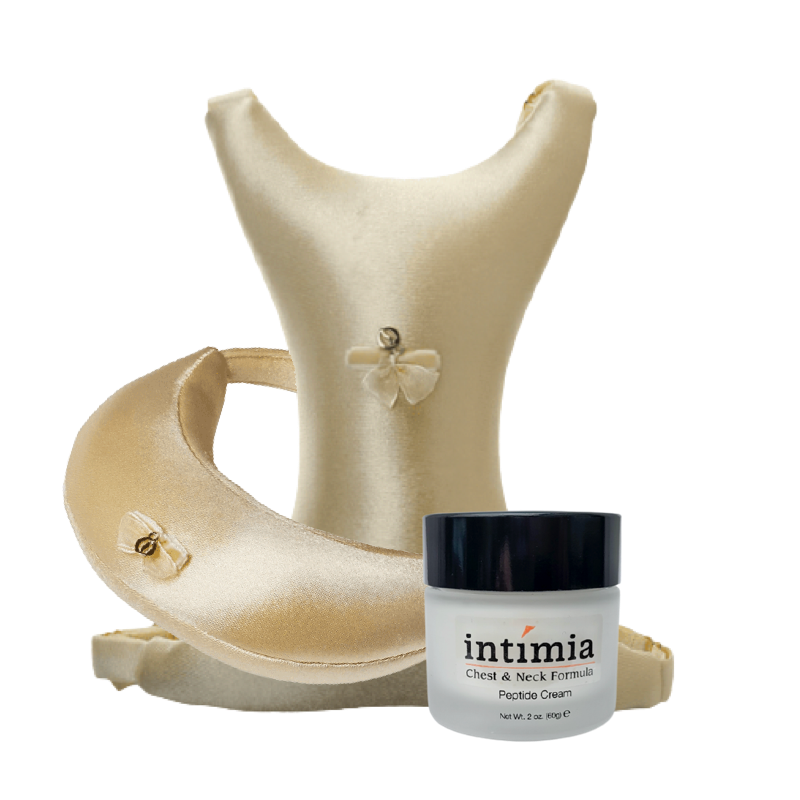
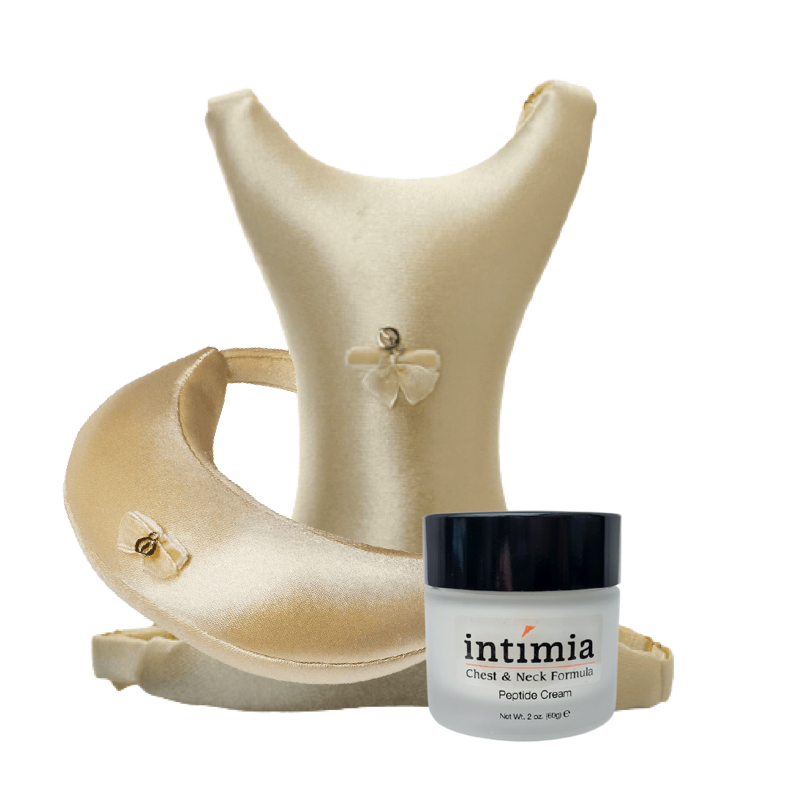
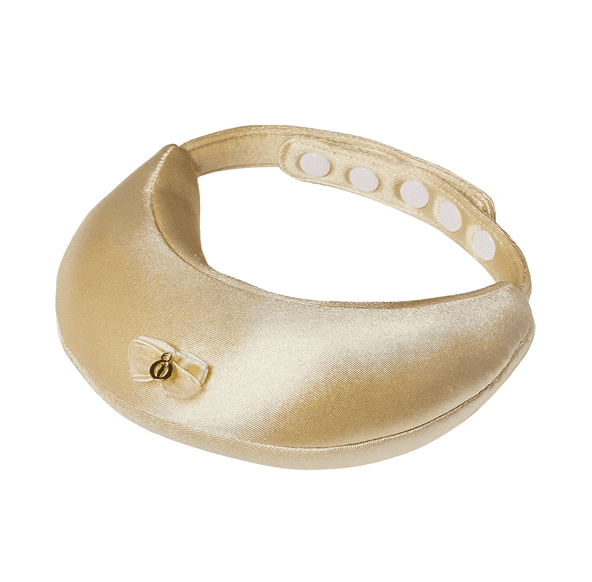
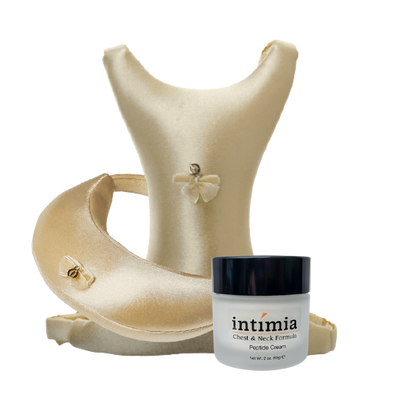
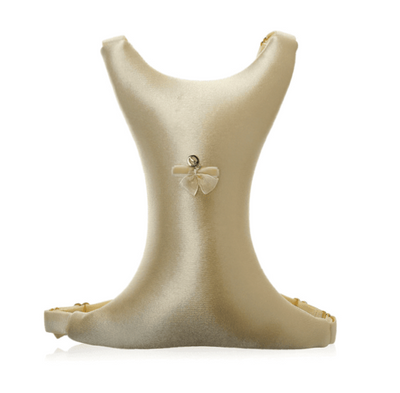
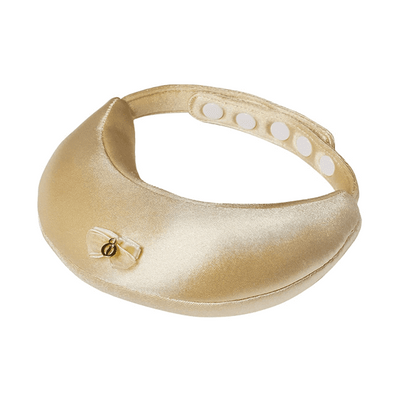
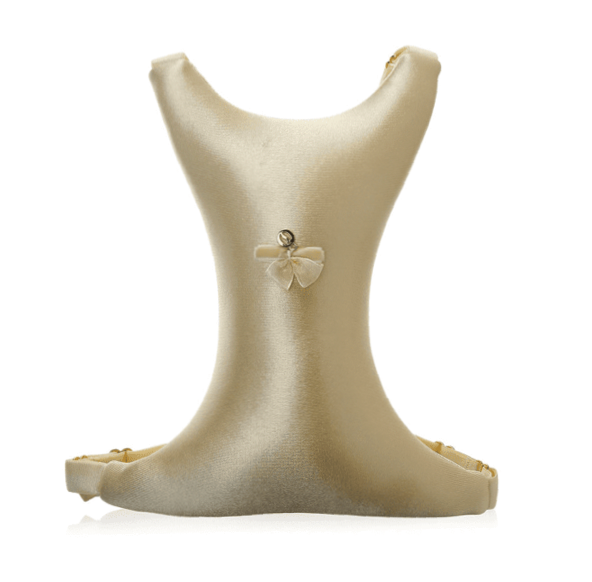
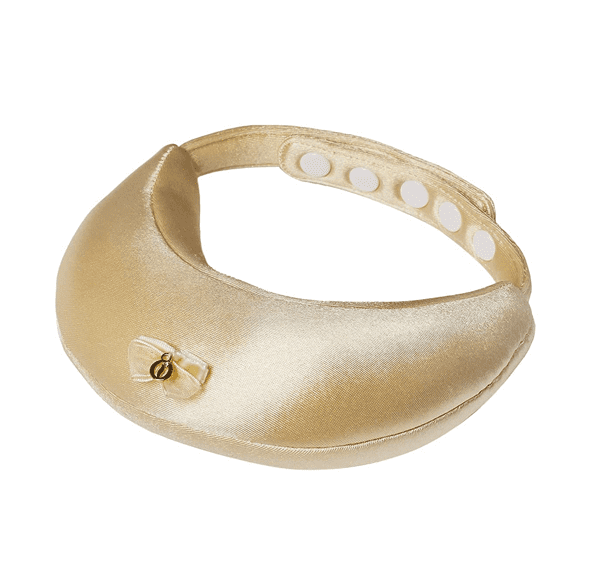
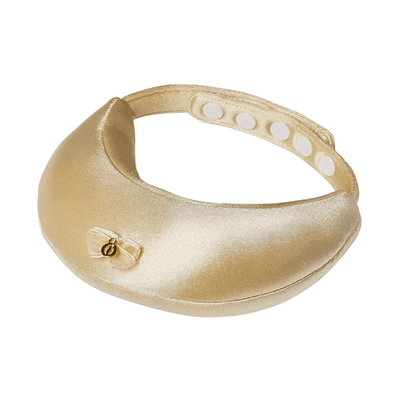
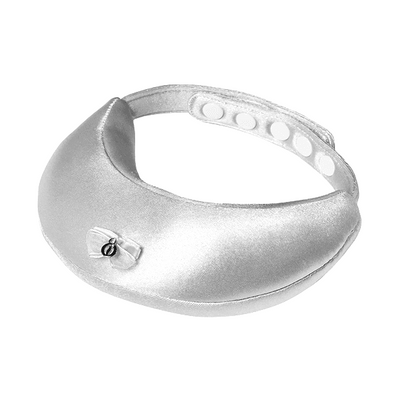
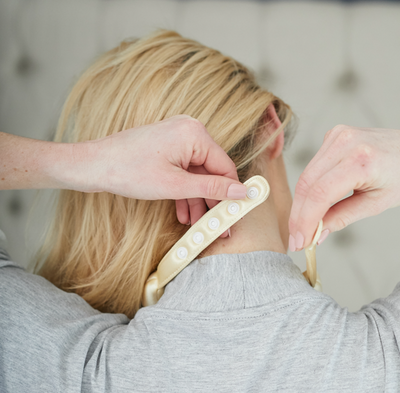
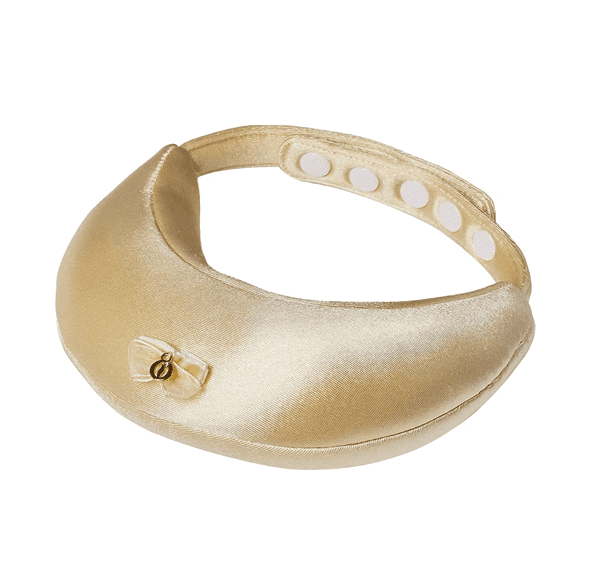
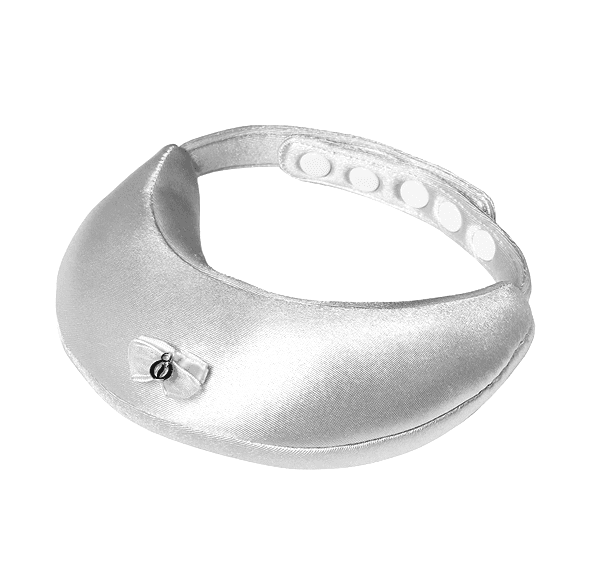
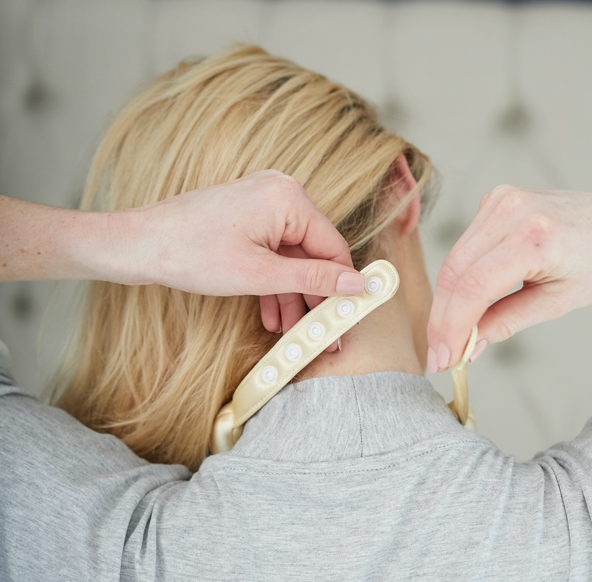
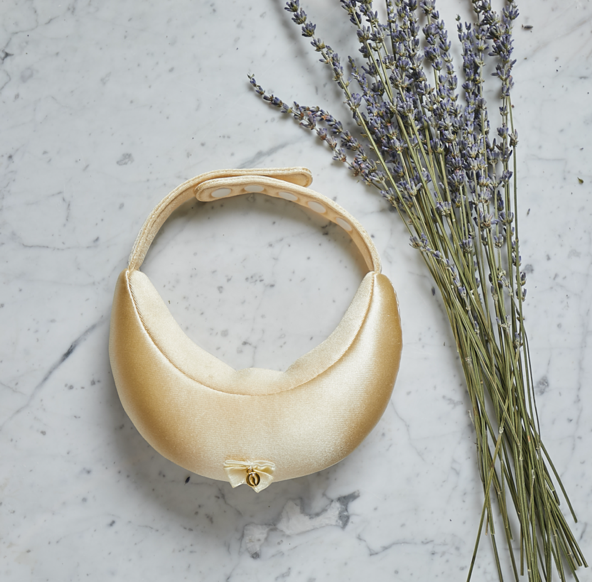
- Try a chest pillow: Specialized pillows are designed to fit between the breasts, providing soft separation and preventing the skin from creasing overnight.
- Wear a soft sleep bralette: A comfortable, seamless bralette made of a soft fabric can minimize skin-on-skin friction and provide gentle support.
- Encourage back-sleeping: While it can be a hard habit to form, gradually trying to spend more time sleeping on your back can significantly reduce pressure on your décolleté.
I used to shrug this off until I saw how quickly my chest calmed down when I treated night as a healing window, the same way the more thoughtful pieces on nighttime skin repair quietly suggest you do.
Fabrics, bras, and environmental stressors that challenge chest skin barrier health
What you wear and the air you live in have a direct impact on your chest skin barrier health.
- Choose your fabrics wisely: Opt for soft, breathable fabrics like cotton, bamboo, or silk for clothing and sleepwear that sits directly against your chest. Avoid scratchy lace, rough seams, and stiff synthetic materials that can cause chafing and irritation. Ensure your bras fit properly to prevent straps and underwires from constantly rubbing against the same spots.
- Mind your environment: Central heating in the winter and air conditioning in the summer can strip moisture from the air, leading to dehydrated skin. Using a humidifier can help restore balance. Remember that hot showers are a major culprit in stripping the skin’s natural oils; keep the water lukewarm to protect your barrier.
I always picture the barrier diagrams from those clinical explainers on the skin’s outer layer when I’m tempted to blast the shower to “volcano” and stand there thinking it counts as self-care.
Nutrition and hydration for internal barrier strength
True beauty is built from within. While topical care is essential, what you eat and drink provides the building blocks for resilient skin.
- Eat healthy fats: Foods rich in omega-3s and other healthy fats—like salmon, avocados, walnuts, and flaxseeds—help support your body’s production of skin lipids.
- Fill up on antioxidants: Berries, leafy greens, and nuts are packed with antioxidants that help protect your skin from the oxidative stress caused by sun exposure and pollution. Vitamin E, found in foods like sunflower seeds and almonds, is particularly beneficial for skin health.
- Hydrate all day: Drinking plenty of water is fundamental for keeping your skin hydrated from the inside out.
A nourishing diet won’t replace your skincare routine, but it will make your skin stronger and more responsive to the care you give it, which is why so many quiet nutrition notes on vitamin E and skin health keep circling back to simple, unglamorous habits.
Common mistakes that sabotage chest skin barrier repair
Sometimes, the greatest progress comes from what we stop doing. Protecting your chest skin barrier health often means unlearning habits that, despite our best intentions, cause more harm than good.
Over-exfoliation and strong actives on the chest
In our quest for smooth skin, it’s easy to become too aggressive. Vigorously scrubbing the chest or using high-percentage acid peels can physically tear and inflame the delicate skin barrier. This strips the stratum corneum, leaving it vulnerable, red, and sensitive.
To avoid this common mistake in your skin barrier repair chest routine:
- Rethink physical scrubs: Limit the use of grainy scrubs on the chest, or better yet, avoid them entirely in favor of gentler methods.
- Use chemical exfoliants mindfully: If you choose to use an acid (like a low-strength glycolic or lactic acid), apply it no more than once a week and always follow with a nourishing, ceramide-rich moisturizer.
- Go low and slow with retinoids: When introducing a body retinoid, always start with a low concentration, use it sparingly, and buffer it with moisturizer to prevent irritation. Your skin’s comfort is the priority.
I have seen more than one chest go from glowing to furious overnight because someone treated it like the thick skin on their heels, even though every careful article on barrier damage warns us not to.
Ignoring SPF on the chest and décolleté
Skipping sunscreen on your chest is one of the most detrimental habits for its long-term health and appearance. Daily, incidental sun exposure—through a car window, on a short walk—accumulates over time. UV radiation relentlessly breaks down collagen and elastin, leading to wrinkles and sagging. It also directly compromises the skin barrier.
All your efforts at skin barrier repair chest care will be undermined if you don’t protect your skin from new damage each day. Sunscreen isn’t just a step in your routine; it’s the shield that preserves all your good work, the same shield every straightforward guide on sun damage quietly puts at the very top.
Using face products on the chest without checking compatibility
While it’s great to extend care to your chest, not all facial products are suitable. Formulas designed for oily, acne-prone facial skin often contain high concentrations of drying alcohols or strong acids. When applied to the thinner, less oily skin of the décolleté, these ingredients can be incredibly stripping and damaging to the chest skin barrier health.
To be safe:
- Choose gentle formulas: Opt for products labeled "for sensitive skin," "fragrance-free," or specifically designed for the body.
- Prioritize ceramide chest care: Favor hydrating and barrier-supporting creams over mattifying or acne-treating formulas for this area.
- Always patch-test: Before applying a new product all over your chest, test it on a small, discreet area for a few days to ensure it doesn’t cause a reaction.
I like to think of it this way: if a product is strong enough to strip teenage T-zones, it probably doesn’t belong on a forty-something décolleté that is already working hard to rebuild its barrier.
How to choose the right skin barrier repair products for the chest
Navigating the world of skincare can feel overwhelming, but a little knowledge makes you a powerful consumer. Learning to read labels and understand textures will help you choose products that truly support your skin barrier repair chest goals.
Reading labels for barrier-supportive ingredients
The ingredient list is your most honest guide. For an effective décolleté barrier restore product, look for these key components:
- The lipid trio: Ceramides (listed as ceramide NP, AP, EOP, etc.), cholesterol, and fatty acids (like linoleic or stearic acid). This combination is the gold standard for rebuilding the barrier.
- Niacinamide: A must-have for calming redness and strengthening the skin’s defenses.
- Humectants: Glycerin, hyaluronic acid, and panthenol for lightweight hydration.
- Soothing botanicals: Non-fragrant plant oils like jojoba, squalane, or sunflower seed oil to calm and comfort.
Marketing terms can be helpful, but they need to be backed by science. A product labeled "barrier repair" should contain the lipid trio. A "ceramide chest care" cream should list ceramides high up on the ingredient list, not at the very end, just as every careful breakdown of barrier-supportive ingredients quietly suggests beneath the glossy claims.
Texture and feel: what works best for chest skin
The best product is the one you will actually use every day. Texture and feel are deeply personal, so choose what feels most comfortable on your skin.
- Lightweight lotions or gels: These are perfect for warmer, more humid climates or for those who dislike the feeling of a heavy cream under clothing. They sink in quickly and feel fresh.
- Creams: A classic cream texture is an excellent all-around choice for normal to dry skin. It provides a good balance of hydration and occlusion without feeling greasy.
- Balms and ointments: These very rich textures are best reserved for extremely dry, compromised skin, or for use at night when you don’t have to worry about clothing.
In the morning, opt for thinner, fast-absorbing layers. At night, you can indulge in a richer cream. Consistency is far more important than intensity, so find a texture you love and commit to it.
Timeline & expectations – how fast can you repair the chest skin barrier?
Patience is a beautiful part of any self-care journey. Repairing a compromised skin barrier is a process of healing, and it happens on your skin’s own timeline. Understanding what to expect can help you celebrate the small victories along the way.
Realistic results and progress markers in your skin barrier repair chest journey
Your décolleté barrier restore journey will unfold in stages:
- Immediate term (days 1–7): The first change you’ll likely notice is relief. Once you stop using harsh products and introduce a soothing, ceramide-based moisturizer, feelings of tightness, stinging, and itching should begin to subside. Your skin will feel more comfortable.
- Short term (2–4 weeks): This is when visible improvements in your chest skin barrier health start to appear. You should see a reduction in redness and dry patches. The skin’s texture will begin to feel smoother, and fine lines caused by dehydration will appear softer and less noticeable as your skin becomes more plump and hydrated. This timeline aligns with the natural 28-day cycle of skin cell turnover.
- Longer term (3–4 months and beyond): With consistent care, the results become more profound. Your skin tone will look more even, and it will be far less prone to flare-ups. You may also notice that your skin is better able to tolerate gentle actives. Over time, by protecting your collagen with daily SPF and supporting your barrier, you are investing in a décolleté that looks smoother and healthier for years to come.
Remember, barrier repair is an ongoing practice, not a one-time fix. Once your barrier is healthy, a gentle maintenance routine is key, just as the more honest discussions of how we heal damaged skin admit between the lines.
When to seek professional help
While a consistent at-home skin barrier repair chest routine can solve many issues, some conditions require a professional eye. You should consult a board-certified dermatologist if you experience:
- Persistent redness, burning, itching, or pain that doesn't improve with gentle care.
- Rashes, bumps, or weeping patches on your chest.
- Symptoms you suspect might be eczema, contact dermatitis, a fungal infection, or a severe allergic reaction.
A dermatologist can provide a proper diagnosis, recommend prescription-strength barrier repair creams, and create a safe and effective plan for your unique skin needs, especially when your own efforts to rebuild the skin barrier at home don’t seem to be enough.
Bringing the barrier repair trend to your chest routine
The décolleté is your body’s quiet poem, and caring for it is an act of grace. The barrier repair trend 2026 is a welcome return to a simple, profound truth: healthy skin is beautiful skin. For women over 35 seeking authentic, non-invasive ways to maintain a smooth and radiant neckline, this movement offers a path of gentle strength.
Your journey to lasting chest skin barrier health rests on a few core pillars:
- Gentle rituals: Cleanse kindly and resist the urge to over-exfoliate.
- Daily protection: Make broad-spectrum SPF on your chest and décolleté a non-negotiable part of your morning.
- Deep nourishment: Embrace ceramide chest care, supported by niacinamide and other lipids, to achieve a true décolleté barrier restore.
- Mindful living: Pay attention to how you sleep, what you wear, and how you nourish your body from within.
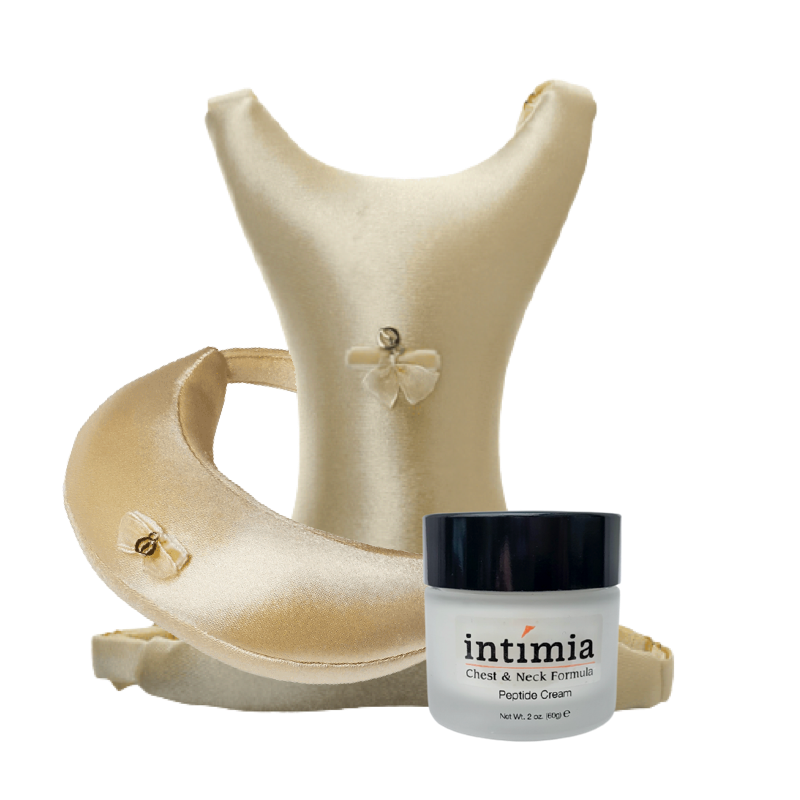
By treating the skin on your chest with the same thoughtful care you give your face, you are not just preventing wrinkles—you are cultivating comfort, resilience, and a timeless connection to your own beautiful body, the same quiet confidence that inspired me to create the Intimia® Breast Pillow in the first place.
So tonight, when you smooth cream over your chest and adjust your pillow, know that you’re not chasing a trend; you’re taking your skin’s quiet strength back, one small, steady ritual at a time.
Ready to wake up with smoother skin — start here.