In this article you will learn:
- The Importance of Sunscreen for the Décolleté
- Why the Décolleté Ages Faster
- Daily SPF for the Décolleté
- Choosing the Best Sunscreen for the Chest Area
- Your Décolleté Sun Protection Routine
- Lifestyle Habits That Boost Sunscreen Effectiveness
- Common Myths About Décolleté Sun Protection
- A Simple Chest & Décolleté SPF Checklist
I learned the hard way that your chest keeps score. One summer of driving kids to camp in a scoop‑neck tee, and by fall I had those faint little lines that don’t quite leave, even when you stand up straight and pretend you don’t see them in the mirror.
The sunscreen chest importance is a secret that wise women keep, a simple truth that separates good skincare from a truly timeless ritual. We are taught from a young age to protect the delicate skin on our faces. We learn the art of serums, creams, and sunscreens, treating our facial skin like a precious garden. But what about the landscape just below?
The décolleté—that graceful expanse of skin sweeping across your neck, collarbones, and upper chest—is often left to fend for itself. It’s a part of your body that tells a story of confidence, of open-heartedness. Yet, it is one of the most forgotten areas in daily care. As many dermatologists quietly point out in their notes, while you shield your face, you often miss spots like the neck and chest, leaving them vulnerable to the kind of slow, steady damage you read about in every serious overview of décolleté anatomy and aging.
Unprotected from the sun’s steady gaze, this delicate skin can begin to show its age far sooner than you expect. The signs are subtle at first, then more pronounced:
- Vertical chest wrinkles that deepen in the morning sun
- A fine, crepe-like texture that betrays a loss of moisture
- Sun spots and uneven pigmentation
- Persistent redness from fragile capillaries
- A gradual loss of firmness and skin elasticity
For women over 35, understanding the true sunscreen chest importance is a turning point. It’s an act of deep self-care. This guide is your answer to the question, sunscreen below face why. I’ll help you choose the best sunscreen for chest area and create a simple, elegant décolleté sun protection routine that feels like a gift to yourself, every single day. And if you’ve ever stepped out of the shower, caught your reflection, and wondered when those tiny necklace lines turned into an actual map, you’re in the right place.
The often-ignored zone: why sunscreen on the chest is so important
Think of the skin on your décolleté. It is thinner, softer, and more fragile than the skin on your back or arms. It has fewer oil glands, which means less natural moisture and protection, so it’s prone to dryness and a crepey texture. This inherent vulnerability is a core reason for sunscreen chest importance, and it’s exactly what many clinical reviews on sun‑exposed body areas quietly underline if you read them with a cup of tea and a highlighter.
Now, consider its daily life. Every V‑neck sweater, every scoop‑neck top, every workout in a sports bra, and every summer day in a swimsuit leaves this delicate area exposed to the sky. This isn’t just about beach vacations. The sun finds your chest during a short walk to the mailbox, while you’re driving to work, or as you sit by a window enjoying that tea. This constant, low‑level exposure adds up over the years, becoming a story written on your skin and described in every careful breakdown of commonly missed sunscreen spots.
The visible signs of this story are clear. The combination of sun damage and the natural compression from sleeping on your side can create deep vertical chest wrinkles or "cleavage lines." The sun also brings surface changes: a rougher texture, fine lines that catch the light, and dark spots known as sun spots or lentigines. You might also notice redness from broken capillaries, a sign of the sun's impact on your skin’s fragile structure, the same structure that medical overviews of photoaging in exposed areas love to dissect.
For women 35 and older, this becomes particularly meaningful. The sun’s ultraviolet (UV) radiation is the primary accelerator of collagen and elastin breakdown. These are the proteins that give your skin its plumpness, its firmness, its youthful bounce. As they degrade, the skin on the chest can begin to sag and lose its supple feel. Without protection, your décolleté may start to look years older than your well‑cared‑for face, a contrast that long‑term sunscreen trials on body skin quietly confirm.
This is why finding the best sunscreen for chest area isn’t an extra step; it’s a fundamental part of an intelligent anti-aging strategy. Consistent, daily sun protection is your most powerful tool for preventing chest wrinkles and preserving the smooth, radiant skin you deserve. It’s not about fighting age, but about honoring your body with the care it needs to age with grace and strength. If your décolletage looks flawless by morning — check if you actually slept on your side.
Sunscreen below the face: why the décolleté ages faster
So, you’ve mastered your facial skincare. You apply a beautiful, high‑SPF moisturizer every morning without fail. But when you ask, sunscreen below face why, the answer lies in a simple, everyday truth: your routine often stops at your jawline, but the sun’s reach does not. Every time I catch myself slapping SPF on my cheeks then walking away, I hear my own inner voice say, “Neck, chest, hands,” like a small daily prayer.
Our clothing choices are a primary reason. The necklines of your favorite blouses, dresses, and T‑shirts create a perfect frame for sun exposure on the upper chest. Your face might be shielded, but your décolleté is left bare. The daily commute is another major source of unnoticed damage. UVA rays, the ones most responsible for aging, penetrate car windows, directly hitting your chest, neck, and arms. That "driver's side tan" is a very real sign of cumulative UV damage, and when you dive into any serious explanation of how sunscreen actually works, those silent rays suddenly feel very personal.
Even small moments of sun add up. Walking the dog, grabbing lunch, or working in an office with large windows all contribute to what scientists call "incidental sun exposure." This steady, year‑round exposure is a key reason why understanding sunscreen chest importance is so critical, and why research on daily broad‑spectrum sunscreen use reads almost like a love letter to routine.
To truly grasp this, you and I have to look at the two types of UV radiation:
- UVA rays: Think of "A" for Aging. These rays are the silent architects of wrinkles and sagging. They penetrate deep into the skin's dermal layer, where they systematically break down the collagen and elastin fibers that keep your skin firm and smooth. UVA rays are relentless; they are present with relatively equal intensity all day long, all year round, and they can pass through clouds and glass. They are the primary reason the skin on your chest can lose its structure and develop deep‑set lines.
- UVB rays: Think of "B" for Burning. These are the rays that cause sunburns and play a significant role in the development of skin cancer. While their intensity peaks in the summer and midday, they are still a threat at other times. A sunburn on the delicate chest skin is not only painful but also causes immediate and severe DNA damage.
When you diligently protect your face but neglect your chest, you create an "age mismatch." Dermatologists often see patients whose facial skin is smooth and even‑toned, while their décolleté tells a different story, with more wrinkles, mottled pigmentation, and a rougher texture. This visible difference is the clearest answer to sunscreen below face why, and the same mismatch shows up in those clinical comparisons of tanned versus protected skin. Your chest deserves the same thoughtful protection as your face to maintain a seamless, harmonious beauty from your forehead to your heart.
Daily SPF for the décolleté: how much and how often?
Making spf décolleté daily part of your morning ritual is one of the most powerful commitments you can make to your skin’s long‑term health and beauty. This is not a seasonal habit reserved for sunny days. UV damage is cumulative, happening every single day, whether the sky is bright blue or covered in clouds. Long studies on daily sunscreen use and photoaging show that regular protection doesn’t just prevent future damage; it can help your skin quietly repair itself, softening lines you thought were permanent.
Committing to this practice raises a few practical questions. Let’s break down the essentials of sunscreen chest importance into simple, actionable steps you can do in under a minute, even on the mornings when the coffee machine misbehaves.
What SPF number is right for your chest?
The right SPF depends on your daily life. A simple rule of thumb works best:
- For everyday life: On days spent mostly indoors, commuting, or running errands, a broad‑spectrum SPF 30 or higher is your best friend. Apply it generously to your neck and entire chest area every morning, the way experts suggest in every careful guide on getting all the spots we usually skip.
- For high‑exposure days: If you plan to be outdoors for extended periods—gardening, playing sports, at the beach, or by the pool—level up your protection. Choose a broad‑spectrum SPF 50+ for the chest area to give this vulnerable skin a stronger shield, as the more rigorous sunscreen studies on intense UV exposure gently suggest.
How much sunscreen is enough?
Most of us don’t apply enough sunscreen. The general dermatological guideline is about one ounce, the amount that fits in a shot glass, to cover the entire body. You won’t use that much on your chest alone, but it gives you a sense of what generous application looks like.
A more practical visual for the décolleté is the "finger‑length" method. Squeeze out two or three strips of sunscreen, each the length of your index and middle fingers. This amount should be enough to cover your neck, clavicles, and upper chest, all the way down into your cleavage. Don’t skimp; full coverage is key.
How often should you reapply?
One application in the morning is a great start, but it’s not always enough. Reapplication is crucial for continued protection.
- The 2‑hour rule: When you are outdoors, you must reapply your sunscreen every two hours. You should also reapply immediately after swimming, heavy sweating, or toweling off.
- Water‑resistant isn’t waterproof: Even sunscreens labeled "water‑resistant" have a time limit, typically 40 or 80 minutes. Pay attention to the label and reapply as directed after that time in the water.
For days spent primarily indoors, a single morning application of spf décolleté daily might be enough, especially if you’re not sitting directly in front of a window. But if you step outside for lunch or a walk, that’s your cue to consider reapplying. When you read the careful data on sunscreen effectiveness over time, you see exactly why these small, steady habits are the quiet heroes of aging well.
Choosing the best sunscreen for the chest area
Finding the best sunscreen for chest area is a deeply personal choice, but a few non‑negotiable criteria make sure you’re getting effective, elegant protection. The right formula is one you’ll love to wear every day, so your sun protection routine feels like silk, not armor. This is central to the mission of sunscreen chest importance, and every detailed breakdown of sunscreen ingredients quietly agrees.
Here are the core features to look for:
- Broad‑spectrum protection: The most important label on the bottle. It guarantees protection from both aging UVA rays and burning UVB rays. Without it, you’re only getting partial defense.
- Photostable filters: Look for sunscreens with filters that remain stable and effective in sunlight. Modern formulas are designed not to break down quickly, giving you more reliable protection.
- Gentle on sensitive skin: Décolleté skin is thin and easily irritated. Consider fragrance‑free or low‑fragrance options, especially if you’re prone to sensitivity or redness.
- A comfortable texture: Your chest sunscreen will live under clothing, so texture matters. Choose formulas that are non‑greasy, non‑sticky, fast‑absorbing, and won’t transfer onto your bras and tops.
Mineral vs. chemical sunscreens: what’s best for your chest?
The debate between mineral and chemical sunscreens can be confusing, but it’s simpler when you know the basics. Both are effective; they just work differently and feel different on your skin, as every clinical review of UV filters patiently explains.
- Mineral (physical) sunscreens: These use active mineral ingredients like zinc oxide and titanium dioxide to create a physical barrier that sits on top of the skin, scattering and reflecting UV rays. They’re often recommended for sensitive, reactive, or post‑procedure skin because they are less likely to cause irritation. The downside is that some mineral formulas can feel heavier or leave a slight white cast, though modern micronized versions have greatly improved this.
- Chemical sunscreens: These use organic compounds that absorb into the skin. They work by absorbing UV radiation and converting it into a small amount of heat, which is then released from the skin. They are typically more cosmetically elegant, lightweight, sheer, and invisible. This can make them ideal for covering a larger area like the chest, though some people experience sensitivity to certain filters, which is why patch‑testing is always a smart move.
The best approach is to try both types. You might prefer a mineral formula for its gentle nature or a chemical one for its weightless feel. The best sunscreen for chest area is ultimately the one you will apply consistently and generously, not the one that looks best on a comparison chart you never follow.
Bonus ingredients for anti-aging support
Many advanced sunscreens now include beneficial skincare ingredients. For the décolleté, look for these anti‑aging allies:
- Antioxidants: Vitamin C, vitamin E, niacinamide, and green tea help neutralize free radicals from UV exposure, offering an extra layer of defense.
- Hydrating agents: Glycerin and hyaluronic acid are excellent for plumping up fine lines and improving the look of dry, crepey chest skin.
- Barrier support: Ceramides and panthenol help maintain a strong skin barrier, keeping delicate chest skin healthy and calm.
When choosing a format, lotions and creams are excellent for thorough, even coverage. If you opt for a spray, spray it on generously and rub it in completely with your hands to avoid missing any spots. A quiet look at how the skin of the chest behaves in focused décolleté care guides will convince you this extra 10 seconds is worth it.


Your décolleté sun protection routine: step-by-step
A successful décolleté sun protection routine is one that flows seamlessly into your life. It shouldn’t feel complicated or burdensome, especially for busy women juggling careers, families, and the occasional moment of silence. Think of it as a quiet, mindful minute you carve out for yourself each day, not another line item on your to‑do list.
Your morning ritual: shield and prepare
This three‑step process should take no more than two minutes, even when the bathroom mirror is fogged and someone is knocking on the door.
- Step 1: Gentle cleanse: In the shower or at the sink, gently wash your neck and chest. This removes sweat, oils, or product residue from the night, creating a clean canvas. Use a soft cloth and a mild cleanser.
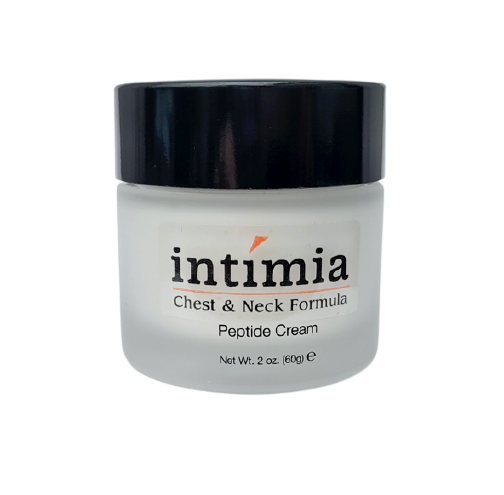
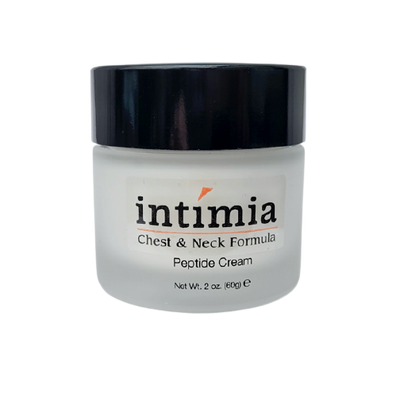
- Step 2: Hydrate and nourish: While your skin is still slightly damp, apply a hydrating serum or lightweight moisturizer. Look for hyaluronic acid to plump, niacinamide to brighten and strengthen, or peptides to support firmness.
- Step 3: Apply your sunscreen: As the final layer of your morning skincare, apply the best sunscreen for chest area you’ve chosen. Use a generous amount of broad‑spectrum SPF 30–50+, covering your entire neck, collarbones, and upper chest. Let it absorb for a minute before dressing to minimize transfer to your clothes.
Make applying spf décolleté daily as automatic as brushing your teeth. When you read the science on daily sunscreen and skin repair, you realize that these small, boring habits are the ones that actually change your reflection.
Your evening ritual: repair and restore
Evening is about washing the day away and giving your skin the tools it needs to repair itself overnight. No drama, just warm water, a soft towel, and two calm minutes.
- Step 1: Thorough cleanse: Gently cleanse your chest again to remove sunscreen, sweat, and environmental pollutants that have quietly collected there.
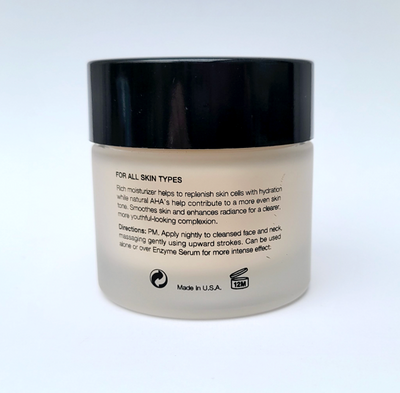
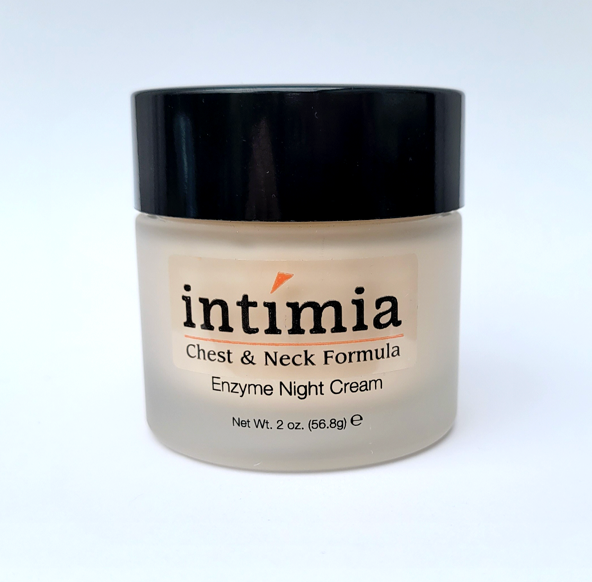
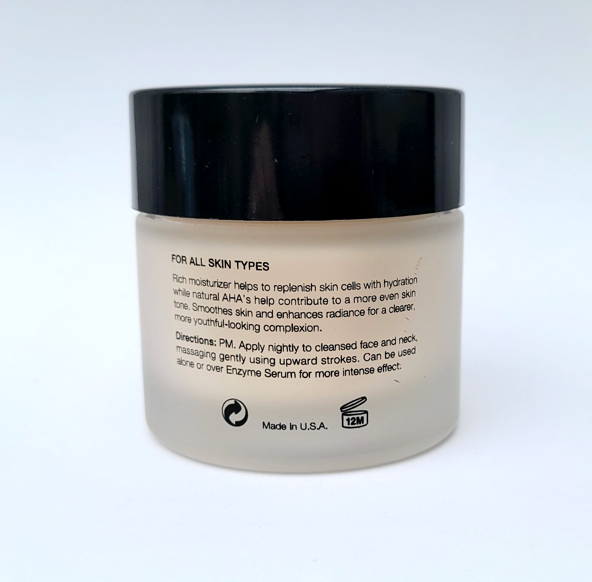
- Step 2: Treat and moisturize: This is the time for richer, restorative products. A moisturizer with gentle retinoids (with a dermatologist's blessing) can improve texture and soften lines. Otherwise, a nourishing cream with barrier‑repairing ingredients will soothe and hydrate.
- Step 3: Consider non‑invasive nighttime support: While sunscreen tackles sun damage, many chest wrinkles are deepened by the mechanical compression of sleep. Integrating nighttime supports can make a world of difference.
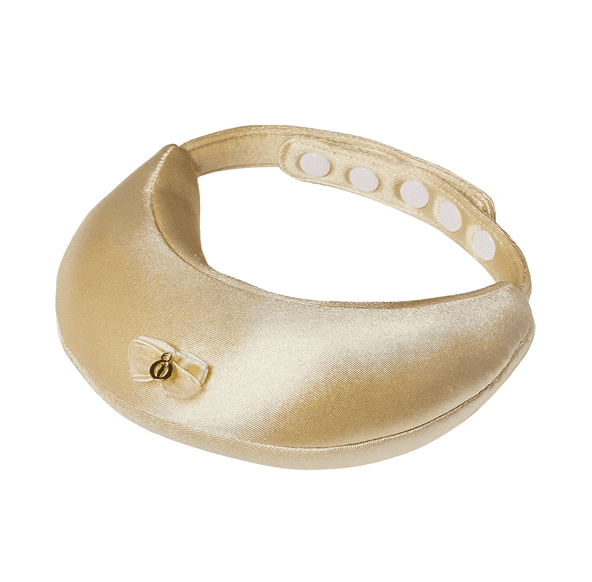
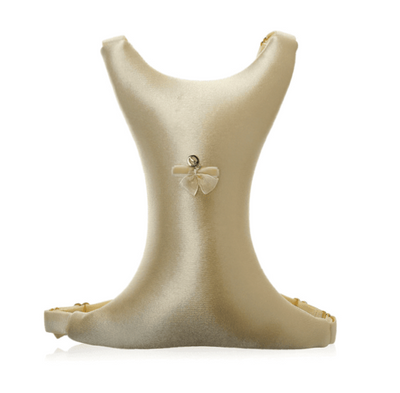
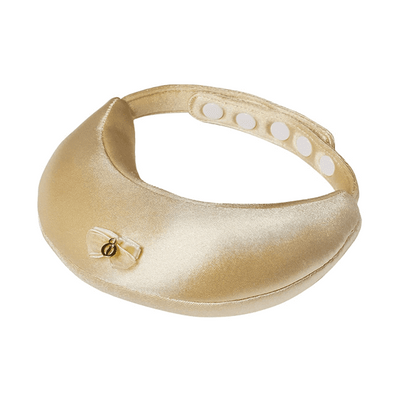
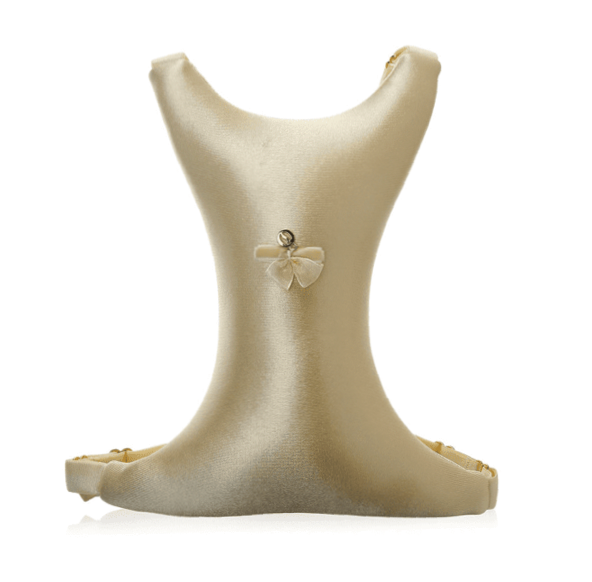
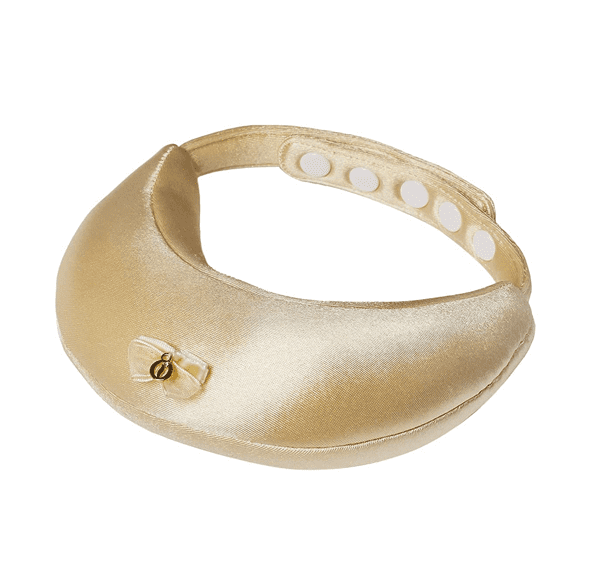
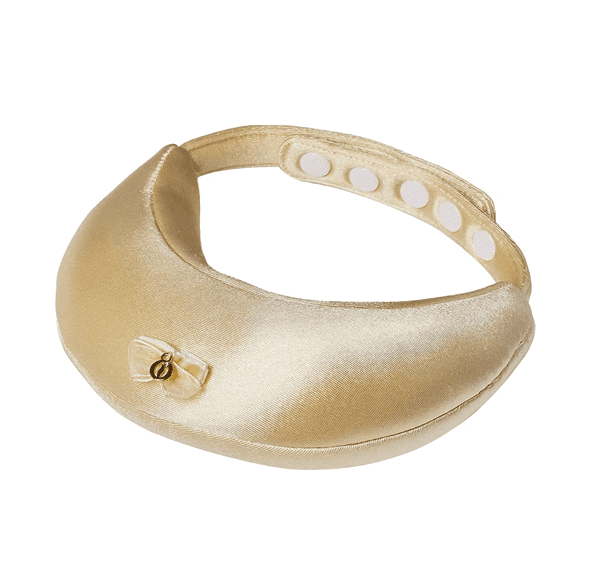
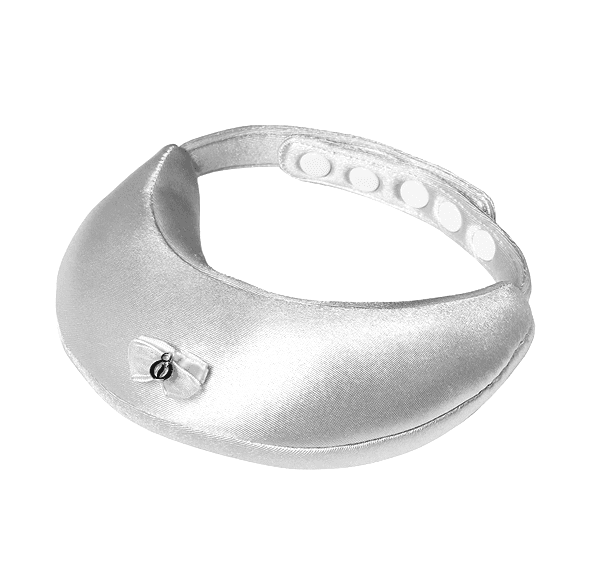
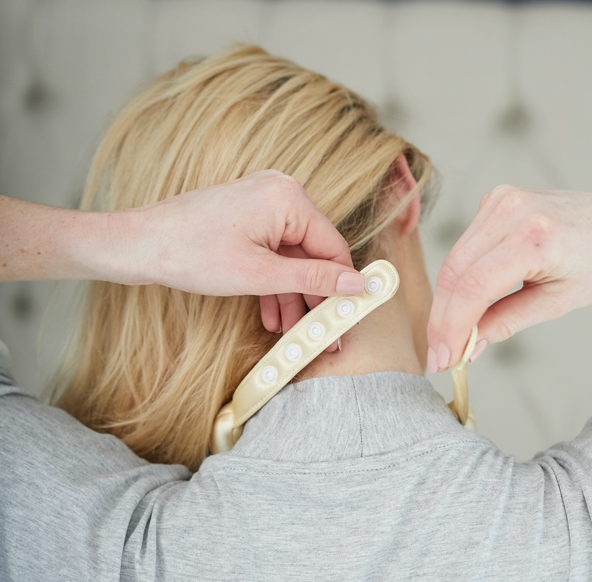
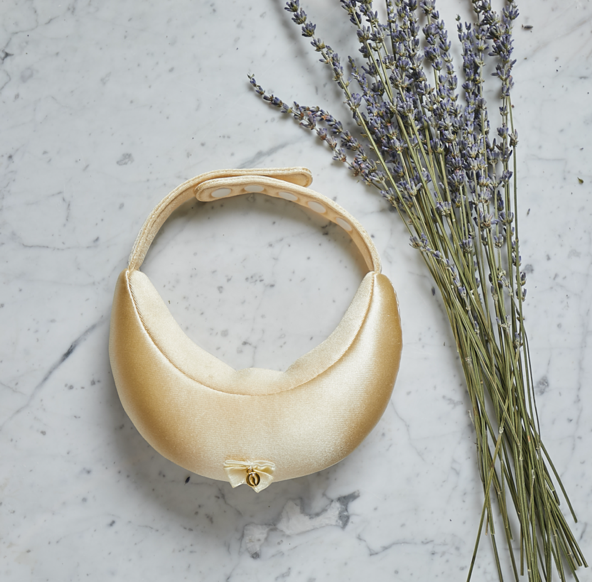
- Specialized pillows: Chest pillows or side‑sleeper body pillows keep your breasts separated and supported, minimizing creasing when you sleep on your side.
- Silicone chest pads: These reusable pads adhere to the chest and hold the skin flat overnight. They create a microclimate that draws moisture to the surface, hydrating and plumping the skin.
- Supportive sleep bras: A comfortable, non‑wired sleep bra offers gentle support, reducing the gravitational pull on breast tissue that contributes to stretching and creasing.
This complete décolleté sun protection routine is powerful. By day, you shield your skin from UV damage. By night, you repair, restore, and physically prevent the formation of sleep‑related wrinkles. It’s a quiet, holistic way to keep the story on your chest aligned with how you actually feel inside, something every article on neck and chest care hints at between the lines.
Lifestyle habits that boost sunscreen effectiveness on the chest
Sunscreen is your most vital defense, but a truly effective décolleté sun protection routine is supported by a web of simple lifestyle habits. These choices work in harmony with your SPF, creating a quiet, sturdy shield that preserves your skin’s integrity. Think of sunscreen as your daily armor, and these habits as the walls of your favorite little fortress.
Your wardrobe as a second layer of protection
Your clothing is a powerful sun protection tool, especially when you start treating your closet like a practical ally, not just a mood board.
- Choose higher necklines: For long outdoor days, pick tops with higher necklines. A crew neck or boat neck can block a surprising amount of sun.
- Look for UPF clothing: For serious outdoor activities like hiking or gardening, invest in UPF‑rated clothing. UPF 30 to 50+ blocks over 97% of UV rays, the kind of numbers you see praised in careful work on photoprotection strategies.
- Fabric matters: Darker colors and tightly woven fabrics block more sun than thin, pale, or sheer fabrics. That flimsy white T‑shirt at the beach is basically a suggestion, not protection.
Smart accessories and behaviors
Small shifts in behavior can quietly shave years off your skin’s sun exposure.
- Wear a wide‑brim hat: A brim of at least three inches casts shade over your face, neck, and upper chest.
- Seek shade: Between 10 a.m. and 4 p.m., make an effort to sit under trees, awnings, or umbrellas instead of in full sun.
- Use a sunshade: At the beach, pool, or on the sidelines of a game, a large umbrella or sunshade becomes your portable patch of mercy.
The impact of your sleep habits
Recognizing sunscreen chest importance addresses sun damage, but what about the wrinkles carved by your favorite sleep position? Habitual side‑sleeping lets the top breast fold over the bottom one, creating and reinforcing vertical lines in the cleavage, night after night.
- Train yourself to sleep on your back: This is the ideal position for preventing chest, face, and neck wrinkles because it eliminates mechanical creasing. It takes time to adjust, but using pillows to prop your sides can help.
- Use supportive pillows: If back‑sleeping is unrealistic, specialized chest pillows or side‑sleeper pillows fit between your breasts or support your torso to keep the skin from folding.
The most successful approach combines both strategies: diligent sunscreen to fight UV‑induced aging and smart sleep habits to combat mechanical wrinkling. When you look at the long‑term arcs in those careful discussions of tanning, burning, and aging, you’ll see why small daily decisions matter far more than any miracle cream.
Common myths about décolleté sun protection—debunked
In skincare, myths spread faster than truth. When it comes to protecting your décolleté, misinformation leaves this delicate area exposed and vulnerable. Let’s quietly clear a few things up, so your chest doesn’t pay the price for someone else’s bad advice.
Myth 1: “My makeup with SPF is enough for my chest.”
This one is sneaky. First, you’re probably not blending your foundation down over your neck and chest like a stage performer. Second, to reach the labeled SPF you’d need a mask‑thick layer no sane person wears. A dedicated sunscreen, applied generously, is the only way to ensure your chest is truly protected, something every thoughtful explainer on how SPF numbers work repeats in different words.
Myth 2: “I only need SPF on my chest in summer or on vacation.”
This myth ignores the most aging type of UV light. UVA rays are a constant, year‑round presence. They sneak through clouds and windows and quietly layer damage day after day. Cumulative exposure is what primarily drives photoaging, which is why making spf décolleté daily a non‑negotiable habit matters more than the perfect beach hat you wear twice a year.
Myth 3: “I don’t burn there, so I don’t need sunscreen below my face.”
This is the central reason we must answer sunscreen below face why. A tan is not a badge of health; it’s your skin in crisis mode, pumping out pigment to defend against DNA damage. The deepest aging comes from UVA rays that do their work without necessarily causing a burn, quietly degrading collagen and elastin year after year, just as the long, dense papers on photoaging mechanisms patiently show.
Myth 4: “A high SPF means I don’t need to reapply.”
No sunscreen is a "one and done" deal. A higher SPF means more protection, not longer protection. All sunscreens, regardless of the number on the bottle, break down over time and are worn away by sweat, water, and friction from clothing. The two‑hour reapplication rule during continuous outdoor exposure is not negotiable, and the more you understand from real‑world SPF studies, the less tempting shortcuts become.
By letting go of these myths, you can lean into the simple truth: consistent, intelligent sun protection for your chest is a quiet act of self‑respect that preserves your skin’s health and radiance for a very long time.
How to start today: a simple chest & décolleté SPF checklist
Understanding sunscreen chest importance is the first step. Taking action is what actually changes your skin. You don’t need a complicated ten‑step plan to begin; you just need to do the basics so consistently that they become boring, like buckling your seatbelt.
Every single morning:
- [ ] Cleanse your neck and chest gently.
- [ ] Apply your preferred hydrating serum or moisturizer.
- [ ] Generously apply a broad‑spectrum SPF 30–50 sunscreen to your neck, chest, and upper breast area. This is your core spf décolleté daily commitment.
Before extended outdoor time:
- [ ] Reapply sunscreen to your chest and any other exposed skin at least every two hours.
- [ ] Reapply immediately after swimming, heavy sweating, or toweling off.
Your weekly check‑in:
- [ ] Once a week, really look at the skin on your décolleté. Check for new or changing moles, unusual spots, or rough patches. Early detection matters, so bring anything suspicious to a dermatologist, the way every careful overview of skin changes and cancer risk urges you to do.
Smart lifestyle add‑ons:
- [ ] For outdoor days, choose clothing with higher necklines or UPF protection.
- [ ] Grab a wide‑brimmed hat before you head out.
- [ ] At night, use supportive chest pillows, silicone pads, or a comfortable sleep bra to minimize sleep wrinkles.
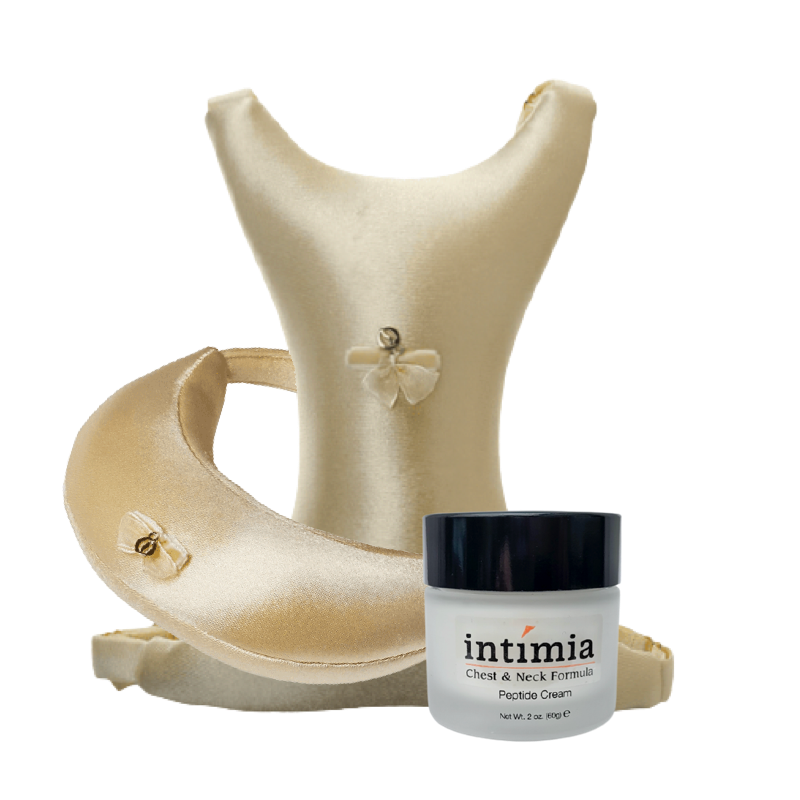
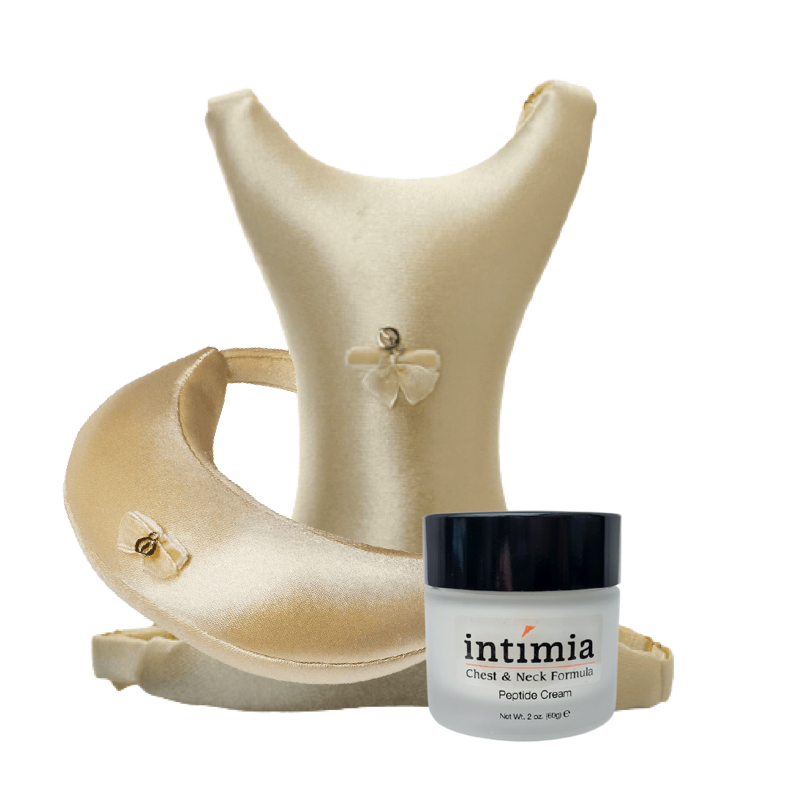
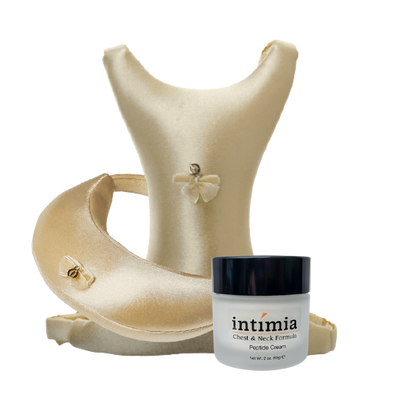
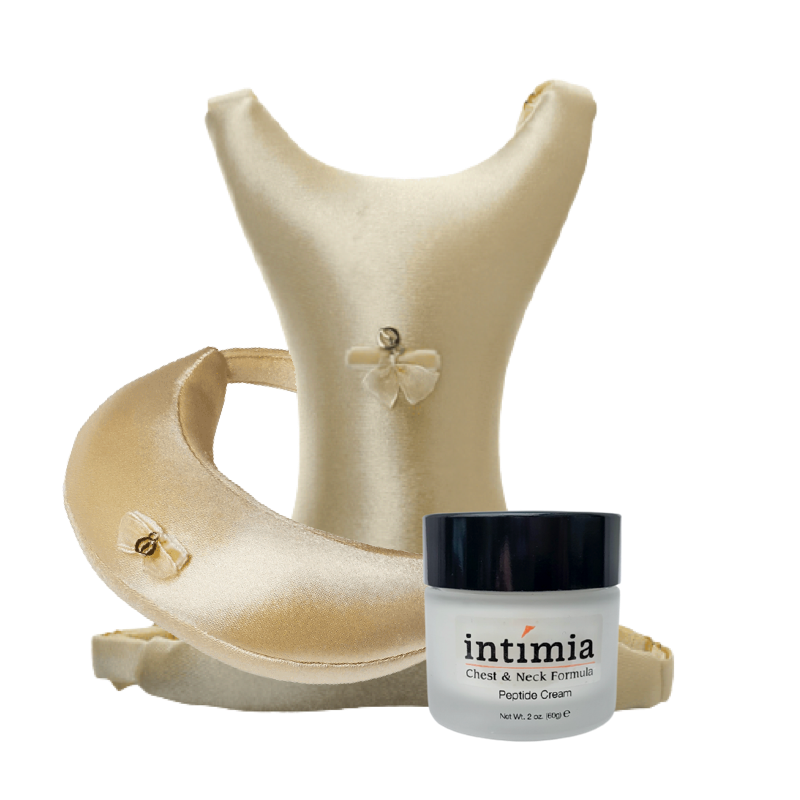
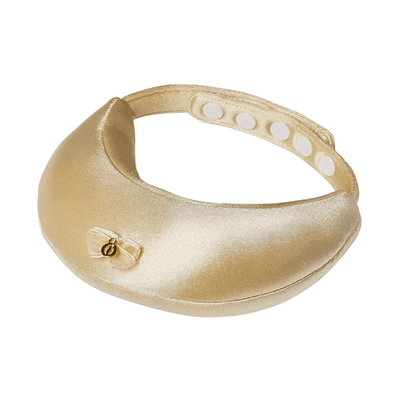
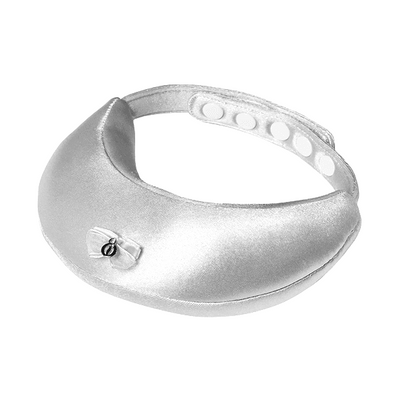
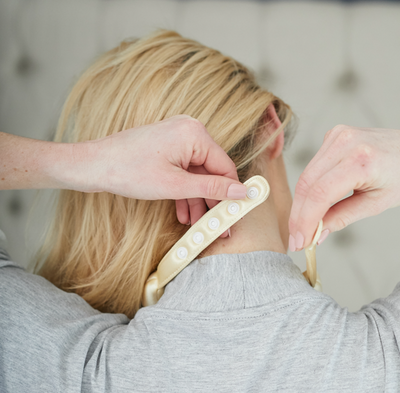
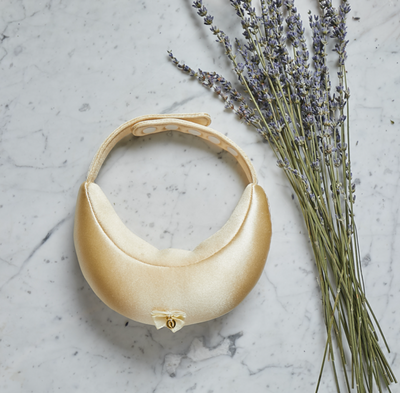
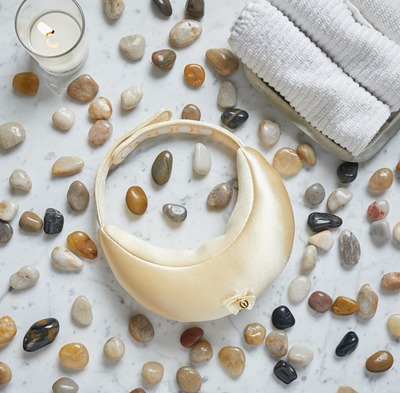
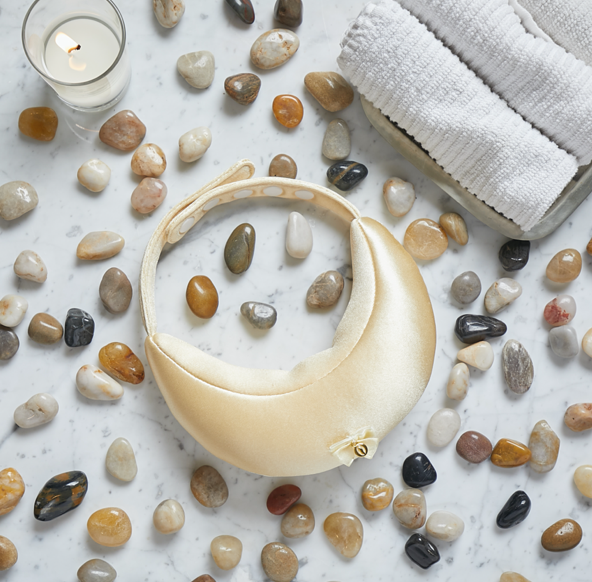
The ultimate takeaway is quiet and powerful. By embracing the daily ritual of protecting your décolleté, you’re not just preventing wrinkles or sun spots. You are deciding to honor your body, to preserve your natural beauty with the kind of calm, consistent care that all the big sunscreen studies quietly applaud in their conclusions. Starting today with the best sunscreen for chest area and a simple routine can dramatically slow the visible signs of aging, keeping the skin on your chest as vibrant and present as you are. And if you ever need a little nighttime help, you know where to find me and my Intimia® Breast Pillow, waiting on the nightstand like a very soft reminder.
One day you’ll look in the mirror, see your chest, and instead of regret you’ll just feel a small, satisfied “oh good, I didn’t forget you.”
Ready to wake up with smoother skin — start here.