In this article you will learn:
- What are tech neck chest wrinkles?
- How screen time speeds up décolleté aging
- The posture problem: A key cause of looking down wrinkles
- Recognizing phone neck lines on the chest and neck
- Lifestyle tweaks to reduce digital aging of the neck and décolleté
- Skincare strategies for tech neck chest wrinkles
- Nighttime habits and anti-wrinkle sleep solutions
- Combining tech-smart habits with long-term anti-aging
- Conclusion: Embracing technology without sacrificing your neck and décolleté
The soft light from a screen paints a familiar glow on your face, a quiet companion when the house finally goes still. You lean closer, just for a minute, and that minute turns into an hour. One night I caught my own reflection in a black laptop screen and saw it very clearly: the small folds on my neck, the faint etchings on my chest that hadn’t been there a few years ago. Tech neck chest wrinkles, the modern handwriting of our habits, written not by sun or birthdays alone but by one simple motion: looking down. They don’t announce themselves with drama. They arrive slowly, line by line, each notification a tiny chisel stroke. As I started connecting the dots between my screens and my skin, I realized this wasn’t a niche worry. It was a quiet epidemic woven into Zoom marathons, bedside scrolling, late emails. A new form of digital aging neck décolleté that most women feel before they have the language for it. So I began treating my phone like a tiny weight I was lifting with my neck, not my hands, and I built this guide for you the way I wish someone had written it for me—honest, practical, and forgiving. We’ll walk through what these lines are, how to see them early, and how to change the story with posture tweaks, skincare rituals, and sleep habits that fit a real life, not an idealized one.
What are tech neck chest wrinkles? Defining a modern beauty concern
You may have noticed them in the mirror, maybe when you were putting on a necklace and had to lean in closer to clasp it. Subtle lines that weren’t there a few years ago. Tech neck chest wrinkles are the physical signature of our digital age, appearing as distinct horizontal and vertical creases on the neck and upper chest. They show up exactly where your head tilts forward and your chest caves in, a quiet record of all the hours you’ve spent with your chin tipped down toward a glowing screen. I remember catching those first faint rings across my own neck and thinking they were just from a bad night’s sleep. A week later they were still there.
A clear definition and visual description
Let’s get specific, because once you see these patterns you can’t unsee them. Tech neck chest wrinkles show up in two primary forms, and you might recognize one or both staring back at you.
* Horizontal “Necklace Lines”: Those little rings that circle your neck like a permanent, too-tight chain. They settle into the natural folds that form when your neck is bent, and at first they only show when you’re looking down. Then one morning you notice them even when you’re standing tall in the bathroom light.
* Vertical or Diagonal Chest Creases: These live on the décolleté, from the soft hollow between your collarbones down toward the top of your bust. Often they start as faint sleep lines between the breasts that fade by lunch. Then one summer you put on a V-neck dress and realize some of them never fully disappear.
Unlike the fine, scattered lines that creep in from too many unprotected days in the sun, these tech-driven creases are usually deeper, more architectural. They’re carved by mechanical stress—by the literal folding and compressing of skin for hours on end. Every time you bend your neck to check something “quickly” on your phone, you create the same sharp fold in the same place. Skin is patient but not infinite. Over time that temporary fold becomes a permanent groove as the underlying collagen and elastin fibers tire and fray.
How this fits into “digital aging neck décolleté”
The idea of digital aging neck décolleté sounds dramatic until you catch yourself in profile over your laptop. It’s simply the pattern of aging driven by our tech habits. The head-forward, shoulders-rounded, chest-collapsed routine. The endless glances at your phone, each one a tiny neck crunch. It isn’t just posture, though. It’s the layering of posture, repetition, and even the light from our screens that studies now link to oxidative stress in skin. That blue glow you fall asleep to may not be as innocent as it looks, especially when it teams up with gravity and time.
* Constant phone checking: Every notification is a micro-fold. You think you’re just checking a message but your neck is quietly rehearsing the same bend over and over.
* Long hours at laptops: Working from a kitchen table or soft couch with a low screen adds up. The more the screen sinks below your eye line, the more your neck has to follow it down.
* Streaming and reading: The tablet propped on your knees in bed, the e-reader balanced on your lap at the café—these soft, cozy moments often mean your head is hanging forward while your neck skin creases like fabric pinched between fingers.
Dermatologists now talk about this the way orthopedists talk about “text neck.” Women in their twenties walk into clinics with permanent grooves that used to belong to forty-somethings. When I first read through a detailed review on neck rejuvenation, the part that stuck with me wasn’t the lasers or fancy procedures. It was the quiet line about repetitive movement patterns accelerating what used to take decades.
Why this is a trending concern
The rise of tech neck chest wrinkles isn’t vanity. It’s simply a mirror of how our days have changed. Remote work pushed laptops into bedrooms and onto sofas. Phones became alarm clocks, news feeds, lunch dates. Suddenly the most delicate skin on your body was front row for all of it.
* The remote work revolution: A dining chair became an office chair. The laptop sat low, the meetings ran long, and no one’s spine signed off on that plan.
* The always-on culture: If your phone is the last thing you see at night and the first thing you reach for in the morning, your neck never truly gets off duty.
* The selfie scrutiny: Video calls taught us what our lower faces and necks look like from every unflattering angle. Once you’ve seen your décolleté in unforgiving front-facing camera lighting, you don’t forget it.
The neck and chest skin is already working with less—thinner structure, fewer oil glands, lower collagen density. It’s like a cashmere sweater compared to a denim jacket. Beautiful, but you can’t treat it roughly and expect it to hold its shape. When you add the constant bending of text neck to that natural fragility, you get a perfect little storm. One that shows up right where your collarbone meets your favorite necklace.
How screen time speeds up décolleté aging
The link between your screen and your skin is more literal than it seems when you’re half-awake, scrolling in bed. Screen time décolleté aging isn’t a mysterious cloud floating over us. It’s a physical process rooted in angles, pressure, and a thousand quiet repetitions. I remember reading through a clinical paper on tech neck while absentmindedly craning over my phone. I straightened up so fast I almost dropped it.
The biomechanics: how “looking down” etches lines
When you tilt your head forward, you’re not just moving a little bone and some skin. You’re putting a ten to twelve pound weight on a new track. At a neutral angle, your spine carries that weight like it was designed to do. Tip your head forward to check a text and suddenly your cervical spine is holding closer to forty pounds. By the time you’re at the kind of sixty-degree angle most of us use when the phone is in our lap, that load can hit around sixty pounds. Your muscles complain first. But your skin is stretching and folding under that load as well.
* The force of your head: Imagine balancing a large bag of flour on a broomstick. Keep it upright, no problem. Lean it forward, and everything starts to strain. That’s your neck with your head.
* Folding and compression: Under that pressure, the front of your neck and upper chest compress like an accordion. The same lines fold, the same fibers take the hit. Collagen and elastin don’t snap overnight. They fray. They thin. One day the fold you always had when you looked down is still faintly there when you look straight at yourself in the mirror.
The worst damage doesn’t come from dramatic movements. It comes from holding the same bent-neck angle for long stretches. Fifteen minutes lost in messages. Forty-five minutes reading an article. The posture feels still, harmless. In reality it’s like folding a piece of paper along the same line over and over. Eventually the crease stays even when you try to smooth it flat.
Lifestyle scenarios that drive screen time décolleté aging
Look at your day from the outside for a moment. Trace it like a little movie. Morning coffee with your phone cradled two inches from the mug. Laptop at the kitchen table, screen too low, shoulders slowly curling in. The evening scroll while you half-watch a show. The tablet propped against your knees in bed.
* The 8-hour workday: That low laptop on a regular desk might be the single biggest villain. Your eyes chase the screen down. Your neck follows.
* The evening scroll: Somehow the most “relaxing” part of the day is usually done in the worst posture. Slouched into the sofa, phone in your lap, head dangling above it like a puppet on tired strings.
* The bedtime binge-watch: Stacked pillows, tablet on your torso, chin tucked. I used to do this “just for one episode.” My chest skin remembered all of them.
* Multitasking on the go: Waiting in the car, standing in line, stirring a pot while reading a recipe off a screen. None of these moments feel consequential, but your neck doesn’t care whether it’s a crucial email or a cookie recipe.
Individually, these positions feel harmless. Together, repeated day after day, they quietly sculpt the lines across your neck and between your breasts. Not dramatic, just relentless.
Blue light, inactivity, and skin health
Then there’s the light itself. High-energy visible blue light from screens has been shown to trigger oxidative stress in skin, the same chaotic little free radicals we worry about from pollution and UV. The emerging research doesn’t say your phone is a sunlamp. It does suggest that hours of close-up blue light exposure may be one more straw on the camel’s back of your collagen. Especially on already-vulnerable neck and chest skin.
* Blue light exposure: That cool, icy glow from your phone in the dark isn’t just unkind to your circadian rhythm. Over time, it may contribute to pigment changes and deeper texture issues on exposed skin that’s already under mechanical stress.
* Sedentary habits: Scroll enough and you forget to move. Blood flow slows, lymphatic drainage gets lazy. Your skin is orgware, not software—it needs circulation to bring in nutrients and take away waste. When you sit very still in a slumped position, your neck and chest are the quiet suburbs where delivery trucks rarely go.
The sun is still the main headline when it comes to aging. But if you stack UV exposure, blue light, minimal movement, and chronic folding on top of each other, the neck and chest simply give up earlier. That’s when you see those lines deepen from seasonal guests into permanent residents.
The posture problem: a key cause of looking down wrinkles chest
The human body was built for walking toward things, not bowing to them. Our ancestors scanned horizons. We scan feeds. That forward-drooping posture so many of us live in now doesn’t just feel heavy by the end of the day. It is the core reason looking down wrinkles chest and neck skin so efficiently, creating those unmistakable tech neck chest wrinkles.
Understanding phone and laptop posture
I love people-watching at cafés. Once you start noticing tech posture, you see it everywhere. The teenager folded over a phone. The executive welded to a laptop. The parent half-scrolling, half-talking to a child. The positions are eerily consistent.
* The phone posture: Head jutting forward, chin dropping, shoulders rounding in as if to cradle the screen. The device sits at lap or waist level, dragging your gaze down with it. Your collarbones vanish under the curve of your upper back.
* The laptop hunch: Torso inching closer to the screen as the day wears on. Neck flexed, upper back rounded, chest hollowed. It’s not just your spine that’s protesting. The skin from the base of your throat to the top of your bust is quietly folding into vertical pleats.
Horizontal necklace lines form in the exact grooves where your neck buckles. Vertical décolleté lines appear where your collapsed chest skin presses into itself. Once you see that connection, the wrinkles stop feeling mysterious and start feeling like cause and effect.
The science of angles and time
The physics behind all this sound like they belong in an orthopedic lecture, but you don’t need a degree to feel them. You can try this at home. Sit upright with your shoulders over your hips, ears over your shoulders. Now slowly bring your chin to your chest and feel how the weight shifts forward. Your muscles kick in. Your skin crumples at the front.
* Micro-damage in connective tissue: That constant crumpling creates tiny, invisible tears in the support network under your skin. Not huge enough for you to notice day by day. Just enough to accumulate.
* Collagen breakdown: Once those fibers are weakened, every new fold cuts a little deeper. The skin loses its spring. The line you used to be able to “massage out” after a long day decides to stay.
This is digital aging neck décolleté in plain language. Not a curse, just physics. A form of premature aging driven by one repetitive, modifiable motion.
Everyday “digital aging neck décolleté” triggers
The tricky part is that the worst offenders feel like harmless rhythms, little habits that stitch a day together. You may not remember a single moment that caused your lines, because there wasn’t one. There were thousands.
* The morning news scroll: Neck bent over your phone before your feet touch the floor, tying your first lines into place before breakfast.
* Commuting and waiting: Every red light, bus ride, and checkout line becomes an excuse to crane back into the same shape.
* The workday slump: Noon posture is usually decent. By three o’clock, heads and shoulders start sliding toward screens like they’re magnetized.
* “Just one more episode”: I used to treat late-night streaming as my reward. Then I realized I was basically sleeping in a tech-neck pose for an extra hour before even turning off the lights.
When women tell me they suddenly see new lines on their chest, I usually ask them to mentally total their head-down hours. Four, five, sometimes more. Once you see the number, you start to understand why your skin is waving a little white flag.
Recognizing phone neck lines on the chest and neck
The neck and décolleté don’t whisper. They leave clues. The trick is learning to read them before they become full sentences. Phone neck lines chest and neck wrinkles have a look that’s slightly different from classic aging or sun damage. Once you know what you’re seeing, you can catch them early instead of being surprised one summer by a deep line in every photo.
What phone neck lines chest and neck look like
Start with good light and a patient eye. The best time is often morning, when sleep and gravity have had all night to do their work and before makeup gets in the way.
* Early signs: Faint horizontal rings on the neck that pop out more when you tilt your head but seem to vanish when you pull yourself perfectly upright. Soft vertical creases on the chest first thing in the morning that fade as the day goes on and you hydrate, move, and forget about them.
* Progressed lines: The rings on your neck deepen into firm little bands that don’t fully smooth out even with your best posture. On the chest, those morning lines stick around until late afternoon. You start choosing higher necklines on days you feel tired because something about that area suddenly looks older than the rest of you.
* Advanced creases: Vertical lines on the décolleté that simply don’t go away anymore. The skin between your breasts holds a permanent furrow that mirrors the exact place it folds when you sleep on your side or spend hours hunched forward.
Tech neck chest wrinkles usually sit where your body loves to fold. Across the middle of the neck, down the center of the chest. They show up in women who still have otherwise smooth faces, which is why they can feel so out of sync—and so unfair—at first glance.
How these differ from classic aging or sun damage
Not all lines play by the same rules. Classic age and sun-related wrinkles tend to show up as an all-over fine crinkling paired with sunspots or uneven tone. They follow the pattern of where the light hits: the upper chest, tops of shoulders, sides of the neck. The texture feels a bit like crepe paper that’s been gently crumpled everywhere, not sharply folded in a few predictable spots.
Tech-related digital aging neck décolleté looks more like a paper you’ve folded on the same edges every day. Localized, deeper grooves. Horizontal bands that slice the neck into segments. Vertical rails that run straight down the center of the chest from collarbone toward cleavage. They don’t care if you’ve never tanned in your life. They care how many times a day your head bows toward a screen.
A simple self-assessment routine
If you want a reality check that’s honest but not cruel, try this little mirror ritual. I do it about once a month, usually on a quiet Sunday morning with coffee in hand.
1. Start with a neutral pose: Stand in front of a mirror, shoulders relaxed, ears over shoulders, chin gently parallel to the floor. Notice what lines appear on your neck and chest when you are not trying to fix anything. No sucking in, no stretching tall.
2. Mimic your tech posture: Pick up your phone the way you naturally do. Don’t perform, just scroll for a minute. Watch which areas of skin fold and deepen. Do those folds match exactly where your existing lines live when you stand up straight again?
3. Observe after a break: Give yourself a tech-light morning one weekend. Sleep well, do your skincare, skip the early scroll. Look again. If your lines soften after a break but quickly return when the phone comes out, you’re looking at your own personal version of screen time décolleté aging rather than some mysterious fate.
This isn’t an exercise in blame. It’s simply connecting sensation with evidence. Once you see that your lines are responding to what you do, not just to how old you are, it suddenly feels much more hopeful.


Lifestyle tweaks to reduce digital aging of the neck and décolleté
Here’s the part I love, because it’s where the power shifts back into your hands. Digital aging neck décolleté is driven by habits, not destiny. You don’t have to throw your phone into the ocean. You just have to stop treating your neck like a built-in phone stand.
Ergonomic upgrades for your devices
The easiest wins come from changing your environment so you aren’t fighting yourself all day. If your screens live higher, your chin naturally does too.
* Elevate your laptop: Stack it on a few sturdy books or use a stand until the top of the screen hits about eye level when you’re sitting up. When I finally did this, my shoulders dropped an inch and my neck felt ten years younger by 4 p.m.
* Use an external keyboard and mouse: Once the laptop is higher, your hands need somewhere comfortable to go. A simple keyboard and mouse let your arms rest close to your body instead of reaching and rounding.
* Prop up phones and tablets: A cheap little stand on your desk or kitchen counter can change your whole posture. The rule I quietly repeat to myself: lift the screen, not the shoulders.
These tweaks look small, but they remove hours of neck flexion from your day without asking you to have willpower every minute. The best habit is the one your furniture quietly enforces for you.
“Tech breaks” and movement habits
Sitting frozen in one position is the skin equivalent of leaving a wet shirt crumpled at the bottom of the laundry basket. Nothing good happens in those folds. The antidote is movement. Little, frequent, boring movement.
* Set timers for movement: I like a gentle chime every 25 minutes. When it rings, I stand, walk to the nearest window, and do three slow neck stretches. Side to side, ear toward shoulder, then a small nod yes and no. It takes one minute. My lines don’t love heroic gestures. They love consistency.
* Use digital wellness tools: Ironically, your phone can help here. Screen-time limits, app timers, even those judgmental weekly reports can nudge you to swap five minutes of scrolling for a quick walk.
* Create tech-free pockets: One rule that changed my own skin more than any cream? No phone at the table, and the charger lives outside the bedroom. If your device sleeps in the kitchen, your neck sleeps better in bed.
Frequent movement flushes in fresh blood and oxygen. Think of it as rinsing your collagen throughout the day so it doesn’t sit in a stagnant pool of tension and pressure.
Mindful posture cues for busy women
Even with the best intentions, posture slips the minute life gets loud. Kids, deadlines, group chats. So I cheat. I let little cues nag me instead of relying on memory.
* Use a mantra: Mine is “ears over shoulders.” When I catch myself leaning in too far on a call, I say it in my head and stack myself back up.
* Visual reminders: A sticky note at the edge of the monitor, a lock-screen image that literally says “chin up,” a tiny doodle of a lifted neck on the corner of your planner. They all work.
* Consider wearables: Some small posture gadgets buzz when you slouch. One of my friends wears hers at the office and says it’s like having a very kind, very persistent grandmother tapping her shoulder all day.
The goal isn’t military stiffness. It’s ease. A posture that lets your lungs expand and your collarbones reappear, and quietly takes the daily strangling pressure off your neck and chest skin.
Every time you pick up your phone, ask yourself one short question: “Can I bring this to eye level?” If the answer is yes, do it. Your neck will remember.
Skincare strategies for tech neck chest wrinkles
I used to stop my skincare at the jawline as if everything south didn’t have feelings. The day I started treating my neck and chest like part of my face, things shifted. Posture is your foundation, but skincare is your scaffolding. It can’t erase every fold, yet it can absolutely soften, strengthen, and slow tech neck chest wrinkles.
Don’t stop your routine at the jawline
The skin on your neck and décolleté is thinner, drier, and more easily overstretched than your cheeks. It’s also exposed almost as often. That’s an unfair combination. The simplest upgrade is to drag every step of your routine down to the top of your bust—cleanser, serum, moisturizer, sunscreen. No special occasion needed, just every day.
When I first did this, I realized how neglected that area felt. Products sank in faster. The skin looked a little less dull after a week, a little less “tired fabric” after a month. It’s not glamour. It’s maintenance.
Key ingredients that target tech-driven lines
Think of your products in categories: signals, shields, and support. You don’t need everything at once. You do need the right few used consistently.
* Retinoids: Retinol or prescription-strength cousins encourage skin to renew faster and build fresh collagen. Used carefully, in pea-sized amounts and introduced slowly, they can blur fine tech lines and smooth rough texture on the neck. Go slower here than you would on your face. This skin complains loudly if you rush it.
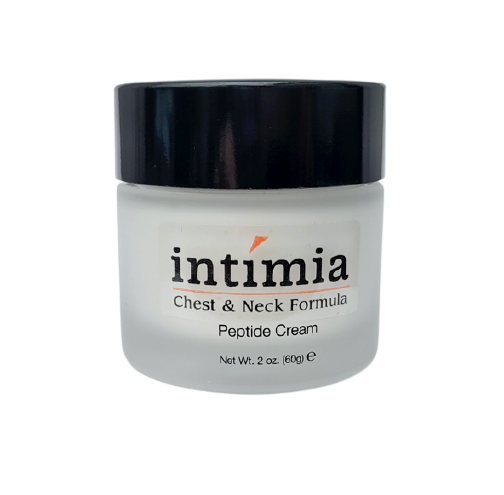
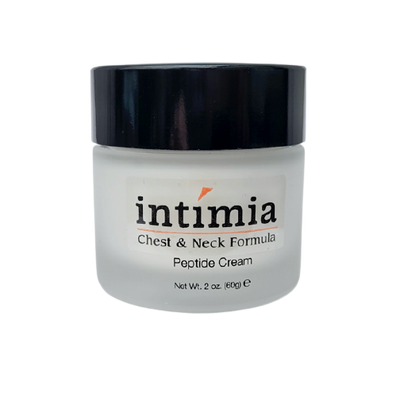
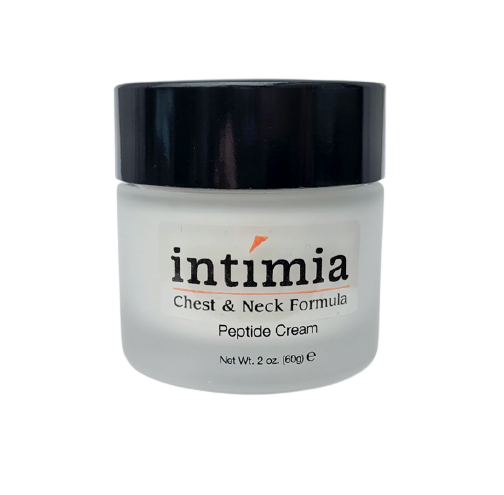
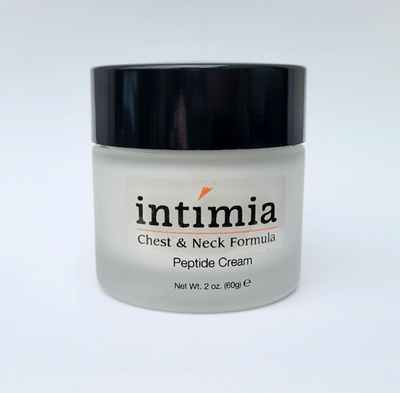
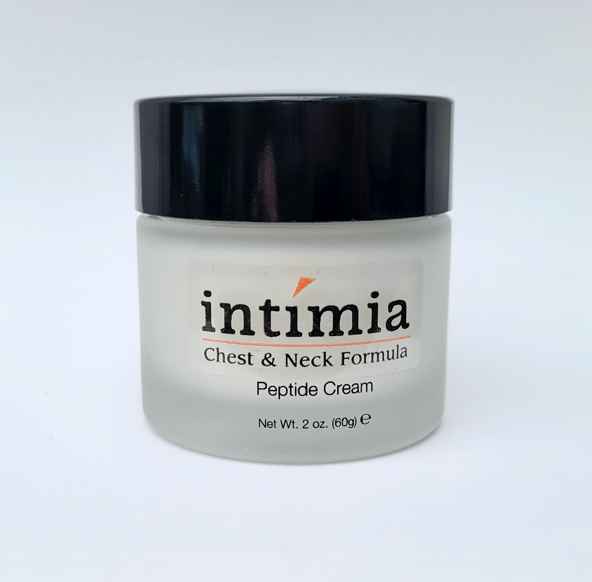
* Peptides: These tiny protein fragments are like polite emails to your cells asking for more collagen and elastin. Over time, they can help the neck and chest look a bit firmer, a bit less defeated by gravity.
* Antioxidants: A morning serum with vitamin C, vitamin E, or ferulic acid acts as a daily shield against free radicals from sun, pollution, and even that endless blue glow. Pairing antioxidants with sunscreen is like giving your décolleté a bodyguard and a bulletproof vest.
* Gentle exfoliants: A thin layer of lactic or glycolic acid once or twice a week can nudge dull, rough cells off the surface so fresher, smoother ones can take their place. Just be kind. Over-exfoliating this area is like sanding silk.
* Barrier-supporting moisturizers: Look for ceramides, hyaluronic acid, glycerin. These are the quiet workhorses that keep your skin plump and less likely to crease as deeply when you do bend.
Daily SPF is non-negotiable
If you only take one skincare step from me, let it be this. Sunscreen on the neck and chest every single morning, 365 days a year. Broad spectrum, SPF 30 or higher. Put it on before you get dressed so you don’t miss the sides of your neck or the tops of your shoulders when a shirt dips lower than you expected. UV light is ruthless about breaking down collagen. When you combine that with tech posture, you may as well be helping those lines pack their bags to stay forever.
When to consider professional treatments
Sometimes, even with your best efforts, certain lines dig in their heels. This is where a good dermatologist becomes your ally rather than a last resort. Not for magic, but for options.
* Non-surgical skin tightening: Radiofrequency, ultrasound, or certain laser treatments heat deeper layers of the skin just enough to wake up lazy collagen. Over months, skin looks a bit tighter, a bit less like it’s trying to slide south.
* Injectables: For very stubborn horizontal neck bands or deep chest furrows, subtle use of neuromodulators or fillers can soften the visual depth. The goal isn’t a frozen neck. It’s a neck that doesn’t look older than the face above it.
I always remind women: these are amplifiers, not foundations. Without posture changes and daily SPF, even the fanciest treatment is just a very expensive temporary patch.
Nighttime habits and anti-wrinkle sleep solutions to avoid looking down wrinkles chest
We love to call it beauty sleep, but some of the rudest lines I see on chests are earned between the sheets. Your battle against tech neck chest wrinkles doesn’t clock out when you close your laptop. It just changes battlegrounds. The way you sleep can either undo the day’s damage or double down on it.
How your sleep position mimics tech posture
Think about what happens to your chest when you curl onto your side. Gravity pulls the top breast forward into the bottom one. The skin between them folds like a piece of paper pinched in the middle. You close your eyes, but your collagen is working the night shift.
* Side-sleeping: Night after night of that same inward collapse carves vertical lines between the breasts that greet you first thing in the morning. At first they smooth out by lunch. Later, they stick around like a bad houseguest.
* Stomach-sleeping: This is side-sleeping’s more dramatic cousin. Face smashed into the pillow, neck twisted, chest twisted. You wake up with both facial creases and neck stiffness. None of them are charming.
If your décolletage looks flawless every single morning, check if you actually slept on your side. The physics don’t lie.
Sleep posture adjustments
The gold standard for wrinkle prevention is sleeping on your back. Boring, I know. But kind. It keeps your chest open, skin draped evenly, neck in neutral. The problem is that comfort and intention don’t always agree at 3 a.m.
* Choose a supportive pillow: You want your head aligned with your spine, not tipped forward like you’re still reading emails. Sometimes a thinner pillow is better than a giant fluffy one, especially if you’re petite.
* Use body pillows: Tuck one under your knees to ease your lower back and place a long one at your side so if you roll, you hug that instead of folding your chest. I sleep in a small fortress of pillows at this point. It’s not glamorous, but my chest lines are grateful.
Specialized pillows and chest supports
For some women, back-sleeping is a fantasy. Their bodies flip to the side the minute they drift off. If that’s you, you work with it instead of against it.
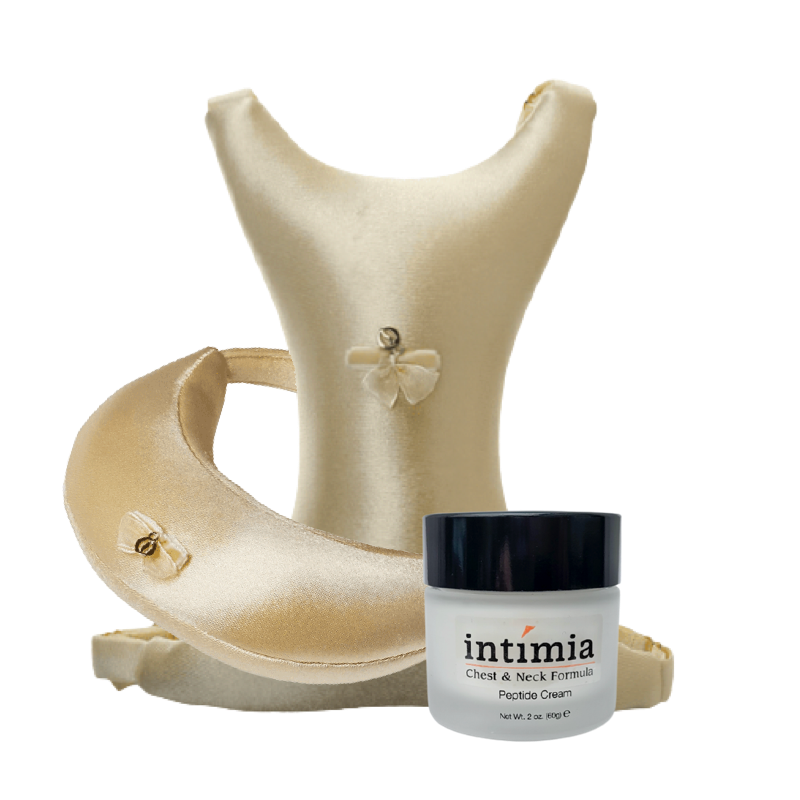
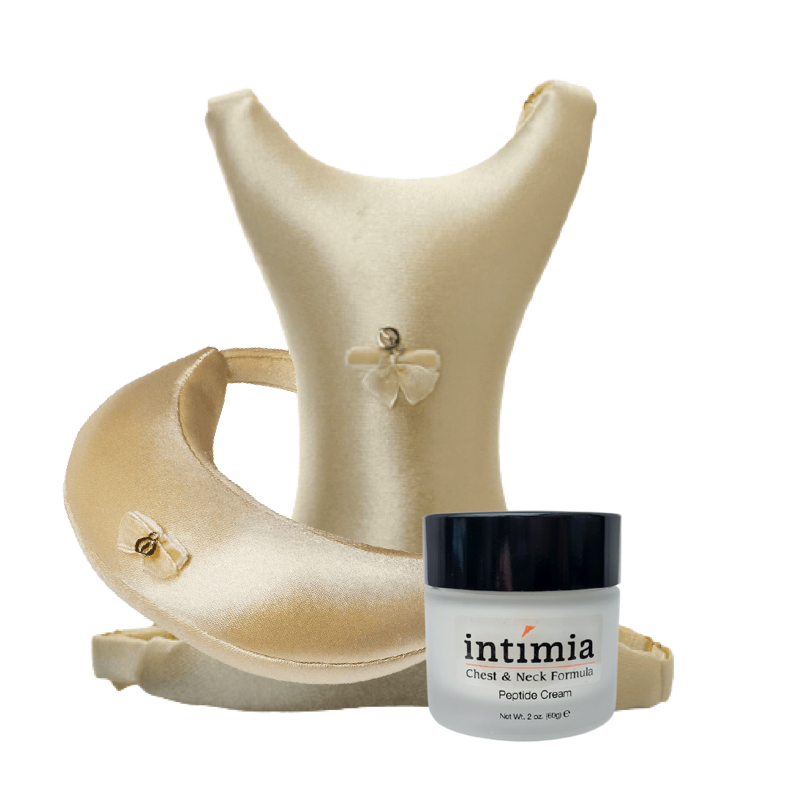
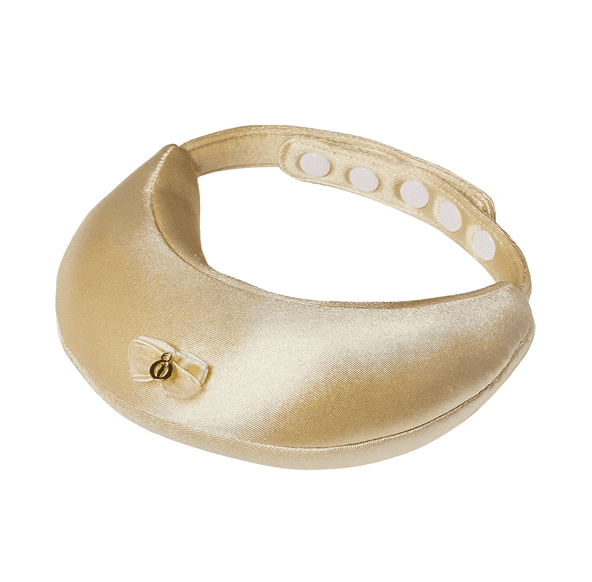
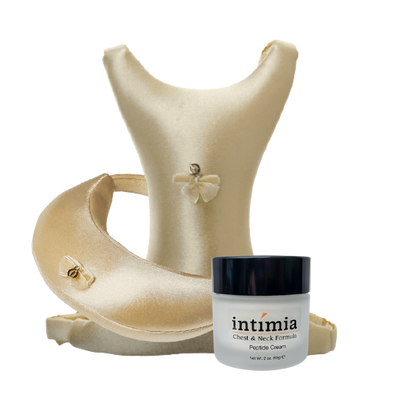
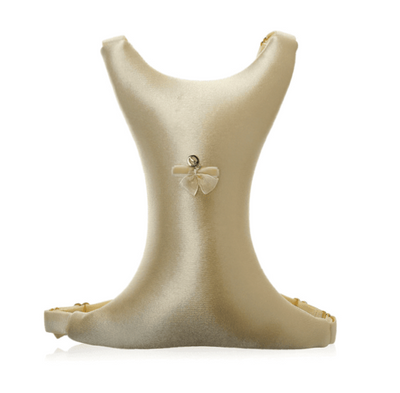
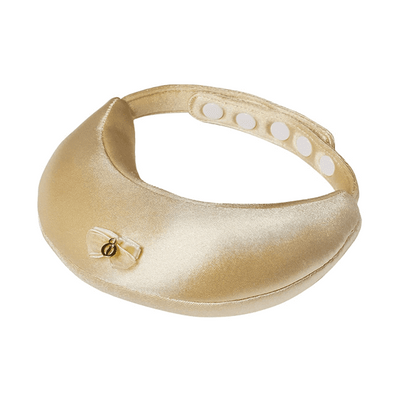
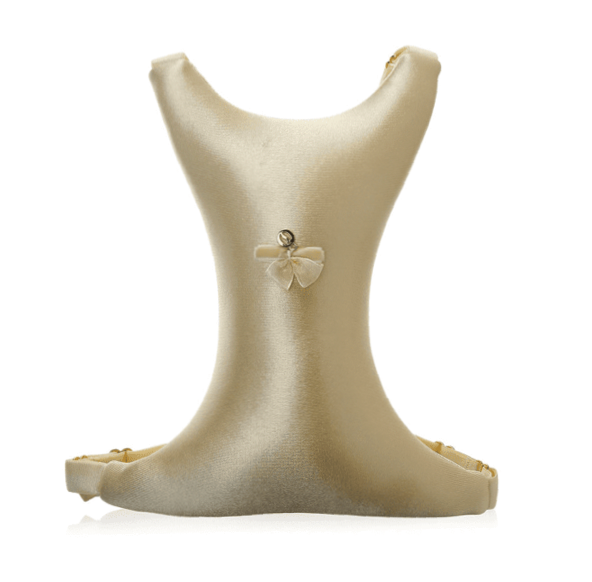
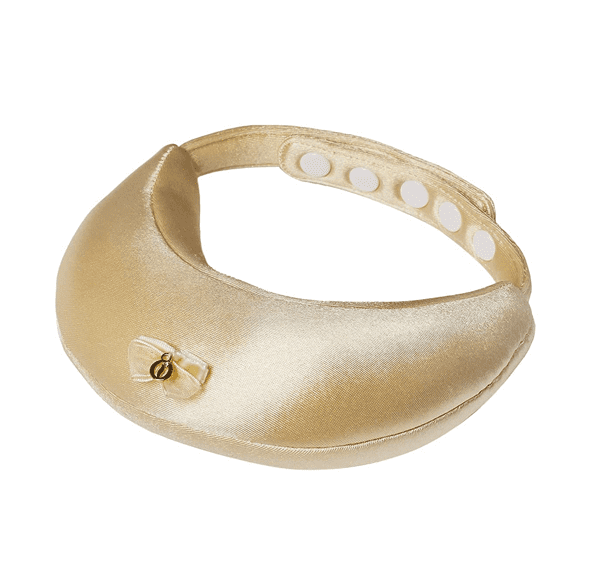
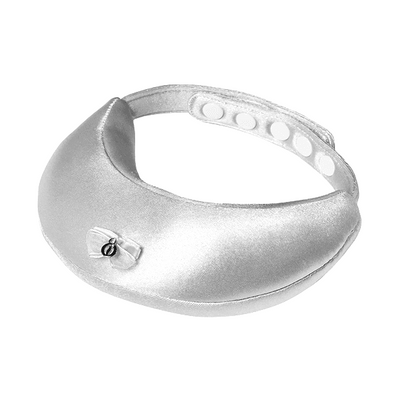
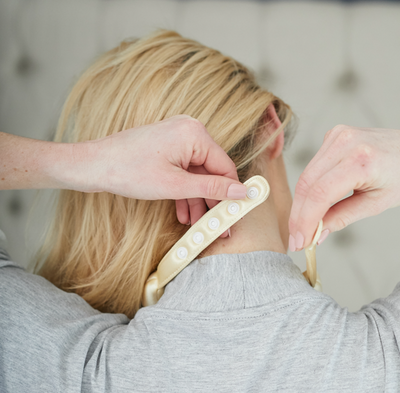
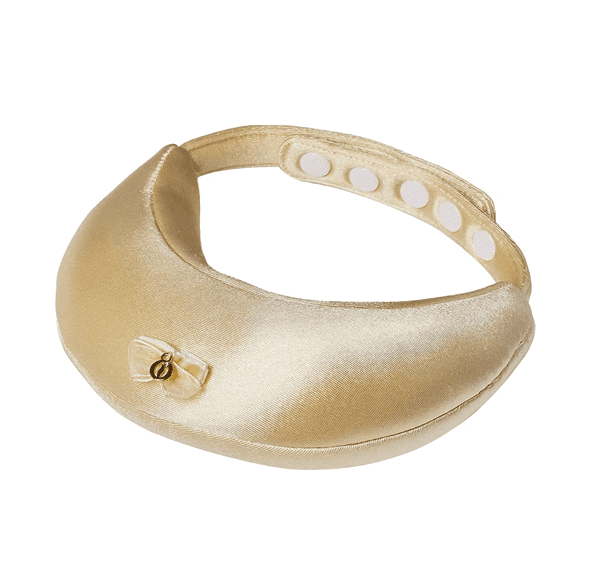
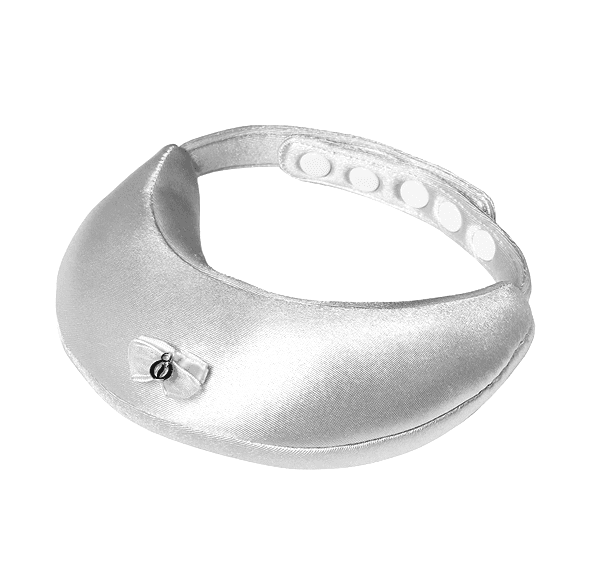
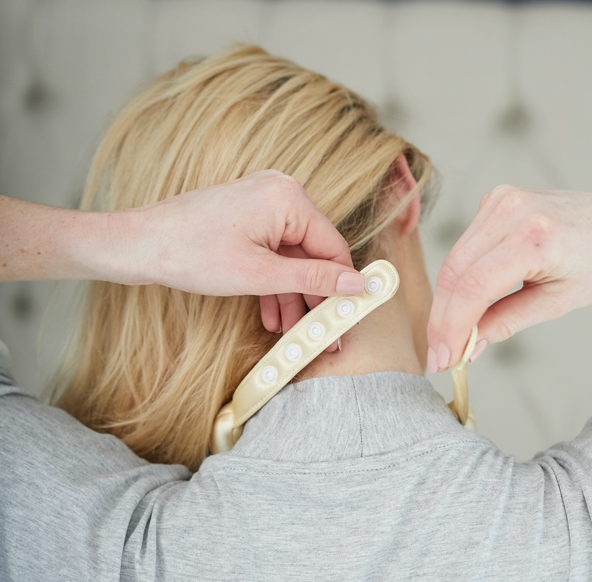
* Specialized chest pillows: These live between your breasts when you sleep on your side, gently separating them so the skin doesn’t mash together. The first night feels odd. The second night, you wonder where this thing has been all your life.
* Décolleté pads and supports: Some designs sit directly on the skin, holding it in a smoother position overnight. Think of them as night guards for your chest, preventing the same deep crease from forming again and again.
These tools don’t require willpower once they’re in place. That’s the magic. You do the setup before bed, then your pillow quietly spends eight hours protecting you from both gravity and your own habits.
Combining tech-smart habits with long-term anti-aging for tech neck chest wrinkles
There’s no single serum or stretch that fixes tech neck chest wrinkles. If there were, believe me, I’d have a billboard about it. What actually works is far less glamorous and far more realistic: small changes layered together until they feel like your normal life.
The three pillars: posture, habits, and skincare
Think of your strategy as a three-legged stool. Remove one leg and everything wobbles. Keep all three and you can sit comfortably for years.
1. Posture and ergonomics: This is your root work. Lifting screens, adjusting chairs, stacking books under laptops, refusing to let your chin live in your chest. Change the angles and the lines have less chance to deepen.
2. Tech-time boundaries: No one is coming to confiscate your apps. You decide where the edges go—no-scroll dinners, screen-free mornings, alarms that remind you to look up. Each boundary is a tiny fence around your collagen.
3. Consistent skincare and sun protection: This is the long game. The creams, serums, and SPF are the quiet, daily votes you cast for future you. They don’t erase yesterday. They make tomorrow softer.
If you’re doing only one or two of these, you’ll get some improvement. When you stack all three, results compound in that wonderfully unfair way good habits do.
Building a “digital beauty hygiene” routine
I like to think of this as the beauty version of washing your hands. Not dramatic, just expected. You blend caring for your neck and chest into your digital rituals until it’s automatic.
* Set daily body goals: Right next to your task list, jot “three neck stretch breaks” or “screen on stand all day” or “ten minutes walking without phone.” Then cross them off with the same satisfaction as an email answered.
* Treat your décolleté like your face: When you buy a serum, ask yourself if you’d be willing to use it from face to chest. If the answer is no, it might not earn a permanent place in your routine.
* Schedule monthly check-ins: Once a month, do that mirror assessment. Not to criticize. To notice. Are the lines softening, holding, deepening? Do you need a new pillow, higher screen, or just more sleep?
When you see phone neck lines chest as feedback instead of failure, you stop arguing with your reflection and start collaborating with it. Your skin is simply reporting on your lifestyle in tiny, precise handwriting.
A long-term mindset for tech users
You and your phone are probably not breaking up. Neither am I and mine. The question isn’t “screen or no screen.” It’s “how do we arrange this relationship so my body doesn’t pay the whole price?”
Perfection is a terrible skincare goal. Consistency is a lovely one. You will have weeks where you scroll too much and fall asleep on your side without your chest pillow. That’s life. What matters is the direction you’re trending over months and years. Maybe this year you lift your screens and start SPF on your neck. Next year you tackle sleep position. The year after that, you finally schedule that consult you’ve been putting off. Tiny course corrections add up to entirely different destinations.
Conclusion: embracing technology without sacrificing your neck and décolleté
The lines on your neck and chest are not random. They’re a story written by long meetings, late messages, shared photos, quiet novels read on glowing screens. Tech neck chest wrinkles are modern, yes, but they are also negotiable. You are not at the mercy of your devices. You are the one holding them.
When you lift your screens a few inches, you lift your gaze. When you take a two-minute stretch break, you give your collagen a breather. When you smooth a retinoid or peptide serum down to your chest and seal it with sunscreen, you are telling that delicate skin you haven’t forgotten it. When you support your breasts with the right pillow at night, you let your décolleté rest open instead of clenched.
Phone neck lines chest aren’t a verdict. They’re a nudge. A reminder that your body is still paying close attention to how you live, even when your mind is somewhere inside a tiny rectangle of light. Screen time décolleté aging isn’t something to fear. It’s something to respond to—with posture that honors your spine, habits that honor your time, and care that honors the skin that has quietly held your heart up all these years. You can have your tech, your work, your late-night texts, and still wake up to a neckline that looks like it belongs to the life you’ve so thoughtfully built.
I’ve learned that when you finally treat your neck and chest as part of the conversation, your whole reflection softens—like it’s relieved you’re finally listening.
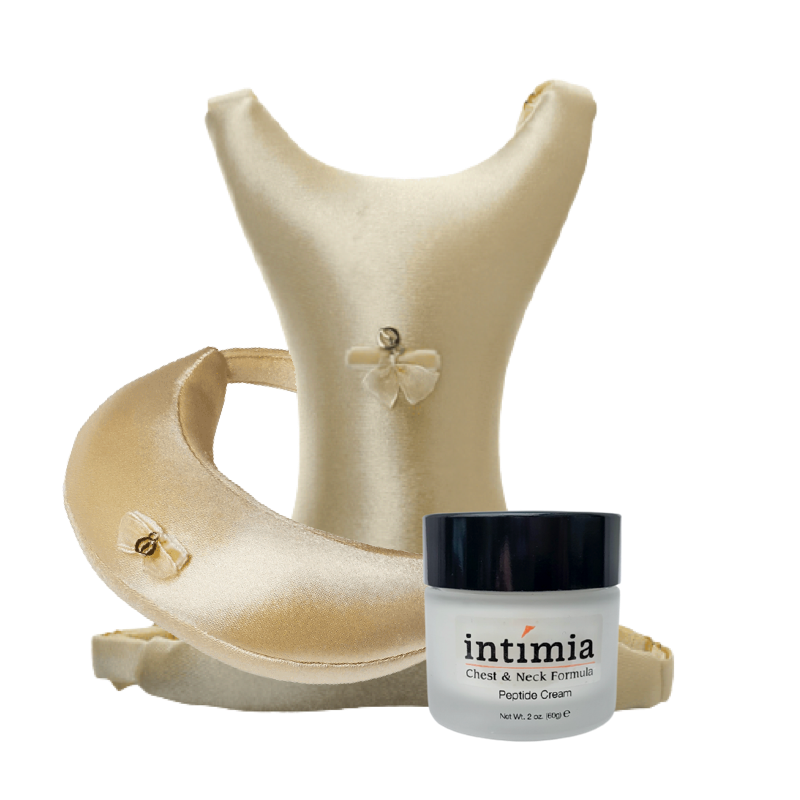
Ready to wake up with smoother skin — start here.
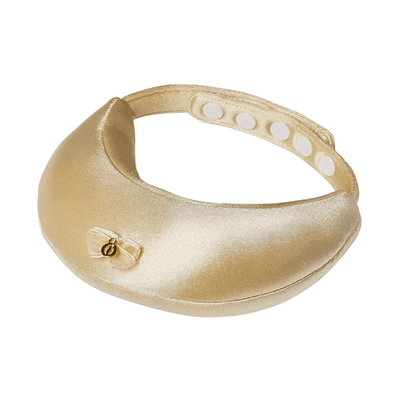
Intimia® Breast Pillow