In this article you will learn:
- What Is Collagen and Why It Matters for Your Décolleté's Collagen Health?
- The Natural Timeline of Collagen Production Decline Age
- The Tipping Point: Why Chest Wrinkles After 30 Become Permanent
- The Deep Science of Skin Aging and Collagen Breakdown
- Accelerators of Collagen Loss After 30 on the Chest
- Listening to Your Skin: Early Signs of Collagen Depletion in the Décolleté
- Timeless Self-Care: Slowing Collagen Loss After 30 in the Chest
- Professional Support for Advanced Skin Aging Collagen Breakdown
- Conclusion
I still remember the first morning I caught the faintest little ladder of lines between my breasts and thought, “That’s new.” They faded by lunchtime back then, but it was the start of me really watching what time and sleep and sun were quietly writing across my chest.
The journey of collagen loss after 30 chest begins subtly, a quiet shift in the landscape of your skin. I know you feel it before you truly see it. It’s the story of how the smooth, resilient canvas of your décolleté gradually gives way to fine lines and deeper creases. This is more than just aging; it’s a biological narrative written in the very fibers of your skin.
Collagen is the body’s most abundant protein, the strong, supple scaffolding that gives your skin its firmness and bounce. It lives within the dermal extracellular matrix, a living web that holds everything together, and if you ever fall down a rabbit hole with a good overview of skin structure and dermal collagen, you start to see why every little habit matters. But as we move into our thirties, a change begins. The natural collagen production decline age is a genetically programmed process that starts in our late twenties and picks up speed after thirty. While this is a universal truth, its pace is not set in stone. It is deeply influenced by the life we live, the sun on our skin, the way we sleep, the nourishment we choose.
This article will explore the science of skin aging collagen breakdown in the chest, explaining the intricate processes that lead to collagen depletion décolleté. We will delve into the research on general skin aging and collagen to understand why chest wrinkles after 30 appear, not as a sign of fading beauty, but as a map of your life and a call to a deeper, more informed self-care. Knowing the science lets you look in the mirror with a clearer eye and a little more control over what happens next.
Section 1: What is collagen and why it matters for your décolleté's collagen health?
Collagen is the quiet strength of your skin. I like to imagine it as a tightly woven tapestry that provides structure, resilience, and a smooth surface. This protein, mostly type I collagen in the skin, forms strong fiber bundles within the extracellular matrix of your dermis. This scaffold resists stretching and mechanical force, keeping your skin firm and youthful in ways you only truly appreciate once it starts to thin.
The artists behind this tapestry are cells called fibroblasts. These diligent workers continuously synthesize procollagen, which matures into the strong collagen fibers that support your skin. They are constantly remodeling this matrix, responding to signals from your body and environment, and if you peek into any deep dive on collagen biology and aging you can almost picture them getting slower and more distracted with every decade.
But the décolleté is a uniquely vulnerable area, prone to accelerated collagen depletion décolleté. Here’s why:
- Delicate by nature: The skin on your upper chest is thinner and has fewer oil glands than your face. This makes it more susceptible to dryness and environmental damage, which can lead to creasing.
- A sun-kissed target: From V-neck tops to swimsuits, the décolleté is often exposed to the sun. Yet, it's frequently forgotten during the daily sunscreen routine we reserve for our faces, even though photoexposed skin behaves very differently from the parts we keep covered.
- Constant mechanical stress: The weight of your breasts, the pressure from bra straps, and hours of compression during sleep all place a constant mechanical strain on this delicate skin.
While the collagen in your face and chest is structurally similar, the environment is vastly different. Your face often receives the lion's share of attention, SPF, serums, moisturizers. The chest, however, often ages in silence until wrinkles become too prominent to ignore. This difference in care, combined with its unique structural vulnerabilities, explains why skin aging collagen breakdown can appear more dramatic and happen sooner in the chest than on the face, contributing to noticeable collagen loss after 30 chest.
Section 2: The natural timeline of collagen production decline age
The great unwinding of our skin’s structural support is a slow, steady process, and sometimes I wish someone had shown me those graphs in my twenties. The collagen production decline age begins quietly in our late twenties, but the effects become more tangible after thirty. Our body’s collagen factory simply doesn’t run as efficiently as it once did.
The numbers tell a compelling story. Research shows that collagen density in the dermis drops significantly with age. In the deep reticular dermis, collagen content can fall from approximately 81% in young, vibrant tissue to around 58% in aged skin, and when you read the data on dermal collagen density changes you realize that is not just a tiny cosmetic issue. This isn't just a small dip; it's a fundamental change in your skin's architecture.
Several biological factors drive this decline, leading to collagen loss after 30 chest:
- Aging fibroblasts: The fibroblasts themselves begin to slow down. A landmark study by Varani et al. revealed that procollagen synthesis, the creation of new collagen, is significantly reduced in intrinsically aged skin, even without sun damage. These cellular powerhouses become less responsive and less productive over time, which is echoed across many papers on intrinsic skin aging and fibroblast changes.
- Hormonal shifts: Estrogen is a powerful ally for your skin, supporting collagen production and dermal thickness. As estrogen levels naturally begin to fall from our late twenties onward, and more steeply during perimenopause, fibroblast activity wanes. The hormone-sensitive skin of the chest and breasts feels this loss profoundly.
- An unbalanced equation: After 30, the delicate balance between collagen production and breakdown tips in the wrong direction. The body not only makes less new collagen but also struggles to clear out old, damaged collagen fragments. The result is a net loss of healthy, functional collagen, accelerating skin aging collagen breakdown.
- Genetic blueprint: Your genes play a role in setting the baseline rate of this decline, explaining why some women see chest wrinkles earlier than others.
When this tipping point is reached in your early thirties, your chest skin can no longer fully bounce back from the nightly compression of sleep or the daily assault of UV rays. The foundation for décolleté wrinkles is laid, one day at a time, and you only notice when the pattern has already settled in.
Section 3: The tipping point: why chest wrinkles after 30 become permanent
Before thirty, your skin has a remarkable memory for smoothness. The rich network of collagen and elastin allows the chest to rebound effortlessly from the creases formed during sleep, and if you woke up with lines they were gone before your second coffee. But after thirty, the story changes. The slower collagen production decline age coupled with faster degradation means that daily damage starts to accumulate, outpacing your skin’s ability to repair itself. This is why chest wrinkles after 30 begin to take hold.
A vicious cycle of skin aging collagen breakdown begins deep within the dermis. Here’s how it works:
- Collagen fragmentation: Over time, the strong collagen fibers become fragmented and broken, something you can see clearly in high-resolution images of aged collagen fibrils.
- Fibroblast collapse: These fragments no longer provide a stable anchor for fibroblasts. Losing their mechanical tension, the fibroblasts literally collapse.
- The vicious cycle: A collapsed fibroblast is a dysfunctional one. It produces far less new collagen. Worse, it begins churning out high levels of matrix metalloproteinases (MMPs), enzymes that actively destroy existing collagen, as described in that unforgiving collagen fragmentation–fibroblast–MMP cycle. This creates a self-perpetuating loop of destruction.
This internal collapse is made visible by external forces, especially sleep. Side- and stomach-sleeping compress your chest skin for hours, night after night, folding it in the same patterns. With the resilience of collagen diminished after 30, these temporary sleep lines etch themselves into permanent vertical creases and accordion lines between the breasts. Many women first notice these lines in the morning, finding they linger longer and longer throughout the day, until one day they simply do not leave.
On top of this, the sun plays a relentless role. Cumulative sun exposure on the décolleté from driving, walking outside, or enjoying a sunny day causes photoaging. UV-induced MMP activation and photoaging literature reads like a cautionary tale, layer upon layer of damage. This UV-induced damage is layered on top of the intrinsic collagen decline, dramatically accelerating wrinkle formation. The vertical lines, crisscross patterns, and crepey texture you see are the physical evidence of this deep, degenerative change in your skin's foundation, a direct result of collagen loss after 30 chest.
Section 4: The deep science of skin aging and collagen breakdown
To truly understand how to protect your décolleté, we must look closer at the microscopic changes driving skin aging collagen breakdown. The process is elegant in its biology but relentless in its effect, and once you look at the images you can’t unsee them.
Changes in collagen fibrils and bundles with age
In aged skin, the very structure of collagen changes. Scientific imaging reveals that collagen fibrils develop rougher surfaces and become mechanically stiffer and harder, and the age-related collagen fiber ultrastructure data spell this out in painful detail. The once-thick, organized fiber bundles become thinner, more disorganized, and spaced further apart. This weakened, fragmented structure is less able to distribute mechanical stress from movement or pressure, making the skin more fragile and prone to creasing.
Advanced glycation end products (AGEs) and collagen cross-linking
Over your lifetime, sugars in your bloodstream can attach to proteins like collagen in a process called glycation. This creates harmful molecules called Advanced Glycation End Products (AGEs). Because collagen has a very slow turnover rate, these AGEs accumulate over decades, which is exactly what detailed work on AGEs and collagen cross-linking keeps showing. They form abnormal cross-links between collagen fibers, making the matrix stiff, inflexible, and yellow-toned. This dysfunctional, cross-linked collagen resists normal breakdown, leading to an accumulation of aged, brittle fibers, a key feature of collagen depletion décolleté.
Matrix metalloproteinases (MMPs) and continuous collagen breakdown
MMPs are the demolition crew of your skin, a family of enzymes responsible for breaking down old collagen. In youthful skin, their activity is tightly controlled. But with age and chronic sun exposure, the balance shifts. The production of collagen-destroying MMPs, particularly MMP-1, increases, while their natural inhibitors (TIMPs) decrease. This creates a state of continuous, unchecked collagen degradation, fueled by the collapsed fibroblasts mentioned earlier, and reinforced by every new paper on MMPs in aged dermis and that self-perpetuating collagen loss cycle.
Intrinsic aging vs. photoaging in the chest
It’s crucial to understand the two forces at play. Intrinsic aging is the natural, genetically programmed decline in collagen production decline age. It’s a slow, steady process that would make your skin thinner but not leathery. Photoaging, however, is the accelerated aging caused by UV radiation. It’s characterized by deep wrinkles, leathery texture, and severe collagen damage. The décolleté is a textbook example of where these two forces converge with devastating effect, as it's an area of heavy sun exposure that often receives less protection than the face, a pattern that shows up again and again when you compare intrinsic vs extrinsic aging concepts. This combination creates a never-ending cycle of damage that, if left unchecked, can rapidly accelerate in your forties and fifties.
Section 5: Accelerators of collagen loss after 30 on the chest
The natural collagen production decline age sets the stage, creating a vulnerability in your skin. But it’s the accelerators, the habits and environmental factors of your life, that determine how quickly the visible signs of collagen loss after 30 chest appear and deepen.
- UV exposure and tanning: This is the primary culprit. UVA and UVB rays from the sun and tanning beds trigger a cascade of damage. They activate MMPs, generate cell-damaging free radicals (ROS), and damage the DNA of your fibroblasts. Chronic sun exposure leads to the deep collagen degradation and leathery texture characteristic of a photoaged décolleté, exactly what long-term work on UV impact on collagen and MMPs keeps warning us about.
- Side- and stomach-sleeping: The nightly mechanical pressure from your sleeping position folds your chest skin along the same lines for hours. As collagen loses its resilience, it can no longer spring back. The downward pull of breast tissue in side-sleepers stretches and compresses the central chest, etching in those deep vertical cleavage wrinkles. This is often why chest wrinkles after 30 seem to appear overnight, though in reality they were years in the making.
- Smoking: Tobacco smoke is poison for your collagen. It dramatically increases oxidative stress, constricts the tiny blood vessels that feed your skin, and ramps up the activity of collagen-destroying MMPs. This directly accelerates skin aging collagen breakdown.
- Pollution and environmental toxins: Airborne pollutants and particulate matter settle on your exposed chest skin, generating free radicals that attack your collagen and elastin fibers, a connection that environmental insults and skin aging research spells out very clearly. This is a slow, silent aggressor that adds to the cumulative damage over years.
- Poor nutrition: Your skin is built from the inside out. A diet lacking in high-quality protein deprives your body of the amino acid building blocks (like glycine and proline) needed for collagen synthesis. Similarly, a lack of antioxidants from fruits and vegetables leaves your skin defenseless against free radical damage. Vitamin C is especially critical, as it’s a required cofactor for building strong collagen, and almost every paper on nutrition and skin health circles back to this point.
- Chronic stress and sleep deprivation: High levels of the stress hormone cortisol promote inflammation and can interfere with collagen production. Lack of quality sleep robs your skin of its crucial repair and regeneration time, hindering its ability to fend off daily damage.
- Hormonal shifts and perimenopause: As estrogen levels continue to decline in your late thirties and forties, the rate of collagen depletion décolleté can suddenly accelerate. Many women notice a rapid worsening of chest lines and a loss of firmness during this transition.
When you see all these accelerators laid out, it’s less about blame and more about choosing which levers you can realistically pull in your own life.
Section 6: Listening to your skin: early signs of collagen depletion in the décolleté
Your skin speaks a language of subtle signs long before deep wrinkles set in. Learning to listen to it in your early thirties can be the key to preserving its health and vitality, and it’s often as simple as paying attention for one week. These are the early whispers of collagen depletion décolleté:
- Fine lines that linger after waking: You notice those sleep lines between your breasts when you wake up. In your twenties, they vanished by the time you finished your coffee. Now, they stick around for hours, a clear signal of reduced elasticity and slower recovery from mechanical stress.
- A crepey texture: When you lean forward or gently push your breasts together, the skin in the center of your chest looks like finely crinkled tissue paper. This crepey texture is a direct result of thinning skin and declining collagen density.
- Loss of firmness and snap: Perform a gentle pinch test on your upper chest. Does the skin snap back instantly, or does it take a moment to return to place? That slight delay indicates a weakening of the underlying collagen scaffold that provides firmness.
- The first vertical and horizontal lines: You may start to see faint vertical lines forming in your cleavage, a direct result of sleep compression. At the same time, horizontal necklace lines may become more defined and extend onto the upper chest. These trace the paths of repeated mechanical stress and concentrated skin aging collagen breakdown.
- Changes in texture and tone: Your skin may feel slightly rougher to the touch or appear less luminous. You might notice more prominent pores or a mottled, uneven skin tone, which are early signs of photoaging and collagen loss after 30 chest.
Think of these not as flaws, but as important biomarkers. They are your skin’s way of telling you that the internal balance has shifted. They are the first clues to why chest wrinkles after 30 appear, giving you the opportunity to respond with mindful, protective care instead of panic.

Section 7: Timeless self-care: slowing collagen loss after 30 in the chest
While we cannot halt the natural collagen production decline age, we can powerfully influence the health and longevity of the collagen we have. By taking targeted, evidence-based action, you can significantly slow the rate of skin aging collagen breakdown and preserve a smoother, firmer décolleté, and you don’t need a laboratory to start.
A. Topical ingredients that support collagen
These are the workhorses I reach for first when a friend sends me a photo of new lines and asks, “Okay, what now?”
- Retinoids (retinol, retinaldehyde, tretinoin): These Vitamin A derivatives are the gold standard in anti-aging. They work by signaling your fibroblasts to ramp up collagen production, while also reducing the MMP enzymes that break collagen down, exactly what long-term studies on retinoids and dermal remodeling have shown. Start with a low concentration on the chest to build tolerance.
- Vitamin C: This potent antioxidant is a non-negotiable for décolleté health. It is an essential cofactor in the collagen synthesis process and helps neutralize the free radicals generated by UV exposure, something every paper on vitamin C and collagen synthesis underlines. Apply a stable Vitamin C serum in the morning before your sunscreen.
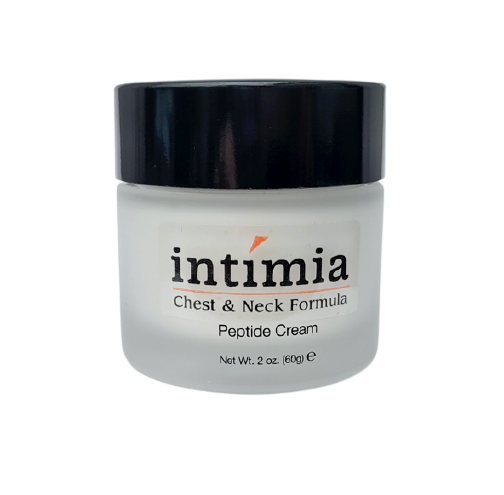
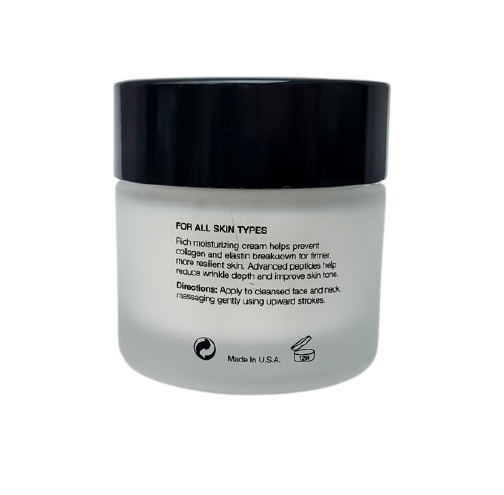
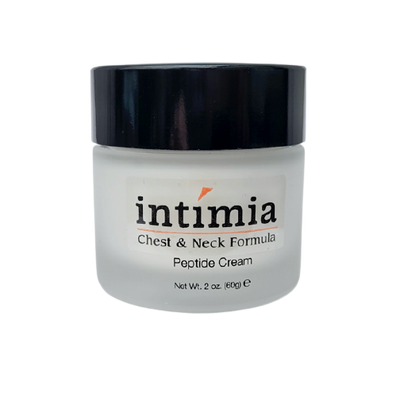
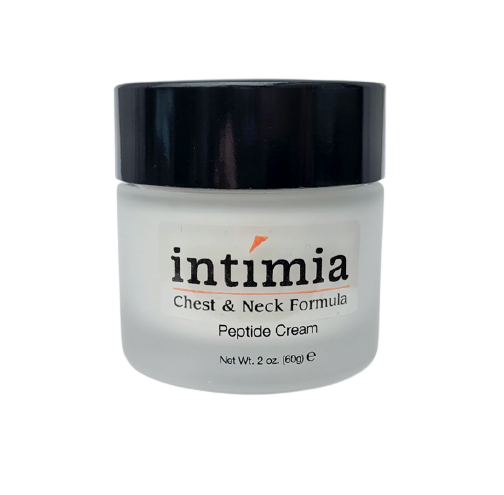
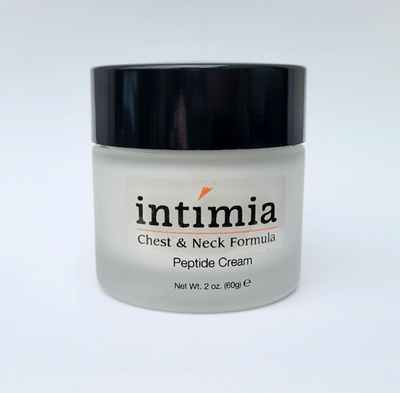
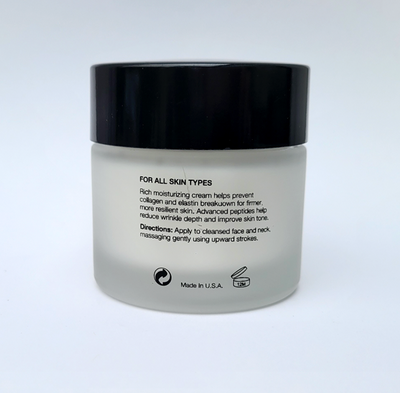
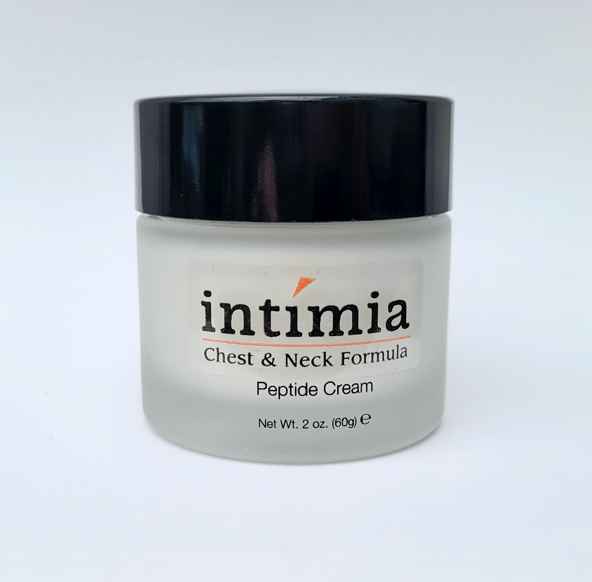
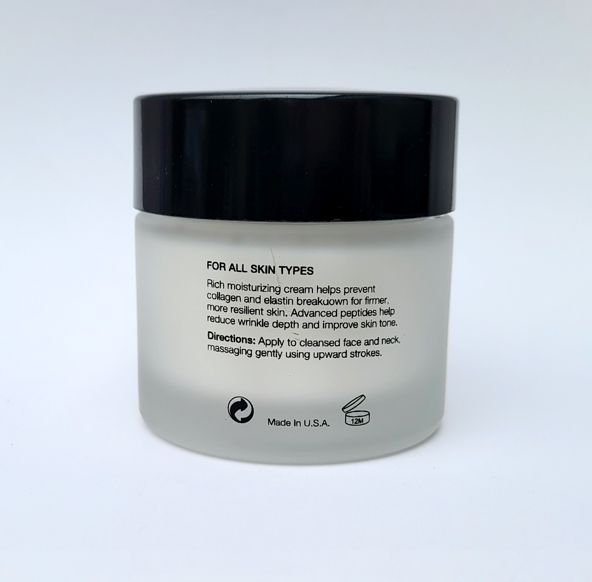
- Peptides: These small protein fragments act as messengers, signaling your skin cells to perform specific jobs. Signal peptides can encourage fibroblasts to build new collagen, helping to reinforce your skin’s structural integrity over time, as explored in the science around peptides in anti-aging skincare.
- Niacinamide: This versatile B vitamin improves your skin’s barrier function, calms inflammation, and can provide a modest boost to collagen synthesis. It’s well-tolerated and can be used morning and night.
- Hyaluronic acid (HA): While not a collagen-builder itself, HA is a master hydrator. It plumps the skin with moisture, creating a healthier environment for your fibroblasts to function optimally and temporarily softening the look of fine lines, a role well described in work on HA in topical formulations.
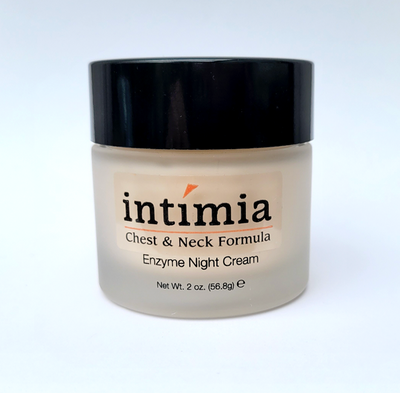
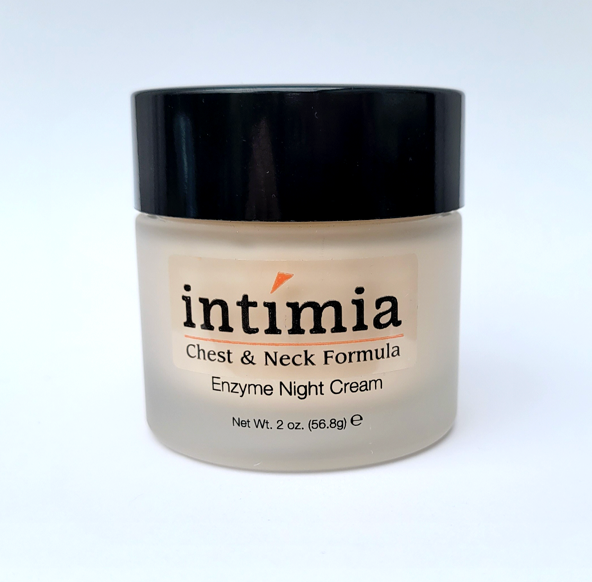
Whatever you use on your face at night, smooth the leftover down your neck and across your chest. No extra steps, just a wider canvas.
B. Sun protection: your primary defense
The single most impactful step you can take to prevent collagen loss after 30 chest is diligent sun protection. Every large study on sunscreen and prevention of photoaging repeats this in slightly different words, but the plot is always the same.
- Apply a broad-spectrum SPF 30 or higher to your neck and chest every single day, rain or shine.
- Reapply every two hours when outdoors.
- Wear high-neck clothing, seek shade during peak UV hours (10 a.m. to 4 p.m.), and wear a wide-brimmed hat.
- Strictly avoid tanning beds, which deliver a concentrated dose of collagen-destroying UVA radiation.
C. Sleep solutions to reduce mechanical stress
Addressing the mechanical forces that create wrinkles while you sleep is a game-changer. You do not have to become a perfect back sleeper overnight, but every small adjustment counts.
- Train yourself to sleep on your back as much as possible to eliminate chest compression.
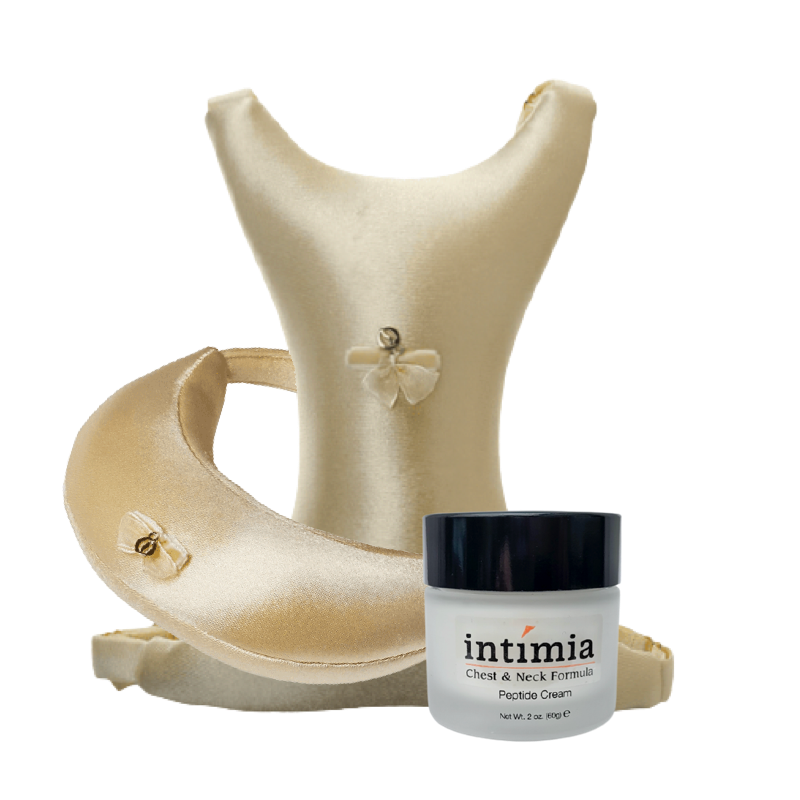
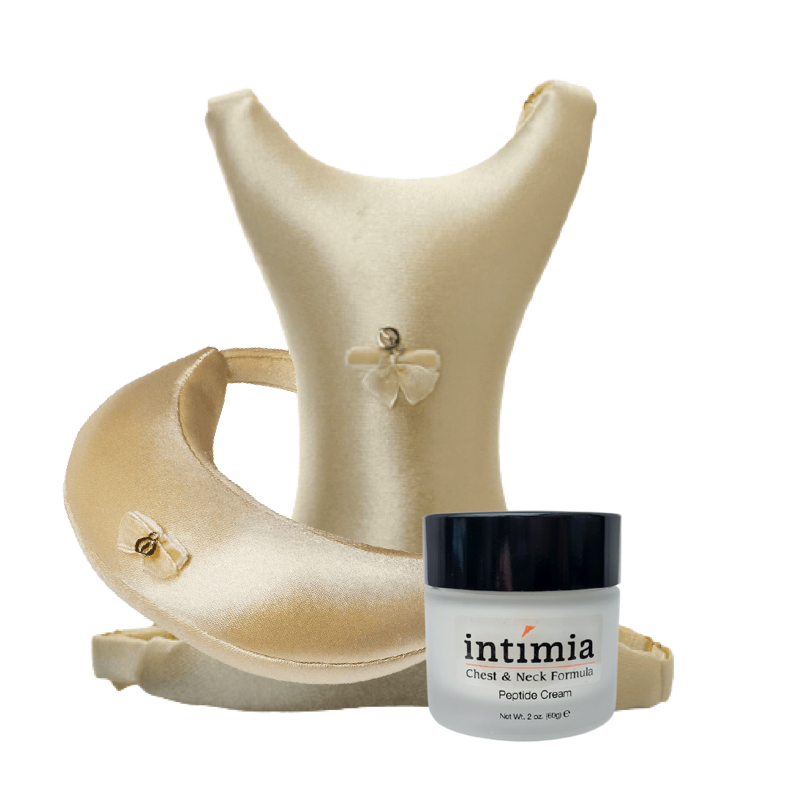
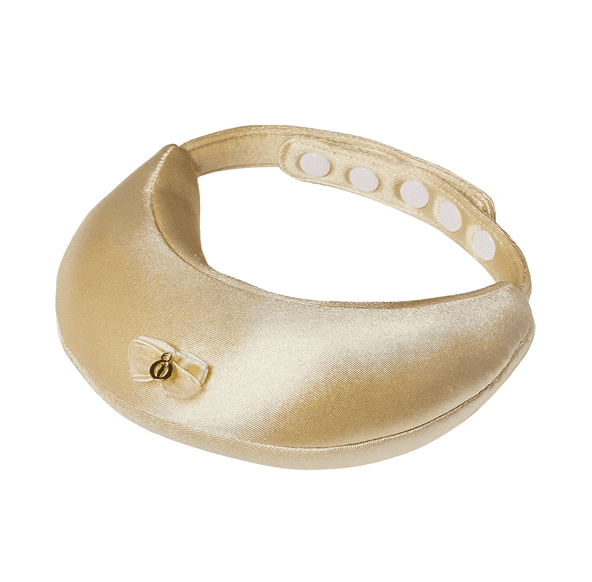
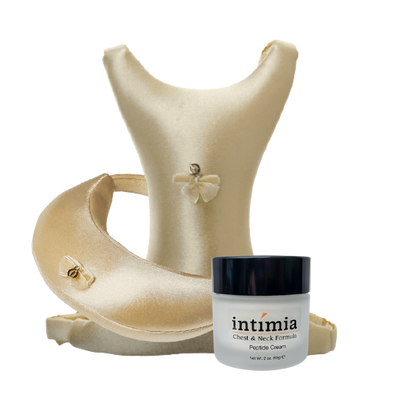
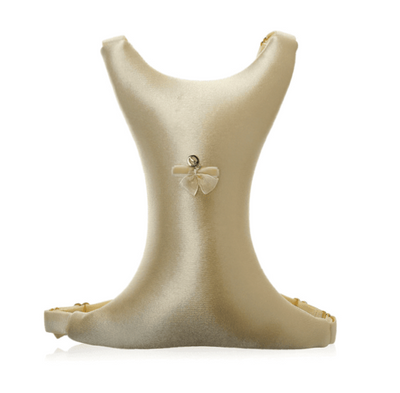
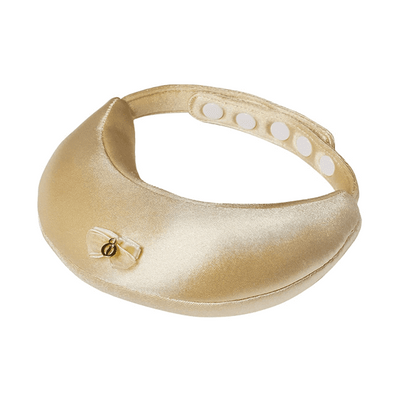
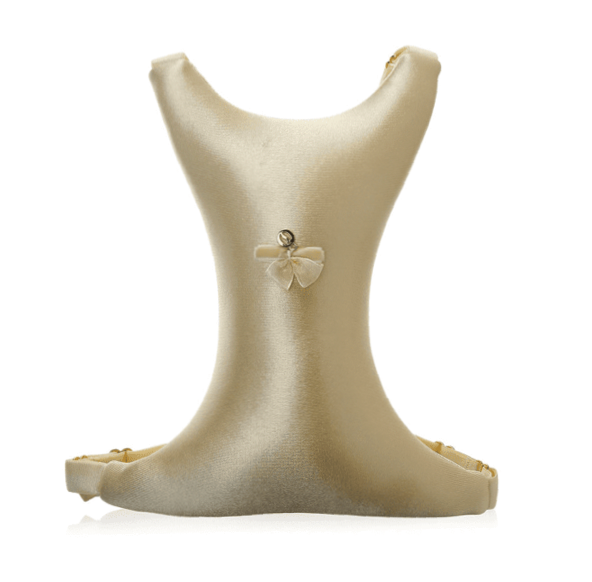
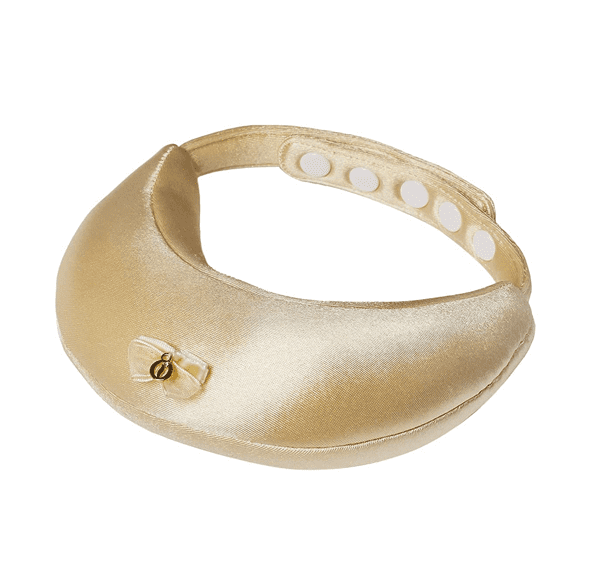
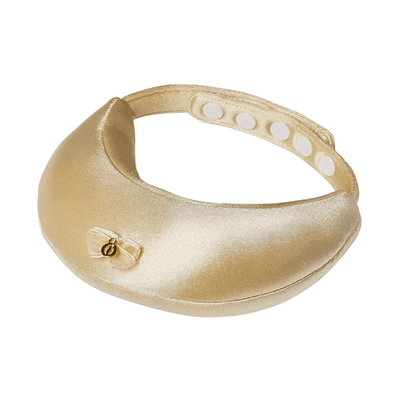
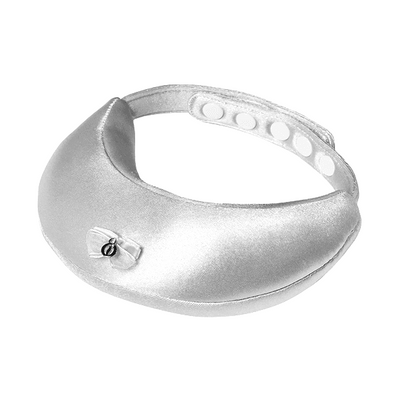
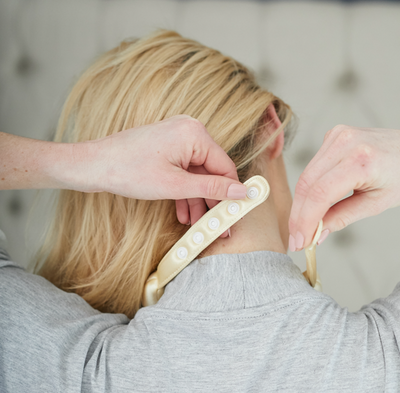
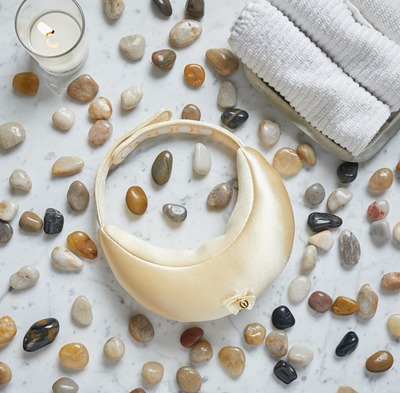
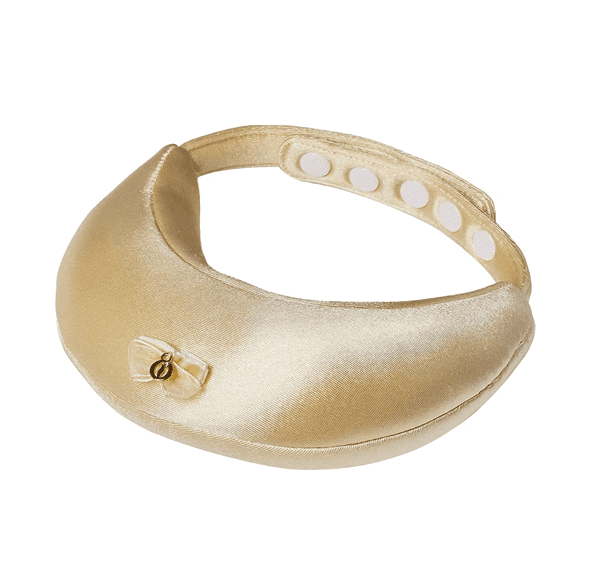
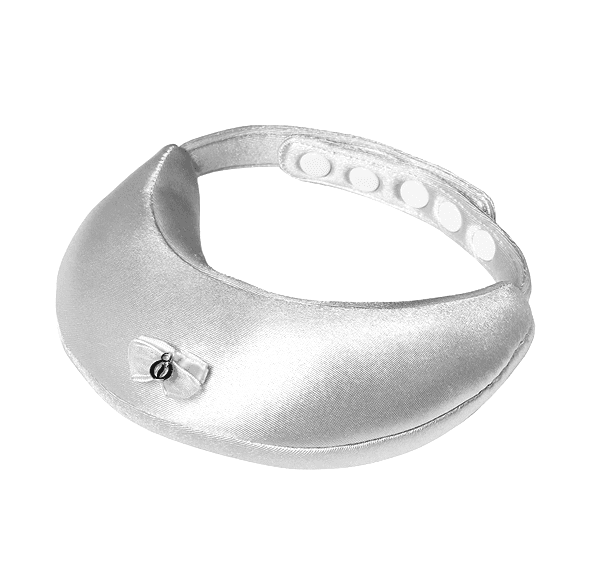
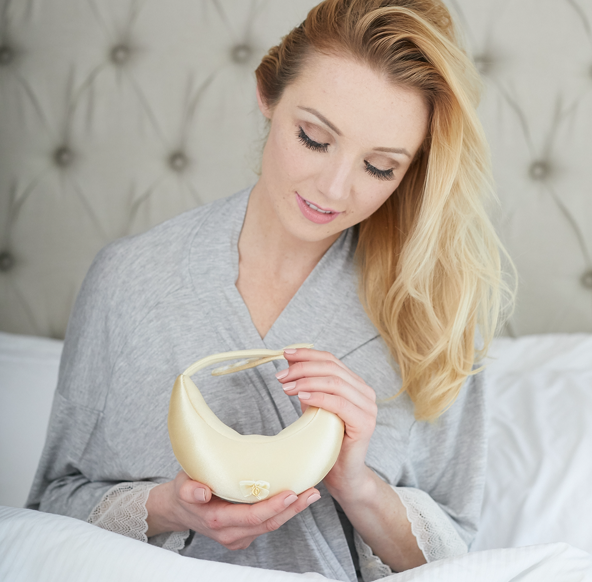
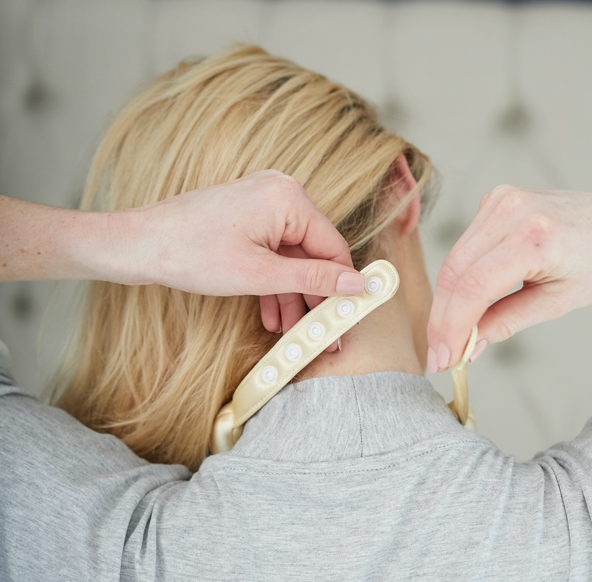
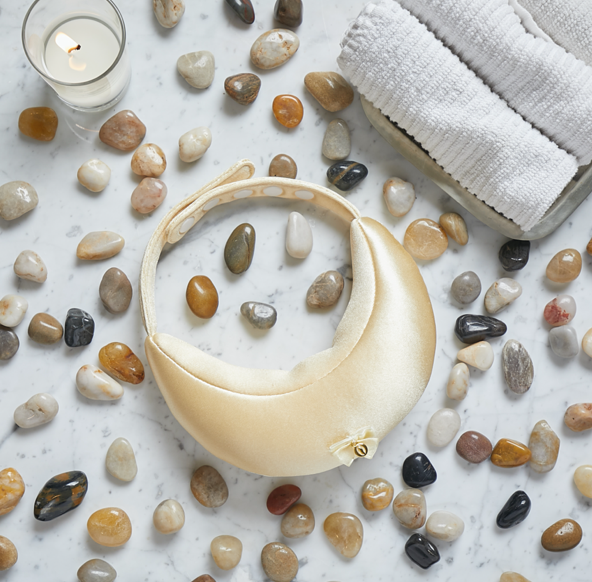
- Use a specialized chest pillow or anti-wrinkle pillow designed to separate and support the breasts, preventing the skin from folding and creasing.
- Consider a soft, supportive sleep bra that minimizes breast movement without compressing the décolleté.
D. Lifestyle strategies for inner strength
- Nourish your skin: Eat a diet rich in high-quality protein, antioxidant-packed fruits and vegetables (berries, leafy greens, citrus), and healthy omega-3 fats. The more I read about nutrition and skin aging, the more I picture my grocery cart as a skincare shelf.
- Quit smoking: There is no way around it. Quitting smoking is one of the best things you can do to slow down collagen depletion décolleté.
- Manage stress and sleep: Prioritize 7–8 hours of quality sleep per night. Incorporate stress-reducing practices like meditation, yoga, or regular exercise to support healthy hormonal balance and skin repair.
- Hydrate inside and out: Drink plenty of water and use a good moisturizer to maintain your skin’s barrier and keep it plump and supple.
Remember, the goal is not to freeze time. It is to partner with your body’s biology, slowing the rate of collagen depletion décolleté through consistent, mindful care so that every new year shows a little more intention and a little less damage.
Section 8: Professional support for advanced skin aging collagen breakdown
When at-home care isn't enough to address established collagen loss after 30 chest, professional treatments can provide a more intensive, targeted boost. These procedures work by directly stimulating your skin’s own regenerative processes to build new, healthy collagen, and the science behind them is surprisingly satisfying to read.
- Microneedling (collagen induction therapy): This treatment uses fine needles to create controlled micro-injuries in the skin. This process triggers your body's natural wound-healing response, leading to a significant increase in new collagen and elastin production. It is excellent for improving the crepey texture and fine lines of the décolleté, as microneedling and collagen induction studies keep confirming.
- Laser therapies (fractional, CO2, non-ablative): Lasers use focused light energy to create controlled thermal injury in the dermis, prompting a powerful collagen remodeling response. Fractional lasers are particularly effective for the chest, as they can improve texture and pigmentation with manageable downtime, which is why so many papers on lasers and dermal collagen remodeling highlight them.
- Radiofrequency (RF) and microneedling RF: These devices deliver heat deep into the dermis without injuring the skin’s surface. This heat tightens existing collagen and stimulates fibroblasts to create new collagen over several months. It is ideal for addressing skin laxity and fine wrinkles on the décolleté.
- Biostimulatory injectables (poly-L-lactic acid, calcium hydroxylapatite): Unlike traditional fillers, these injectables act as collagen seeds. They stimulate your own fibroblasts to gradually build a new network of collagen over several months, improving skin quality and thickness from within, as shown in biostimulators and collagen formation data.
- Chemical peels: A series of light to medium-depth chemical peels can remove sun-damaged surface cells, improve pigmentation, and provide a mild stimulus for dermal remodeling and new collagen growth.
- Platelet-rich plasma (PRP): This therapy uses a concentration of your own blood platelets, which are rich in growth factors. When injected or applied after microneedling, these growth factors can signal fibroblasts to increase their activity and build more collagen, something PRP and skin rejuvenation research keeps exploring in more depth.
It's vital to remember that these professional interventions achieve the best, most lasting results when they are supported by a foundation of excellent at-home care, especially daily sun protection, to protect the new collagen you’ve worked so hard to build and prevent new skin aging collagen breakdown. Think of the clinic as the accelerator and your daily habits as the brakes that keep you from sliding backwards.
Conclusion
The story of your skin after thirty is a story of change. The inevitable collagen production decline age means the scaffolding of your skin begins to weaken. The décolleté, with its delicate nature and constant exposure to sun and stress, often shows this change first. The narrative of collagen loss after 30 chest is written by deep biological processes, aging fibroblasts, collagen fragmentation, and the relentless assault of UV damage.
But this story does not have to be one of passive decline. Understanding why chest wrinkles after 30 appear is the first step toward taking control. By recognizing the science behind skin aging collagen breakdown, you are empowered to act with intention, moving from simply reacting to deep lines to proactively protecting your skin’s health.
The most powerful strategies are the consistent daily rituals, unwavering sun protection, topical ingredients that speak the language of your skin cells, and mindful sleep habits that reduce mechanical stress. When layered with a lifestyle that nourishes from within, you can profoundly slow the trajectory of collagen depletion décolleté. For those seeking to restore what has been lost, professional treatments offer powerful tools for regeneration, especially when you protect their results like a favorite silk dress.
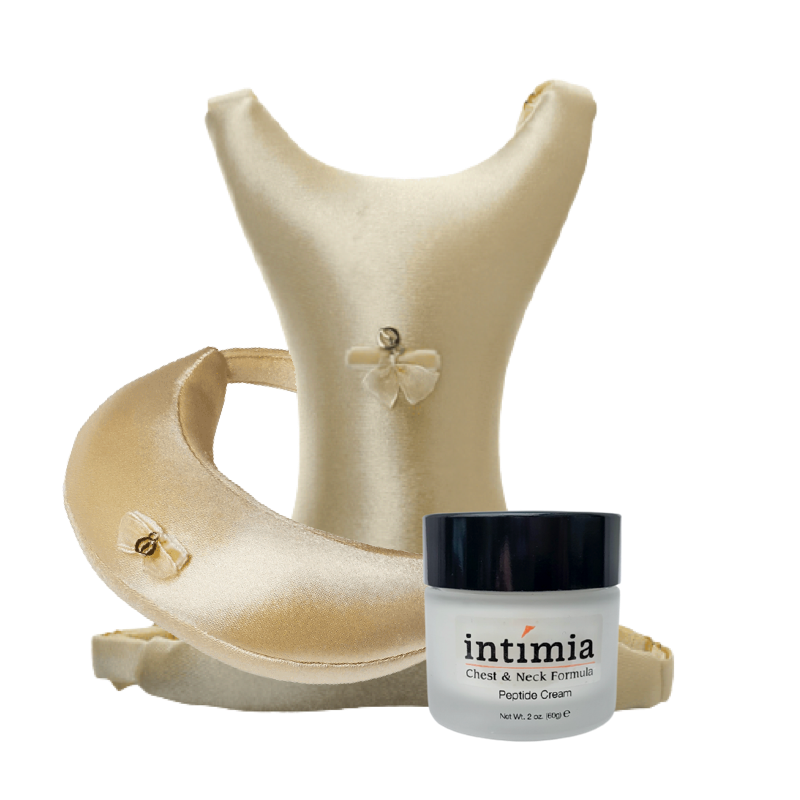
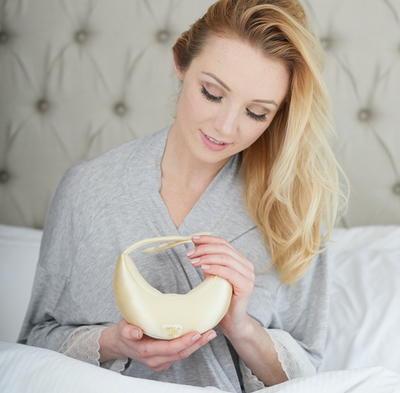
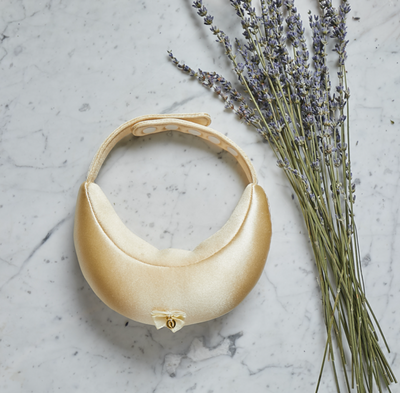
With science as your ally and a little stubborn tenderness for your own body, you can let your décolleté age like a good story, not a warning label, and the Intimia® Breast Pillow is simply one more quiet way to help your skin remember how to smooth itself again.
Ready to wake up with smoother skin — start here.