In this article you will learn:
- Importance of décolleté care after 50
- Unique aging processes of chest skin
- Lifestyle factors affecting décolleté aging
- Daily décolleté care routine
- Targeted ingredients for anti-aging
- Repair-focused strategies for skin rejuvenation
- Sun protection and environmental defense
- Impact of sleep position on wrinkles
- Lifestyle habits supporting skin longevity
- Professional treatments for enhanced results
- Building a sustainable décolleté care plan
Décolleté care after 50 is more than a routine; it is a ritual of self-appreciation. For years I watched women baby their faces while their neck and chest told a completely different story. This delicate stretch from chin to cleavage sees the same sun, the same pollution, the same life as your face, only with thinner skin and less padding. It deserves equal billing, not a supporting role.
Why décolleté care after 50 belongs in every anti-aging routine
We invest time, money, and hope in the skin on our faces. We cleanse, treat, and protect it with devotion. Yet the skin just below, the décolleté, is often left to fend for itself. It is just as visible in a simple v-neck or an elegant blouse, a silent testament to the care you give—or do not give—your entire being. Effective décolleté care after 50 closes this gap, creating a seamless story of vitality from your forehead to your heart.
After 50, the signs of a life well-lived accelerate in this delicate area. Decades of sunshine, hormonal tides, and even the way you sleep come to the surface. You may notice:
- Horizontal neck lines or “necklace lines.”
- Vertical cleavage lines that seem deeper in the morning.
- A crepey, paper-thin texture.
- Sun spots and areas of redness or discoloration.
- A loss of firmness that can lead to a “turkey neck” appearance.
Addressing these concerns is a core part of the anti aging chest mature skin conversation. It is a key pillar of the growing longevity skincare 50 plus movement, which sees beauty not as a race against time, but as a long, graceful dance with it.
Why décolleté care after 50 matters more than ever
Understanding the unique needs of your chest and neck is the first step toward effective care. This area is not simply an extension of your face; it has its own distinct biology and vulnerabilities that call for a specialized approach to anti aging chest mature skin. When you start reading about the décolletage in medical guides you suddenly see why this spot always “gives you away” first.
How the chest ages differently than the face
The skin on your décolleté is fundamentally different from facial skin. It has a thinner dermis, the supportive layer rich in collagen and elastin. It also has far fewer sebaceous glands, which produce the natural oils that keep skin moisturized and protected. With less subcutaneous fat to cushion it, this skin is more susceptible to fine lines, crepiness, and a loss of firmness, often showing these signs earlier than parts of your face. This is why dedicated décolleté care after 50 is so crucial for maintaining strength and resilience.
The role of cumulative sun exposure
Every sunny day you have enjoyed, every drive with the window down, has left its mark. UV radiation is the primary driver of what scientists call photoaging. It quietly breaks down the collagen and elastin fibers that give skin its structure and spring. Over time, this damage surfaces as deep wrinkles, sagging, and mottled pigmentation on the chest, the exact pattern you see described in in-depth chest wrinkle explainers. The sun damage from your youth becomes profoundly visible after 50, making sun protection a cornerstone of chest skin over 50 longevity.
Lifestyle accelerators that target the décolleté
Beyond the sun, daily habits can etch lines into the chest.
- Side-sleeping: Night after night, this position can compress the breasts, folding the delicate skin in between and creating deep, vertical cleavage wrinkles.
- “Tech neck”: The modern habit of looking down at phones and screens for hours creates persistent horizontal creases on the neck.
- Dehydration and poor nutrition: Without enough water and essential nutrients, skin loses its plumpness and ability to repair itself.
- Smoking and alcohol: These habits restrict blood flow and create free radicals, starving the skin of oxygen and accelerating the breakdown of its supportive structure.
The longevity skincare 50 plus trend
A powerful shift is happening in beauty. The longevity skincare 50 plus movement moves away from the promise of quick fixes and toward a more profound goal: the long-term maintenance of skin health, function, and appearance. It is about treating the neck and chest with the same respect and scientific rigor as the face, the way serious neck-cream research quietly recommends. This trend champions evidence-based ingredients and consistent routines, recognizing that true radiance is built over time, not overnight. It is a philosophy of care that honors the journey of aging with grace and strength.
Understanding chest skin over 50 and longevity
To truly support chest skin over 50 longevity, you and I have to look beneath the surface. The changes you see are rooted in deep structural shifts happening within the skin itself. A thoughtful décolleté care after 50 plan works with your body’s biology, not against it.
Age-related structural changes
As we age, our skin’s internal architecture weakens. The production of collagen and elastin, the proteins that provide firmness and flexibility, declines steadily. This process accelerates dramatically after menopause, a pattern described again and again in menopause-and-skin guides written by dermatologists. At the same time, cell turnover slows down. New, healthy cells take longer to reach the surface, while old, dull cells linger. This contributes to a rough, crepey texture. The skin’s protective barrier also becomes impaired, making it harder to retain moisture and easier for irritants to penetrate, leading to chronic dryness and sensitivity.
Impact of estrogen decline after menopause
Estrogen is a key hormone for skin health. It plays a vital role in stimulating collagen synthesis and oil production. When estrogen levels drop during and after menopause, the impact on the skin is significant. The decrease in collagen leads directly to thinner skin and more pronounced wrinkles and sagging. Reduced oil production results in dryness that can make crepey textures on the chest more obvious. This is why so many women notice a sudden increase in chest and neck concerns in their late 40s, 50s, and 60s. Understanding this hormonal link is vital for effective anti aging chest mature skin care.
External and mechanical stressors
Your skin is in a constant dialogue with the world around it. UV radiation from the sun and environmental pollution generate free radicals that damage skin cells. Temperature changes can strip moisture and cause irritation. On top of this, mechanical stressors take their toll. The simple act of sleeping on your side can fold and crease the skin for eight hours a night. A poorly fitting bra can compress the chest, creating lines that become permanent over time. These daily forces compound the internal, age-related changes, the way crepey skin specialists describe in their checklists of “little things that add up.”
Why understanding these changes matters
Knowledge is power. When you understand why your chest skin is changing, the loss of collagen, the hormonal shifts, the impact of your sleep habits, you can make smarter choices. You can select products with ingredients that target these specific issues. You can adjust your habits to minimize stress on the skin. This understanding helps you set realistic goals and build a routine that truly supports chest skin over 50 longevity, fostering a sense of control and confidence in your self-care journey.
Daily décolleté care after 50 – a foundational routine that works
Consistency is the soul of skincare. A simple, steadfast daily routine is more powerful than sporadic, complex treatments. This four-step foundation for décolleté care after 50 protects, nourishes, and builds resilience for long-term results.
Step 1 – gentle cleansing for sensitive mature chest skin
The skin on your chest is not as tough as the skin on your back or arms. Treat it with the same kindness you show your face. Avoid harsh bar soaps and strong, stripping body washes that can disrupt its delicate moisture barrier. Instead, use a mild, hydrating cleanser, the kind often recommended in detailed décolletage care guides. Use lukewarm water, as hot water can strip natural oils, and pat the skin dry with a soft towel. Never rub vigorously. This gentle start prepares the skin to receive the treatments that follow.
Step 2 – treat with targeted actives
After cleansing, it is time to deliver powerful ingredients directly to the skin. This is where you apply your targeted anti-aging serums. Think of ingredients like peptides, antioxidants, or gentle retinoids. Remember that the chest can be more sensitive than the face, so if you are using a potent facial serum, you may need to apply it less frequently on your décolleté to start. Use graceful, upward strokes from the cleavage toward the chin, or gentle downward strokes, the direction matters less than the light touch.
Step 3 – moisturize and support the skin barrier
Hydration is everything for mature skin. A good moisturizer does two things: it draws moisture into the skin and it seals that moisture in. Look for creams with humectants like hyaluronic acid to hydrate, and emollients or occlusives like ceramides and shea butter to lock it all in. For best results, apply your moisturizer while your skin is still slightly damp from cleansing or your serum. This helps trap the water on the skin’s surface, leaving your décolleté feeling soft, plump, and comfortable all day. This is a crucial step for any anti aging chest mature skin plan, echoed in almost every serious neck-tightening guide I have ever read.
Step 4 – daily sun protection as non-negotiable
If you do only one thing for your décolleté, let it be this. Daily sun protection is the single most effective anti-aging strategy. Every single morning, without fail, extend your facial sunscreen all the way down your neck and across your entire exposed chest. Choose a broad-spectrum formula with an SPF of 30 or higher, the same standard you will find in every thoughtful turkey-neck explainer. This one habit is the ultimate investment in your chest skin over 50 longevity, preventing future damage and protecting the results of your dedicated routine.
Targeted ingredients for anti-aging chest mature skin
Choosing the right ingredients is like choosing the right tools for a job. For anti aging chest mature skin, you need ingredients that can hydrate, repair, and protect. These are the science-backed powerhouses that will help you rebuild chest skin after 50.
Retinoids and retinol
Retinoids are the gold standard in anti-aging. This family of vitamin A derivatives works by speeding up cell turnover and stimulating your skin to produce new collagen. The result is smoother texture, a reduction in fine lines, and improved firmness. However, the décolleté is more sensitive than the face, so it is essential to introduce retinoids slowly. Start with a low-strength retinol product one or two nights a week, and gradually increase as your skin adapts. Always buffer with a good moisturizer, especially if you are already using a neck cream suggested in detailed over-50 routines.
Peptides and growth factors
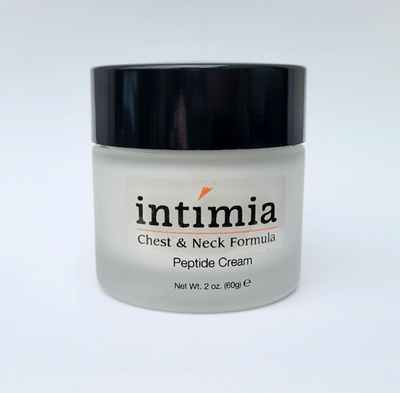
Think of peptides as messengers. These short chains of amino acids can signal your skin cells to perform specific jobs, like building more collagen and elastin. They are a gentle yet effective way to encourage firmness and reduce the appearance of wrinkles. Growth factors are larger proteins that also support the skin’s repair and regeneration processes. Formulas containing these ingredients are excellent choices for a consistent décolleté care after 50 routine aimed at rebuilding skin density, and they appear often in the more advanced rejuvenation protocols doctors publish.
Antioxidants (vitamin C, vitamin E, niacinamide)
Your skin is under constant attack from free radicals, unstable molecules from UV rays and pollution that damage cells and accelerate aging. Antioxidants are your defense.
- Vitamin C: A powerhouse that not only helps neutralize free radicals but also helps brighten sun spots and supports collagen production.
- Vitamin E: Often paired with vitamin C, it helps stabilize the formula and provides additional protective and moisturizing benefits.
- Niacinamide (vitamin B3): A multi-tasking hero that calms redness, strengthens the skin barrier, improves elasticity, and can help with discoloration, which is why it shows up in so many neck-tightening formulas.
Hyaluronic acid for hydration and plumpness
Hyaluronic acid is a moisture magnet. This molecule can hold up to 1,000 times its weight in water, drawing hydration into the skin and giving it a plump, dewy appearance. Research has shown it can significantly improve skin hydration, firmness, and elasticity while reducing the look of wrinkles, a point I first underlined while reading a long clinical review of neck creams. For mature chest skin, which is often dry, a hyaluronic acid serum layered underneath a richer cream can work wonders.
Ceramides and soothing ingredients
A healthy skin barrier is a hydrated, resilient skin barrier. Ceramides are lipids that are a natural part of this barrier. Adding them back into your skin with a moisturizer helps to repair and reinforce it, preventing water loss and protecting against irritation. Combine them with soothing ingredients like shea butter, aloe, or panthenol to keep the delicate décolleté calm, comfortable, and strong, especially when using active ingredients like retinoids. Many of the better neck creams in the UK quietly build their formulas around this idea.
How to introduce actives safely on the décolleté
Patience is key. To avoid irritation on this sensitive area:
- Patch test any new active product on a small area first.
- Start low and go slow. Use a low concentration once or twice a week.
- Alternate your actives. Do not use a retinoid and an exfoliating acid on the same night. For example, use retinol on Monday, a peptide serum on Tuesday, and an AHA exfoliant on Wednesday.
- Always, always use sunscreen. Active ingredients can make your skin more sensitive to the sun.
Rebuild chest skin after 50 – repair-focused strategies that deliver
To truly rebuild chest skin after 50, we need to go beyond basic maintenance and adopt repair-focused strategies. This is where you combine powerful products, smart techniques, and at-home tools to create visible change in your anti aging chest mature skin.
Setting realistic expectations
The goal of a great longevity skincare 50 plus routine is progress, not perfection. No cream can completely erase decades of sun damage or the natural process of aging. However, a consistent and strategic routine can make a remarkable difference. You can significantly improve texture, making crepey skin smoother. You can brighten sun spots for a more even tone. You can improve firmness and reduce the appearance of fine lines. Celebrate the improvements and trust that your efforts are promoting long-term chest skin over 50 longevity, something even clinical rejuvenation studies quietly confirm when you read the fine print.
Strategic layering: exfoliate, treat, seal
A powerful repair strategy involves three key steps, performed in the right order.
- Exfoliate: One to three times per week, use a gentle chemical exfoliant with low-strength alpha-hydroxy acids like glycolic or lactic acid. This will dissolve the bonds holding dead, dull skin cells to the surface, revealing smoother skin underneath and allowing your treatment products to penetrate more effectively.
- Treat: On cleansed, and exfoliated on those nights, skin, apply your targeted serum. This is your powerhouse step with ingredients like retinol, peptides, or vitamin C that work on a cellular level to repair and rejuvenate. I still remember the first week I actually followed this order; suddenly my “average” neck cream behaved like the ones described in glossy reviews.
- Seal: Follow with a rich, nourishing moisturizer or a cream specifically formulated for the neck and chest. This final layer seals in the active ingredients and provides a protective barrier to lock in moisture and support the skin’s healing process.
Leveraging at-home devices and tools
Technology can be a wonderful partner to your topical routine. Several evidence-supported at-home devices can enhance your results:
- Red light or LED devices: Consistent use of red light therapy has been shown to help stimulate collagen production, which can help improve skin tone and reduce the appearance of fine lines over time.
- Gentle massage or gua sha: Using a tool or your fingertips to gently massage the neck and chest can help boost circulation, bringing fresh oxygen and nutrients to the skin. Always use a facial oil or rich cream to provide slip, and be careful not to pull or drag the thin skin.
- Microcurrent devices: These tools use low-level electrical currents to stimulate facial muscles and skin cells, which may provide a temporary firming and lifting effect.
Remember, these devices are enhancers, not replacements for a solid foundation of cleansing, treating, moisturizing, and protecting. Even the sternest turkey-neck guides agree on that.
Nighttime: prime time for repair
Your skin does its best repair work while you sleep. The body’s circadian rhythm dictates that skin cell regeneration and repair peak overnight. You can support this natural process by using your most powerful and nourishing products before bed. This is the ideal time for richer creams and barrier-supportive formulas. It is also the best time to apply stronger actives like retinol or exfoliating acids, as they can work uninterrupted without sun exposure. Making your nighttime routine a priority is a direct investment in long-term skin health.


Sun protection and environmental defense for chest skin over 50 longevity
If your skincare routine were a house, sunscreen would be the roof. Without it, everything else inside is vulnerable to damage. For true chest skin over 50 longevity, daily, uncompromising sun protection is the most critical step you can take.
Why SPF is the #1 décolleté anti-aging step
Dermatologists are unanimous: the most effective anti-aging product you can buy is a broad-spectrum sunscreen with an SPF of 30 or higher. The term “broad-spectrum” is vital because it means the product protects you from both UVB rays, the ones that cause sunburn, and UVA rays. UVA rays are the silent agers; they penetrate deeper into the skin, destroying collagen and elastin, and they can pass through clouds and window glass, a point that appears again and again in careful turkey-neck articles. They quietly reach your chest during your daily commute or while you sit near a window. Consistent SPF use is the ultimate act of prevention for your décolleté care after 50.
How to apply and reapply for real-world protection
Application matters. Most people do not apply enough sunscreen to get the protection stated on the bottle. For your neck and exposed chest area, you should use a generous amount, think a nickel-sized dollop. Apply it every single morning as the final step of your routine. If you are spending time outdoors, you must reapply it every two hours, and more often if you are swimming or sweating. Do not forget that v-necks, scoop necks, and open blouses expose this area to daily incidental sun exposure, which adds up over time, as any in-depth chest-wrinkle guide quietly warns.
Beyond sunscreen: building an environmental shield
Sunscreen is your first line of defense, but you can build a more comprehensive shield against environmental damage.
- Protective clothing: On intensely sunny days, UPF clothing, a chic lightweight scarf, or a wide-brimmed hat can provide a physical barrier against harsh rays.
- Antioxidant serums: Applying an antioxidant serum in the morning, before your sunscreen, provides a second layer of defense. It helps neutralize the free radicals from UV and pollution that your sunscreen might not block completely, the same logic you see laid out in detailed décolletage care explainers.
These habits are the essence of longevity skincare 50 plus, a proactive, 360-degree approach that minimizes ongoing damage, allowing your repair-focused products to work more effectively and sustaining your results for years to come.
Sleep, positioning, and wrinkle prevention for the décolleté
What happens to your skin while you sleep can be just as impactful as what you put on it while you are awake. Nightly mechanical stress is a hidden cause of deep-set chest wrinkles, and addressing it is a key component of a successful anti aging chest mature skin strategy.
How sleep position deepens chest lines
If you are a side-sleeper or stomach-sleeper, gravity and pressure work together to compress your breasts. This causes the delicate skin of the décolleté to fold and crease between them. When you are younger, your skin’s high elasticity allows it to bounce back from this pressure by morning. But as collagen declines with age, those temporary sleep lines can become permanently etched into the skin. If you have ever woken up with deep vertical lines in your cleavage that take hours to fade, you are seeing this process in action. This is one of the most common complaints related to chest skin over 50 longevity, and every chest-wrinkle explainer eventually circles back to it.
Practical adjustments without sacrificing comfort
Changing a lifelong sleep habit can be challenging, but small adjustments can make a big difference.
- Try back-sleeping: The best position to prevent chest wrinkles is sleeping on your back, as it eliminates any pressure or folding of the skin. To make it more comfortable, try placing a pillow under your knees to support your lower back.
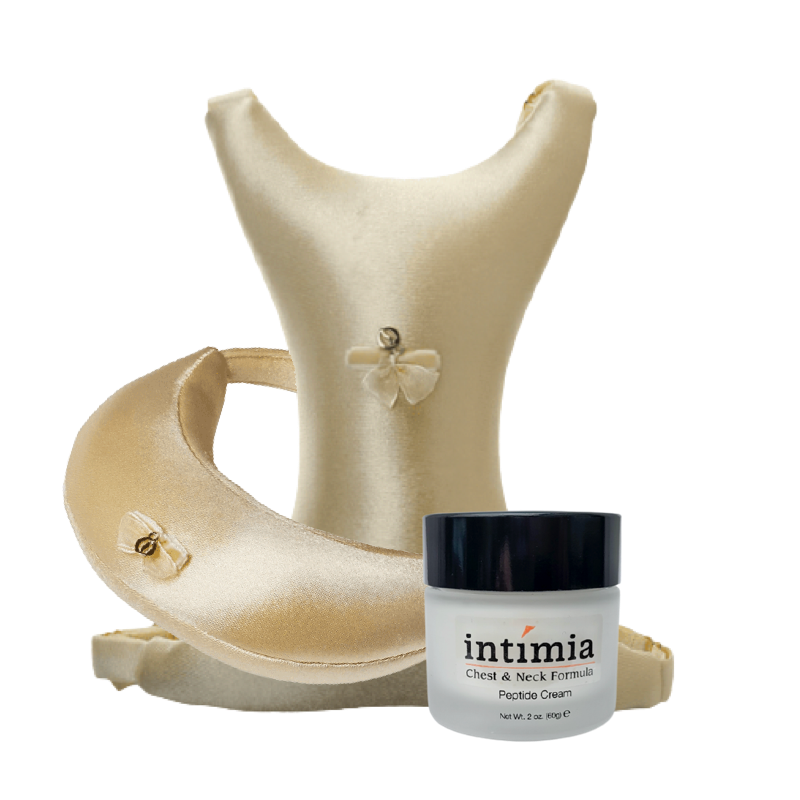
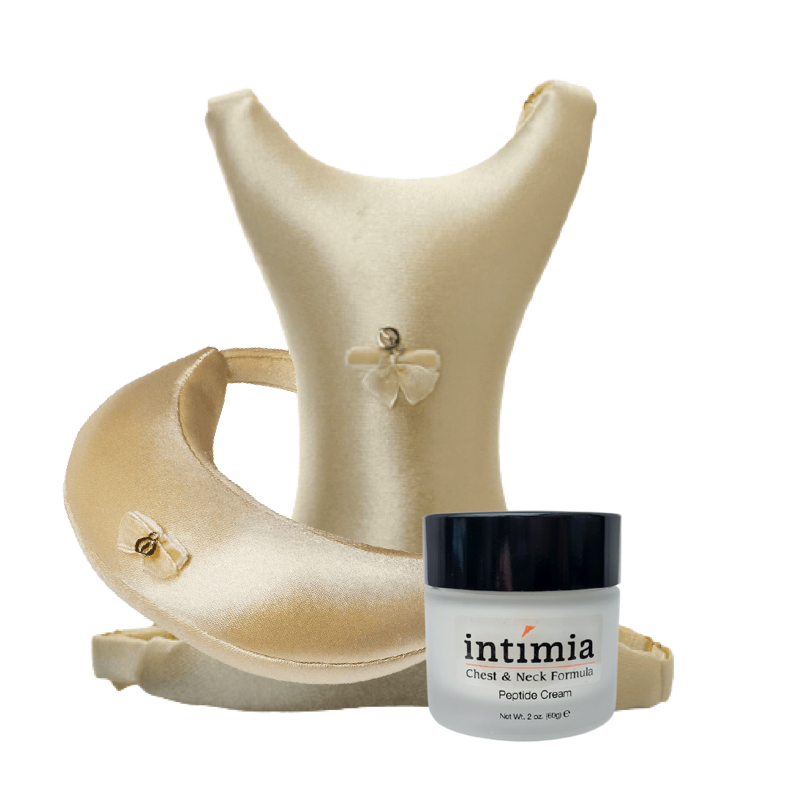
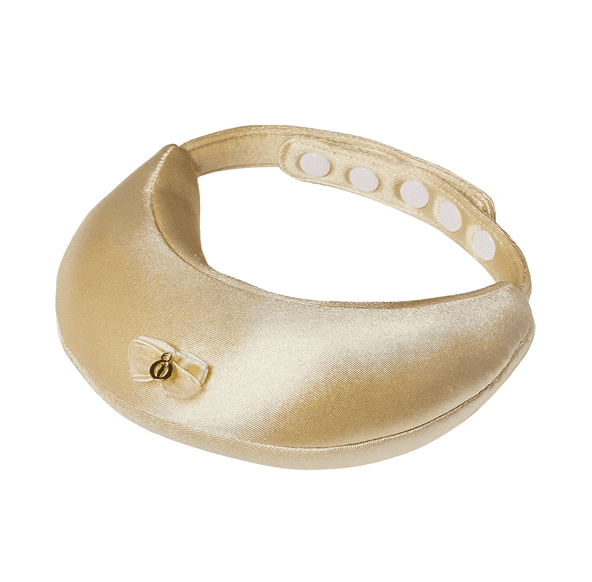
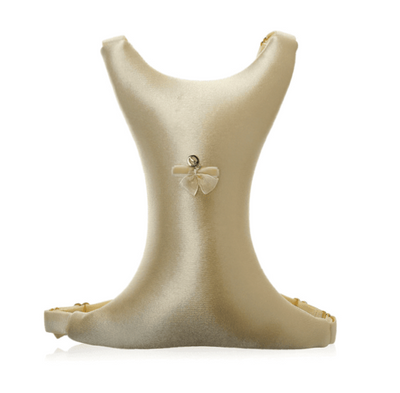
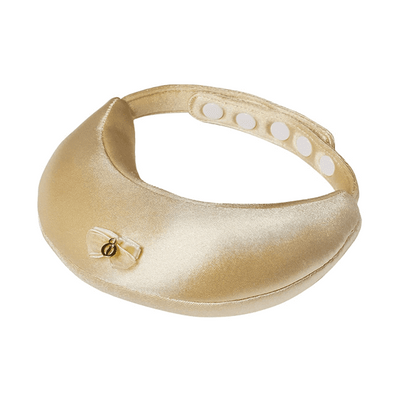
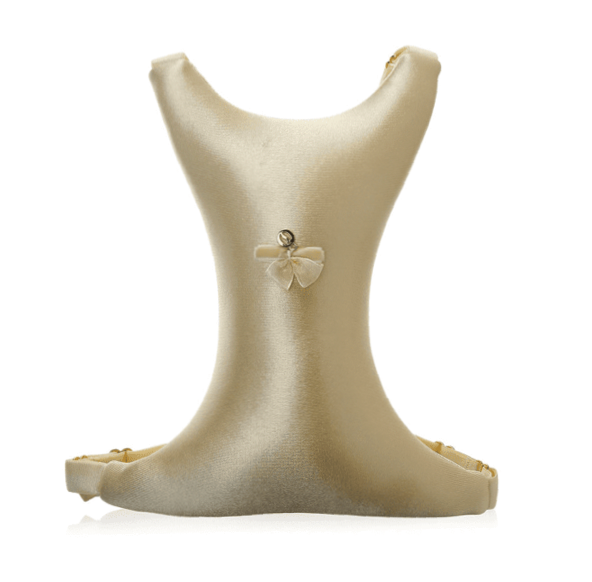
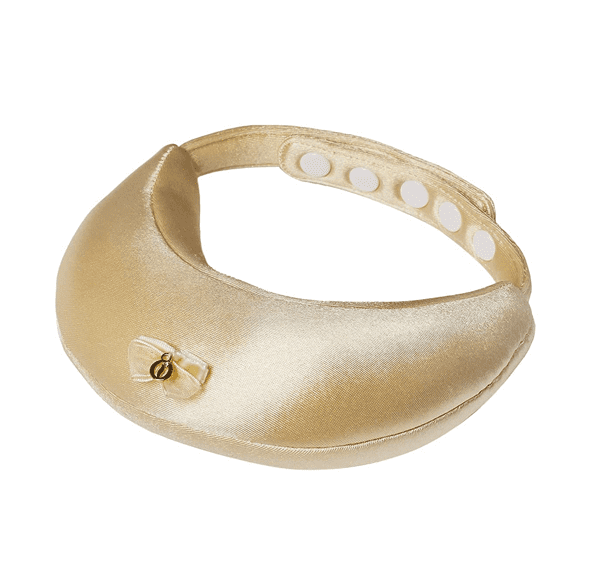
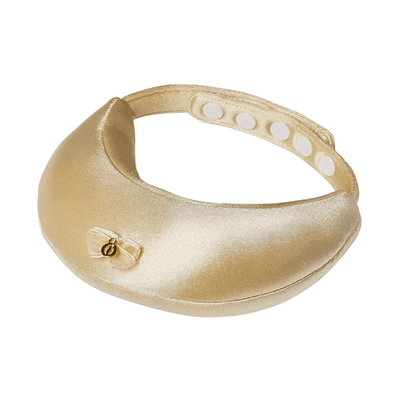
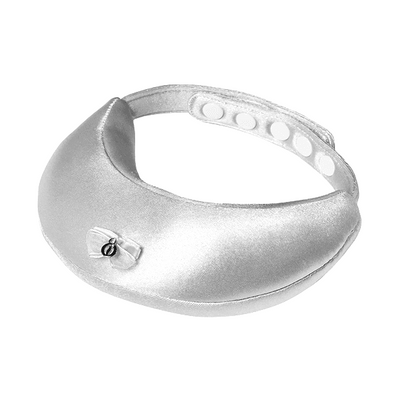
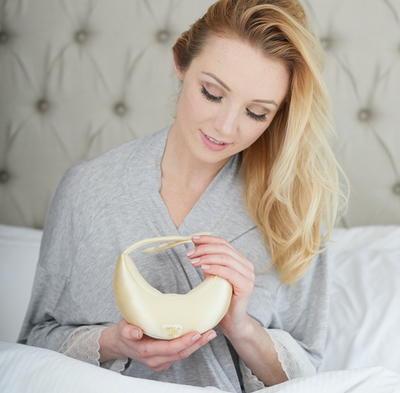
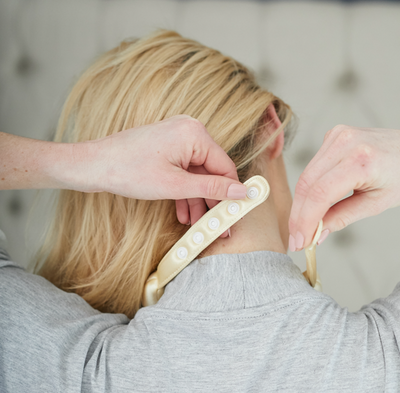
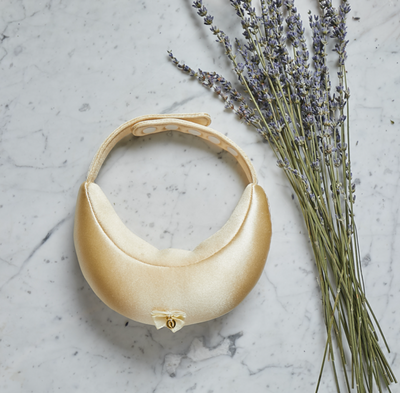
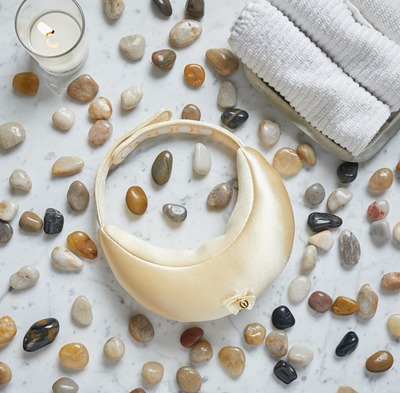
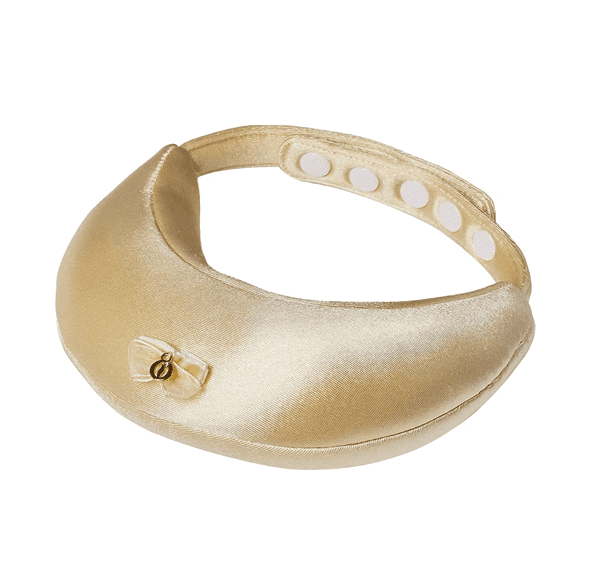
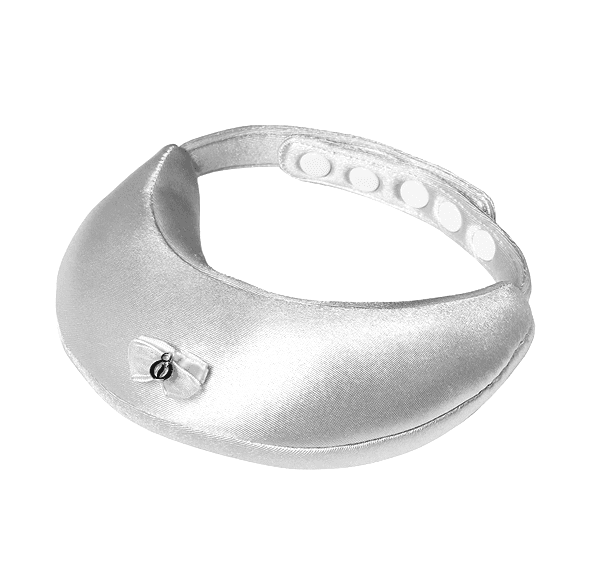
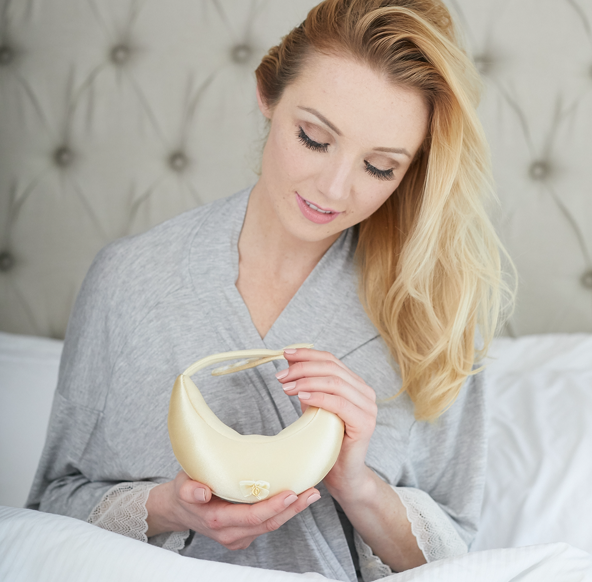
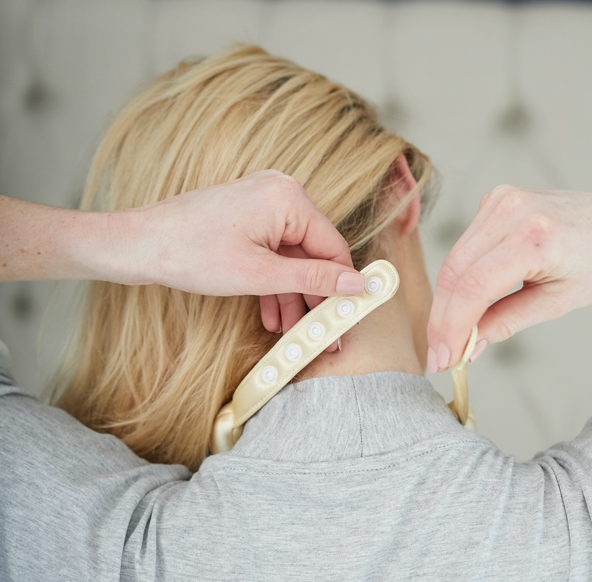
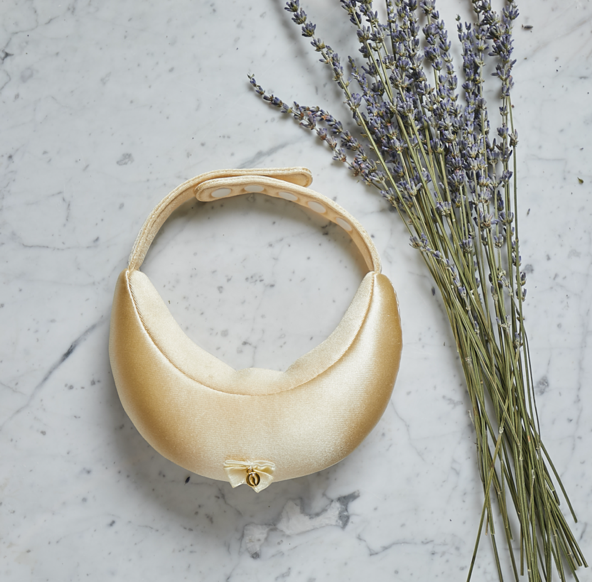
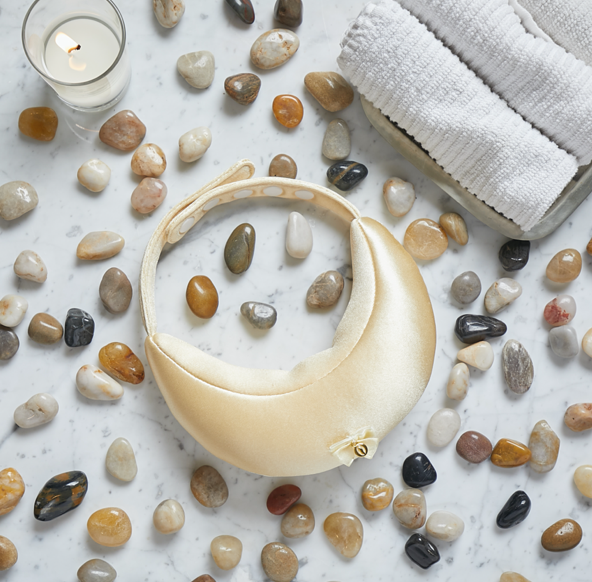
- Use a chest pillow: If back-sleeping is not for you, consider a specialized chest pillow. These are designed to be worn between the breasts to keep them separated and supported, physically preventing the skin from creasing while you sleep on your side.
- Wear a supportive sleep bra: A soft, comfortable sleep bra made from breathable material can help minimize breast movement and reduce the skin folding that leads to wrinkles. Look for styles without underwires or restrictive components.
Linking nighttime positioning to long-term results
You can use the most expensive and effective creams in the world, but if you are physically creasing your skin for eight hours every night, you are fighting an uphill battle. Combining a powerful topical routine with smart sleep habits creates a synergistic effect. Your products work to repair the skin, while your sleep position prevents new damage from occurring. This dual approach is fundamental to achieving the best possible results from your décolleté care after 50 efforts. If your décolletage looks flawless by morning, check if you actually slept on your side.
Before buying another cream, spend one week just changing your sleep setup: add a chest pillow, a softer bra, and a fresh pillowcase; then look closely at your morning lines.
Lifestyle habits that support longevity skincare 50 plus for the chest
True radiance comes from within. The health and vitality of your skin are a direct reflection of your overall wellness. A holistic approach that combines external care with internal nourishment is the cornerstone of longevity skincare 50 plus.
Nutrition for strong, resilient skin
The food you eat provides the building blocks for healthy skin. To support your anti aging chest mature skin from the inside out, focus on a diet rich in:
- Antioxidants: Found in berries, leafy greens, and colorful vegetables, these compounds help counter the free radical damage that breaks down collagen, exactly what crepey-skin specialists warn about.
- Healthy fats: Omega-3 fatty acids, found in fatty fish, walnuts, and flaxseeds, help maintain a healthy skin barrier and keep skin supple and hydrated.
- Lean protein: Your body needs amino acids from protein to build and repair collagen.
- Key nutrients: Vitamin C and zinc are particularly important co-factors for collagen production.
Hydration, exercise, and sleep
These three pillars of health have a profound impact on your skin.
- Hydration: Drinking enough water helps maintain skin turgor, its natural plumpness and resilience. Dehydrated skin often looks more wrinkled and crepey.
- Exercise: Regular physical activity boosts circulation, which delivers more oxygen and nutrients to your skin cells. It also helps manage stress, which is beneficial for skin health.
- Sleep: Quality sleep is non-negotiable. During deep sleep, your body releases growth hormone, which is essential for cellular repair and regeneration, a rhythm menopause skin guides bring up again and again.
Habits that accelerate aging—and how to shift them
Some lifestyle choices directly work against your chest skin over 50 longevity goals.
- Smoking: This is one of the worst offenders, as it constricts blood vessels and dramatically accelerates collagen and elastin breakdown, leading to severe wrinkling and a crepey texture.
- Excess alcohol: Alcohol dehydrates the body and skin, increases inflammation, and can contribute to redness and a dull complexion.
- Chronic stress: High levels of the stress hormone cortisol can impair the skin’s barrier function and interfere with its ability to repair itself, a pattern you can see spelled out in crepey-skin overviews.
Simple habit upgrades for busy women 50+
You do not need a complete life overhaul. Small, consistent changes have a compounding effect.
- Start your day with a large glass of water, perhaps with a squeeze of lemon.
- Take a brisk 10-minute walk after your meals to aid digestion and boost circulation.
- Establish a consistent bedtime to help regulate your sleep cycle.
- Set a screen curfew an hour before bed to improve sleep quality.
These simple acts of self-care are powerful investments in your long-term health and the beautiful skin that reflects it.
Professional and at-home synergy for anti-aging chest mature skin
For those seeking to significantly rebuild chest skin after 50, combining a dedicated at-home routine with professional treatments can deliver transformative results. This synergy is a core principle of modern longevity skincare 50 plus.
Non-invasive and minimally invasive professional options
A board-certified dermatologist or experienced aesthetic practitioner can offer powerful treatments that work on a deeper level than topical products. Common options for the neck and chest include:
- Light chemical peels: These use acids to exfoliate the top layers of skin, improving texture, smoothing fine lines, and brightening sun damage.
- Radiofrequency: This technology uses energy to gently heat the deeper layers of the skin, stimulating the production of new collagen and leading to tighter, firmer skin over time, the same tightening described in careful neck-skin articles.
- Microneedling: This procedure creates tiny micro-injuries in the skin, triggering the body’s natural wound-healing response and a surge in collagen production. It is excellent for improving crepey texture.
- Injectable treatments: Biostimulators can be used to kick-start collagen production for long-term firming, while hyaluronic acid fillers can address specific static wrinkles and improve overall hydration and skin quality.
A small study of women aged 55 to 63 demonstrated the power of a combined approach. A protocol using three different types of injectables, calcium hydroxyapatite, hyaluronic acid, and incobotulinumtoxinA, led to significant improvements in skin laxity, wrinkles, and overall skin quality within 90 days, with participants reporting high levels of satisfaction.
Combining professional care with at-home routines
Professional treatments provide a powerful reset, but your at-home décolleté care after 50 is what maintains and enhances those results. Daily SPF is crucial to protect your investment. Using active ingredients like retinoids and peptides at home continues to stimulate collagen between appointments. Proper moisturization supports the healing process and keeps the skin barrier healthy. Think of it as a partnership: the professional treatment provides the initial push, and your daily routine carries the momentum forward, a pattern you will also see emphasized in the more technical rejuvenation papers.
Safety and choosing the right provider
The neck and chest are delicate areas. Treatments that are too aggressive can lead to complications like scarring or discoloration. It is essential to choose a provider who is a board-certified dermatologist or a highly experienced aesthetic practitioner with specific expertise in treating the décolleté. Always have a thorough consultation to discuss your medical history, goals, and realistic expectations before proceeding with any treatment, and do not be shy about asking how often they treat the décolletage itself and not just the face.
Budgeting and timing for longevity
Professional treatments are an investment. Many require a series of sessions, three or four treatments spaced a month apart, to see optimal results, followed by maintenance sessions once or twice a year. It is often best to schedule more intensive treatments like peels or lasers during the fall and winter when you have less sun exposure. Integrating professional care into your anti aging chest mature skin plan is an optional but powerful pillar that can accelerate your journey toward your goals. The clinical rejuvenation protocols you see published often follow this same rhythm of series plus maintenance.
Building a sustainable, trend-aware décolleté care plan after 50
The best plan is one you can stick with. Consistency, not complexity, is what will help you rebuild chest skin after 50 and ensure chest skin over 50 longevity. Here is a framework for creating a sustainable, personalized, and effective routine.
Sample weekly routine framework
-
Daily (AM):
- Cleanse the neck and chest with a gentle, hydrating wash.
- Apply an antioxidant serum, like vitamin C.
- Follow with a moisturizer suited for mature skin.
- Finish with a generous layer of broad-spectrum SPF 30+ on the entire neck and exposed chest.
-
Daily (PM):
- Gently cleanse to remove sunscreen and impurities.
- Apply your primary treatment serum, a retinol or peptide formula.
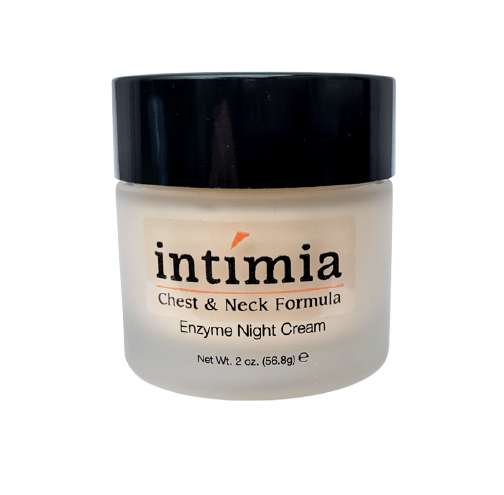
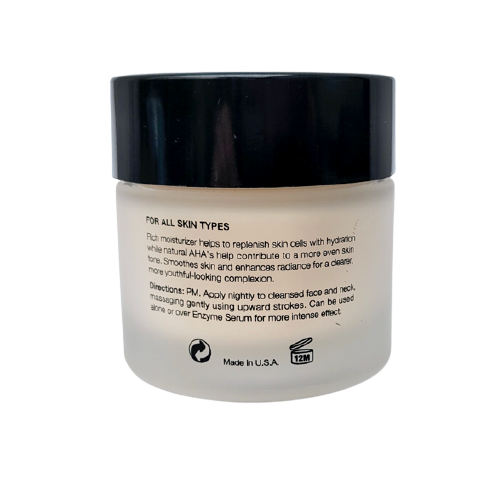
- Lock it in with a rich, nourishing cream or a product specifically designed for the neck and chest.
-
Two to three times weekly:
- On nights you do not use retinol, apply a gentle chemical exfoliant like a low-strength AHA toner or pad.
- Once a week, treat your décolleté to a hydrating mask for an extra boost of moisture.
-
Monthly or quarterly:
- Take a moment to assess your skin. Notice improvements in texture or tone. See if any adjustments are needed.
- If it is part of your plan, schedule a consultation or follow-up with your aesthetic provider.
This kind of simple framework is exactly what you see in serious chest-wrinkle guides; it just sounds much calmer when you write it into your own calendar.
Current and emerging trends in longevity skincare 50 plus
The world of longevity skincare 50 plus is evolving, with a focus on smart, sustainable approaches:
- Barrier-first skincare: The new wisdom prioritizes a healthy skin barrier above all. This means focusing on hydration, ceramides, and gentle formulas rather than over-exfoliating or using harsh products.
- Preventive care: The conversation is shifting toward starting dedicated décolleté care earlier and maintaining it through your 50s, 60s, and beyond.
- Skin minimalism: More is not always better. The trend is toward using a few, highly effective products with proven active ingredients, rather than a complicated 10-step routine.
- Inside-out approach: A deep understanding that lifestyle, nutrition, sleep, stress management, is inseparable from topical skincare for achieving the best results. You see this philosophy echoed in both UK neck-cream roundups and US over-50 guides.
Personalization checklist for décolleté care after 50
Use this checklist to tailor a plan that is perfect for you:
- What are my main goals? Smoothing wrinkles, fading sun spots, improving firmness, reducing crepiness.
- What is my skin’s tolerance? Is my chest skin sensitive and easily irritated, or fairly resilient.
- Which one or two actives will I focus on first? Retinol and hyaluronic acid, or vitamin C and peptides.
- Is my daily SPF habit solid? If not, this is my first priority.
- What is my sleep strategy? Try back-sleeping, purchase a chest pillow.
- Will I explore professional treatments? If so, what is my budget and timeline.
Plan to follow your new routine for at least three to six months to see significant results. While initial improvements may appear in four to eight weeks, the true benefits of collagen remodeling and cellular repair compound over many months and years, as those slow, careful clinical rejuvenation papers like to remind us.
It is never too late to start writing a kinder story on your décolleté, one evening cream, one quiet SPF morning, one gentler night of sleep at a time—and if you ever doubt that change is possible after 50, run your fingers along your collarbone in three months and listen to what your own skin has to say.
Ready to wake up with smoother skin — start here.
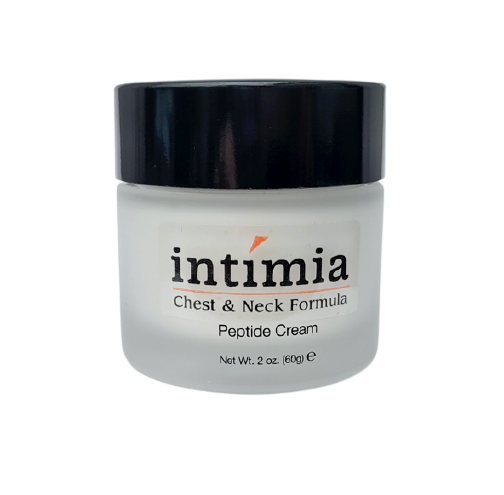
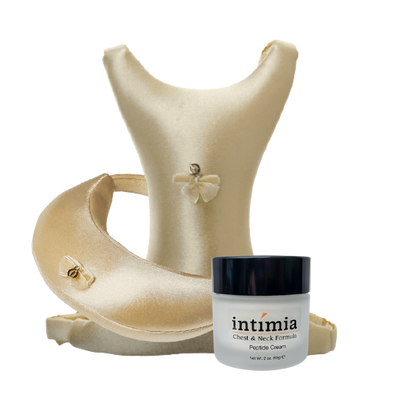
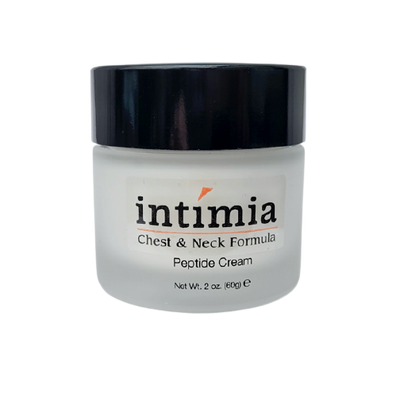
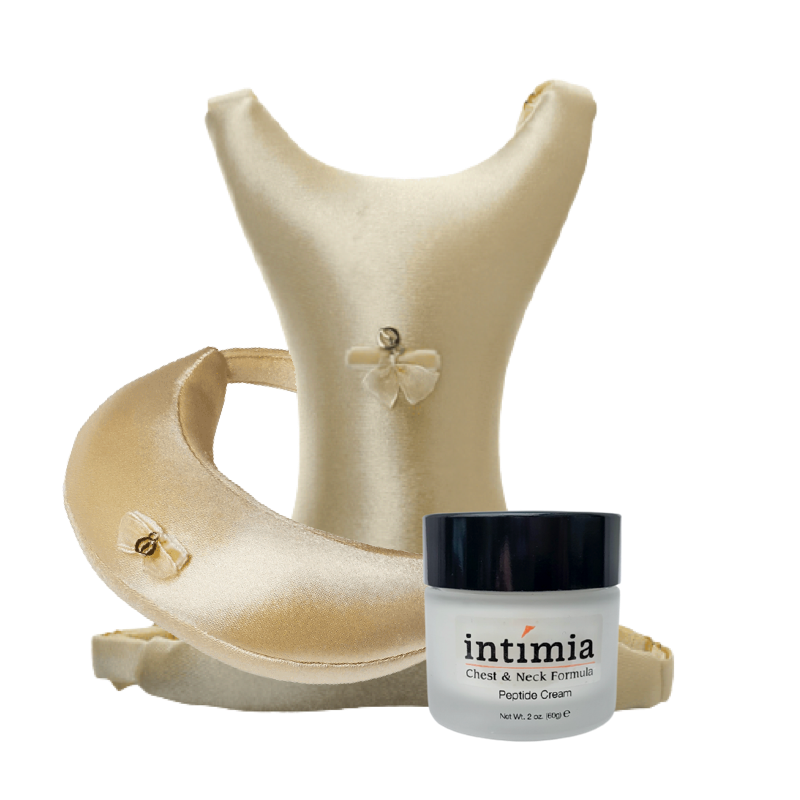
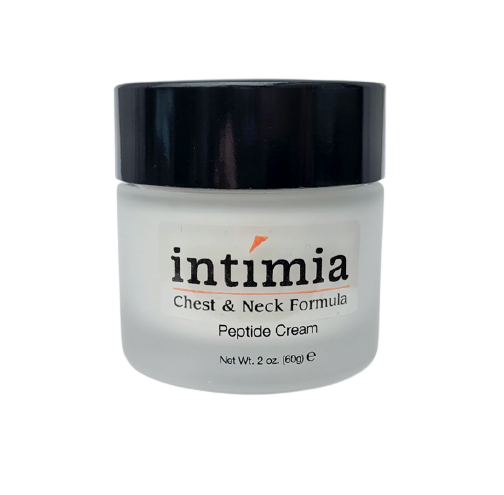
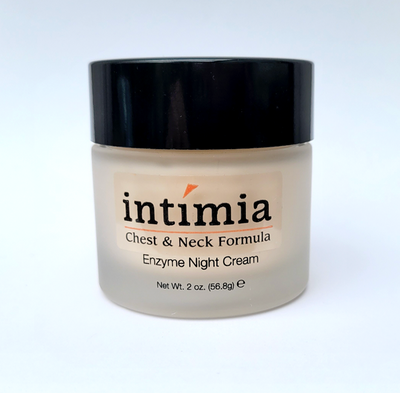
For many women, that first step is as simple as adding the Intimia® Breast Pillow to their nighttime routine, then letting gravity and time work for them instead of against them.