In this article you will learn:
- Why Your Sleeping Position Is an Anti‑Aging Secret
- Why Back Sleeping Matters for Your Skin
- Back Sleeping Skin Benefits: What You Can Expect
- How to Sleep on Back for Fewer Wrinkles (Practical Setup)
- How to Train Yourself to Sleep on Back (Behavior Change Plan)
- How to Switch to Back Sleeping Safely and Comfortably
- Back Sleeping for Chest and Décolleté Wrinkle Prevention
- Creating a Back Sleeping Routine: Your Back Sleeping for Skin Guide in Practice
- Frequently Asked Questions About Back Sleeping and Skin
- Commit to a Back Sleeping Experiment for Long‑Term Skin Health
I learned the hard way that “beauty sleep” is not about expensive creams on the nightstand, but about what your skin is quietly pressed against for eight hours while no one is watching. One morning I caught my reflection, traced a stubborn crease on my chest that hadn’t faded by coffee time, and thought, “Ah, this is from my pillow, not my birthday candles.” If you’ve ever woken up with lines that tell a story you don’t remember living, this back sleeping for skin guide is my way of sitting down with you, sharing what I’ve tried, what the research quietly confirms, and how you can gently retrain your body to sleep in a way that loves your face and décolleté back.
This back sleeping for skin guide is built on a truth as old as the earth: the way you rest your body at night shapes the story your skin tells by day. For eight hours, your face and chest are pressed against a surface, a gentle but relentless pressure that, over a lifetime, leaves its mark. We call it beauty sleep because our bodies are busy repairing skin cells and building collagen while we dream. But what if the very position you sleep in works against this nightly renewal?
Mechanical compression and friction from your pillow can contribute to fine lines and deeper wrinkles. This is the simple, physical truth of it. These are not the lines of laughter or worry; they are “sleep wrinkles,” formed by the constant creasing and pulling of skin against fabric. This article is your practical guide to understanding the profound back sleeping skin benefits and learning how to train yourself to sleep on your back, even if you have spent a lifetime on your side.
For women 35 and older, who seek simple, powerful ways to care for their skin, this is a secret waiting to be unlocked. You will learn:
- How to leverage back sleeping skin benefits as a cornerstone of your anti-aging ritual.
- A step-by-step plan to train yourself to sleep on your back, transforming a new habit into a natural one.
- Practical strategies for how to sleep on your back for wrinkles prevention, from your pillow setup to your nightly skincare.
Changing your sleep position won't erase deep-set wrinkles overnight. But like the slow, steady work of the sun and water, it can beautifully preserve your skin's landscape, slowing the formation of new lines and preventing existing ones from deepening. It is an act of gentle preservation, a nightly commitment to your own timeless beauty.
Why your sleeping position is an anti‑aging secret
Sleeping position impacts skin aging because side or stomach sleeping presses the face and chest into pillows, causing friction, compression, and fluid pooling that contribute to wrinkles over time. This back sleeping for skin guide offers women 35+ practical, non-invasive, at-home strategies to train yourself to sleep on back, explore back sleeping skin benefits, and apply how to sleep on back wrinkles prevention tips for face and décolleté protection.
Why back sleeping matters for your skin
Every choice we make leaves an echo. The choice of how you sleep is no different. It is a quiet decision made in the dark, yet its effects are seen in the bright light of day, written on your face, neck, and chest. Understanding the mechanics of sleep and skin is the first step in this essential back sleeping for skin guide.
How side and stomach sleeping create wrinkles
Expression lines are born from movement and feeling—a life fully lived. Sleep wrinkles, however, are formed from mechanical force. When you sleep on your side or stomach, your face is compressed, sheared, and stressed against your pillow. Night after night, year after year, this pressure encourages the skin to fold in the same places, breaking down precious collagen and elastin.
Think of it like folding a piece of paper. The first time, the crease is faint. After a hundred folds, the line is deep and permanent. The same principle applies to your skin.
- Crow’s feet and eye lines: The delicate skin around your eyes is easily creased by the friction of a pillowcase.
- Nasolabial folds: Pressing one cheek into the pillow deepens the lines running from your nose to the corners of your mouth. Over time, it can even contribute to facial asymmetry.
- Neck and chest creases: Stomach sleeping forces your head to turn, scrunching the skin on your neck. Side sleeping causes the upper breast to fold over the lower one, creating vertical cleavage wrinkles.
- Morning puffiness: These positions can also hinder proper fluid drainage, leading to puffy eyes and a swollen appearance upon waking. Your body’s natural repair cycle is disrupted by the constant pressure.
What is back sleeping (supine position) and why it’s gentler on skin
The supine position is the simple act of lying flat on your back, your face open to the air, your spine resting in a neutral line. It is a position of surrender, of stillness. In this posture, your skin breathes. There is no fabric pressing into your cheeks, no force creasing your décolleté.
This position allows gravity to work with you, not against you. It eliminates the mechanical compression that causes sleep wrinkles. It also promotes optimal alignment for your head, neck, and spine, which not only feels more comfortable but makes the position easier to maintain throughout the night. It is the gentlest way to rest.
Long‑term anti‑aging payoff for women 35+
Around the age of 35, many women begin to notice the subtle yet persistent story of their sleep habits. It appears as vertical lines on the chest that don't fade by noon, crow's feet that seem deeper in the morning, or sleep creases that linger longer on one side of the face.
This is a pivotal moment. By learning how to sleep on your back for wrinkles, you can slow this process down. You preserve the collagen you have, protecting your skin’s natural resilience. Adopting the supine position is a foundational act of self-care. It supports every other anti-aging effort you make—your sun protection, your nourishing serums, your hydrating creams. It is a low-effort, high-reward change that honors the future of your skin.
Back sleeping skin benefits: what you can expect
When you commit to this back sleeping for skin guide, you are not just changing a habit; you are inviting a host of beautiful benefits. The rewards are both immediate and long-term, felt in the smoothness of your skin each morning and seen in its graceful aging over the years.
Benefit #1: Fewer facial sleep lines and less irritation
The most direct of all back sleeping skin benefits is the reduction of sleep lines. By eliminating direct contact between your face and the pillow, you prevent the skin from being creased and folded for hours. You wake up with a smoother, calmer complexion, free from the pillow marks and fabric imprints that can take hours to fade. For those with sensitive or acne-prone skin, less friction also means less irritation and fewer breakouts.
Benefit #2: Protection for the delicate eye and cheek area
The skin around your eyes is the thinnest on your body, making it exceptionally vulnerable to creasing. Back sleeping protects this fragile area from being pushed and pulled against fabric. It also allows for more even fluid distribution throughout the night. Instead of pooling under your eyes and in your cheeks, fluids can drain properly, significantly reducing morning puffiness and under-eye bags. You wake looking refreshed, rested, and bright.
Benefit #3: Reduced crush lines on chest and cleavage
For many women, the most frustrating sleep wrinkles are the vertical lines that form on the chest. When you sleep on your side, gravity pulls your top breast down and across, folding the skin between your breasts. Night after night, this "crushing" effect etches deep lines into the décolleté. By sleeping on your back, your breast tissue rests naturally and is evenly distributed. This simple change prevents the nightly folding, preserving the smooth, delicate skin of your cleavage.
Benefit #4: Support for overall skin repair and barrier health
Your skin does its most important work while you sleep. Blood flow increases, and the processes of cellular repair and regeneration kick into high gear. Back sleeping creates the ideal environment for this renewal. With less friction and pressure, your skin’s protective barrier remains intact and undisturbed. Your nighttime serums and creams can work more effectively, staying on your skin instead of rubbing off on your pillowcase. You are giving your skin the peaceful, uninterrupted space it needs to heal itself.
Bonus boosters: products that enhance back sleeping benefits
To amplify these benefits, consider these gentle additions to your nighttime ritual:
- Silk or satin pillowcases: If you happen to roll over in the night, these smooth fabrics minimize friction and are kinder to your skin and hair.
- Supportive chest wrinkle pads: These silicone pads adhere to the chest, keeping the skin smooth and preventing it from creasing, even if you shift positions. They provide a physical barrier against folding.
- Gentle nighttime skincare: Focus on hydration and barrier repair. A routine with hyaluronic acid, ceramides, and nourishing creams will support your skin’s natural regeneration process.
By layering these strategies—position, fabric, and skincare—you create a powerful, holistic system of protection and renewal. If your décolletage looks flawless by morning, by the way, check if you actually slept on your side.


How to sleep on back for fewer wrinkles (practical setup)
Learning how to sleep on your back for wrinkles is like learning a new dance. It requires thought, intention, and the right support. It’s not about forcing your body into an uncomfortable position, but about creating an environment of such profound comfort that back sleeping becomes a welcome retreat. This part of our back sleeping for skin guide offers a simple, five-step setup.
Step 1: Choose the right pillow for neutral neck support
Your head pillow is the foundation. Its purpose is to support the natural curve of your neck, keeping your head in a neutral position.
- Look for medium firmness. A pillow that is too soft will let your head sink back, while one that is too firm or high will push your chin toward your chest. Both create neck strain.
- The goal is alignment. Your ears should be in line with your shoulders. This alignment not only prevents strain but also ensures your face is oriented upward, away from the sides of the pillow where creasing can occur.
Step 2: Position a pillow under your knees
This is the secret to unlocking true comfort while back sleeping. Placing a small or medium pillow under your knees works wonders.
- It eases lower-back pressure. This simple elevation helps maintain the natural curve of your lower spine, releasing tension in your lumbar region.
- It acts as an anchor. The knee pillow gently grounds your lower body, making it physically harder and less instinctive to roll onto your side during the night. It stabilizes your entire frame.
Step 3: Find a comfortable arm and leg position
Allow your limbs to rest naturally. There is no single "correct" position; find what feels most calming to you.
- Arms: Let them rest at your sides, either palms down or palms up. Some find it comforting to rest their hands gently on their lower abdomen. This can help you feel more grounded and secure.
- Legs: Keep them about hip-width apart, allowing your feet to fall naturally outward. Avoid crossing your ankles, as this can twist your hips and destabilize your lower back.
Step 4: Prep your nighttime skincare to work with gravity, not against it
Your skincare routine is a vital partner in this process. Back sleeping ensures your carefully applied products stay on your skin. I like to apply everything at least twenty minutes before lights out; otherwise, my pillow eats half my serum.
- Apply skincare 20–30 minutes before bed. This gives your serums and creams time to fully absorb, so they are less likely to feel sticky or transfer.
- Focus on hydration and repair. Use a hydrating serum on your face, followed by a nourishing moisturizer. Pay special attention to your neck and chest, using upward strokes to apply a dedicated cream for this delicate area.
- Embrace the benefits. Lying on your back allows these potent formulas to work uninterrupted all night, delivering maximum hydration and repair without being rubbed away by a pillowcase.
Step 5: Create a calm, minimal‑movement sleep environment
A restful environment encourages still, deep sleep. The less you toss and turn, the easier it is to maintain your position.
- Cool and dark: A cool, dark room is scientifically proven to promote better sleep quality.
- Quiet: If needed, use a white noise machine or earplugs to block out disruptive sounds.
- Mindful transition: The final moments before sleep matter. Practice deep breathing or listen to a calming meditation to quiet your mind and relax your body, preparing it for a night of restorative stillness.
By creating this sanctuary of comfort, you are not just preventing wrinkles; you are cultivating a deeper, more healing relationship with rest itself.
If you tend to “forget” your new setup in the evening chaos, make a tiny checklist on a sticky note by your bed: knee pillow, bolsters, skincare, breathe. It sounds silly until that note is the reason you wake up with one less crease.
How to train yourself to sleep on back (behavior change plan)
To train yourself to sleep on your back is to gently guide your body toward a new rhythm. Like any meaningful change, it requires patience, consistency, and kindness. This is not about forcing a new habit overnight but about a gradual and supportive transition. This is the heart of our back sleeping for skin guide: making the switch feel natural and easy.
Start gradually: the 10–30 minute approach
Don't expect to sleep perfectly on your back for eight hours on the first night. Instead, begin with small, achievable goals.
- Start each night by lying on your back in your perfectly prepared sleep environment.
- Set the intention to remain in this position for just 10 to 30 minutes as you fall asleep. If you wake up later on your side, that’s okay.
- Over the course of one to two weeks, gradually extend this time. Aim to fall asleep on your back consistently. Remember, most adults naturally shift positions many times a night. The goal is progress, not perfection.
Use pillows or bolsters as “training wheels”
Create a physical boundary that makes rolling over less automatic. This "pillow fort" offers both physical and psychological support.
- Build a back-sleeping zone. Place firm pillows, rolled-up towels, or a long body pillow on either side of your torso. When you instinctively try to roll, you will meet a soft barrier, gently reminding you to stay on your back.
- Continue using your knee pillow. This remains your most important tool for comfort and stability, keeping your lower back happy and your body anchored.
For lifelong side sleepers, placing a body pillow along one side can mimic the comforting pressure you're used to, easing the mental transition.
Adjust mattress and bed setup for comfort
Your mattress is your body’s foundation for eight hours. Ensure it’s supporting you properly.
- A mattress that is too soft can cause your hips and lower back to sink, creating an uncomfortable curve in your spine.
- A mattress that is too firm can create pressure points on your sacrum and shoulder blades.
- The ideal mattress is one with medium-firm support that cradles your body’s natural curves. If your mattress is too firm, a 2–3 inch memory foam or latex topper can make a world of difference.
Mind–body techniques to make back sleeping feel natural
Your mind is a powerful ally in this process. Use relaxation techniques to help your body accept and embrace this new position.
- Deep breathing: While lying on your back, practice deep diaphragmatic breathing. Inhale for a count of four, hold for seven, and exhale for eight. This calms the nervous system and reduces restlessness.
- Progressive muscle relaxation: Starting with your toes and working your way up to your head, systematically tense and then release each muscle group. This melts away physical tension that can make lying still feel difficult.
- Gentle stretching: Before getting into bed, perform gentle stretches for your hip flexors, hamstrings, and chest. Releasing tightness in these areas can make lying flat feel much more natural and comfortable.
Set a realistic timeline and expectations
Habit change is a journey. For someone who has slept on their side or stomach for decades, it may take two to four weeks, or even longer, to switch to back sleeping comfortably.
- Be patient with yourself.
- Celebrate small victories: falling asleep on your back, waking up in the same position, or noticing that your morning facial creases are less pronounced.
- Each night you spend even partially on your back is a win for your skin.
How to switch to back sleeping safely and comfortably
As you learn to train yourself to sleep on your back, you may encounter a few common challenges. To successfully switch to back sleeping, it’s important to anticipate these hurdles and have simple, effective solutions ready. This is about making the transition not just bearable, but truly comfortable and safe.
Common challenges and simple fixes
-
Challenge: Restlessness or feeling “exposed”
Some people, especially lifelong stomach sleepers, feel vulnerable or exposed on their backs.
Fix: Use a lightly weighted blanket or place a body pillow along one side of your body. This gentle pressure can create a sense of security and containment, making it easier to relax. -
Challenge: Lower back discomfort
If you feel a strain in your lower back, it's a sign your alignment is off.
Fix: The pillow under your knees is the primary solution. If you still feel a gap, try placing a small, rolled-up towel in the small of your back for extra support. Ensure your mattress isn’t too soft and sagging. -
Challenge: Waking up on your side
You will wake up on your side. This is normal and expected.
Fix: Don't get frustrated. Simply acknowledge it and gently roll back onto your back. The goal is to increase the total time you spend in the supine position each night, and every reset counts.
Managing snoring or nasal congestion when back sleeping
For some individuals, lying on their back can cause the tongue and soft palate to relax into the airway, sometimes increasing snoring.
- Slightly elevate your head. Using a wedge pillow or an adjustable bed frame can raise your upper body just enough to keep airways open without creating neck strain. A second, low-profile pillow can also work.
- Address congestion. If stuffiness is the issue, use a saline nasal rinse before bed or apply a nasal strip to help open your nasal passages.
- Important caution: If you have been diagnosed with sleep apnea or have severe, disruptive snoring, please consult your doctor before making a full switch to back sleeping. Your health and quality of sleep are the top priorities.
Breast support and comfort in back position
Many women find back sleeping more comfortable for their breasts than side sleeping, as the tissue is naturally supported and evenly distributed.
- If you have a larger bust and feel a pulling sensation, a soft, wire-free sleep bra can provide gentle support and comfort.
- You can also try placing small, soft pillows under each arm to support your upper torso and relieve any strain on your chest muscles.
- Comfort is key to preventing wrinkles. When your body is fully supported, you are less likely to shift and move, which helps minimize any subtle tissue movement that could contribute to chest lines.
Neck or back issues: when to get professional advice
While back sleeping is often recommended for spinal health, it is not the right choice for everyone.
- If you have a chronic condition such as a herniated disc, spinal stenosis, or severe acid reflux, it is essential to speak with your doctor or a physical therapist. They can provide personalized advice on the best sleep position for your specific needs.
- The ultimate goal is to find a balance that supports your overall health, your comfort, and your skincare goals.
Back sleeping for chest and décolleté wrinkle prevention
The skin of the décolleté is thin, delicate, and one of the first places to show the signs of aging and sleep habits. For women over 35, understanding how to sleep on your back for wrinkles is especially crucial for this beautiful but vulnerable area. One of the most significant back sleeping skin benefits is the preservation of a smooth, line-free chest.
How side sleeping folds breast tissue and chest skin
When you lie on your side, gravity is not your friend. The weight of your top breast pulls it downward and across your chest, pressing it against your lower breast. This action forces the skin between your breasts to fold and crease.
Imagine this happening for six, seven, or eight hours every single night. Over years, these nightly folds become etched into the skin as deep, vertical cleavage wrinkles. As we age, our skin produces less collagen and estrogen, making it thinner and less resilient. It loses its ability to bounce back from this nightly compression, and the lines become permanent fixtures.
Why back sleeping helps protect the décolleté
When you switch to back sleeping, you completely change this dynamic. By lying on your back, your breast tissue is able to rest in a neutral, supported position. Gravity holds your breasts gently in place rather than pulling them to one side.
This eliminates the primary cause of cleavage wrinkles: the nightly folding and compression of the skin. By preventing this repeated mechanical stress, you give the skin on your décolleté a chance to rest and repair. You are actively preserving its smoothness and integrity for years to come.
Combining back sleeping with supportive chest products
To give your décolleté the ultimate protection, you can combine back sleeping with products specifically designed to support this delicate area. This creates a powerful, multi-layered defense against chest wrinkles.
- Chest wrinkle pads: These medical-grade silicone pads are worn on the chest overnight. They work by gently holding the skin flat, preventing it from creasing. The silicone also creates a hydrating microclimate that helps plump the skin and soften existing lines.
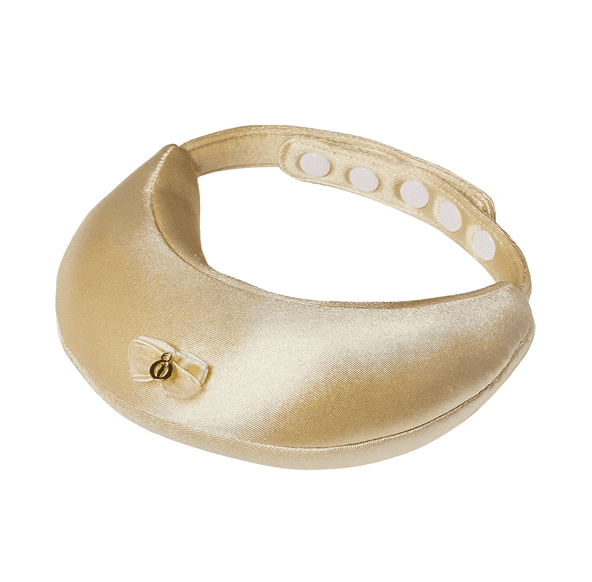
- Specialized chest pillows or sleep bras: These garments are designed to provide gentle separation and support for the breasts, even if you shift slightly in your sleep.
When you use these tools while sleeping on your back, their effectiveness is magnified. They are no longer fighting against the full force of side-lying pressure. Instead, they are working in harmony with your sleep position to provide the most complete protection possible.
Creating a back sleeping routine: your back sleeping for skin guide in practice
A ritual is a habit infused with intention. To successfully switch to back sleeping, transform the process from a chore into a calming nightly ritual. This is your back sleeping for skin guide in action—a step-by-step sequence to prepare your body, your skin, and your mind for a night of restorative, wrinkle-free rest.
Step-by-step nightly routine example
Evening wind-down (30–60 minutes before bed):
- Signal to your body that it’s time to rest. Dim the lights, turn off screens, and avoid heavy meals or alcohol, all of which can lead to fragmented, restless sleep.
- Engage in a quiet activity like reading, gentle stretching, or listening to calming music. This helps lower your heart rate and ease you into a state of relaxation, making it easier to train yourself to sleep on your back.
Skincare sequence for face, neck, and chest:
- This is an act of self-care. Treat it as such.
- Cleanse: Gently wash away the day from your face, neck, and chest.
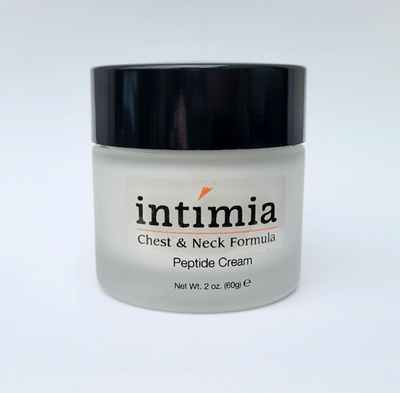
- Treat: Apply any targeted treatments, like a retinol or peptide serum.
- Hydrate: Pat a hydrating serum with ingredients like hyaluronic acid onto your damp skin.
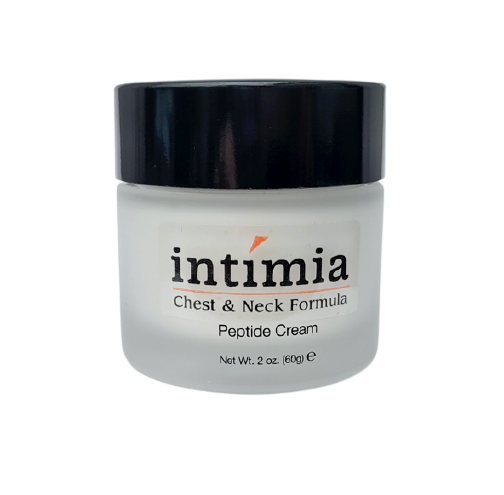
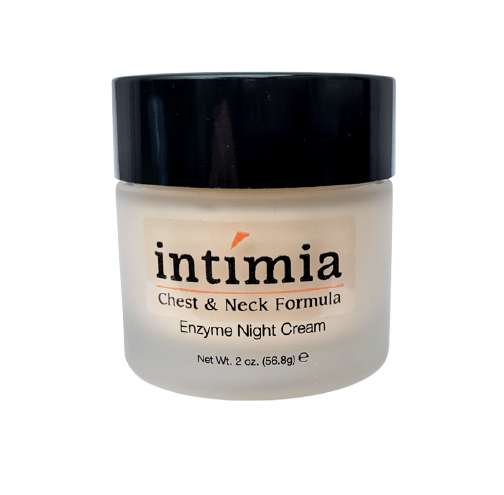
- Moisturize: Apply a nourishing moisturizer to your face and a dedicated neck and chest cream to your décolleté. Use gentle, upward sweeping motions. This routine supports the amazing back sleeping skin benefits by ensuring your skin has everything it needs to repair itself overnight.
Bed setup:
- This is where you create your sanctuary.
- Smooth your silk or satin pillowcase over your head pillow.
- Place your supportive pillow under your knees.
- Arrange your side bolsters or body pillow to create your "back-sleeping zone."
- If using them, apply your chest wrinkle pad or put on your supportive sleep bra.
- Lie down, take a few deep breaths, and settle into your perfectly prepared space.
Progress tracking over 2–4 weeks
Witnessing your own progress is a powerful motivator. Keep a simple journal by your bed. Each morning, take 30 seconds to note:
- What position did you fall asleep in?
- What position did you wake up in?
- How do your facial creases look this morning? Are they less pronounced? Do they fade faster?
- How does the skin on your chest look and feel?
These small observations will show you that your efforts are working. Gradual improvements—like waking up on your back even once, or noticing smoother skin—are the early signs of a successful new habit.
Building consistency and handling setbacks
There will be nights when you are stressed, traveling, or simply exhausted, and you will revert to your old sleeping position. This is not a failure; it is part of the process.
- Don't give up. Acknowledge it without judgment and recommit to your routine the following night.
- Focus on the long term. One night of side sleeping will not undo weeks of progress. Consistency over time is what matters.
- Remember that every hour spent on your back contributes to the cumulative benefits for your skin. Small, steady efforts are what create lasting change.
Take a quick photo of your chest and face once a week, same light, same time. You will not notice tiny changes in the mirror day to day, but your camera is less sentimental than your memory.
Frequently asked questions about back sleeping and skin
As you begin to train yourself to sleep on your back, questions will naturally arise. Here are answers to some of the most common concerns, helping you navigate your journey with confidence.
“What if I always wake up on my side?”
This is completely normal. Most adults change their sleeping position between 11 and 45 times a night. The goal is not to stay perfectly still like a statue. The goal is to increase the amount of time you spend on your back.
Think of it as reducing your skin's exposure to pressure. Even if you only manage to stay on your back for the first few hours of the night, you have still cut down on the cumulative compression your skin endures. When you wake and notice you've rolled over, simply and gently guide yourself back to the supine position.
“How long until I notice skin changes?”
The timeline for seeing the back sleeping skin benefits varies for everyone.
- Short-term (days to weeks): You may notice more immediate changes, such as waking up with less puffiness around your eyes and no pillow creases on your cheeks.
- Long-term (months to years): The preventative benefits—slowing the formation of deep-set sleep wrinkles on your face and chest—are more gradual. This is a long-term investment in your skin's health and appearance.
Changing your sleep position works best as part of a holistic approach that includes daily sun protection, a consistent skincare routine, and a healthy lifestyle.
“Can I still reduce wrinkles if I only manage half the night on my back?”
Absolutely, yes. Every minute you spend off your side or stomach is a minute you are not actively creating sleep wrinkles. Cutting your nightly compression time in half is a significant victory that will add up to meaningful results over the years.
To maximize the benefits of partial back sleeping, be sure to use a silk pillowcase and consider a chest wrinkle pad. These tools provide protection for your skin during the times you do roll onto your side.
“Is back sleeping right for everyone?”
While it offers incredible skin benefits, back sleeping is not the ideal position for everyone. Individuals with certain health conditions should proceed with caution.
- Consult a doctor if you have: untreated sleep apnea, chronic snoring issues, acid reflux (GERD), certain spinal conditions, or if you are in the later stages of pregnancy.
In these cases, a healthcare provider can help you determine the safest and most comfortable sleeping position for your specific situation. Your overall health should always be the first priority.
Commit to a back sleeping experiment for long‑term skin health
Your skin holds the story of your life—every laugh, every moment of concentration, every night of rest. We have seen how the simple, quiet act of sleeping on your side or stomach contributes to this story, etching lines onto your face and chest through relentless, nightly pressure.
But you hold the power to change that narrative.
This back sleeping for skin guide has shown you the way. The key takeaways are simple and profound:
- The supine position frees your skin from the mechanical forces of compression and friction that accelerate the formation of sleep wrinkles.
- The back sleeping skin benefits are clear: fewer lines, less puffiness, and powerful protection for your delicate décolleté.
- With a patient, gradual approach and the right supportive tools, you can successfully train yourself to sleep on your back.
I invite you to commit to a 2–4 week experiment. Follow the steps outlined in this guide. Create your nightly ritual. Be gentle with yourself through the process. Pair this new habit with thoughtful skincare, a silk pillowcase, and supportive products like chest wrinkle pads to create a complete ecosystem of nightly skin renewal.
This is one of the most simple, affordable, and empowering choices you can make for the future of your skin. The small, consistent decision you make tonight will have a beautiful influence on how you look and feel five, ten, and twenty years from now. It is a quiet promise you make to yourself, an act of timeless self-care. And if you ever doubt that tiny changes matter, look at your favorite wrinkle in the mirror and remember how patiently it formed.
I’ll be here cheering for you from my own pillow, hoping you wake up one morning, touch your smoother chest, and smile at the woman who decided her sleep could finally start working for her.
Ready to wake up with smoother skin — start here.
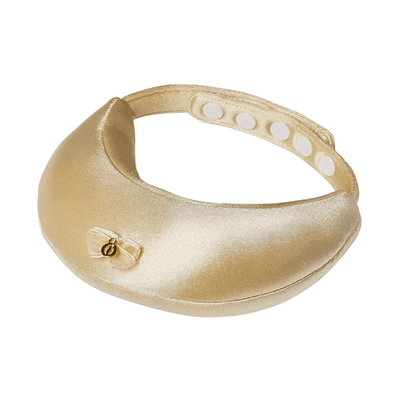
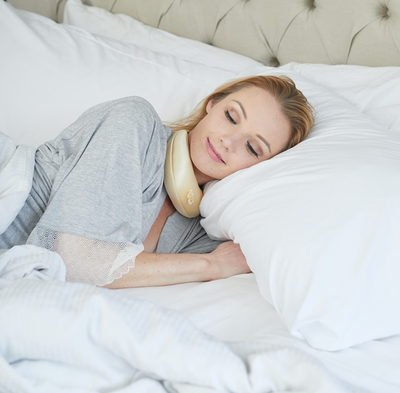
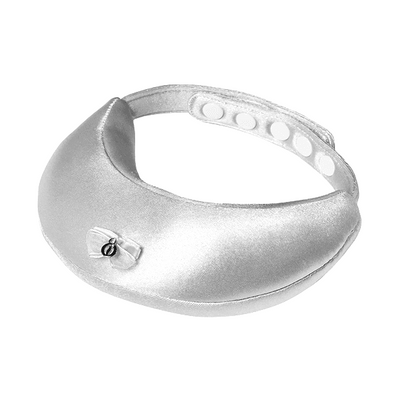
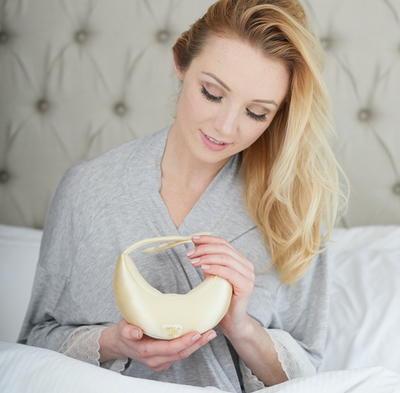
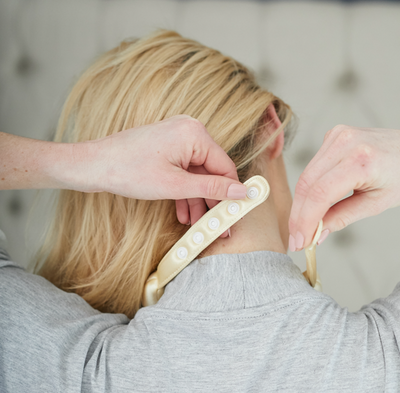
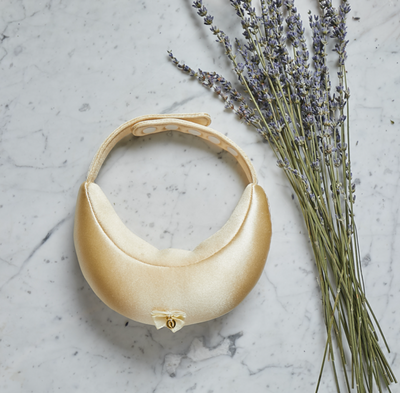
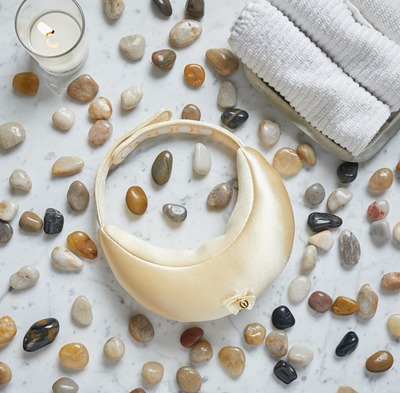
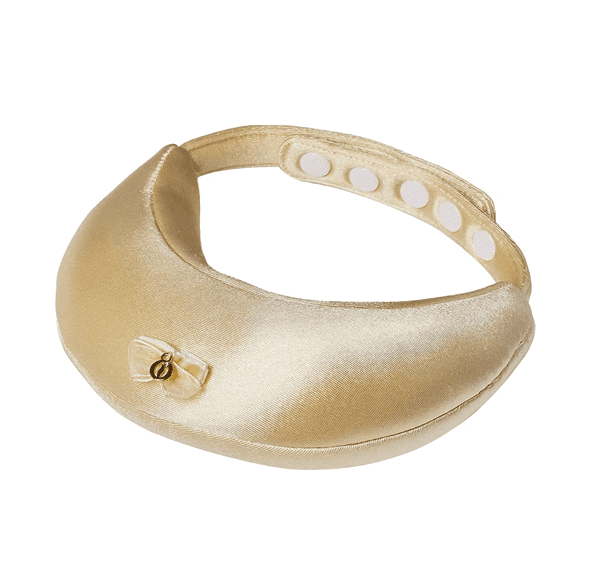
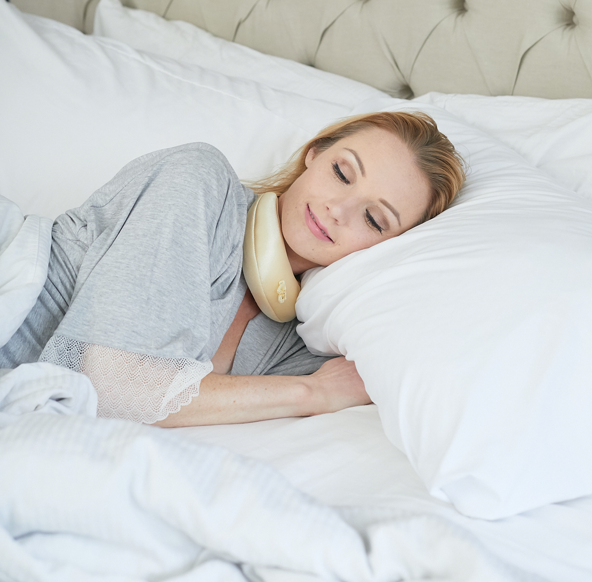
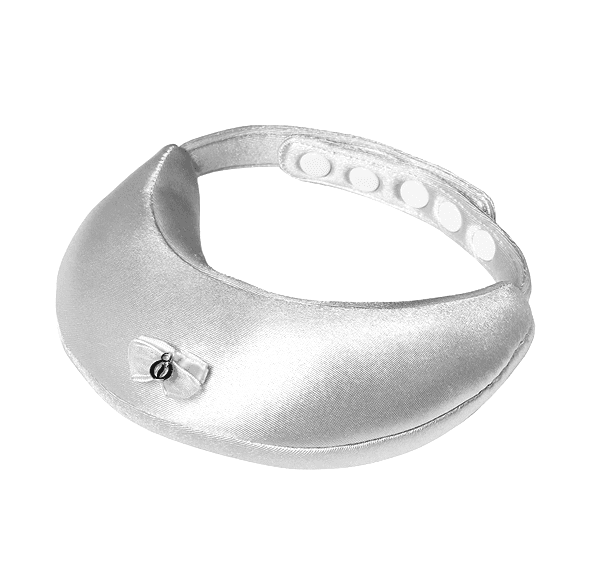
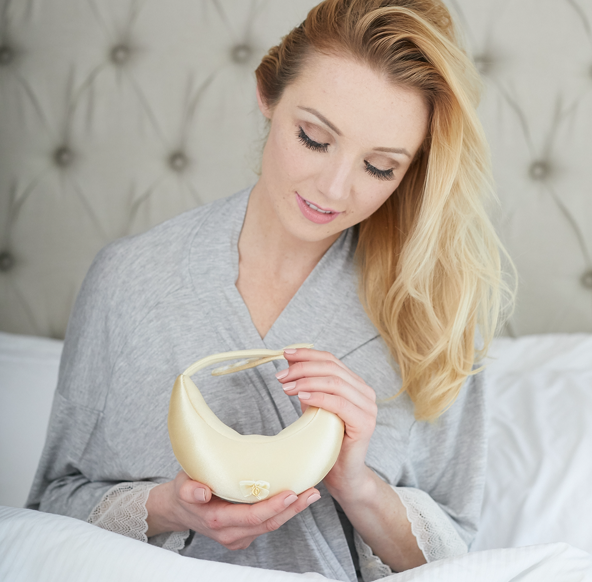
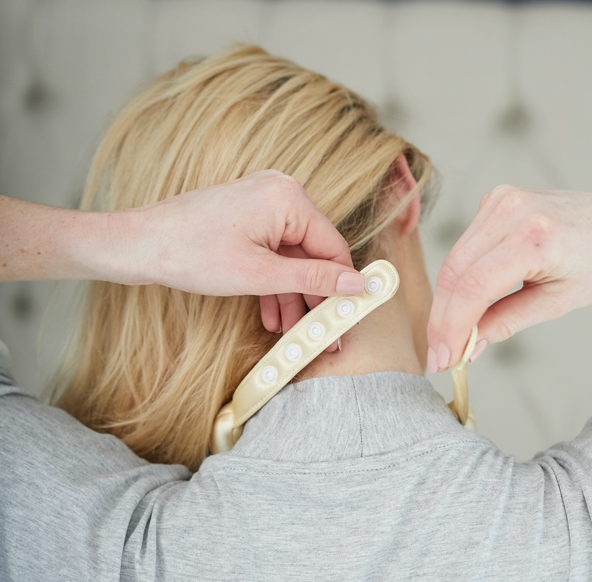
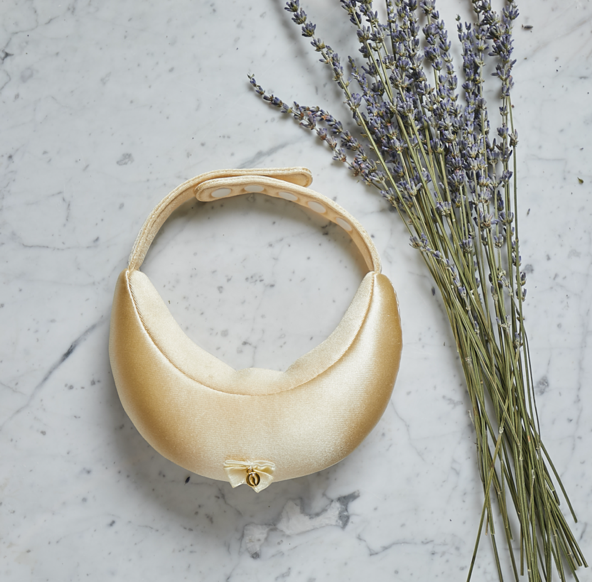
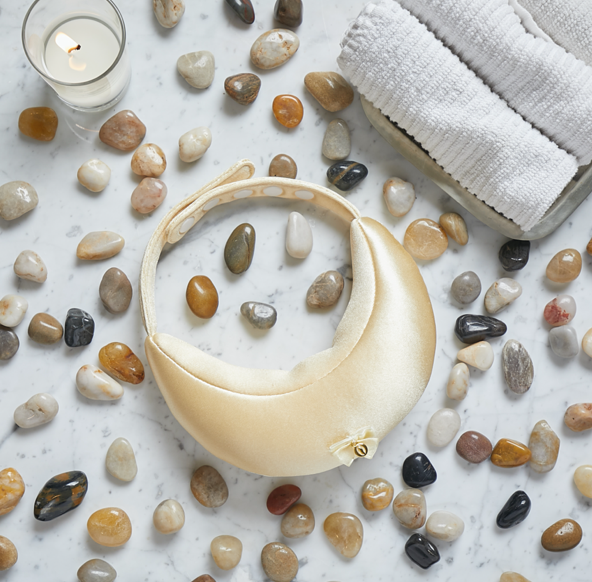
And if your décolleté needs extra love while you practice all this, that’s exactly why I created the Intimia® Breast Pillow in the first place.