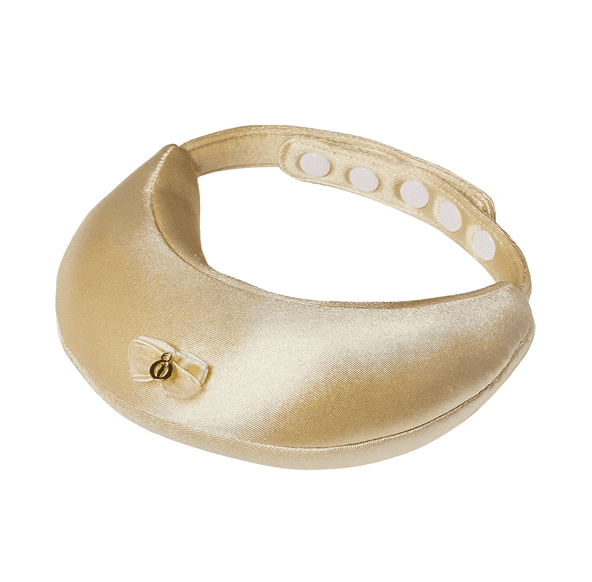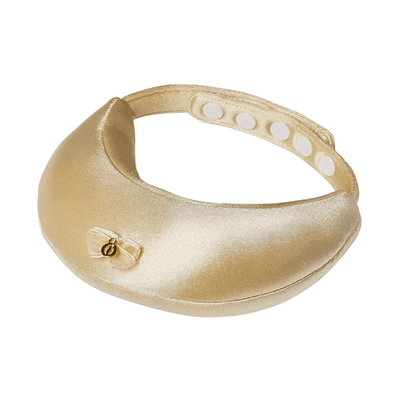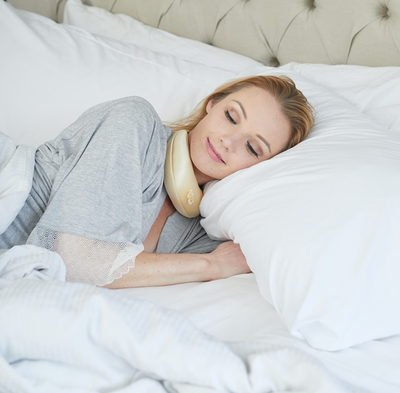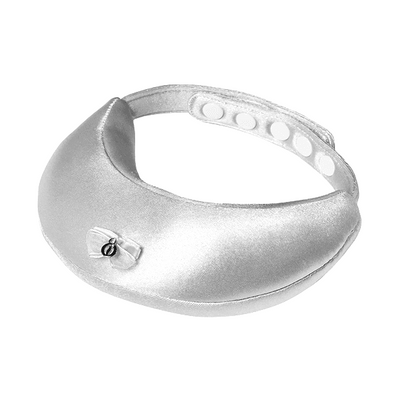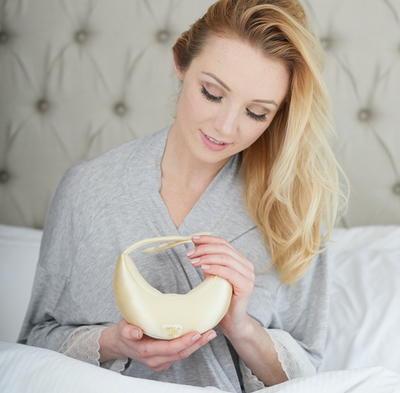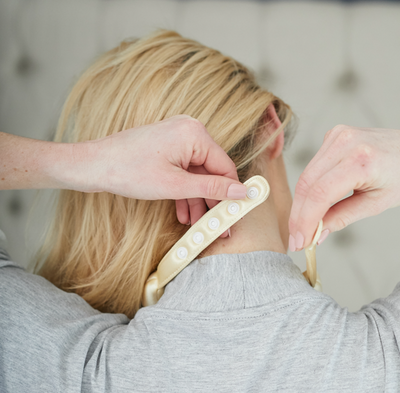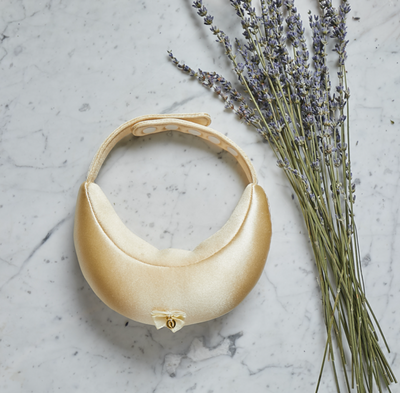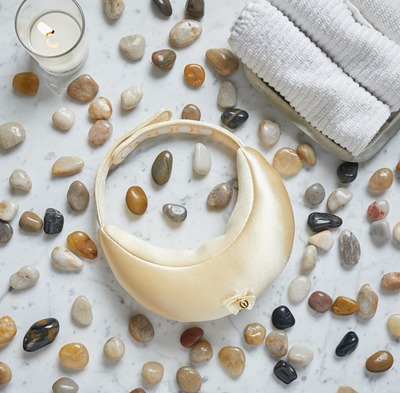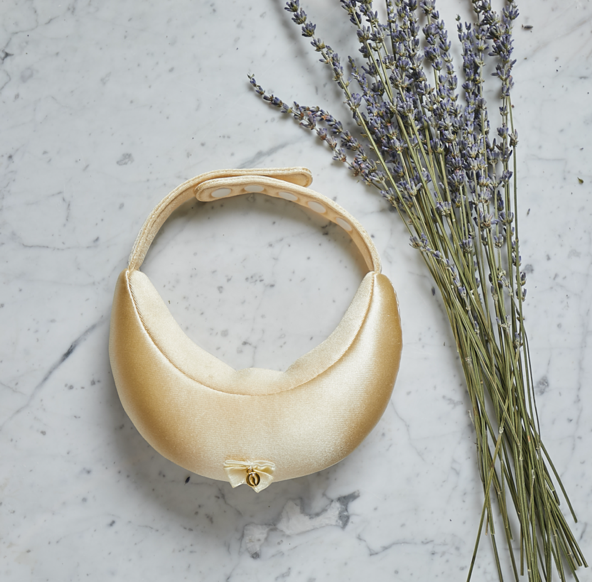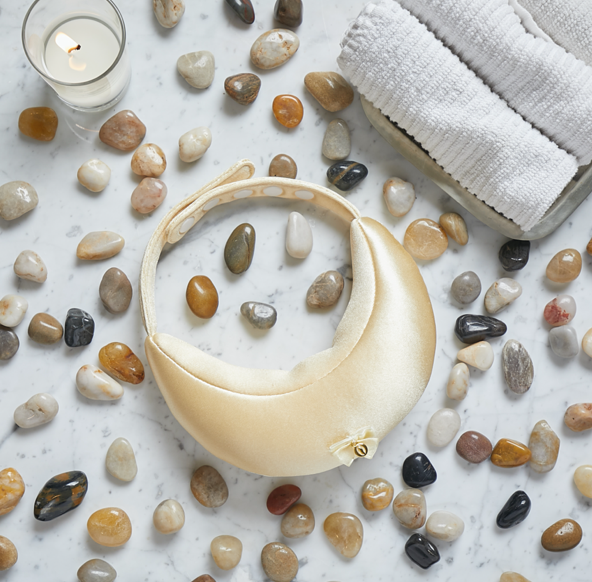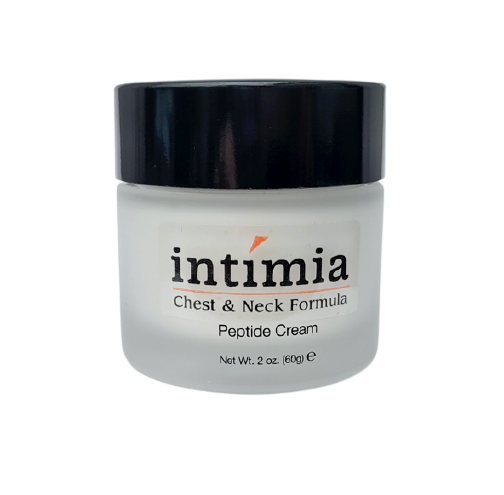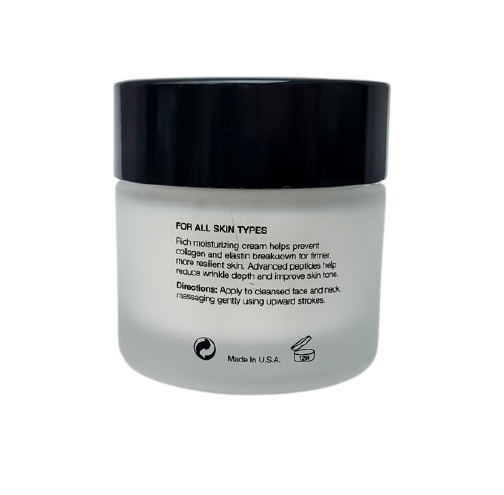
Neck wrinkles pillow: Prevent Neck Wrinkles
Neck wrinkles pillow: how the right sleep pillow can help prevent neck and chest lines
The neck wrinkles pillow has become a quiet sensation among women concerned about aging skin, especially those noticing horizontal lines across the neck or vertical creases on the upper chest. But does it actually work? The answer is more nuanced than marketing claims suggest—and understanding the science behind it can help you make an informed choice about whether this solution belongs in your anti-aging toolkit.
Introduction: why a neck wrinkles pillow is on your radar (and what science actually says)
When we talk about a neck wrinkles pillow, we're referring to a specially shaped sleep pillow marketed to minimize neck and chest creases by supporting the head and neck in a neutral position throughout the night. For women 35 and older, this concept resonates deeply—and for good reason.
Around midlife, the neck and upper chest become visible telltales of aging. Here's why:
- Horizontal "necklace" lines appear across the neck, often intensified by repetitive movements and sleeping positions that fold the skin night after night.
- Vertical chest creases deepen, especially for side sleepers whose skin compresses between chin and collarbone during six to eight hours of sleep.
- Skin becomes thinner and drier, losing elastin and collagen naturally after 35, making it more prone to creasing from even gentle pressure.
- Tech neck—the downward gaze at phones and laptops—adds mechanical stress during waking hours, which sleep position can either worsen or help mitigate.
The logic behind a best pillow for neck wrinkles is straightforward: if mechanical pressure and repetitive folding during sleep contribute to visible creasing, then a pillow that keeps your neck neutral and your chest open might reduce that damage over time.
However, it's crucial to acknowledge what the medical literature actually shows. Current peer-reviewed dermatology and aging-skin research does not provide credible evidence that any specific neck pillow for wrinkles can prevent or treat wrinkles as a primary intervention. Sleep-health resources, including those from organizations like the Sleep Foundation, focus on comfort and spinal support rather than cosmetic wrinkle reduction. While the plausibility of mechanical stress contributing to skin creasing is sound, the proof that a special pillow solves this remains absent from clinical trials and dermatologic monographs housed in repositories like the National Library of Medicine digital collections.
This article will help you understand the neck wrinkles pillow concept, explore how pillow choice may influence skin creasing indirectly through position and pressure reduction, and guide you in selecting the best pillow for neck wrinkles as part of a broader, evidence-based anti-aging routine. Equally important: we'll remind you that proven interventions—retinoids, sun protection, and dermatologist-guided treatments—remain your most reliable defenses against neck aging.
A brief disclaimer: If you're concerned about significant neck wrinkles, sagging skin, or deep lines, consult a dermatologist. They can recommend personalized treatments backed by research, from topical retinoids to professional procedures, alongside lifestyle adjustments like better sleep positioning.
What causes neck wrinkles while you sleep?
Understanding why your neck looks more lined after a night of sleep requires looking at aging from two angles: intrinsic and extrinsic factors.
Intrinsic aging of the neck
The neck's skin is thinner and more delicate than facial skin, with fewer oil glands and less natural moisture. After age 35, intrinsic aging accelerates:
- Collagen and elastin decline naturally, reducing the skin's ability to bounce back after being compressed or folded during sleep.
- Hormonal shifts, especially around perimenopause and menopause, further reduce skin thickness and elasticity.
- Cellular turnover slows, making the skin barrier more fragile and prone to dryness.
These changes mean that even gentle, repeated pressure—like sleeping on your side night after night—can leave more persistent marks.
Extrinsic aging and mechanical stress
Your neck also ages from external forces:
- UV exposure from sun, tanning beds, and reflective surfaces (water, snow, car windows) causes photoaging, the primary cause of visible wrinkles and skin texture changes.
- Smoking accelerates collagen breakdown and skin laxity.
- Pollution and daily stress increase free-radical damage.
- Repetitive movements like looking down at devices create temporary creases that, over years, can deepen into permanent lines.
During sleep, mechanical forces compound these effects. Your neck isn't just resting—it's being compressed, folded, and sometimes rubbed against the pillow for hours.
How sleep position contributes to neck and chest lines
Sleep position is where a neck pillow to prevent wrinkles enters the picture:
- Side sleeping is the most common culprit. Your neck and upper chest are compressed together; skin folds form between your chin and collarbone and between your breasts. Repeated nightly pressure in the same position may deepen visible lines over months and years.
- Stomach sleeping forces your head to turn strongly to one side, twisting neck skin and potentially deepening horizontal "necklace" lines as your face presses into the pillow.
- Back sleeping is generally least compressive for neck and chest skin, but a poorly chosen pillow can still flex the neck forward, exaggerating folds.
The role of mechanical forces during sleep
While you sleep, several biological stressors act on delicate neck skin:
- Repetitive overnight folding and creasing from the same sleeping position.
- Shear and friction as you slide against the pillowcase, which can irritate the skin barrier and increase dryness.
- Occlusion and heat from being pressed against fabric, which can dehydrate the skin and impair the barrier function.
These mechanisms are biologically plausible—and this is why women seek out a neck pillow to prevent wrinkles. The hope is that reducing time spent in highly folded positions, decreasing friction, and maintaining neutral alignment might slow the deepening of sleep lines.
However, it's important to be honest: no controlled studies confirm that modifying these mechanical forces with a special pillow leads to fewer wrinkles. This is where theory meets the limits of current evidence. Women intuitively understand that pressure and friction age skin, and they're right—but the specific benefit of a "wrinkle-prevention pillow" hasn't been rigorously tested in clinical literature, including detailed aging-skin reviews archived by the National Library of Medicine.
What is clear from sleep-health research is that a good pillow reduces neck pain and improves sleep quality, which has cascading benefits for skin repair and overall health. That's a genuine win, even if the cosmetic outcome remains uncertain.
What is a neck wrinkles pillow?
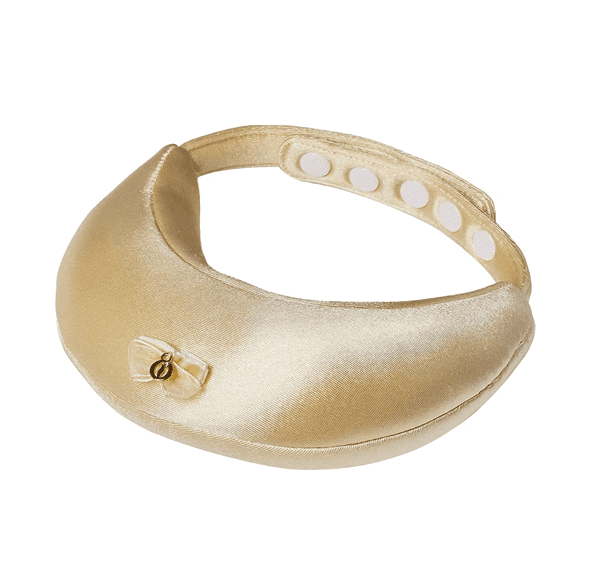
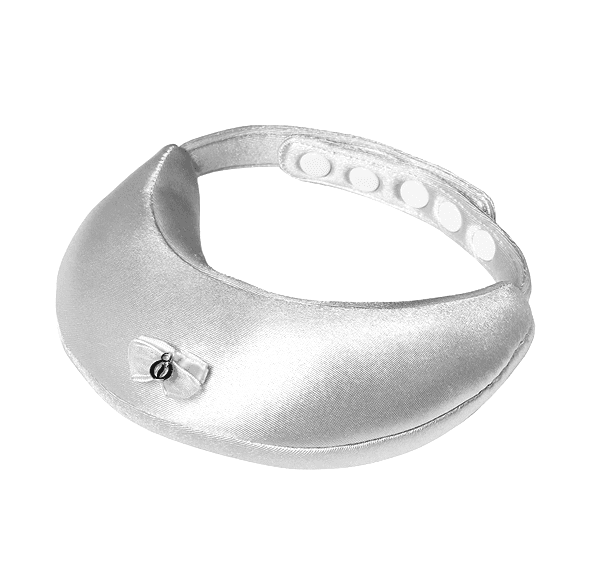
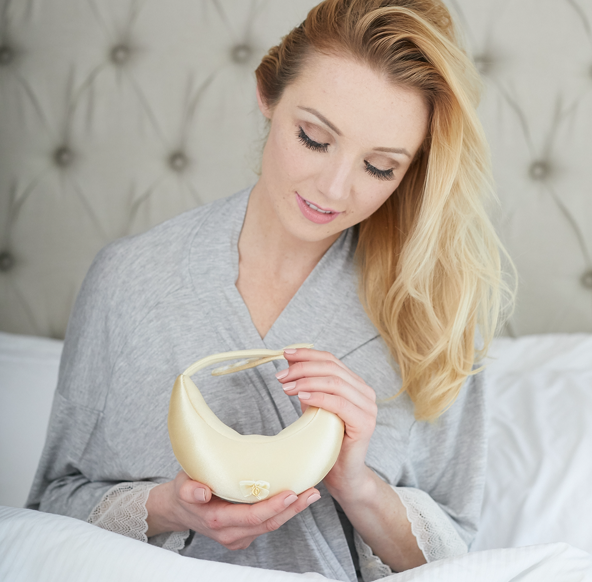
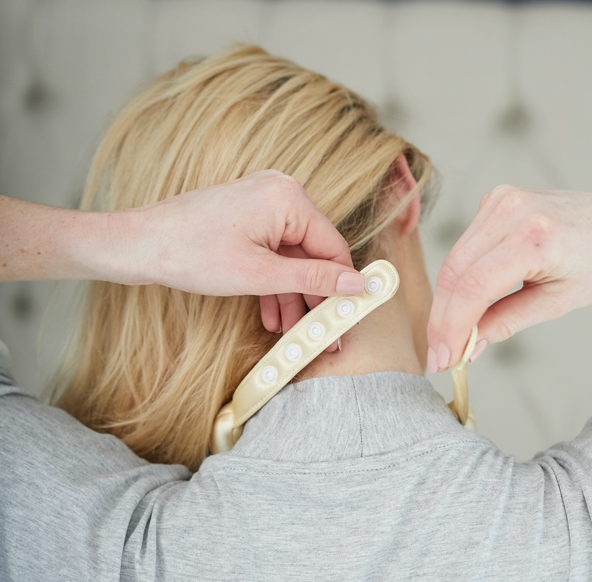
A neck wrinkles pillow is a specialty sleep pillow marketed to reduce neck and chest creases by adjusting head and neck position and limiting skin folding during sleep. It's distinct from standard pillows in design philosophy, though the cosmetic claims remain theoretical.
How it differs from a standard pillow
A regular down, memory foam, or feather pillow is typically a flat or lightly contoured rectangle. It cradles your head but doesn't specifically consider neck alignment or the mechanics of wrinkle formation.
A neck wrinkles pillow, by contrast, includes features designed to:
- Keep the neck aligned with the spine, avoiding excessive flexion (chin dropping to chest) or extension.
- Limit direct pressure on the lateral (side) neck and upper chest.
- Encourage—or at least not discourage—back sleeping, which places least mechanical stress on neck and chest skin.
Typical design features
Most neck wrinkles pillows share these characteristics:
- Contoured cervical support: A central cradle for the back of the head with a gently raised ridge supporting the natural curve of the cervical spine.
- Side cutouts or channels: Indentations or softer zones designed to keep the neck and jawline from pressing deeply into the pillow when you sleep on your side or roll slightly.
- Chest-conscious design: Some models extend support down the upper chest or include a broader, shallower base to prevent upper-body collapse into the pillow.
- Skin-friendly materials: Memory foam, soft silicone inserts, or plush fiberfill with smooth, low-friction covers (often cotton, bamboo, or silk-blend fabrics).
- Non-slip design: A base or weight that keeps the pillow stable so you don't sink or roll excessively during the night.
The evidence question
Here's where transparency matters: based on current scientific literature and sleep-health resources, these design features are theoretical in their wrinkle-related benefits. There are no peer-reviewed clinical trials showing that reduced neck wrinkles result from using a neck pillow for wrinkles. The pillow may improve comfort, reduce neck pain, and optimize spinal alignment—all valuable—but its specific ability to prevent wrinkles remains unproven.
This doesn't mean the pillow is useless. Rather, it means you should view it as a non-invasive, at-home comfort and positioning aid that complements (but does not replace) evidence-based wrinkle prevention like sun protection, retinoids, and dermatologist-guided treatments.
Neck pillow for wrinkles vs. regular pillows
To understand whether a neck pillow for wrinkles offers real advantages, it helps to see how standard pillows may inadvertently worsen mechanical neck and chest creasing.
Common regular pillow types and their drawbacks
- Down and down-alternative pillows: Soft and adjustable, these pillows feel luxurious but are easily compressed. Your head can sink deeply into the pillow, causing your neck to flex forward and your chin to approach your chest—precisely the posture that deepens horizontal neck lines.
- Standard memory foam blocks: These offer good support but are often a single, uniform shape. They don't address side cutouts, chest pressure zones, or lateral neck support. If too high, they push the chin toward the chest; if too low, they allow the neck to hyperextend.
- Decorative or overly firm pillows: Marketing-driven aesthetics sometimes trump ergonomics. A pillow that's too high exaggerates the chin-to-chest flexion that creases the neck.
For side sleepers using a regular pillow, the situation worsens: without targeted support under the shoulder, the upper body collapses forward into the mattress, compressing the chest and neck.
How a neck pillow for wrinkles is designed to differ
A neck pillow for wrinkles aims to address these shortcomings:
- Cervical spine alignment: The goal is to keep the neck neutral—neither excessively flexed nor extended—so that the chin doesn't drop toward the chest and horizontal neck lines aren't exaggerated.
- Targeted support zones: Contours and cutouts try to keep the lower face, neck, and jawline from squishing into the pillow, reducing compression and friction.
- Postural guidance: Some designs subtly encourage back sleeping or side sleeping with neutral neck rotation, rather than the twisted, compressed postures that deepen creases.
- Reduced friction surfaces: Smooth, skin-friendly covers diminish tugging and shearing on delicate neck skin.
What sleep-health research actually supports
The Sleep Foundation’s pillow and mattress guidance and similar resources strongly endorse good pillow ergonomics to reduce neck and back pain and improve sleep quality. However, these sources do not endorse special pillows specifically for wrinkle reduction. The focus is on spinal health and comfort—legitimate benefits.
Dermatologic aging literature, similarly, does not validate any particular "neck wrinkles pillow" design as an anti-wrinkle treatment. The consensus remains that proven interventions (sunscreen, retinoids, procedures) drive anti-aging outcomes, not pillow shape.
The realistic picture
A neck pillow for wrinkles sits in an interesting middle ground: it may offer ergonomic and comfort advantages similar to any good orthopedic pillow, with an additional plausible benefit for reduced mechanical creasing—but without clinical proof of wrinkle prevention. It's worth considering as part of a holistic sleep and skin routine, but not as a substitute for dermatologist-approved treatments.
Key features of the best pillow for neck wrinkles
If you're considering investing in a best pillow for neck wrinkles, knowing what to look for ensures you get a pillow that delivers comfort and alignment while maximizing any plausible anti-aging benefit.
Ergonomic cervical support
The foundation of any best pillow for neck wrinkles is proper cervical support:
- A gentle curve that matches the natural C-shape of the cervical spine, avoiding strain and excessive flexion or extension.
- Adequate height for your frame: Tall, broad-shouldered people need different loft than petite sleepers. The pillow should fill the gap between your shoulder and neck without over-elevating your head.
- A design that lets your ears align over your shoulders when lying on your back, keeping your spine neutral.
Shape and contouring to minimize folding
Look for these design elements:
- A central hollow for the back of the head and a slightly raised neck zone that supports the cervical curve without pushing the chin downward.
- Side contours or "wings" that support the head if you roll slightly, reducing pressure on the lateral neck and jawline.
- Optional chest-support features that help keep the upper chest more open and less compressed, especially if the pillow extends slightly below the neck.
- A design that gently "guides" you toward back sleeping without forcing you into an uncomfortable position if you prefer your side.
Skin-friendly materials for mature skin
Mature skin is more sensitive to friction and irritation, so material choice matters:
- Smooth, low-friction pillowcase fabrics: High-thread-count cotton (400+), silk, or bamboo covers reduce tugging on delicate skin and minimize friction that can irritate or dry the skin barrier.
- Hypoallergenic, breathable core materials: Memory foam (especially gel-infused), latex, or open-cell foams that avoid overheating and trapping moisture. Overheating and occlusion can dehydrate skin and trigger sensitivity.
- Non-toxic, low-VOC certifications: If you have chemical sensitivities, look for pillows certified by programs such as CertiPUR-US–referenced foam standards or similar safety frameworks.
An important caveat: While it's biologically plausible that smooth, breathable materials might reduce friction and keep skin healthier, there is no clinical proof that any specific foam or textile prevents wrinkles. The benefit is largely comfort and reduced irritation, which is sound but not yet tested in large controlled studies.
Stability and motion control
A pillow that shifts during the night won't maintain alignment:
- Non-slip base or weighted design that keeps the pillow in place as you move.
- A shape or loft that naturally keeps you from rolling excessively, "guiding" you back to a neutral position if you shift.
Practical considerations
- Removable, washable cover to maintain hygiene and reduce pore-clogging buildup from sweat, oils, and skincare residue.
- Size compatibility with standard pillowcases or bundled fitted cover, so you're not hunting for specialty bedding.
- Odor and VOC management: Memory foam can off-gas; choose brands that air out quickly or include ventilation channels.
- Durability: Quality foam and stitching should keep the pillow supportive for 2–3 years.
The bottom line on features
A best pillow for neck wrinkles optimizes alignment and comfort, with plausible but unproven benefits for crease reduction. Prioritize cervical support, skin-friendly materials, and stability—these will improve your sleep and comfort regardless of cosmetic outcomes.
How an anti neck wrinkle pillow may help minimize new lines (and its limits)
An anti neck wrinkle pillow is built on the premise that reducing mechanical stress on neck and chest skin during sleep could slow the formation of new wrinkles or soften existing sleep lines. Let's explore this idea honestly, including where the science is clear and where evidence is still lacking.
Mechanisms by which an anti neck wrinkle pillow might help
Three plausible pathways exist:
- Reduced pressure: Less direct compression on the neck and upper chest when lying on your side means skin doesn't spend eight hours creased and compressed. Over time, this could theoretically reduce the depth of stress-induced lines.
- Less friction: Smooth surfaces and improved positioning decrease rubbing and shear forces that can irritate the skin barrier, promote dryness, and make wrinkles more visible.
- Better alignment: A neutral neck position may lessen exaggerated folding of horizontal neck lines, so the skin isn't repeatedly folded in the same harsh pattern night after night.
How this could affect existing vs. new lines
The distinction matters:
- Sleep lines (temporary creases that fade during the day): An anti neck wrinkle pillow might help avoid deepening these temporary lines into permanent ones by reducing pressure in the same folded position.
- Very early, position-related creases: Could potentially soften the appearance of recently formed, position-dependent wrinkles by reducing ongoing mechanical stress. However, this benefit is speculative.
- Deeply etched or photoaging-related wrinkles: Will not erase these. Deep lines from years of sun exposure, smoking, or natural aging require dermatologist-directed treatments (lasers, retinoids, injectables) to improve.
Evidence-based reality check
Current dermatologic aging research does not include controlled trials on anti neck wrinkle pillow devices. No major sleep-health or dermatology organization has published guidelines endorsing these pillows specifically for wrinkle prevention. The benefit remains in the realm of "biologically plausible but unproven."
Generalized sleep guidance prioritizes spinal alignment and overall sleep quality—both important—rather than cosmetic outcomes. Good sleep does support skin repair and hormone balance, which indirectly benefits skin health, but this is different from claiming a pillow directly prevents wrinkles.
Setting realistic expectations
Think of an anti neck wrinkle pillow as one small component of a broader anti-aging strategy, mostly valuable for comfort and positioning. It may help prevent deepening of new sleep lines and provide ergonomic benefits. It will not reverse existing wrinkles or compete with proven treatments like retinoids or sun protection.
If you're hoping a pillow alone will erase neck wrinkles, you'll be disappointed. If you see it as one tool in a comprehensive routine that also includes sunscreen, retinoids, and possibly professional treatments, it becomes a sensible addition to your sleep setup.
How to use a neck pillow to prevent wrinkles effectively
Choosing the right neck pillow to prevent wrinkles is only half the battle. Positioning yourself correctly—and integrating the pillow into a broader skincare routine—maximizes any benefit.
Positioning for back sleepers
Back sleeping is ideal for neck and chest skin because it avoids compression:
- Rest the base of your skull in the central cradle of the pillow, with your neck supported on the raised ridge.
- Ensure your chin is not forced down toward your chest; your ears should align over your shoulders, keeping your spine neutral.
- If the pillow has chest cutouts or a broader support base, position your upper chest so it remains open and not squished into the mattress.
- Your gaze should be straight up or slightly forward, never strained or twisted.
For side sleepers
If you can't or don't want to commit to back sleeping, a properly used neck pillow to prevent wrinkles can still help:
- Place your head on the side contour so your neck stays straight, not angled downward toward the mattress. The neck ridge should cradle your cervical spine.
- Use a supportive body pillow between your knees to keep your shoulders stacked and prevent your chest from collapsing forward into the mattress.
- If the pillow has side cutouts or special neck zones, align your neck in that area to reduce compression.
- Avoid twisted positions where your head is rotated far to one side.
Transition tips for adjusting to a new pillow
Switching to a new neck wrinkles pillow takes time:
- Start gradually: Try the pillow during daytime naps or the second half of the night while your body adjusts.
- Alternate: Switch between the new pillow and your old one as you adapt, easing in over one to two weeks.
- Monitor your neck: If you experience any pain or stiffness, the pillow may be the wrong height or firmness for your body. Adjust or consult the manufacturer.
- Give it time: Some adjustment discomfort (mild) is normal, but pain is a red flag. Stop using the pillow if it doesn't feel right after a week.
Combining with nightly skincare for maximum benefit
A neck pillow to prevent wrinkles works best when paired with evidence-based skincare:
- Cleanse gently: Use a soft touch on neck and chest; pat dry rather than rub. Rubbing increases friction and irritation.
- Apply hydrating serum or cream: Look for ingredients like glycerin and hyaluronic acid (humectants) and ceramides (barrier-supporting). A hydrated, plump skin barrier is more resilient and wrinkle-resistant.
- Use retinoids or retinol alternatives: Following dermatologist guidance, apply a topical retinoid (prescription) or retinol (over-the-counter) at night. Evidence strongly supports retinoids in improving photoaged skin and reducing fine lines.
- Moisturize well: Lock in hydration with a nourishing night cream on neck and chest, areas often neglected in routines.
- Morning sunscreen is non-negotiable: Apply broad-spectrum SPF 30+ to neck and chest every single day. UV is the primary, proven cause of wrinkles and skin damage.
When you combine the ergonomic support of a neck pillow to prevent wrinkles with proven skincare actives and sun protection, you're addressing wrinkle formation from multiple angles: reducing mechanical stress, supporting barrier health, counteracting photoaging, and promoting cellular repair.
Who should consider a neck wrinkles pillow?
A neck wrinkles pillow isn't for everyone—but certain profiles benefit most from considering it.
Ideal candidates
- Women 35+ noticing early horizontal neck lines and vertical chest creases that appear upon waking and fade somewhat during the day. These are classic sleep-position lines, and a repositioning pillow may help.
- Dedicated side sleepers with visible "sleep lines" that fade partially during the day. If your sleeping position is the primary culprit, a pillow that supports side sleeping with neutral neck alignment could make a difference.
- Post-menopausal women with thinner, drier neck skin that wrinkles more easily due to collagen loss and hormonal shifts. While a pillow won't restore lost collagen, it may reduce additional mechanical stress.
Lifestyle and work factors
- People spending long hours looking down at phones or laptops (tech neck) who contribute to mechanical neck lines during waking hours. Evening and nighttime positioning during sleep can either worsen or help mitigate this daytime damage.
- Those with significant sun exposure history now seeing combined photoaging and mechanical lines. The pillow addresses the mechanical component while skincare and SPF address photoaging.
Skin and comfort considerations
- Users with sensitive or reactive skin who prefer gentle fabrics and non-irritating materials. A neck wrinkles pillow with a smooth, breathable cover may reduce skin irritation compared to rough pillowcases.
- Individuals with mild neck discomfort or stiffness who also care about aesthetics. Prioritize medically sound neck support, aligned with sleep-health recommendations, so the pillow benefits both comfort and skin health.
When to talk to a dermatologist instead
A pillow isn't your answer if you have:
- Deep, fixed neck bands or severe skin laxity: These require professional treatments like laser resurfacing, radiofrequency tightening, or injectables to improve.
- Significant photoaging or sun damage: While preventive care is valuable, established damage needs dermatologist-guided interventions supported by research.
- Sagging or compromised skin texture: Structural issues require procedures; a pillow can't address these.
Schedule a dermatology consultation if you're concerned about serious neck aging. A professional can assess your skin, recommend personalized treatments, and explain what a pillow realistically can and cannot do.
How to choose the best neck wrinkles pillow for you
Selecting the best pillow for neck wrinkles requires balancing ergonomic fit, material quality, design features, and budget.
Match pillow height and firmness to your body
One-size-fits-all doesn't work for pillows:
- Petite frame: You likely need lower loft (height) to keep your neck neutral without over-elevation.
- Broad shoulders: A higher loft may be necessary to fill the gap between shoulder and neck.
- Predominant back sleepers: Look for moderate loft, a pronounced neck ridge, and a deep central cradle to support back-sleeping posture.
- Predominant side sleepers: Slightly higher loft and robust side support (or contours) to maintain neck alignment when rolling.
If possible, try pillows in-store or order from companies with generous return windows so you can test fit and comfort.
Material choices: pros and cons
- Memory foam: Conforming, supportive, durable. Con: can off-gas (odor) and retain heat. Choose gel-infused or ventilated varieties for better breathability.
- Latex: Naturally responsive, hypoallergenic, breathable, durable. Con: higher price point; some people dislike the feel.
- Fiberfill or down-alternative: Soft, moldable, budget-friendly. Con: less durable support; may not maintain shape as well over time.
- Cover fabrics: Prioritize smoothness (silk, high-thread-count cotton, bamboo) for reduced friction, breathability to prevent overheating, and washability.
Design elements checklist
Before buying, verify the pillow has:
- Contoured cervical support with a neck ridge and central cradle.
- Side cutouts or special zones for the neck and ideally upper chest.
- Non-slip design or weight for stability during sleep.
- Removable, machine-washable cover.
- Sizing that fits your bed and body width (most are standard or queen-sized).
Health and safety considerations
- Avoid extreme heights or unusual shapes that could strain your neck. Even a good pillow in the wrong size or style can cause problems.
- Follow similar guidance used for orthopedic pillows in sleep-health literature: focus on spinal alignment and comfort, not cosmetic claims.
- Check for certifications like CertiPUR-US (for foams) if chemical sensitivities are a concern.
- Trial periods matter: Look for 30–90 day sleep trials or return policies so you can test comfort and alignment at home before committing.
Purchasing tips
- Read reviews with a critical eye: Look for feedback on neck comfort and sleep quality. Disregard cosmetic claims (e.g., "reduced wrinkles") as unvalidated marketing.
- Compare price vs. durability: A $50 pillow that lasts one year may cost more per month than a $150 pillow lasting three years.
- Consider bundling: A good pillow pairs best with a quality mattress that supports spinal alignment. Invest in both for synergistic benefits.
- Ask questions: Contact the manufacturer about loft height, firmness, materials, and trial policies before buying.
Caring for your anti neck wrinkle pillow
A anti neck wrinkle pillow is an investment, and proper care extends its life and maintains its benefits for skin and comfort.
Cleaning and hygiene
- Wash removable covers weekly in cool water with gentle detergent, similar to regular bedding. Weekly washing removes oils, sweat, skincare residue, dead skin cells, and allergens.
- Spot-clean foam or core materials per manufacturer instructions. Avoid soaking memory foam or submerging it; excess water can damage the material.
- Air-dry thoroughly before reassembling to prevent mold or mildew growth.
Maintenance to support skin health
- Clean pillow surfaces lower the risk of clogged pores, bacterial growth, and irritation that can age skin's appearance or trigger acne. This is especially important on the neck and chest, where skin is sensitive.
- Replace covers or pillowcases when they become rough or pilled, as damaged texture increases friction and can irritate skin.
- Fluff or rotate your pillow a few times weekly to distribute wear and maintain shape.
Replacement timeline
- General guideline: Replace foam pillows every 1–3 years depending on quality and wear, in line with standard pillow turnover advice from sleep-health experts.
- Signs your pillow needs replacing: Loss of shape, visible indentations that don't bounce back, reduced neck support, or increased discomfort.
- Latex pillows can last longer (5+ years) but cost more initially.
Storage and travel
- Keep your pillow in a dry, cool place away from direct sunlight to prevent material degradation and yellowing.
- For travel: Consider a compact travel version if maintaining consistent neck support during trips is important to you. Many brands offer smaller, portable options.
Combining a neck wrinkles pillow with an overall anti-aging routine
A anti neck wrinkle pillow is most effective when it's part of a comprehensive anti-aging strategy. The pillow addresses one mechanism—mechanical stress—but neck wrinkles have multiple causes. Here's how to build a complete routine.
Core evidence-based pillars of neck anti-aging
Daily broad-spectrum sunscreen on neck and chest is the single most important step. UV radiation is the primary, proven cause of photoaging, wrinkles, and skin damage. Apply SPF 30 or higher every morning, even on cloudy days, and reapply every two hours if you're outdoors.
Topical retinoids (prescription or over-the-counter retinol) are the gold standard for improving photoaged skin and reducing fine lines. Start slowly if your skin is sensitive, and always use sunscreen. Retinoids increase cell turnover, stimulate collagen, and address sun damage—benefits far exceeding those of a pillow alone.
Antioxidants like vitamin C support collagen production and protect against free-radical damage from UV and pollution.
Moisturizers with humectants and barrier-supporting ingredients (glycerin, hyaluronic acid, ceramides) keep skin hydrated and resilient, making wrinkles less pronounced.
Lifestyle factors: Don't smoke (smoking accelerates collagen breakdown), manage sun exposure, maintain healthy weight to avoid drastic fluctuations that stress skin elasticity, and stay hydrated.
Where an anti neck wrinkle pillow fits
- As a supportive tool to align the neck and potentially reduce mechanical creasing during sleep.
- As part of an overall sleep-health strategy, which also improves skin repair, hormone balance, and cellular regeneration during rest.
- As a comfort intervention that may reduce neck pain or stiffness, indirectly supporting skin health by improving sleep quality.
Example simple nightly routine
- Evening: Gently cleanse neck and chest → apply hydrating or antioxidant serum → apply retinoid or retinol alternative (if tolerated, 2–3 times weekly to start) → apply moisturizer or night cream → position yourself on your neck wrinkles pillow with neutral alignment, preferably on your back.
- Morning: Gentle cleanse → lightweight moisturizer → broad-spectrum SPF 30+ applied generously to face, neck, and chest → minimize repeated "tech neck" posture by taking frequent breaks during device use.
This routine stacks proven interventions—sun protection, retinoids, hydration, and mechanical support—for maximum impact.
Encourage regular dermatologist visits
- Annual skin checks for cancer screening and personalized anti-aging advice tailored to your skin type and concerns.
- Discussion of in-office treatments for deeper lines, such as chemical peels, laser resurfacing, radiofrequency, microneedling, or neuromodulators (Botox) and fillers. These have stronger evidence for wrinkle reduction than pillows.
- Prescription retinoid guidance: A dermatologist can recommend the right strength and formulation for your skin and monitor tolerance.
Conclusion & next steps
A dedicated neck wrinkles pillow is designed to improve head and neck alignment and potentially reduce mechanical creasing at night. However, there is currently no strong clinical evidence that any specific pillow reliably prevents or treats wrinkles as a primary intervention. Sleep health and ergonomic support are well-recognized benefits of a good pillow; wrinkle prevention remains a plausible but unproven bonus.
What truly moves the needle on neck aging is a multi-pronged approach: daily sun protection (the biggest driver of improvement), consistent skincare with proven actives like retinoids and antioxidants, healthy lifestyle habits like not smoking and managing stress, and when needed, dermatologist-guided professional treatments supported by research.
Here's what to do next:
- Evaluate your current pillow: Does it keep your neck neutral, or does it push your chin down and compress your neck? If the latter, upgrading to a better-designed pillow makes sense for both comfort and skin health.
- Consider an anti neck wrinkle pillow that prioritizes spinal alignment, comfort, and skin-friendly materials as part of a broader, science-based anti-aging plan. View it as a supportive tool, not a miracle solution.
- Schedule a consultation with a dermatologist to create a personalized regimen and get realistic guidance on what a neck pillow for wrinkles can and cannot do alongside treatments proven to work. Your dermatologist can assess your specific concerns and recommend the right combination of skincare, sun protection, and professional procedures.
- Start or optimize your daily routine: If you're not already using broad-spectrum SPF on your neck and chest every day, that's the first change to make. Add a retinoid next, following your dermatologist's guidance.
The intersection of good sleep, proper positioning, and excellent skincare is where real anti-aging magic happens. A best pillow for neck wrinkles can be part of that story—but it's not the whole narrative. Invest in proven interventions first, then consider the pillow as the final piece of a comprehensive, evidence-based approach to keeping your neck and chest looking youthful, smooth, and vibrant.
Related articles
- Best anti wrinkle pillow: side-sleeper picks — Discover the best anti wrinkle pillow for side sleepers and find your perfect solution for smoother skin.
- Breast pillow for side sleepers: guide — Learn how the right breast pillow can support your sleep and help reduce chest wrinkles.
- Intimia breast pillow: how it works — Explore how the Intimia breast pillow supports comfort and helps protect the delicate décolletage area.
Want to discover flawless skin with Intimia? Shop now here: here