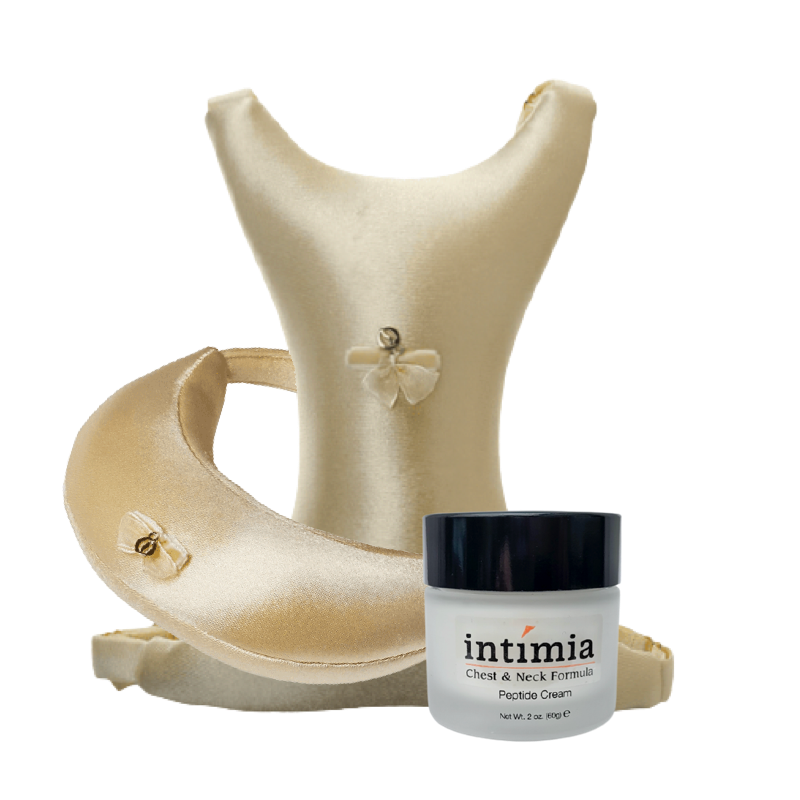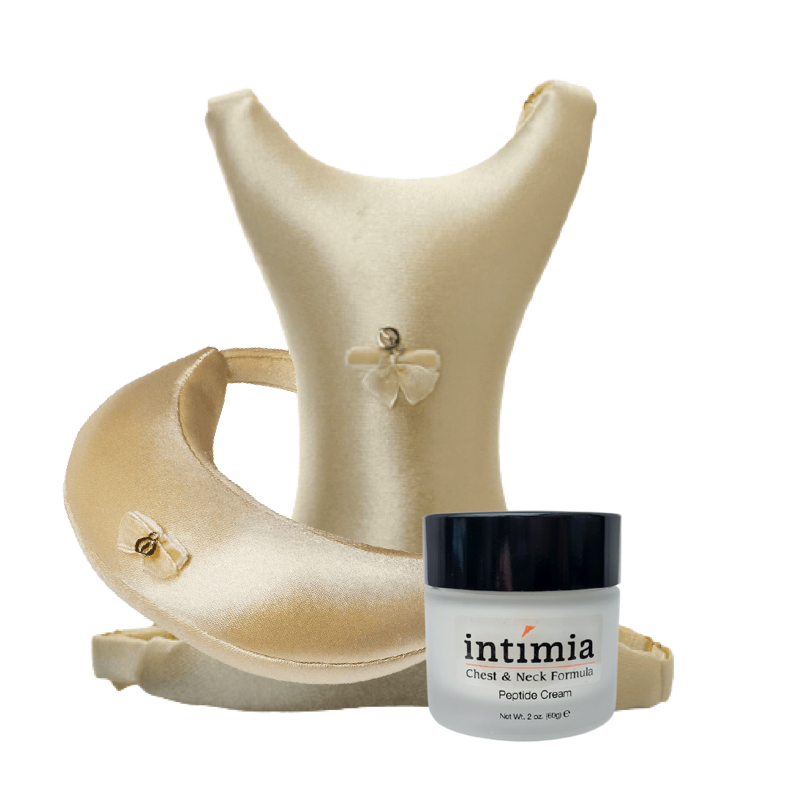
Breast pillow after surgery: relief
Breast pillow after surgery: how to choose the best support for comfort, healing, and protection
When I woke up from my first breast procedure, I remember gripping the thin hospital pillow like it was a life raft. The nurse smiled and said, “You’re going to hate that pillow by tonight.” She was right.
It slipped. It collapsed. It pressed exactly where I didn’t want pressure. And that night at home, trying to sleep half-sitting with a fortress of regular pillows, I thought, “There has to be a better way.”
There is. A breast pillow after surgery isn’t a luxury — it’s one of those quiet little tools that can either make your recovery bearable… or turn every night into a small battle.
For women healing from breast cancer surgery, augmentation, reduction, mastectomy, lumpectomy, or reconstruction, the right pillow becomes a stand‑in nurse. It holds you where you need to be held, keeps you from rolling where you shouldn’t, and quietly guards your incisions from curious pets, enthusiastic kids, and brutal seat belts.
Unlike regular pillows, specialized supports — wedge pillows or contoured cushions — elevate the upper body, stabilize the chest and arms, and prevent pressure on fresh incisions. Research on post‑surgical positioning shows that proper elevation and support can reduce pain, swelling, and even complications like lymphedema and pulmonary issues (clinical review on post‑operative positioning; breast cancer–related lymphedema overview).
This guide will walk you through how to choose the right wedge pillow for breast surgery, a dedicated breast cancer pillow, or other post surgery breast support options — without turning your bedroom into a failed pillow experiment.
Why a breast pillow after surgery matters
Let me guess what’s on your surgeon’s post‑op sheet: sleep on your back, keep your upper body elevated, don’t lift heavy objects, protect your incisions, watch for swelling. Sounds simple on paper. At 2:40 a.m., not so simple.
After breast surgery, you’re juggling:
- Incision pain and pulling
- Pressure from gravity on sore tissues
- That weird “tight band” feeling across the chest
- Swelling, fluid retention, and risk of lymphedema
- Sheer fear of bumping into something
A breast pillow after surgery steps into that chaos and creates structure. Proper elevation reduces edema and helps fluid drain away from the surgical area (evidence on post‑operative positioning). Gentle chest and arm support can also ease muscular strain and protect sensitive incisions from seat belts, bra straps, or rough fabrics rubbing against healing skin.
Women recovering from breast cancer surgery often struggle with sleep, pain, and anxiety. Studies show that thoughtful supportive strategies — like positioning, soft protection, and arm elevation — improve comfort and overall quality of life during recovery (post‑mastectomy rehabilitation review).
And then there’s the emotional side. One woman told me, “That little pillow I kept under my arm? It was my bodyguard.” When everything feels vulnerable, a supportive pillow gives your nervous system a break. You’re less tense, less braced for the next jab of pain. That matters.
Types of breast support pillow options after surgery
Wedge pillow for breast surgery
Picture this: your torso, gently propped at an angle, gravity helping rather than hurting. That’s the logic behind a wedge pillow for breast surgery. It raises your upper body so fluid can move downward instead of pooling around your chest.
Research on post‑operative patients confirms that semi‑Fowler or elevated positions help reduce swelling, support breathing, and improve comfort, especially after chest and abdominal procedures (post‑operative positioning study).
Who usually benefits most from a wedge?
- Women instructed to sleep on their back for several weeks
- Those with fluid retention or a history of post‑op swelling
- Patients who had lymph node dissection and need their arms slightly elevated above the chest to support lymphatic return (lymphedema overview)
Pros:
- Reliable, consistent elevation all night
- Less fussing with multiple regular pillows that migrate by 3 a.m.
- Helps with reflux, too — bonus for those of us over 40
Cons:
- It can feel bulky and “too much” at first
- Some wedges hold heat — breathable covers matter
- You may need a few nights to adjust; your body and your old sleep habits will argue
If your surgeon emphasized elevation, a wedge is worth considering. I tell women: don’t wait until after surgery to test it. Try a few nights beforehand, watch how your neck and lower back respond, and adjust with a small pillow under the knees if needed.
Breast cancer pillow
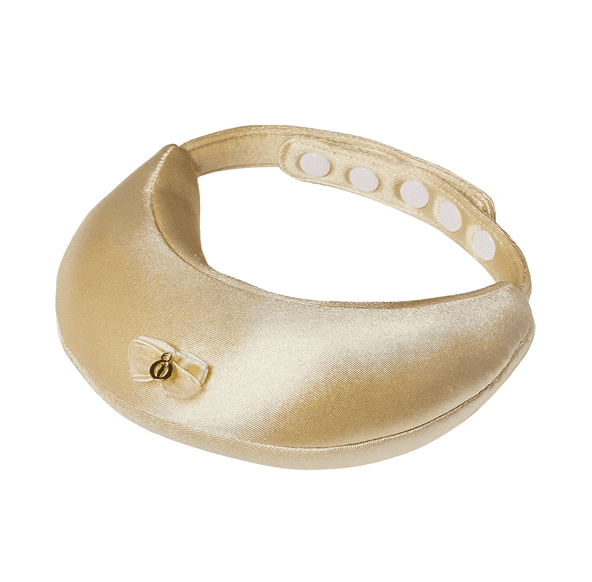
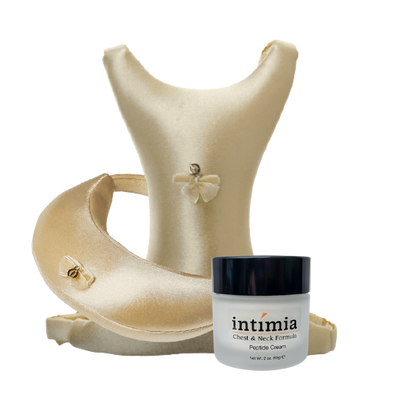
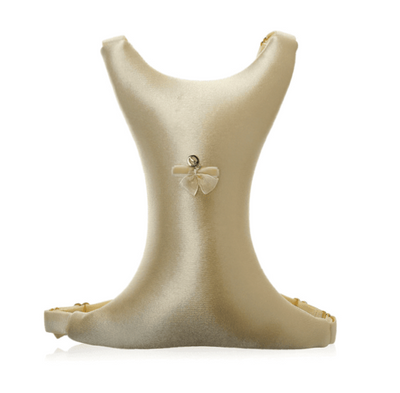
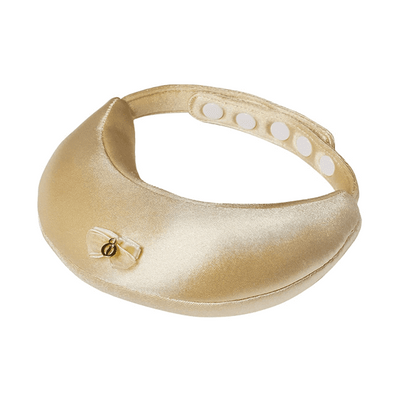
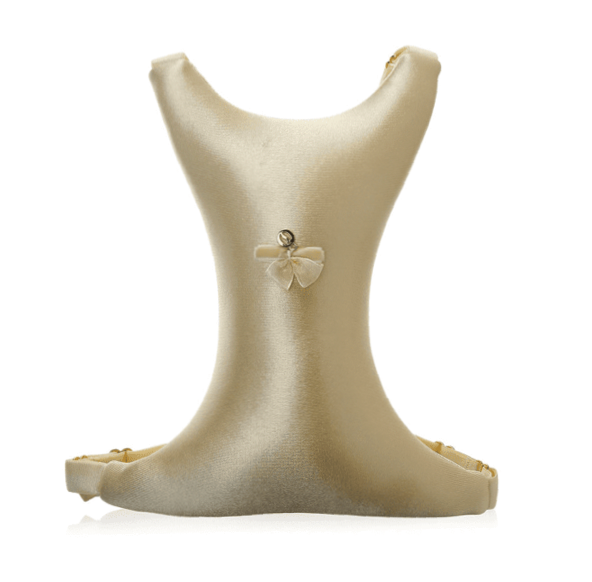
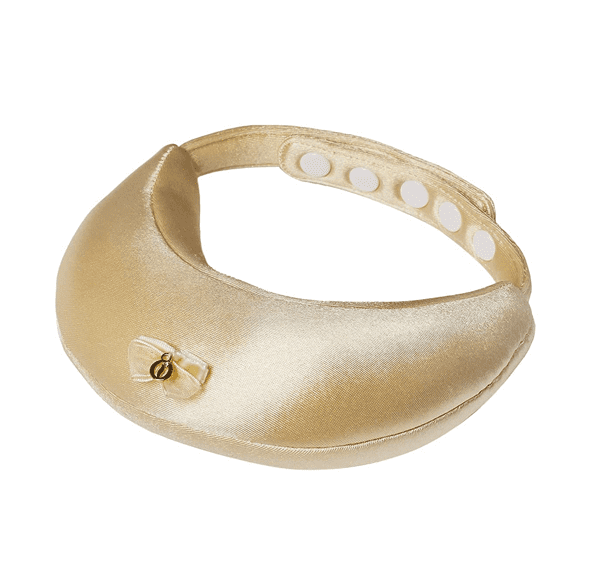
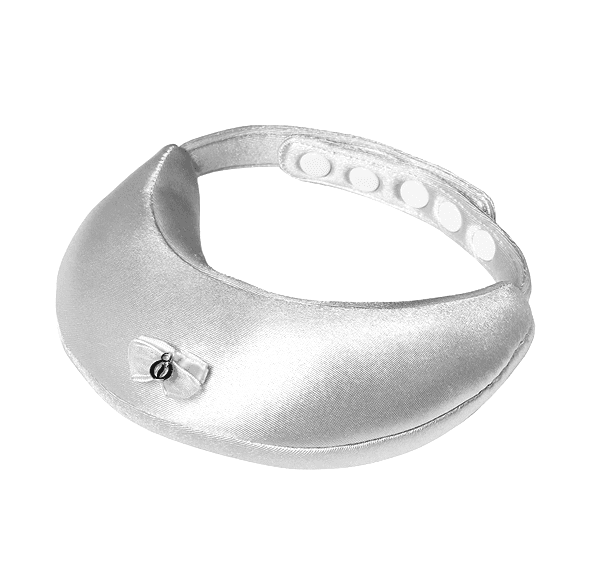
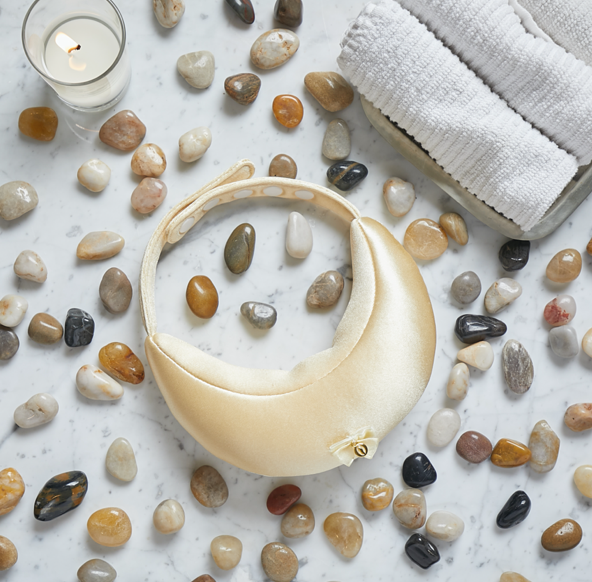
A breast cancer pillow is a quieter hero. Usually heart‑shaped, U‑shaped, or rectangular with little arms or straps, it’s designed to sit under your arms, along your chest, or between your body and a seat belt.
After mastectomy or lumpectomy, the underarm and chest can feel oddly “exposed.” A soft, shaped pillow fills that emptiness. Studies on breast cancer rehabilitation recommend gentle support under the arms and around the chest to help prevent shoulder stiffness and encourage proper positioning for exercises like scapulohumeral abduction (post‑mastectomy rehab guidance).
How women actually use these pillows in real life:
- Under one or both arms to reduce pulling on incisions
- Across the chest in the car, as a shield between you and the seat belt (non‑negotiable, by the way)
- On the couch, tucked between the chest and a laptop, pet, or toddler
- In bed, supporting the arm on the surgery side so it doesn’t just “hang” and ache
One of my customers told me her teenage son yelled from the car, “Mom, don’t forget your armor!” He meant her little heart‑shaped pillow. That’s exactly what it becomes — soft armor.
General post surgery breast support pillows
Then there are the more universal post surgery breast support pillows — not only for mastectomy, but also for augmentation, lift, or reconstruction.
These often have:
- Bust‑contoured curves to cradle the breasts
- A central cut‑out or valley to avoid direct pressure
- Supportive but gentle fill — not too hard, not disappearing flat
- Breathable, hypoallergenic fabrics that won’t irritate sensitive or radiated skin (discussion on textile choices and skin health)
Think of them as multi‑taskers. You can use them:
- At night — to prevent rolling or pressing directly on your chest
- While sitting — behind your back with the contour supporting the bust
- In the car — between belt and chest
- During light activity — as a protective buffer if someone hugs too tightly
Just as specialized abduction pillows stabilize the hips after surgery to protect tissues and keep joints aligned (WebMD: hip abduction pillows), breast support pillows are there to keep the chest gently “organized” while everything heals.
How to choose the right breast pillow after surgery for your procedure
In one of my favorite Mayo Clinic forum threads, a woman asked, “What am I supposed to actually buy for after surgery?” and another survivor replied, “Whatever keeps you from screaming when you stand up.” Accurate (Mayo Clinic Connect: preparing for breast surgery).
The right pillow depends heavily on what was done — and where.
For mastectomy or lumpectomy:
- A dedicated breast cancer pillow with under‑arm support is often essential
- Arm support helps lymphatic drainage and can reduce risk of lymphedema when combined with prescribed movement and compression (lymphedema review; Cleveland Clinic: lymphedema compression)
- Look for designs that protect both the chest and underarm incision lines
For augmentation or lift:
- Choose a more structured breast support pillow that stabilizes the breasts in the position your surgeon wants
- Many surgeons want to avoid implants shifting sideways or “sliding” while tissues are healing — steady support at night helps this
- A low‑slope wedge + bust‑contour pillow combo can be ideal: elevation plus gentle containment
For reconstruction or reduction:
- A wedge pillow for breast surgery to elevate the torso, paired with softer cushioning around the breasts, often works best
- Pay attention to incision sites: under the breast, around the areola, or under the arm — each one will hate certain pressures
- If you tend to roll in your sleep, prioritize a pillow that “locks” your position better, or use a combination to create gentle barriers
I always tell women: bring this up directly with your surgeon. Many of them now reference positioning and support in enhanced recovery protocols. Ask:
- “Do you prefer I use a wedge, or is stacking pillows okay?”
- “How long do you want my upper body elevated?”
- “Is there any pressure direction I should really avoid — up, sideways, flattening?”
And if something that’s supposed to help you causes more pain? Say it. Your body is the final authority.
Key features to look for in a breast support pillow
There’s that moment when the delivery arrives and you pull out a pillow that looks perfect online… and it’s either the size of a postage stamp or a small refrigerator. Let’s avoid that.
Here’s what actually matters when choosing post surgery breast support:
1. Height and angle (for wedges)
- Too steep, and your lower back complains, your neck cranes, and you slowly slide down the slope all night
- Too flat, and you lose the drainage benefits (post‑operative positioning data)
- For most women, a gentle 30–45° torso elevation works; add a small neck pillow only if it doesn’t push your head too far forward
2. Shape and contouring
- Look for bust‑contoured shapes or central valleys if you’re sensitive to direct pressure
- For mastectomy, underarm curves that cradle rather than press are important (rehab recommendations)
- If you had implants, avoid anything that squashes the breasts inward or forces an unnatural position
3. Fabric and skin kindness
- Radiated or post‑surgical skin is finicky; opt for soft, breathable, hypoallergenic covers (textiles and skin barrier review)
- Remove scratchy tags; even a tiny edge can become torture at 4 a.m.
4. Adjustability and stability
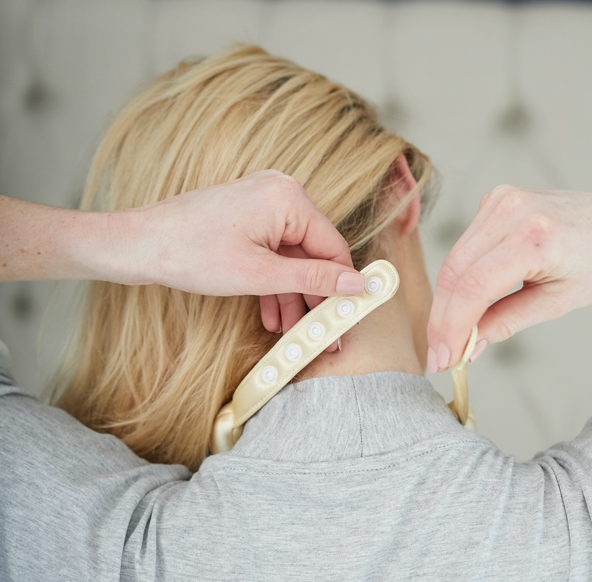
- Straps, ties, or side “arms” help keep the pillow in place during sleep
- Modular wedges (with removable inserts) allow you to reduce elevation over time as your surgeon allows
5. Washability and hygiene
- Look for removable, machine‑washable covers — this is non‑negotiable in recovery
- Regular cleaning and airing out fabric reduces microbial growth and odor (hygiene and textiles discussion)
If you’re hesitating between two types, I usually tell women to prioritize: What will help you sleep more than two hours at a time? That’s the winner.
Sleeping positions and nighttime comfort with a breast pillow after surgery
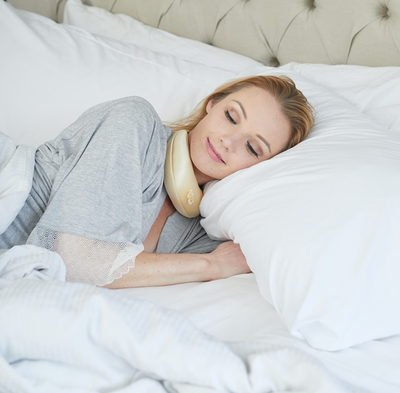
If your décolletage looks flawless by morning — check if you actually slept on your side.
Most surgeons want you on your back at first. Not curled. Not twisted. Just calmly, peacefully on your back… which, for many born side‑sleepers, feels like punishment.
Here’s where a wedge pillow for breast surgery changes the game. Elevated back‑sleeping reduces edema and promotes better lymphatic and venous return (evidence on positioning; lymphedema overview). It can also help your lungs work more efficiently after anesthesia and pain medication (post‑operative respiratory care).
Phase 1: early recovery
- Use a wedge or elevated backrest to keep the torso raised
- Place a small pillow under each forearm or a breast cancer pillow under the surgery‑side arm
- Support under the knees can ease lower back tension
Phase 2: gradual side‑sleeping
- When your surgeon gives the green light, start on the non‑surgery side
- Use a breast cancer pillow or gentle breast support pillow between your chest and the mattress to prevent incision pulling
- Place another pillow between your knees to keep your spine aligned — an old trick that still works
The main rule? Your shoulders and arms should feel supported, not dangling. If you wake up with burning or numbness in the surgery‑side arm, you probably need more elevation or a different pillow shape.
And if you accidentally roll in the night? Don’t panic. Just reposition, breathe, and check for any increased pain or visible swelling. The body is not made of glass — but we do want to respect its limits while it knits itself back together.
Daytime uses — post surgery breast support beyond the bed
One woman laughed as she told me, “My little pillow has been in more Ubers than I have.” That’s the thing — your breast support pillow doesn’t retire at sunrise.
In the car:
- Place the pillow between your chest and the seat belt — always wear the belt, just cushion it
- If the belt cuts across a fresh incision, shift the lap and shoulder portions slightly while still keeping them properly positioned for safety
Working or sitting at a desk:
- Use a small pillow under the forearm on the surgery side to avoid shoulder hunching
- Lean back into a wedge or supportive cushion, not forward into your keyboard — your chest will thank you by evening
On the couch:
- Keep the pillow between you and pets or kids who forget you’re healing
- Use it to prop your arm slightly higher than your heart, especially if you’re prone to swelling
With family and friends:
- Hold the pillow over your chest during hugs and say, “Gentle hug, I’m still healing” — people adjust instantly
- If you’re holding a baby, keep the pillow as a barrier between little kicking feet and your chest
The goal: your chest never has to negotiate with the world directly until it’s ready.
Practical tips for using and caring for your breast pillow after surgery
A quick confession: my first post‑surgery pillow ended up with coffee on it day three. Not my proudest moment — but it taught me how important washable covers are.
Start using support early
- Most women benefit from gentle elevation and arm support immediately after surgery — but always follow your surgeon’s timing and instructions (rehab protocols; lymphedema guidance)
- If something feels “too much” on day one, start softer and add more structure as pain decreases
Keep pillows clean and fresh
- Use removable covers you can wash regularly — healing skin and compromised immunity deserve clean fabrics (textile hygiene review)
- Air out pillows in a dry, clean space; avoid damp corners or direct sun if the fabric is delicate
- If you sweat at night — very common post‑op — consider having a backup cover
Plan on using support longer than you think
- Most women keep using their breast cancer pillow or wedge for weeks to months, especially for sleep and car rides
- As pain decreases, you may reduce elevation but still want soft protection during hugs, travel, or exercise re‑entry
If something isn’t working, adjust
- Neck pain? Reduce wedge height or add a small, supportive cervical pillow
- Lower back ache? Add a pillow under the knees or lower the angle slightly
- Incision irritation? Change the fabric or add an ultra‑soft barrier layer
Recovery is not linear. Some nights you’ll sleep like a log; others you’ll be reconstructing pillow fortresses at 1:15 a.m. Be patient with yourself. This is temporary.
FAQs about breast pillows after surgery
Do I really need a special breast pillow after surgery, or can I use regular pillows?
You can try to use regular pillows — but they tend to shift, collapse, and create pressure points exactly where you don’t want them. Specialized pillows are designed for targeted elevation and support, which helps drainage and can reduce complications like edema and shoulder stiffness (positioning and recovery; breast surgery rehab).
Is a wedge pillow for breast surgery necessary if I normally sleep on my side?
In the first phase of healing, your surgeon will almost certainly want you on your back. A wedge makes that position more stable and comfortable and helps manage swelling (post‑op elevation benefits; lymphedema risk reduction). Once you’re cleared to side‑sleep, you can repurpose the wedge or transition to more traditional breast support pillows.
How many pillows should I have (bed, car, sofa)?
Realistically? At least two. One main pillow (wedge or primary support) for the bed, and one smaller pillow for the car and daytime use. Many women end up with three: bed, sofa, and a travel‑or‑car companion (clinical positioning insights).
Can a breast cancer pillow help with lymphedema discomfort in the underarm area?
Yes — as part of a larger plan. Elevating the arm and providing gentle support under the axilla helps lymphatic return and can ease discomfort when combined with movement, compression, and guidance from your care team (lymphedema guidance; rehabilitation strategies).
At the end of the day, a breast pillow after surgery is one of those small, practical decisions that quietly shapes your whole recovery. It reduces pain, helps you sleep, keeps your tissues protected, and reminds you — in the dark, in the quiet — that you are allowed to be held.
Talk with your surgeon about options like a wedge pillow for breast surgery, a dedicated breast cancer pillow, or broader post surgery breast support so you can match your pillow to your procedure, your body, and your life. I’ve spent years creating non‑invasive comfort solutions for women in recovery, and I still believe this: the right support doesn’t just hold your body. It gives your courage a place to rest, too.
Related Articles
- Breast pillow for side sleepers: guide — Discover the best breast pillow for side sleepers to prevent wrinkles and enhance your sleep wellness today.
- Breast feeding pillow: Top picks — Discover the best breastfeeding pillow for large breasts! Find the perfect breast feeding nursing pillow for ultimate comfort and support today.
- Peptide cream décolleté for radiant chest — Discover the best peptide cream décolleté for youthful skin and combat crepey texture with our anti-aging neck cream.
- Chest wrinkles from sun damage: Repair — Discover effective solutions for chest wrinkles from sun damage and explore the best treatments for a youthful decolletage.
- Get rid of chest wrinkles: how-to — Discover how to get rid of chest wrinkles with our comprehensive guide on effective treatments and the best ways to remove chest wrinkles today!
Want to discover flawless skin with Intimia? Shop now here: here