Menopause chest wrinkles: Prevent & Reclaim
Menopause chest wrinkles: how hormonal changes affect your décolleté and what you can do about it
Introduction
When a woman tells me, “I woke up one morning and suddenly my chest looked ten years older than my face,” I know exactly where she is in life. Somewhere between late 40s and 50s. Somewhere between hot flashes and Googling night bras at 2 a.m. Those fine lines and creases that settle into the chest and décolleté — what we call menopause chest wrinkles — don’t arrive out of nowhere. They’re the quiet result of years of sun, side-sleeping, gravity, and then, suddenly, the estrogen rug pulled from under your skin. During menopause, estrogen levels drop sharply, and with that, collagen production can fall by up to 30% in the first five years. The skin on the chest becomes thinner, drier, less elastic. The delicate décolleté area — that elegant space between your neck and your breasts — shows it first. Dermatologists and researchers have been saying this for years, from clinical studies on estrogen and skin aging to practical guides like Healthline’s overview of menopause skin changes and WebMD’s advice on better skin after menopause. I’m writing this as a woman over 50, an entrepreneur, and someone who’s spent too many mornings analyzing vertical lines between my breasts in unforgiving bathroom light. This isn’t about chasing perfection. It’s about understanding what’s happening — collagen loss in menopause skin, hormonal aging of the décolleté — and then calmly, consistently doing something about it. This guide is for women 35+ who want to prevent deeper chest wrinkles after 50 and build a realistic, gentle strategy for post-menopause wrinkle prevention. And if your décolletage looks flawless by morning — check if you actually slept on your side.Main topic 1: how menopause changes skin and the décolleté area
Let me start with a quick scene from my dermatologist’s office. “Irene, imagine your skin as a building,” she said, tapping my chest lightly. “Menopause doesn’t demolish it. It just quietly removes the support beams.” That’s hypoestrogenism in real life — a fancy name for low estrogen and progesterone levels that come with menopause. These hormonal shifts slow down collagen synthesis, reduce skin lipids, and change how your skin holds water. The result, confirmed in multiple clinical reviews like this one on intrinsic and extrinsic skin aging, is predictable: thinning, dryness, and reduced elasticity.On the chest, this shows up as: - More fragile, “paper-like” skin - A tendency toward creasing even from short pressure - Slight sagging or laxity that wasn’t there five years ago This is what we call hormonal aging of the décolleté. The skin here is already thinner than the skin on your cheeks — and now, with hormones dropping, it loses its bounce even faster. Estrogen influences collagen, elastin, and hyaluronic acid. Once those levels fall, collagen loss in menopause skin accelerates. After the initial steep drop, we lose about 2% of collagen every year, as described in National Institute on Aging guidance on skin and aging. On the décolleté, that means more visible creases, especially when the skin is folded — with bras, sleep, or simply leaning forward. So no, you’re not “imagining it.” The structure has changed. But that also means we can work with it — once we know the rules.
Main topic 2: why menopause chest wrinkles are so common after 50
There’s a small moment I see play out all the time. A woman in her early 50s, standing in a fitting room with a low-cut dress, lifting her phone to take a selfie. She smiles, then pauses, zooms in on the chest. “When did these lines show up?” she whispers. They didn’t show up. They accumulated. Chest wrinkles after 50 are usually the sum of: - Years of sun exposure breaking down collagen and elastin - Side-sleeping, folding the skin into vertical pleats night after night - Larger breast size, adding constant mechanical pull and compression - Volume loss in the upper chest as hormones decline Healthline’s guide on décolleté care goes deep into how exposed and delicate this area is. The chest is often the least protected but most visible part of our body: tanks in our 20s, V-necks in our 30s, and beach vacations without SPF in our 40s. By the time décolleté aging in menopause kicks in, the skin is already weakened from UV and environmental damage — described clearly in this review on air pollution and skin aging and in articles specifically about chest wrinkles. Menopause just presses fast-forward. Dynamic lines — the ones that appear only when you bend, twist, or lie down — slowly become static. They stay even when you’re standing straight, even when your bra is off. That’s collagen depletion in action, as highlighted by dermatologists in American Academy of Dermatology advice on skin during menopause. It’s not your fault. It’s physics, hormones, and time working together. But you can absolutely interrupt the pattern.Main topic 3: recognizing early signs of hormonal aging in the décolleté
If I could walk into every woman’s bathroom at 38 and point to one thing, it would be this: “Look here, between the breasts. These faint vertical lines? That’s your early warning.” Early signs of hormonal aging décolleté often look like: - Fine vertical “sleep lines” that fade slowly after you get up - A slightly crepey or crinkled texture when you lean forward - Redness or blotchy tone that doesn’t even out with moisturizer - Subtle loss of firmness — the skin doesn’t spring back as easily These changes are tied directly to collagen loss in menopause skin. The NIA’s overview on aging skin explains how thinning and dryness make skin more vulnerable to mechanical forces. On the chest, those forces are sleep, bras, and gravity. If you’re in perimenopause and starting to see those first vertical lines, that’s your invitation. Early action here dramatically improves post-menopause wrinkle prevention. Once deeper menopause chest wrinkles set in, you can still soften them — but you’ll need more patience, and often professional support, as shown in both consumer guides and dermatology reviews. Think of this stage as the moment when small, consistent changes still have big leverage.Main topic 4: daily menopause skin care for the chest and décolleté
One afternoon, during a product meeting, I asked my team, “How many of you apply your full skincare routine to your chest?” Silence. Then nervous laughter. One woman said, “Does body lotion count?” Here’s the quiet truth: your chest deserves the same respect as your face — especially as you enter menopause. A simple, realistic menopause skin care chest routine can look like this: Morning - Gently cleanse your neck and chest — nothing harsh, no scrubbing. - Apply a moisturizer with ceramides, hyaluronic acid, or glycerin for barrier support and hydration, as recommended in Healthline’s menopause skin guide and WebMD’s slideshow on better skin after menopause. - Finish with a broad-spectrum SPF 30 or higher — on the chest, not just the face. The AAD emphasizes this step for menopausal skin. Evening - Cleanse again — gently. Sweat, SPF, and city air pile up on this thin skin. - Apply a nourishing moisturizer. Look for niacinamide, peptides, and soothing ingredients. - If your skin tolerates it, introduce retinoids (retinol or prescription tretinoin) very slowly on the chest — maybe twice a week at first. They’re still the gold standard for collagen support, as echoed in guides on chest wrinkle care and menopause skincare articles. For décolleté aging in menopause, treat this skin like a cashmere sweater — not like denim. No harsh scrubs. No aggressive retinoid jumps. Introduce actives slowly, always with moisturizer and SPF as your base team. If something burns, flakes excessively, or turns angry red, back off. Try a gentler formula, apply over moisturizer (“buffering”), or reduce frequency. The goal is slow, steady rebuilding — not winning a retinoid competition.Main topic 5: targeting collagen loss in menopause skin
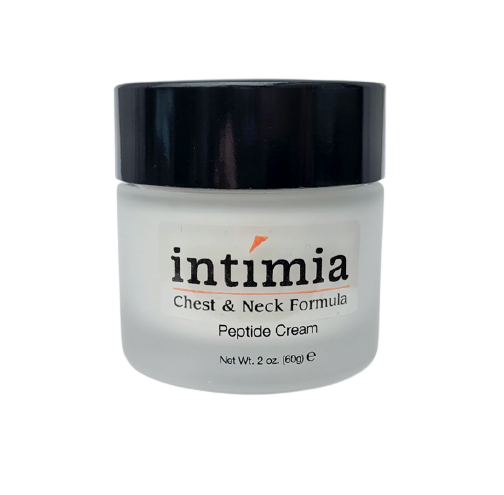
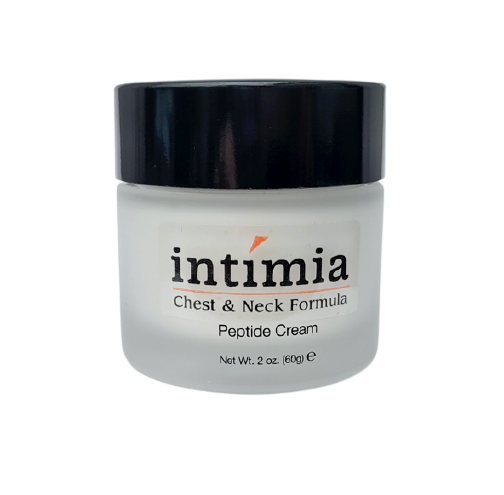
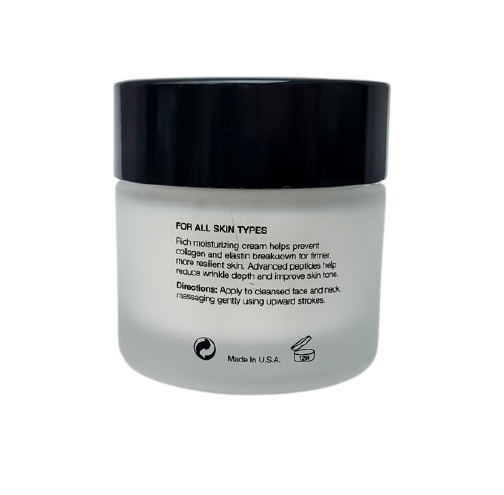
I remember holding a tube of retinol in my hand, staring at my chest in the mirror, and thinking: “You and I have some history to repair.” To support collagen loss in menopause skin, you need a dual approach — from the outside and the inside. Topical support Evidence-based ingredients for chest and décolleté include: - Retinoids (retinol, retinal, tretinoin) — increase collagen production and improve texture. Dermatologists consistently recommend them for aging skin in resources like AAD guidelines. - Vitamin C — an antioxidant that supports collagen synthesis and helps with pigmentation. Frequently highlighted in clinical reviews. - Peptides — can signal skin to support its structural proteins; helpful in delicate areas like the chest. - Daily sunscreen — non-negotiable. UV breaks down collagen faster than any wrinkle cream can rebuild it, as stressed in décolleté care guides and chest wrinkle resources. Internal support You can’t out-cream certain habits. To protect your collagen from the inside: - Prioritize protein in your diet — collagen is made of amino acids. - Stay hydrated — dehydrated skin looks more lined, especially on the chest. - Don’t smoke — smoking floods your skin with free radicals and is strongly linked to premature wrinkling, as shown in dermatology literature. - Manage stress where you can — elevated cortisol can impact skin healing and inflammation, something both WebMD and Healthline touch on. For post-menopause wrinkle prevention on the chest, collagen is your main currency. Every SPF application, every protein-rich meal, every night you skip that last cigarette — it all counts.Main topic 6: sleep, side-sleeping, and mechanical chest wrinkles
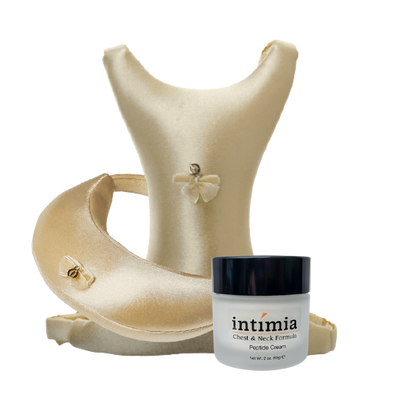
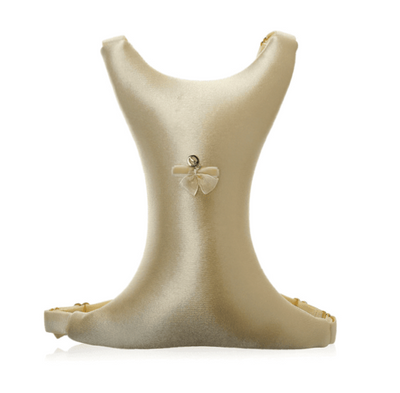
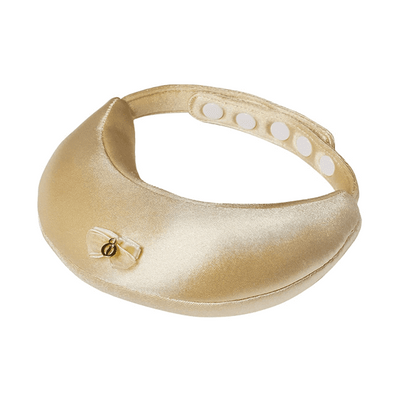
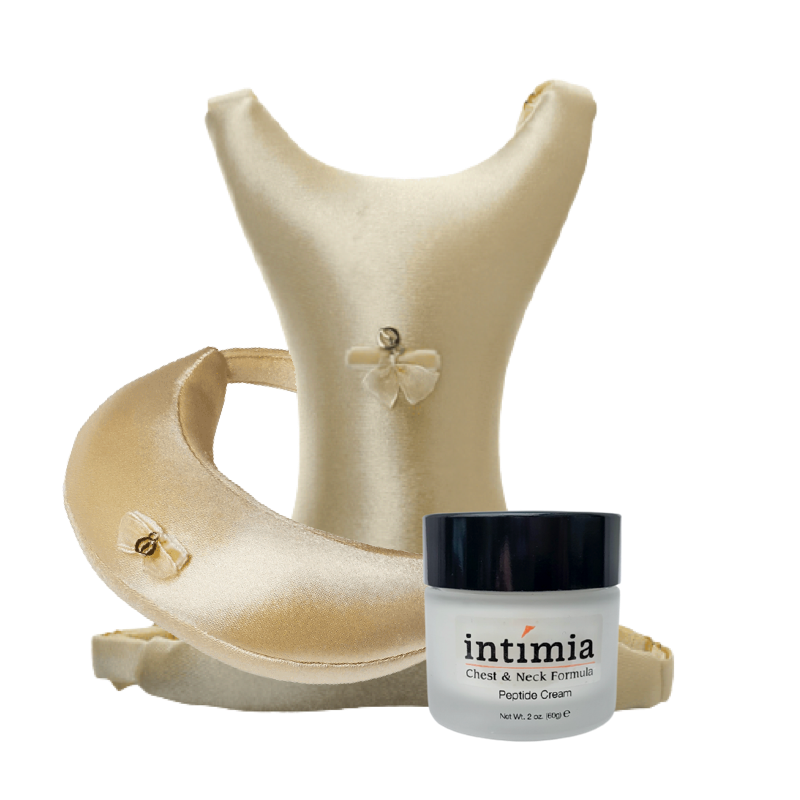
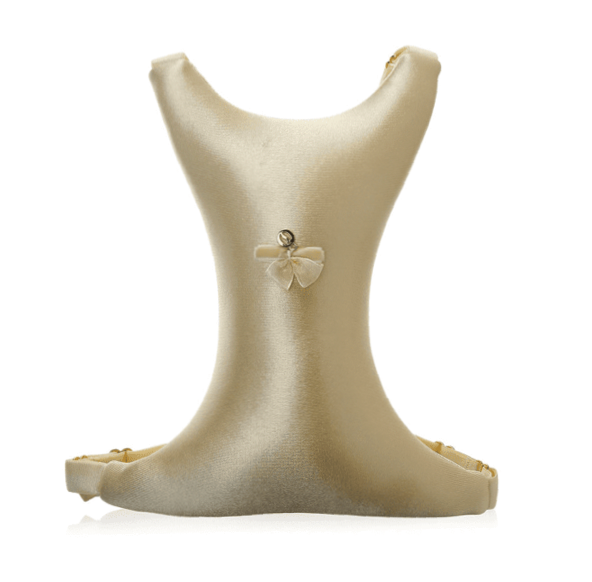
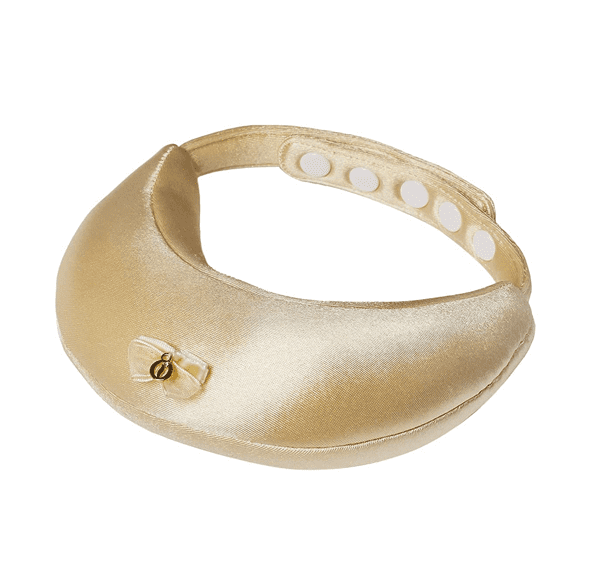
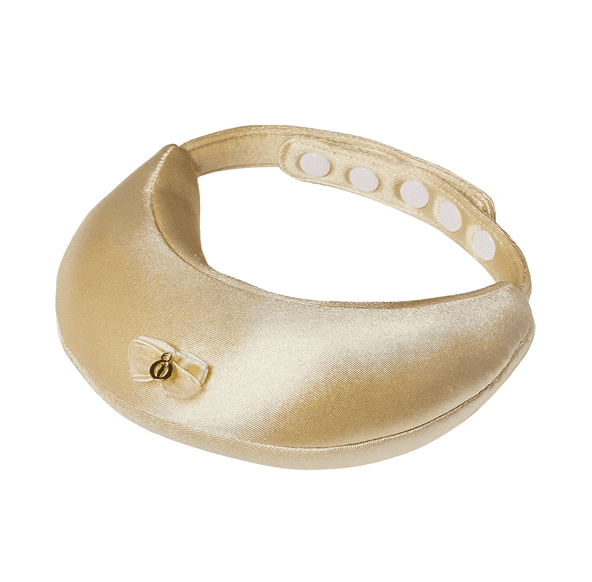
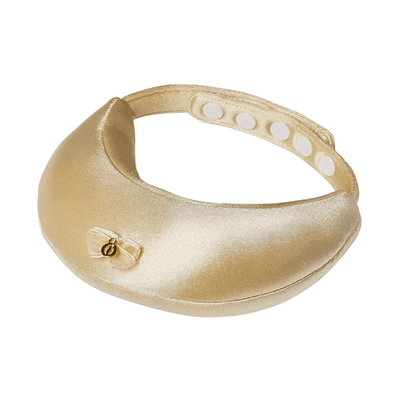
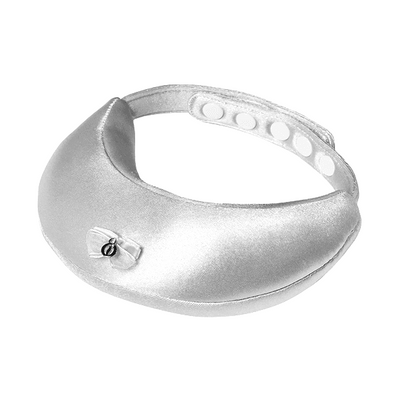
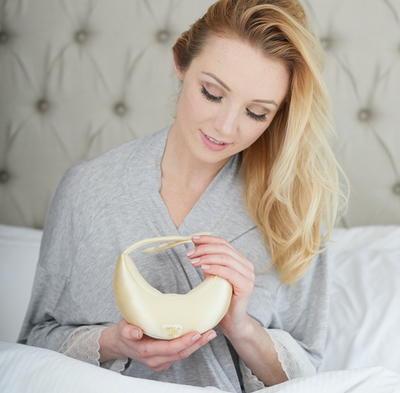
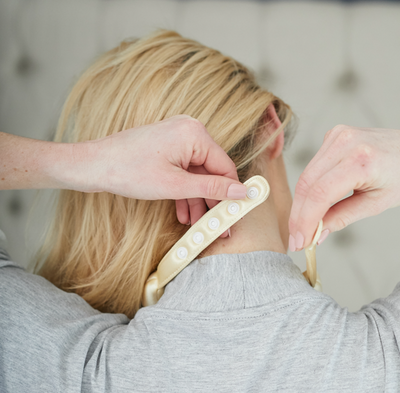
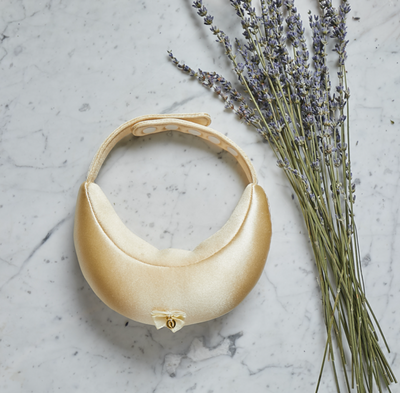
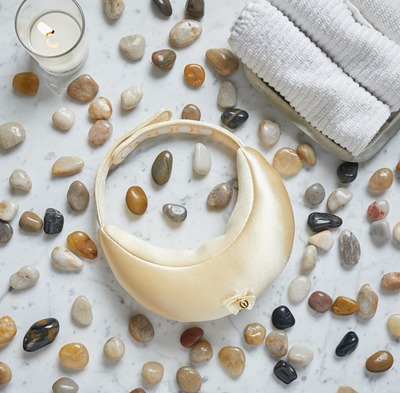
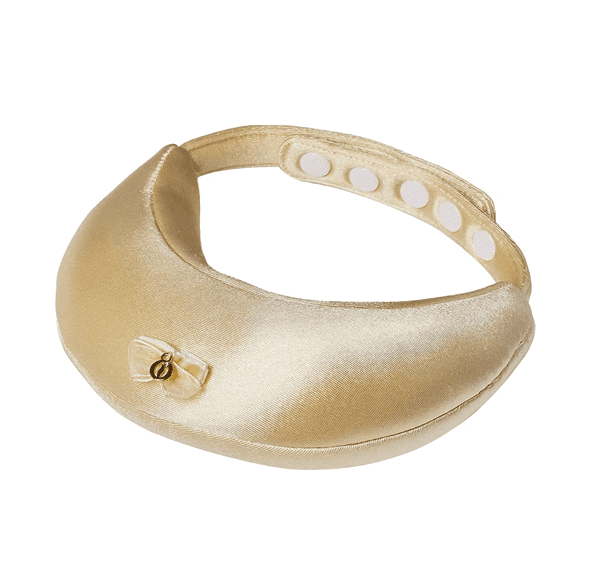
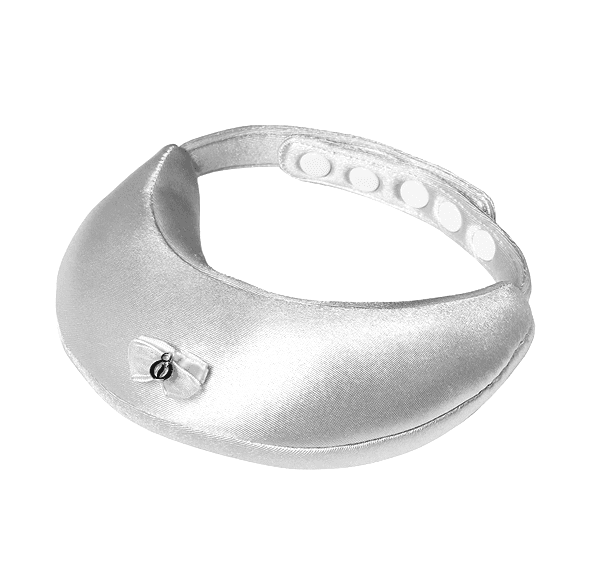
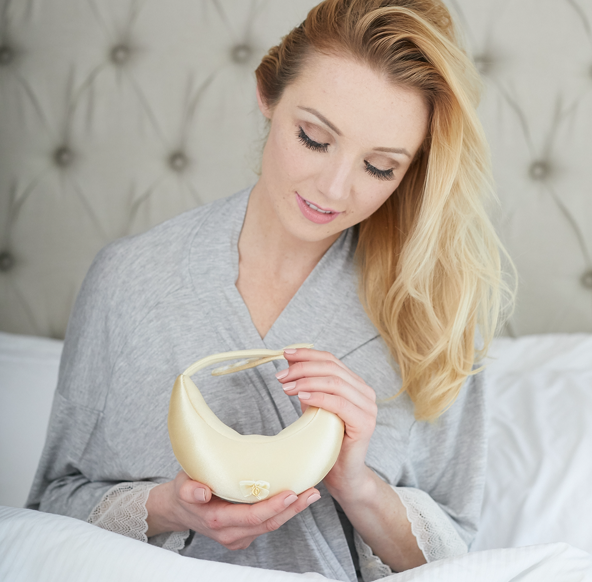
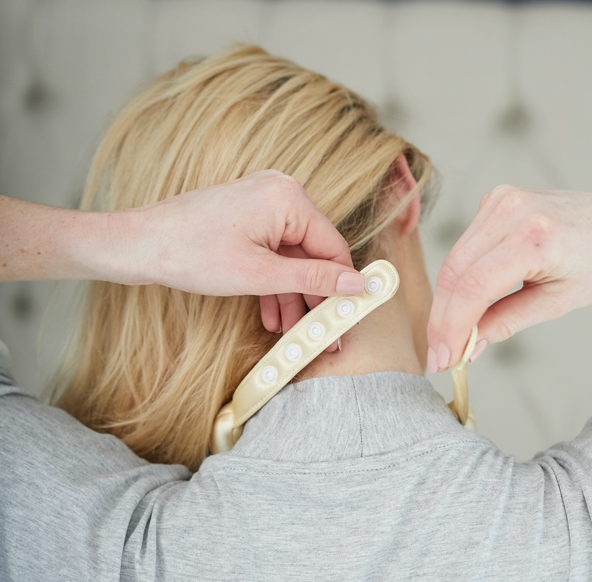
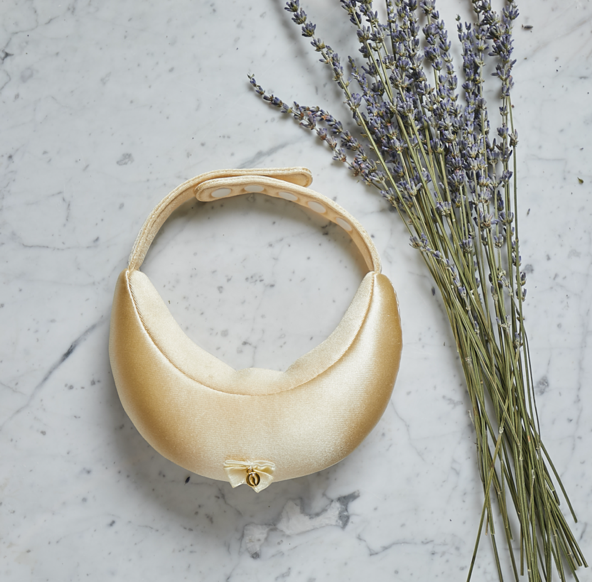
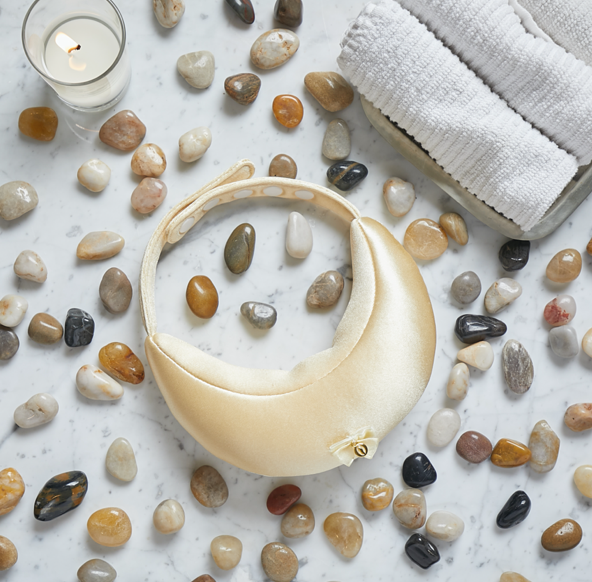
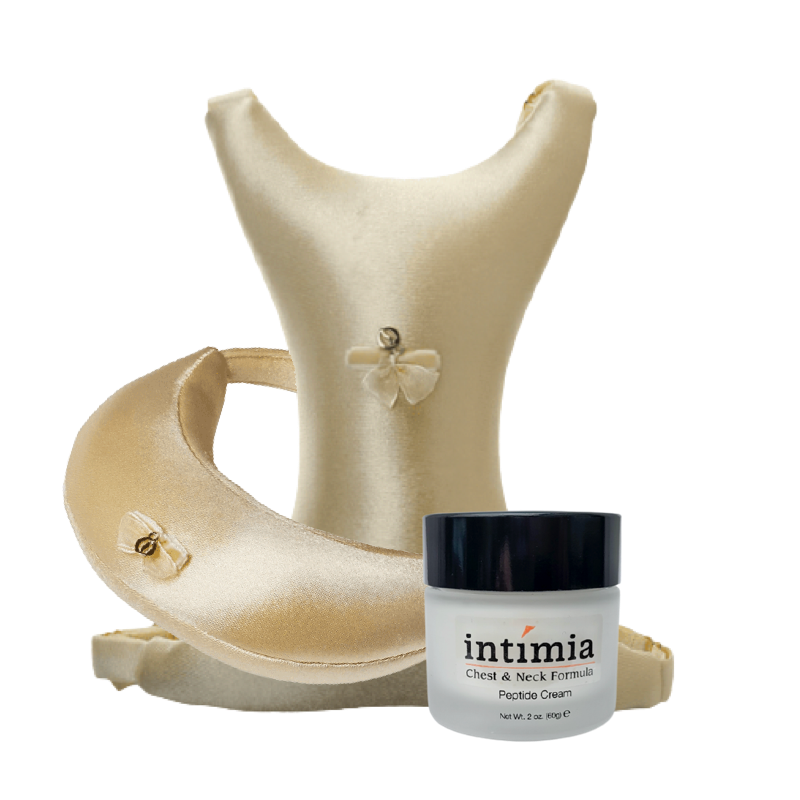
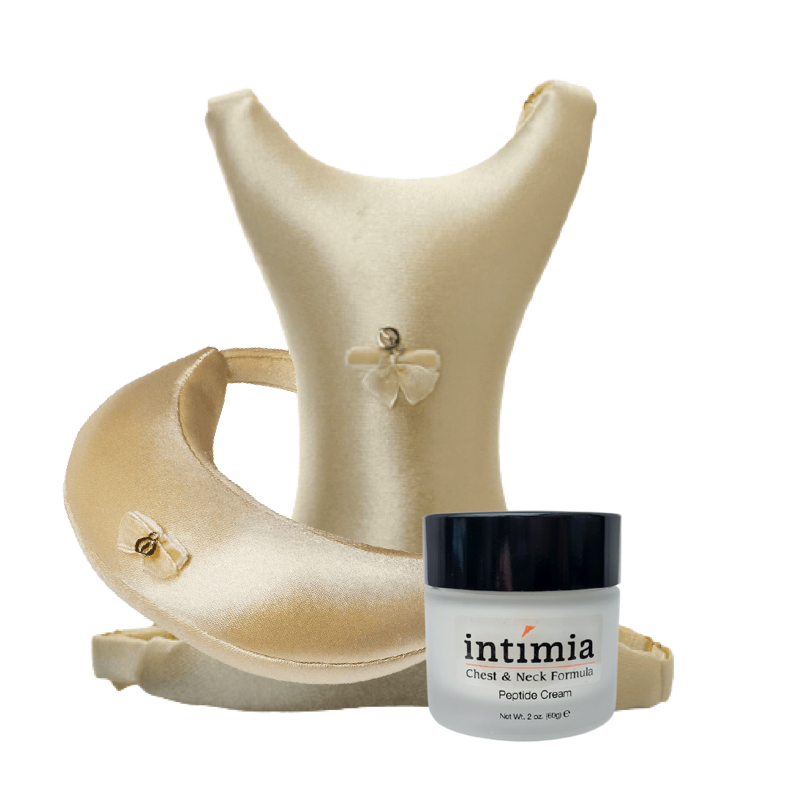
Let’s talk about the bedroom. If you’re a lifelong side-sleeper like me, you’ve probably done this: wake up, see a tall, unmistakable crease from collarbone to cleavage, and push your skin sideways with your fingers like it’s a piece of fabric. Side-sleeping compresses your chest for hours every night. Over years, that compression deepens vertical menopause chest wrinkles. When breasts fall forward and down, gravity pulls the fragile skin into folds. Mechanical pressure — not age alone — is doing a lot of the work here, as explained in many practical chest wrinkle guides. With hormonal aging of the décolleté, the skin becomes thinner and drier, so it doesn’t rebound by morning. The lines last longer. Sometimes all day. Clinical and consumer sources, from Healthline to WebMD, note this interaction between mechanical stress and hormone-weakened skin. You don’t have to become a perfect back-sleeper overnight. But you can: - Use a supportive sleep bra that gently keeps breasts separated so the skin doesn’t collapse into vertical folds. - Try a chest pillow or sleep aid designed specifically to reduce compression lines. - Gradually train yourself to spend at least part of the night on your back — even if you drift back to your side later. There’s a little joke we say in my team: if your décolletage looks flawless by morning — check if you actually slept on your side. It’s not about sleeping like a statue. It’s about reducing the hours your skin spends pinned into the same crease, every single night.Main topic 7: sun protection and environmental factors for the décolleté
Picture this: a woman in her 30s, religious about face SPF, standing proudly with a matte, protected forehead — and a pink, slightly burned chest in a scoop-neck top. “I forget this part,” she told me once, patting her décolleté. “It’s like it doesn’t belong to my skincare routine.” Unprotected décolleté aging in menopause is a classic story of UV plus pollution, told a thousand times in dermatology journals and patient brochures. UV radiation damages collagen and elastin; pollution and free radicals finish the job. Healthline’s décolleté guide and studies on pollution and skin are very clear: chest skin, thin and exposed, is at high risk for both cosmetic aging and health concerns like skin cancer. For effective menopause skin care for the chest: - Apply broad-spectrum SPF 30+ to your neck and chest every morning — and reapply if you’re outside more than two hours, as the AAD recommends. - Wear UPF clothing or lightweight scarves when possible. - Seek shade and avoid peak sun hours when you can — especially if your chest already shows sun spots or broken capillaries. Without this, ongoing UV will continue to accelerate collagen loss in menopause skin, undermining all your careful post-menopause wrinkle prevention efforts. Chronic sun damage on the chest is well documented in both scientific reviews and practical guides on chest wrinkles and sun exposure. Think of SPF on your chest not as optional, but as brushing your teeth. You just do it — every day, without drama.Main topic 8: non-invasive treatments and at-home strategies
One evening at a dinner, a friend leaned toward me and whispered, “I love your dress, but what did you do to your chest? It looks...smoother.” I smiled. “Nothing dramatic. Just boring consistency.” Non-invasive options can soften existing menopause chest wrinkles and improve post-menopause wrinkle prevention — without surgery or extreme downtime. At-home strategies - Hydration and barrier care: A rich, well-formulated moisturizer used twice daily on the chest can visibly improve crepey texture. - Gentle massage: Light, upward strokes with your palms or fingertips can support circulation and help product absorption. Always be gentle — this is not kneading dough. - Gentle exfoliation: Once or twice a week, a low-percentage glycolic or lactic acid product can smooth texture and help actives penetrate better. Both Healthline and WebMD mention chemical exfoliants as preferable to harsh scrubs for mature skin. Consistent menopause skin care chest routines, supported by gentle exfoliation and massage, build a foundation you can actually maintain. Professional, minimally invasive options When home care reaches its limit, modern dermatology offers a few tools that pair well with your daily routine: - Chemical peels — light peels can help texture and pigmentation on the chest. - LED therapy — red light devices may support collagen and healing; many dermatology clinics use them as an adjunct. - Radiofrequency (RF) — uses heat to stimulate collagen in deeper layers. - Microneedling — controlled micro-injuries that encourage collagen remodeling in hormonal aging décolleté skin. These approaches are often discussed in combination in non-invasive treatment roundups and clinical anti-aging overviews. None of them are magic; all of them work best when layered on top of sunscreen, moisturizer, and smart sleep habits.Main topic 9: when to consider professional help for chest wrinkles after 50
I remember the day I booked my first chest consultation with a dermatologist. I’d been diligent: SPF, retinol, hydration, careful sleep. Still, those central lines stayed. Softer, yes. But stubborn. That’s when professional eyes become priceless. Consider seeing a dermatologist about chest wrinkles after 50 if: - Lines are etched in and don’t budge despite three to six months of consistent home care. - You notice rough, changing, or oddly colored spots on the chest — especially if you have a long history of sun exposure. - Your décolleté aging in menopause includes significant volume loss, textural changes, or pigment that bothers you. Dermatologists are trained to distinguish between cosmetic aging, sun damage, and early skin cancers — a serious concern on chronically exposed areas like the chest, as highlighted in resources from the AAD and NIA. They can also: - Fine-tune your retinoid and antioxidant routine - Recommend or perform treatments like lasers, microneedling, or RF - Create a long-term plan that complements your at-home post-menopause wrinkle prevention efforts If something feels “off” on your chest — a new spot, a growing patch, an area that doesn’t heal — don’t wait. This isn’t about vanity at that point. It’s about health, safety, and your peace of mind.Main topic 10: building a sustainable post-menopause chest care plan
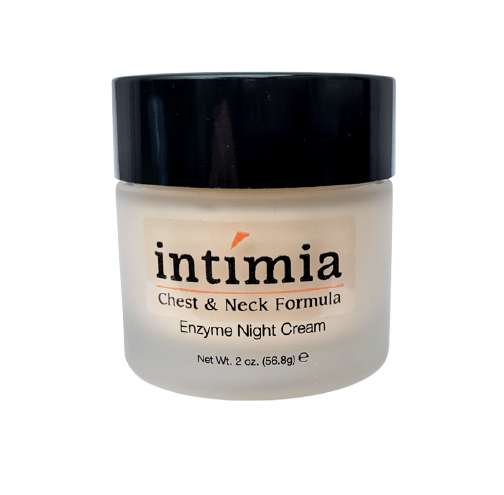
A woman told me once, “Irene, I can do anything for a week. It’s the ‘forever’ that scares me.” So let’s not think in terms of “forever.” Let’s think in seasons. A sustainable post-menopause chest plan doesn’t have to be complicated. It has to be repeatable. Daily - Apply SPF to chest and neck every morning — non-negotiable. - Moisturize the chest and décolleté after showering. - Use retinoids in the evening as tolerated — low and slow is fine. Weekly - Gently exfoliate (once, maybe twice a week) with a mild AHA or enzyme product. - Take a moment to examine your chest for new spots, changes, or irritation. Seasonal - In dry or cold weather, upgrade to a richer moisturizer — menopausal skin loses water easily, as explained in menopause skin overviews. - In summer, double down on UPF clothing and shade — protect that collagen loss in menopause skin from UV acceleration. - Reassess sleep setups: bras, pillows, and your favorite sleep position. Layer this with lifestyle choices — hydration, not smoking, as little chronic stress as your life reasonably allows — and you build a framework. Over time, you can expect smoother menopause chest wrinkles, a slower pace of hormonal aging on the décolleté, and, most importantly, a quiet boost in confidence. Not perfection. Never perfection. Just the grounded satisfaction of knowing you’re taking care of yourself, every day, in ways that actually matter.Conclusion
When I look at my own chest now, I see a story — not a flaw. Menopause chest wrinkles are one of the most visible hallmarks of hormonal aging. Estrogen drops, collagen thins, and every year of sun and side-sleeping writes itself into the skin. But we are not helpless bystanders. With non-invasive steps — SPF, real moisturization, smart actives, kinder sleep positions — you can slow décolleté aging in menopause and support thoughtful post-menopause wrinkle prevention. The science is there, in places like clinical aging reviews, AAD guidance, and NIA recommendations on skin care and aging. The practice is in your hands, every morning and night. Treat your chest and décolleté not as an afterthought, but as a quiet, central part of your skincare and your well-being. Because sometimes, the most beautiful part of us is the one we finally decide to care for — deliberately, gently, and without apology.Related Articles
- Chest wrinkle treatment comparison: best options — Discover the best chest wrinkle treatment comparison, from home remedies to laser options. Find your ideal solution today!
- Chest wrinkles from sun damage: repair — Discover effective solutions for chest wrinkles from sun damage. Explore the best cream and treatments for a youthful décolletage today!
- Get rid of chest wrinkles: how-to — Discover how to get rid of chest wrinkles with our comprehensive guide on effective treatments and the best ways to remove chest wrinkles today!
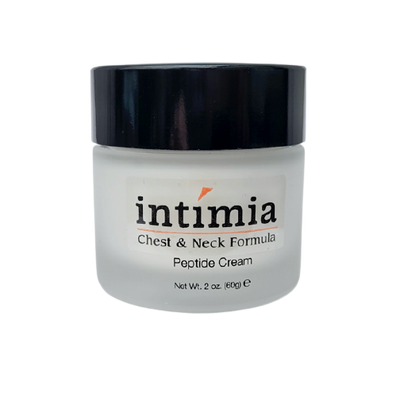
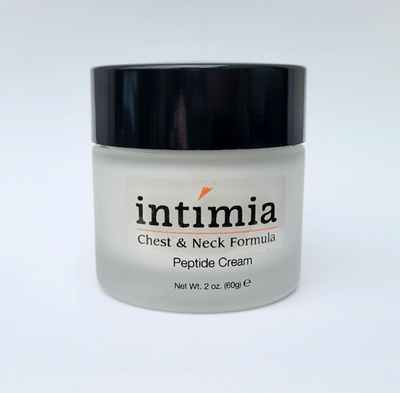
- Peptide cream décolleté for radiant chest — Discover the best peptide cream décolleté for youthful skin! Combat crepey texture with our anti-aging neck cream. Shop now for radiant results!
- Best cream for crepey neck and chest — Discover the best cream for crepey neck and chest to combat aging. Rejuvenate with our top anti-wrinkle solutions! Click to learn more.
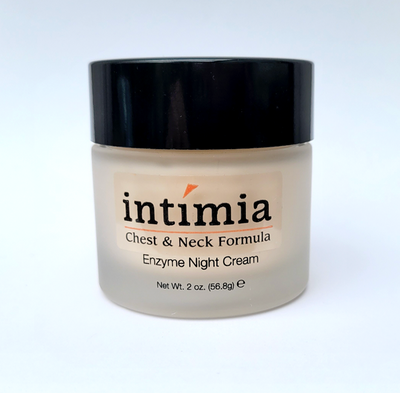
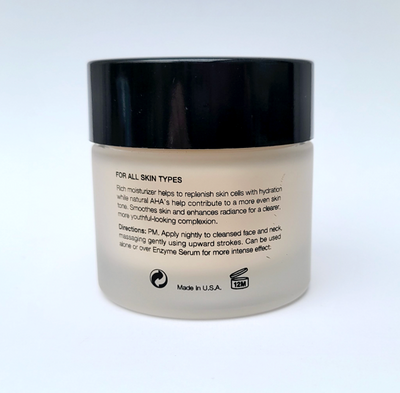
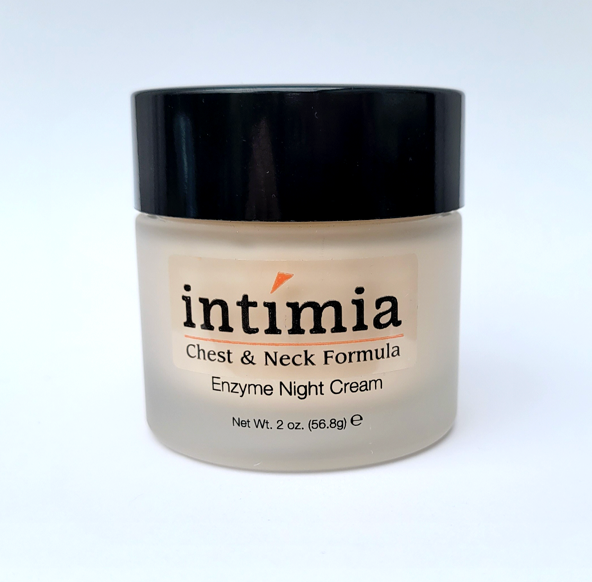
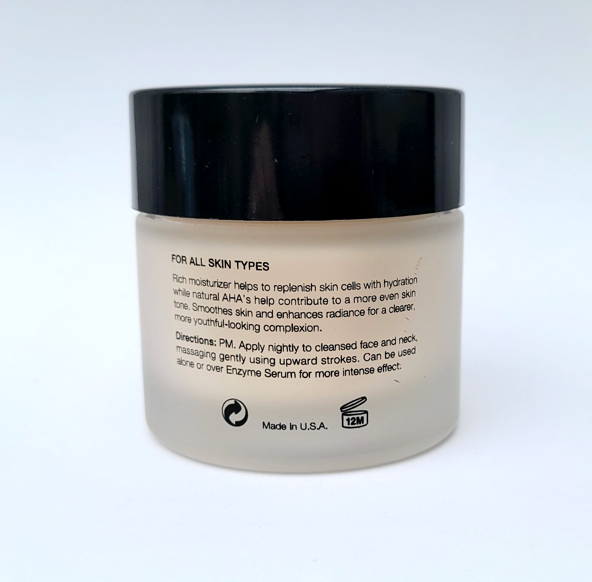
Want to discover flawless skin with Intimia? Shop now here: here

Partagez-nous
Produits Intimia


MESSAGES RÉCENTS
Chest Wrinkles Weight Loss: Solutions Explained
Décolleté Care After 50: Rebuild Radiant Skin
Chest Wrinkles 20s: Early Signs & Solutions
At-Home Devices Chest Compared: Top Picks 2026
Botox Chest Wrinkles Treatment: Smooth Décolleté
Chemical Peel Chest Wrinkles: 2026 Trends & Results
Microneedling Chest Wrinkles 2026: Pros & Cons
Body Oil vs Lotion Décolleté: Best Hydration Pick
Layer Skincare Chest Order: Achieve Radiant Décolleté
Sunscreen Chest Importance: Daily Radiance Secret
Dehydration Chest Skin Signs: Prevention Guide
Posture Chest Wrinkles Study: Scientific Insights
Stress Skin Aging Cortisol: Protect Your Décolleté
Tech Neck Chest Wrinkles: Screen Time Impact
Habits That Cause Chest Wrinkles—Break Them Today
Vitamin C Serum Chest 2026: Dermatologist Insights
Hyaluronic Acid Décolleté Benefits: Get Radiant Skin
Retinol Chest Wrinkles Guide: Safe Use Tips
Boost Collagen Chest Naturally: 5 Proven Tips
Collagen Loss After 30: Your Chest's Secret Transformation
Sleep Quality Skin Health: 2026’s Top Trends
Back Sleeping for Skin: 30-Day Guide
Sleep Wrinkles vs Expression Wrinkles: Identifying Differences
Pillow Material Wrinkles: Science-Backed Insights
Sleeping Position Chest Aging: Ultimate Comparison
Circadian Skincare Chest: Timeless Décolleté Secrets
Over-Exfoliation Décolleté Damage Fix
Gentle Exfoliation Chest 2026: Radiant Skin Secrets
Skin Below Chin Care: 2026 Trends Revealed
Active Body Care 2026: Chest's New Era
Wearable Tech Skin Aging Secrets Revealed
AI Skin Analysis Décolleté: Targeted Care
Inside Out Skincare Décolleté: Nutrition Wins
Сollagen Supplements Chest Skin Peptides Work
Gut Skin Axis Chest Wrinkles Reducing
Led Mask Neck Chest: Reduce Wrinkles
Red Light Therapy Chest Wrinkles 2026
Ceramides Chest Skin: Repair Skin Barrier
Skin barrier repair chest: guide 2026
Bioregenerative décolleté treatment trends 2026
Exosomes Skincare Chest Science Behind Wrinkles
Next Gen Peptides Chest 2026: Science-Backed
3-Step Décolleté Routine: Quick Results
Skinimalism chest care: Streamlined routine
Skin Longevity Routine Chest: Long-Term Steps
Skin longevity sleep routine: Décolleté glow
Preventative skincare 20s chest Boost longevity
Skin longevity décolleté: Shift from anti-aging
Skin Longevity 2026: Proactive Skincare Wins
Sun Damage Chest Wrinkles: Causes Explained