In this article you will learn:
- What Are Chest Wrinkle Patches and Their Mechanism
- Effectiveness: Short-, Medium-, and Long-Term
- Scientific Evidence Behind Silicone Use
- Interpreting Before and After Photos
- User Experiences: Pros and Cons
- Dermatologist Opinions on Wrinkle Patches
- Factors Influencing Effectiveness
- Myths vs Reality About Chest Wrinkle Patches
- Safe Usage Guidelines
- Who Benefits Most from Chest Wrinkle Patches
The skin of your décolleté is a landscape of its own. Delicate, exposed, and honest. It remembers every sun-soaked freeway drive, every “I’ll just sleep on my side tonight,” every summer dress that felt too good to cover up. When the first fine lines start turning into real creases above your breasts, you notice them in the bathroom mirror at odd times of day, and the question creeps in: do chest wrinkle patches work, or am I taping hope to my chest at night?
Why women are asking “do chest wrinkle patches work?”
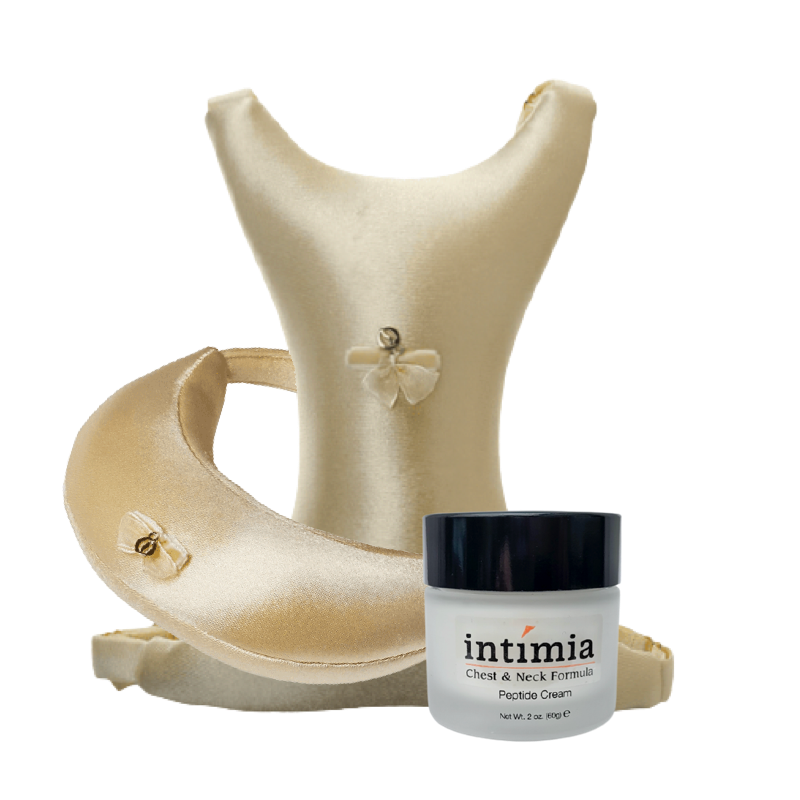
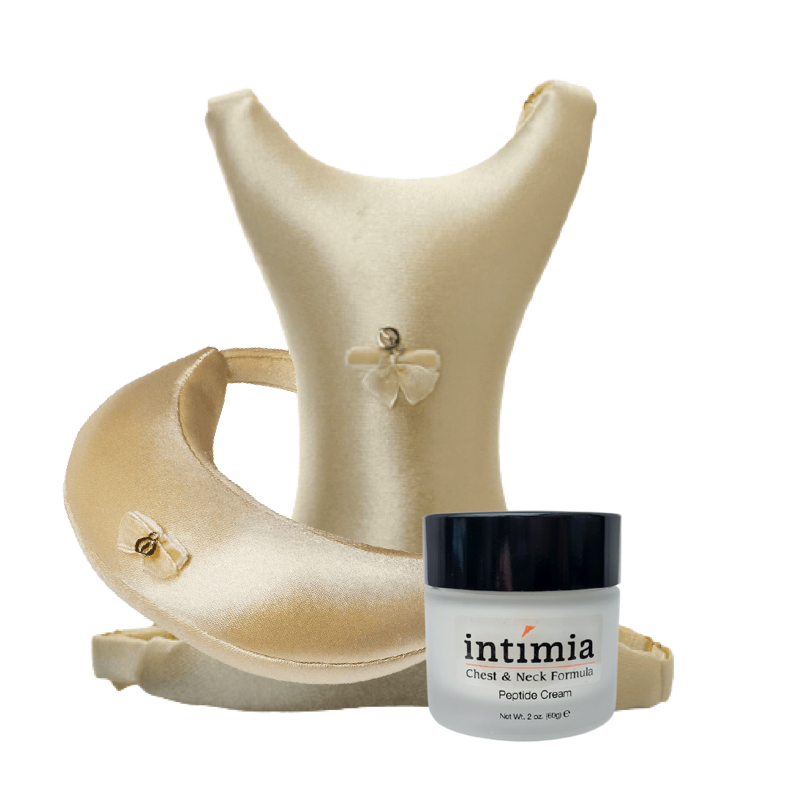
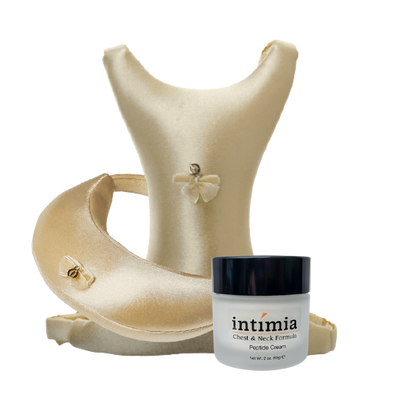
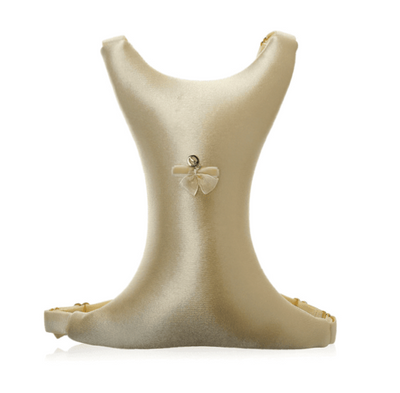
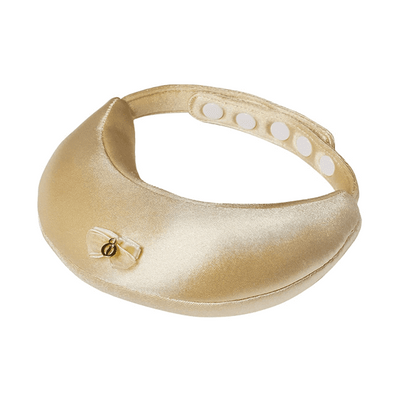
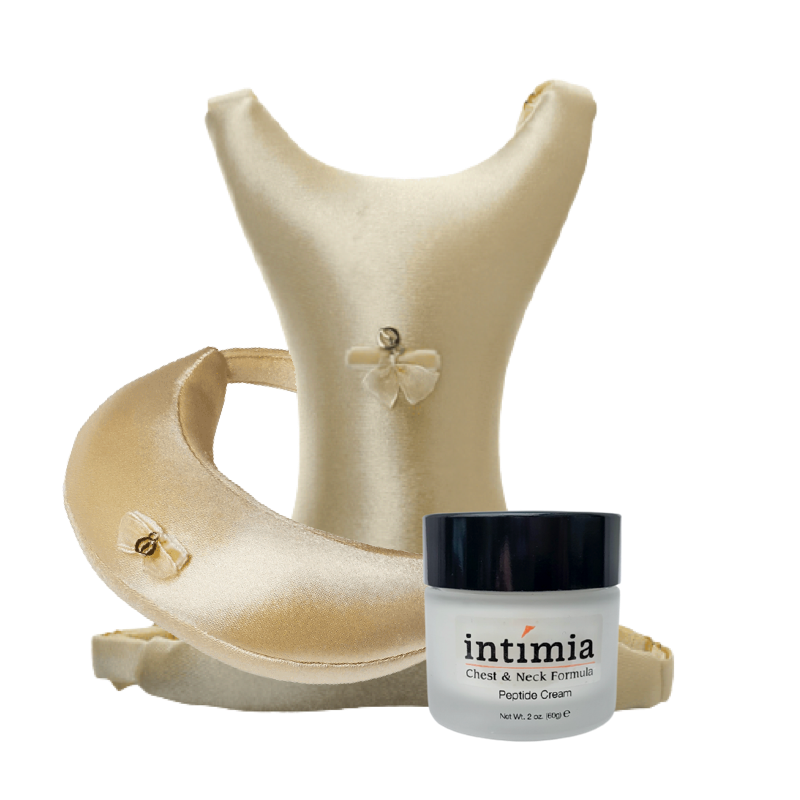
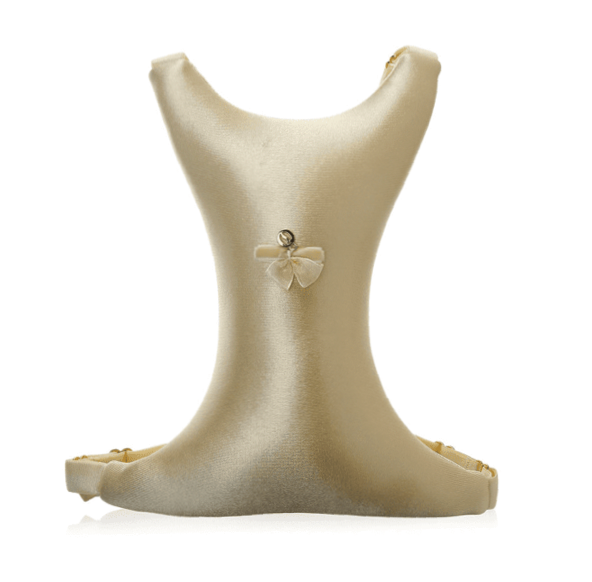
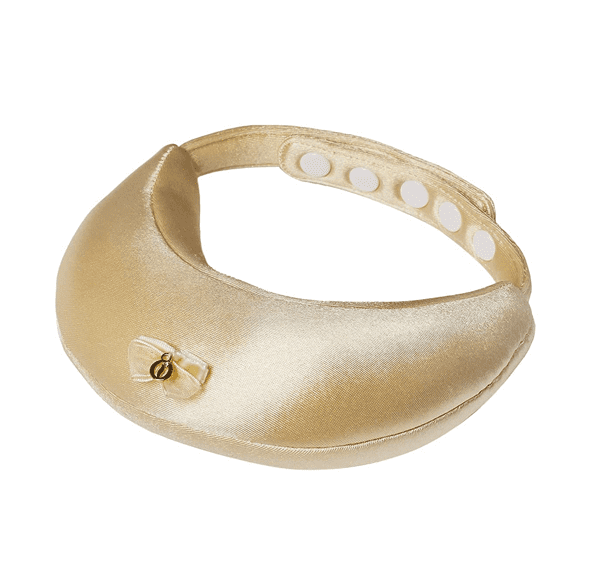
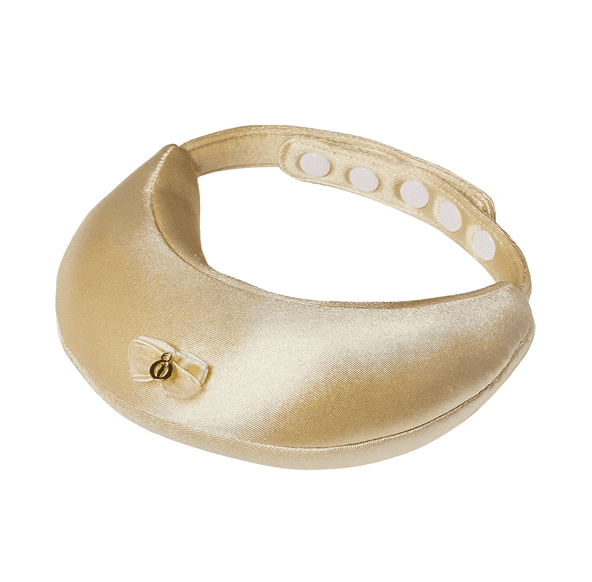
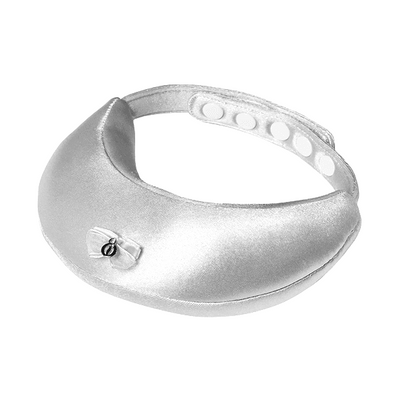
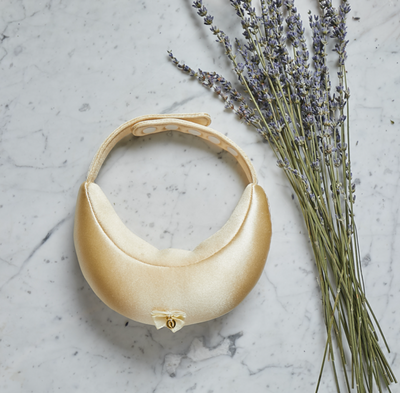
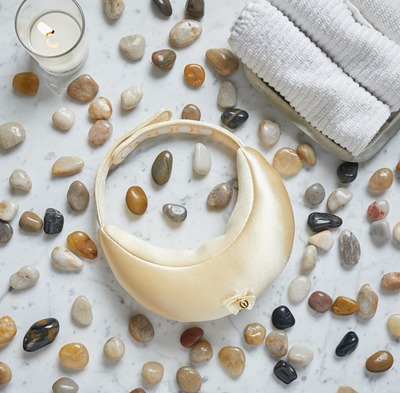
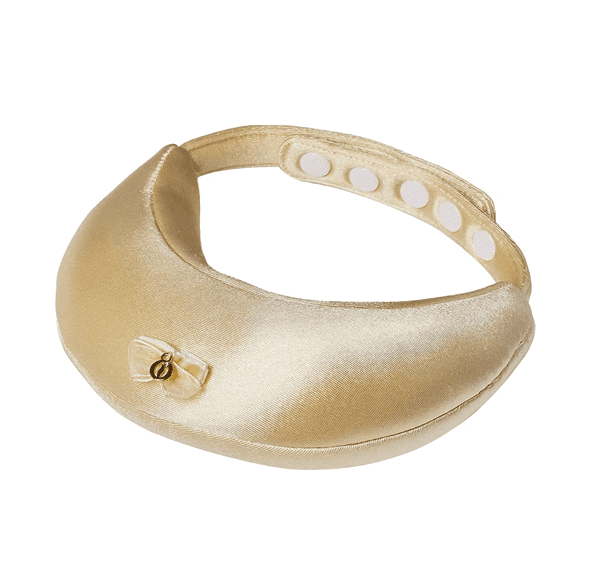
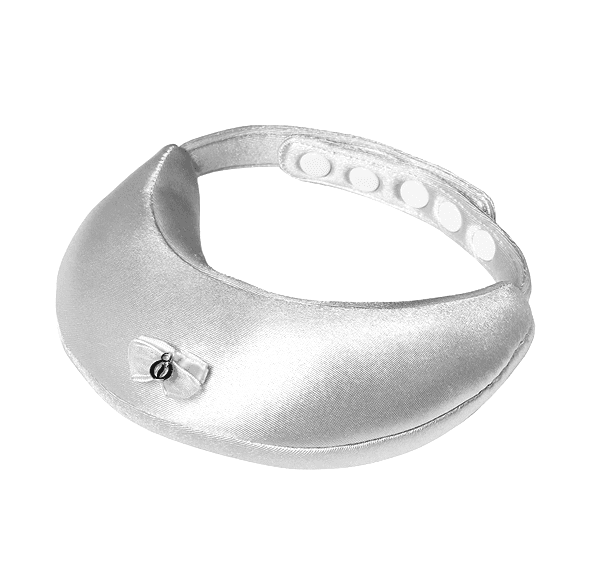
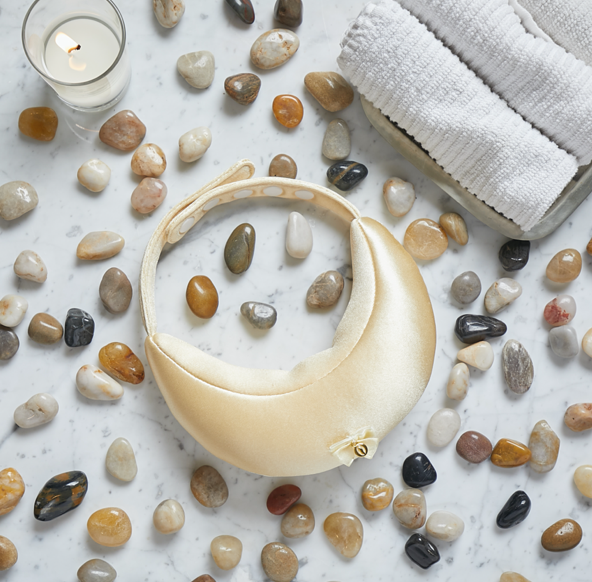
So, do chest wrinkle patches work? I hear this from women at brunch, in DMs, whispered over fitting-room doors when someone is trying on a low-cut dress. Chest wrinkle patches, or décolleté patches, are soft, reusable pads made of medical-grade silicone. You place them over your cleavage, usually as you sleep, with the quiet promise of waking to a smoother, less creased chest.
By the time you’re past 35, the worries are no longer theoretical. I’ve watched friends rub at their chests in the mirror the way we used to rub at under-eye circles in our twenties.
- Vertical sleep lines: those stubborn creases that greet you in the morning, a nightly map of how you sleep.
- Crepey texture: that thin, papery look from all the sun you swore “didn’t count” because it was just on the way to work.
- A desire for gentle care: the wish for something you can do at home that feels kind to your body, not like an extreme makeover episode.
Are these simple silicone pads a breakthrough or just another trend destined to fade like last year’s miracle serum? When you look at what’s known about chest wrinkles and how vulnerable this area really is, especially in the context of long-term sun exposure and side sleeping, you start seeing why patches became a thing in the first place. I like to think of this as a clear-eyed tour, not a sales pitch. We’ll walk through real silicone patches results, what the science actually supports, and how to read those chest wrinkle patches before after photos without losing your common sense. I’ll bring in what dermatologists say and what women quietly admit over coffee, and we’ll keep the marketing glitter where it belongs.
Section 1: what exactly are chest wrinkle patches and how are they supposed to work?
Before we can answer if do chest wrinkle patches work, I want you to picture the most low-tech thing imaginable. A soft, slightly sticky sheet, shaped to follow the curve between your collarbones and the upper swell of your breasts. That’s the essence of these patches. Thin, flexible sheets of medical-grade silicone, worn for hours while your body does its nightly maintenance routine in the background.
The silicone pad effectiveness chest relies on three very down-to-earth actions that match what we know about how this area ages, from sun, sleep, and time.
- Occlusion and hydration: imagine laying a light, breathable shield across your chest. It keeps the water your skin already has from silently evaporating all night. That trapped moisture swells the stratum corneum just enough to make fine lines look softer and the surface smoother. It’s the same principle behind silicone sheets used for scars and aligns with what we know about how hydration changes texture.
- Mechanical support: this one you feel the first night. If you’re a side sleeper, your breasts slide together and press the skin into vertical folds. The patch acts like a quiet hand, holding the skin open and flat so it doesn’t crush into itself all night. Less folding means fewer fresh sleep lines carved in by morning.
- Microenvironment modulation: in scar therapy, we know silicone subtly tweaks the local environment at the skin’s surface, the way a greenhouse tweaks air and humidity. Temperature, oxygen, even static charge shift just enough to calm overactive collagen in scar tissue. Wrinkles aren’t scars, but some brands hope that same “calmer neighborhood” might encourage better behavior from the skin on your chest.
So when we talk about silicone patches results, we’re really asking how far these simple mechanisms can stretch, from medical scar care into the world of vanity lighting and plunging necklines.
Section 2: do chest wrinkle patches work? Breaking down short-, medium-, and long-term effects
Let’s walk straight into the question: do chest wrinkle patches work. The honest answer is yes, but not in the fairy tale way some packaging hints at. I’ve read the studies on silicone in scar therapy, scrolled through more before-and-after photos than I care to admit, and listened to women who’ve worn these patches every night for months. The pattern is recognizable: a mix of solid skin science, careful extrapolation, and a lot of lived experience.
To really understand silicone pad effectiveness chest, it helps to break time into three chapters.
- Short-term (one night to a few days): this is where the magic feels the loudest. You wake up, peel off the patch, and the skin underneath looks calmer, smoother, less crumpled. Hydration has plumped the top layer just enough that those fine sleep lines soften dramatically. It’s very similar to what any strong occlusive hydrator can do for tiny lines, only more targeted and more intense.
- Medium-term (weeks of consistent use): this chapter belongs to women who can stick to a ritual. Night after night, you’re both hydrating and blocking the physical folding that creates sleep creases. Over a few weeks, the shallower lines start looking softer even hours after you take the patch off. Not gone, not airbrushed, but not screaming at you the way they did when you first noticed them.
- Long-term (months to years): this is where the story gets quieter. Deep, etched-in lines from years of sun and collagen loss aren’t dramatically changed by an overnight surface treatment. Silicone isn’t reaching down into the dermis the way a strong retinoid or in-office chemical peel does; those are built for structural change. Patches are more like maintenance—good, steady, unglamorous maintenance.
Your own silicone patches results will sit somewhere along that spectrum. The woman who wore SPF on her chest religiously in her thirties will see different changes than the woman who tanned in baby oil and only recently discovered that her chest is aging faster than her face. Genetics, skin thickness, and how often you actually remember to put the patch on all write themselves into the outcome.
Section 3: science snapshot – what silicone research actually shows and how it relates to wrinkles
To really appreciate what these patches can and can’t do, I like stepping back into the scar world for a moment. For hypertrophic and keloid scars, medical-grade silicone has decades of data behind it. Sheets and gels have been shown again and again to make scars flatter, paler, and softer, largely through occlusion and hydration of that topmost layer of skin, something you see echoed in careful reviews of silicone’s role in scar management.
From that, a logical question bloomed: if silicone can tame a misbehaving scar by drenching the surface in moisture and protecting it from friction, what might it do on the comparatively peaceful plane of your décolleté? Could the same principles that help overactive collagen calm down also make a field of fine lines look less harsh?
Here’s where I draw a firm line between what’s plausible and what’s proven. Plausible and likely: you get intense hydration, because an occlusive barrier always traps water. You get mechanical protection, because a sheet physically stops skin from folding into itself while you sleep. Both of those are almost boringly obvious once you’ve worn a patch or two.
Not solidly proven for wrinkles: deep collagen remodeling. Scar tissue is a different beast than sun-thinned, naturally aging chest skin. We don’t have big, independent clinical trials saying that silicone patches reverse entrenched wrinkles on the chest the way prescription retinoids can gradually thicken the dermis or how a properly done chemical peel can resurface texture over time. Thinking of silicone like drinking water helps: essential, supportive, sometimes transformative in how you feel and look, but it doesn’t undo every choice you made at 22 under a beach umbrella that never saw SPF.
Section 4: chest wrinkle patches before and after – how to read photos without being misled
Open any beauty feed and you’ll see them. On the left, a chest that looks like it slept in a paper bag; on the right, skin that suddenly resembles a smooth river stone. One night apart, they say. One little patch. It’s tempting, I know. I’ve paused on those same chest wrinkle patches before after photos, zoomed in, squinted, tilted my phone, trying to decide if it was real transformation or just good staging.
What you’re usually seeing is the high point of hydration plus a few photography tricks. When the skin is freshly unwrapped from occlusion, it’s glassier, plumper, more reflective. If you add softer lighting and a better angle, you’ve got instant drama that may fade quietly by lunchtime.
- Lighting: overhead bathroom light is the enemy of every wrinkle. It carves shadows into each line. Front-facing, diffused light, on the other hand, smooths everything like a gentle Instagram filter. If the before shot looks like a crime scene interrogation and the after shot looks like golden hour, you know the deck is stacked.
- Angle and posture: I’ve done this accidentally in my own mirror—slump just a bit, shoulders rounded, and suddenly the cleavage lines look twice as deep. Stand tall, shoulders back, chin slightly up, and half of them vanish before any product touches your skin.
- Timing: many after photos are snapped the minute the patch comes off, when hydration is at its peak. Six hours, a bra, and a busy day later, the view is usually more modest.
- Authenticity: the most helpful photos I’ve seen are from women posting in forums or honest reviews, sharing progress over several weeks. Some show gentle improvement, others show maintenance more than change, but they feel real. Uneven lighting, lived-in skin, and no brand art director nearby.
The true answer to do chest wrinkle patches work won’t come from the most dramatic split-screen you scroll past. It hides inside your own bathroom mirror after a few weeks of steady use, when you notice that your sleep lines no longer take until noon to calm down.
Section 5: décolleté patch review – common user experiences, pros and cons
When I started paying close attention to women’s stories about these patches, the same phrases kept appearing. Morning smoothness. Less “crumple” between the breasts. A little more confidence in a V-neck. That’s the heartbeat of any real-world décolleté patch review; not miracles, just subtle shifts that matter when you’re changing for an event and the dress dips a little lower than your comfort zone.
On the bright side, many women describe waking up to chest skin that feels more hydrated than it has in years, the kind of softness you used to take for granted in your twenties. Side-sleepers especially notice those deep, vertical “I slept hard” lines are either softened or missing entirely in the morning, thanks largely to the mechanical support and hydration we talked about earlier, the same combo that underpins the way silicone is used in other areas of skincare.
Confidence is a funny side effect. You don’t think a clear sticker on your chest at night will change how you feel in daylight, but for some women, it does. There’s something about doing one small, consistent thing just for this neglected area that makes you more willing to wear that wrap dress or that favorite swimsuit again.
Now the other side of the ledger. Almost everyone who loves their patches also admits the catch: if you stop, the old lines creep back in a matter of nights. Not necessarily worse, just back to baseline, as if your skin sighs and says, “So we’re not doing that anymore.” Deep, sun-baked lines usually stay put, maybe a bit softened at the edges but far from erased. A few women find their skin rebels with redness or a sprinkle of tiny breakouts, especially if the patch or their chest isn’t kept scrupulously clean, something dermatologists warn about when discussing occlusive products on areas prone to sweating.
The happiest users? Women with early to moderate sleep lines, who fall asleep on their sides no matter how many times they promise themselves they’ll stay on their backs, and who see the patch as a nightly maintenance ritual rather than a cure that will free them from SPF and real skincare forever.
Section 6: dermatologist opinion on wrinkle patches – helpful tool or overhyped trend?
Whenever a new “miracle” floods the beauty shelves, I like to imagine what a no-nonsense dermatologist would say in a quiet exam room, away from any brand rep. When it comes to silicone chest patches, the dermatologist opinion on wrinkle patches tends to land in the same grounded place: helpful, low risk, but definitely supporting cast, not leading lady.
Most of them recognize the logic in hydration and mechanical support. Trap water in the upper layers of skin, keep the tissue from smashing together for eight hours, and yes, you’ll see temporary smoothing. They nod when patients mention how much smoother their skin looks in the morning, and some even recommend silicone pads for die-hard side sleepers who just can’t break the habit.
But when you ask if these can replace a thoughtful routine, they shake their heads. No silicone sheet will stand up to the daily onslaught of ultraviolet light if you skip broad-spectrum sunscreen on your chest, something every serious discussion of wrinkle prevention circles back to sooner or later. No overnight patch can stimulate collagen the way retinoids have been shown to over months of consistent use or resurface serious sun damage like a well-chosen chemical peel.
They also sound a few small alarms. Hygiene matters more than the marketing admits; any occlusive surface sitting on slightly sweaty skin all night can become a cozy home for bacteria if you don’t clean it properly. Some people react to adhesives or even the trapped sweat, ending up with a rash instead of a smoother neckline. And there’s the quiet danger of distraction—falling so in love with a quick morning result that you forget the boring daily sunscreen that actually changes the long-term story.
From that expert balcony view, silicone pad effectiveness chest looks like this: a sweet, sensible helper in a cast that still stars sun protection, smart actives, and, when needed, in-office treatments for deeper damage. A support beam, not the whole house.
Section 7: what really affects silicone pad effectiveness on the chest? Key factors that change results
The first time a friend told me her patch “didn’t work,” I asked what she’d done the night before. “Oh, I put it on over my body butter,” she said, like that wouldn’t matter. It matters. The silicone pad effectiveness chest doesn’t live in the silicone alone; it lives in the little habits around it, the things most of us forget the first few tries.
Skin prep is the unglamorous hero. The patch wants skin that’s completely clean and bone dry. Any oil, lotion, or serum creates a slippery film that breaks the seal, so instead of trapping your own moisture, it’s just clinging to product and lifting at the edges. Without a true occlusive barrier, you lose the very mechanism that made silicone interesting in the first place, the same mechanism highlighted when we talk about how to care for chest skin in general.
Then there’s wear time and consistency. A quick two-hour test run while you fold laundry won’t tell you much. These pads do their best work when you forget they’re there for a full night, six to eight hours of no-folding allowed. And, like most things in skincare, a one-night stand doesn’t compare to a relationship. A few nights a week over several weeks will teach you more about your own silicone patches results than any ad can.
Your own skin writes its rules, too. Late-thirties or early-forties skin with just the beginnings of sleep lines can look transformed by morning, mostly because there wasn’t that much structural damage to begin with. A chest that’s seen decades of sun, with a leathery, crosshatched texture, has deeper problems than a surface occlusive can address. The more time your décolleté has spent unprotected under a midday sun, the more your expectations need to shift toward prevention and gentle improvement rather than repair.
And then we circle back to sleep posture. If you somehow float on your back all night, barely creasing your chest, you may notice only subtle changes. Side sleepers, on the other hand, watch those vertical lines form like clockwork without a patch. For them, the mechanical benefit is visible and very literal. The patch becomes a physical barrier between their preferred sleeping position and the wrinkles it usually creates.
Section 8: myths vs reality – busting the biggest beliefs about chest wrinkle patches
Wherever there’s hope, there’s a myth salesman nearby, even if it’s just your own wishful thinking late at night. To get the best silicone patches results, you have to strip the fantasy away and keep the useful parts. So let’s talk through a few of the greatest hits I’ve heard, both from marketing and from women who wanted to believe more than the science could carry.
Myth one: chest wrinkle patches permanently erase wrinkles. Reality: they act more like a really good watering schedule for a thirsty plant. While you’re using them faithfully, your chest looks fresher, lines softer, folds less pronounced. Stop watering, and the plant doesn’t stay plump out of gratitude. It goes back to where it was. The data we have from scar therapy and years of anecdotal use points to maintenance, not a one-time fix.
Myth two: if you use patches, you don’t really need SPF or retinoids or any of the “hard stuff.” This one scares me the most, because it invites you to trade something proven for something soothing. We know, from years of work on wrinkles and photoaging, that daily sunscreen and long-term use of actives like retinoids do more to change the deep story of your skin than any patch ever could. Patches are the garnish on the plate, not the protein.
Myth three: if your skin looks smoother overnight, the patch must be tightening it. I wish. The truth is far less dramatic and far more dependable. Hydrated skin reflects light differently, feels softer, moves more fluidly. It gives the illusion of tightening without any real shrinking or lifting of underlying structures. Dermatologists are pretty clear on this distinction when they talk about at-home wrinkle fixes versus treatments that actually remodel collagen.
Myth four: all silicone patches are the same. In a perfect world, maybe. In the real world, differences in silicone quality, adhesive strength, thickness, and how well the shape fits your chest can change everything. A flimsy patch that peels off at 3 a.m. and leaves your skin itchy is not going to deliver the same experience as a well-designed one that hugs your curves without protesting.
Once you see these myths for what they are, you can finally ask the better question: not “do chest wrinkle patches work” in some absolute sense, but “do they work for what I actually want and need right now.”
Section 9: how to use chest wrinkle patches safely and get the most realistic benefits
Using these patches well feels a bit like making a good cup of tea. The steps are simple, but if you rush or skip one, the end result is… underwhelming. To really harness silicone pad effectiveness chest, you need a tiny evening ritual that’s more about quiet consistency than effort.
Start with a clean canvas. In the evening, wash your chest the way you wash your face, not like an afterthought. A gentle cleanser, warm water, a careful rinse. Pat everything dry until there’s not a hint of dampness left. No oil, no serum, no beloved night cream in the area where the patch will sit. It feels wrong the first time, leaving the skin “naked,” but that bare surface is what allows the silicone to seal against your skin instead of floating on a film.
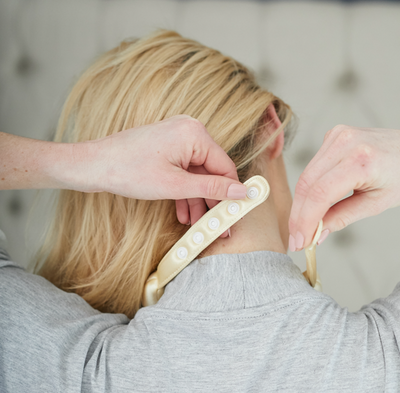
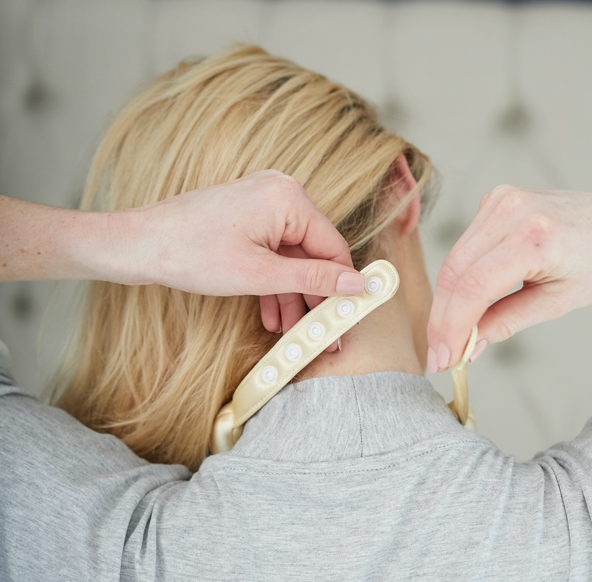
When you peel the patch off its backing, take a second to line it up over the spot where your wrinkles tend to form. Press from the center outward, smoothing any air bubbles like you would under a phone screen protector. Then you forget about it. Read, scroll, fall asleep. Let it do the quiet part of the work while you dream about something more interesting than collagen.
In the morning, don’t rip it off in a hurry on your way to the shower. Hold the skin around it gently with one hand and peel slowly with the other, so you’re not stretching an area that’s already prone to laxity. It’s a small kindness your future self will appreciate.
Afterwards, treat the patch like a tool you intend to keep. Rinse it with lukewarm water and a drop of mild, oil-free soap, then lay it adhesive-side up to dry. Once it’s completely dry, return it to its backing or another clean, smooth surface. This isn’t about neatness; it’s about avoiding the little film of oils and dust that can turn your best friend into a breakout machine, something skin experts warn about any time we trap sweat and sebum against delicate areas.
Most women who notice real chest wrinkle patches before after differences wear them several nights a week, not once in a blue moon. And like with any product, you have to listen for early warning whispers from your skin. If you start seeing redness that doesn’t fade, itchy spots, or a line of tiny clogged pores, take a break. Revisit your cleansing, maybe shorten wear time, or decide this particular ritual isn’t your match. That’s not failure; it’s information.
Section 10: who are chest wrinkle patches best (and not best) for?
Now comes the part where we stop talking in generalities and look you in the eye. Do chest wrinkle patches work for everyone? No. And that’s not a bad thing. It just means you get to decide if you’re the kind of woman these were truly made for, instead of forcing them into a job they were never meant to do.
If you’re somewhere around 35 or beyond, notice early to moderate vertical sleep lines, and somehow always end up on your side no matter how virtuously you start on your back, chances are high you’ll appreciate what these patches offer. Especially if you’re already doing the unsexy work: SPF on your chest every day, some kind of retinoid or peptide in your evening routine, maybe the occasional gentle exfoliation. In that context, a patch becomes a supportive player, and many thoughtful décolleté patch reviews reflect exactly that—a nice bump in hydration and fewer mornings where your chest looks like a wrinkled linen sheet.
If, however, you’re dealing with very deep, etched wrinkles, leathery texture, and a long history of sun worship, these patches may feel more like putting a silk scarf over a weathered leather jacket. Pleasant, but not transformative. In those cases, treatments that work deeper—chemical peels, certain laser options, even well-chosen red light tools for collagen support—will carry more of the load, especially when guided by a medical professional who understands your skin’s history.
Patches are also a poor fit for anyone whose skin throws a tantrum at adhesives or who has active conditions like eczema or psoriasis on the chest. The risk of irritation outweighs the quiet joy of a smoother morning. For you, a softer path with barrier-supporting creams, targeted actives, and strict sun protection is often far kinder and more effective, something echoed again and again when you look at comprehensive advice on caring for the neck and chest.
In the end, I see chest wrinkle patches as one small part of a bigger ecosystem. Daily SPF on neck and chest without fail. A thoughtfully chosen serum at night. Maybe learning to spend just a bit more time on your back, even if you inevitably roll. The patch fits into that world as a nightly ally, not the whole plan.
Conclusion: so, do chest wrinkle patches work? A clear, myth-busting takeaway
After wading through the science, expert opinions, and all the quiet stories women share when they think no one is selling them anything, here’s where I land. Do chest wrinkle patches work? Yes, within their lane. They hydrate, they protect, they smooth. They’re especially kind to fine, new sleep lines and stubborn side sleepers who want to keep their favorite position without carving deeper creases every night.
The silicone patches results you notice will usually be driven by two things: how much water your skin holds onto under that occlusive layer and how much mechanical folding you prevent while you sleep. Balanced décolleté patch reviews echo that. Dermatologists, when pressed, tend to agree: these are safe, sensible helpers that can make a real difference in texture and morning appearance, but they are not erasers of decades, nor substitutes for the slow, steady work of sun protection and proven actives.
I like thinking of them as a nightly kindness you can offer your chest, especially if you’ve spent years ignoring it while fussing over your face. A small, honest tool in a larger toolkit that respects what your skin has already been through. The real silicone pad effectiveness chest shines when you see patches as part of a longer conversation with your body, not the entire answer written in silicone.
If you decide to try a patch tonight, do it like a quiet promise to your future self, not a contract for perfection.
Ready to wake up with smoother skin — start here.