Breast pillow vs silicone pads: Verdict
Breast Pillow vs Silicone Pads: The Ultimate Chest Wrinkle Prevention Comparison for Women 35+
Introduction
The first time I noticed my chest wrinkles, I wasn’t in a spa under unforgiving lights. I was in the car, at a red light, glancing down at a v-neck I loved. The sun hit just right—and there they were. Fine lines across my décolleté that hadn’t been there a few years earlier.
Chest wrinkles often form during sleep because side sleeping folds the skin and puts pressure on the décolleté. Add age-related collagen loss and years of sun love affairs, and the skin’s elasticity quietly weakens over time. Dermatology research shows that as we age, collagen and elastin fibers thin and fragment, especially in sun-exposed areas like the chest, leading to fine and deep wrinkles, uneven tone, and laxity (source, source).
In this letter from my nightstand to yours, I’m comparing two non-invasive tools that women over 35 keep asking me about—breast pillows vs silicone pads for chest wrinkle prevention. Breast pillows work by physically separating the breasts so the skin doesn’t crush and fold all night. Silicone pads work more like a quiet overnight treatment: an occlusive layer that hydrates, supports the skin barrier, and helps soften visible lines (source, source, source).
My goal is simple—help you decide which option fits your life, your skin, and your patience level. Or whether, like me, you’ll end up using both.
Section 1: What causes chest wrinkles and why prevention matters after 35
If you are 35+ and wake up with a “pleated” chest, it’s not your imagination. It’s biomechanics plus biology.
With age, our skin loses collagen and elastin, the very scaffolding that keeps everything smooth and springy. Studies show that this structural breakdown—especially in photoexposed skin—results in thinner, less elastic tissue that’s far more prone to permanent wrinkles and pigment changes (source, source). On the chest, where the skin is already delicate, that’s a risky combination.
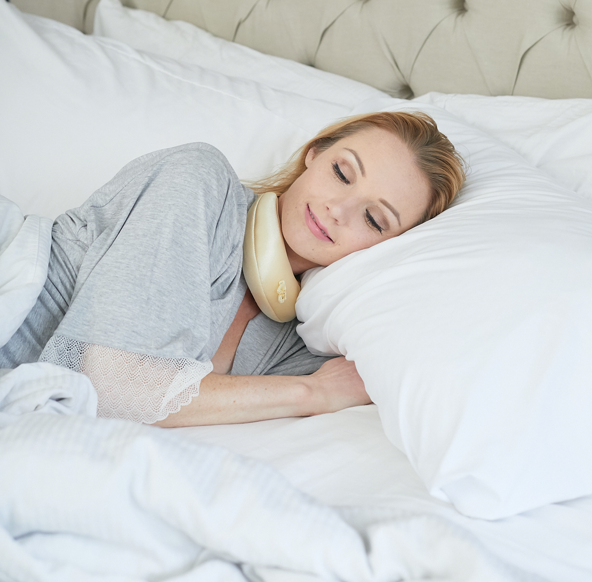
Now add side sleeping. One breast falls onto the other, the skin in between folds, and night after night, that same crease is pressed, dragged, and twisted. In medical language we’d call this pressure, shear, and friction. In real life, it’s the “mystery” line you keep seeing in the mirror every morning.
Prevention is almost always easier than correction. Once a crease becomes etched—like a fold in paper—it takes much more work to soften it. Research on skin aging and photoaging keeps repeating the same theme: earlier intervention preserves more collagen and slows the deepening of lines (source, source).
That’s where targeted tools come in. Breast pillows help by minimizing mechanical folding. They don’t change your skin biology—but they change what your skin goes through at night. Silicone pads, on the other hand, give your skin a more “treatment-like” environment: medical-grade silicone acts as an occlusive shield that helps retain water in the outer skin layers, supports barrier repair, and can help remodel surface irregularities over time (source, source, source).
I like to think of it this way: breast pillow—“don’t let it happen.” Silicone pad—“since it’s already happening, let’s calm and smooth it.”
Section 2: What is a breast pillow and how does it work?
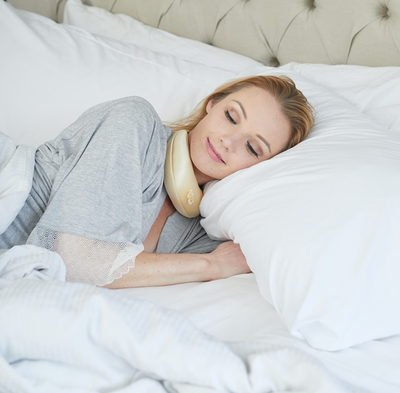
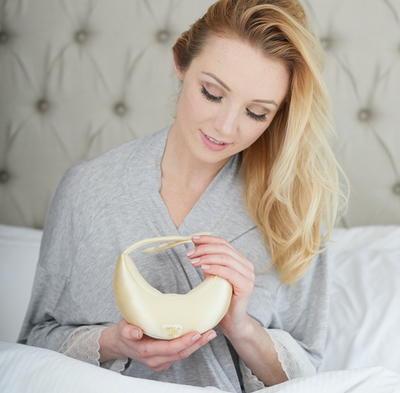
The first night I tried a breast pillow, my husband stared and said, “You’ve upgraded to armor?” I laughed, adjusted the strap, and said, “No—just finally outsmarting gravity.”
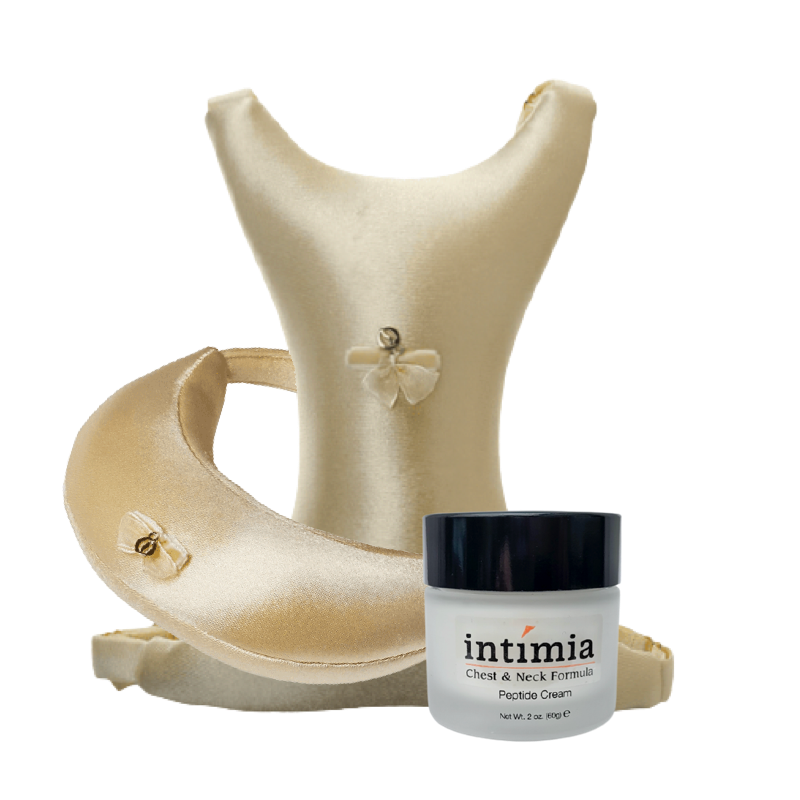
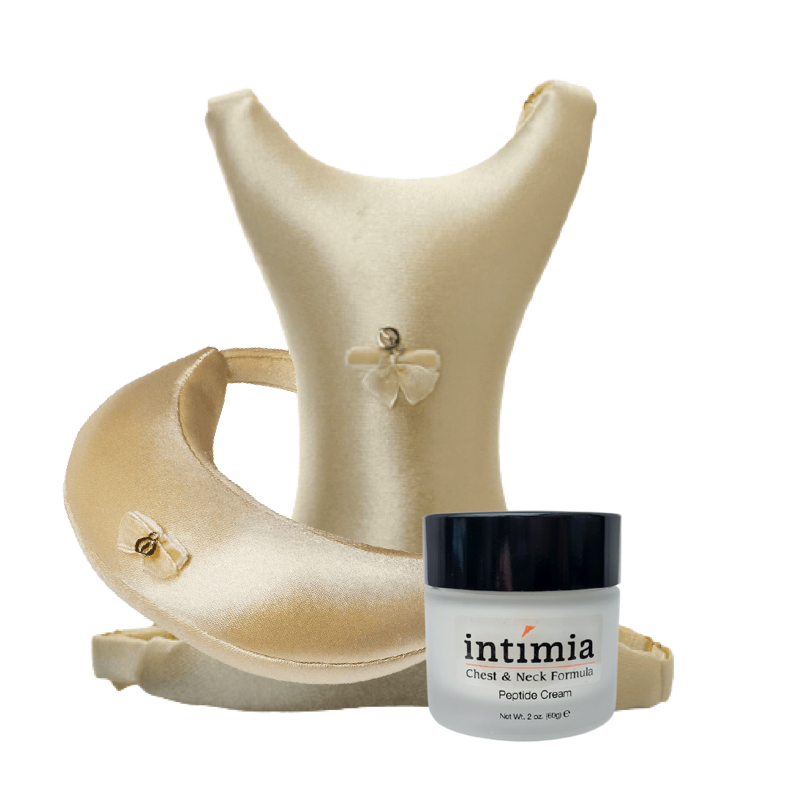
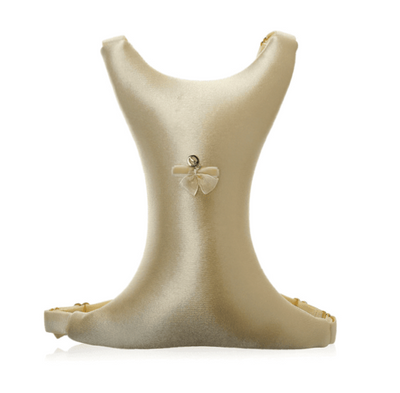
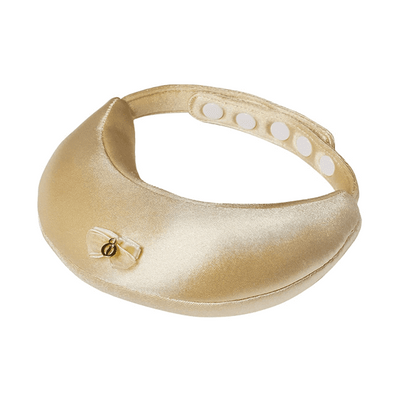
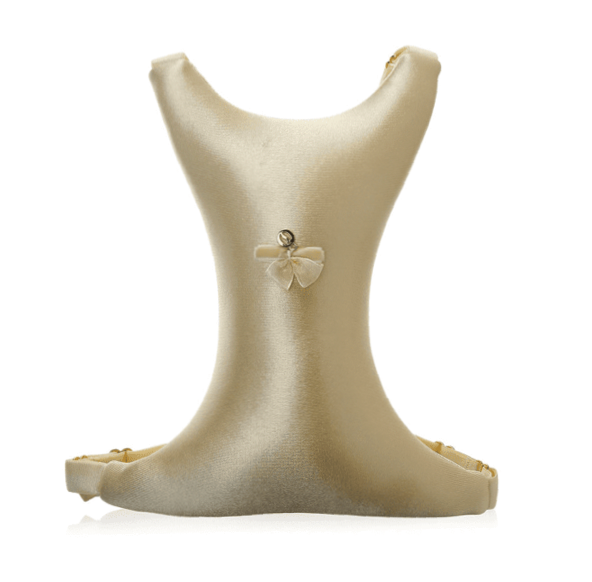
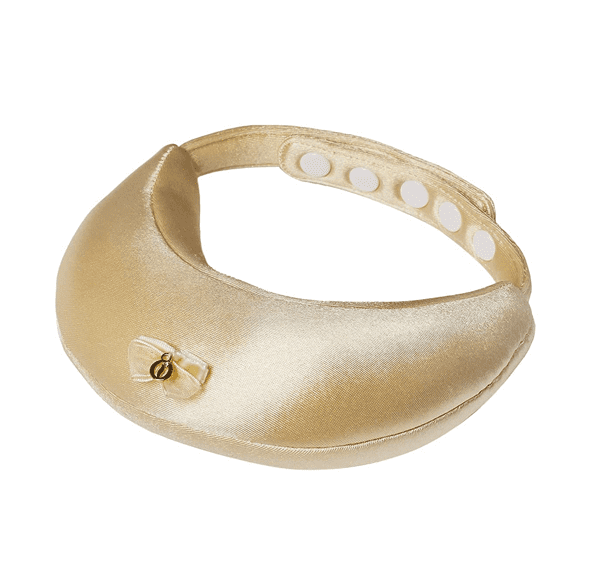
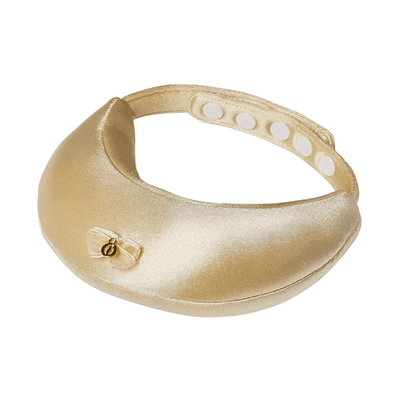
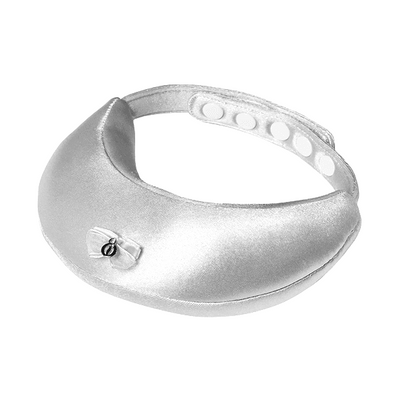
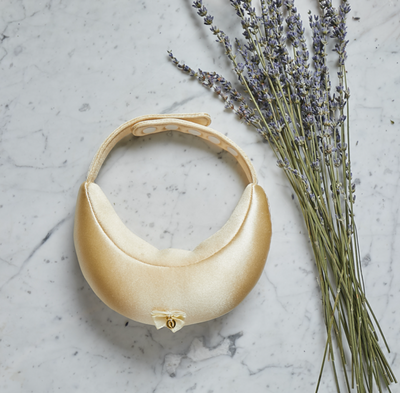
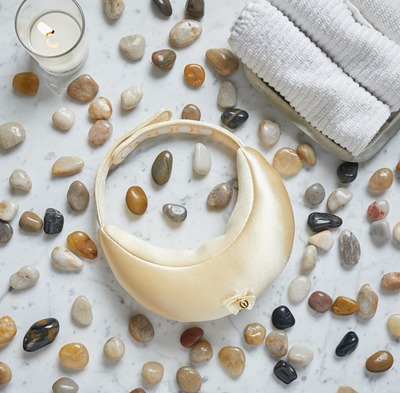
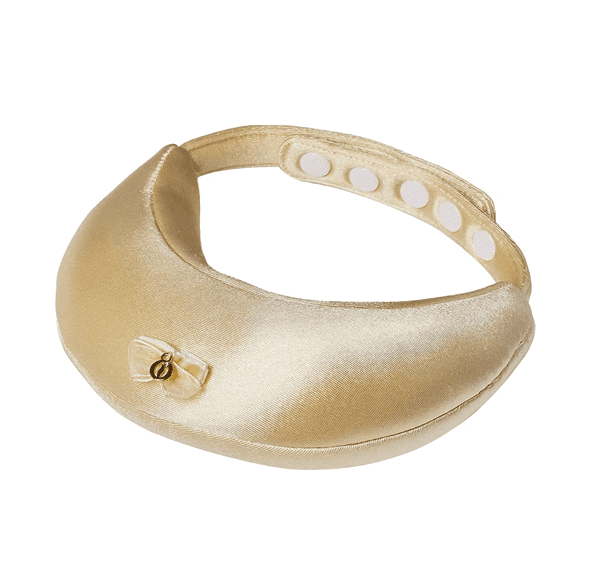
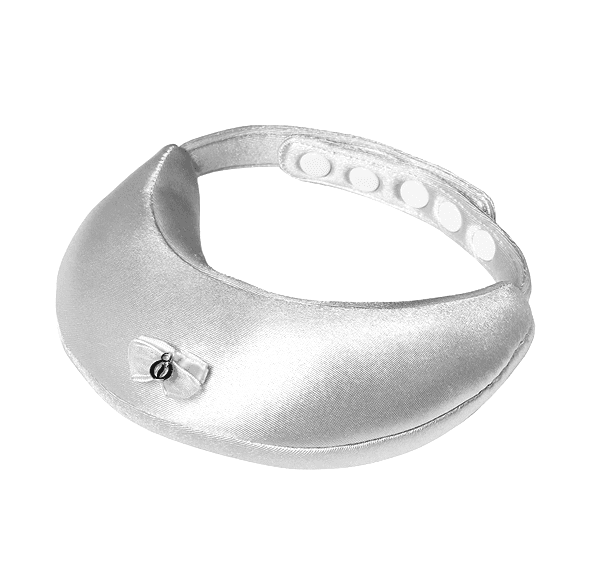
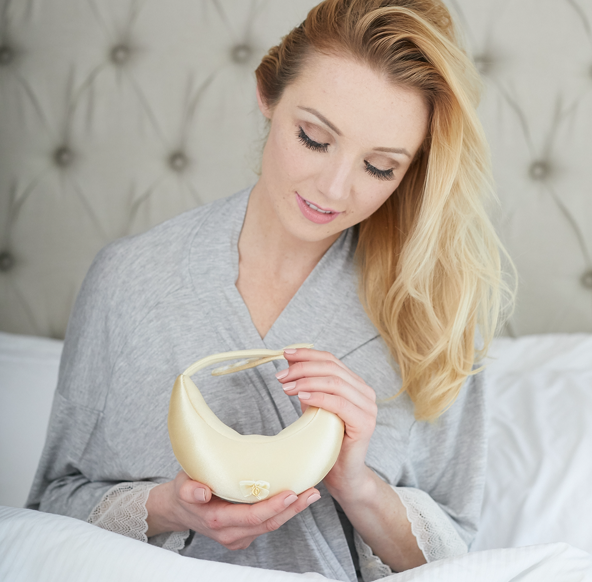
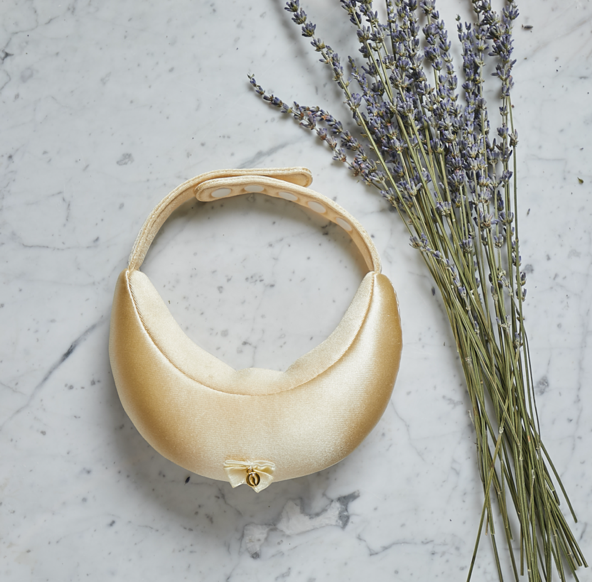
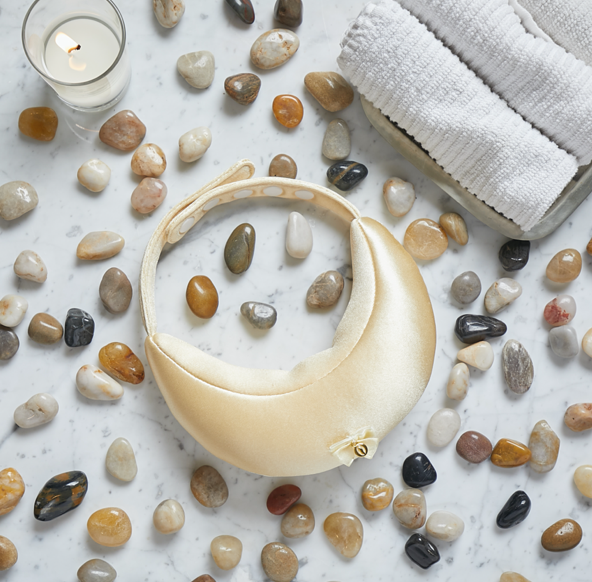
A breast pillow is a cushioned, contoured device that sits between your breasts while you sleep. Its job is simple: separate the breast tissue so the skin between them doesn’t fold and collapse under pressure. This is especially helpful for side sleepers and women with fuller busts, who naturally experience more pull and weight on the chest area (source, source).
By sitting snugly in the cleavage, the pillow redistributes weight more evenly—much like a good pressure-relieving mattress does for your hips and shoulders. Studies on pressure-management systems in other areas of the body show that spreading pressure and reducing shear can significantly lower the risk of tissue damage (source, source).
A few more quiet advantages:
- No adhesives on your skin—your chest is free to breathe.
- Useful after certain breast surgeries, when you want separation and stability without tugging on healing tissue (source, source).
- Easy to clean, long-lasting, and not dependent on your skin type.
Is it perfect? No. The reality:
- There’s an adjustment period. The first few nights you’ll be hyper-aware of it, like new pajamas that feel too “present.”
- If it’s not fitted or secured properly, it can shift—especially if you’re a wild sleeper (source).
But for women who mainly want to prevent new wrinkles without putting anything sticky on their skin—it’s a practical, low-fuss tool.
Section 3: What are silicone pads for chest wrinkles? (chest wrinkle silicone patches & décolleté silicone pad)
If the breast pillow is a guard, silicone pads are the quiet, diligent nurse.
Chest wrinkle silicone patches and a décolleté silicone pad are made of soft, medical-grade silicone. You apply them directly to the skin of your chest before bed. They form a gentle occlusive barrier over the area—like a flexible second skin (source, source, source).
Under that barrier, something powerful and very simple happens: moisture stays in. The outer skin layers become more hydrated, the microenvironment becomes more stable, and over time, that can support collagen remodeling and smoother texture. Silicone occlusion has been studied extensively in scar management and skin healing, with evidence that it can improve texture and appearance and reduce the risk of tissue breakdown compared to no dressing (source, source).
Interestingly, in some pressure-injury and skin protection studies, silicone-based dressings showed a significant reduction in skin damage incidence—down to about a quarter of the risk compared to unprotected areas (source, source). That principle translates nicely to wrinkle-prone zones like the décolleté.
Silicone pads shine if:
- You already see visible creases and want them visibly softened.
- You need something slim and discreet under pajamas or even under a loose top.
- You like tools that double as both prevention and treatment.
Modern décolleté silicone pads are shaped to follow the natural curve of your cleavage, so they lie flat, hug the contours, and stay put (source). When a woman messages me a photo from her hotel room wearing one, she usually writes, “I forgot it was on—until I peeled it off and saw my skin.”
Section 4: Breast pillow vs silicone pads – direct comparison overview
Now to the heart of it—breast pillow vs silicone pads as a direct, honest comparison. Think of them as two different strategies:
- Breast pillow: purely mechanical prevention. It changes how your breasts and chest tissue sit when you sleep, reducing folding and pressure (source).
- Silicone pads: prevention plus smoothing. They hydrate and support the skin while gently redistributing shear and friction (source, source).
| Factor | Breast pillow | Silicone pads |
|---|---|---|
| Focus | Prevention via positioning (source) | Prevention + smoothing (source) |
| Comfort | Breathable, no adhesive (source) | Lightweight, may feel sticky for some (source) |
| Upkeep | Simple surface cleaning (source) | Regular washing and careful storage (source) |
| Cost | One-time, long-term purchase (source) | Reusable pads with periodic replacement (source) |
| Durability | Durable foam or cushioning materials (source) | Often 30+ uses with good care (source) |
This chest wrinkle prevention comparison sets the stage. Next comes the question you really care about—what actually works on your skin, on your pillow, in your life.
Section 5: Effectiveness as chest wrinkle prevention (chest wrinkle prevention comparison)
Let’s talk results. Not in a vacuum, but in your actual bed, after a long day, with real sleep habits.
Breast pillows excel at mechanical prevention. They physically prevent the breasts from collapsing together, which in turn reduces the amount of pressure and shear force on the thin skin of the cleavage (source, source). If you are 38, mostly wrinkle-free on your chest, and you sleep on your side like it’s your job—this is your guardrail.
Silicone pads prevent new lines in a different way. By creating that hydrated, protected microclimate, they help keep the skin plumper and more resilient and reduce friction against bedding. Clinical data from pressure and skin-damage studies show that silicone dressings can significantly cut down the rate of skin breakdown (for example, skin damage rates as low as ~7% vs ~25% in unprotected controls in some contexts) (source, source).
Translated into our language: less trauma at night means fewer lines etched over time.
From what I see, and what research supports:
- Best for early prevention: breast pillow—if you already know you’ll never abandon side sleeping.
- Best if faint lines are already there: silicone pads—because they do more than just keep the skin apart (source).
Section 6: Best chest wrinkle treatment – which option works better on existing lines?
Once a line has moved from “morning-only visitor” to “permanent roommate,” prevention alone is not enough.
For best chest wrinkle treatment on existing lines, silicone pads take the lead. Chest wrinkle silicone patches and a well-designed décolleté silicone pad don’t just prevent folding—they change the environment your skin heals in. Under occlusion, the stratum corneum (outer skin layer) becomes more hydrated, which can help soften and plump fine lines. In scar-management research, long-term use of silicone sheeting has been linked to smoother, flatter, and more flexible skin surfaces (source, source, source).
I remember a client, 52, who told me, “If I put it on by 11 p.m., by 7 a.m. my chest looks like I actually slept on my back all night.” We both laughed—because if your décolletage looks flawless by morning, check if you actually slept on your side.
Breast pillows, in contrast, don’t directly treat the existing line. They stop new nightly folding from making it worse—but the line you see today doesn’t magically smooth out just from using a pillow (source).
The best strategy for established wrinkles? Use both:
- Silicone pad to soften and smooth what’s already there.
- Breast pillow to keep gravity and your sleeping position from undoing last night’s progress (source).
That’s the combination I reach for when I know I’ll be sleeping on hotel pillows that are never quite right.
Section 7: Comfort, skin feel, and sleep quality – breast pillow or silicone pad?
You and I both know—if it’s not comfortable, it will end up in a drawer.
With breast pillows, comfort feels familiar. They’re breathable, soft, and don’t stick to your skin. You place the pillow between your breasts, secure it (usually with a strap around your chest), and once you get used to it, it just becomes part of your sleep “uniform.” They’re especially kind to women with larger busts, since they relieve that heavy, pulling feeling on the chest and even shoulders (source, source, source).
The downside? If you’re sensitive to any feeling of “gear” on your body while sleeping, the strap or bulk may bother you at first. Also, if it’s not well-fitted, it might shift when you roll over.
Silicone pads are the opposite: visually minimal, physically “there” only as a smooth, slightly sticky film. When applied to clean, dry skin, most women forget they’re wearing them after a few minutes. No bulk, no straps, no visible silhouette under loose sleepwear (source, source, source).
But:
- Very sensitive or reactive skin may find the adhesive feel annoying.
- You must apply them to clean, product-free skin—otherwise they won’t adhere as well, and your skincare will interfere.
In terms of sleep quality, I see:
- Breast pillows often improve comfort for side sleepers by reducing pull and pressure.
- Silicone pads are almost invisible to your body once you’re used to them and don’t significantly change how you lie in bed.
If you’re still unsure, try this: If you hate bras and anything “structured” at night, you might lean toward silicone pads. If you are okay with a soft, supportive feeling and want zero adhesive—breast pillow.
Section 8: Silicone chest pad review – pros, cons, and user experience
Let’s do a little silicone chest pad review from the trenches—my bathroom, my clients, your emails.
Pros:
- Visible smoothing, often from the first few nights. Not magic, but definitely “my chest looks better in this neckline” energy.
- Reusable for many applications—often 30+ nights when you rinse gently and store them well (source, source).
- Discreet under pajamas and easy to pack. I’ve worn them on long-haul flights under a soft tee more times than I can admit.
- Low risk of pressure injury because they gently distribute and cushion contact points (source, source).
Cons:
- They only work if you use them consistently—think nightly or near-nightly. Skipping a week then blaming the pad is like buying dumbbells and expecting biceps by osmosis.
- They need cleaning: a quick rinse with mild soap and water, then air-dry sticky-side up. Not a big deal, but another tiny task.
- They’re not for broken, irritated, freshly lasered, or rashy skin. Medical guidance and scar literature are clear: avoid silicone sheets on compromised skin until fully healed (source, source).
When choosing a décolleté silicone pad, I always look for:
- Medical-grade silicone: soft, flexible, not brittle.
- A thicker, gently contoured shape: lies flat but durable enough not to tear at the edges.
- Moderate adhesion: secure but not “super glue”—you want it to peel off without a wrestling match (source).
One woman told me she keeps hers next to her night cream. “If I forget it and I’m already in bed,” she said, “I know I’ll be mad at my chest in the morning. So I just get up and put it on.”
Section 9: Practical factors – cost, maintenance, and longevity (chest wrinkle prevention comparison)
Now the practical part—numbers, care, and how likely each option is to end up as an expensive dust collector.
Breast pillows:
- Usually a one-time purchase, with long-term use when made from quality foam or cushioning (source, source).
- Maintenance is minimal—spot clean or gently hand wash, then air-dry.
- On a cost-per-use basis, it quickly becomes very low if you actually wear it.
Silicone pads:
- They’re affordable initially, but you’ll replace them every 1–3 months depending on care and usage patterns (source, source, source).
- They require nightly or near-nightly rinsing and flat storage on their protective film or in a case.
- Still, the long-term cost is usually lower than regular in-office treatments—and they complement, not replace, those.
In a chest wrinkle prevention comparison, I’d say:
- Winner for convenience: breast pillow. Put it on, sleep, forget about it.
- Winner for multi-use value: silicone pads—because they give prevention and visible smoothing in one tool (source).
Section 10: Lifestyle fit – which option matches your routine and priorities?
I always ask women: “Tell me how you actually live, not how you want to live.” Your chest-care solution should match that, not some fantasy version of your routine.
Breast pillows are ideal if:
- You’re a committed side sleeper, and back sleeping feels like punishment.
- You live in a hot or humid climate and don’t love the idea of anything adhesive on your chest overnight.
- Your evenings are chaotic, and you want something you can put on half-asleep and still get benefits (source, source).
Silicone pads fit beautifully if:
- You travel frequently or stay in hotels—small, packable, no extra bulk in the suitcase.
- You already have a skincare ritual and don’t mind one more small step.
- You want both prevention tonight and smoother lines in the mirror next month (source, source).
Whatever you choose, pair it with the classics:
- Daily broad-spectrum SPF on the chest—photoaging is ruthless and well-documented in the literature (source).
- A gentle retinoid or retinol for texture (if your skin tolerates it).
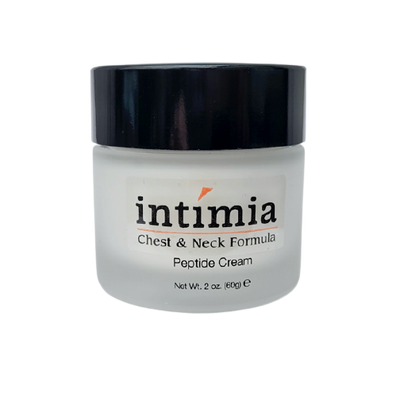
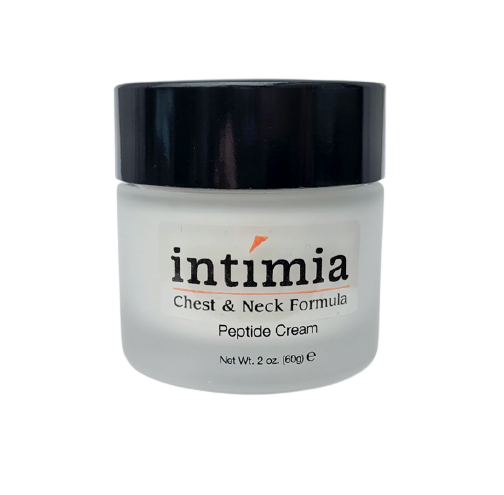
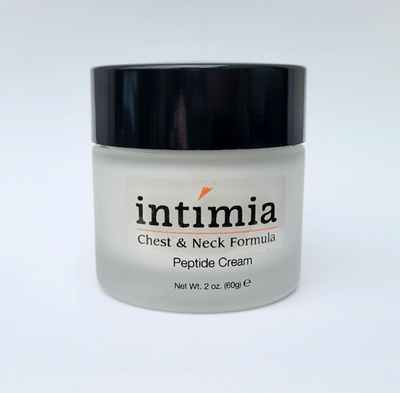
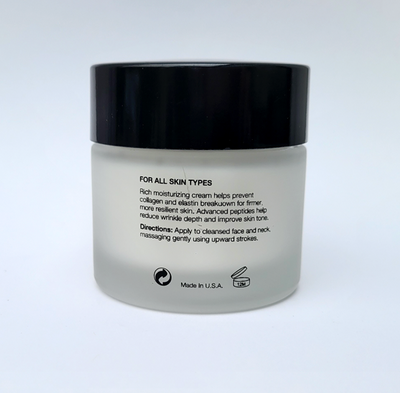
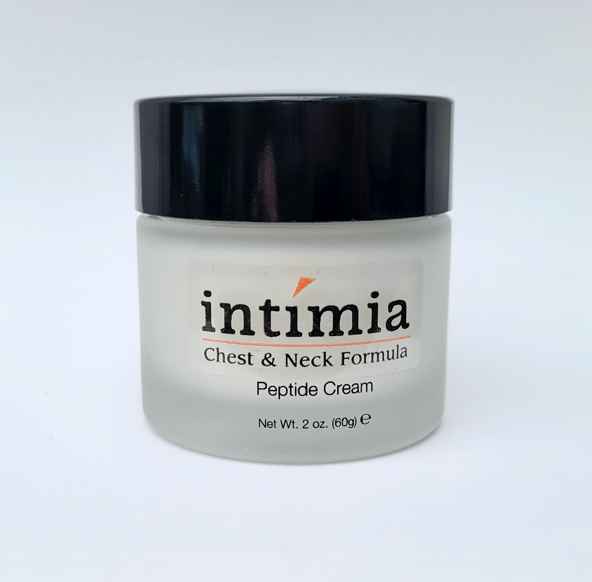
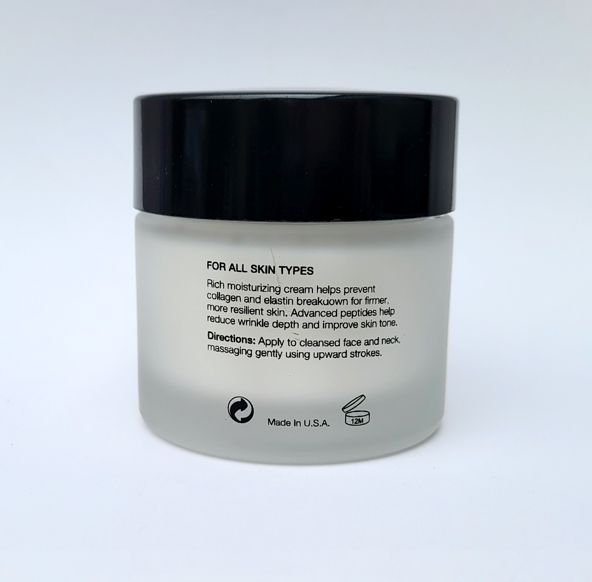
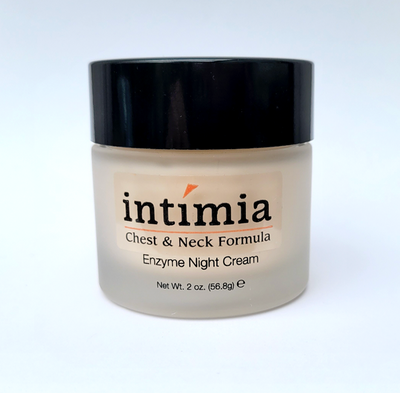
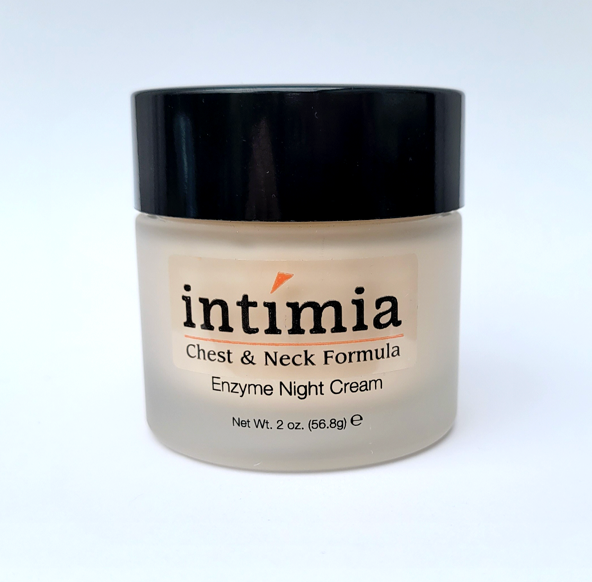
- Barrier-supporting moisturizers—think ceramides, peptides, and antioxidants (source, source).
If your skin is very sensitive or reactive, a breast pillow may feel safer to start with. You can always add silicone pads later once your skin is calm and well-moisturized.
Section 11: How to use each safely and effectively
There’s the product—and then there’s how we actually use it at 11:37 p.m. when we’re exhausted. Let’s keep this simple.
Breast pillow:
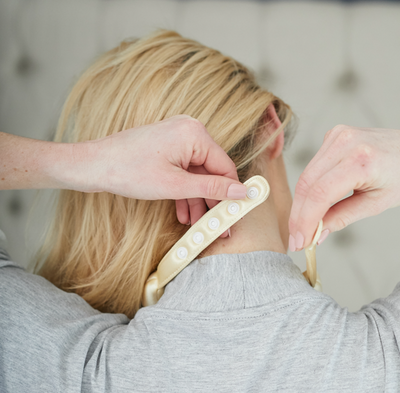
- Position the pillow snugly between your breasts before you get into your final sleep position (source).
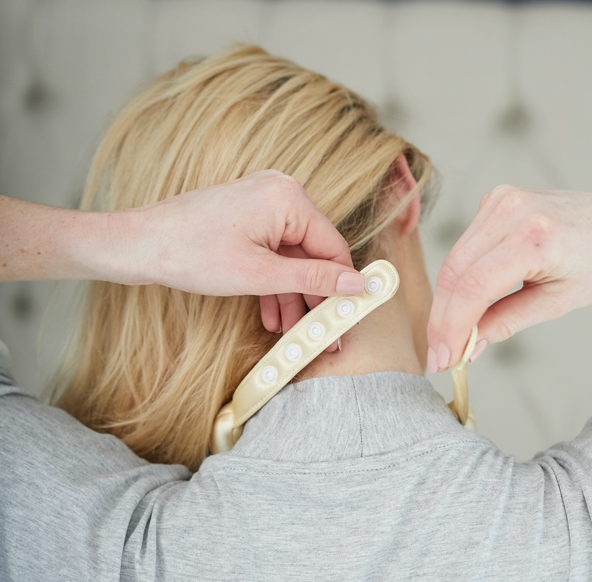
- If it has a strap, adjust it so it’s secure but not tight—no digging, no pinching.
- Lie on your side and do a quick check: breasts separated? Pillow stable? If yes, lights off.
- For the first week, expect a little adjusting. After that, your body usually accepts it as part of the routine.
Chest wrinkle silicone patches / décolleté silicone pad:
- Cleanse your chest skin and make sure it’s completely dry. No oils, no creams under the pad—that’s important for adhesion and hygiene (source).
- Gently place the smooth silicone side onto your chest, starting from the center and pressing outward to avoid trapped air bubbles.
- Wear it for 4–8 hours—overnight works best for most women (source, source).
- In the morning, peel it off slowly from one edge—no yanking. Rinse the pad with mild soap and lukewarm water, then air-dry adhesive-side up.
- Store it flat, away from dust and lint, so the adhesive stays clean.
Always patch test first on a small area of chest skin, especially if you’re prone to eczema, dermatitis, or allergies. Never apply silicone pads over rashes, open wounds, or immediately after procedures like lasers or peels—wait for full healing, as recommended in clinical guidance (source).
If something feels off—itching, redness that doesn’t fade after removal—pause, give your skin a break, and talk to your dermatologist. Listening to your skin is the most underrated step in any routine.
Section 12: Summary – breast pillow vs silicone pads: which should you choose?
So—breast pillow vs silicone pads. Under the lab lights and under your bedside lamp, here’s how I see it.
Breast pillows are about positioning and prevention. They separate, support, and guard your chest from the nightly crush of side sleeping. Comfort, no adhesive, minimal maintenance—perfect if you’re mainly trying to stop new lines from forming (source).
Silicone pads are about treatment plus prevention. They hydrate, smooth, and support the skin’s surface while also reducing friction and shear—a quiet overnight “facial” for your décolleté (source, source). If you already see lines and want the best chest wrinkle treatment you can use at home, they’re your first stop.
For many women over 35, the most powerful answer is not choosing one over the other—it’s layering them according to life:
- Silicone pad on nights when you crave visible smoothing and structure.
- Breast pillow on nights when you’re hot, tired, or just want zero fuss.
As an entrepreneur, a woman, and someone who’s made peace with both my age and my mirror, I don’t chase perfection anymore. I chase presence. Tools like these are not about pretending to be 25. They’re about honoring the face—and chest—that carried us here, and deciding how we want to care for it now.
One last thought I’ll leave you with: every line on your chest has a story. Laughter. Sleep on the wrong side of the bed. Sun on a beach you loved. You’re allowed to keep the stories—and still soften the lines.
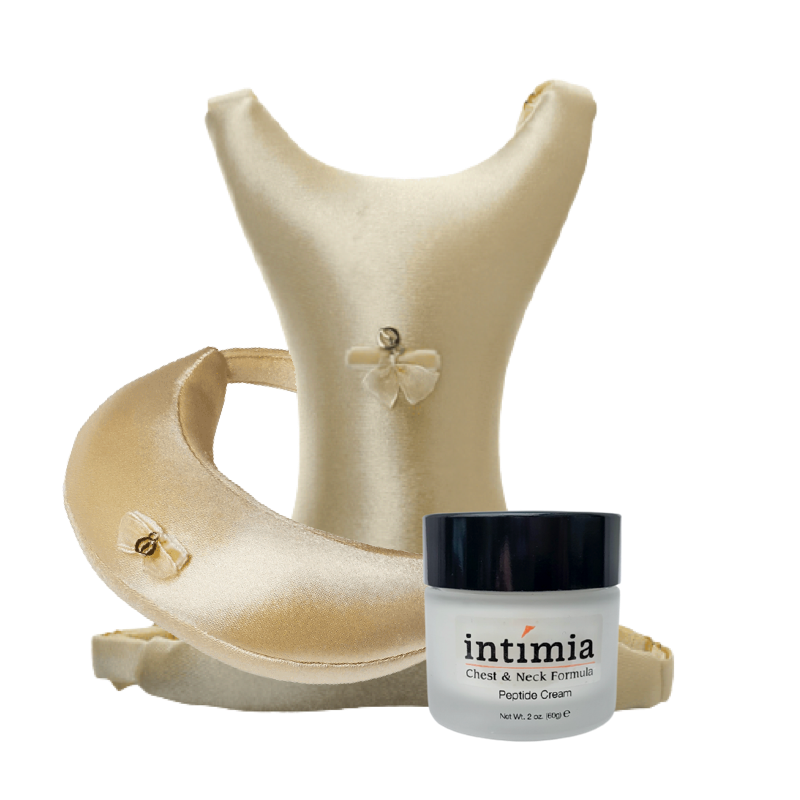
Intimia® Breast Pillow
Related Articles
- Chest wrinkle treatment comparison – best options
- Get rid of chest wrinkles: how-to
- Neck and chest wrinkle treatment: 5-step guide
- Peptide cream décolleté for a radiant chest
- Permanent sleep wrinkles: treatments that work
Want to discover flawless skin with Intimia? Shop now here: here