Décolletage wrinkles: Causes and Treatments
Décolletage wrinkles: causes, prevention, and effective treatment options for an aging décolletage
My name is Irene Komsky, and this is a love letter to the part of you that sunscreen often forgets.
Your décolletage.
Those fine lines, folds, the stubborn vertical crease that greets you in the mirror before your coffee. They don’t show up overnight, but one morning in your late 30s or 40s you catch them in harsh bathroom light and think, “Since when?”
If that’s you, pull up a chair. I’ve spent years helping women smooth that fragile V of skin between necklace and neckline. The chest ages faster than the face—thinner skin, less oil, more sun. But with the right strategy, those lines on your décolletage can soften, and your confidence can stretch a little taller.
Let’s walk through it—calmly, practically, and with a touch of irony. (If your décolletage looks flawless by morning—check if you actually slept on your side.)
Section 1: What are décolletage wrinkles and why they matter
1.1 Defining the décolletage area
The décolletage is that elegant triangle you see in a low neckline—the upper chest, cleavage, and the base of the neck in a soft “V.” It looks romantic in a silk dress; it’s much less romantic under UV light.
The skin there is designed to be delicate. Fewer oil glands. Less natural moisture. Thinner structure. It’s like using tissue paper where you really need cardboard. That’s why it crumples faster.
If you’re curious about the anatomy of this area, you can read more about décolletage anatomy and care—it’s a good foundation for understanding what we’re trying to protect.
1.2 Types of lines you see on the chest
Not all chest wrinkles behave the same. I learned that the hard way when a client pointed to her chest and said, “These are not the same as the ones on my forehead. These are… committed.” She was right.
- Décolletage wrinkles usually show up as thin vertical lines between the breasts or horizontal “rings” across the upper chest. Over time, sleep folds and daily movement turn them into a criss-cross map etched into the surface.
- Decolletage creases are the deep ones—the groove that stays even when you’re standing tall and freshly moisturized. These are structural wrinkles, the ones that don’t fully flatten anymore.
- Lines on decolletage are the first whispers—faint etchings, usually your early warning signal. Ignore them long enough and they’ll happily graduate to creases.
If you want to compare what you’re seeing with dermatology photos, you can learn more about different chest wrinkle types here.
1.3 Why an aging décolletage changes your overall look
Here’s the uncomfortable part: when your face says 38 and your chest says 58, people tend to believe your chest.
Your décolletage is on display more than you realize—V-necks, gym tops, swimsuits, even button-down shirts that dip just a bit lower than your skincare stopped. Deep decolletage creases and etched lines on decolletage can quietly undo years of careful work on your face.
Women tell me things like, “I love this dress, but I only wear it with a scarf,” or “I avoid pool parties because I hate how my chest looks in daylight.” That breaks my heart more than any wrinkle ever could.
If you’re wondering how wrinkles change how old we look to others, this overview of how wrinkles form and affect age perception explains the psychology—on the face and beyond.
Section 2: Main causes of an aging décolletage
Your chest skin is like your face’s more fragile sister—same family, much less armor. Thinner structure, fewer oil glands, less moisture retention. Add years of sun, side-sleeping, and a little neglect, and you get décolletage wrinkles that seem to appear “suddenly.” They didn’t. They were patiently waiting.
2.1 Intrinsic aging: collagen and elastin loss
In your late 20s—yes, that early—your body quietly starts producing less collagen and elastin. In your 30s and 40s, the decline speeds up. That’s intrinsic aging. No drama, no warning. Just a slow fade of firmness.
On the chest, with its already thin skin, that loss shows sooner. What could still pass as “soft texture” on the face becomes visible lines on decolletage, then deeper decolletage creases if we let it continue unchecked.
If you like to dig into the science, the National Institute on Aging has a clear explainer—you can learn about intrinsic aging and collagen loss here.
2.2 Sun exposure and UV damage
If intrinsic aging is the slow leak, sun exposure is the nail in the tire.
Photoaging—UV-induced damage—is the most aggressive villain in the story of your aging décolletage. UVA and UVB rays break down collagen and elastin, generate free radicals, and sabotage your skin’s repair system. The chest gets a lifetime of this: car windows, patio lunches, “just a quick walk” in a V-neck without sunscreen.
Most women are diligent with SPF on the face. Then they drag the last half-pump down the neck and chest and call it a day. I’ve done it too. But that “leftover” layer is almost never enough to truly protect against deepening décolletage wrinkles and decolletage creases.
To understand how sun damage really behaves and how to fight it, you can review comprehensive sun damage and protection guidelines here.
2.3 Lifestyle and mechanical factors
This is where your daily habits quietly join the plot.
Side sleeping and chest compression. This one is huge. When you sleep on your side, your breasts fall toward each other, and the skin in between folds into a deep vertical line. Six to eight hours, every night, for years. At some point, that fold doesn’t spring back anymore—it stays as a permanent decolletage crease.
One client told me, “I woke up one morning and the line didn’t go away by lunchtime. That’s when I panicked.” That line had been in training for years.
Smoking. Nicotine narrows blood vessels, so less oxygen and fewer nutrients reach your skin. Collagen production drops. Elastin frays. Smokers almost always show deeper décolletage wrinkles earlier than non-smokers. If you smoke, your chest is telling the story even if your lips don’t.
Dehydration and poor nutrition. When you’re dehydrated, your skin looks like an unwatered plant—dull, thin, ready to crease at the slightest bend. High-sugar diets add insult by triggering glycation, where sugar molecules stiffen and weaken your collagen. That sweetness accelerates your aging décolletage more than any birthday candle ever could.
Lack of targeted chest skincare. The classic pattern: full routine for face, maybe a little love for the neck, then… t-shirt. The chest gets nothing but whatever drips down. Without consistent moisturizing, sunscreen, and active ingredients, your décolletage ages on fast-forward.
For a broader look at how lifestyle speeds up skin aging, you can explore lifestyle factors in skin aging here.
2.4 Hormonal changes around perimenopause and menopause
In your 40s and 50s, many women experience what I call “the sudden collapse.” Not emotional—structural.
Estrogen, the hormone that keeps your skin thicker, hydrated, and collagen-rich, starts to drop. The chest and neck—already thin—feel this first. Overnight, it seems, lines on decolletage deepen, texture turns crepier, and the skin doesn’t bounce back from sleep or sun the way it did even a year before.
I remember a woman in her early 50s telling me, “I swear these creases showed up between Thanksgiving and New Year’s.” They didn’t, of course—but estrogen decline can make changes feel brutally fast.
If this sounds familiar, it’s worth understanding the hormonal component. You can read more about crepey skin and hormonal shifts here.
Section 3: How to prevent décolletage wrinkles early
Preventing decolletage creases is so much easier than undoing them. If you’re in your 30s, consider this your gentle tap on the shoulder. If you’re already seeing faint lines on decolletage, don’t despair—this is still a beautiful time to intervene.
3.1 Daily sun protection for the chest
This is the hill I’m willing to die on: sunscreen on the chest. Every single morning.
Use a broad-spectrum SPF 30 at minimum—SPF 50 is even better for this high-exposure zone. Apply it generously over the entire décolletage, out to the sides of your chest and up to your collarbones and shoulders.
A trick from my own bathroom: I measure about a quarter teaspoon for face and chest combined. It feels like too much the first week. By week two, you’ll wonder how you ever used less.
Reapply every two hours if you’re outdoors, or after swimming or sweating. And yes, a lightweight UV shirt or loose linen button-down absolutely counts as skincare.
If you’d like a simple, medical overview, you can review comprehensive sun protection guidelines here.
3.2 Daily hydration and barrier support
Well-hydrated skin doesn’t just feel nicer—it literally shows fewer décolletage wrinkles. Plumped cells mean a smoother surface.
Look for chest-friendly moisturizers with:
- Hyaluronic acid to pull water into the skin and soften the look of lines on decolletage.
- Ceramides and cholesterol to rebuild and strengthen your skin barrier.
- Glycerin to keep moisture sitting happily in the skin all day.
- Nourishing oils and butters like shea butter or jojoba oil to seal everything in.
Apply to slightly damp skin after your shower. Pat, don’t rub. That tiny tweak turns an everyday product into an actual treatment.
For more on which ingredients help crepey, fragile skin, you can discover hydrating ingredients for crepey skin here.
3.3 Non-invasive sleep strategies
Your pillow can be your ally or your enemy. Most nights, it’s both.
If you’re a natural back sleeper, celebrate quietly—you’re already doing the best thing for your chest. If you’re a determined side-sleeper like most of my clients, we work with reality, not against it.
- Back-sleeping support. Try a pillow under your knees and maybe small pillows at your sides so you feel “held.” Give it two weeks. Your body can learn new tricks.
- Wedge pillows. These angled pillows elevate your upper body and make back-sleeping surprisingly comfortable while also helping digestion and snoring. Bonus points.
- Body pillows. Hug one in front, tuck one behind—your chances of rolling straight onto your side go way down.
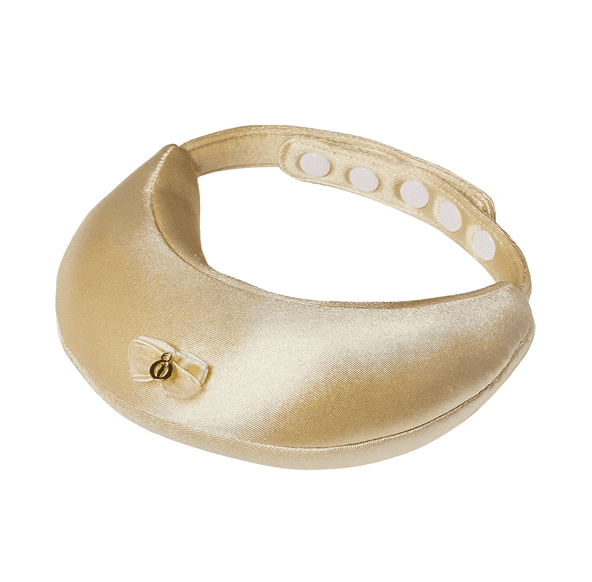
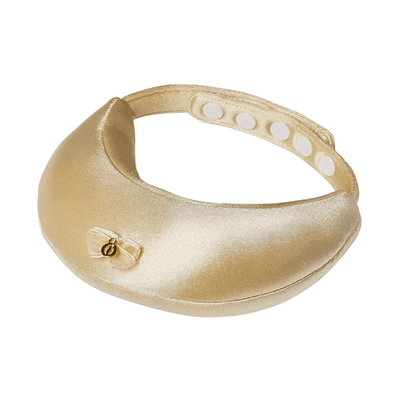
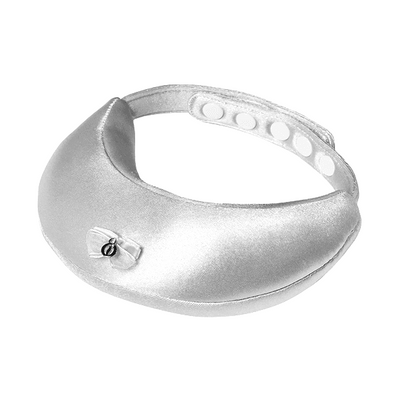
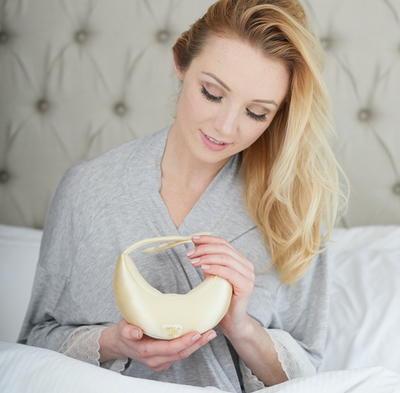
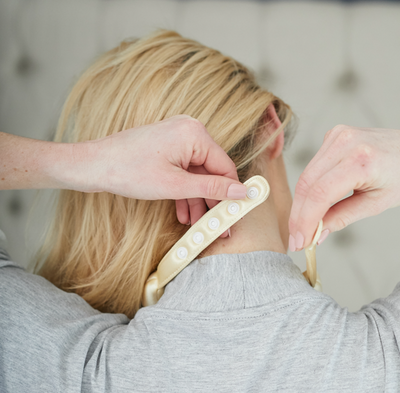
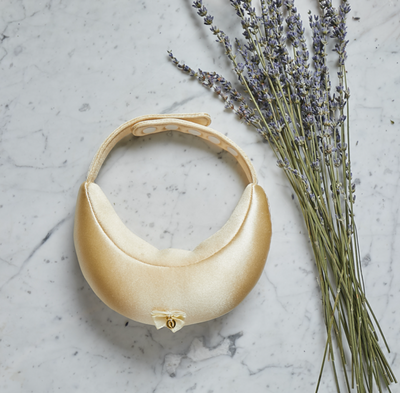
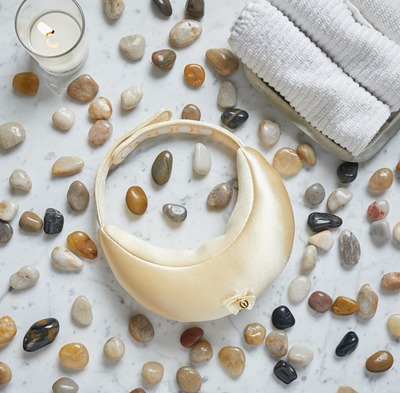
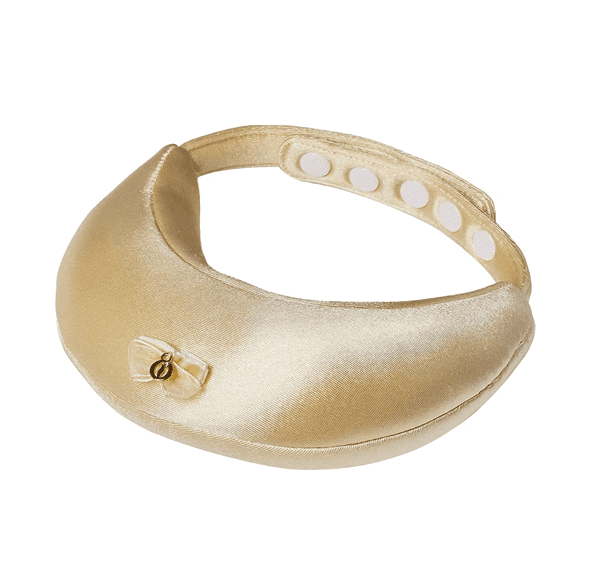
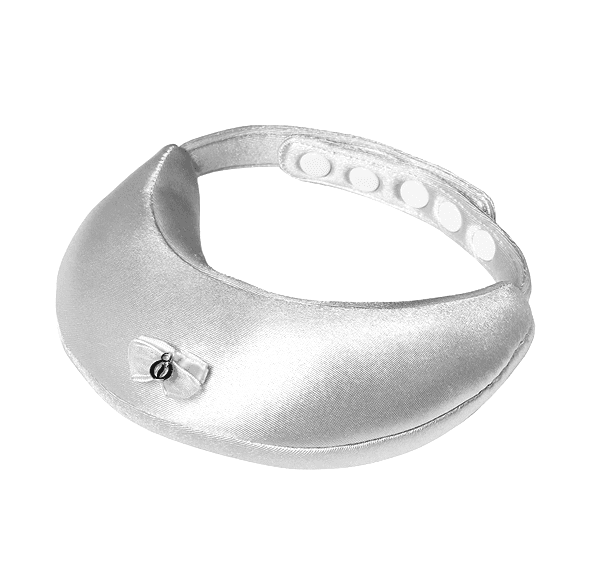
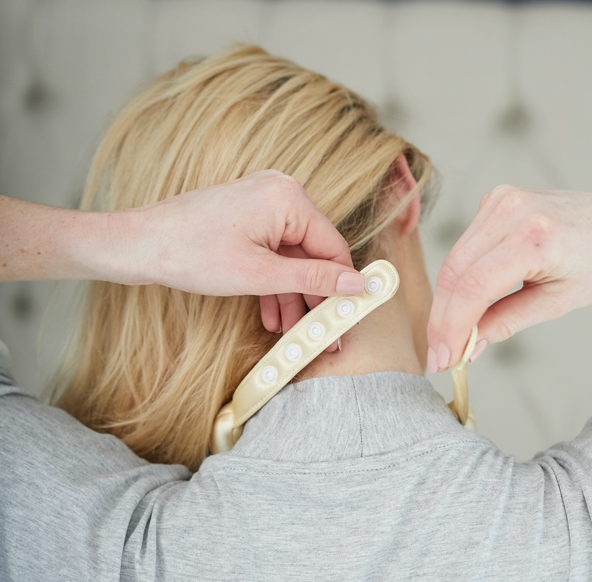
- Specialized chest support. If you just can’t quit side-sleeping, there are pillows and bands designed to keep the chest from folding too deeply, reducing overnight decolletage creases.
Even if you still shift in your sleep, simply starting the night on your back decreases the hours your chest spends pressed into itself.
For more ideas (and some eye-opening photos), you can read more about sleep position and chest lines here.
3.4 Lifestyle habits that protect the décolletage
Healthy habits are not about perfection. They’re about tipping the scales in your favor.
- Drink water consistently. Aim for roughly half your body weight in ounces each day. Your chest skin will quietly thank you by looking less like parchment.
- Eat for collagen. Colorful vegetables and fruits, healthy fats, and enough protein—this is your basic repair kit. Vitamins C and E, zinc, and selenium help build and protect collagen, including on your décolletage.
- Quit or avoid smoking. I have watched women who quit smoking in their 40s and 50s look visibly fresher within months. Not perfect, but softer. The chest especially.
- Limit alcohol. I love a good glass of wine. I also drink a full glass of water with it. Alcohol dehydrates and inflames; your chest doesn’t need extra help aging.
- Manage stress. Elevated cortisol breaks down collagen. Yoga, walking, laughing with a friend—it all counts as wrinkle prevention, whether it feels like it or not.
You can explore comprehensive skin-health habits here if you like seeing the bigger picture.
Section 4: At-home décolletage wrinkles treatment options
If you’re already seeing decolletage creases in the mirror, we move from “prevention only” to “repair and protect.” Home care won’t do what a laser can do—but it can absolutely soften, smooth, and slow down further damage.
4.1 Topical active ingredients for décolletage wrinkles treatment
Retinoids (retinol, tretinoin, retinaldehyde). Retinoids are the overachievers of skincare. They increase cell turnover, stimulate collagen, even out tone, and refine texture. On the chest, used correctly, they can noticeably soften décolletage wrinkles in 8–12 weeks.
But—and this is a big but—the chest is more sensitive than the face. I learned this personally after enthusiastically slathering prescription tretinoin down my neck and chest one winter. I spent a week walking around in turtlenecks, hiding the peeling.
My rules for chest retinoids:
- Start with a low-strength over-the-counter retinol (0.25–0.3%).
- Use once or twice a week at first.
- Apply moisturizer first, then a pea-sized amount of retinoid over the area.
- Increase slowly only if your skin is calm and happy.
If you want to go deeper into retinoids, you can learn more about retinoids for wrinkles here.
Antioxidants (vitamin C, vitamin E, niacinamide). Think of these as your daily shield. Vitamin C brightens, supports collagen, and helps with sun spots on an aging décolletage. Vitamin E enhances that protection. Niacinamide calms redness, smooths texture, and strengthens the barrier.
Layer them in the morning under your SPF or at night under moisturizer. They play nicely with almost everyone.
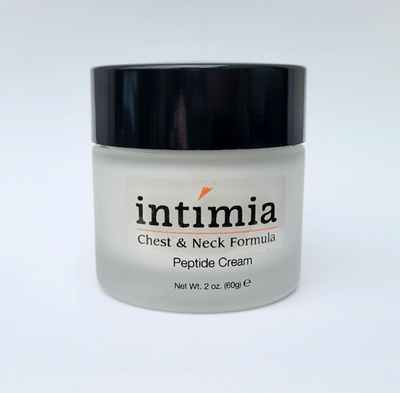
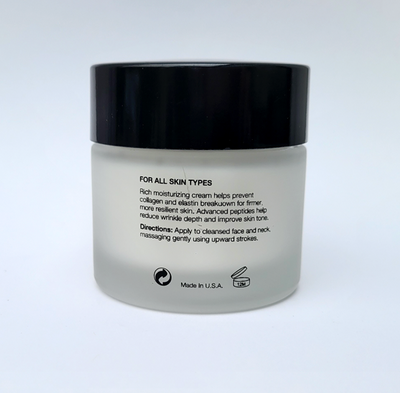
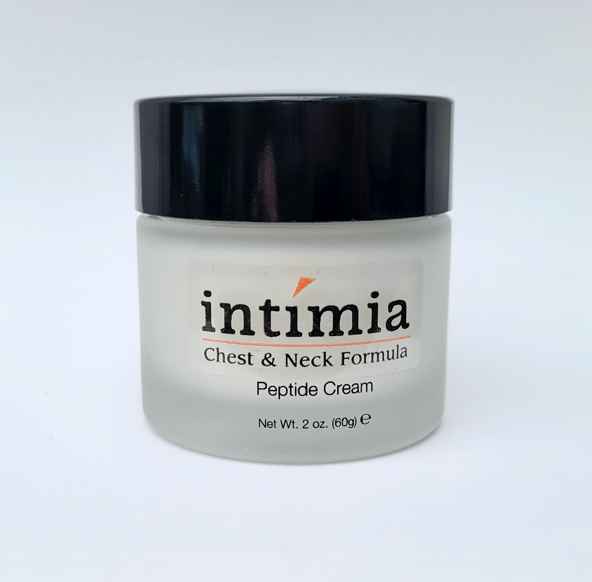
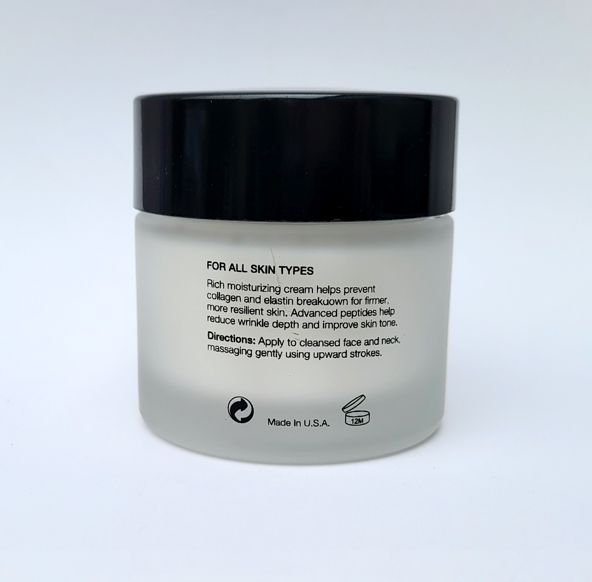
Peptides. These short chains of amino acids gently nudge your skin to make more collagen and elastin. Not as dramatic as retinoids, but often better tolerated. They’re perfect for women who say, “My skin throws a tantrum at everything.”
Hyaluronic acid. The instant-gratification friend. Applied to damp skin and sealed with moisturizer, it plumps up the surface and temporarily softens lines on decolletage. You see the difference within minutes, and you keep it with consistent use.
For more on hydrating workhorses like hyaluronic acid, you can explore hydrating ingredients for aging skin here.
4.2 Gentle exfoliation for texture and product penetration
Dead skin cells sitting on the surface make décolletage wrinkles look deeper than they really are and block your serums from doing their best work.
I always favor chemical over physical exfoliation for the chest:
- Chemical exfoliants like low-strength lactic or glycolic acid gently dissolve the “glue” between dead cells. No scrubbing. No sandpaper. Just a quiet shedding.
- Avoid rough scrubs. Anything with crushed pits, seeds, or gritty particles can scratch this thin skin and actually worsen the appearance of lines on decolletage.
Once or twice a week is plenty for most women. After exfoliating, your treatments sink in better, and your chest catches the light more evenly.
If you’d like a primer on exfoliation in wrinkle care, you can read more here.
4.3 Silicone pads and chest wrinkle pads
Silicone chest pads are one of those unglamorous tools that actually work—if you use them consistently.
They help in two big ways:
- The silicone creates an occlusive seal, trapping moisture in the skin so it becomes smoother and plumper by morning.
- The gentle, flat pressure discourages that deep overnight fold that turns into a permanent decolletage crease.
How to use them:
- Apply to clean, dry skin—no oils or heavy creams underneath.
- Wear for several hours or overnight.
- Clean and dry the pads to keep them sticky and hygienic.
- Use nightly for at least 4–8 weeks before you judge your results.
They won’t erase a canyon, but they can noticeably soften lines on decolletage and help maintain results from other treatments. For a deeper dive, you can read about chest wrinkle pads as a treatment option here.
4.4 Realistic timeframes and expectations
This is where I lean in and tell you the truth: home care is powerful, but it’s not magic.
- Most women start to see visible softening of lines on decolletage after 8–12 weeks of consistent use.
- Fine décolletage wrinkles can improve by 30–50% with good topicals.
- Deep decolletage creases might improve 10–20% with home care alone—noticeable, but not dramatic.
The real magic lies in consistency. The jar you actually finish always works better than the miracle cream that sits half-used on your shelf.
Section 5: Professional décolletage wrinkles treatment procedures
Sometimes, home care is the supporting act, not the headliner. When decolletage creases are deep or you want faster, more dramatic change, it’s time to bring in a professional.
A board-certified dermatologist or experienced aesthetic physician can look at your chest and see history—sun habits, sleep positions, hormone changes—and then build a plan that fits your reality.
5.1 Laser resurfacing
Laser resurfacing uses targeted light energy to gently injure or remove the upper layers of skin. That “injury” prompts your body to build fresh collagen underneath, smoothing décolletage wrinkles as the skin heals.
Fractional lasers create tiny columns of treated skin with healthy skin in between, speeding up healing. Ablative lasers remove more of the surface—bigger results, more downtime.
Pros:
- Significant improvement in texture and tone.
- Softening of deeper decolletage creases.
- Results keep improving for months as collagen remodels.
Cons:
- Redness, swelling, and peeling for several days.
- Strict sun avoidance during healing.
- Costs that can run into the thousands depending on intensity and area.
Lasers are best for fair to medium skin tones with moderate to deep chest lines who can truly commit to SPF and patience. If you’re considering it, you can explore laser resurfacing options here.
5.2 Microneedling
Microneedling looks scarier than it feels. A device with tiny needles makes controlled micro-injuries in the skin. Your body responds by mobilizing fibroblasts—the cells that build collagen and elastin.
On an aging décolletage, microneedling can:
- Improve crepey texture.
- Soften fine décolletage wrinkles.
- Help serums penetrate more deeply (in some protocols).
Radiofrequency microneedling adds heat to those tiny channels, boosting tightening and collagen production even more.
Most women need 3–6 sessions spaced 4–6 weeks apart, with visible improvement building over 2–3 months. Downtime is usually a day or two of pinkness, like a mild sunburn.
If you’d like to see how it’s used for neck and chest, you can learn about microneedling for chest and neck lines here.
5.3 Radiofrequency and ultrasound (e.g., Ultherapy)
Radiofrequency and ultrasound tighten from the inside out. They send controlled heat into the deeper layers of your skin without breaking the surface. Collagen fibers contract; new collagen slowly forms.
The result: slightly tighter, smoother skin with softened lines on decolletage, especially good for mild to moderate sagging.
They’re non-invasive, have minimal downtime, and are safe for all skin tones. But expect subtle changes, not a new chest overnight, and often more than one session.
5.4 Chemical peels for the chest
Chemical peels are like exfoliation with ambition. A controlled acid solution is applied, prompting older surface layers to shed and deeper layers to step up.
On the décolletage, light to medium-strength peels can:
- Smooth rough texture.
- Brighten sun spots.
- Soften fine décolletage wrinkles.
Expect a few days of dryness and visible peeling. Sun protection afterward is non-negotiable, especially if your skin has more pigment and is prone to dark marks from inflammation.
5.5 Fillers and biostimulators
Some decolletage creases are not just surface problems—they’re valleys. For those, injectables can help.
Hyaluronic acid fillers plump the area immediately, lifting the crease. They typically last 6–12 months and can be adjusted or dissolved if needed.
Biostimulators (like poly-L-lactic acid) don’t fill as much as they prompt your own collagen to grow over months. Results are more gradual but often last longer.
5.6 How to choose the right professional treatment
This is where I want you to bring a notebook and a stubborn friend to your consultation. Ask questions. Take photos.
A good provider will:
- Assess your skin type and sensitivity.
- Distinguish between fine lines on decolletage and structural decolletage creases.
- Explain realistic results and timelines, not miracles.
- Often suggest a combination of treatments plus home care.
If you want a solid general guide beforehand, you can consult these dermatologist-backed aging-skin resources to prepare.
Section 6: Building a daily skincare routine for an aging décolletage
I always tell women: “Whatever you do for your face, your chest wants in on it.” Not necessarily the exact same formulas—but the same respect.
6.1 Step 1 – gentle cleansing
Morning and evening, use a gentle cleanser that removes sunscreen, sweat, and the day’s debris without stripping.
Look for:
- Creamy or low-foam formulas.
- Ingredients like ceramides, glycerin, or plant oils.
- Zero sulfates and harsh surfactants.
Lukewarm water. Hands, not rough washcloths. Pat dry. Your chest is not a frying pan; it doesn’t need scrubbing.
The National Institute on Aging has a straightforward guide—you can discover gentle cleansing practices here.
6.2 Step 2 – targeted treatment serums
This is where most of the magic happens.
At night:
- Retinoid serum or cream. Start with 1–2 nights a week and slowly build up. Use a pea-sized amount for the whole chest. If you’re sensitive, sandwich it between two layers of moisturizer.
- Peptide serum (optional). Lovely support for collagen, easy to tolerate, and can be layered under your moisturizer on non-retinoid nights.
In the morning:
- Vitamin C or antioxidant serum. Apply to damp skin, let it sink in, then moisturize. This helps your chest tolerate daily sun and pollution assaults.
- Hyaluronic acid serum. Optional, but a beautiful way to instantly plump lines on decolletage before you seal everything in.
If you want more detail on how these serums work against wrinkles generally, you can learn about anti-aging serums here.
6.3 Step 3 – moisturizer tailored to chest skin
Think of moisturizer as the blanket over your work—the step that locks in all the actives and gives your chest comfort.
- In warm or humid climates, choose light lotions or gels with hyaluronic acid and glycerin.
- In dry climates or winter, lean into richer creams with ceramides, shea butter, and nourishing oils.
- At night, I like a slightly heavier formula so the skin wakes up softer and less lined.
Apply to damp skin and press it in with open palms. That simple motion says, “I’m taking you seriously now.”
For ingredient inspiration, you can read about moisturizing crepey, aging skin here.
6.4 Step 4 – daily SPF protection
This step is so important I’ll repeat myself: SPF on your chest. Every morning. Rain or shine. Office or beach.
Broad-spectrum SPF 30 minimum, 50 preferred. About a quarter teaspoon for face and chest combined. Let it sit for 5–10 minutes before you put on clothes to avoid streaks on your neckline and to let it form a proper film.
Add extra defenses when you can:
- SPF in your day cream or makeup for convenience—but never as your only layer.
- UPF clothing or lightweight cover-ups when you’ll be outside for hours.
- Shade, especially between 10 a.m. and 4 p.m.
You can review sun protection essentials here to reinforce your routine.
6.5 Tips for minimizing irritation on an aging décolletage
The chest can be a drama queen. Treat her gently and she’ll reward you.
- Patch test first. Try new actives on a small area behind your ear or inner arm for a few days.
- Introduce slowly. One new thing at a time. Once a week, then twice. Let your skin tell you when it’s ready for more.
- Alternate strong actives. Retinoid one night, acid another, plain moisturizer the third. No need to layer warfare onto fragile skin.
- Don’t stack retinoid, vitamin C, and acids in one routine. On the chest, that’s usually a recipe for redness and peeling.
- Leave a minute between layers. Let each product sink in and then move to the next.
For more sensitive-skin guidance, you can explore sensitive skin care tips for aging skin here.
Section 7: Sleep position and chest support to reduce decolletage creases
If I could sneak into your bedroom (only metaphorically, I promise), I’d look at one thing: how you fall asleep.
7.1 How sleep position deepens décolletage wrinkles
Side-sleeping is cozy. It’s also the perfect way to fold your chest like a piece of paper, night after night.
Gravity pulls your breast tissue down and in. The skin in the middle compresses. At 25, that fold disappears by breakfast. At 45, it lingers until noon. At 55, it’s still there when you undress at night—your permanent decolletage crease.
Unlike expression lines that relax when your face does, sleep creases stick around because the pressure is long and repetitive—six to eight hours at a time.
If you want to see more about this mechanic, you can read about sleep-related chest and neck lines here.
7.2 Strategies for training yourself to sleep on your back
Back-sleeping is the ideal for your chest, but it feels odd if you’ve been curling to one side for decades.
Here’s how I coach women through it:
- Intentionally fall asleep on your back, even if you roll later. The first few hours matter most.
- Place a pillow under your knees and small pillows at your sides to feel secure and supported.
- Use a pillow that cradles your neck without pushing your head forward.
- Give yourself two to three weeks. Habits take time to rewire.
Even partial success—half the night on your back—is a victory for your décolletage wrinkles.
7.3 Chest support tools for side sleepers
If back-sleeping feels like torture, we adapt.
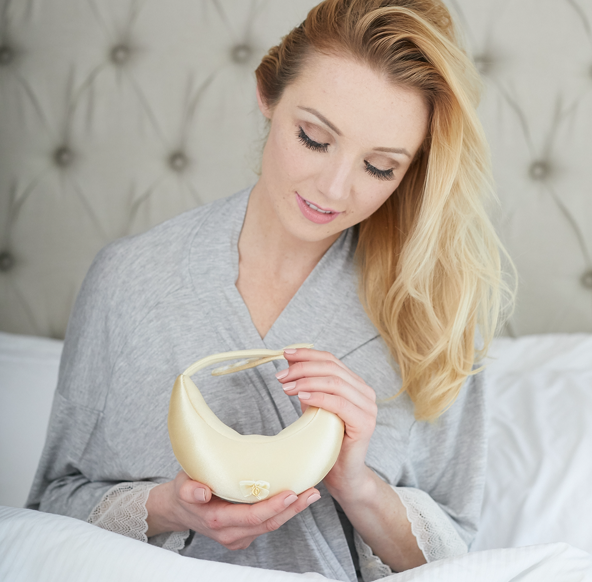
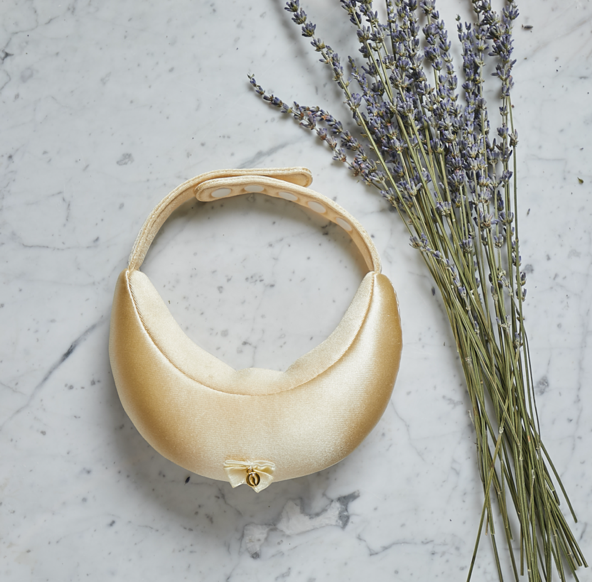
- Breast-separating pillows. They sit between the breasts and keep the skin from folding inward, so the vertical lines on decolletage don’t deepen all night.
- Soft chest bands or sleep bralettes. Gentle support with no underwire to reduce tissue collapse and friction.
- Silicone chest pads. They act both as a barrier against folding and as overnight hydrators.
- Wedge pillow. Keeping your upper body slightly elevated reduces the sheer side pressure on the chest.
Combine any of these with your night routine and suddenly sleep becomes part of your treatment plan, not your enemy. You can explore chest wrinkle prevention during sleep in more detail here.
7.4 Fabric and bedding tips
Small textile changes make quiet, long-term differences.
- Silk or satin pillowcases. They reduce friction and “drag” on your chest skin (and your face and hair, as a nice side benefit).
- Avoid tight, rough sleepwear. Straps that dig in or seams that press on the chest prevent skin from fully relaxing and recovering overnight.
- Choose soft, breathable fabrics. Cotton, bamboo, or silk—nothing that leaves a pattern on your skin in the morning.
These details sound minor—until you realize you’re spending a third of your life in them.
Section 8: When to start treating décolletage wrinkles and how to set expectations
Women often ask me, “Is it too early?” Then five minutes later, “Is it too late?” The answer to both is usually no.
8.1 Early warning signs of an aging décolletage
Here’s what I want you to watch for:
- Fine vertical lines that linger past breakfast.
- A slight crepey texture you only notice in certain lighting.
- A chest that no longer looks as smooth as your face, no matter how much moisturizer you use.
- Freckles turning into small sun spots.
- Horizontal lines across the upper chest from years of sun and posture.
These are your early warning bells. This is the time when SPF, gentle retinoids, and moisturizers can do their best work.
If you’re starting to see crepey skin elsewhere too, you can learn about crepey skin and early aging here.
8.2 Matching treatments to wrinkle type
Different lines, different tools.
Fine lines on decolletage:
- Daily SPF, retinoids, antioxidants, hyaluronic acid.
- Silicone pads overnight.
- Light professional options like peels or microneedling if you want faster change.
Moderate décolletage wrinkles:
- Full at-home routine plus targeted in-office treatments (microneedling, peels, maybe laser).
- Expect a combination of texture and tone improvements.
Deep decolletage creases:
- Professional treatments (fillers, biostimulators, lasers, radiofrequency) as the main strategy.
- Home care becomes your maintenance and support crew.
If you want a structured comparison of options, you can explore treatment frameworks for different chest wrinkle types here.
8.3 Realistic results and timeframes
I like numbers because they keep expectations honest.
At-home care:
- Weeks 1–4: better hydration and texture.
- Weeks 5–8: first visible softening of lines on decolletage.
- Weeks 9–12: the “before and after” you can actually see in photos.
- 3–6 months: maximum collagen benefits for this round of effort.
Professional care:
- Fillers: instant visible change.
- Lasers: results emerge after healing and keep improving for 3–6 months.
- Microneedling, radiofrequency, ultrasound: gradual, layered improvements.
Broadly, most women can expect:
- 30–50% softening of fine lines on decolletage.
- 40–60% improvement in moderate décolletage wrinkles with combined approaches.
- 20–40% softening of deep decolletage creases—still life-changing, even if not perfect.
For more on what “realistic” looks like, you can understand realistic aging-skin expectations here.
8.4 Importance of maintenance
Your skin doesn’t care that you invested in a laser last year. It keeps aging anyway. Maintenance is how you hold onto results.
- Daily SPF is your non-negotiable foundation.
- Retinoids, antioxidants, and moisturizers keep collagen stimulated and the barrier happy.
- Periodic touch-ups—peels, microneedling, or filler refreshers—keep deeper damage from reasserting itself.
- Sleep position, hydration, nutrition, and not smoking are the silent guardians in the background.
Think of it like brushing your teeth: the dentist can do the big fixes, but your daily routine decides how long they last.
Section 9: Frequently asked questions about décolletage wrinkles
Q1: Can décolletage wrinkles really be reversed, or only softened?
Short answer: mostly softened, rarely fully reversed.
Once collagen has broken down significantly, we can’t rebuild the exact original scaffold. But we can absolutely surround those damaged areas with new collagen, smooth the surface, even out tone, and plump the skin so decolletage creases look far less harsh.
With a strong routine and appropriate in-office support, 30–60% improvement is very realistic for most women. If you’d like more context on wrinkle “reversal,” you can read about wrinkle improvement limits here.
Q2: How long does décolletage wrinkles treatment usually take to show results?
At home, plan on 8–12 weeks before you start saying, “Okay, this is working.” Hydration and texture changes come first; collagen changes need time.
Professionally, some results (like fillers) are immediate, while others (like lasers and microneedling) reveal their full effect over 3–6 months.
For a nice summary by treatment type, you can read about treatment timelines here.
Q3: Are at-home chest wrinkle pads enough for deep decolletage creases?
No—and also yes, depending on what you mean by “enough.”
Silicone pads are wonderful for:
- Preventing new decolletage creases.
- Softening fine to moderate lines on decolletage.
- Boosting hydration and smoothness.
They are not miracle workers for deep, carved-in folds. For those, pads are a supporting role alongside retinoids, peptides, and professional treatments like fillers or lasers.
To see how dermatologists frame their benefits and limits, you can explore chest wrinkle pad effectiveness here.
Q4: Is sun damage to an aging décolletage permanent?
Some of it is, some of it isn’t.
Permanent-ish:
- Major collagen loss and deep structural changes.
- Some long-standing pigment changes.
Improved or reversible:
- Surface sun spots and uneven tone.
- Rough texture and shallow lines on decolletage.
- Milder crepiness.
With retinoids, vitamin C, peels, lasers, and—again—SPF, your chest can look dramatically better, even if not like it did at 20. The key is that you stop new damage from piling on.
If you’d like a medical-level look at sun damage and repair, you can understand sun damage and protection options here.
Q5: Is it ever "too late" to start treating an aging décolletage?
No. It might be too late for perfection, but never too late for improvement.
In your 30s, you’re mostly preventing and gently correcting. In your 40s and 50s, you’re combining prevention with repair. In your 60s and beyond, you’re leaning more on professional help, but your daily routine still matters hugely.
I’ve seen women in their 70s start SPF and a simple active routine and come back months later saying, “I didn’t expect much, but I actually like my chest more now.” That’s the goal.
For broader age-specific advice, you can learn about age-related skin care at any age here.
Conclusion and key takeaways
If you’ve read this far, I know something about you—you care. Not out of vanity, but out of respect for the woman you see in the mirror.
Your décolletage has probably absorbed more sun, more sleep folds, and more neglect than any other visible part of you. It’s no wonder it’s speaking up now, in décolletage wrinkles and decolletage creases.
But here’s the good news: you are not powerless.
- UV protection and smart lifestyle choices slow aging décolletage dramatically.
- Hydration, retinoids, antioxidants, and peptides can soften lines on decolletage in a matter of months.
- Professional treatments can step in when you want deeper, faster change.
You don’t have to do everything at once. In fact, please don’t.
Pick one or two steps to start:
- Maybe it’s SPF on your chest every morning, no exceptions.
- Maybe it’s a gentle retinol twice a week and a richer night cream.
- Maybe it’s training yourself to fall asleep on your back.
Take a photo now. Take another in three months. And notice how the story changes when you start writing it on purpose.
Your chest appears in almost every outfit you own—from that white T-shirt you throw on for errands to the dress you save for rare, beautiful nights. It deserves to look like it belongs to the same woman your face does.
So tonight, when you stand at the sink and smooth cream over your face, pause. Carry it down. Over your collarbones, across that quiet V of skin that’s seen more summers than you can count.
Let that simple gesture be a promise—to keep taking care of the parts of you that are hardest to hide, and finally, maybe, the easiest to love.
Related articles
- Chest wrinkles: best prevention tips — Discover effective solutions for chest wrinkles and learn why you have them at any age.
- Peptide cream décolleté for radiant chest — Find the best peptide cream for your neck and chest to combat crepey texture.
- Cleavage wrinkles: prevent & fade — Explore practical ways to prevent cleavage wrinkles and fade existing creases.
- Intimia breast pillow: premium bundle features — Discover how a breast pillow can support wrinkle prevention and more comfortable sleep.
Want to discover flawless skin with Intimia? Shop now here: here