How Sleep Affects Skin: Prevent Wrinkles
For women over 35, how sleep affects skin is a game-changer in the fight against aging. Quality sleep ties directly to the glow and firmness of your face, neck, and chest, while sleep deprivation skin effects speed up dullness, fine lines, loss of bounce, and even those stubborn chest wrinkles.
Imagine your skin slipping into a deep "repair mode" each night. This is when collagen rebuilds, elastin strengthens, your skin barrier heals, and antioxidants fight off daily damage. Why a good night's sleep is important for your skin becomes clear: poor or short sleep breaks this cycle, spiking stress hormones like cortisol that trigger faster aging, including vertical lines on your décolleté.
Science backs this up. One clinical study on sleep quality and skin aging found poor sleep quality links to more intrinsic aging signs, weaker barrier function, and worse self-perceived looks. Another trial on partial sleep deprivation shows sleep loss cuts elasticity, hydration, and barrier repair.
This guide dives into the biology of sleep and skin aging, reveals sleep deprivation skin effects, explores how sleep position fuels sleep and wrinkles—especially on the chest—and shares simple strategies to safeguard your skin overnight. Embrace beauty rest, and let your natural radiance shine.
How sleep affects skin: the science behind beauty rest, aging, and wrinkles
Night after night, how sleep affects skin unfolds like a quiet miracle. Your body hands over the reins to repair, making why a good night's sleep is important for your skin impossible to ignore. Sleep and skin aging hinge on these hidden hours of renewal.
Skin’s nightly “repair mode”
As you drift off, your skin flips into high gear. Cell turnover speeds up to shed the old and welcome the new. DNA damage from the day gets patched. Deep sleep ramps up collagen synthesis and reshapes the extracellular matrix that keeps skin plump. Your barrier rebounds from UV rays, city smog, and constant rubbing.
Poor sleepers lag far behind. They show about 30% less barrier recovery after damage and slower healing from UV hits compared to good sleepers, as shown in a study on chronic poor sleep and skin function.
Role of melatonin and growth hormone in skin repair
Melatonin, your sleep-time guardian, surges at night with your circadian rhythm. Skin cells called keratinocytes have receptors for it. This hormone fires up antioxidants and calms inflammation right in your skin. It shields collagen and elastin from harm, keeping lines at bay. A detailed overview of this is given in a review of melatonin in skin aging and repair.
Short or bad sleep slashes melatonin levels, leaving your skin's defenses weak, especially when circadian rhythm is disrupted, as shown in research on sleep, cortisol, and skin inflammation and in the melatonin review above.
Growth hormone joins the party in slow-wave deep sleep. It boosts protein building and tissue fixes, including dermal collagen tweaks. Skip deep sleep, and you miss this structural boost for firmer skin.
Cortisol, inflammation, and barrier damage
Choppy sleep pumps out cortisol and inflammatory signals. High cortisol wrecks your barrier, hikes water loss through the skin (TEWL), cuts elasticity, and speeds wrinkle growth. It also sparks redness and flare-ups.
Studies tie this to circadian glitches and skin barrier woes, including a paper on sleep, stress hormones, and inflammation and a review of the skin circadian clock and barrier function.
Sleep and skin aging – what happens over time
Sleep and skin aging build like a slow storm. Chronic bad sleep doesn't just tire you—it etches years into your skin. Sleep and wrinkles deepen as nights pile up, hitting face, neck, and chest hard.
Intrinsic aging and chronic poor sleep
Intrinsic aging comes from inside—your genes and time. Extrinsic hits from sun and smoke. Bad sleep acts like an inside agitator, speeding both. Poor sleepers rack up more fine lines, spots, slack skin, and weak barriers, and report lower satisfaction with their appearance, as shown in that same study on sleep and intrinsic skin aging. They feel less happy with their looks too.
Collagen, elastin, and structural decline
Nightly sleep loss and rhythm messes cut collagen and elastin output. They disrupt clock-timed elastin proteins, leading to sag, deep creases, and laxity from forehead to chest. Circadian control of skin molecules falters, worsening structure—detailed in a review of circadian rhythm and skin homeostasis and a study on late bedtimes, wrinkles, and skin roughness.
Age-related concerns worsened by poor sleep
Over time, poor sleep amps up dryness and grit from bad barriers and low hydration. Skin thins and frays easier. Tone dulls from slow turnover and endless inflammation. Tests prove sleep cuts slash hydration, elasticity, and boost roughness, like in a trial of partial sleep deprivation and skin parameters and a study tracking facial changes from short sleep.
Sleep and wrinkles – position, pressure & pillow marks
Sleep and wrinkles aren't just from smiles or frowns. How sleep affects skin includes the crush of your pillow, fueling sleep and skin aging in hidden ways. Chest lines often start here.
Mechanical vs. expression wrinkles
Expression wrinkles come from face muscles pulling. Mechanical ones—or sleep lines—form from folds and squeezes at night. After 35, low elasticity means they don't snap back by dawn. Years of this carves them permanent. Sleep loss hits elasticity hardest, as shown clearly in the partial sleep deprivation skin study.
Side-sleeping, face compression, and chest wrinkles
Side or stomach sleeping squishes your face into the pillow, birthing lines on eyes, cheeks, and smile folds. Breasts mash together, pressing vertical cleavage creases that turn to chest wrinkles. Late nights and habits worsen wrinkles and grit, as reported in a study of bedtime timing and skin aging features.
Circadian timing and wrinkle aggravation
It's not just hours slept—when you sleep counts. Late bedtimes spike wrinkles and roughness, even with enough time in bed, according to the bedtime and facial aging study. This rhythm mess piles onto position damage.
Sleep deprivation skin effects you can see and feel
Sleep deprivation skin effects hit fast—one or two rough nights show changes that build with time. Sleep and wrinkles deepen, and how sleep affects skin turns visible quick.
- Many shifts pop after just one–two bad nights and grow worse ongoing.
Dullness and tired-looking complexion
Sleep loss yellows skin, not from blood but structure shifts. Gloss fades, leaving a flat, weary glow. Partial deprivation boosts yellowness and dullness, as documented in a study on sleep loss and facial appearance.
Fine lines, wrinkle deepening, and roughness
One poor night amps lines, creases, and grit. Elasticity tanks most. Repeat it, and damage sticks. This is shown in detail in the trial examining sleep restriction and skin texture.
Dark circles, puffiness, and sagging around the eyes
Eyes redden, shadows darken under them, lids swell, screaming fatigue. Thin skin there betrays sleep woes fast. A study on sleep deprivation and perceived facial fatigue shows how quickly the eye area changes.
Dehydration, irritation, and barrier breakdown
Sleep deprivation skin effects dry out the outer layer fast. TEWL jumps, barrier cracks. Skin feels tight, prickly—worse if you're in perimenopause. Data shows this across studies, including the partial sleep restriction trial, the facial appearance study, and the poor sleep and skin barrier research.
How quickly do these changes happen?
Yellowness, dry loss, roughness strike day one. Some linger post-recovery, proving buildup—documented in that same short sleep and facial change study.
Why a good night’s sleep is important for your skin (and chest area)
Why a good night's sleep is important for your skin boils down to protection and renewal. How sleep affects skin supports sleep and skin aging control, while curbing sleep and wrinkles. Chest skin thrives too.
Collagen and elastin maintenance
Sleep sets the stage with growth hormone peaks, low cortisol, and melatonin flow for collagen build and elastin guard. This slows lines on face and chest, backed by evidence in the melatonin and skin aging review and the circadian rhythm and skin structure paper.
Inflammation, redness, and sensitivity control
Solid sleep tamps down cortisol and flare signals. Fewer red spells, less touchy skin, slower aging rush. The review on sleep, cortisol, and skin inflammation shows how tightly these are linked.
Recovery from UV, pollution, and daily stressors
Nights undo UV DNA hits and smog buildup. Good sleepers heal UV better, as measured in the clinical study on sleep quality and UV recovery. Skip it, and spots and dullness linger.
Why this matters extra for chest and décolleté
Chest skin thins out, skimps on oils, skips face SPF. It's prime for creases and dry. Good sleep plus less crush keeps it hydrated and springy. A study on bedtime habits and chest wrinkles highlights how vulnerable this area is.
Sleep habits that support youthful skin
These tips build on science for women 35+ chasing anti-aging and chest wrinkle prevention. How sleep affects skin improves with smart tweaks to fight sleep and skin aging and dodge sleep deprivation skin effects.
- Practical steps extend nightly repair for timeless glow.
Build a consistent, sufficient sleep schedule
Hit 7–9 hours nightly, matched to you. Fixed bed and wake times sync your clock for melatonin and skin fixes. The circadian rhythm and skin review shows how regular timing stabilizes barrier and repair.
Evening routines to lower cortisol
Eat light early. Cut caffeine, booze late. Unwind with stretches, breaths, books, or calm thoughts. Ditch screens 1–2 hours pre-bed for melatonin flow—something echoed again in the sleep, stress, and inflammation review.
Optimize your sleep environment
Aim dark, cool at 65–68°F, hushed. Blackout shades, white noise, firm mattress cut wake-ups. Guard deep sleep for peak repair. I always say: your bedroom should feel like a quiet backstage, not Times Square.
Pillows, bedding, and positions that are kinder to skin
Silk or satin pillowcases glide soft, no pulls on face or chest. Pick height for straight neck, less smash. Back-sleep best; side? Ease chest and face pressure (more in chest tips). If your décolletage looks flawless by morning—check if you actually slept on your side.
Nighttime skincare to maximize the benefits of sleep
Boost how sleep affects skin and slow sleep and skin aging with bedtime care. Let repair mode soak up these actives.
Start with gentle, thorough cleansing
Wipe makeup, SPF, grime pre-bed. Mild cleanser skips strip—key as night permeability rises, as noted in the melatonin and nocturnal skin function review.
Hydrating and barrier-repair formulas at night
Layer hyaluronic acid, glycerin, ceramides, fats. Occlusives lock water if barrier's beat. This strategy mirrors hydrator use in the sleep restriction skin study, where hydration loss was one of the earliest signs.
Targeted anti-aging ingredients while you sleep
Topical melatonin cuts wrinkles, mends barrier, ups collagen—perfect at night. That’s supported by several trials summarized in the review on topical melatonin and photoaging.
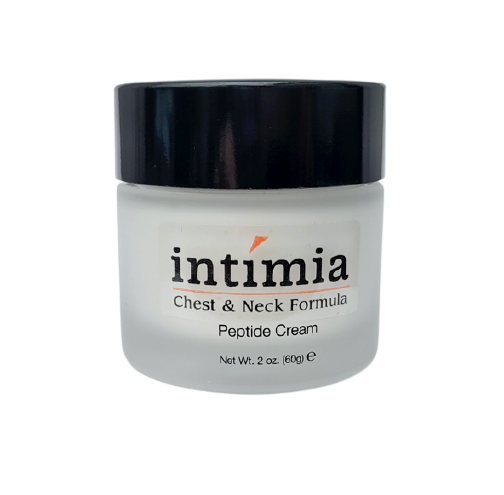
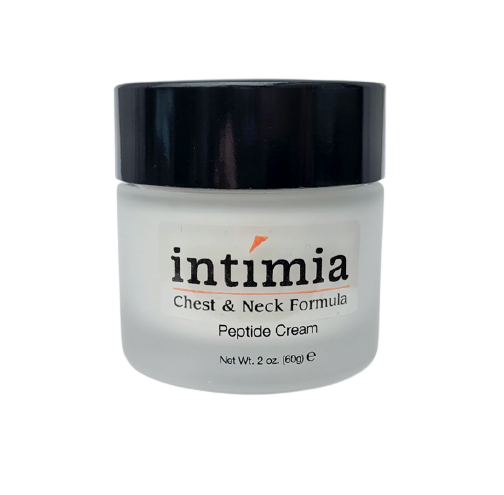
Retinoids spark turnover, collagen; night avoids sun kill—ease in to dodge ire if tired skin's touchy. Peptides signal collagen; antioxidants zap day stress.
How quality sleep amplifies skincare results
Good rest boosts blood flow, hormones for active delivery. Bad sleep dulls response, fans inflammation, slows heals. I've watched women use brilliant serums on four hours’ sleep—and then blame the serum. Fix the pillow hours first.
Protecting the chest and décolleté while you sleep
Sleep and wrinkles strike chest first. How sleep affects skin and sleep and skin aging demand night guards for this soft spot.
Why the chest shows sleep-related aging early
Thinner, oil-poor, SPF-forgotten—chest creases easy with age collagen drop. A study focusing on bedtime and upper body wrinkles underscores how rapidly chest lines can deepen compared with facial lines.
Side-sleeping and vertical chest lines
Side-sleep folds breasts tight, etching vertical cleavage lines. Low elasticity after 35 locks them in—a pure sleep and wrinkles mechanical hit. If you’ve ever woken up with a deep valley between your breasts that takes half the morning to fade—you’ve met them.
Sleep posture, support, and anti-aging breast comfort
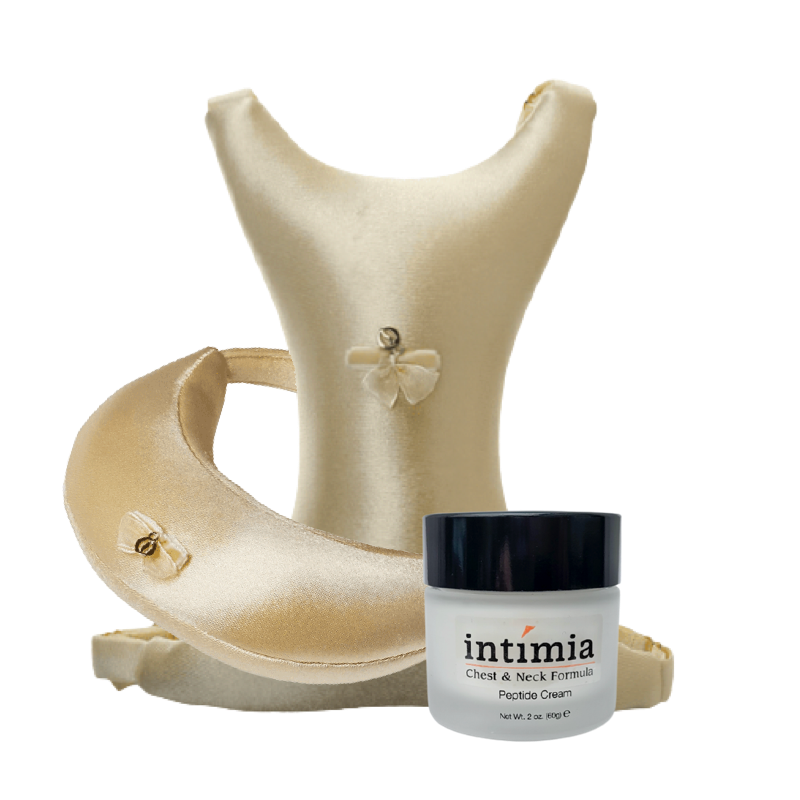
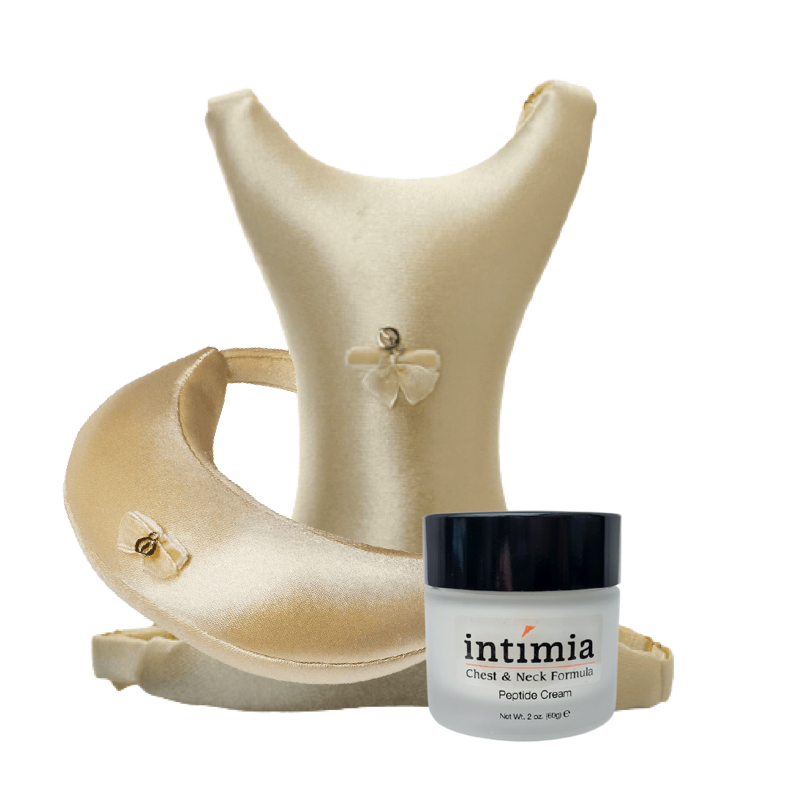
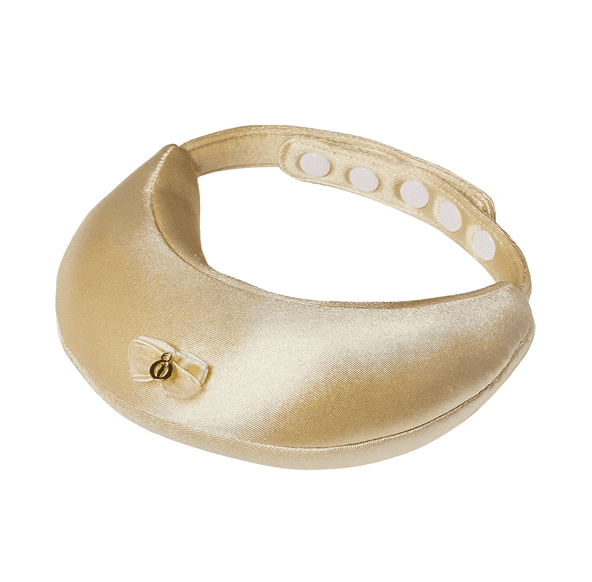
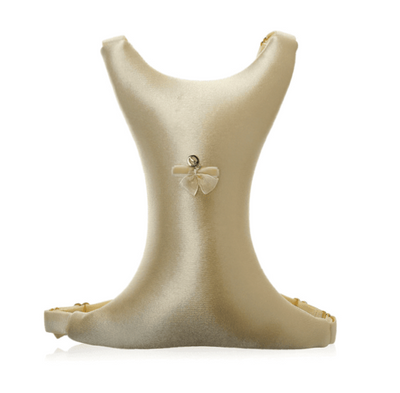
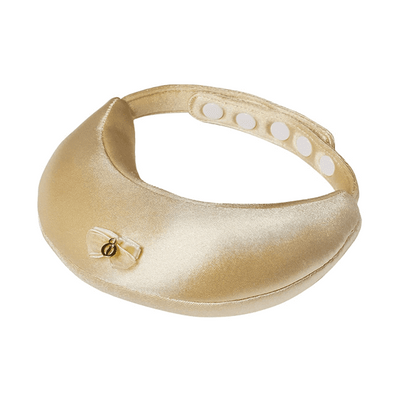
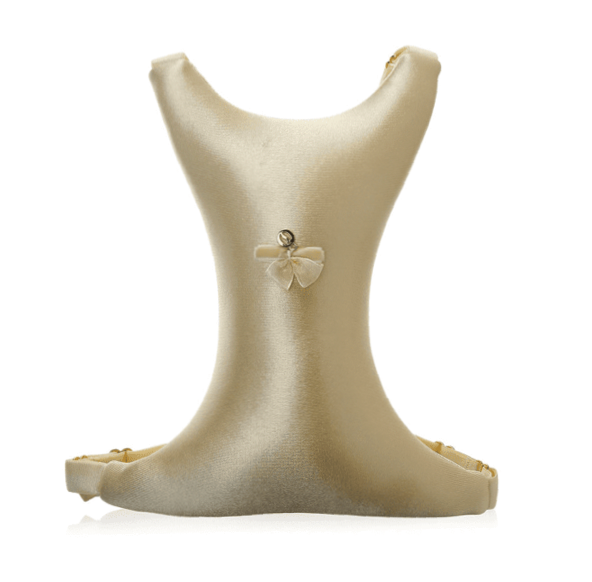
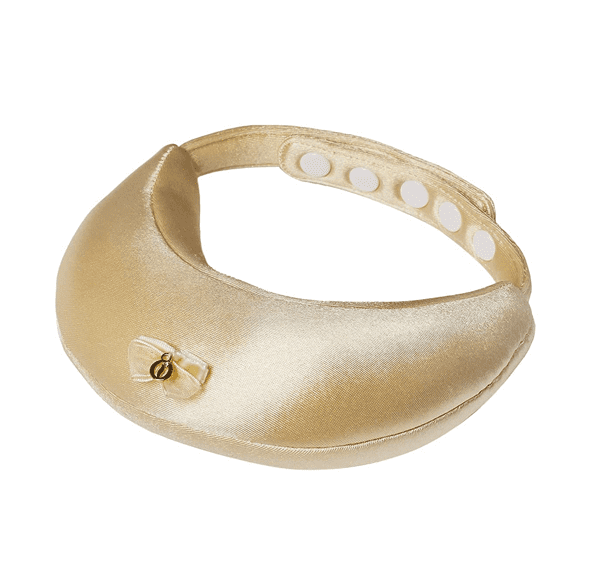
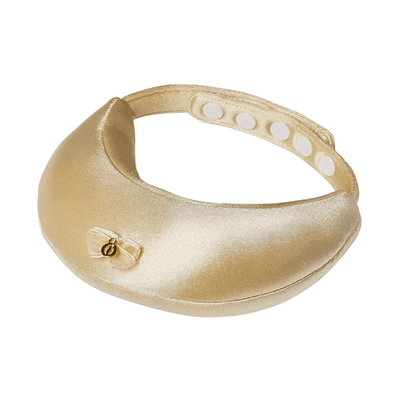
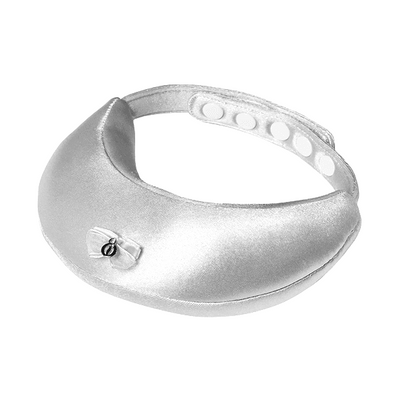
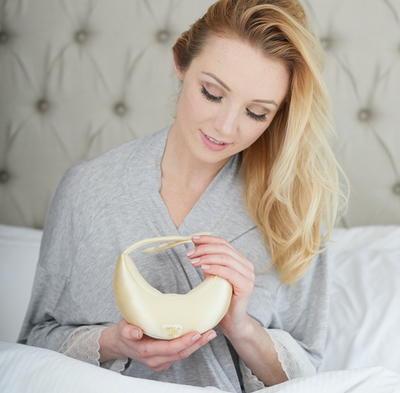
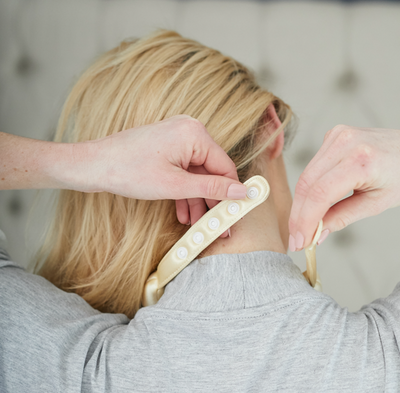
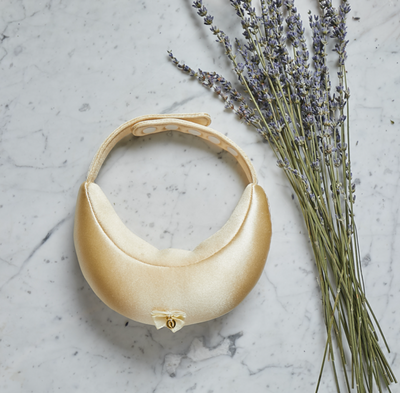
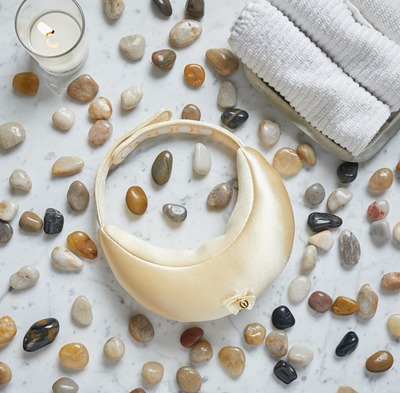
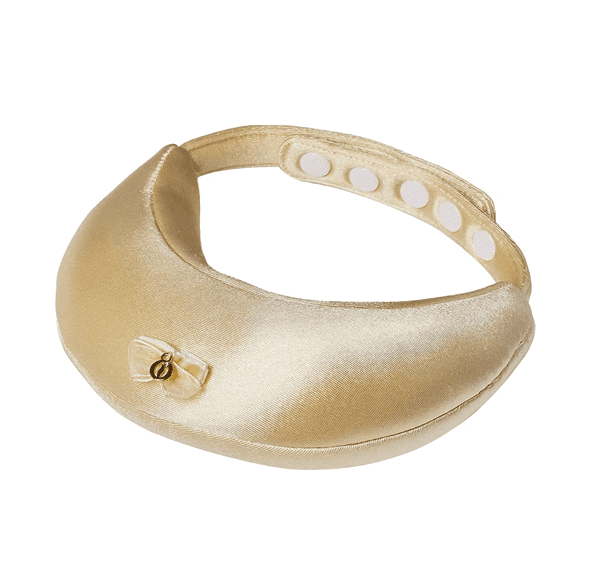
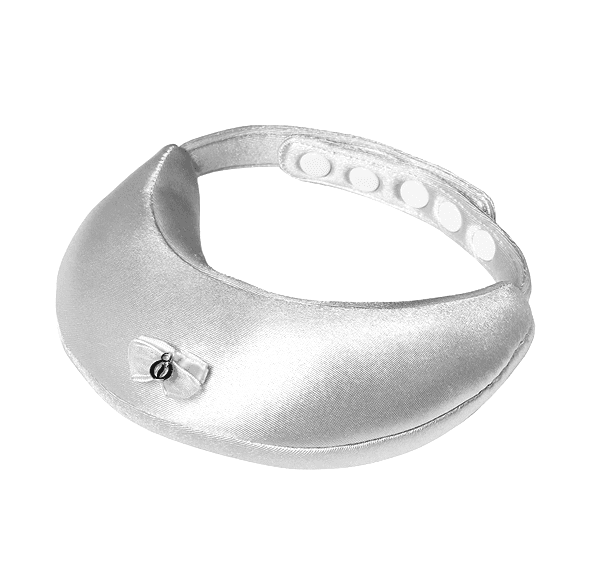
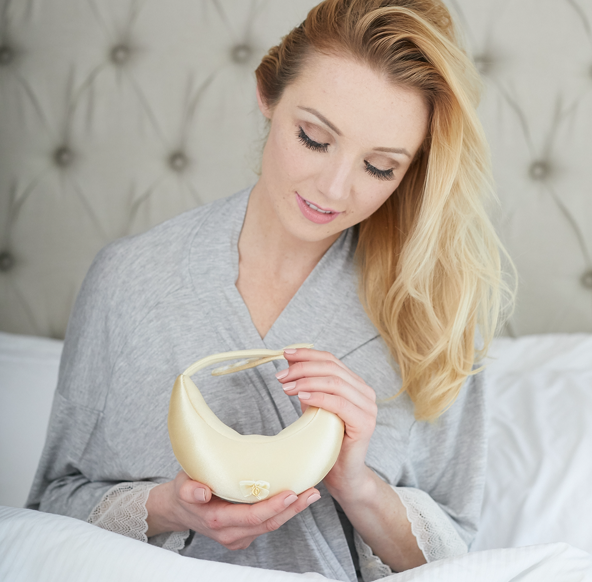
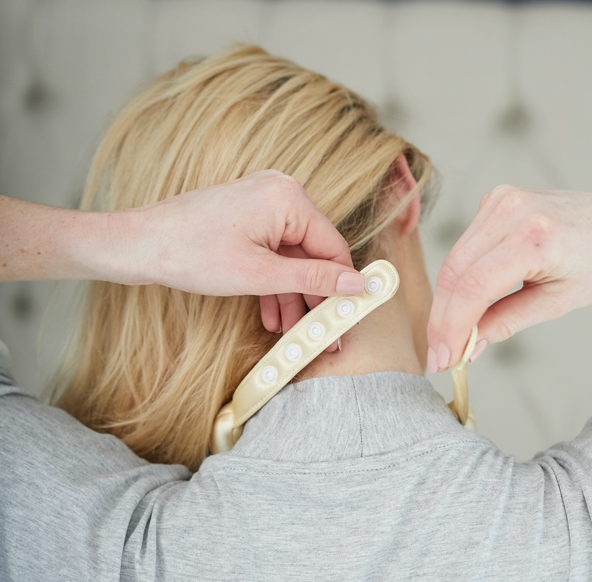
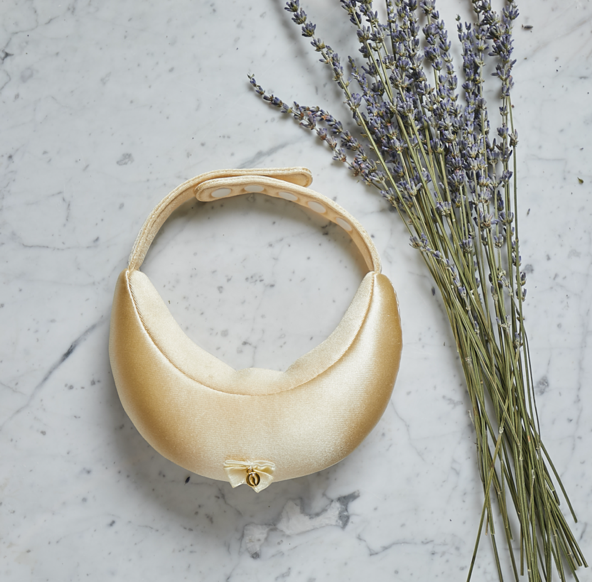
Back-sleep saves chest from crush. Side fans: contoured pillows cradle upper body sans squeeze. Sleep bras lift gentle, split breasts, cut friction. Silk bedding caresses. These boost wrinkle fight and sleep ease.
And if one night you rip the sleep bra off at 2 a.m.? Fine. Try again tomorrow. Consistency is built, not born.
When to worry about your sleep and skin connection
Sleep deprivation skin effects whisper warnings. Track sleep and skin aging via how sleep affects skin clues.
Signs your skin is signaling a sleep problem
Watch for:
- Dullness sticking despite top routines.
- Fast lines or deepened ones on face, neck, chest verticals.
- Dark circles, puff, tired vibe post-skincare.
- Dry, mad, barrier fails ignoring fixes.
These scream poor sleep aging and barrier links, as highlighted in the sleep quality and skin aging study.
When to talk to a professional
See doc or sleep pro for insomnia, wakes, apnea suspects. Derm for quick skin shifts, flares. OB-GYN or hormone whiz if perimenopause messes sleep and sleep and skin aging.
I’ve sat with women who whispered, “I thought I just needed a better cream.” Sometimes you need a sleep study, a hormone panel, someone to say, “You’re not crazy, you’re just exhausted.”
Conclusion
How sleep affects skin shapes your glow from brow to bust. Sleep and skin aging, sleep deprivation skin effects, sleep and wrinkles—all yield to rest. Why a good night's sleep is important for your skin powers collagen via repair mode, melatonin, growth hormone.
Bad sleep spikes cortisol, flares, dries, creases chest fast. Proof? Good sleepers ace barriers, UV heals, less intrinsic age—as shown in the clinical study comparing good and poor sleepers. Restriction tanks hydration, bounce, tone quick, backed by a controlled trial on sleep loss and skin function and a study on repeated short sleep and facial changes.
Make sleep your anti-aging anchor with skincare, SPF. Mind posture, pillows, chest aids to nix sleep and wrinkles décolleté. This inside-out ritual honors your beauty, fueling confidence and timeless care.
And tonight, when you turn off the light and feel the sheets against your skin, remember—this is not “just sleep.” It’s the quiet work of your future face, your future chest, your future self.
Related Articles
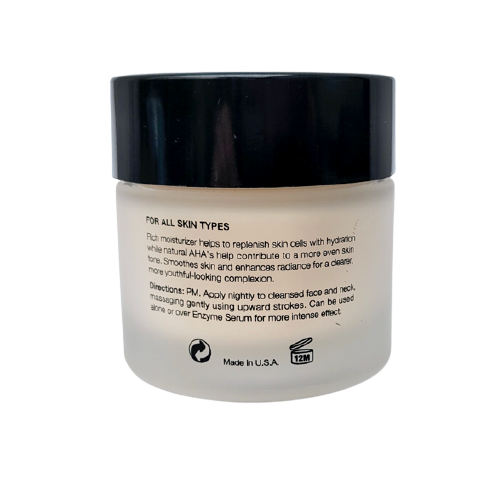
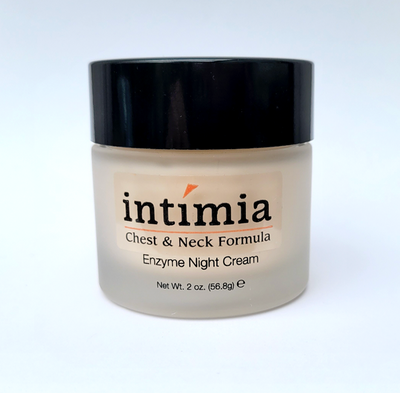
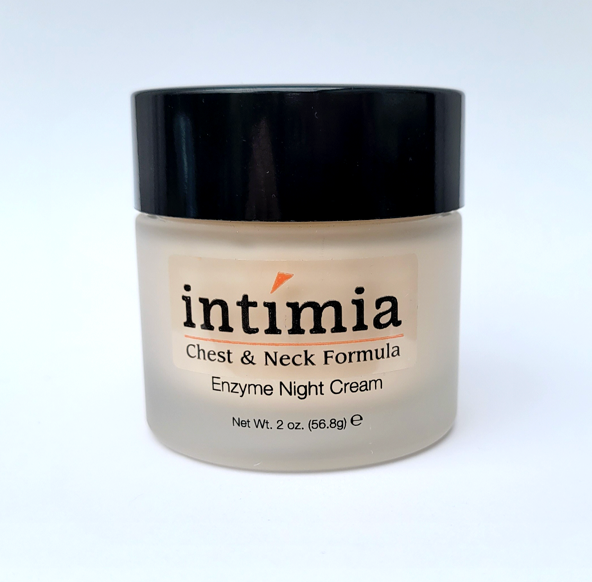
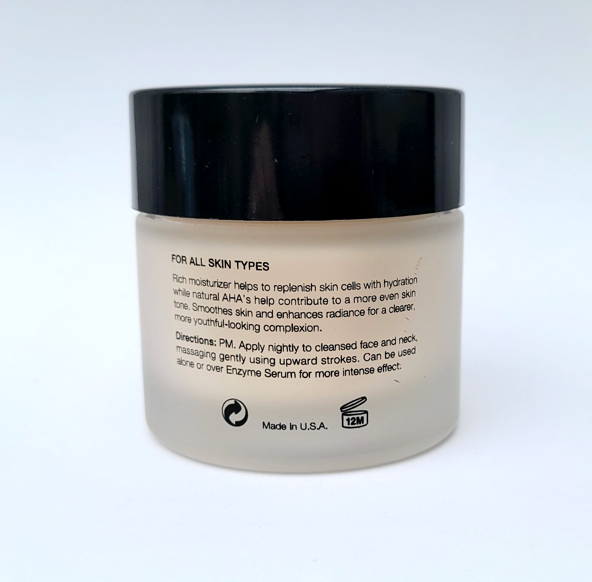
- Enzyme night cream rejuvenates overnight — Discover the best enzyme night cream for skin renewal while sleeping. Fight aging with our anti-aging night cream—wake up refreshed!
- Best anti wrinkle cream neck-chest — Discover the best anti-wrinkle cream for neck and chest. Explore our top picks for smoothing wrinkles and rejuvenating your skin today!
- Neck and chest wrinkle treatment: 5-step — Discover the best neck and chest wrinkle treatment to prevent and reduce wrinkles. Explore creams and tips for youthful-looking skin!
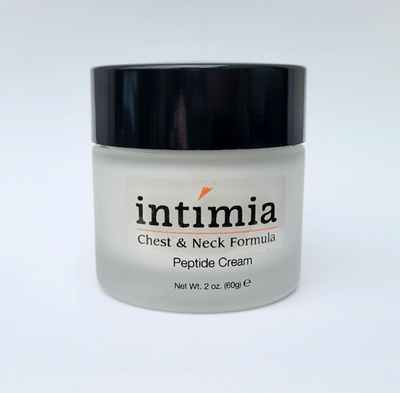
- Peptide cream benefits boost chest collagen — Discover peptide cream benefits for youthful skin! Explore the best cream for aging chest and enhance your collagen skin care routine today.
- Décolleté skin care routine: tighten & glow — Discover the ultimate décolleté skin care routine to tighten chest skin and combat aging. Click to learn essential anti-aging tips today!
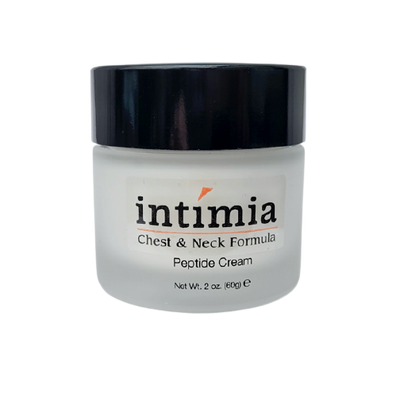
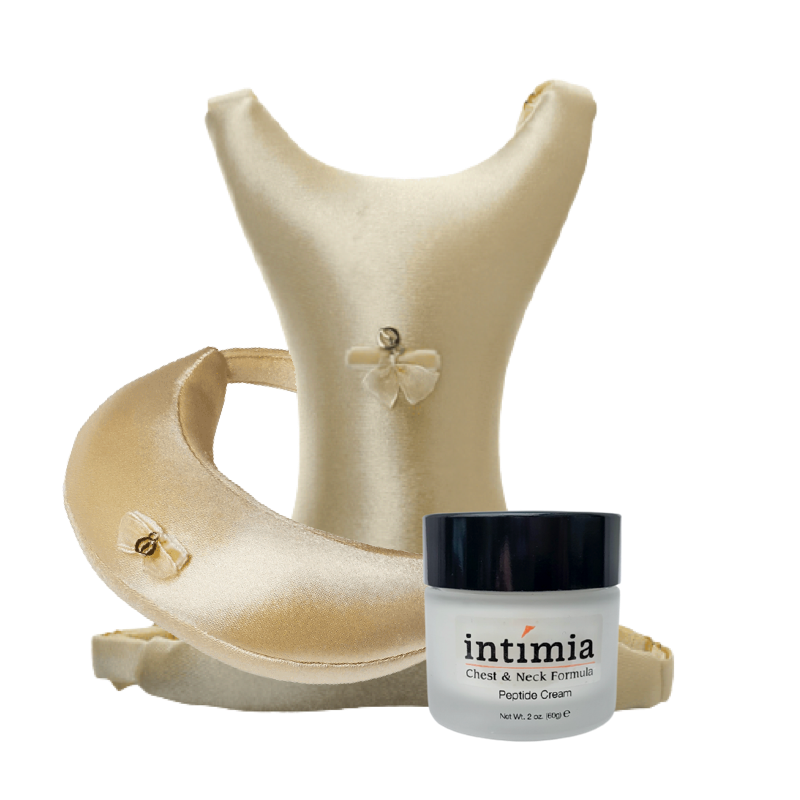
Want to discover flawless skin with Intimia? Shop now here: here