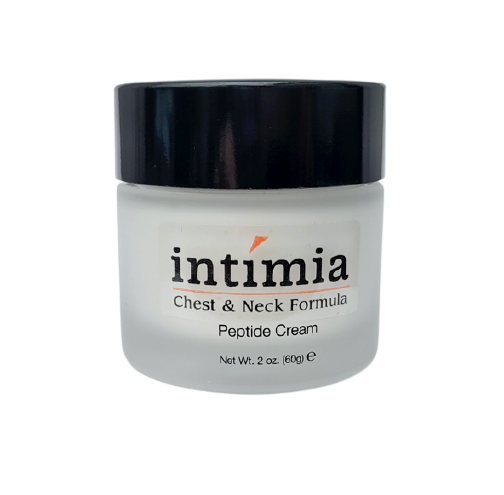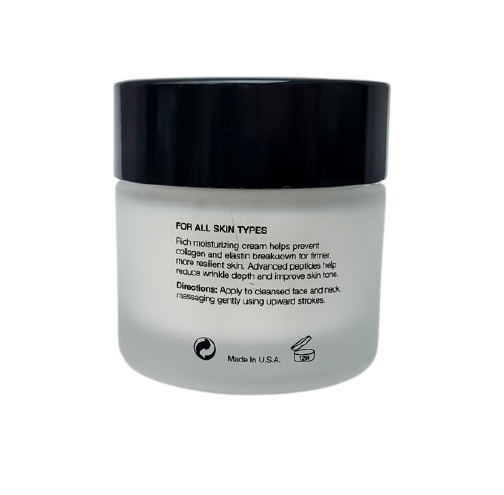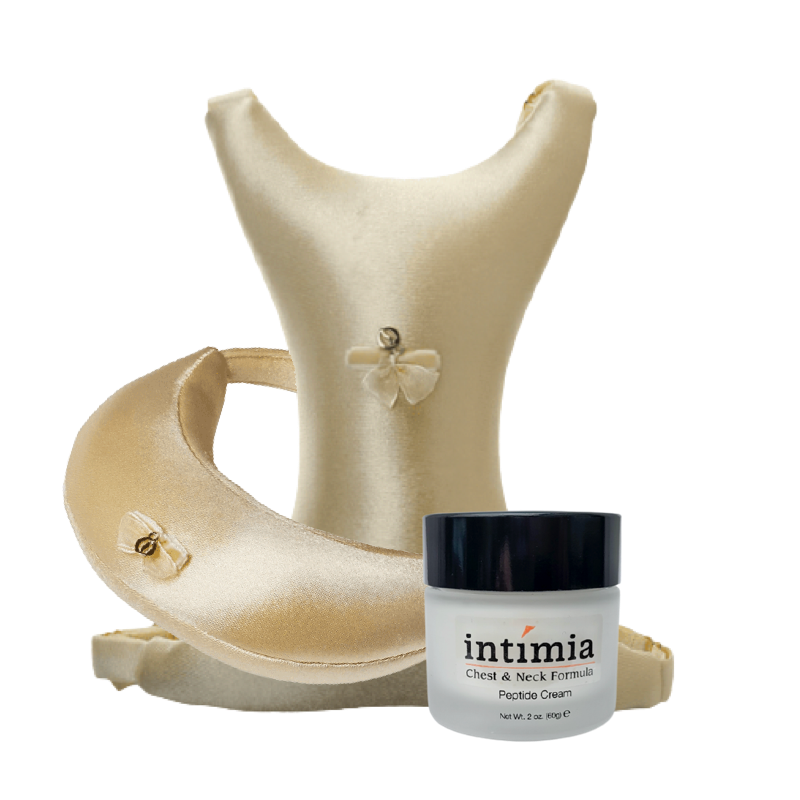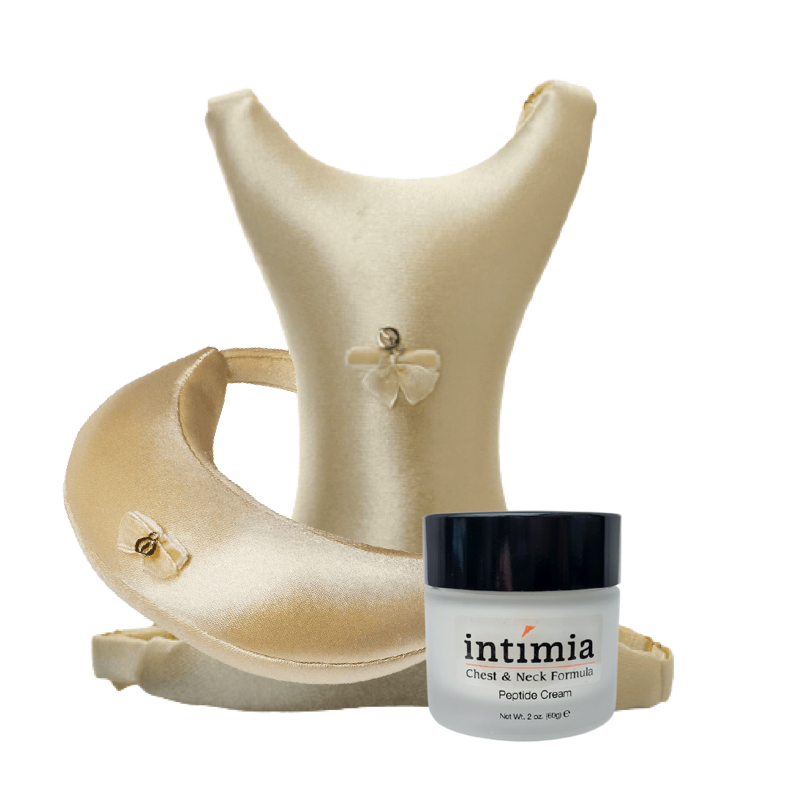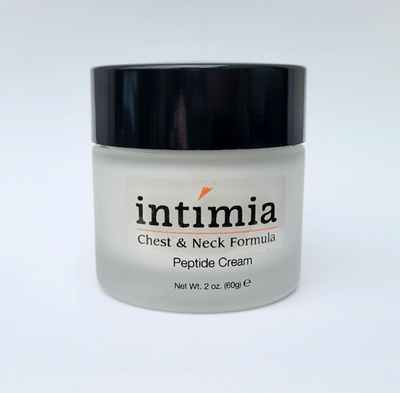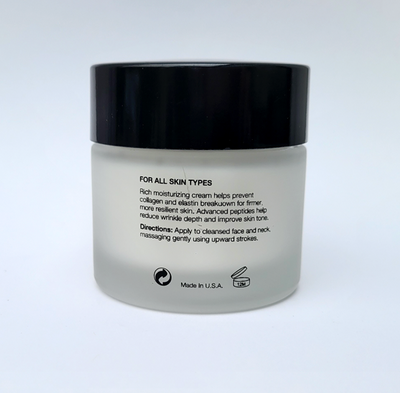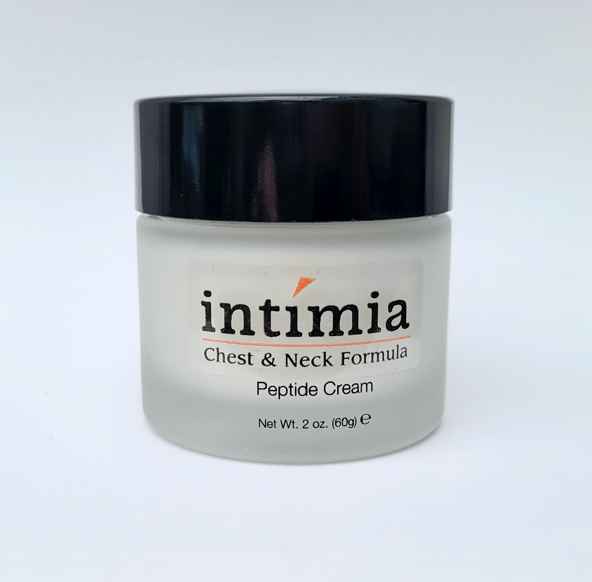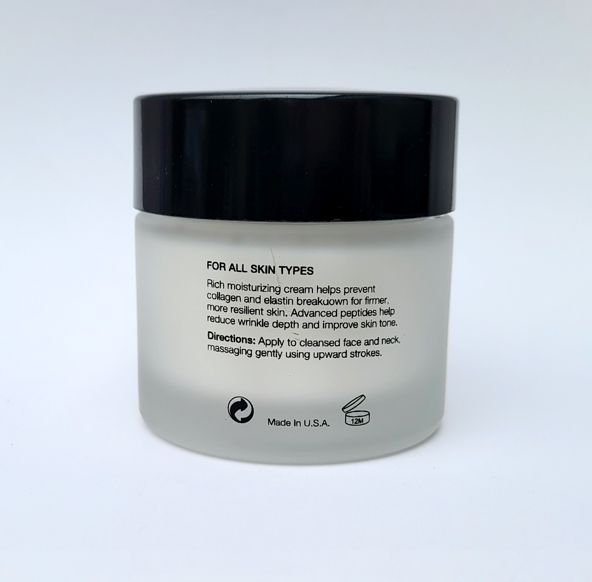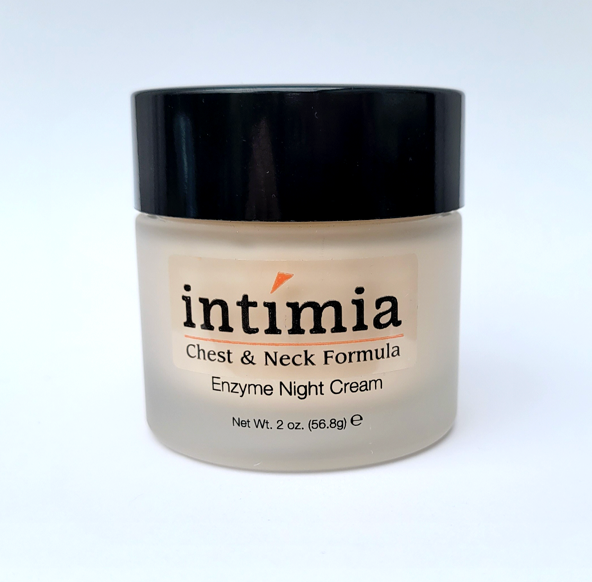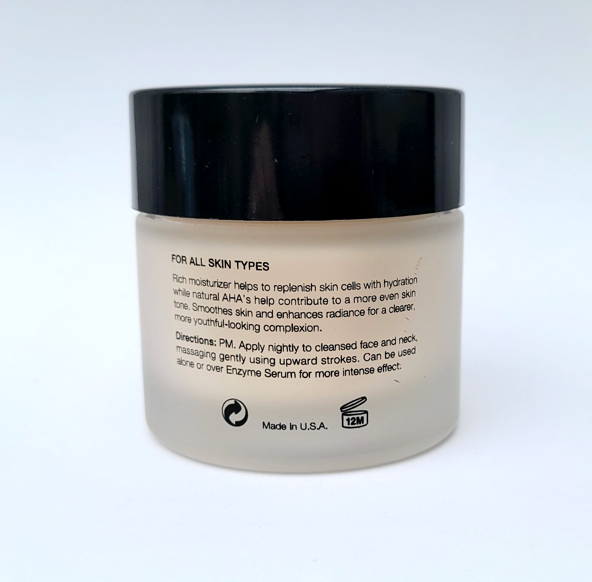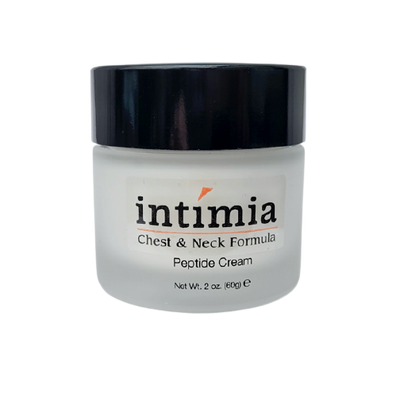
Peptide Cream Benefits Boost Chest Collagen
Peptide cream benefits: how collagen skin care and anti-aging peptide creams help prevent chest wrinkles
The delicate skin of your chest tells your story—and for women over 35, that story often includes fine lines, crepey texture, and loss of firmness that seems to appear overnight. Peptide cream benefits offer a science-backed, gentle solution that doesn't require needles, downtime, or harsh chemicals. Peptides are short chains of amino acids that act as messengers in your skin, signaling cells to produce more collagen and elastin—the very proteins responsible for that youthful bounce and smoothness you're seeking.[4][0] This comprehensive guide explores how collagen skin care with peptides works, why the chest deserves dedicated attention, and how to select and use the best cream for aging chest to restore radiance and firmness to this often-neglected area.
Section 1: What are peptides and why they matter in collagen skin care
1.1 Definition of peptides vs. proteins like collagen
Peptides are short chains of amino acids—think of them as bite-sized fragments of larger proteins.[4][6] Collagen and elastin, the structural proteins that keep skin firm and supple, are long chains containing hundreds of amino acids. Peptides, by contrast, are smaller versions with just two to fifty amino acids, making them far easier for your skin to absorb and utilize.[4]
In skincare, peptides don't simply sit on your skin's surface; they penetrate deeper and trigger specific cellular responses. The anti aging peptide cream formulations you'll find today use synthetic versions of naturally occurring peptides, engineered to target precise skin processes like collagen production, moisture retention, and barrier repair.[4][2]
1.2 How peptides work in the skin
When you apply a collagen skin care product containing peptides, something fascinating happens beneath the surface. Your skin interprets these peptides as signals that collagen has been broken down. In response, fibroblasts—the cells responsible for producing collagen and elastin—kick into high gear and begin manufacturing new structural proteins.[1][4]
Peptides also support your skin's barrier function and enhance hydration by influencing the production of key skin lipids and moisture-enhancing proteins like glycosaminoglycans.[2] This dual action means you're not just getting surface-level smoothing; you're rebuilding the foundation of healthy, youthful skin.
1.3 Why peptides are central to modern collagen skin care
Your skin's collagen production naturally declines starting in your twenties, accelerating after 35. UV exposure from years of sun exposure compounds this loss by breaking down existing collagen and slowing new collagen synthesis.[2] This is where peptides become invaluable in collagen skin care routines.
Peptides essentially "remind" your skin that it needs to rebuild these critical structures. For the face, neck, and especially the delicate anti wrinkle chest cream area—where skin is thinner and often neglected—peptides help counteract the visible signs of photoaging: thinning, wrinkling, crepey texture, and loss of elasticity.[7][1]
1.4 Types of peptides commonly used in skin care
Not all peptides work the same way. Understanding the main categories helps you choose the most effective best cream for aging chest:
Signal peptides (such as palmitoyl pentapeptide-4 and palmitoyl tripeptides) directly stimulate fibroblasts to produce more collagen and elastin.[4][0] These are your primary workhorses for rebuilding firmness and smoothing wrinkles.
Carrier peptides like copper peptides (GHK-Cu) deliver trace elements—copper, manganese, and others—that boost collagen and elastin production and improve skin repair. Studies show GHK-Cu reduces wrinkle depth significantly and enhances the skin's ability to heal itself.[1][4][2]
Neurotransmitter-inhibiting peptides (Argireline or acetyl hexapeptide-8) work differently by relaxing the facial muscles responsible for expression lines. Think of them as a gentler alternative to muscle-relaxing injectables—they help smooth wrinkles caused by repeated facial movements and sleep positions, particularly valuable for preventing the vertical lines between your breasts.[5]
Section 2: Key peptide cream benefits for mature skin (face, neck, and chest)
2.1 Core peptide cream benefits backed by research
The peptide cream benefits women experience extend far beyond marketing promises. Clinical studies consistently demonstrate measurable improvements in skin quality:[0][3]
Improved firmness and elasticity develop through increased collagen and elastin production. Your skin becomes more resilient, less prone to sagging, and better able to bounce back from facial expressions and sleep creases.[2][4]
Smoother texture and reduced fine lines appear after consistent use, particularly in photoaged skin. Women report that the rough, sandpaper-like quality of sun-damaged skin softens noticeably.[3] In clinical trials, wrinkle volume decreased by up to 55.8% in just 8 weeks.[1]
Enhanced hydration and barrier function come from peptides that support natural moisturizing factors and lipid synthesis. Your skin holds onto water better, appearing plumper and more radiant while becoming more resistant to irritation and environmental stressors.[2]
2.2 Short-term vs. long-term results
Understanding the timeline for peptide cream benefits helps set realistic expectations and maintain motivation:
Short-term benefits (within days to two weeks):
- Immediate plumping from hydrating ingredients like hyaluronic acid often paired with peptides
- Softening of fine, superficial lines due to improved skin hydration and surface smoothness
- A more dewy, luminous appearance as your barrier strengthens
Long-term benefits (8–12+ weeks):
- Structural changes as new collagen and elastin are synthesized and incorporated into your skin
- Visible reduction in wrinkle depth—research shows approximately 30–32% decreases in wrinkle measurements[4][3]
- Progressive improvement in skin texture and firmness that compounds with continued use
- A more lifted, youthful appearance that reflects genuine structural improvements, not just surface plumping[2][3]
2.3 Why peptide creams are especially helpful for women 35+
Your thirties and beyond mark a turning point in skin aging. Natural collagen production begins declining measurably in your early 30s, with visible changes becoming apparent around your eyes, mouth, neck, and chest by 35.[2] The chest, in particular, shows aging early because its skin is thinner and often receives less sun protection than the face.
Peptide cream benefits shine brightest during this stage of life. Peptides can reverse early signs of sun damage and crepey skin—that thin, crepe-paper texture that makes you feel old before your time.[1][5] They work synergistically with your body's natural healing processes rather than forcing dramatic changes, making them ideal for women seeking gradual, sustainable improvements.
Section 3: Anti aging peptide creams vs. traditional anti-aging products
3.1 Comparing mechanisms: peptides vs. retinol vs. vitamin C
Each anti-aging ingredient works through a different mechanism. Choosing between them—or using them together—depends on your skin type, sensitivity, and specific concerns.
Retinol accelerates cell turnover and boosts collagen production, making it highly effective for fine lines and texture. However, retinol can cause redness, dryness, peeling, and irritation—especially problematic on the thin, delicate chest skin. Many women find they must skip retinol on this area or use it sparingly.[4][2]
Vitamin C is a powerful antioxidant that brightens skin and supports collagen production. It excels at addressing pigmentation and protecting against free radical damage. At higher concentrations, though, vitamin C can irritate sensitive skin and may be less effective at directly stimulating collagen production compared to peptides.[2]
Anti aging peptide cream works primarily as a signaling tool, instructing your skin cells to produce more collagen and elastin. Peptides generally come with fewer side effects and better tolerability in sensitive or mature skin, making them a gentler entry point into active anti-aging skincare.[5][6] They're especially valuable for the chest, where irritation from stronger actives can be problematic.
3.2 Peptides vs. basic moisturizers
A basic moisturizer hydrates and protects your skin's surface—essential steps, but not enough to address aging itself. Moisturizers lock in water, but they don't signal your skin cells to produce more collagen or elastin.
An anti aging peptide cream, by contrast, provides targeted, multi-dimensional anti-aging action. You get the hydration of a quality moisturizer plus the collagen-stimulating benefits of peptides. This makes anti wrinkle chest cream formulations superior to basic creams for addressing the structural decline that causes visible aging.[4]
3.3 When peptides are a gentler alternative or complement
For women who cannot tolerate strong retinoids or high-strength acids on the chest and décolletage due to irritation or redness, peptides are an excellent standalone option. They deliver visible anti-aging results without the compromise of reduced effectiveness on sensitive areas.
Peptides also layer beautifully with other actives. You can combine them with vitamin C for enhanced antioxidant protection and collagen support, or with low-strength retinol for more aggressive anti-aging—as long as your skin tolerates the combination.[3] The key is introducing actives slowly and monitoring your skin's response, particularly on delicate chest skin where reactions can be more pronounced.
Section 4: Peptide cream benefits for the aging chest and décolletage
4.1 Why the chest ages faster than you think
If you're noticing wrinkles on your chest before your face shows significant signs of aging, you're not alone. The chest ages rapidly for specific anatomical and environmental reasons.
Chest skin has a thinner dermis (the layer where collagen and elastin live) compared to facial skin.[2] It's often exposed to significant UV radiation year-round—think low necklines, sleepless nights when your chest moves against pillowcases, and the simple fact that many women neglect sunscreen on this area. Years of cumulative sun exposure trigger photoaging: wrinkles, sun spots, crepey texture, and loss of elasticity appear earlier on the chest than on protected areas.[2]
Beyond UV damage, mechanical factors play a surprisingly large role. If you're a side sleeper, your breasts fall forward during the night, compressing the skin between them and creating vertical folds. Night after night, these sleep creases become etched deeper into your skin.[5] Over time, these temporary wrinkles become permanent, structural changes. Even your bra can contribute—tight straps or excessive breast movement throughout the day stretches and stresses chest skin repetitively.
4.2 Targeted peptide cream benefits for the chest
Here's where peptide cream benefits make a dramatic difference for this challenging area. When you apply a targeted anti wrinkle chest cream consistently, peptides signal your fibroblasts to produce more collagen and elastin specifically in the chest region.[1][4]
This increased collagen and elastin directly improves your skin's resilience and elasticity. Your skin becomes more resistant to folding and creasing. Over weeks and months, you'll notice that vertical "sleep lines" between your breasts soften and become less pronounced. The overall crepey, paper-thin quality of aged chest skin improves as your skin thickens and gains structural support.[1]
Improved hydration and barrier strength reduce the rough, dry appearance that makes chest wrinkles look more pronounced. When skin is well-hydrated, wrinkles appear less dramatic because the skin is plumper and smoother at the surface.
4.3 Realistic timeline and expectations for chest results
Science gives us clear timelines for what to expect from the best cream for aging chest:
Weeks 1–3: You'll notice improved hydration, softer skin texture, and a more dewy appearance. Fine, superficial lines may appear slightly less visible thanks to better moisture retention.
Weeks 4–8: More visible changes in firmness become apparent. The skin feels tighter and more elastic. Fine lines continue to soften, and you may notice early improvement in crepey areas.
Weeks 8–12: This is when structural improvements become obvious. Wrinkle depth reduces measurably—research documents approximately 30–32% decreases in wrinkle measurements.[4][3] Skin texture improves noticeably, and the overall quality and appearance of your chest skin feels transformed.
Beyond 12 weeks: Continued improvement with long-term use. Deeper, long-standing sleep lines may soften considerably but might not completely disappear if they're very etched into your skin. Set realistic expectations: peptide cream benefits excel at preventing new wrinkles and softening early to moderate lines, but extremely deep wrinkles may require complementary professional treatments like laser or microneedling.[1][2]
Section 5: How to choose the best cream for aging chest
5.1 Essential active ingredients to look for
The best cream for aging chest contains a thoughtful combination of peptides and supporting ingredients. Here's what to prioritize:
Signal peptides like palmitoyl pentapeptide-4 and palmitoyl tripeptides directly trigger collagen synthesis. These should appear near the beginning of your ingredient list.[4]
Copper peptides (GHK-Cu) are particularly valuable for chest aging. They improve skin firmness, reduce fine lines, enhance wound healing, and stimulate collagen production. Studies show that after just 8 weeks of using a serum containing GHK-Cu, wrinkle depth becomes significantly smaller compared to products without it.[1][4][2]
Hydrating components like hyaluronic acid, glycerin, aloe vera, and other humectants provide immediate plumping and improve overall peptide cream benefits. Hydration amplifies the visible results of collagen stimulation.
Barrier-supporting lipids including ceramides, cholesterol, and fatty acids strengthen your chest skin's barrier. This is crucial for the thin, delicate décolletage area, which is prone to dryness and irritation when barrier function is compromised.
Antioxidants such as vitamins C and E, niacinamide, and green tea extract combat free radical damage and protect newly synthesized collagen from degradation. They support the work your peptides are doing by creating an environment where new skin structures can thrive.[2]
5.2 Label-reading tips for non-experts
You don't need a chemistry degree to evaluate a skincare product. When scanning an ingredient list, look for these peptide-related words: "peptide," "palmitoyl tripeptide," "pentapeptide," "copper tripeptide," "GHK-Cu," and "signal peptide." These indicate the product delivers real peptide cream benefits.[1][4]
Check the ingredient order—ingredients are listed by concentration. Peptides don't need to be the very first ingredient to be effective, but they should appear before colorants, fragrances, and preservatives. If peptides are listed after these filler ingredients, the formula likely contains insufficient peptide concentration to deliver meaningful results.
Avoid or minimize unnecessary fragrances and high alcohol content that may irritate thin chest skin, especially when you're combining this product with other actives.[8] Fragrance is particularly problematic for the décolletage area because the skin is sensitive and easily irritated.
Choose products in opaque, airless packaging when possible. Peptides and antioxidants are sensitive to light and air exposure. Opaque packaging protects these beneficial ingredients from degrading, ensuring you receive their full peptide cream benefits.[4]
5.3 Texture, absorption, and lifestyle considerations
The ideal best cream for aging chest has a lightweight, non-greasy texture that absorbs quickly. You'll be applying this product twice daily, likely under bras during the day and under sleepwear at night. A heavy, occlusive cream transfers to clothing, stains fabric, and becomes uncomfortable—eventually leading you to skip applications.
Look for gel-cream or serum-cream hybrids that deliver peptide and hydration benefits without the heaviness of traditional creams. These absorb within minutes, leaving skin feeling soft and supple without any sticky residue.
The best cream for aging chest should be comfortable for nighttime use. If you're a side sleeper, you want a formula that won't transfer to your pillowcase or feel sticky against your skin. This comfort factor directly impacts consistency—products you enjoy using become habitual, while uncomfortable formulations get abandoned.
Section 6: What to look for in an effective anti wrinkle chest cream
6.1 Ingredients that target both fine lines and deeper sleep wrinkles
Fine lines and deep sleep wrinkles require slightly different approaches. The most effective anti wrinkle chest cream addresses both simultaneously.
Neurotransmitter-inhibiting peptides like Argireline (acetyl hexapeptide-8) reduce wrinkle depth by relaxing the repetitive muscular contractions that create sleep lines and expression wrinkles. Studies document approximately 30% reduction in wrinkle depth within four weeks of use.[5][0] For the vertical lines between your breasts caused by side-sleeping compression, these peptides directly address the mechanical component of wrinkle formation.
Carrier peptides and signal peptides improve the underlying support structure by boosting collagen and elastin production. This approach addresses deeper wrinkles by literally rebuilding the skin's infrastructure. Where neurotransmitter inhibitors smooth surface wrinkles, these peptides create lasting structural improvement.[1][2]
6.2 Gentle exfoliation and soothing agents for the décolletage
A carefully formulated anti wrinkle chest cream can include mild exfoliants like low-percentage lactic acid or fruit enzymes to smooth rough texture and enhance penetration of active ingredients. However, use caution—the chest's thin skin is sensitive to over-exfoliation.[2]
Soothing, barrier-friendly ingredients are essential. Look for allantoin, panthenol, colloidal oatmeal, or centella asiatica (also called cica). These calm potential irritation from multiple actives and support your skin's recovery and renewal. When your chest skin is irritated, inflammation accelerates aging and damages new collagen you're trying to build.
6.3 Matching an anti wrinkle chest cream to skin type and damage level
For dry or mature chest skin: Choose richer creams with strong humectants (like hyaluronic acid and glycerin) and occlusives (like shea butter or plant oils) plus peptides to address both dryness and wrinkles simultaneously. Dryness makes wrinkles look worse, so hydration is non-negotiable.
For sensitive skin: Select fragrance-free, alcohol-free formulas with lower concentrations of actives and emphasis on soothing ingredients. Start with peptides alone before layering other actives, and patch test new products on a small area first.
For heavily sun-damaged or crepey skin: Use products combining peptides, antioxidants, and possibly very gentle exfoliants to gradually improve texture and tone. Your skin needs collagen stimulation, barrier support, and antioxidant protection—a multi-targeted approach delivers best results.[2][1]
Section 7: How to use anti aging peptide cream in a daily routine (face & chest)
7.1 Step-by-step nighttime routine for chest and décolletage
Step 1: Cleanse gently. Use a non-stripping cleanser (avoid harsh soaps or foaming formulas) on your chest and neck. Pat skin dry rather than rubbing—this delicate area deserves gentle handling.
Step 2: Apply peptide cream. Use an amount roughly the size of a pea for your entire chest and décolletage area. Less is more—peptides are potent, and you want even distribution. Apply with upward, sweeping motions across the chest and up the neck, moving away from your heart. This upward motion supports lymphatic drainage and feels more luxurious.
Step 3: Allow absorption. Wait 2–3 minutes before putting on sleepwear or bras. This ensures optimal contact time between the peptides and your skin. If you apply cream and immediately cover it with fabric, you reduce absorption.
Step 4: Optional layering. If your skin is very dry, you can layer a simple, fragrance-free moisturizer on top once the anti aging peptide cream has set. This locks in hydration without creating an occlusive barrier that prevents the peptides from working.
7.2 Daytime routine and sun protection
Apply your anti aging peptide cream in the morning after cleansing, using the same technique as your nighttime routine. Allow a few minutes for absorption before proceeding.
Follow immediately with a broad-spectrum SPF 30 or higher that specifically covers your chest and neck. This is non-negotiable. UV protection is critical to preserve the collagen you're building with peptide cream benefits.[2] Sunscreen prevents new sun damage that would quickly undo your progress.
Reapply sunscreen every two hours if you're spending time outdoors, especially during summer months or if you're near water (which reflects UV rays). Sun damage can quickly negate months of peptide cream use, so treat sunscreen as seriously as your peptide regimen.
7.3 Combining peptides with other actives safely
If you're using multiple actives, layering order matters:
Morning routine (thinnest to thickest):
- Serum (vitamin C or other antioxidant if using one)
- Anti aging peptide cream
- Lightweight moisturizer
- Broad-spectrum SPF 30+
Evening routine:
- Cleanser
- Serum (optional vitamin C or hydrating serum)
- Anti wrinkle chest cream (peptide-based)
- Optional: Lightweight moisturizer if skin is dry
If you're using a mild retinol on your face, consider using peptides alone on your chest initially to avoid over-irritation. The chest's thinner skin is more sensitive to irritation than facial skin. Once your skin acclimates over several weeks, you might introduce a gentle retinol to the chest area if desired—but start conservatively.
Consistency is key. Clinical studies showing visible improvement in wrinkle depth and skin firmness all involved twice-daily application for at least 8–12 weeks.[3] Missing applications or using products sporadically will slow your results significantly. Set phone reminders if needed; make peptide application as routine as brushing your teeth.
Section 8: Lifestyle & sleep habits that enhance peptide cream benefits for the chest
8.1 Sleep positions and mechanical stress on the chest
Your sleeping position shapes your chest wrinkles more than you might realize. When you sleep on your side, your breasts fall forward, compressing the skin between them and creating deep folds. Night after night, year after year, these temporary creases become permanent wrinkles—exactly the sleep lines that peptide creams work to soften.[1]
Back-sleeping is ideal for minimizing chest wrinkles. If you've always been a side sleeper, transitioning to back-sleeping takes time. Start by using pillows to prop yourself on your back, making the position comfortable and sustainable.
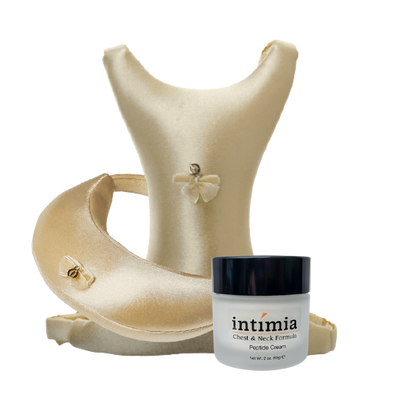
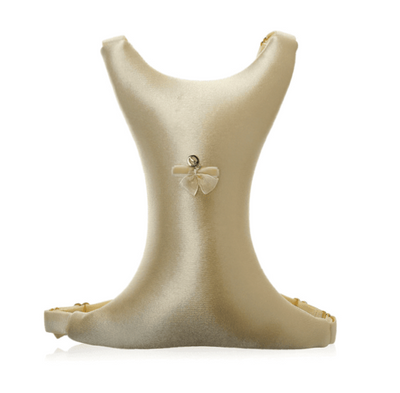
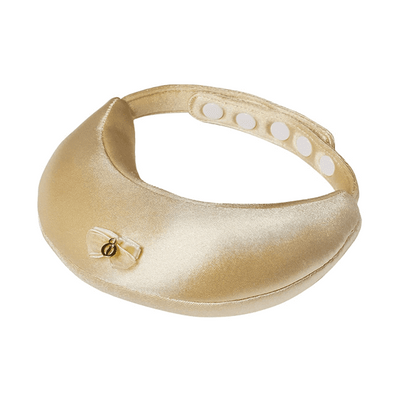
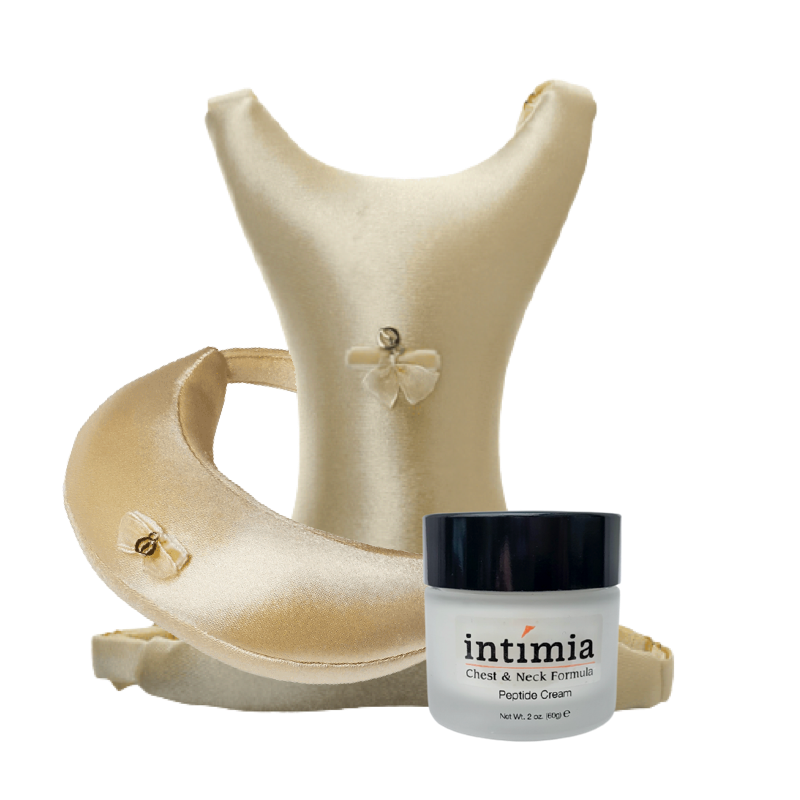
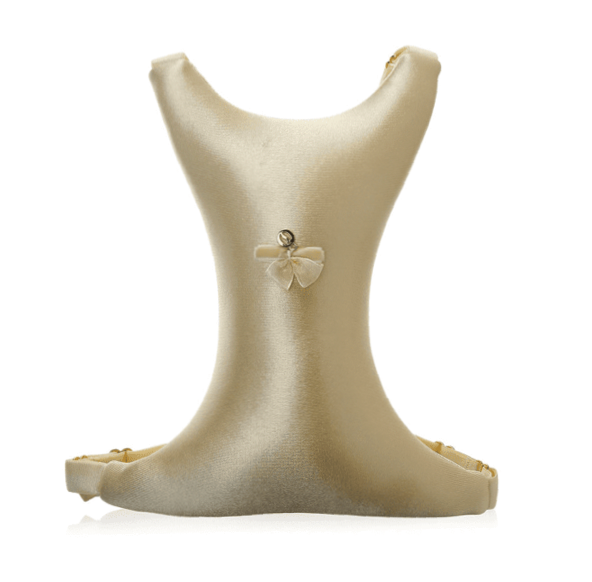
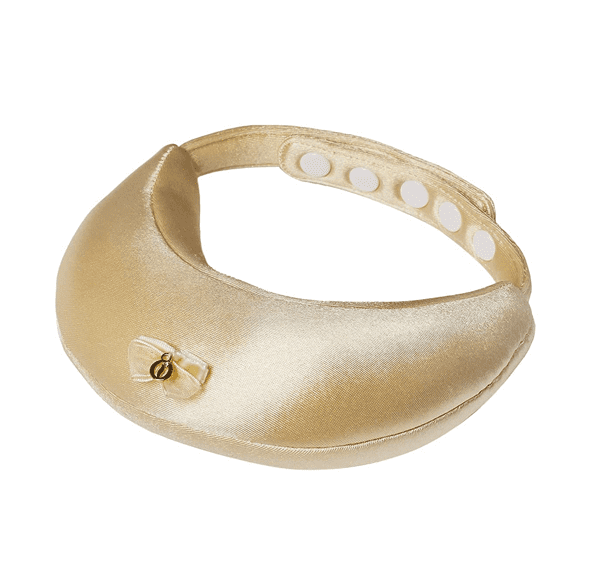
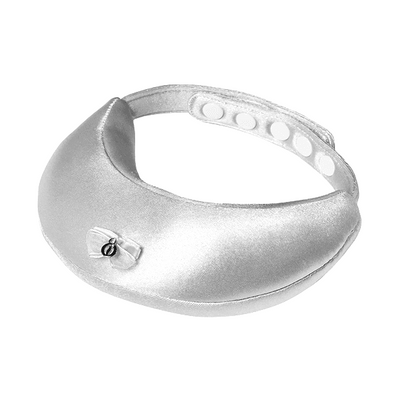
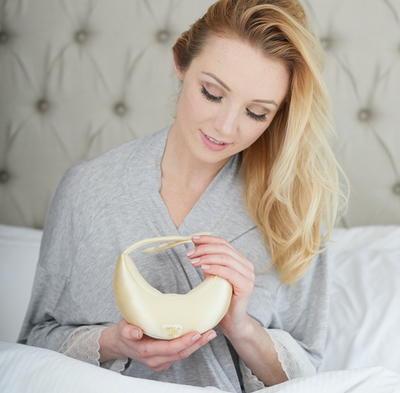
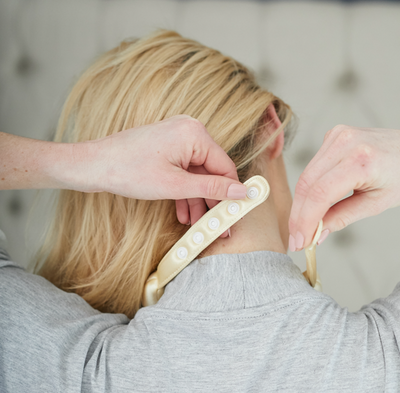
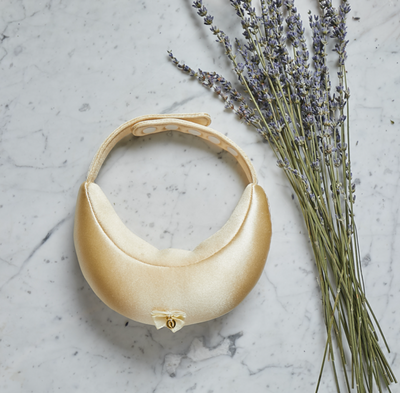
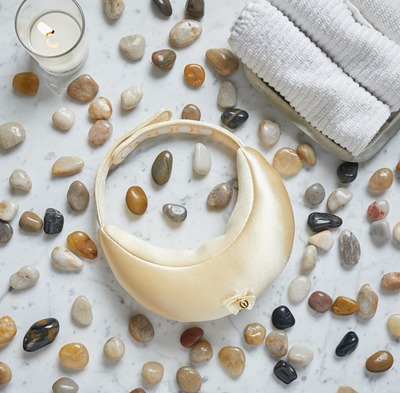
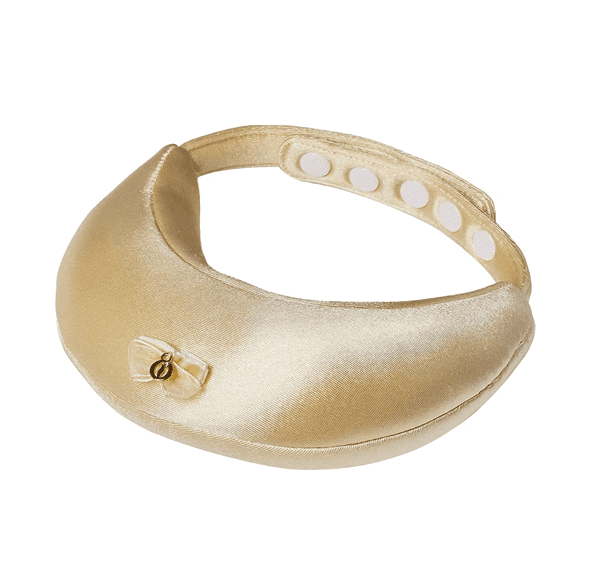
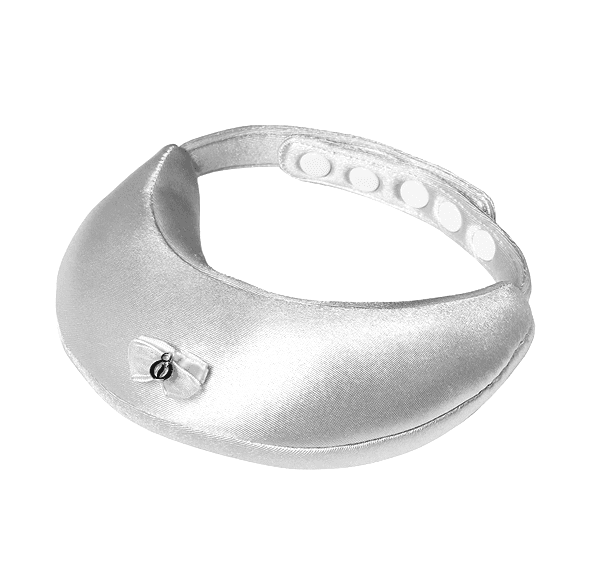
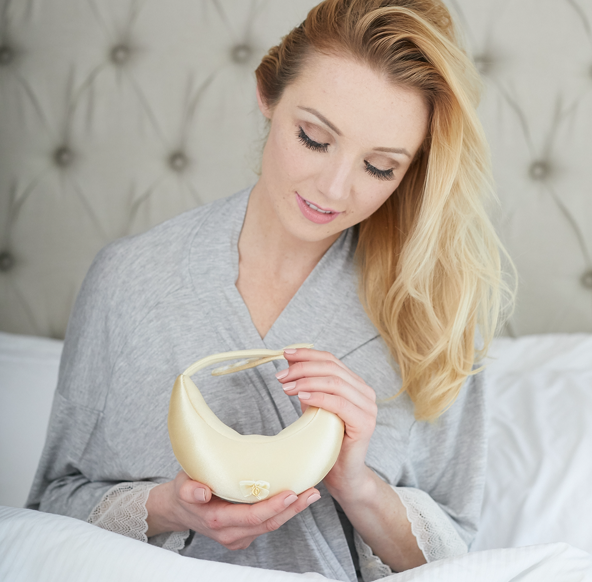
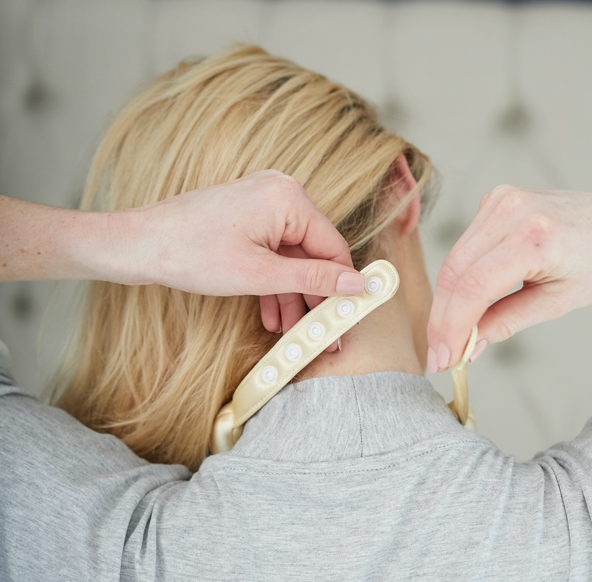
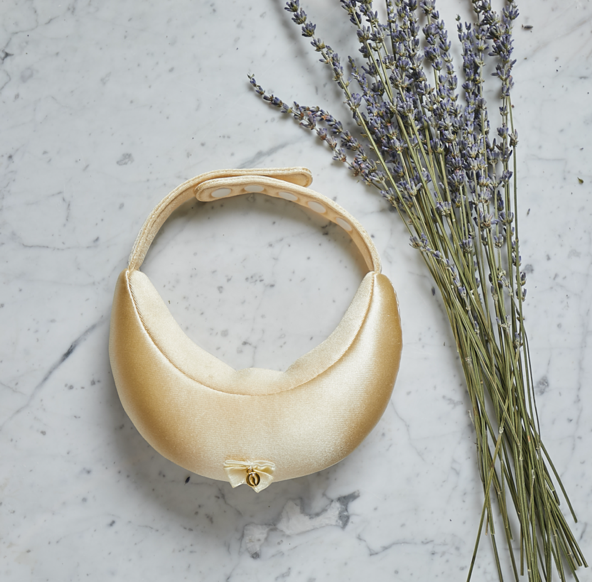
Specialized chest support options include silk or satin pillowcases (which create less friction and creasing than cotton) and dedicated chest-support pillows or sleep bras designed to minimize breast compression and skin folding. These tools complement your anti wrinkle chest cream by reducing the mechanical wrinkle-formation happening each night.[5]
By reducing mechanical stress on your chest skin, you allow the collagen and elastin built by your peptide cream to remain in place longer, maximizing structural improvements.
8.2 Clothing, bras, and daily habits
Well-fitted bras that provide proper support limit excessive bounce and stretching of breast and chest skin during daily activities. Movement creates repetitive stress that breaks down collagen and elastin—exactly what you're trying to rebuild with peptide cream benefits.
Avoid tight straps, restrictive clothing, or styles that create repeated creasing on the upper chest. That upper chest area where necklace lines form is particularly vulnerable to creasing from clothing. Pay attention to your wardrobe's impact on your chest skin.
The best support for your anti wrinkle chest cream results comes from reducing daily mechanical stress. Think of it as creating the optimal environment for your peptides to work effectively. Less stretching, pulling, and creasing means better results.
8.3 Sun protection, hydration, and overall collagen support
Daily SPF on chest and neck is foundational to any anti-aging regimen. UV radiation breaks down collagen, triggers pigmentation changes, and accelerates visible aging.[2] Without daily sunscreen, your peptide cream is fighting a losing battle against ongoing UV damage.
Adequate internal hydration supports skin health from within. Drink sufficient water daily—aim for half your body weight in ounces as a general guideline. Well-hydrated skin is more resilient and shows wrinkles less dramatically.
A diet rich in antioxidants provides internal support for skin health. Colorful fruits and vegetables, healthy fats from avocados and fish, and foods rich in vitamin C complement your topical collagen skin care routine. Your skin reflects your overall health, so nourish it from the inside and outside.
Oral collagen and peptide supplements are an emerging area of interest. While data is still developing, some studies suggest that oral collagen hydrolysate improves skin elasticity, hydration, and wrinkle depth.[0] Results vary between individuals, and these supplements work best alongside topical peptide creams and healthy lifestyle habits. Consult your doctor before starting supplements, particularly if you take medications or have dietary restrictions.
Section 9: Safety, side effects, and who should use anti aging peptide creams
9.1 General safety profile of peptides
Peptides have an excellent safety profile for topical skincare. They're generally well-tolerated with a significantly lower risk of irritation compared to retinoids and strong acids.[5][6] This makes peptide-based products ideal for sensitive and mature skin that might react poorly to stronger actives.
Peptides themselves don't typically cause adverse reactions. However, the overall formulation matters—the product might contain other actives, fragrances, or preservatives that trigger sensitivity. Always consider the complete ingredient list, not just the peptide content.
9.2 Possible mild side effects and how to avoid them
While serious adverse reactions are rare, some people experience mild side effects:
Mild redness or stinging may occur if formulas are too rich for your skin type or if you're sensitive to certain preservatives or fragrances.[8] This is usually temporary and resolves with continued use as your skin acclimates.
Breakouts or congestion can happen if the formula is overly occlusive for your skin type. If you have congestion-prone skin, choose lightweight peptide serums or gel-creams rather than heavy creams.
Patch test a new anti aging peptide cream or anti wrinkle chest cream on a small area of your chest or neck for several days before full application. This simple precaution catches potential sensitivities before they affect your entire décolletage area.
Introduce one new active at a time when building your routine. This allows you to identify which product, if any, causes a reaction. If you introduce peptides, vitamin C, and retinol simultaneously and your skin reacts, you won't know which ingredient caused the issue.
9.3 Who benefits most and when to see a dermatologist
Ideal candidates for peptide creams are women 35+ noticing early fine lines, crepey chest skin, and loss of firmness. They're also perfect for anyone with mild to moderate photoaging seeking non-invasive options before considering professional treatments.
Consult a dermatologist if you have:
- Very deep chest wrinkles or extensive sun damage that might benefit from professional treatments like laser resurfacing or microneedling alongside collagen skin care topicals
- Persistent irritation or allergic reactions despite careful product selection
- Uncertainty about interactions between peptide creams and prescription topicals you're using
- Severe sun damage or skin concerns requiring professional assessment
A dermatologist can recommend whether you need professional treatments in addition to anti aging peptide cream for optimal results.
Conclusion: Making the most of peptide cream benefits for youthful skin and chest
Peptide cream benefits represent a modern breakthrough in accessible, science-backed anti-aging. These small amino acid chains act as collagen-boosting messengers, making them a cornerstone of contemporary collagen skin care for the face, neck, and especially the vulnerable chest and décolletage area.[2][4][1]
The main advantages—improved firmness, smoother texture, reduced wrinkle appearance, better hydration, and stronger barrier function—are particularly valuable in thinning chest skin. Unlike invasive procedures or prescription-strength retinoids that can irritate sensitive areas, peptides deliver visible anti-aging results with minimal side effects.[5][6]
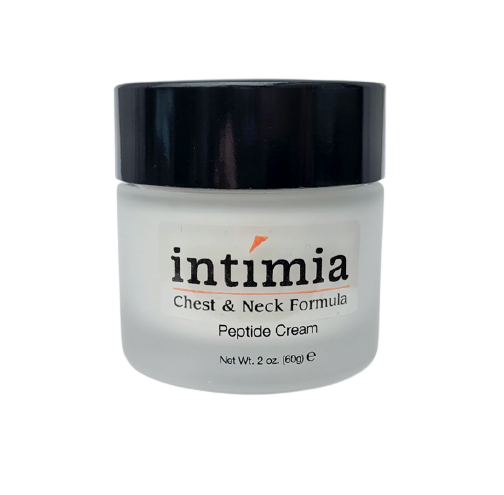
To maximize results, select a best cream for aging chest featuring proven peptides like signal peptides, copper peptides, or neurotransmitter inhibitors, combined with hydrators and soothing ingredients. Apply consistently twice daily, pair with daily broad-spectrum sunscreen, and support your regimen with smart sleep habits (back-sleeping when possible), proper bra fit, and internal hydration.
The most effective anti wrinkle chest cream is the one you'll actually use consistently. Choose a texture you love, a formula your skin tolerates beautifully, and a routine that fits seamlessly into your life. Consistent, non-invasive care using anti aging peptide cream plus supportive lifestyle changes can noticeably soften chest wrinkles and maintain a more youthful-looking décolletage over time. Your chest—that area you've perhaps neglected in favor of your face—deserves the same thoughtful anti-aging attention. With peptides, you finally have a gentle, effective solution designed specifically for this delicate zone.
Related Articles
- Peptide cream décolleté for radiant chest — Discover the best peptide cream décolleté for youthful skin! Combat crepey texture with our anti-aging neck cream.
- Get rid of chest wrinkles: how-to — Discover how to get rid of chest wrinkles with our comprehensive guide on effective treatments and the best ways to remove chest wrinkles today!
- Chest wrinkle cream best options ranked — Discover the best chest wrinkle cream to rejuvenate your skin. Explore top anti-wrinkle options for the chest area and achieve a youthful glow!
- Decollete wrinkle treatment: creams vs lasers — Discover the best decollete wrinkle treatment options for effective décolletage wrinkle prevention.
- Best cream for crepey neck and chest — Discover the best cream for crepey neck and chest to combat aging. Rejuvenate with our top anti-wrinkle solutions!
Want to discover flawless skin with Intimia? Shop now here: here