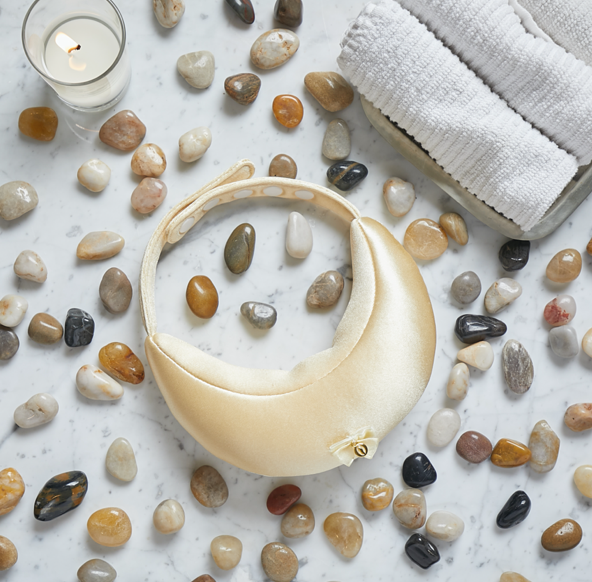
Breast pillow nursing: Relieve tender breasts
Breast pillow nursing: how to improve breastfeeding comfort, support, and sleep for nursing moms
Discover how a breast pillow nursing can enhance breastfeeding comfort, relieve sore breasts, and support nursing moms for better sleep and relief.
Introduction
When I had my first baby, I thought the only “nursing pillow” I needed was the one that held the baby. Classic rookie move.
A breast pillow nursing solution is a specialized support tool designed to provide targeted comfort to the breast area during and between nursing sessions, complementing traditional nursing pillows that primarily support the baby's position. While standard breastfeeding pillow support elevates and positions your baby for feeding, breast-specific pillows focus on reducing discomfort in the breast tissue itself. Nursing mothers commonly face challenges including breastfeeding breast comfort issues from engorgement, tender breasts nursing relief needs, sore breasts nursing from prolonged positioning, and nursing fatigue relief demands.
I’ve watched so many women—friends, clients, strangers in lactation waiting rooms—try to “push through” this pain as if it’s some kind of tax on motherhood. It isn’t. And it shouldn’t be.
This guide explores how targeted pillow support can improve breast support breastfeeding, reduce physical discomfort, and help with nursing mom sleep quality during this demanding postpartum period. I’ll weave in what research says, what real bodies actually feel like, and the tiny adjustments that make a long night with a newborn just a little softer.
1. Understanding breast discomfort during nursing
Breastfeeding breast comfort challenges arise from multiple sources during the postpartum period. Poor positioning during feeds can create uneven pressure on breast tissue, while engorgement and clogged ducts contribute to tenderness and pain. An improper latch and inappropriate infant positioning can cause nipple pain and trauma, compounding discomfort during feeding sessions. Many women need tender breasts nursing relief in the first weeks postpartum when tissue sensitivity peaks and milk supply is establishing.
One mom told me, “Nobody warned me that my breasts would feel like overinflated water balloons with opinions.” She was half joking—half exhausted.
This physical discomfort directly impacts overall well-being. Mothers experiencing sore breasts nursing sensations often struggle with sleep quality, as nighttime positioning becomes painful. The combination of feeding-related pain, interrupted sleep, and constant physical demands creates the nursing fatigue relief challenge that many postpartum mothers face. When breasts remain unsupported during rest periods, gravity and pressure aggravate soreness, making recovery between feeds more difficult.
Research on breastfeeding shows how complex the early weeks are—milk supply, latch, positioning, infant behavior, and maternal pain all interact like a messy web, not a straight line. Studies on breastfeeding technique and outcomes, such as those published in the National Library of Medicine, underline how discomfort can quickly sabotage even the best intentions.
2. What is a breast pillow for nursing?
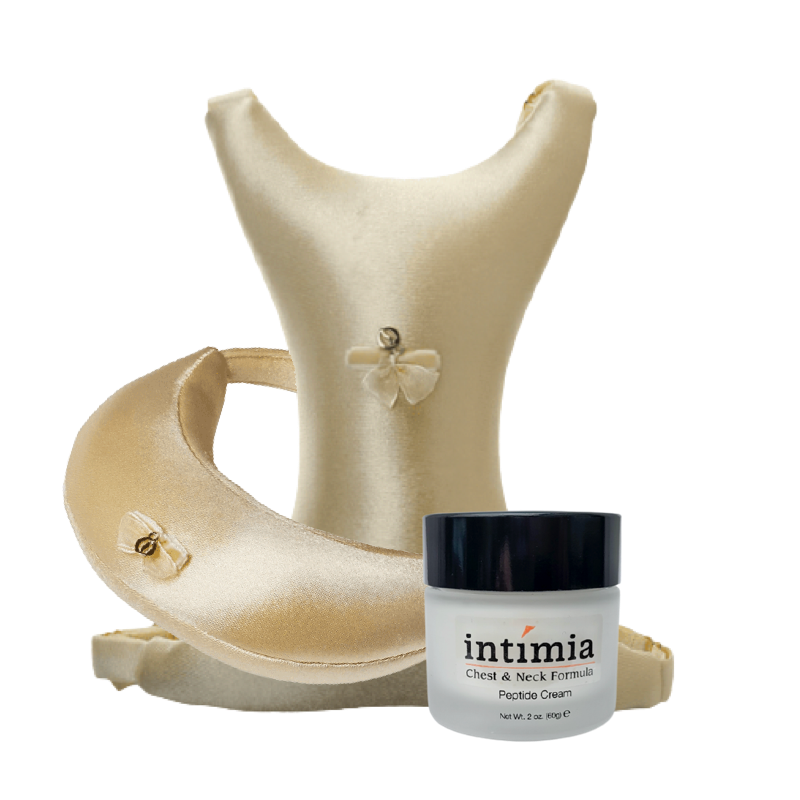
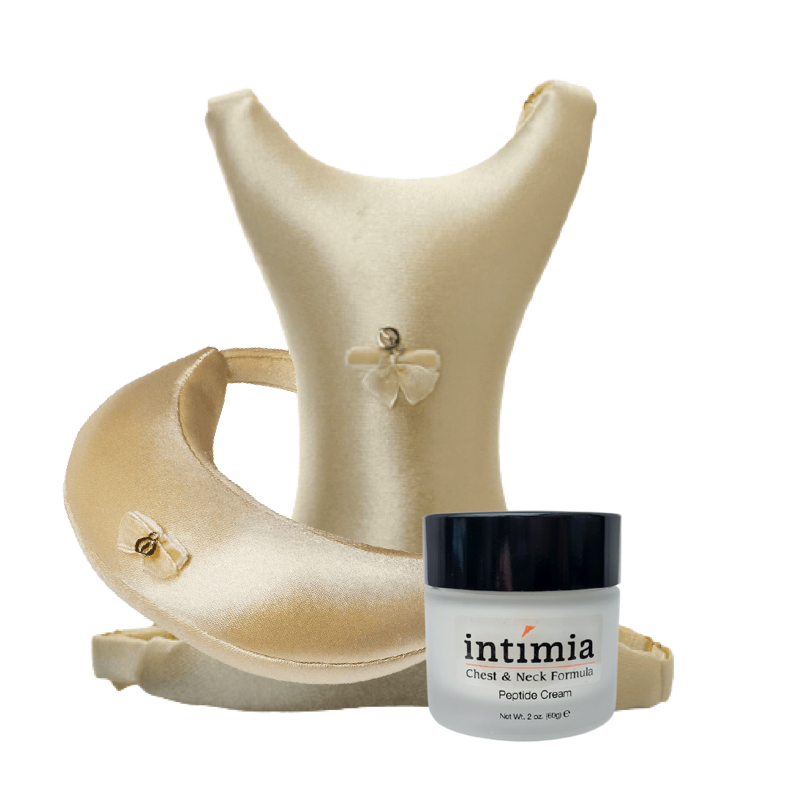
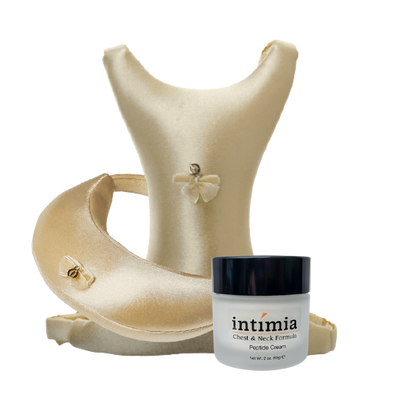
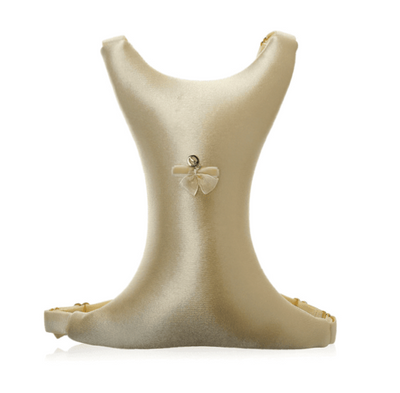
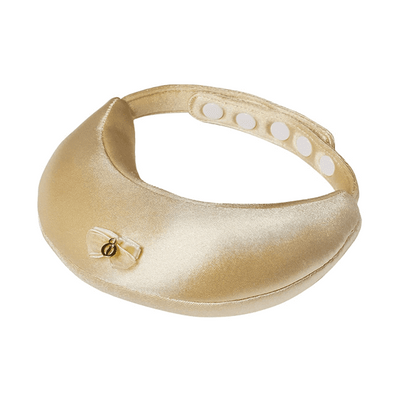
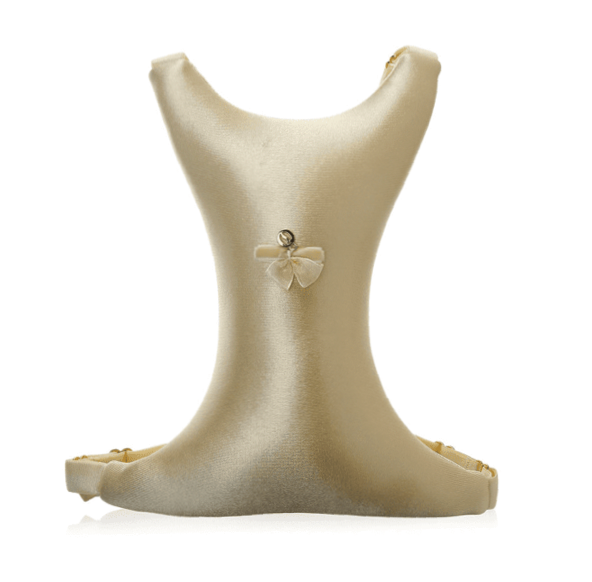
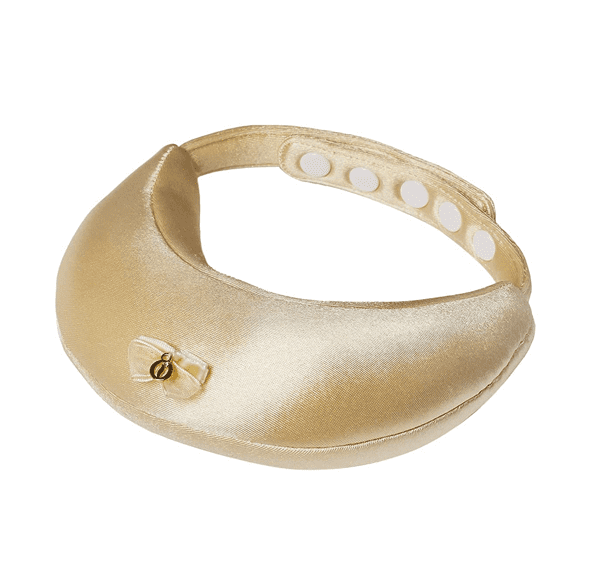
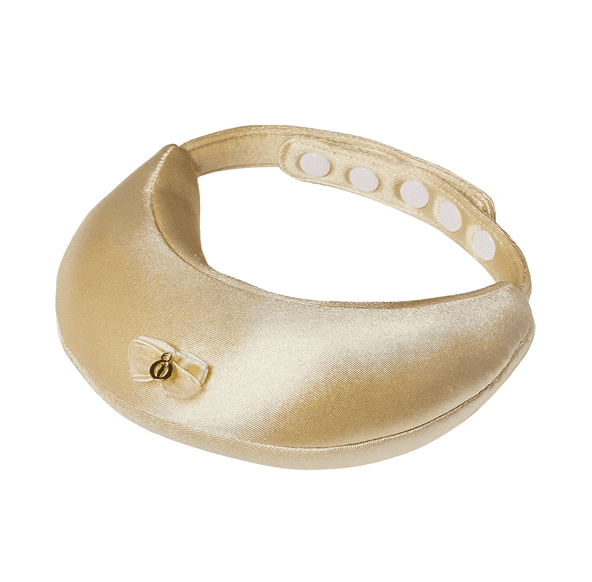
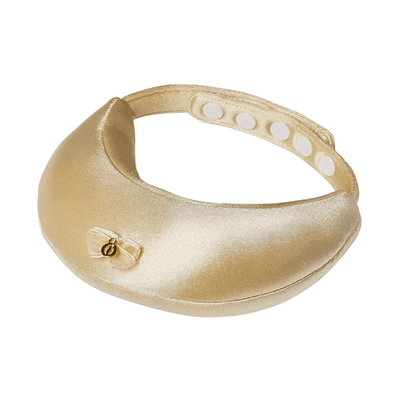
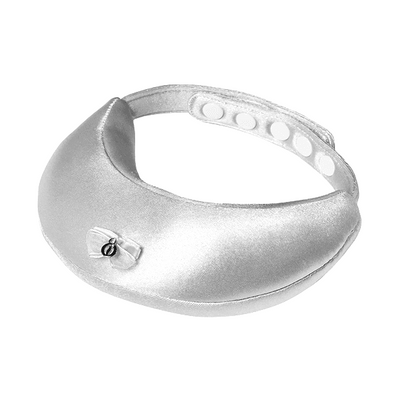
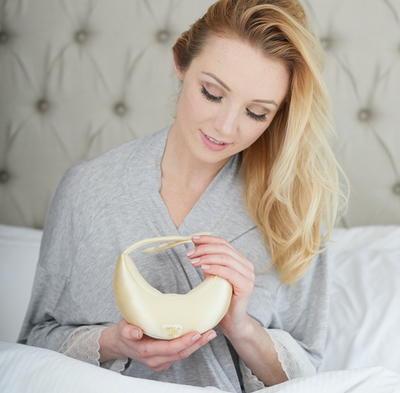
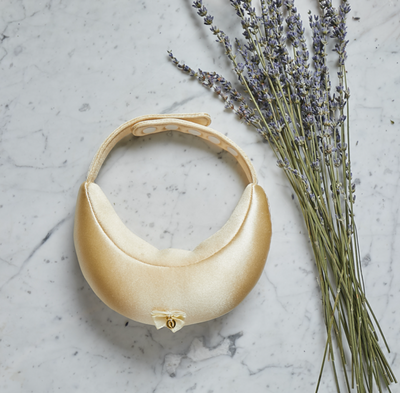
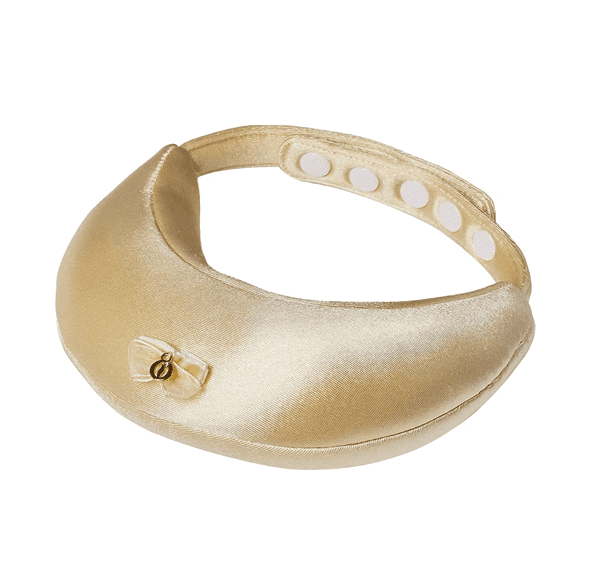
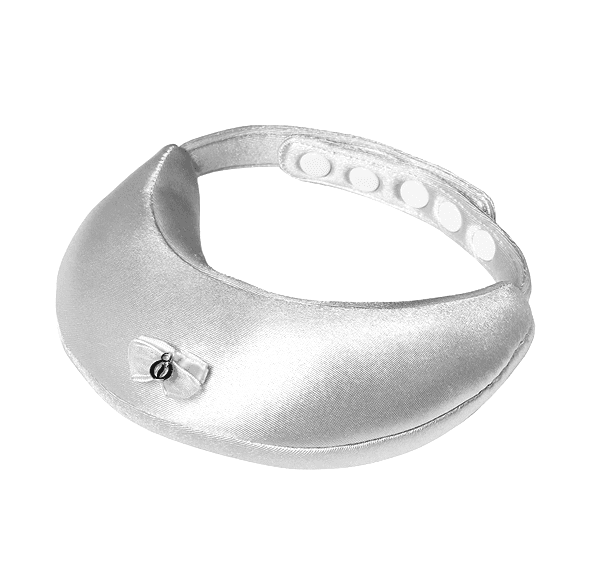
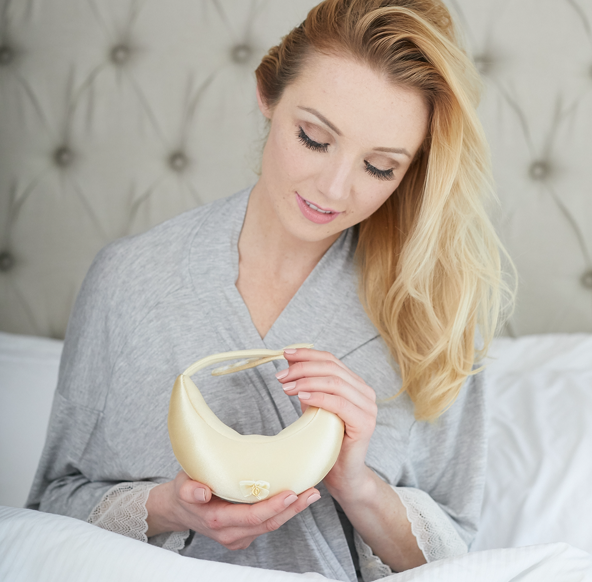
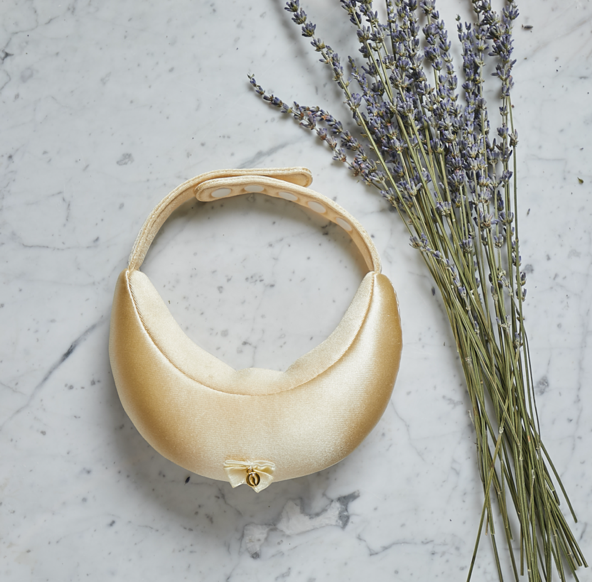
A breast pillow nursing product is a small, contoured pillow specifically designed to support the breast area itself, distinct from full-body nursing pillows used to position your baby. While traditional breastfeeding pillow support helps you raise your newborn to your breast while supporting your back, shoulders, and arms (as outlined in this overview of nursing pillows), breast-specific pillows provide direct support to breast tissue.
Think of it this way: a typical nursing pillow takes care of the baby–you, meanwhile, are supposed to “figure it out.” A breast pillow finally remembers that your body is also in the room.
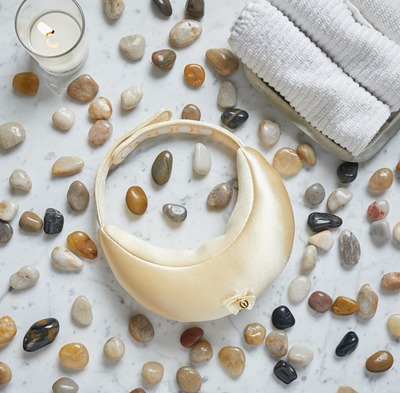
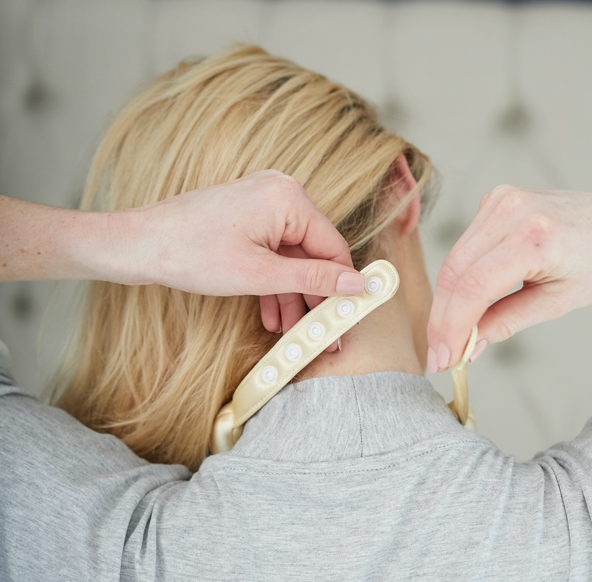
Breast pillows complement rather than replace standard nursing pillows. They serve specialized functions including between-the-breasts pillows for side sleeping, breast elevation pillows that gently lift tissue to reduce downward pressure, and contour pillows shaped to match natural breast anatomy for breast support breastfeeding. These specialized products address concerns that traditional pillows cannot fully resolve, offering targeted breastfeeding breast comfort during vulnerable postpartum weeks.
Clinical research on postpartum breast care—like data from studies of lactation comfort and support pillows in post-breast surgery and breastfeeding settings—supports the idea that well-designed support around the breast can reduce pressure, swelling, and pain. Different context, same tissue, same need for gentle support.
3. How breast pillows improve breastfeeding breast comfort
Gentle elevation and separation through breast pillow use reduces friction, pressure, and the strain that prolonged feeding positions create. By supporting the natural breast position with contouring shapes, these pillows ease sore breasts nursing by minimizing the lateral drag and downward pull that aggravate tender tissue. The key to improving breastfeeding breast comfort is maintaining optimal positioning that neither compresses the breast nor allows unsupported sagging.
I remember one woman in her forties, second baby, who looked at me over her coffee and said, “I’m not twenty-five anymore. Gravity is louder now.” For her, just adding a soft, shaped pillow between her breasts at night transformed that constant pulling ache into something much more manageable.
Breathable, soft fabrics used in quality breast pillows reduce irritation against sensitive skin, directly contributing to tender breasts nursing relief. Unlike firm support that may create pressure points, properly designed breast pillows distribute weight evenly across the tissue surface. This gentle support approach acknowledges that comfort during early postpartum weeks requires both protection from external pressure and stabilization to prevent movement that causes pain.
Research on breastfeeding problems and maternal discomfort, such as large cohort studies summarized in the medical literature on breastfeeding challenges, shows that pain and breast issues are major reasons women shorten or stop breastfeeding. Anything that reduces that daily “ouch” can quietly extend your breastfeeding journey—without you having to be a superhero.
4. Breast pillow nursing and sleep: support for the nursing mom
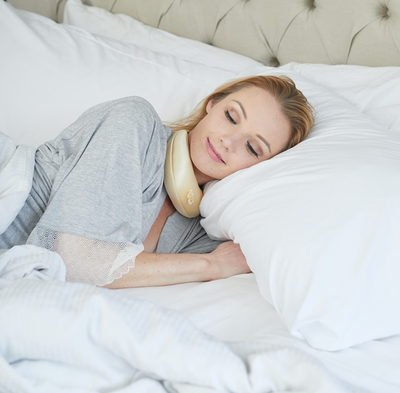
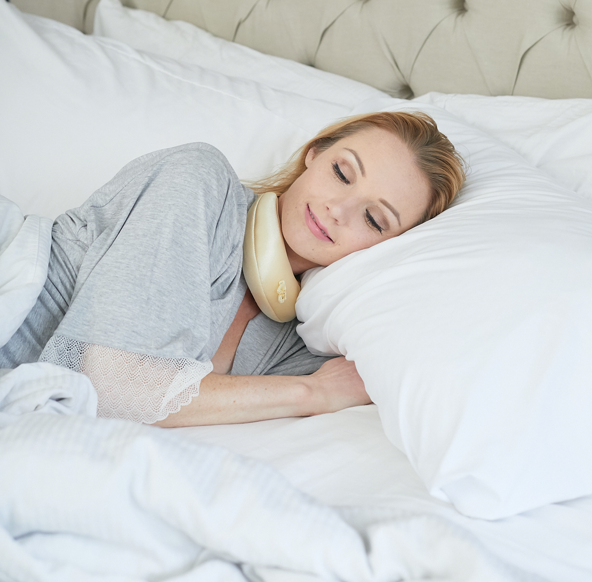
The connection between breast pillow nursing products and nursing mom sleep quality is significant, particularly for side sleepers. During sleep, unsupported breasts experience gravitational pull and can roll into uncomfortable positions, causing night-time aches that fragment sleep. A stabilizing breast pillow maintains optimal positioning throughout the night, reducing discomfort-related awakenings.
If your décolletage looks flawless by morning—check if you actually slept on your side.
For nursing mothers, consistent nighttime breast support breastfeeding minimizes morning sore breasts nursing sensations that can persist into the next day's feeding sessions. When breasts remain properly positioned and supported during 6–8 hour sleep periods (or, let’s be honest, 2–3 hour chunks), tissue inflammation decreases and recovery accelerates. This improved nursing mom sleep directly supports daytime functioning and emotional resilience during the demanding postpartum period.
We know from broader sleep and maternal health research—like findings shared by the Mayo Clinic’s breastfeeding guidance—that sleep deprivation worsens pain perception, anxiety, and the risk of postpartum mood issues. Better breast support at night doesn’t fix everything, but it removes one more reason you wake up at 3:17 a.m. thinking, “Why do my breasts hate me?”
5. Targeted relief for tender and sore breasts
Strategic breast pillow positioning maximizes tender breasts nursing relief. Placing a pillow between the breasts while side sleeping reduces lateral compression, while gently lifting pillows beneath the breasts minimize downward pull. The positioning that works best depends on individual anatomy and the specific source of discomfort—whether engorgement, clogged ducts, or general tissue sensitivity.
One practical trick I love: when engorgement hits hard, use a cool compress first, then lie on your side with a soft, contoured pillow between your breasts so they rest against support instead of one another. It’s a small adjustment, but your nervous system notices.
Reducing downward pull and lateral drag through proper breast pillow nursing placement directly alleviates sore breasts nursing after long feeds or pumping sessions. While breast pillows support comfort during engorgement or post-mastitis recovery, they complement rather than replace medical care. Studies on mastitis and breast inflammation in the clinical breastfeeding literature emphasize timely treatment, correct milk removal, and supportive care—breast pillows live in that “supportive care” space.
Mothers should view these tools as comfort supports within a broader care plan that includes proper latch techniques, lactation support, and professional guidance when needed. For some women, a lactation massager plus a breast pillow between sessions becomes a powerful duo: one helps move milk, the other helps the tissue rest.
6. Reducing nursing fatigue with better support
Physical comfort directly influences emotional and physical nursing fatigue relief. When breast tissue remains tender and uncomfortable, mothers experience compounded fatigue from pain, disrupted sleep, and the emotional toll of persistent discomfort. Using breast pillow nursing products reduces muscle strain in shoulders, neck, and chest that develops from prolonged feeding positions and protective posturing around sore breasts.
I often see women over 35—already carrying the weight of careers, households, and sometimes aging parents—curl forward protectively around their baby and their breasts. That posture reads like a love letter and a cry for help at the same time. A simple, thoughtfully placed pillow lets your body open up again, just a little.
Improved nursing mom sleep through better nighttime breast support significantly contributes to overall nursing fatigue relief and daytime energy levels. When mothers experience less nighttime discomfort and achieve more consolidated sleep, they approach daytime feeding sessions with greater physical and emotional reserves. This cascading benefit—better sleep leading to reduced daytime fatigue and improved mood—makes targeted breast support breastfeeding an important component of postpartum wellness.
Emerging research on maternal sleep and recovery, such as large observational studies accessible through the National Library of Medicine, consistently connects sleep fragmentation with worse mental health and physical symptoms. Again, we can’t control how often the baby wakes up—but we can control what happens to your body in the minutes you actually get to lie down.
7. Choosing the right breast pillow for breastfeeding support
When selecting a breastfeeding pillow support designed for breast comfort, prioritize size and shape that match your anatomy. Look for pillows with appropriate firmness—firm enough to provide stable support without creating pressure points, yet flexible enough to contour to your unique breast shape and size. Clinical discussions of pressure-relieving supports, such as those in studies on breast support devices, repeatedly highlight the importance of even pressure distribution and softness where tissue is most sensitive.
Fabric choices matter significantly: soft, breathable materials that resist heat buildup support skin health and prevent irritation against sensitive postpartum tissue. If you tend to run warm at night (hello, postpartum sweats), prioritize moisture-wicking, hypoallergenic fabrics.
Consider your primary sleeping and resting positions when evaluating options. Side sleepers benefit from between-the-breasts pillows, while those who rest semi-reclined may prefer elevation-style designs. Safety and hygiene are essential: ensure breast support breastfeeding pillows have washable covers, use hypoallergenic materials, and fit appropriately to avoid excessive pressure on sore breasts nursing. Quality construction prevents flattening over time, ensuring consistent support throughout the postpartum period.
If a pillow looks beautiful but collapses into a pancake after two nights—it’s décor, not support.
8. How to use a breast pillow nursing product step-by-step
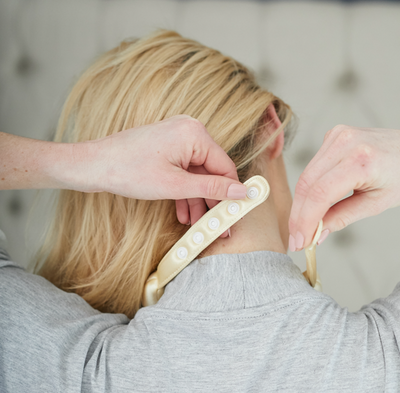
Nighttime positioning forms the foundation of breast pillow use. For side sleepers, place a contoured or between-the-breasts pillow to support both breasts while maintaining natural spinal alignment. Semi-reclined positions benefit from elevation pillows that gently lift the breasts while you rest. Ensure the pillow remains in place throughout the night by selecting designs with sufficient stability or considering support with additional regular pillows.
Here’s how I usually walk a new mom through it:
- Lie in your usual side-sleep position without the baby.
- Notice where your top breast falls—forward, downward, or pressed into the mattress.
- Place the breast pillow so it fills that gap, supporting the underside or between the breasts.
- Adjust until you feel “held” but not squashed.
Then we do the same for the other side. A two-minute reset that can change your whole night.
Daytime strategies involve using a breast pillow while resting between feeds. After completing a feeding session, position a breast pillow to support the tissue and reduce pressure for 15–30 minutes of rest. This practice maintains breastfeeding breast comfort throughout the day by preventing tissue fatigue. Integrate breast pillow use into a broader self-care routine that includes adequate hydration, nutrition, and gentle movement.
Many mothers find that consistent use establishes a pattern that prevents discomfort escalation rather than merely addressing pain after it develops. It’s the difference between constantly chasing the fire and quietly keeping the match unlit.
Clinical resources on effective breastfeeding routines, like detailed guidelines in peer-reviewed reviews of breastfeeding management (see summaries in the breastfeeding technique literature), emphasize prevention over crisis. Your breast pillow belongs firmly in that “prevention” toolbox.
9. When a breast pillow is not enough: listening to your body
Recognize warning signs that tender breasts nursing relief tools alone are insufficient. Persistent pain lasting beyond the first two weeks postpartum, fever, red or hot areas on breast tissue, or pain that worsens despite support warrant professional evaluation. These symptoms may indicate mastitis, clogged ducts requiring lactation support, or other conditions needing medical attention.
I remember sitting with a mom who kept saying, “It’s probably nothing, I’m just tired,” while clearly flinching every time the baby touched her breast. We called her provider right there. By the next day she had mastitis diagnosed and treated—and suddenly that “just tired” feeling had a name and a solution.
Understand that breast pillow nursing products support comfort but do not replace proper lactation guidance or medical care. Combine them with solid, evidence-based support—like the latch, positioning, and feeding frequency advice found in resources such as the Academy of Breastfeeding Medicine–style protocols and consumer-friendly overviews from the Mayo Clinic on breastfeeding.
Balance comfort tools like breastfeeding pillow support with evidence-based practices including correct latch techniques, frequent feeding or pumping schedules, and regular health checks. Many breastfeeding breast comfort challenges resolve when mothers receive professional support for positioning and attachment alongside physical comfort measures. View breast pillows as part of a comprehensive approach rather than a standalone solution.
10. Summary: building a comfort-focused breastfeeding routine
Breast pillow nursing solutions enhance breastfeeding breast comfort, reduce sore breasts nursing, and improve nursing mom sleep when integrated into a comprehensive postpartum care plan. Ongoing breast support breastfeeding combined with ergonomic rest prevents the physical and emotional burnout that impacts breastfeeding sustainability and overall maternal health. The role of consistent, targeted support—both daytime and nighttime—cannot be overstated in contributing to nursing fatigue relief and recovery.
Consider integrating a specialized breast pillow into your breastfeeding and sleep routine as a gentle, non-invasive comfort tool. Combined with proper latch guidance, professional lactation support when needed, and attention to your overall postpartum recovery, targeted breast support creates an environment where both comfort and successful breastfeeding can flourish.
Most of us over 35 know this by now: ignoring discomfort doesn’t make us stronger, it just makes us quieter. You deserve more than that. Your body just brought a person into the world—it has earned soft fabrics, thoughtful support, and a night routine that doesn’t leave your chest begging for mercy by morning.
Prioritizing your physical comfort during this demanding period is not a luxury but an investment in your well-being and your breastfeeding journey. And sometimes, that investment looks as small—and as powerful—as the right pillow in the right place, at the right time.
Related articles
- Breast pillow for side sleepers: guide — Discover the best breast pillow for side sleepers to prevent wrinkles and enhance your sleep wellness today.
- Breast feeding pillow: top picks — Explore the best breastfeeding pillow for large breasts, providing ultimate comfort and support.
- Breast pillow for nursing: comfort tips — Discover the best breast pillow for nursing with tips for optimal breastfeeding comfort and support.
- Breast pillow pregnancy comfort tips — Learn how a breast pillow can enhance sleep comfort and relieve tenderness for pregnant women.
- What makes a woman feel confident — Discover tips for youthful skin and self-esteem, focusing on confidence and body image improvements for women.
Want to discover flawless skin with Intimia? Shop now here: here