In this article you will learn:
- What Is “Sleeping Position Chest Aging”?
- Back Sleeping vs Side Sleeping Chest – The Big Picture
- Side Sleeping and Chest Lines in Detail
- Back Sleeping and Chest Aging
- Best Sleep Position for the Décolleté – Comparative Analysis
- How to Adjust Your Sleep Position to Protect the Chest
- Skincare and Sleep Environment – Other Factors That Affect Chest Aging at Night
- When to Expect Visible Improvements After Changing Your Sleep Position
- When to Consider Professional Help
- Conclusion: Choosing and Keeping the Best Sleep Position for a Youthful Chest
The journey of sleeping position chest aging begins quietly, in the dark. It’s a story written on your skin night after night, a slow and steady process where the way you rest shapes the way you age. For many women, especially after 35, the fine lines that appear on the chest in the morning begin to linger, a testament to years of compression. This is particularly true for the delicate area of the décolleté—your upper chest, neck, and cleavage—where the skin is thinner and more vulnerable to the effects of sun, hormonal shifts, and gravity.
The simple act of sleeping can etch wrinkles into this beautiful, expressive part of your body. As we sleep, the skin on our chest folds and compresses, and with each passing year, it loses some of its ability to spring back. The question of back sleeping vs side sleeping chest health becomes central to any anti-aging strategy. Side sleeping, while comfortable for many, can create deep side sleeper chest lines, while back sleeping often keeps the skin smoother.
This guide offers a detailed back sleeper wrinkles comparison to side sleeping, exploring how each posture impacts your décolleté. We will delve into the science of sleep wrinkles and provide practical, empowering tips to help you find the best sleep position décolleté health, respecting your comfort and celebrating the timeless beauty of your skin.


What is “sleeping position chest aging”?
Sleeping position chest aging describes the gradual formation of permanent wrinkles on the décolleté due to the mechanical stress of your nightly sleep posture. For eight hours a night, your skin is pushed, folded, and creased. In our youth, these temporary "sleep lines" vanish soon after waking. But as we age, our skin’s foundation—collagen and elastin—begins to break down. The lines that once faded become etched into the skin, a permanent map of countless nights.
The décolleté is uniquely susceptible to this process for several reasons:
- Thin, delicate skin: The skin on your chest is thinner and has fewer oil glands than the skin on your face, making it drier and less resilient.
- Sun exposure: The chest is often exposed to the sun, leading to photodamage that accelerates the breakdown of collagen and elastin. If you have ever read about dedicated décolleté care or sun-induced collagen loss on expert dermatology portals, you have seen this warning more than once.
- Hormonal changes: After age 35 and especially post-menopause, declining estrogen levels reduce the skin’s ability to repair itself, making it more prone to wrinkling.
- Gravity and anatomy: When you sleep on your side or stomach, gravity pulls your breast tissue downward and inward. This movement causes the skin between and above your breasts to fold and crease, creating the distinct vertical lines often associated with side sleeper chest lines. In contrast, sleeping on your back allows the breast tissue to rest more evenly, minimizing these high-pressure folds.
This type of aging is cumulative. A woman who has been a side sleeper her entire life may suddenly notice in her late 30s or 40s that the cleavage wrinkles she wakes up with are no longer gone by lunchtime. This is the visible result of decades of nightly compression on skin that can no longer bounce back as it once did. Understanding the mechanics of sleeping position and chest aging is the first step toward preserving the smooth, radiant skin of your décolleté.
Back sleeping vs side sleeping chest – the big picture
When it comes to sleeping position chest aging, the debate often centers on back sleeping vs side sleeping chest care. These two positions have dramatically different effects on the delicate skin of your décolleté, and understanding the difference is key to creating an effective anti-aging sleep strategy.
Back sleeping: the protector
Sleeping on your back, or in the supine position, is widely considered the best sleep position décolleté health. Here’s why:
- Your chest, neck, and face are pointed upward, away from the compressive forces of your pillow and mattress.
- Gravity helps keep your breast tissue settled and spread evenly across your chest wall, preventing the skin from folding in on itself.
- There is minimal direct pressure on your décolleté, which means fewer sleep lines form overnight. Over time, this lack of mechanical stress helps preserve the skin’s smoothness.
Side sleeping: the compressor
Side sleeping is the most common sleep position, but it is also the primary culprit behind vertical chest wrinkles. Here’s what happens:
- Gravity pulls your top breast downward and forward, pressing it against your bottom breast.
- This motion squishes the skin in your cleavage area, creating deep vertical folds.
- The repetitive pressure, night after night for years, breaks down collagen fibers and leads to permanent lines and creases.
The back sleeper wrinkles comparison extends beyond the chest. Side sleepers often develop more pronounced facial wrinkles, like crow’s feet and nasolabial folds, on the side they favor. Back sleeping, by keeping your face off the pillow, helps prevent these asymmetrical sleep lines as well. While comfort is personal, the mechanical evidence suggests that for preventing wrinkles on both the chest and face, back sleeping holds a clear advantage. If you look at how different positions affect the spine and soft tissue on a typical sleep-position overview, the logic becomes hard to ignore.
Side sleeping and chest lines in detail
For the millions of women who find comfort and rest on their side, understanding the specifics of sleeping position chest aging is essential. It’s not about blame; it’s about awareness and finding ways to protect your skin while you sleep.
How side sleeping creates chest lines
When you lie on your side, two powerful forces are at work against your décolleté: gravity and compression. The upper breast naturally falls downward and inward, while the lower breast is pushed up by the mattress. This combination acts like a vise, squeezing the skin between your breasts together.
This constant folding creates vertical and diagonal creases in the center of your chest. For hours every night, the collagen and elastin fibers in that area are stretched and strained. In your 20s, your skin is elastic enough to smooth out these lines within minutes of waking. But as you age and your skin’s structural support weakens, those temporary folds from sleeping position and chest aging stop bouncing back. They become permanent side sleeper chest lines, a visible record of your preferred sleep posture.
Who is most affected when side sleeping
While all side sleepers experience some degree of chest compression, certain factors can amplify the formation of side sleeper chest lines:
- Larger cup sizes: Women with larger natural breasts or implants have more weight and volume, which creates deeper and more significant skin folding when lying on their side.
- Pregnancy and breastfeeding: These life stages can stretch the skin and ligaments in the chest area, making the skin more susceptible to creasing.
- Sun-damaged skin: Years of sun exposure break down collagen and elastin, making the skin thinner and less able to resist mechanical folding during sleep. A quick look at any discussion of sun damage and chest skin on a reputable clinical resource will show you how fast that support system can erode.
- Age and hormonal changes: The natural decline in collagen production that accelerates after 35, and especially during perimenopause and menopause, is a major factor. Skin with less internal support is far more likely to develop permanent wrinkles from sleeping position chest aging.
For a woman over 35, each night of side sleeping adds another layer of mechanical stress to skin that is already undergoing biological changes. This is why the patterns of chest aging often become so much more apparent during these years.
Visible signs of side-sleeping chest aging
If you are a dedicated side sleeper, you may recognize some of these common signs. Take a moment to look at your chest in the mirror upon waking and then again in the afternoon.
- Vertical cleavage lines: The most obvious sign is one or more vertical lines or deep furrows running down the center of your chest, between your breasts.
- Crisscross or "accordion" creases: You may also see finer, angled lines spreading across your upper chest, radiating out from the cleavage area.
- Crepey texture: Over time, the constant folding and unfolding can contribute to a loss of skin texture, leading to a thinner, more crepey appearance across the décolleté.
It’s important to remember that these pronounced side sleeper chest lines can develop even if you have a diligent skincare routine for your face and neck. The mechanical force of sleeping position chest aging is a powerful factor that must be addressed directly. If your décolletage looks flawless by morning, by the way, check if you actually slept on your side.
Back sleeping and chest aging
If side sleeping is the primary cause of mechanical chest wrinkles, back sleeping is its most powerful antidote. By understanding the simple physics of this position, you can appreciate why it is so beneficial for maintaining a smooth, youthful décolleté.
Why back sleeping protects the décolleté
Sleeping on your back offers a biomechanical advantage that directly counters sleeping position chest aging. In the supine position:
- Symmetry is maintained: Your breasts rest naturally and symmetrically on your chest wall. There is no external force pushing them together, which eliminates the primary cause of cleavage wrinkles.
- Weight is evenly distributed: Your body weight is spread across the entire surface of your back, shoulders, and hips. This prevents localized pressure points from forming on your delicate chest skin.
- Deformation is minimized: By avoiding the nightly folding and creasing that comes with side and stomach sleeping, you give your skin a chance to rest and repair. This dramatically reduces the intensity and frequency of the strain that leads to permanent wrinkles.
The long-term outcome is a smoother, less wrinkled décolleté. Women who are natural back sleepers or who successfully transition to this position often report waking up with far fewer sleep lines on their chest and face. In the back sleeping vs side sleeping chest debate, this position is the clear winner for skin preservation, and you will see the same conclusion echoed in many sleep-position guides that rate back sleeping best for wrinkle prevention.
Back sleeper wrinkles comparison: chest vs face
The benefits of back sleeping are not limited to your chest. A direct back sleeper wrinkles comparison shows a distinct advantage for the face as well.
- Chest wrinkles: Back sleepers typically have fewer and less severe vertical cleavage lines compared to chronic side sleepers. The skin remains flatter and smoother throughout the night.
- Facial wrinkles: Because your face isn't pressed into a pillow for hours, back sleeping helps prevent the asymmetrical sleep creases that can form on your cheeks, around your mouth (nasolabial folds), and at the corners of your eyes.
For any woman whose goal is a holistic anti-aging strategy, adopting back sleeping is a powerful, no-cost habit. It is widely regarded as the single best sleep position décolleté and facial wrinkle prevention, working in harmony with your body’s natural structure.
Limitations of back sleeping alone
While powerful, back sleeping is not a magic bullet. It’s important to have realistic expectations about what it can and cannot do for sleeping position chest aging.
What back sleeping cannot do:
- Reverse intrinsic aging: It will not stop the natural, chronological loss of collagen and elastin that comes with age or is determined by genetics.
- Erase sun damage: It cannot undo the decades of UV damage that have already thinned your skin and broken down its supportive structures.
Furthermore, back sleeping isn't suitable or comfortable for everyone.
- Health and comfort caveats: Some women find that sleeping on their back worsens snoring or sleep apnea. Others with acid reflux (GERD) may experience more symptoms unless their upper body is elevated. And for many lifelong side sleepers, the body’s instinct to roll over can be hard to overcome. If you have ever tried to follow advice about heart safety and side sleeping from a detailed sleep-position breakdown, you know how individual all this can be.
The takeaway is this: back sleeping is an incredibly effective tool for reducing the mechanical stress that causes chest wrinkles. However, a comprehensive approach to décolleté care will always yield the best results. For most women, this means combining posture adjustments with other supportive strategies.
Best sleep position for the décolleté – comparative analysis
Choosing a sleep position involves balancing comfort, health, and aesthetic goals. Let's break down the back sleeping vs side sleeping chest comparison to help you find the approach that works best for you.
Back sleeping vs side sleeping chest: pros and cons
Here is a clear comparison to help you weigh your options for preventing sleeping position chest aging:
Back sleeping
- Chest wrinkle formation: Pro. Minimal compression and folding. Considered the best sleep position décolleté wrinkle prevention.
- Breast support and comfort: Pro. Weight is distributed evenly, reducing strain on breast ligaments.
- Neck and back alignment: Pro. Excellent for spinal alignment when using a supportive pillow for the head and under the knees.
- Ease of maintaining position: Con. Can be difficult for habitual side sleepers to maintain all night.
- Impact on snoring/reflux: Con. Can worsen snoring, sleep apnea, and acid reflux for some individuals.
Side sleeping
- Chest wrinkle formation: Con. High compression leads to deep vertical lines and accelerates chest aging.
- Breast support and comfort: Pro. A natural and comfortable position for the majority of adults, including during pregnancy.
- Neck and back alignment: Pro/Con. Can be good for alignment with the right pillows but can also cause shoulder and hip strain.
- Ease of maintaining position: Pro. The most common and instinctual sleep position for over 40% of adults.
- Impact on snoring/reflux: Pro. Often recommended to alleviate snoring and can be beneficial for reflux (especially on the left side).
The verdict: Purely from a skin aging perspective, back sleeping is the clear winner. However, for overall comfort and certain health conditions, side sleeping remains the preferred choice for many. The goal is to find a sustainable balance, and many balanced recommendations you see on mainstream sleep-position pages echo that message.
Where stomach sleeping fits into chest aging
While we have focused on the back vs. side debate, it's crucial to mention the prone, or stomach, position. From an anti-aging standpoint, stomach sleeping is widely considered the most damaging position.
Sleeping on your stomach places immense and continuous pressure on your chest and face. Your breasts are flattened against the mattress, and your neck is twisted to one side for hours. This can accelerate sleeping position chest aging even more rapidly than side sleeping, while also contributing to neck pain and facial wrinkles. If your goal is to protect your décolleté and face, minimizing or eliminating stomach sleeping is a highly recommended step. You will see stomach sleeping at the bottom of almost every position comparison chart for a reason.
Matching sleep position to lifestyle and body type
The best approach is a personal one. Use the back sleeping vs side sleeping chest information to make an informed choice that fits your life.
- For the natural back sleeper: If you already find comfort on your back, congratulations! Focus on optimizing your setup with supportive pillows to maintain this position all night. This is your most powerful tool against chest wrinkles.
- For the committed side sleeper: If you cannot or will not give up side sleeping, don't despair. Your focus should be on mitigation. Use strategies like placing a pillow between your breasts or wearing a supportive sleep garment to minimize skin folding and reduce the formation of side sleeper chest lines.
- For those willing to transition: If you are open to change, aim for gradual progress. Try starting the night on your back and using pillows to discourage rolling over. Even spending part of the night in the best sleep position décolleté health can make a significant difference over time.
Ultimately, quality sleep is vital for your skin's repair processes. The goal is to find the healthiest, most comfortable position you can sustain, especially as your sleep patterns evolve with age in the way described in many healthy aging sleep guides.
How to adjust your sleep position to protect the chest
Making a change to your sleep habits can feel daunting, but small, consistent adjustments can lead to big rewards for your skin. Whether you want to become a back sleeper or simply make side sleeping safer for your skin, these practical tips can help.
Training yourself to sleep on your back
Transitioning to back sleeping is a process of making your body feel safe and supported in a new position.
- Support your lower back: Place a medium-sized pillow under your knees. This reduces strain on your lower back and makes the position feel much more natural and comfortable.
- Create a "nest": Use pillows to build a gentle barrier around your body. Place a pillow on each side of your torso to prevent you from instinctively rolling onto your side during the night.
- Elevate your head: If you are concerned about acid reflux or snoring, try using a wedge pillow to elevate your entire upper body. This can make back sleeping more tolerable and beneficial for your health.
The goal isn't immediate perfection. Aim to increase the amount of time you spend on your back each night. Even if you start there and wake up on your side, you have reduced the total hours of compression on your chest. Every minute spent in the best sleep position décolleté care is a win, and that slow progress is exactly what you see recommended in most practical sleep-training tips.
Set a reminder on your phone an hour before bed to build your “pillow nest” and position yourself on your back so the routine becomes automatic.
Minimizing chest aging if you must side sleep
For many, giving up side sleeping isn't an option. If this is you, shift your focus from changing your position to modifying it to reduce the creation of side sleeper chest lines.
- Use a separation pillow: The simplest and most effective trick is to place a small, soft pillow (or a specially designed breast pillow) between your breasts. This acts as a buffer, preventing the skin from folding in on itself.
- Wear a supportive sleep bra: Look for a soft, non-wired bra that provides gentle lift and separation. The goal is not compression, but support, holding your breast tissue in place to minimize movement and creasing.
- Check your head pillow: Ensure your head and neck pillow is the correct height to keep your spine straight. If your head is too high or too low, it can cause your shoulder to roll forward, increasing the torque and pressure on your chest.
By implementing these strategies, you can continue to enjoy the comfort of side sleeping while significantly reducing its impact on sleeping position and chest aging.
Support tools and non-invasive aids
Technology and thoughtful design have given us several tools to help combat sleeping position chest aging.
- Silicone décolleté pads: These reusable, medical-grade silicone pads are worn on the chest at night. They work by gently adhering to the skin, keeping it flat and preventing it from creasing. They also create a moisturizing micro-climate that can help hydrate and plump the skin, reducing the appearance of existing fine lines.
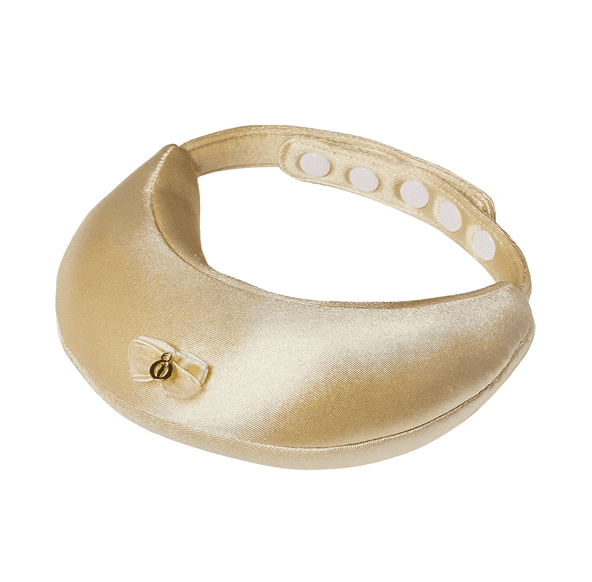
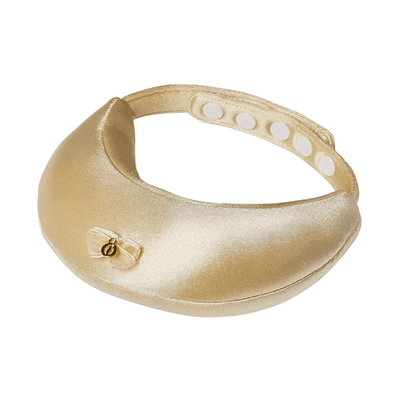
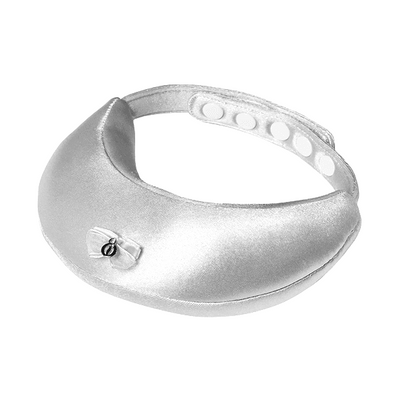
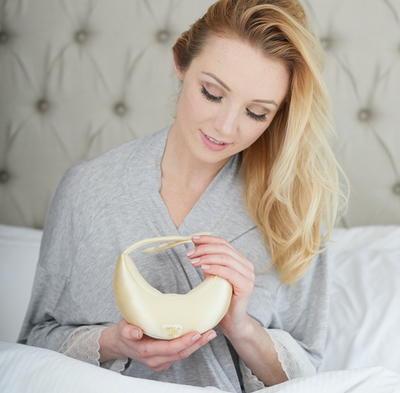
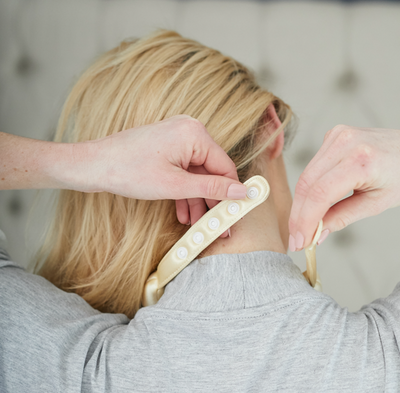
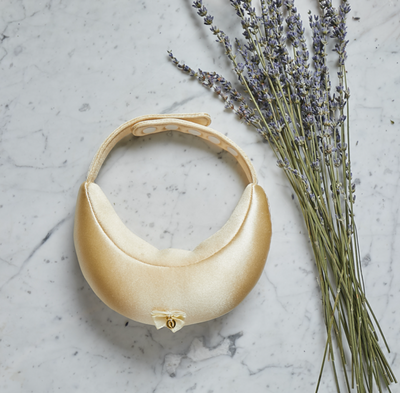
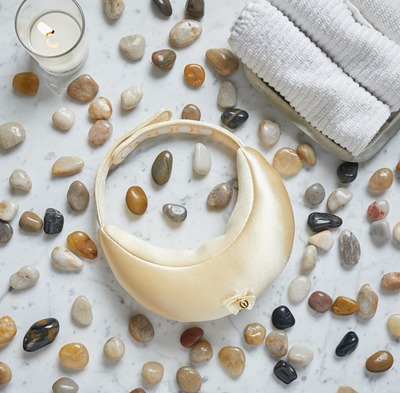
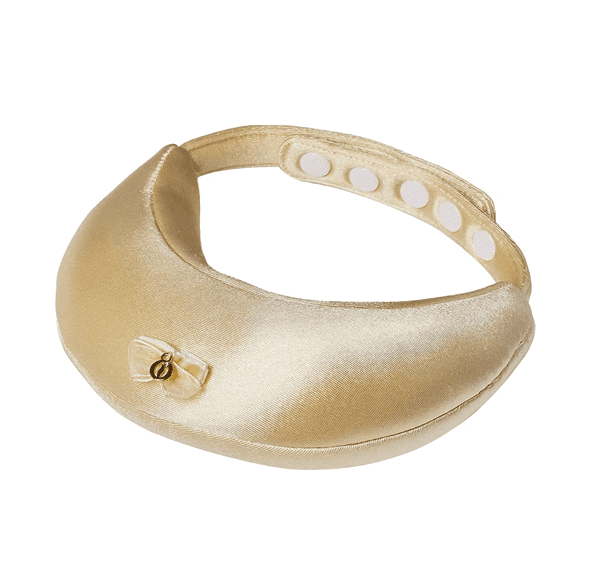
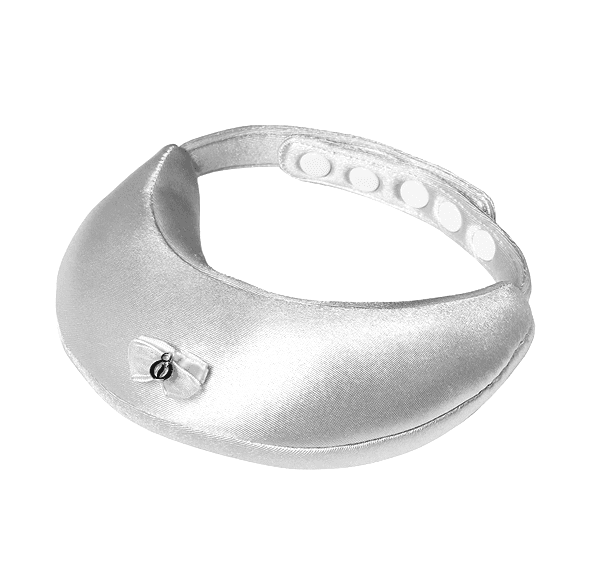
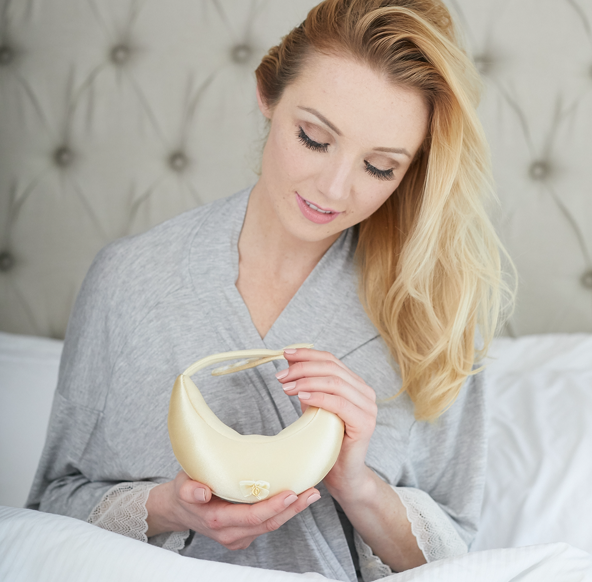
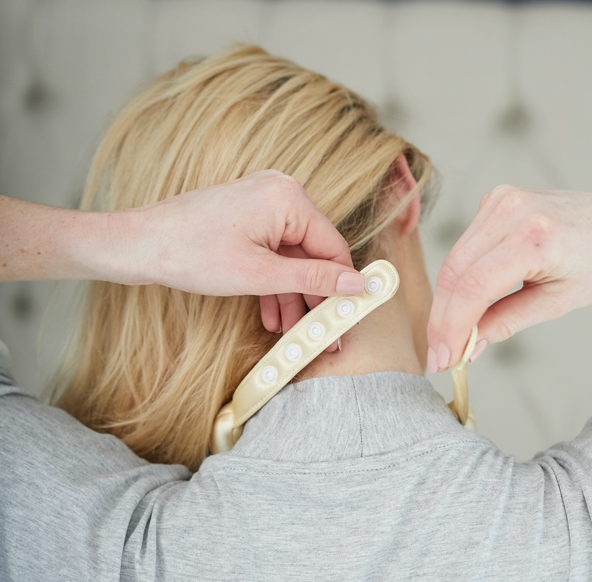
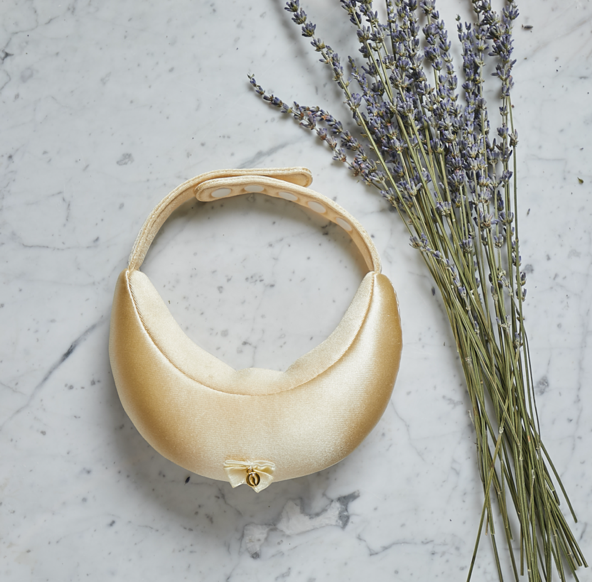
- Specialized chest pillows: Several pillows are now designed specifically to fit between the breasts of side sleepers, providing comfortable and effective separation.
- Contoured body pillows: A full-body pillow can be a great tool for both side and back sleepers. For side sleepers, it can be positioned to support the top leg, arm, and torso, reducing the overall pressure on the chest.
Combining these aids with the posture modifications mentioned above can create a powerful defense against sleep-induced wrinkles, especially when you pair them with the kind of hydrating décolleté routine you often see recommended on practical skincare overviews.
Skincare and sleep environment – other factors that affect chest aging at night
Your sleep position is a huge piece of the puzzle, but it's not the only one. Creating a holistic sleep environment and a supportive skincare routine can amplify your efforts and give you the best possible results.
Skincare that works with your sleep position
A targeted nighttime skincare routine for your décolleté is crucial. While you work on minimizing mechanical compression through better posture, these ingredients will help repair and strengthen your skin from within.
- Daytime protection: The most important step happens during the day. Apply a broad-spectrum sunscreen with at least SPF 30 to your chest every single morning. Preventing further UV damage is essential, as this is a primary driver of collagen loss.
-
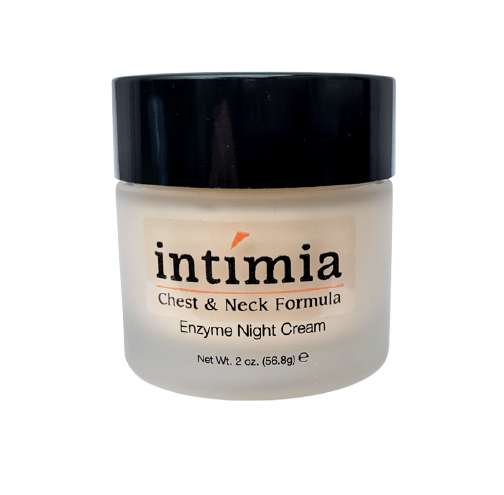
Nighttime repair: At night, after gently cleansing your chest, apply active ingredients that promote repair and hydration. Look for serums or creams containing:
- Retinoids (retinol): To stimulate collagen production and improve skin texture.
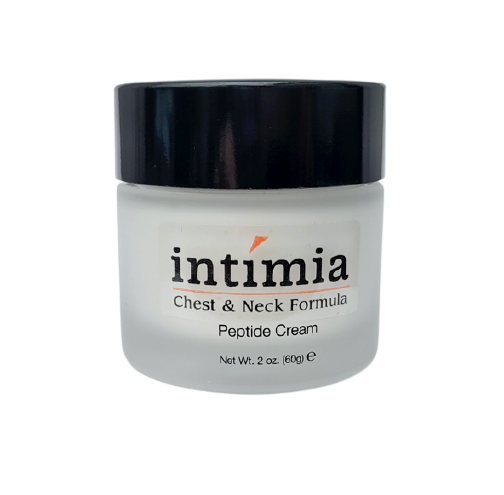
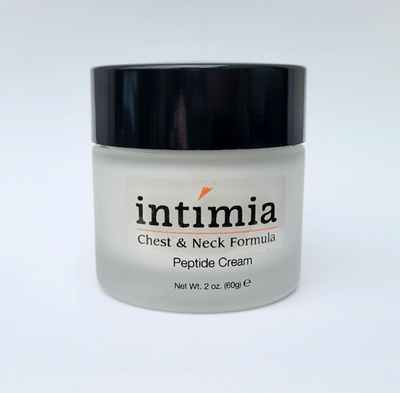
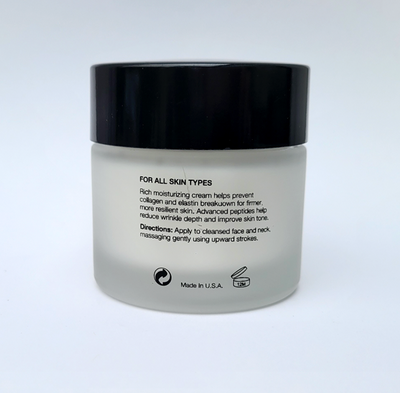
- Peptides: To signal the skin to build more collagen and elastin.
- Hyaluronic acid and ceramides: To deeply hydrate the skin and strengthen its moisture barrier.
- Antioxidants (like vitamin C or niacinamide): To fight free radical damage.
Remember, even the best skincare cannot completely stop wrinkles caused by hours of physical compression. It works best in partnership with a smart sleep posture, and this “two-part” approach is exactly what you will see stressed in most sensible décolleté-care breakdowns and sun-damage guides.
Bedding, pillows, and fabric choices
Your bed itself can be an ally or an enemy in the fight against sleeping position and chest aging.
- Mattress firmness: A mattress that is too soft will allow your body to sag, which can increase skin folding, especially in the chest area. A mattress that is too firm can create uncomfortable pressure points. A medium-firm mattress is often the best choice for supporting proper spinal alignment.
- Pillow height and type: As mentioned, the right pillow is key for maintaining a neutral spine in any position. For back sleepers, a thinner pillow that cradles the neck is ideal. Side sleepers need a thicker pillow to fill the space between the ear and the shoulder.
- Low-friction fabrics: The material that touches your skin matters. Rough fabrics like cotton can tug and pull at your delicate chest and neck skin. Consider switching to pillowcases and sheets made from smoother materials like silk or sateen. These create less friction, allowing your skin to glide over the surface rather than being stretched or creased.
You will often see this mentioned briefly in general sleep-position advice, but for your chest, fabric really becomes part of your anti-aging toolkit.
Lifestyle habits that worsen or improve chest aging
Your daily habits have a profound impact on your skin's health and resilience.
Factors that accelerate chest aging:
- Chronic sun exposure: Nothing ages the décolleté faster than unprotected sun exposure. Tanning beds are especially damaging.
- Smoking: Smoking constricts blood vessels, depriving the skin of oxygen and nutrients. It also generates free radicals that actively destroy collagen and elastin.
- Significant weight fluctuations: Rapidly gaining or losing weight can stretch the skin on the chest, leading to a loss of elasticity.
- Poor sleep quality: Insufficient or low-quality sleep impairs your body’s ability to perform its nightly repair processes, including collagen synthesis.
Protective habits to cultivate:
- Diligent sunscreen use: Make it a non-negotiable part of your morning routine.
- Antioxidant-rich diet: Eat plenty of colorful fruits and vegetables to help your body fight cellular damage.
- Stable weight and regular exercise: This helps maintain skin tone and overall health.
- Consistent, high-quality sleep: Prioritize getting 7-9 hours of restorative sleep each night.
The connection between lifestyle, oxidative stress, and skin is laid out clearly in many aging-skin reviews, and not surprisingly, it matches what we see in real life décolleté aging, especially when combined with long-term sleep-position habits.
When to expect visible improvements after changing your sleep position
Patience and consistency are your greatest allies. After making a conscious effort to adopt the best sleep position décolleté health or to use protective tools, you will begin to see changes, but the timeline varies based on the current condition of your skin.
- Within a few weeks: If you primarily struggle with temporary morning lines, you may notice a significant improvement very quickly. Waking up with a smoother, less creased chest can happen within the first few weeks of reducing nightly compression.
- Over several months: For fine lines and moderate, shallower wrinkles, you may see a softening and reduction over the course of two to six months. This is especially true if you combine your new sleep habits with targeted skincare and tools like silicone pads.
- For deep, long-standing wrinkles: It is important to be realistic. Deeply etched vertical lines that have been present for years will not disappear completely with posture changes alone. While their progression may slow, and they may appear slightly softer, significant reversal often requires professional intervention.
To track your progress, take a photo of your chest in the same lighting once a month. This can help you appreciate the subtle but meaningful improvements over time, the way you might track progress in any long-term routine you read about on thoughtful neck and chest-care features.
When to consider professional help
If you have implemented these strategies and are still concerned about the appearance of your décolleté, it may be time to consult a board-certified dermatologist or a qualified aesthetic practitioner.
Consider seeking professional advice if you have:
- Deep, etched vertical lines that are prominent all day long.
- Significant skin laxity or a widespread "crepey" texture across your chest.
- Sun damage, such as brown spots and broken capillaries, that you would like to address.
Common in-office treatments for the décolleté include:
- Energy-based devices: Treatments like radiofrequency and ultrasound can help tighten the skin by stimulating new collagen growth.
- Lasers and light therapies: Fractional lasers and Intense Pulsed Light (IPL) are excellent for improving skin texture and correcting pigmentation issues.
- Microneedling: This procedure creates micro-injuries in the skin to trigger a healing response and boost collagen.
- Injectables: Diluted dermal fillers or biostimulatory products can be carefully injected to soften the appearance of deep, stubborn lines.
Even if you choose to pursue professional treatments, remember that addressing sleeping position chest aging at home remains crucial. Maintaining the best sleep position décolleté care will protect your investment and help you enjoy your results for much longer, exactly the way practitioners emphasize when they talk about long-term neck and chest rejuvenation in guides to neck and chest procedures.
Conclusion: choosing and keeping the best sleep position for a youthful chest
The story of sleeping position chest aging is one of gentle, relentless pressure. Over decades, the simple, unconscious act of how you rest can carve lines into your skin. The back sleeping vs side sleeping chest comparison makes it clear: the postures we adopt in the quiet of the night have a profound impact on the landscape of our skin.
We've learned that back sleeping is the undisputed best sleep position décolleté preservation, as it keeps the skin smooth and free from compression. Side sleeping, while the comfortable default for many, is the primary cause of deep side sleeper chest lines, requiring mindful mitigation. And stomach sleeping exerts the most pressure of all, accelerating aging on both the chest and face.
The path forward is one of empowerment and grace. You hold the power to slow this process and protect the beautiful skin of your décolleté.
- Strive for progress, not perfection: Make small, sustainable shifts toward spending more time on your back.
- Support your position: Whether you are a back sleeper or a side sleeper, use pillows, supportive garments, and targeted skincare to minimize sleeping position and chest aging.
- Live holistically: Pair your nightly posture adjustments with diligent sun protection and a healthy lifestyle for the most comprehensive and lasting results.
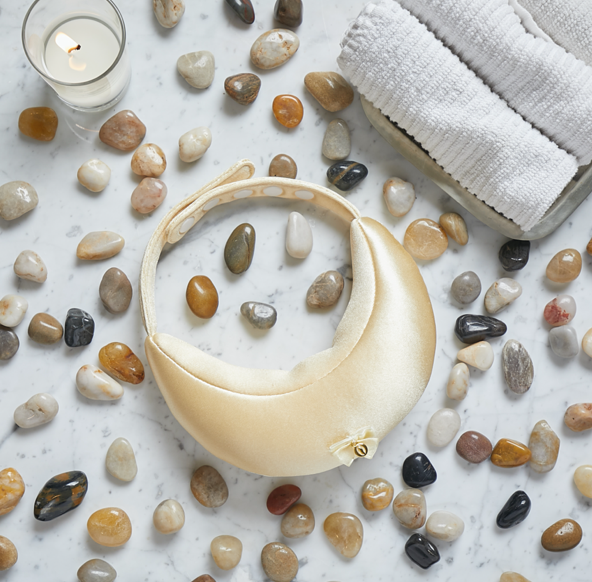
Embrace your sleep as a time of true restoration, a quiet place where you not only regain your strength but also quietly protect the future of your skin, one night and one position at a time with tools like the Intimia® Breast Pillow by your side.
Ready to wake up with smoother skin — start here.