In this article you will learn:
- Why the décolleté needs special anti-aging care in 2026
- How chest wrinkles develop after age 35
- Why interest in red light anti-aging chest solutions is surging in 2026
- What is red light therapy for chest wrinkles?
- Latest LED therapy décolleté research (2024–2026)
- Red light anti-aging chest trends for 2026
- At home LED mask chest solutions – what to look for
- How to use red light therapy for chest wrinkles safely and effectively
- Combining red light collagen chest therapy with other décolleté care strategies
- Cost, value, and ROI of red light therapy chest wrinkles 2026
- Future outlook – where red light therapy for chest wrinkles is headed after 2026
- Conclusion: Making red light therapy chest wrinkles 2026 work for you
I still remember the first time I noticed that fine little ladder of lines between my collarbones in the bathroom mirror, the face looked rested, smug even, but my chest told on me—too many summers, too many side-sleeping nights, not enough sunscreen. That was the moment I realized the décolleté has its own timeline, and if you want to slow it down in 2026, you need more than a good face cream and a prayer.
When we talk about red light therapy chest wrinkles 2026, we are speaking of a quiet revolution in self-care. It’s a warm, gentle light promising to smooth the delicate skin of the décolleté, a new frontier in the quest for timeless beauty. For you, once you pass 35, this science-backed approach offers a non-invasive way to rejuvenate an area that often reveals your age before your face does.
So, what does this term truly mean? It refers to using specific, non-invasive LED devices that deliver targeted red and near-infrared light to the chest. This light works deep within the skin to awaken the cells that produce collagen, the very protein that keeps your skin firm and plump. As we look toward 2026, the focus on the décolleté has never been stronger. It is an area of quiet strength and sensuality, yet it is uniquely vulnerable.
The chest often bears the story of your sun-filled days, your favorite sleeping positions, and the natural journey of aging. Chronic sun exposure, the subtle compression of side sleeping, and the age-related decline of collagen can create a mismatch, a youthful, cared-for face above a chest that tells a different tale. This growing awareness is what’s driving the surge in targeted LED solutions. Your chest is no longer an afterthought, it’s a canvas for care.
In this guide, I want to walk with you through this landscape of rejuvenation. We will uncover why chest wrinkles form and how the décolleté skin is unique, how simple light can nudge your cells awake, what the latest led therapy décolleté research shows for 2024–2026, how medical experts describe red light therapy, which red light anti aging chest devices are rising in 2026, and how to use them wisely without turning your bedroom into a science lab.
Why the décolleté needs special anti‑aging care in 2026
The skin of your décolleté whispers its needs differently than the skin on your face. It needs a softer hand, a bit more respect. As we move into 2026, the focus on red light anti aging chest solutions is not just a trend, it’s a response to the biological truth of this delicate area.
The unique skin structure of the chest and décolleté
Think of the skin on your chest as a fine silk scarf, while your facial skin is more like durable linen. It is naturally thinner and has far fewer oil glands. This means it is:
- More prone to dryness and dehydration. Without a steady supply of natural oils, the skin’s barrier is weaker, and over time you see that crepey texture, those fine lines that look etched instead of soft.
- Less protected from the elements. Thinner, drier skin has less armor against pollution and UV, so every missed layer of sunscreen quietly adds up.
To make things more interesting, the chest is where we like to show skin and forget protection. V-neck tops, open shirts, dresses that stop just above the bra line, all happily out in the sun while sunscreen stops at the jaw. That habit is part of why dermatologists keep pointing to this area when they talk about photoaging, and why places like modern health guides on light therapy now mention body skin almost as much as the face.
How chest wrinkles develop after 35
The lines that appear on your décolleté tell a story of life lived, but they are also shaped by specific players that get louder after 35.
- UV radiation. The sun is the main author of premature aging. Those ultraviolet rays work their way through thin chest skin and quietly break down collagen and elastin until you start seeing the “necklace” lines and deeper vertical folds in the cleavage.
- Sleep position. The way you fold into your pillow at night translates directly into the way your skin folds. Side or stomach sleeping means your chest is compressed for hours, and temporary creases eventually become permanent if nothing changes.
- Hormonal shifts. When estrogen begins its slow exit around perimenopause, the skin on your chest gets thinner and drier, and suddenly a line that used to fade by lunch is still there at dinner.
- Lifestyle accelerators. Smoking, inconsistent sunscreen, not enough barrier-supporting skincare, all of it is like stepping on the gas of the aging process.
Dermatology groups, like those that publish guidance on light-based cosmetic treatments, keep repeating the same quiet sentence, prevention is always easier than correction.
Why interest in red light anti aging chest solutions is surging in 2026
In 2026, your idea of beauty is probably wider than a perfect selfie. You want your chest to look as cared-for as your face, especially when every video call shows your neckline in high definition. Open-neck tops never left, social media didn’t help either.
Most women I speak with want options that feel kind to their skin. They hesitate before putting fillers or aggressive lasers into the thin chest area, and the word “surgery” usually ends the conversation. That’s why the softer promise of red light anti aging chest tools feels so appealing. The light is non-invasive, the warmth is gentle, and the improvements come slowly enough that no one asks, “Did you have something done?”
Clinics and online guides, from practical overviews at places like Healthline to mainstream women’s magazines, all circle the same conclusion, these devices won’t rebuild you from scratch, but they can soften wrinkles and improve firmness in a way that fits into a normal life. That’s the heart of the red light therapy chest wrinkles 2026 moment.
What is red light therapy for chest wrinkles?
At its core, red light therapy is a simple, beautiful idea, light as encouragement. It is not a laser, not a peel, and not some mystical glow from the heavens. It is a very down-to-earth way of asking your skin to remember how it behaved ten or fifteen years ago.
Basic definition of red light therapy and LED therapy
Red light therapy and LED therapy sit in the same family. They use specific, low-level wavelengths of light to create a biological nudge in the skin, a nudge that experts at places like major medical centers describe as non-thermal and non-invasive. For rejuvenation, you usually see two ranges:
- Visible red light, roughly 630 to 680 nanometers.
- Near-infrared (NIR) light, invisible to the eye, roughly 700 to 1440 nanometers.
There is no burning, no removal of tissue, no UV to worry about. The good devices are designed to stimulate, not to damage, a point many consumer guides on at-home red light tools repeat again and again.
How red light collagen chest stimulation works
The true magic happens where you cannot see it. Let me walk you through it without the textbook.
- Light absorption. When you place a red light device on your chest, the photons travel through that thin upper layer of skin until they reach the mitochondria, the little engines in your cells.
- Energy boost. Those engines absorb the light and start making more ATP, your cell’s version of a power currency, so suddenly the whole neighborhood has more energy to spend.
- Collagen production. With extra ATP, fibroblasts, the cells responsible for collagen and elastin, become more active, and slowly they rebuild the scaffolding that holds everything firm.
That is the quiet mechanism behind red light collagen chest routines and why both clinics and accessible guides like online health resources keep pointing to it when they talk about texture and fine lines.
Over weeks and months, this cellular reawakening becomes visible as a smoother surface, slightly more spring in the skin when you press it, a softening of shallow wrinkles, and that elusive radiance we always blame on “good sleep” when people compliment us.
Red vs. near‑infrared light: why both matter for chest skin
Different wavelengths act like different notes in a chord, you need more than one to get a full sound. Chest skin, being thin but still layered, responds well when you give it both.
- Red light (around 630–660 nm). Reaches the upper layers, the zone of fine lines, surface healing, and that rough texture that catches in certain lighting.
- Near-infrared light (around 800–850+ nm). Slips deeper into the dermis, where the real structural work on firmness happens.
Most well-designed 2026 devices for the chest use a mix of both, something you will notice if you read deeper product breakdowns in places like LED mask reviews. The goal is not just to polish the surface, but to quietly support the cushion underneath too.
Safety profile overview for the décolleté
Red light therapy has earned its “generally safe” stamp the slow way, session by session, in clinics and homes. Cosmetic safety pages from professional bodies that cover light-based cosmetic treatments emphasize the same thing, when you use a proper device as directed, side effects are usually mild and short-lived.
You might feel a bit of warmth, see a hint of redness, or notice slight tightness right after. That usually fades quickly. The real key is choosing a reputable device, reading the manual like it is important, and remembering that your décolleté skin is thinner than your cheeks, so it deserves that extra bit of respect.
Latest LED therapy décolleté research (2024–2026)
The science behind light therapy is not new, but its focus keeps narrowing in on specific areas, including the chest. When you look at the latest led therapy décolleté research between 2024 and 2026, a pattern appears, no miracles, but reliable, repeatable improvements.
What current studies show about wrinkles and texture
Most large clinical trials still talk about the face, but the mechanisms are shared. Photoaged skin is photoaged skin, whether it stretches over your cheekbones or your cleavage.
One well-known trial followed about ninety people using LED red light on sun-damaged skin over four weeks. After eight sessions, the majority reported softer skin and less redness, and the clinician assessments agreed. When I read that, I immediately imagined the same protocol slid a few inches down to the chest where the UV story is often harsher.
Across studies, the same benefits keep showing up, a reduction of fine lines and shallow wrinkles, better texture and perceived firmness, a calmer, more even skin tone. The principle of red light collagen chest therapy is always the same, not forcing change from the outside, but prodding the skin to repair itself from inside.
Safety and tolerability of repeated use on thin chest skin
Any time I put a new gadget on my chest, this is my first question, how does this delicate skin feel about repetition. The reassuring answer, echoed by institutions that publish on light-based therapies, is that red light, when used properly, has a strong safety record, even with repeated use.
Thin chest skin tolerates these sessions well in most cases, with minimal downtime, if any. The honest caveat is that long-term, chest-only trials are still catching up, so we borrow a lot of confidence from facial and full-body studies. That is why I always suggest choosing reputable brands and following instructions like a recipe you actually want to work, especially if your red light therapy chest wrinkles 2026 goal is long-term maintenance.
2024–2026 focus: combination wavelengths and protocol optimization
The most interesting shift in led therapy décolleté research lately is the way scientists have stopped asking, “Does it work?” and started asking, “What is the smartest way to make it work?” The questions now are much more specific.
- Combination wavelengths. Pairing classic red (around 633 nm) with NIR (around 830 nm) to hit both surface and deeper layers.
- Protocol details. Playing with session length and weekly frequency to find that sweet spot where your cells are nudged, not nagged.
- Synergy with topicals. Testing whether peptides, antioxidants, or other actives sink in better or perform differently when you add light into the mix.
If you scroll through current overviews of devices and trends in places like 2026 skincare trend roundups, you will notice the same pattern, light is no longer a solo act, it is part of a bigger routine.
Realistic results and timelines for red light collagen chest
Red light therapy is stubbornly honest. It works on its own schedule, not yours. You cannot bully collagen with more minutes.
- Timeline. Many women first notice a softer texture or a bit more glow after four to eight weeks of consistent use, the deeper changes in fine lines and firmness usually arrive later, in the three to six month window.
- Level of results. Think subtle to moderate, not dramatic. It will not lift your chest overnight, but it can make the skin there look fresher, smoother, less “tired.”
- Maintenance. Once you get where you want to be, you do not stop. You simply turn down the volume, maybe one or two sessions a week to keep what you have built.
In 2026, the led therapy décolleté research is strong enough to rest on but young enough that anyone promising a total transformation should make you suspicious. Gentle progress is the real story here.
Red light anti aging chest trends for 2026
The beauty world finally looked down from the jawline and realized the story doesn’t stop there. The red light anti aging chest space is where that realization turns into products and habits, and 2026 is a busy year for this little strip of skin.
The rise of chest‑specific LED categories
I remember women trying to angle rigid face masks down over their chests, half joking, half desperate, not exactly a sustainable solution. The market apparently watched and took notes, because now the red light anti aging chest niche has its own toys.
- Décolleté panels and wraps. Flat or flexible grids of LEDs shaped to cover the collarbone-to-cleavage zone without strangling you with straps.
- Wearable bibs and masks. Devices you drape or clip on, then forget about while you scroll or sip tea, which is, frankly, the only way to stay consistent.
- Targeted messaging. Ads now speak directly about vertical cleavage lines, bra-strap zones, and those mysterious rings around the neck that used to be politely ignored.
You see this shift reflected in mainstream gear guides, where roundups of red light tools now include body and chest options, not just face masks.
Bundled routines and multi‑modal rejuvenation
The second big trend is bundling. No one is pretending a single device is enough anymore. Smart brands wrap their lights in an entire routine, smart women quietly do the same.
- Hydrating serums. A layer of hyaluronic acid before or after your session keeps the chest looking less like parchment and more like silk.
- Targeted topicals. Peptides, gentle retinol alternatives, neck-and-chest-specific formulas, all marketed as partners to your device instead of competitors.
- Protective day care. Sunscreens and antioxidant lotions finally reaching beyond the chin, a shift you can see in 2026 body-care trend pieces.
The message underneath is simple, for your red light therapy chest wrinkles 2026 plan to pay off, you need light plus moisture plus protection, not just a fancy gadget on the nightstand.
Non‑invasive, at‑home first: preference shifts in 35+ women
By the time you are juggling a career, perhaps kids, aging parents, and your own sanity, long clinic appointments start to feel like a luxury cruise. Many of us would rather treat our chest while loading the dishwasher.
- Convenience. A ten-minute session three times a week is actually doable if it happens in your living room instead of across town.
- Consistency and privacy. You control the schedule and the lighting, which matters more than we admit.
- Long-term value. One device, many sessions, versus endless single-use appointments that quietly drain the budget.
Mainstream magazines that review LED face and chest masks and map out 2026 skincare macro-trends keep coming back to the same phrase, spa-at-home. Red light chest devices are right at the center of that shift.
At home LED mask chest solutions – what to look for
Now we get to the practical part, the shopping list hiding behind the science. The at home led mask chest category has grown fast, which is both wonderful and confusing if you just want something that works without a headache.
What is an at home LED mask chest device?
An at home led mask chest device is basically a personal light panel dressed up as a bib, a wrap, or a mat.
- Wearable masks or bibs. Usually silicone, usually flexible, they sit flat across your chest and clip behind your neck so your hands stay free.
- Flexible panels. Bendable sheets of LEDs you drape or lay on your chest when you lie back.
- Rigid panels. Solid units on stands that you position a certain distance away, then hold still and hope the cat does not knock them over.
Sessions tend to run three to ten minutes, several times a week, which matches what you see in many LED mask buyer’s guides. The secret is not intensity, but steady, repeated, gentle doses of light.
2026 must‑have technical features
To separate solid devices from pretty toys, you need to look past the color of the silicone and into the specs. The good news is that the wish list fits on one page.
- Clinically-aligned wavelengths. You want red around 630–633 nm and NIR around 830 nm, the same ranges highlighted in clinical write-ups and in consumer explainers on how red light works.
- Enough power and coverage. The LEDs should cover the whole upper chest and deliver a therapeutic dose without cooking you, even light over the area is more important than one or two “super bright” points.
- Ergonomic design. Lightweight, adjustable, not pinching your neck, otherwise you will use it enthusiastically for one week and then bury it in a drawer.
- Safety credentials. FDA-cleared or registered for cosmetic use, auto shut-off timers, skin-safe materials, all the unsexy features that keep you safe.
If a gadget cannot tell you its wavelengths or proudly list its clearances, I would walk away, no matter how glowing the photos look in a device roundup.
At‑home devices vs. in‑clinic systems
Choosing between home and clinic is a bit like choosing between owning a treadmill and paying for a gym membership. Both can work, but the lifestyle math is different.
- Power. In-clinic systems are stronger and deliver more energy per session, but they also require professional handling.
- Cost. An at home led mask chest device is a single investment; clinic series add up quietly each month.
- Convenience. At-home wins if you measure in minutes saved and pajamas worn during treatment.
- Oversight. Clinics win if you like having a professional tweak and track your protocol.
For deep, etched wrinkles or very complex skin, starting in a clinic can make sense. For most women with mild to moderate chest lines who value routine over drama, the long-term value of a red light anti aging chest home device is hard to argue with.
How to use red light therapy for chest wrinkles safely and effectively
Owning a device is like owning gym shoes, they do nothing from the back of the closet. The real magic is in a quiet, repeatable ritual that fits into your actual life, not your fantasy schedule. That is how your red light therapy chest wrinkles 2026 plan turns into visible change.
Step‑by‑step at‑home routine
A simple red light anti aging chest routine breaks neatly into three steps. No spa music required, unless you want it.
Step 1 – Preparation.
- Cleanse your chest and décolleté, removing sunscreen, lotion, fragrance, everything. Light hates obstacles.
- Pat the area dry and avoid strong actives like potent retinoids or high-percentage acids right before the session.
Step 2 – Red light session.
- Position your at home led mask chest device exactly as the manufacturer suggests, distance and fit matter more than you think.
- Set your timer, then let yourself be still for three to ten minutes, three times a week is a realistic start many medical and consumer guides recommend.
Step 3 – Post-treatment care.
- Follow with a hydrating serum or moisturizer that uses gentle heroes like hyaluronic acid, ceramides, or peptides.
- If it is morning, finish with broad-spectrum SPF 30 or higher on your chest, the kind of habit cosmetic safety groups quietly insist on when they talk about protecting treatment results.
Ideal frequency and treatment duration based on current research
Here is where you resist the urge to double everything. Your cells need rhythm, not overload.
- Frequency. Two to five sessions per week is the usual recommended range, with three non-consecutive days being a sweet, sustainable spot.
- Consistency. The real gains come from months of quiet repetition, not a burst of enthusiasm in week one.
- Patience. Give yourself at least twelve weeks before you judge, ideally with photos, because memory is biased and bathroom lighting is cruel.
That advice lines up with what you will see in clinical summaries and practical explainers from places like major hospital guides and long-form red light articles.
Safety tips for women 35+
Red light therapy is gentle, but gentle does not mean thoughtless. A few precautions will let you enjoy the benefits without surprises.
- Follow instructions. Time limits, distances, and recommended frequencies are not decoration.
- Protect your eyes. Do not stare into the LEDs and use eye protection if the device manual suggests it.
- Listen to your skin. If redness, itching, or pigment changes linger, pause and speak with a dermatologist.
- Special situations. Pregnancy, breastfeeding, photosensitizing medications, or existing light-sensitive conditions all deserve a medical opinion before you begin.
- Patch test. Try a short session on a small area first, just to see how your skin responds.
Most of these cautions echo the advice you find in professional safety overviews on red light use and in cosmetic guidance from dermatology organizations.
Combining red light collagen chest therapy with other décolleté care strategies
A single beam of light can do a lot, but if you want your chest to truly keep up with your face, you build a little ecosystem around it. That is where red light collagen chest therapy shines, as part of something bigger.
Daytime protection: SPF and antioxidants
This is the unglamorous part that saves you years of drama. You simply cannot rebuild collagen at night and then send it into battle naked at noon.
- Sunscreen is non-negotiable. Broad-spectrum SPF 30 or higher, every morning, on neck and chest, not just on vacation days.
- Antioxidant support. A vitamin C or niacinamide serum under your SPF adds another layer of quiet defense against UV and pollution.
Dermatology sources that outline safe cosmetic use of light and other treatments always tuck this reminder in somewhere, light helps, but protection keeps.
Nighttime repair: targeted décolleté topicals
Evenings are when you rebuild. On light nights you keep it simple; on off nights, you can bring out the more ambitious jars.
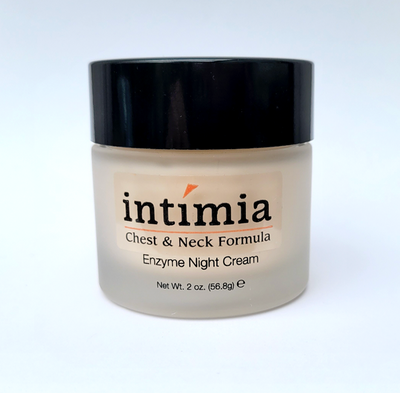
- Hydrators. Hyaluronic acid, glycerin, and soothing emollients turn that thin chest skin from crinkled paper back into something closer to satin.
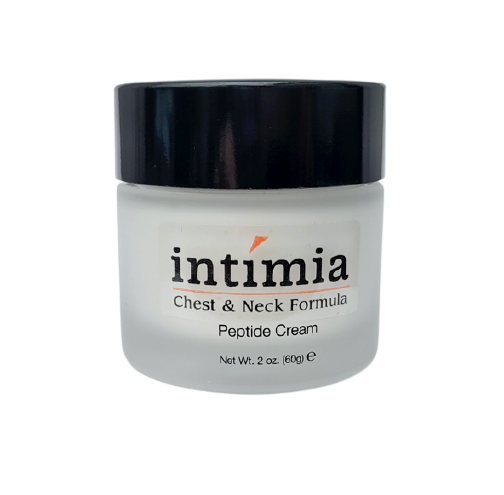
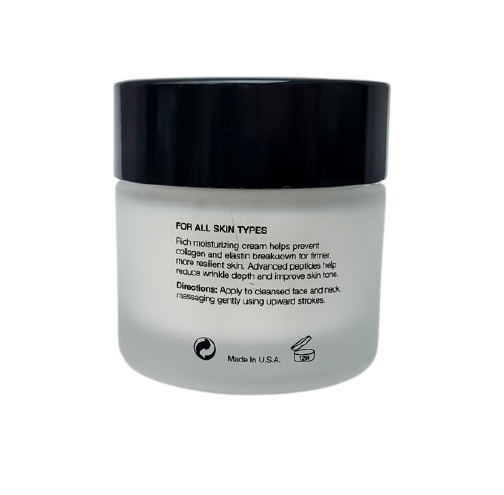
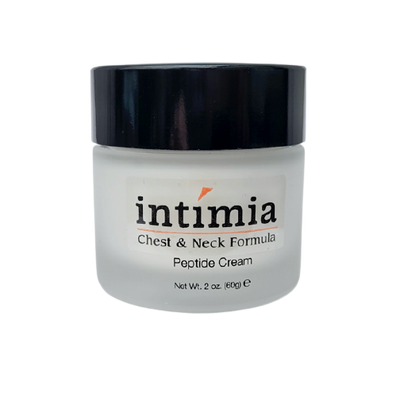
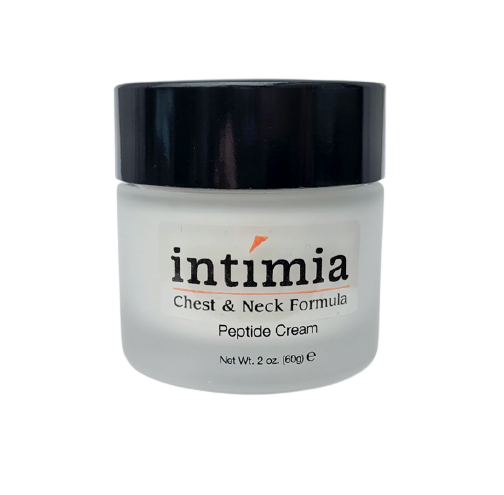
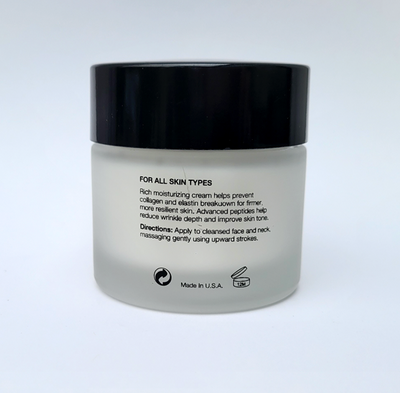
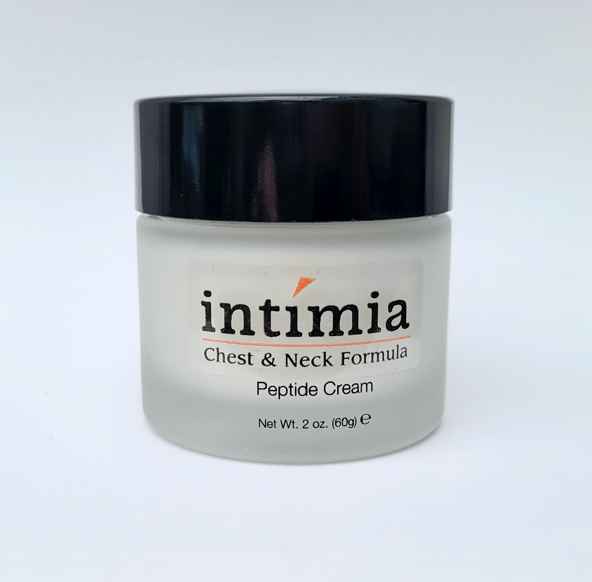
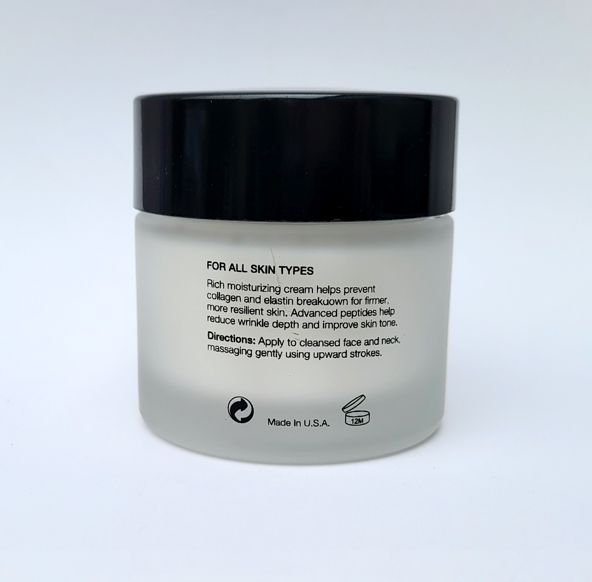
- Peptides. These tiny messengers gently encourage more collagen and work beautifully alongside a red light anti aging chest routine.
- Gentle retinoids. If your chest can handle it, retinol or plant-based alternatives like bakuchiol on non-light nights can help smooth texture over time.
If you browse through body and neck product roundups in places like 2026 trend articles, you will notice how many of them quietly assume you are also doing some kind of device-based care now, not just creams alone.
Sleep position and physical chest support
You can be disciplined with sunscreen and light therapy and still undo half your work between midnight and morning. Side-sleepers, I am looking at you, kindly.
- Back-sleeping. Training yourself to sleep on your back is free and powerful, though not easy, I will not pretend otherwise.
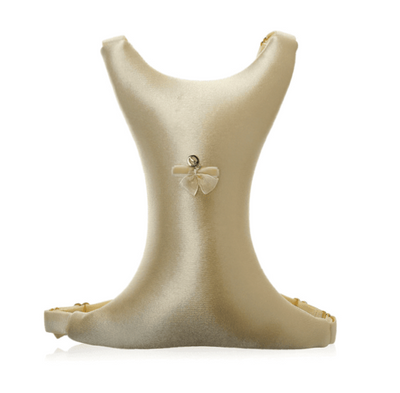
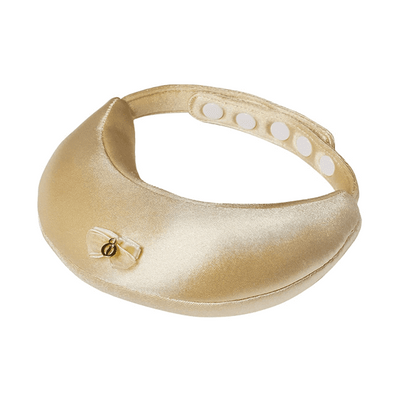
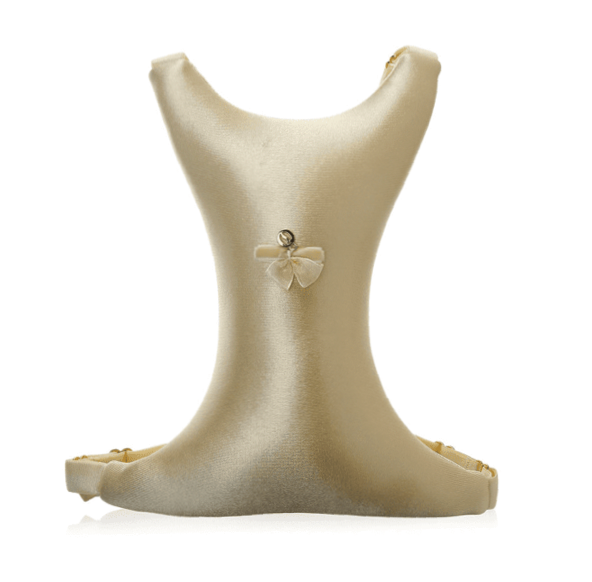
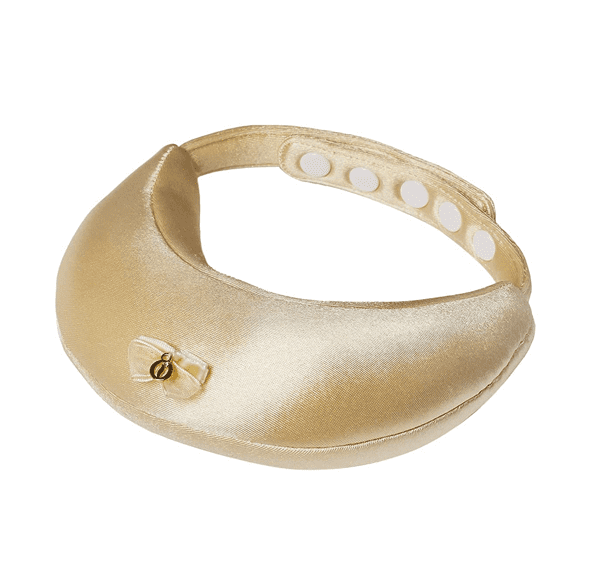
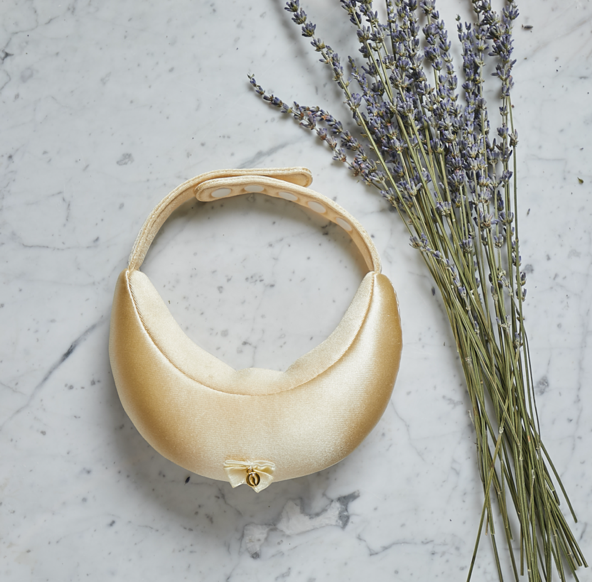
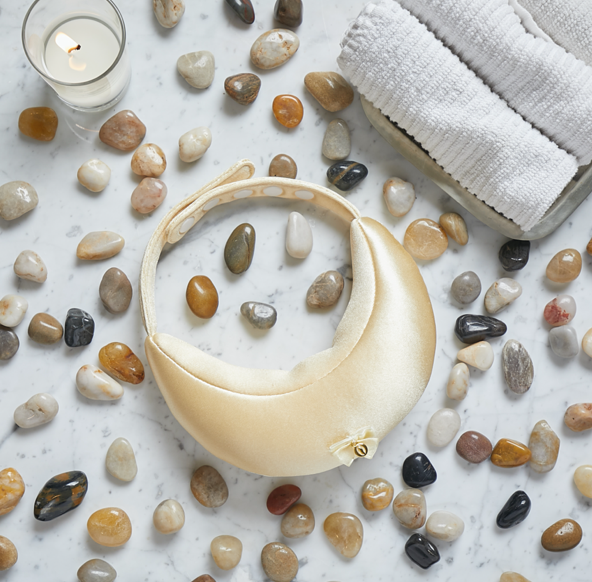
- Support pillows. If turning into a back-sleeper feels impossible, specialized pillows can keep your chest from folding into itself all night.
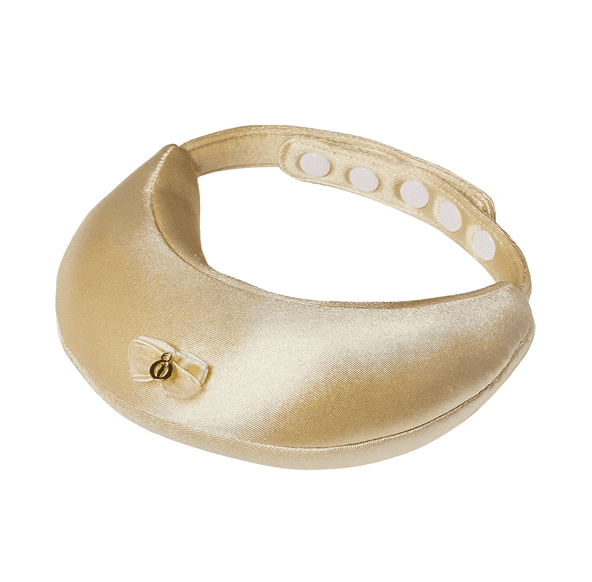
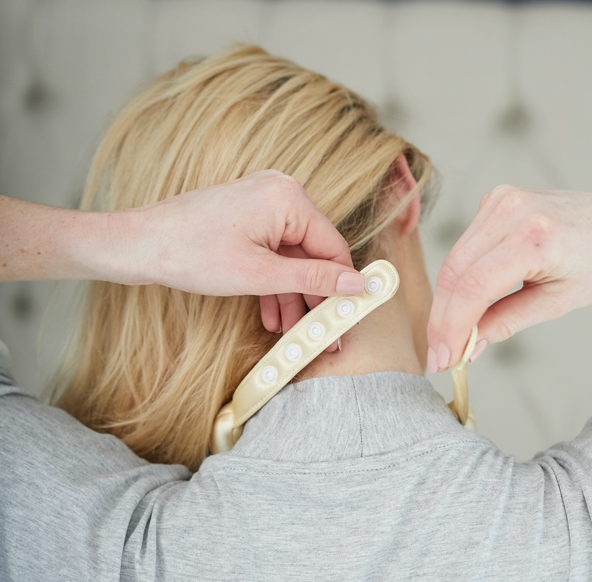
- Sleep bras or chest supports. Gentle night-time separation for the breasts helps prevent deep vertical lines, especially if you are well-endowed.
A sample anti‑aging chest routine for busy women
If your head is spinning, let me simplify. Here is how I would stitch all of this together for a week that actually exists in the real world.
- Morning, every day. After your shower, smooth an antioxidant serum over your neck and chest, then follow with SPF 30+ from jawline to bra line.
- Evening, red light nights (for example Mon/Wed/Fri). Cleanse, use your at home led mask chest for three to ten minutes, then apply a gentle hydrating moisturizer and go to bed on a pillow arrangement that does not crease you like origami.
- Evening, non-light nights (for example Tue/Thu/Sat). Cleanse, apply your peptide or gentle retinoid chest serum, then seal with a richer cream.
- Once a week. Add a mild exfoliating lotion or scrub to the chest to keep dead cells from building up and dulling the glow you are working so hard for.


Cost, value, and ROI of red light therapy chest wrinkles 2026
Every anti-aging decision has two columns, how it makes you feel and what it does to your bank account. Red light therapy chest wrinkles 2026 sits in that interesting space where the math can actually work in your favor if you play it long-term.
In‑clinic LED therapy décolleté costs
Professional treatments give you high-powered devices and someone else pressing the buttons. They also give you invoices that add up faster than the collagen.
- Per-session pricing. Anywhere from $75 to $300 or more, depending on where you live and the clinic’s level of luxury.
- Series required. A realistic starting plan is six to ten sessions, once or twice a week, which quickly adds up into the hundreds or thousands.
- Maintenance. After your initial glow, you still need occasional boosters to stay there, which means more appointments and more cost.
When you read neutral breakdowns of light therapy in medical overviews, they often gently hint at this tradeoff, strong but expensive versus gentler but repeatable at home.
At‑home device investment and break‑even point
An at home led mask chest device flips the equation. The bill comes first, but the “sessions” that follow are essentially free.
- Upfront cost. Expect around $300 to $800 for a well-made, FDA-cleared chest-capable unit.
- Break-even. If you compare that to per-session clinic pricing, you often break even somewhere around ten to twenty equivalent treatments, after that your cost per use drops into pocket change territory.
Of course, this assumes you choose a device that reflects current led therapy décolleté research and not just the cheapest blinking panel you can find. That is where leaning on detailed gear reviews, like the ones in tool comparison articles, can actually save you money.
Time to see ROI in skin results
Then there is the softer side of ROI, the way your skin feels in your own hands when you apply lotion in the morning.
- Four to eight weeks. Texture and tone start behaving better, redness may calm, your chest catches the light a bit more kindly.
- Three to six months. Fine lines soften, firmness feels a little more reliable, tops that once made you self-conscious become easier to wear.
- Realistic goals. Deep, carved-in lines will not vanish, but they can look less harsh, and the overall impression of the area shifts from “tired” to “cared for.”
Medical summaries of red light outcomes use almost the same language, subtle to moderate improvement, very good safety, and a strong emphasis on patience.
Is 2026 the right time to invest?
If you are wondering whether to wait for the next big thing, I understand. The beauty industry loves a shiny promise. But in this case, the foundation is already solid and getting stronger.
- The science is steady. We have enough data to be confident about mild-to-moderate improvements and safety for cosmetic use.
- The tech is mature. Devices are better designed, better regulated, and more honest about their specs than they were a few years ago.
- Your candidacy. If your chest wrinkles are early to moderate, and you prefer non-invasive, routine-friendly solutions, 2026 is a very reasonable time to step in.
If your lines are very deep, I would see an aesthetic physician first, then consider red light as the gentle, daily “maintenance friend” rather than the main event, a role professional bodies discussing light therapy for anti-aging are increasingly comfortable endorsing.
Future outlook – where red light therapy for chest wrinkles is headed after 2026
The story of red light therapy chest wrinkles 2026 is really the first few chapters. The tools are about to get smarter, more connected, and more deeply woven into how we think about body skincare as a whole.
Smarter, connected devices and personalized protocols
I can already see it, you open an app instead of a manual, the device remembers your Tuesday-night habit better than you do.
- App-guided treatments. Your phone pairs with your chest device, tracks usage, stores before-and-after photos, and nudges you when you skip too many days.
- Adaptive sessions. Sensors and simple feedback loops help adjust intensity or length over time so your routine stays effective without you needing to play armchair scientist.
Early seeds of this are visible in how many 2026 trend pieces, like those on connected skincare tools, talk about personalization as the next frontier.
Combination light therapies and multi‑target benefits
The next big wave in led therapy décolleté research will almost certainly blend colors. One wavelength for wrinkles, another for breakouts, another for pigment, possibly layered with other tech entirely.
- Multi-wavelength arrays. Red and NIR joined by blue for occasional chest acne or green for mild pigmentation, handled in a single, coordinated device.
- Hybrid modalities. Light quietly combined with gentle microcurrent or low-level thermal energy, each adding a little extra nudge to collagen, muscle tone, or circulation.
You can already see hints of this in advanced face devices covered in mask comparison features, and the body will not be far behind.
Expanding role of red light in holistic anti‑aging strategies
After 2026, I suspect we will stop talking about “gadgets” and start talking more about habits. Red light will be one of those quiet, dependable habits, like flossing or stretching, unglamorous but missed when you skip it.
- Mindful lifestyle pairing. Back-sleeping, sun discipline, nourishing food, all seen as equals to your chest device, not as side notes.
- Body as face-level skincare. No more saving the best serums for the forehead; the chest, arms, and even hands will be invited into the anti-aging conversation as equals.
In that future, red light therapy for the décolleté is not the hero, it is one of the supporting characters that makes the whole story hang together gracefully.
Conclusion: making red light therapy chest wrinkles 2026 work for you
The path to a smoother, more confident décolleté is not dramatic, it is a series of small, consistent decisions. The rise of red light therapy chest wrinkles 2026 just gives you another, very elegant tool for that work, one that fits into real evenings and real mornings without demanding your whole life in return.
We have talked about why your chest ages the way it does, what red light collagen chest therapy actually does beneath the surface, how the red light anti aging chest market has finally caught up to what women wanted all along, and how an at home led mask chest device can turn a corner of your living room into a quiet little treatment room.
The key, as always, is marrying the science with your own common sense. Expect subtle to moderate improvements, not movie magic, protect your chest from the sun as fiercely as you protect your face, sleep in a way that does not crush your efforts every night, and treat that thin, hard-working skin with the respect it deserved from the beginning.
If your décolletage looks flawless by morning, just check first whether you actually slept on your side.
Ready to wake up with smoother skin — start here.
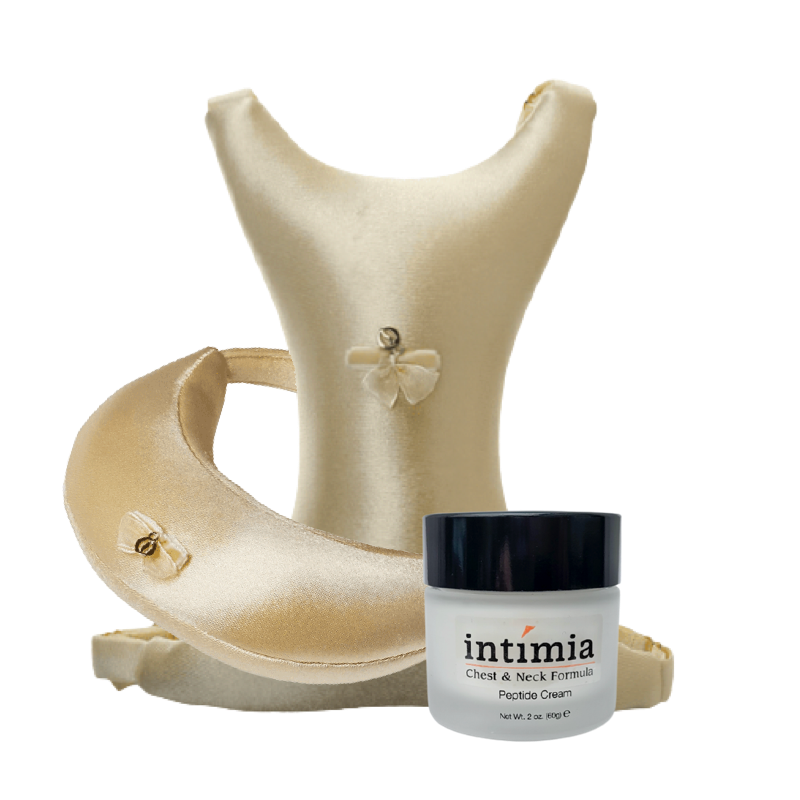
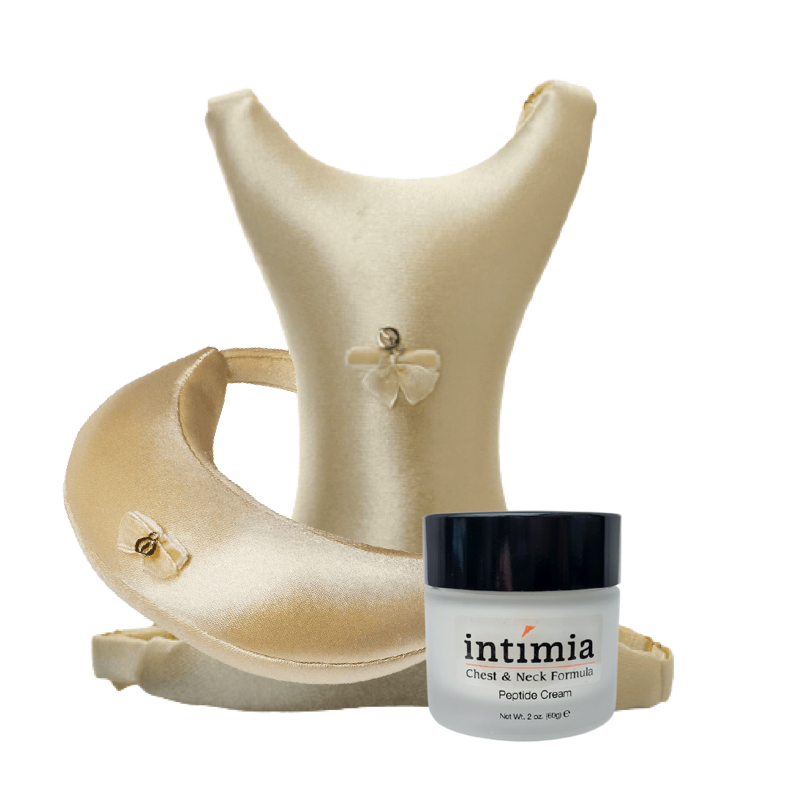
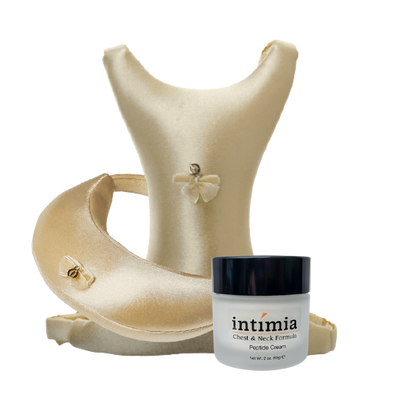
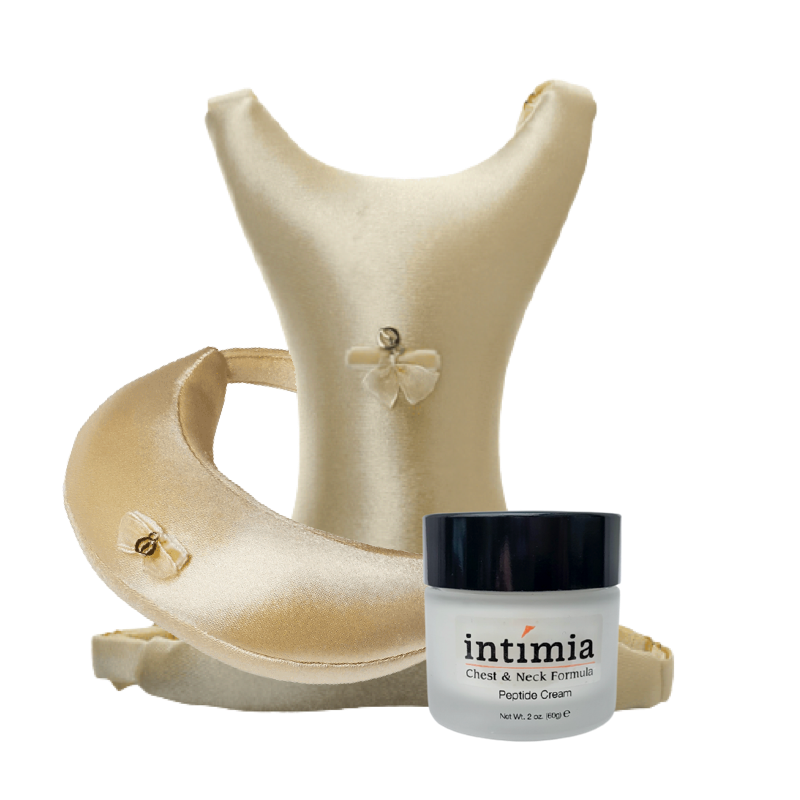
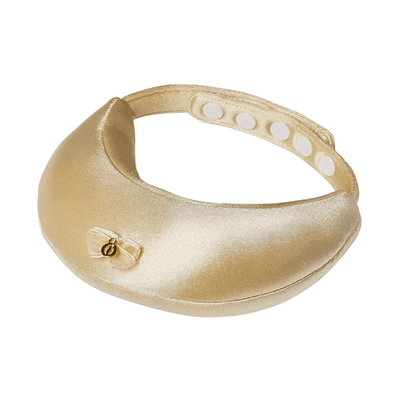
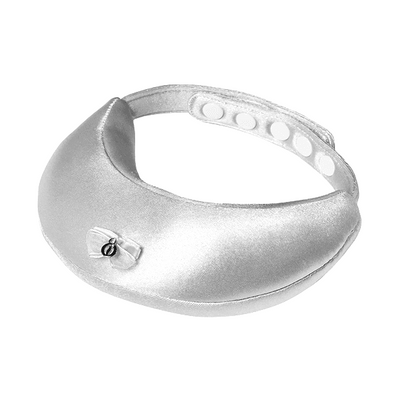
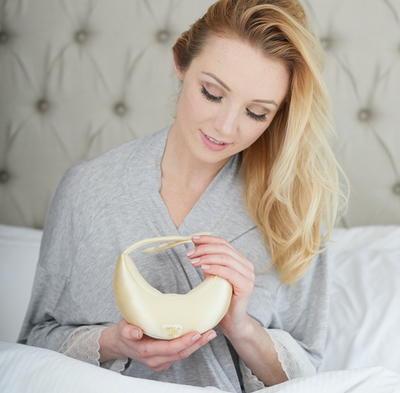
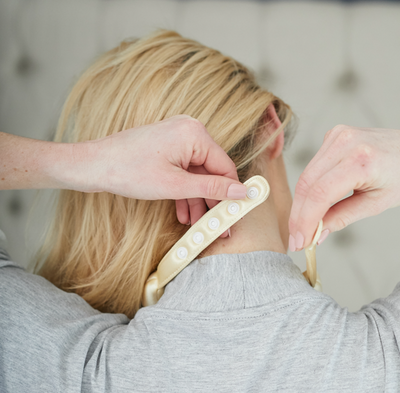
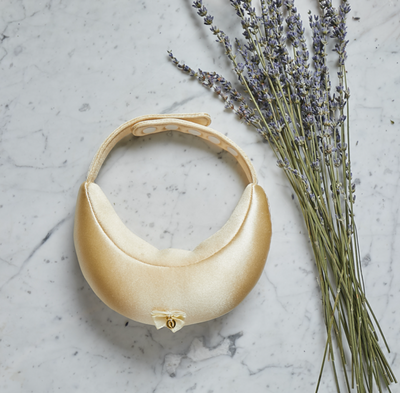
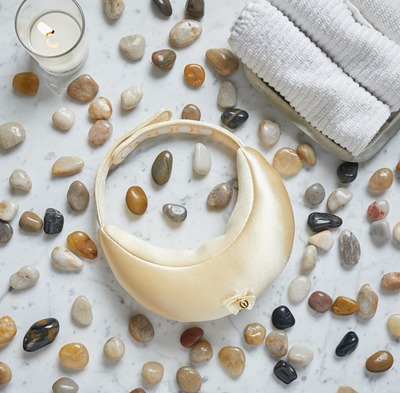
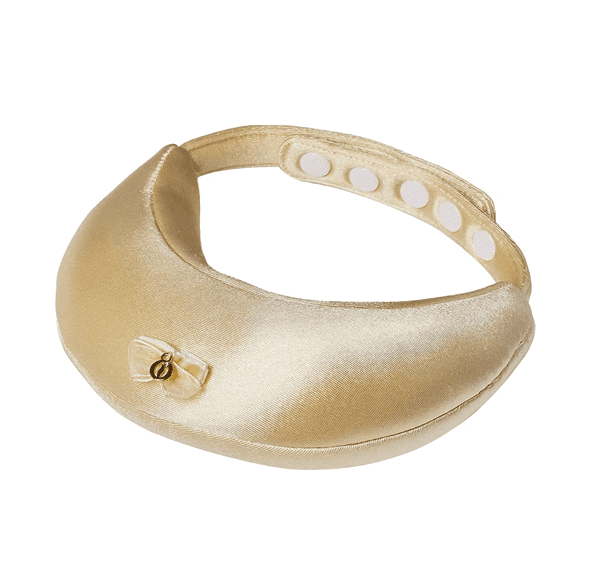
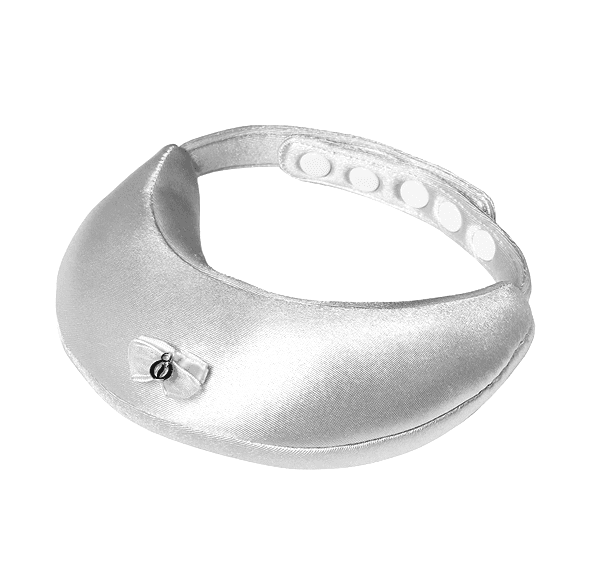
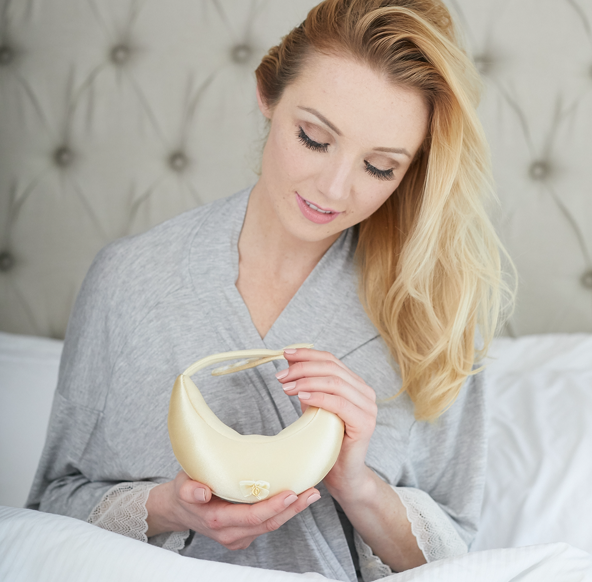
And if you decide to protect your results while you sleep, you already know my favorite tool for that, the Intimia® Breast Pillow.