In this article you will learn:
- Why Gentle Exfoliation Matters for the Chest in 2026
- Understanding Over Exfoliation Chest Damage
- 2026 Ingredient Spotlight – Mild AHA Chest Skin Solutions
- How to Choose a Sensitive Chest Exfoliant in 2026
- How to Use a Gentle Chest Peel Safely (Step-by-Step)
- Building a Weekly Gentle Exfoliation Routine for the Chest (2026 Edition)
- Preventing and Managing Over Exfoliation Chest Damage
- Lifestyle & Sleep Habits that Support Gentle Exfoliation Results
- Conclusion: Your 2026 Gentle Chest Exfoliation Blueprint
The era of gentle exfoliation chest 2026 is upon us, and it carries a quiet, powerful promise. It’s a shift away from harsh scrubs and aggressive peels, turning instead toward a knowing, sensual partnership with your skin. This trend champions safe, targeted exfoliation for the delicate chest and décolletage, using barrier-friendly chemistry like mild AHA chest skin formulas to renew and reveal without irritation. It's about nurturing the skin you live in, not punishing it into submission.
The chest, or décolletage, is a canvas of quiet beauty. It’s the soft expanse revealed by a summer dress, the warm skin that catches the morning light. Yet, this area is often forgotten in our daily routines. Its skin is thin, delicate, and exposed to the world’s stressors, which makes it age faster than the skin on our face.
Consider the daily challenges your chest faces:
- Chronic sun exposure: Years of sun, often without enough protection, lead to photoaging. This shows up as rough texture, uneven pigmentation, and fine lines that map a life lived outdoors. If you have ever wondered why that V-neck area looks older than the rest, a quick look at the latest insights on the décolletage in modern dermatology literature can be eye-opening, especially when you realize how rarely we protect it the way we protect the face.
- Repetitive compression: The simple act of sleeping on your side night after night can fold and crease the skin, etching vertical wrinkles into the cleavage.
- Constant irritation: Perfumes, sweat, oils, and the friction from bra straps and clothing can cause redness, sensitivity, and even breakouts, compromising the skin’s health and appearance. If you have ever chased those stubborn little bumps across your chest and read about chest breakouts in skin guides, you know exactly what I mean.
This guide is your blueprint for navigating the future of skincare. It’s an overview of the 2026 trend toward gentle, barrier-protecting formulas that many forward-thinking beauty editors are already talking about. More than that, it’s a practical, step-by-step manual for safely using a sensitive chest exfoliant with mild acids and peels.
The core idea is simple but profound: for the delicate skin of your chest, “gentle” isn’t just an option—it’s the only way forward. It’s the path to avoiding irritation, sensitivity, and long-term damage, allowing your natural radiance to emerge, timeless and true.
Why gentle exfoliation matters for the chest in 2026
The skin of the chest has its own story, its own needs. Treating it with the same force as the thicker skin on your body is a mistake. The move toward gentle exfoliation chest 2026 is a recognition of this unique vulnerability and a celebration of its delicate strength.
How chest skin differs from facial and body skin
Your décolletage is not like the skin on your face or your legs. It has a specific anatomy that makes it prone to aging and sensitivity.
- Thin barrier: The epidermal barrier on the chest is remarkably thin and delicate. It has less structural support, making it more susceptible to damage from the environment and harsh products.
- Fewer oil glands: Unlike your T-zone, the chest has fewer sebaceous glands. This means it produces less natural oil, leading to dryness, dehydration, and a tendency to become crepey and thin over time.
- Sun exposure history: Think of all the V-necks and scoop-neck tops you’ve worn. The chest receives a great deal of sun exposure over a lifetime, often with less diligent sunscreen application than the face. This cumulative damage is a primary driver of visible aging, something you can trace clearly once you read about how this zone behaves over decades in modern skin science.
Because of these factors, the chest is quick to show signs of distress like redness, irritation, fine lines, blotchy tone, and a dull, tired appearance.
The 2026 shift to a gentle, barrier-respectful sensitive chest exfoliant
We are moving past the age of abrasive skincare. The old habits of using harsh, grainy scrubs or applying peels meant for tougher skin are being replaced by a more intelligent and respectful approach. The gentle exfoliation chest 2026 philosophy is about working with the skin, not against it.
This means embracing low-percentage chemical exfoliants, formulas buffered with hydrating ingredients, and a less-is-more frequency. Dermatologists are leading this charge, advocating for safe at-home exfoliation that avoids the physical trauma and micro-tears caused by aggressive scrubs. For most body skin, including the chest, exfoliating one to three times per week is the ideal rhythm to encourage renewal without causing harm, something you will see repeated in many careful guides on safe exfoliation routines.
Anti-aging benefits of gentle, consistent chest exfoliation
When you treat your chest with this gentle, consistent care, the rewards are beautiful and lasting. A well-chosen sensitive chest exfoliant can deliver remarkable benefits.
- Smoother texture: Gently lifting away dull, dead skin cells reveals a softer, smoother surface. Roughness gives way to a silken feel.
- Reduced fine lines: Regular, mild exfoliation can soften the appearance of fine lines and early crepiness, restoring a more youthful look to the chest.
- More even tone: Over time, this practice helps fade dullness and lessen the appearance of superficial sun spots, leading to a more uniform, radiant skin tone.
- Improved product penetration: By lightly renewing the outermost layer of skin, you clear the path for your other skincare products. Your antioxidant serums, hydrating creams, and retinoids can penetrate more effectively and work their magic.
These benefits are best achieved with formulas designed for mild AHA chest skin, proving that true power lies in gentleness, not force.
Understanding over exfoliation chest damage
While gentle exfoliation is a gift to your skin, too much of a good thing can become harmful. Understanding the risks of over exfoliation chest damage is the first step in preventing it. The gentle exfoliation chest 2026 trend is built on this wisdom: know the limits, respect your skin’s signals, and prioritize its health above all else.
What is over exfoliation chest damage?
Over exfoliation chest damage is what happens when you strip the skin’s protective barrier. It’s an injury caused by using exfoliants—whether chemical acids or physical scrubs—too frequently or with too much intensity. On the thin skin of the chest, this damage can happen quickly.
When you over-exfoliate, you remove the protective lipids and proteins that hold the skin barrier together. This compromises its ability to hold onto moisture, leading to water loss and making the skin vulnerable, reactive, and inflamed.
Visible signs and symptoms to watch for
Your skin will tell you when it’s had enough. Learning to listen is key to preventing lasting harm. The warning signs of over exfoliation chest damage are clear and immediate.
- Burning, stinging, or tightness: Your skin should feel comfortable, not angry. A burning or stinging sensation upon application is a red flag.
- Persistent redness: A little pinkness might be normal for a few minutes, but lingering redness or blotchiness that lasts for hours or days is a sign of irritation.
- Peeling and flaking: Healthy exfoliation reveals smooth skin, not flaky, peeling patches. This indicates the barrier is severely compromised.
- New dark spots: Irritation can trigger an inflammatory response that leads to post-inflammatory hyperpigmentation, creating new dark spots on the chest.
- A crepey, papery look: Instead of looking plump and smooth, over-exfoliated skin can appear thin, fragile, and crinkled.
If you notice any of these signs, it's your skin’s way of asking you to back off and give it time to heal.
Long-term risks of repeated over-exfoliation
Ignoring the early warning signs can lead to more serious, long-term problems that are much harder to correct.
- Chronic sensitivity: Repeatedly damaging the barrier can make your skin permanently reactive, flushing and stinging in response to even mild products.
- Worsening of wrinkles: Chronic inflammation is a key driver of aging. Over time, it can break down collagen and elastin, making fine lines and wrinkles on the chest more pronounced.
- Uneven pigment: The cycle of irritation and inflammation can lead to stubborn, uneven pigmentation and dark patches that are difficult to fade, something you may already recognize from reading about how inflammation drives dark spots on delicate skin.
- Breakouts: A damaged barrier is less effective at defending against bacteria. This disruption can trigger acne flares or small, rash-like bumps on the chest.
The 2026 trend: prevention first
The gentle exfoliation chest 2026 approach is rooted in prevention. The goal is to get the benefits of renewal without ever pushing the skin to its breaking point. This philosophy prevents over exfoliation chest damage by championing a smarter, more mindful routine.
- Using milder acids and lower percentages.
- Sticking to an exfoliating schedule of 1-3 nights per week, which echoes what careful at-home exfoliation guidelines keep repeating.
- Pairing a gentle chest peel with barrier-supporting ingredients like ceramides and hydrators.
By respecting your skin’s limits, you ensure that exfoliation remains a healing ritual, not a harmful one.
2026 ingredient spotlight – mild AHA chest skin solutions
At the heart of the gentle exfoliation chest 2026 movement are the ingredients themselves. The focus is on smart, effective acids that renew the skin with a gentle touch. For the décolletage, finding the right mild AHA chest skin solution is everything. It’s about choosing elegance and efficacy over brute force.
What are AHAs and how do they work?
Alpha hydroxy acids (AHAs) are water-soluble acids, often derived from natural sources like sugar cane or milk. They work on the surface of the skin, dissolving the bonds that hold dead, dull skin cells together.
Think of it as gently un-gluing the old cells so they can be swept away, revealing the fresher, more radiant skin underneath. This process promotes cellular turnover, encouraging a smoother, brighter, and more even complexion. A gentle chest peel relies on this elegant mechanism to renew the skin without harsh scrubbing, the way many modern exfoliation guides quietly recommend for fragile areas.
Why lactic and mandelic are better for mild AHA chest skin than glycolic
Not all AHAs are created equal, especially when it comes to delicate skin. The size of the acid’s molecule determines how deeply and quickly it penetrates and how likely it is to cause irritation.
- Glycolic acid: This is the smallest AHA molecule. It sinks in fast and deep, which can be effective for thick, resilient skin (like on the feet) but is often too aggressive and irritating for the thin skin of the chest.
- Lactic acid: With a larger molecule, lactic acid penetrates more slowly and gently. It also has hydrating properties, making it an ideal choice for beginners and those with sensitive or dry skin.
- Mandelic acid: This AHA has an even larger molecule, meaning it penetrates very slowly and is exceptionally gentle. It is a perfect match for redness-prone, reactive, or sensitive chest skin.
For a true mild AHA chest skin experience, choosing a formula based on lactic or mandelic acid is the wisest path.
Formulation features to look for in 2026 mild AHA chest skin products
A smart formula is more than just its active ingredient. The best products of 2026 are designed with the whole health of the skin in mind and often follow the same safety principles you see in careful at-home exfoliation advice.
- Low acid percentages: Look for concentrations around 5-10% for a body or chest product. This is effective for renewal without being overly aggressive.
- Buffered pH: A well-formulated product will have a balanced pH to reduce the stinging and irritation associated with acids.
- Hydrating and soothing co-ingredients: The best formulas pair their AHAs with a team of barrier-supporting ingredients. Look for humectants like glycerin and hyaluronic acid, lipids like ceramides and squalane, and soothing botanicals like panthenol, aloe, or oat extract.
Benefits you can expect from regular mild AHA use on the chest
With consistent, gentle use, you can transform the look and feel of your décolletage.
- A brighter, more even skin tone, especially on sun-exposed areas.
- A softening of fine, crinkly chest lines.
- A reduction in the appearance of superficial sun spots, particularly when you are also diligent with daily sunscreen.
When AHAs are not appropriate for chest skin
Even the gentlest acids should be used with wisdom. There are times when it’s best to pause your exfoliation routine.
- If your chest is actively sunburned or has had recent intense sun exposure.
- If you have a flare-up of eczema, psoriasis, or dermatitis on the chest.
- If you have any open cuts, broken skin, or wounds from picking at acne.
- Immediately following an in-office procedure like a laser treatment, strong chemical peel, or microneedling. Always wait for your dermatologist’s approval before resuming, especially if you have been reading up on post-procedure care in expert-focused exfoliation FAQs.
How to choose a sensitive chest exfoliant in 2026
The shelves are filled with exfoliating products, but not all are suited for the delicate décolletage. The gentle exfoliation chest 2026 approach requires a discerning eye. Choosing the right sensitive chest exfoliant is about knowing what to look for and what to leave behind.
What makes an exfoliant “sensitive chest friendly”?
A product that is truly friendly to sensitive chest skin is designed with gentleness as its guiding principle. It’s a formula that respects the skin’s fragility.
- It’s a chemical formula: Prefer smooth lotions, lightweight gels, serums, or pre-soaked pads over physical scrubs. Mechanical exfoliants with beads, shells, or crystals can cause micro-tears on thin chest skin.
- It’s designed for the area: Look for products specifically formulated for the body, décolletage, or sensitive skin, not high-strength facial peels that may be too potent.
- It prioritizes comfort: A sensitive chest exfoliant should not burn or sting. Ignore products that market a “tingling” sensation as a sign that it’s working. Comfort and calm are the goals.
Label cues and ingredient lists to look for
Become a student of the label. The words and ingredients listed are clues to whether a product will be a friend or foe to your skin.
- Look for key phrases: “For sensitive skin,” “gentle exfoliating,” “barrier-protecting,” and “hydrating AHA body lotion” are all good signs, especially when you compare them with how safe body exfoliation is described in deeper care routines.
- Check the acid type: For a mild AHA chest skin formula, you want to see lactic acid or mandelic acid high on the ingredient list, rather than glycolic acid.
- Scan for soothing allies: The presence of humectants and barrier-replenishing lipids is a huge plus. Look for ingredients like ceramides, squalane, panthenol (vitamin B5), aloe, and colloidal oatmeal.
Red flags when shopping for a sensitive chest exfoliant
Just as important as knowing what to look for is knowing what to avoid. These are the red flags that signal a product is likely too harsh for your chest.
- Harsh physical scrubs: Steer clear of scrubs made with crushed nutshells, large sugar or salt crystals, or plastic microbeads.
- High alcohol content: If denatured alcohol or SD alcohol is listed among the first few ingredients, the formula is likely to be drying and irritating.
- Strong perfumes and essential oils: Fragrance is a common irritant, especially on sun-damaged or sensitive skin. Opt for fragrance-free formulas whenever possible.
- Aggressive combinations: Be wary of products that combine multiple strong actives without any soothing buffers—for example, a formula with high-percentage glycolic acid, salicylic acid, and a retinoid all in one, the kind that often gets classified as “intense” rather than “gentle” in clinical-style skincare trend roundups.
How 2026 trends are shaping product options
The good news is that the skincare industry is listening. The gentle exfoliation chest 2026 trend means we can expect to see more products designed specifically for the needs of the neck and chest. These barrier-conscious formulas will make it easier than ever to find a safe and effective sensitive chest exfoliant.
Until then, be a smart shopper. If you’re trying a new product, look for a travel size or ask for a sample. And always, always patch-test before applying it to your entire chest.
How to use a gentle chest peel safely (step-by-step)
Using a gentle chest peel at home should be a calming, restorative ritual. It’s a moment to connect with your body and care for your skin with intention. Following the right steps ensures the experience is safe, effective, and free from the risk of over exfoliation chest damage.
What counts as a gentle chest peel vs. a medical-grade peel
It’s important to understand the difference. A gentle chest peel for at-home use is a low-intensity formula, typically featuring a low percentage of mild AHA chest skin-friendly acids. It is designed for repeated, controlled use to achieve gradual improvement.
A medical-grade peel, performed by a dermatologist, uses much higher concentrations of acids to penetrate deeper into the skin. These treatments deliver more dramatic results but come with significant downtime and a higher risk profile. They are a different category of treatment entirely.
Patch-testing protocol before first use
Never skip this step. A patch test is your insurance policy against a widespread reaction.
- Choose a spot: Apply a small amount of the sensitive chest exfoliant to a discreet area of skin, like your inner arm or the side of your torso, where the skin is similarly sensitive to your chest.
- Wait and watch: Leave the product on as directed. Wait for 24 to 48 hours.
- Check for reaction: Look for any signs of excessive redness, burning, blistering, or a rash. If your skin stays calm, you can proceed with confidence, especially if you have already read those detailed exfoliation FAQs that show how quickly some people can react.
Prep: cleansing and evaluating skin condition
Prepare your canvas.
- Cleanse gently: Wash your chest with a mild, fragrance-free cleanser and lukewarm water. Use only your fingertips—no washcloths or scrubbing tools.
- Pat dry: Gently pat your skin dry with a soft towel. Never rub, as this can cause irritation before you even begin.
- Inspect your skin: Take a moment to ensure there is no active irritation. If you have a sunburn, a rash, or any broken skin, postpone your peel until the area is fully healed.
Application: how much, where, and how often
Less is more.
- Use a small amount: A pea- to nickel-sized amount is enough for the entire upper chest.
- Apply gently: Use your fingertips to apply a thin, even layer with broad, sweeping strokes. Avoid vigorous rubbing.
- Avoid high-risk zones: Steer clear of the nipples and areolae, as well as any areas where your bra straps might chafe and cause friction.
For a leave-on gentle chest peel (like a lotion or serum), start with once a week at night. If your skin tolerates this well after two to three weeks, you can consider increasing to two to three times per week, always keeping in mind how often body exfoliation is usually recommended in careful skin-care schedules.
For a rinse-off peel or mask, follow the label’s directions precisely. Start with the minimum recommended time (for example, one to three minutes) and only increase the duration if you experience no irritation.
Post-care: locking in hydration and protection
What you do after the peel is just as important as the peel itself.
- Moisturize immediately: Follow up with a neutral, fragrance-free moisturizer rich in barrier-supporting ingredients like ceramides, glycerin, or squalane. This replenishes moisture and soothes the skin.
- Sunscreen is mandatory: The morning after using any acid, applying a broad-spectrum SPF 30+ to your chest is non-negotiable. Exfoliated skin is more vulnerable to UV damage, and skipping sunscreen can lead to new sun spots and pigmentation.
When to scale back or stop to prevent over exfoliation chest damage
Listen to your skin. If you notice persistent redness, a burning sensation that doesn’t subside, worsening dryness, or new breakout-like bumps, it's a sign to reduce your frequency or stop using the product altogether. Respecting these signals is the key to preventing over exfoliation chest damage.
Building a weekly gentle exfoliation routine for the chest (2026 edition)
Consistency is the soul of skincare. A successful gentle exfoliation chest 2026 routine isn’t about a single, dramatic treatment; it’s about a steady, mindful rhythm of care. Building a weekly schedule helps you integrate exfoliation safely, giving your skin ample time to rest and repair, preventing over exfoliation chest damage.
Suggested 7-day chest routine template
Think of this as a blueprint. You can adapt it to your skin’s unique needs, but the principle of alternating active nights with recovery nights remains the same.
- Monday (exfoliation night): Gently cleanse the chest. Apply your sensitive chest exfoliant or gentle chest peel. Follow with a rich, soothing moisturizer.
- Tuesday (hydration night): Focus on moisture. After cleansing, apply a hydrating serum and your favorite ceramide-rich cream. No exfoliants.
- Wednesday (barrier repair night): Give your skin a rest. Gently cleanse and apply a simple, calming moisturizer. Let your skin’s natural barrier rebuild.
- Thursday (second exfoliation night, optional): If your skin is tolerating it well, you can have a second mild AHA chest skin night. If your skin is at all sensitive, skip this and make it another hydration night.
- Friday (actives night): This can be a night for other actives, like a gentle retinoid or antioxidant serum. Always follow with moisturizer, the way cautious routines for unclogging and renewing pores usually suggest.
- Saturday (recovery night): Keep it simple. Gentle cleansing and a nourishing moisturizer are all you need.
- Sunday (hydration and prep night): Focus on hydrating and preparing for the week. Use a hydrating serum and moisturizer, and be extra diligent with SPF if you’re spending time outdoors.
Remember, many people will see the best results with just one or two exfoliating nights per week.
Combining exfoliation with retinoids and antioxidants safely
You can absolutely use other powerful ingredients in your chest care routine, but it requires careful planning to avoid irritation.
- Alternate nights: The golden rule is to avoid using strong retinoids and AHAs on the same night. This combination can be too much for the delicate chest skin. Use your gentle chest peel one night and your retinoid on another.
- Use antioxidants in the morning: Antioxidants like vitamin C are best used in the morning routine. They help protect your skin from environmental damage during the day. Apply your antioxidant serum after cleansing, followed by moisturizer and, most importantly, SPF.
Morning vs evening: when to use gentle chest peels
Exfoliating acids are best used in your evening routine. This gives your skin the entire night to recover without the added stress of sun exposure. Acids can make your skin temporarily more sensitive to the sun, so applying them at night is the safest approach.
Your morning chest routine should be focused on protection and hydration: a gentle cleanse (or just a rinse with water), an antioxidant serum, a moisturizer, and a generous layer of broad-spectrum sunscreen.
Adjusting your gentle exfoliation routine by season and environment
Your skin’s needs change with the seasons.
- In summer: You may be spending more time in the sun. Be extra vigilant with sunscreen. If your skin feels more exposed or sensitive, consider reducing your exfoliation frequency to once a week. Opt for lightweight, non-comedogenic moisturizers to prevent breakouts from heat and sweat, especially if you are prone to chest congestion that you may have read about in focused pieces on body breakouts.
- In winter: Cold air and indoor heating can leave skin dry and dehydrated. You may need to use a richer, more nourishing moisturizer. Pay close attention to any signs of dryness or irritation, which can signal that you need to pause your acids for a few days and focus solely on barrier repair.
Preventing and managing over exfoliation chest damage
Even with the best intentions, it’s possible to push your skin too far. Recognizing the signs of over exfoliation chest damage and knowing how to respond immediately is crucial. The goal is to calm the storm quickly and guide your skin back to a state of healthy balance.
Immediate steps if you think you’ve over-exfoliated
If your chest feels raw, red, or burned, take these steps right away.
- Stop all actives: Immediately stop using all exfoliating products on your chest. This includes your mild AHA chest skin formulas, BHAs, retinoids, and any physical scrubs.
- Simplify your routine: Switch to a “bland” skincare routine. Use only a gentle, fragrance-free cleanser and a simple, nourishing moisturizer with ingredients like ceramides, glycerin, or niacinamide.
- Avoid heat and sun: Stay away from hot showers, saunas, steam rooms, and intense workouts that could cause more inflammation. Sun exposure is especially dangerous for irritated skin, as it can easily lead to hyperpigmentation. Keep your chest covered and apply a high-SPF mineral sunscreen daily.
A gentle recovery routine for the chest
Nurture your skin back to health with a focus on healing and protection.
- Cleanse minimally: Use a gentle, non-foaming cleanser or simply rinse the area with lukewarm water until the irritation subsides.
- Moisturize liberally: Apply a barrier-repair cream two to three times a day. Look for formulas rich in ceramides, cholesterol, and fatty acids to help rebuild the skin’s protective layer.
- Choose soft fabrics: Wear soft, breathable, non-abrasive fabrics like cotton or modal. Avoid rough seams or tight clothing that can rub against the irritated skin and trap sweat.
- Mind your sleep: Try to sleep on your back to avoid friction. If you sleep on your side, wear a soft cotton top to protect your skin.
When to see a dermatologist
While most cases of mild over-exfoliation can be managed at home, some situations require professional help. See a dermatologist if:
- The redness, burning, or pain lasts for more than a week despite stopping all active ingredients.
- You develop blistering, oozing, or open sores.
- You notice new dark patches or uneven pigment that appears or worsens after the irritation, something many pigment-focused articles warn can linger without targeted care.
Safely reintroducing mild AHA chest skin products after healing
Patience is key. Do not rush back into your old routine.
- Wait for full recovery: Wait at least one to two weeks after all symptoms of irritation have completely disappeared.
- Start slow: Reintroduce your sensitive chest exfoliant at a much lower frequency than before—start with just one night a week. You might also consider using a product with a lower acid concentration.
- Monitor closely: Pay careful attention to how your skin responds. If any signs of irritation return, stop immediately and consider that the product or frequency may not be right for you. Consulting a dermatologist can help you find a safe path forward.
Lifestyle & sleep habits that support gentle exfoliation results
The beautiful results from your gentle exfoliation chest 2026 routine don’t exist in a vacuum. They are supported and amplified by the small, mindful choices you make every day. Your lifestyle, from the way you sleep to the clothes you wear, plays a vital role in maintaining smooth, radiant skin on your chest.
How side-sleeping and compression drive chest wrinkles
Many of us are habitual side-sleepers. While cozy, this position can work against your skincare efforts. Night after night, the weight of one breast pressing against the other folds the delicate chest skin, creating vertical lines and creases in the cleavage.
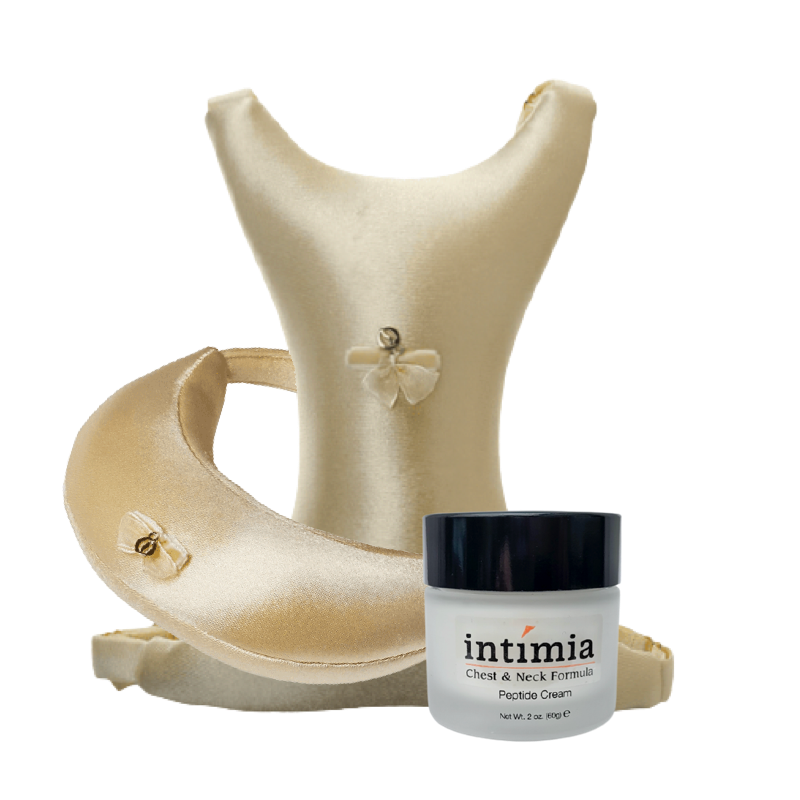
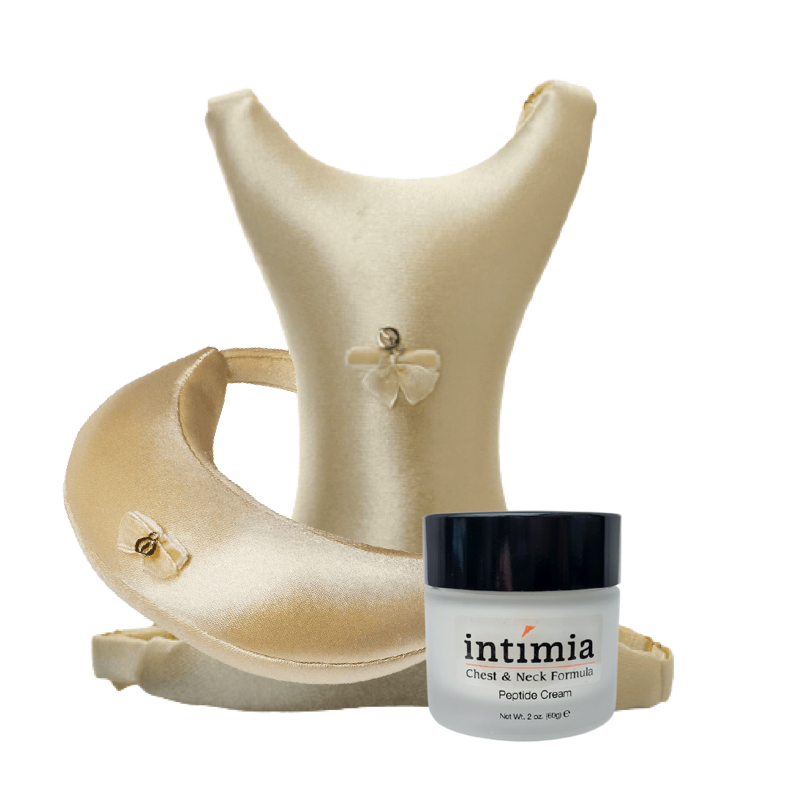
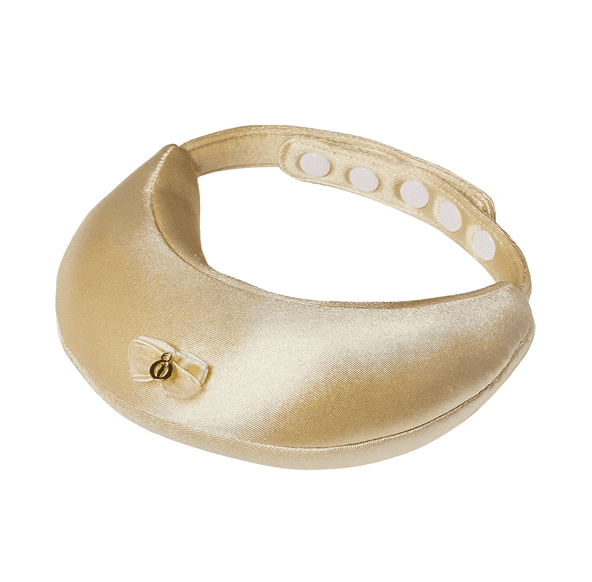
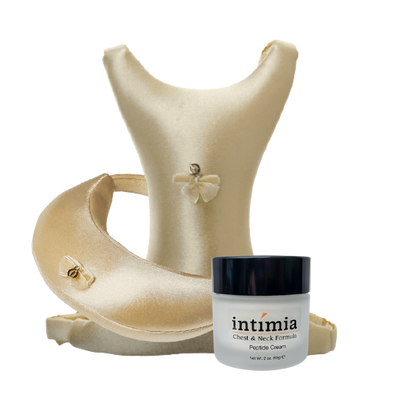
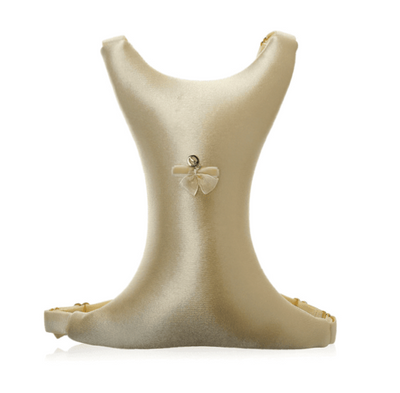
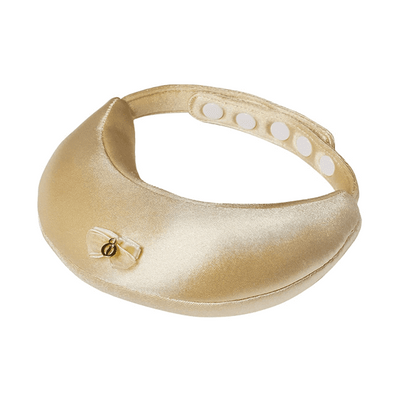
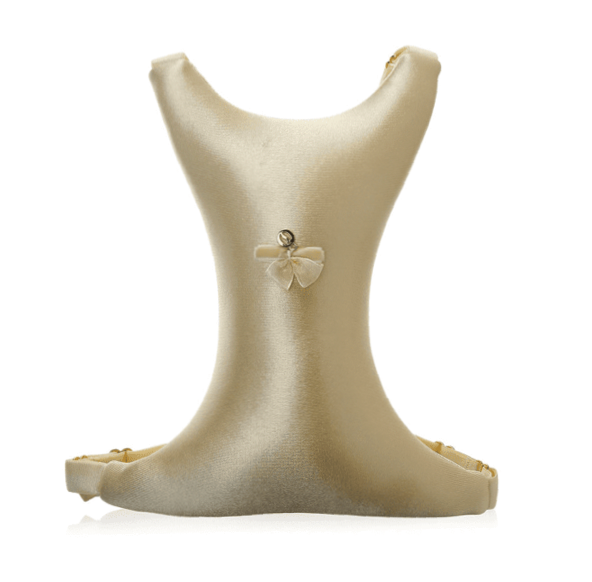
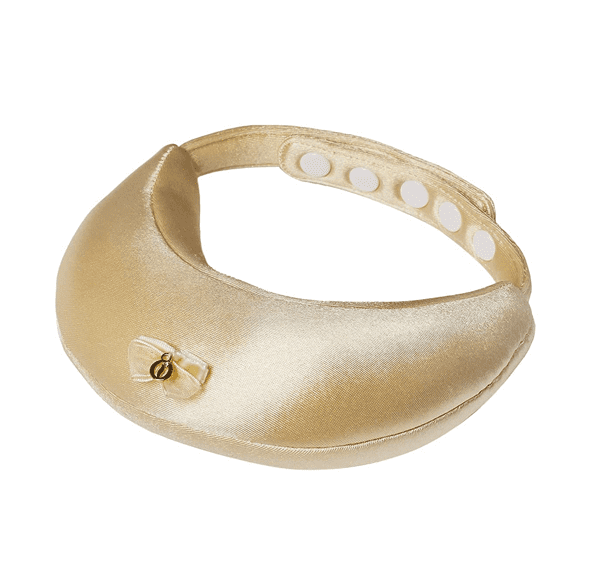
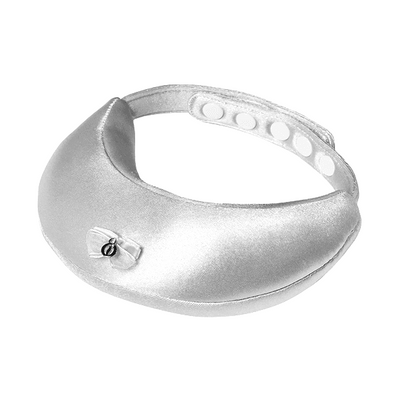
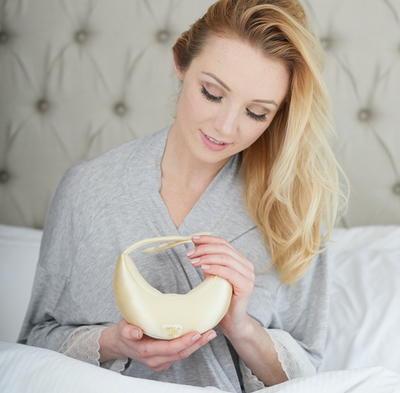
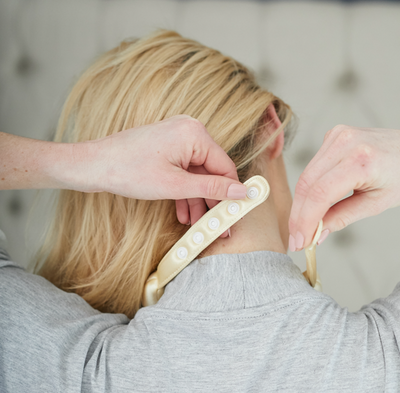
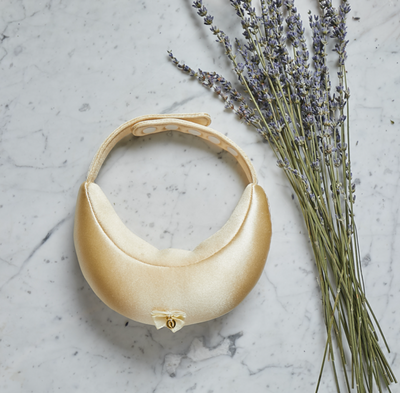
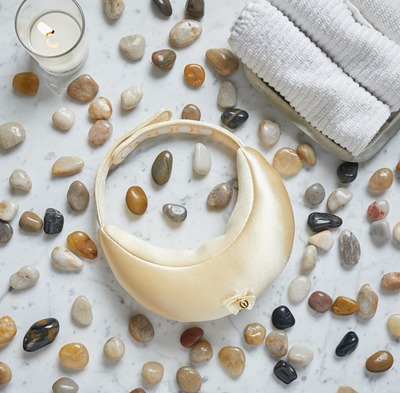
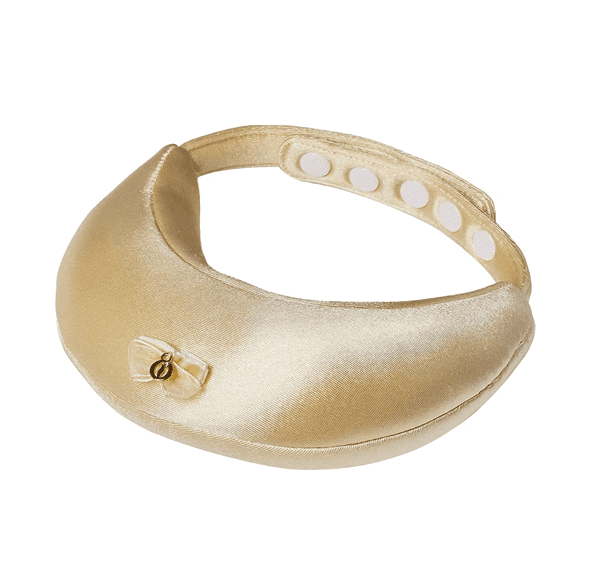
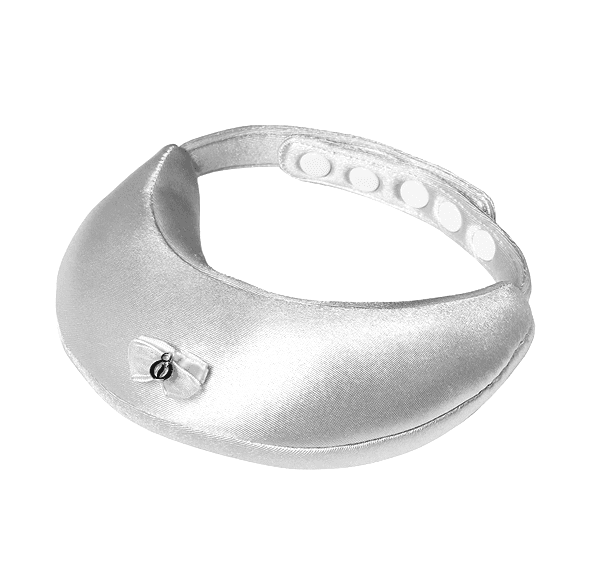
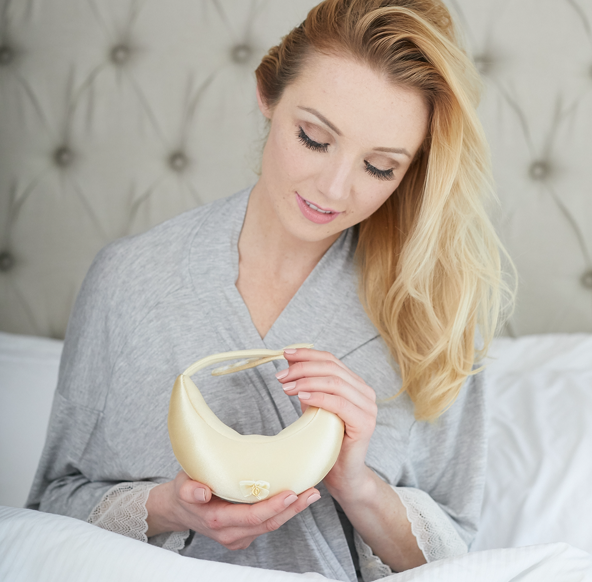
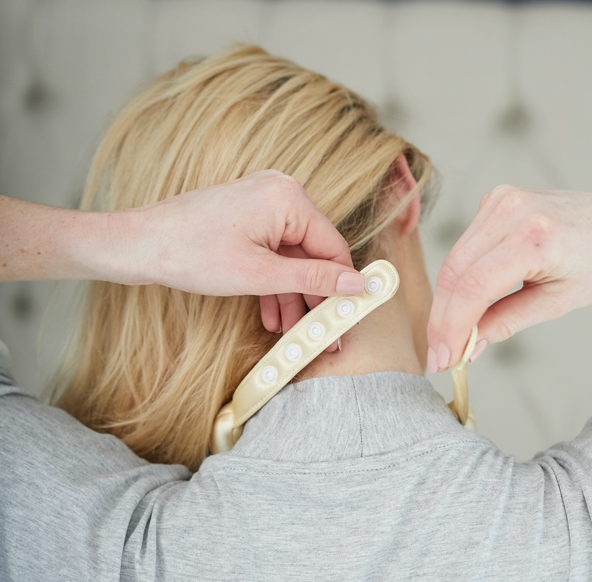
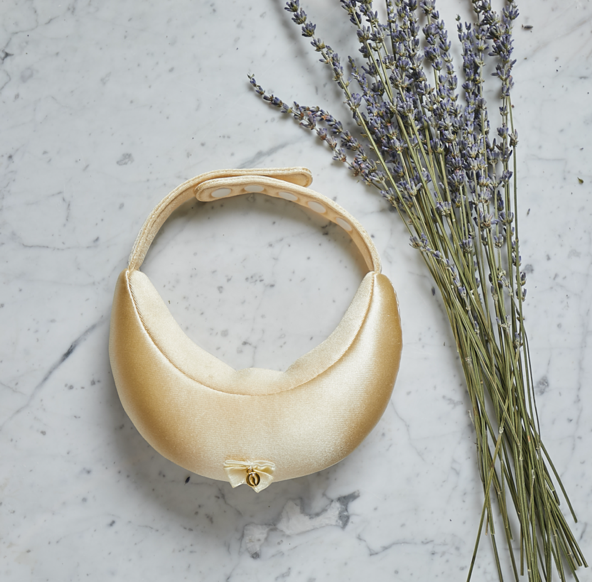
This constant compression can counteract the smoothing benefits of even the best sensitive chest exfoliant. To support your skin, consider experimenting with sleep solutions that minimize this creasing, such as specialized chest pillows or supportive sleep bras designed to keep the skin smooth.


Clothing, fabrics, and sweat management
The fabrics that lie against your skin matter. To prevent irritation and potential breakouts on the chest:
- Choose breathable fabrics: Opt for natural, moisture-wicking materials like cotton, bamboo, or modal, especially for your bras and workout clothes. These fabrics allow sweat to evaporate instead of trapping it against your skin, which is important if you are prone to chest breakouts the way many of us are after reading about how sweat and tight fabrics can trigger blemishes.
- Ensure a proper fit: A bra that is too tight can cause friction and chafing, leading to redness and irritation. Rough seams can also rub against freshly exfoliated skin and cause over exfoliation chest damage.
- Cleanse after sweating: If you’ve been working out, change out of your sweaty clothes and cleanse your chest as soon as possible to remove bacteria and prevent clogged pores.
Daily sun protection: the non-negotiable partner to any gentle chest peel
This cannot be overstated: sun protection is the most critical step in any anti-aging routine. The chest is one of the most sun-exposed areas of the body, and a gentle chest peel can make it even more susceptible to UV damage.
- Make SPF a daily habit: Apply a broad-spectrum, water-resistant sunscreen with an SPF of 30 or higher to your chest every single morning, rain or shine.
- Reapply often: When you’re outdoors, reapply your sunscreen at least every two hours, and more often if you’re swimming or sweating.
- Understand the risk: Using acids increases photosensitivity. Without adequate sun protection, you risk developing new dark spots and undoing all the brightening benefits of your exfoliation routine.
Supporting overall skin health for better chest results
Beautiful skin is a reflection of overall wellness. The benefits of your gentle exfoliation chest 2026 routine will be magnified when you support your body from the inside out.
- Stay hydrated: Drinking plenty of water helps keep your skin plump and resilient.
- Eat a balanced diet: A diet rich in antioxidants, vitamins, and healthy fats provides the building blocks for healthy skin.
- Prioritize sleep: Your skin repairs itself while you sleep. Getting enough rest is essential for collagen production and cellular renewal.
- Avoid smoking: Smoking accelerates the breakdown of collagen and elastin, leading to premature wrinkling and sagging, especially in thin-skinned areas like the chest.
Conclusion: your 2026 gentle chest exfoliation blueprint
The future of skincare is here, and it is wise, kind, and deeply personal. The gentle exfoliation chest 2026 movement is your invitation to care for your décolletage with the respect it deserves. It’s a blueprint for renewal that balances smart science like mild AHA chest skin formulas with an unwavering commitment to your skin’s health and barrier.
Remember the core message: the delicate skin of the chest blossoms under consistent, low-frequency care, not aggressive, quick-fix peels. This is a practice of patience and nurturing.
Here is your path forward:
- Choose wisely: Select a sensitive chest exfoliant formulated with gentle lactic or mandelic acid and enriched with soothing, hydrating ingredients.
- Act mindfully: Introduce a gentle chest peel into your routine just one to three nights per week. Always patch-test, start slow, and follow with moisturizer and daily SPF.
- Listen closely: Monitor your skin for any signs of over exfoliation chest damage. Redness and irritation are signals to pause and let your skin heal.
- Live holistically: Support your beautiful results with smart lifestyle choices—from your sleep posture and clothing fabrics to your unwavering dedication to sun protection.
Embrace this new philosophy of care. Trust your intuition, personalize your routine based on your skin’s unique sensitivities, and feel the quiet confidence that comes from nurturing your own timeless beauty.
And when you wake up one morning, look down, and see a smoother, calmer chest looking back at you, you will know that every gentle choice you made was worth it.
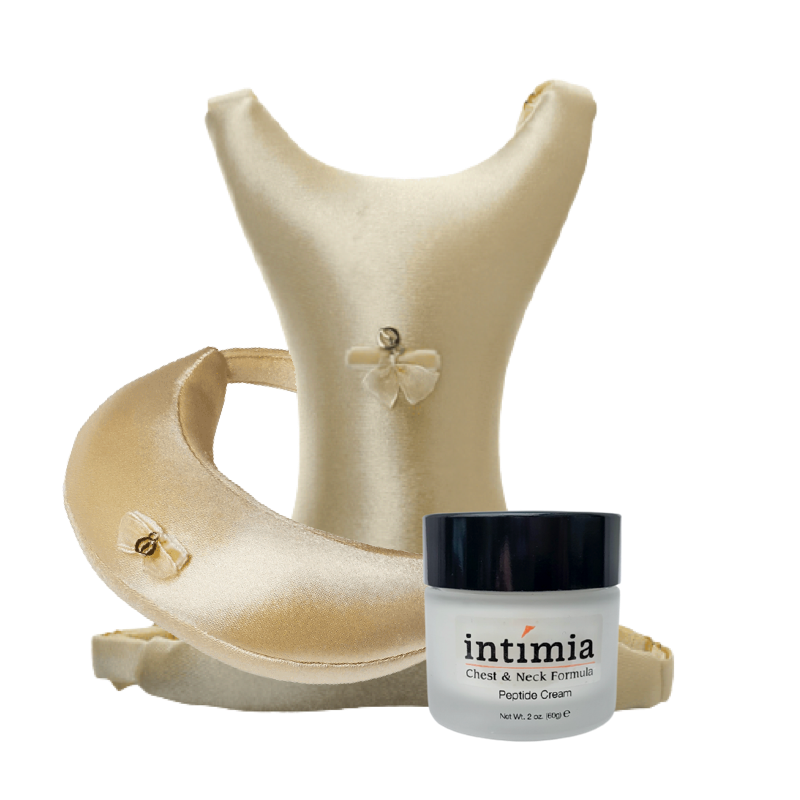
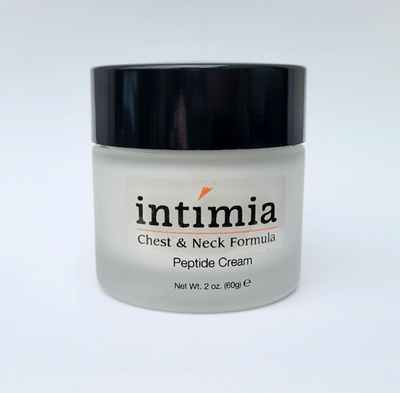
Ready to wake up with smoother skin — start here.
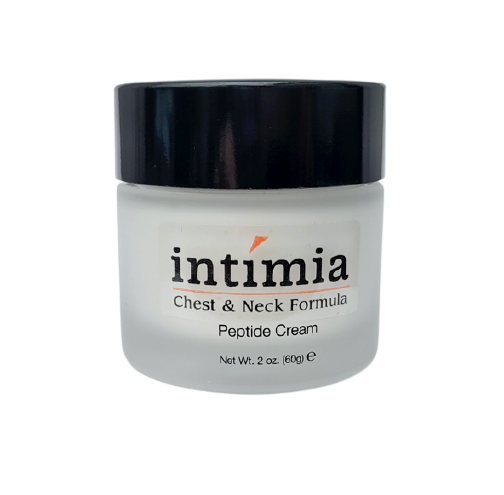
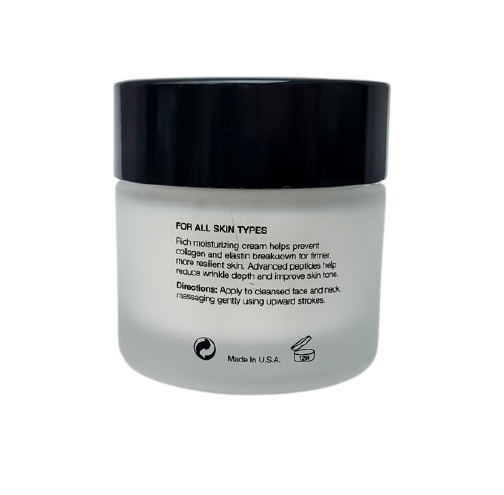
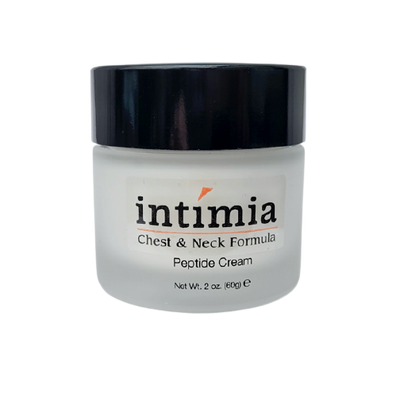
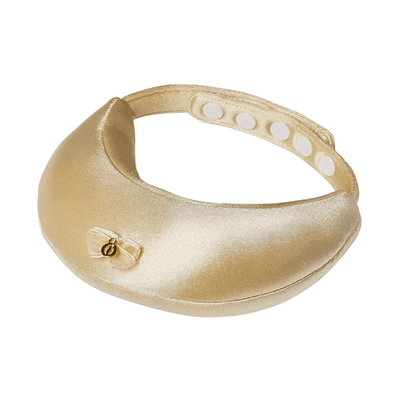
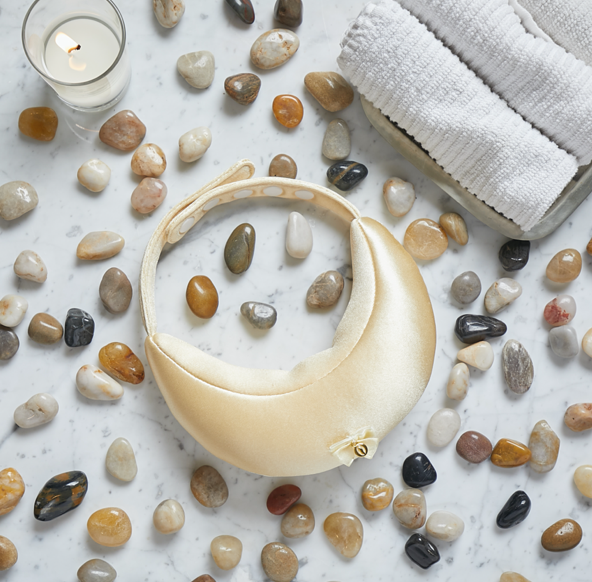
Intimia® Breast Pillow