In this article you will learn:
- Understanding Chest & Décolleté Aging
- Natural Collagen Boosters for Overall Skin Health
- Collagen-Rich Foods for a Firmer Chest
- Topical Skincare to Increase Collagen in the Décolleté
- How to Stimulate Collagen in the Chest Area Without Invasive Treatments
- Combining Internal and External Natural Collagen Boosters
- When Natural Methods Aren’t Enough
- Conclusion
I remember the first morning I really looked at my chest in the mirror and thought, “When did those lines move in and start paying rent?” You turn a little to the side, the light catches the creases, and suddenly the décolleté you never worried about is telling stories about every summer, every pregnancy, every night you fell asleep on your side with your laptop still open.
Learning how to boost collagen chest naturally is a quiet act of self-celebration. Collagen is the body’s own beautiful secret, a protein that weaves strength and softness into our skin. It gives your chest its smooth firmness, its youthful bounce, its supple texture. When this inner support system begins to thin with time, the skin can appear crepey, fine lines may form, and a gentle sagging can begin.
This guide is for the woman over 35 who moves with purpose, the professional, the mother, the creator. It will show you how to boost collagen chest naturally with simple, at-home strategies that honor your body and fit into the rhythm of your busy life. We will explore non-surgical, no-downtime approaches rooted in lifestyle, nutrition, and skincare, the kind you read about when you start digging into how elasticity changes with age and realize your chest didn’t just “suddenly” change last week.
Our focus is on the gentle art of prevention and the softening of existing chest wrinkles. This is a journey of supporting your body’s own strength, of nurturing its inherent ability to create beauty from within, rather than relying on invasive procedures or the latest dramatic “before and after” you saw while scrolling one night.
Section 1: understanding chest & décolleté aging
Why collagen loss shows first on the chest and décolleté
The skin on your chest and décolleté is like fine-spun silk, thinner, more delicate, and often overlooked in our daily care rituals. It has less fatty tissue and fewer oil glands than the face, making it more vulnerable to dryness and the early formation of lines. This is why the first whispers of aging often appear here, sometimes before you notice anything on your cheeks.
Several factors speed up collagen breakdown in this sensitive area, making it essential to learn how to boost collagen chest naturally. Once you understand how much sagging and thinning skin are influenced by daily habits, you stop blaming “bad genes” quite so much.
- Sun exposure (UV radiation): The sun’s rays, as warm and welcome as they feel, are a primary cause of collagen and elastin breakdown. This process, called photoaging, leads to wrinkles, sagging skin, and sun spots on the chest. Daily protection with a good sunscreen is your first line of defense, especially once you’ve read how closely UV exposure is tied to chest wrinkles.
- Side-sleeping and mechanical compression: The way you sleep can etch lines into your skin. Night after night of sleeping on your side can compress the skin between your breasts, creating vertical sleep lines that deepen over time, the kind you first notice in the morning and hope will fade by coffee.
- Hormonal changes after 35: As we move through life, our bodies change. A natural decline in estrogen can slow down collagen production, reduce skin thickness, and decrease hydration. This makes the chest area even more susceptible to wrinkles and a loss of firmness, something you see clearly when you start reading about how hormones and nutrients shape skin.
How collagen works in the chest area
Imagine collagen as a strong, flexible net woven just beneath the surface of your skin. In the chest area, this intricate network of fibers provides the support that keeps your skin firm, smooth, and resilient. Tiny cells called fibroblasts are the master weavers, working constantly to produce new collagen. But with age and exposure to stressors, these cells slow down, just like we do when we’re overworked and under-rested.
The health of this collagen network is directly visible on your décolleté. When you finally search for “what is happening to the skin on my chest” and land on an article about how loose skin forms and what supports it, suddenly the little lines feel more like a science project than a personal failure.
- Healthy collagen: When your collagen is strong and plentiful, your chest skin has fewer fine lines, better elasticity, and a smooth, even texture. It feels supple and looks vibrant when you catch it in the bathroom mirror.
- Collagen loss: When the network weakens, you may notice vertical chest wrinkles, a crepey or thin texture, and a rougher appearance. The skin may not bounce back as quickly as it once did, especially after a long night on your favorite side.
Understanding this process empowers you to take action. When you learn to boost collagen chest naturally through simple, daily habits, you are supporting those fibroblast cells and giving them what they need to continue their beautiful work. This approach is gentle, sustainable, and free of the cost, risk, and downtime associated with more aggressive procedures that promise miracles in a single afternoon.
Section 2: natural collagen boosters for overall skin health
Best natural collagen boosters for skin after 35
The most powerful natural collagen boosters skin are the nutrients, habits, and ingredients that work from the inside out and the outside in. They act as allies to your skin, helping your fibroblasts build new collagen while fiercely protecting what you already have, something every dermatologist quietly nods to when they talk about elasticity and long-game care.
Here are the key nutrients that act as natural collagen boosters skin:
- Vitamin C: This is the cornerstone of collagen production. Your body cannot create collagen without it. Vitamin C also acts as a potent antioxidant, shielding your existing collagen from damage caused by sun and pollution.
- Vitamin E: A fat-soluble antioxidant, Vitamin E protects your cell membranes from stress. It works in harmony with Vitamin C to defend your skin’s structure, like good friends who always show up together.
- Vitamin A (retinoids): Famous in the skincare world, retinoids are champions at increasing collagen production and speeding up cell turnover. This helps improve both firmness and texture. While often applied topically, Vitamin A is also found in many foods.
- Zinc and copper: These humble trace minerals are essential cofactors in collagen formation. They help link the collagen fibers together into that strong, supportive net.
- Antioxidants (polyphenols, carotenoids): Found in colorful fruits and vegetables, these compounds neutralize damaging free radicals, providing another layer of protection for your skin.
These nutrients benefit every inch of your skin, including your décolleté. They build the foundation you need to successfully boost collagen chest naturally, a truth you see repeated when you dive into nutrition-focused skin guides instead of just hunting for another miracle cream.
Lifestyle habits that support collagen production
Your daily rhythms have a profound impact on your skin’s health. The simple choices you make can either protect your collagen or accelerate its decline, and the difference shows up right where your necklace rests.
- Sleep quality: Deep sleep is when your body does its most important repair work, including producing fresh collagen. Aim for 7 to 9 hours of quality sleep each night to allow this renewal process to happen.
- Hydration: Water is life. Staying well-hydrated helps keep your skin plump and supple, which can instantly reduce the appearance of fine, crepey lines on the chest. It also ensures nutrients can travel efficiently to your skin cells.
- Stress management: Chronic stress raises cortisol levels in your body, a hormone that can interfere with skin repair and collagen synthesis. Simple practices like a brisk walk, a few deep breaths, or a short home workout can make a big difference.
- Avoiding smoking and limiting excessive alcohol: Smoking constricts blood vessels, starving your skin of oxygen and nutrients while introducing free radicals that destroy collagen. Excess alcohol is dehydrating and can speed up the aging process.
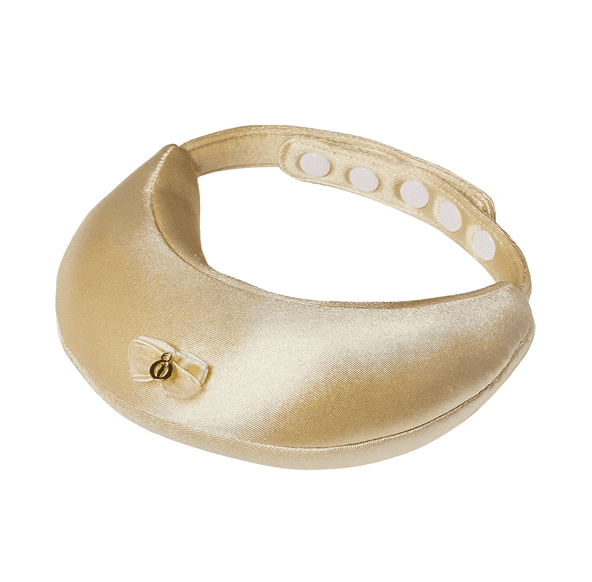
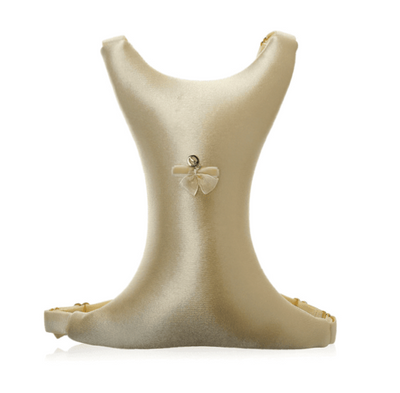
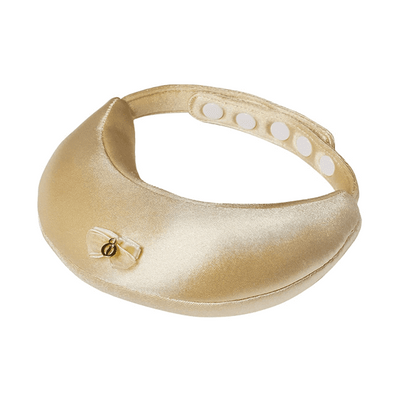
In addition to these internal habits, consider a mechanical one, gentle chest support at night. A supportive sleep bra or a specially designed pillow can reduce the compression between your breasts, preserving the collagen in your chest area. This simple act complements the work of nutritional natural collagen boosters skin and makes more sense once you’ve seen how strongly sleep position is linked to chest wrinkles.
Section 3: collagen-rich foods for a firmer chest
Collagen rich foods for chest and décolleté support
Eating collagen rich foods chest is about providing your body with the raw materials it needs to build strong, healthy skin. These are foods that either contain collagen directly or are packed with the amino acids and cofactors like vitamins and minerals that are essential for its creation.
While your body smartly distributes these nutrients everywhere they are needed, a diet that consistently supports collagen will, over time, reflect in the smoothness and firmness of your décolleté. You notice it in the way your skin looks after a month of real food instead of surviving on coffee and whatever you can eat standing up.
- Bone broth, lean meats, and fish with skin: These foods are direct sources of collagen and the specific amino acids, glycine, proline, and hydroxyproline, that form its structure. The skin on fish is especially rich in valuable collagen peptides.
- Eggs, tofu, legumes (beans, lentils, chickpeas): These protein powerhouses supply the essential amino acids your body needs to manufacture its own collagen. They are wonderful options for everyone, including those who follow vegetarian or flexitarian diets.
- Citrus fruits, berries, and leafy greens: This is where you find your Vitamin C. Oranges, lemons, strawberries, blueberries, kale, and spinach are all bursting with this critical nutrient, which is non-negotiable for collagen synthesis and antioxidant protection.
- Nuts, seeds, and avocado: These foods provide healthy fats and omega-3s that support your skin’s cell membranes and promote elasticity. Some, like pumpkin seeds and cashews, also offer zinc and copper, important mineral helpers in the collagen-building process.
If you have ever wondered whether food really shows up on your skin, spend a few weeks following a plan built around the kind of staples you see in skin-tightening nutrition guides and then look at your chest in the morning light, it becomes very obvious.
How to build a daily collagen-boosting meal plan
Incorporating collagen rich foods chest into your diet doesn't need to be complicated. Here are some simple, delicious ideas perfect for a busy schedule that doesn’t allow for twenty-step recipes.
-
Breakfast ideas:
- Collagen smoothie: Blend a cup of berries, a large handful of spinach or kale, Greek yogurt or silken tofu for protein, and a tablespoon of nuts or seeds. You can also add a scoop of quality collagen powder or enjoy a warm mug of bone broth on the side.
- Power omelet: Whisk two eggs with chopped leafy greens and serve with a side of sliced avocado.
-
Lunch ideas:
- Vibrant salad: Start with a bed of dark leafy greens. Top with grilled salmon or chickpeas, orange segments, avocado, and a sprinkle of pumpkin seeds.
- Hearty soup: Enjoy a warm bowl of lentil or black bean soup. Serve with a side of whole-grain toast and a fresh orange for dessert.
-
Dinner ideas:
- Simple one-pan meal: Bake a piece of fish with the skin on or a lean chicken breast alongside colorful vegetables like bell peppers and broccoli. Add a side of quinoa or beans.
- Quick stir-fry: Sauté tofu with a mix of your favorite vegetables and a handful of cashews.
Set small, achievable goals. Try to include a source of Vitamin C at every meal. Aim for a serving of high-quality protein each time you eat. This steady supply of amino acids provides the building blocks for natural collagen boosters skin and will help you boost collagen chest naturally with every bite, a pattern you also see recommended in long-term weight-loss skin guides.
Section 4: topical skincare to increase collagen in the décolleté
How to increase collagen in the décolleté with skincare
Your décolleté deserves its own dedicated care. This area is constantly exposed to the sun and is often neglected in our daily skincare routines, making it prone to fine lines, sun spots, and a loss of firmness. The right topical ingredients can help increase collagen décolleté by signaling your skin to rebuild and protecting it from further damage.
Focus on ingredients proven to encourage collagen synthesis and preserve your skin’s integrity. You will see the same short list repeated whenever you read serious pieces on noninvasive skin tightening routines, and that repetition is not an accident.
- Retinol/retinoids: These Vitamin A derivatives are the gold standard for boosting collagen production and accelerating cell turnover. They can dramatically improve the texture and fine lines on your chest. Since the chest skin is sensitive, start with a low strength one or two nights a week and always apply moisturizer first or after to buffer it.
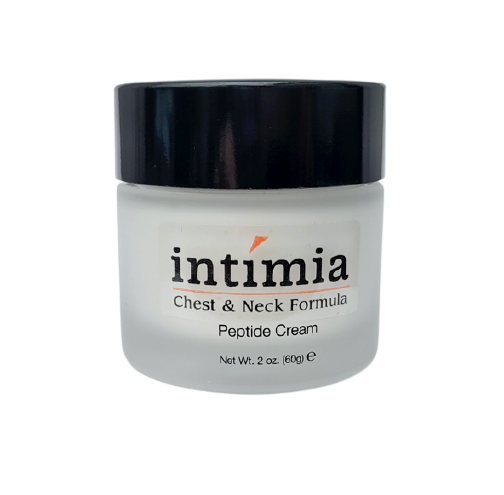
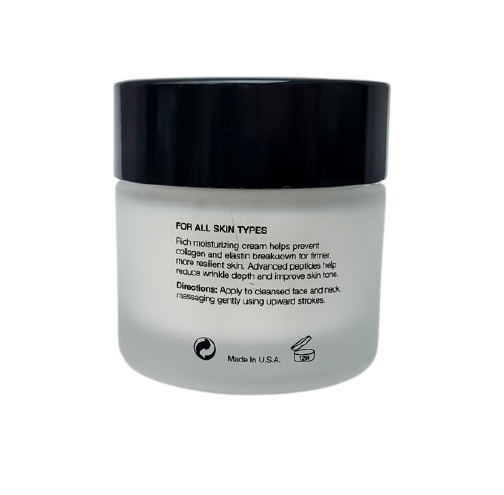
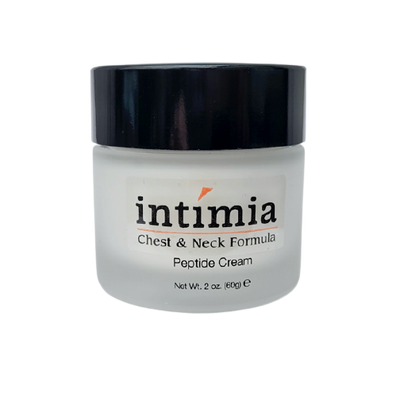
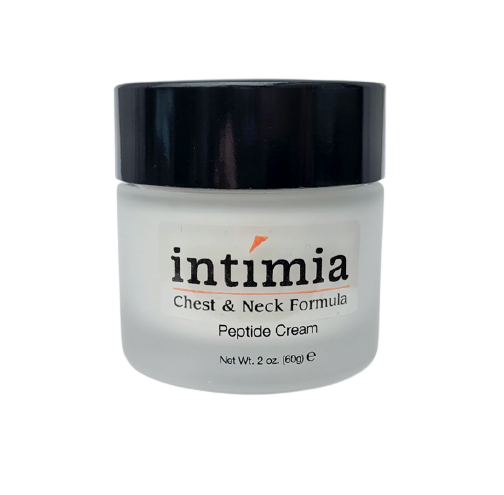
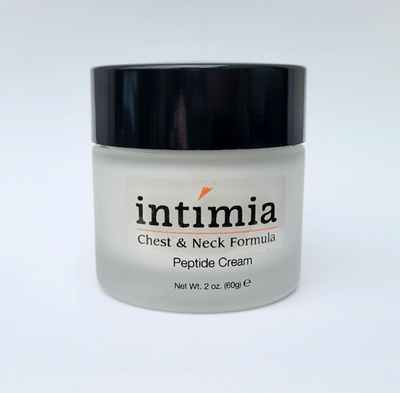
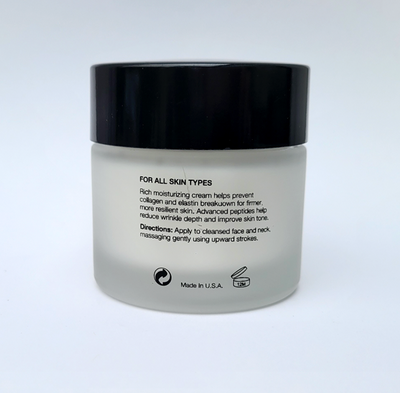
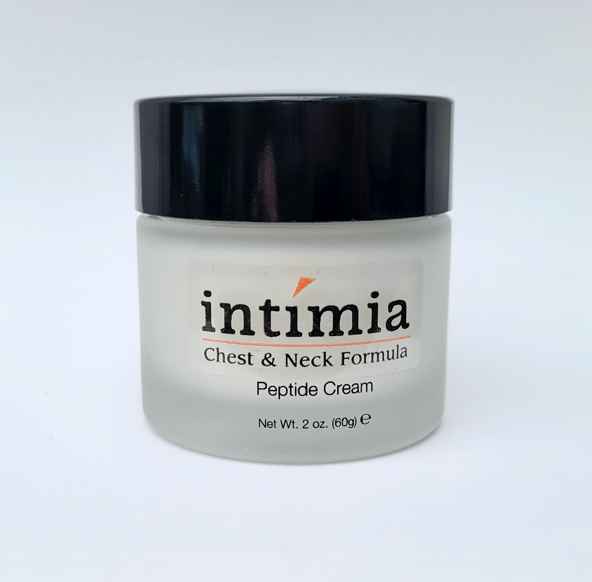
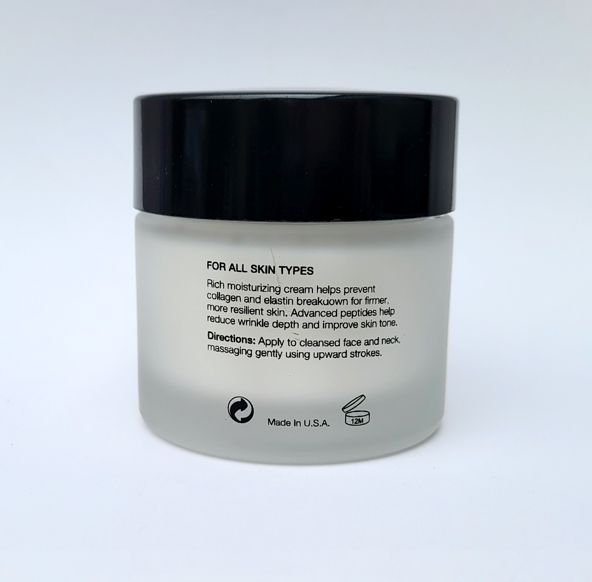
- Peptides: These are short chains of amino acids that act like messengers, telling your skin cells to produce more collagen and elastin. Look for them in serums and creams specifically formulated for the neck and chest.
- Niacinamide (Vitamin B3): This versatile ingredient strengthens your skin’s barrier, reduces redness, and can help improve your skin’s elasticity and texture over time. It plays well with other active ingredients.
- Vitamin C serums: Applying Vitamin C directly to your skin provides powerful antioxidant protection against sun damage and supports topical collagen production. It is especially vital for the sun-exposed décolleté.
- Hyaluronic acid: This molecule is a moisture magnet, drawing water into the skin to hydrate and plump it. This makes chest wrinkles appear less noticeable and creates a healthy, supported environment for your collagen to thrive.
Consistent use of these ingredients is a key part of any strategy to increase collagen décolleté and complements your efforts to boost collagen chest naturally from the inside. It’s the same layered approach you see recommended in every serious décolletage care guide, because that combination is what actually moves the needle.
Step-by-step décolleté skincare routine
A simple, consistent routine is your most powerful tool. Here is a framework for your morning and evening rituals, the kind you can follow even when you are half-awake and trying not to drip serum on your pajamas.
-
Morning routine:
- Gentle cleanse: Wash your chest and décolleté with a mild cleanser. Avoid harsh scrubs that can irritate this delicate skin.
- Apply Vitamin C: On clean, dry skin, apply a few drops of a Vitamin C serum.
- Hydrate: While the skin is still slightly damp, layer on a hyaluronic acid serum to lock in moisture.
- Moisturize: Apply a moisturizer suitable for your skin type.
- Protect: This is the most crucial step. Finish with a broad-spectrum sunscreen with SPF 30 or higher over your entire chest and neck. Do this every single day, even on cloudy days.
-
Evening routine:
- Gentle cleanse: Thoroughly wash away sunscreen, sweat, and pollutants from the day.
- Treat: Two to three nights a week, apply your retinoid or peptide serum to the décolleté. On the other nights, use a hydrating or niacinamide serum.
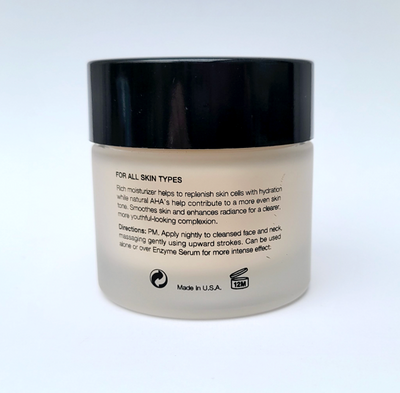
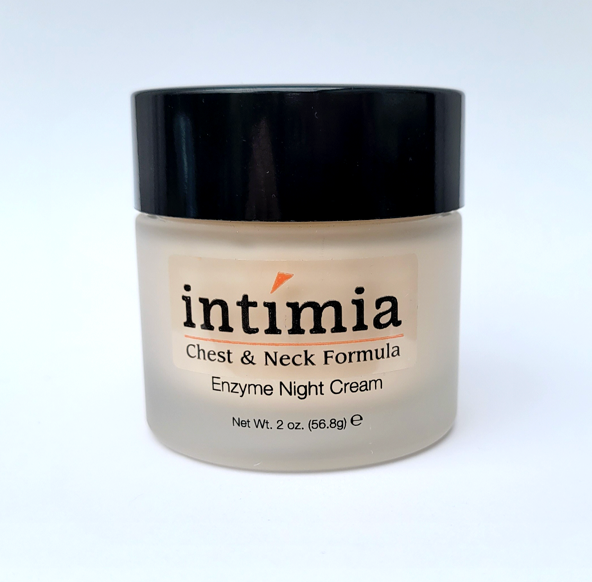
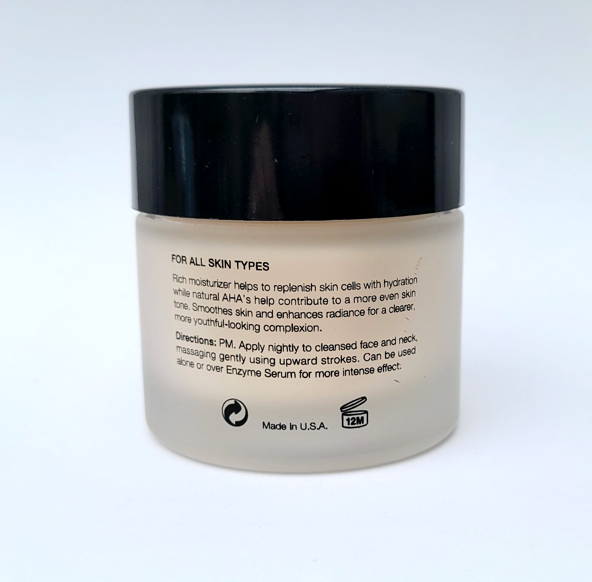
- Nourish: Seal everything in with a rich moisturizer or a dedicated neck and chest cream.
- Support (optional): Apply a medical-grade silicone chest pad to clean, dry skin. This helps keep the skin flat and hydrated overnight, minimizing sleep lines.
When applying products, use gentle, upward strokes or light patting motions. Never tug or stretch the skin. To safely increase collagen décolleté, introduce new active ingredients one at a time to check for sensitivity, and always pair retinoids with diligent daily sunscreen use, the kind of discipline skin doctors describe whenever they talk about preventing chest wrinkles long-term.

Section 5: how to stimulate collagen in the chest area without invasive treatments
Gentle at-home techniques to stimulate collagen chest area
You can stimulate collagen chest area without resorting to needles or surgery. These gentle techniques support your skin’s health by improving circulation and providing physical support, the kind of quiet maintenance that rarely makes headlines but always shows results over time.
- Light chest massage: Using your fingertips or the palms of your hands with a nourishing oil or cream, perform gentle, circular motions across your décolleté for a few minutes each day. This simple ritual can help boost blood flow, bringing more oxygen and nutrients to your collagen-producing fibroblast cells.
- Gentle chest-focused exercises: Strengthening the pectoral muscles beneath your chest skin can create a firmer, more lifted foundation. Simple exercises like wall push-ups, chest presses with light weights, or resistance band flys can improve your posture, which reduces slumping and creasing in the chest area.
- Daily sun protection: It is worth repeating, sunscreen is not just about preventing sun spots. It is one of the most effective ways to stimulate collagen chest area over the long term. By preventing UV rays from breaking down your existing collagen, you allow your body’s natural rebuilding processes to get ahead.
Nighttime strategies to prevent collagen breakdown
The hours you spend asleep can either be restorative or damaging to the delicate skin on your chest. Your face-care routine might be immaculate, but your chest tells the story of how you sleep.
Side-sleeping causes the skin to fold and crease between the breasts. Over many years, this repeated mechanical stress can cause collagen fibers to break down, turning temporary sleep lines into permanent wrinkles, as every honest sleep-position article on chest wrinkles quietly admits.
Before you change your whole routine, take a photo of your chest in the morning after a usual night of sleep. Then add just one small tweak, like a silicone pad or a supportive bra, and compare the photos after a week. Let your eyes, not your memory, tell you what works.
Here are some practical, non-invasive nighttime strategies to protect your collagen:
- Supportive sleepwear: Look for sleep bras or tops designed to gently separate and support the breasts, minimizing compression and creasing.
- Positional training: If possible, try to train yourself to sleep on your back more often. Pillows placed on either side of your body can help prevent you from rolling over.
- Silicone chest pads: These are a simple and effective tool. Worn overnight, medical-grade silicone pads adhere to the skin, keeping it flat and preventing it from creasing. They also create a hydrating micro-climate that helps trap moisture and soften the appearance of existing lines.
- Create a skin-friendly environment: In dry climates or during winter, use a humidifier in your bedroom to prevent your skin from losing moisture overnight.
These strategies don’t build new collagen directly, but they are crucial for protecting the collagen you have. They create the ideal conditions for your other efforts, like natural collagen boosters skin from your diet and skincare, to work more effectively and help you boost collagen chest naturally without adding another appointment to your already crowded calendar.
Section 6: combining internal and external natural collagen boosters
Creating a holistic plan to boost collagen chest naturally
The true secret to a smoother décolleté lies in a holistic approach. It’s about creating a beautiful synergy where each habit supports the others, not chasing one magic product and then giving up when it doesn’t erase ten years in ten days.
When you boost collagen chest naturally, you are weaving together four essential pillars of care.
- Internal support (diet & supplements): This is your foundation. A consistent intake of collagen rich foods chest, including high-quality proteins and plenty of Vitamin C, provides the building blocks.
- Topical support (skincare): Your daily skincare routine delivers active ingredients directly to the skin to increase collagen décolleté. Retinoids, peptides, Vitamin C, and hyaluronic acid work on the surface to refine and protect.
- Lifestyle (sleep, stress, exercise): Your daily habits are powerful natural collagen boosters skin. Quality sleep allows for repair, exercise improves circulation, and stress management keeps damaging hormones in check.
- Mechanical protection (sun, sleep position, support): This is your defense. Daily SPF, supportive sleep solutions, and conscious posture protect your collagen from the daily forces that seek to break it down and help stimulate collagen chest area through prevention.
Here is a simple weekly framework to bring it all together, the kind of checklist you can stick on your fridge or bathroom mirror.
-
Daily:
- Enjoy at least one collagen-supporting meal or smoothie.
- Apply Vitamin C serum and broad-spectrum SPF to your chest every morning.
- Apply your evening hydrating or active serum.
- Drink plenty of water throughout the day.
-
3x per week:
- Complete a short, 15-minute chest and posture-focused workout.
- Indulge in a 3- to 5-minute gentle chest massage with a nourishing oil.
-
Nightly:
- Use a silicone pad or supportive sleepwear.
- Aim for 7 to 9 hours of restorative sleep.
When you look at how long-term sagging skin guides outline care, you’ll notice the same pattern, internal support, external care, lifestyle, and protection. Your chest just happens to be the place where you can actually see the payoff every morning.
What results to expect and when
Patience and consistency are your greatest allies. Natural methods work in harmony with your body’s own cycles, and real change takes time, just like strength training or growing out a haircut you regret.
- In 2–4 weeks: You will likely notice initial improvements in hydration and plumpness. Your skin may feel softer and look more radiant.
- In 8–12 weeks: With a sustained routine, you may begin to see more noticeable changes. Fine lines may appear softer, and your skin’s overall texture may feel smoother.
Here are some signs your plan is working:
- Your chest skin feels smoother to the touch.
- The vertical lines you see in the morning seem less deep and fade away more quickly.
- Your skin has a healthy, hydrated glow and a bit more “bounce.”
Remember that aging is a natural, beautiful process, and genetics play a role. The goal of using natural collagen boosters skin is not to erase every line but to support your skin’s health, slow down visible aging, and celebrate your timeless beauty, the way every honest realistic skin-improvement timeline tries to remind you between the dramatic photos.
Section 7: when natural methods aren’t enough
Recognizing when to consult a dermatologist
There are times when even the most dedicated at-home routine may not be enough to address more significant concerns. I have had women write to me after doing “all the things” for months and still feeling bothered every time they look down at their chest in the changing room.
It may be time to consult a board-certified dermatologist if you experience:
- Deep, etched-in chest wrinkles that show no improvement after several months of consistent care.
- Severe sun damage, including widespread mottled pigmentation or rough, scaly patches known as actinic keratoses.
- Significant skin laxity or sagging, often following major weight loss or pregnancy.
A dermatologist can offer more intensive treatments designed to stimulate collagen chest area on a deeper level. These may include laser resurfacing, radiofrequency treatments, or microneedling, the kinds of options you see laid out in detail in serious overviews of nonsurgical breast and chest tightening.
Partnering with a professional does not mean abandoning your natural approach. In fact, the most successful treatment plans combine in-office procedures with a strong at-home regimen. Your dermatologist will encourage you to continue to boost collagen chest naturally through diet, sun protection, and supportive skincare to maintain and enhance your results.
Conclusion
Caring for your décolleté is a beautiful practice of honoring yourself. We have learned that the normal decline of collagen in the chest can be managed and slowed with gentle, consistent attention, the kind that barely takes ten minutes a day but quietly adds up.
The most effective way to boost collagen chest naturally is through a holistic strategy that nurtures your body from every angle. This includes:
- Internal nutrition: Nourishing your body with collagen rich foods chest and vital nutrients.
- External skincare: Using targeted ingredients like retinoids and peptides to increase collagen décolleté.
- Supportive lifestyle: Embracing natural collagen boosters skin like quality sleep, exercise, and stress management.
- Daily protection: Using SPF and supportive sleep solutions to prevent damage and stimulate collagen chest area through preservation.
If this feels like a lot to take on at once, start small. Begin with one or two simple changes that feel manageable. Perhaps it’s adding a collagen-supportive smoothie to your morning and committing to applying sunscreen to your chest every single day. Once those habits feel second nature, you can layer in another.
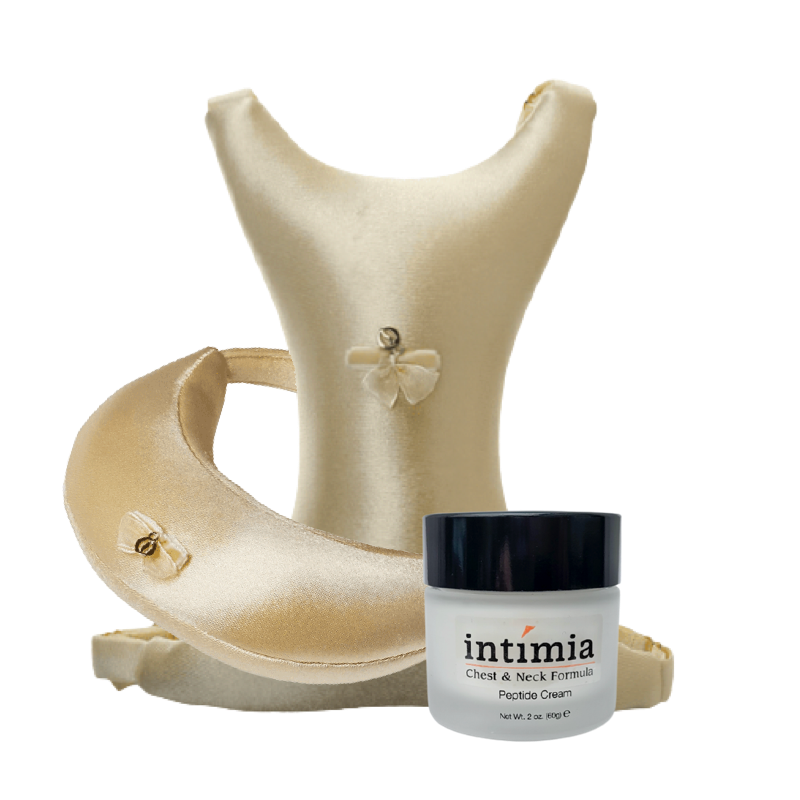
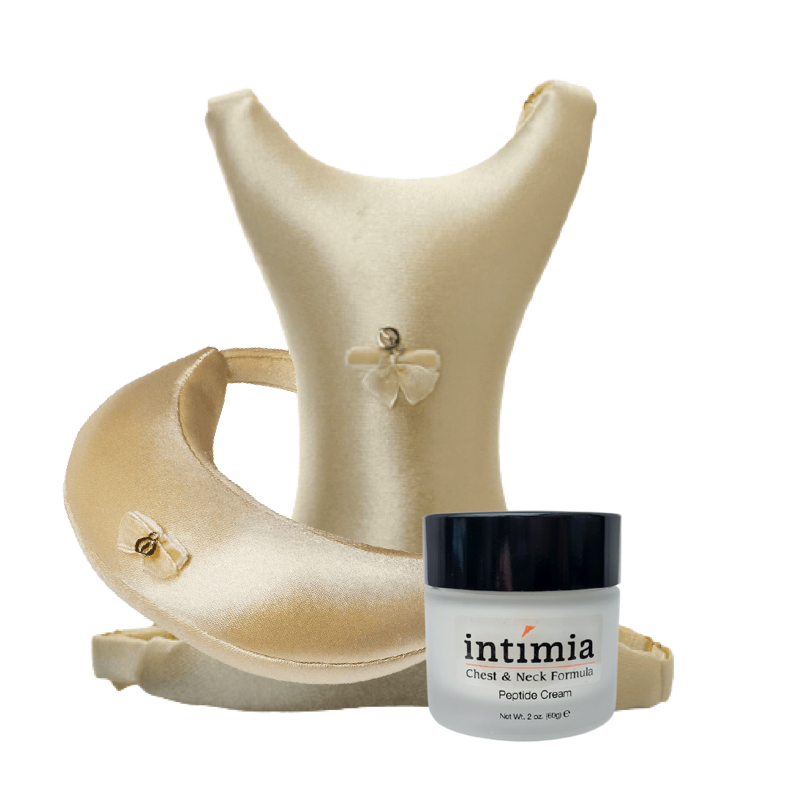
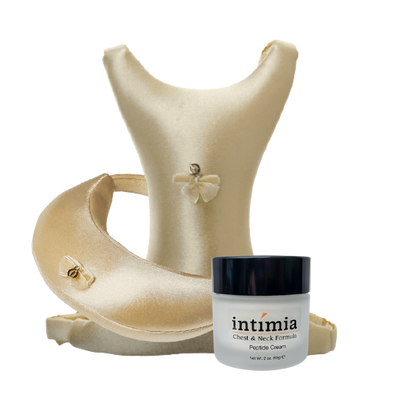
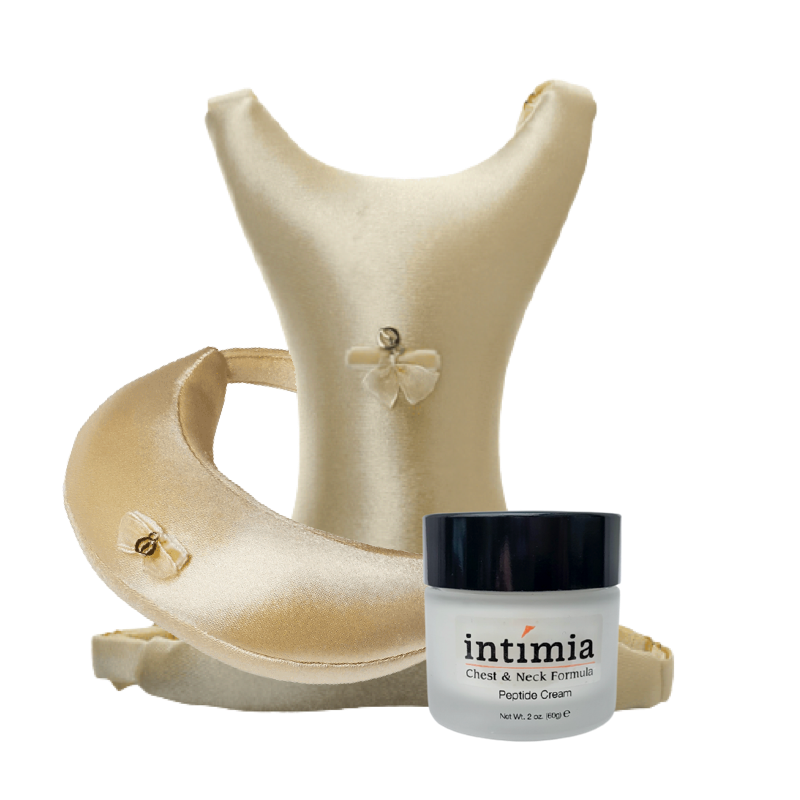
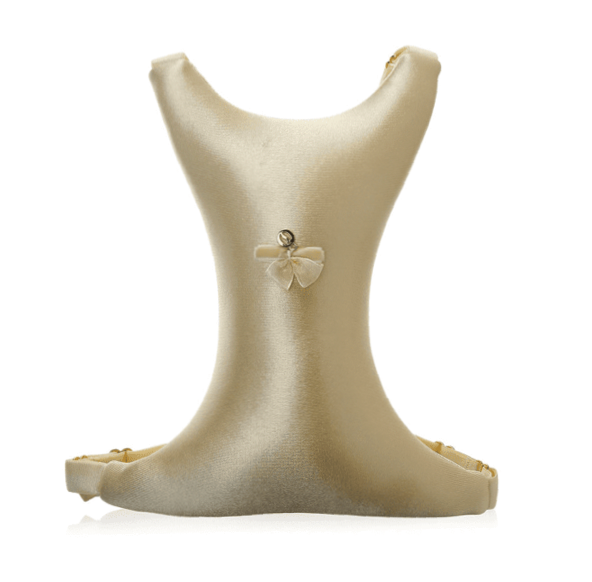
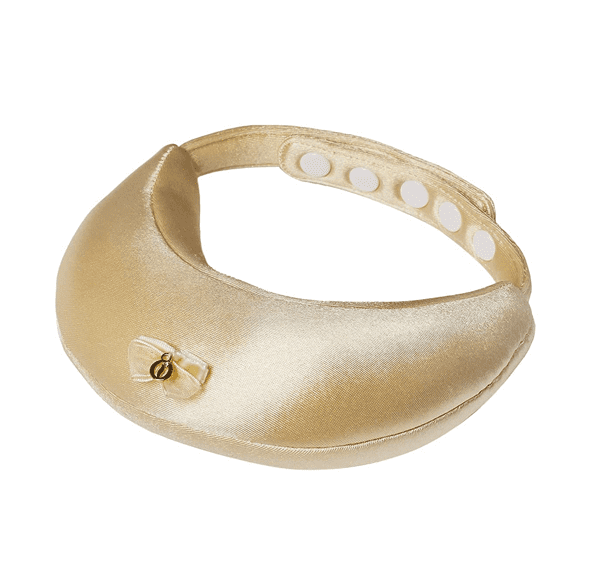
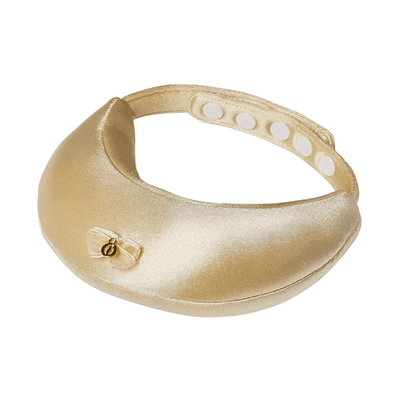
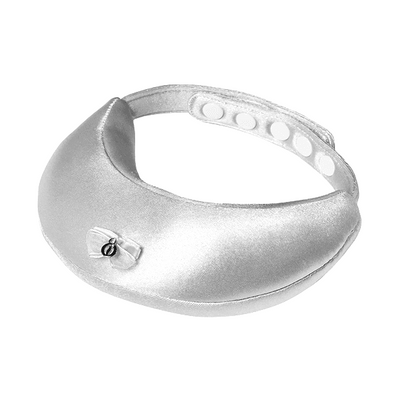
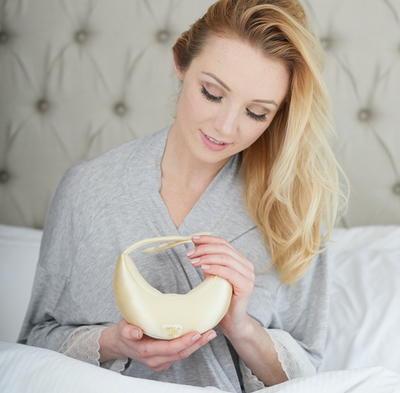
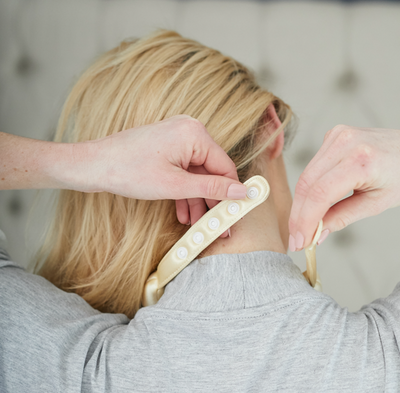
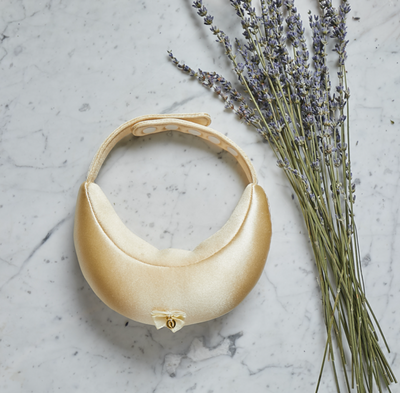
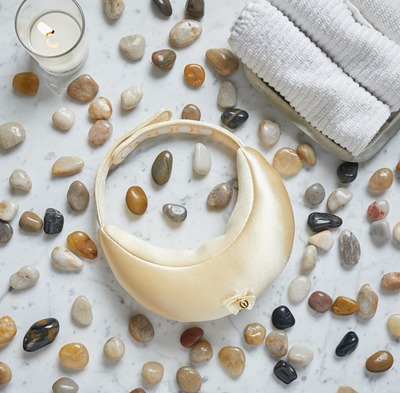
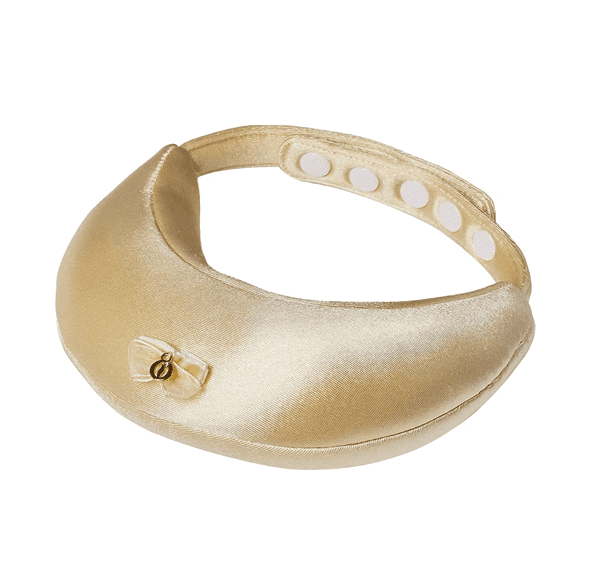
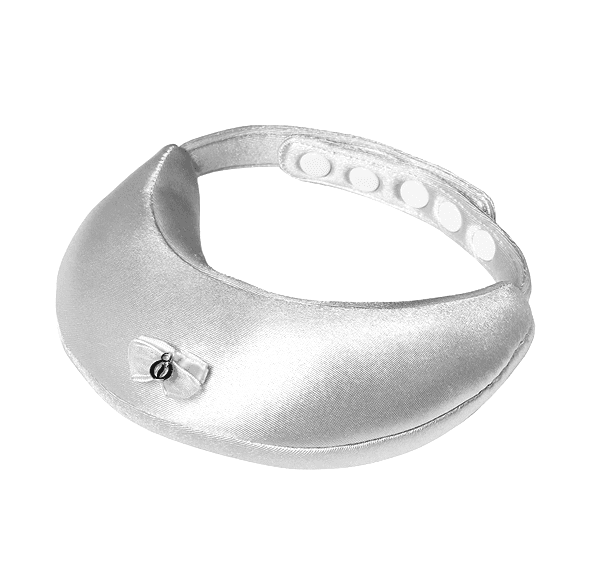
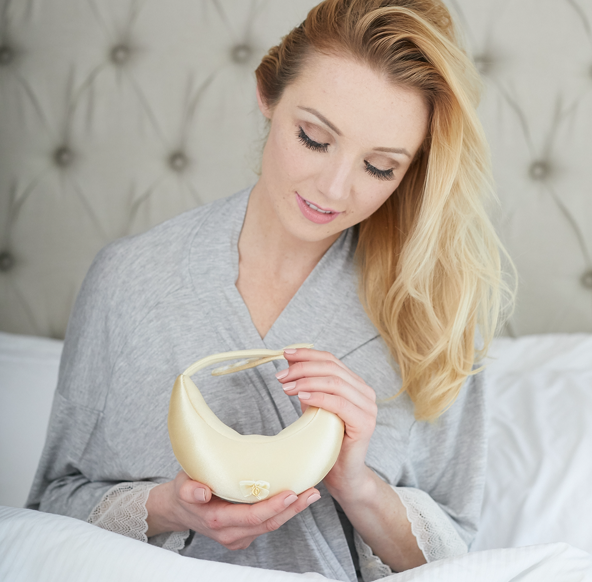
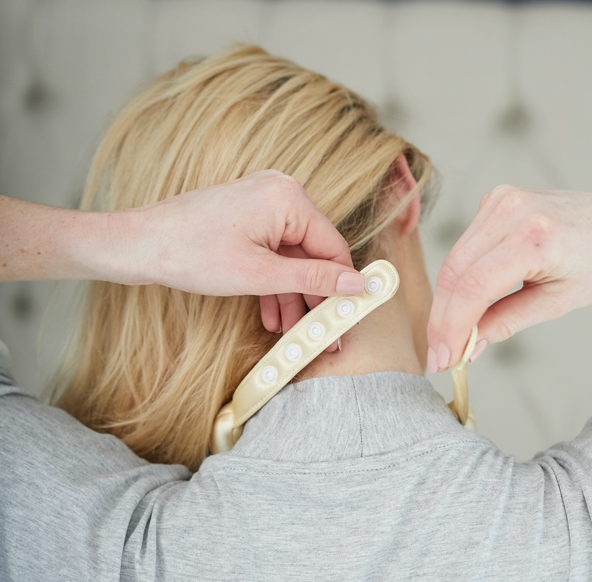
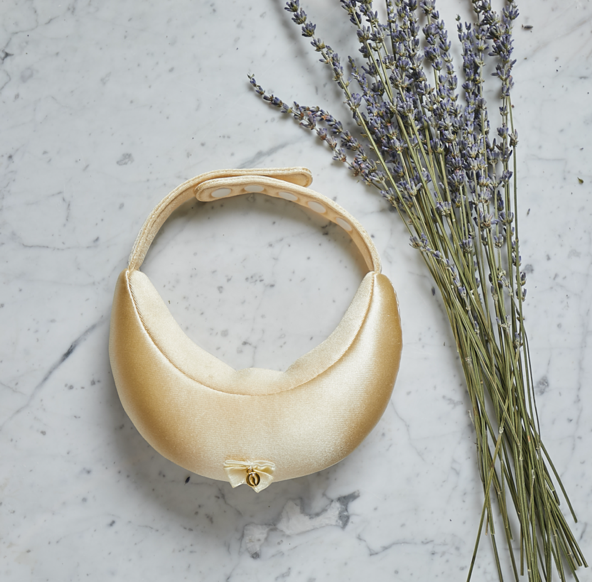
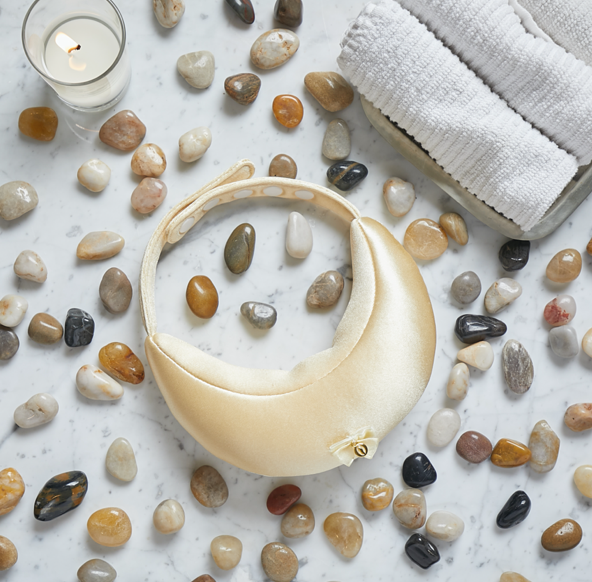
Maintaining a smooth, radiant décolleté is an ongoing journey of self-care. It is a testament to the power of simple, daily habits. For the woman over 35, this consistent, gentle approach can make all the difference, revealing a timeless beauty that shines from within and, with a little help from tools like the Intimia® Breast Pillow, survives even your most stubborn side-sleeping nights.
When you wake up, look down at your chest, and see softness instead of new lines, that quiet little rush of relief is your proof that all these small choices are finally working for you.
Ready to wake up with smoother skin — start here.