In this article you will learn:
- Why the Chest and Décolleté Age Faster
- Sleeping Positions – One of the Top Habits That Cause Chest Wrinkles
- Sun Exposure – A Lifestyle Factor Behind Chest Wrinkles
- Skipping Daily Moisturizing of the Chest
- Poor Posture and Tech Neck as Wrinkle Causing Daily Habits
- Smoking and Environmental Pollutants
- Harsh Cleansing and Over-Exfoliating the Décolleté
- Wearing the Wrong Bra (or No Support) During the Day and Night
- Diet, Hydration, and Alcohol as Lifestyle Chest Wrinkle Triggers
- Stress, Poor Sleep Quality, and Hormonal Changes
- Rough Handling of the Chest Skin
- How to Break Bad Habits and Create Chest-Friendly Routines
- Conclusion: Small Habit Changes, Big Impact on Chest Wrinkles
There are certain habits that cause chest wrinkles, and they begin quietly, long before the first line appears. For women over 35, the skin on the chest and décolleté can feel like a truth-teller, revealing the passage of time more honestly than the face. You might catch a glimpse of fine, crepey lines in a V-neck top or notice vertical creases after a night’s sleep. It’s easy to believe this is just age or genetics at play, but so much of it is linked to our wrinkle causing daily habits.
The skin on your chest is different. It’s thinner, more delicate, and often gets the same amount of sun as your face but far less of the care. While we lovingly apply serums and creams to our faces, the décolleté is frequently forgotten. This area is constantly exposed to the sun, compressed by our sleeping positions, and folded by our posture. These small, repeated stressors add up over the years. The daily habits chest skin aging is a story written by how we live, not just how long we’ve lived.
This guide is a gentle uncovering of those habits. We will walk through the ten most common daily actions that contribute to chest wrinkles, from the way you sleep to the food you eat. More importantly, we will explore simple, realistic swaps you can make. This isn’t about a life of restriction; it’s about a life of intention—a way to honor and protect your natural beauty with small, powerful acts of self-care.
Why the chest and décolleté age faster and how daily habits worsen chest skin aging
Before we can protect it, we must understand the land. The skin of the chest and décolleté is a unique landscape—beautifully delicate and uniquely vulnerable. Unlike the skin on your face, it has less of the natural cushioning that keeps it looking plump and smooth.
- A Delicate Structure: The skin here is naturally thinner. It has fewer oil glands and less subcutaneous fat. Think of it like a fine silk scarf compared to the sturdier cotton of your cheeks. This lack of natural moisture and padding means it's more prone to dryness, crepiness, and showing fine lines earlier.
- Environmental Stressors: Your chest is a sun-catcher. Every V-neck, scoop neck, and swimsuit top leaves this area exposed to UV radiation, the primary driver of skin aging. These rays relentlessly break down collagen and elastin, the protein fibers that give your skin its strength and bounce. Air pollution adds another layer of stress, creating free radicals that damage skin cells and lead to wrinkles and pigmentation.
- Mechanical Stressors: Life itself puts pressure on this skin. The natural weight and movement of your breasts, the way you bend over, and the position you hold for hours while you sleep all create repetitive folds. Over years, these temporary creases can become permanently etched into the skin.
- Lifestyle Accelerators: The story of your skin is also written by your choices. Things like smoking, a diet high in sugar, and simply forgetting to moisturize can accelerate the formation of décolleté wrinkles. These factors contribute to a pattern of lifestyle chest wrinkles that compound the effects of sun and time, making daily habits chest skin aging a visible reality.
If you have ever wondered why your chest seems to age faster than your face, a closer look at how sun, pollution, and everyday movement break down collagen can be eye-opening, especially when you realize how strongly thin, exposed areas like the décolleté respond to these forces.
Researchers looking at photoaging and air quality have even tracked how polluted city air and chronic UV exposure can work together on exposed skin, quietly speeding up wrinkles, spots, and texture changes over time.
Sleeping positions – one of the top habits that cause chest wrinkles
Of all the wrinkle causing daily habits, the way you sleep might be the most powerful and the most overlooked. For eight hours a night, your body is held in one position. If that position involves folding and compressing your chest skin, the cumulative effect over decades is profound.
Side-sleeping and stomach-sleeping are the primary culprits. When you lie on your side, gravity pulls your top breast downward and inward, pressing it against the one below. This creates deep vertical creases in the cleavage area. Lying on your stomach flattens and squishes your breasts, causing similar creasing. At first, these are just temporary "sleep lines" that fade by mid-morning. But night after night, year after year, the repetitive mechanical stress breaks down the skin's supportive structures. The temporary folds become permanent wrinkles.
This is one of the most significant habits that cause chest wrinkles because of its sheer duration. It’s a gentle, constant pressure that works against your skin’s elasticity every single night. For women with larger, softer breasts, the effect is even more pronounced. But you don't have to give up your favorite sleep position to protect your skin.
Simple, Realistic Solutions:
- Encourage Back-Sleeping: Try to spend at least part of the night on your back. You can make it more comfortable by placing a pillow under your knees to support your lower back and small pillows at your sides to keep you from rolling over.
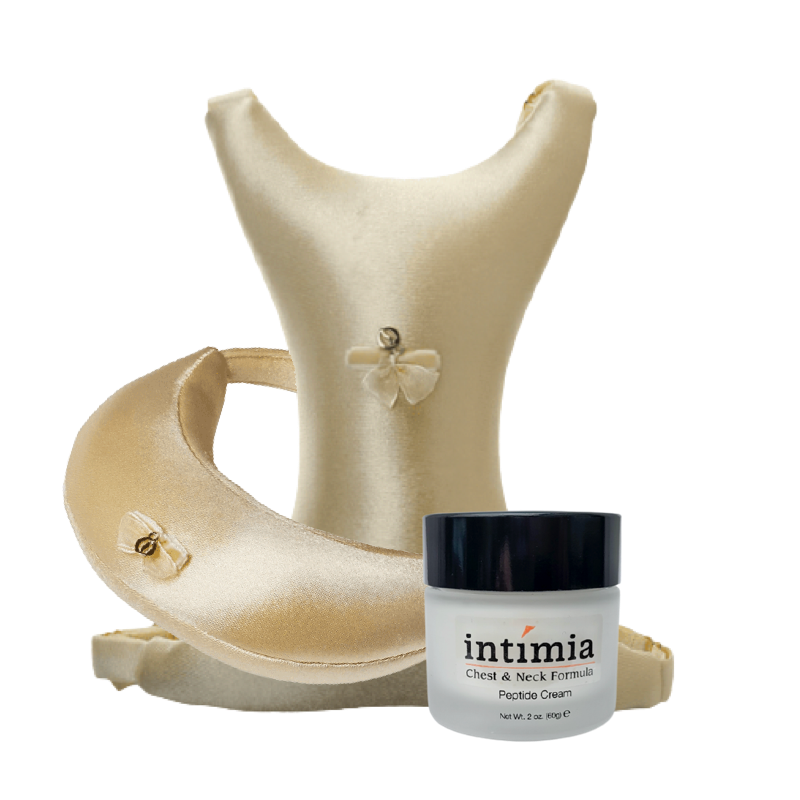
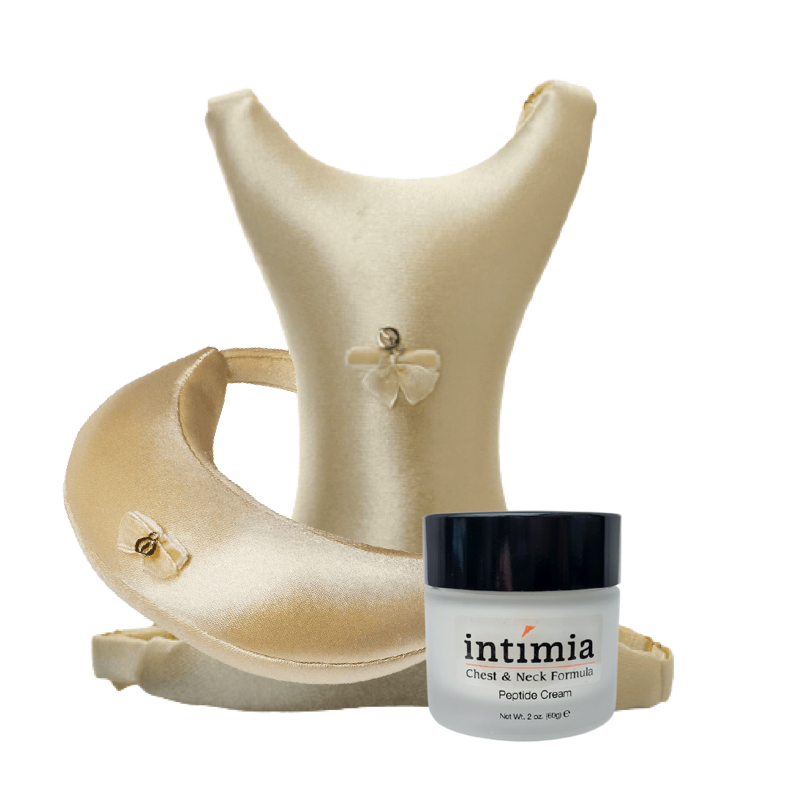
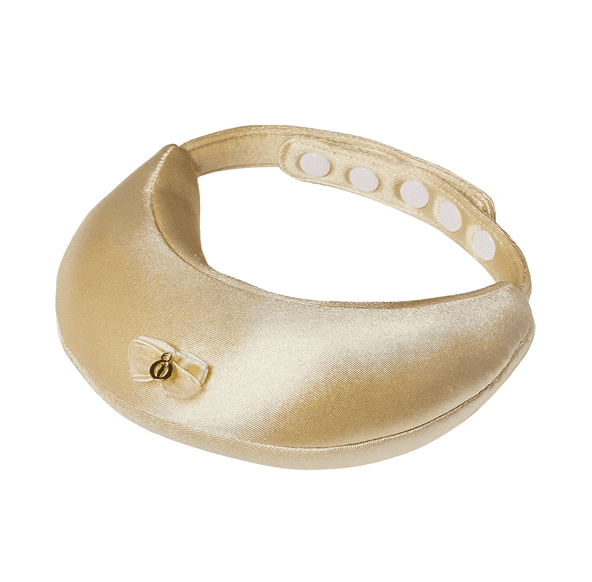
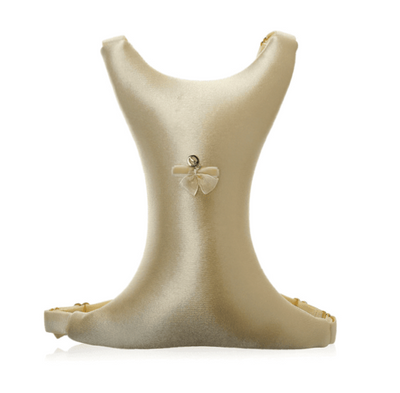
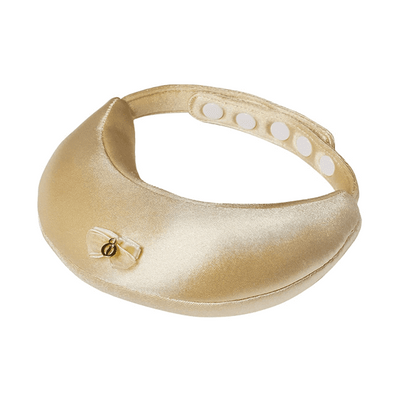
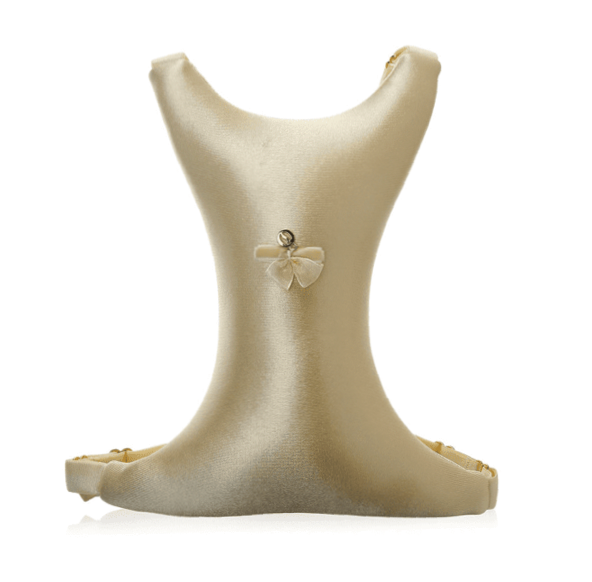
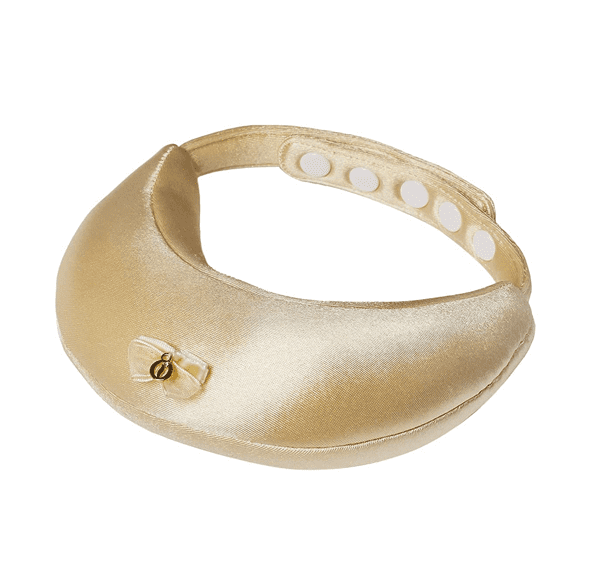
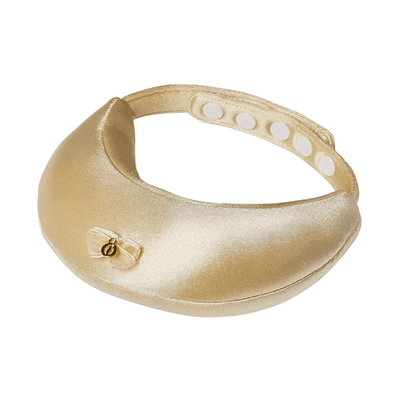
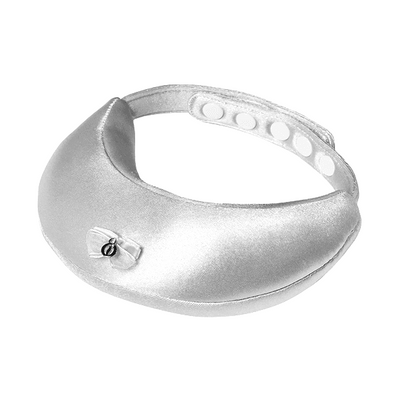
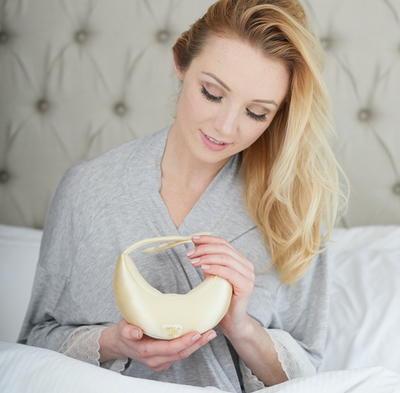
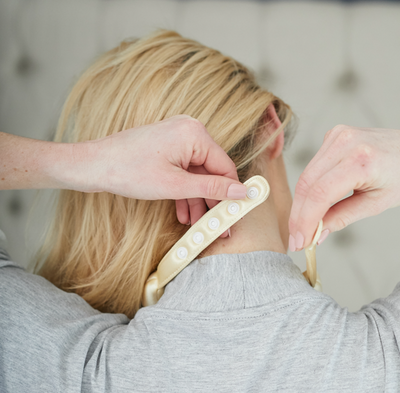
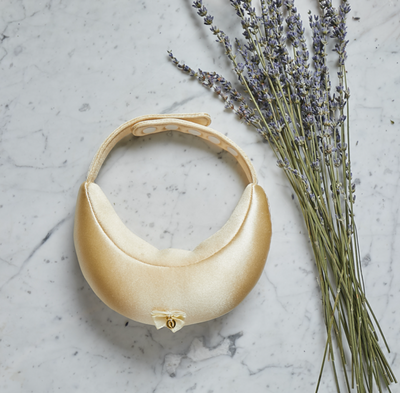
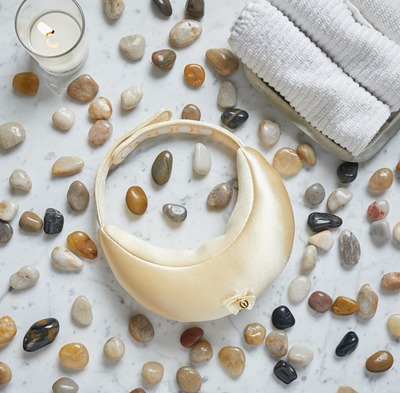
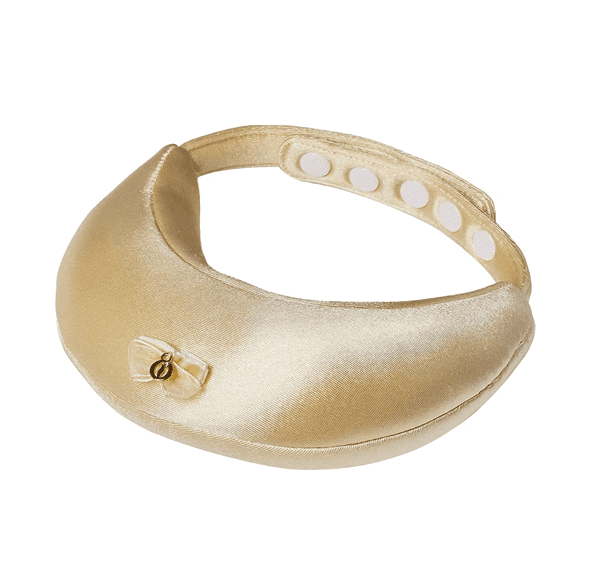
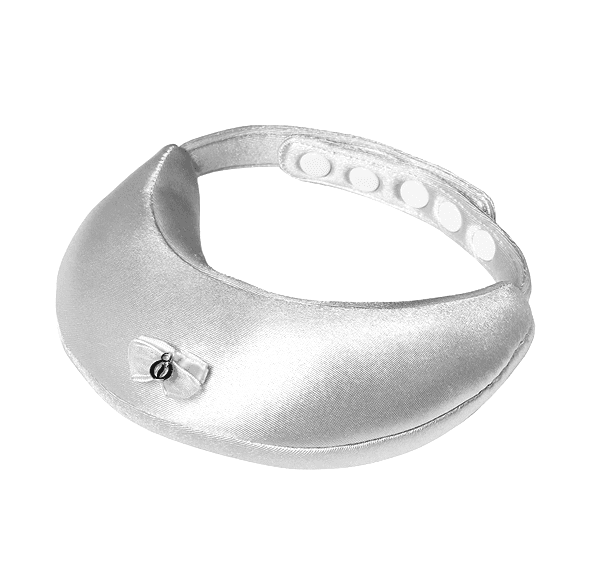
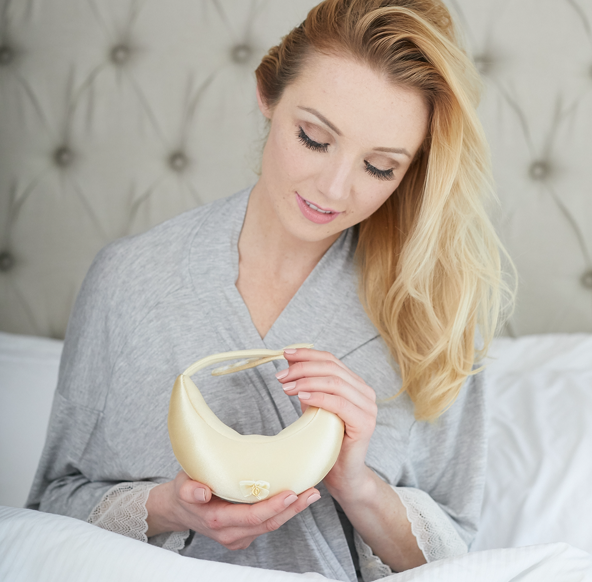
- Invest in Chest Support: There are wonderful tools designed to solve this exact problem. Chest support pillows, often made of soft foam or silicone, sit between your breasts to keep the skin smooth and separated. There are also specially designed nighttime bras that prevent cleavage creasing without uncomfortable wires. These are game-changers for dedicated side-sleepers.
- Choose Softer Fabrics: Sleep in materials that glide over your skin rather than pull on it. Silk, satin, or soft modal fabrics create less friction, reducing the tugging and pulling that can contribute to lifestyle chest wrinkles.
If you are trying to retrain yourself to sleep with less compression on your chest, it can help to think of it like any other wrinkle-prevention habit and give it the same consistency you would give a nightly cream or SPF.
Sun exposure – a lifestyle factor behind chest wrinkles
The sun feels warm, life-giving, and beautiful on the skin. But its rays are the single greatest external contributor to skin aging. Chronic, unprotected sun exposure is one of the most powerful lifestyle chest wrinkles triggers, silently breaking down the very foundation of your skin’s youthfulness.
UV light comes in two main forms that damage your skin. UVA rays penetrate deep into the dermis, where they act like tiny wrecking balls, dismantling the collagen and elastin fibers that keep your skin firm and resilient. This leads to sagging and deep wrinkles. UVB rays affect the surface, causing sunburn, texture changes, and dark spots. The delicate skin of the décolleté, so often exposed, bears the brunt of this damage.
Think about the most common bad habits for the décolleté when it comes to the sun:
- Wearing a beautiful V-neck dress but forgetting to extend your facial sunscreen down to your chest.
- Enjoying a day at the beach or pool with your cleavage exposed, perhaps even slicked with tanning oil that intensifies the damage.
- Thinking you don’t need SPF on a cloudy day, even though up to 80% of UV rays can penetrate clouds.
- Diligently applying sunscreen to your face every morning but stopping at the jawline.
Over time, this sun damage manifests as crepey texture, a permanent "crinkle" between the breasts, and a map of mottled pigmentation. But the good news is that protection is simple, and it’s the most effective anti-aging strategy there is.
Protective Daily Habits:
- Make SPF a Daily Ritual: Use a broad-spectrum sunscreen with an SPF of 30 or higher on your neck and chest every single morning. Make it as automatic as brushing your teeth.
- Reapply Often: When you’re outdoors for extended periods, reapply your sunscreen every two hours, and more frequently if you’re swimming or sweating.
- Seek Shade: Be mindful of the sun’s peak hours, typically between 10 a.m. and 4 p.m. When possible, enjoy the outdoors from a shady spot.
- Cover Up: Protective clothing is your skin’s best friend. A lightweight scarf, a rash guard over your swimsuit, or a top with a higher neckline can provide a physical barrier against UV rays, helping you manage daily habits chest skin aging.
Dermatology teams that study how UV works on human skin will tell you the same story again and again, whether they focus on wrinkles or pigmentation, this is the one habit that matters most for your future chest.
Skipping daily moisturizing of the chest
We treat the skin on our faces with such reverence. We cleanse, tone, apply serums, and moisturize with dedicated care. But often, this loving ritual stops abruptly at the chin. Neglecting the chest is a key daily habit in chest skin aging, leaving this delicate area thirsty and vulnerable.
When skin is dehydrated, it’s like a wilting flower. Every fine line and bit of texture is exaggerated. The skin’s natural protective barrier—its shield against the world—becomes weak. A compromised barrier can’t hold onto moisture, and it becomes more sensitive to friction, irritation, and environmental stressors like pollution.
Skipping moisturizer becomes one of the most common habits that cause chest wrinkles simply through neglect. Many of us use standard body soaps or shower gels, which can be stripping, and then step out of a hot shower without applying any hydration back to the chest. This leaves the skin tight, dry, and over time, more prone to showing signs of aging.
The solution is wonderfully simple: extend your facial routine downward. The same ingredients that benefit your face will work beautifully on your neck and chest.
An Easy, Realistic Chest-Care Routine:
-
Treat it Like Your Face: Whatever you do for your face, do for your décolleté.
- In the morning, after cleansing, apply an antioxidant serum (like one with vitamin C) to your chest to help fight free radical damage from the sun and pollution. Follow with a hydrating, fragrance-free moisturizer.
- In the evening, after cleansing, consider applying a gentle retinol or retinoid product to your chest. This will help stimulate collagen production and improve skin texture. Always follow with a richer, more nourishing moisturizer to lock in hydration and support the skin barrier overnight.
-
Look for Powerful Hydrators: When choosing products for your chest, look for ingredients known for their ability to moisturize and repair the skin barrier.
- Hydrators: Hyaluronic acid, glycerin, and squalane pull moisture into the skin, making it look plump and dewy.
- Barrier-Repairers: Ceramides, shea butter, and niacinamide help strengthen the skin’s natural shield, keeping it healthy and resilient.
If you already have a favorite serum or cream that you rely on to keep your face smooth, it’s often perfectly reasonable to take that same formula down over your chest as long as it is gentle and fragrance-free.
Poor posture and tech neck as wrinkle causing daily habits
In our modern world, we spend countless hours hunched over screens. This posture—shoulders rolled forward, chin tucked down—has been nicknamed "tech neck." But its effects extend far beyond the neck. This is one of the sneakiest wrinkle causing daily habits because it creates deep, repetitive folds from your collarbone down through your cleavage.
When you hunch, you compress the skin of your upper chest. Imagine folding a piece of paper in the same place over and over again; eventually, a permanent crease forms. The same thing happens to your skin. For hours every day at work, while scrolling on your phone, or reading a book, you might be reinforcing these lines.
This constant mechanical stress, combined with the naturally thin and delicate skin of the décolleté, accelerates the formation of lifestyle chest wrinkles. It’s a modern problem that requires a modern solution. Correcting your posture not only helps your spine and reduces neck pain, but it also helps keep your chest skin smooth and unfolded, slowing down daily habits chest skin aging.
Simple Posture-Improving Strategies:
- Adjust Your Ergonomics: Raise your screens to eye level. Use a laptop stand, prop your phone up, or connect to an external monitor. When sitting, make sure your feet are flat on the floor and your chair supports your lower back.
- Set Posture Reminders: Use a timer or a simple app to remind you to check your posture every 30 to 60 minutes. A quick check involves rolling your shoulders back and down, lifting your chest, and bringing your head back in line with your spine.
- Stretch and Strengthen: Counteract the hunching posture with simple daily stretches. Doorframe stretches are excellent for opening up the chest. Strengthening the muscles of your upper back will help you naturally hold a more upright posture without even thinking about it.
Many discussions of premature aging now include posture and screen habits right alongside diet and smoking because of how strongly these mechanical folds can mark the chest over time.
Smoking and environmental pollutants
Some habits harm the skin from the inside out, poisoning the very systems that keep it vibrant and healthy. Smoking is at the top of that list. Alongside environmental pollution, it creates a toxic internal and external environment that dramatically accelerates aging, especially on delicate skin like the chest.
Smoking attacks your skin in two ways. First, nicotine constricts the tiny blood vessels in your skin. This chokes off the supply of oxygen and vital nutrients that your skin cells need to repair themselves and produce healthy collagen. Second, the thousands of chemicals in tobacco smoke create a massive storm of free radicals—unstable molecules that destroy collagen and elastin. This combination leads to dull, sallow skin that is less elastic and far more prone to wrinkling.
Environmental pollutants found in city air, like traffic exhaust and industrial smog, work in a similar way. These microscopic particles land on your skin and generate oxidative stress, leading to inflammation, pigmentation, and the breakdown of collagen. Because the chest is so often exposed, it’s a prime target for this damage. These are subtle but powerful wrinkle causing daily habits that contribute to premature aging.
Practical Harm-Reduction and Protection Steps:
- If You Smoke: The best thing you can do for your skin and your overall health is to quit. This is a difficult journey, but a healthcare provider can offer tools and support to help you succeed. Every day you are smoke-free, you are allowing your skin a chance to heal and repair.
-
For Everyone:
- Use Topical Antioxidants: Fight back against free radicals by applying an antioxidant serum to your chest every morning. Vitamins C and E are powerful protectors that can help neutralize the damage from pollution.
- Cleanse Thoroughly at Night: Gently but effectively wash your chest every evening to remove the layer of pollution that has accumulated during the day. Follow with a reparative moisturizer to support your skin’s nightly healing process.
- Seek Clean Air: When possible, spend time in green spaces like parks. Avoid walking or standing right next to busy, high-traffic roads where pollution is most concentrated. These small choices can reduce your overall exposure to pollutants that contribute to lifestyle chest wrinkles.
Clinical work on smoking and skin keeps circling back to the same pattern, constricted blood flow, constant oxidative stress, and a very particular look of fine lines and sallowness that tends to show up early in exposed areas like the chest.
Harsh cleansing and over-exfoliating the décolleté
We often make a critical mistake in the shower: we treat the skin on our chest the same way we treat the skin on our elbows or feet. We scrub it with harsh soaps and rough loofahs, thinking we are getting it clean. In reality, these are bad habits for the décolleté that strip the skin, damage its protective barrier, and pave the way for irritation and wrinkles.
The skin on your chest is much more like the skin on your face. It requires gentle handling. Common mistakes in the shower include:
- Using strong, heavily fragranced body washes or antibacterial soaps that disrupt the skin’s delicate pH balance.
- Scrubbing aggressively with scratchy loofahs, brushes, or body scrubs.
- Using very hot water, which strips away the skin’s natural oils.
- Over-exfoliating with harsh physical scrubs or high-strength chemical exfoliants.
These habits contribute to daily habits chest skin aging by creating a state of chronic, low-grade inflammation. When the skin’s barrier is constantly being damaged, it can’t function properly. It becomes dry, red, and sensitive. An irritated skin barrier is less resilient and more susceptible to environmental damage, making it age faster. These seemingly innocent shower routines are actually wrinkle causing daily habits.
Healthier Cleansing and Exfoliating Choices:
- Choose a Gentle Cleanser: Use a mild, pH-balanced, and fragrance-free cleanser on your chest. A creamy facial cleanser or a gentle body wash designed for sensitive skin is an excellent choice.
- Exfoliate with Care: If you exfoliate your chest, do so gently and infrequently—no more than once a week. Avoid rough scrubs. A soft washcloth or a low-strength chemical exfoliant with lactic or glycolic acid is a much better option.
- Focus on Barrier Repair: After cleansing, nourish your chest skin with products that contain barrier-supporting ingredients. Look for moisturizers with ceramides, cholesterol, fatty acids, and soothing agents like aloe or centella asiatica.
Many people only connect over-exfoliation with redness on the face, but the same fragile barrier on your chest can quietly thin if you attack it with hot water and scrubs day after day.
Wearing the wrong bra (or no support) during the day and night
A bra is meant to be a supportive garment, but the wrong one can inadvertently contribute to chest wrinkles. The fit, style, and even the fabric of your bra can create pressure and friction that, over many hours a day and many years, can leave their mark on your skin.
Poorly fitting bras are a primary issue. A bra that is too tight can dig into your skin, creating indentations and fold lines. A push-up bra, while creating a beautiful silhouette, can press the breasts together so forcefully that it deepens the vertical creases between them. On the other hand, a bra that is too loose or unsupportive, especially for women with larger busts, allows for more movement. This constant motion causes the skin on the chest to stretch and fold repeatedly.
Nighttime support is another often-overlooked factor. For side-sleepers, the lack of support allows the breasts to fall together, creating the compression that leads to sleep wrinkles. All of these are subtle but significant factors that contribute to lifestyle chest wrinkles. Because a bra is worn for most of the day, even small fit issues become one of the most consistent habits that cause chest wrinkles.
Guidance for Chest-Friendly Support:
- Get Professionally Fitted: Your breast size can change due to weight fluctuations, hormones, and age. Get a professional bra fitting at least once a year to ensure you are wearing the correct band and cup size. A well-fitting bra should lift and support without digging, gaping, or leaving deep red marks.
- Choose Soft Fabrics: Opt for bras made from smooth, seamless fabrics that won’t chafe or irritate the delicate skin of your chest and cleavage.
- Consider Nighttime Support: If you are a side-sleeper, look into solutions designed specifically for sleep. This could be a soft, wire-free sleep bra or a dedicated chest pillow that keeps your breasts gently separated, preventing the skin from creasing overnight.
When you start to think of support as skin care, it becomes obvious why the right fabrics and separation matter so much for preventing fine lines on the décolleté.
Diet, hydration, and alcohol as lifestyle chest wrinkle triggers
What you nourish your body with from the inside is reflected on the outside. Your diet, your water intake, and your alcohol consumption are powerful drivers of your skin’s health and appearance. These choices are among the most impactful daily habits that contribute to chest skin aging.
A diet high in sugar and refined carbohydrates is particularly damaging to the skin. When you consume excess sugar, it leads to a process called glycation. In this process, sugar molecules attach to proteins in your body, including the collagen and elastin that keep your skin firm. This creates harmful new molecules called Advanced Glycation End Products (AGEs). AGEs make your collagen stiff and brittle, leading to a loss of elasticity and an increase in wrinkles.
Alcohol and caffeine can also take a toll. Alcohol is dehydrating and inflammatory, which can leave skin looking dull, puffy, and lined. While moderate caffeine is fine for most, high intake without adequate water can also contribute to dehydration.
On the other hand, a diet rich in nutrients and plenty of water can be your skin’s greatest ally. Adequate hydration keeps skin cells plump and resilient. Foods rich in antioxidants and healthy fats help fight inflammation and support a strong skin barrier. These are not just health trends; they are foundational elements that directly impact daily habits chest skin aging and the development of lifestyle chest wrinkles.
Simple, Realistic Upgrades:
- Swap Sugary Foods: Instead of reaching for a sugary drink or a processed snack, choose whole fruit, a small piece of dark chocolate, or a glass of water infused with lemon or mint.
- Eat the Rainbow: Make it a goal to fill half of your plate at every meal with colorful fruits and vegetables. These are packed with the vitamins and antioxidants your skin craves.
- Embrace Healthy Fats: Include sources of healthy fats like olive oil, avocados, nuts, and fatty fish in your diet. These fats are essential for building a strong, supple skin barrier.
- Prioritize Hydration: Keep a reusable water bottle with you throughout the day. Sipping consistently is a simple way to ensure your skin stays hydrated from within.
Nutritional research keeps linking high-sugar, highly processed diets to faster wrinkle formation, while patterns rich in plants, good fats, and hydration support smoother, more resilient skin at every age.
Stress, poor sleep quality, and hormonal changes
The health of your skin is deeply connected to your internal state. Your stress levels, the quality of your sleep, and the natural hormonal shifts of life all play a quiet but critical role in how your skin ages, especially in delicate areas like the chest.
Chronic stress is a silent ager. When you’re constantly stressed, your body produces high levels of the hormone cortisol. Cortisol can break down collagen and impair your skin’s ability to repair itself. It also fuels inflammation, which can worsen skin conditions and accelerate aging.
Sleep is when your skin does its most important repair work. During deep sleep, your body produces growth hormone, which helps rebuild collagen and repair damage from the day. When you don't get enough quality sleep, you rob your skin of this crucial healing time. This can lead to a duller complexion, more fine lines, and a weakened skin barrier.
Finally, the hormonal changes that come with midlife, particularly the decline in estrogen during perimenopause and menopause, have a profound effect. Estrogen is vital for collagen production and skin hydration. As its levels drop, skin becomes thinner, drier, and less elastic. These changes are often most noticeable on the already-thin skin of the décolleté. These internal factors are key drivers of daily habits chest skin aging and can amplify the appearance of lifestyle chest wrinkles.
Gentle Lifestyle Strategies:
- Prioritize Quality Sleep: Aim for 7 to 9 hours of restorative sleep per night. Create a calming bedtime routine to signal to your body that it’s time to wind down. This could include dimming the lights, avoiding screens for an hour before bed, or taking a warm (not hot) bath.
- Manage Stress Mindfully: You can’t eliminate stress, but you can manage your response to it. Incorporate small moments of calm into your day. This could be a few minutes of deep breathing, a short walk in nature, journaling, or practicing gentle yoga.
- Support Your Skin Through Changes: As your skin changes with age and hormones, adjust your skincare. You may need richer, more nourishing moisturizers. A gentle body oil massaged onto the chest at night can feel incredibly soothing and help lock in moisture.
When you look at how stress hormones, sleep loss, and estrogen shifts show up on the skin, it becomes clear why midlife chests suddenly seem to age in fast-forward for many women.
Rough handling of the chest skin
The skin on your chest is delicate, yet we often handle it with a surprising lack of care. This daily micro-damage from friction, tugging, and rubbing is one of the more subtle wrinkle causing daily habits, but its cumulative effect is real.
Think about the small, unconscious actions you might take every day:
- Aggressively rubbing your chest dry with a rough towel after a shower.
- Yanking a tight sports bra on and off, stretching the skin in the process.
- Scratching an itch on your chest, which is often a sign of dryness or irritation from a fragranced product.
- Wearing tops with scratchy lace, beading, or rough seams that constantly chafe the same area.
- Slinging a heavy purse or backpack strap across your chest, creating a line of pressure and friction.
Each of these actions creates a tiny amount of stress and inflammation in the skin. Over years, this repeated friction contributes to a breakdown of elasticity and a change in skin texture. It’s a key contributor to lifestyle chest wrinkles that we often don't even realize we are causing. These are some of the easiest bad habits for the décolleté to change.
Gentler Alternatives:
- Pat, Don’t Rub: After you shower, gently pat your chest dry with a soft, clean towel.
- Dress and Undress with Care: When putting on or taking off tight clothing like sports bras, be mindful. Roll the fabric carefully rather than yanking it over your skin.
- Choose Soft Fabrics: Whenever possible, choose clothing and bras made from smooth, soft materials that will be kind to your décolleté.
- Moisturize to Prevent Itching: One of the best ways to stop yourself from scratching is to keep the skin well-hydrated. A moisturized skin barrier is less likely to become itchy and irritated.
If your décolletage looks flawless by morning, check if you actually slept on your side.
How to break bad habits and create chest-friendly routines
Understanding the habits that cause chest wrinkles is the first step. The next is to gently and purposefully build new routines that nourish and protect your skin. It’s not about perfection; it’s about progress. Start small, be consistent, and choose changes that feel good to you.
Step 1 – Identify Your Personal Habits
Take a moment to reflect. Which of the habits we’ve discussed resonate most with you? Ask yourself:
- Am I a side-sleeper who wakes up with creases on my chest?
- Do I apply sunscreen to my face but consistently forget my neck and chest?
- Is my diet high in sugar, or do I often feel dehydrated?
- Do I spend hours a day hunched over a screen?
- Are my shower products harsh or heavily fragranced?
Choose just one or two of these bad habits for the décolleté to focus on first.
Step 2 – Prioritize High-Impact Changes
If you want to see the biggest improvement, start here:
- Daily SPF on the Chest: This is non-negotiable. Protecting your skin from the sun is the single most effective anti-aging strategy.
- Consistent Nightly Moisturizing: Hydrating your chest every night helps repair the skin barrier and keeps the skin supple.
- Sleep Support: If you are a side-sleeper, using a chest pillow or anti-wrinkle sleep bra can dramatically reduce the mechanical stress on your skin overnight.
Step 3 – Build a Simple AM/PM Chest-Care Routine
Think of this as an extension of your facial care.
-
AM Routine:
- In the shower, cleanse your chest with a gentle, fragrance-free wash.
- On damp skin, apply an antioxidant serum.
- Follow with a hydrating moisturizer.
- Finish with a generous layer of broad-spectrum SPF 30+ all over your neck and chest.
-
PM Routine:
- Gently cleanse your skin to remove sunscreen and pollutants.
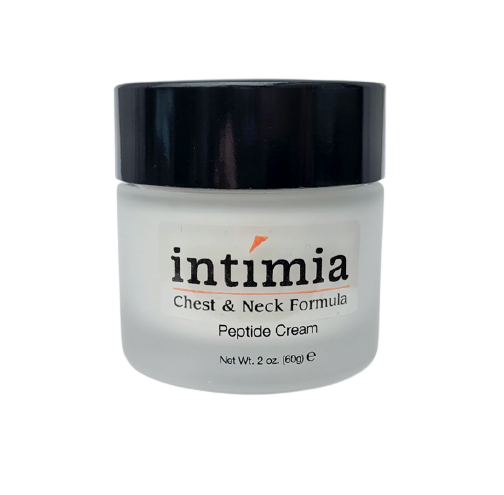
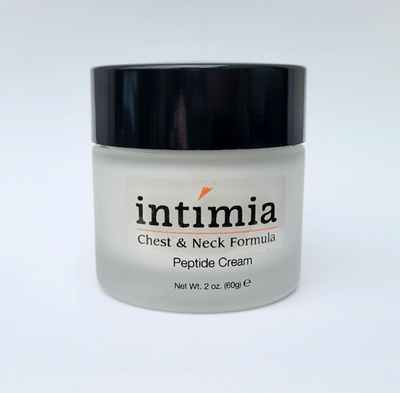
- Apply a treatment serum if you use one (like a gentle retinoid or a peptide serum).
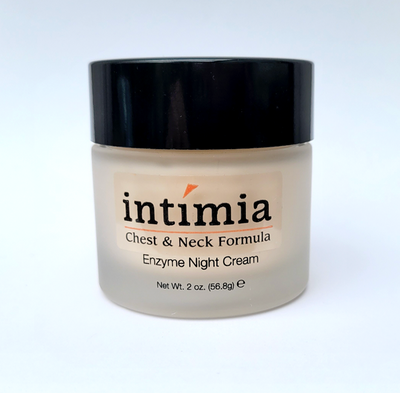
- Layer on a rich, nourishing moisturizer.
- If you’re a side-sleeper, put on your chest-support pillow or sleep bra.
Step 4 – Supportive Lifestyle Tweaks
These changes support your skin from the inside out.
- Gradually reduce your intake of sugar and alcohol. Swap in more whole foods, healthy fats, and water.
- Set reminders to check your posture throughout the day. Take a moment to stand up, stretch, and open your chest.
- Create a simple, relaxing bedtime routine to help improve your sleep quality.
By breaking down these bad habits décolleté into small, manageable steps, you can create a sustainable lifestyle that honors the beauty of your skin for years to come.
When you look at your day through this lens, the most powerful edits usually start with sunscreen, moisture, and a few quiet shifts in how you eat and unwind at night.


Conclusion: small habit changes, big impact on chest wrinkles
The story of your skin is a living manuscript, written day by day through the choices you make. The habits that cause chest wrinkles are not a judgment, but simply an awareness of the forces at play: the nightly compression from sleep, the daily exposure to the sun, the forgotten moisturizers, the posture we hold, and the foods we eat.
These wrinkle causing daily habits—from harsh cleansing to chronic stress—all contribute to the story. But the most empowering truth is that you are the author. You can edit the narrative at any time.
It is never too late to begin. It is never too late to adjust the lifestyle chest wrinkles triggers and give your skin the support it needs to repair and renew itself. You don’t have to change everything at once. Pick one thing this week. Maybe it’s committing to applying sunscreen to your chest every morning. Perhaps it’s buying a soft, beautiful pillow to support your chest while you sleep.
By becoming aware of these habits, you reclaim your power. You can transform unconscious actions into conscious acts of care. With each small change, you are rewriting your skin’s story—one of strength, resilience, and timeless, natural beauty.
And if, one quiet morning, you catch your reflection and notice your chest looks a little smoother, a little more at ease, you will know exactly which tiny choices wrote that line.
Ready to wake up with smoother skin — start here.
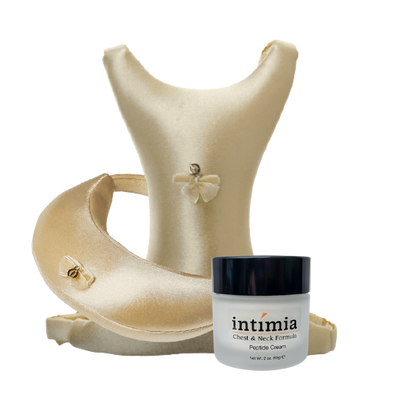
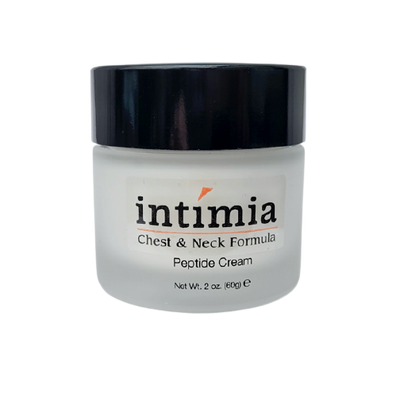
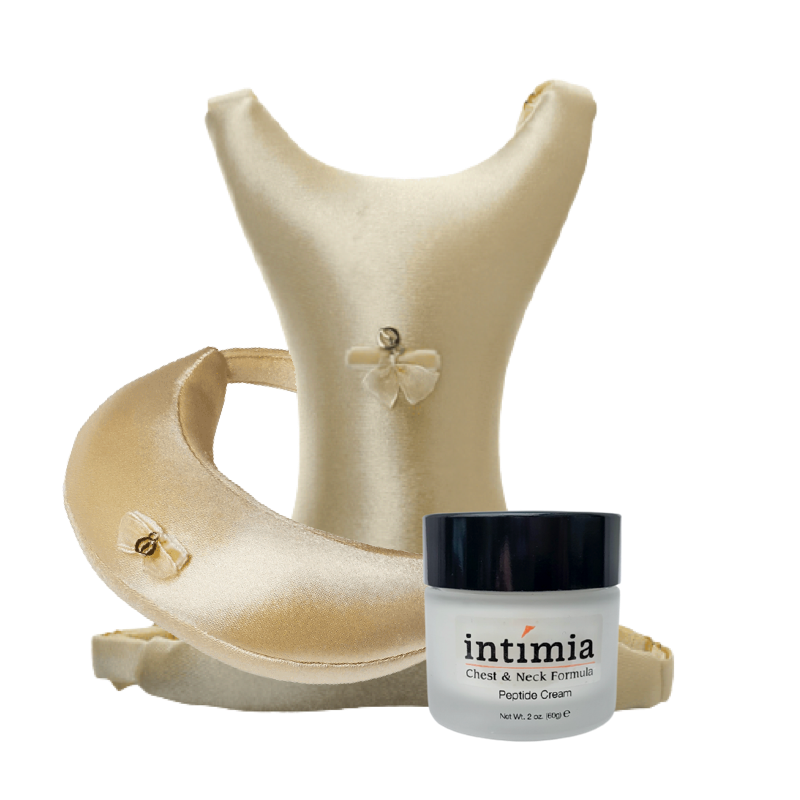
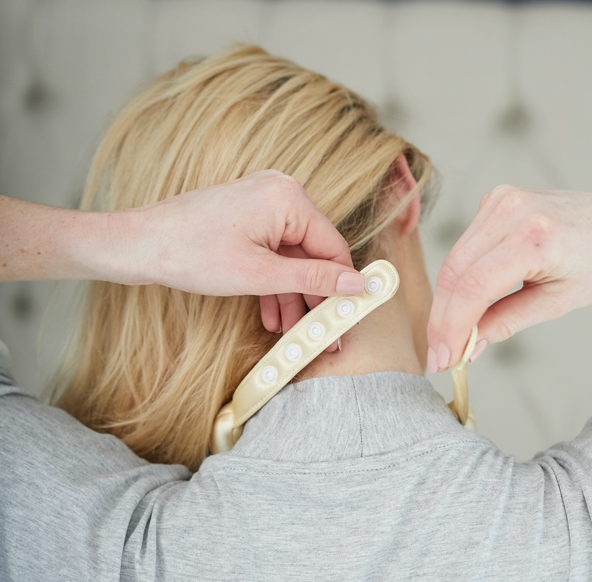
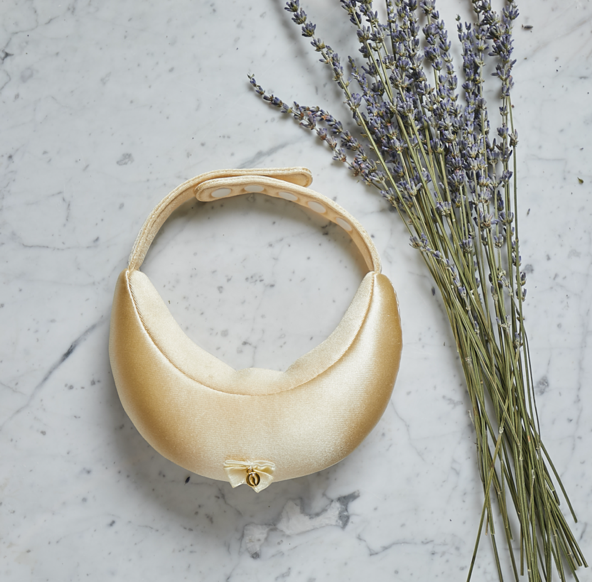
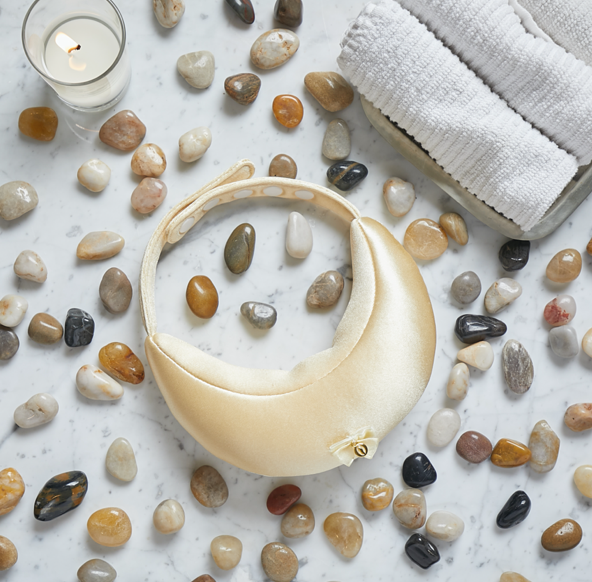
And if you are curious how all of this translates into real-life support at night, that is exactly why I created the Intimia® Breast Pillow.