In this article you will learn:
- Why Ceramides Matter for Chest and Décolleté Skin
- What Is the Skin Barrier – And Why the Décolleté Is So Vulnerable?
- How Chest Skin Barrier Damage Shows Up
- Ceramides 101 – The Science Behind Ceramides and Chest Skin Health
- Why Ceramide Levels Decline – Especially After 35 and Around Menopause
- How Chest Skin Barrier Damage Happens – And Why It Accelerates Décolleté Aging
- Benefits of Ceramide Cream for the Chest – Rebuilding the Skin Barrier Décolleté
- What to Look for in a Ceramide Cream for the Chest
- How to Use Ceramides for Chest Skin – Step-by-Step Routine
- Combining Ceramides with Other Skin Barrier Décolleté Strategies
- Signs Your Chest Skin Barrier Is Healing – And When It’s Still Damaged
- Frequently Asked Science-Based Questions About Ceramides and Chest Skin
- A Long-Term Strategy to Protect the Chest Skin Barrier
I still remember the first time I noticed those fine, feathery lines on my chest in the bathroom mirror, before coffee, before mascara, before my brain was fully awake. The skin looked a little drier, a little thinner, as if it had lost some secret language overnight. That’s when I started paying real attention to my chest skin barrier, and to ceramides in particular. Once you see that story your décolleté is telling, you can’t unsee it.
Why ceramides matter for chest and décolleté skin
Ceramides chest skin care is the foundation of a supple, youthful décolleté. For many women, the chest is the quiet truth-teller of our years. It’s where fine, feathery lines appear, where the sun leaves its lasting signature, and where skin can feel delicate and thin. This area, along with our hands and neck, often reveals our age more honestly than our face.
The skin on your chest and décolleté is naturally thinner and has fewer oil glands than facial skin. This makes it more prone to dryness and damage. Constant exposure to UV rays, even through a simple V-neck top, accelerates the breakdown of collagen and elastin, leading to vertical chest wrinkles, a crepey texture, and visible sun spots.
This is where the concept of the skin barrier décolleté becomes so important. Think of it as your skin’s first line of defense, a beautiful, intelligent wall that keeps moisture locked in and damaging irritants out. When this barrier is strong, your chest skin looks plump, smooth, and even-toned. When it’s weakened, it becomes sensitive, dry, and shows signs of aging more quickly.
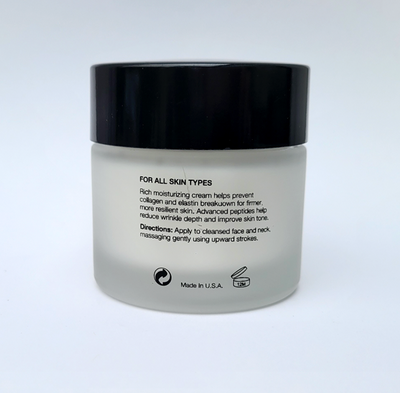
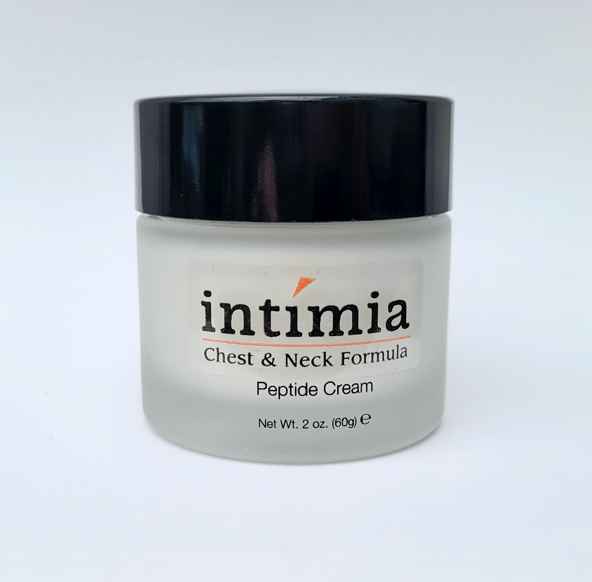
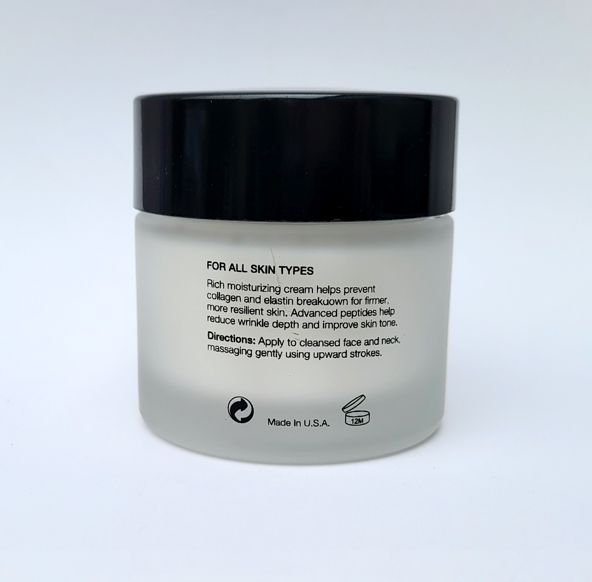
This is why ceramides chest skin care is a true game-changer. Ceramides are the natural lipids, the “mortar,” that hold your skin cells together. Using a quality ceramide cream chest is a scientifically proven way to strengthen and repair skin barrier chest damage. It’s not about fighting age; it’s about nurturing your skin’s own powerful defense system.
In this guide, I’ll walk you through the simple science behind ceramides, the real-world causes of chest skin barrier damage, and the kind of routine that actually makes your décolleté look and feel better week after week.
What is the skin barrier – and why the décolleté is so vulnerable?
To truly care for your chest, you must first understand its delicate architecture. The strength and beauty of your skin begin with its outermost layer, the skin barrier. Protecting the skin barrier décolleté is the single most important step you can take to keep this area looking smooth and youthful for years to come.
Define the skin barrier in simple scientific terms
Imagine your skin is a strong brick wall. The bricks are your skin cells, called corneocytes. The mortar holding them all together is a rich mixture of natural fats, or lipids. This entire structure is known as the stratum corneum, the outermost layer of your skin.
This brick and mortar system is your skin barrier. Its job is simple but vital:
- Keep the good stuff in: It locks in water, preventing it from evaporating into the air. This process, known as transepidermal water loss (TEWL), is a major cause of dryness and fine lines.
- Keep the bad stuff out: It protects your deeper skin layers from pollutants, allergens, and harmful bacteria.
The lipid mortar is made of three key ingredients, ceramides, cholesterol, and free fatty acids. Ceramides are the most important of these, making up about half of the mortar. They are the primary sealant, ensuring the barrier is strong and waterproof. When I first read that in a clinical review I remember thinking, so this is why every dermatologist keeps coming back to ceramides in their recommendations. A healthy barrier, rich in ceramides chest skin, is the secret to hydrated, resilient skin.
Why chest and décolleté skin are structurally more delicate
Not all skin is created equal. The skin on your décolleté is structurally different from the skin on your face, making it uniquely vulnerable to aging and damage.
Here’s why your chest needs special attention:
- It’s thinner: The protective outer layer (epidermis) and the supportive layer beneath (dermis) are significantly thinner on the chest. A thinner wall is easier to damage.
- Fewer oil glands: Your chest has fewer sebaceous glands, which produce the natural oils that keep skin lubricated and soft. This inherent lack of oil makes the area prone to dryness and a compromised barrier.
- Often neglected: We are taught from a young age to care for our face, but skincare routines often stop at the jawline. Years of neglect mean the chest rarely gets the moisturizers, serums, and sun protection it desperately needs.
- High sun exposure: V-necks, scoop-neck tops, and swimsuits leave the décolleté exposed to the sun’s powerful UV rays. This constant exposure is the number one cause of premature aging on the chest.
These factors create a perfect storm for early signs of aging, which is why a routine to repair skin barrier chest integrity is so crucial.
How chest skin barrier damage shows up
When your skin barrier is healthy, your chest skin feels soft, calm, and comfortable. When it’s damaged, it sends clear signals. Recognizing chest skin barrier damage is the first step toward healing it.
Look for these common signs of an impaired skin barrier décolleté:
- Redness and blotchiness: Skin appears easily flushed or has persistent red, uneven patches.
- Rough or crepey texture: The surface feels like fine tissue paper and loses its smooth, supple feel.
- Dryness and tightness: Your skin feels tight and uncomfortable, especially after a shower. It may look dull or even feel scaly.
- Increased sensitivity: Products that never bothered you before, like lotions, perfumes, or even certain fabrics, suddenly cause stinging, itching, or burning.
- Early wrinkles: Fine lines and deeper vertical wrinkles become more pronounced, especially in the morning after sleeping on your side.
These are not just signs of “getting older.” They are signs of a weakened defense system. The good news, you can actively repair skin barrier chest health and restore its smooth, resilient beauty with the right kind of care.
Ceramides 101 – the science behind ceramides and chest skin health
Understanding ceramides is like learning the secret language of your skin. They are not a trendy, man-made ingredient, they are a fundamental part of your body’s natural wisdom. Harnessing the power of ceramides chest skin care is about working with your skin, not against it.
What are ceramides?
Ceramides are a type of lipid, or fat molecule, that are naturally found in the outermost layer of your skin. They are the main component of the mortar that holds your skin cells together, making up roughly half of this essential barrier.
Think of them as the protective sealant for your skin. They fill the gaps between your skin cells, creating a waterproof, resilient barrier that is both strong and flexible. Without enough ceramides, the mortar in your skin wall starts to crumble, leaving it weak and full of holes. This is why declining ceramides are closely linked to dryness, sensitivity, and visible aging.
How ceramides support chest skin hydration and resilience
A healthy supply of ceramides is crucial for the delicate skin on the décolleté. Here’s how these powerful lipids work to keep your ceramides chest skin looking its best:
- They lock in moisture: By sealing the spaces between skin cells, ceramides create a barrier that prevents water from escaping. This reduces transepidermal water loss and keeps your skin hydrated, plump, and dewy from within.
- They smooth the surface: Ceramides help your skin cells lie flat and tightly together. This improves the cohesion of your skin’s surface, resulting in a smoother, softer texture and reducing that crepey look.
- They protect from irritants: A strong ceramide barrier acts like a gatekeeper, preventing allergens, pollutants, and other environmental irritants from penetrating the skin and causing inflammation or sensitivity.
For the chest area, which is naturally thin and prone to dryness, having sufficient ceramide levels is critical for maintaining comfort, elasticity, and a youthful appearance. They are the backbone of a strong and healthy skin barrier décolleté.
Why ceramide levels decline – especially after 35 and around menopause
As we move through life, our bodies naturally begin to produce fewer ceramides. This decline is a key reason why skin often becomes drier and more fragile with age.
The primary factors that deplete your natural ceramide stores are:
- Age: Ceramide production starts to slow down in our late 20s and drops more noticeably after 35. Around menopause, hormonal changes can cause a sharper decline, leading to a sudden increase in dryness and sensitivity.
- Sun exposure: UV radiation is a major enemy of your skin barrier. It directly damages the lipid matrix and reduces your skin’s ability to produce its own ceramides.
- Environmental stress: Factors like low humidity, pollution, and harsh winds can all strip ceramides from your skin.
This is why so many women in their late 30s, 40s, and beyond suddenly notice that the skin on their décolleté feels dry, crepey, and easily irritated. It’s a direct result of falling ceramide levels. The beautiful part, you can fight back by adding topical ceramides chest skin products that help replenish what has been lost and support your skin in rebuilding its protective barrier.


How chest skin barrier damage happens – and why it accelerates décolleté aging
Chest skin barrier damage doesn’t happen overnight. It’s the result of small, everyday exposures that accumulate quietly. Once I started paying attention, I could almost trace each stubborn crease on my chest back to a summer dress, a too-hot shower, or years of falling asleep on my side with a book in my hand.
Everyday triggers that break down the chest skin barrier
The delicate skin on your chest is under constant assault from both environmental and mechanical stressors. Here are the most common causes of chest skin barrier damage:
- Sun exposure: Unprotected sun exposure is the single biggest culprit. UV rays break down ceramides and collagen, leading to photoaging, dark spots, and a weakened barrier.
- Hot showers and harsh soaps: Long, hot showers and soaps with strong detergents strip away your skin's natural protective oils and lipids.
- Over-exfoliation: Rough scrubs or strong acids used too often can strip the barrier and leave your chest red and reactive.
- Friction from clothing: Underwire bras, tight sports bras, and scratchy fabrics create low-grade inflammation and disrupt the skin’s surface.
- Side-sleeping: Sleeping on your side for hours every night causes the skin on your chest to fold and compress. Over time those temporary folds can become permanent vertical lines.
Being mindful of these triggers is half the battle. A commitment to repair skin barrier chest health means adjusting daily habits, not just buying another jar of cream.
The science of barrier impairment, TEWL and micro-inflammation
When those daily triggers disrupt your skin’s lipid mortar, a chain reaction begins. Two key processes explain how this damage turns into visible aging:
- Increased transepidermal water loss: With a compromised barrier, water inside your skin evaporates more quickly. Dehydrated cells lose their plumpness and can’t function properly, so lines show up faster.
- Chronic micro-inflammation: A leaky barrier lets irritants in. Your skin responds with a constant low-grade inflammatory reaction that slowly breaks down collagen and elastin.
This quiet cycle of dehydration and inflammation is what speeds up aging on the décolleté. When you support your ceramides chest skin, you’re not just moisturizing, you’re interrupting that cycle.
How barrier damage translates to visible chest aging
It’s one thing to read about TEWL, another to see its fingerprints on your chest in the morning light.
- Fine lines become etched: Dehydrated skin has no bounce. Folds from sleep or movement stop springing back and slowly etch themselves into permanent wrinkles.
- Crepiness appears: Less collagen plus chronic dryness equals that thin, crinkled, tissue-paper look many of us know too well.
- Uneven tone and redness: Ongoing inflammation leads to blotchiness and a flushed, easily irritated look.
- Increased sensitivity: The perfume you wore for years without a problem suddenly causes stinging or redness because your barrier is no longer keeping irritants out.
Caring for your ceramides chest skin is a very practical anti-aging move. It addresses the root cause instead of just trying to camouflage the symptoms.
Benefits of ceramide cream for the chest – rebuilding the skin barrier décolleté
When your décolleté shows signs of dryness and aging, the most powerful thing you can do is rebuild. A high-quality ceramide cream chest product gives your skin back the exact building blocks it has lost and helps you actively repair skin barrier chest function.
How ceramide creams replenish lost lipids
A well-formulated ceramide cream does more than just sit on the surface. It delivers topical ceramides that mimic the natural lipids in your skin and can slot right into the damaged areas of the barrier, like new grout pressed into old tiles.
Research on barrier-repair moisturizers shows that ceramides work best when they are combined with cholesterol and fatty acids in balanced ratios, so the blend resembles your skin’s own lipid matrix. That is when you see a real difference in water loss and comfort, not just a fleeting glow on the surface.
Measurable benefits for the skin barrier décolleté
When you stick with a ceramide cream, you feel the changes before you even see them in photos.
- Deep, lasting hydration: Tightness eases, and that post-shower itchiness calms down. Studies on ceramide-based moisturizers consistently show better hydration and reduced transepidermal water loss.
- Smoother, softer texture: Rough, scaly patches soften as the upper layer of the skin lies flatter and more even.
- Reduced crepiness and fine lines: Plumper, more elastic skin makes those fine vertical lines look softer over time.
- Calmer, less reactive skin: A stronger barrier lets fewer irritants in, so redness and blotchiness gradually fade.
These are not just cosmetic perks. They are signs that your chest skin barrier damage is healing and your skin is moving back toward balance.
Why targeted ceramide creams for the chest make sense
You might be tempted to drag your usual body lotion a little higher and call it a day. Any moisture helps, but the décolleté sits in that tricky middle ground between facial skin and the rest of the body, and it behaves like it too.
Body lotions are often too light on lipids for real barrier repair. Face creams are lovely, but try slathering your expensive thirty-milliliter jar all over your chest every night and see how long it lasts. A formula created as a ceramide cream chest often hits the sweet spot, rich and cushiony enough to protect ceramides chest skin, yet comfortable and practical to use generously on a larger area.
What to look for in a ceramide cream for the chest
Choosing the right ceramide cream chest product makes all the difference. I’ve stood in front of enough store shelves, squinting at tiny ingredient lists, to know the frustration. A few key families of ingredients will tell you if a formula can truly support your skin barrier décolleté.
Key ingredient families for optimal barrier repair
A great ceramide cream is a team effort. Look for a blend that brings together:
- Multiple ceramides: Names like Ceramide NP, AP, or EOP. Several types give broader coverage for different parts of the barrier.
- Cholesterol and fatty acids: These work alongside ceramides and help your skin actually use them to rebuild structure instead of letting them sit on top.
- Humectants: Glycerin, hyaluronic acid, or similar ingredients that draw water into the upper layers and give an immediate plumped effect under that lipid shield.
- Soothing ingredients: Niacinamide, panthenol, allantoin, or colloidal oatmeal to calm existing chest skin barrier damage while the lipids do their slow, steady work.
Formulas that weave these families together tend to outperform simple one-note creams and give your ceramides chest skin deeper support.
Texture, finish, and sensory considerations for chest skin
Now for the part that decides whether you will actually use the cream every night or let it gather dust on your nightstand, the texture.
- Cushiony but not greasy: The cream should feel like a soft shield, not a sticky film. It needs to protect from clothing friction and sleep lines yet sink in within a few minutes.
- Easy to spread: You should be able to glide it from collarbones to upper bust and out toward your shoulders in a few smooth passes.
- Flexible for day and night: A texture that works under clothes in the morning and as a richer layer at night makes it easier to stay consistent.
Fragrance and potential irritants – protecting already damaged barriers
When your barrier is compromised, the last thing it needs is extra drama.
- Choose fragrance-free: Both synthetic fragrance and many essential oils can be sneaky irritants on a sensitized chest.
- Avoid drying alcohols: High amounts of alcohol denat. or SD alcohol can undo the very barrier work you’re trying to support.
- Keep it simple: When your barrier is healing, a shorter ingredient list focused on lipids, humectants, and soothing agents is your friend.
This is the moment to baby your chest skin barrier damage, not to test how much your skin can tolerate.
How to use ceramides for chest skin – step-by-step routine
Consistency is where the magic happens. You don’t need a twenty-step ritual; you need the right few steps done over and over until they become as automatic as brushing your teeth. That’s how ceramides chest skin care quietly transforms your décolleté.
Morning routine to protect the skin barrier décolleté
Your morning routine is about defense. Think of it as setting your skin up to survive the day with minimal drama.
Step 1: Gentle cleanse. In the shower, skip harsh bar soaps and strong body washes on your chest. Use a mild, low-foaming cleanser or creamy lotion, then pat dry with a soft towel.
Step 2: Optional antioxidant serum. If you already use a vitamin C or antioxidant serum on your face, take a couple of extra drops and smooth them over your chest. A light layer here can help neutralize free radicals from UV and pollution.
Step 3: Apply your ceramide cream chest. Warm a small amount between your fingertips and gently massage a thin layer over the entire décolleté, from base of the neck down to the top of the breasts.
Step 4: Broad-spectrum sunscreen. This is non-negotiable. Apply SPF 30 or higher every single morning to your neck and chest. Clouds, winter, working from home, none of these are a reason to skip it. Sunscreen is your best tool to prevent new chest skin barrier damage.
After you apply sunscreen to your face, whatever is left on your hands goes straight to your neck and chest. Then add a dedicated pump just for the décolleté. That tiny habit changes everything over a few summers.
Evening routine to actively repair skin barrier chest
Your nighttime routine is where the repair work happens. While you sleep your skin shifts into recovery mode, which makes it the ideal time to focus on repair skin barrier chest support.
Step 1: Gentle cleanse. Wash away sunscreen, sweat, and the day’s pollution with the same mild cleanser. No loofahs, no harsh scrubs.
Step 2: Optional hydrating serum. If your chest feels especially parched, layer a hydrating serum with hyaluronic acid or niacinamide before your cream.
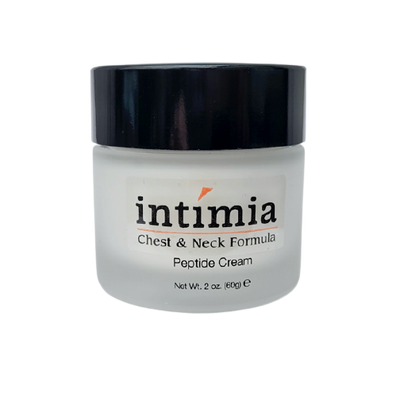
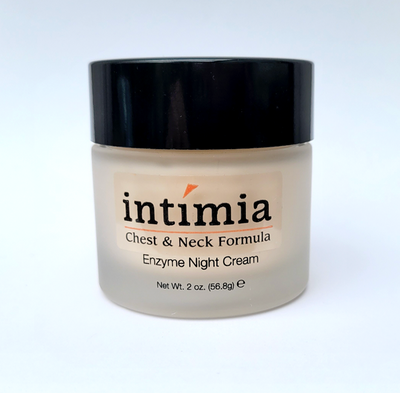
Step 3: Apply a generous layer of ceramide cream. Take about a nickel-sized amount of your ceramide cream chest and apply it generously to the whole area, paying extra attention to the V in the center and the outer sides near your bra line.
Application technique. Use gentle upward and outward motions. Start at the top of your bust and move toward your collarbones, then sweep from the center of your chest out toward your shoulders. It takes less than a minute but your skin will remember the ritual.
How often and how long to use ceramides for visible improvement
Ceramides are designed for long-term relationships, not flings. Daily use is where they shine.
Immediate relief (days to two weeks): Comfort usually improves quickly. That tight, overstretched feeling fades first.
Texture changes (four to eight weeks): Roughness softens, makeup and self-tanner go on more evenly, and skin starts to feel smoother when you run your hand over your chest.
Line and wrinkle improvement (three months plus): Established crepiness and vertical lines take patience. With a steady ceramides chest skin routine and daily sun protection, they slowly soften and look less etched.
Combining ceramides with other skin barrier décolleté strategies
A great ceramide cream chest is your anchor. Around it, you can build a simple system that protects your skin barrier décolleté from every angle, morning and night.
Pairing ceramides with antioxidants and sunscreen
Think of your daytime trio as your chest’s security detail.
- Antioxidant serum: First line of defense against free radicals.
- Ceramide cream: Strengthens the wall and locks in hydration.
- Broad-spectrum SPF: Keeps UV from starting the trouble in the first place.
Layering in that order lets you prevent new chest skin barrier damage while your evening routine focuses on deeper repair skin barrier chest work.
Mechanical protection, sleep position, supportive sleepwear, and chest devices
Most of the mechanical damage to chest skin happens while you sleep. I learned this the hard way after years of curling on my side with my arm as a pillow and waking up with deep lines that stayed until lunch.
- Try back-sleeping: It is the most wrinkle-friendly position for your chest, neck, and face.
- Supportive sleepwear: Soft, breathable tops and gentle sleep bras can keep your breasts from pulling toward the center.
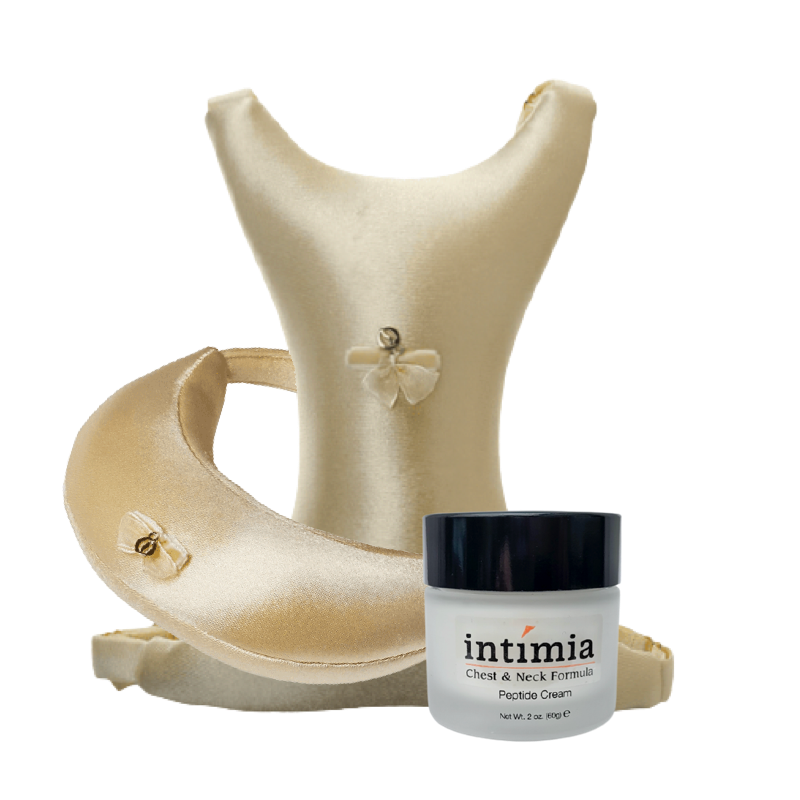
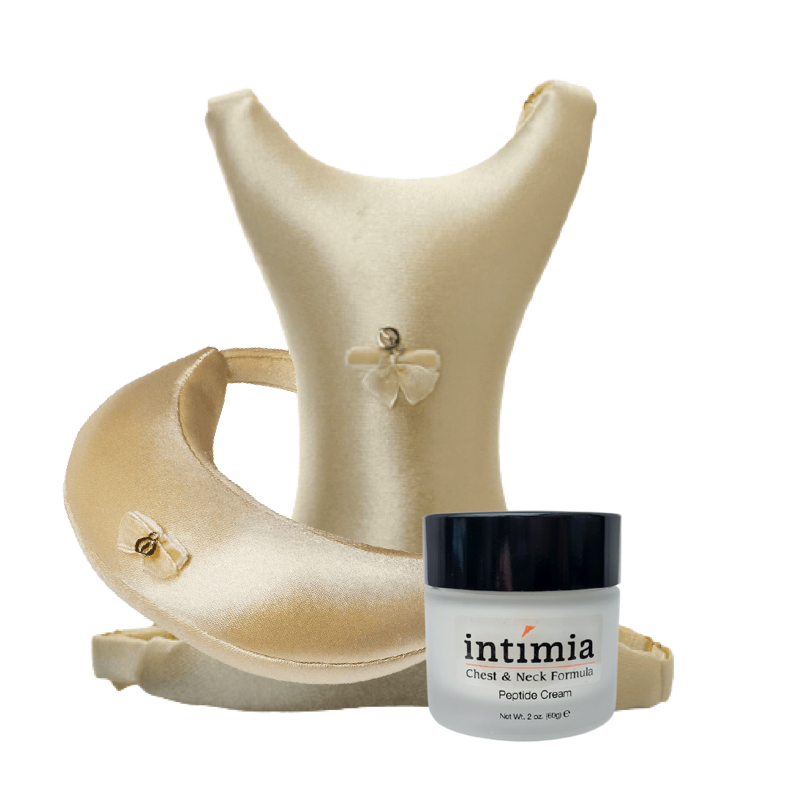
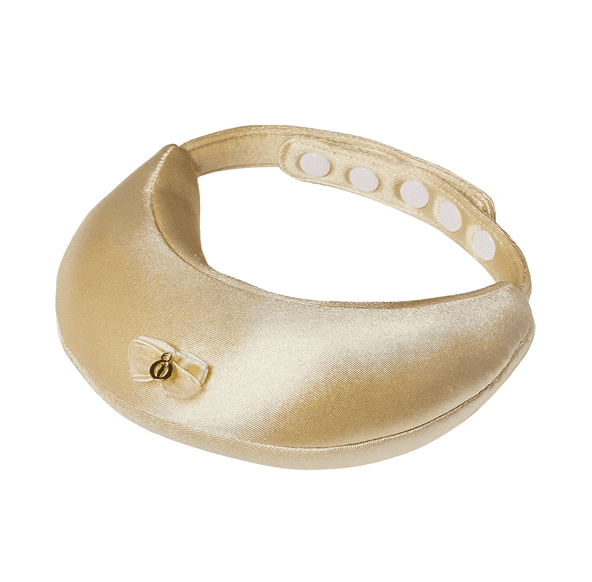
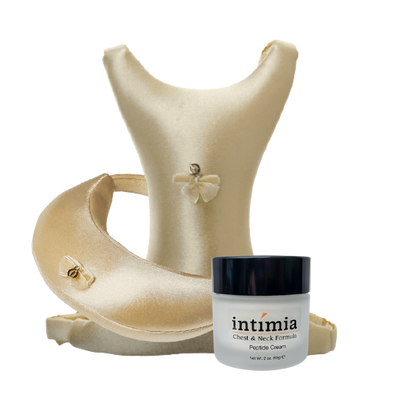
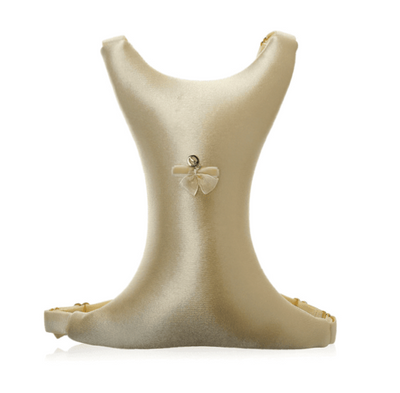
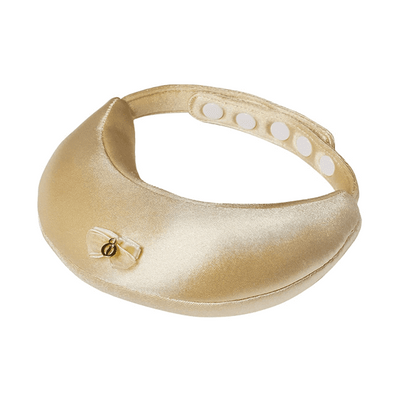
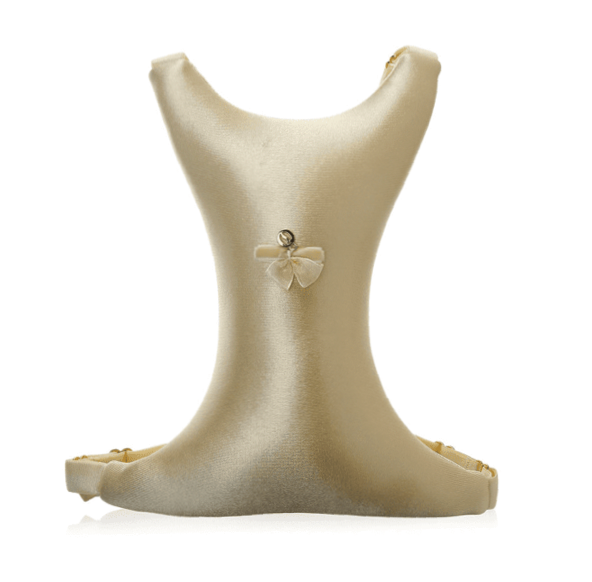
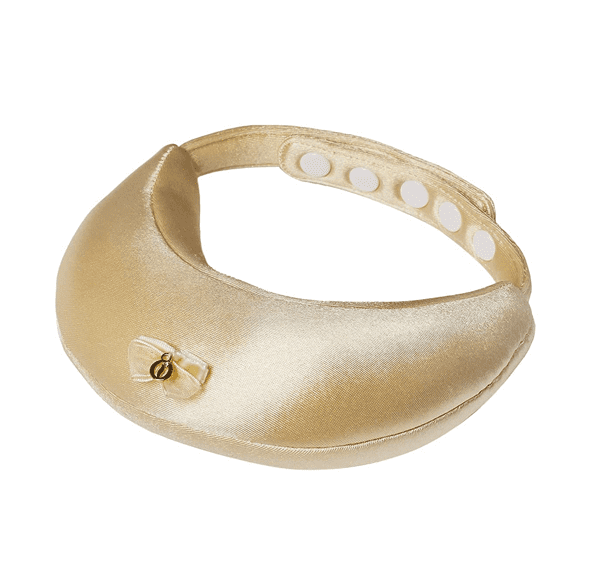
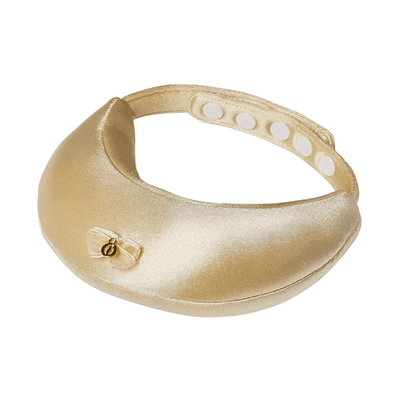
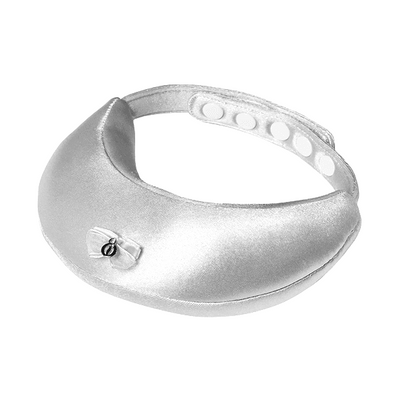
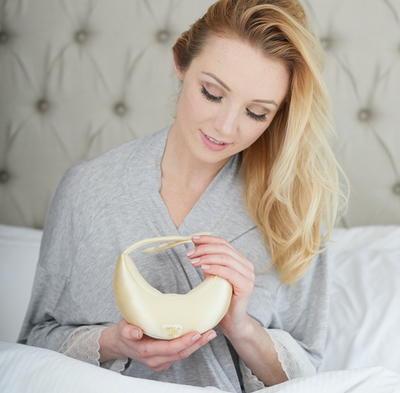
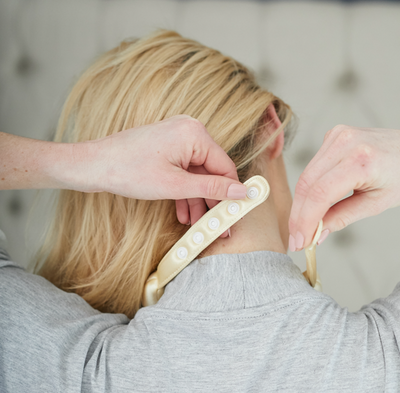
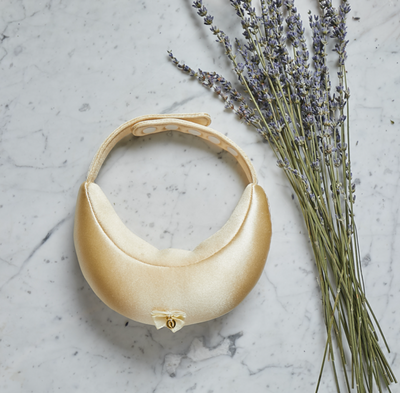
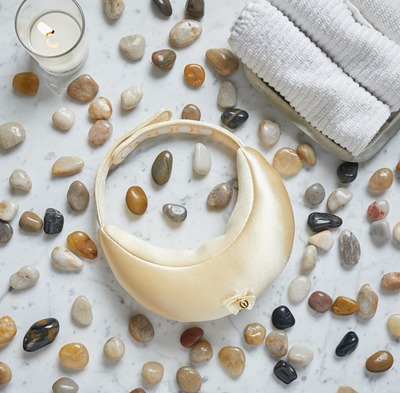
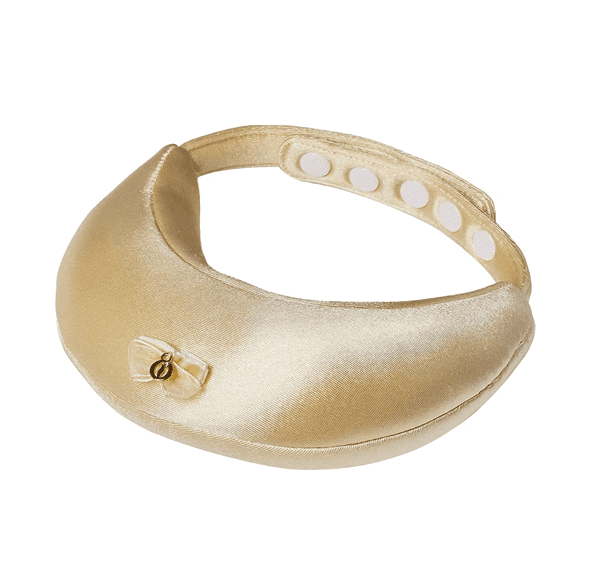
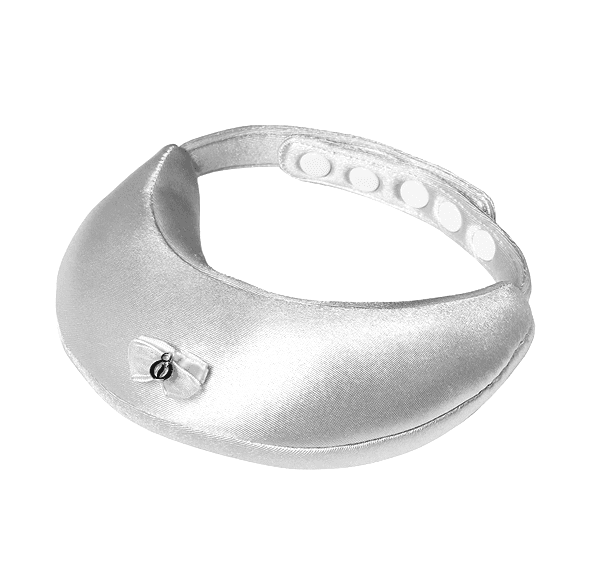
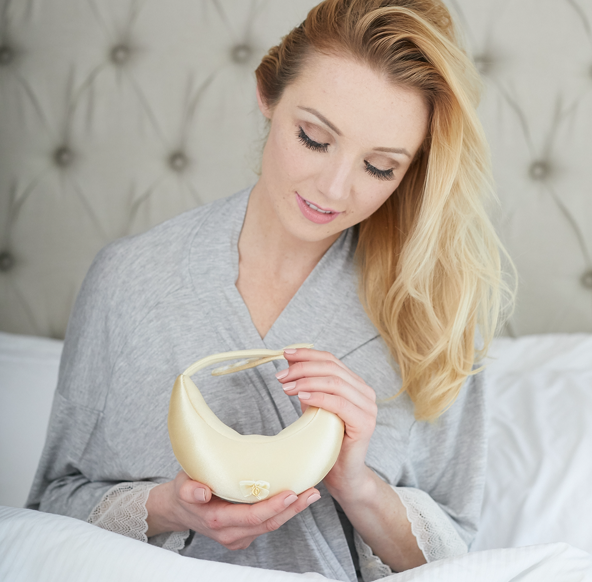
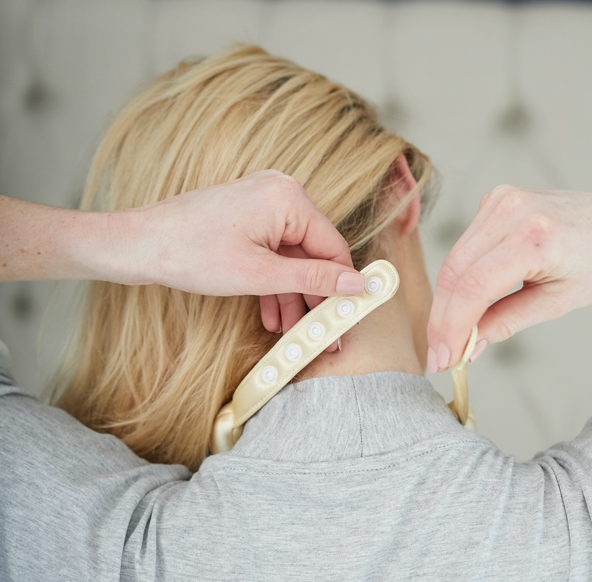
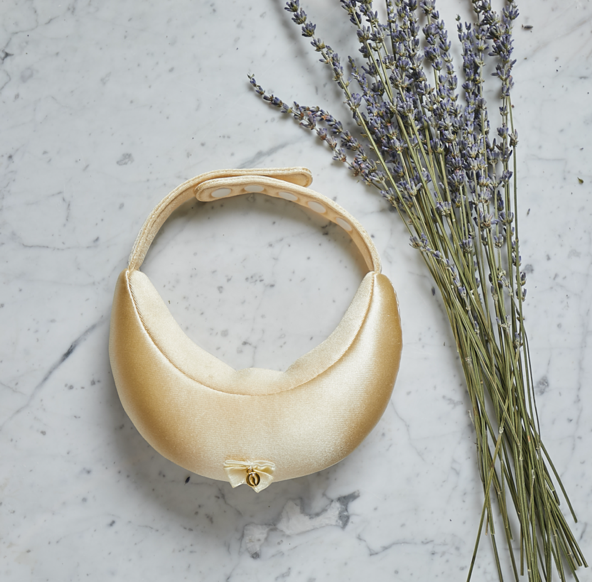
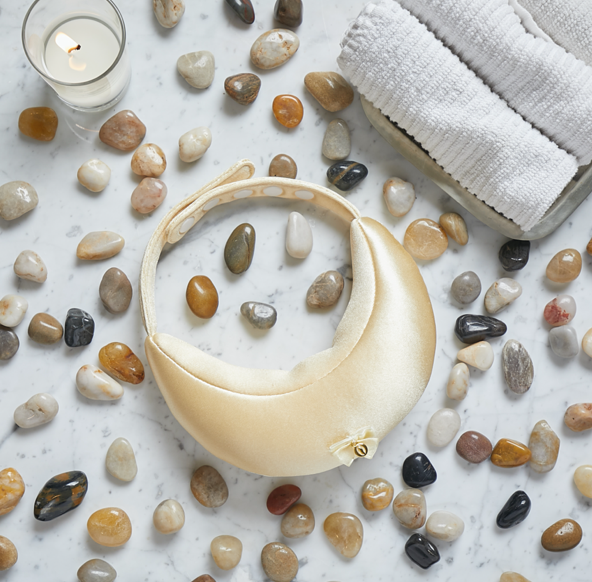
- Anti-wrinkle chest pads or pillows: These sit between the breasts and physically prevent skin from folding into deep creases when you lie on your side.
Combine these mechanical strategies with your nightly ceramides chest skin cream and you have both sides covered, less folding from outside, more resilience from within.
Using strong actives safely on the chest
Retinoids and exfoliating acids can do wonderful things for sun damage and spots on the chest, but they can also tip already delicate skin over the edge.
- Start low and slow: Begin with a low strength and use it once or twice a week, not every night.
- Buffer with ceramides: Let your active absorb, then apply your ceramide cream chest as a comforting buffer to support the barrier.
- Avoid stacking actives: Don’t use a strong retinoid and a strong acid together on the chest. Alternate them on different evenings.
If your skin starts stinging, peeling, or turning red, that is your cue to step back and let barrier repair take center stage for a while.
Signs your chest skin barrier is healing – and when it’s still damaged
When you begin focusing on repair skin barrier chest health, it helps to know what success looks and feels like. Your skin will whisper progress long before it shouts it in before and after photos.
Positive signs of barrier recovery
When your ceramides chest skin routine is working, watch for these encouraging shifts:
- Skin feels calmer: Less redness, fewer angry patches that appear out of nowhere.
- Reduced sensitivity: Showers, fabrics, and basic products stop stinging.
- Softer, smoother texture: Less flaking, less roughness, more of that healthy, hydrated sheen.
- Better product tolerance: You can slowly reintroduce gentle actives without the fireworks.
These are your signs that your skin barrier décolleté is slowly rebuilding itself, brick by brick.
Ongoing warning signs of chest skin barrier damage
If your barrier is still struggling, it will keep sending distress signals.
- Persistent stinging: Even gentle products burn when applied.
- Chronic dryness and roughness: Your chest feels tight again a few hours after moisturizing.
- Paper-like crepiness: The skin looks thin, over-stretched, and crinkled.
- Frequent redness or rashes: Random flare-ups stick around and new ones appear easily.
If this continues for weeks despite a careful ceramides chest skin routine, it is worth talking with a dermatologist to rule out underlying conditions that need more targeted help.
Realistic timelines and expectations for the décolleté
Healing is rarely dramatic, it is more like watching a plant recover after a drought. Slow but steady.
- Short term (one to two weeks): Relief, more comfort, less immediate tightness.
- Medium term (four to eight weeks): Visible texture improvement and a smoother feel when you touch your chest.
- Long term (three months and beyond): Noticeable softening of crepiness and fine lines, especially when combined with sun care and mechanical protection at night.
A ceramides chest skin routine is a quiet marathon, not a sprint. The minutes you spend each day compound over seasons and years.
Frequently asked science-based questions about ceramides and chest skin
Diving into a new ingredient always brings questions. Let me answer the ones I hear most often about ceramides chest skin care.
Are ceramides safe for sensitive chest skin and the décolleté?
Yes. Ceramides are “skin-identical,” which simply means your body already knows them well. They are part of a healthy barrier in the first place, so giving sensitive skin more of what it is missing is usually calming, not irritating.
That is why barrier-repair creams rich in ceramides are often recommended for very reactive conditions. If your skin barrier décolleté is red, itchy, or sore, a ceramide cream is one of the gentlest options you can reach for.
Can I use my facial ceramide product as a ceramide cream chest?
You can. If you already have a fragrance-free ceramide moisturizer for your face, it is perfectly fine to take it down to your chest and neck.
The only downsides are practical. Facial products are usually smaller and pricier per milliliter, and the chest is a large canvas. Over time many women prefer a dedicated ceramide cream chest formula with a slightly richer texture, so they can be generous without feeling wasteful.
How do ceramides compare with other barrier-repair ingredients for the skin barrier décolleté?
There are many lovely emollients, but they don’t all play the same role. Squalane, shea butter, and plant oils like jojoba are wonderful for softening and adding surface comfort.
A formula built around ceramides chest skin with cholesterol and fatty acids is a little different. Instead of just patching the wall from the outside, it brings in the same structural pieces that make up the barrier itself. Emollients are like a cozy coat. Ceramides are the bricks and mortar of the house.
A long-term strategy to protect the chest skin barrier
The beauty of the décolleté is quiet. It is not about perfection, it is about comfort. About feeling at ease in a low neckline or a simple cotton tee because you know the skin there is cared for.
The root of that comfort is the health of the skin barrier décolleté. When chest skin barrier damage builds up, from sun, friction, strong products, or just time, the lines, crepiness, and sensitivity arrive faster than we think they should.
Ceramides offer a simple, science-backed way to answer that. These lipids are the quiet strength of your skin. When you focus on ceramides chest skin care you shift from attacking “signs of aging” to supporting the actual structure that keeps your chest hydrated and resilient.
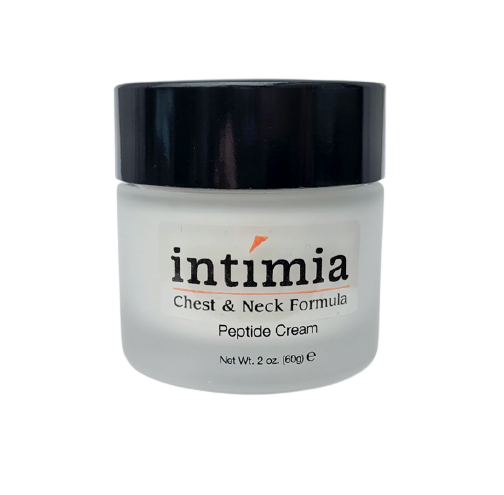
By using a high-quality ceramide cream chest consistently, you are not just putting on another moisturizer. You are handing your skin the exact tools it needs to repair skin barrier chest integrity from within. Add daily sunscreen, kind cleansing, and a little mechanical protection when you sleep, and you suddenly have a long-term strategy instead of a short-term fix.
It is an invitation to move your self-care line a little lower than your jaw, to include the skin that frames your heart. When you treat that area with steady, gentle attention, it remembers, and it shows.
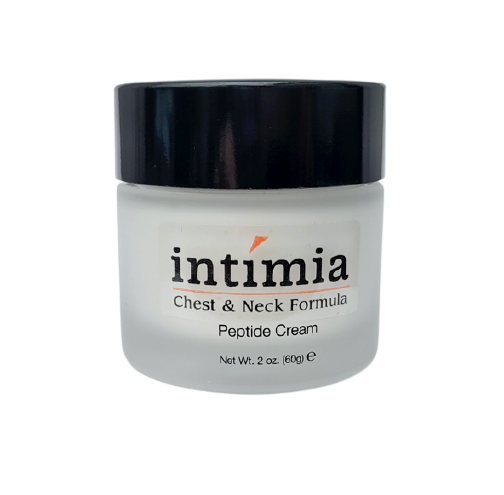
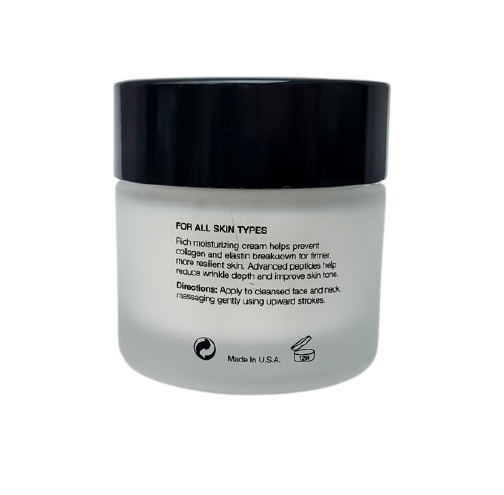
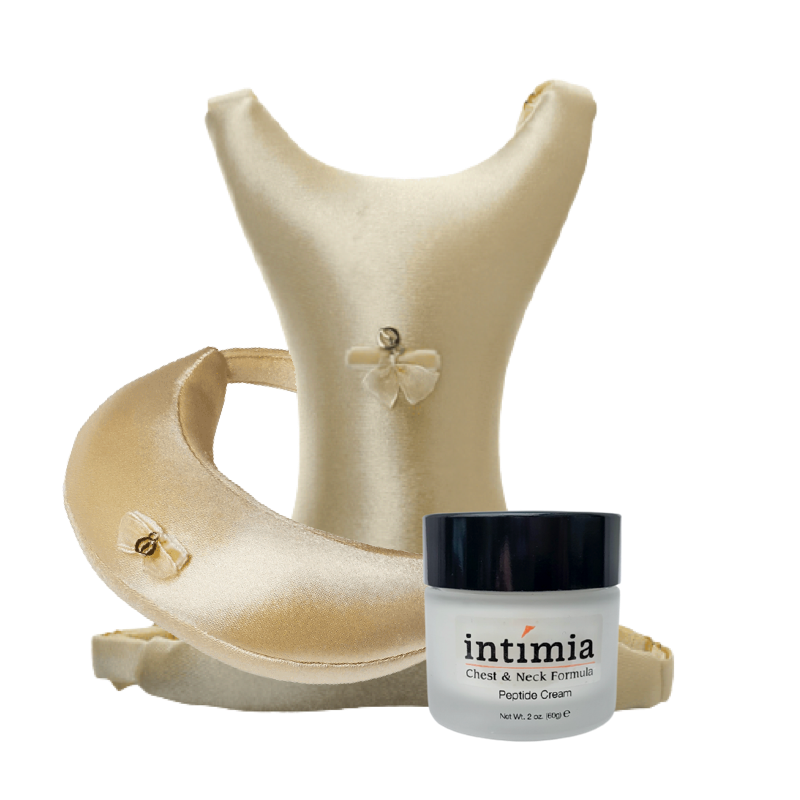
And if, one morning, you catch your reflection and notice your chest looking a bit smoother, a bit calmer, you will know it was not magic at all, just you choosing to care for yourself in all the quiet places, night after night, with your cream in one hand and your Intimia® Breast Pillow waiting on the bed.
Ready to wake up with smoother skin — start here.