In this article you will learn:
- Why Chest Wrinkles Appear After Weight Loss
- Aging, Collagen Loss, and Saggy Chest Skin Treatment Challenges
- Evaluating Your Décolleté After Losing Weight
- Daily Lifestyle Habits to Support Skin Tightening Chest Weight Loss
- At-Home Skin Care Routine for the Décolleté After Losing Weight
- Sun Protection to Prevent Chest Wrinkles Weight Loss from Worsening
- Nighttime Strategies: Sleep Habits and Supportive Products
- Non-Surgical Saggy Chest Skin Treatment Options
- When Surgery May Be Considered for Loose Skin Chest After Weight Loss
- Building a Personalized Plan for Your Décolleté After Losing Weight
- Conclusion
The journey of chest wrinkles after weight loss is one many of us know too well, isn’t it. You do the hard part, you change your habits, your jeans size, your lab results, your energy. Then you catch yourself in the mirror, in that one merciless morning light, and the vertical lines between your breasts seem louder than everything you’ve achieved. I remember the first time I noticed mine after dropping a size; I pulled on my favorite V-neck, felt so proud for a second, then saw the crepey skin at the top of my chest and thought, “When did that happen.”
Why chest wrinkles appear after weight loss
Understanding what’s happening beneath the surface of your skin is the first step toward caring for it with wisdom and compassion. The appearance of chest wrinkles after weight loss isn’t a sign of failure; it’s a natural response to change, a story written on your skin by time, gravity, and your own life journey.
How weight loss leads to loose skin chest after weight loss
Think of your skin as a beautiful, living fabric. Its strength and stretch come from a network of fibers called collagen and elastin. Collagen provides firmness and structure, like the strong threads in a tapestry. Elastin gives it bounce and resilience, allowing it to snap back into place. This is the scaffolding that keeps your skin smooth and taut.
When you gain weight, your skin stretches to make room for the increased volume underneath. Those collagen and elastin fibers are pushed to their limits. If the weight loss that follows is significant or happens quickly, the underlying fat shrinks away faster than the overstretched skin can recoil. It’s like a balloon that has been inflated for a long time, and when you let the air out, it doesn’t return to its original small, tight form. It’s left a bit looser, a bit softer, and if you’ve ever lost weight quickly you know that feeling in your bra before you see it in your mirror.
The chest and décolleté are uniquely vulnerable to this process. The skin here is naturally thinner than on other parts of your body. It’s also an area that sees a lot of sun over the years and is constantly in motion. When you lose volume in the upper part of the breasts, the skin loses its foundational support. Without that plumpness holding it up, it drapes and folds more easily, creating the vertical lines and loose skin you notice after weight loss, especially if it happened fast or during a big life change like pregnancy or menopause.
If you’re curious about the biology behind this, there’s solid research on how loose skin after weight loss develops and why it behaves the way it does when the fat underneath disappears.
Aging, collagen loss, and saggy chest skin treatment challenges
Weight loss is only part of the story. The natural process of aging walks hand-in-hand with these changes, particularly for women over 35. Starting in our mid-30s, our bodies naturally produce about 1% less collagen each year. The elastin we have also begins to lose some of its springiness. Our skin becomes thinner, drier, and more delicate, especially on the chest and neck.
On top of this, our skin is in a constant battle with invisible forces called free radicals. These are unstable molecules from things like UV sun exposure and pollution that damage our healthy skin cells and accelerate the breakdown of collagen. The sun is particularly harsh on the delicate décolleté, leading to uneven texture and deep-set wrinkles over time. A diet rich in antioxidants, the good guys in colorful fruits and vegetables, helps your body fight this damage from the inside out, and it pairs beautifully with any routine that focuses on tightening loose skin without surgery.
For women in their 40s and beyond, hormonal shifts during perimenopause and menopause play a major role. These changes can affect collagen levels, where our bodies store fat, and how well our skin stays hydrated. When you combine significant weight loss with these natural declines in your skin’s support system, the need for a thoughtful saggy chest skin treatment plan becomes clear. It’s not just about one thing; it’s about a multi-layered approach that nourishes, protects, and supports your skin through every season of life.
Evaluating your décolleté after losing weight
Before you can create a plan, it’s important to understand exactly what you’re seeing in the mirror. Taking a moment for honest assessment helps you set realistic goals and choose the right path forward, whether that’s dedicated at-home care or seeking professional guidance for your décolleté after losing weight.
Signs of loose skin and chest wrinkles after weight loss
It’s easy to just see “wrinkles,” but different signs point to different underlying issues. Knowing what to look for can help you better understand the changes in your skin.
- Fat loss vs. skin laxity: Fat loss is simply a reduction in volume. Your breasts and chest may look smaller and feel lighter, but the skin still feels relatively firm. Skin laxity, or loose skin on the chest after weight loss, is different. The skin itself looks and feels loose. You might notice it hangs slightly or folds, even when you’re lying on your back. A simple “pinch test” can be telling: gently pinch the skin on your upper chest. If it feels slack and doesn’t snap back quickly, you’re likely dealing with lost elasticity.
- True sagging (ptosis): This is a more significant, structural change. You may see a noticeable downward shift in the position of your breasts and the tissue on your upper chest. There might be defined folds of skin between your breasts and your upper abdomen.
Common visual signs you may notice on your décolleté after losing weight include:
- Vertical lines: These are the classic sleep lines that appear between and above the breasts. They become more prominent when you lean forward or sleep on your side.
- Crêpey texture: The skin may have a fine, paper-like texture with a network of tiny wrinkles, much like crepe paper.
- Accordion folds: These are horizontal folds or creases that can appear across the upper chest, especially with movement.
If you’d like a more clinical checklist to compare with what you see in the mirror, some overviews of what causes loose skin after weight loss can help you name what you’re noticing, which is oddly comforting.
When to consider professional saggy chest skin treatment
A dedicated at-home routine can make a world of difference, but there are times when it’s wise to seek a professional opinion. Home care might not be enough if you’re experiencing certain red flags.
Consider a consultation if you notice:
- Significant hanging skin: The skin hangs in noticeable folds or “pools” when you bend over or lie on your side.
- Chronic irritation: The folds of skin are causing persistent issues like rashes, chafing, or inflammation.
- Emotional distress: Your feelings about your chest’s appearance are causing you to avoid social situations, intimacy, or activities you once enjoyed.
If these sound familiar, it’s time to talk to an expert. Here’s who can help:
- Dermatologist: Your first stop for a medical skin assessment. They can recommend prescription-strength topical treatments and discuss a range of non-invasive procedures for skin tightening chest weight loss.
- Aesthetic physician: A doctor specializing in cosmetic medicine can offer device-based treatments like radiofrequency or ultrasound, as well as injectable options to improve skin quality.
- Plastic surgeon: For cases of massive weight loss with significant excess skin, a board-certified plastic surgeon can discuss surgical options like a breast lift or skin removal.
When you go to an appointment, bring photos of your chest from before your weight loss, if you have them. Keeping a small diary of your symptoms and concerns can also help you have a clear and productive conversation with your doctor, especially when you’re trying to explain what’s going on in an area as particular as the décolleté.
Daily lifestyle habits to support skin tightening chest weight loss
The skin on your chest is a living organ, and its health is a direct reflection of your daily habits. The same choices that supported your weight loss journey can now be focused on nourishing and strengthening your skin from the inside out. True skin tightening after weight loss begins with these foundational, everyday practices.
Healthy weight loss pace to minimize loose skin chest after weight loss
The speed at which you lose weight matters. When the pounds come off slowly and steadily, your skin has a much better chance to adapt.
- Recommended pace: Aiming to lose 1 to 2 pounds per week is a safe and sustainable rate. This gives your skin’s collagen and elastin fibers more time to contract and remodel as the volume beneath them decreases.
- Why slower is better: Rapid weight loss can shock the system and outpace your skin's ability to keep up. A gradual approach helps preserve the precious muscle mass in your chest and upper body. Muscle acts as a natural "filler," providing a firm foundation that helps the skin drape more smoothly.
- The power of strength training: Incorporating strength training into your routine is one of the best things you can do. Building your pectoral muscles won't magically shrink loose skin, but it will create a fuller, more lifted shape beneath it, which can dramatically improve the overall appearance of your chest.
There’s quite a bit of evidence now that a slower pace and muscle-building work together to protect your skin’s structure during weight loss, and if you want to dive deeper into this, I like how this guide on how to tighten loose skin explains the trade-offs.
Nutrition for chest wrinkles weight loss prevention
You are what you eat, and your skin is no exception. Building firm, resilient skin requires specific nutritional building blocks. Think of your diet as an internal skincare routine.
- Protein for collagen: Collagen is made of amino acids. Providing your body with enough protein is essential for it to synthesize new collagen. Include lean meats, fish, eggs, beans, and lentils in your diet. A quality collagen powder supplement can also be supportive.
- Vitamin C: This vitamin is a crucial partner in collagen production. Without enough vitamin C, your body can’t form strong collagen fibers. Find it in citrus fruits, berries, kiwi, and colorful bell peppers.
- Healthy fats and omega-3s: These fats are vital for maintaining your skin's natural moisture barrier, keeping it supple and elastic. Wonderful sources include salmon, sardines, walnuts, chia seeds, and flaxseeds.
- Antioxidants: These are your body's protectors. They fight the oxidative stress that breaks down existing collagen. Load up on antioxidant-rich foods like blueberries, spinach, artichokes, dark chocolate, and nuts.
- Hydration: Water is life. When your body is well-hydrated, your skin cells are plump and resilient. Dehydration can make fine lines and crepey texture on the chest look much more pronounced. Keep a water bottle with you and sip throughout the day.
If you like to see the science before you change your grocery list, take a look at how dermatologists connect diet, antioxidants, and wrinkling in their overviews of how to get rid of wrinkles naturally, then walk into your kitchen with fresh eyes.
Exercise and posture for décolleté after losing weight
How you hold and move your body throughout the day has a profound effect on the skin of your décolleté. Building strength and maintaining good posture can visually lift your chest and prevent the formation of deep creases.
-
Targeted exercises: Focus on building the muscles of your chest (pectorals) and upper back.
- Chest: Include exercises like push-ups (on your knees or against a wall is a great start), dumbbell chest presses, and dumbbell flyes.
- Back: Strengthen your upper back with moves like bent-over rows and reverse flyes. A strong back helps pull your shoulders back, opening up your chest.
- Posture is key: Many of us spend hours hunched over a desk or phone. This posture collapses the chest, deepening the folds between the breasts and creating habitual wrinkle lines. Throughout the day, remind yourself to sit and stand tall. Roll your shoulders back and down, keeping your spine neutral and your chest open and proud.
- Gentle stretching: Counteract the effects of "desk posture" with gentle stretches. Chest-opening yoga poses like Cobra or simple doorway stretches can feel wonderful and help retrain your muscles to hold a more open, lifted posture.
At-home skin care routine for the décolleté after losing weight
Your face shouldn’t have all the fun. The delicate skin of your décolleté deserves its own dedicated care routine, especially after weight loss. A consistent, thoughtful approach can improve texture, boost firmness, and protect your skin for years to come. Think of this as a daily ritual of love for this beautiful part of your body.
Gentle cleansing and exfoliation for loose skin chest after weight loss
The foundation of any good routine is clean, prepared skin. But the thin skin on your chest needs a gentle touch.
- Cleansing: Treat your chest as an extension of your face. Use a mild, hydrating cleanser, never a harsh bar soap, which can strip the skin of its natural oils. Use lukewarm water instead of hot, and when you’re done, gently pat the area dry with a soft towel. Vigorous rubbing can stretch and stress already loose skin.
- Exfoliation: To smooth away crepey texture and allow your treatment products to penetrate more deeply, gentle exfoliation is key. Opt for a mild chemical exfoliant with lactic or mandelic acid 1–3 times a week. Avoid harsh, gritty physical scrubs, which can create micro-tears and irritation on delicate décolleté skin.
- Gentle massage: When you cleanse or apply moisturizer, use the opportunity for a gentle massage. Use upward, sweeping strokes from the top of your breasts toward your collarbone. This simple act helps increase blood flow and can stimulate the fibroblasts, the tiny cells responsible for producing new collagen and elastin.
If you’ve never really “met” your décolleté before, I recommend reading a simple primer on what the décolleté is and how to care for it, then touching your own chest like you would your face instead of an afterthought.
Targeted products for skin tightening chest weight loss
After cleansing, it’s time to deliver powerful, active ingredients to your skin. These are the workhorses of your routine, targeting collagen production, hydration, and overall skin health.
- Retinol/retinoids: This vitamin A derivative is the gold standard for anti-aging. It works by accelerating cell turnover and boosting collagen production, which helps soften fine lines and improve skin texture.
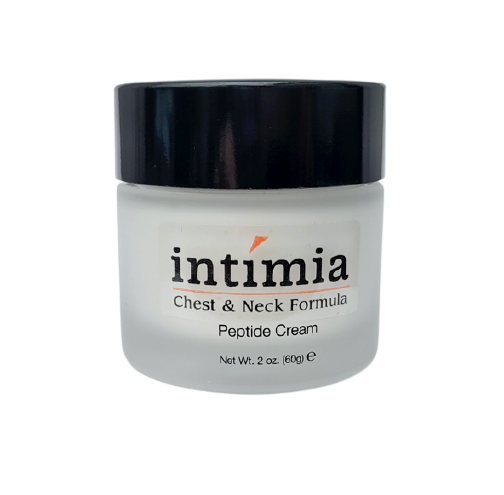
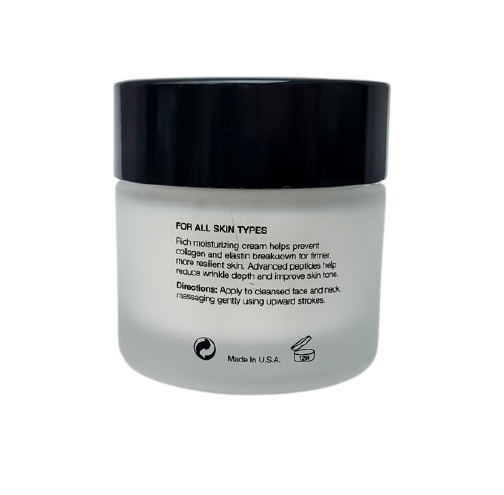
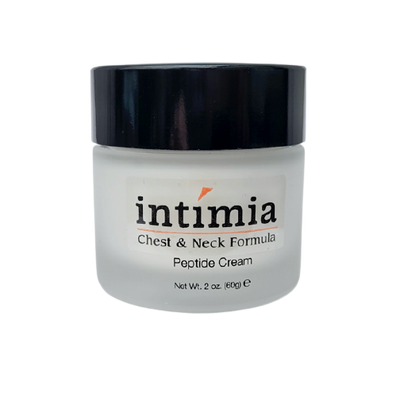
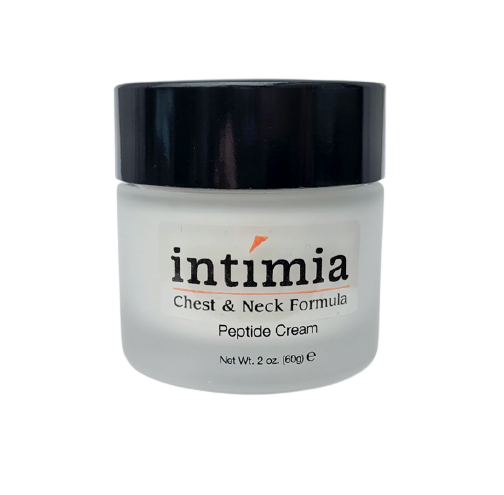
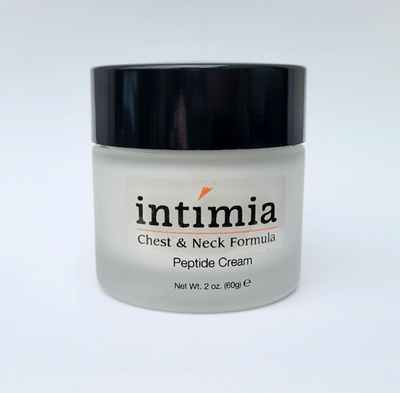
- Peptides: These are short chains of amino acids that act as messengers, signaling your skin to produce more collagen and elastin, leading to a firmer appearance.
- Niacinamide: A form of vitamin B3, niacinamide is a multitasker. It helps strengthen the skin’s barrier, improves tone and discoloration, and can soften the look of fine lines.
- Hyaluronic acid: This molecule is a moisture magnet, capable of holding up to 1,000 times its weight in water. It draws moisture into the skin, giving it a plumper, smoother, more hydrated look.
- Ceramides: These are lipids that are a natural part of your skin’s barrier. Adding them back topically helps lock in moisture and protect your skin from irritants.
- Natural soothers: Ingredients like aloe vera can be wonderfully calming and provide a gentle boost of hydration. Some studies suggest it may also offer mild support for collagen production.
When applying these products, remember that your chest skin can be more sensitive than your facial skin. If you’re extending your facial retinol down to your chest, start slowly, using it only two or three times per week to build tolerance and avoid irritation, and if you like to experiment with gentler options first, take a look at traditional home remedies for wrinkles and see what might fit the way you live right now.
Hydration and barrier repair for saggy chest skin treatment at home
Hydrated skin is supple, resilient skin. After applying your active serums, it’s crucial to lock in all that goodness with a rich, nourishing moisturizer. This step is a cornerstone of any effective saggy chest skin treatment plan.
- Rich moisturizers: Look for creams and lotions packed with emollient ingredients. Shea butter, glycerin, hyaluronic acid, and ceramides are all excellent choices. They work by creating a protective seal on the skin’s surface, preventing water loss and improving its soft, pliable texture.
- Layering strategy: For maximum benefit, apply your products in layers. Start with the thinnest consistency (like a water-based serum) and finish with the thickest (your cream or lotion). This allows each product to absorb properly and work effectively.
- Consistency is everything: This is perhaps the most important tip of all. You won’t see results overnight. Commit to applying your products to your décolleté every morning and every night. It can take at least 8–12 weeks of consistent use to see a visible improvement in skin texture and firmness.
Sun protection to prevent chest wrinkles weight loss from worsening
If you do only one thing for your décolleté, let it be this. Sun protection is absolutely non-negotiable. UV exposure is the number one cause of premature aging, and it actively works against all your efforts to improve your skin.
- Why SPF is essential: The sun’s UV rays penetrate the skin and break down the collagen and elastin fibers that keep it firm. This accelerates the development of sagging, deepens wrinkles, and causes discoloration and uneven texture.
-
Practical tips:
- Every single morning, apply a broad-spectrum sunscreen with an SPF of 30 or higher to your entire neck and chest.
- Don’t assume your clothing is enough protection. A V-neck or scoop-neck top leaves your chest exposed, and clothing can shift throughout the day.
- Reapply your sunscreen every two hours if you are outdoors, and always after swimming or sweating.
- For days with prolonged sun exposure, consider wearing UPF clothing or draping a light scarf over your chest.
If your décolletage looks flawless by morning, check if you actually slept on your side, and then, before you head out the door, remember that every bit of sun protection you put on today helps prevent the very chest wrinkles you’re trying so hard to smooth.
Nighttime strategies: sleep habits and supportive products
The eight hours you spend asleep are a crucial time for your skin’s repair and regeneration. But for the décolleté, your sleeping habits can either help or hinder your progress. By making a few simple adjustments, you can turn your sleep into a powerful ally in your quest for smoother, firmer skin.
How sleeping positions affect loose skin chest after weight loss
The way you sleep can etch lines into your skin overnight. This is known as mechanical wrinkling, wrinkles caused by physical compression rather than muscle movement.
- The culprits: Side-sleeping and stomach-sleeping are the primary causes of chest wrinkles. When you lie on your side, gravity pulls your top breast downward and inward, compressing it against your bottom breast. This pushes the skin of your décolleté into deep vertical folds that, over years, become permanent lines. For women with loose skin on the chest after weight loss, this effect is even more pronounced.
-
Helpful modifications:
- Train yourself to back-sleep: The best position for your chest (and your face) is sleeping on your back. This keeps the skin smooth and free from compression. To make it more comfortable, try placing a pillow under your knees to support your lower back.
- Side-sleeping smarter: If you can’t give up side-sleeping, you can still minimize the damage. Place a firm pillow under your top arm to keep your shoulder from rolling forward. A pillow between your knees can also help stabilize your torso and reduce twisting, which lessens the pressure on your chest.
- Consider a supportive sleep bra: A soft, non-wired sleep bra can help keep your breasts separated and supported, preventing them from collapsing together during the night.
Anti-wrinkle sleep aids for décolleté after losing weight
In addition to adjusting your position, there are wonderful non-invasive tools designed specifically to protect your décolleté while you sleep.
-
Non-invasive aids:
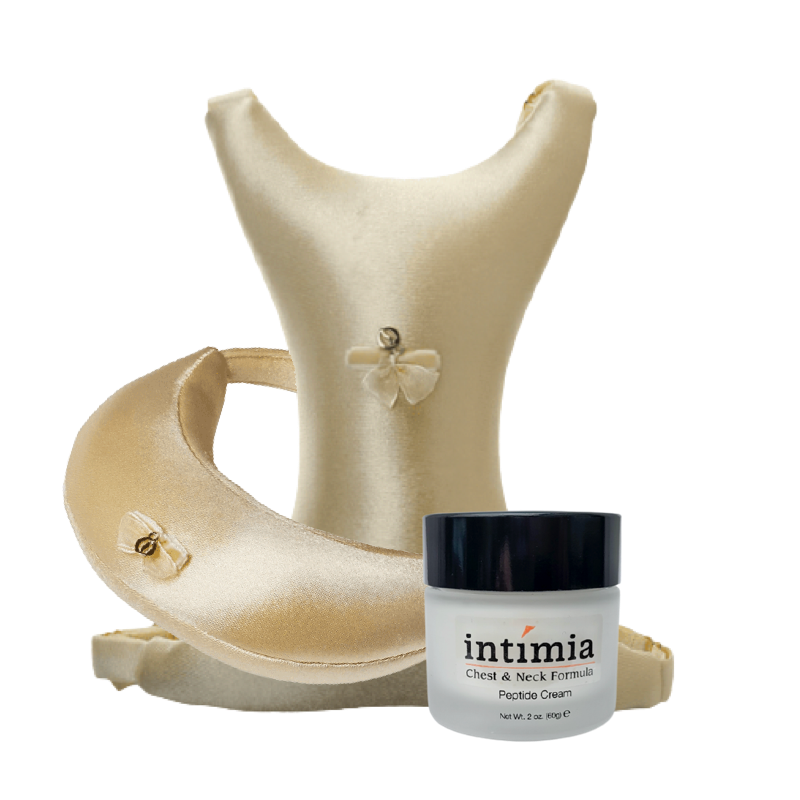
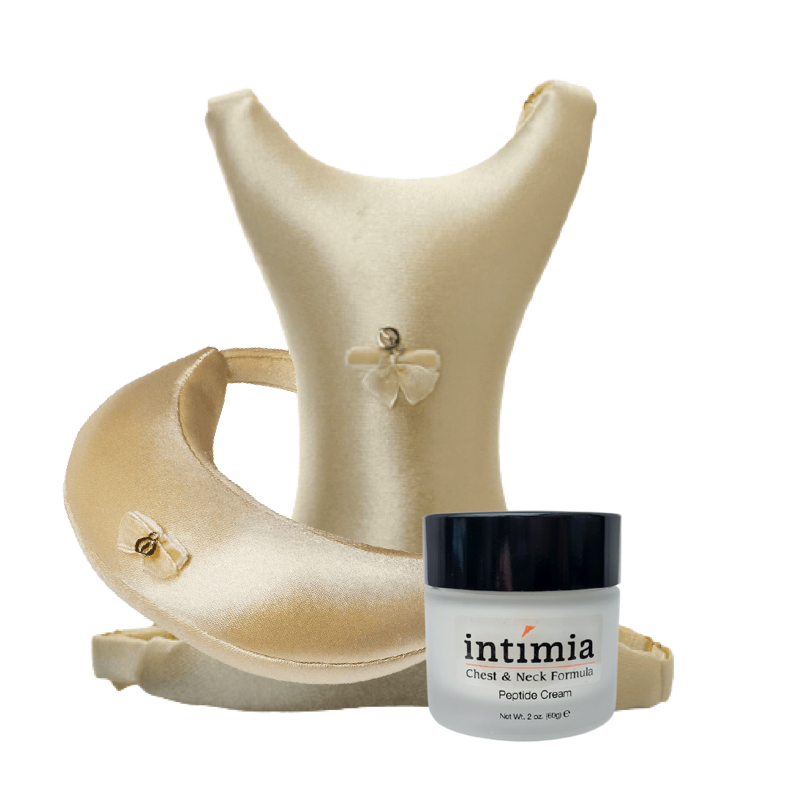
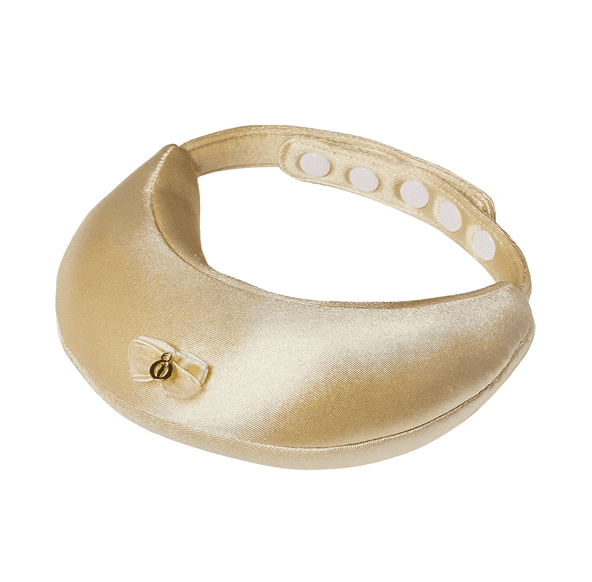
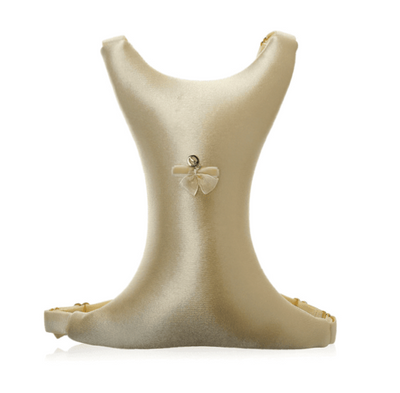
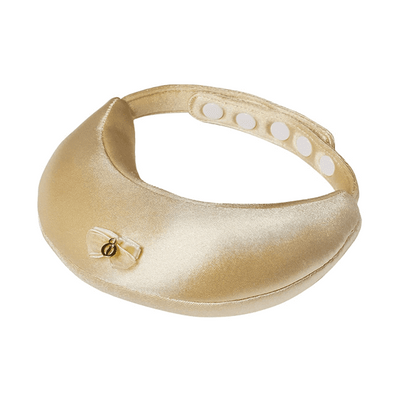
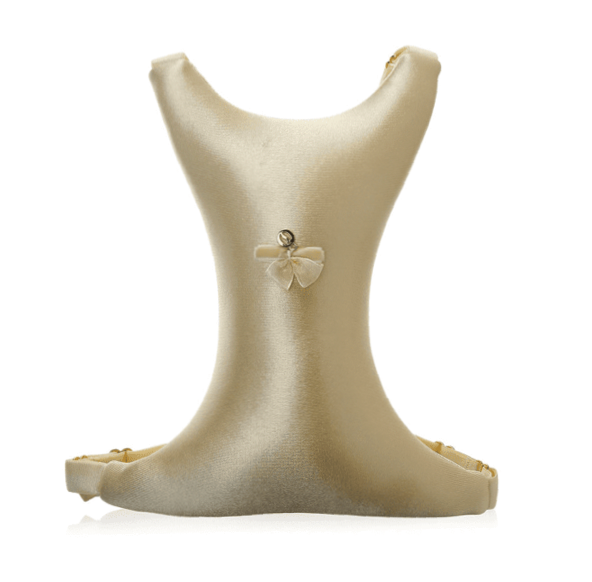
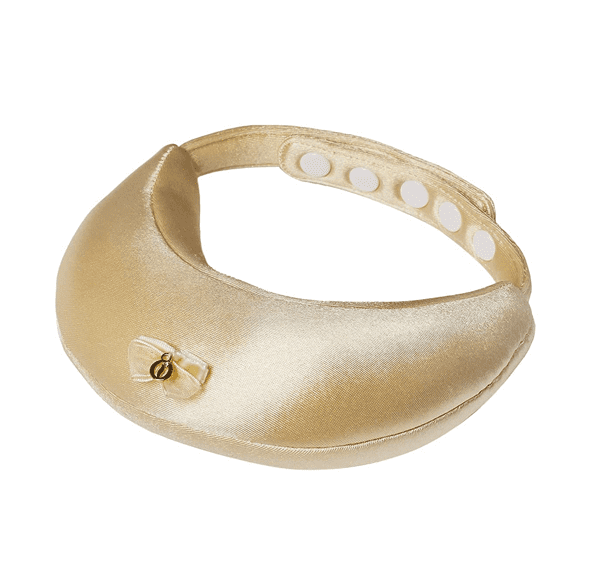
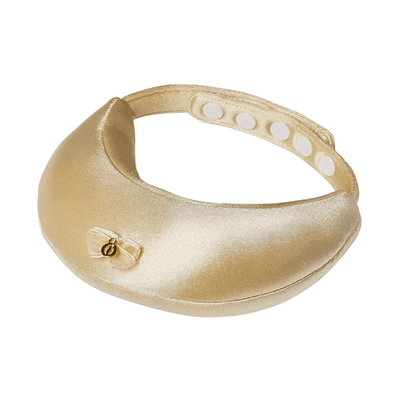
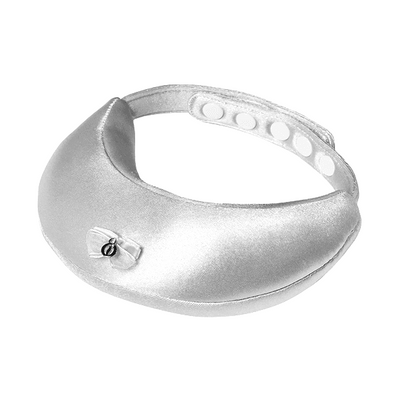
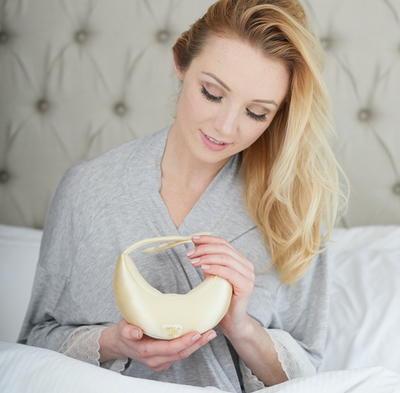
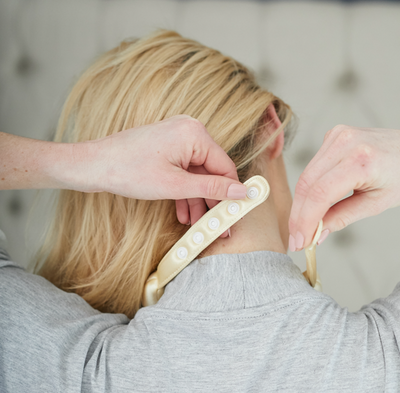
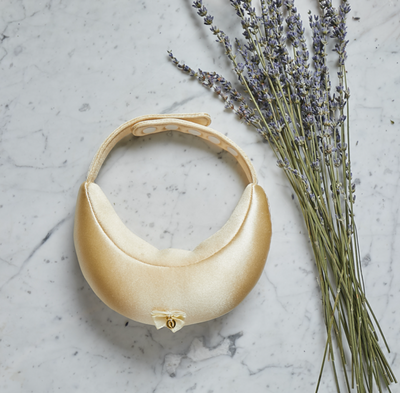
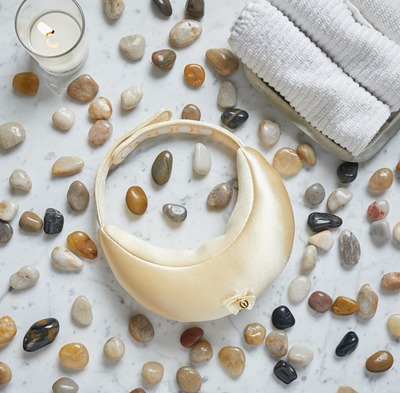
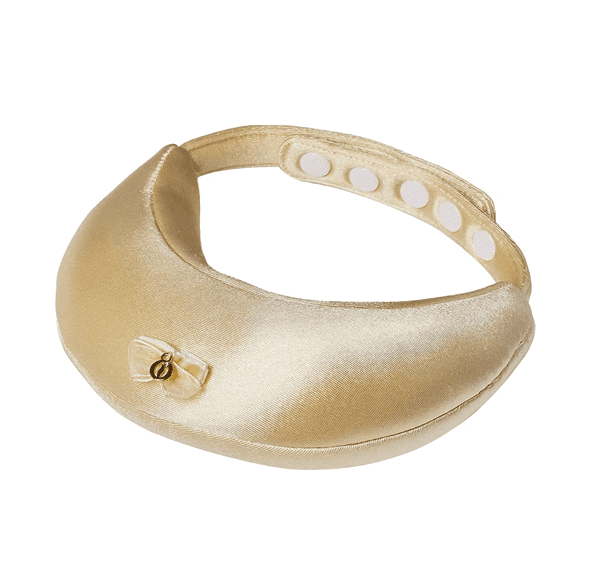
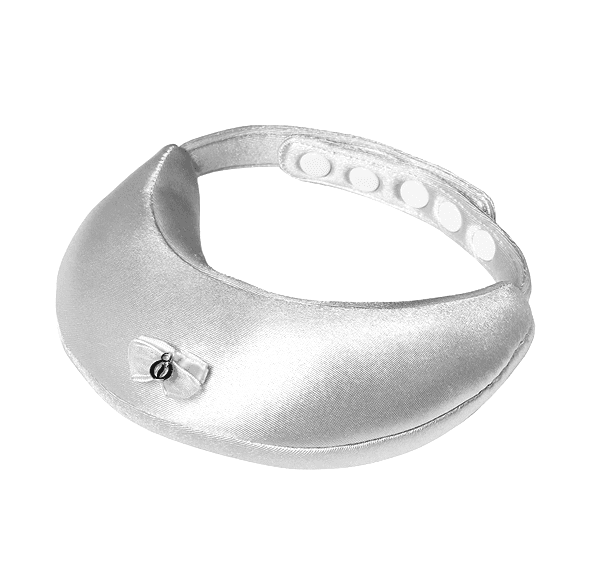
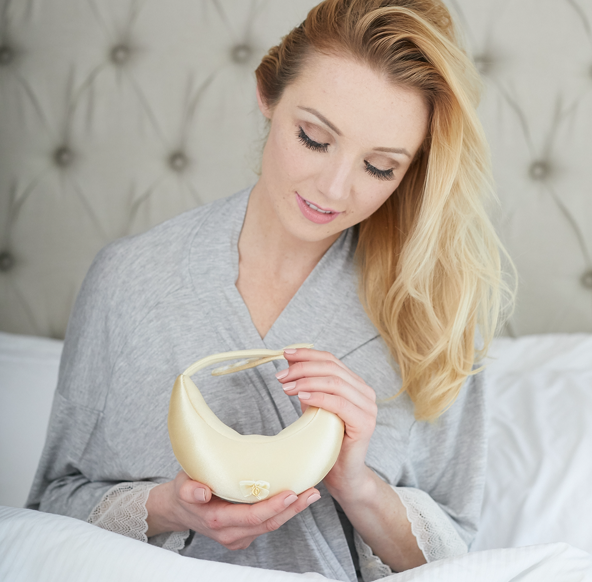
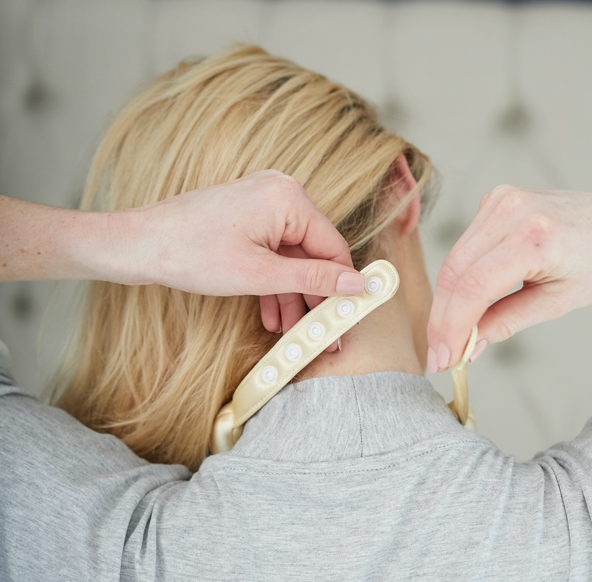
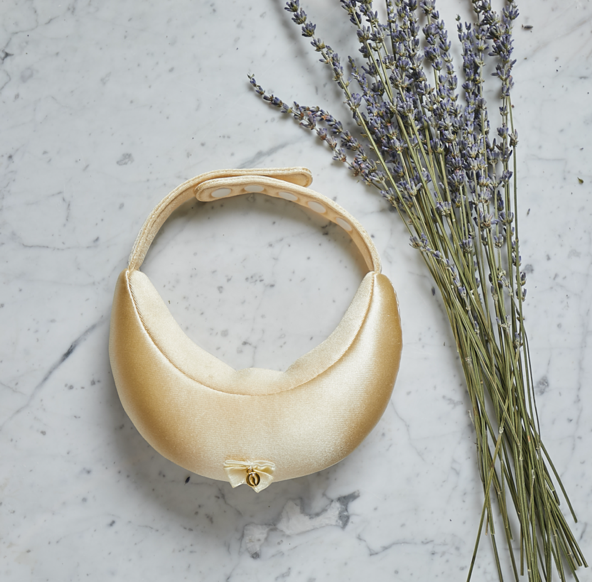
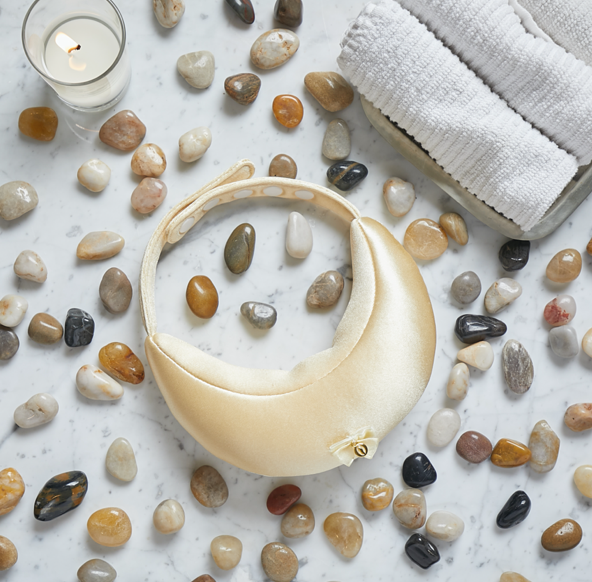
- Chest-separating pillows: These are specially designed pillows that sit between your breasts to keep them from pressing together, effectively preventing the skin from creasing.
- Anti-wrinkle silicone pads: These are medical-grade silicone patches that you wear on your chest overnight. They work in two ways: first, they physically hold the skin flat and prevent it from folding. Second, they create a microclimate that draws moisture from the deeper layers of the skin to the surface, which helps to plump and hydrate the area, temporarily smoothing out the appearance of lines.
- Combining with skincare: You can enhance the effects of these aids by pairing them with your nighttime skincare routine. Apply a nourishing serum or oil before putting on a silicone pad (check the product’s instructions to ensure compatibility). Antioxidant-rich oils can be supportive, but always be cautious with potent ingredients like citrus oils, which should be properly diluted and patch-tested to avoid irritation.
Consistent nightly use of these aids is a key part of supporting your skin tightening chest weight loss efforts. Over weeks and months, these small habits can make a visible difference in the smoothness of your décolleté each morning.
Non-surgical saggy chest skin treatment options
When you’ve built a strong foundation with lifestyle, nutrition, and at-home skincare, you may decide you want to explore additional options. The world of non-surgical aesthetics offers some powerful technologies that can help stimulate your skin’s own regenerative processes, providing a more significant improvement for your décolleté.
In-office skin tightening chest weight loss treatments
These treatments are performed by a dermatologist or licensed aesthetic provider and are designed to boost collagen and tighten skin with minimal downtime. They are best suited for women with mild-to-moderate loose skin.
- Radiofrequency (RF): This technology uses energy to gently heat the deeper layers of your skin. This controlled heat triggers a healing response, prompting your body to produce new, healthy collagen and elastin. The result is a gradual tightening and firming of the skin over several months.
- Ultrasound tightening: Devices using focused ultrasound technology deliver energy even deeper into the skin’s foundational layers. This stimulates significant collagen production and can create a subtle lifting and firming effect. Studies have shown it to be a safe and effective method for skin tightening, and if you like digging into medical details, you can find full papers on ultrasound for skin and soft tissue tightening that read like bedtime stories for skincare nerds.
- Laser and light-based therapies: A variety of lasers and light treatments can improve the décolleté. Intense Pulsed Light (IPL) is excellent for reducing sunspots and redness, while non-ablative fractional lasers can improve texture, fine lines, and provide mild tightening by creating tiny columns of thermal injury deep in the skin to stimulate new collagen.
- Microneedling: This procedure uses a device with very fine needles to create controlled micro-injuries in the skin. This process, also known as collagen induction therapy, kicks your skin’s natural repair mechanisms into high gear, leading to the production of new collagen that can help smooth crepey texture and soften fine lines on the chest.
It's important to remember that these treatments are most effective for mild-to-moderate loose skin on the chest after weight loss, not for cases with a great deal of excess skin.
Pros, cons, and recovery for décolleté after losing weight procedures
Deciding to pursue an in-office treatment is a personal choice. Understanding the realities of the process can help you make an informed decision.
- Pros: The biggest advantage is that these are non-surgical options with little to no downtime. You can often return to your normal activities the same day. The results are gradual and natural-looking, enhancing your skin's own health rather than creating a drastic change.
- Cons: These treatments are not a one-time fix. You will likely need a series of sessions (typically three to six) spaced several weeks apart to see the best results. The improvements are subtle and build over time, usually becoming most visible one to three months after your final session. Maintenance treatments are often needed to preserve the results. Cost is also a factor to consider.
- Recovery: For most of these procedures, recovery is very mild. You might experience some temporary redness, minor swelling, or a feeling of warmth in the treated area, which usually subsides within a few hours to a day. Your provider will give you specific aftercare instructions to follow.
When surgery may be considered for loose skin chest after weight loss
For some women, particularly after massive weight loss, the amount of excess skin on the chest and breasts is significant enough that non-surgical options won't provide the desired result. In these cases, surgery becomes a valid and often life-changing consideration. This path is for addressing more severe concerns and requires a consultation with a board-certified plastic surgeon.
Breast lift and skin excision as saggy chest skin treatment
Surgical procedures are designed to physically remove excess skin and reshape the underlying tissue for a more lifted and contoured appearance.
- When surgery might be appropriate: This option is typically reserved for those who have experienced massive weight loss (often 100 pounds or more) and are left with significant amounts of loose, hanging skin. It’s also considered when severe breast sagging (ptosis) causes physical discomfort, such as chronic rashes or chafing in the skin folds.
-
Types of procedures:
- Breast lift (mastopexy): This surgery removes excess skin from the breasts, lifts the remaining tissue and nipple to a higher, more youthful position, and reshapes the breast mound.
- Skin excision: In some cases, a surgeon may remove large folds of loose skin from the areas around the breasts and on the upper chest to create a smoother contour.
- What surgery can and cannot do: Surgery is incredibly effective at removing excess skin and improving the overall shape and position of the breasts. However, it cannot change the inherent quality of your skin. It won’t erase sun-induced wrinkles or restore the youthful levels of collagen you had in your 20s. A dedicated skincare routine will still be essential to maintain the health and appearance of the skin itself.
Balancing expectations for chest wrinkles weight loss results
Whether you choose non-surgical treatments or surgery, managing your expectations is crucial for your emotional well-being.
- Realistic expectations: No procedure can stop the clock entirely. Natural aging will continue, and your skin will still be subject to gravity and lifestyle factors. This is why maintaining your skincare routine, protecting yourself from the sun, and living a healthy lifestyle remain paramount, even after a procedure.
- Emotional and psychological aspects: The journey of significant weight loss and subsequent body contouring is a profound one. It’s normal to need time to adjust to your new body image. Be patient and compassionate with yourself. If you find yourself struggling with lingering body image concerns, seeking support from a counselor or a support group can be incredibly helpful. Your journey is not just about physical transformation; it’s about finding peace and confidence in the body you’ve worked so hard to achieve.
Building a personalized plan for your décolleté after losing weight
Information is powerful, but action is transformative. Now it’s time to weave all these threads of wisdom into a simple, daily tapestry of self-care. This is your personalized roadmap to a healthier, more vibrant décolleté, a routine that feels like a loving ritual, not a chore.
Step-by-step routine for skin tightening chest weight loss
Here is a sample daily and nightly plan you can adapt to your own needs. Consistency is your greatest tool.
Morning routine:
- Gentle cleanse: In the shower, use a mild, hydrating cleanser on your chest. Pat dry gently.
- Apply serum: While skin is still slightly damp, apply a serum with hyaluronic acid and/or peptides to draw in moisture and support firmness.
- Moisturize: Follow with a rich, barrier-supporting cream containing ingredients like ceramides or shea butter.
- Protect: The final, most crucial step. Apply a generous layer of broad-spectrum SPF 30+ sunscreen all over your neck and chest.
Daytime habits:
- Hydrate: Keep a water bottle with you and sip throughout the day.
- Nourish: Plan your meals to include lean protein, vitamin C-rich fruits and vegetables, antioxidants, and healthy fats.
- Be mindful of posture: Set a reminder on your phone or computer to check your posture. Sit up tall, roll your shoulders back, and open your chest.
Evening routine:
- Cleanse: Thoroughly cleanse your chest to remove sunscreen, sweat, and impurities from the day.
- Exfoliate (2–3x/week): On alternating nights, use a gentle chemical exfoliant with lactic or mandelic acid to smooth texture.
- Treat: Apply your targeted treatment serum. This is the ideal time for retinol or a retinoid, as it can make your skin more sensitive to the sun.
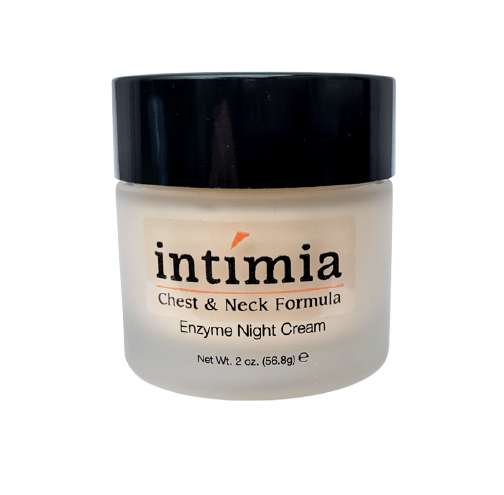
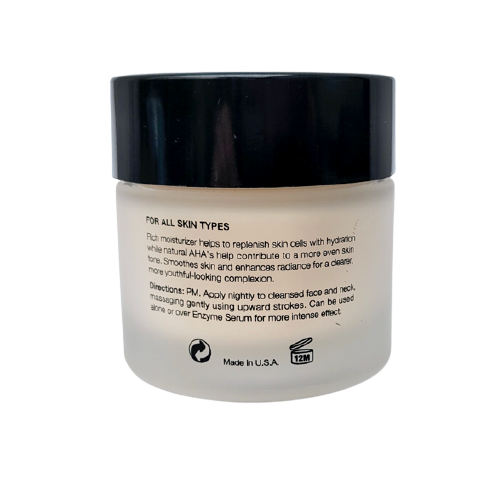
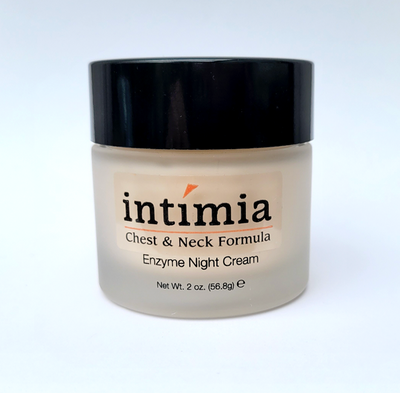
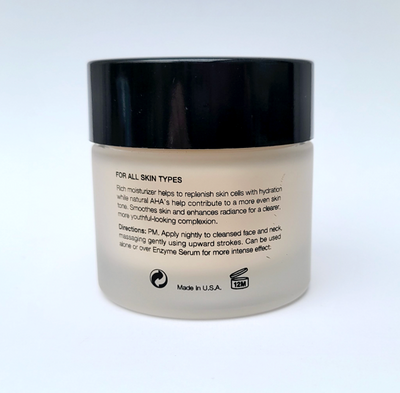
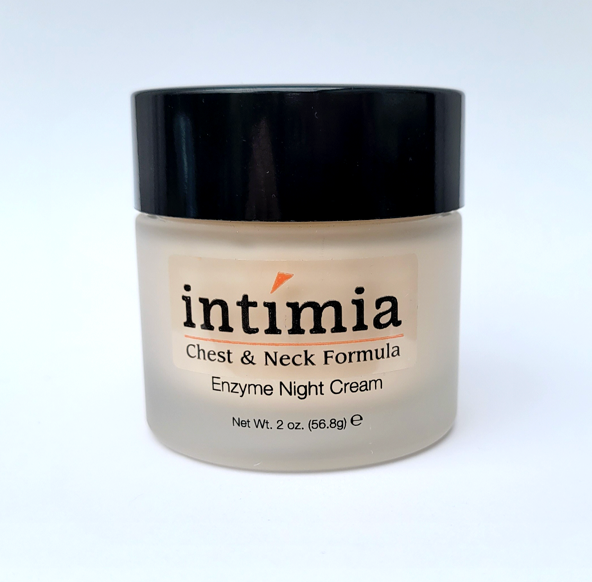
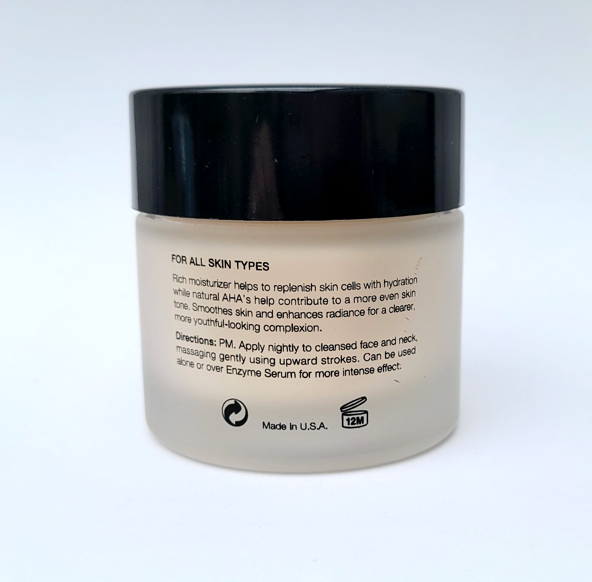
- Moisturize: Finish with a rich, nourishing night cream to lock everything in and support your skin’s overnight repair process.
Nighttime support:
- Sleep position: Try to fall asleep on your back. If you’re a side-sleeper, use pillows for support.
- Consider an aid: Use a chest-separating pillow or a silicone anti-wrinkle pad to keep skin smooth overnight.
- Optional supplement: After speaking with your doctor, you might consider adding a collagen supplement to your routine.
If you’d like to sanity-check your plan, you can always compare it with dermatologist-approved routines for the décolleté and general guides on tightening loose skin, then tweak what you actually have time and patience for.
Tracking progress and adjusting saggy chest skin treatment over time
Patience is a virtue on this journey. Your skin didn’t change overnight, and it will take time to respond to your loving care. Here’s how to stay motivated and know when to adjust your plan.
-
How to measure changes:
- Take photos: Once a month, take a photo of your chest in the same lighting and from the same angle. This will help you see subtle changes over time that you might miss day-to-day.
- Note the fit of clothes: Pay attention to how your favorite V-neck tops, bras, and swimwear fit and feel around your neckline.
- Feel your skin: Notice the texture. Does it feel softer? More hydrated? Does the elasticity feel a bit better when you do the “pinch test”?
- Timeline expectations: Give your at-home routine a real chance to work. Commit to at least 8–12 weeks of consistent care before you evaluate your results. Real, lasting change in skin takes time.
- When to seek more help: If you’ve been diligent with your at-home saggy chest skin treatment for three to four months and see little to no improvement, it may be time to schedule a consultation with a dermatologist. They can help you explore stronger topical options or in-office treatments to take your results to the next level.


Conclusion
The experience of chest wrinkles after weight loss is a deeply personal one, shared by countless women who have dedicated themselves to a healthier life. It is crucial to remember that seeing loose skin on your chest after weight loss is not a failing. It is the natural, physical evidence of a significant and positive transformation. Your body has carried you through so much, and the skin of your décolleté simply tells part of that beautiful story.
The path to feeling confident and serene in your skin is paved with small, consistent acts of care. It’s a holistic journey built on core pillars: a gradual, muscle-preserving approach to weight management; targeted nutrition and hydration that builds beauty from within; a dedicated décolleté skincare routine with proven ingredients and daily SPF; and smart sleep habits that protect your skin while you rest. For those who seek more, the stepped approach to saggy chest skin treatment, from at-home care to non-surgical procedures, with surgery as a final option for severe cases, offers a full spectrum of solutions.
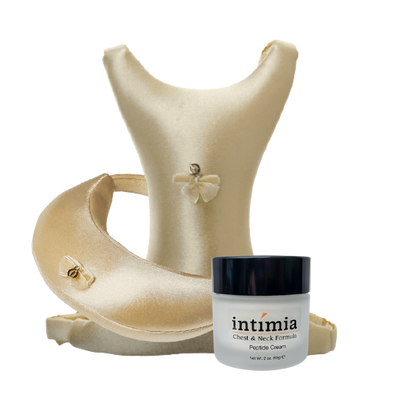
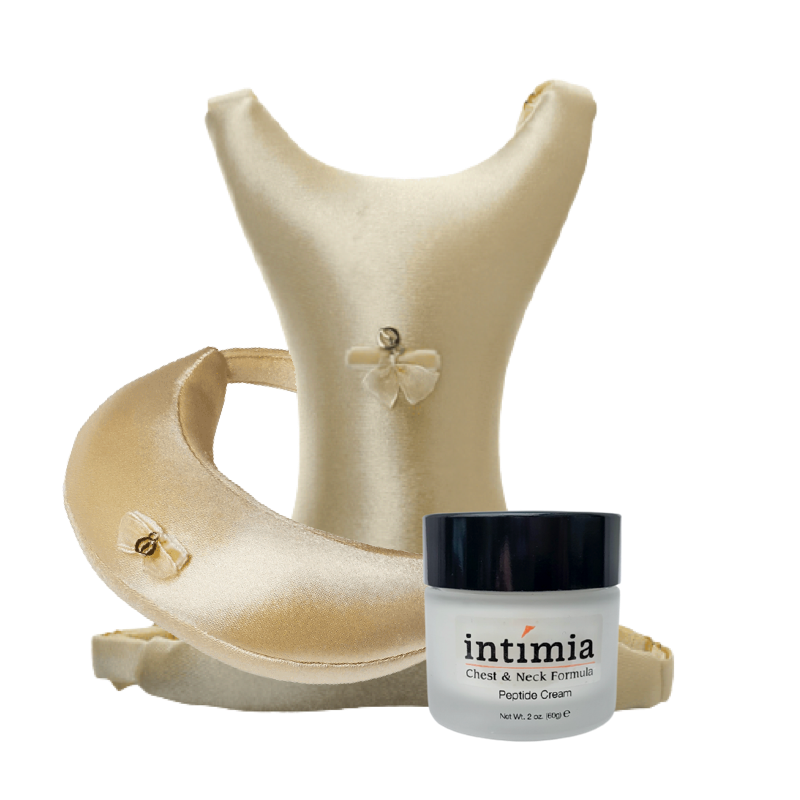
We encourage you to approach your décolleté after losing weight with a mindset of compassion. See it not as a problem to be fixed, but as an area worthy of your time, attention, and loving care. Every upward stroke of moisturizer, every healthy meal, every night you protect your skin is an investment in your long-term vitality. These steady, gentle habits have the power to create meaningful, visible improvements, restoring not just the firmness to your skin, but the deep, unshakable confidence within you, and when you’re ready for extra support, that’s exactly why I created the Intimia® Breast Pillow in the first place.
You’ve already done the hard work of changing your body; now you get to make your chest feel at home in this new version of you.
Ready to wake up with smoother skin — start here.