In this article you will learn:
- What "Sleep Quality Skin Health" Really Means
- Sleep Architecture 101 – How Different Sleep Stages Impact Your Skin
- Deep Sleep – The Skin’s Prime Repair and Rebuild Window
- REM Sleep – Stress, Hormones, and Skin Aging
- From Poor Sleep Quality to Wrinkles – What the Science Shows
- Trends in Tracking and Optimizing “Beauty Sleep”
- Practical Strategies to Improve Sleep Quality for Better Skin (and Fewer Wrinkles)
- Integrating Skincare with Sleep Science for Maximum Anti-Aging Impact
- Designing Your Personalized “Beauty Sleep” Plan
I learned early that you can’t fake a rested face. Concealer helps, sure, but if your sleep has been a mess all week, the mirror tells the truth in about three seconds. Tonight I want to walk you through what your skin is quietly doing while you’re not answering emails, not scrolling, not taking care of anyone else—just lying there, letting your cells repair, your hormones calm down, and your collagen try its very best to hold the line.
The connection between sleep quality and skin health is as old as the sun and moon. It’s the secret whispered in every fairy tale, the timeless truth that a good night’s rest bestows a certain glow. But this isn’t magic; it’s science. Your skin, a living tapestry, uses the quiet hours of the night to mend, regenerate, and rebuild. When we sleep, our bodies orchestrate a symphony of repair, from mending cellular damage to reinforcing the very foundation of our skin’s firmness—collagen.
Poor sleep disrupts this vital process. It throws our hormones off balance, elevates stress, and triggers inflammation, all of which accelerate the visible signs of aging. The secret to radiant, resilient skin lies not just in the hours you spend in bed, but in the quality of that rest. The phases of your sleep, especially deep sleep skin repair and the emotional regulation of REM sleep, are the true architects of your morning complexion. A lack of restorative sleep can elevate stress hormones like cortisol, which directly impairs skin function and integrity.
This article delves into the profound science connecting your nightly rest to your skin’s vitality. We will explore the different sleep stages and how they influence sleep stages collagen production. You will learn how poor sleep quality wrinkles form and, most importantly, discover practical, non-invasive habits to protect your skin. We’ll also touch on modern trends like sleep tracking and simple strategies designed for women over 35, helping you navigate changes like perimenopause and stress to harness the true power of beauty sleep for a lifetime of confidence.
Section 1: what “sleep quality skin health” really means
The phrase sleep quality skin health goes far beyond clocking eight hours. True quality is a measure of how restorative your sleep truly is. It is a dance of different dimensions, each playing a crucial role in how your skin looks and feels.
Think of sleep quality in these terms:
- Duration: The total amount of time you sleep. While important, it’s only part of the story.
- Continuity: How uninterrupted your sleep is. Waking up frequently, even for brief moments, fragments your sleep cycles and disrupts repair processes.
- Depth: The amount of time you spend in the deepest, most restorative stages of sleep.
- Timing: Your sleep schedule’s consistency. A regular bedtime and wake time align your body with its natural circadian rhythm, optimizing skin repair.
- Efficiency: The percentage of time you spend asleep while in bed.
When these dimensions are in harmony, your skin thrives. A well-rested body maintains a strong skin barrier, locking in moisture and keeping irritants out. Studies show that poor sleep quality leads to increased transepidermal water loss (TEWL), leaving skin dry, sensitive, and less able to recover from daily environmental stressors like sun exposure and pollution.
At night, your skin enters a unique physiological state. Blood flow to the skin increases, its temperature rises, and it becomes more permeable. This heightened state makes it more receptive to nourishing skincare ingredients but also more vulnerable to moisture loss if the barrier is weak. This is also when cellular turnover peaks, with your skin actively shedding old cells and generating new ones. Your body’s internal clock, or circadian rhythm, designates nighttime as the prime window for repairing DNA damage, a critical defense against premature aging.
This nightly repair cycle is deeply connected to sleep stages collagen production. The integrity of your collagen fibers, which provide your skin’s structure and firmness, is regulated by these circadian cues. When sleep is consistently deep and uninterrupted, your body can focus on maintaining the dermal matrix. But when it’s fragmented, the balance can tip toward collagen breakdown, setting the stage for fine lines and a loss of elasticity.
Section 2: sleep architecture 101 – how different sleep stages impact your skin
Your night is not a single, monolithic block of rest. It is a carefully structured journey through different stages, each with a unique purpose for your body and skin. Understanding this architecture is key to unlocking the full potential of your sleep quality skin health.
Understanding sleep stages and skin regeneration
Throughout the night, you cycle through several stages of sleep, with each full cycle lasting about 90 to 110 minutes. These stages are broadly divided into non-REM (NREM) and REM sleep.
- Light Sleep (N1 & N2): These are the entryways to sleep. Your body begins to relax, your heart rate slows, and your temperature drops. While repair is minimal here, these stages are essential for transitioning into the deeper, more restorative phases.
- Deep Sleep (N3 / Slow-Wave Sleep): This is the physical restoration powerhouse. During deep sleep, your body releases a significant surge of growth hormone, which is critical for tissue repair, cell regeneration, and reducing oxidative stress. Your immune system also gets a boost, helping to control inflammation. This is the stage where true deep sleep skin repair happens.
- REM Sleep: Known for vivid dreams, this stage is crucial for your mind. Your brain processes emotions and consolidates memories. It also plays a vital role in balancing your stress-response system (the HPA axis). Stable REM sleep helps keep cortisol levels in check, preventing the hormone-driven damage that accelerates REM sleep skin aging.
Disruptions at any point in this cycle can have a ripple effect. Fragmented sleep elevates cortisol and pro-inflammatory cytokines, creating a systemic environment that is hostile to healthy skin. This chronic, low-grade inflammation breaks down collagen and elastin, impairs the skin barrier, and undermines your skin’s natural resilience.
Sleep stages and collagen production
Collagen is the protein that gives your skin its strength, firmness, and plumpness. It’s the supportive framework that prevents sagging and resists wrinkles, especially in delicate areas like the chest and neck. The process of sleep stages collagen production is most active during one specific phase: deep sleep.
It is during deep, slow-wave sleep that the surge of growth hormone signals to your fibroblasts—the cells responsible for creating collagen—to get to work. They synthesize new collagen fibers and other components of the extracellular matrix, effectively rebuilding and reinforcing your skin from within.
Research shows that circadian misalignment, such as going to bed very late or having an inconsistent sleep schedule, can alter the structure of collagen and lead to reduced skin firmness. When deep sleep is repeatedly cut short or fragmented, your body misses its prime window for collagen synthesis. Over time, this shifts the balance from building up collagen to breaking it down, contributing to the formation of fine lines and a visible loss of elasticity.
Section 3: deep sleep – the skin’s prime repair and rebuild window
If sleep is a nightly renewal process, then deep sleep is its most potent, restorative phase. This is when your body focuses on physical healing, and the benefits for your skin are profound. The quality of your deep sleep skin repair directly impacts your skin’s long-term health and youthful appearance.
Deep sleep as the skin’s “repair window”
Deep sleep, also known as slow-wave sleep or N3, is characterized by slow, high-amplitude brainwaves. During this time, your metabolic rate and sympathetic nervous system activity are at their lowest, allowing your body to divert maximum energy toward repair and regeneration.
Here’s what happens to your skin during this critical window:
- Growth Hormone Surges: This is the star of the show. The pituitary gland releases powerful pulses of human growth hormone (HGH), which stimulates cell division, protein synthesis, and collagen formation. It’s the body’s natural signal to rebuild.
- Enhanced Antioxidant Defenses: Deep sleep helps your body produce antioxidants that neutralize free radicals—unstable molecules from UV rays, pollution, and blue light that damage skin cells and accelerate aging.
- DNA Repair: The cellular machinery responsible for fixing DNA damage accumulated during the day kicks into high gear, preventing mutations that can lead to premature aging.
- Barrier Restoration: This phase is crucial for repairing and strengthening the skin’s protective barrier, helping to normalize transepidermal water loss (TEWL) and lock in hydration.
- Immune Regulation: Deep sleep calms the inflammatory response, reducing the circulation of pro-inflammatory mediators that can degrade collagen and elastin.
What happens when deep sleep is cut short?
When you don’t get enough deep sleep, your skin quickly shows the effects. The short-term consequences are often visible after just one poor night’s rest: a duller skin tone, a rougher texture, and increased redness or sensitivity. Your skin’s barrier becomes more fragile, leading to dehydration and a lackluster appearance.
Over time, the cumulative impact is more significant. Studies have demonstrated that several days of sleep restriction lead to a measurable decrease in skin elasticity and a slower recovery of the skin barrier after being stressed. This is particularly relevant for women over 35, who may experience fragmented deep sleep due to perimenopausal symptoms like night sweats, hormonal fluctuations, or increased life stress.
Furthermore, a lack of deep sleep can undermine your entire skincare investment. You can apply the best collagen-supporting serums in the world, but if your body’s natural rebuild window is consistently shortened, those products can’t work to their full potential. Your skin needs that quiet, deep rest to properly utilize the ingredients you provide it.
Section 4: REM sleep – stress, hormones, and skin aging
While deep sleep handles the physical nuts and bolts of repair, REM (Rapid Eye Movement) sleep is dedicated to your mental and emotional well-being. This stage is crucial for managing stress, which is a primary driver of premature aging. The link between REM sleep skin aging and hormonal balance reveals just how interconnected our minds and skin truly are.
REM sleep, stress hormones, and inflammation
REM sleep is a fascinating paradox. Your brain is highly active, almost as if you were awake, yet your body’s muscles are temporarily paralyzed. This is when most vivid dreaming occurs. The cycles of REM sleep tend to get longer as the night progresses, playing a critical role in emotional processing and recalibrating your nervous system.
Here’s the pathway connecting REM sleep to skin aging:
- HPA Axis Regulation: Healthy, uninterrupted REM sleep helps regulate the hypothalamic-pituitary-adrenal (HPA) axis, which is your body’s central stress response system.
- Cortisol Control: When REM sleep is fragmented or insufficient, this system becomes dysregulated, leading to higher baseline levels of the stress hormone cortisol.
- Collagen Breakdown: Chronically elevated cortisol is devastating for your skin. It activates enzymes that break down collagen and elastin, leading to wrinkles, sagging, and a loss of firmness. It also reduces the production of hyaluronic acid, leaving your skin dehydrated and thin.
- Inflammation and Oxidative Stress: High cortisol fuels systemic inflammation and increases oxidative stress, further accelerating the degradation of your skin’s supportive matrix.
Essentially, poor REM sleep leaves your body in a constant state of low-grade "fight or flight," a condition that is fundamentally aging.
REM disruption, dark circles, and dull complexion
The effects of inadequate REM sleep are often written right on your face. Some of the most common visible markers include:
- Dark Circles and Puffiness: Poor REM sleep can disturb microcirculation and lead to vascular congestion around the delicate eye area. This, combined with fluid retention from hormonal imbalances, results in puffiness and dark, tired-looking under-eyes.
- Uneven, Sallow Tone: Ongoing inflammation from stress prevents your skin from properly repairing overnight redness and damage. This can lead to a dull, sallow complexion and an uneven skin tone.
- Microbiome Imbalance: Emerging research suggests that circadian disruption and poor sleep quality can alter the skin's microbiome. This can worsen dullness and leave the skin more susceptible to irritation.
REM sleep is your nightly reset button for stress. When it’s compromised, the emotional weight of the day lingers, translating into physical stress that ages your skin from the inside out.
Section 5: from poor sleep quality to wrinkles – what the science shows
The link is undeniable: when sleep suffers, skin ages faster. The term poor sleep quality wrinkles refers to the lines, folds, and loss of firmness that are directly accelerated by chronic sleep deprivation and fragmentation. This isn't just about looking tired; it's about deep, structural changes happening within your skin.
Biological pathways linking poor sleep to wrinkle formation
The formation of wrinkles is a complex process, but poor sleep pushes the accelerator on several key aging pathways. Here is a step-by-step look at how it happens:
- Increased Oxidative Stress: Chronic sleep loss floods your body with free radicals and triggers a state of micro-inflammation. This inflammatory environment directly attacks and degrades your collagen and elastin fibers, the proteins that keep skin smooth and supple.
- Impaired Barrier Function: Poor sleep weakens your skin’s protective barrier. This leads to increased transepidermal water loss (TEWL), leaving your skin chronically dehydrated. Dry skin not only makes existing fine lines appear more prominent but also creates a fragile surface where new lines can form more easily.
- Reduced Collagen Synthesis: As we've seen, sleep deprivation means less time in deep sleep. This directly translates to lower growth hormone levels and, consequently, less collagen being produced. Your skin is not only breaking down its structural proteins faster, but it's also failing to rebuild them effectively.
The cumulative effect is striking. Studies have shown that individuals who are poor sleepers are consistently rated by others as appearing older and less healthy. They exhibit more pronounced signs of intrinsic skin aging, including more fine lines, uneven pigmentation, and reduced skin elasticity.
Sleep position, chest wrinkles, and anti-aging concerns
Beyond the biological impact, there is a powerful mechanical factor at play, especially when it comes to wrinkles on the chest and décolleté. Your sleeping position can physically create lines that, over time, become permanently etched into your skin.
- Side-Sleeping: When you sleep on your side, gravity and compression cause the skin on your chest to fold and crease. The top breast falls over the bottom one, creating vertical and diagonal lines in the cleavage area.
- Stomach-Sleeping: This position puts sustained pressure on your face, neck, and upper chest, squishing the skin against your pillow and sheets.
When your skin's internal repair mechanisms are already compromised by poor sleep, it has less of the collagen and elastin needed to bounce back from this nightly compression. The "sleep lines" you see in the morning take longer to disappear, and eventually, they don't disappear at all.
This is a significant concern for women over 35. As we age, the skin on the chest naturally thins and loses elasticity due to hormonal changes and cumulative sun exposure. This makes it far more vulnerable to these mechanical sleep wrinkles. A dual-pronged approach—improving internal sleep quality skin health for better repair while reducing external mechanical stress—is the most effective strategy for keeping the delicate skin of the décolleté smooth and youthful.


Section 6: trends in tracking and optimizing “beauty sleep”
The idea of "beauty sleep" is evolving from a vague aspiration to a data-driven practice. A growing trend in wellness is the use of technology to monitor and improve sleep, giving us unprecedented insight into how our nightly habits directly affect our sleep quality skin health.
Wearables, apps, and measuring sleep quality for skin health
Smartwatches, fitness bands, and advanced sleep-tracking rings can now estimate how much time you spend in different sleep stages, including deep and REM sleep. These tools empower you to move beyond simply counting hours and start understanding the quality of your rest.
By tracking your sleep data, you can begin to connect the dots. You might notice that after a night with very little deep sleep, your skin looks duller and feels drier. Or perhaps you'll see a correlation between fragmented REM sleep and a stress-related breakout. This personalized data can be a powerful motivator for change.
Scientific studies back up what these trackers suggest. Research has shown that even small shifts in bedtime and circadian rhythm can have measurable impacts on skin barrier function, pigmentation, and the skin microbiome. By monitoring your deep sleep percentage or the consistency of your REM cycles, you can make targeted adjustments to your routine—like setting an earlier, more consistent bedtime—to better support sleep stages collagen production and overall skin vitality.
Biohacking deep sleep and REM for better skin
"Biohacking" sleep doesn't have to be complicated or extreme. It’s about making small, intentional adjustments to your lifestyle and environment to optimize your body's natural processes. For busy women, these simple, non-invasive strategies can make a world of difference.
Popular biohacks to improve deep sleep skin repair and stabilize REM sleep include:
- Light Hygiene: Our bodies are exquisitely sensitive to light. Avoid bright overhead lights and blue light from screens in the hour or two before bed. This helps your brain produce melatonin, the hormone that signals it's time to sleep. Consider dimming lights or using blue-light-blocking glasses in the evening.
- Temperature Regulation: Your body temperature needs to drop to initiate and maintain deep sleep. Keeping your bedroom cool—around 65°F or 18°C—can significantly improve sleep consolidation.
- Nutrition and Supplements: Avoid heavy meals, caffeine, and alcohol close to bedtime, as they can all disrupt sleep architecture. Some people find that a magnesium glycinate supplement or a calming herbal tea can help promote relaxation.
- Mind-Body Strategies: A few minutes of gentle stretching, deep breathing exercises, or mindfulness meditation before bed can help calm a racing mind, making it easier to fall into deep sleep and experience more stable REM cycles.
These simple tactics work by signaling safety and relaxation to your nervous system, allowing you to access the deeper, more restorative stages of sleep that are so crucial for reducing REM sleep skin aging drivers.
If your décolletage looks flawless by morning, check if you actually slept on your side or just lay there thinking about tomorrow’s to-do list.
Section 7: practical strategies to improve sleep quality for better skin (and fewer wrinkles)
Knowing the science is one thing; putting it into practice is another. The good news is that improving your sleep quality skin health doesn't require a complete life overhaul. Small, consistent changes can yield powerful results, enhancing deep sleep skin repair and minimizing the formation of poor sleep quality wrinkles.
Nighttime habits that support deep sleep and skin repair
Creating a sanctuary for sleep is about building a routine that signals to your body and mind that it's time to rest and repair.
- Be Consistent: Go to bed and wake up at roughly the same time every day, even on weekends. This stabilizes your circadian rhythm, making it easier to fall asleep and wake up feeling refreshed.
- Create a Cool, Dark, Quiet Haven: Your bedroom should be an environment dedicated to rest. Use blackout curtains to block light, consider a white noise machine to mask disruptive sounds, and keep the temperature comfortably cool.
- Watch What You Consume: Avoid caffeine after the early afternoon. While alcohol might make you feel drowsy initially, it severely suppresses deep sleep and fragments REM sleep later in the night.
- Implement a Wind-Down Ritual: Dedicate the last 30-60 minutes of your day to calming activities. Put away work emails, dim the lights, read a physical book, do some gentle stretching, or practice a few minutes of deep breathing. This helps lower cortisol and ease your transition into sleep.
Pairing these sleep-supportive habits with a smart nighttime skincare routine creates a powerful synergy. When you cleanse your skin and apply barrier-supporting moisturizers and collagen-friendly actives before bed, you ensure that when deep sleep finally arrives, your skin has both the internal and external tools it needs for optimal repair.
Reducing wrinkle formation during sleep
While your body is working on internal repair, you can take practical steps to prevent the external, mechanical creasing that contributes to wrinkles on the face and chest.
- Embrace Back-Sleeping: This is the gold standard for skin. Sleeping on your back eliminates the compression and friction that cause sleep lines on your face, neck, and chest.
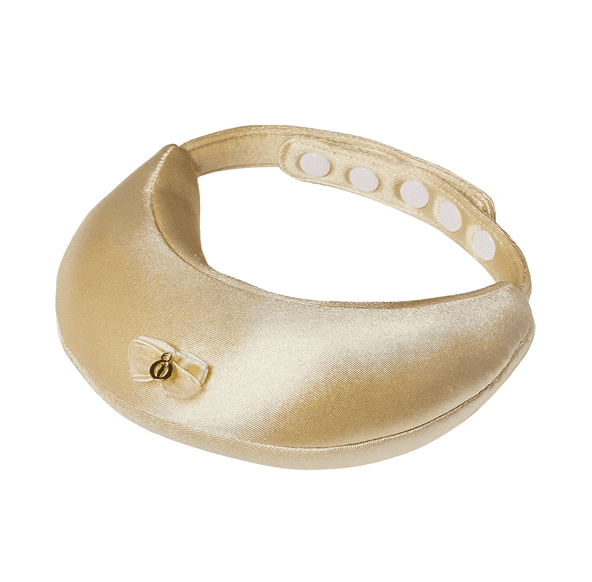
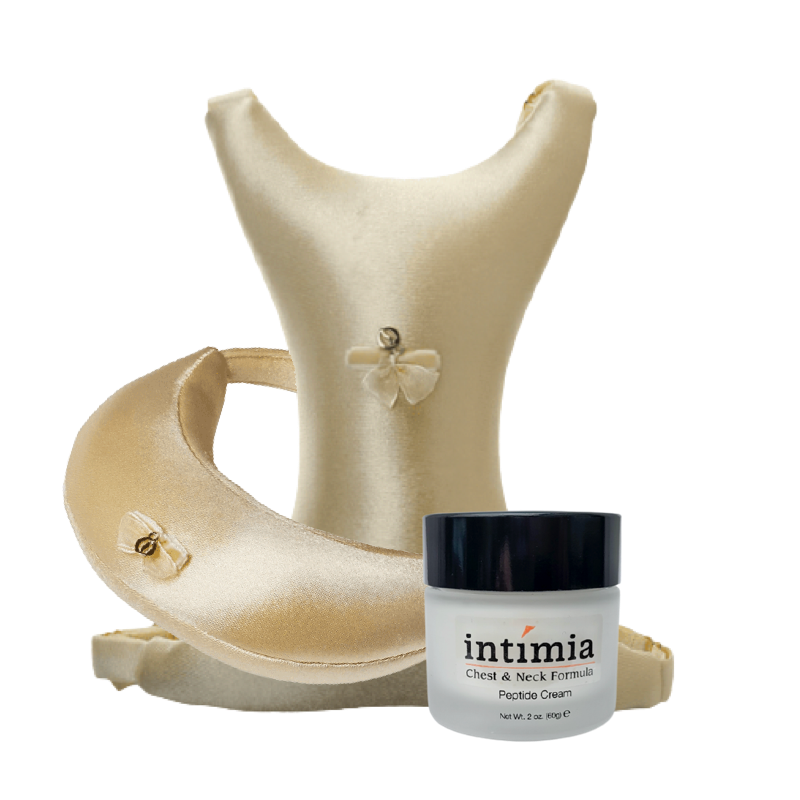
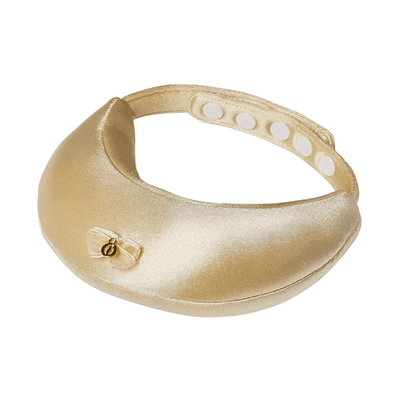
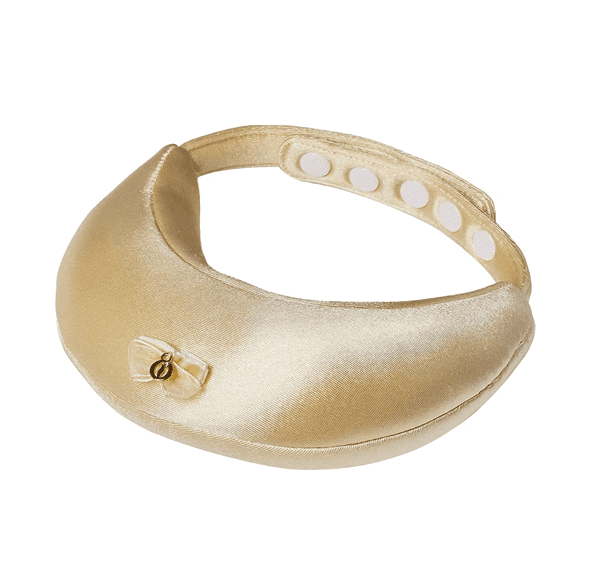
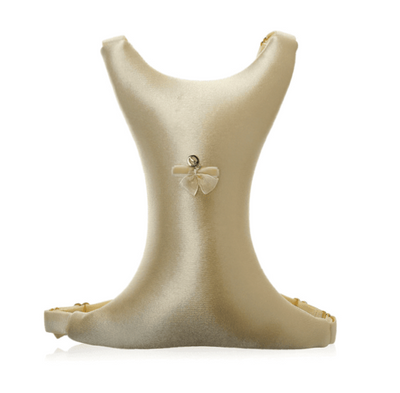
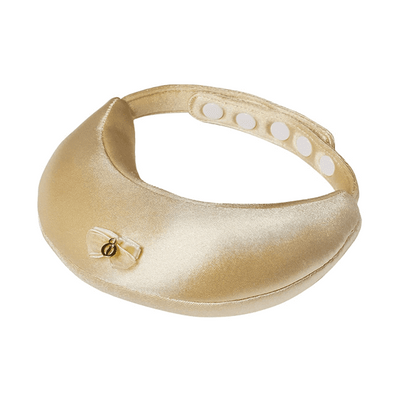
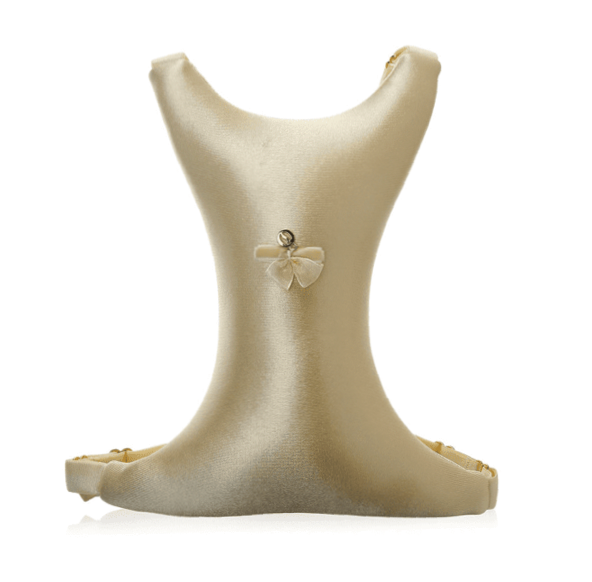
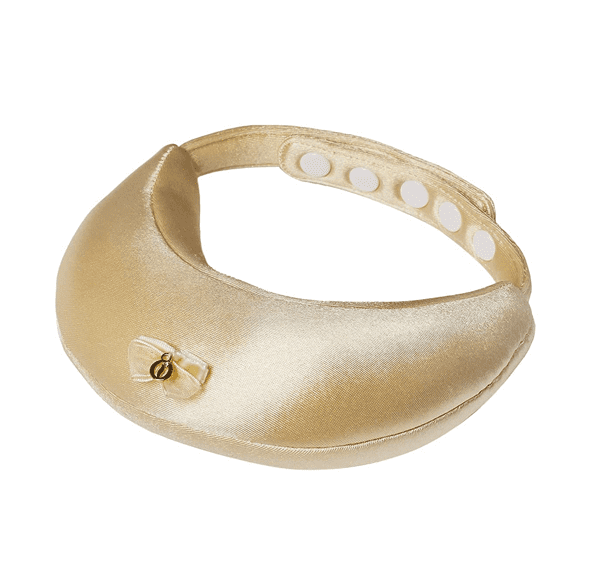
- Optimize Side-Sleeping: If you can't sleep on your back, make your side-sleeping position as skin-friendly as possible. Use a pillow designed for side-sleepers that cradles your head and neck, reducing how much your face is squished. For the chest, consider a specially designed sleep pillow or bra that provides support and prevents the skin from folding.
- Choose Smooth Fabrics: Pillowcases made from smooth materials like silk or satin create less friction against your skin than cotton. This can help reduce the mechanical etching of fine lines over time.
By combining better sleep quality with smarter sleep positioning, you create a comprehensive anti-aging strategy. You are boosting your body's natural ability to repair from the inside while simultaneously protecting your skin from physical stress on the outside. This dual approach is the secret to waking up with smoother, more radiant skin.
Section 8: integrating skincare with sleep science for maximum anti-aging impact
A truly effective anti-aging strategy harmonizes your body’s natural rhythms with the skincare you choose. By timing your products to align with your sleep cycles, you can amplify their benefits and provide your skin with targeted support precisely when it needs it most, maximizing your sleep quality skin health.
Timing active ingredients with sleep stages
Nighttime is the ideal moment to apply your most powerful active ingredients, for several key reasons. As we’ve discussed, your skin’s permeability is higher at night, meaning it can better absorb products. This is also when its natural repair processes, like DNA repair, are in full swing.
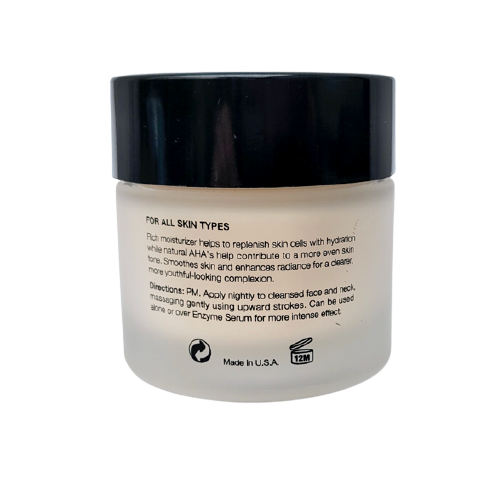
- Retinoids and Exfoliants: Ingredients like retinol, retinal, and exfoliating acids (like glycolic acid) are best used in the evening. They work to accelerate cell turnover, and applying them at night allows them to support the skin’s own regenerative cycle without being degraded by sun exposure.
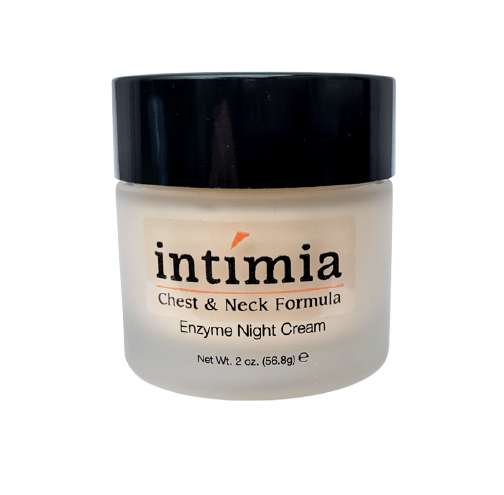
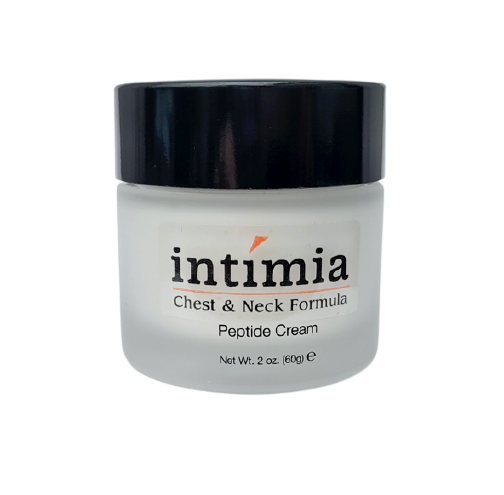
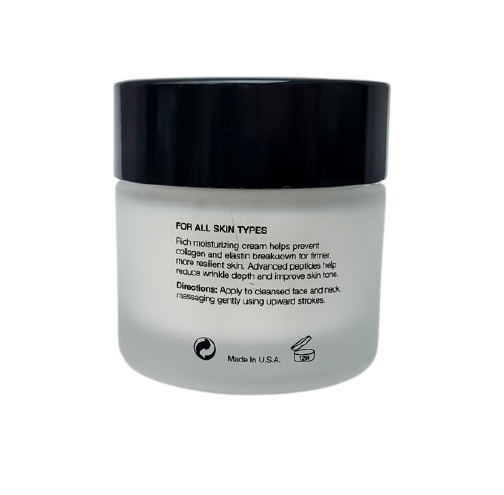
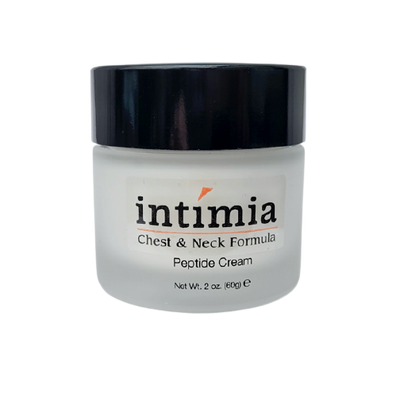
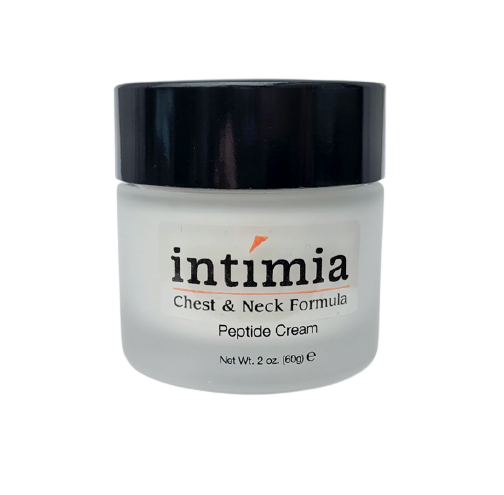
- Peptides and Growth Factors: These ingredients send signals to your skin cells to produce more collagen. Applying them before bed ensures they are present and active as you enter deep sleep, the peak time for sleep stages collagen production.
- Hydrators and Barrier Support: Ingredients like hyaluronic acid, ceramides, and glycerin are essential for a nighttime routine. They help counteract the increased transepidermal water loss (TEWL) that occurs overnight, keeping your skin plump, hydrated, and resilient.
For best results, apply your collagen-supporting products about 30-60 minutes before your target bedtime. This gives them time to absorb, so they are ready to work in synergy with the surge of growth hormone that begins during your first cycles of deep sleep skin repair.
Building a holistic night ritual for women 35+
For women navigating the demands of life after 35, a night ritual should be a moment of peaceful restoration—effective, but not complicated. The goal is to create a holistic routine that addresses the biological, mechanical, and emotional factors of skin aging.
A simple yet powerful ritual could look like this:
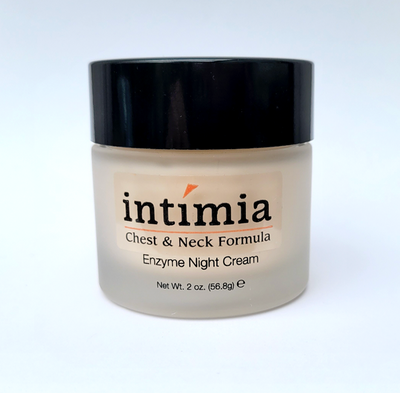
- Calming Skincare: Begin with a gentle cleanse to remove the day's impurities without stripping the skin. Follow with your targeted treatment serum (like a peptide or retinoid) and finish with a nourishing, barrier-building moisturizer to lock everything in.
- Relaxation Techniques: Take just two to five minutes for yourself. Practice slow, deep belly breathing, do a few gentle stretches to release tension from your neck and shoulders, or jot down your thoughts in a journal to clear your mind.
- Intentional Positioning: As you get into bed, be mindful of your body. If you can, start on your back. If you’re a side-sleeper, adjust your pillows and consider using a chest support accessory to protect your décolleté from creasing.
This type of integrated routine supports sleep quality skin health on every level. It lowers pre-sleep stress, which improves the quality of both deep and REM sleep. It optimizes the delivery of topical ingredients during the skin’s prime repair window. And it minimizes the mechanical forces that create wrinkles, helping you preserve the smooth, confident beauty of your face and chest.
Conclusion: designing your personalized “beauty sleep” plan
The secret to timeless beauty isn’t found in a magic potion, but in the deep, restorative quiet of the night. Prioritizing sleep quality is the single most powerful, non-invasive commitment you can make to your skin health. It is the foundation upon which everything else is built. Robust deep sleep skin repair rebuilds your collagen from within, while balanced REM sleep calms the stress that contributes to REM sleep skin aging. Together, they form your body’s ultimate defense against poor sleep quality wrinkles.
Embarking on this journey doesn’t have to be daunting. Start with simple, manageable steps.
- Phase 1: Choose one or two foundational habits to focus on first. This could be establishing a consistent sleep schedule or making a conscious effort to sleep on your back to protect your chest.
- Phase 2: Once that feels natural, layer in a simple biohack, like dimming the lights an hour before bed or adjusting your thermostat for a cooler room. Complement this with a basic, nourishing night skincare routine.
- Phase 3: If you’re curious, use a wearable tracker to monitor your progress. Seeing your deep and REM sleep percentages improve can be incredibly motivating as you notice the visible changes in your skin’s texture and radiance over several weeks.
View your sleep not as a passive state of inactivity, but as your most essential nightly treatment. It works in beautiful synergy with smart skincare and mindful positioning to preserve the smooth, youthful vitality of your skin. By honoring your need for rest, you are embracing a form of self-care that is as powerful as it is profound, allowing you to wake up each morning feeling—and looking—truly restored.
And if you ever doubt that small, quiet changes matter, touch the skin over your heart in the morning and feel how your night really went.
Ready to wake up with smoother skin — start here.
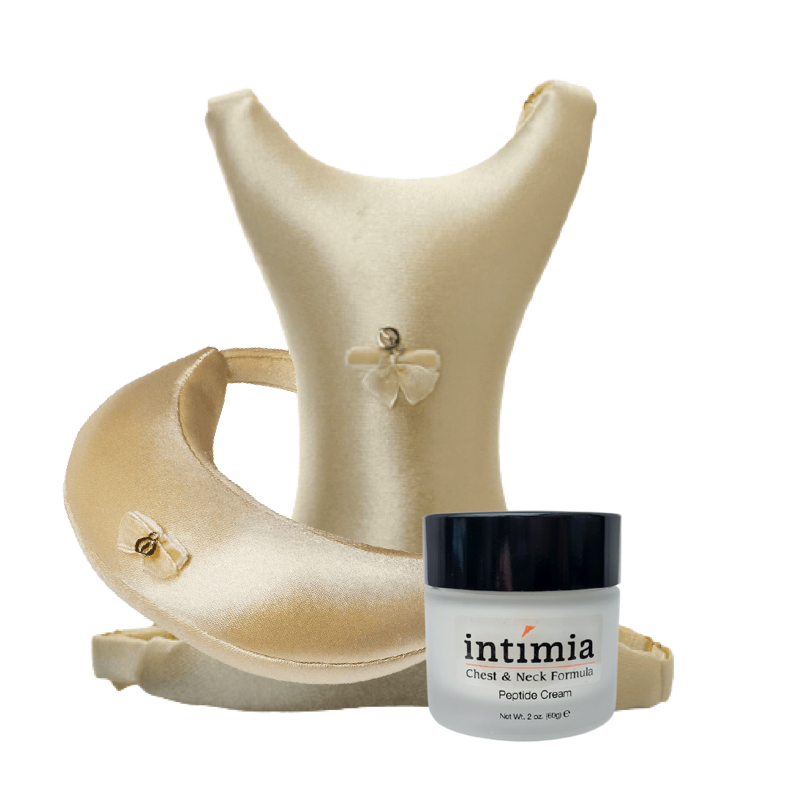
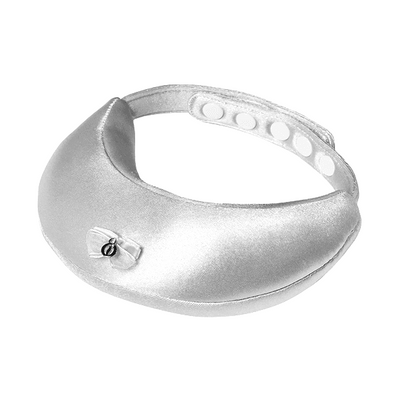
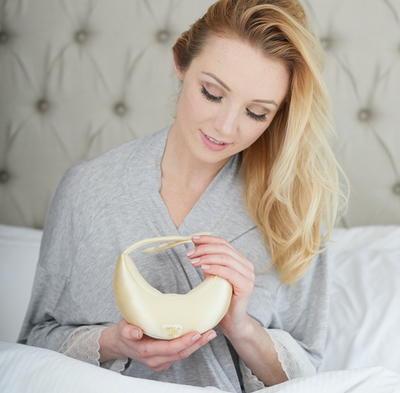
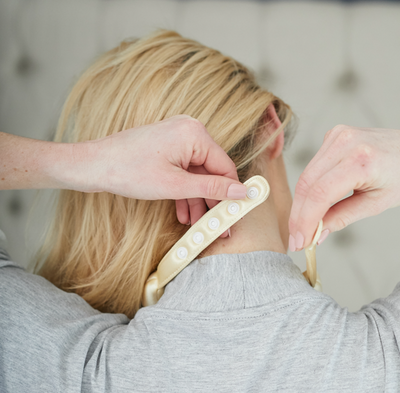
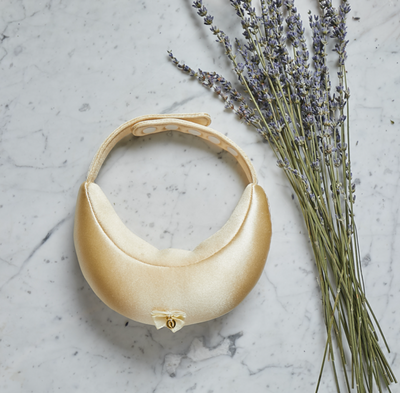
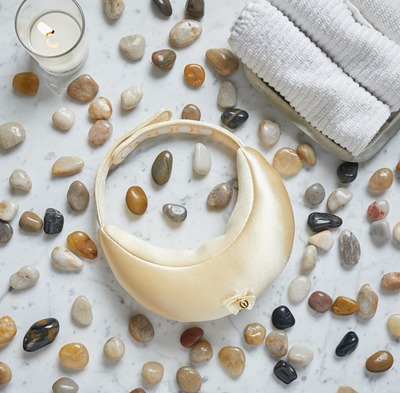
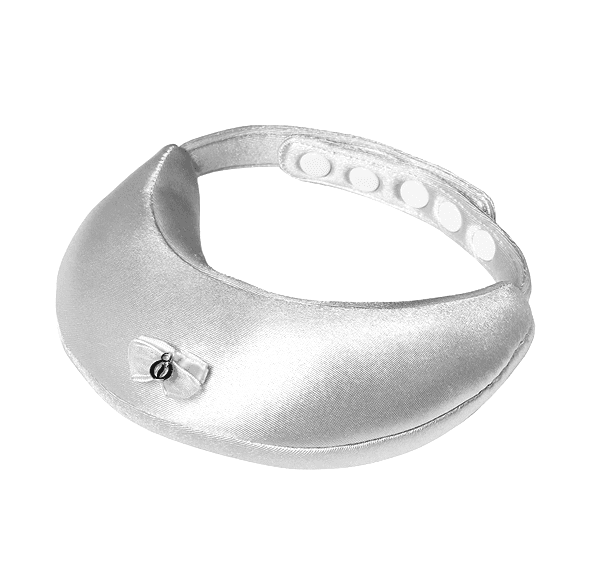
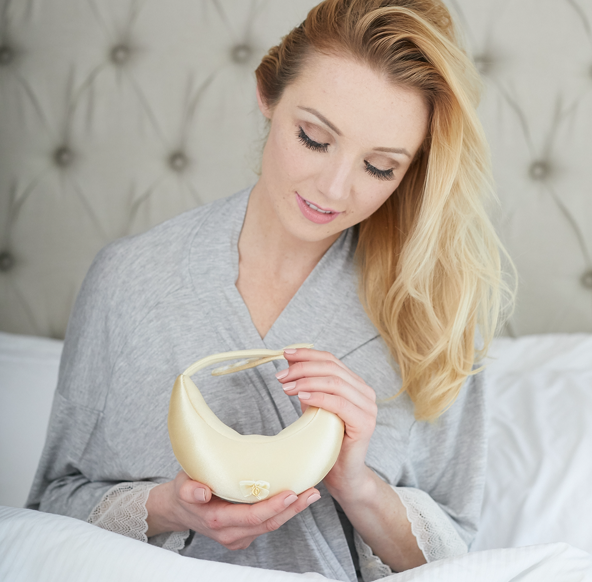
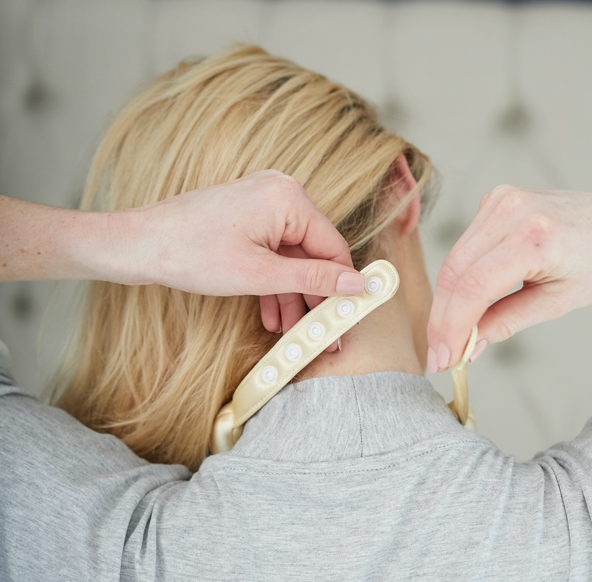
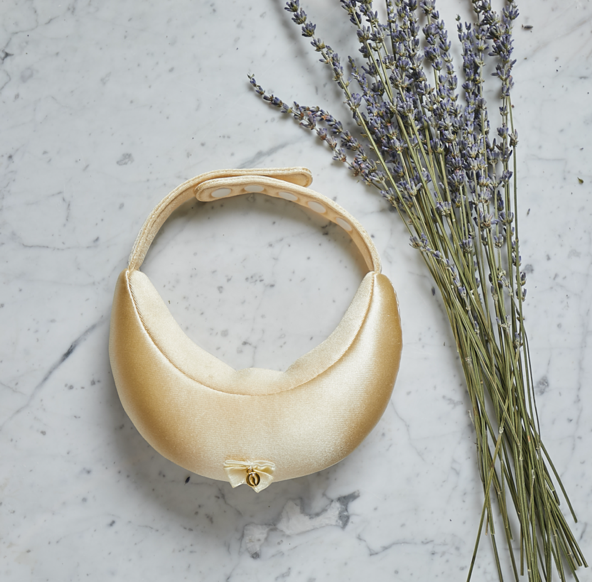
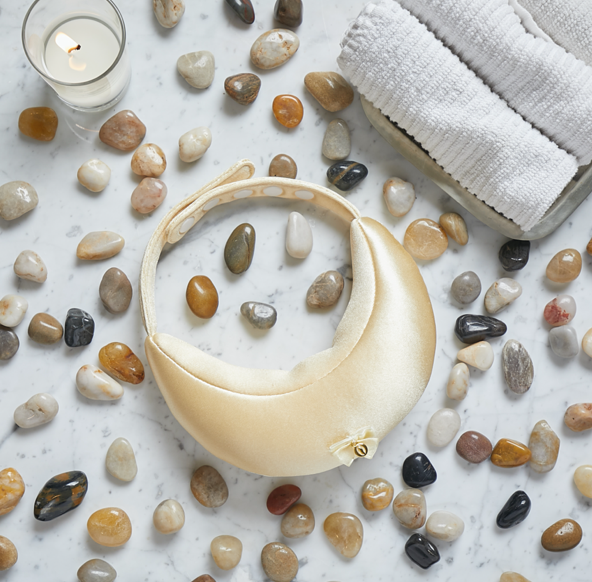
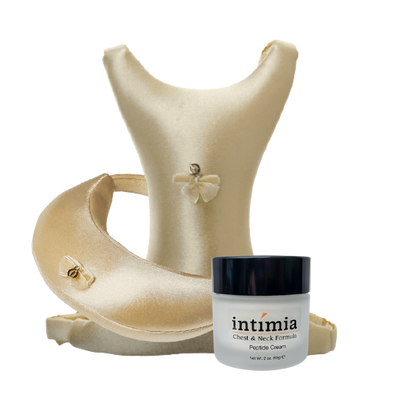
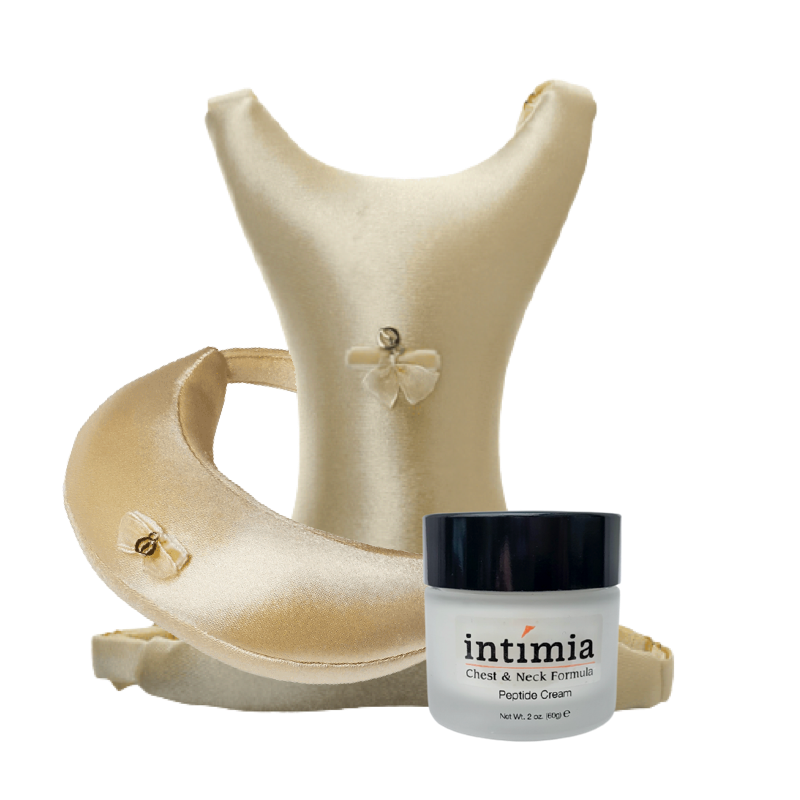
For many women, that journey includes the Intimia® Breast Pillow, designed to keep your décolleté from folding into tomorrow’s wrinkles while you finally get the deep sleep your skin has been asking for.