In this article you will learn:
- The Science of Wrinkle Formation – Main Types of Wrinkles on Face and Chest
- Expression Wrinkles – Dynamic Lines That Become Static Over Time
- Sleep Wrinkles – Static Wrinkles from Mechanical Compression During Sleep
- Sleep Wrinkles vs Expression Wrinkles – How to Tell Them Apart Clinically and at Home
- Compression Wrinkles – Understanding Mechanical Wrinkles Causes Beyond Sleep
- Types of Wrinkles on Face and Chest – Mapping Locations to Primary Causes
- Risk Factors That Worsen Mechanical and Sleep-Related Wrinkles
- Science-Based Prevention & Management Tailored to Wrinkle Type
- When to Seek Professional Evaluation for Face and Chest Wrinkles
- Conclusion: Why Understanding Sleep Wrinkles vs Expression Wrinkles Is Essential for Long-Term Face and Chest Skin Health
I still remember the first time I saw those faint little tracks between my breasts in the bathroom mirror and thought, “Wait, I didn’t earn these with laughter.” That is how my love affair with understanding sleep wrinkles vs expression wrinkles began, tracing the quiet lines that show up after the night shift and realizing not all wrinkles play by the same rules.
The story of your skin is written line by line, a map of laughter, worry, and quiet moments in the sun. But not all lines are born from a smile or a furrowed brow. Understanding the difference between sleep wrinkles vs expression wrinkles is the key to unlocking a self-care ritual that truly honors your skin’s journey. The types of wrinkles on your face and chest tell two different stories: one of emotion and movement, the other of pressure and stillness. Knowing which is which empowers you to protect your natural beauty with wisdom and grace.
Sleep wrinkles are a form of compression wrinkles, etched into the skin not by muscle, but by the simple, mechanical force of your face or chest pressing against a pillow for hours. These static wrinkles from sleep are quiet intruders, forming while you rest. Expression wrinkles, on the other hand, are born from the vibrant life of your face—the joy, surprise, and concentration that animate your features. The core difference lies in their mechanical wrinkles causes: one is an external force, the other an internal one.
Our skin’s story involves a beautiful dance of intrinsic aging, sun exposure, expression, and mechanical pressure. This guide offers a clear, science-backed look at sleep wrinkles vs expression wrinkles, helping you understand why they form and how to care for the unique landscape of your skin. For you, if you are over 35 and love sleeping on your side, this knowledge is a gentle but powerful tool for preserving the smooth, radiant skin of the face, neck, and décolleté for years to come.


Section 1: the science of wrinkle formation – main types of wrinkles on face and chest
To understand the different types of wrinkles on the face and chest, we must first look at the living tapestry beneath the surface. Your skin is a marvel of engineering, and if you ever dive into a deep-dive review of skin structure and function, you’ll see how the layers quietly work in harmony to protect and renew you.
Basic skin structure and why it matters
Imagine your skin as three devoted layers. The epidermis is the resilient outer shield. Beneath it lies the dermis, a rich, deep layer that gives your skin its strength and fullness. This is where you find a matrix of collagen for firmness and elastin for bounce. Finally, the subcutaneous fat provides a soft cushion.
In youth, your skin’s elastin is like a fresh, perfect rubber band. It stretches and snaps back without a trace. As we age, this beautiful elasticity fades. The snap-back becomes slower, gentler, until one day the skin holds the memory of a fold or a crease. This is the beginning of a wrinkle.
Major wrinkle categories
Dermatologists classify wrinkles based on their origins, a classification that helps in understanding the difference between sleep wrinkles vs expression wrinkles.
* Dynamic/Expression Wrinkles: These lines appear with movement—a smile, a frown, a squint. In young skin, they vanish when the face is at rest.
* Static Wrinkles: These are the lines that remain. They are visible even when your facial muscles are completely still. Both expression and sleep wrinkles can become static over time.
* Sleep/Compression Wrinkles: A specific type of static line caused purely by external pressure, like your face against a pillow. These are a primary example of static wrinkles from sleep and are described clearly in clinical work on sleep-related facial distortion.
* Atrophic and Elastotic Wrinkles: These are fine, crepey lines linked to the natural thinning of the skin (atrophy) and sun damage (elastosis).
* Gravitational Wrinkles: As the skin loses its underlying support from collagen and fat, gravity’s gentle, persistent pull creates folds and sagging, especially in the lower face.
Mechanical vs. non-mechanical wrinkle causes
The most important distinction to grasp is between mechanical wrinkles causes and other aging factors.
* Non-Mechanical Causes: These are changes from within the body or from the environment. Photoaging is damage from the sun’s UV rays, which breaks down collagen and elastin, something every good overview of skin aging repeats again and again. Intrinsic aging is the natural, genetic slowdown of cell renewal and collagen production.
* Mechanical Causes: This is about physical force. It’s the repeated pressure, folding, and compression of the skin that, over time, breaks down its supportive structure in very specific places. Sleep wrinkles are the purest form of mechanical wrinkles.
Understanding this difference is everything. You can’t stop intrinsic aging, but you can shield yourself from the sun and, most importantly, you can change the physical forces that shape your skin while you sleep. Open almost any guide to wrinkle causes or a plain-language piece on why wrinkles form and you’ll see those same themes weaving through.
Section 2: expression wrinkles – dynamic lines that become static over time
Expression wrinkles are the beautiful, living proof of a life fully lived. They are the lines of joy and focus, etched by the muscles that allow you to communicate without a single word. They are one of the most common types of wrinkles on the face and chest, but their story is very different from sleep wrinkles.
What are expression (dynamic) wrinkles?
These lines are formed by the constant, repeated contraction of your facial muscles. When you smile, squint in the sun, or frown in concentration, the muscles beneath your skin contract, and the skin on top folds. This process is at the heart of the sleep wrinkles vs expression wrinkles debate—one is active and muscular, the other is passive and mechanical.
Every time a facial muscle contracts, it creates a temporary groove in the dermis. In your youth, abundant collagen and elastin allow the skin to spring back smoothly. But over decades of expressions, these grooves become more defined, like a path worn into a field.
Common facial expression wrinkle patterns
Your expressions create predictable patterns, each tied to a specific muscle.
* Forehead Horizontal Lines: Created by raising your eyebrows, using the large frontalis muscle.
* Glabellar Frown Lines: The vertical “11s” between your brows, formed by the corrugator and procerus muscles when you frown.
* Crow’s Feet: The fine lines that radiate from the corners of your eyes, caused by smiling and squinting with the orbicularis oculi muscle.
* Perioral Lines: Often called “smoker’s lines,” these vertical lines around the mouth come from pursing your lips with the orbicularis oris muscle, an action we all do, smoker or not.
* Bunny Lines: The small, diagonal lines on the sides of your nose that appear when you crinkle it.
Expression-related wrinkles on the neck
While less common, the neck can also show expression-related lines. The broad, sheet-like platysma muscle can create vertical bands on the neck from tension or certain expressions. However, wrinkles on the chest are almost exclusively caused by sun damage and mechanical compression during sleep, a pattern that shows up clearly when you compare clinical overviews of wrinkle types with aging research.
How dynamic wrinkles become static
The transition from a temporary, dynamic line to a permanent, static wrinkle is a story of diminishing resources. As age and sun exposure reduce your skin’s supply of collagen and elastin, it loses its ability to rebound. The folds created by your expressions no longer smooth out completely when your face is at rest. They remain as gentle etchings, a permanent reminder of a lifetime of smiles and thoughts.
Section 3: sleep wrinkles – static wrinkles from mechanical compression during sleep
While you are in the quiet sanctuary of sleep, a different kind of wrinkle is often being formed. These are static wrinkles from sleep, born not from emotion but from simple physics: pressure and gravity. They are the most common type of compression wrinkles and a key part of the sleep wrinkles vs expression wrinkles equation.
Defining sleep wrinkles as a type of static wrinkle
Sleep wrinkles are lines that form when your skin is compressed, folded, or stretched against a surface like a pillow or mattress. Unlike expression lines, they have nothing to do with muscle movement. They can form on a perfectly relaxed face. This is a crucial distinction—it means that even if you manage facial expressions, you may still be developing wrinkles for eight hours every night, exactly what imaging studies on sleep-related facial aging have shown.
How sleep position shapes wrinkle patterns on the face
Your preferred sleep position is the artist that draws these lines onto your skin.
* Side Sleeping: This is the most common cause of facial sleep wrinkles. The pressure creates vertical and diagonal lines on the forehead, cheeks, and chin. You may notice these lines are more prominent on the side you favor.
* Stomach Sleeping: This position can create even more complex and asymmetrical lines on the forehead and face as your head is turned to one side, pressing and twisting the delicate skin.
Sleep wrinkles on the chest and décolletage
For you, if you have breasts, the chest is uniquely vulnerable to this mechanical wrinkles cause. When you sleep on your side or stomach, gravity pulls the top breast downward and inward, compressing the breasts together. This pressure folds the delicate skin of your décolletage into deep vertical and diagonal creases.
Initially, these are just morning creases that fade. But night after night of the same compression damages the underlying collagen. Eventually, these types of wrinkles on the chest become permanent static wrinkles, visible all day long. This is especially true if your breasts are larger, where the mechanical forces are greater and the skin has a harder time bouncing back.
The role of your pillow, mattress, and fabric
The surface you sleep on plays a direct role. A firm, high pillow can create sharp points of pressure, deepening compression wrinkles. Your skin is folded and creased in the exact same spots night after night. This nightly, repetitive stress is a powerful force that gradually breaks down the collagen fibers, turning a temporary sleep mark into a lasting line.
Section 4: sleep wrinkles vs expression wrinkles – how to tell them apart clinically and at home
Distinguishing between sleep wrinkles vs expression wrinkles is simpler than you might think. By observing their location, direction, and behavior, you can become an expert on your own skin’s story. This knowledge is essential for targeting the true mechanical wrinkles causes affecting you.
Core differences in cause and mechanism
Let’s review the fundamental difference.
* Expression Wrinkles: Caused by internal forces. They are driven by the muscles under your skin and follow the direction of their pull. They are a product of your unique facial habits.
* Sleep Wrinkles: Caused by external forces. They are created by the pressure of your skin against another surface, shaped by gravity and your sleep posture. They are a form of compression wrinkles.
Visual patterns and orientation
The direction of the lines tells a powerful story about their origin.
* Expression Wrinkles: Tend to be perpendicular to the muscle that creates them. Think of the horizontal lines on your forehead (from the vertical frontalis muscle) or the radial lines of crow’s feet around your eyes. They are often symmetrical.
* Sleep Wrinkles: Are often vertical or diagonal, especially on the cheeks, forehead, and chest. They don't follow muscle anatomy. Instead, they may mirror the edge of a pillow or the folds created by breast compression. A key clue is asymmetry—they are usually deeper and more numerous on your preferred sleeping side.
Behavior at rest and with movement
Observe your face in the mirror when it is completely relaxed, and then watch what happens when you make different expressions.
* Expression Lines: Appear or deepen dramatically with movement. In their early stages, they may disappear entirely when your face is at rest.
* Sleep Wrinkles: Are static wrinkles from sleep. They are often most visible when you wake up in the morning. While they may soften slightly as your skin rehydrates during the day, they are independent of your expressions and, over time, remain visible around the clock.
Simple self-checks for women
Take a moment in front of the mirror to read your skin.
1. The Expression Test: Relax your face completely. Now, smile, frown, and raise your eyebrows. Which lines appear only with movement? These are your expression lines.
2. The Asymmetry Check: Look closely at the left and right sides of your face. Is one side more lined than the other, particularly with vertical lines on the cheek or forehead? This strongly suggests your dominant sleep side is the cause.
3. The Décolleté Exam: In the morning, inspect your chest in the mirror. Do you see vertical lines in your cleavage? These are classic sleep wrinkles, a direct result of side-sleeping.
Dermatologists use these same observational techniques, often pairing them with what we know from clinical wrinkle overviews, combined with asking about your habits, to diagnose the primary cause of the different types of wrinkles on your face and chest.
Section 5: compression wrinkles – understanding mechanical wrinkles causes beyond sleep
While static wrinkles from sleep are the most common type, compression wrinkles are a broader category. They are any line caused by prolonged, repeated external pressure on the skin. Understanding all the potential mechanical wrinkles causes in your life allows for a more holistic approach to prevention, moving beyond the bedroom.
What are compression wrinkles?
At their core, compression wrinkles are formed when the skin is mechanically folded or pressed for extended periods. This repeated stress physically breaks down the collagen and elastin fibers in that specific area. While the battle of sleep wrinkles vs expression wrinkles focuses on muscle versus pressure, the concept of compression opens our eyes to other sources of physical stress on our skin.
Key mechanical wrinkles causes
Think about your average day and where your skin might be under pressure.
* Sleep Positions: As we’ve discussed, sleeping on your side or stomach is the number one cause of compression wrinkles on the face and chest.
* Bra and Clothing Pressure: A tight bra, especially one worn to bed, can push breast tissue together and deepen cleavage wrinkles. Even the straps of a purse or backpack can create lines on the shoulder and upper chest over time.
* Daytime Posture: How you hold your body matters.
* Leaning your face on your hand while you work or read creates sustained pressure on your cheek or jaw.
* “Tech Neck,” the posture of looking down at phones and laptops, creates horizontal creases in the neck and can compress the skin of the upper chest.
* Repeated Contact: Even small, repeated pressures add up, such as pressing your phone to your cheek for long calls or the lines created by face masks.
How compression wrinkles differ from other aging
It’s easy to tell these mechanical lines apart from wrinkles caused by the sun or intrinsic aging.
* Photoaging: Sun damage typically appears as fine, crepey texture, diffuse fine lines, and pigment changes across all sun-exposed areas, like the face and the V of the chest.
* Intrinsic Aging: This causes a generalized loss of volume, thinning, and dryness across all skin, regardless of sun exposure.
* Mechanical Wrinkles: These are often sharp, clearly defined lines located in the exact spot where pressure occurs. A vertical cleavage wrinkle, for example, is a tell-tale sign of compression, as that specific area is often shielded from the sun.
Section 6: types of wrinkles on face and chest – mapping locations to primary causes
By mapping the location and direction of wrinkles, we can trace them back to their source. This breakdown of the different types of wrinkles on the face and chest helps clarify the sleep wrinkles vs expression wrinkles debate for each specific area.
Face: a region-by-region breakdown
* Forehead:
* Horizontal Lines: Almost always expression-driven, from the frontalis muscle.
* Vertical/Diagonal Lines: Often compression wrinkles in chronic side sleepers whose forehead presses into the pillow.
* Eye Area:
* Crow’s Feet: A classic combination of expression (squinting), sun damage, and the naturally thin skin in this area.
* Under-Eye Lines: Caused by expression and thin skin, but can be deepened by compression if a pillow pushes up against the lower eyelid.
* Between the Brows (Glabella):
* Frown Lines: These are classic expression wrinkles from concentrating or frowning.
* Midface and Cheeks:
* Nasolabial Folds (Smile Lines): These are complex, caused by a mix of gravity, volume loss, and expression.
* Vertical or Oblique Cheek Lines: Almost always sleep wrinkles from the pressure of side sleeping. These lines do not follow any muscle pattern.
* Mouth Area (Perioral):
* Vertical Lip Lines: Caused by expression (pursing the lips), often worsened by smoking and sun damage.
* Marionette Lines: These run from the corners of the mouth down, caused primarily by gravity and volume loss.
Neck and chest: a closer look at the types of wrinkles on the chest
* Horizontal Neck Bands:
* These are related to the aging of the platysma muscle, genetics, and posture. “Tech neck” is a major modern contributor, making these a partially mechanical wrinkle.
* Vertical Chest Creases (Cleavage Wrinkles):
* These are overwhelmingly static wrinkles from sleep and compression wrinkles. They are the direct result of the breasts being compressed together during side sleeping, folding the skin vertically. They are often the first sleep wrinkles you notice, appearing in the morning and eventually becoming permanent.
* Crepey Chest Texture:
* This is a combination story. The V-neck area of the chest gets significant sun exposure, leading to photoaging. Intrinsic aging thins the skin, and the cumulative mechanical folding from sleep and posture breaks down the remaining collagen, leading to a finely wrinkled texture.
Section 7: risk factors that worsen mechanical and sleep-related wrinkles
Why do some women develop deep compression wrinkles while others don't? It’s a combination of our unique biology and our daily habits. Understanding these risk factors can help you protect your skin from the most damaging mechanical wrinkles causes.
Intrinsic skin and systemic factors
Your skin’s innate resilience plays a huge role in its ability to resist static wrinkles from sleep.
* Age-Related Collagen Decline: After age 20, we produce about 1% less collagen each year. This means our skin’s ability to rebound from nightly compression weakens over time.
* Thin or Dry Skin: Skin that is naturally thin or dehydrated has less structural support and a weaker barrier, making it more susceptible to being creased.
* Hormonal Changes: The decline in estrogen during menopause significantly reduces collagen synthesis. This accelerates skin thinning and makes it much easier for both expression and sleep wrinkles to become permanently etched.
* Genetics: Your genes play a part in determining your baseline collagen density and skin thickness, predisposing you one way or the other.
Lifestyle and behavioral factors
Our daily choices are powerful sculptors of our skin.
* Chronic Side or Stomach Sleeping: This is the single biggest behavioral risk factor. Repeating the same compression pattern every single night is the ultimate mechanical wrinkles cause.
* Pillow Choice: A high, firm pillow creates more intense and localized pressure points on your face and can worsen the angle of chest compression.
* Inadequate Chest Support: Sleeping without any support for the breasts allows them to collapse fully, creating the deepest possible vertical folds in the décolletage.
* Daytime Postures: Habitually leaning on your hands or spending hours in a “tech neck” position adds hours of mechanical stress to your skin.
* Smoking and Sun Exposure: These two factors are wrinkle amplifiers. They destroy collagen, making the skin weaker and far less able to resist and repair damage from mechanical forces. A line that might have faded on healthy skin will become permanent much faster on sun-damaged or smoker’s skin, something you see echoed in both aging research and every practical guide to wrinkle risk factors.
Sleep quality and skin repair
It's not just your sleep position, but the quality of your sleep that matters. Your skin performs most of its repair and regeneration at night, a process guided by your circadian rhythm. Poor or insufficient sleep disrupts this vital cycle, impairing collagen production and barrier repair. This leaves your skin less equipped to heal the micro-damage caused by nightly compression, a pattern described in detail in studies on sleep deprivation and skin.
Tonight, before you fall asleep, just notice where your face and chest land on the pillow. You don’t need to change anything yet. Awareness is the first quiet step to changing those mechanical forces that etch into your skin.
Section 8: science-based prevention & management tailored to wrinkle type
Once you’ve identified the primary cause of your lines by comparing sleep wrinkles vs expression wrinkles, you can choose strategies that work. The right approach targets the root cause, whether it's muscle movement or mechanical pressure.
For expression wrinkles (dynamic → static)
The goal here is to protect your collagen and manage muscle movement.
* Sunscreen Is Non-Negotiable: Daily, broad-spectrum SPF 30+ is the most effective anti-aging product you can use. It protects your existing collagen from UV degradation and every serious overview of skin aging mechanisms quietly repeats this.
* Topical Antioxidants: Serums with Vitamin C or E help neutralize free radicals from sun and pollution that accelerate aging.
* Retinoids: Products with retinol or prescription tretinoin are scientifically proven to stimulate new collagen synthesis, helping to smooth existing lines and prevent new ones.
* Neurotoxins (like Botox): From a scientific view, these treatments work by temporarily relaxing the specific muscles that cause wrinkles. By preventing the muscle from contracting, you prevent the skin from folding, which stops dynamic lines from becoming etched into permanent static wrinkles. They are most effective for the forehead, frown lines, and crow’s feet.
For sleep wrinkles and other compression wrinkles on face and chest
Here, the strategy is all about reducing physical pressure and supporting the skin.
* Positional Strategies:
* Training yourself to sleep on your back is the ultimate solution, as it eliminates all pressure on the face and chest.
* If you must sleep on your side, try to alternate sides and use a body pillow to keep your torso from rotating forward, which reduces breast collapse.
* Pillow and Surface Optimization:
* Use a softer, lower pillow or a specially designed pillow with cut-outs to offload pressure from your face.
* Switch to a low-friction pillowcase made of silk or satin. This reduces the shearing forces on your skin as you move.
* Chest Support and Positioning:
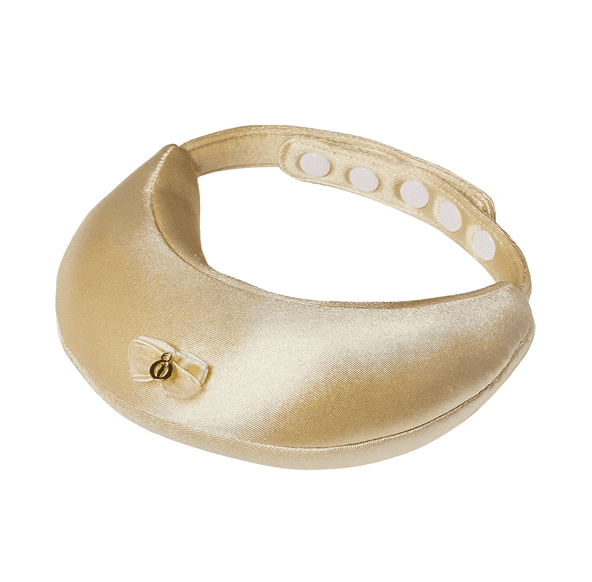
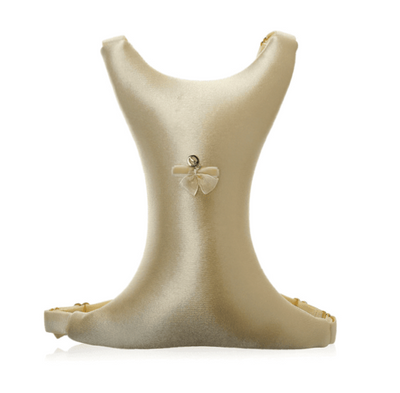
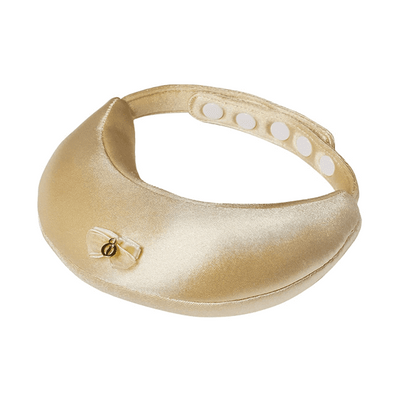
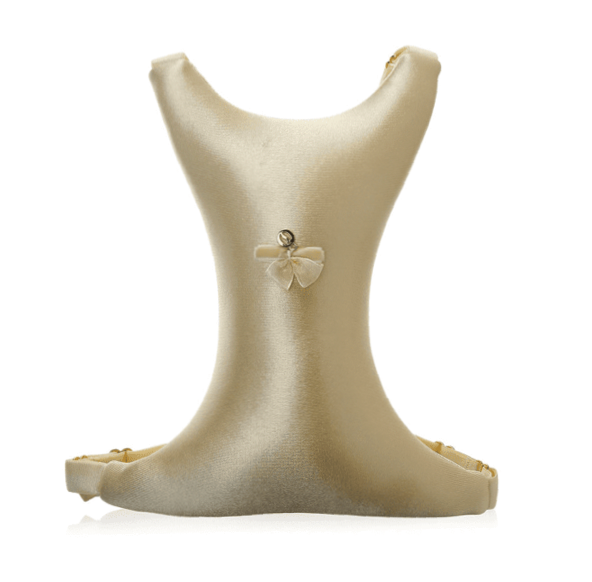
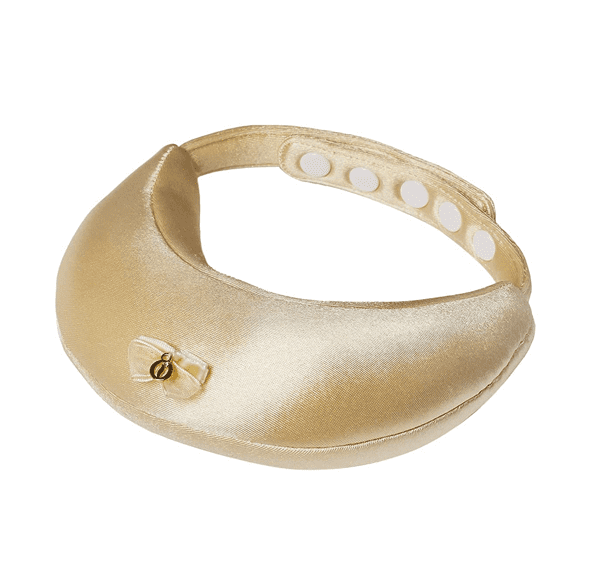
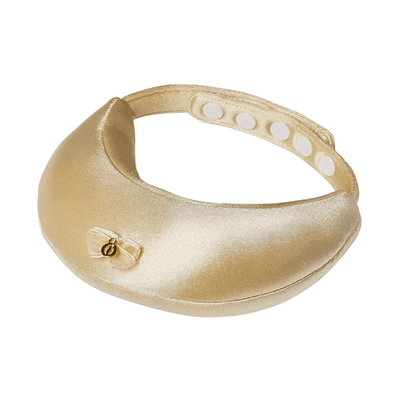
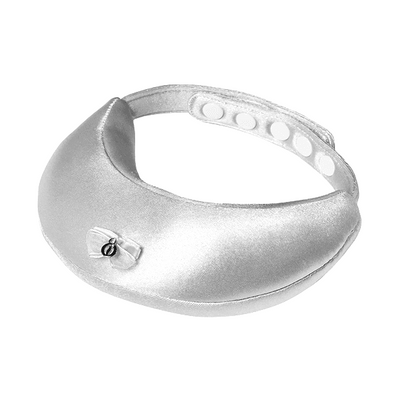
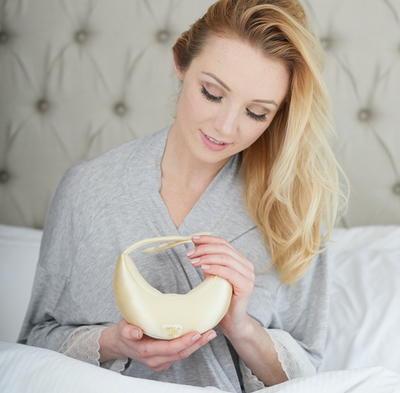
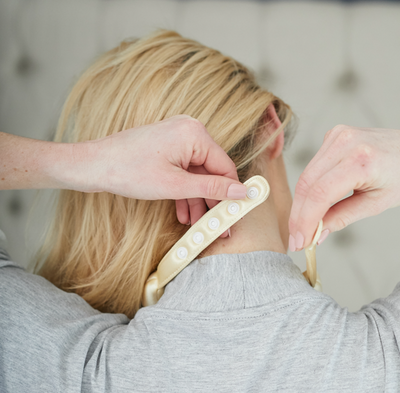
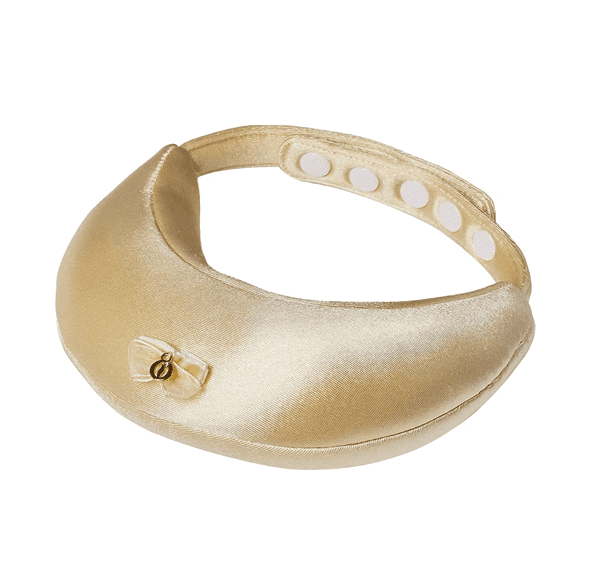
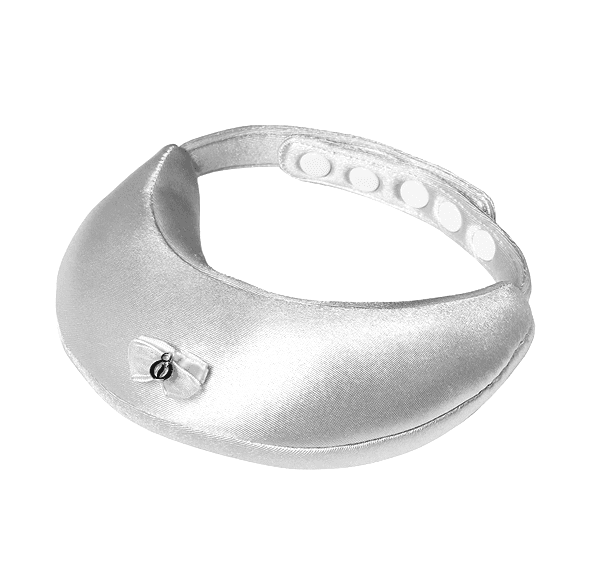
* This is crucial for preventing décolletage wrinkles. Use a product designed to keep the breasts separated while you sleep on your side, like a specialized sleep bra or breast pillow. This physically prevents the skin from folding into deep vertical creases—a direct countermeasure to one of the main mechanical wrinkles causes.
* Daytime Mechanical Management:
* Be mindful of your posture. Set up your workspace ergonomically to avoid “tech neck” and make a conscious effort not to rest your face in your hands.
For established static wrinkles (regardless of origin)
When a line is already etched into the skin, you need to focus on rebuilding collagen from below.
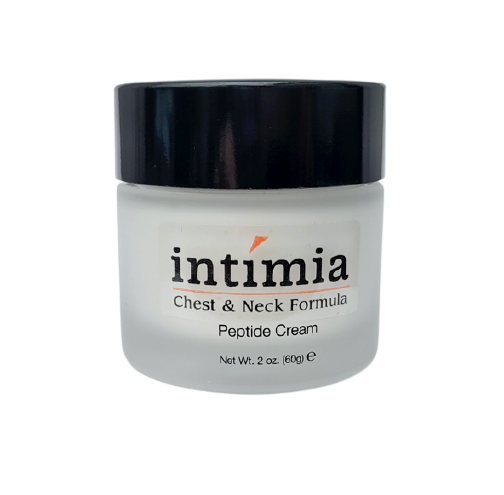
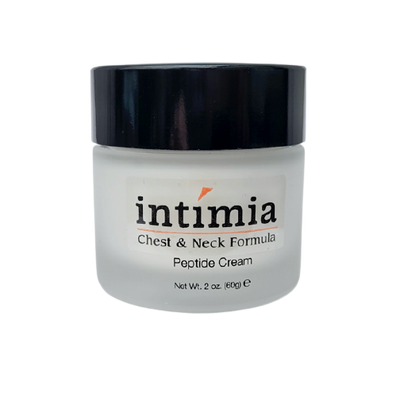
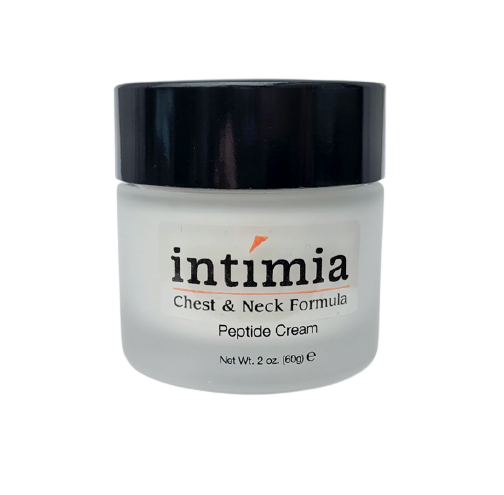
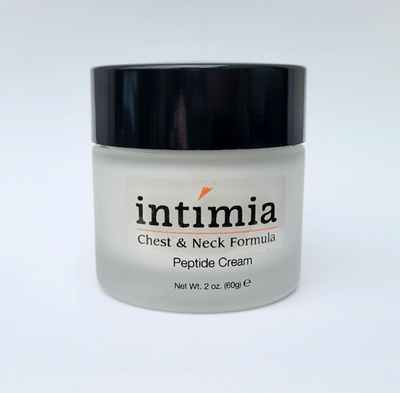
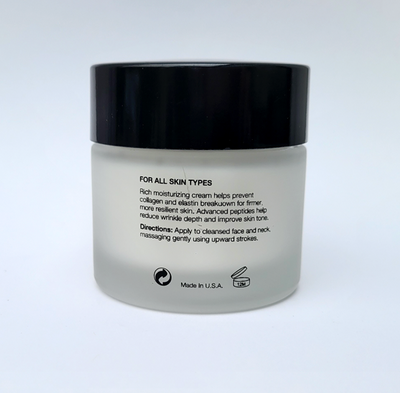
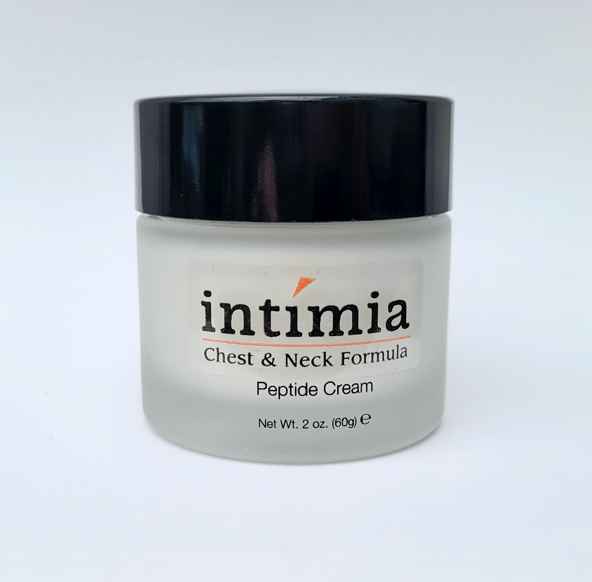
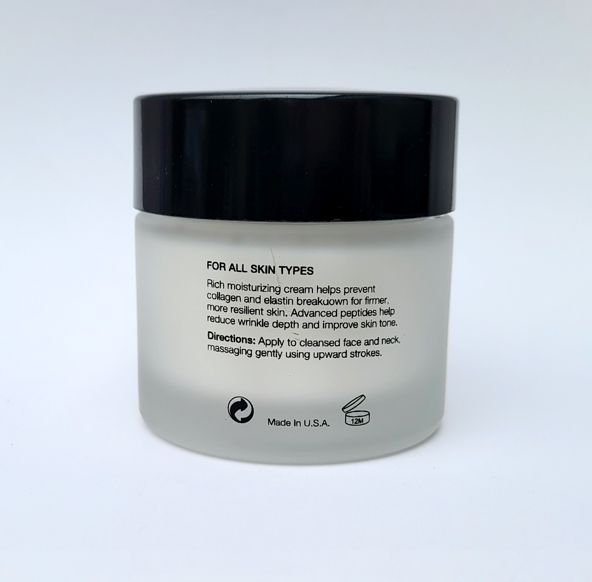
* At-Home Topicals: Continue with retinoids and add peptide-based formulas, which signal your skin to produce more collagen. Keep skin deeply hydrated with hyaluronic acid to plump up fine lines.
* In-Office Collagen-Stimulating Treatments:
* Treatments like fractional lasers, radiofrequency (RF) microneedling, and traditional microneedling create controlled micro-injuries in the dermis. This triggers your body's natural healing response, flooding the area with new, healthy collagen that helps soften both expression and compression wrinkles.
* Volume Restoration:
* For deep, etched lines like nasolabial folds or vertical chest wrinkles, a dermatologist may suggest injectable fillers (like hyaluronic acid) to restore lost volume and provide structural support from beneath the skin.
Section 9: when to seek professional evaluation for face and chest wrinkles
While at-home care and prevention are powerful, there comes a time when professional guidance can make all the difference. Knowing when to see a dermatologist can help you address the different types of wrinkles on your face and chest before they become deeply set.
Signs that wrinkles are becoming permanent static lines
It’s time to consider a consultation if you notice the following.
* Lines on your face are clearly visible even when your expression is completely neutral.
* The sleep creases you see on your face or chest in the morning no longer fade away by midday.
* The vertical lines in your cleavage are present all the time, regardless of your position or what you’re wearing.
* Your wrinkles seem to be getting deeper despite your diligent use of sunscreen and anti-aging skincare.
These are signs that the underlying collagen structure has been significantly altered, and topical treatments alone may not be enough.
How dermatologists distinguish sleep wrinkles vs expression wrinkles
A board-certified dermatologist uses a combination of observation and conversation to get to the root cause of your wrinkles.
* Detailed History: They will ask about your life—your preferred sleep position, the type of pillow you use, your job, your posture, and your history of sun exposure.
* Dynamic Exam: They will watch your face as you smile, frown, and look surprised, noting which lines are tied to movement.
* Pattern Mapping: They will compare the patterns on your skin to the known anatomy of facial muscles versus the classic patterns of mechanical wrinkles causes. A vertical line on the cheek that defies muscle anatomy is a clear sign of a compression wrinkle.
Treatment planning based on wrinkle type and location
Based on their diagnosis, they will create a personalized plan.
* If Expression Wrinkles Dominate: The plan will likely start with neuromodulators, retinoids, and a strict sun protection regimen.
* If Sleep/Compression Wrinkles Dominate: The focus will be on collagen-stimulating treatments (lasers, RF microneedling) to repair the dermis, combined with a strong emphasis on mechanical prevention—changing your sleep position and using chest support.
* For Most Women (Mixed Wrinkles): The best approach is often a combination protocol that addresses both the muscular and mechanical factors on the face, neck, and chest.
Conclusion: why understanding sleep wrinkles vs expression wrinkles is essential for long-term face and chest skin health
The journey of caring for your skin begins with true understanding. The distinction between sleep wrinkles vs expression wrinkles is not just a scientific detail; it is the most empowering knowledge you can have in your anti-aging toolkit. It shifts the focus from a generic fight against all wrinkles to a wise, targeted strategy that honors the true story of your skin.
The key takeaway is simple: expression wrinkles are born from internal muscle movement, while sleep wrinkles are compression wrinkles created by external mechanical force. As our natural collagen supply wanes with age, both can become permanent static wrinkles. Recognizing the dominant mechanical wrinkles causes behind the types of wrinkles on your face and chest allows you to choose your solutions with precision and confidence. For expression lines, you might explore retinoids or neuromodulators. For the static wrinkles from sleep on your cheeks and chest, the answer lies in changing the physical forces through sleep position modification and supportive tools.
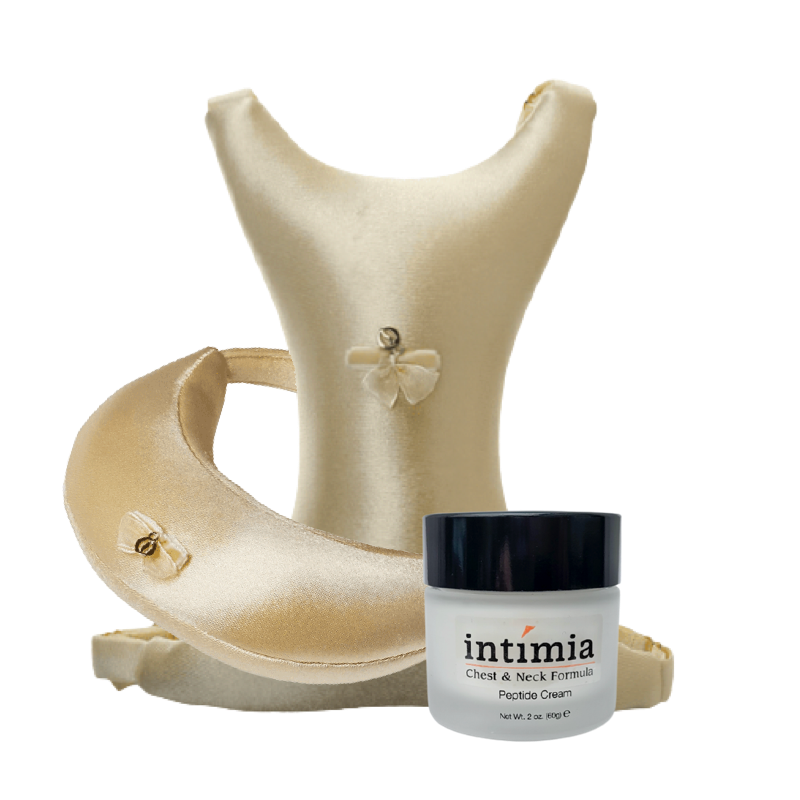
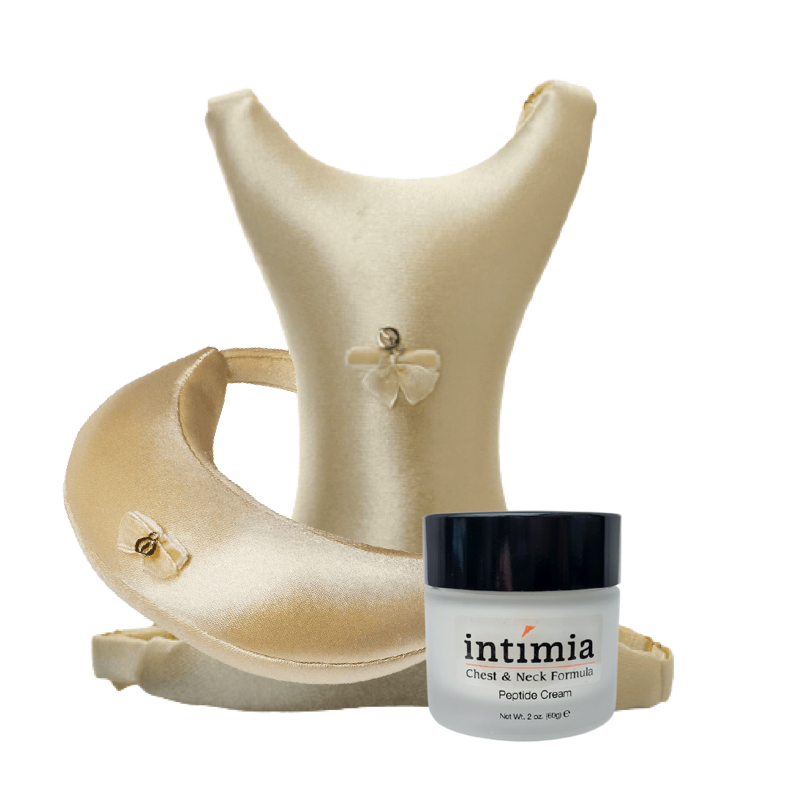
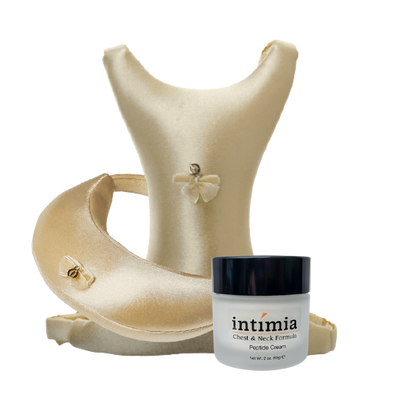
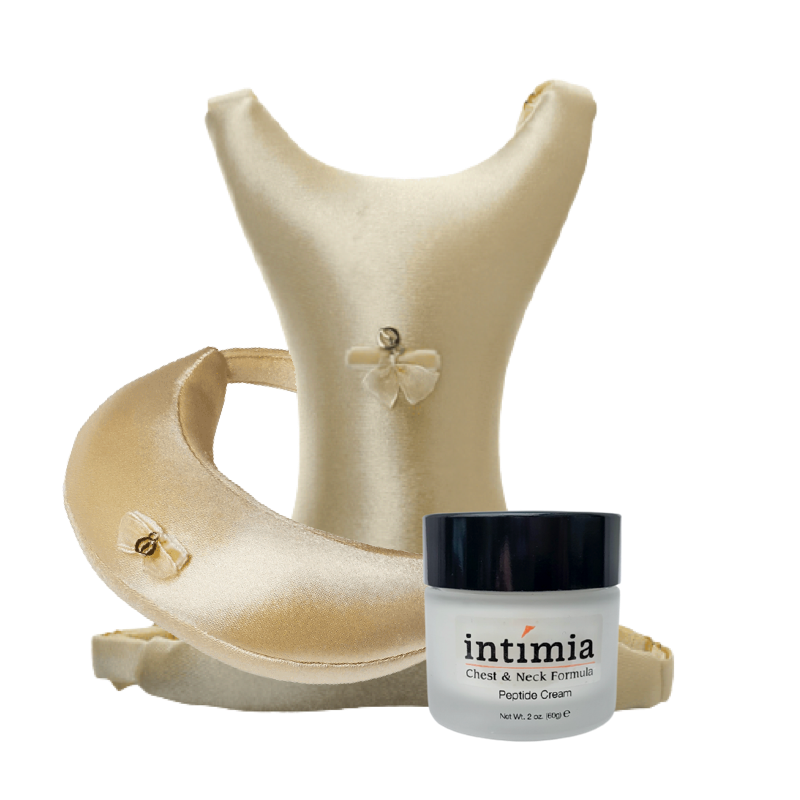
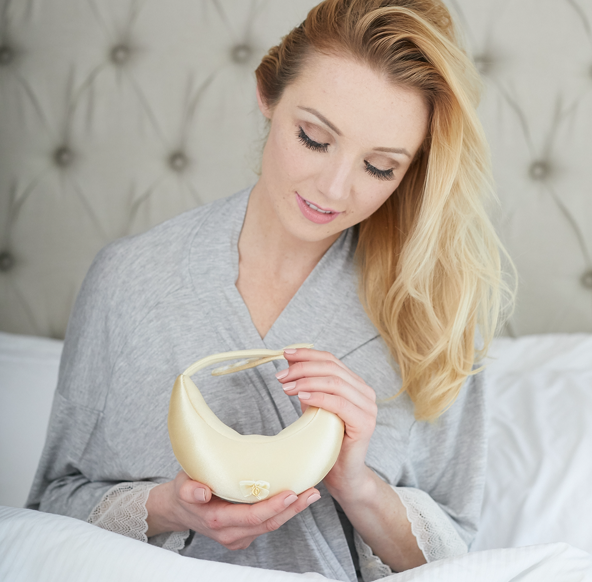
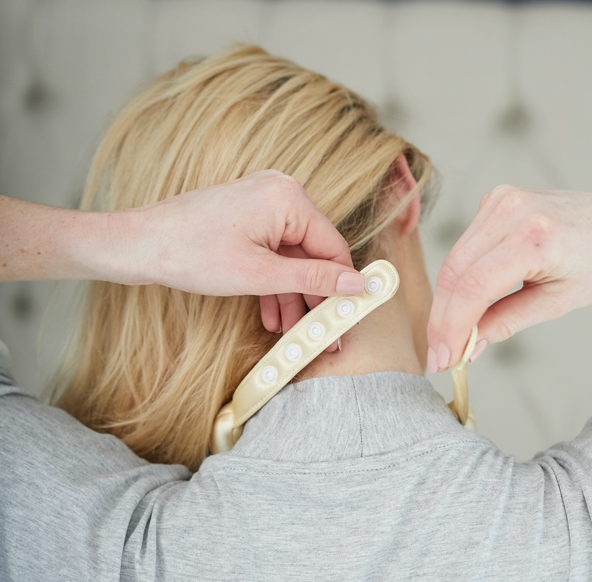
A truly timeless self-care plan is a personal one. It combines the universal truths of sun protection and nourishing skincare with strategies tailored to your unique life—your expressions, your habits, and even the way you sleep. By addressing both muscular and mechanical forces, you create a holistic ritual that protects your skin’s health and radiance from every angle, allowing your inner confidence to shine through, line by beautiful line. When I designed the Intimia® Breast Pillow, it came from this same quiet realization: if we cannot stop time, we can at least stop our pillow from drawing extra lines on our chest.
So next time you study those lines in the mirror, I hope you see not just age, but choices you can still make while you sleep.
Ready to wake up with smoother skin — start here.