In this article you will learn:
- What are pillow material wrinkles?
- The science of pillow fabric and skin health
- Silk vs cotton pillowcase wrinkles
- Satin pillowcase anti-aging benefits
- Pillow fabric and chest wrinkles
- Choosing the best pillowcase for chest wrinkles
- Additional evidence-based sleep habits
- Summary: Which pillow material is best to prevent wrinkles?
When I first noticed faint vertical lines on my chest one morning, I blamed the mirror, then the lighting, then last night's salty dinner. It took me a while to admit the real culprit was quieter and far more patient than all of that. My pillow. Or more precisely, what it was made of.
The quiet hours of the night are a time for restoration. A time for the body to mend, the mind to drift. But as your cheek meets the pillow, a slow, gentle pressure begins. Night after night, this simple contact can etch fine lines into your skin. These are pillow material wrinkles, the delicate creases that form on your face and chest not from a smile or a frown, but from the very fabric you sleep on.
This article is a deep, honest look at the science of sleep, skin, and fabric. Guided by insights from dermatology and sleep medicine, we will explore how your choice of bedding can influence your skin's journey through time. We will answer the questions that matter to you:
- How do different pillow materials truly affect wrinkles and your overall pillow fabric skin health?
- What does science actually say about silk vs cotton pillowcase wrinkles? Is one clearly better?
- Are the popular claims about satin pillowcase anti aging benefits real or just clever marketing?
- And most importantly, how can a woman over 35 who loves sleeping on her side choose the best pillowcase for chest wrinkles?
While large-scale clinical trials on pillowcases are still emerging, a wealth of knowledge exists about how mechanical forces like friction and pressure affect the skin. We will draw from this established science, using guidance from trusted sources to give you clear, practical advice for timeless self-care.
What are pillow material wrinkles?
The lines that greet you in the mirror some mornings, those faint vertical creases on your cheek or the delicate folds on your chest, are different from the lines earned through laughter and life. These are pillow material wrinkles, also known as sleep lines.
From a skin science perspective, they are born from external forces. While expression lines come from the inside out, caused by years of muscle movements, sleep lines are pressed into the skin from the outside in. They are the result of three simple, powerful actions that happen every night:
- Compression: Your head, which weighs about 11 pounds, presses your facial skin into the pillow. If you are a side sleeper, your torso's weight compresses the delicate skin on your décolleté.
- Folding: As your skin is compressed, it naturally folds and buckles against the pillow's surface.
- Friction: When you shift in your sleep, your skin drags against the fabric, creating a gentle but persistent shearing force.
In your youth, these lines vanish within minutes of waking. But over time, especially after age 35, the skin changes. Collagen and elastin, the proteins that give skin its plumpness and bounce, naturally decline. The skin becomes less resilient. Repeated nightly folding and compression can cause these temporary sleep lines to become permanent wrinkles.
Your sleep position is the biggest factor. Back sleeping is the gold standard for preventing mechanical skin aging because it keeps your face and chest from making contact with the pillow. Side and stomach sleeping, however, maximize the compression and friction that lead to pillow material wrinkles. This constant pressure on one side of your face or the folding of your chest skin can create deep, lasting creases over the years.
For women 35 and older, this becomes a more pressing concern. The natural aging process, combined with factors like hormonal shifts and a lifetime of sun exposure, can make facial and chest skin thinner and more vulnerable. This means the skin is less able to spring back from the mechanical stress of sleep, allowing those pillow-induced lines to set in more easily.
The science of pillow fabric and skin health
The idea of pillow fabric skin health is simple, the material you rest your head on for eight hours a night has a direct relationship with your skin. While few studies measure wrinkles from specific pillowcases, dermatologists and skin experts agree that reducing mechanical stress on the skin is a key part of any anti-aging strategy. The fabric you choose influences this stress through several key properties.
Understanding these properties is the first step toward minimizing pillow material wrinkles and supporting your skin’s nightly renewal process.
Friction and surface smoothness
Imagine your skin gliding across a surface. A rough, uneven surface will catch and tug at the skin, causing it to fold and crease. A smooth, slick surface allows the skin to move freely without resistance. This is the core difference between high-friction and low-friction fabrics.
Smoother fabrics like silk and satin are thought to reduce the drag on your skin as you turn in your sleep. This gentle interaction means less pulling, less creasing, and potentially fewer sleep lines over time.
Fiber type (natural vs. synthetic)
Pillowcases are made from a variety of fibers, each with a unique feel and function.
- Natural fibers like cotton and silk come from plants and animals. Cotton is known for its softness and breathability. Silk, a protein fiber, is prized for its incredible smoothness and temperature-regulating properties.
- Synthetic fibers like polyester (often used for satin) and microfiber are man-made. They can be engineered to feel very smooth but may not offer the same breathability as natural fibers, sometimes trapping heat and moisture.
Moisture management and absorbency
Your skin works hard at night to repair itself, a process that relies on a healthy moisture barrier. Some fabrics can interfere with this.
Highly absorbent materials, like many types of cotton, can act like a sponge, wicking away your skin’s natural oils and the expensive serums you applied before bed. This can leave your skin feeling dry and compromise its protective barrier. Less absorbent fabrics may help keep moisture and skincare products where they belong, on your skin.
Temperature regulation
Healthy skin thrives in a balanced environment. Fabrics that trap heat can lead to sweating, which can cause irritation, clog pores, and disrupt your sleep. Breathable fabrics that allow air to circulate help maintain a comfortable skin temperature, reducing the risk of inflammation and discomfort that can compromise your pillow fabric skin health.
Bacterial growth and cleanliness
Your pillowcase is a collection ground for sweat, dead skin cells, natural oils, and leftover skincare products. This environment can become a breeding ground for bacteria and microbes, which can lead to irritation, acne, and inflammation, all of which can visually age the skin.
Regardless of the material, washing your pillowcase regularly in a gentle, fragrance-free detergent is one of the most important things you can do to protect your skin. Cleanliness is a cornerstone of good skin health.
Silk vs cotton pillowcase wrinkles – what research suggests
The debate over silk vs cotton pillowcase wrinkles is one of the most popular topics in beauty and anti-aging. While personal stories abound, it is important to look at the physical properties of each fabric to understand how they might affect your skin. The choice comes down to a few key differences in how they interact with your face and chest throughout the night.
Friction and a smoother glide
The most significant advantage of silk is its incredibly smooth surface. Silk fibers are long, fine, and tightly woven, creating a surface with a very low coefficient of friction.
- Silk: Allows the skin to glide across the surface with minimal resistance. This reduces the mechanical tugging and shearing forces that can contribute to pillow material wrinkles.
- Cotton: Even high-thread-count cotton has shorter, rougher fibers that can catch and pull at the skin. A standard cotton pillowcase creates more friction, which may lead to more significant skin creasing during the night.
This difference in texture is why many people also notice their hair is less tangled and frizzy after sleeping on silk, the same gentle action benefits your skin.
Moisture and your skincare investment
Healthy, youthful skin is hydrated skin. The fabric you sleep on can either support or sabotage your skin’s moisture levels.
- Cotton is naturally highly absorbent. It can draw moisture and oils away from your skin, along with any night creams or serums you have applied. This can be problematic for those with dry or maturing skin.
- Silk is far less absorbent. It tends to let your skin retain its natural hydration and allows your skincare products to stay on your skin and do their job. This helps maintain a healthy skin barrier, which is essential for resilience against aging.
Evidence vs. marketing
It is crucial to be clear about what science has and has not proven. While the physical properties of silk strongly suggest it can help reduce friction-related sleep lines, direct clinical evidence is limited.
Some experts point out there is still little formal research confirming silk pillowcases as a primary anti-aging tool, and when you look at broader discussions on wrinkle formation and treatment you will see pillow fabric listed as a helpful extra, not the main therapy.
Think of a silk pillowcase not as a miracle cure, but as an intelligent, supportive tool. It works to minimize one specific type of stress on your skin, mechanical friction. By doing so, it contributes to your overall pillow fabric skin health and may help reduce the formation of pillow material wrinkles over time.
Satin pillowcase anti aging – is it different from silk?
When exploring options to reduce pillow material wrinkles, satin frequently comes up as an affordable alternative to silk. But are the satin pillowcase anti aging benefits the same? To answer that, you first need to understand a key distinction.
"Silk" is a fiber. "Satin" is a weave.
- Silk is a natural protein fiber produced by silkworms. It is known for its strength, smoothness, and breathability.
- Satin refers to a specific weaving technique that creates a fabric with a glossy, smooth surface on one side and a duller surface on the other. Satin can be woven from many different types of fibers, including silk, polyester, or nylon.
So, you can have "silk satin," which is the best of both worlds, or "polyester satin," which is a synthetic fabric. Most affordable satin pillowcases on the market are made from polyester.
Satin pillowcase anti aging claims
The marketing claims for satin pillowcases are nearly identical to those for silk, they promise fewer wrinkles, less skin creasing, and smoother hair. These claims are based on the same principle, the smooth, low-friction surface of the satin weave.
By allowing your skin to glide instead of drag, a satin pillowcase can reduce the mechanical stress that contributes to sleep lines. In the contest of silk vs cotton pillowcase wrinkles, a satin pillowcase is certainly a step up from a rougher cotton weave.
How satin compares to silk and cotton
- Satin vs. cotton: The smooth satin weave offers a significant reduction in friction compared to most cotton pillowcases. This means less tugging on your skin and hair, which can help prevent the formation of temporary sleep creases.
- Satin vs. silk: This is where the fiber type matters most. While both offer a smooth surface, polyester satin and silk behave differently. Silk is a natural, breathable fiber that helps regulate temperature. Polyester satin, being a synthetic, is often less breathable. For some people, especially those prone to night sweats or acne, this can lead to trapped heat and moisture, which may cause irritation or breakouts.
Limitations and what to consider
Like silk, there is no large body of clinical research proving that satin pillowcases alone can reverse or prevent wrinkles. The benefits are largely theoretical, based on the physics of friction.
If you are considering a satin pillowcase for its anti-aging potential, be mindful of the material. A high-quality polyester satin can be a great budget-friendly option for reducing friction. However, if you have sensitive skin or tend to sleep hot, the natural breathability of silk might be a better investment for your long-term skin health.
Ultimately, a satin pillowcase can be a valuable part of an anti-aging strategy, but it is a supportive player, not the star of the show.
Pillow fabric and chest wrinkles – why the décolleté needs special attention
The skin on your chest and décolleté is a quiet storyteller. It holds the memory of sunny days and the grace of your posture. It is also one of the first places to show signs of aging, often developing fine lines and deeper creases long before other areas. This is because the skin here is uniquely vulnerable.
It is thinner and has less subcutaneous fat and fewer oil glands than the skin on your face. This delicate structure, combined with years of sun exposure, can lead to a significant loss of collagen and elasticity, making it especially prone to wrinkling.
How sleep position creates chest wrinkles
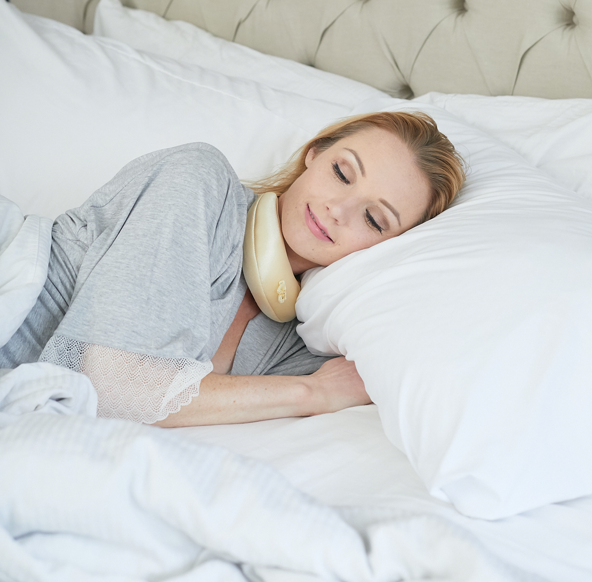
For side sleepers, the chest is under constant mechanical stress throughout the night. As you lie on your side, gravity pulls the top breast downward and over the bottom one. This compresses the breasts together, creating deep vertical and diagonal folds in the skin of your cleavage.
Night after night, for hours at a time, this skin is folded and creased. Over the years, these temporary lines etch themselves into the skin, becoming permanent wrinkles. This effect is often more pronounced in women over 35 and those with larger breasts, as both age and weight increase the mechanical load on the skin. While back sleeping is the ideal position to avoid this compression, it is not a comfortable or realistic option for everyone.
Connecting pillow fabric to chest health
This is where your choice of bedding becomes critical. The goal is to create the smoothest, most stable environment possible to minimize this nightly creasing. Your pillow fabric skin health extends beyond your face to this delicate area.
A rough or loose-fitting pillowcase can bunch up under your chest, creating additional fabric folds that imprint themselves onto your skin. A smooth, low-friction fabric, however, can help reduce the drag and uneven pressure on your décolleté. When combined with other supportive measures, finding the best pillowcase for chest wrinkles can make a tangible difference.
For the millions of women who cannot or prefer not to sleep on their backs, optimizing your sleep surface is not just a luxury, it is a powerful, proactive strategy to care for the delicate skin of your chest and prevent the formation of deep-set pillow material wrinkles.


Choosing the best pillowcase for chest wrinkles (practical criteria)
So, what is the best pillowcase for chest wrinkles? Based on our understanding of skin mechanics and fabric science, the ideal choice is one that creates the least amount of friction and folding against your delicate décolleté. Here are the practical, science-based criteria to guide your selection.
1. Low-friction surface
This is the most important factor. To minimize the mechanical drag that creates and deepens chest creases, you need a surface that your skin can glide over effortlessly.
- Top choices: Silk or a high-quality satin weave are the clear winners here. Their smooth, slick surfaces reduce the snagging and bunching that can happen with other fabrics, helping to keep the skin on your chest flatter and less compressed.
2. Minimal bunching and wrinkling
A pillowcase that wrinkles and bunches beneath you can be just as damaging as a high-friction fabric. These fabric folds can press into your skin, creating imprints that can become permanent over time.
- What to look for: Choose a pillowcase that fits your pillow snugly. A well-fitted case made from a fabric with a smooth, tight weave is less likely to form deep creases. Consider the fabric's weight, sometimes a slightly heavier silk or satin is less prone to bunching than a very thin, flimsy one.
3. Breathability and moisture management
For women over 35, hormonal fluctuations can bring on night sweats or hot flashes. A pillowcase that traps heat and moisture can lead to skin irritation and disrupt sleep.
- Best options: Silk is a natural fiber renowned for its breathability and temperature-regulating properties. It helps keep you cool and dry. High-quality, long-staple cottons can also be breathable, but remember the tradeoff with absorbency. In the matchup of silk vs cotton pillowcase wrinkles and comfort, silk often has the edge for temperature control. If considering a satin pillowcase anti aging option, be aware that polyester satin may be less breathable.
4. Compatibility with skincare products
You invest in high-quality serums and moisturizers for your neck and chest. You want them to stay on your skin, not be absorbed by your pillowcase.
- Smart choice: A less absorbent fabric like silk is ideal. It helps ensure that your anti-aging treatments remain on your décolleté, where they can work all night to hydrate and repair your skin, enhancing your overall pillow fabric skin health.
Combining your pillowcase with other supports
The best pillowcase for chest wrinkles works even better when paired with other simple, non-invasive solutions.
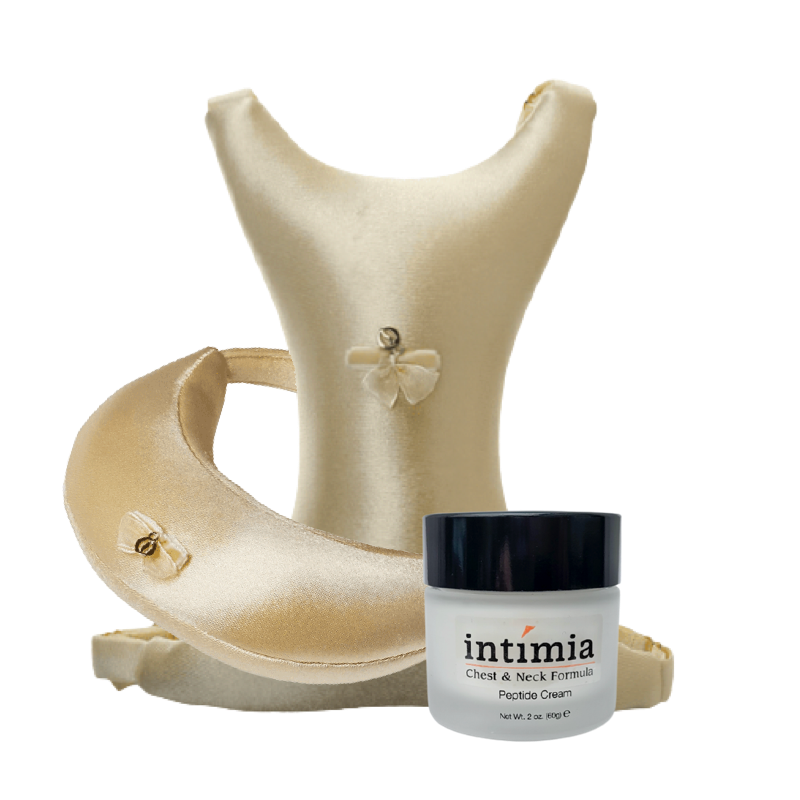
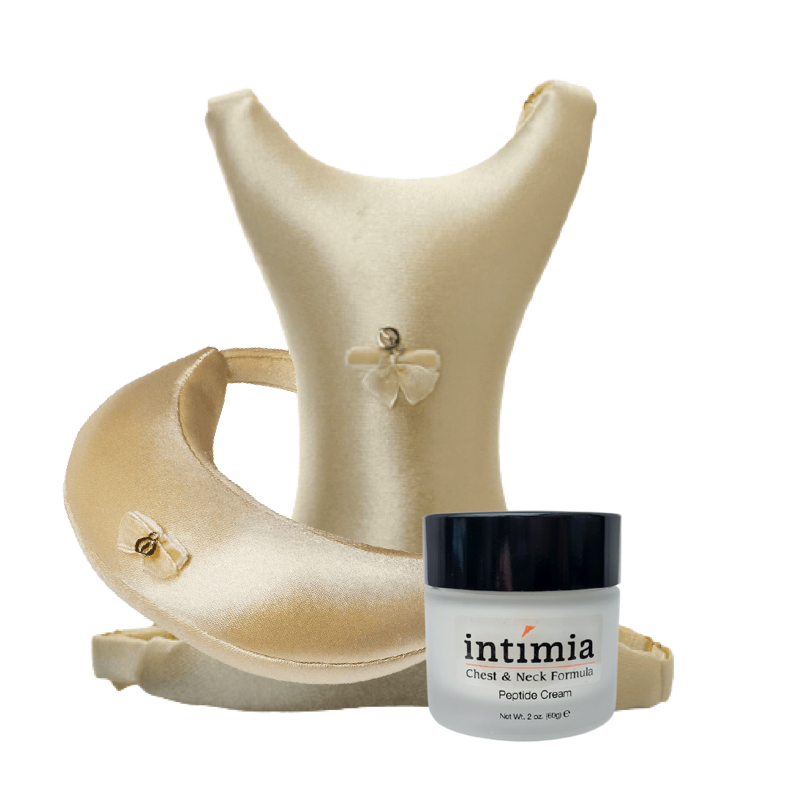
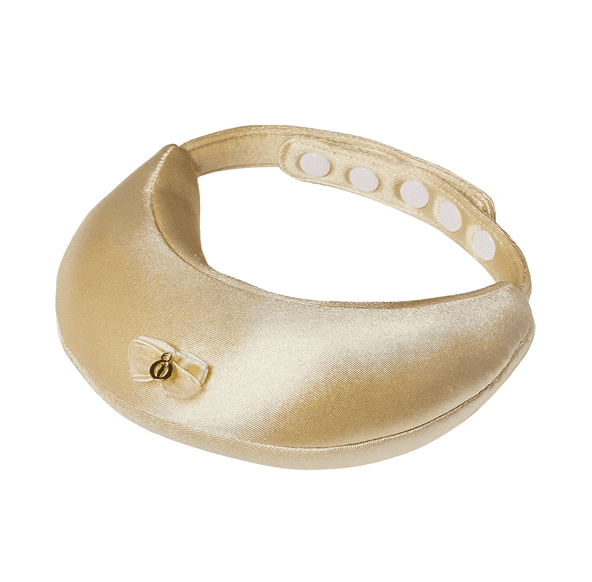
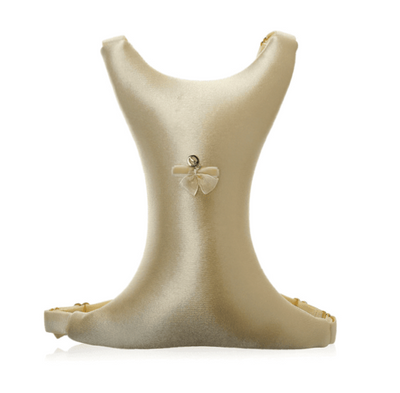
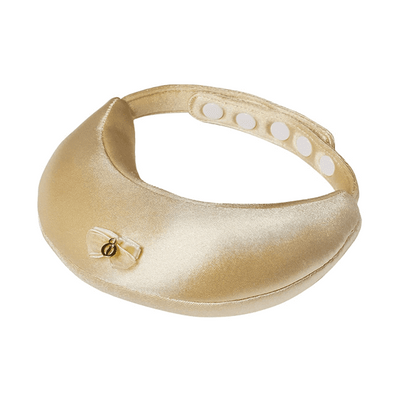
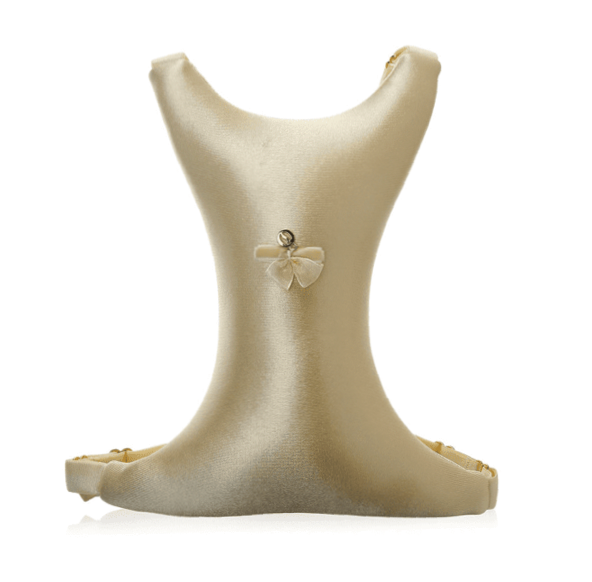
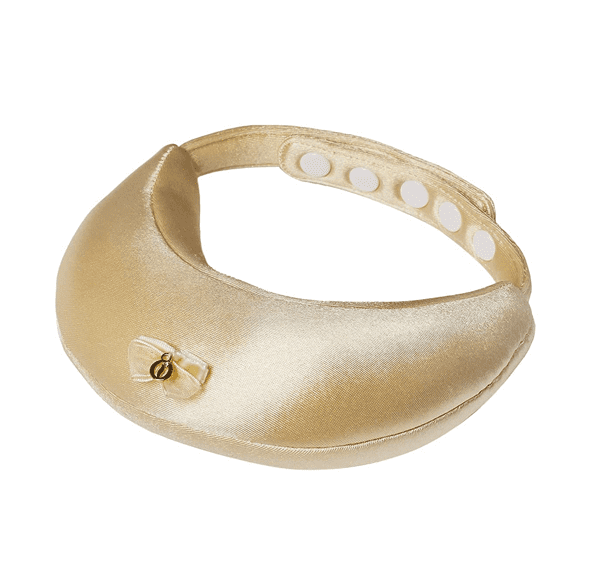
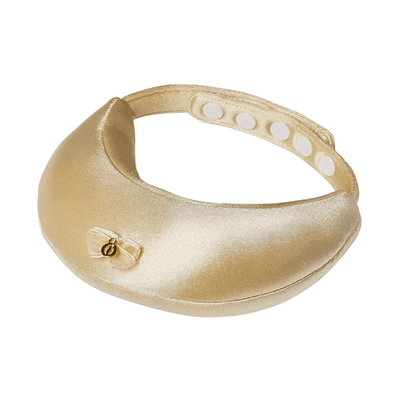
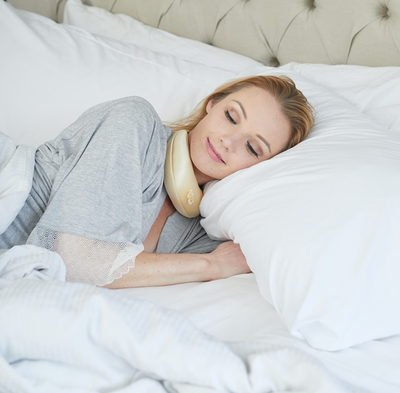
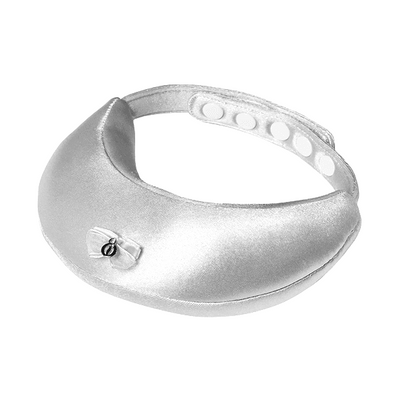
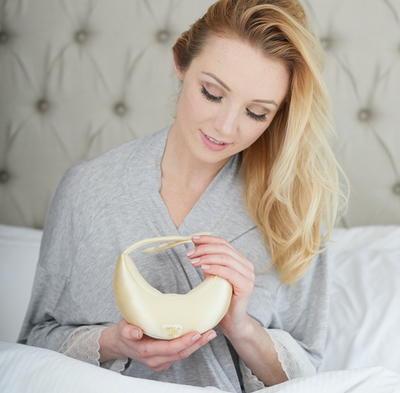
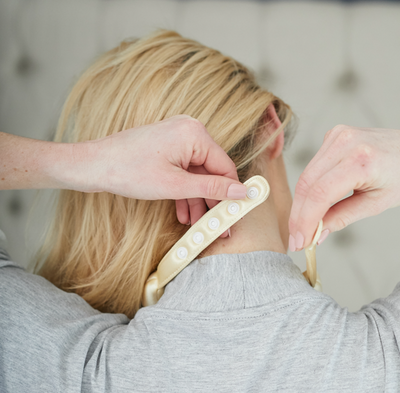
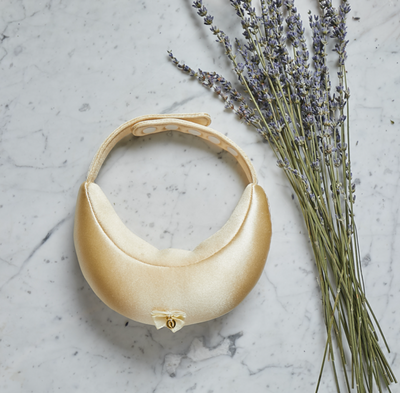
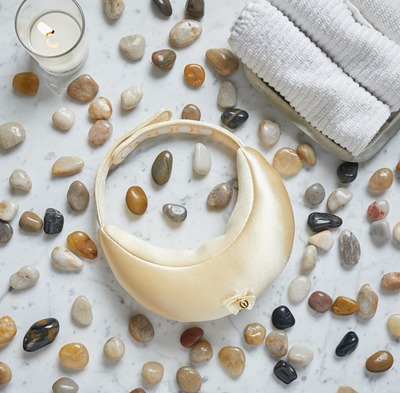
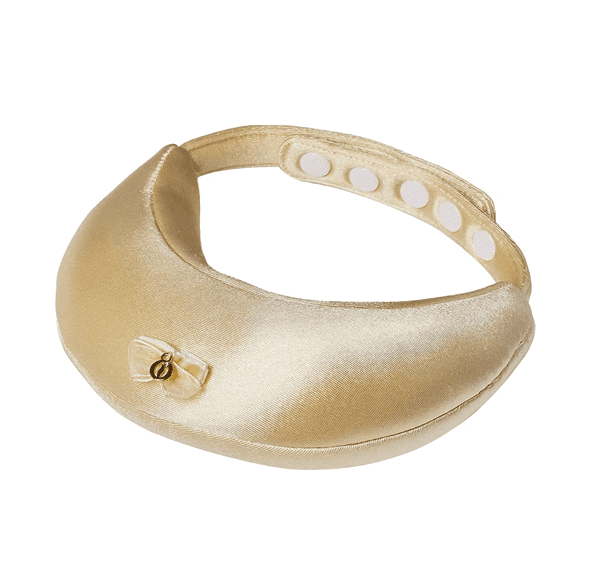
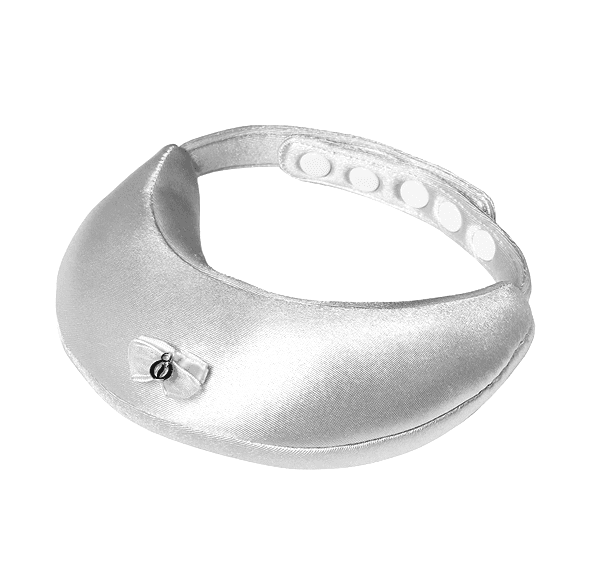
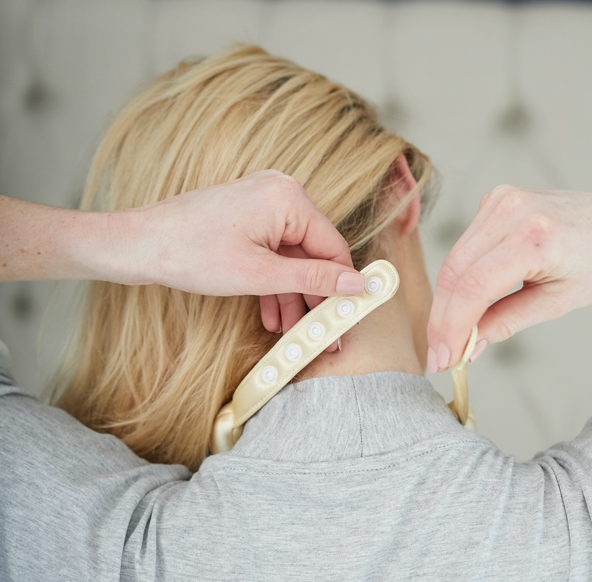
- Chest cushions: These specially designed pillows fit between your breasts, providing soft separation and support that keeps the skin flat and prevents it from folding during side sleeping.
- Sleep bras: A soft, non-compressive sleep bra can help hold breast tissue in place, reducing the gravitational pull that leads to creasing.
For busy women, moms, and professionals, the strategy should be simple and sustainable. Choosing the right pillowcase is an effortless act of self-care that works while you sleep. It is a foundational step that complements your skincare routine and helps you wake up feeling refreshed, with skin that is smoother and more serene.
Additional evidence-based sleep habits to reduce pillow material wrinkles
Your pillowcase is a powerful tool, but it is part of a larger ecosystem of sleep habits that protect your skin. To truly minimize pillow material wrinkles, integrate your fabric choice with these evidence-based strategies for skin-friendly sleep.
Optimize your sleep position
The most effective way to prevent sleep wrinkles on both your face and chest is to avoid mechanical pressure altogether.
- Try back sleeping: Many sleep specialists explain that sleeping on your back is the best position for skin health, and if you read about optimal sleep posture you will notice how often back sleeping shows up as the least wrinkling choice.
- For committed side sleepers: If you cannot switch to back sleeping, try to alternate which side you sleep on each night. This can help prevent deeper wrinkles from forming on one side of your face. Using a body pillow to support your torso can also reduce the degree of rotation and chest compression.
Support nighttime skincare
A resilient, well-hydrated skin barrier is better equipped to resist mechanical stress.
- A gentle routine: Every night, cleanse your face and décolleté to remove impurities. Follow with hydrating serums and a good moisturizer to support your skin’s natural repair processes. Ingredients like hyaluronic acid help plump the skin, while ceramides strengthen its barrier.
- Proven ingredients: While your pillowcase helps with external factors, ingredients like retinoids and antioxidants address internal aging and sun damage. If you look at any overview of evidence-based skincare habits you will see that barrier support and sun protection sit right at the top.
Keep pillowcases clean
A clean sleep surface is non-negotiable for good pillow fabric skin health.
- Wash weekly: Many dermatology guidelines advise washing your pillowcases at least once a week, or more if you are prone to acne or sweating, and if you have ever read about how easily irritated skin flares you know how much a dirty fabric can sabotage clear skin.
Avoid behaviors that worsen wrinkles
Your daily lifestyle choices have a profound impact on how your skin ages.
- Protect from the sun: Sun damage is the number one cause of premature aging, breaking down collagen and making skin more susceptible to all types of wrinkles, including sleep lines.
- Healthy habits: Factors like smoking, a high-sugar diet, and chronic stress can all accelerate the aging process and undermine your efforts to maintain smooth, healthy skin.
A note on novel pillow technologies
You may have seen pillowcases infused with materials like copper oxide. Some research, including a 2012 study, suggests these may offer a modest benefit in reducing fine lines. While this technology is intriguing, the evidence is still limited. It is best to view these as a potential add-on rather than a replacement for the core strategies of reducing pressure, minimizing friction, and practicing a consistent skincare routine.
If your décolletage looks flawless by morning, check if you actually slept on your side or just spent the night scrolling in bed.
Summary – which pillow material is best to prevent wrinkles?
After exploring the science of skin, sleep, and textiles, we can return to our central question, how much does your pillow material truly matter? The answer is that it is a meaningful piece of a larger puzzle. It is an act of gentle, nightly care that supports all your other efforts.
Let's recap the essential truths about pillow material wrinkles.
The core mechanism
Pillow material wrinkles are formed by the physical forces of compression, folding, and friction that occur when your skin is pressed against your bedding for hours. They are most common in side and stomach sleepers. Your overall pillow fabric skin health is influenced by a fabric’s smoothness, breathability, and cleanliness.
Silk vs. cotton pillowcase wrinkles
In the silk vs cotton pillowcase wrinkles debate, silk holds a distinct advantage based on its physical properties. Its smooth, low-friction surface allows skin to glide, reducing mechanical tugging. It is also less absorbent, helping your skin and skincare products retain moisture. While robust clinical proof is limited, if you look at broader discussions on home strategies for wrinkles you will see fabric choice quietly sitting alongside the bigger levers like sun protection and active ingredients.
Satin pillowcase anti aging potential
The promise of satin pillowcase anti aging comes from its smooth weave, which mimics the low-friction benefits of silk. It is an excellent budget-friendly alternative to reduce skin drag. However, be mindful that most satin is polyester, which can be less breathable than natural silk and may trap heat for some individuals.
The best pillowcase for chest wrinkles
For a woman over 35 who sleeps on her side, the best pillowcase for chest wrinkles is one that is:
- Low-friction: Silk or a high-quality silk or polyester satin is the ideal choice to prevent skin from catching and folding.
- Breathable: A fabric that wicks away moisture and stays cool will prevent irritation and support healthier skin on the décolleté.
- Clean and well-fitted: A pillowcase that fits snugly and is washed weekly provides a smooth, hygienic surface.
The most effective strategy combines the right pillowcase with other supportive measures, like a chest cushion or sleep bra, a consistent skincare routine, and diligent sun protection. Your pillowcase is not a miracle worker, but it is a smart, passive, and powerful tool. Choosing a smooth, gentle fabric is an investment in your skin's resilience, a simple act of self-care that honors your body's need for rest and renewal, night after beautiful night.
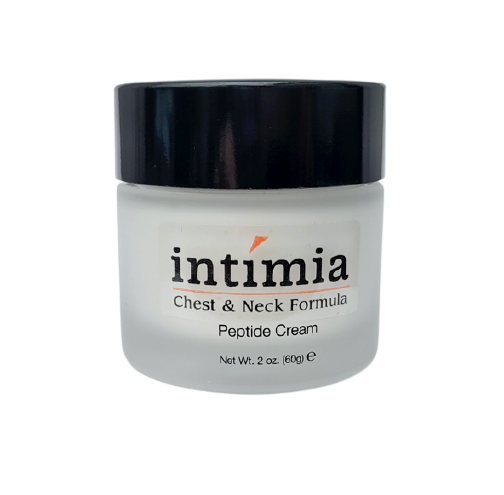
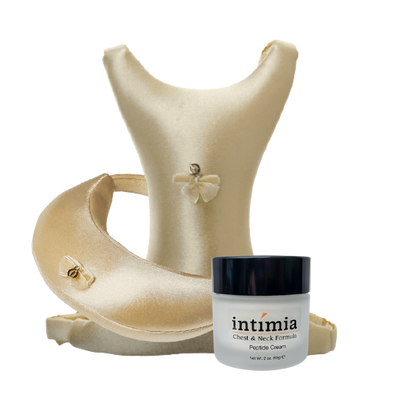
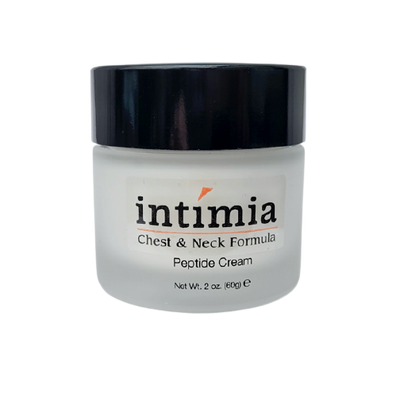
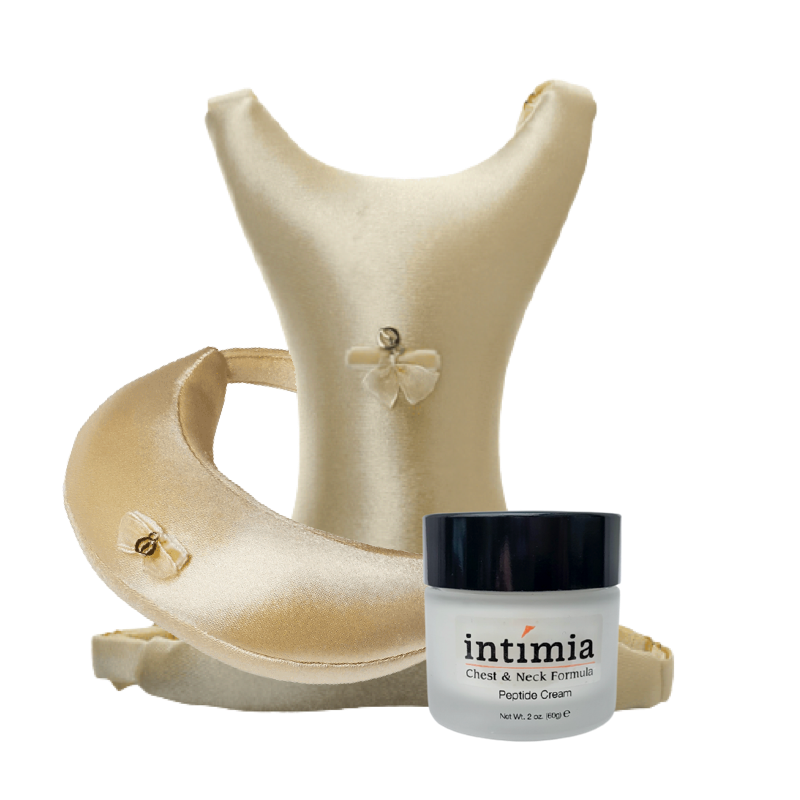
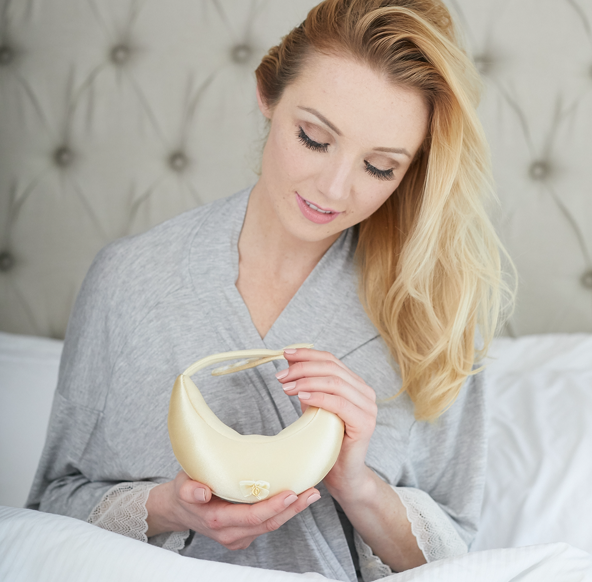
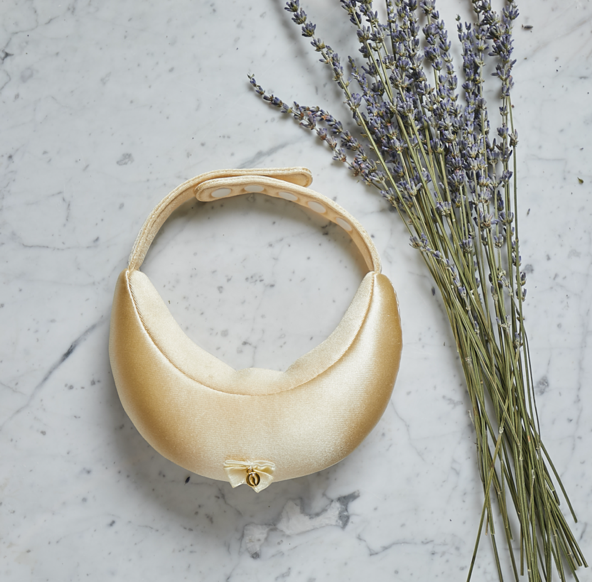
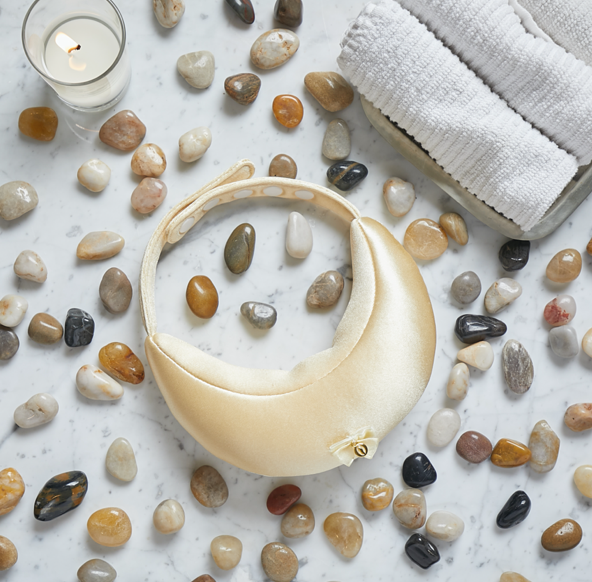
And if you ever doubt that small things matter, look at the difference one quiet change made in my own mornings, from tracing lines on my chest with a sigh to adjusting my pillow and smiling instead, grateful for a little invention called the Intimia® Breast Pillow.
I hope, next time you wake up and touch your chest in the half-light, you feel fabric, softness, and calm, not the sharp surprise of new lines you never agreed to.
Ready to wake up with smoother skin — start here.