In this article you will learn:
- Understanding Collagen and Why Chest Skin Ages Faster
- How Oral Collagen Décolleté Supplements Work in the Body
- Collagen Peptides and Wrinkles – What Clinical Studies Show
- Collagen Supplement Skin Elasticity – What It Means for the Chest Area
- Types of Collagen Supplements for Chest Skin
- Using Collagen Supplements for Chest Skin Safely and Effectively
- Maximizing Results – Pairing Collagen Supplements with Smart Chest Skincare
- Choosing a Science-Backed Collagen Supplement for Chest and Décolleté
- Conclusion: Are Collagen Supplements Worth It for Chest and Décolleté Skin?
The story of your skin is written in sunlight and sleep, in laughter and time. For many women, the delicate skin on the chest is where this story first shows its age. If you’ve started to notice fine lines, sleep wrinkles, or a change in texture on your décolleté, you are not alone. It’s a natural part of living a full life. As a new path in self-care, collagen supplements for chest skin have emerged as a gentle, non-invasive way women over 35 are choosing to nourish their skin from within.
But can a simple drink or capsule truly smooth the skin you live in? This guide will walk you through the real science behind oral collagen décolleté products. We’ll look deep into how the body uses ingestible collagen for chest health, what studies say about collagen peptides for wrinkles, and how they might improve collagen supplement skin elasticity.
When I started reading the research, I kept a notebook next to my coffee. Page after page, it became clear to me that honest beauty begins with honest expectations. This journey is not about finding a miracle cure, but about understanding a supportive tool. The best results bloom when these supplements are part of a larger ritual of care, one that includes protecting your skin from the sun and embracing healthy lifestyle choices. Let’s explore the science of a smoother décolleté, together.
Section 1: understanding collagen and why chest skin ages faster
To care for your skin, you must first understand it. The chest, or décolleté, has a unique structure that makes it one of the first places to show the passage of time. It’s a canvas of delicate skin that deserves special attention.
What is collagen and its role in chest and décolleté skin?
Think of collagen as the body’s gentle scaffolding. It is the most abundant protein in your body, a strong, fibrous substance that holds everything together. It gives your skin its structure, your ligaments their resilience, and your bones their strength.
In your skin, two types of collagen are the heroes of the story: Type I and Type III. These are the threads that weave the foundation of your skin, providing the firmness and elasticity that create a smooth, plump surface. This scaffolding is what keeps your chest and décolleté looking lifted and youthful. When this collagen network is strong, your skin can resist gravity and bounce back from movement. This is the essence of strong, healthy collagen supplement skin elasticity.
If you ever want to go deeper into the biology, you can look up a simple slideshow on how collagen behaves in the body through a mainstream medical site, or read a clear explanation of what hydrolyzed collagen actually is in a trusted health article that breaks down the processing and absorption, step by step.
Why the décolleté is especially prone to wrinkles and crepiness
The skin on your chest is not the same as the skin on your back or your arms. It is thinner, more delicate, and more exposed, making it uniquely vulnerable to aging.
Several factors work together to age the décolleté:
- Thin skin structure: The dermis, the middle layer of skin where collagen lives, is naturally thinner on the chest. This means there’s less structural support to begin with.
- Fewer oil glands: The chest has fewer sebaceous (oil) glands than the face. This makes the skin drier, more fragile, and less able to protect itself from the environment.
- Sun exposure: Your décolleté is often exposed to the sun’s powerful UV rays when you wear V-necks, swimsuits, or scoop-neck tops. This sun damage directly breaks down collagen and elastin fibers, leading to a loss of skin elasticity and the formation of wrinkles.
- Mechanical stress: The simple act of sleeping on your side can cause the skin on your chest to fold and crease for hours at a time. Over years, these temporary sleep lines can become permanent vertical wrinkles.
- Hormonal changes: As women age, particularly during perimenopause and menopause, declining estrogen levels have a direct impact on the skin. Lower estrogen leads to a significant drop in collagen production, causing skin to become thinner, drier, and less firm.
This combination of factors means the collagen in your décolleté breaks down faster than it can be rebuilt. Supporting your body’s collagen production from the inside becomes a vital part of caring for this beautiful, delicate area. When I dug into a long clinical paper on managing skin aging, I remember pausing on a line about ingestibles playing a real role alongside cosmeceuticals, and thinking: this is where inside and outside finally meet.
Section 2: how oral collagen décolleté supplements work in the body
Taking a collagen supplement feels simple, a scoop in your morning coffee, a capsule with your vitamins. But the journey those molecules take inside your body is a complex and fascinating one. Understanding this process helps set clear expectations for what oral collagen décolleté supplements can do.
From ingestible collagen to the skin – digestion, absorption, and bioavailability
When you consume an ingestible collagen chest supplement, you are not directly sending whole collagen fibers to your skin. Instead, you are providing your body with the raw materials it needs.
Most supplements contain “hydrolyzed collagen” or “collagen peptides.” This simply means the large collagen protein has been broken down into much smaller, more easily digestible chains of amino acids. If you read a good breakdown on hydrolyzed collagen from a neutral health publisher, you’ll see diagrams of those long proteins snipped into tidy little fragments.
Here’s what happens next:
- Digestion: In your stomach and small intestine, digestive enzymes break these peptides down even further into individual amino acids and very small peptide fragments.
- Absorption: These tiny building blocks are then absorbed through your intestinal wall and enter your bloodstream.
- Distribution: Your circulatory system carries these amino acids and peptides throughout your body, delivering them wherever they are needed, including your skin, joints, bones, and hair.
A key point of scientific debate is how much of this digested collagen actually reaches the skin and triggers a visible change. Some medical centers explain it very plainly, reminding us that most collagen is absorbed as amino acids and the body decides where to send them. While some studies show that these peptides can be detected in the skin after consumption, it’s not a direct pipeline. Your body uses the amino acids where it sees fit.
Collagen peptides as “signals” for skin repair
The most compelling theory for how collagen supplements for chest skin work is the “signaling hypothesis.” It suggests that these supplements do more than just provide building blocks.
According to this theory, the small collagen peptides that enter your bloodstream act as messengers. When they reach the skin, they are thought to signal to specialized cells called fibroblasts. Fibroblasts are the tiny factories in your dermis responsible for producing new collagen, as well as elastin and hyaluronic acid, all essential components for plump, hydrated, and elastic skin.
Essentially, the presence of these peptides may trick your skin into thinking its own collagen is breaking down, kicking the fibroblasts into a higher gear of repair and production. This mechanism could directly improve collagen supplement skin elasticity, helping the delicate skin of the chest and décolleté to better resist creasing and wrinkles. Systematic reviews of nutricosmetics and collagen peptides describe this same idea in gentler scientific language, but the story is the same, a nudge to your skin’s repair system.
While this biological process is plausible and supported by some lab studies, it’s important to remember that much of the research is still emerging.
Section 3: collagen peptides and wrinkles – what clinical studies show
The idea of smoother skin from a supplement is appealing, but we must look to the science to see what is truly possible. Researchers have been studying collagen peptides for wrinkles for years, and the results provide a hopeful, yet realistic, picture.
Evidence for collagen peptides and facial wrinkle reduction
Most high-quality clinical trials have focused on facial skin, as wrinkles like crow’s feet are easier to measure precisely. The results from these studies are encouraging.
A 2018 randomized, placebo-controlled trial involved 64 women. Those who took just 1 gram of collagen peptides per day for 12 weeks saw a significant reduction in the volume of their eye wrinkles. They also showed improvements in skin hydration and elasticity compared to the group taking a placebo. If you open the full study, the graphs show those small but steady lines, inching in the right direction week after week.
A major review, a meta-analysis published in 2023, looked at 19 different studies with over 1,100 participants. It concluded that taking oral collagen, usually between 2.5 and 10 grams per day, for 60 to 90 days consistently improved skin elasticity, boosted hydration, and reduced the appearance of wrinkles.
In these studies, scientists use special tools to measure changes in wrinkle depth, skin roughness, hydration levels, and elasticity. The data shows that for many people, the improvements are real and measurable. However, it's key to note that these studies were on facial skin.
Can we extrapolate these results to chest and décolleté skin?
This is the crucial question. Since there are very few, if any, large-scale studies that specifically measure the effect of oral collagen on décolleté wrinkles, we must use logic and what we know about skin biology.
We can cautiously connect the findings for a few key reasons:
- The same biology: The skin on your face and chest is made of the same fundamental materials, including Type I and Type III collagen. The aging process, driven by sun damage and collagen loss, is also the same.
- Systemic effect: When you take an oral collagen décolleté supplement, it’s distributed throughout your entire body via the bloodstream. It doesn’t just go to your face, it reaches the skin on your chest, arms, and legs, too.
- Similar goals: The goals for facial and chest skin are the same, improve elasticity, boost hydration, and soften fine lines. If collagen peptides can achieve this on the face, it is reasonable to expect they could have a similar, if perhaps more subtle, effect on the chest.
While we wait for more décolleté-specific research, the existing evidence on facial skin provides a strong foundation for why collagen supplements for chest skin may be a beneficial part of a comprehensive skincare routine. In one of the more detailed meta-analyses I read, tucked between tables and confidence intervals, there was a single quiet sentence about potential whole-body benefits, and that is where I penciled a little star in the margin.
Section 4: collagen supplement skin elasticity – what it means for the chest area
When we talk about youthful skin, we often focus on wrinkles. But elasticity, that supple, bouncy quality, is just as important, especially for the delicate skin of the chest. Understanding collagen supplement skin elasticity helps us see the real-world changes women may notice.
What is skin elasticity and why it matters for the décolleté
Skin elasticity is your skin’s ability to stretch, fold, and snap back to its original shape. Think of a new rubber band versus an old, brittle one. Young, healthy skin is full of strong, flexible collagen and elastin fibers that give it this resilience.
On the chest, a loss of elasticity shows up in several ways:
- A fine, crepey, cross-hatched texture that looks like crumpled tissue paper.
- Vertical lines between the breasts that form from side-sleeping and don’t fade away in the morning.
- Folds and marks from bra straps or clothing that linger on the skin for hours.
Studies show that consistent use of oral collagen décolleté supplements can lead to a measurable increase in skin elasticity. A large meta-analysis on nutraceuticals and skin aging found that women taking collagen for 60 to 90 days saw a significant improvement in elasticity scores. Even a small percentage increase can make a visible difference, translating into skin that looks and feels smoother, firmer, and less prone to creasing.
Visible changes women may notice on the chest with consistent use
So, what can you realistically expect to see in the mirror after taking collagen supplements for chest skin for a few months? The changes are often subtle yet meaningful. They are not dramatic overnight transformations, but a gentle restoration of your skin’s own strength.
Women may notice:
- A firmer feel: The skin on the chest may feel slightly more “springy” or resilient to the touch.
- Softer lines: Fine vertical sleep lines and the crepey texture may appear softer and less defined.
- Improved hydration: The skin might look less dry and more radiant, which helps to minimize the appearance of surface wrinkles.
It’s crucial to set balanced expectations. Ingestible collagen for the chest is unlikely to completely erase deep, long-standing wrinkles from years of sun damage. The best results typically appear after at least 8 to 12 weeks of consistent daily use. This is a journey of nourishment, not a quick fix. As a healthy dose of skepticism, some hospital networks point out that many studies are industry-funded, and well-known clinics openly remind us that more independent research is needed.
Section 5: types of collagen supplements for chest skin
Walking down the supplement aisle can feel overwhelming. Collagen comes in countless forms, from colorful gummies to flavorless powders. Choosing the right type of ingestible collagen for chest health depends on your lifestyle, preferences, and goals.
Comparing ingestible collagen chest formats (powders, capsules, drinks, gummies)
Each format offers a different experience. Let's break down the most common ones:
- Powders: This is the most popular form. Powders are versatile and can be mixed into coffee, tea, smoothies, or even water. They often offer the highest dose of collagen per serving and are typically the most cost-effective. Most clinical trials on collagen peptides for wrinkles have used powdered collagen. If you scan through an article explaining hydrolyzed collagen, you’ll notice powder scoops in almost every photo.
- Capsules or tablets: For those who value convenience, capsules are a simple grab-and-go option. The downside is that you may need to take several large pills to reach the effective dose used in studies.
- Ready-to-drink liquids or shots: These pre-dosed drinks are easy and convenient. They often contain other beneficial ingredients like vitamin C or antioxidants. Be sure to check the sugar content, as some can be high.
- Gummies: While tasty and easy to take, gummies usually contain the lowest amount of collagen per serving and often have added sugars and other fillers. They are generally not the most effective choice for seeing visible skin benefits.
For women over 35 focusing on their décolleté, powders offer the best combination of dosage flexibility, purity, and scientific backing.
Collagen sources and types most relevant to skin and décolleté
Collagen supplements are derived from animal sources. The type and source can be important, especially if you have dietary restrictions.
- Bovine collagen: Sourced from cows, this is rich in Type I and Type III collagen, the two types most vital for skin structure. It is the most common type used in clinical studies on skin aging.
- Marine collagen: Sourced from fish skin and scales, this is primarily Type I collagen. It is known for having smaller peptide particles, which some believe may lead to better absorption. It is a popular choice for beauty-focused supplements.
- Porcine collagen: Sourced from pigs, this is also a good source of Type I and III collagen and is biochemically similar to human collagen.
While brands may promote one source over another, the most important factors for improving collagen supplement skin elasticity are ensuring the product contains hydrolyzed collagen peptides, taking a consistent and effective dose, and choosing a source that aligns with your dietary needs. Systematic reviews on oral collagen often list all three sources side by side, and the pattern is clear, form and dose do more work than marketing adjectives.
Section 6: using collagen supplements for chest skin safely and effectively
To get the most out of your collagen supplement, it’s important to use it correctly and safely. This means understanding the right dose, being patient, and knowing when to be cautious.
Science-based dosages and how long to take them
The amount of collagen you take matters. While there is no single perfect dose, clinical studies give us a clear, effective range.
- The 2018 study that showed a reduction in eye wrinkles used a dose of just 1 gram per day for 12 weeks.
- The large meta-analysis of 19 studies found that doses ranging from 2.5 to 10 grams per day for 60 to 90 days were effective for improving skin hydration, elasticity, and wrinkles.
For women focusing on collagen supplements for chest skin, a practical approach is to choose a product that provides a dose within this studied range. Most importantly, consistency is key.
You should plan to take your supplement every day for at least 8 to 12 weeks before looking for visible changes. Skin cell turnover and collagen production are slow, steady processes. Maintaining the benefits will likely require ongoing use. Find a time that works for you, like in your morning smoothie or evening tea, to make it a seamless part of your daily ritual. On more than one night, I’ve stood in my kitchen with a mug in my hand and thought, this is five quiet minutes I’m giving my future self.
Safety, side effects, and when to be cautious
The good news is that for most people, collagen supplements are considered generally safe. However, it’s always wise to be informed.
Major medical centers have repeated the same refrain for years, the long-term safety and efficacy data are still limited. Some hospital networks clearly say we don’t yet have ironclad evidence that collagen is a miracle anti-aging cure, and that is a sentence worth underlining.
Potential side effects are usually mild and may include:
- Minor digestive upset, such as a feeling of fullness or heartburn.
- An unpleasant aftertaste, particularly with some marine collagen products.
There are certain individuals who should be more cautious with oral collagen décolleté and ingestible collagen chest products:
- People with allergies: If you are allergic to fish, shellfish, or beef, be sure to choose a collagen source you can tolerate.
- Pregnant or breastfeeding women: There is not enough safety data in these populations, so it is best to consult with your doctor before starting any new supplement.
- Those with dietary restrictions: If you follow a kosher, halal, vegetarian, or vegan diet, you will need to find a product that specifically meets those requirements, and note that true vegan collagen is rare and works through different mechanisms.
It is always a good practice to talk with your doctor or a registered dietitian before adding any new supplement to your routine, especially if you have underlying health conditions or take other medications. One well-respected clinic summary on collagen makes exactly this point, in that calm tone doctors use when they’ve seen a lot of trends come and go.
Section 7: maximizing results – pairing collagen supplements with smart chest skincare
A collagen supplement is a powerful ally, but it works best as part of a team. To truly nurture the skin on your décolleté, you must support it from the outside in, as well as the inside out. This holistic approach is where the most beautiful and lasting results are found.
Supporting collagen from the outside in (topicals and lifestyle)
Pairing your internal supplement with smart external care creates a powerful synergy. What you put on your skin and how you live your life can either protect or destroy the collagen you are working so hard to build.
Dermatologists recommend these gold-standard strategies:
- Daily sunscreen: This is non-negotiable. UV radiation is the number one enemy of collagen. Apply a broad-spectrum sunscreen with an SPF of 30 or higher to your chest and neck every single day, rain or shine.
- Topical retinoids: Ingredients like retinol or prescription tretinoin are scientifically proven to stimulate collagen production in the skin. They help to smooth fine lines, improve texture, and fade sunspots.
- Antioxidant serums: A serum containing vitamin C or niacinamide can help protect your existing collagen from damage caused by free radicals and environmental pollution.
- Rich moisturizers: Keeping the skin barrier healthy and hydrated with ingredients like ceramides, glycerin, and hyaluronic acid will instantly soften crepiness and make the skin look plumper.
Your lifestyle also plays a crucial role. Smoking, excessive alcohol consumption, and a diet low in protein and nutrients can all accelerate collagen breakdown and undo the benefits of your supplements. One review on skin aging I keep coming back to places sunscreen, retinoids, antioxidants, and ingestibles on the very same page, a reminder that no single hero ingredient can carry the whole story.
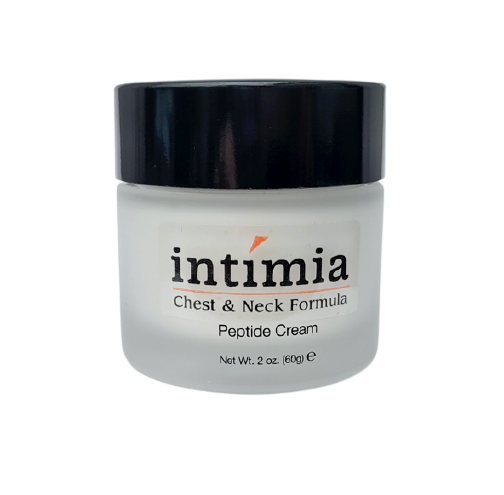
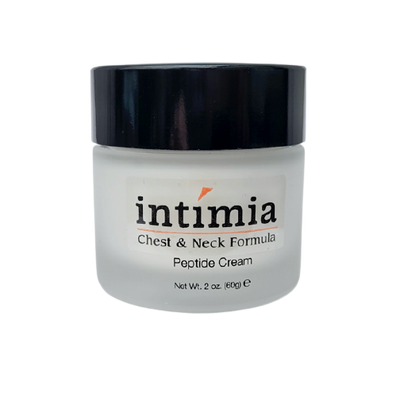
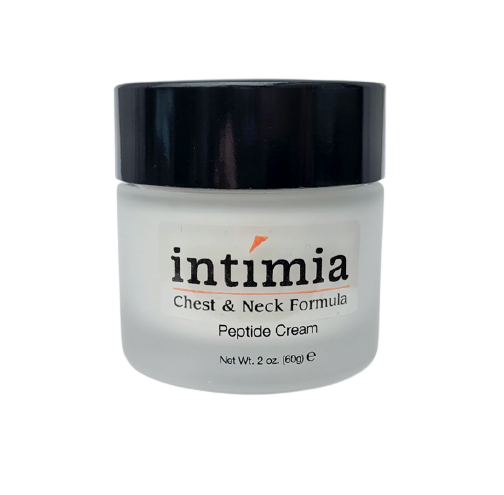
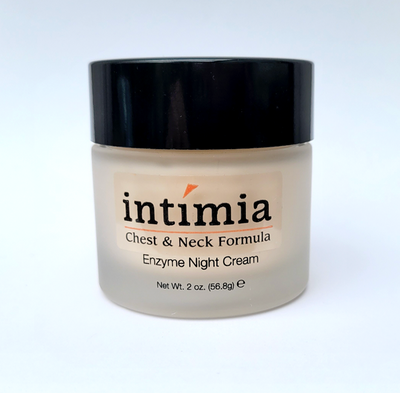
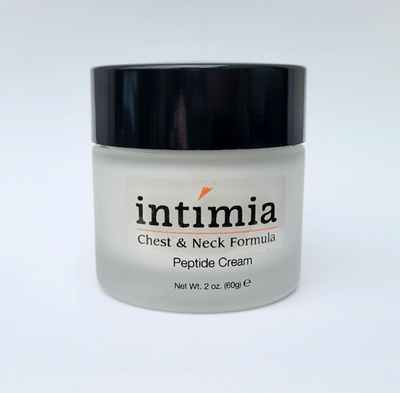
Keep your sunscreen, antioxidant serum, and neck cream next to where you store your morning collagen. When your supplement goes into the glass, your chest routine goes onto the skin, no extra decisions required.
Nighttime habits, sleep position, and chest wrinkle prevention
You can support your skin even while you sleep. For many women, especially those with larger breasts, side sleeping is a major contributor to vertical chest wrinkles. For eight hours a night, the skin is compressed and folded, eventually etching permanent lines into the décolleté. If your décolletage looks flawless by morning, check if you actually slept on your side.
Consider these gentle nighttime strategies:
- Try back-sleeping: If it’s comfortable for you, sleeping on your back is the best way to prevent mechanical creasing on your chest, face, and neck.
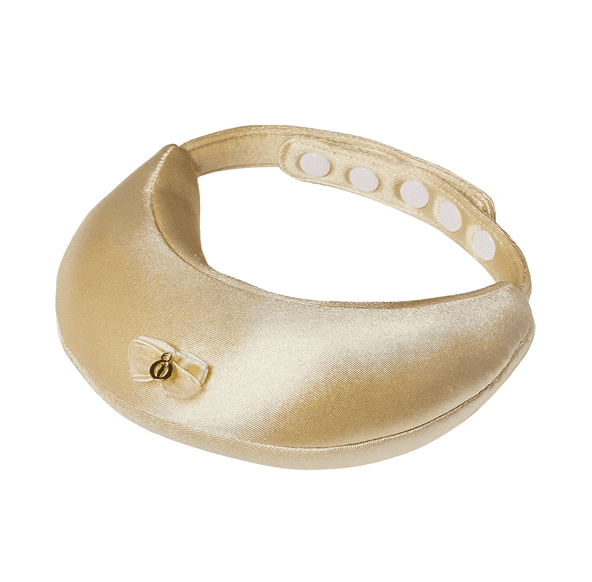
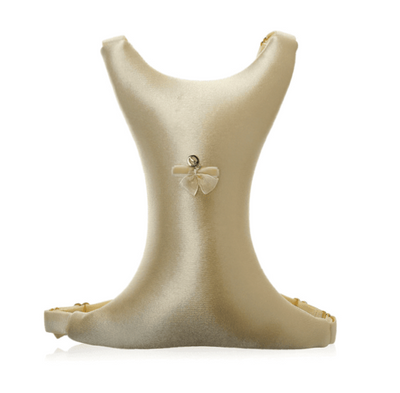
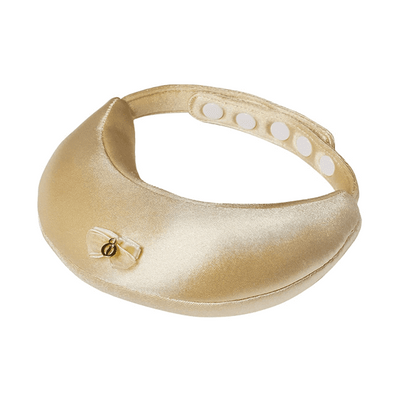
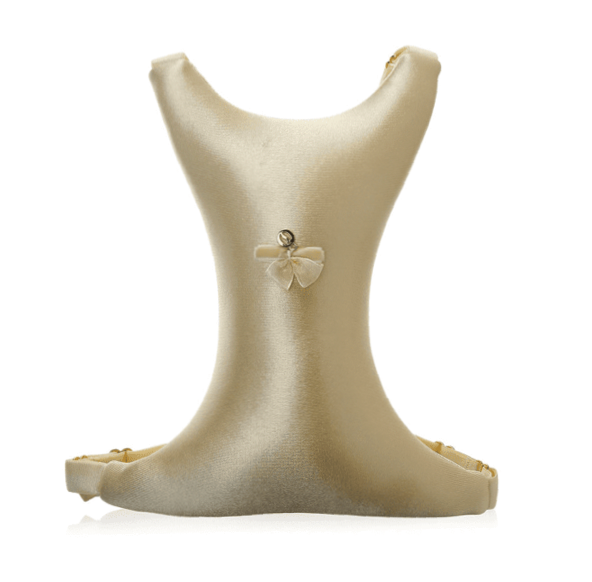
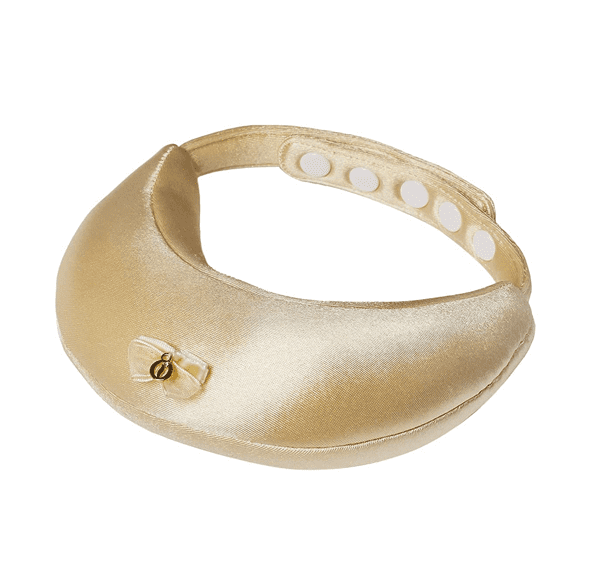
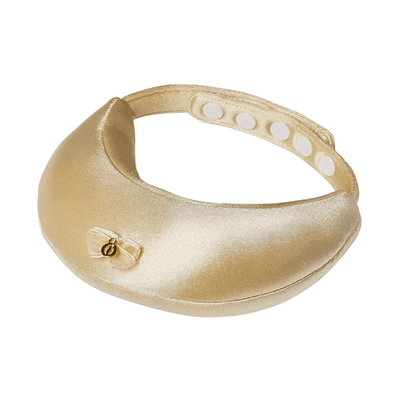
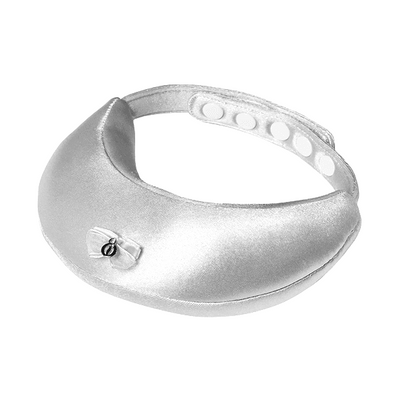
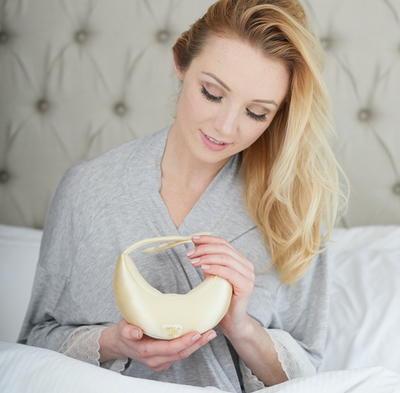
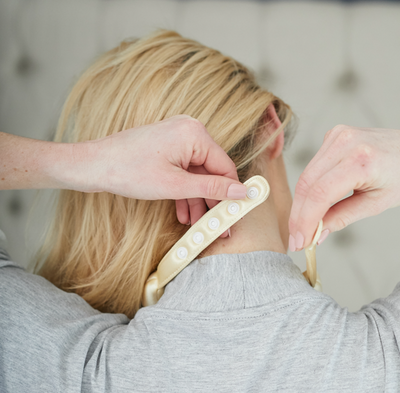
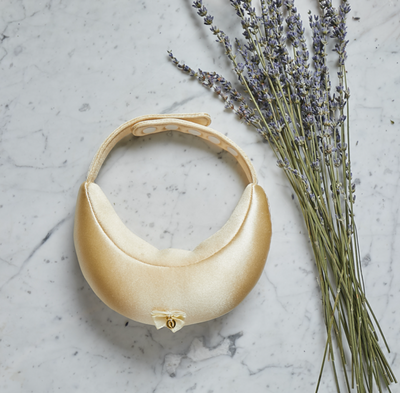
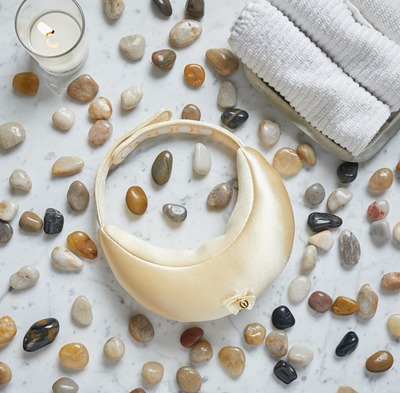
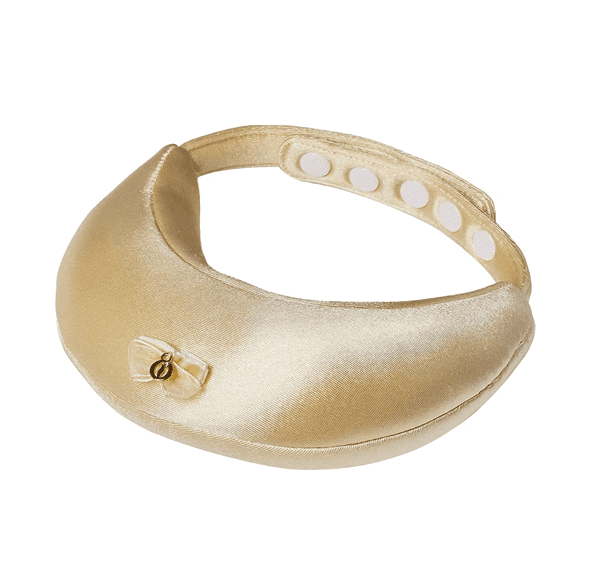
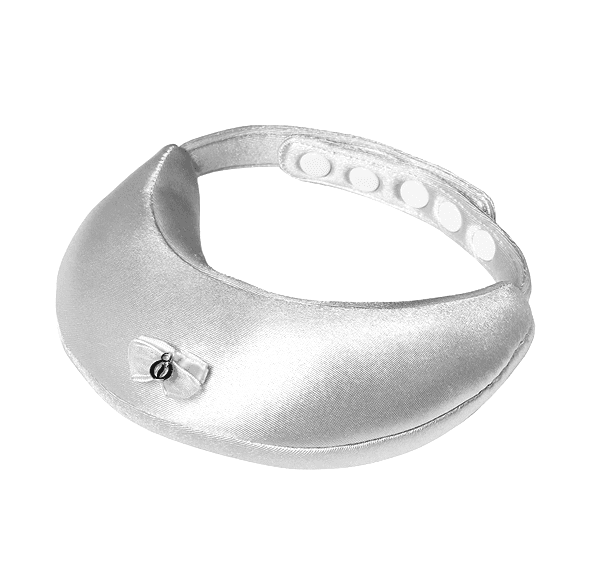
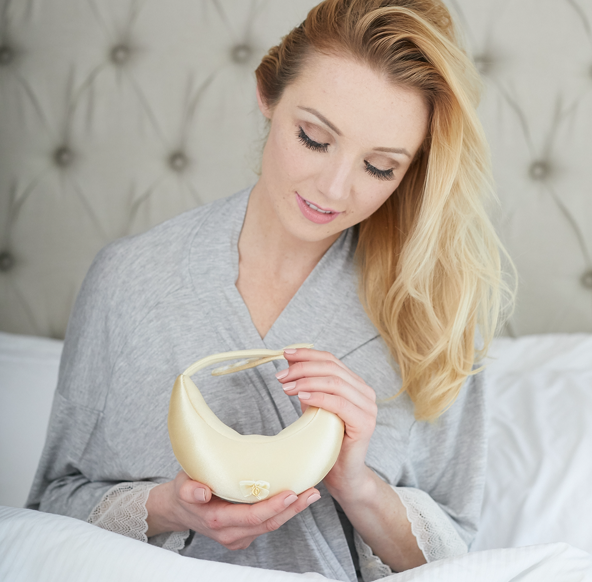
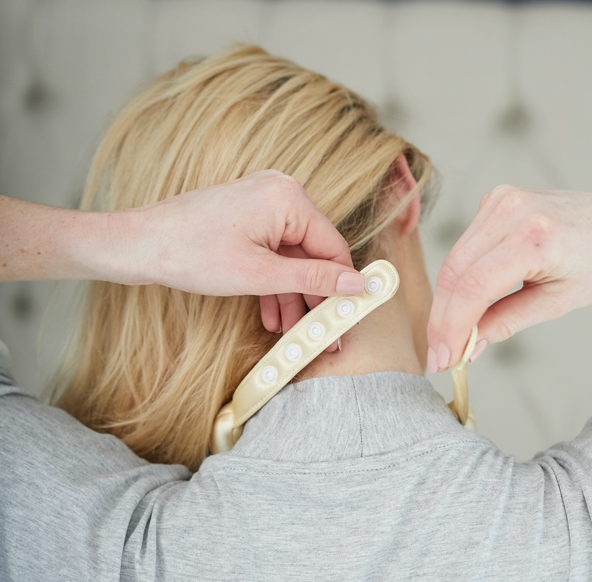
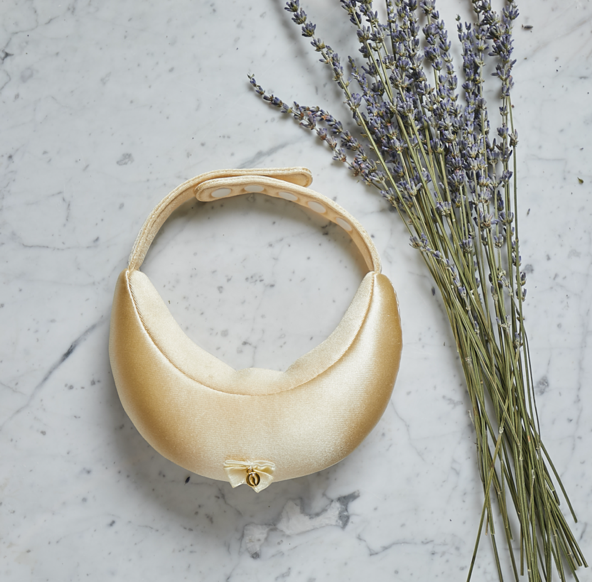
- Use a chest wrinkle prevention pillow: Specialized pillows or pads made of soft silicone are designed to be worn at night. They work by gently separating the breasts and holding the chest skin smooth, preventing it from folding and creasing while you sleep on your side.
Think of these tools as the perfect partner to your ingestible collagen chest supplement. The supplement works from the inside to improve collagen supplement skin elasticity, while the pillow provides external protection from the physical stress of sleep. Together, they create a 24-hour environment of care for your décolleté.

Section 8: choosing a science-backed collagen supplement for chest and décolleté
With so many products on the market, it’s important to read labels with a discerning eye. By focusing on what the science says, you can choose a high-quality supplement that gives you the best chance of seeing real results.
Reading supplement labels with a scientific eye
Look past the flashy marketing claims and focus on the facts panel. Here is a simple checklist to help you evaluate collagen supplements for chest skin:
- Ingredient type: Look for the words “hydrolyzed collagen” or “collagen peptides.” These are the pre-digested forms that have been used in the majority of successful clinical trials.
- Dose per serving: Check that the dose aligns with the ranges proven to be effective in studies. Aim for a product that provides between 2.5 and 10 grams per serving.
- Collagen source: Note whether it is bovine, marine, or another source to ensure it fits your dietary preferences and allergy profile.
- Supportive nutrients: Some products include vitamin C and zinc. These are excellent additions, as your body needs them to synthesize its own collagen.
- Third-party testing: Because the supplement industry is not tightly regulated, look for seals from independent organizations that test for purity and potency.
Be wary of products that promise dramatic or instant results. True skin health is built over time with consistent, science-backed care. One detailed review on nutricosmetics spells this out in careful language, reminding us that collagen can help, but it cannot turn back decades in a bottle.
Setting realistic, science-informed expectations for décolleté results
Empowerment comes from understanding. Knowing what science supports allows you to invest your time and money wisely.
Here is what the current evidence suggests is possible with oral collagen décolleté supplements:
- You may see modest but measurable improvements in skin hydration, elasticity, and the depth of fine lines after 2 to 3 months of consistent daily use.
- These supplements are most effective as one part of a larger anti-aging strategy, not as a stand-alone miracle worker.
It’s equally important to acknowledge the limitations. Well-known medical organizations remind us that more research is needed to definitively prove these benefits, and some hospital reviews point out that many positive trials are sponsored by manufacturers. Reading those caveats in the fine print is not discouraging, it is exactly what keeps your expectations aligned with reality.
Frame collagen supplements for chest skin as a supportive tool in your wellness toolbox. They can help nourish your skin from the inside, but they are not a substitute for the proven benefits of sunscreen, topical retinoids, or professional treatments if you desire more significant rejuvenation.
Conclusion: are collagen supplements worth it for chest and décolleté skin?
The journey to nurture your skin is deeply personal. After exploring the science, the question remains, are collagen supplements for chest skin a worthy addition to your self-care ritual?
The evidence suggests they can be. We’ve seen how ingestible collagen for chest health works by providing your body with the amino acids and peptides it needs for repair. Clinical studies show that collagen peptides for wrinkles can lead to modest but meaningful improvements in skin hydration and collagen supplement skin elasticity.
However, these supplements are not a magic wand. Their power is unlocked when they are combined with the timeless wisdom of good skincare:
- Protecting your skin daily from the sun.
- Nourishing it with proven topical ingredients.
- Living a healthy lifestyle that supports your body’s natural vitality.
- Being mindful of habits, like sleep posture, that affect your skin.
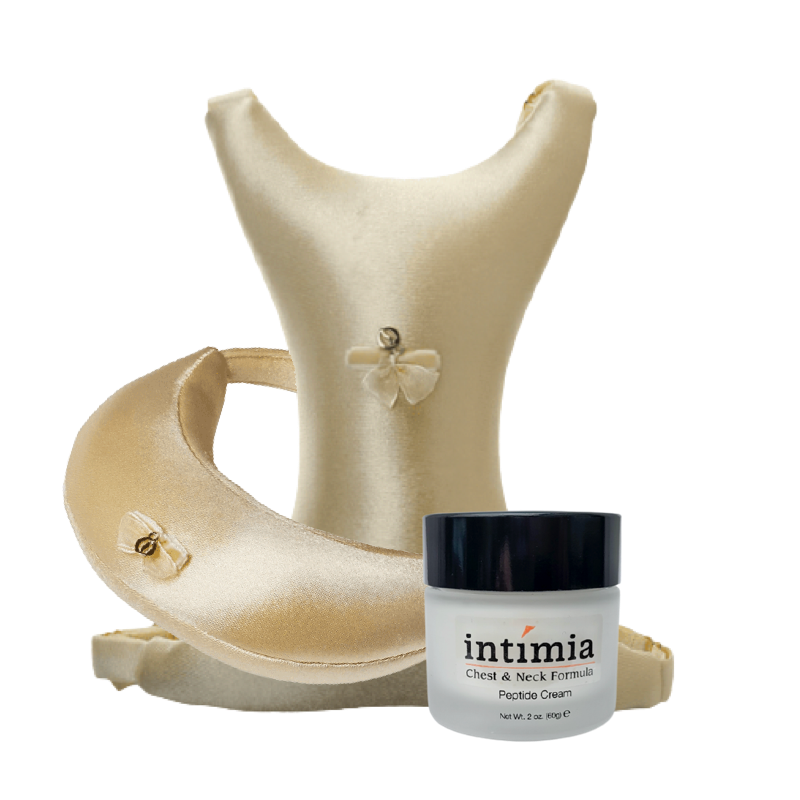
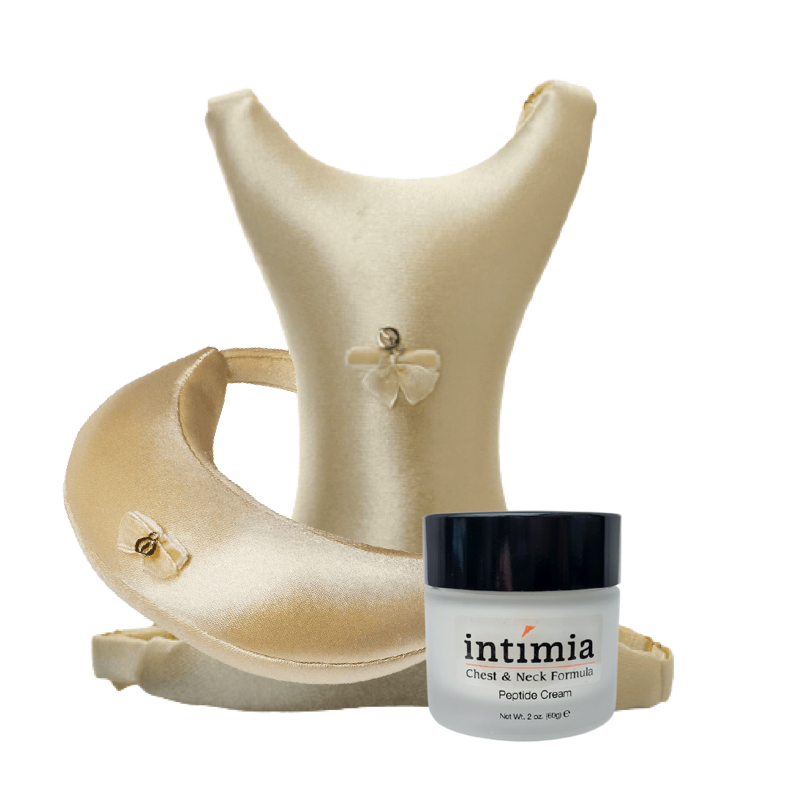
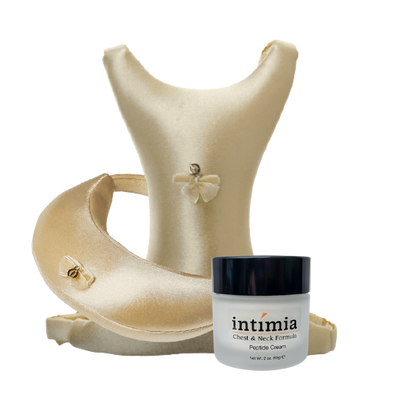
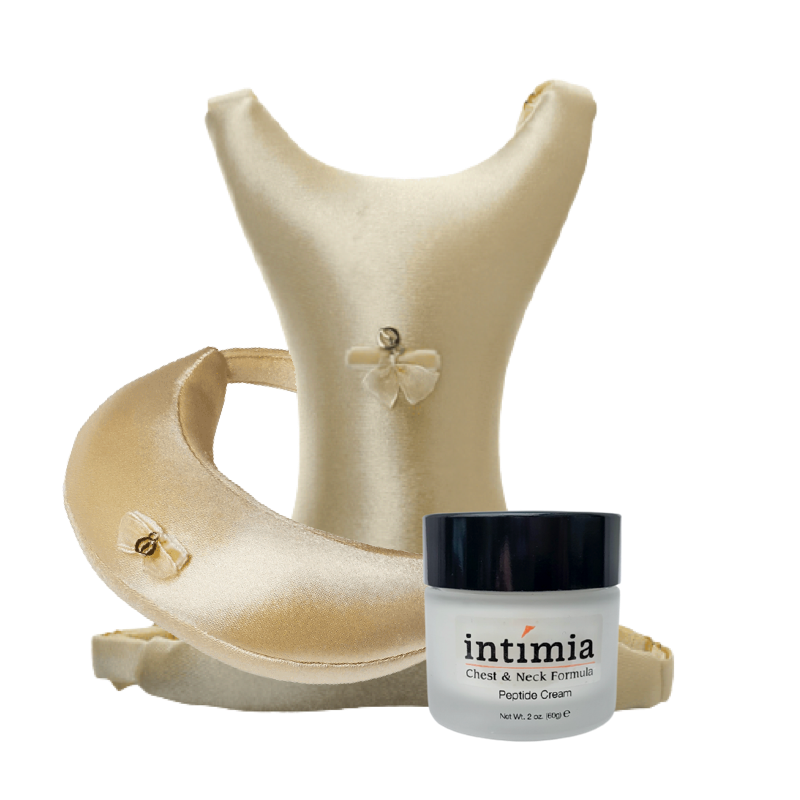
When used with realistic expectations, a high-quality oral collagen décolleté supplement can be a valuable tool for supporting the firmness and smoothness of your skin from within. Think of it as an act of inner nourishment, a quiet, consistent commitment to the health and beauty of the skin you’re in. Always choose reputable products and consult your healthcare provider to ensure it’s the right choice for your unique body. Your décolleté tells a story of a life lived, caring for it is simply the next beautiful chapter, and if you want a little extra help at night, the Intimia® Breast Pillow is there to keep those sleep lines from writing the whole plot.
I hope you give your chest the same patient, everyday kindness you already offer to everyone else.
Ready to wake up with smoother skin — start here.