In this article you will learn:
- The Gut-Skin Axis and Its Importance
- How Gut Imbalance Affects the Skin
- The Vulnerability of the Décolleté
- The Connection Between Gut Health and Aging Skin
- Dietary Patterns and Their Impact on Skin Health
- The Role of Stress and Hormonal Changes in Skin Aging
- Understanding Daily Digestive Issues Related to Skin
- Nutrient Delivery for Skin Health
- The Microbiome's Influence on Skin Aging
- Practical Strategies for Supporting the Gut-Skin Axis
- Future Trends and Evidence-Based Practices
When you wake up, look down at your chest before you reach for your phone; the lines there often tell you more about last night’s sleep, dinner, and stress than any mirror ever will.
The gut skin axis chest wrinkles connection is the quiet conversation your body is having with itself. It’s a deep, internal wisdom that, by 2026, is becoming the new frontier of timeless beauty. We’re beginning to understand that the soft, delicate skin of the décolleté is like a canvas, reflecting the health and harmony of the world within our gut.
For years, we’ve looked outside ourselves for answers to skin aging. We’ve turned to creams, lasers, and clever pillows. But a shift is happening. Women over 35, attuned to their bodies, are now looking inward. They understand that true radiance, the kind that lasts, isn’t just applied—it’s cultivated. This is the heart of the gut health skin aging philosophy.
Your gut and skin are profound communicators. They are both barrier organs, richly supplied with nerves and blood vessels, and they speak to each other through a complex language of immune signals and hormones. Microbes in your gut can even create metabolites that travel through your body, influencing the health and appearance of your skin.
This article is your guide to this emerging science. We’ll explore the powerful gut skin connection 2026 is revealing, untangling the trend from the truth. You’ll discover how nurturing your digestion can be one of the most powerful things you do for your décolleté. We believe in a holistic approach, one where internal balance through diet and microbiome care works hand-in-hand with external protection, like daily SPF and supportive sleep products, to create a canvas of lasting beauty. If you enjoy diving into research, you’ll see this echoed in recent dermatology and gastroenterology reviews on the gut–skin axis as well.
What is the gut–skin axis and why it matters for chest wrinkles
Think of your gut not just as a digestive tube, but as a rich, living ecosystem. This inner world, with its trillions of microbes, its strong intestinal wall, and its vigilant immune system, is in constant dialogue with your skin. This communication network is the gut skin axis. They are twin protectors, both serving as barriers between you and the outside world, and they share a deep, biological bond.
Defining the gut–skin axis in simple terms
The gut-skin axis is the two-way street that connects the health of your gut to the health of your skin. Here’s how they are linked:
- They are both barrier organs: Your gut lining and your skin’s surface are both designed to keep harmful things out while letting good things in.
- They are highly connected: Both are filled with blood vessels and nerves, allowing for rapid communication.
- They host microbiomes: Both your gut and your skin are home to unique communities of bacteria, fungi, and viruses that play a huge role in their health.
- They have immune functions: A large part of your immune system resides in your gut, and it constantly sends signals that affect the immune response in your skin.
This connection means that what happens in your gut doesn’t stay in your gut. Its messages travel throughout your body, and your skin is one of the primary places they show up; scientists keep returning to this in reviews of the gut–skin communication pathways.
How gut imbalance shows up on the skin
When the delicate balance of your gut’s ecosystem is disturbed, it’s called “gut dysbiosis.” This can mean a loss of good bacteria, an overgrowth of harmful ones, or a general lack of microbial diversity. This imbalance can weaken the intestinal wall, a condition sometimes called “leaky gut.”
When the gut barrier is compromised, tiny particles of undigested food, bacteria, and toxins can slip into the bloodstream. Your immune system sees these as invaders and mounts an attack, creating a state of chronic, low-level inflammation throughout your body.
This systemic inflammation is a major enemy of youthful skin. It can:
- Trigger oxidative stress: This damages healthy skin cells and accelerates aging.
- Impair the skin barrier: Your skin becomes less able to hold onto moisture and protect itself from the environment.
- Break down collagen: Inflammation can activate enzymes that destroy the collagen and elastin that keep your skin firm and smooth, leading directly to wrinkles.
If you ever feel like your skin is aging faster than your years, you’re not imagining it; several studies now link these inflammatory changes to visible aging, from facial texture to chest lines, and they trace back to the same gut-driven pathways described in current research on inflammaging and skin.
Why the chest and décolleté are early “warning zones”
Have you ever noticed that the first signs of aging often appear on your hands, neck, and chest? There’s a reason for that. The skin on the décolleté is uniquely vulnerable.
- It’s thin: At only 2-3 millimeters thick, it has less structural support than the skin on your face.
- It’s sun-exposed: We often forget to apply sunscreen as diligently to our chest as we do to our face, leaving it open to UV damage.
- It’s subject to movement: Side-sleeping causes the skin to fold and crease for hours at a time, creating deep-set vertical lines.
- It has a unique microenvironment: The folds between the breasts can trap moisture and sweat, creating an environment that can influence the local skin microbiome and make it more susceptible to irritation.
Because of this perfect storm of factors, the décolleté is often one of the first places to show the effects of internal inflammation. Those fine lines and sleep creases are more than just a result of your sleep position; they can be a reflection of your inner health. This is the gut skin axis chest wrinkles connection in action, a visible signal that it’s time to nurture your body from the inside out, just as recent chest-aging overviews keep emphasizing.
Gut health and skin aging – the science in 2026
The conversation around aging is changing. We’re moving beyond surface-level fixes and embracing a deeper understanding of how our bodies work. The link between gut health skin aging is central to this new perspective, revealing that the foundation of smooth, resilient skin is built from within.
How gut integrity influences collagen and elasticity
Your gut is the gatekeeper of nutrients. A healthy intestinal barrier is essential for absorbing the building blocks your skin needs to thrive, the vitamins, minerals, and amino acids that create strong collagen and elastin.
When the gut barrier is compromised, not only are you absorbing fewer of these critical nutrients, but you’re also triggering a process called “inflammaging.” This is a chronic, low-grade inflammation that silently accelerates the aging process throughout your body. In the skin, inflammaging revs up the production of enzymes called matrix metalloproteinases (MMPs), which act like tiny scissors, snipping away at your precious collagen and elastin fibers. The result is thinner, weaker skin that is more prone to sagging and wrinkling, a pattern echoed in modern inflammaging reviews.
2026 research trends: postbiotics, precision probiotics, diet
The future of skincare is personalized and rooted in microbiome science. Here’s what the gut skin connection 2026 landscape looks like:
- Postbiotics: These are the beneficial compounds produced by probiotic bacteria. A key group is short-chain fatty acids (SCFAs), like butyrate. These incredible molecules can help strengthen the gut barrier, calm inflammation, and support a balanced immune system. Research suggests that by nurturing the gut, postbiotics may have powerful anti-aging effects on the skin.
- Precision probiotics: We are moving beyond generic probiotics. Emerging research is identifying specific strains of bacteria that target particular skin concerns. While the science for skin aging is still developing, the trend is toward personalized probiotic formulas designed to support skin health from the inside.
- Dietary patterns: The most powerful tool you have is on your plate. Science overwhelmingly supports diets that nurture a healthy gut for slower skin aging. This means a diet rich in plant fibers to feed good microbes, colorful polyphenols (from berries, green tea, and olive oil) to fight oxidative stress, and healthy omega-3 fats to calm inflammation. It also means reducing ultra-processed foods and added sugars that fuel dysbiosis and inflammation.
Behind these trends is a steady stream of data mapping how dietary patterns and microbial metabolites influence barrier function and wrinkles, like the large reviews on nutrition, microbiota, and skin aging that many of us in the field now keep bookmarked.
Why women 35+ see changes: hormones, stress, and medications
If you’re over 35, you may have noticed that your skin seems to be changing more rapidly. This isn’t your imagination. Several factors common in midlife can disrupt the delicate gut-skin balance:
- Hormonal shifts: The hormonal fluctuations of perimenopause and menopause can alter the gut microbiome. Declining estrogen also directly impacts skin, reducing its thickness, hydration, and elasticity.
- Chronic stress: Life in your late 30s and 40s can be demanding. Chronic stress elevates the hormone cortisol, which can harm the gut microbiome, increase intestinal permeability, and feed the cycle of inflammaging.
- Medication use: Common medications like antibiotics, acid blockers (PPIs), and anti-inflammatory drugs (NSAIDs) can disrupt the gut microbiome and compromise the integrity of the gut lining, indirectly accelerating the gut health skin aging process.
Imagine a woman in her early 40s, juggling a career and family, sleeping poorly, and relying on convenient, processed foods. She suddenly notices that the skin on her décolleté looks crepey and the vertical lines between her breasts are deeper than ever. This isn’t just about another birthday; it’s a visible sign of how her internal world, her gut, her hormones, her stress levels, is showing up on her skin. Researchers see the same pattern in cohorts where midlife gut changes mirror faster visible aging, as described in recent gut–skin aging studies.
Digestion and décolleté – how your gut shows on your chest
Your body whispers its secrets before it shouts. Those subtle digestive complaints you might dismiss as normal, a little bloating here, some sluggishness there, can be early signals of an imbalance that affects your skin. The connection between your digestion and décolleté is more direct than you might think.
Everyday digestive issues that may reflect on the chest
Think of these common symptoms as red flags for your gut health:
- Bloating and gas
- Constipation or irregular bowel movements
- Acid reflux or heartburn
- New food sensitivities or intolerances
These issues often point to underlying problems like gut dysbiosis, slow gut motility, or a compromised gut barrier. While a bloated belly doesn’t directly cause a chest wrinkle, it signals a state of internal distress and inflammation. This systemic inflammation can absolutely accelerate the aging process in delicate areas like the décolleté, making skin less resilient and more prone to creasing; you’ll see this theme repeated in many gut-symptom overviews that now include skin outcomes.
Nutrient delivery: the “supply chain” for décolleté collagen
For your skin to build and maintain strong collagen, it needs a steady supply of raw materials delivered from your gut. Think of it as a crucial supply chain:
- Digestion: You eat protein, and your digestive system breaks it down into amino acids.
- Absorption: These amino acids, along with vital co-factors like vitamin C and minerals like zinc, are absorbed through a healthy gut wall.
- Transportation: They travel through your bloodstream to your skin cells (fibroblasts).
- Synthesis: Your fibroblasts use these building blocks to weave new, strong collagen and elastin fibers.
If any part of this chain is broken, whether from low stomach acid, insufficient digestive enzymes, or a damaged gut lining, fewer nutrients will reach their final destination. The skin on your chest, which is already thinner and has fewer oil glands than your face, is particularly vulnerable to this nutrient deficit. It may be one of the first places to show signs of dehydration, fine lines, and a loss of that youthful plumpness, a pattern described in both dermatology texts and nutrient-delivery reviews.
Sugar, glycation, and vertical chest lines
There’s a silent process that happens in your body when you consume too much sugar or refined carbohydrates. It’s called glycation. Excess sugar molecules attach themselves to proteins like collagen and elastin, forming harmful compounds called Advanced Glycation End-products (AGEs).
AGEs are bad news for your skin. They make your flexible, youthful collagen fibers stiff, brittle, and weak. This leads to a loss of elasticity, a yellowish skin tone, and deeper, more permanent wrinkles. This process happens all over your body, but it can be especially noticeable on the chest, contributing to those stubborn vertical lines that won’t bounce back. To make matters worse, AGEs also fuel oxidative stress and inflammation, compounding the damage caused by gut dysbiosis; if you ever want to scare yourself straight about sugar, read one of the newer glycation and skin papers over a cup of unsweetened tea.
Why the décolleté is a “stress test” for digestion
Consider the unique nature of your décolleté. Compared to the skin on your face, it has:
- Fewer oil glands, making it naturally drier.
- Less natural pigment (melanin) for sun protection.
- A history of inconsistent sunscreen application.
Because of these vulnerabilities, the skin on your chest is highly dependent on internal support for its hydration, nutrition, and resilience. When your digestion is suboptimal and the nutrient supply chain is weak, the décolleté acts as a "stress test." It can't hide the deficiency. It quickly shows dullness, crepey texture, and those fine, "stringy" vertical wrinkles that are a hallmark of undernourished skin, something that keeps coming up in décolleté-focused studies I’ve followed over the years.
The microbiome and skin wrinkles – beyond the face
For a long time, we thought of wrinkles as a purely external issue caused by sun and time. We now know there’s a hidden player influencing how our skin ages, the trillions of microbes living in our gut. The emerging science on the microbiome skin wrinkles connection reveals that the health of this internal garden has a profound impact on the structure and resilience of our skin, including the delicate décolleté.
How gut microbes shape skin structure and resilience
Your gut microbes are like tiny chemical factories, constantly producing beneficial compounds called metabolites. These substances, like short-chain fatty acids (SCFAs), vitamins, and amino acid derivatives, are absorbed into your bloodstream and travel throughout your body, influencing everything from your mood to your immune system.
Their effect on skin is particularly powerful. These metabolites can:
- Strengthen the skin barrier: Helping your skin lock in moisture and keep irritants out.
- Regulate inflammation: Calming the immune response in the skin to reduce redness and sensitivity.
- Fight oxidative stress: Protecting your skin cells from damage caused by free radicals.
While much of the research has focused on inflammatory skin conditions like acne and eczema, the underlying principle is clear, a balanced gut microbiome creates a systemic environment that supports healthy skin. When this balance is off (dysbiosis), the resulting inflammation and altered immune signals can impair the function of fibroblasts, the cells that build collagen, contributing to the formation of microbiome skin wrinkles over time; several microbiome–skin reviews now spell out these mechanisms in detail.
“Inflammaging” as the wrinkle accelerator
One of the most important concepts in modern anti-aging science is “inflammaging.” It refers to the chronic, low-grade inflammation that increases as we age and is a key driver of the aging process itself. A significant contributor to inflammaging is a changing gut microbiome.
This smoldering, body-wide inflammation is a powerful wrinkle accelerator. It damages the skin by:
- Disrupting the skin barrier: Weakening its physical, chemical, and immune defenses.
- Increasing oxidative stress: Bombarding skin cells with damaging free radicals.
- Activating collagen-destroying enzymes (MMPs): Literally breaking down the skin’s support structure.
This process isn’t limited to the face. The chest and neck are often just as exposed to the sun as the face, meaning they get a "double hit" of aging forces, external damage from UV radiation plus internal damage from gut-driven inflammaging. This is a core component of the gut skin axis chest wrinkles phenomenon, the same pattern highlighted in modern inflammaging and wrinkle research.
Emerging protective strains and metabolites (2026 snapshot)
The future of gut-skin health is exciting and precise. Researchers are identifying specific probiotic strains and microbial products that show promise for skin anti-aging:
- Protective strains: Early studies, often in animals or small human trials, suggest that certain strains of Lactobacillus and Bifidobacterium may help improve skin hydration, boost elasticity, and strengthen the skin barrier by reinforcing the gut lining and reducing systemic inflammation.
- Powerful postbiotics: Short-chain fatty acids (SCFAs), especially butyrate, are emerging as superstars. Produced when your gut microbes ferment fiber, these postbiotics are known to have potent anti-inflammatory effects and can help seal a "leaky" gut. By calming inflammation at its source, SCFAs could play a significant role in slowing down the formation of wrinkles.
While most studies haven't looked specifically at the décolleté, the biological mechanisms are systemic. A gut that is producing these protective compounds is creating a healthier internal environment for all of your skin, from your forehead to your chest; this broader view is exactly what many of the newer microbiome–anti-aging papers are calling for.
The gut skin connection in 2026 – what’s new and what’s hype?
Navigating the world of wellness can feel overwhelming. New trends and products emerge constantly, all promising to be the next fountain of youth. As the gut skin connection 2026 becomes a central topic in beauty, it’s crucial to separate the solid science from the marketing hype. Let's look at what’s real, what’s promising, and what to be skeptical about.
2026 trends: testing, personalization, and synbiotics
The wellness world is moving toward hyper-personalization, and the gut-skin space is no exception. Here are the trends you’ll be seeing more of:
- At-home microbiome testing: Companies now offer kits that analyze a stool sample to give you a snapshot of your gut microbes. The goal is to provide personalized diet and supplement recommendations to improve everything from digestion to skin aging.
- Synbiotics: This is the concept of combining prebiotics (the food for good bacteria) and probiotics (the good bacteria themselves) into a single supplement for a more powerful, synergistic effect. They are often marketed to improve skin glow, firmness, and overall gut health skin aging.
- Advanced research: Behind the scenes, scientists are using powerful tools like high-throughput sequencing to map the intricate connections between specific gut bacteria and skin health, paving the way for even more targeted interventions in the future.
Scroll through the latest conferences and you’ll notice the same buzzwords, but underneath the buzz there is real work happening, slowly clarifying which microbiome changes truly shift wrinkles as seen in broad microbiome–aging surveys.
What’s evidence-based right now
While some trends are still in their infancy, there are foundational truths about the gut-skin axis that are backed by solid evidence. These are the strategies you can trust today:
- Diet is king: The most reliable way to improve your gut microbiome is through food. A diet high in fiber from a diverse range of plants feeds beneficial microbes, while limiting added sugar and ultra-processed foods reduces the fuel for inflammation.
- Postbiotics show promise: The science supporting the benefits of postbiotics like SCFAs for gut barrier function and immune balance is strong. While direct skin anti-aging trials are ongoing, the mechanisms are sound.
- Certain probiotics can help: Specific, well-researched probiotic strains have been shown in human studies to offer modest benefits for skin hydration, barrier function, and calming inflammatory skin conditions.
These principles logically extend to the skin on your chest. By reducing systemic inflammation and improving nutrient absorption, you are creating the internal conditions for a smoother, more resilient décolleté, exactly the approach recommended in large gut–skin position papers right now.
What’s hype or still unproven
It’s important to be a discerning consumer. Here’s where you should exercise caution:
- Miracle wrinkle cures: Be wary of any single probiotic supplement that claims it will "erase" or "reverse" wrinkles in a few weeks. The microbiome skin wrinkles connection is complex, and changes happen gradually. There is no magic pill.
- Overly-precise predictions: While microbiome testing is a fascinating tool, the science isn’t yet at a point where it can reliably predict exactly which supplement will work for your specific skin goals. The recommendations are often based on general principles rather than proven, personalized data.
The best approach is to focus on the foundations, diet, lifestyle, sun protection, and sleep position, before investing heavily in expensive, unverified solutions, a sentiment I see echoed in practically every sober clinical review I read.
How to be a smart consumer in the gut–skin era
As you explore this new frontier, keep these tips in mind:
- Look for human data: Choose brands that back their products with human clinical trials, not just lab studies.
- Check the strains: For probiotics, the specific strain matters (e.g., Lactobacillus rhamnosus GG, not just Lactobacillus). Look for products that list the exact strains used.
- Demand transparency: Good companies are open about their ingredients, sourcing, and research.
- Consult a professional: Always talk to your doctor or a registered dietitian before making significant changes to your diet or supplement routine, especially if you have existing health conditions.
Practical strategies to support the gut–skin axis for fewer chest wrinkles
Understanding the science is empowering. Turning that knowledge into simple, daily habits is transformative. Supporting your gut skin axis chest wrinkles connection doesn’t require a complete life overhaul. It’s about making small, consistent choices that nourish your body from the inside out.
Eat for your microbiome and your décolleté
Your plate is your most powerful tool for influencing your gut health skin aging. Focus on building a diet that calms inflammation and provides the building blocks for beautiful skin.
- Feast on fiber: Aim for 30+ different plant foods per week. Fiber is the preferred food of your beneficial gut microbes, which ferment it into anti-inflammatory SCFAs. Think vegetables, fruits, legumes (beans, lentils), whole grains, nuts, and seeds.
- Color your plate with polyphenols: These vibrant compounds found in plants act as antioxidants and also have prebiotic-like effects. Load up on berries, dark leafy greens, green tea, dark chocolate, and extra virgin olive oil.
- Prioritize omega-3s: These healthy fats are potent inflammation fighters and help build a strong, hydrated skin barrier. Find them in fatty fish (salmon, mackerel, sardines), flaxseeds, chia seeds, and walnuts.
- Include high-quality protein: Provide your skin with the amino acids it needs to build collagen. Choose from lean meats, poultry, fish, eggs, tofu, and legumes.
- Minimize inflammatory foods: Reduce your intake of ultra-processed foods, refined carbohydrates (white bread, pastries), and added sugars. These foods can fuel gut dysbiosis and glycation, accelerating wrinkle formation.
A simple, gut-friendly meal could be a Mediterranean-style bowl with quinoa, chickpeas, grilled chicken or fish, a rainbow of roasted vegetables, and a drizzle of olive oil, the kind of plate that shows up again and again in anti-inflammatory diet studies on skin.
Lifestyle habits that soothe the gut and smooth the chest
Your daily rhythms have a profound impact on your inner ecosystem.
- Manage stress: Chronic stress is toxic to your gut. Find what calms your nervous system. This could be a daily walk in nature, a 10-minute meditation, deep breathing exercises, or gentle yoga. Soothing your mind helps soothe your gut.
- Prioritize sleep: Your body does its most important repair work while you sleep, and that includes your gut lining and your skin. Aim for 7-9 hours of quality sleep in a cool, dark room. A consistent sleep schedule helps regulate your microbiome’s natural rhythms.
- Move your body: Regular, moderate exercise is fantastic for your gut. It can increase microbial diversity and improve circulation, ensuring that vital nutrients are delivered efficiently to your skin cells, including those working on your digestion and décolleté.
None of this has to be extreme; the data on movement, sleep, and stress in gut–skin reviews reads like a gentle reminder, not a boot camp schedule.
Making sense of probiotics, prebiotics, and postbiotics (2026 approach)
This trio can be a helpful addition to a healthy lifestyle, but it’s important to know what they are and how to use them.
- Prebiotics: These are the food for your good gut bacteria. The best way to get them is from food, onions, garlic, leeks, asparagus, bananas, and oats are great sources.
- Probiotics: These are the live, beneficial bacteria. You can find them in fermented foods like yogurt, kefir, kimchi, and sauerkraut. If you choose a supplement, look for one with multiple, well-researched strains.
- Postbiotics: These are the beneficial compounds made by the bacteria. This is an exciting area of research. For now, the best way to boost your own postbiotic production is by eating plenty of prebiotic fiber.
Start with food first; a fiber-rich diet is the most reliable way to support your microbiome, and if you add supplements later, treat them as a quiet helper, not the main act.
When you read through the big microbiome and skin reviews, this “food first, supplements second” pattern shows up again and again.
How internal strategies complement external chest-wrinkle solutions
Think of your body as a team. When your internal team (your gut) is strong and healthy, your external team (your skincare) can do its job so much better. A healthy gut environment creates less systemic inflammation, which means your skin has more resources to repair damage and build collagen.
This internal work amplifies the results you get from:
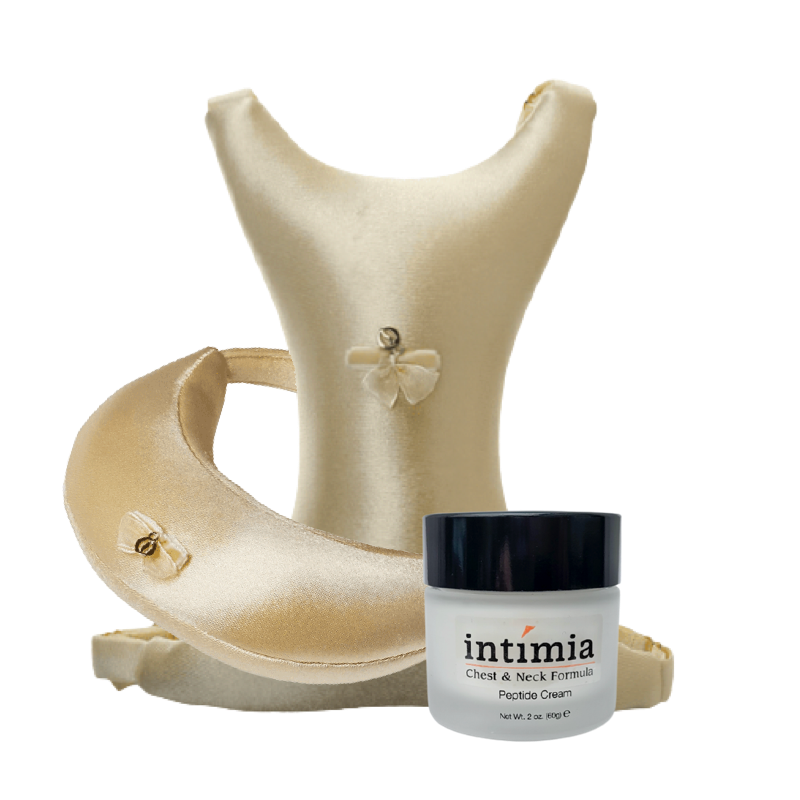
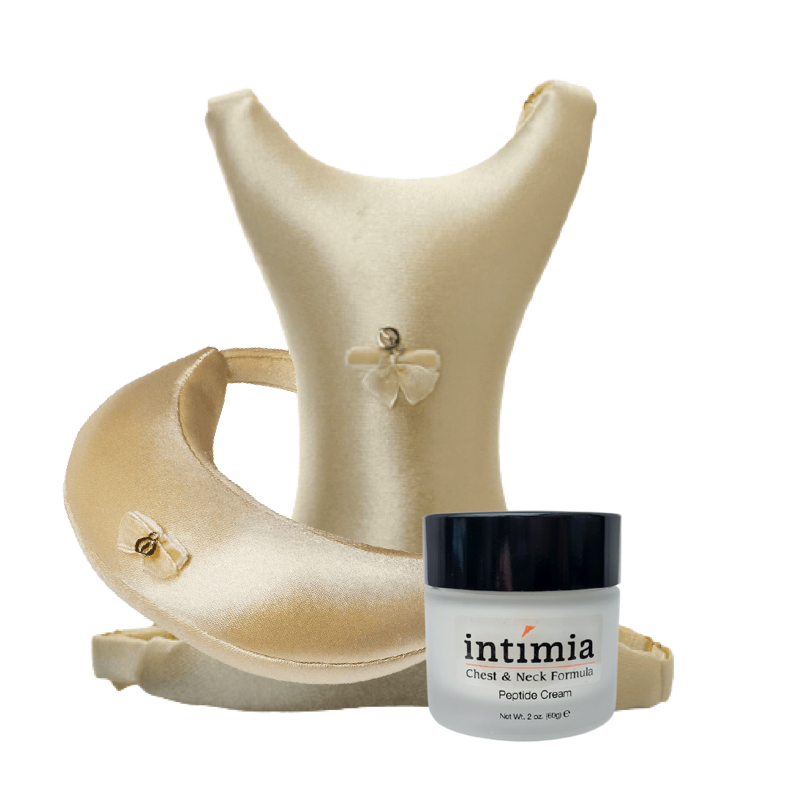
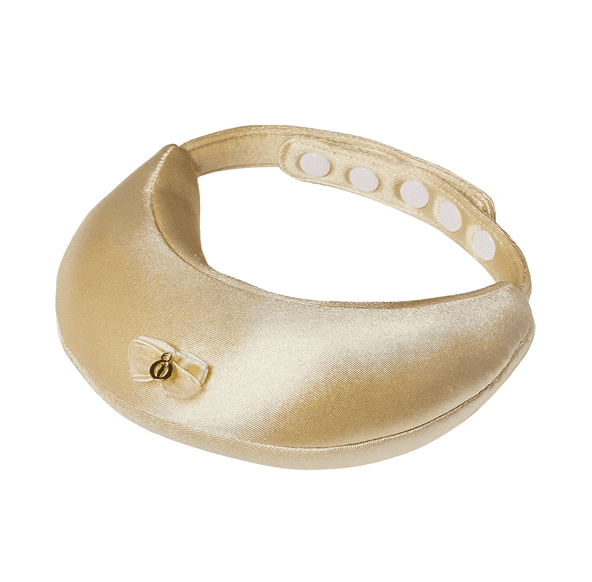
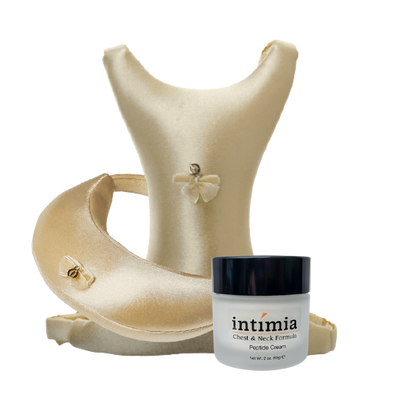
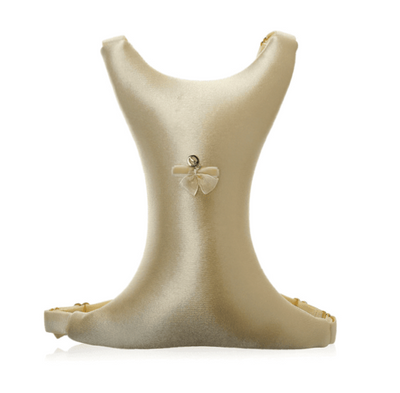
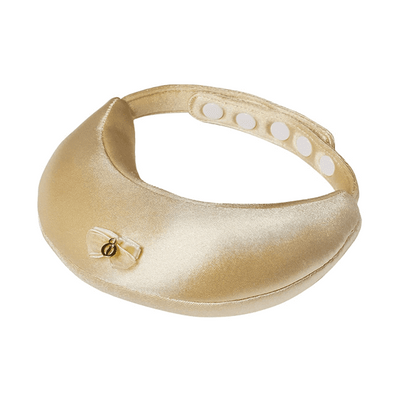
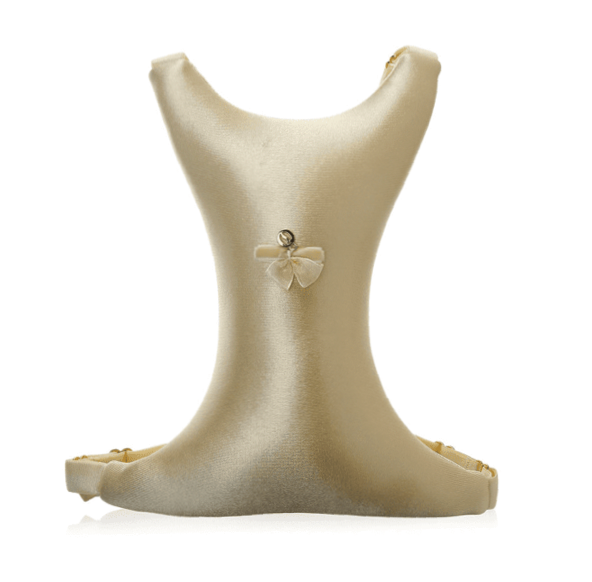
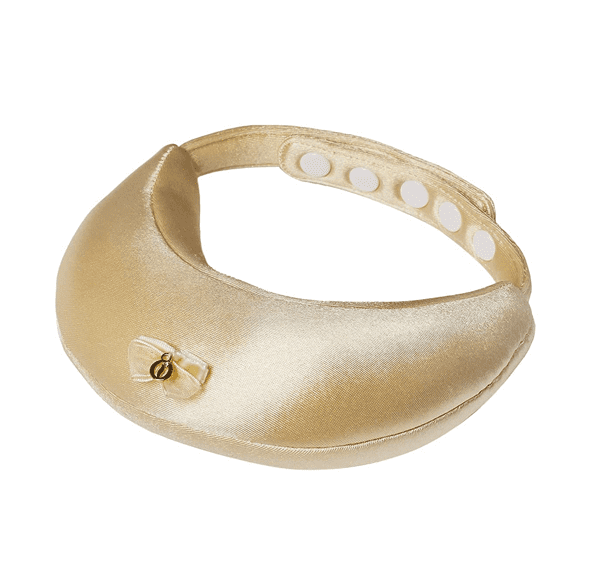
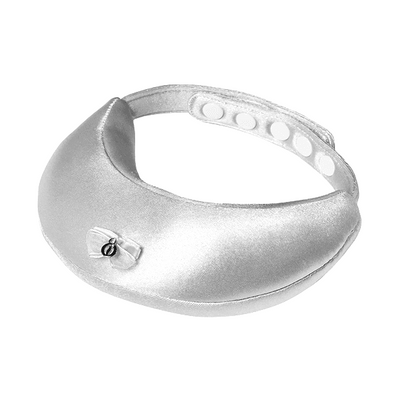
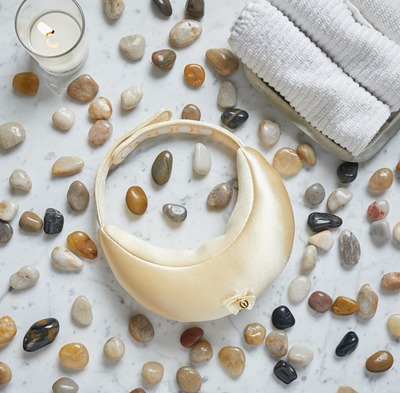
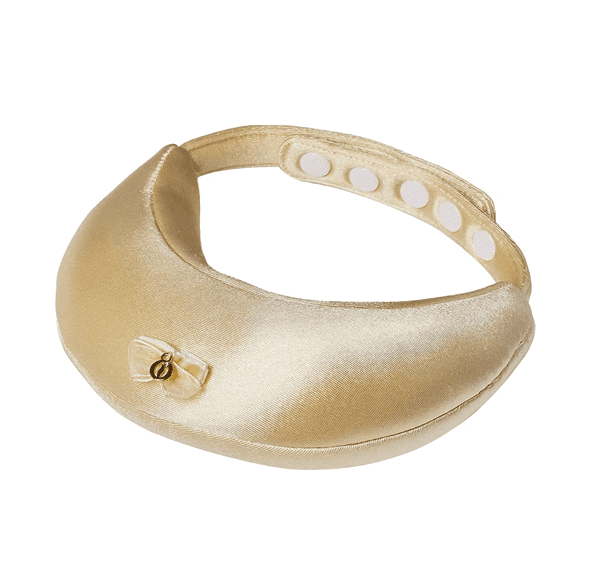
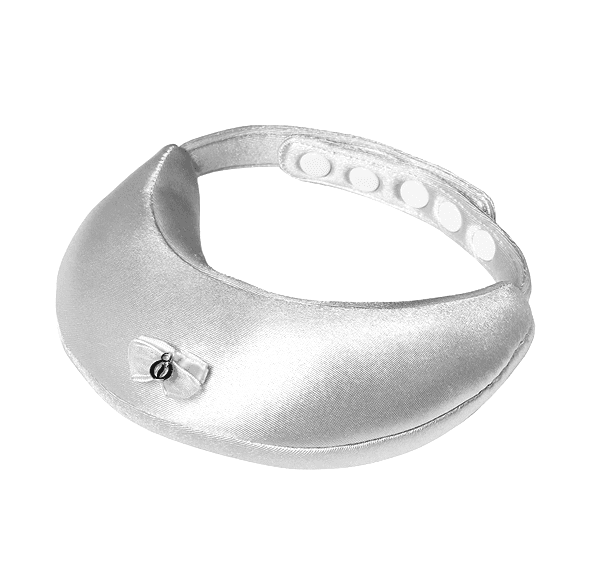
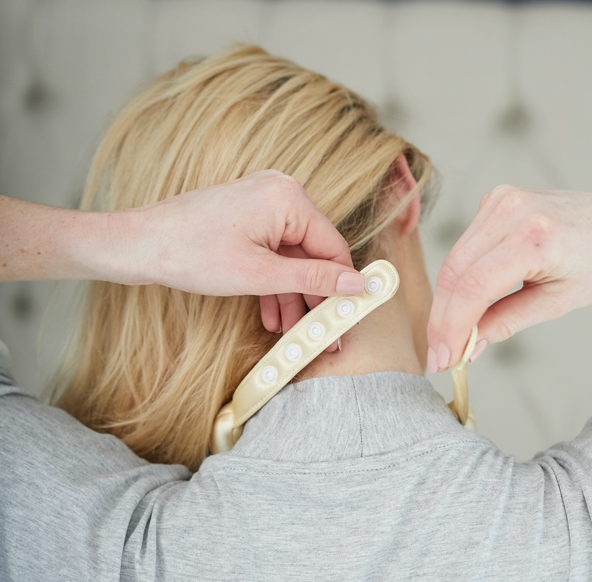
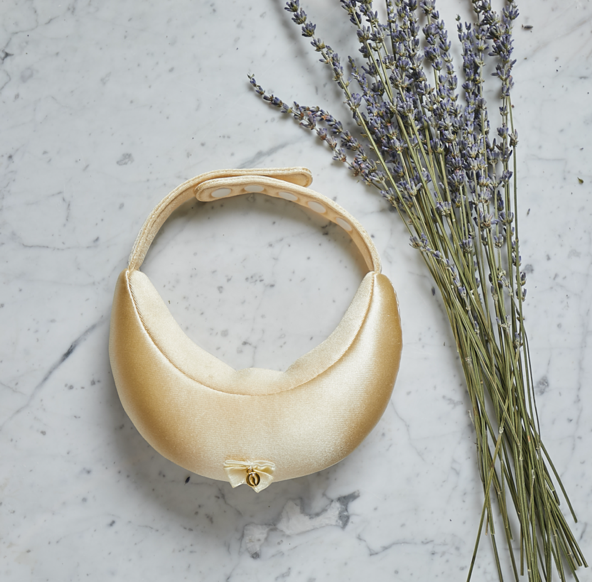
- Anti-wrinkle sleep products: Using a product like the Intimia Pillow to prevent the mechanical creasing of your chest skin at night is even more effective when your skin is resilient and well-nourished from the inside.
- Daily sunscreen: Protecting your chest and neck with a broad-spectrum SPF is non-negotiable. A healthy gut can’t stop UV damage, but it can help your skin better cope with environmental stress.
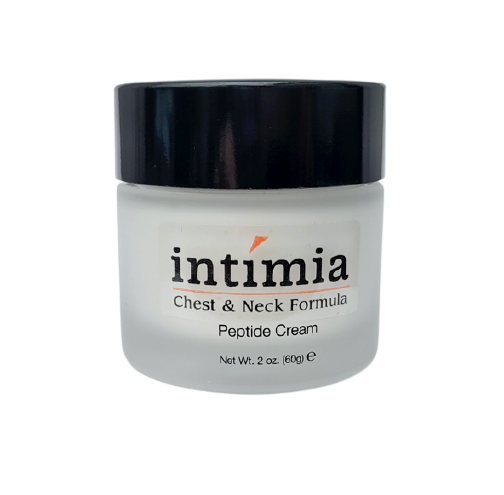
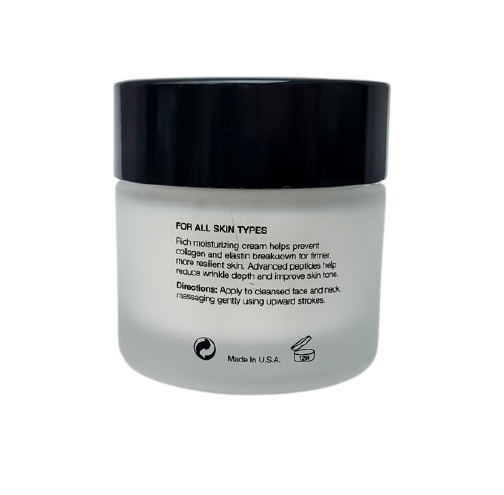
- Targeted skincare: Topical ingredients like antioxidants, retinoids, and peptides will work more effectively on skin that isn’t fighting a constant battle with internal inflammation.

Combining internal gut care with external chest wrinkle prevention
True, lasting beauty is born from a holistic approach. It’s the artful blend of nurturing your body from within while protecting it from without. For the décolleté, this means addressing the gut skin axis chest wrinkles connection while also managing the physical forces that create creases.
Physical factors: sleep, gravity, and sun
While your internal health sets the stage, these external factors play a leading role in the story your décolleté tells.
- Side-sleeping: The most common culprit for vertical chest wrinkles. When you sleep on your side, gravity causes your top breast to fold over the bottom one, compressing the delicate skin in between for hours on end. Over years, this repeated mechanical stress breaks down collagen and etches permanent lines into the skin.
- Sun exposure: The décolleté is one of the most sun-exposed areas of the body, yet it’s often the most neglected when it comes to sunscreen. UV radiation directly degrades collagen and elastin, causes discoloration, and generates local inflammation that adds to the systemic "inflammaging" coming from the gut.
- Environmental stressors: Pollution and smoking also generate a flood of free radicals that damage skin cells and accelerate the aging process.
If your décolletage looks flawless by morning, check if you actually slept on your side; physics is stubborn, and the same UV and mechanical stress papers that frighten us into SPF also quietly remind us of gravity’s patience.
The “inside–outside–sleep” routine for women 35+
For busy women, a successful routine must be simple, effective, and sustainable. Think of your décolleté care in three pillars that work together, addressing digestion and décolleté from every angle.
1. Inside (gut & nutrition):
This is your foundation. Every day, make choices that support your inner ecosystem.
- Hydrate: Drink plenty of water throughout the day.
- Eat plants: Make fiber-rich vegetables, fruits, and legumes the star of your meals.
- Manage stress: Take five minutes for deep breathing or a quiet cup of tea.
- Be mindful of sugar: Enjoy treats, but don’t make them a daily habit.
2. Outside (topicals & protection):
This is your daily shield. Protect the skin you’re working so hard to nourish from within.
- Sunscreen, always: Apply a broad-spectrum SPF 30 or higher to your face, neck, and chest every single morning, rain or shine. Reapply if you’re outdoors in a V-neck or tank top.
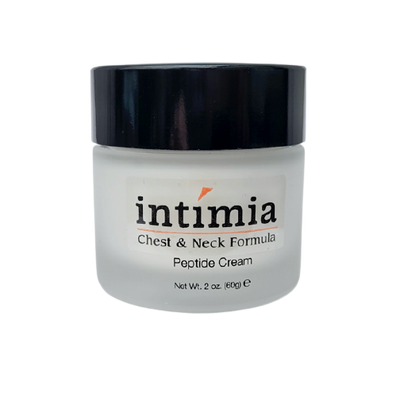
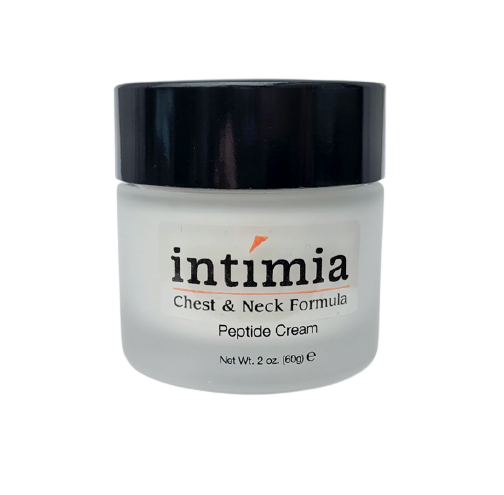
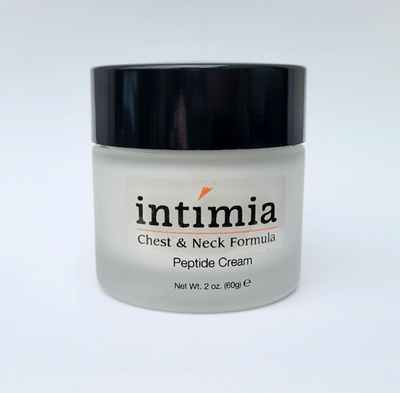
- Targeted topicals: Treat the skin on your décolleté like you treat your face. Use a gentle cleanser, a vitamin C serum in the morning, and a retinoid or peptide cream at night, followed by a good moisturizer to support the skin barrier.
3. Sleep (mechanical protection):
This is your overnight repair strategy. Prevent damage while your body rests.
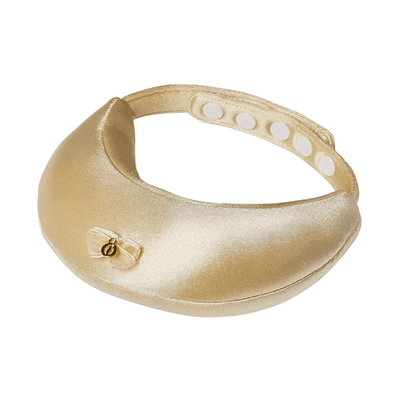
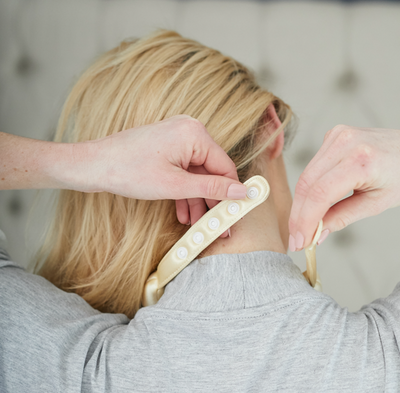
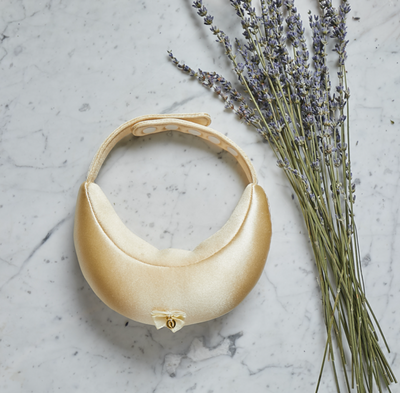
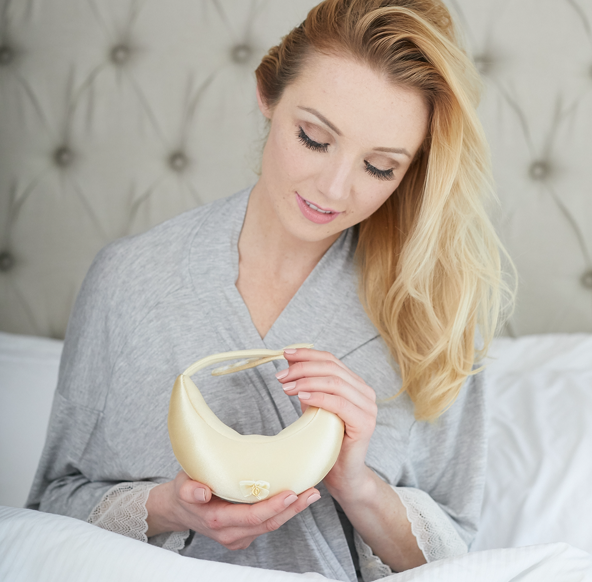
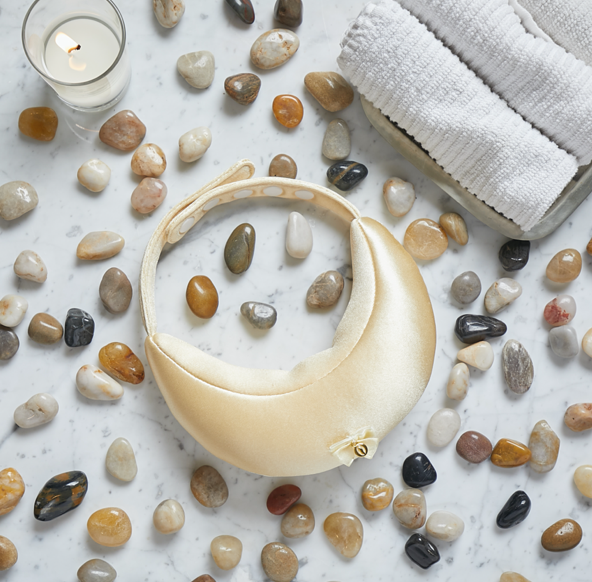
- Use a chest pillow: This is where a specially designed product like the Intimia Pillow is a game-changer. It sits comfortably between your breasts, physically preventing the skin from folding and creasing while you sleep on your side.
- Optimize your setup: Consider using a silk or satin pillowcase to reduce friction on your skin. Arranging pillows to support your back can also help you stay on your back for longer periods.
This three-pronged approach is the future of décolleté care, informed by the emerging science of the gut skin connection 2026, and honestly, it’s also the routine I wish I’d started a decade earlier.
Realistic timelines and expectations
Patience is a virtue in the world of inside-out beauty.
- Internal changes: It can take several weeks to months of consistent dietary and lifestyle changes to significantly alter your gut microbiome and reduce systemic inflammation. You might notice better digestion and energy levels first, with visible skin improvements following later.
- External changes: You can prevent new sleep lines from forming the very first night you use a chest pillow. Topical skincare and diligent sun protection can show improvements in texture and tone within a few weeks.
The journey to a smoother décolleté is a marathon, not a sprint. The gut skin axis chest wrinkles approach is about creating sustainable habits that will not only improve your skin but enhance your overall health and vitality for years to come.
The future of gut–skin science for chest wrinkle prevention
The story of your skin is written day by day, choice by choice. We now understand that the plot is far more intricate than we ever imagined. The central message is this, the lines and texture of your décolleté are not just a tale of sun and sleep, but a reflection of the vibrant, complex world within your gut. The gut skin axis chest wrinkles connection has opened a new chapter in how we approach timeless beauty.
To cultivate a smooth, resilient décolleté for years to come, we must embrace a holistic strategy. The science of 2026 points to clear, actionable steps:
- Nourish from within: Support your gut integrity and microbial diversity with a diet rich in fiber, color, and healthy fats. Manage stress and prioritize sleep to calm the internal fires of inflammation.
- Protect from without: Defend your skin from the mechanical stress of side-sleeping with supportive tools like the Intimia Pillow. Shield it from the sun’s damaging rays with daily, non-negotiable SPF.
- Listen to your body: View the skin on your décolleté as a beautiful barometer of your overall gut health skin aging. Its appearance can offer clues about your internal balance.
The research on the gut skin connection 2026 is evolving at a thrilling pace. We are just beginning to unlock the potential of specific probiotic strains, targeted postbiotics, and truly personalized nutrition to influence microbiome skin wrinkles. But you don’t have to wait for the future. The foundational principles, eating an anti-inflammatory diet, supporting your body’s barriers, and protecting your skin from physical damage, are powerful, proven, and available to you right now.
By caring for your digestion and your microbiome today, you are making a profound investment. You are nurturing not only your long-term health and vitality but also the enduring, confident beauty of a smoother décolleté tomorrow.
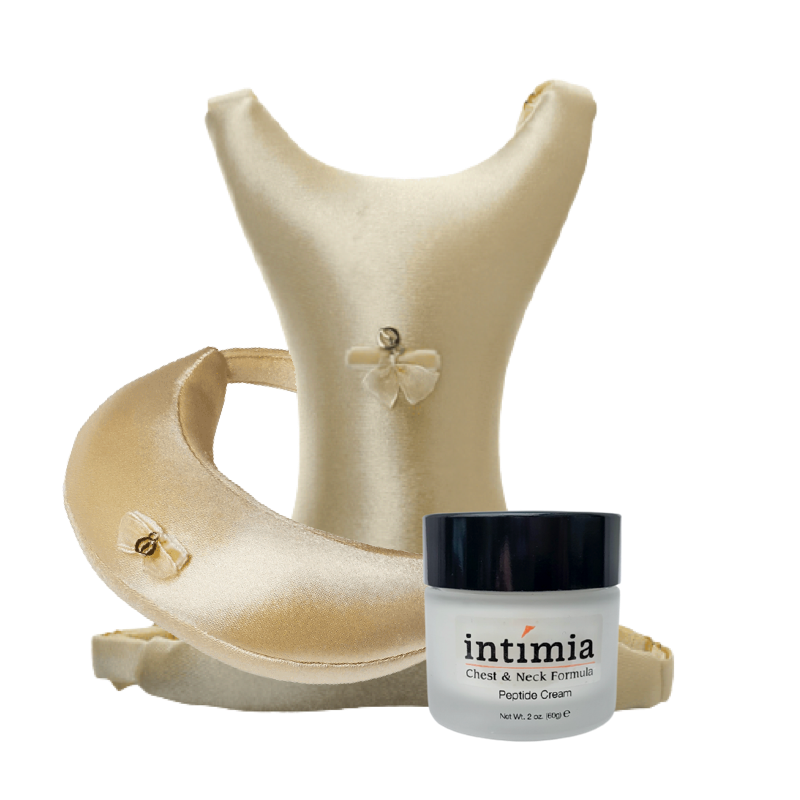
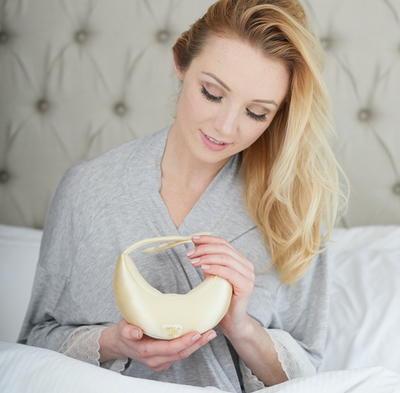
And when you are ready to pair all this inner work with something soft, practical, and a little bit genius for sleep itself, that’s exactly why I created the Intimia® Breast Pillow.
You and your décolleté deserve that quiet, confident moment in the morning when you glance down, smile, and realize your whole body has been working with you all night, not against you.
Ready to wake up with smoother skin — start here.