In this article you will learn:
- Are Chest Wrinkles in Your 20s Normal? Understanding Early Signs
- Young Chest Wrinkles Meaning – What Your Skin Is Trying to Tell You
- Why Chest Aging Can Start in Your Early 20s
- Early Décolleté Lines Fix – What Really Works (and What Doesn’t)
- Skin Longevity Start 20s – Building a Preventive Chest Routine
- Sleep, Support, and Daily Habits That Influence Chest Wrinkles in Your 20s
- When to Worry: Are Your Early Chest Wrinkles a Red Flag?
- Long-Term Strategy – Protecting Chest Skin for Decades
- Conclusion
The first time you see them, it’s a surprise. A faint pattern etched on your skin, catching the morning light. Chest wrinkles appearing in your 20s feel out of place, but they are not the end of the story, they are the beginning of a conversation your skin is trying to have with you.
The first time you see them, it’s a surprise. A faint pattern etched on your skin, catching the morning light. Chest wrinkles 20s early signs can feel like an unwelcome messenger, arriving far too soon. You’re not alone in noticing this. More women in their twenties are seeing these delicate lines on their décolleté, a quiet testament to our modern lives—the constant glow of screens, the unseen touch of pollution, and the bright, unfiltered sun of our youth.
But before a wave of worry washes over you, let’s reframe what this means. The young chest wrinkles meaning isn't a final verdict on your skin's future. It's a whisper, an early signal from your body. Think of these lines not as damage, but as a map showing you where your skin needs a little more love. It’s a call to begin a journey of mindful self-care.
This is where the idea of skin longevity start 20s comes to life. Science tells us that our body’s natural collagen, the strong, supple protein that keeps skin firm, begins its slow decline in our mid-twenties, as every article on premature aging politely reminds us. The habits you build now—the way you protect, nourish, and support your skin—will echo for decades. The story of your skin in your thirties, forties, and beyond is being written today.
This guide will walk you through everything you need to know. We’ll explore what causes chest aging early 20s, decode what those first décolleté lines are telling you, and provide a clear, practical plan for an early décolleté lines fix. This isn't about fighting your body; it's about learning its language and responding with simple, powerful care.
Are chest wrinkles in your 20s normal? Understanding early signs
Seeing new lines on your body can be jarring, but it’s important to understand what you’re looking at. Chest wrinkles 20s early signs are distinct, and recognizing them is the first step toward caring for your skin’s future.
So, what do these early signs of chest aging early 20s actually look like?
- Fine, crepey texture: Your skin might not have deep grooves yet. Instead, you may notice a tissue-paper-like texture, a landscape of very fine lines that appear when the skin is pushed together. It often starts between and just above the breasts.
- Lingering sleep lines: We all wake up with temporary creases from our sheets. But if those vertical lines on your chest from sleeping on your side are still visible by lunchtime, they are beginning to transition from temporary marks to something more permanent.
- Slightly uneven tone: Sun exposure doesn't just cause wrinkles; it can also lead to subtle sun spots or a general unevenness in skin tone across your décolleté.
It’s crucial to know the difference between a temporary sleep crease and an emerging structural wrinkle. A transient line is caused by simple compression and fluid shifts overnight; it vanishes as your skin rehydrates and settles, usually within an hour or two of waking. A structural wrinkle, however, is a sign of a deeper change. It remains visible long after you’ve started your day because the underlying collagen and elastin fibers have started to weaken. If you notice that, and maybe even a slightly crepey look the way some crepey-skin breakdowns describe it, that’s the true signal of early chest aging.
Why does the chest seem to show these signs so early? The skin on your décolleté is structurally different from the skin on your face. It's thinner, has fewer oil glands to keep it naturally moisturized, and is often left exposed to the elements. This unique vulnerability makes it one of the first places to reflect the cumulative effects of sun exposure and lifestyle habits. While it might feel alarming, seeing these signs is becoming increasingly normal for women in their twenties. It’s the result of childhoods spent in the sun without today’s awareness of SPF, combined with modern habits.
The young chest wrinkles meaning is simple: your skin is asking for attention. It's an invitation to start protecting and nourishing this delicate area with the same care you give your face.
Young chest wrinkles meaning – what your skin is trying to tell you
Your body communicates in subtle ways. Those chest wrinkles 20s early signs aren't a flaw; they are a form of feedback. Understanding the young chest wrinkles meaning on a biological level empowers you to respond effectively.
At its core, a wrinkle is a story of what’s happening beneath the surface. When you see a fine line setting in, it means the strong, flexible framework of your skin is changing. The collagen and elastin fibers—the proteins that give your skin its plumpness and ability to snap back—are beginning to weaken and become disorganized, exactly the way every careful explanation of wrinkles and their causes describes. At the same time, your skin's protective barrier may be compromised, leading to dryness that makes every tiny crease look more pronounced.
These internal changes are almost always linked to your external world and daily habits. The main culprits behind chest aging early 20s are often rooted in your lifestyle:
- Sun exposure: This is the big one. Think of all the years of wearing V-necks, tank tops, and swimsuits. The chest is a direct target for the sun's ultraviolet (UV) rays, which are the primary cause of collagen breakdown. Many of us are diligent about putting sunscreen on our faces but forget to extend it down to our necks and chests.
- "Tech neck" and posture: The hours we spend looking down at phones and laptops cause our shoulders to round and our chests to fold. This repetitive crunching of the skin, day after day, can etch lines into the décolleté, just as smiling creates lines around the eyes.
- Sleep position: If you’re a side or stomach sleeper, your breasts are pressed together for hours every night. This mechanical compression folds the delicate skin in the cleavage area, creating deep vertical lines that, over time, refuse to fade by morning.
- Environmental stressors: Even indoors, you're not entirely shielded. UV rays can penetrate window glass, and emerging research suggests that the blue light from our screens may also contribute to free radical damage, which accelerates aging.
Instead of seeing these signs and feeling defeated, reframe the young chest wrinkles meaning. This is not a red light signaling irreversible damage. It’s a yellow light, a gentle warning urging you to slow down and change course. Your skin has an incredible capacity for repair. By giving it the protection and nourishment it needs, you can support its natural resilience. Reading about how skin ages, whether in a simple overview of skin care and aging or more detailed guides, makes it very clear: this is the moment to embrace skin longevity start 20s habits that will serve you for a lifetime.
Why chest aging can start in your early 20s
It can feel unfair for signs of aging to appear in a decade associated with youth and vitality. But the process of chest aging early 20s is a logical result of anatomy, environment, and behavior coming together. It’s not about getting "old" too fast; it's about understanding the unique factors that make the décolleté so susceptible.
Let's break down the primary drivers of those chest wrinkles 20s early signs.
UV exposure and sunscreen neglect
Photoaging—or sun damage—is responsible for up to 80% of visible skin aging, and every sober discussion of wrinkle formation comes back to the same point. UV radiation penetrates the skin and actively breaks down the collagen and elastin fibers that keep it smooth and firm. The chest is a prime target. It's frequently exposed by our clothing choices, and it's an area many people forget when applying their daily sunscreen. This gap in protection leaves the thin, delicate skin of the chest undefended against its number one enemy.
Rapid weight changes and hormonal shifts
Your twenties are often a time of change. Fluctuations in weight due to fitness goals, lifestyle shifts, or hormonal changes from contraceptives or pregnancy can affect breast size. Each time the skin on your chest stretches and contracts, it puts a strain on its elastic fibers. Over time, this repeated stress can cause those fibers to lose their "snap-back" quality, contributing to fine lines and a loss of firmness.
Sleep position and mechanical compression
This cause is purely physical. When you sleep on your side or stomach, gravity and the weight of your breasts work together to press and fold the skin between them. Imagine folding a piece of paper in the same spot, night after night. Eventually, a permanent crease will form. This nightly mechanical stress is a major contributor to the deep vertical lines that often characterize chest wrinkles.
Dehydration and barrier damage
Healthy skin is hydrated skin with a strong protective barrier. Many common habits can strip this barrier on your chest. Long, hot showers, harsh, stripping body washes, over-exfoliating, and smoking all deplete the skin of its natural oils and moisture. A dry, compromised skin barrier can't repair itself effectively and shows fine lines much more prominently. Pollution adds another layer of stress, creating free radicals that further degrade skin quality.
The décolleté is uniquely vulnerable to early chest aging because of a perfect storm of factors: it has a thinner dermis, fewer oil-producing glands, gets high levels of sun exposure, and endures constant mechanical stress from posture, sleep, and even our bras. Understanding this young chest wrinkles meaning is not about blame, but about awareness. It’s the knowledge you need to start building a foundation for skin longevity start 20s.
Early décolleté lines fix – what really works (and what doesn’t)
Once you’ve identified those chest wrinkles 20s early signs, the natural next step is to ask: what can I do about it? The most effective early décolleté lines fix is a two-pronged approach. You must address both the surface of the skin with hydration and the deeper structure with ingredients and habits that protect and rebuild collagen.
Forget about miracle cures. True progress comes from consistent, evidence-based care. Here is what actually works to slow down chest aging early 20s.
Evidence-based steps that work
- Daily broad-spectrum SPF 30+: This is the non-negotiable foundation of any anti-aging routine. Sunscreen is not just for the beach; it's for every single day. Make it a habit to apply a generous amount of broad-spectrum SPF 30 or higher from your face all the way down to your chest every morning. If you're spending extended time in the sun, reapply every two hours. This is the single most powerful thing you can do to prevent new damage and allow your skin to begin repairing the old.
- Hydrating, barrier-supportive moisturizers: Dehydrated skin looks older and more wrinkled. Plump it up from the outside with moisturizers rich in ingredients like hyaluronic acid, glycerin, and ceramides. These ingredients act like magnets for water, drawing moisture into the skin and strengthening its protective barrier. A well-hydrated chest will immediately look smoother and feel softer.
- Gentle exfoliation and antioxidants: To brighten tone and improve texture, incorporate gentle exfoliation one to two times per week. Choose a mild chemical exfoliant with lactic or glycolic acid, which dissolves dead skin cells without harsh scrubbing. In the mornings, layer an antioxidant serum containing Vitamin C under your sunscreen. Antioxidants are like your skin’s personal bodyguards, neutralizing the free radical damage caused by UV rays and pollution.
- Introducing low-strength retinoids: Retinoids are the gold standard for stimulating collagen production and speeding up cell turnover. For the delicate chest area, start low and go slow. Introduce a low-strength retinoid (like retinol) into your routine just two or three nights a week. Always apply it to dry skin and follow up with a rich moisturizer to prevent irritation and dryness.
Common myths that don't work
It's just as important to know what to avoid. Don't fall for these common misconceptions:
- The "miracle cream" myth: No single cream can erase wrinkles overnight, especially without addressing the root causes like sun exposure and mechanical stress. Lasting results come from a consistent routine, not a single product.
- Aggressive scrubbing: Trying to scrub away wrinkles will only backfire. Harsh physical scrubs and strong at-home peels can damage the skin barrier on your chest, leading to irritation, redness, and even more crepiness.
- Tanning to "hide" lines: Some people believe a tan can camouflage wrinkles, but this is the ultimate act of self-sabotage. Tanning is a direct sign of DNA damage from UV radiation, which rapidly accelerates collagen breakdown and is the primary driver of chest aging early 20s.
These steps are more than just an early décolleté lines fix; they are the building blocks of a lifelong strategy. Embracing this protective, nourishing routine is the essence of skin longevity start 20s, the same philosophy you’ll see echoed in every careful look at early aging signs and how to slow them down.
Skin longevity start 20s – building a preventive chest routine
The philosophy of skin longevity start 20s is beautifully simple: it’s far more effective to preserve what you have than to try and regain it later. Your skin’s collagen production peaks in your early twenties and then begins a gradual decline. By implementing a thoughtful, protective routine now, you are making a direct investment in the health and resilience of your skin for years to come.
An effective routine doesn't need to be complicated or expensive. It needs to be consistent. Here is a realistic morning and evening ritual to protect your décolleté and offer an early décolleté lines fix.
Your AM chest & décolleté routine
The goal of your morning routine is protection. You are preparing your skin for the day ahead and defending it against environmental aggressors.
- Step 1 – gentle cleanse: You don't need to use a harsh cleanser on your chest in the morning. A simple rinse with lukewarm water in the shower is often enough. If you do use a cleanser, make sure it's a gentle, non-stripping formula that won't disrupt your skin's moisture barrier.
- Step 2 – antioxidant serum: After patting your skin dry, apply a Vitamin C or other antioxidant serum. Extend it from your face, down your neck, and across your entire chest. This step helps neutralize free radicals from UV light and pollution before they can damage your collagen.
- Step 3 – lightweight moisturizer: Apply a layer of hydrating moisturizer to lock in moisture and support your skin barrier. If your facial moisturizer is non-irritating and you enjoy it, there's no need to buy a separate product. Just bring it all the way down.
- Step 4 – broad-spectrum SPF 30+: This is the most critical step. Apply a generous amount of sunscreen to your neck and the entire exposed area of your chest. Don't forget the sides of your chest that might peek out of a tank top. This daily shield is your best defense against chest aging early 20s.
Your PM chest & décolleté routine
Your evening routine is about repair and replenishment. You are cleansing away the day and providing your skin with the ingredients it needs to regenerate overnight.
- Step 1 – gentle cleanse: At night, it’s important to properly cleanse your chest to remove sunscreen, sweat, and pollutants that have accumulated during the day. Again, a gentle, hydrating cleanser is best.
-
Step 2 – treatment step: This is where you incorporate your active ingredients.
- On retinoid nights (2–3 times per week): After your skin is completely dry, apply a pea-sized amount of your low-strength retinoid to your chest.
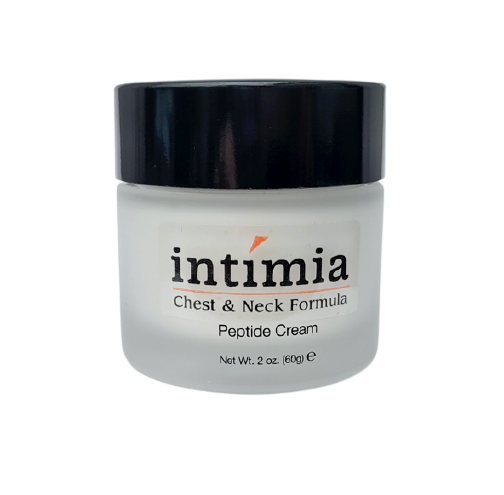
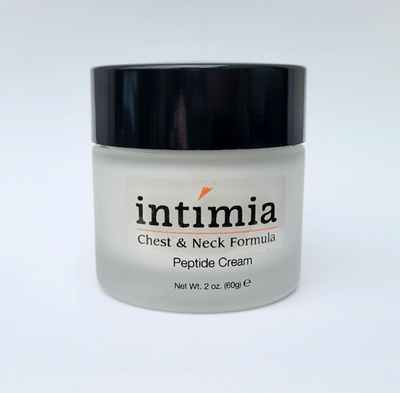
- On alternate nights: Use a serum with ingredients like peptides (which support collagen), niacinamide (which strengthens the skin barrier), or more hyaluronic acid for an extra boost of hydration.
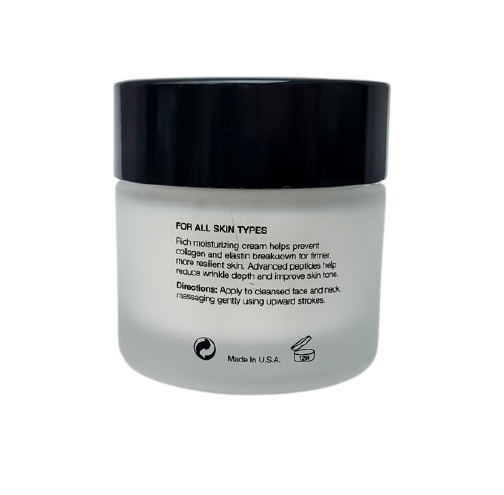
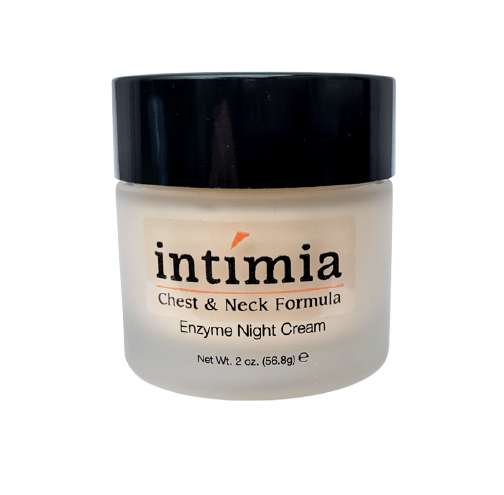
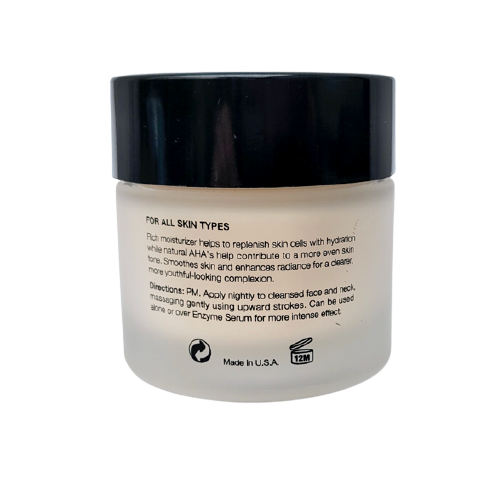
- Step 3 – nourishing cream: Finish with a slightly richer moisturizer than you use in the morning. This will help seal in your treatment serum and provide deep hydration while you sleep, supporting your skin's natural repair processes.
The key to seeing results from this routine is consistency. Missing a single night won't undo your progress, but the long-term repetition of these simple steps is what truly slows chest aging early 20s and addresses chest wrinkles 20s early signs. It’s a quiet, daily act of self-care that builds a foundation for a lifetime of healthy skin, the same slow, steady approach you’ll see recommended when people talk about caring for chest wrinkles rather than chasing quick fixes.
Sleep, support, and daily habits that influence chest wrinkles in your 20s
Your skincare products are powerful allies, but they are only part of the story. The way you hold your body, the way you sleep, and the daily choices you make have a profound impact on the skin of your décolleté. Addressing these mechanical and lifestyle factors is a crucial component of any early décolleté lines fix.
The power of sleep position
The connection between your sleeping habits and chest wrinkles 20s early signs is direct and mechanical. When you lie on your side, the top breast naturally falls downward and inward, pressing against the lower one. This creates deep vertical folds in the skin between them. If you sleep on your stomach, your chest is compressed against the mattress. Repeating this for eight hours every night, year after year, weakens the elastin in those fold lines, eventually making them permanent.
The role of breast support
Support isn't just for when you're active. It matters around the clock.
- During the day: A well-fitted bra does more than provide shape and comfort. It supports the weight of your breast tissue, reducing the constant gravitational pull on the delicate skin of your upper chest and shoulders.
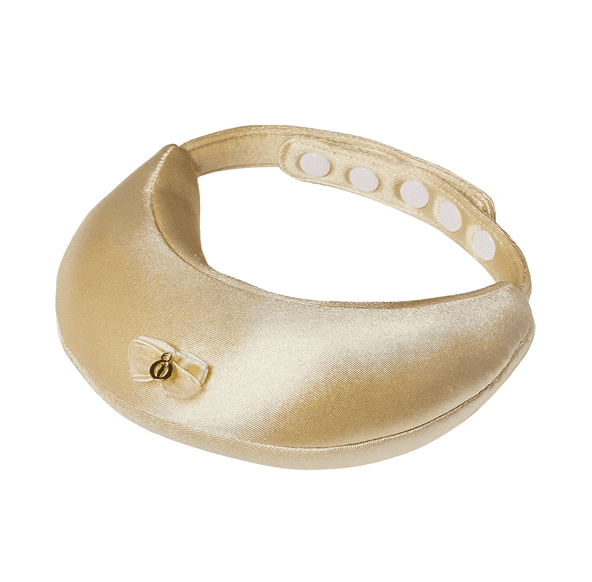
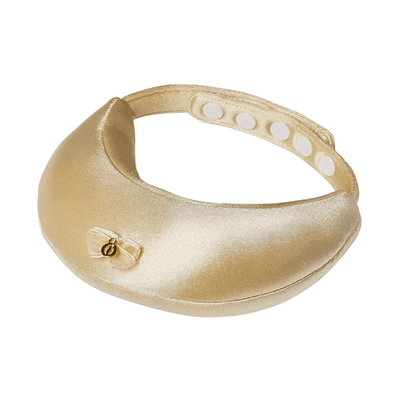
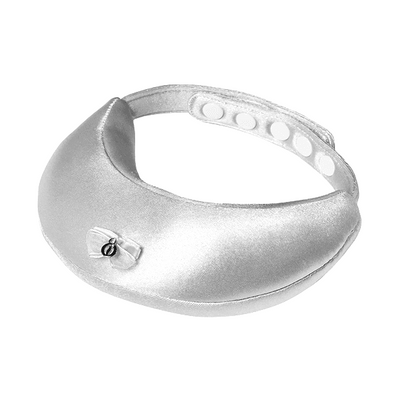
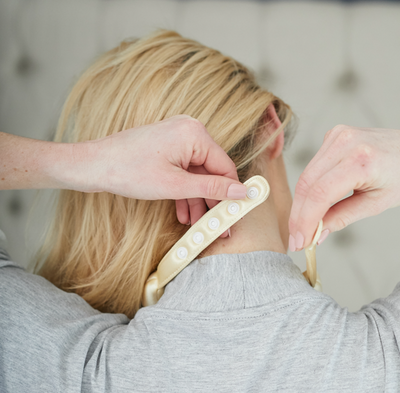
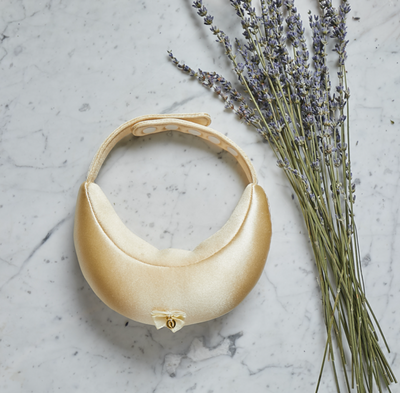
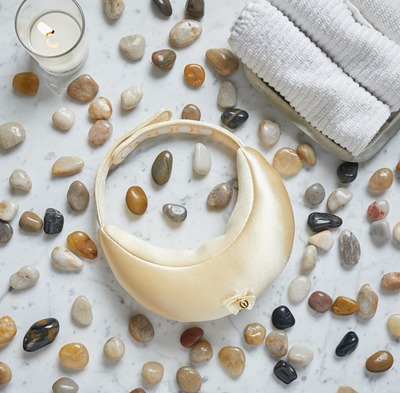
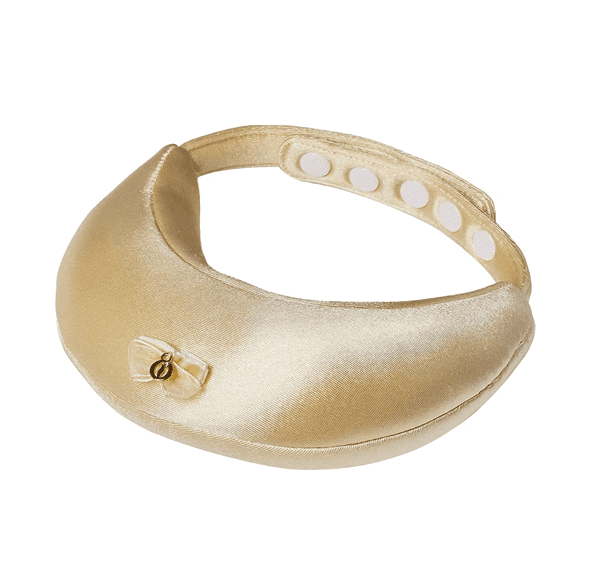
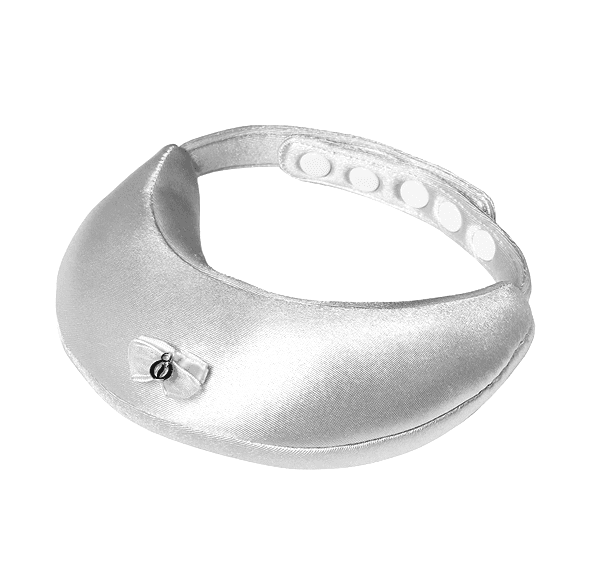
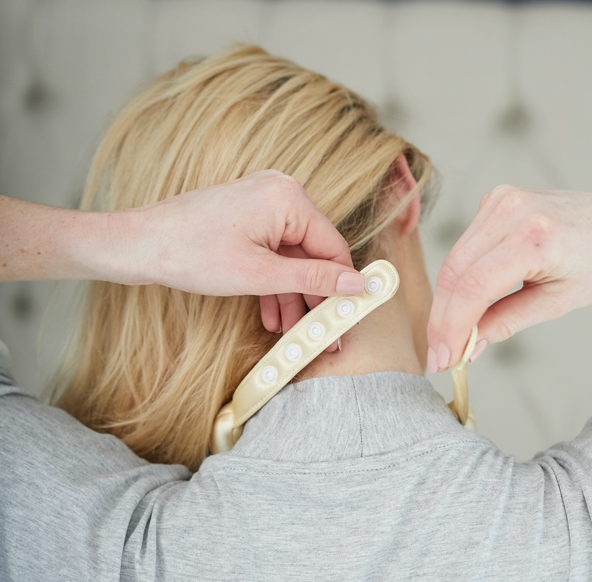
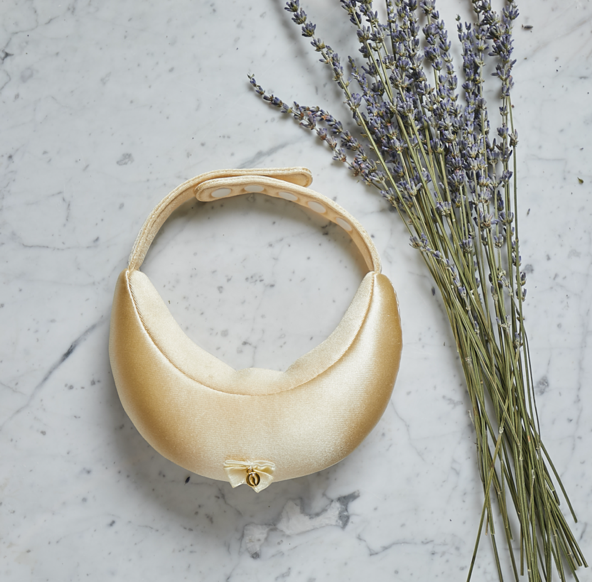
- At night: For many women, especially those with larger busts, sleeping without support can exacerbate the compression that leads to wrinkles. A soft, non-wired sleep bra or a specially designed chest pillow can help keep the breasts separated and the skin in the cleavage area smooth and open as you rest.
Daily habit shifts that make a difference
Slowing down chest aging early 20s can be reinforced by small, mindful adjustments to your daily life. These low-effort habits complement your skincare and support your goal of skin longevity start 20s.
- Train yourself to sleep on your back: This is the ideal position for preventing chest wrinkles, as it keeps the area smooth and free from compression. Transitioning can be a challenge, but you can try using pillows to wedge yourself in place or placing a small pillow under your knees to make it more comfortable. Be patient with yourself as you build this new habit.
- Improve your posture: Pay attention to how you sit and stand. Practice an "open chest" posture by rolling your shoulders back and down. When working at a desk, adjust your screen to eye level to avoid hunching over, which constantly crunches the skin of your décolleté.
- Be mindful in the shower: Avoid aiming a long, high-pressure stream of very hot water directly at your chest. This can strip the skin of its natural protective oils. After bathing, gently pat your chest dry and apply your moisturizer immediately to damp skin to lock in hydration.
- Avoid smoking and vaping: Smoking is one of the most destructive things you can do to your skin. It constricts blood vessels, depriving the skin of oxygen and nutrients, and generates a massive amount of free radicals that destroy collagen and elastin, leading directly to premature wrinkles.
Each of these habits is a small thread. Woven together, they create a strong fabric of prevention that protects your chest for the long haul.


When to worry: are your early chest wrinkles a red flag?
It’s natural to feel a pang of concern when you first notice chest wrinkles 20s early signs. The good news is that, for the vast majority of women in their twenties, these lines are not a red flag for a serious health issue. They are simply the skin's normal response to sun, mechanics, and time. However, it's wise to know how to interpret your skin's signals.
"Normal for 20s" vs. potentially accelerated aging
Learning the young chest wrinkles meaning involves understanding scale and speed. Here’s how to tell the difference:
- What's generally normal: Faint lines that are mostly visible in specific lighting or right after you wake up. You may notice they look much better after you apply a good moisturizer. The changes happen very slowly, over the course of years.
- What could be concerning: Wrinkles that seem to deepen noticeably in a short period, like over a few months. Lines that are deep and visible even when your skin is well-hydrated and you are standing up straight. A significant change in skin texture, such as areas becoming rough, leathery, or extremely crepey, that seems out of proportion for your age.
Signs that warrant a dermatologist visit
While most early décolleté lines can be managed with a good at-home early décolleté lines fix, certain signs should prompt you to schedule a professional consultation.
- Rapid changes: As mentioned above, any rapid deepening of lines or dramatic texture shifts is worth getting checked out.
- Pigmentation concerns: Pay close attention to any new or changing moles or pigmented spots on your chest. Given that the chest is a high-exposure area for sun damage, it's a common site for skin cancer. A yearly skin check is a great habit to start in your twenties, especially if you have a history of tanning or sunburns.
A look at professional options
If you do consult a dermatologist, they have a range of tools to address chest aging early 20s if your at-home routine isn't enough. It's important to view these as future options, not urgent necessities for faint lines. These may include:
- Gentle chemical peels: A series of light, in-office peels can help improve skin texture and tone.
- Light-based treatments: Therapies like Intense Pulsed Light (IPL) can be very effective at treating sun spots and redness, which often accompany early wrinkles.
- Collagen-stimulating treatments: For more established lines later on, treatments like microneedling or certain lasers can be used to stimulate the body's own collagen production.
For most women, the journey begins and ends at home. The consistent application of sunscreen, moisturizers, and smart lifestyle habits is powerful enough to manage and slow the progression of early chest wrinkles. Professional care is simply a valuable resource to keep in your back pocket for the future, should you ever need it, much like the occasional reminder to schedule a skin check you’ll see in any guide on skin exams in your 20s.
Long-term strategy – protecting chest skin for decades
Viewing your skin through the lens of longevity changes everything. Responding to chest wrinkles 20s early signs is not about a quick fix. It’s about laying the groundwork for the decades to come. The conscious choices you make today will directly influence the health, texture, and radiance of your décolleté in your thirties, forties, fifties, and beyond.
The science of photoaging is clear: the vast majority of what we consider "aging" is the cumulative result of sun exposure. By committing to consistent sun protection now, you are slowing that process to a crawl. By supporting your skin with gentle, effective topicals and minimizing mechanical stress, you are preserving your natural collagen and elastin reserves. This is the heart of skin longevity start 20s.
Your integrated, long-term approach to slowing chest aging early 20s should rest on four strong pillars:
- Sun protection as a non-negotiable: This is your foundation. No serum or cream can undo the damage from daily, unprotected sun exposure. Make SPF on your chest as automatic as brushing your teeth.
- A smart, gentle topical routine: You don't need a dozen products. You need the right ones. Focus on hydration, antioxidant protection, and gentle cellular renewal with retinoids, all tailored to the sensitivity of your chest skin.
- Mindful mechanical habits: Be aware of your posture and your sleep position. These small, physical adjustments cost nothing but have a significant long-term payoff in preventing mechanically induced wrinkles.
- A healthy internal environment: Your skin reflects your overall health. A balanced diet, adequate sleep, and avoiding habits like smoking reduce the systemic inflammation and oxidative stress that accelerate aging everywhere in your body.
Perhaps the most important part of this long-term strategy is a shift in mindset. The young chest wrinkles meaning is not that your body is failing you. It’s that your body is communicating with you, the way every careful discussion of décolleté anatomy quietly hints at vulnerability and possibility at the same time. These early lines are empowering feedback, an opportunity to step in and take proactive, loving care of yourself. This journey is not about achieving perfection or erasing every line. It is about fostering health, celebrating resilience, and honoring the body that will carry you through your entire life. It’s an act of self-compassion that will reward you for years to come.
Conclusion
The appearance of chest wrinkles 20s early signs is a common, understandable experience in our modern world. These fine lines, often starting as sleep creases that decide to stay, are not a sign of premature aging but a gentle nudge from your skin. The true young chest wrinkles meaning is a call to action—an invitation to begin a conscious partnership with your body. It signals early shifts in your skin’s supportive structure, driven by a combination of sun exposure, lifestyle habits, and mechanical stress.
You hold the power to respond with an effective early décolleté lines fix. The strategy is clear and rooted in science:
- Commit to daily, broad-spectrum SPF on your chest.
- Nourish your skin with consistent hydration and barrier support.
- Incorporate gentle actives like antioxidants and, if appropriate, low-strength retinoids.
- Be mindful of your sleep position and posture to reduce mechanical strain.
Embracing the principle of skin longevity start 20s is one of the most profound acts of self-care you can undertake. The simple, sustainable routines you build today will dramatically slow the pace of chest aging early 20s, ensuring your décolleté remains smoother, healthier, and more resilient for decades.
This is not about chasing an impossible standard of perfection. It is about listening to your body with kindness and responding with wisdom. Start small. This week, make a promise to extend your sunscreen down to your chest every morning. Or, try arranging pillows tonight for more supportive sleep. Each small step is a powerful investment in your future self. And if you ever doubt that these little habits matter, remember how every straightforward piece on caring for aging skin comes back to the same quiet truths: protection, consistency, and patience.
And when you finally wake up one morning, look down, and realize those lines have softened instead of deepened, you will know you and your skin have been on the same team all along.
Ready to wake up with smoother skin — start here.
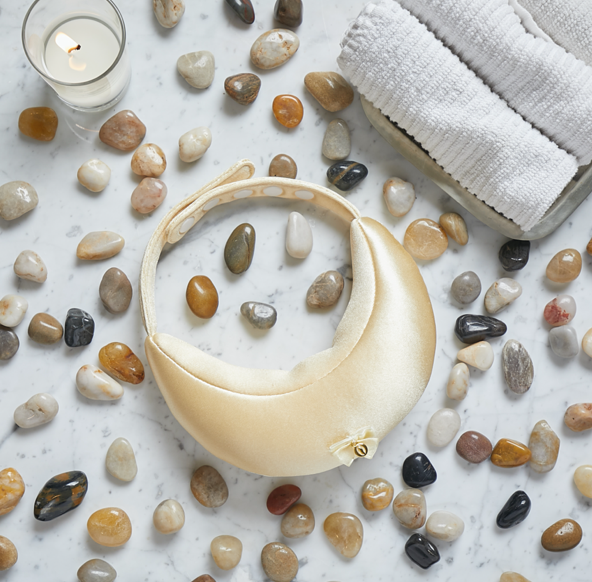
For many women, that path includes the gentle night support of the Intimia® Breast Pillow, keeping the décolleté soft, open, and quietly protected while you sleep.