In this article you will learn:
- Why wearable tech matters for skin aging
- From fitness to face: how wearables evolved into skin health allies
- Understanding wearable tech skin aging: the key metrics that matter
- Sleep tracker skin health: why beauty sleep is now measurable
- Oura Ring beauty sleep: a case study in skin-focused wearable use
- Wearable skin monitoring: beyond sleep—what's emerging
- Building a tech enhanced skincare routine with wearables
- Practical lifestyle examples: one week of wearable tech skin aging in action
- How to get started: choosing the right wearable for skin-focused goals
- Integrating wearable insights with anti-aging and chest-specific care
- Limitations and healthy expectations for wearable tech & skin aging
- The future of a tech enhanced skincare routine
I still remember the first time I scrolled through my sleep data at 6 a.m., puffy-eyed, coffee in hand, wondering why my skin looked older than it should. The numbers quietly answered what the mirror had been hinting at for years: short nights, high stress, late glass-of-wine habits. That's when it clicked for me—you can negotiate with fine lines, but not with physiology. Wearable tech doesn’t care about marketing promises; it just reflects what your body is really doing while you think you’re “resting.” And that honesty, as uncomfortable as it can be, is where smarter, kinder skincare actually begins.
Why wearable tech skin aging is the new beauty frontier
The world of wearable tech skin aging is where your body’s quiet truths meet your daily ritual. For generations, we’ve looked in the mirror to see the story of our lives. Now, the devices on our wrists and fingers can tell us how that story is being written, night after night. Research shows that how our skin ages is deeply tied to the health of our whole system, our sleep, stress, and the steady rhythm of our days.
This is more than just about creams and serums. For women over 35, this is about finding a way to age with grace and strength, using science that feels like intuition. You and I are moving beyond guesswork. Instead of wondering why our skin looks tired, we can lean on objective data about intrinsic and extrinsic aging from solid dermatology research, and see the numbers that quietly point to a restless night or a chaotic week.
Imagine a tech enhanced skincare routine that listens to your body. Your smartwatch or sleep ring becomes a trusted guide, helping you make small, powerful choices. This isn't just technology; it's a new form of self-care. It’s where beauty meets the simple, honest data of a life well-lived.
1. Why wearable tech matters for skin aging
The story of our skin is written by two forces: the genetics we inherit (intrinsic aging) and the life we lead (extrinsic aging). While we can’t change our genes, we have incredible power over the external factors. Things like sun exposure, diet, stress, and sleep are choices we make every day, and they significantly shape how our skin looks and feels.
Poor sleep is one of the quietest, yet most profound, thieves of youth. When you don't get enough deep, restorative rest, your body can't properly produce collagen, the protein that gives skin its firmness. Your skin's protective barrier weakens, inflammation rises, and the process of glycation, where sugar damages your skin’s proteins, speeds up. The result is what you see in the mirror: dullness, more pronounced fine lines, and a loss of that inner glow.
This is where wearable tech skin aging becomes your ally. Devices that track your sleep, stress, and heart rate patterns act as a mirror to your habits.
- They can help you connect a night of restless sleep to morning puffiness.
- They can show you how a high-stress week leads to redness or breakouts.
- They can reveal the patterns that either build up your skin’s resilience or wear it down.
With this knowledge, your tech enhanced skincare routine becomes about more than just products. It’s about making small, sustainable shifts in your lifestyle. It’s about protecting your collagen, strengthening your skin’s barrier, and preserving your natural radiance from the inside out.
2. From fitness to face: how wearables evolved into skin health allies
Not long ago, a wearable was a simple pedometer clipped to a waistband, a quiet counter of our daily steps. Then came fitness bands, urging us to move more. Soon, smartwatches added our heartbeats and sleep to the story, connecting our activity to our recovery.
Now, we’re in a new era. Advanced rings, straps, and sensors have shifted the focus from just moving more to recovering smarter. The conversation has evolved from fitness to longevity, and that includes the longevity of our skin. The connection between wearable tech skin aging is a natural next step in this journey, especially as more dermatology-focused digital tools slip into everyday life without fanfare.
This shift mirrors a larger trend in wellness. Biohacking and the "quantified-self" movement are no longer niche interests. They are becoming part of the mainstream conversation for women who want smart, efficient ways to care for themselves. You want solutions that work with your busy life, giving you powerful insights without demanding more of your precious time.
Even the dermatology community is quietly embracing this change, recognizing that well-designed digital health tools can empower you to take a more active role in your skin’s well-being by tracking things like UV exposure and sleep–stress patterns in a way that used to live only in research papers and clinics.
3. Understanding wearable tech skin aging: the key metrics that matter
Your wearable device collects a wealth of information. But for skin health, a few key metrics tell the most important part of the story. Understanding these numbers is the first step in translating data into radiance.
-
Sleep duration and sleep stages (light/REM/deep)
Your skin does its most important repair work during deep sleep. This is when your body releases growth hormone to help synthesize collagen and rebuild tissue. When your wearable shows you're consistently missing out on deep sleep, it’s a sign that your skin's natural renewal process is being short-circuited. Three nights of reduced deep sleep can show up as more under-eye puffiness and fine lines that seem deeper than before. -
Heart rate variability (HRV)
Think of HRV as a measure of your body’s resilience. A higher HRV means your nervous system is balanced and can easily shift from stress to rest. A low HRV suggests your body is stuck in a state of chronic stress, which fuels inflammation in the skin just as clearly as it does in the rest of your body. Weeks of persistently low HRV might lead to more breakouts if you’re acne-prone or a flare of redness if you have rosacea. -
Resting heart rate and recovery indices
A lower resting heart rate is often a sign of good health and fitness. It means your heart doesn’t have to work as hard, which often correlates with lower levels of systemic inflammation. This creates a better internal environment for your skin to thrive and repair itself. -
Nighttime temperature and circadian rhythm patterns
Your body temperature naturally dips at night, a key signal for your body to begin its nightly repair cycle. A stable circadian rhythm, with a consistent temperature dip, helps ensure this process runs smoothly. When this rhythm is disrupted, it can weaken your skin's barrier, making it more sensitive and prone to premature aging.
Connecting these metrics to what you see in the mirror is where the magic of wearable tech skin aging and sleep tracker skin health truly comes alive. It's about seeing the numbers in your app and then noticing the truth of them on your own face, and understanding how stress, inflammation, and circadian repair play together beneath your moisturizer.
4. Sleep tracker skin health: why beauty sleep is now measurable
For centuries, "beauty sleep" has been a timeless piece of wisdom. Now, the concept of sleep tracker skin health makes that wisdom something you can see, measure, and act on. It’s the practice of using real data from your sleep to understand and improve your skin’s health and radiance.
When you sleep, your skin is hard at work. Here’s what’s happening beneath the surface:
- Collagen synthesis: During deep sleep, your body ramps up the production of growth hormone, which is essential for creating the collagen that keeps your skin firm and plump.
- Barrier repair: Your skin produces more natural lipids at night, rebuilding its protective barrier to lock in moisture and keep irritants out.
- Reduced inflammation: Sleep helps regulate your immune system, lowering the levels of inflammatory messengers that can damage your skin over time, especially when chronic stress is already pushing those pathways.
- Less damage: Poor sleep can lead to higher levels of the stress hormone cortisol and increase glycation, a process where sugar molecules attach to collagen and elastin fibers, making them stiff and brittle. This damage shows up as wrinkles and a loss of elasticity.
A tech enhanced skincare routine powered by sleep data shows you that consistency is just as important as duration. Going to bed and waking up at roughly the same time each day helps keep your body’s internal clock, or circadian rhythm, in sync, something sleep science keeps confirming every year.
Start making your own connections. Compare a week where you averaged less than six hours of sleep to one where you got a solid eight. How do your dark circles and skin texture change? Notice if a night of fragmented, restless sleep leaves your skin feeling dry or irritated the next morning. Try jotting down a quick note in your phone, "skin: puffy" or "skin: glowing," next to your sleep score. This simple act of observation is the heart of mastering wearable tech skin aging.
Pair your sleep scores with a two-word skin note every morning for three weeks, then scroll back and look for patterns before you buy another serum.
5. Oura Ring beauty sleep: a case study in skin-focused wearable use
The idea of Oura Ring beauty sleep takes the concept of data-driven skincare and makes it beautifully simple. It's about using the detailed insights from a device like the Oura Ring not just for fitness, but specifically to cultivate radiant, healthy skin.
Rings like Oura are powerful because they track the metrics that matter most for skin renewal, from sleep stages and readiness scores to subtle temperature shifts and HRV that dermatologists and digital health researchers now watch with real interest.
For a woman over 35, this data can be transformational. Imagine seeing a clear pattern: on mornings after you get over 90 minutes of deep sleep and your Readiness Score is above 75, you wake up with less puffiness under your eyes. The fine lines around your eyes and mouth appear softer. Your skin tone looks more even, and your face feels plumper, more alive.
You can also use the data to identify the habits that derail your oura ring beauty sleep. You might notice that a heavy dinner after 8 p.m. or a glass of wine before bed consistently slashes your deep sleep and lowers your HRV. Armed with this personal insight, you can start making small, targeted changes, like moving your last coffee to early afternoon or putting your phone away an hour before bed.
This is where your tech enhanced skincare routine becomes truly intelligent. You can start pairing your skincare intensity with your body's readiness:
- High readiness night: Your body is primed for renewal. This is the perfect time for your powerful actives, like retinol or an exfoliating acid.
- Low readiness night: Your body needs rest and support. Skip the strong stuff and opt for a gentle, barrier-focused routine with ingredients like ceramides and hyaluronic acid.
Think of this as a series of gentle experiments with yourself. The goal isn't to chase a perfect score, but to feel empowered and in tune with your body’s natural rhythms. The connection between wearable tech skin aging and your daily choices becomes clear, simple, and deeply personal, especially once you see how better nights keep collagen stronger and inflammation quieter over time.
6. Wearable skin monitoring: beyond sleep, what’s emerging
While sleep and stress are foundational, the world of wearable tech skin aging is expanding. The next frontier is wearable skin monitoring, devices that directly sense what’s happening on your skin and in your immediate environment, in real time.
- UV wearables: The sun is the single biggest external factor in skin aging. Many smartwatches already display the daily UV index, reminding you to apply sunscreen, and newer research on photoaging keeps underlining how much that matters over decades.
- Hydration and barrier sensors: Imagine a small, flexible patch that could tell you when your skin is dehydrated or when its protective barrier is compromised. These emerging sensors measure your skin's moisture levels and how much water is escaping, a key indicator of barrier health.
- Environmental and pollution sensors: Our skin is constantly exposed to pollutants, which can trigger inflammation and accelerate aging. New wearables are being developed to track the levels of pollution and allergens in your environment, nudging you toward antioxidants and more thorough cleansing on those tough days.
This trend is shifting skincare from something we do twice a day to a continuous feedback loop. We are moving from treating damage after it has occurred to preventing it from happening in the first place, and dermatology’s digital health work is slowly guiding how these tools can safely fit into everyday routines.

7. Building a tech enhanced skincare routine with wearables
A tech enhanced skincare routine isn’t about adding more steps or more products. It’s about making your existing routine smarter and more responsive to your body’s needs. It’s a simple, powerful way to use the insights from your wearable to get the most out of your skincare.
Here’s a step-by-step way to build your own:
- Step 1: choose your focus. Pick one or two metrics that align with your main skin concern. If it’s wrinkles, focus on deep sleep. If it's redness, track your HRV. If it's sun spots, monitor UV exposure and pay attention to how consistent protection changes your skin tone.
- Step 2: track and observe. For two to four weeks, pay attention to your chosen metrics. At the same time, make a simple note each day about your skin: "glowing," "dry," "breakout," "puffy."
- Step 3: find your patterns. Look for connections. Does your skin always look dull after a night with less than an hour of deep sleep? Do you notice more redness on days when your stress levels are high or your circadian rhythm has been thrown off?
-
Step 4: create your rules. Based on your patterns, create simple "if-then" rules for your routine.
- "If my wearable predicts a high-recovery night, I will use my retinol."
- "If my wearable shows a low-recovery score, I will use only my hydrating serum and a gentle moisturizer."
- "If my wearable skin monitoring alerts me to high UV levels, I will add an antioxidant serum under my sunscreen."
- Step 5: refine and repeat. Check in with your routine once a month. The goal is to make small, steady adjustments, not to constantly overhaul your entire regimen.
For a busy woman, this can feel like a natural extension of self-care. Use a high-stress alert on your watch as a reminder to take five deep breaths before starting your evening skincare. Save your most luxurious eye cream for a week when you know you’ll be getting consistent, restorative rest. This approach, guided by wearable tech skin aging and sleep tracker skin health, puts you in control, making your skincare ritual a true conversation with your body.
8. Practical lifestyle examples: one week of wearable tech skin aging in action
Let’s follow a week in the life of a 40-year-old woman using her sleep ring and smartwatch to guide her skincare. You might see yourself in her; I certainly do in more moments than I’d like to admit.
-
Monday morning: Her ring shows she only got 5.5 hours of sleep after a stressful Sunday night. Her recovery score is low. She looks in the mirror and sees dull skin and more noticeable fine lines on her chest.
Skincare choice: That night, she skips her usual active serum and opts for a simple, soothing routine: a milky cleanser, a hydrating hyaluronic acid serum, and a rich barrier cream on her face and décolletage. -
Wednesday morning: After two nights of getting to bed by 10:30 p.m., her deep sleep is up to 90 minutes, and her recovery score is high. Her skin looks brighter and feels plumper.
Skincare choice: This is a high-recovery night. She uses a gentle exfoliating toner followed by her favorite peptide serum on her face, neck, and chest to capitalize on her body’s natural renewal state. -
Friday afternoon: Her smartwatch sends a high UV index alert while she’s out running errands.
Skincare choice: She immediately reapplies her SPF 50, paying special attention to her exposed chest and the back of her hands, thanks to the wearable skin monitoring reminder. -
Saturday morning: She had two glasses of wine with dinner the night before. Her sleep ring shows her heart rate stayed elevated all night, her deep sleep was cut in half, and her recovery score plummeted. Her face is puffy, especially around the eyes, and the vertical lines on her chest look deeper.
The "aha" moment: She makes the clear connection: for her, alcohol is a major disruptor of oura ring beauty sleep and directly impacts her skin's appearance the next day.
Skincare choice: She uses a cool jade roller to help with puffiness and sticks to a gentle, hydrating routine, focusing on calming her skin.
Over a few weeks, she uses her tech enhanced skincare routine to create real change. By prioritizing sleep, she reduces morning puffiness. By timing her products, she improves her skin's glow. She feels less at the mercy of aging and more like an active, knowledgeable partner in her own well-being.
9. How to get started: choosing the right wearable for skin-focused goals
Choosing a device doesn't have to be overwhelming. The best one for you depends on your primary skin concern and what you want to track. Here’s a simple guide to the different categories of wearable tech skin aging devices:
-
Sleep rings (e.g., Oura Ring)
Best for: Getting the most detailed data on sleep stages, recovery, HRV, and body temperature.
Skin benefit: These are ideal for mastering sleep tracker skin health. If your main concerns are wrinkles, firmness, and overall radiance, a ring offers the best insights into your body's nightly repair cycles. -
Smartwatches (e.g., Apple Watch, Samsung Galaxy)
Best for: All-day tracking of activity, heart rate, stress, and environmental factors like the UV index.
Skin benefit: Excellent for managing stress-related skin issues like redness and breakouts. The UV alerts are a powerful tool for preventing sun damage, the leading cause of premature aging and pigmentation, something UV and photoaging research keeps repeating like a broken record for a reason. -
Fitness bands / performance straps (e.g., Fitbit, Whoop)
Best for: Balancing daily activity (strain) with recovery, along with solid sleep tracking.
Skin benefit: Great for seeing how overtraining or under-recovering from workouts might be impacting your skin, leading to dullness or inflammation. -
Skin-specific wearables and patches (emerging tech)
Best for: Direct wearable skin monitoring of things like UV dose, hydration levels, or pollution exposure.
Skin benefit: These offer the most targeted skin data. They are especially helpful for those with concerns like hyperpigmentation, a sensitive skin barrier, or rosacea.
To avoid getting lost in the data, start simple. Pick one device and focus on just one or two metrics for the first month, like deep sleep time and daily UV exposure. It's the long-term trends, not the daily fluctuations, that hold the most wisdom for your skin, and that’s where good dermatology and digital health research quietly agree.
10. Integrating wearable insights with anti-aging and chest-specific care
The delicate skin on our chest and neck often reveals the story of our years even more than our face. It's thinner, has fewer oil glands, and is constantly exposed to the sun, making it especially vulnerable to wrinkles, creasing, and sun spots.
Your wearable data can become a powerful tool in caring for this often-neglected area. The connection between sleep and chest wrinkles is twofold. First, sleeping on your side or stomach can physically compress the skin, creating vertical creases that become etched in over time. Second, poor-quality sleep increases inflammation throughout your body, which can weaken the delicate collagen structure in your chest skin.
Here's how to build a tech enhanced skincare routine for your décolletage:
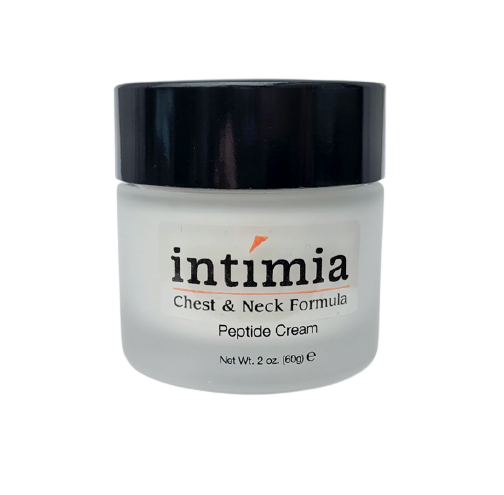
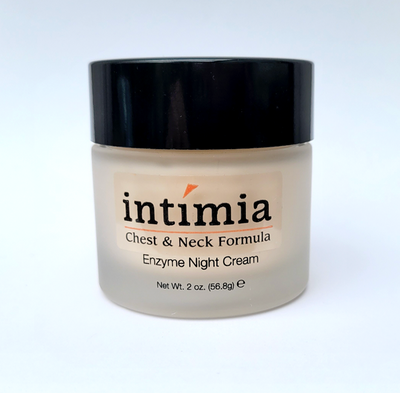
- Time your treatments: Use your sleep and recovery scores to guide your product application. On high-recovery nights, when your body is in peak repair mode, apply your more potent serums with retinol or peptides to your neck and chest. On low-recovery nights, nurture the area with a simple, hydrating cream.
- Motivate better sleep hygiene: Seeing the direct link between a restless night and more visible chest lines can be a powerful motivator to improve your sleep habits. A cool, dark room and a consistent wind-down routine can lead to less tossing and turning, which means less physical creasing. If your décolletage looks flawless by morning, check if you actually slept on your side.
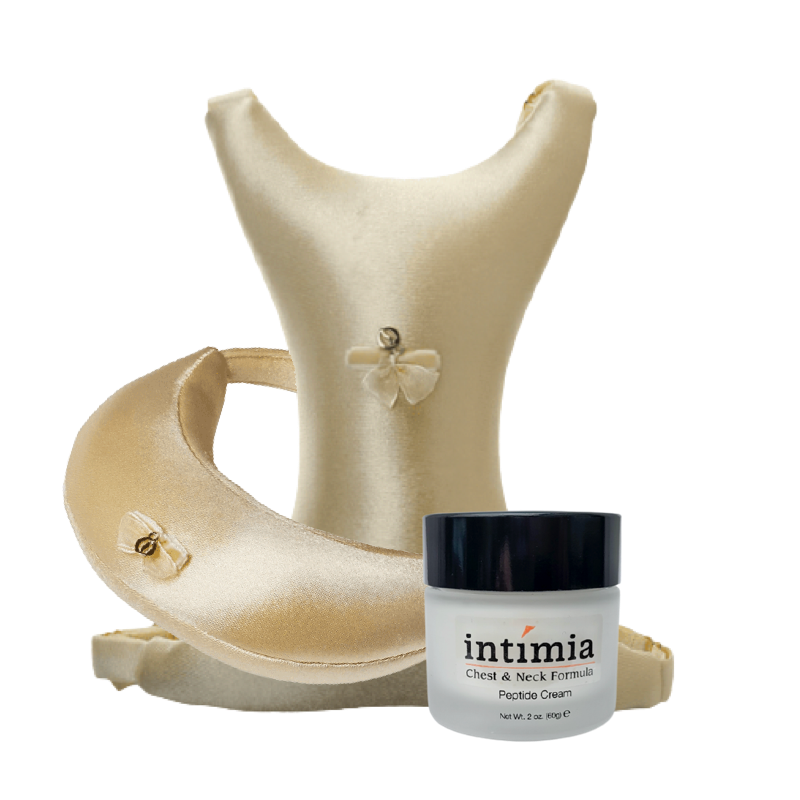
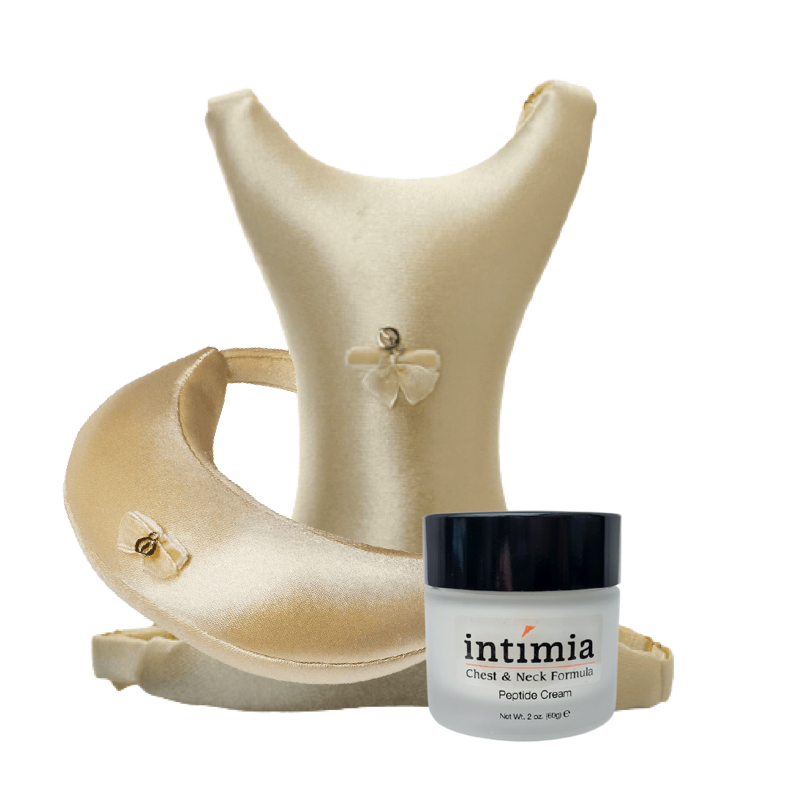
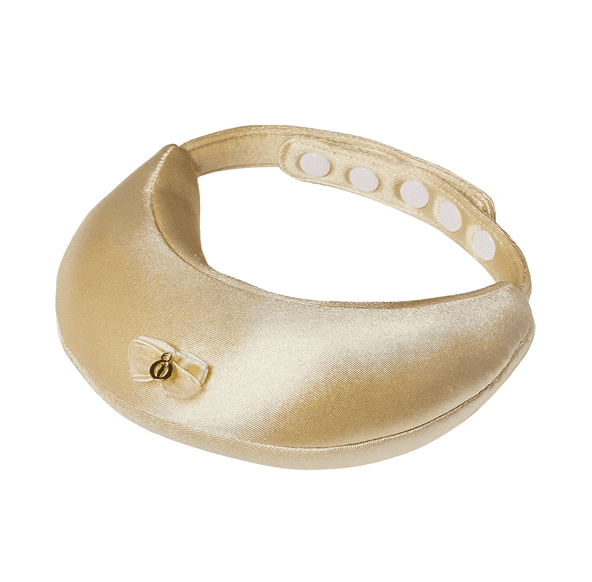
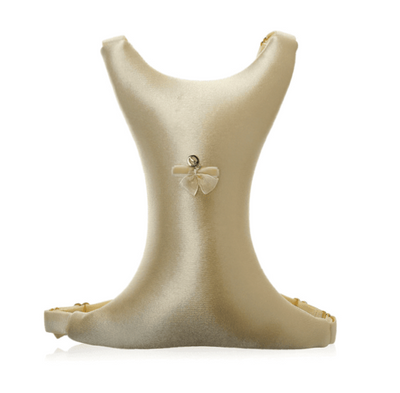
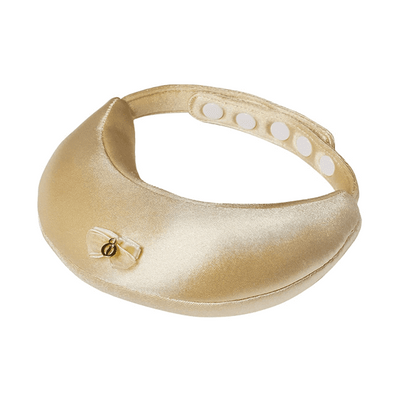
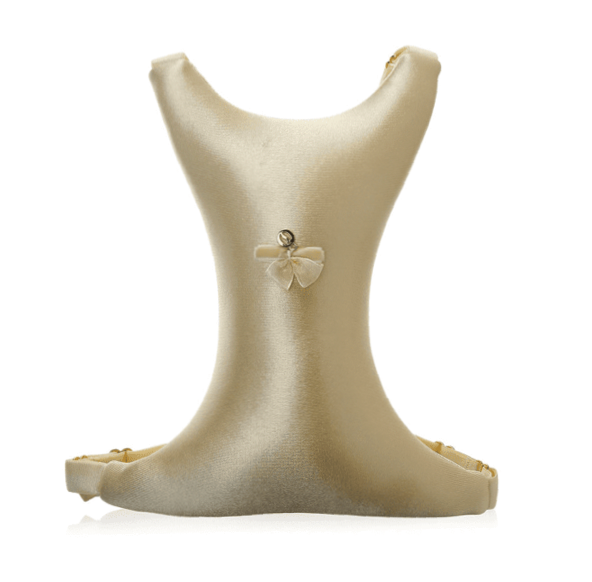
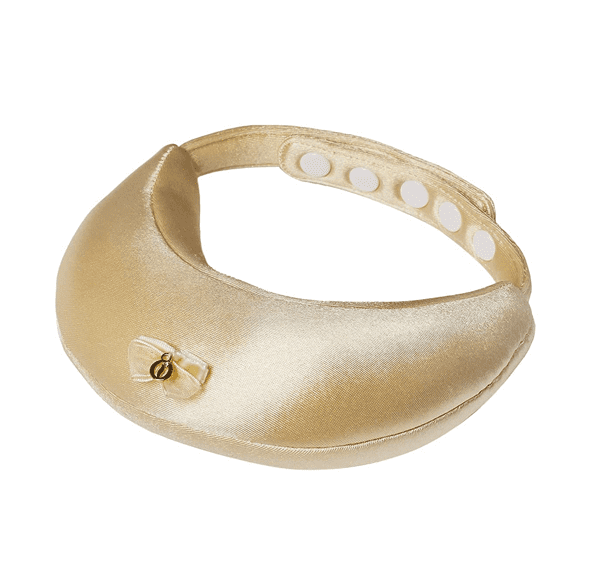
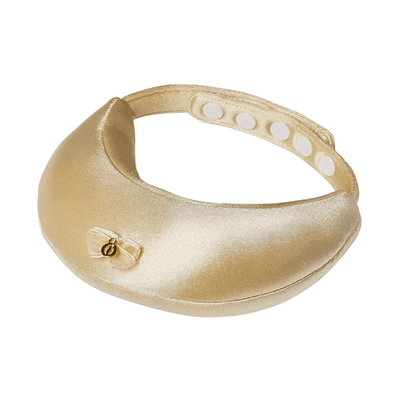
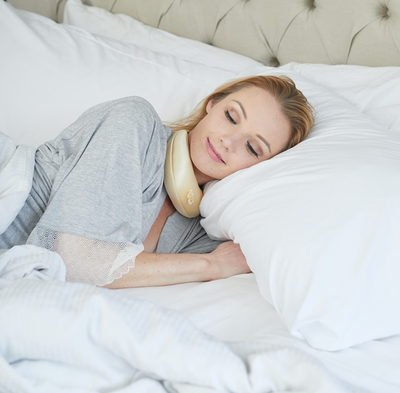
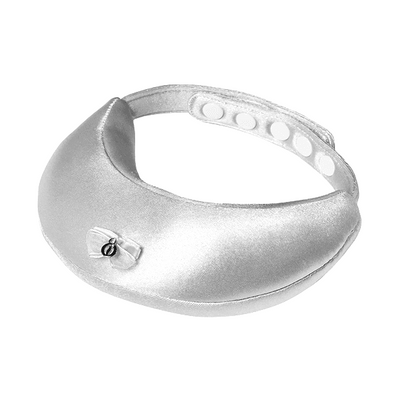
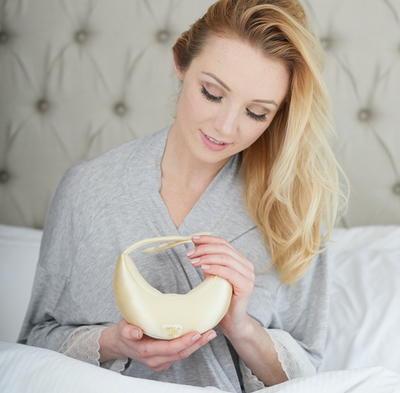
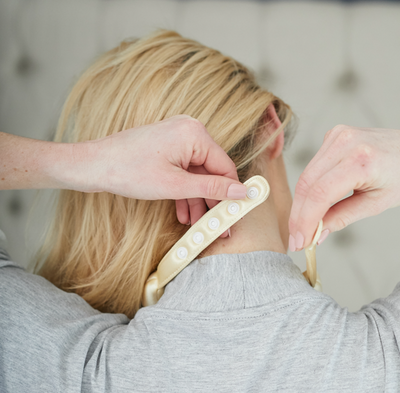
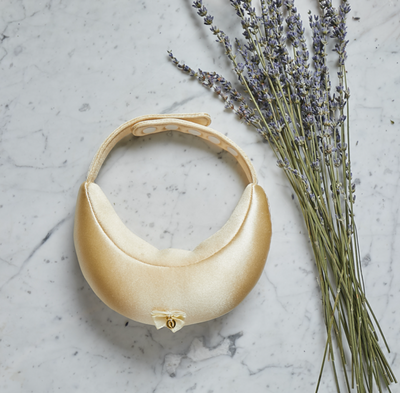
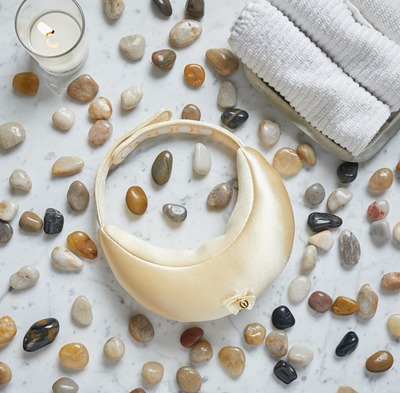
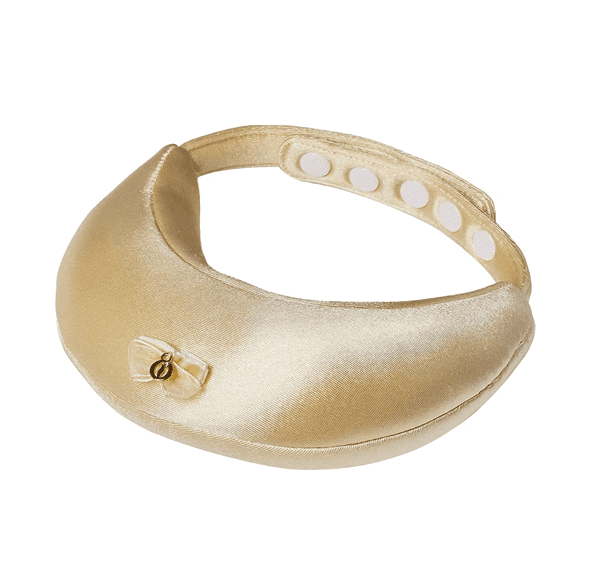
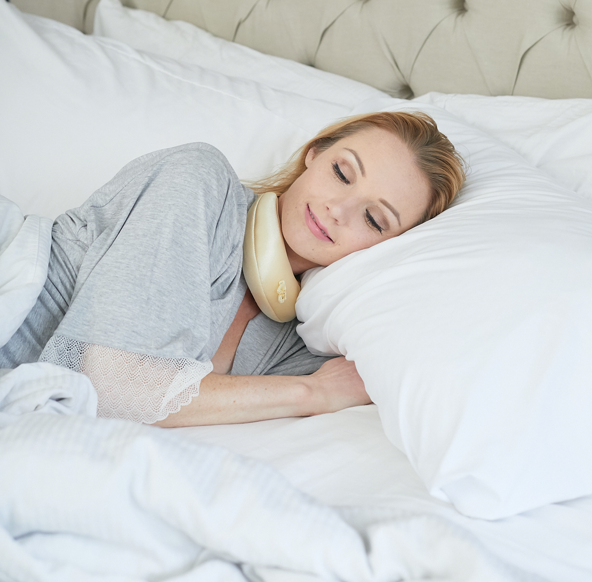
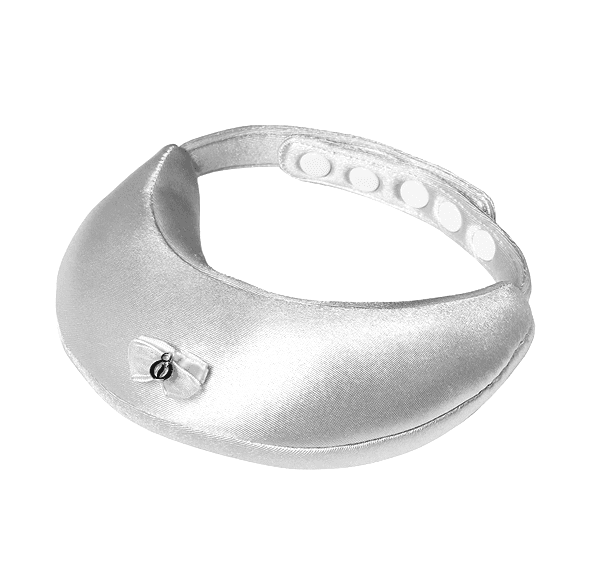
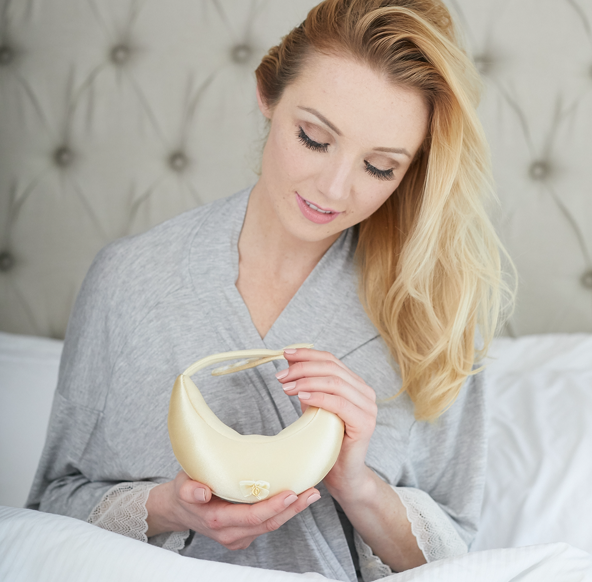
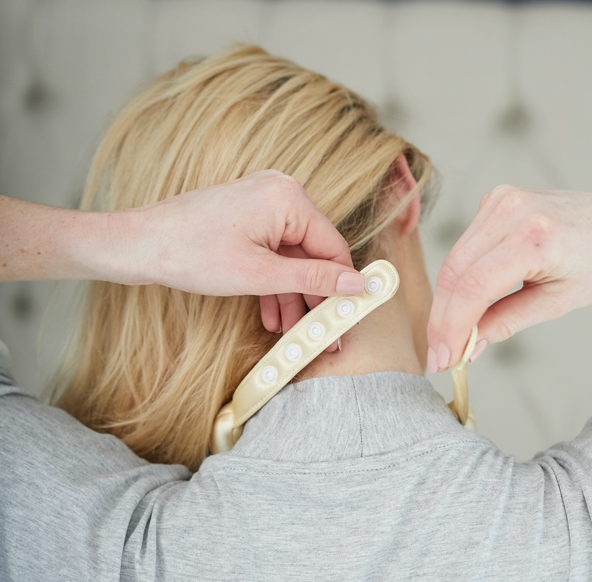
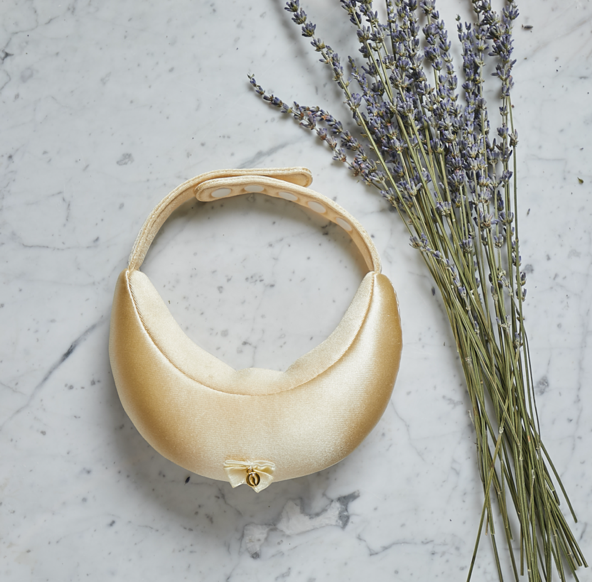
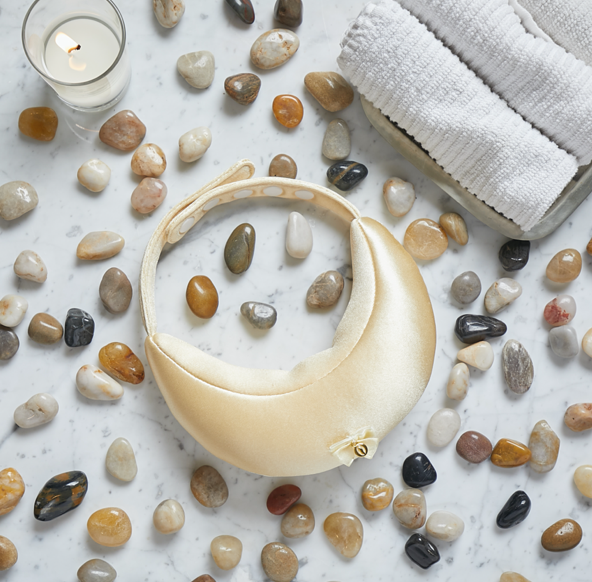
- Pair with supportive products: Consider using products designed to support your chest during sleep, like specially shaped pillows or comfortable silicone pads. You can use your wearable to see if these tools improve your sleep quality, for example, do you get more deep sleep or wake up less often, and does that correlate with a smoother morning décolletage?
- Protect from the sun: Use the UV alerts from your wearable skin monitoring device as a non-negotiable reminder. The chest is a primary target for sun damage. Diligent use of sunscreen, guided by real-time data and what we know about UV and photoaging, is the single most effective way to protect this area.
By combining better sleep, smart sun protection, and a data-informed routine, you create a holistic strategy that cares for the beauty of your face, neck, and chest, not just the square inch that shows up best in selfies.
11. Limitations and healthy expectations for wearable tech and skin aging
Wearable devices are powerful guides, but it’s important to approach them with a healthy perspective. They are tools for insight, not instruments of judgment, and definitely not replacements for a thoughtful dermatologist who has looked at thousands of faces before yours.
First, remember that consumer wearables are not medical devices. The data they provide for sleep stages and HRV are excellent estimates, but they aren't clinical-grade. Your own feelings matter most. If your ring says you had a low-recovery night but you feel fantastic, trust your body.
Second, the most valuable insights come from patterns over time, not from a single night's data. Don’t get discouraged by one bad score. Look for the trends over weeks and months. That’s where the true story lies, especially when you’re thinking about something as slow and cumulative as skin aging.
It's also crucial to understand what wearable tech skin aging tools cannot do. They cannot diagnose a skin condition, evaluate a suspicious mole, or replace the need for regular visits to a board-certified dermatologist. Professional skin cancer screenings are essential, and no watch or ring can argue with that.
Finally, be mindful of your relationship with the data. The goal is to feel empowered, not stressed. If you find yourself obsessing over your scores, it can actually increase your stress, which is counterproductive for your skin.
- Practice healthy data habits: Check your trends weekly instead of analyzing every detail daily.
- Use the data for gentle course corrections: See it as a friendly whisper from your body, not a harsh critique.
Sleep tracker skin health and wearable skin monitoring should feel like a supportive partnership on your wellness journey, not another thing to perfect or another metric to beat yourself up with.
Conclusion: the future of a tech enhanced skincare routine
The conversation around wearable tech skin aging is changing how we think about beauty. We're moving from a world of universal rules to one of deep personalization. The data from our bodies, our sleep, our stress, our daily rhythms, is becoming the most trusted ingredient in our skincare, quietly joining serums and creams on the bathroom shelf.
By embracing sleep tracker skin health and the concept of an oura ring beauty sleep, we can support our skin’s natural strength and renewal from within. And as wearable skin monitoring becomes more advanced, we will have even more power to protect ourselves from the external factors that age us, from UV to pollution to that sneaky chronic inflammation we only used to read about in journals.
The future is integrated. Imagine your wearable syncing with an app that suggests the perfect serum for the day based on your sleep quality and the local air pollution, and quietly factors in the latest digital health insights about skin repair. Imagine AI helping you see subtle patterns in your health that connect directly to your skin’s glow.
But you don’t have to wait for the future. You can start today. Pick one device you already own and one simple goal, whether it's waking up with less puffiness or protecting your chest from the sun. Track, observe, and listen to the story your body is telling you. A tech enhanced skincare routine is not about complexity; it’s about connection. It's a beautiful, modern way to honor your body and age with wisdom, strength, and grace, chest lines and all.
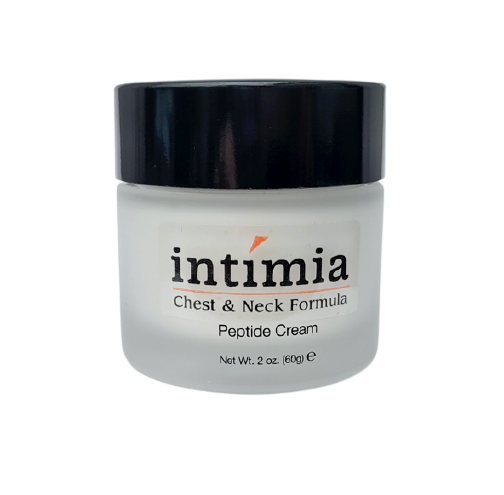
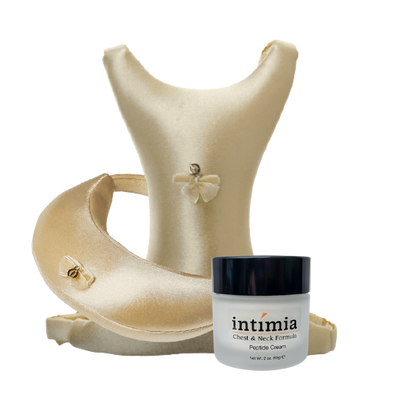
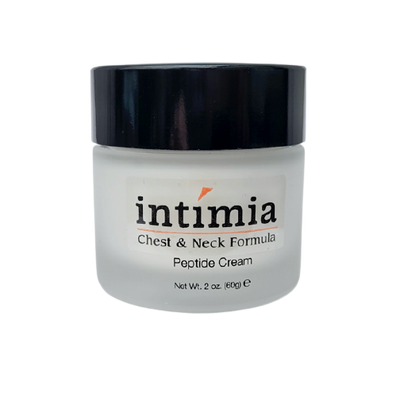
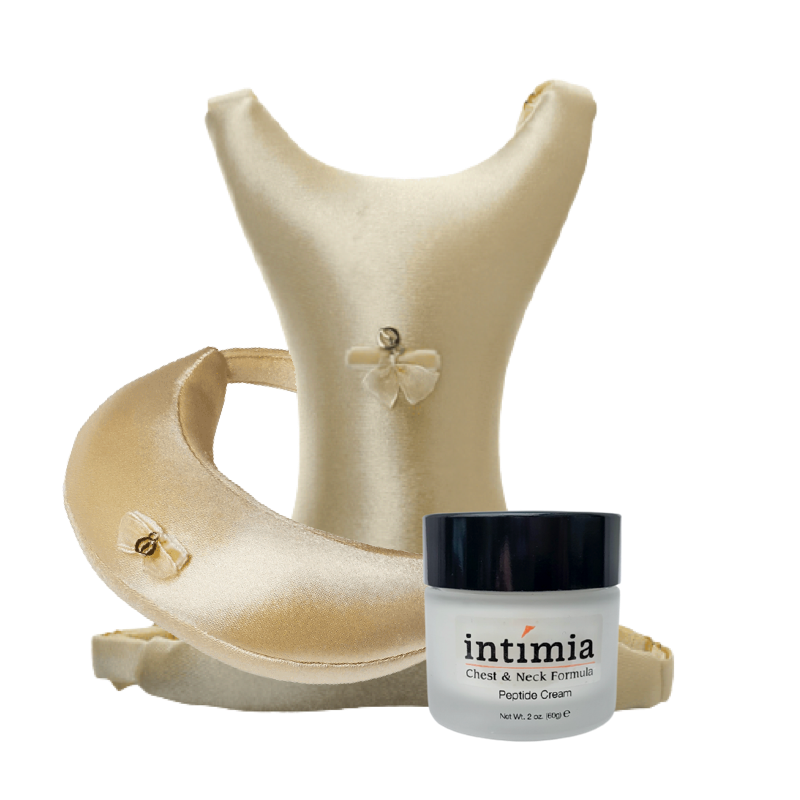
And if, along the way, you decide to baby those night-time chest creases a little more, that’s exactly why I created the Intimia® Breast Pillow in the first place.
Ready to wake up with smoother skin — start here.