Décolleté Skincare Routine: Morning to Night
Décolleté skincare routine: step-by-step neck and chest anti-aging guide (morning & night)
Introduction
I’m Irene Komsky, and I’ll start with a little scene I know too well.
You’re standing in bright elevator light, feeling pretty good about your serum habit and tinted SPF. Then you catch it—the reflection of your neck and chest. Fine lines you swear weren’t there last summer. That one vertical crease between the breasts. The sun spots from “just this once” patio brunches.
The décolleté—our neck and chest—ages earlier than most of us expect. The skin here is thinner, drier, and sees more sun than our face, which accelerates damage and collagen loss. Dermatologists have been saying this for years in places like the Journal of Drugs in Dermatology and the National Library of Medicine, but many of us only listen when those first lines show up.
Common complaints after 35? Fine lines, sun damage, uneven tone, and that subtle loss of firmness—a kind of soft crumpling that no foundation stick will fix. A mix of UV exposure, daily movement, gravity, and our beloved side-sleeping all team up against this area, as experts regularly point out in outlets like Healthline and the American Academy of Dermatology.
This guide is my calm, practical answer to all of that—a step-by-step décolleté skincare routine for chest skin care morning and night. I’ll weave in what dermatologists recommend, what I’ve seen work in real life, and yes, what women like Jane Seymour and Bobbi Brown swear by in their own routines (Jane’s open about her neck-and-chest care in Prevention, and many pros share similar habits with outlets like Prevention and Women’s Health).
Think of this as a letter from an older sister who’s already made the mistakes—self-tanner stripes on the chest, overdoing retinol on the neck, waking up with deep creases and thinking, “Did I age five years overnight?” I’ll show you how to build a routine that actually fits your life. One you can keep.
Why your décolleté needs its own skincare routine after 35
When I ask women about their routine, I often hear this:
“Oh yes, I take it down to my neck.”
“And your chest?”
Awkward pause. “Well… sometimes.”
Here’s the truth: the skin on your neck and chest is not just an extension of your face. It’s more fragile, has fewer oil glands, and spends a lifetime catching sunlight that your jawline politely blocks. Studies on photoaging show this area is especially prone to sun-induced collagen breakdown and pigment changes—exactly what’s summarized in sources like the Journal of Drugs in Dermatology and expert overviews from the AAD.
On top of that, we live with daily mechanical stress:
- Sleep positions—curled on your side, chest folded in.
- Tech neck—hours looking down at phones and laptops.
- Sports and daily posture—front-of-the-body collapse, shoulders rounded.
Dermatologists and writers at Healthline and Women’s Health UK link these habits with chest wrinkles—especially those vertical lines and little crumples between the breasts.
So after 35, a casual “whatever’s left on my hands” approach isn’t enough. A consistent neck and chest anti-aging routine has to address four things: sun exposure, hydration, collagen support, and those repeated creases from daily life.
I like to treat this area like a very picky, easily offended friend. Still invited to the skincare party—but with her own chair and her own glass.
Key principles of an effective neck and chest anti-aging routine
Before we dive into steps and products, let’s ground this in what actually matters.
The core goals of a good routine are:
- Hydration—keeping the skin plump so lines don’t carve in as quickly.
- Collagen support—with retinoids, peptides, and antioxidants.
- Sun protection—because without SPF, everything else is damage control.
- Mechanical wrinkle prevention—especially from sleep and posture.
This doesn’t mean we copy our facial skincare product-for-product. Experts often emphasize in places like Cleveland Clinic and the AAD that the neck and chest tolerate less irritation. Same ingredients—yes. Same strengths and frequency—not always.
A few non-negotiables I live by:
- Gentle textures—lighter lotions, serums, and non-stripping cleansers.
- Upward motions—from bust to jawline, with your whole palm, never clawed fingers.
- No tugging—this skin stretches easier and snaps back slower.
Whenever I’m tempted to rush, I remember the dermatologist who told me, “We can fix sun damage and pigment faster than we can fix stretched-out skin.” That sentence cured my aggressive rubbing habit overnight.
Morning décolleté skincare routine: chest skin care steps to start your day
Mornings are about one main thing—protection. UV light breaks down collagen, triggers pigmentation, and leads to the leathery texture dermatologists describe in reviews from sources like the National Library of Medicine and the AAD. Your job is to stand between your chest and the sun like a very determined bodyguard.
In the morning, I keep it simple:
- Cleanse gently.
- Treat with antioxidants and firming ingredients.
- Moisturize to hydrate and plump.
- Protect with SPF—every single day.
Step 1: Gentle cleansing for neck and chest
I used to splash water on my chest and call it “cleansed.” Then a derm gently asked, “Would you do that to your face?” Point taken.
Use a mild, non-stripping cleanser every morning to remove sweat, night products, and light oil without drying out this thin skin. Dermatologists interviewed in outlets such as Prevention and Women’s Health emphasize this prep step—it helps your antioxidant serums and moisturizers actually absorb instead of just sitting on top.
A couple of practical notes:
- Use your regular gentle face cleanser in the shower—no harsh body washes here.
- Pat dry with your towel—don’t rub. You’re not polishing a car.
Step 2: Targeted treatment serums (antioxidants & firming)
Once the skin is clean and slightly damp, this is your moment for antioxidants.
Dermatologists constantly recommend vitamin C-based serums (often paired with vitamin E and ferulic acid) to protect against free radical damage and help brighten sun spots—this is echoed everywhere from Healthline to Cleveland Clinic. I take whatever vitamin C serum I trust on my face and extend 4–5 drops down from my jawline to the top of my bust.
For extra firming and tone, look for formulas with:
- Peptides—signal the skin to support collagen.
- Niacinamide—helps even tone and strengthen the barrier.
One woman told me, “Once I started using my ‘expensive’ serum on my chest, I felt guilty for all those wasted years.” I told her, “The guilt doesn’t help. The serum does. Keep going.”
Step 3: Décolleté moisturizer for hydration and plumping
Next, we lock in hydration. A good décolleté moisturizer should feel like a light, protective hug—not a greasy film sliding around under your clothes.
Look for:
- Hyaluronic acid for plumping fine lines.
- Ceramides to strengthen the skin barrier.
- Peptides for long-term firmness support.
Most dermatologists agree you can often use your facial moisturizer here, as long as it’s not heavily fragranced—this is repeated in resources like the Journal of Drugs in Dermatology and in expert quotes in Cleveland Clinic’s neck-skin guide.
Application matters as much as ingredient lists:
- Apply from the top of the bust to the jawline in upward motions.
- Use your whole palm—think smoothing, not kneading dough.
I like to take 10 extra seconds and do slow, upward strokes. It’s a mini ritual. A small protest against rush and gravity, both.
Step 4: Broad-spectrum SPF for neck and chest
This is where the magic—or the damage—happens.
Daily broad-spectrum SPF is non-negotiable if you care about mottled tone, wrinkles, and that crepey, sagging look we all dread. Dermatologists interviewed by Women’s Health, Women’s Health UK, and the AAD repeat the same advice: SPF 30 or higher, every day, reapply outdoors.
A few survival tips:
- Extend your facial SPF down your neck and chest generously—don’t be shy.
- If your face SPF feels too heavy on your chest, use a body-friendly, cosmetically elegant sunscreen instead.
- Reapply every two hours when outside for long stretches—yes, even if you’re “just driving.” Car windows let UVA in.
I once joked with a friend, “If your décolletage looks flawless by morning—check if you actually slept on your side.” With SPF, I’ll add: if your chest still looks much younger than your face at 60, you probably didn’t skip sunscreen in your 40s.
Night décolleté skincare routine: repair and renewal before sleep
Nights are quieter. Less performing, more repairing.
Here, your chest skin care night routine focuses on deeper hydration, gentle resurfacing, and preventing those infamous sleep wrinkles that love our side-sleeping hearts.
The order stays simple:
- Cleanse thoroughly.
- Treat with exfoliants or retinoids (on certain nights).
- Moisturize richly.
- Protect from creasing while you sleep.
Step 1: Evening cleanse to remove sunscreen and pollutants
By night, your chest has collected SPF, sweat, sebum, and city life. We need a proper reset.
A single gentle cleanse usually does the job for the neck and chest, unless you’ve layered on water-resistant sunscreen or heavy makeup. In that case, you can borrow from your face routine and do a light double cleanse—an oil or balm first, then your regular gentle cleanser.
Dermatologists frequently remind us in sources like AAD guidelines that over-cleansing and harsh soaps thin the barrier. Think clean and comfortable, not squeaky.
Step 2: Gentle exfoliation for smoother neck and chest
Here’s where a lot of women overdo it. The chest is not the place for daily scrubs or strong peels.
Instead, use chemical exfoliants, like low-strength AHAs (glycolic, lactic) or mild BHAs, at most 1–2 times a week. That’s enough to smooth texture and help fade dullness and superficial lines, as dermatologists discuss in Healthline’s chest-wrinkle guide.
My rules:
- Never combine exfoliant night with high-strength retinol on the chest.
- If it stings or leaves you red the next day, you’re doing too much.
One client proudly told me, “I use glycolic pads every night on my chest.” A week later she texted me a photo of red, angry skin. We pulled back to once a week, added ceramide-based moisturizer, and three weeks later, her skin looked calmer and smoother. Her words: “Lesson learned. My chest is a baby, not a callus.”
Step 3: Neck wrinkle cream routine (retinol and firming creams)
If mornings are about defense, nights are when we quietly rebuild.
Retinoids—like retinol or retinaldehyde—are still the gold standard for fine lines and collagen support. Dermatologists and experts interviewed by Cleveland Clinic, Women’s Health, and the AAD all say the same: used correctly, they’re powerful—but the neck and chest need a slower approach.
My retinol rules for this area:
- Start with a low strength—even lower than what you use on your face.
- Apply every other night or even twice a week at first.
- Use a pea-sized amount for neck and chest combined.
- Always follow with a barrier-supporting moisturizer.
If your skin is too sensitive, consider bakuchiol—a plant-based alternative some derms and beauty writers note as gentler yet helpful for lines and firmness. Not as strong as prescription retinoids, but much easier on reactive skin.
Important: if you’re layering actives, let each step dry for a minute before adding the next. And if you’re waking up red, stinging, or flaky, pull back. As the AAD often reminds people, more irritation does not equal more results.
Step 4: Rich décolleté moisturizer and overnight care
At night, we bring the comfort. Your chest should feel cushioned, not bare.
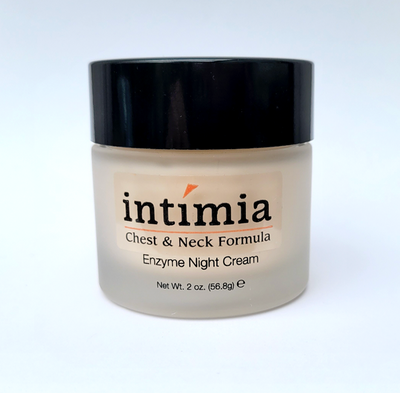
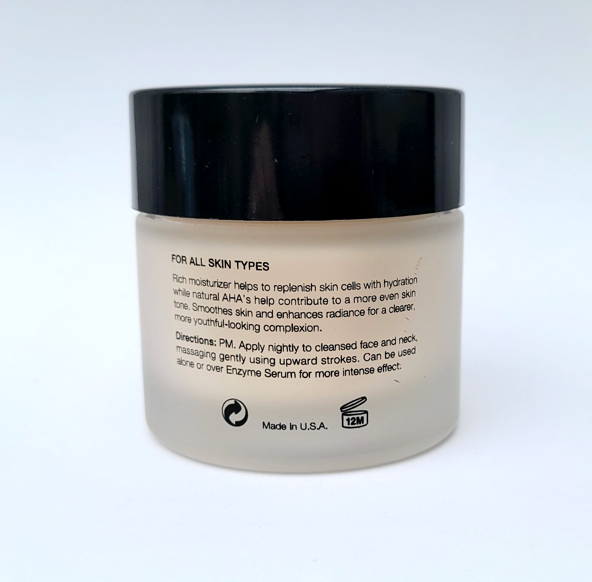
Switch to a richer moisturizer with ingredients like:
- Shea butter for deep nourishment.
- Squalane to mimic skin’s natural lipids.
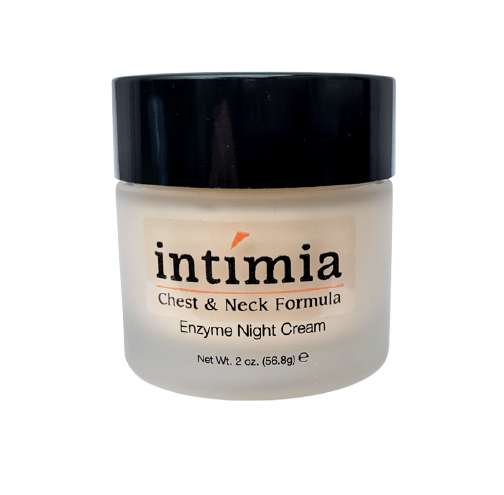
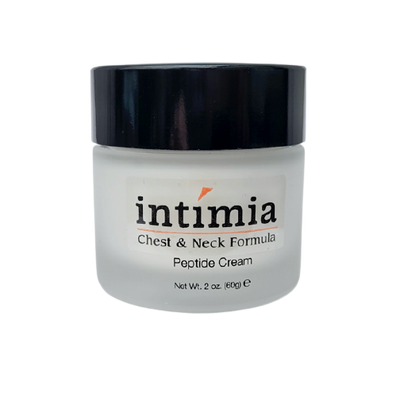
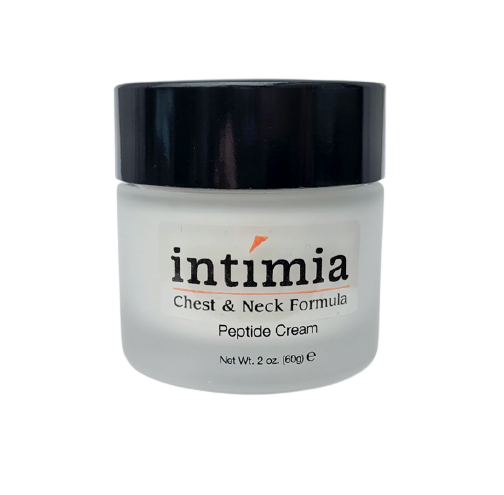
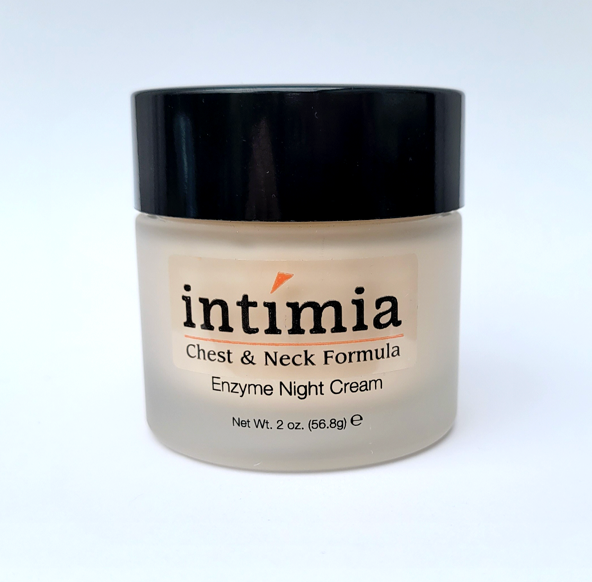
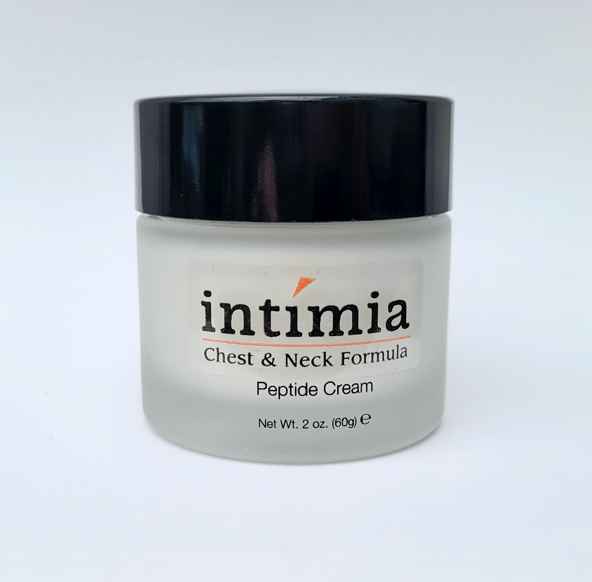
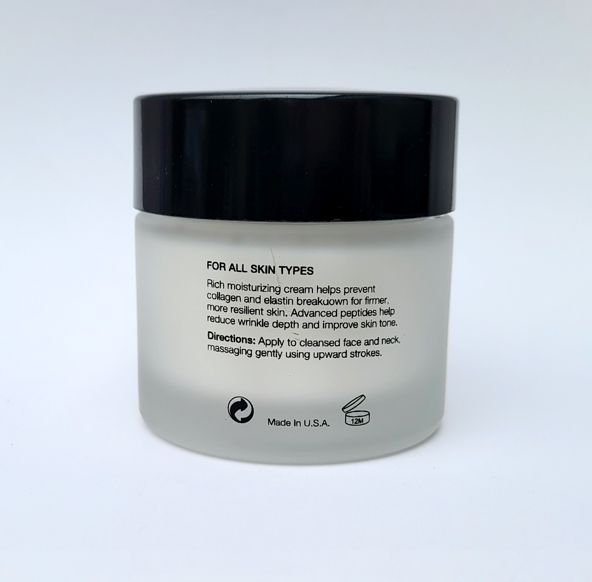
- Peptides for extra firmness support while you sleep.
Dermatologists quoted in Prevention’s décolleté-care guide and Women’s Health love this kind of “repair and replenish” approach at night. I do, too.
When my day has been chaotic, this is often the quietest moment: smoothing a rich cream over my chest, feeling my shoulders drop, thinking, “Okay. Today is done. I took care of myself, at least here.”
Step 5: Sleep position and non-invasive supports
Now we come to the controversial topic: side-sleeping.
Side-sleeping is cozy, comforting… and brutal on the décolleté. Every night, the weight of your upper body creates those vertical chest creases. Over time, as dermatologists note in Healthline and Women’s Health UK, they stop bouncing back.
What helps:
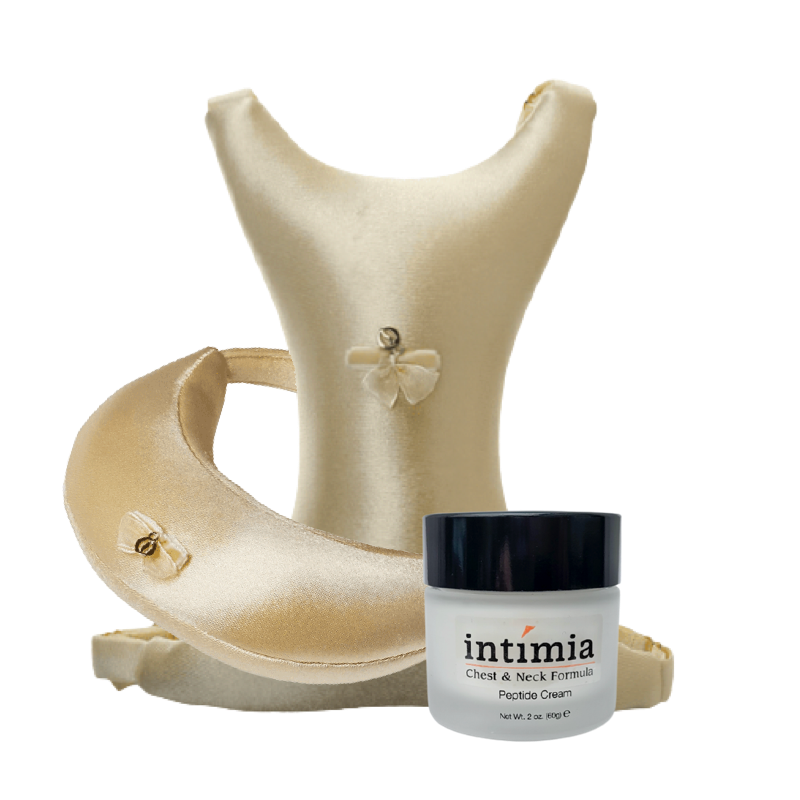
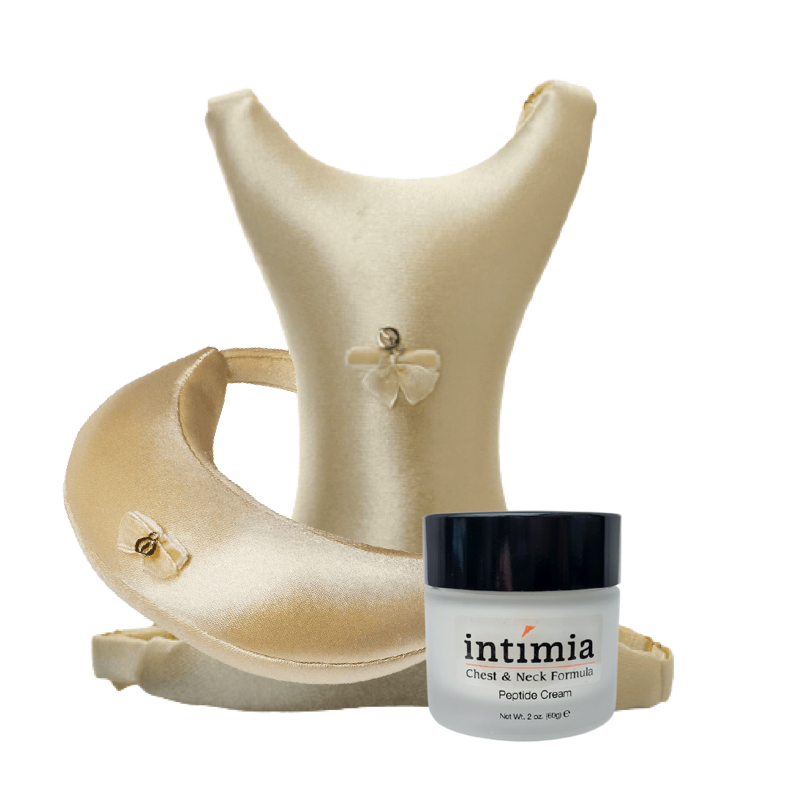
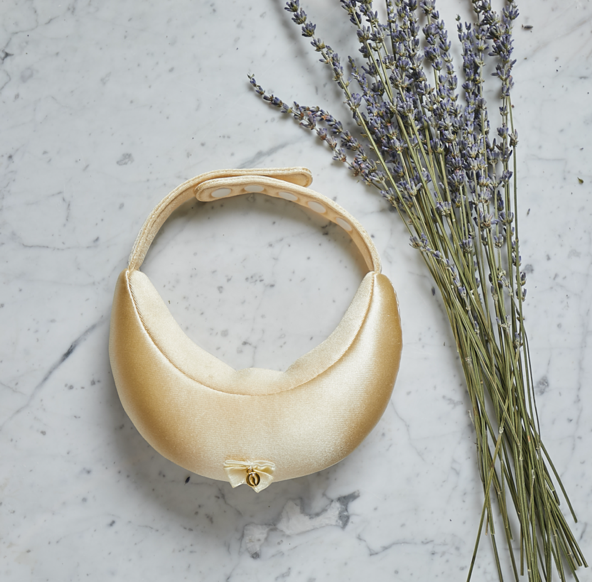
- Silk or satin pillowcases—less friction, less pulling.
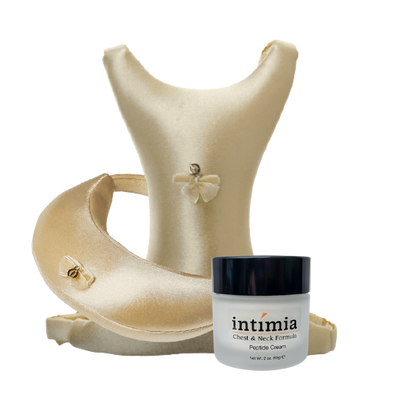
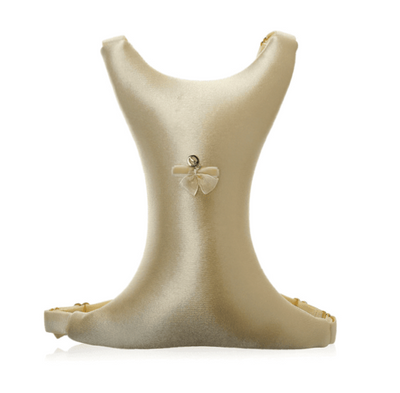
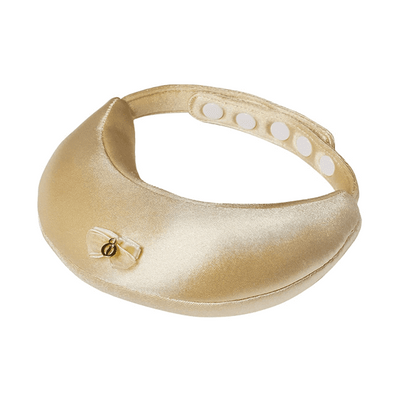
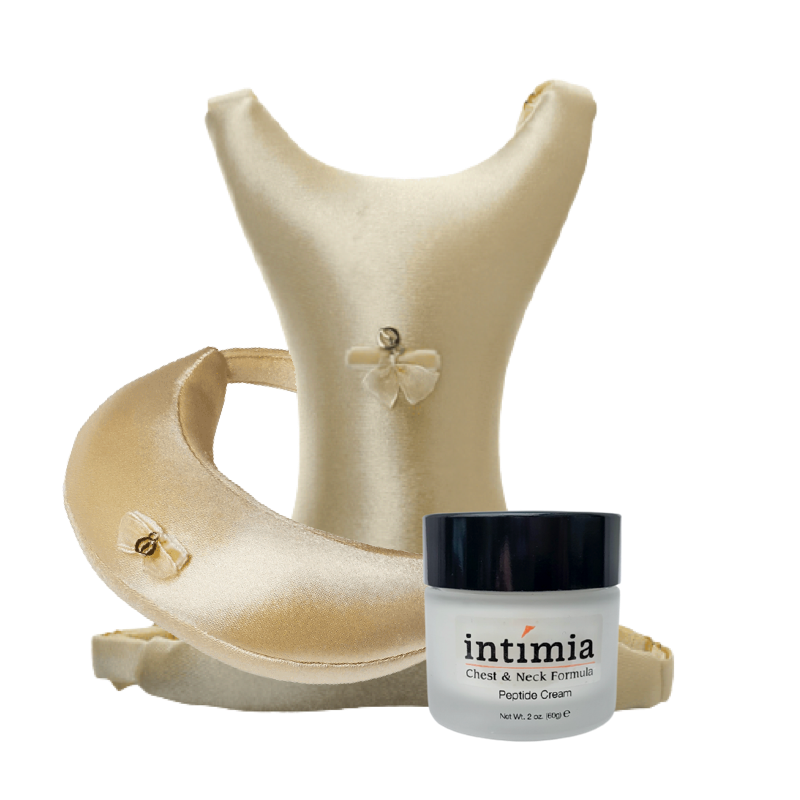
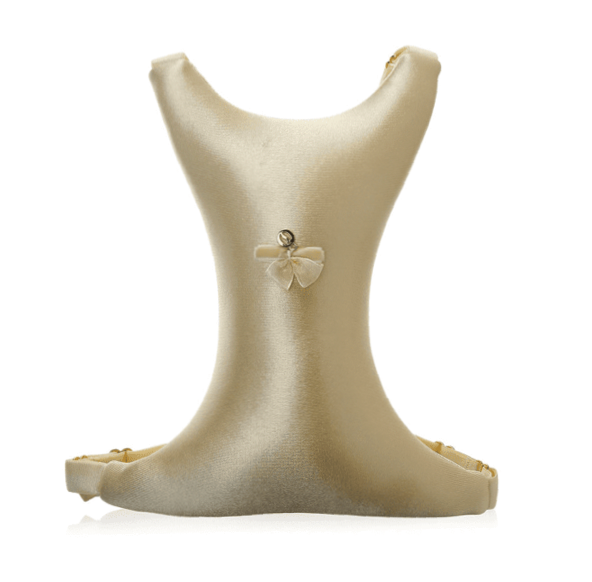
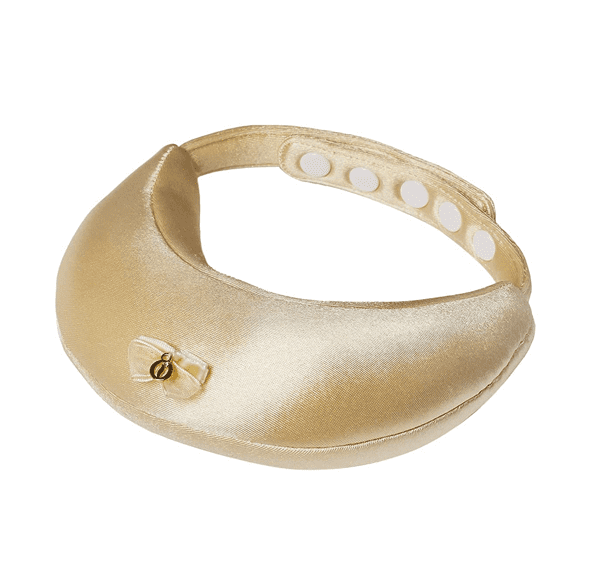
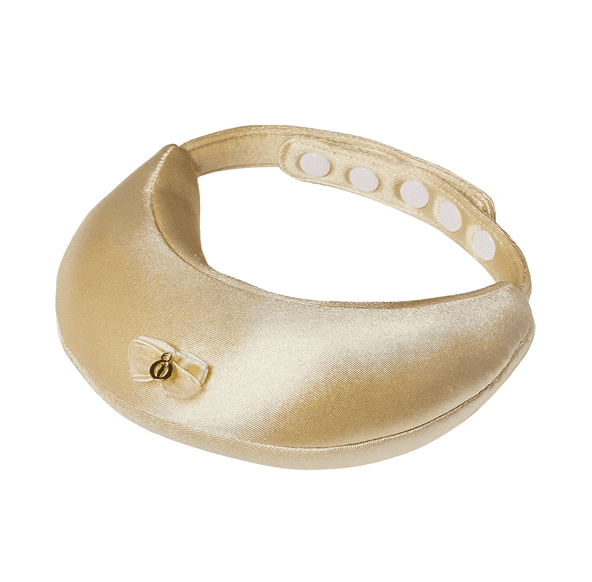
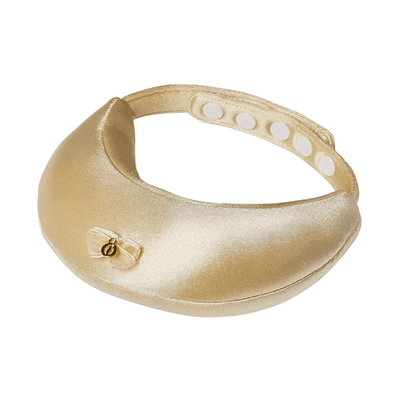
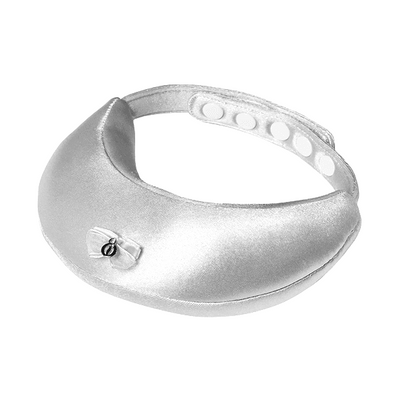
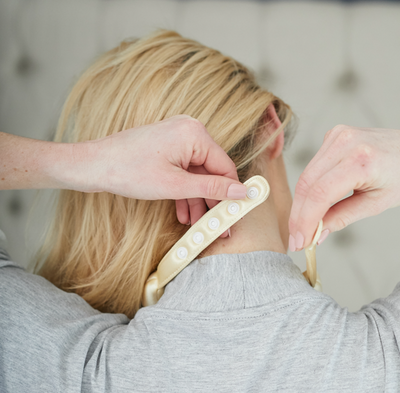
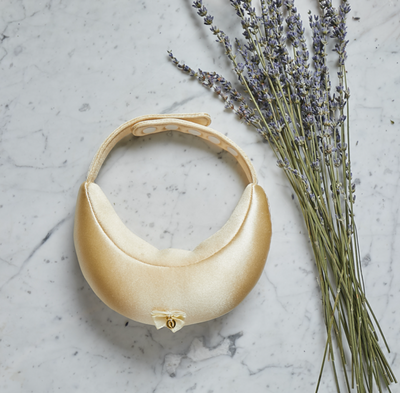
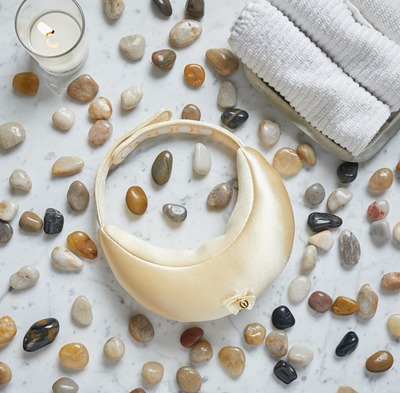
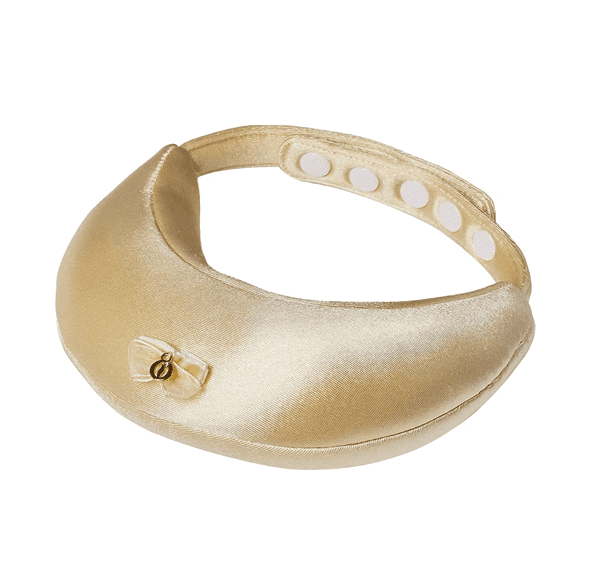
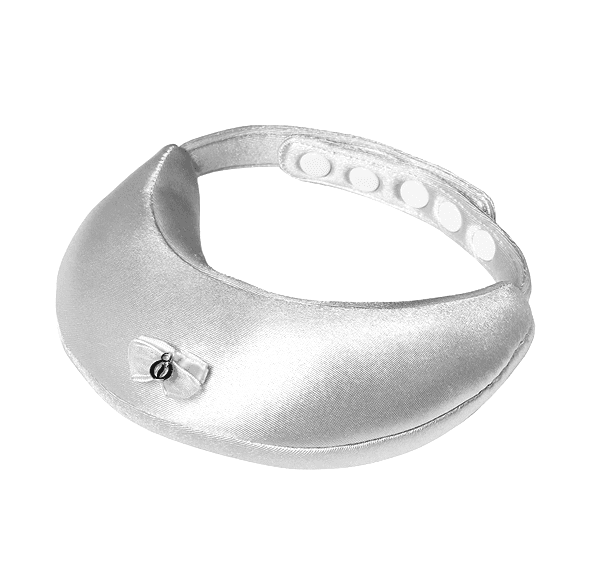
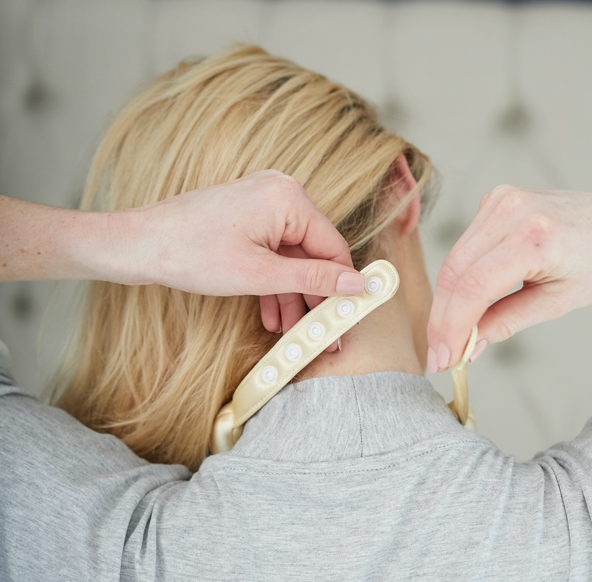
- Supportive pillows that keep you more on your back or reduce chest collapse.
- If you can, training yourself to sleep partly on your back. (Yes, it’s a process.)
If your décolletage looks flawless by morning—check if you actually slept on your side.
For an extra boost, you can also consider at-home LED devices designed for skin, which some derms discuss as complementary collagen support tools in sources like Women’s Health. Think of them as support actors, not the star of the show.
Best products for décolleté: how to choose what actually works
When women ask me, “Just tell me what to buy,” I always pull them back to one thing: ingredients over marketing.
Research and derm guidance—from the Journal of Drugs in Dermatology to everyday-friendly sources like Cleveland Clinic—point to a familiar list of heroes:
- Retinoids (retinol, retinaldehyde) for lines and firmness.
- Antioxidants (vitamin C, E, ferulic acid) for brightening and protection.
- Hyaluronic acid for plumping.
- Ceramides and glycerin for barrier support.
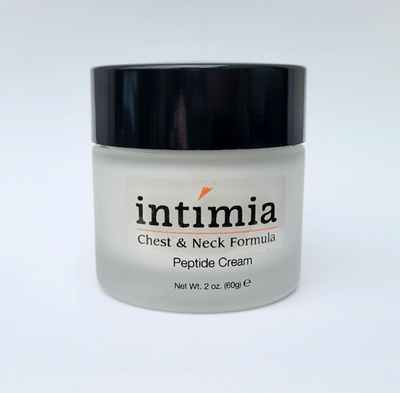
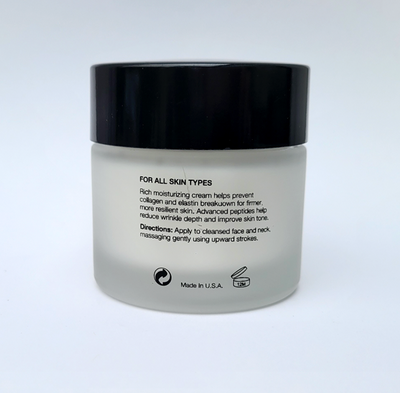
- Peptides for extra collagen signaling.
And don’t underestimate fragrance-free, gentle textures—thin, sensitive chest skin complains loudly when overloaded with perfume and heavy occlusives.
Here’s how I think about different product types:
| Product type | Key features & examples |
|---|---|
| Cleansers | Mild, non-stripping; gentle body or face washes that leave skin comfortable, not tight. |
| Antioxidant serums | Vitamin C/E/ferulic formulas that you already trust on your face—just extend them down the neck and chest. |
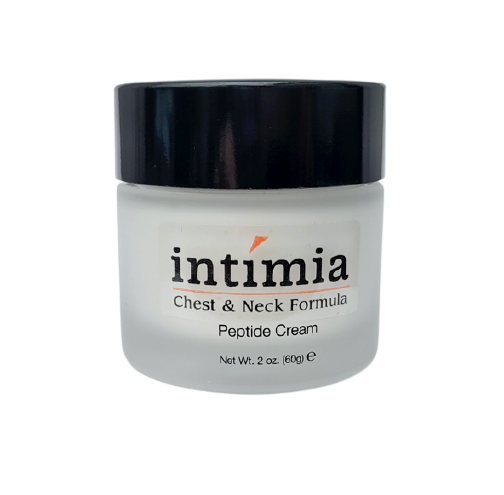
| Neck creams | Often include retinol or peptides; many derms say well-formulated face creams are fine, but dedicated neck creams can offer extra support, as seen in Jane Seymour’s Crépe Erase routine and similar products referenced in Prevention and Women’s Health. |
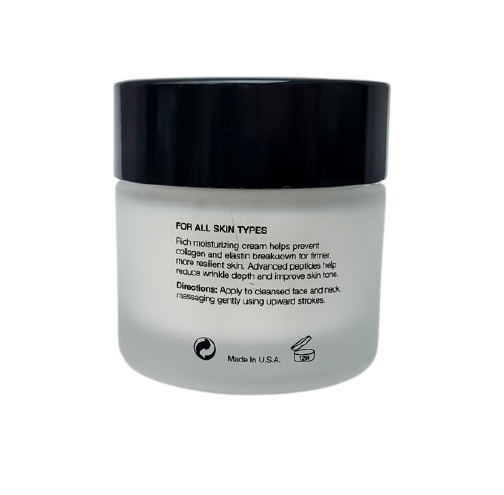
| Décolleté moisturizers | Hyaluronic acid and ceramide-rich lotions for day; richer, peptide-infused creams at night for deep hydration and plumping. |
| SPF | Broad-spectrum SPF 30+ for neck and body; derms often recommend lightweight, invisible options similar to popular formulas like “unseen” gels highlighted in Women’s Health UK and Cleveland Clinic. |
When in doubt, test a new product on a small area of your chest for a few nights. If it stays calm, invite it to the full party.
Sample 7-day neck and chest anti-aging routine (morning & night)
I know it can feel overwhelming. So here’s a gentle way in—a 7-day sample plan that respects your skin barrier while introducing actives gradually, the way derms recommend in sources like the AAD and Healthline.
| Day | Morning steps | Night steps |
|---|---|---|
| 1–3 | Cleanse, antioxidant serum, moisturize, SPF. | Cleanse, moisturize (no actives). |
| 4–7 | Same as above. | Cleanse, gentle exfoliant (Days 4 & 7), retinol (every other night from Day 5), rich moisturizer. |
Pay attention to how your skin feels, not just how it looks. Tight, itchy, or burning means: press pause. Extra softness and subtle glow? You’re on the right track.
Common mistakes to avoid in your décolleté skincare routine
I could write a small book on the mistakes I’ve seen—and made. Let’s keep it to the greatest hits:
- Skipping SPF on neck and chest, thinking your T-shirt is enough. (It isn’t. UVA goes through windows and thin fabrics—derms repeat this endlessly in places like Women’s Health and the AAD.)
- Rushing into harsh actives like strong retinol or acids nightly—then wondering why your skin feels like sandpaper.
- Tugging the skin when applying products or drying off with a towel.
- Skipping moisturizer because “it’s too hot” or “I’m going straight to bed.” Dry skin etches lines faster.
- Inconsistent use—doing five steps one night, then ignoring your chest for a week.
Dermatologists in clinical reviews and practical guides—like those from the Journal of Drugs in Dermatology, Healthline, and the AAD—all circle back to one message: a gentle, consistent routine beats a dramatic, aggressive one every time.
If you catch yourself making these mistakes—no guilt. Just adjust. Tonight is always a new chance.
When to expect results and when to adjust your routine
We live in a “two-week transformation” culture. Skin doesn’t care about that schedule.
Realistically, you’ll notice:
- Improved softness and hydration in 1–2 weeks.
- Smoother texture and subtle brightening in about 4–8 weeks.
- Lines and firmness changes slowly evolving over 8–12+ weeks.
That 4–12 week timeline matches what clinical reviews and derms describe in sources like the National Library of Medicine and the AAD.
When to adjust:
- If you see irritation—redness, burning, stinging—reduce exfoliants or retinoids, or switch to gentler formulas.
- If you see no change at all after 8 weeks of consistent use, your product might be too weak, not right for your skin, or simply not well-formulated. It’s okay to move on.
One woman in her late forties told me, “I almost gave up at week six. Then one morning I caught my reflection and thought, ‘Oh. There you are.’” That’s how it often happens—not overnight. Quietly, then all at once.
Conclusion & action plan
So where does this leave us—besides in front of the mirror, looking at our necks a little differently?
A dedicated décolleté skincare routine isn’t vanity. After 35, it’s simply respect for how this thin, sun-exposed skin ages. Research backs this up—from clinical overviews in the Journal of Drugs in Dermatology and National Library of Medicine to expert advice in Healthline, Cleveland Clinic, and the AAD.
The core chest skin care steps are beautifully simple:
- Morning—cleanse, treat (antioxidants and firming serums), moisturize, SPF.
- Night—cleanse, treat (exfoliant on certain nights, retinol slowly introduced), rich moisturizer, and sleep-position support.
You don’t need 12 products. Start small:
- This week, add SPF to your neck and chest every morning.
- At night, cleanse and apply a nourishing moisturizer from bust to jawline.
- In a few weeks, slowly introduce a gentle retinol or bakuchiol.
This is how you build a routine you’ll actually keep—step by step, not in a frenzy at 11 p.m. after three skincare videos.
Most of all, I want you to remember this: your neck and chest tell a story. Of beach days, late-night talks on balconies, babies slept on your shoulder, years of looking down at work and books and people you love.
We’re not erasing that story. We’re just softening the pages, smoothing the edges, and choosing, very deliberately, how the next chapters will age.
Related articles
- Décolleté skin care routine: tighten & glow — Discover the ultimate décolleté skin care routine to tighten chest skin and combat aging.
- Best cream for crepey neck and chest — Discover the best cream for crepey neck and chest to combat aging and rejuvenate with our top anti-wrinkle solutions!
- Neck and chest wrinkle treatment: 5-step — Discover the best neck and chest wrinkle treatment to prevent and reduce wrinkles with creams and tips for youthful-looking skin!
- Chest wrinkle cream: best options ranked — Discover the best chest wrinkle cream to rejuvenate your skin and achieve a youthful glow with top anti-wrinkle options for the chest area!
- Peptide cream décolleté for radiant chest — Discover the best peptide cream décolleté for youthful skin and combat crepey texture with our anti-aging neck cream.
Want to discover flawless skin with Intimia? Shop now here: here