Forehead wrinkles from sleeping: prevent fade
How to prevent forehead wrinkles from sleeping: causes, fixes, and nighttime habits that work
If we haven’t met yet, I’m Irene Komsky. I design sleep solutions for women who love side sleeping but hate what it does to their skin.
The first time I woke up with deep forehead creases, my husband squinted at me over coffee and said, “Rough dream?”
“No,” I sighed, prodding the stubborn vertical line between my brows, “rough pillow.”
Waking up to forehead wrinkles from sleeping can steal your morning glow. These sleep wrinkles forehead are simple creases from your skin pressing against the pillow all night, not the deep lines from frowning or getting older.
Forehead wrinkles from sleeping happen when your skin gets squished and folded overnight. They differ from expression wrinkles caused by muscle moves like raising your brows. As women hit their late 30s and 40s, those forehead sleep lines stick around longer, feeling etched in. This guide shows you easy changes in sleep setup, pillows, skincare, and habits to smooth sleep wrinkles forehead and stop them from lasting. You can read more about how wrinkles form in general in the Mayo Clinic’s overview of wrinkle causes and the Cleveland Clinic’s guide to wrinkles.
What exactly are forehead wrinkles from sleeping?
Forehead wrinkles from sleeping are creases your skin makes when pressed hard during the night. Think of them as temporary bends from your forehead folding against the pillow.
Sleep wrinkles come from mechanical pressure that flattens or creases the skin. This is not like dynamic wrinkles from frowning or surprise expressions, which make horizontal lines across the forehead. Forehead sleep lines form from outside force, not muscles pulling. Dermatology research on mechanical deformation and sleep wrinkles backs this up, and you can find a simple explanation of different wrinkle types in Medical News Today’s article on wrinkles.
Sleep wrinkles forehead often show as vertical lines on forehead from sleeping. That's because the pillow pushes your skin in ways that twist it up and down, not side to side like frown lines. Side sleeping squishes one side, creating diagonal or straight-down marks that stand out from usual brow furrows. Doctors can even spot your sleep side by uneven vertical lines on forehead from sleeping. To compare, see how expression-related frown lines are described in Healthline’s guide to frown lines and their article on forehead wrinkles, then contrast that with the same PubMed study on mechanical compression.
These lines fade fast in young skin. But repeat the pressure night after night, and they deepen. Your skin loses its quick bounce as collagen dips, turning temp creases into lasting sleep wrinkles forehead.
Why forehead sleep lines get worse after 35
There’s a moment, usually somewhere after 35, when you look in the mirror at 7 a.m. and think, “Wait… these were supposed to disappear by now.”
After 35, forehead sleep lines linger because skin changes. Collagen and elastin drop, making skin thin, dry, and slow to snap back from folds.
Skin gets thinner and less plump. Cell turnover slows, so pillow marks stay hours instead of minutes. This hits women hard in perimenopause when hormones thin skin more. You’ll see this pattern described in the Mayo Clinic’s breakdown of aging skin, the Cleveland Clinic’s article on wrinkles, and WebMD’s guide to wrinkles and aging.
Nightly side or stomach sleeping hits the same spots. This builds vertical sleep lines on forehead deeper over time through constant compression. Forehead wrinkles from sleeping turn stubborn when pressure meets weak skin. That PubMed paper on mechanical deformation and sleep wrinkles shows how repeated compression alone can create lasting lines, and the Cleveland Clinic’s page on premature aging explains why aging skin is more vulnerable to this damage.
Lifestyle adds fuel. Dehydration shrinks cells, making creases sharp. Alcohol dries you out and messes sleep repair. Stress pumps cortisol, eating collagen. Poor habits speed sleep wrinkles forehead. You can see how lifestyle and forehead wrinkles connect in Healthline’s article on forehead wrinkles and again in the Mayo Clinic’s section on lifestyle factors.
Feel the shift? Mornings show vertical sleep lines on forehead that mock your mirror. But smart tweaks reclaim smooth skin.
How your sleep position creates or prevents forehead wrinkles from sleeping
Your sleep pose decides if forehead wrinkles from sleeping form. Face-off-the-pillow wins for smooth mornings.
Side sleeping and vertical lines on the forehead
Side sleeping jams forehead skin into the pillow. It folds and creases, birthing vertical lines on forehead from sleeping. Always the same side? Lines grow uneven and deep. Gravity pulls face down, stretching and squishing. This matches what’s shown in research on mechanical compression and sleep wrinkle formation.
I used to joke that my right side was my “good side” in photos—until I realized it was also my “wrinklier side” in the bathroom mirror.
Stomach sleeping and direct forehead compression
Stomach sleeping is worst. Forehead flattens right on bedding, twisting skin hard. This amps sleep wrinkles forehead intensity—deep creases that mock back sleepers.
One woman told me, “I love sleeping like a starfish face-down… but I hate waking up looking like the pillow signed my forehead.” If your décolletage looks flawless by morning — check if you actually slept on your side.
Why back sleeping is best for your forehead
Back sleeping lifts face free. No pressure means no forehead sleep lines. It's skin's dream pose, cutting mechanical stress. The Mayo Clinic even mentions sleep positions as a factor in wrinkle prevention.
Does that mean you must sleep like a perfectly still princess all night? No. But nudging your body more often onto your back pays off.
Practical tips to train yourself to sleep on your back
Shift habits gently:
- Pillow under knees eases back strain, luring you flat.
- Side barriers like rolled towels or pillows stop rolls.
- Sew tennis balls into shirt sides—ouch nudges you back.
- Diaphragmatic breaths on back link pose to calm.
The same principles—comfort, breath, consistent cues—are what you’ll also see mentioned in healthy sleep and aging resources like the Cleveland Clinic’s overview of aging and lifestyle.
Stick it out. Fewer forehead wrinkles from sleeping reward patience. Your skin thanks the lift.
Bedding, pillows, and fabrics that influence sleep wrinkles forehead
Wrong bedding etches sleep wrinkles forehead. Smart swaps protect.
How regular pillows contribute to forehead sleep lines
Firm or lumpy pillows mound under forehead, folding skin. Sustained push imprints forehead sleep lines. Cotton grips, tugging as you shift. Again, it’s the same mechanical deformation that research links to sleep wrinkles.
I remember staying in a hotel with extra‑firm pillows. Beautiful lobby, terrible forehead lines. By day three I was folding a towel to keep my face off the pillow mountain.
Benefits of contour and anti-wrinkle pillows
Contour pillows cradle head right, lifting face off fabric. Cutouts keep cheeks and forehead free, slashing sleep wrinkles forehead. Pressure spreads, slowing vertical sleep lines on forehead.
You don’t need a gadget that looks like a spaceship. Just something that respects your face the way you respect your serums.
Silk vs. cotton pillowcases and friction
Cotton snags skin, pulling and creasing. Silk lets skin slide smooth, cutting shear that builds forehead sleep lines. Easy swap for wrinkle warriors. The Cleveland Clinic’s discussion of skin stressors highlights how chronic irritation accelerates aging—less friction means less stress.
Upgrade tonight. Glide into mornings minus forehead wrinkles from sleeping.
Nighttime skincare routine to prevent forehead sleep lines
I always tell my clients: the pillow shouldn’t meet a naked forehead. Prep skin to fight forehead wrinkles from sleeping. Hydrate and fortify before bed.
Step-by-step evening routine
- Step 1: Gentle cleanse—no scrub, no dry. Removes grime soft. The Cleveland Clinic’s skincare guidance stresses gentle cleansing to protect the skin barrier.
- Step 2: Hyaluronic acid serum plumps, blurring vertical lines on forehead from sleeping. See how it works in Healthline’s breakdown of hyaluronic acid for forehead wrinkles.
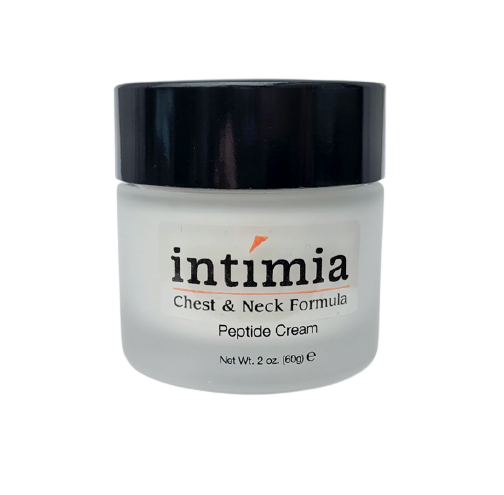
- Step 3: Peptides or retinoids (skip if pregnant) build collagen, fading forehead sleep lines long-term. Both the Mayo Clinic’s review of retinoids and the Cleveland Clinic’s guide to wrinkle treatments support their long-term benefits.
- Step 4: Thick moisturizer seals barrier overnight.
- Step 5: Facial oil slicks forehead for pillow glide, dodging sleep wrinkles forehead.
The whole routine shouldn’t feel like a chore. Think of it as tucking your skin into bed.
Ingredient checklist and what they do
- Retinoids (retinol, tretinoin): Spark collagen, smooth lines in months. For more detail, see WebMD’s overview of retinoids for wrinkles.
- Peptides: Firm skin structure.
- Hyaluronic acid: Pulls water, softens vertical lines on forehead from sleeping.
- Antioxidants (C, E): Shield collagen from damage; Healthline’s ingredient guide for forehead wrinkles breaks these down nicely.
Application techniques to reduce friction
Pat upward softly—no rub. Extra serum on crease zones fights sleep wrinkles forehead and vertical lines on forehead from sleeping. Gentle hands empower skin.
My rule: if your forehead moves more during application than it does when you’re telling your teenager to clean her room, you’re being too rough.
Lifestyle habits that exacerbate or improve sleep wrinkles forehead
Daily choices sharpen or soften forehead sleep lines.
Habits that make morning forehead lines worse
- Dehydration: Shrinks cells, deepens forehead sleep lines. This link between hydration and skin plumpness is highlighted again in Healthline’s forehead wrinkles article.
- Alcohol: Dries, skips repair, worsens sleep wrinkles forehead. The Mayo Clinic’s lifestyle section calls out alcohol as a skin-aging factor.
- Poor sleep/stress: Cortisol chews collagen, etching vertical sleep lines on forehead. The Cleveland Clinic’s page on premature aging connects chronic stress and accelerated aging clearly.
I can spot my own “three‑glasses‑of-wine night” the next morning by the sharp little dents above my brows. Skin doesn’t lie. It whispers, very politely, “Water next time, please.”
Sun exposure and permanent forehead lines
UV breaks collagen, locking temp forehead sleep lines forever. SPF 30+ daily guards night gains. The Mayo Clinic’s discussion of photoaging and WebMD’s explanation of sun-related wrinkles both stress sunscreen as non-negotiable.
Think of SPF as insurance for all the effort you put in after sunset.
Helpful habits to support smoother forehead skin
- Drink water all day for plump skin.
- Pre-bed breaths or yoga melt tension—the kind of habits also encouraged in the Cleveland Clinic’s advice on aging well.
- Forehead massage: Light upward sweeps release knots, easing forehead wrinkles from sleeping.
Own your glow. Small shifts build timeless skin.
Non-invasive tools and products to address forehead wrinkles from sleeping
Tools team with habits to tame forehead wrinkles from sleeping.
Silicone patches and anti-wrinkle pads
Silicone patches hug forehead flat overnight. No folds mean no sleep wrinkles forehead. They lock moisture, plumping lines. Limits vertical lines on forehead from sleeping. Both the Cleveland Clinic’s non-invasive treatment overview and WebMD’s at-home wrinkle treatment guide discuss silicone patches as a helpful option.
I love them for travel. Different pillow, same protection.
Specialty sleep products
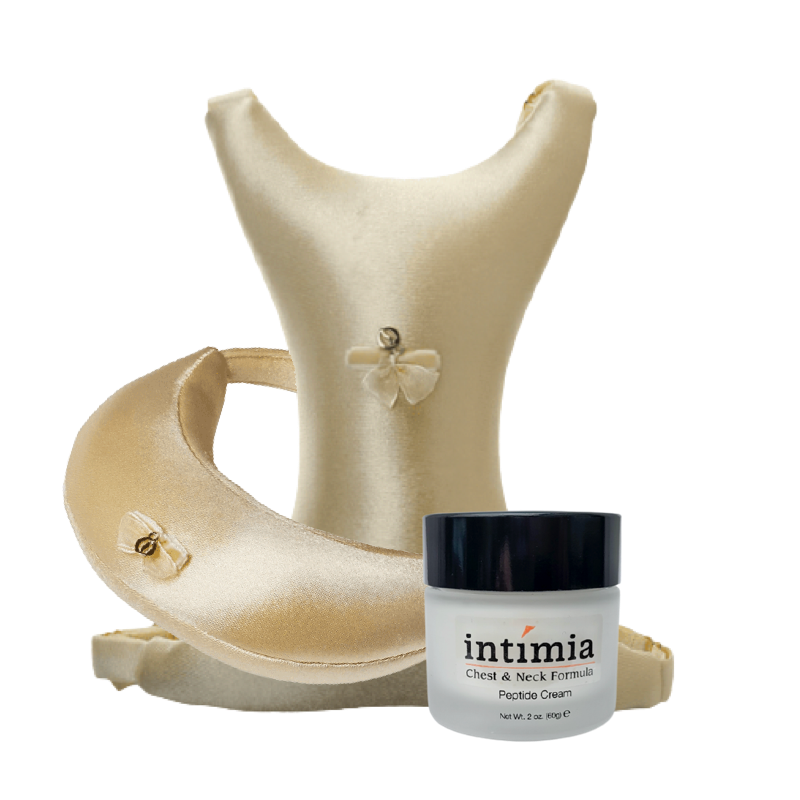
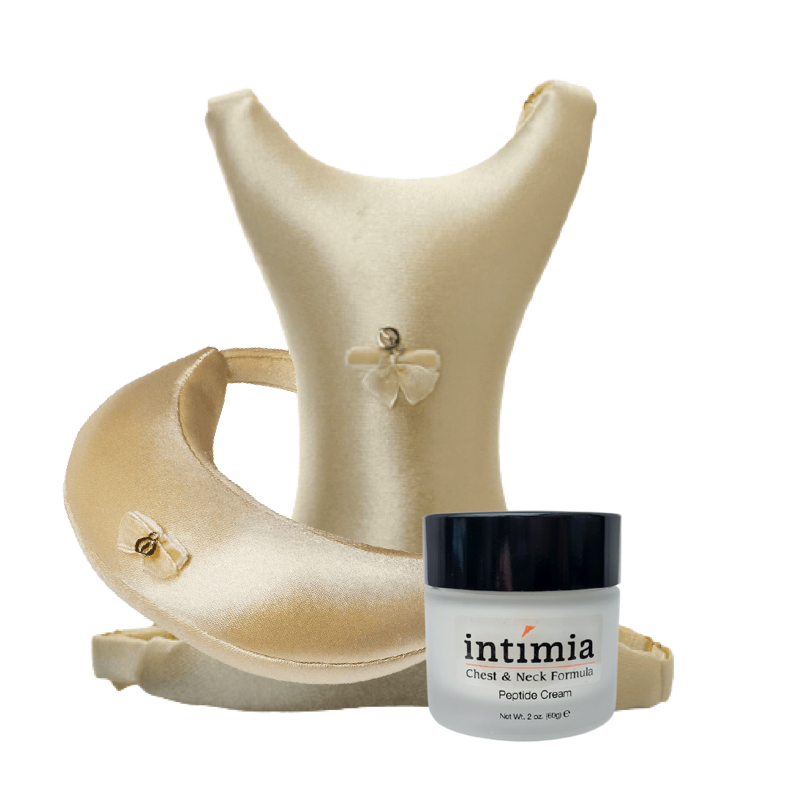
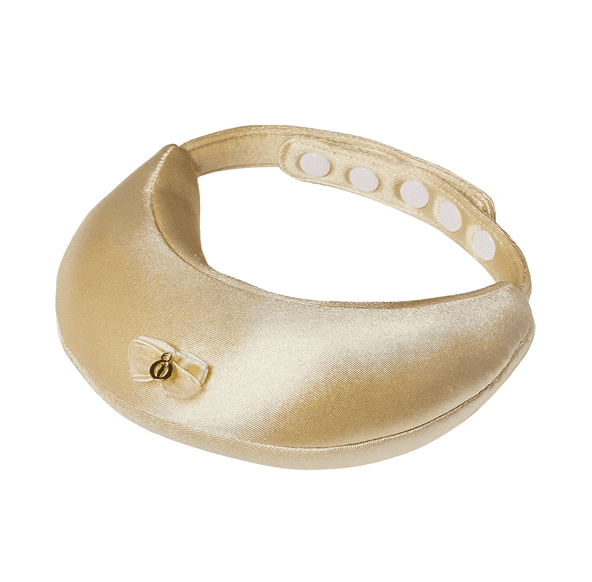
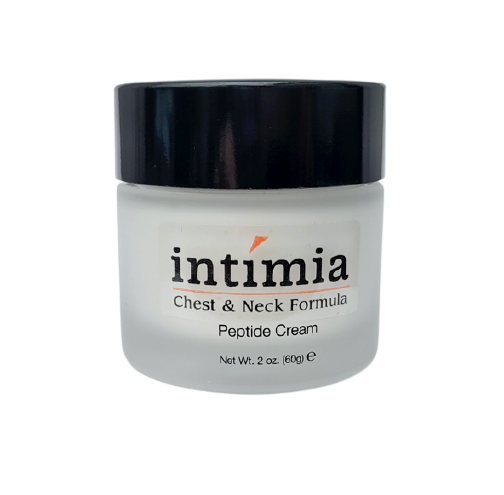
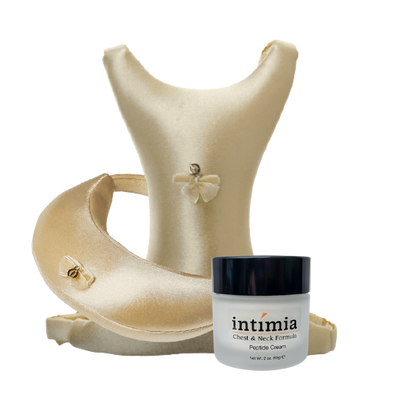
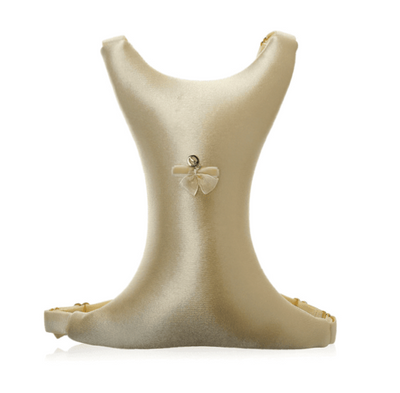
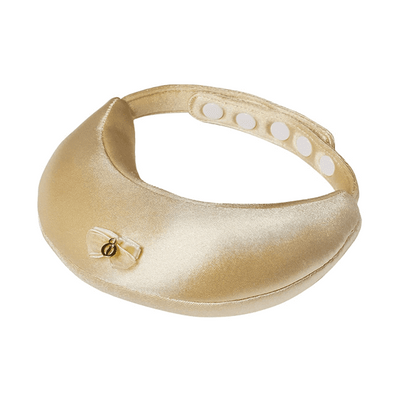
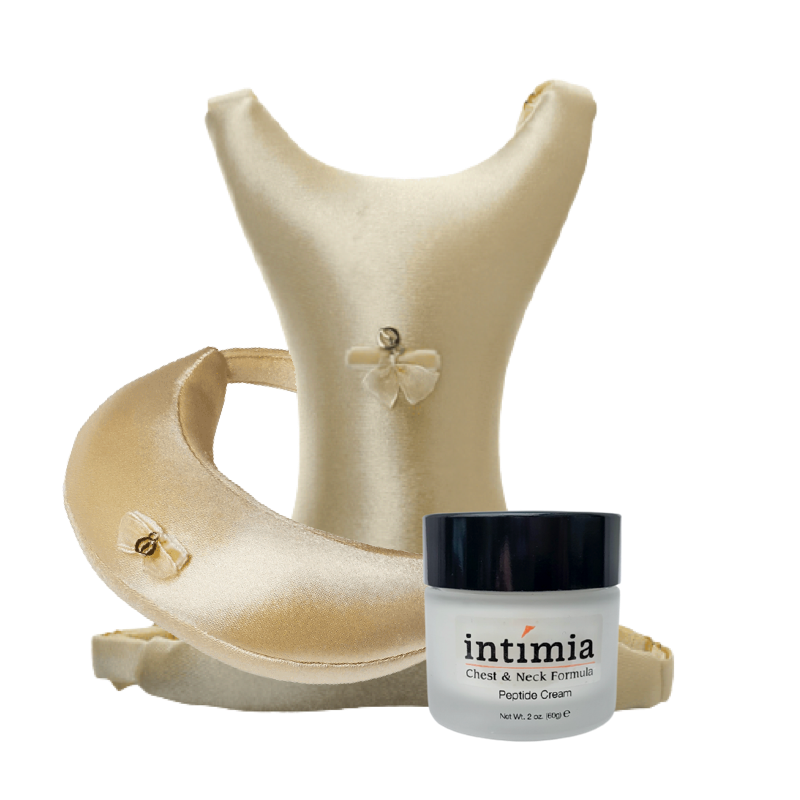
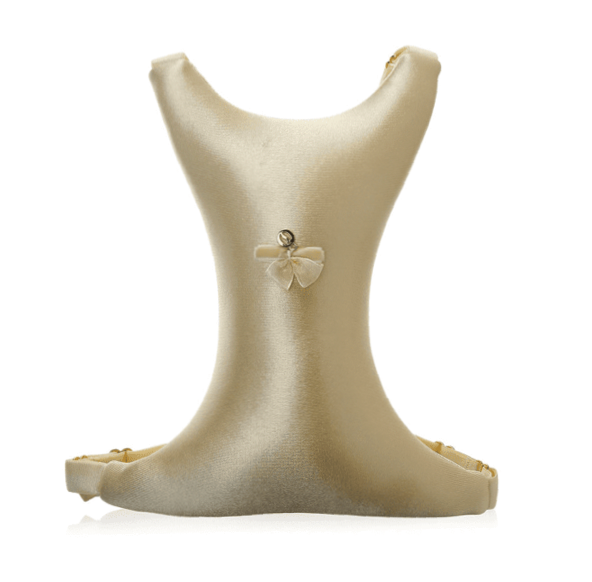
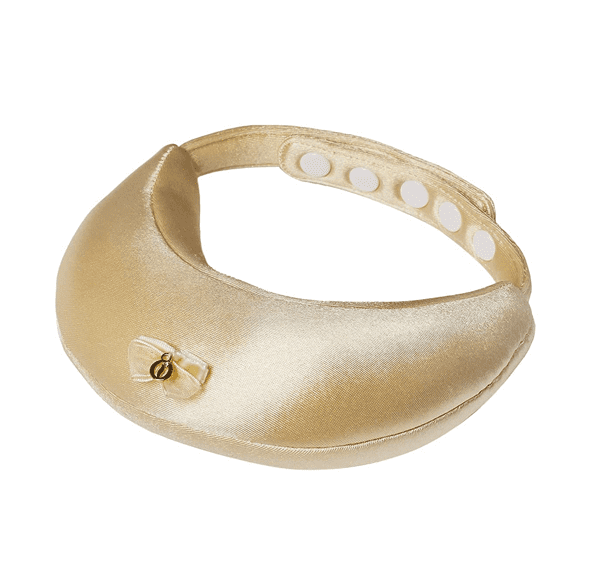
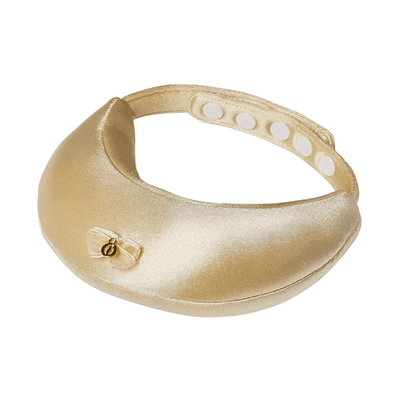
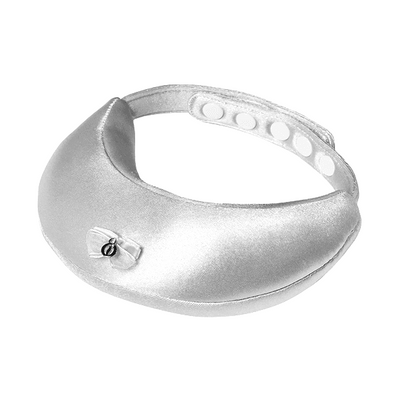
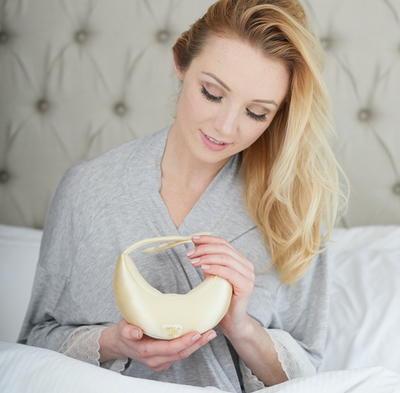
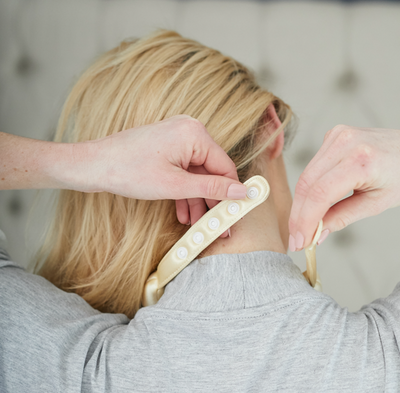
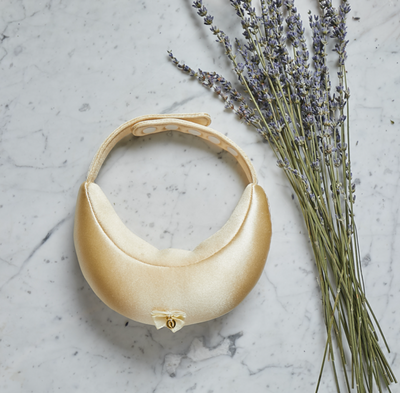
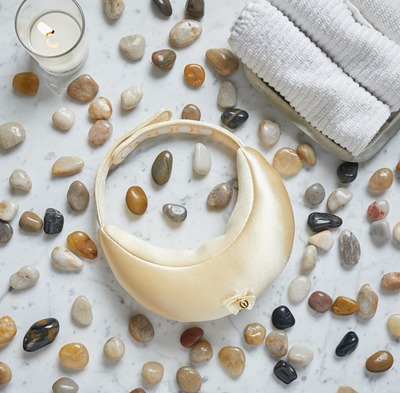
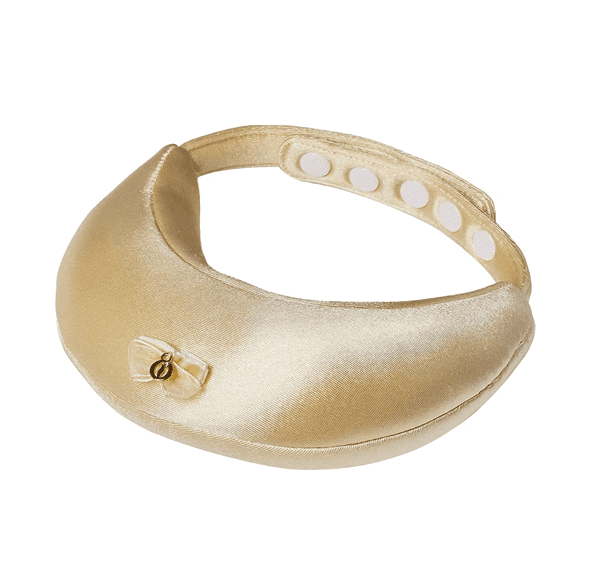
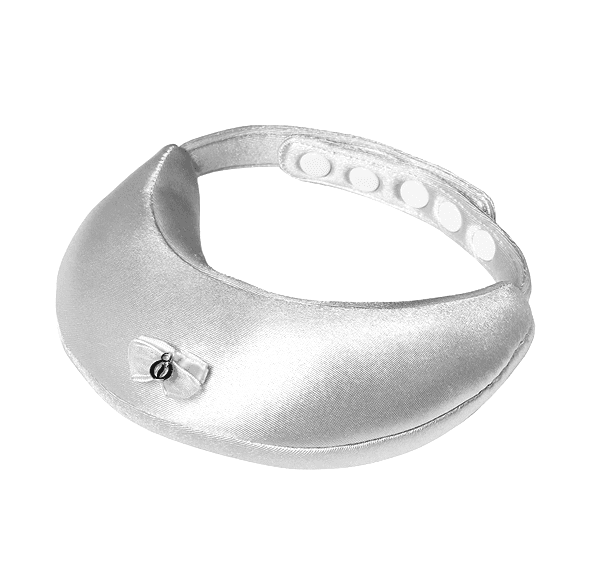
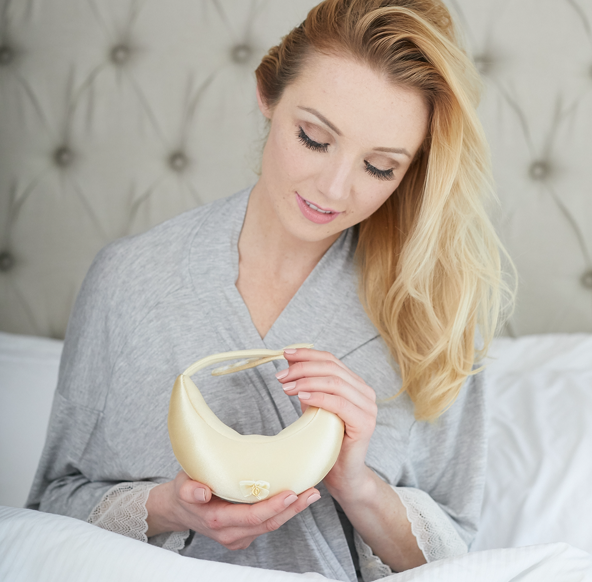
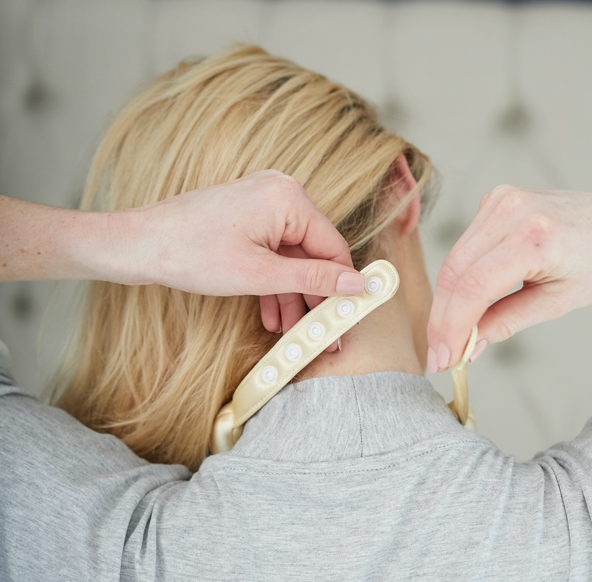
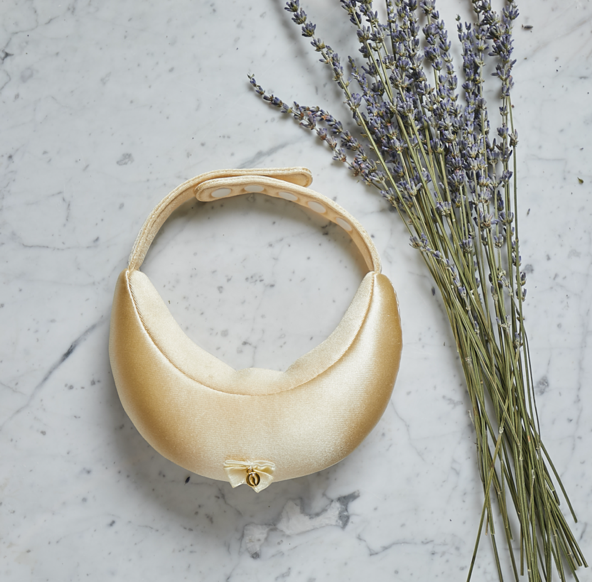
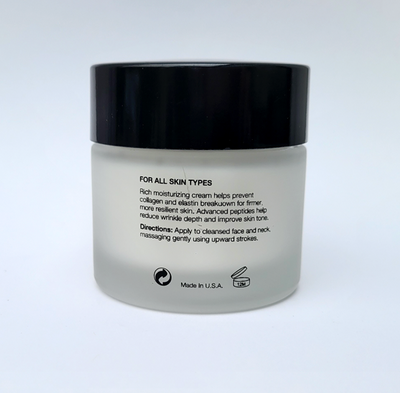
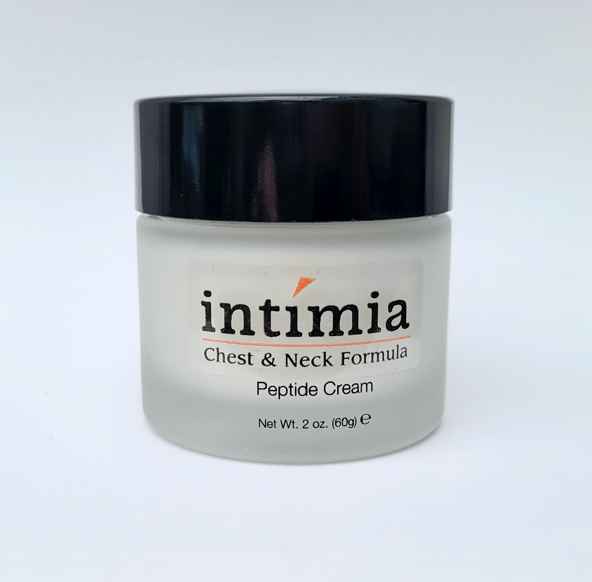
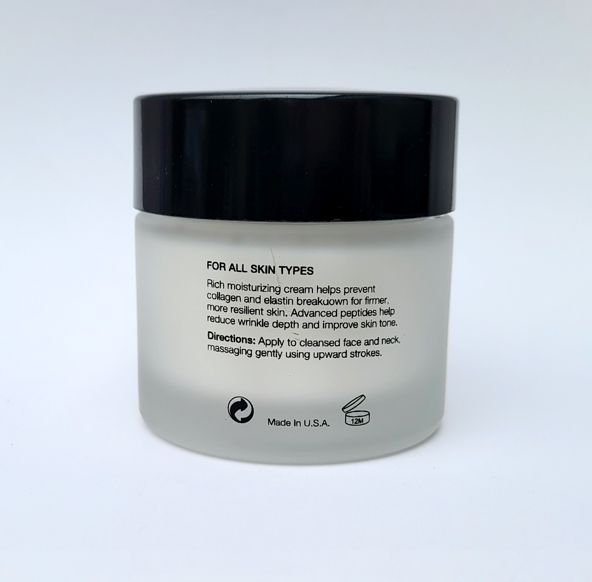
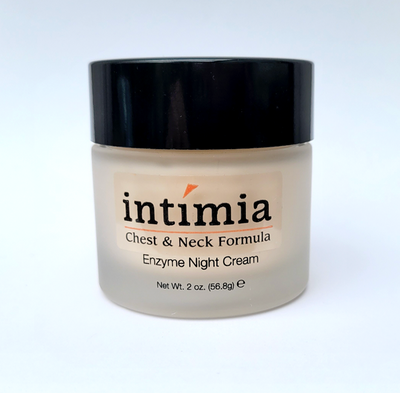
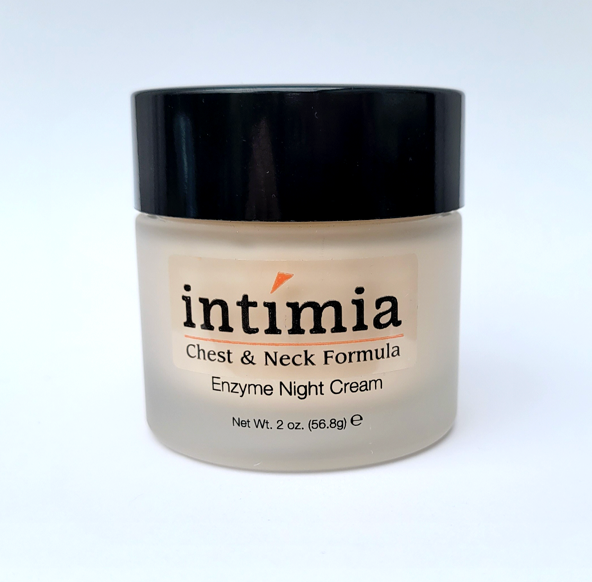
Anti-wrinkle pillows or face supports lift pressure—like Intimia styles for chest, but forehead-focused. Pair with routine for max smooth.
If your pillow setup looks slightly ridiculous but you wake up smoother, you’re doing it right.
How to integrate tools into a nightly routine
- Skincare first: Serums, cream absorb.
- Pat on silicone patch.
- Back sleep + silk case layers defense against forehead sleep lines and forehead wrinkles from sleeping.
Effortless wins await.
Are forehead sleep lines reversible or permanent? Setting expectations
Forehead sleep lines start temp but can stick.
Temporary vs. etched-in forehead lines
Young skin erases forehead sleep lines fast. Age plus repeat pressure etches vertical sleep lines on forehead deep. For a medical explanation of how wrinkles progress from fine to fixed, look at the Cleveland Clinic’s wrinkle overview and WebMD’s breakdown of wrinkle deepening over time.
Signs your lines may be becoming permanent
- Linger hours post-wake.
- Show at rest, no stretch smooths.
- Makeup pools in grooves.
If concealer starts “living” in a line instead of gliding over it—time to act, not panic.
Realistic timeframes for improvement
Habits soften forehead wrinkles from sleeping in weeks. Deeper lines ease months as collagen rebuilds slow. Patience powers change. The Cleveland Clinic’s treatment guide and the Mayo Clinic’s section on prevention and care both emphasize that real skin remodeling is a long game.
The quiet magic happens between “nothing is changing” and “oh wow, this looks different.”
A simple nightly plan to reduce forehead wrinkles from sleeping
Follow this checklist. Smooth forehead wrinkles from sleeping awaits.
Step 1 – skincare (5–10 minutes)
- Cleanse soft.
- Hyaluronic serum.
- Peptide/retinoid.
- Cream seal; oil glide cuts sleep wrinkles forehead.
Step 2 – forehead prep and tools
Silicone patch flattens, blocks vertical lines on forehead from sleeping.
Step 3 – set up your bed for skin-friendly sleep
Silk case. Contour pillow lifts face, fights forehead sleep lines.
Step 4 – position your body
Back with knee pillow. Side guards stop rolls.
Step 5 – relaxation ritual
Breathe deep, massage forehead. Tension gone, sleep pure.
Nightly ritual fades forehead wrinkles from sleeping steadily.
Conclusion: long-term strategy for smoother forehead mornings
Forehead wrinkles from sleeping blend compression, collagen dip, and habits. Tweak sleep pose, bedding, skincare, lifestyle to smooth forehead sleep lines.
Start small: Back sleep + silk, or serum + patch. Hydrate + SPF curbs vertical lines on forehead from sleeping. Consistent care softens sleep wrinkles forehead, prevents new. If you like to see the medical side behind your routine, revisit the Mayo Clinic’s wrinkle overview, the Cleveland Clinic’s wrinkle guide, and the original PubMed study on sleep wrinkles and mechanical compression.
Most of all, remember this: your face at 7 a.m. is not a verdict. It’s feedback. And with a few quiet changes at night, that feedback can turn into something you actually look forward to seeing.
Intimia® Breast Pillow
Related Articles
- How sleep affects skin: prevent wrinkles — Discover how sleep affects skin health and why a good night's rest is essential for reducing wrinkles and fighting skin aging.
- Sleep lines on face: fade wrinkles — Discover effective ways to get rid of sleep lines on face! Learn about prevention and solutions for sleep line wrinkles that won’t go away.
- Permanent sleep wrinkles: treatments that work — Discover effective treatments for permanent sleep wrinkles and learn how to prevent sleep lines that won’t go away.
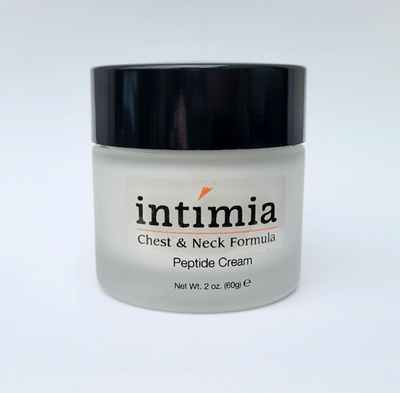
Want to discover flawless skin with Intimia? Shop now here: here