Skin Elasticity Chest: 5 Tips
How to improve skin elasticity chest area: preventing aging chest skin and upper chest wrinkles
When women ask me, “Irene, why does my chest look ten years older than my face?” I always smile, tilt my head, and say, “Because you’ve been pampering your cheeks and ignoring your cleavage for twenty years.”
Skin elasticity chest refers to your chest area's ability to stretch and return to its original shape, driven by collagen and elastin fibers in the dermis. For women 35 and older, declining skin elasticity chest accelerates naturally, leading to sagging, crepey texture, and upper chest wrinkles that often appear more visible in the neck and chest than the face. This happens because the skin here is thinner and under constant strain from breast weight and movement. Studies show that breast skin sits under unique mechanical tension and ages differently than other areas[1].
I still remember the first time I saw my own cleavage lines in harsh morning light. I leaned toward the mirror, pressed my fingers into the skin, watched how slowly it bounced back. That tiny delay? That’s collagen and elastin quietly resigning.
This guide covers the science behind chest aging, early warning signs, and proven non-invasive strategies to prevent and manage aging chest skin and aging neck and chest with confidence and a little humor. Because if we can’t laugh at our “pillow creases,” what are we even doing.
Understanding skin elasticity in the chest area
Skin elasticity is the capacity of your skin to deform when stretched and then recover its original shape. This remarkable ability comes from two essential proteins in your skin's dermis: elastin fibers, which act like tiny rubber bands allowing stretch and recovery, and collagen, which provides structural firmness and support[2][3][4].
In the chest and décolletage, skin elasticity chest functions differently than skin on your face or forearms. Your upper breast and décolletage skin is notably thinner—with fewer oil glands for natural lubrication—yet bears considerable mechanical strain from breast mass and constant movement throughout the day and night[1]. Research shows that biomechanical stiffness increases with breast size and age, meaning elasticity patterns shift over time[5]. This altered elasticity directly links to visible chest aging, where collagen breakdown prevents your skin from bouncing back after folding or compression, allowing wrinkles to etch in permanently.
The chest skin also differs from facial skin in how it's typically protected. Many women carefully apply sunscreen to their faces, then stop right at the jawline. The chest and neck are left exposed to UV rays, wind, and environmental stress. It’s like giving your face a seat in first class and sending your décolletage to economy with no carry-on.
Combined with thinner skin and fewer natural protective oil glands, this creates a perfect storm for accelerated skin elasticity loss and photoaging on the aging neck and chest area[6]. If your décolletage looks older than your cheeks, it’s not your imagination—it’s physics and habit.
Early signs of skin elasticity loss in the chest, neck, and upper chest
Understanding the early warning signs of skin elasticity loss lets you step in before damage gets “baked in.” Once a crease becomes a canyon, options get more complex—and more expensive.
Visual and tactile signs of aging chest skin often begin subtly. You may notice persistent dryness and roughness, even after moisturizing generously. The texture may develop a fine, thin quality—sometimes called "crepe paper" appearance—that resembles delicate, crumpled fabric[6]. A little home test I love: compare your chest skin to the inner surface of your arm. If the chest appears duller or more textured, skin elasticity loss is likely at work. Uneven tone and pigmentation changes can also signal cumulative sun damage.
Upper chest wrinkles appear in distinct patterns. Fine horizontal or diagonal lines across the upper chest, above the breasts, develop from repetitive folding and sun exposure. Vertical cleavage lines between the breasts deepen after months and years of side-sleeping, often persisting visibly even during the day. I once told a friend, “Those aren’t wrinkles, they’re sleep souvenirs.” She didn’t laugh. Then she switched her pillow.
It's important to distinguish between types: fine lines are shallow and often improve temporarily with hydration, while deep cleavage lines result from repeated mechanical compression and gravity, and broader sagging reflects advanced elasticity loss combined with volume changes.
Aging neck and chest shows additional markers of elasticity decline. Vertical banding along the neck, horizontal "necklace lines," and a pronounced crepe-like appearance when you gently pinch the skin all indicate reduced elastin and collagen. Visible sun spots, redness, and blotchy pigmentation—signs of photoaging—typically accompany skin elasticity loss. These spots and discoloration often concentrate on the chest because this area receives intense, unprotected UV exposure over decades[6]. The sun remembers everything.
Main causes of chest aging and elasticity loss
Chest aging is multi-factorial; several quiet accomplices work together over time to visibly age the skin. Once you know who they are, you can start firing them one by one.
Sun exposure and UV damage (photoaging)
UV radiation—both UVA and UVB—triggers collagen and elastin breakdown, leading to wrinkling, sagging, and texture changes in the chest area. UVA penetrates deeply into the skin, driving elastosis (sun-induced elastin damage) and accelerating skin elasticity loss. UVB contributes to sunburns and DNA damage that compounds over time[6].
The chest and neck often accumulate more unprotected sun exposure than people realize. Low necklines, sleeveless tops, and outdoor activities leave the aging neck and chest vulnerable. Because this area is less consistently shielded than the face, aging chest skin often shows photoaging—mottled pigmentation, brown spots, and redness (a condition called poikiloderma)—earlier than the face. Articles on décolletage aging show exactly how this plays out across decades.
Fine lines and deeper upper chest wrinkles follow, making the chest visibly older. You know that “I wore SPF 50 on my face and SPF zero on my cleavage at the beach for twenty years” look? That.
Side-sleeping and cleavage compression
Side-sleeping causes the breasts to fall forward during sleep, compressing skin between them and across the upper chest for 6–8 hours each night. Repeated mechanical folding in the same pattern creates etched lines and deeper cleavage wrinkles, especially in aging chest skin where elasticity is already compromised. Over years, these mechanical forces contribute to permanent upper chest wrinkles that don't fully smooth out in the morning. Your skin "learns" the fold—and once elastin fibers are damaged, they cannot fully repair themselves[7].
If your décolletage looks flawless by morning—check if you actually slept on your side.
Hormonal changes and menopause
Estrogen plays a profound role in maintaining collagen content, skin thickness, and moisture. Around perimenopause and menopause, estrogen levels drop sharply—sometimes by 60% or more—accelerating skin elasticity loss and dryness dramatically. Research indicates that skin thickness and collagen content can decrease substantially after menopause; some studies estimate approximately 0.55% yearly loss of skin elasticity post-menopause, with measurable declines in firmness[3]. Hormone replacement therapy can partially mitigate these changes, though this decision requires consultation with your healthcare provider.
The aging neck and chest may show particularly pronounced sagging, wrinkling, and dryness during perimenopause and post-menopause due to this hormonal shift. This is why many women notice a sudden acceleration of chest aging in their late 40s and 50s—one day it’s “I have a few lines,” the next it’s “Who shrank my skin?”
Lifestyle factors
Smoking is one of the most aggressive accelerators of chest aging. Nicotine and cigarette toxins decrease blood flow to the skin, increase free radicals that damage collagen and elastin, and impair your skin's natural repair mechanisms. Smokers typically show earlier and deeper wrinkles, including on the chest, often appearing 10+ years older than non-smokers in terms of skin quality[6].
Pollution and oxidative stress from air pollutants generate free radicals that damage collagen and elastin fibers, contributing to skin elasticity loss and pigment changes. This effect compounds in urban areas with high air pollution[6].
Poor diet accelerates aging. Diets high in sugar and processed foods promote glycation of collagen—a process where sugar molecules attach to and stiffen collagen fibers, weakening them. Insufficient antioxidants and healthy fats impair your skin's ability to repair and maintain elasticity. Conversely, nutrient-rich diets support collagen synthesis and skin resilience[4].
Rapid weight changes also stress chest skin. Significant weight gain stretches the chest skin; rapid weight loss leaves skin with less underlying support, causing laxness and sagging when elasticity is insufficient[8]. Breast and chest skin can become noticeably loose, contributing to aging chest skin and visible folds.
Genetics and natural aging
Genetic factors influence your baseline collagen structure, pigment tendencies, and how quickly you show visible chest aging. Some women naturally have denser collagen networks; others have more delicate, fine-textured skin prone to earlier wrinkling.
The natural aging process is relentless. Collagen production peaks in early adulthood and gradually declines after about age 25–30. Elastin renewal is particularly limited; once elastin fibers are damaged, your body does not fully replace them[3]. Over decades, this leads to thinner, less resilient skin, making upper chest wrinkles and sagging increasingly likely even with careful habits[2]. We can’t stop time—but we can negotiate with it.
How aging neck and chest differ from other body areas
Your aging neck and chest ages differently than skin on your face, hands, or torso. The rules here are slightly crueler.
The chest and décolletage have a unique structure. The epidermis and dermis are thinner compared to some other body areas, offering less natural cushioning[5]. Fewer sebaceous (oil) glands exist in the upper chest than on the face, meaning less natural oil to protect and lubricate this delicate zone[9]. Limited subcutaneous fat in the upper chest (compared to the dense breast tissue lower down) leaves less underlying support as skin loosens with age.
Because of this thinner, more delicate structure, the chest often looks older sooner than the face. Frequent UV exposure from low necklines and outdoor activities, combined with the fact that many skincare routines focus only on the face, leaves the chest neglected. Result: earlier appearance of sun spots, redness, and upper chest wrinkles compared to the well-protected face[6].
Posture and "tech neck"—chronic forward head posture from looking down at phones and computers—create dynamic neck folds that, over time, etch into permanent lines. These postural changes visually connect with the upper chest, giving a continuous aged appearance from chin to cleavage[4]. Strengthening your back muscles and practicing good posture can help slow this process. Your phone is not worth another neck crease.
Daily skincare routine to support skin elasticity chest area
Here’s where we move from theory to your bathroom shelf. Consistency and treating the chest like the face are essential.
Cleansing and gentle exfoliation
Use mild, fragrance-free cleansers on the neck and chest to avoid stripping the delicate skin barrier. Avoid harsh scrubs or aggressive mechanical exfoliation that can irritate thin aging chest skin. Instead, opt for gentle chemical exfoliants—such as low-strength lactic acid or glycolic acid—used 1–3 times per week if your skin tolerates them well. These help smooth texture and support cell turnover without damaging the barrier[6].
If your skin gets red, stingy, or itchy, you’re doing too much. The chest is not the place to prove your toughness.
Hydration and barrier repair
Hydrated skin appears plumper and more elastic; dryness can exaggerate upper chest wrinkles and make the skin look older. Look for ingredients that support the skin barrier and water retention:
- Ceramides to restore the lipid barrier that prevents water loss
- Hyaluronic acid and glycerin as humectants that draw moisture into the skin
- Shea butter or plant oils (such as squalane or jojoba) for emollience and nourishment
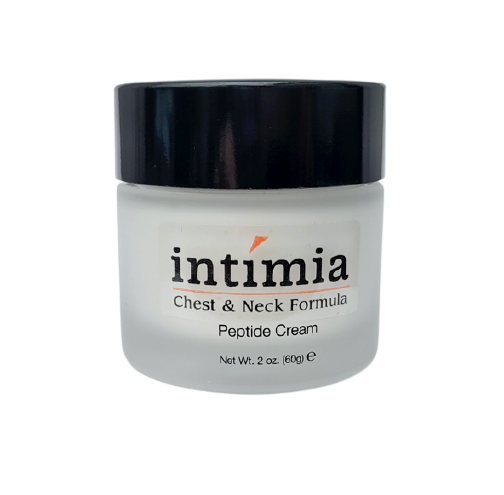
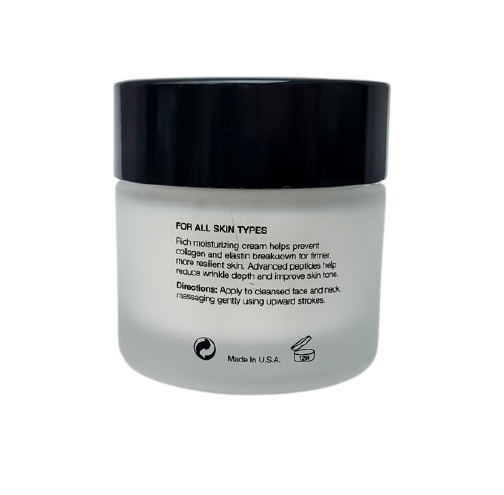
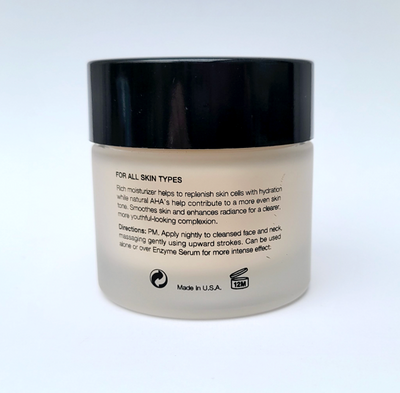
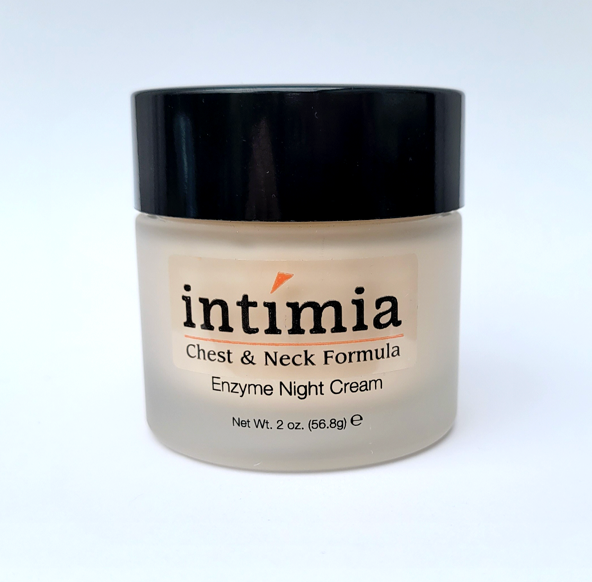
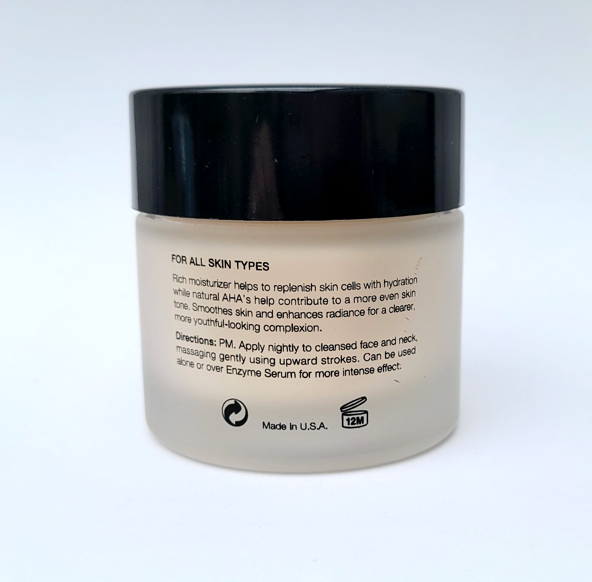
Consider chest-specific creams or extend high-quality facial moisturizers down to your bust. Ensure they are non-irritating for this thinner, more sensitive skin. Apply moisturizer to damp skin to lock in hydration[2].
One of my evening rituals: after showering, I stand in front of the mirror, towel around my waist, and deliberately massage cream from my face all the way down over my chest. Those extra 20 seconds? They add up to decades of difference.
Active ingredients for firmness and wrinkles
Retinoids and retinol are vitamin A derivatives that stimulate collagen production and normalize cell turnover, helping reduce fine lines and upper chest wrinkles over time[7]. Start with low concentrations (0.25–0.5%), apply 1–2 nights per week, and increase slowly to avoid irritation. Use only at night and pair with diligent SPF due to photosensitivity.
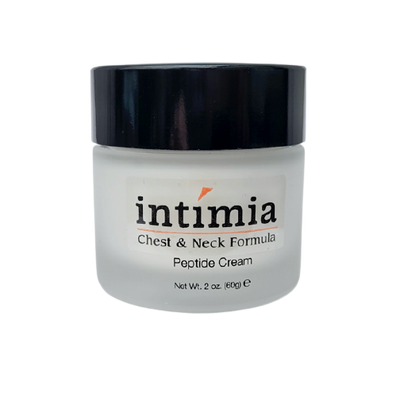
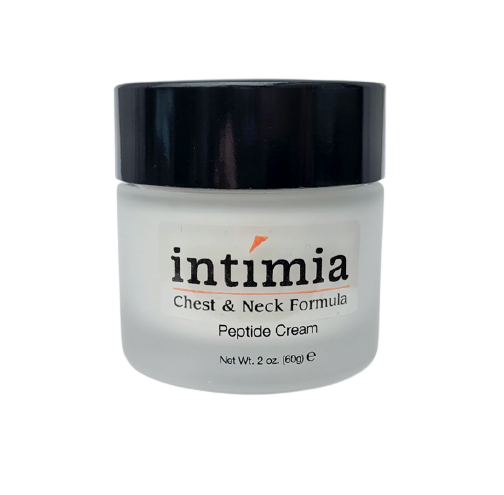
Peptides are short chains of amino acids that signal your skin to produce more collagen and elastin, improving firmness and the appearance of chest aging. Peptide serums are gentle and work well on sensitive chest skin.
Antioxidants offer multiple benefits. Vitamin C brightens and boosts collagen support; niacinamide strengthens the barrier and reduces redness on the aging neck and chest. Green tea extract and resveratrol also combat free radical damage[4].
Emphasize patch testing and gradual introduction of actives, as neck and chest skin can be more sensitive than facial skin[6]. If irritation occurs, reduce frequency or concentration. The goal is steady progress, not a chemical burn.
Sun protection as the #1 anti-aging step
Apply broad-spectrum SPF 30 or higher every morning to neck and chest, not just the face. This is the single most effective anti-aging step you can take[6]. Reapply every 2 hours when outdoors, and immediately after swimming or sweating. Incorporate physical barriers: wear clothing that covers the chest, choose UPF-rated garments, and consider lightweight scarves during intense sun exposure.
Consistent UV protection slows skin elasticity loss and formation of upper chest wrinkles far more effectively than any cream or procedure[2]. Without sun protection, even the best skincare routine will feel like bailing water from a sinking boat with a teaspoon.
Non-invasive strategies to prevent and reduce upper chest wrinkles
Beyond skincare, your daily habits either protect your chest—or sabotage it quietly every night.
Sleep position and mechanical wrinkle prevention
Your sleep position profoundly affects chest skin over time. Back-sleeping minimizes cleavage compression and helps prevent or soften upper chest wrinkles. Side-sleeping and stomach-sleeping increase folding and contribute to vertical cleavage lines.
Practical tips to improve sleep position:
- Gradually train yourself to sleep on your back (place a pillow under your knees for comfort)
- Use a supportive neck pillow that keeps your head aligned
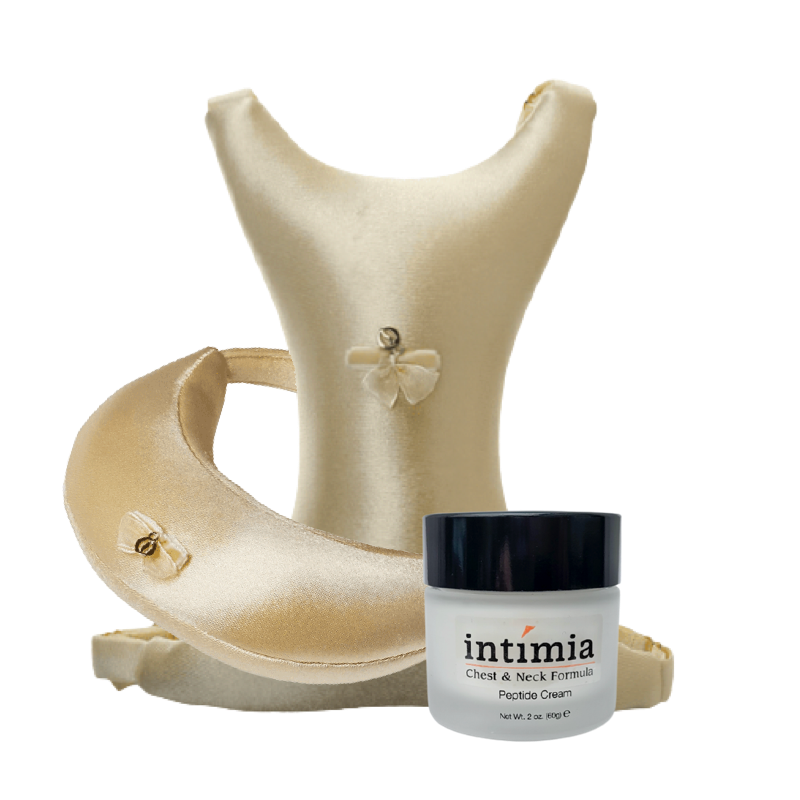
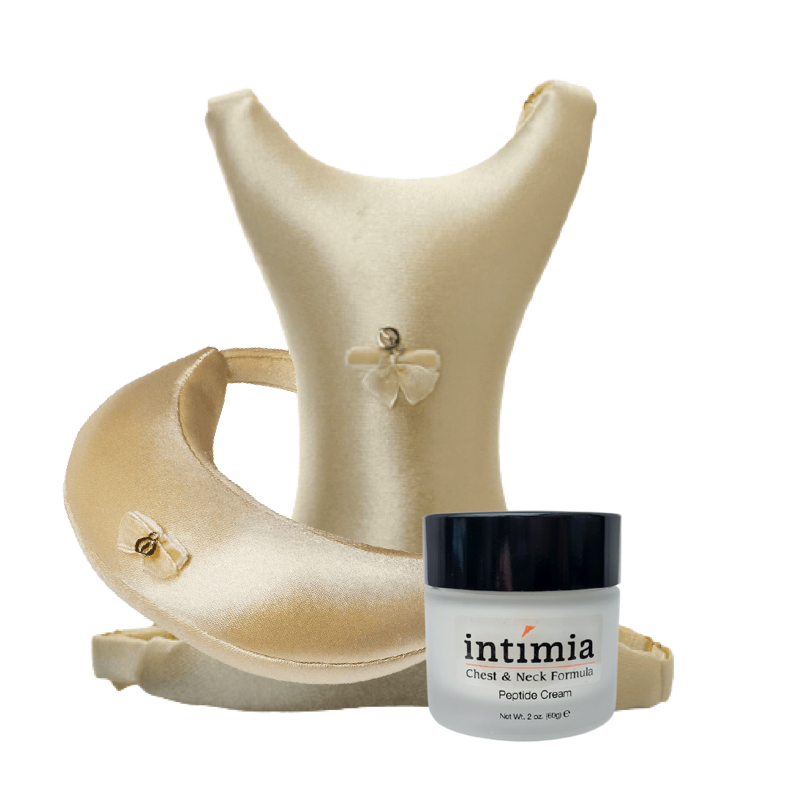
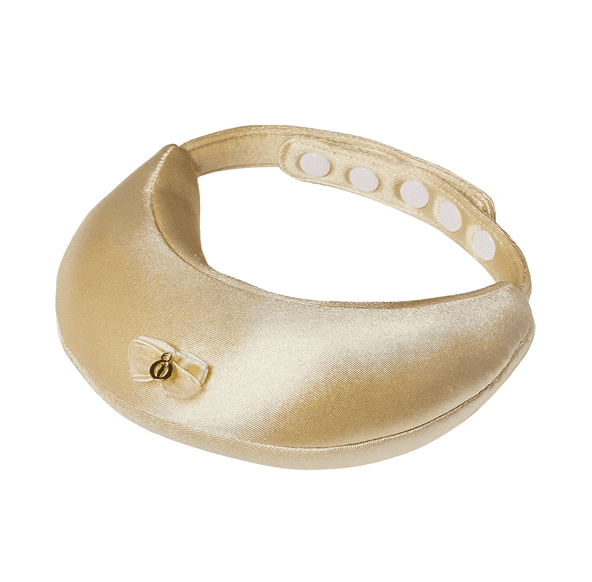
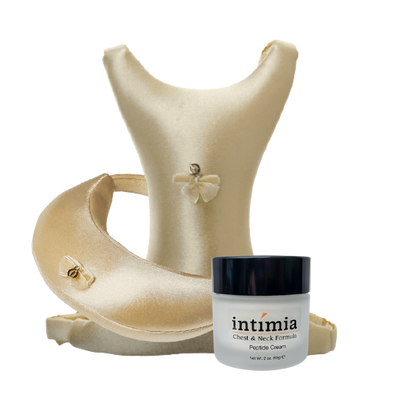
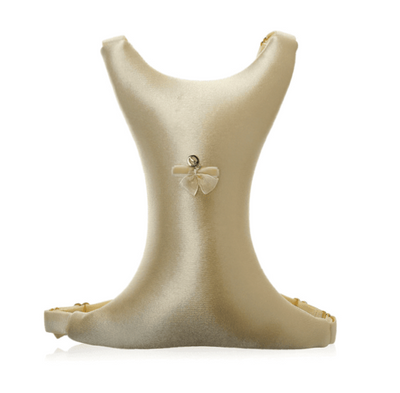
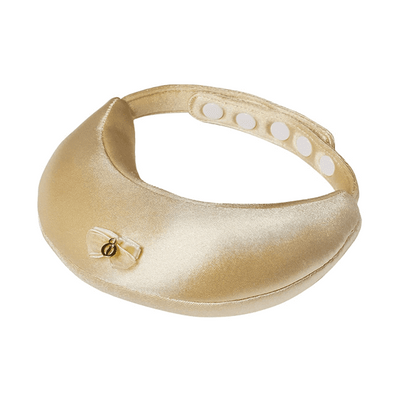
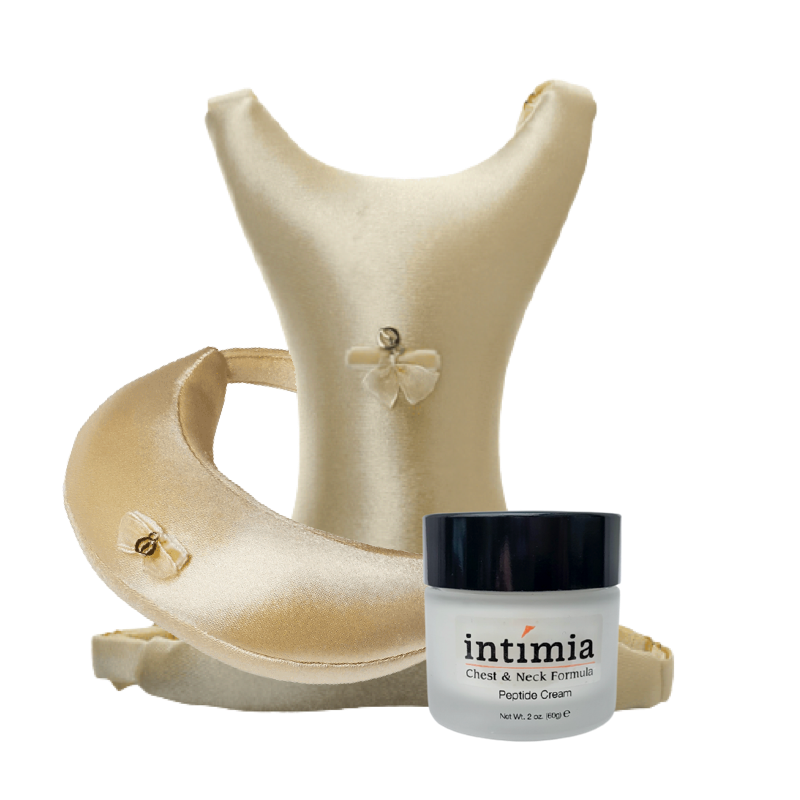
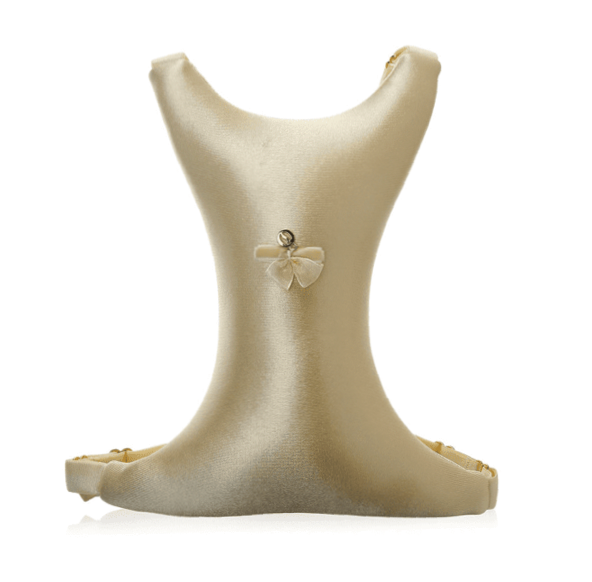
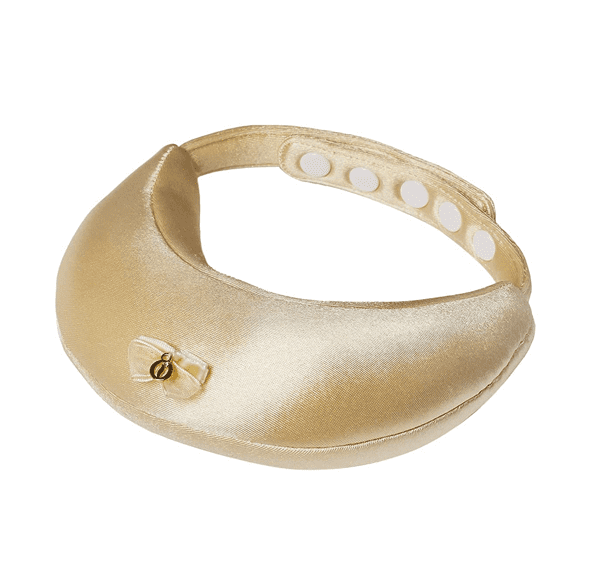
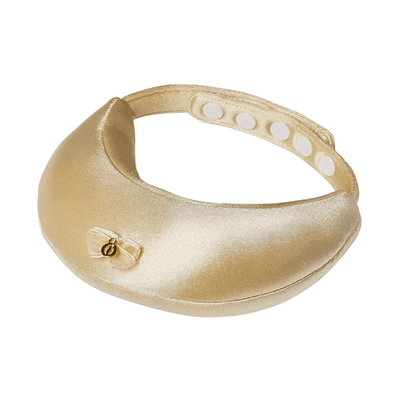
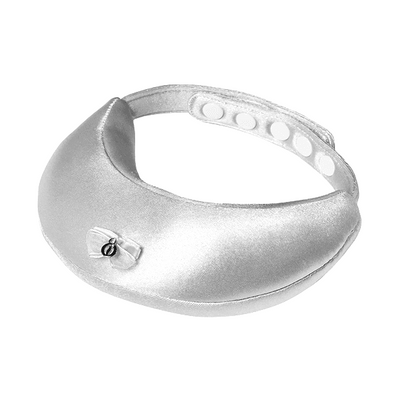
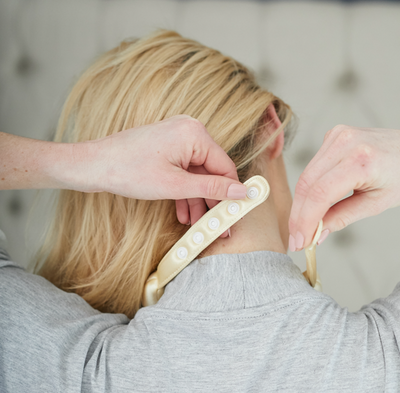
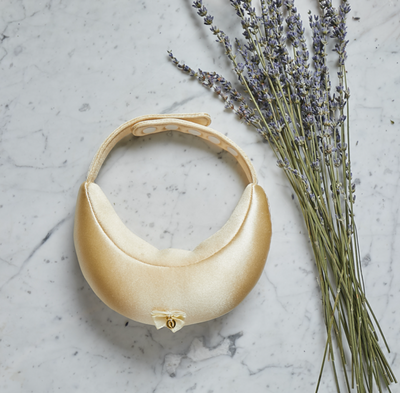
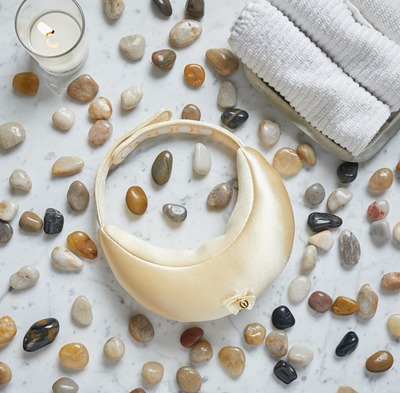
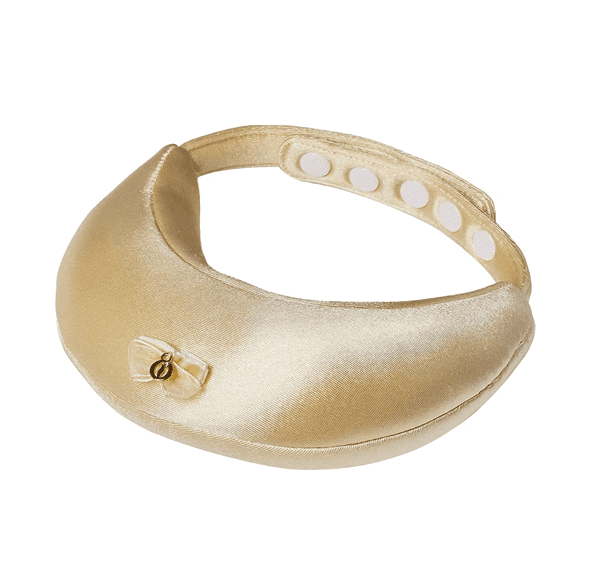
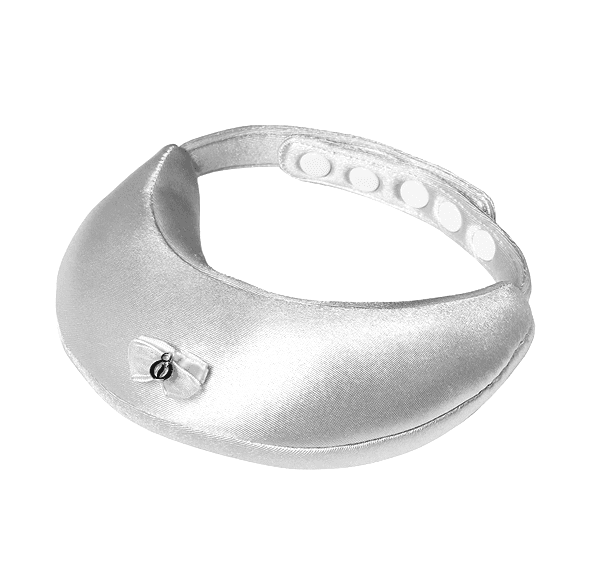
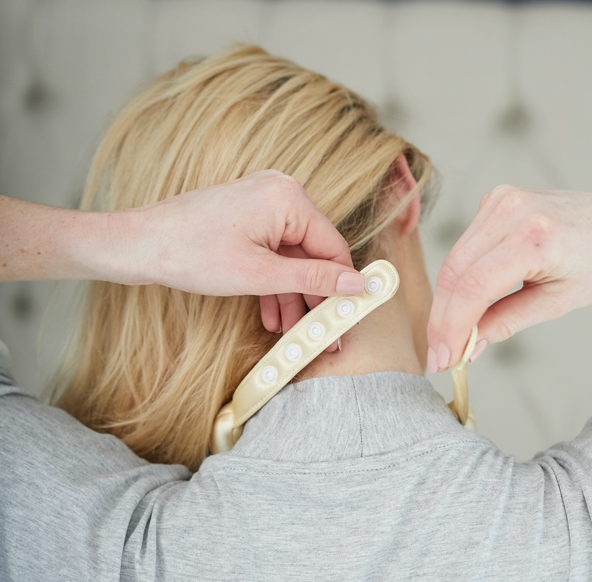
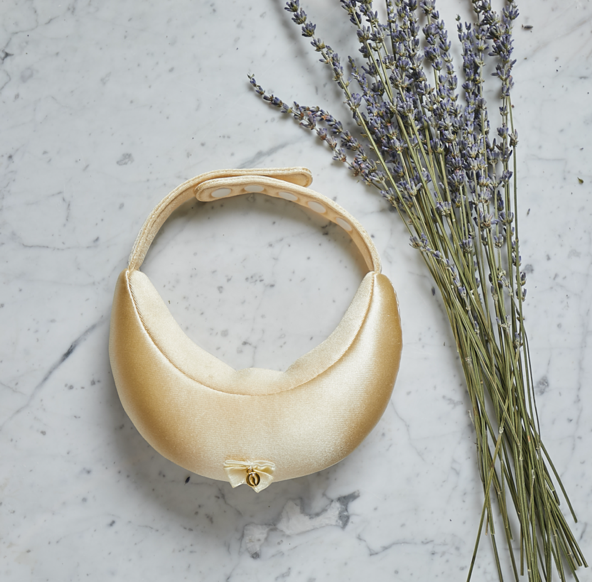
- Try specialized anti-wrinkle chest pillows or devices designed to keep the chest area more open during side-sleeping
- If you absolutely cannot sleep on your back, consider a wedge pillow that reduces direct cleavage compression
Even small improvements in sleep position yield visible benefits over months[7]. I had a client who swore she’d “never, ever” sleep on her back. We compromised with a chest-support pillow. Three months later, she walked into my office, tapped her décolletage, and whispered, “Look. Softer.”
Supportive bras and posture
Proper bra support helps distribute breast weight and reduces constant downward pull on the chest skin, which supports skin elasticity chest over time. A well-fitting daytime bra keeps breast tissue elevated, reducing stress on the upper chest and décolletage. Some women also find gentle, non-constrictive sleep bras comfortable and beneficial for minimizing nighttime cleavage lines[5].
Posture is equally important. Standing and sitting upright reduces additional folding at the upper chest and neck. Simple daily posture checks—shoulders back, spine aligned—and strengthening your back muscles complement bra support[4]. Good posture also visually slims the silhouette and reduces the "tech neck" appearance. I tell myself, “Crown up, phone down,” at least ten times a day.
At-home massage and microcirculation
Gentle massage techniques can support your aging neck and chest. Use upward and outward strokes with a hydrating lotion or oil across the upper chest and neck, keeping pressure light to avoid stretching delicate aging chest skin. Massage for 2–3 minutes daily or several times per week.
Possible benefits include temporary boosts in microcirculation, enhanced penetration of skincare products, and relaxation of chest and neck muscles (which can affect posture and tension patterns)[2]. Plus, it’s a quiet way to end the day—hands on heart, literally.
Hydration, nutrition, and lifestyle
Internal hydration helps maintain overall skin function. Adequate water intake—typically 8–10 glasses daily—supports cell turnover and skin plumpness, though it doesn't directly "reverse" existing wrinkles.
Nutrition for elasticity is powerful[4]:
- Antioxidant-rich foods (berries, leafy greens, colorful vegetables) help combat oxidative stress and free radicals
- Omega-3 fatty acids (fatty fish, walnuts, flaxseed) support barrier lipids and skin suppleness
- Adequate protein intake provides amino acids essential for collagen synthesis
- Foods rich in vitamin C (citrus, bell peppers, broccoli) boost collagen formation
Avoiding smoking and moderating alcohol makes a visible difference. Quitting smoking can slow further skin elasticity loss and improve complexion noticeably within weeks[6]. Limiting alcohol intake reduces dehydration and inflammation that worsen aging chest skin. No serum can compete with a pack-a-day habit—it’s not a fair fight.
Professional and advanced treatments for aging chest skin
For more pronounced aging chest skin, professional treatments offer additional options. Think of them as accelerators—not substitutes—for daily habits. Always consult a board-certified dermatologist to determine what's safe and appropriate for your skin.
Dermatologist-recommended non-surgical treatments
Chemical peels range from light to medium depth (using glycolic acid, lactic acid, or trichloroacetic acid). These can improve pigmentation, texture, and fine upper chest wrinkles by removing damaged outer layers and stimulating collagen renewal. Peels must be carefully tailored to the thinner chest skin to avoid scarring[6].
Microneedling uses controlled micro-injuries to stimulate your skin's natural collagen and elastin production. This treatment can improve fine lines, shallow wrinkles, and mild laxity on aging chest skin. Results typically appear over 4–6 weeks, with continued improvement over 3–6 months[4].
Radiofrequency (RF) and RF microneedling use heat to contract existing collagen and stimulate remodeling, potentially improving firmness and supporting recovery from skin elasticity loss. These treatments are often used on the face, neck, and chest for non-surgical tightening without significant downtime[6].
Laser and light-based treatments like intense pulsed light (IPL) and fractional lasers help address sun spots, redness, and texture changes on the aging neck and chest. Some devices also stimulate collagen, indirectly supporting skin elasticity chest recovery[6]. Results accumulate over multiple sessions.
Combine any professional treatment with a solid at-home routine (SPF, actives, supportive garments) for sustained, long-term results. Otherwise, it’s like deep-cleaning your house once, then leaving the windows open in a dust storm.
When to consider professional help
Consult a dermatologist if you have:
- Deep, persistent upper chest wrinkles that don't improve with skincare after 3–6 months
- Significant sagging or texture changes affecting your confidence
- Pronounced pigment changes or rough patches that may need medical evaluation
It's also important to have any suspicious lesions or rapidly changing spots on the chest evaluated by a professional to rule out skin cancer, particularly if you have a history of sun exposure[6]. Vanity is fine—but health comes first.
Realistic expectations: what can and can't be changed
This is the part where I pour us both a metaphorical cup of tea and we talk honestly.
What non-surgical care can realistically achieve:
- Improvement in texture, brightness, and hydration (visible within 4–8 weeks)
- Softening of fine lines and some upper chest wrinkles (noticeable over 3–6 months)
- Modest tightening and improved firmness by supporting collagen (cumulative over 6–12 months)
- Prevention of further skin elasticity loss and wrinkle deepening (ongoing benefit)
Research suggests that topical and procedural treatments produce gradual, not overnight, changes[3][6][2]. Consistency over months yields the best results.
What cannot be fully reversed:
- Deep structural changes from decades of UV exposure and skin elasticity loss
- Genetic tendencies toward sagging or wrinkling
- Completely restoring youthful skin elasticity chest to your 20s level without surgical intervention (and even surgery doesn't change intrinsic skin quality)
Timeframes for visible results:
- Skincare (retinoids, antioxidants, moisturizers): expect visible improvements in 8–12 weeks, with continued gains over 6–12 months
- Lifestyle changes (quitting smoking, sun protection): cumulative benefits that become more obvious over several months to years
- Professional treatments: often require multiple sessions (3–6 typically) with gradual improvements unfolding
Embrace natural chest aging while minimizing preventable damage and maintaining comfort and confidence in your own skin[3][6][2]. We’re not chasing the chest of our 20s—we’re caring for the woman we are now.
Age-specific tips for preventing chest aging
Prevention strategies evolve with your age and skin condition. Think of it as adjusting your skincare “budget” as the years go by.
In your 30s: early prevention
Focus on preventing skin elasticity loss before it becomes visibly obvious. This is the ideal decade to establish habits that pay dividends:
- Start daily SPF 30+ on neck and chest, not just the face
- Introduce a gentle retinol or retinoid to the chest area (as tolerated), beginning 1–2 times per week
- Establish good sleep posture, aiming for more back-sleeping
- Begin using hydrating, barrier-strengthening moisturizers to support skin elasticity chest
- Incorporate antioxidant serums (vitamin C, green tea) for free radical protection
These simple steps can delay visible chest aging by years[4][2]. I always tell my 30-something clients: “Your 50-year-old self is watching. She’s either clapping—or cursing.”
In your 40s and 50s: managing active signs of elasticity loss
Focus on addressing already-visible aging chest skin and upper chest wrinkles, particularly around menopause:
- Use retinoids or retinol consistently (3–5 nights per week), increasing concentration as tolerated
- Add peptide serums and advanced moisturizers with ceramides and hyaluronic acid to counter increased dryness
- Consider professional treatments (chemical peels, microneedling, radiofrequency) for more pronounced wrinkles or pigmentation
- Reassess bra fit and posture to reduce mechanical strain on the chest
- Prioritize sun protection and UV-blocking clothing
- Evaluate hormone status with your healthcare provider; discuss whether HRT might benefit your skin
This decade shows the most visible benefits from comprehensive, multi-pronged approaches[3][6]. When women in their 50s tell me, “I started three months ago, and I already see it,” I see it too—in how they stand, how they wear a V-neck again.
60 and beyond: gentle maintenance and comfort
Focus on maintaining comfort, hydration, and realistic firmness in more advanced chest aging:
- Use gentle, fragrance-free cleansers and rich moisturizers to address significant dryness
- Favor lower-strength actives or less frequent use (e.g., retinol 1–2 times weekly) to avoid irritation on very thin, fragile aging chest skin
- Continue diligent sun protection—this remains the most important step
- Choose comfortable, supportive bras and consider soft sleep bras to minimize nighttime cleavage lines
- If interested in professional procedures, consult a dermatologist experienced in treating mature aging neck and chest skin, with a conservative approach to avoid complications
The goal shifts from reversal to maintenance and comfort[3][2]. It’s about feeling at home in your skin, in every neckline you choose.
Summary and action plan for healthier, firmer chest skin
Key takeaways: Skin elasticity chest naturally declines with age, hormones, UV exposure, and lifestyle factors, leading to aging chest skin, aging neck and chest, and upper chest wrinkles. Consistent sun protection, targeted skincare, mechanical support (sleep position and bras), and healthy lifestyle choices can significantly slow skin elasticity loss and improve the appearance of your chest area[5][1][3][6]. Professional treatments can complement, but not replace, daily habits. Embrace your natural aging while preventing unnecessary damage.
Simple daily checklist
Make these steps non-negotiable:
- Cleanse neck and chest gently each morning and evening (no harsh scrubs)
- Apply antioxidant serum (e.g., vitamin C) and moisturizer to chest and neck while skin is slightly damp
- Use retinol or retinoid product at night on the chest, 1–5 times weekly depending on tolerance
- Apply broad-spectrum SPF 30+ to neck and chest every morning, reapply if outdoors
- Wear supportive bras and check your posture throughout the day
- Aim to sleep on your back, or use chest-supporting pillows if you prefer side-sleeping
- Eat antioxidant- and omega-3-rich foods; stay hydrated; avoid smoking and excessive alcohol
Closing encouragement
Small, consistent steps can meaningfully improve the look and feel of aging chest skin over time. You don't need dramatic measures to see results—diligent skincare, smart sleep habits, sun protection, and a nourishing lifestyle work together to support your skin elasticity chest and maintain the confidence and radiance you deserve.
The chest and neck are often the first places to show aging, but they're also deeply responsive to care. I’ve watched women change nothing else in their lives but how they treat this small window of skin—and suddenly they choose lower necklines, lighter fabrics, a different kind of courage.
Stand in front of the mirror tonight. Place your hand over your chest. This skin has carried your heart through every year of your life. It deserves gentleness—and it remembers every act of care.
Related articles
- Decollete wrinkle treatment: creams vs lasers — Discover the best decollete wrinkle treatment options for effective décolletage wrinkle prevention.
- Best cream for crepey neck and chest — Discover the best cream for crepey neck and chest to combat aging and rejuvenate your skin.
- Neck and chest wrinkle treatment: 5-step — Explore treatments and tips to prevent and reduce neck and chest wrinkles for youthful skin.
- Chest wrinkle cream: best options ranked — Discover the best chest wrinkle cream to rejuvenate your skin and achieve a youthful glow.
- Décolleté skin care routine: tighten & glow — Learn the ultimate décolleté skin care routine to tighten chest skin and combat aging effectively.
Want to discover flawless skin with Intimia? Shop now here: here