Under Eye Wrinkles from Sleeping: Prevent
How to prevent under eye wrinkles from sleeping: stop sleep lines before they start
Imagine this with me.
You wake up, pad into the bathroom, flip on the light… and your under eyes look exactly like you feel on your best days. Smooth. Awake. Not that crumpled “I slept on my face again” map of pillow lines.
I remember the exact morning I realized those little creases weren’t just “sleep marks” anymore. I was 38, late for a meeting, dabbing concealer under my right eye. I blinked. The diagonal line stayed.
“Great,” I muttered at the mirror. “Now my pillow is aging me.”
Those are under eye wrinkles from sleeping. They’re also called sleep wrinkles under eyes or sleep lines under eyes. They’re sneaky. They form from nightly pillow pressure on that fragile skin—nothing to do with smiling, everything to do with how your face spends eight hours pressed into fabric.
For women over 35, they show up sooner and stick around longer. Skin thins, dries, loses bounce as collagen slows down. The folds your 25-year-old self shrugged off by breakfast start lingering all day.
If you want a deep dive into how under-eye wrinkles form in general, this Medical News Today piece on under-eye wrinkles explains the mechanics beautifully. The big picture? As we pass 35, skin makes less collagen, rebounds slower from folds, and holds creases longer—especially with side or face-down sleeping. You can see that same story in the Cleveland Clinic’s overview on wrinkles and aging skin and the Mayo Clinic’s guide to wrinkle causes.
This guide is your little rebellion. I’ll walk you through how to spot sleep wrinkles under eyes, fix your sleep setup, and build simple skincare and lifestyle routines to protect that delicate area. All non-invasive. All doable. No needles—just new habits.
What are sleep wrinkles under eyes? (understanding sleep lines vs. “regular” wrinkles)
I want you to imagine your under-eye skin like silk, not denim. Thinner than anywhere else on your face, fragile by design. Every night, that silk folds and bunches against your pillow. Again. And again.
Sleep wrinkles under eyes and sleep lines under eyes are born from that mechanical crush. Pure physics. Your under-eye skin gets pushed, dragged, and folded by pillow weight. Over time, that repeated deformation breaks down collagen and elastin—the scaffolding that usually pops your skin back into place.
Medical News Today’s explanation of mechanical under-eye wrinkles lines this up with what I see in clients: the more your eye area is pressed during sleep, the deeper and more stubborn those folds become.
Dynamic wrinkles are different. Those are your smile lines, squint lines, frown lines—written by your muscles. UV damage and expression patterns drive them. You’ll see that in both the Cleveland Clinic’s breakdown of wrinkle causes and the Mayo Clinic’s section on facial expressions and wrinkles.
Under eye wrinkles from sleeping don’t care whether you smiled or frowned. They’re static. They show up where your skin was folded like a paper fan, regardless of your mood.
Here’s how you spot the difference:
- Sleep lines run vertical or diagonal, often tracing pillow weaves or cheek folds.
- Expression lines follow your smile—curved, more symmetrical, wrapping outward from the corners.
In early stages, these sleep creases fade by lunchtime as your skin plumps with hydration and blood flow. But with years of nightly folding, those lines etch deeper. Collagen and elastin can’t fully spring back anymore. The Cleveland Clinic’s notes on collagen loss read like the diary of every woman who’s ever looked in the mirror at 45 and said, “When did this happen?”
And of course—they favor one side. Your favorite side. More sleep on the right? More lines on the right. They deepen silently, like water carving stone.
The good news: once you see the pattern, you can interrupt it. And that’s where things get fun.
How sleeping position causes under eye wrinkles from sleeping
Let me tell you about my friend Lena. Devoted side sleeper, fluffy pillow enthusiast, proud owner of the world’s most dramatic right-side under-eye creases.
“I swear it’s just my bad side,” she told me over coffee one morning.
“No,” I said, “it’s your right shoulder.”
Here’s why.
Your sleeping position sets the stage for under eye wrinkles from sleeping. When you lie on your side or stomach, your face spends hours smashed into the pillow. Thin under-eye skin bunches, stretches, and folds under steady pressure.
Compression squishes; friction drags. Night after night. The mechanics are exactly what Medical News Today lists among under-eye wrinkle causes, and they’re echoed again as “mechanical factors” in the Cleveland Clinic’s discussion of environmental wrinkle triggers.
Eye wrinkles from sleeping on side hit especially hard:
- The down-side cheek and under-eye sink deepest into the pillow.
- Lines appear more on that favored side, often diagonally from temple to cheek.
- If you alternate sides, you simply distribute the problem more evenly—great for symmetry, terrible for wrinkle prevention.
With under eye wrinkles from sleeping on face (classic stomach sleeper), the eyes get squashed into the fabric. Forehead and nose may take the brunt, but that soft under-eye area crumples into tiny vertical pleats. Gravity pulls everything forward. Nothing is spared.
If we compare risk:
- Back sleeping: Face floats free, minimal compression. Lowest wrinkle odds.
- Side sleeping: Medium to high for side sleeping eye wrinkles, especially with puffy pillows or rough fabrics.
- Stomach / face-down: Maximum risk—you’re basically ironing wrinkles into your face, every night.
Six to eight hours nightly over years—that’s thousands of hours of what the Cleveland Clinic calls long-term wrinkle development and what the Mayo Clinic describes as cumulative wrinkle damage.
Shift your position, even partly, and your skin will start to thank you. Slowly at first. Then all at once, one morning, when you look in the mirror and realize there are fewer lines waiting for you.
Signs you have sleep lines under eyes (not just aging or expressions)
Let’s play detective.
You’re wondering whether those under-eye marks are sleep lines under eyes or just the usual “getting older” business. Here’s how I walk women through it.
First, the visuals:
- Vertical or diagonal tracks under the eyes or at outer corners.
- They look like they could trace the fabric weave or pillow seam.
- They’re often sharper on one side—your go-to sleep side.
They don’t follow the classic crow’s-feet arc of a smile. They echo fabric, not facial expressions. Healthline’s overview on lines under eyes talks about how these lines change over the day, which is a big clue.
Now, the timing test:
- Do they glare back at you in the mirror first thing in the morning?
- Do they soften by midday after coffee, water, and movement?
- Have some of them started to linger stubbornly past lunch?
Those early, less-etched sleep wrinkles under eyes tend to fade as fluid shifts and your skin warms up. The deeper the line, the longer it stays. Once it’s there from sunrise to bedtime, you know that fold has some history.
Then comes my favorite DIY experiment:
- Track your sleep side in a quick note on your phone for seven nights.
- Each morning, stand in natural light and notice which eye looks more crumpled.
- Snap a no-makeup photo when you wake up and another before bed.
Over a week, a pattern emerges. Side sleeping eye wrinkles love asymmetry. One side generally bags, creases, or folds more than the other. The Healthline guide on under-eye lines reminds you that multiple factors mix together—aging, sun, expressions—so these patterns matter more than one single line.
Once you know it’s sleep? You’re no longer at the mercy of “aging.” You’re just a woman rearranging her pillows.
Risk factors that make under eye wrinkles from sleeping worse
Some of us walk into this battle carrying extra weight on our shoulders—and under our eyes.
After 35, under eye wrinkles from sleeping show up more easily. Skin thins, collagen dips, elastin weakens. Folds linger longer. The Cleveland Clinic’s section on aging and thinning skin and Healthline’s article on under-eye bags and aging both underline this—mature skin simply doesn’t spring back like it used to.
Now let’s stack the deck even more:
- Sleep habits: Side or stomach sleeping without proper neck support. Piled-up pillows that bend the neck forward and push your face into the mattress. Hands or arms smooshed under your cheek.
- Bed traps: Rough cotton, low-thread-count cases that drag and snag. Wrinkled pillowcases that literally imprint lines. All of these increase friction, which Medical News Today flags as especially harsh on under-eye skin.
And then there’s life:
- Hydration drama: Low water, high coffee, generous wine. Dehydrated skin collapses into folds instead of resisting them.
- Sun exposure: UV shreds collagen; once that support is gone, pressure lines set in deeper. Healthline’s piece on under-eye lines and WebMD’s slideshow on sun and wrinkles both treat UV as wrinkle enemy number one.
- Smoking: Nicotine narrows blood vessels, starves skin, and accelerates elastin breakdown. The Cleveland Clinic calls out smoking as a major wrinkle driver.
- Skincare neglect: No moisturizer, sleeping in makeup, harsh products around the eyes. The skin weakens, gets drier, and folds more deeply.
Turn even a few of these around and your skin will meet the pillow stronger, more hydrated, more resilient. Less likely to give in to gravity and cotton every night.
Changing your sleep position to reduce eye wrinkles from sleeping on side
Here’s the unglamorous truth: the biggest mechanical fix is also the simplest.
Back sleeping.
When you lie on your back, your face floats. No folds, no crush, no pillow pleats. Your risk of eye wrinkles from sleeping on side drops dramatically. Both WebMD’s lifestyle wrinkle tips and the Cleveland Clinic’s wrinkle prevention strategies quietly nudge people in this direction.
Of course, that doesn’t mean your body will magically cooperate. Mine didn’t.
Here’s how I coach back-sleeping, step by step:
- Neck pillow or contoured pillow: It cradles your head and aligns the spine so you’re not tempted to roll. Your chin shouldn’t be tucked down into your chest.
- Wedge pillow: Elevates your upper body slightly. It’s surprisingly comfortable and helps reduce puffiness under the eyes—it’s even mentioned in the Cleveland Clinic’s wrinkle guidance when talking about sleeping positions and pooling fluids.
- Body pillow “barriers”: One under your knees, one gently against your sides to remind your body to stay put.
If you’re a determined side sleeper, start slowly:
- Use back-sleeping for naps first—train during the daytime.
- Try the tennis-ball trick: sew or tape a soft ball to the back of a sleep top. When you roll onto your back or side, you feel it and naturally roll away.
- Expect a few weeks of adjustment. Changing a 20-year sleep habit is like turning a ship, not a bike.
And if your body absolutely refuses to give up side sleeping? That’s okay. Then we shift the strategy: minimize under eye wrinkles from sleeping with smarter pillows, silk cases, and protective tools. You don’t need perfection to see results—you just need less pressure, less often.
Pillow & bedding adjustments to prevent sleep wrinkles under eyes
Let’s talk gear. Your pillow can be your worst enemy—or your quiet little ally.
Smart pillows are one of the easiest upgrades you can make against sleep wrinkles under eyes. Look for:
- Low to mid height (about 4–6 inches): Enough support for your neck, not so much that your chin gets pushed to your chest or your face gets smashed forward.
- Medium-firm support: Your head should rest on the pillow, not sink into it like quicksand.
- Contoured memory foam: Gently cradles the neck and makes back sleeping easier.
WebMD’s wrinkle-reducing lifestyle tips and the Cleveland Clinic’s general advice on sleep and wrinkles both nod to how a supportive pillow can keep your face from collapsing into the mattress.
Now, pillowcases. This is where women usually roll their eyes at me—until they try it.
Silk or satin pillowcases glide. When you move in your sleep, your skin slides instead of catching. Less friction, less tugging, fewer side sleeping eye wrinkles. Healthline’s article on under-eye bags and gentle materials points out how softer fabrics are kinder to that area.
Side-sleeping tweaks for under eye wrinkles from sleeping on face and cheek:
- Hug a body pillow to bring your top shoulder forward and angle your chest so your face stays slightly turned away from the pillow.
- Position the pillow edge more under your cheekbone, not your eye socket.
If you’re a stomach sleeper in recovery:
- Use a very low pillow under your forehead so your nose and mouth stay clear but your eyes float higher, not buried.
- Slowly transition to side, then to back over weeks.
Before you fall asleep, do a simple test: lie down in your usual pose and notice—are your under eyes touching the pillow at all? If yes, rearrange until they’re floating. That two-minute adjustment every night pays back in years.
Skincare strategies to minimize under eye wrinkles from sleeping
Sleep position shapes the lines. Skincare decides how deeply they carve.
Your nighttime routine is where you fortify that delicate skin against under eye wrinkles from sleeping. And no, this doesn’t have to be a ten-step performance.
Step one: cleanse gently. Get every trace of makeup and SPF off without scrubbing. Healthline’s under-eye care guide and their piece on lines under eyes both highlight how irritation and harsh rubbing age the eye area faster.
Then, build a tiny but mighty eye routine that targets sleep lines under eyes:
- Hyaluronic acid: Pulls water into the skin, plumping those folds from within.
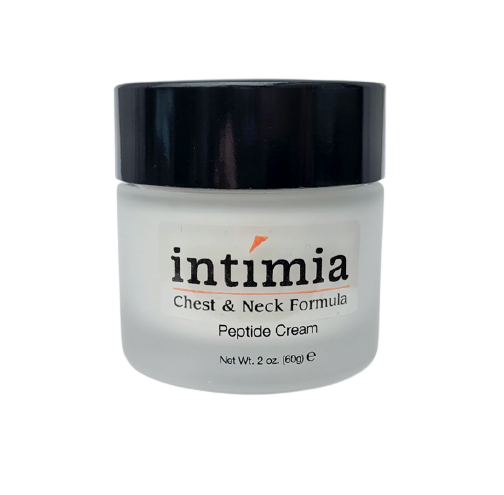
- Peptides: Signal the skin to make more collagen, slowly improving firmness.
- Ceramides: Repair the barrier, so your skin doesn’t dry out and crumple.
- Gentle retinol or retinal: Low strength, eye-safe formulas—boosts cell turnover and collagen over time. The Healthline guide to making eyes look more awake, Medical News Today’s under-eye treatments, and the Mayo Clinic’s section on topical retinoids all back this up.
Apply a pea-sized amount for both eyes. Tap it in with your ring finger along the orbital bone—outer corner first, then inward—no dragging. A few gentle, circular motions help wake up circulation and lymph.
Layer order:
- Cleanse
- Light serum (if you use one)
- Eye cream
- Face moisturizer
Results come quietly. Three months later, you notice those morning folds aren’t carving quite as deep. Six months, and your reflection starts looking rested even on nights you weren’t.
Non-invasive tools & products to protect under eye skin while you sleep
Some nights, I treat sleep like a sport. If the pillow is the opponent, these are your guards and pads.
One of the best barriers against sleep wrinkles under eyes—especially for loyal side sleepers—is silicone or gel sleep pads. You place them on clean, dry skin. They smooth and slightly stretch the area, creating a shield between you and the pillow. The Cleveland Clinic’s overview of non-surgical wrinkle treatments notes silicone-based tools as helpful for lines, and I see it every week in real life.
Next, consider a contoured eye mask:
- Shaped so the mask arches over the eyes instead of pressing on them.
- Silk-lined to reduce friction.
- Snug enough not to slide, loose enough not to leave marks.
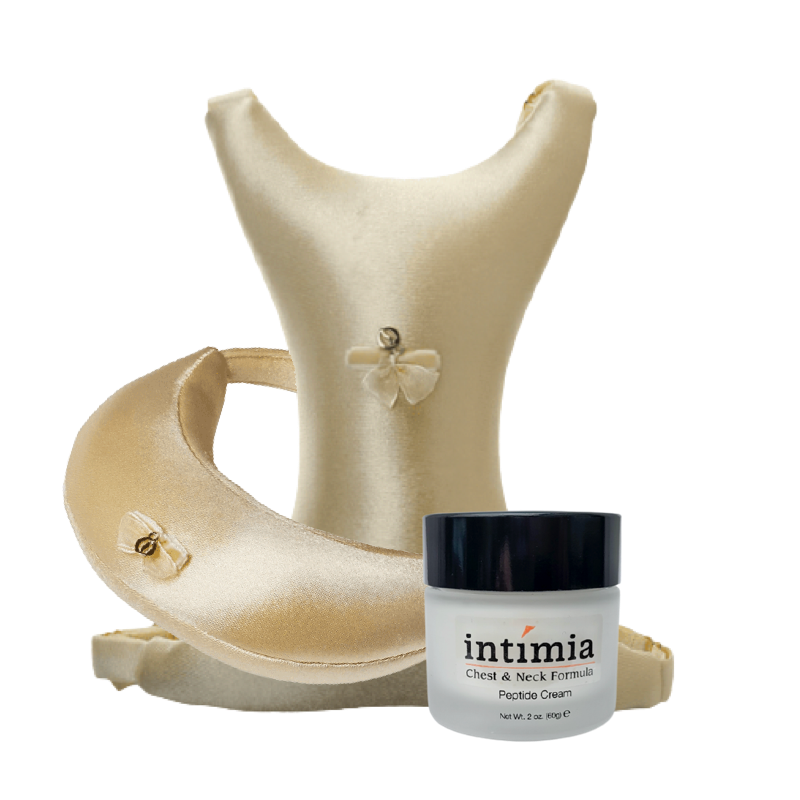
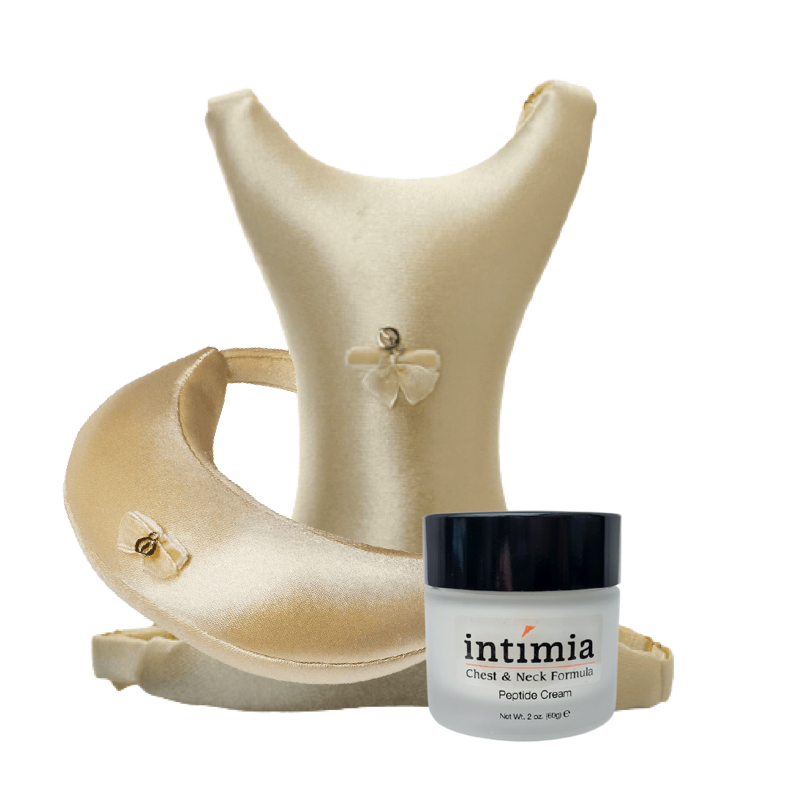
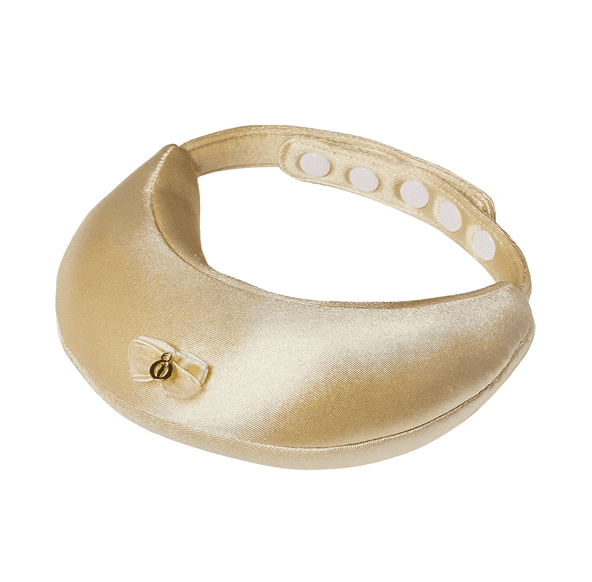
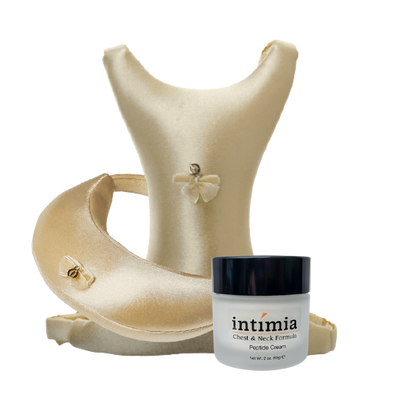
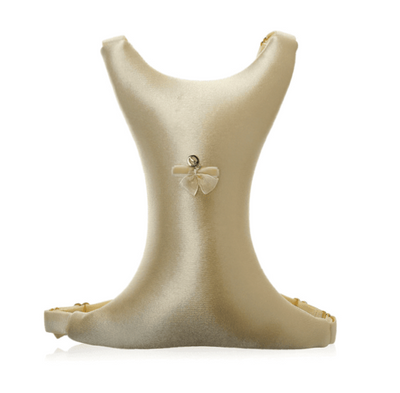
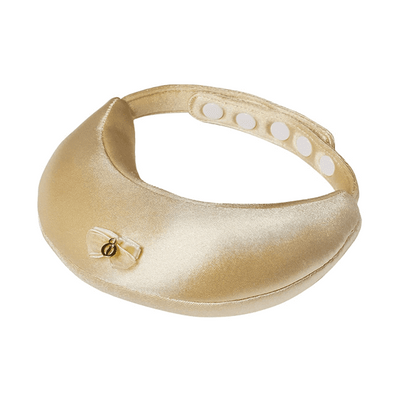
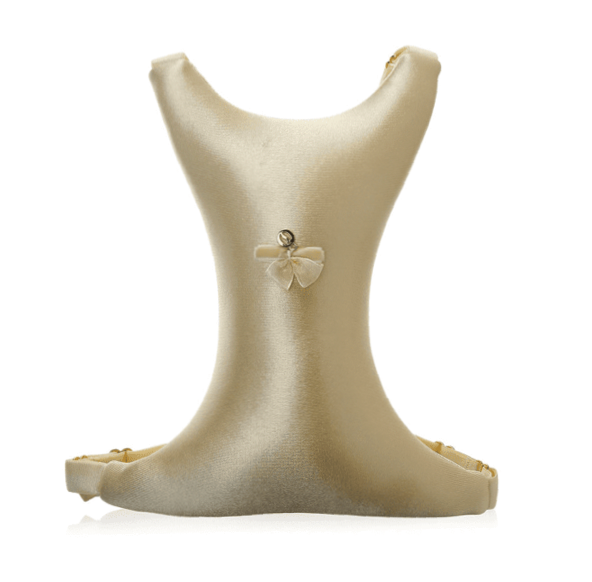
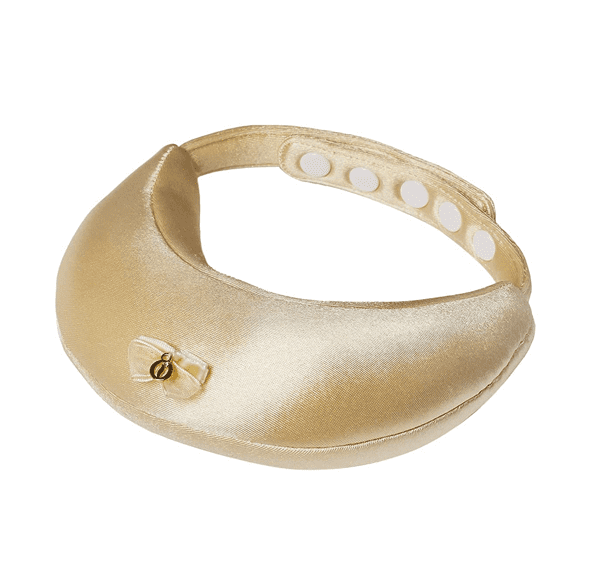
For women who keep rolling into eye wrinkles from sleeping on side territory, chest or head wedges can help keep the upper body elevated and more stable. Some of these supports are even recommended for snoring or reflux in Cleveland Clinic’s sleep and health guidance—you get multiple benefits in one gadget.
Pre-bed, a small ritual: a cold compress or gel mask for five minutes. Especially if you wake up puffy. The Mayo Clinic recommends cold compresses for bags under the eyes; less puff usually means fewer dramatic fold lines by morning.
Just remember:
- Check whether your silicone pads go over or under skincare (most need bare skin).
- Clean or replace tools regularly.
- Comfort first—if a mask or pad makes you sleep worse, it’s not your solution.
Your tools should feel like a soft exhale, not a helmet.
Daytime habits that help reverse and prevent sleep lines under eyes
Nights write the lines. Days decide how deep they sink in.
Think of your daytime habits as background music—constantly playing, either supporting or sabotaging everything you do at night for under eye wrinkles from sleeping.
First, the non-negotiables:
- SPF 30+ every single day, even if the sun is hiding. Use a broad-spectrum sunscreen and bring it around the orbital bone with an eye-safe formula. Healthline’s guide on under-eye lines, WebMD’s sunscreen-and-wrinkles slideshow, and the Mayo Clinic’s wrinkles page all harp on this, and they’re right.
- Sunglasses large enough to cover the sides of your eyes. They prevent squinting and shield from UV—two attacks neutralized at once.
Then, your plate and your glass:
- Steady water throughout the day, not just chugging before bed.
- Bright fruits and vegetables for vitamin C and E, plus omega-3 fats (fish, walnuts, flax) and good protein—skin needs building blocks. Healthline’s under-eye lifestyle advice and the Cleveland Clinic’s section on lifestyle and wrinkles both take this angle.
- Dial down salt and alcohol, especially at night, to tame puffiness that exaggerates folds.
If you smoke, I’ll be the blunt girlfriend here: every cigarette is a little contract with new wrinkles. The Cleveland Clinic calls smoking one of the biggest avoidable causes of wrinkles—for your under eyes, that goes double.
Two more quiet heroes:
- Quick lymphatic massage: Spend 1–2 minutes, morning or night. Tap gently from inner corner to outer, then sweep lightly down toward your ears. Healthline’s “make eyes look more awake” tips show how this wakes up the area and reduces swelling.
- Stress rituals: Ten minutes of stretching, a walk, a few slow breaths. Better sleep at night, less tossing and rubbing your eyes in bed.
None of this looks dramatic on any one day. But give it three months, and your pillow has less and less to work with.
When to seek professional advice for persistent sleep wrinkles under eyes
There’s a point where you’ve changed your position, upgraded your pillow, baby’d your skincare—and those stubborn sleep lines under eyes still wave hello every morning.
That’s your cue to bring in reinforcements.
A good dermatologist won’t just look at the lines; she’ll ask about your sleep, your routine, your history. This is where it helps to show up prepared:
- Bring a few before/after photos—morning and evening, over a week or so.
- Note your sleep side, average hours, and any devices or pillows you’ve tried.
- Mention that you suspect under eye wrinkles from sleeping specifically, so they consider mechanical causes, not just “aging.”
From there, you can discuss gentle, targeted options like:
- Prescription retinoids in low, eye-safe strengths to push collagen production further. Both the Mayo Clinic and Healthline’s under-eye lines guide highlight retinoids as gold-standard for texture and fine lines.
- Light peels or laser treatments around the eyes to resurface and smooth—always paired with continued prevention. The Cleveland Clinic’s wrinkle treatment overview and Healthline’s eye rejuvenation tips both walk through these options.
Procedures can absolutely soften lines—but if you keep sleeping face-down into the same pillow, new ones will follow. The magic is in combining expert care with your at-home habits.
Step-by-step night routine to prevent under eye wrinkles from sleeping
Let’s put it all together into something you can actually live with—on a Tuesday night, after a long day, when you’re half asleep brushing your teeth.
Step 1 – prep your sleep position
First, plan how your face is going to spend the night.
If you’re going for back sleeping, use a wedge or contoured pillow to keep your spine aligned and head slightly elevated. It discourages those unconscious rolls into eye wrinkles from sleeping on side territory. Both WebMD’s sleep-position tips and the Cleveland Clinic’s wrinkle-and-lifestyle notes back this approach.
If side sleeping is non-negotiable:
- Use a body pillow in front to hug and one behind your back to keep you from rolling fully face-down.
- Adjust until your under eyes float just above the pillow, not pressed into it.
Step 2 – set up your pillow and pillowcase
Choose a low to mid pillow so your head isn’t being shoved forward. Slide on a silk or satin pillowcase to reduce friction and sleep wrinkles under eyes.
Do a 10-second “eye clearance” check:
- Lie down in your usual position.
- Notice exactly where the pillow touches your face.
- Adjust until your eyes and the immediate under-eye area are free of pressure.
This alone can dramatically reduce under eye wrinkles from sleeping on face.
Step 3 – nighttime under-eye skincare
Now, the smallest, most powerful part.
- Cleanse gently—no tugging on the eye area.
- Apply a pea-sized amount of eye cream for both eyes: hyaluronic acid for plumpness, peptides for strength, ceramides for barrier, and a gentle retinoid if your skin tolerates it.
Healthline’s under-eye care guide and Medical News Today’s under-eye wrinkle treatments both endorse these ingredients for resilience.
Tap lightly along the orbital bone. Think whisper, not massage chair.
Step 4 – add protective tools if needed
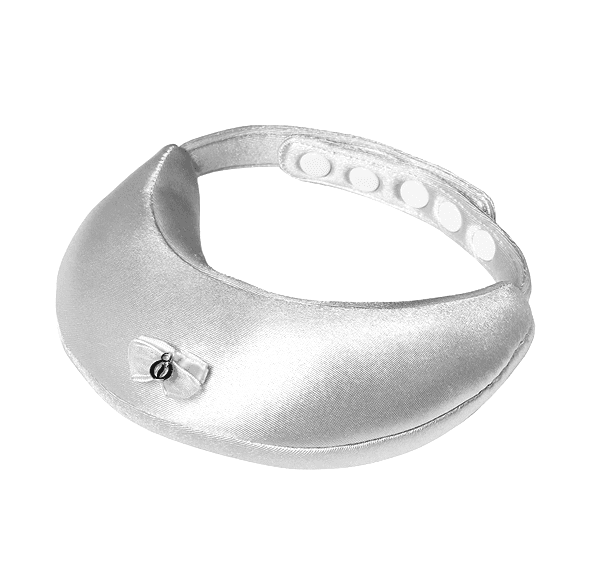
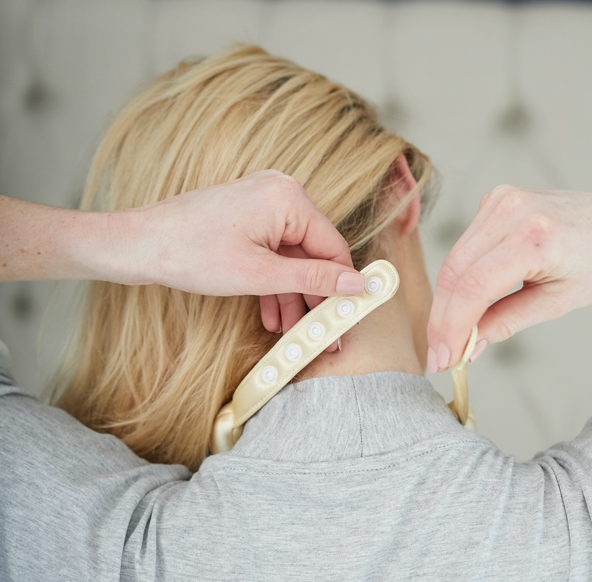
If you’re still battling stubborn sleep lines under eyes, this is where you layer in silicone pads or a molded sleep mask. Make sure your skincare has absorbed if the product calls for dry skin.
They’re your seatbelt. You hope you won’t need them, but when things get rough (hello, 3 a.m. roll onto your side), you’re glad they’re there.
Step 5 – wind down for quality sleep
Finally, give your nervous system the memo that it’s allowed to rest.
- Cool, dark room.
- No bright screens in your face right before bed.
- A few slow breaths, a page or two of a book.
Solid, deep sleep means less tossing, less face-rubbing, fewer desperate pillow punches at 2 a.m.—and fewer under eye wrinkles from sleeping written across your cheeks when the alarm goes off.
Conclusion & key takeaways: stop under eye wrinkles from sleeping before they set in
Here’s where I land, after years of building sleep-wellness products, listening to women in their 30s, 40s, 50s whisper the same thing in my studio:
“I just want to wake up looking like myself again.”
Under eye wrinkles from sleeping are not a moral failing or a sign you’re “letting yourself go.” They’re physics, fabric, and time teaming up against thinner, maturing skin.
But you’re not powerless. You never were.
Three pillars shape your results:
- Cut pressure: Favor back sleeping when you can, or at least smarter side sleeping with props and tools to avoid eye wrinkles from sleeping on side.
- Ease friction: Silk pillowcases, smooth bedding, better pillow height.
- Fortify skin: Gentle cleansing, targeted eye ingredients, SPF, hydration, and calm days that support restful nights.
You don’t have to change everything overnight. Start tiny—one silk pillowcase, one new sleep position experiment, one eye cream applied with intention instead of impatience.
If your décolletage looks flawless by morning—check if you actually slept on your side.
Your face carries your stories. Your eyes carry your light. Tonight, as you turn off the lamp and feel your head sink into the pillow, remember: every small choice you make is a quiet vote for the woman you’ll meet in the mirror tomorrow.
Related articles
- Sleep lines on face: fade wrinkles — Discover effective ways to get rid of sleep lines on face and prevent wrinkles that won’t go away.
- Permanent sleep wrinkles: treatments that work — Explore powerful options for treating permanent sleep wrinkles and keeping new ones from forming.
- How sleep affects skin: prevent wrinkles — Learn how your nightly rest shapes skin health and what to change for fewer wrinkles.
- Forehead wrinkles from sleeping: prevent and fade — Find practical tips to smooth vertical sleep lines on your forehead.
- Neck wrinkles pillow: prevent neck wrinkles — Discover how the right pillow can protect your neck from sleep-induced aging.
Want to discover flawless skin with Intimia? Shop now here: here