Chest wrinkle treatment comparison Best options
Chest wrinkle treatment comparison: best options, costs, and results for neck & chest wrinkles
Discover the best chest wrinkle treatment comparison, from home remedies to laser options. Find your ideal solution today.
I’m Irene Komsky, and I’ll start with a little scene from my bathroom at 11:37 p.m.
I was brushing my teeth, hair in a half-bun, glasses slipping down my nose, when I caught my reflection and saw them again — those soft, vertical lines between my collarbones. Not dramatic. Not tragic. But very much there.
“Excuse me,” I told the mirror. “Who invited you?”
Chest wrinkles arrive quietly. You don’t see them at twenty-five. At thirty-five, they start whispering. By forty, they’re organizing group meetings while you sleep on your side.
So in this letter to you — because that’s what this is — I want to walk through what actually works for neck and chest wrinkles, what’s marketing, and what’s worth your money and time. We’ll compare everything: home tricks, creams, silicone pads, lasers. I’ll tell you what I’ve tried, what my clients swear by, and where the science quietly nods “yes” in the background.
If your décolletage looks flawless by morning — check if you actually slept on your side.
Section 1: what causes neck and chest wrinkles? (context for treatment choices)
The neck and chest are not like the rest of your body. The skin here is thinner, has fewer oil glands, and sun damage loves it — like a bad ex who keeps coming back. Studies show this area has lower pilosebaceous density and is especially prone to photodamage, collagen breakdown, and elastosis, which is a fancy word for “the elastic fibers have given up.” You can see this clearly in dermatologic reviews of photoaging and chronic sun exposure on the chest and neck, such as those summarized in clinical overviews of photoaged skin and research on actinic damage patterns in the décolletage.
Let’s translate.
- Sun damage — Every time we “just run out without sunscreen” to grab a coffee, ultraviolet light quietly injures collagen and elastin. Over years, that becomes pigment spots, redness, and those cross-hatchy lines you can see on many women’s chests. Dermatology studies on chronic photodamage of the neck and chest confirm how closely those fine rhytides and mottled pigmentation are tied to UV exposure, especially in fairer skin.[research on photodamage and actinic change]
- Aging — Estrogen drops, collagen production slows, the dermis thins. In midlife especially, we see more laxity and crepiness in this area far earlier than, say, on the arms. Scientific reviews on intrinsic versus extrinsic aging make it clear that the neck and chest sit right at the intersection of both.[overview of skin aging and collagen loss]
- Dehydration — Not just “I didn’t drink enough water” dehydration, but barrier impairment. When the skin’s outer layer is a bit damaged (from sun, hot showers, harsh cleansers), it loses water faster, and fine lines look deeper. Evidence-based articles on moisturizers and barrier repair show how critical hydration and lipids are for reducing visible wrinkling, especially in thin skin.
- Lifestyle and sleep position — Side-sleepers, I’m looking at us. When you curl up on your side, breast tissue falls forward, and the skin between the breasts and on the chest folds into vertical creases, night after night. Over time, those temporary folds set in as permanent lines. Clinical and practical discussions on décolletage wrinkles consistently mention repetitive mechanical compression from sleeping positions as a key factor.[overview of décolletage causes and habits]
The treatment logic is simple:
- Home remedies and basic topicals work on hydration and prevention.
- Retinoids, actives, and devices work on collagen stimulation and texture.
- Lasers and in-office procedures go deeper, targeting photodamage and structural changes in the dermis, as documented in multiple clinical trials on fractional resurfacing and photodynamic therapy for sun-damaged chest skin.[comparative data on neck/chest rejuvenation]
Once you understand the “why,” picking the “how” gets much easier — and less expensive in the long run.
Section 2: overview of chest wrinkle treatment categories (comparative framework)
When I sit down with a client over coffee — or FaceTime at 9 p.m. while she whispers from her bathroom — I put chest wrinkle options into three big boxes:
- Home remedies — Natural oils, kitchen masks, gentle massage, sleep-position fixes. These focus on hydration, soothing, and prevention. There’s limited hard data, but they do support barrier function and comfort, and for very early changes, that matters.[practical overview of home strategies for chest wrinkles]
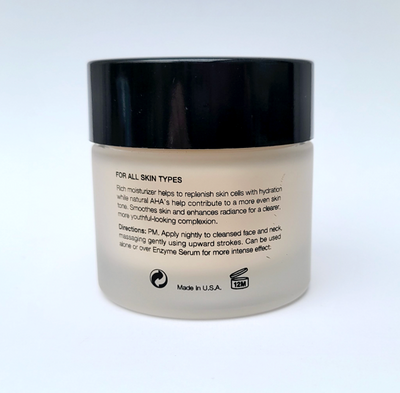
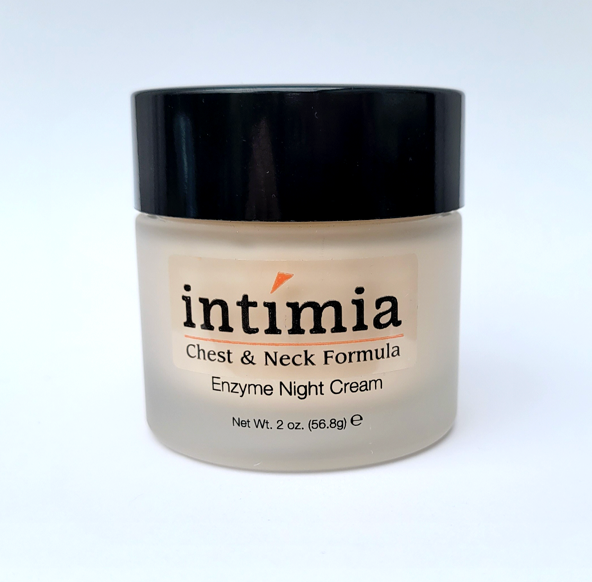
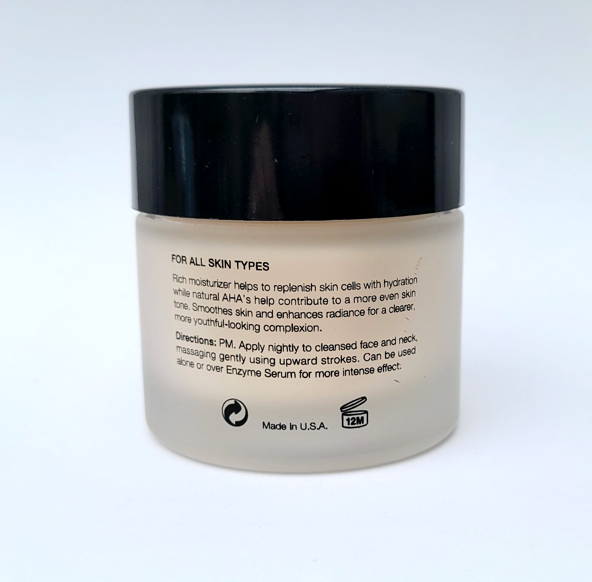
- Over-the-counter products for chest wrinkles — Retinol creams, peptide and hyaluronic acid serums, antioxidant lotions, silicone pads, and supportive sleep aids. These lean on actives with evidence behind them; clinical reviews repeatedly point to topical retinoids, antioxidants, and barrier-supportive moisturizers as effective tools for photoaged skin on the neck and chest.[topical anti-aging actives]
- In-office procedures — This is where the lasers, light devices, peels, microneedling, radiofrequency, and injectables live. Consider them when you’re dealing with deeper wrinkles, obvious sun damage, or when you’re just done waiting six months for a cream to maybe do something. Systematic reviews of fractional laser resurfacing, photodynamic therapy, and combination approaches on the chest show significant, measurable improvements in wrinkles, pigmentation, and texture in a relatively small number of sessions.[fractional laser and PDT on photoaged skin]
We usually compare these by:
- Effectiveness — Fine vs. deep wrinkles, pigment, texture.
- Cost — From “I found this oil in my pantry” to “I’m investing in three laser sessions this year.”
- Time to results — Weeks, months, or a few office visits.
- Invasiveness and downtime — No downtime for home methods; several days of redness or peeling for stronger lasers, as shown in resurfacing studies of the neck and chest.[laser resurfacing recovery and risks]
- Side effects — Irritation from retinoids vs. swelling and redness from in-office procedures.
- Maintenance — Daily routine vs. occasional touch-ups.
Let’s walk through each category the way I’d walk a friend through it — with what to expect, what to skip, and how to avoid wasting a single dollar (or nerve cell).
Section 3: home remedies for neck and chest wrinkles
When I was just starting my first skincare venture, a friend came over with a mason jar full of something suspiciously yellow.
“This,” she said, proud as a new mother, “is my anti-wrinkle chest elixir.”
It was olive oil with a drop of lavender. We laughed, but here’s the thing — she wasn’t completely wrong.
Common home remedies for neck and chest wrinkles include:
- Natural oils — Argan, jojoba, squalane. They help with surface hydration and can soften the look of fine lines by smoothing the skin and supporting the barrier. While we don’t have chest-specific RCTs on argan oil, general emollient research supports using non-comedogenic oils to reduce transepidermal water loss and improve skin feel.
- Aloe vera and honey masks — Soothing, humectant, and lovely for a quiet evening ritual. Aloe has some data behind it for mild improvements in skin elasticity and hydration, and honey supports barrier repair and has mild antimicrobial properties.
- DIY gua sha or roller massage — Light, gentle strokes on the chest and neck can support microcirculation and help you connect with the area you’ve probably been ignoring. No, they won’t erase deep wrinkles, but they can improve tone and lymphatic drainage when used consistently.
- Sleep changes — This one is big. Back-sleeping with a well-chosen pillow or specific chest-support pillows can significantly reduce the mechanical folding that deepens vertical lines over time. Observational data and clinical experience with décolletage-support devices confirm that positional changes reduce crease formation across the cleavage area.[mechanical stress and chest wrinkling]
Pros:
- Low or no cost.
- Non-invasive, no downtime.
- Perfect for prevention, very early lines, or highly sensitive skin.
- Builds the habit muscle — and habits matter more than miracles.
Cons:
- Results are subtle and slow.
- They do little for deeper wrinkles or significant sun damage.
- Require daily discipline, and life is… life. We miss nights.
When a woman tells me, “I’m 36, it’s just starting, money is tight, and I’m overwhelmed,” I often start her here plus a good sunscreen — then build up. There is no shame in simple. But simple has limits, and we need to be honest about that.
Section 4: products for chest wrinkles (topical & supportive solutions)
Now we move from the kitchen to the bathroom cabinet.
This is where things get interesting — and confusing — because everything suddenly claims to lift, firm, erase, transform. I always come back to what’s studied, what’s logical, and what I’ve seen work repeatedly on real women’s chests.
Key products for chest wrinkles include:
- Creams and serums with retinol — Retinol is the quiet workhorse of anti-aging. It stimulates collagen production, normalizes cell turnover, and helps soften fine lines over months. There’s substantial evidence supporting topical retinoids for photoaged skin on the face and body, including improved wrinkling, roughness, and pigmentation.[retinoids for photoaging]
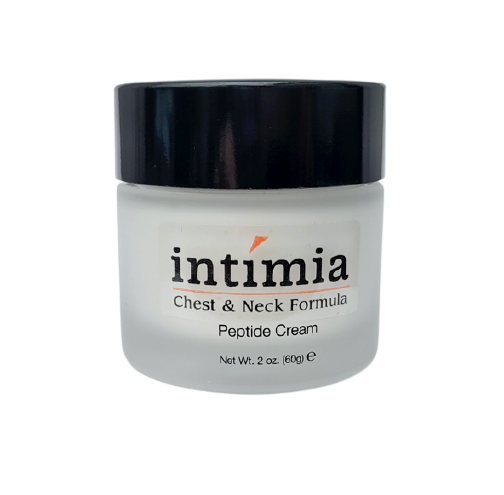
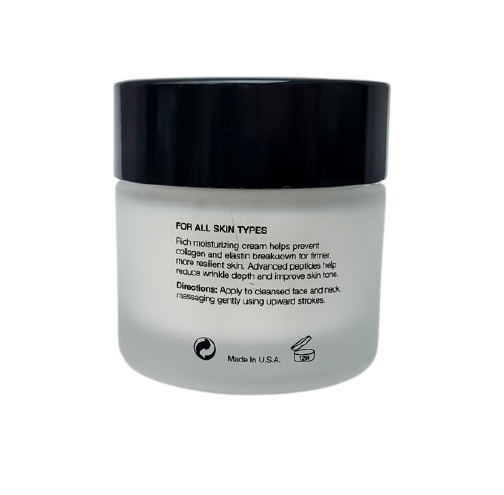
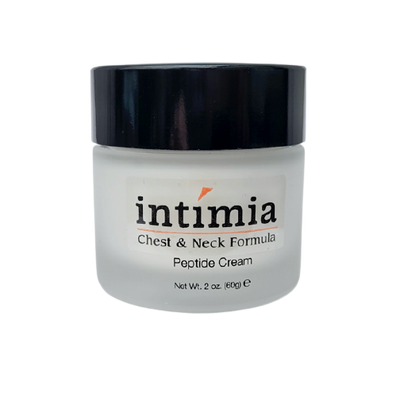
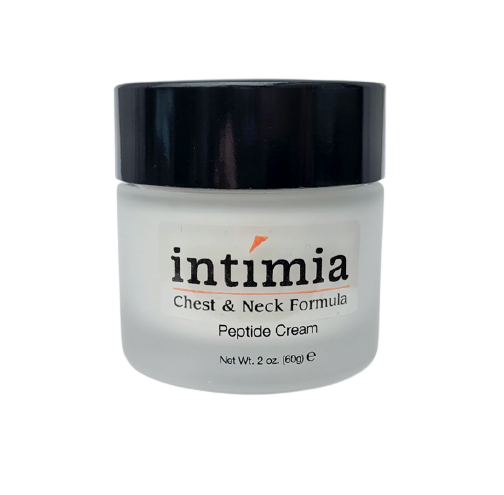
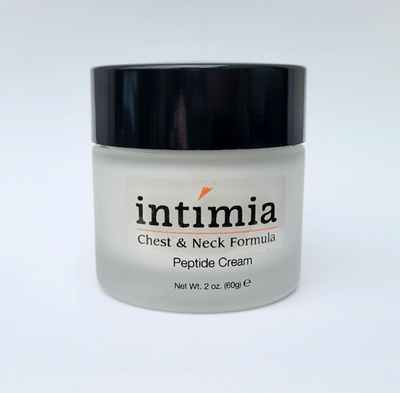
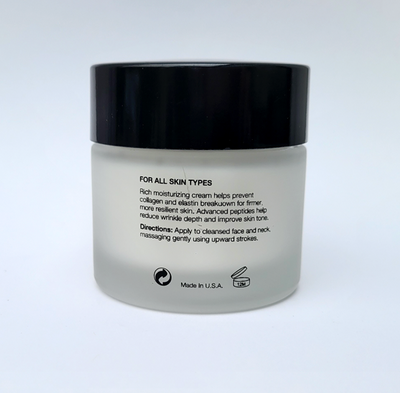
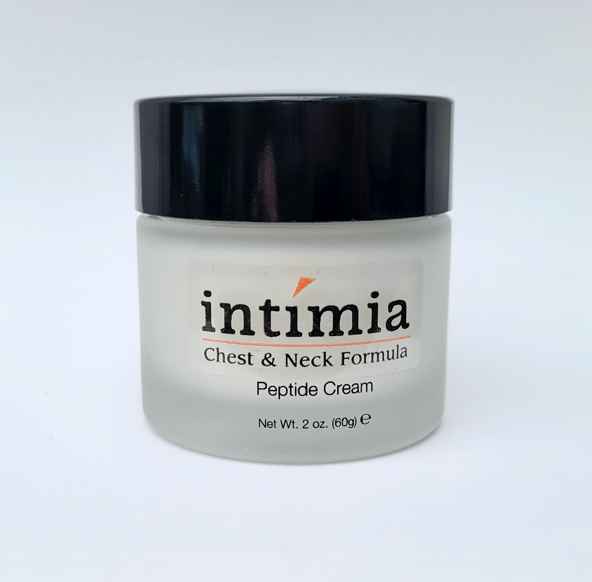
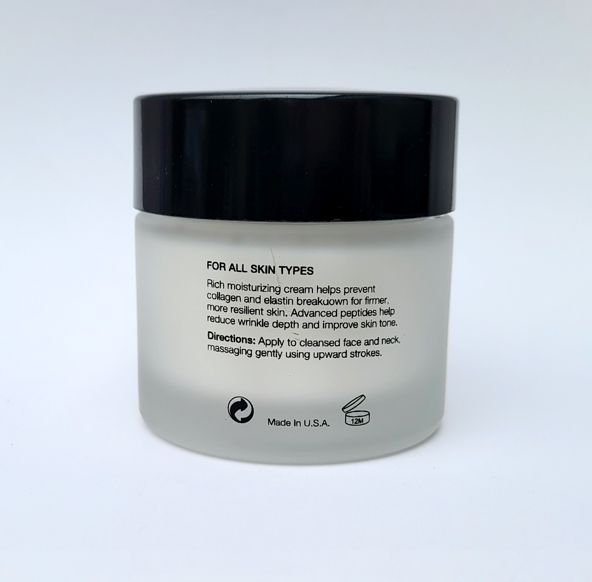
- Peptides — Signal peptides can encourage the skin to build more collagen or elastin. Are they as powerful as retinoids? No. Can they support and complement results? Absolutely. Several cosmeceutical reviews show measurable but milder improvements in firmness and fine lines with peptide complexes.
- Hyaluronic acid serums — Think immediate plumping and hydration. HA pulls water into the skin and can reduce the appearance of fine lines — not by changing the structure, but by improving how light reflects off hydrated, smoother skin.
- Antioxidant serums — Vitamin C, E, ferulic acid, niacinamide. These help fight oxidative stress and pigment irregularities from sun damage. Research on topical antioxidants shows synergistic protection with sunscreen and improvements in overall tone and texture on photodamaged areas like the neck and chest.[antioxidants and photoprotection]
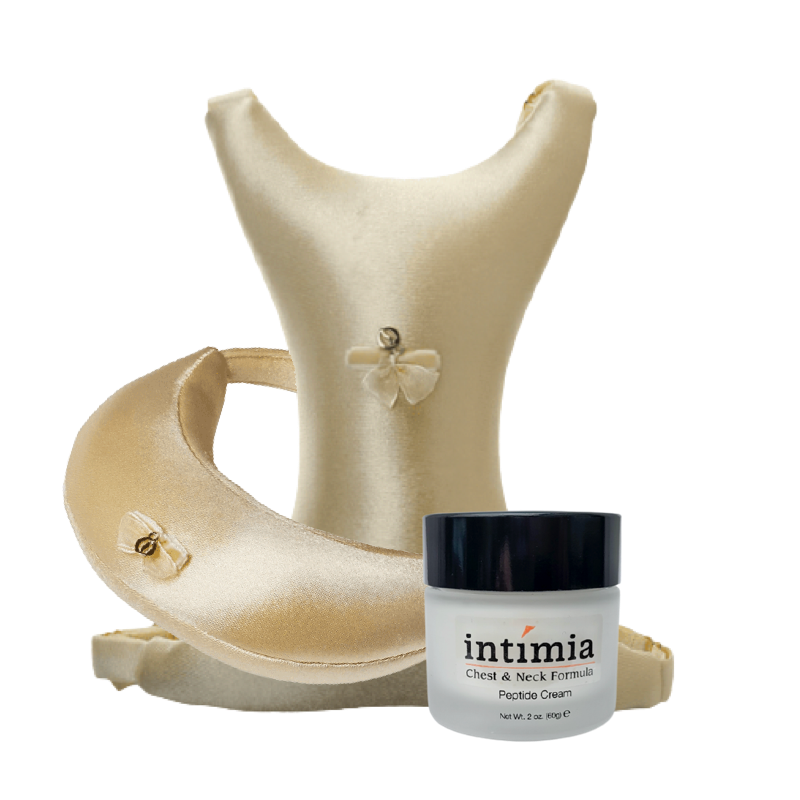
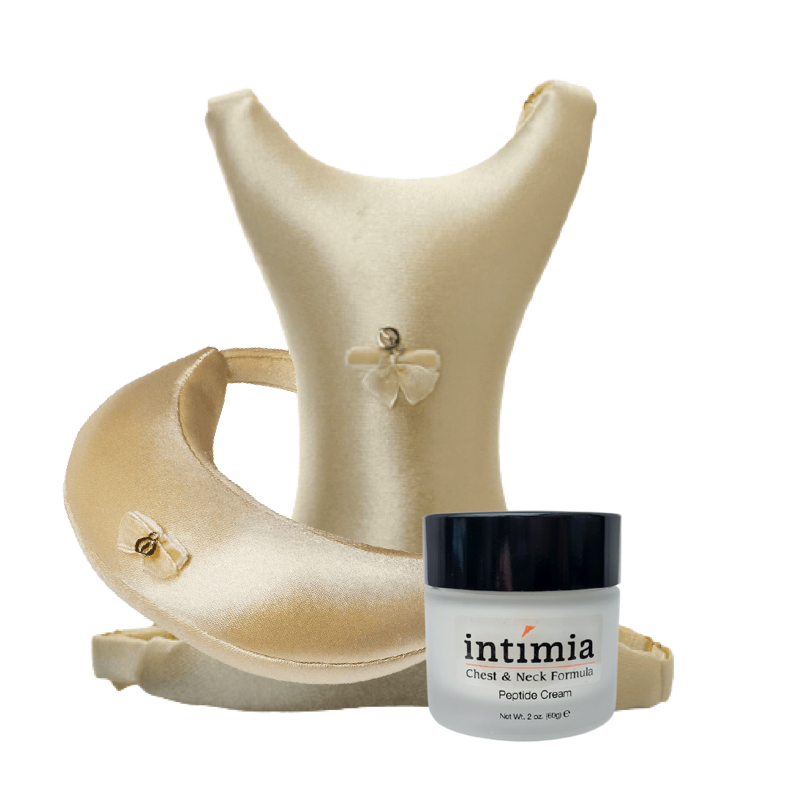
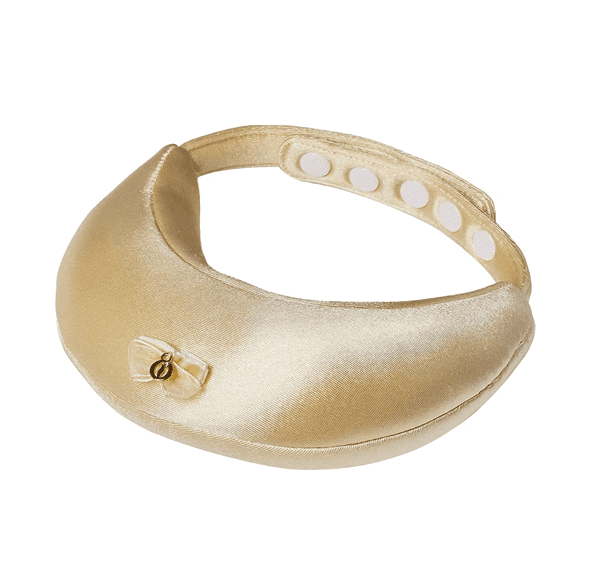
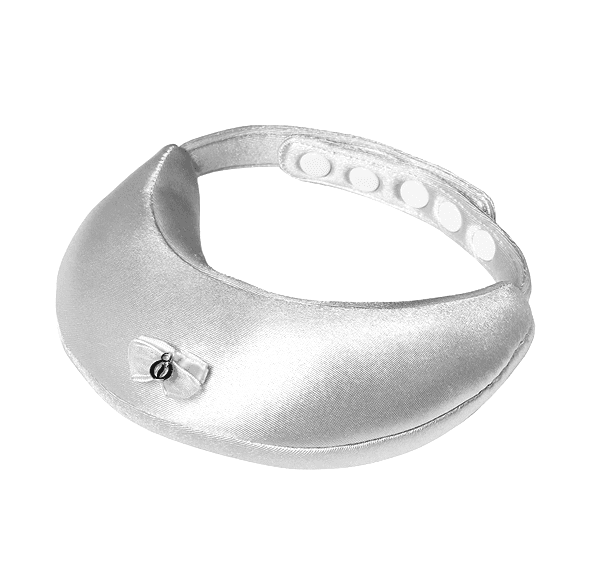
- Silicone pads — These are placed on the chest at night to occlude and hydrate the skin, while also physically preventing creasing. We don’t have big randomized controlled trials, but we do have strong clinical use in scar management and growing anecdotal evidence in smoothing cleavage wrinkles overnight by trapping moisture, similar to how silicone sheeting softens hypertrophic scars.[silicone pads and supportive tools]
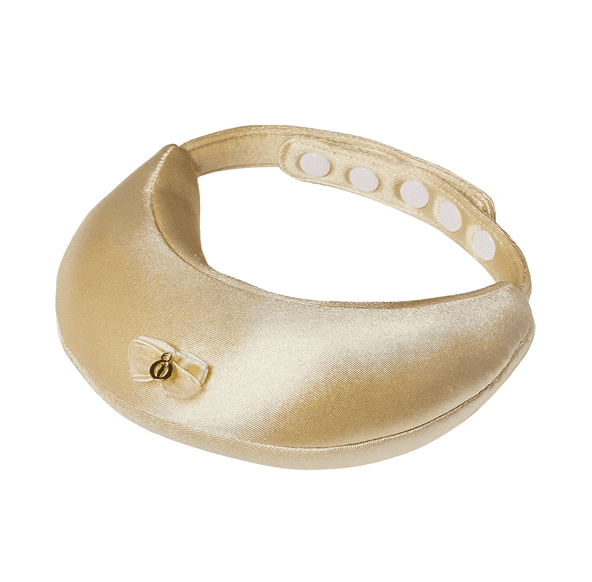
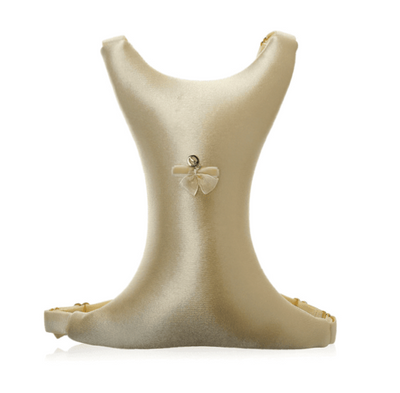
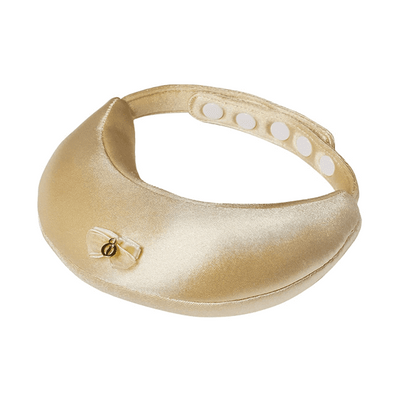
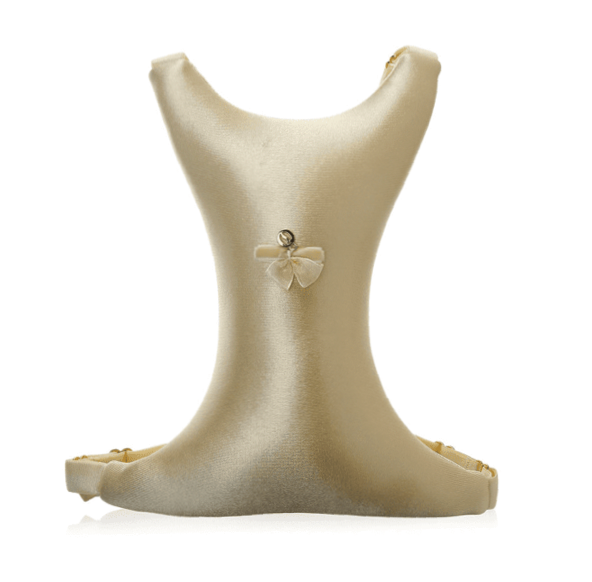
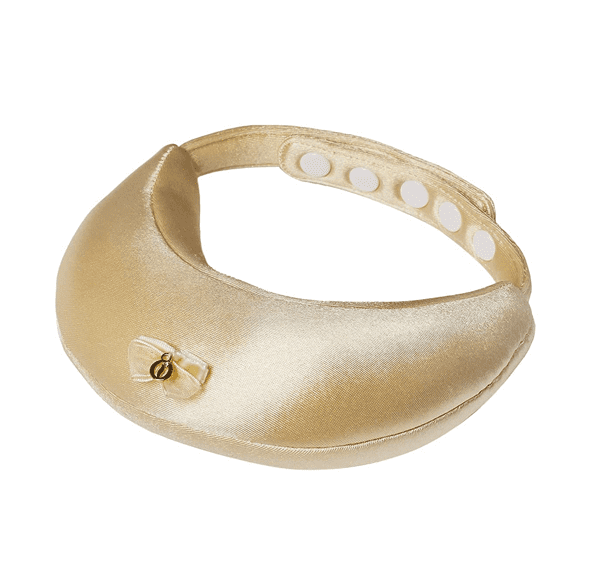
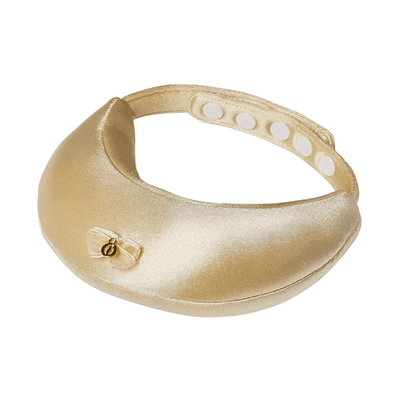
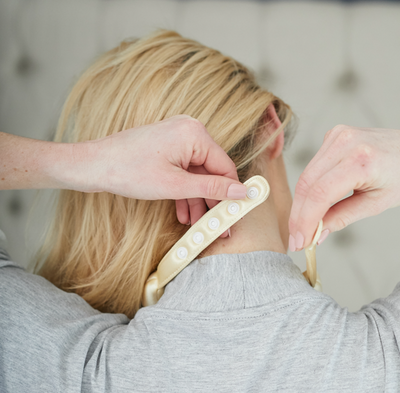
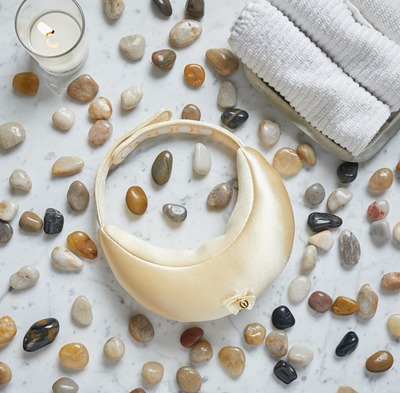
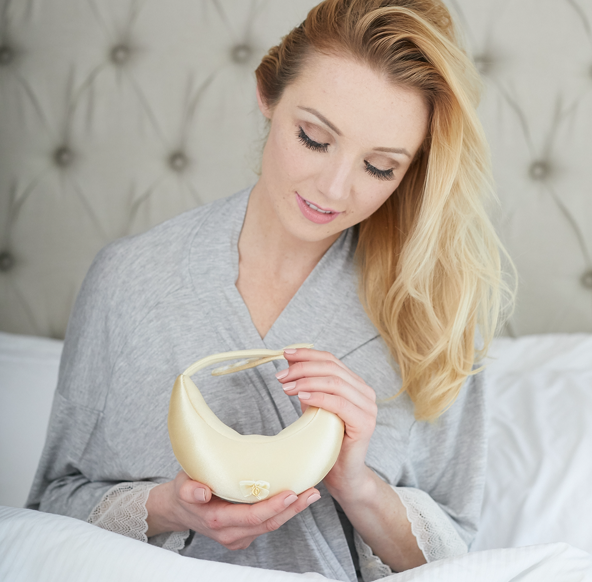
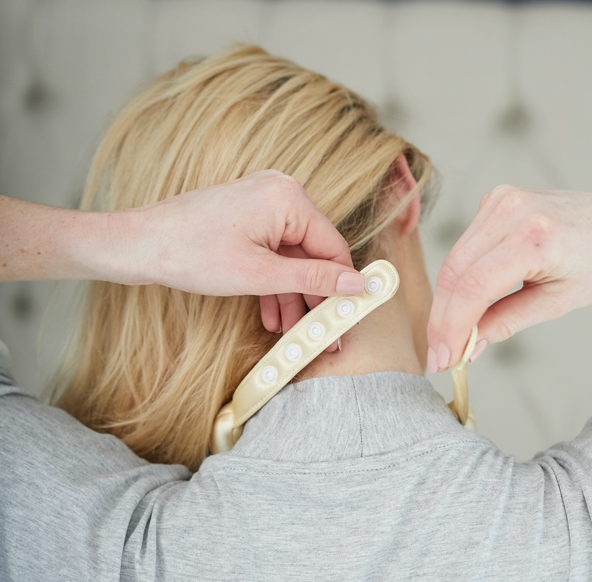
- Support bras and pillows — These aren’t glamorous, but they are practical. By keeping the breast tissue in place during side-sleeping, they prevent that repetitive fold. Mechanical-wise, this is one of the most logical, low-risk interventions we have.
| Aspect | Effectiveness | Timeframe | Ease of use |
|---|---|---|---|
| Fine lines | Good (hydration/collagen boost) | 4–12 weeks | High (nightly routine) |
| Deeper lines | Moderate | 3+ months | High |
Pros vs. home remedies:
- More potent active ingredients with real science behind them.
- Still non-invasive, no downtime.
- Can be tailored — gentle for sensitive skin, stronger for resilient types.
Cons:
- More expensive: usually $20–$100 per product.
- Risk of irritation, especially with retinoids or strong acids.
- Slower and more subtle than in-office procedures.
Here’s how I usually layer it for a woman over 35 with mild to moderate chest lines:
Morning: antioxidant serum on neck and chest, then a broad-spectrum sunscreen.
Night: gentle cleanser, hydrating toner if you love them, retinol or peptide serum on the chest 2–3 nights a week (working up), followed by a nourishing moisturizer. On nights off: a hydrating mask or thick cream, plus silicone pad if you tolerate it.
And then I say the sentence that makes everyone sigh: we’re playing the long game here. The most impressive results I see come after 3–6 months of consistency, supported by solid sun protection — something skin-aging research emphasizes again and again.[SPF and long-term aging prevention]
Section 5: professional and laser treatment for chest wrinkles
One of my clients — let’s call her Maya — walked into a laser clinic with a picture of her chest from her twenties.
“I want this back,” she told the doctor, half-joking, half-dead serious.
The doctor laughed kindly. “We can’t go back,” she said, “but we can make now a lot better.”
In-office treatments are where we see the most dramatic changes for neck and chest wrinkles, especially for deeper lines and heavy sun damage. Let’s break them down like adults — money, downtime, and all — with support from the clinical literature on neck and chest rejuvenation.
Laser treatment for chest wrinkles:
- Fractional lasers (non-ablative and ablative) — These create microscopic columns of controlled injury in the skin, leaving surrounding tissue intact. That controlled injury signals your body to produce new collagen and elastin, gradually improving texture and wrinkles. Multiple studies on fractional resurfacing in photoaged skin show significant improvement in rhytides and texture after a series of sessions, including on the neck and chest where skin is thinner and more sensitive.[fractional lasers for photoaged neck/chest]
- IPL (Intense Pulsed Light) and PDT (Photodynamic Therapy) — These focus more on pigment and redness. IPL targets brown spots and small blood vessels, while PDT uses a photosensitizing solution plus light to treat actinic damage and pre-cancerous changes. Reviews of PDT on chronically sun-damaged chest skin show improved pigmentation, texture, and fine wrinkling, alone or before fractional lasers to prep the canvas.[PDT and IPL for photodamage]
Other professional options:
- Microneedling — Creates controlled micro-injuries with tiny needles, stimulating collagen. It’s gentler than many lasers, with less downtime, and can be combined with PRP (platelet-rich plasma) or topical actives. Clinical data supports its role in improving fine lines and skin texture across the face, neck, and décolletage.
- Radiofrequency — Uses heat energy to tighten and stimulate collagen in deeper layers. Non-ablative RF can be a good option if you’re not ready for resurfacing but want tightening.
- Chemical peels — Light to medium-depth peels with acids like TCA can help with pigment and surface texture on the chest when done by an experienced professional. However, deeper peels on the chest require extreme caution due to the risk of scarring, as noted in clinical practice reviews.[TCA and peel safety on neck/chest]
-
Injectables —
- PLLA (poly-L-lactic acid) — A biostimulatory filler that encourages collagen over time for volume and texture improvement.
- Hyaluronic acid fillers — Can gently fill etched-in lines or volume loss in carefully selected cases.
- Botox — Occasionally used to soften certain muscular bands or lines on the neck, though less so on the chest itself.
How lasers work (the short, honest version):
They injure you — gently, precisely, expensively — so your body is forced to repair and renew. Studies of resurfacing treatments show thickening of the epidermis, reduction in elastotic material, and increased new collagen, especially after a series of sessions on photoaged skin of the neck and chest.[histologic changes after resurfacing]
For moderate to deep wrinkles, lasers and energy devices outperform creams, period. Clinical follow-ups often show substantial improvements in rhytides and texture after around three sessions spaced a month apart.
Costs and downtime (the real numbers):
- Cost: $300–$2,000 per session, depending on device, clinic, and location.
- Sessions: usually 3–5 sessions for meaningful results.
- Downtime:
- Non-ablative: a few days of redness and mild swelling.
- Ablative or aggressive fractionals: 3–10 days of significant redness, peeling, and social downtime, as documented in resurfacing outcome studies.[ablative vs non-ablative recovery]
- Side effects: redness, swelling, temporary darkening or lightening, rare scarring or infection. Combining modalities (like PDT + laser) can amplify both results and temporary side effects.[combination treatment risks/benefits]
Good candidates typically:
- Have clear photodamage (spots, redness, lines) and are motivated for a stronger change.
- Are in skin types I–IV (lighter to medium tones), as many lasers carry higher pigmentation risks in deeper tones — though this is evolving as new devices and protocols emerge.[considerations for treatment and skin type]
- Can invest both money and a bit of social downtime.
Whenever a woman comes to me with a chest that looks ten years older than her face, and she asks, “Can creams fix this?” — I’m kind, but I’m also honest.
Creams can help. Lasers and procedures can change the story line.
Section 6: chest wrinkle treatment comparison table (side-by-side)
Because my brain loves a good table, and I suspect yours might too — here’s the bird’s-eye view.
| Category | Effectiveness (fine/deep wrinkles) | Speed of results | Longevity | Cost range | Invasiveness/downtime | Convenience |
|---|---|---|---|---|---|---|
| Home remedies for neck and chest wrinkles | Low/none | Slow (months) | Short (needs ongoing consistency) | $0–$20 | None | At-home daily |
| Over-the-counter products for chest wrinkles | Moderate/low | 4–12 weeks | Moderate (with ongoing use) | $20–$100 per product | None/mild irritation possible | At-home routine |
| Laser treatment for chest wrinkles (IPL/PDT/fractional) | High/high | 1–3 sessions (weeks) | 1–4 years | $300–$2,000 per session (×3–5) | Moderate (3–10 days, device-dependent) | In-office |
Lasers are usually the best option for deeper wrinkles and severe sun damage — the kind you can see from across the room. Topicals and home remedies suit milder cases and tighter budgets, and they’re also the maintenance team that keeps your more expensive procedures from “wearing off” too quickly.
Section 7: how to choose the best treatment for chest wrinkles for your needs
When women ask me, “What’s the best chest wrinkle treatment?” I always respond with, “For whom?”
Your ideal plan depends on a few very human things:
-
Age and wrinkle depth
- Mild, early lines (usually 35+) — You’re probably fine starting with quality products and a few home tweaks. Think retinol or peptide serum, silicone pads, consistent SPF, and sleep-position work.
- Moderate to deep wrinkles — Especially if pigment and redness are involved, you’ll likely need in-office help: fractional lasers, IPL, PDT, microneedling, or carefully chosen injectables. Clinical comparisons show that topicals alone rarely reverse entrenched rhytides on the chest, while energy-based devices can achieve meaningful improvement in texture and wrinkling.[response of deeper wrinkles to procedures]
-
Skin type and sensitivity
- If your skin reacts to everything, start with barrier repair, very gentle actives, and maybe non-ablative microneedling or low-energy devices under a conservative provider.
- If you have fair to medium skin and tolerate retinoids well, you may be an excellent candidate for fractional lasers or IPL on the chest when performed by experienced hands.
-
Budget and downtime
- Low budget, no downtime — Focus on home remedies and well-chosen products. Protect and support what you have.
- Moderate budget — Combine high-quality topicals with one or two in-office treatments like microneedling or light-based therapy.
- Higher budget + flexible schedule — Consider a series of fractional laser sessions, possibly combined with PDT or injectables for more dramatic, rejuvenated results.
-
Preference and philosophy
- Some women want to stay “as natural as possible” — oils, sleep positioners, silicone pads, retinol, and SPF. Beautiful.
- Others tell me, “I’m 48, I work hard, and I want results sooner.” For them, lasers and targeted procedures, layered over a smart at-home routine, make sense.
My favorite approach, and the one that has the most support in clinical practice, is a combination:
- Daily: SPF, antioxidants, gentle retinoid or peptides, good moisturizer.
- Nightly or several nights a week: silicone pad and a sleep setup that respects your chest.
- Periodically: in-office treatments — laser treatment for chest wrinkles, microneedling, or others as needed — chosen with your provider based on your skin and goals.
Topicals are the steady, loyal friend. Procedures are the powerful specialist who steps in when things get complicated. You don’t have to choose one forever — you can move between them as your life, budget, and skin change.
Section 8: preventive habits to support any chest wrinkle treatment
There’s a moment, every morning, when I’m rushing — phone buzzing, coffee cooling, jacket half on — and I almost skip my neck and chest with sunscreen.
And then I remember every 65-year-old woman I’ve met whose face looked ten years younger than her chest.
“I used SPF on my face,” they say. “I didn’t know I needed it here too.”
If you remember nothing else from this entire letter, remember this section. Prevention is cheaper, quieter, and much kinder than correction.
- Daily SPF on neck and chest — Broad-spectrum, at least SPF 30, every single morning, even if you’re “just driving.” Research on photoaging makes it painfully clear: cumulative UV exposure is the main driver of wrinkles, pigment, and texture changes on the chest and neck.[UV exposure and photoaging]
- Back-sleeping with supportive pillows — Train yourself gently. Sometimes it takes a few weeks. Use a body pillow, or a specific chest support pillow if you’re a devoted side-sleeper. Every night you avoid folding that skin is a night you stop reinforcing those lines.
- Hydration and nutrition — No, collagen powder will not magically erase your chest wrinkles — but adequate protein, healthy fats, vitamin C, and overall nutrition support your skin’s ability to repair and build collagen. Reviews on dietary factors in skin aging point to a relationship between nutrient intake, antioxidant status, and visible aging signs.[nutrition and skin health]
- Consistent routines — Tiny, boring habits: cleanser, serum, cream, SPF, repeat. The women with the calmest, most elegant décolletages at 60 are almost never the ones who did everything perfectly — they’re the ones who did enough, regularly, and didn’t give up when life got messy.
When you look at the whole chest wrinkle treatment comparison — home remedies, products, laser treatment for chest wrinkles — the pattern is clear:
- Home and product-based approaches are fantastic for mild cases and maintenance. They’re gentle on your wallet and your calendar.
- Procedures like lasers, microneedling, and injectables are the tools for deeper lines and significant sun damage, offering more dramatic and longer-lasting rejuvenation when carefully planned and maintained.[multi-modal rejuvenation strategies]
The best treatment for chest wrinkles is never one-size-fits-all. It’s the one that respects your reality — your severity, budget, pain tolerance, calendar, and personality.
And maybe the most beautiful part? You get to decide how far you want to go. Maybe for you, “best” means three laser sessions and a religious SPF habit. Maybe it means a good chest cream, a silicone pad, a different pillow, and the quiet decision to treat this area with the same care you give your face.
Either way, I’m on your side — somewhere between my bathroom light and the soft lines I’ve earned, still learning, still smoothing, still refusing to ignore the woman looking back at me in the mirror.
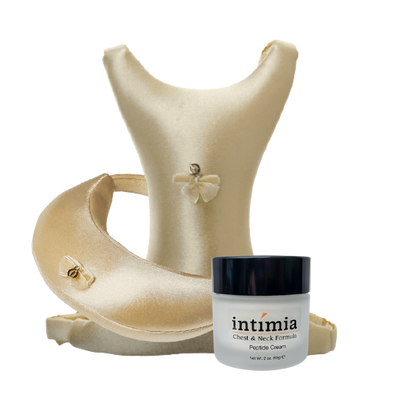
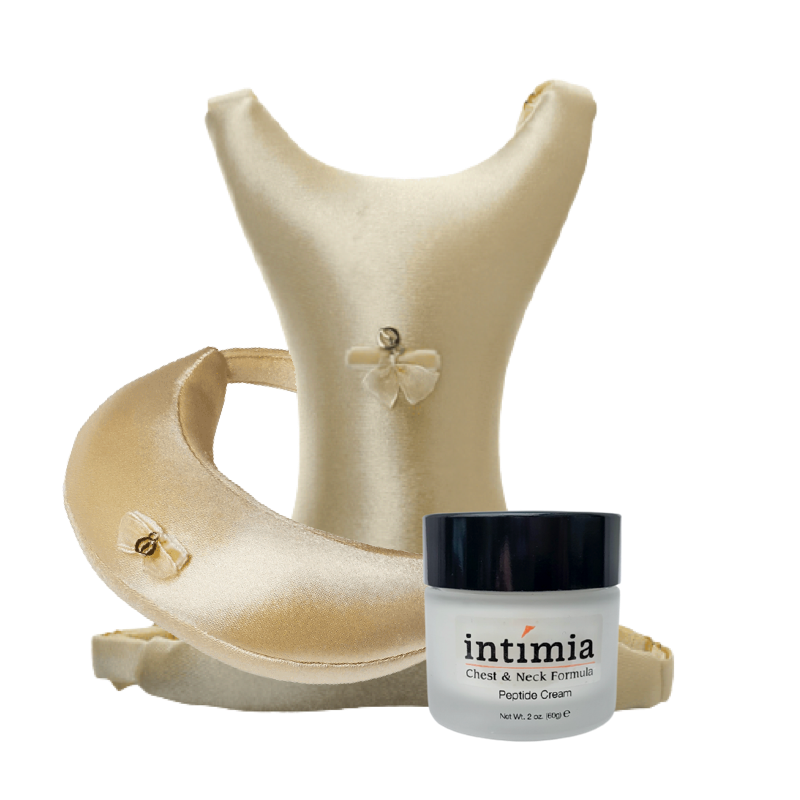
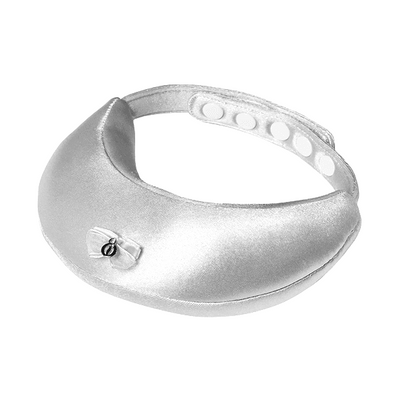
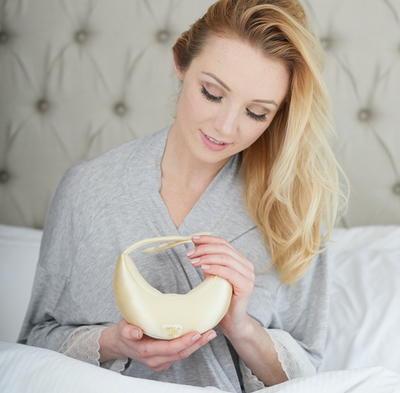
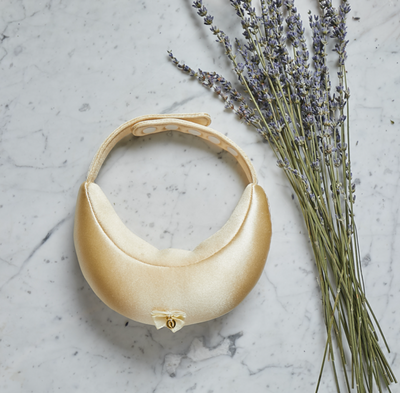
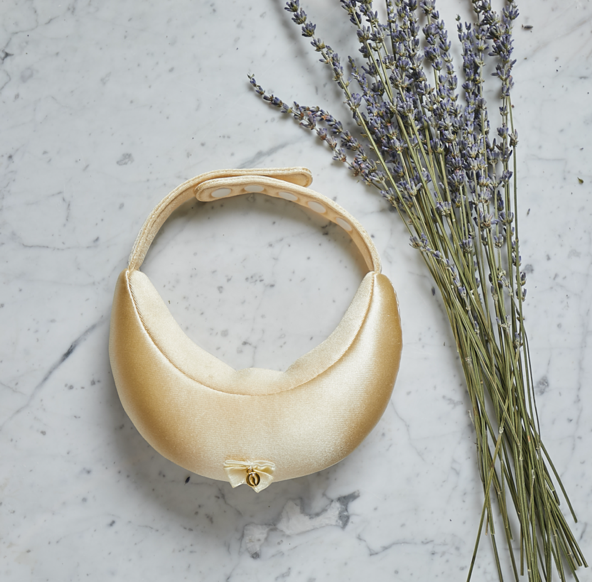
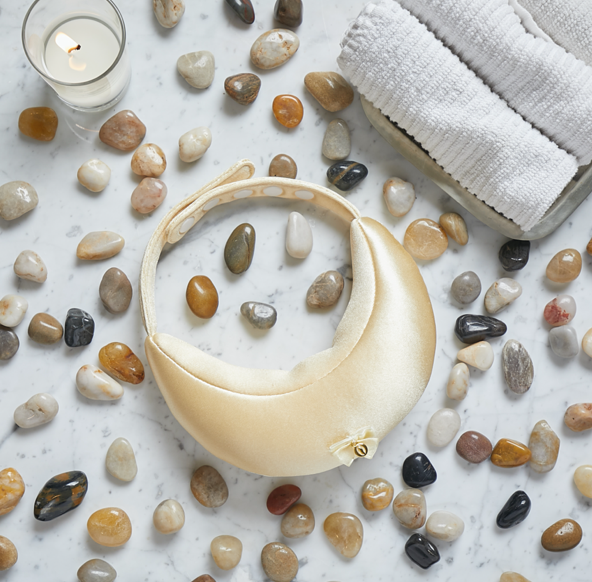
Intimia® Breast Pillow
Related Articles
- Get rid of chest wrinkles: how-to — Discover how to get rid of chest wrinkles with our comprehensive guide on effective treatments and the best ways to remove chest wrinkles today!
- Chest wrinkle cream: best options ranked — Discover the best chest wrinkle cream to rejuvenate your skin. Explore top anti-wrinkle options for the chest area and achieve a youthful glow!
- Decollete wrinkle treatment: creams vs lasers — Discover the best decollete wrinkle treatment options for effective décolletage wrinkle prevention. Click now for youthful, smooth skin!
- Neck and chest wrinkle treatment: 5-step — Discover the best neck and chest wrinkle treatment to prevent and reduce wrinkles. Explore creams and tips for youthful-looking skin!
- Chest wrinkles from sun damage: repair — Discover effective solutions for chest wrinkles from sun damage. Explore the best cream and treatments for a youthful decolletage today!
Want to discover flawless skin with Intimia? Shop now here: here