Cleavage Wrinkles: Prevent & Fade
How to prevent and get rid of cleavage wrinkles: causes, treatments, and at-home solutions
Imagine slipping into that favorite plunging neckline, feeling the sun kiss your skin, only to catch a glimpse of those stubborn cleavage wrinkles staring back. I’ve had that moment in a dressing room with terrible lighting — my friend looked at me, squinted at my chest, and said, “When did those show up?”
Cleavage wrinkles, also called a cleavage crease or wrinkles in between chest, are fine lines and creases that form in the décolleté area between the breasts. They often get deeper over time due to aging and repetitive compression — like waking up with a deep crease down the center, or spotting vertical lines in your swimsuit photos.
Dermatologists describe the décolleté as a uniquely delicate zone — thinner, drier, and more sun-exposed than most of the face, which is why it tends to “age faster.” You’ll see this in any good overview of chest and décolleté care, like the ones from Healthline on the décolleté area and their guide to chest wrinkles and how to treat them.
The good news? You can prevent cleavage wrinkles and get rid of cleavage wrinkles — or at least soften them dramatically — with simple, non-invasive steps. I’ll walk you through daily habits, skincare tricks, devices, and pro tips that I use myself and recommend to my own customers. Think of this as me sitting on your bed, late at night, showing you exactly how I treat my chest before I turn off the light.
Section 1: what are cleavage wrinkles and why do they happen?
The décolleté — your upper chest, neck, and the delicate area between the breasts — has thinner skin than your face. This makes it more vulnerable to lines and sagging. Cleavage wrinkles are fine to deep vertical or diagonal lines right in the central chest between the breasts. The cleavage crease is that deeper central fold, often from sleep or tight clothes. Wrinkles in between chest is the umbrella term for all those lines and folds in the cleavage zone. You’ll see this anatomy and vulnerability described clearly in articles on the décolleté.
There are two big aging forces at play here — intrinsic and extrinsic.
Intrinsic aging is the slow, quiet one. It usually starts to show in your 30s or 40s. Collagen and elastin fade, the skin thins, cell turnover slows, and hormones from perimenopause or menopause reduce dermal density and bounce. A review of skin aging in women over 40 in the National Library of Medicine outlines how estrogen decline accelerates thinning and wrinkling — and the décolleté is right in the front row of that show. Healthline’s piece on chest wrinkles and aging echoes the same story.
Extrinsic factors are the troublemakers you meet every day. Sun’s UVA and UVB rays cause photoaging, breaking collagen and adding pigmentation. The medical literature calls this solar elastosis — you’ll see those thickened, wrinkled sun-chested décolletés in classic dermatology images and in overviews such as the review on extrinsic skin aging and Healthline’s décolleté guide. Gravity pulls breast tissue downward, especially with larger cups. Repetitive stress from sports, bounce, or too-tight bras squashes the skin together and teaches it new, unwanted folds.
Then there’s sleep — the quiet saboteur. Side or stomach sleeping presses breasts together, folding the skin into a cleavage crease for hours at a time. At first, those lines are just morning visitors, then they linger until lunch, and over years they etch into permanent cleavage wrinkles and wrinkles in between chest. Studies of “sleep wrinkles” and body position — like this one on sleep-related skin changes — confirm what we see in the mirror. Ill-fitting bras add constant compression and friction, worsening it all.
Your chest deserves the same thoughtful care as your face. Once you truly understand the “why”, every little change you make starts to feel like self-respect, not vanity.
Section 2: main causes of wrinkles in between chest (day & night)
Subsection A – daytime causes
Daylight is both a blessing and a laser beam. UV exposure hits hard. Healthline’s experts point out that UVA rays dive deep, breaking collagen and causing that leathery, crepey texture we associate with “old sun damage.” The décolleté is usually front-row center in tank tops and V-necks. Many women are diligent with facial SPF, then stop at the jawline — the chest quietly collects the bill.
In clinical reviews of photoaging like this open-access article on UV-induced aging, the chest is repeatedly named as a high-risk area for wrinkles and pigmentation because of its exposure and thinness. Combine sun with perfume sprayed on the neck and chest (yes, that can make skin more sensitive) and you’ve built the perfect recipe for early lines.
Then there’s the mechanical daytime stress. Unsupported breasts drag skin down, folding it constantly — especially in bigger cups. Tight push-up or compression bras shove tissue inward, carving the cleavage crease and vertical lines. Guides to décolleté health often mention that the wrong bra is like the wrong pillow: you may not notice today, but your skin will remember in ten years.
Subsection B – nighttime causes
Night is when a lot of the real damage is done. Side and stomach sleeping squash the top breast toward the mattress by gravity. This creates deep folds nightly, building wrinkles in between chest. Over time, these sleep lines turn into permanent cleavage wrinkles. In the sleep-crease literature — again, look at the study on sleep wrinkles and compression — you see a clear pattern: side sleepers, deeper vertical chest lines.
Firm, high pillows that tilt the shoulders forward can make your upper body curl in, bringing the breasts closer together and worsening the “chest crush.” Sometimes I ask clients, “How do you fall asleep?” and they start by telling me their skincare products. I wave my hand. “No, no — show me how you actually lie down.” The moment they curl to their habitual side, the mystery lines make perfect sense.
Subsection C – lifestyle accelerators
Then we have the accelerators, the things that press fast-forward on the aging remote.
- Smoking chokes blood flow and damages collagen. In a comprehensive review on extrinsic aging and lifestyle, researchers found smokers consistently had more wrinkles, especially on thinner skin zones like the chest and neck. You can see this in the review on environmental skin aging.
- Dehydration, processed food, and heavy alcohol hurt fibroblast cells and the skin barrier, sharpening the cleavage crease. The research on nutrition and skin aging shows just how much collagen and elasticity depend on what we eat and drink.
- Neglect — simply skipping chest skincare — lets wrinkles in between chest run wild. Most studies, including Healthline’s guide on treating chest wrinkles, remind us that consistent care lowers the depth and number of lines over time.
Once you see these triggers, you can’t unsee them. But that’s a good thing. It only takes a few small habit shifts to start reclaiming your smooth glow.
Section 3: how to prevent cleavage wrinkles before they form
Subsection A – sun protection strategies
This is the part where I sound like a broken record… with SPF printed on the label.
Slather a broad-spectrum SPF 30+ on your chest every single morning — rain, shine, Zoom day, school run, doesn’t matter. The derm-approved guides on protecting the décolleté and preventing chest wrinkles are all very clear on this.
- Reapply every two hours when you’re outdoors or near big windows.
- Mineral sunscreens (zinc oxide, titanium dioxide) tend to be kinder to sensitive chest skin. The Cleveland Clinic’s neck and chest skincare guide highlights mineral formulas as a safer choice for delicate areas.
- Use wide-neck or higher-cut tops when you know you’ll be outside for a while, and lean into UPF clothing and shade during peak sun hours.
The anti-aging studies, like the large review on UV and aging, show one truth: nothing, not lasers, not injectables, outperforms consistent sunscreen over a decade.
Subsection B – supportive undergarments
Years ago I took a client bra shopping as a “field trip.” She thought she was a 36C. She walked out a 32DD, two inches taller, and with her chest lines already softer just from better lift and less squashing.
Choose bras with:
- A properly fitted band and cup (this matters more than the number on the tag).
- Wide, comfortable straps and soft, non-scratchy fabrics.
- Support that lifts without smashing your breasts together into a single unit.
If cleavage wrinkles are on your mind, look for gentle separation styles instead of super push-up designs. Décolleté-care guides consistently recommend avoiding overly compressive bras for wrinkle prevention.
Subsection C – internal support: hydration & nutrition
No cream in the world can out-hydrate a dehydrated body.
Fuel collagen production with:
- Protein (fish, eggs, beans, Greek yogurt) — collagen is a protein, your body needs the building blocks.
- Vitamin C, zinc, copper — co-factors in collagen synthesis, highlighted in this review on nutrition and skin aging.
- Healthy fats (avocado, nuts, olive oil) for a flexible, resilient barrier.
Drink water steadily throughout the day — I aim for a big glass with each meal plus one in between. Healthline’s article on chest wrinkles specifically calls out hydration as a simple but powerful way to keep the skin plump and less crease-prone.
Subsection D – sleep-related prevention
This is usually where women sigh and say, “But I’ve slept on my side forever.” So have I. Changing it is possible — and you don’t have to be perfect, just better.
- Practice back sleeping when you first get into bed. Prop a pillow under your knees to ease lower back tension.
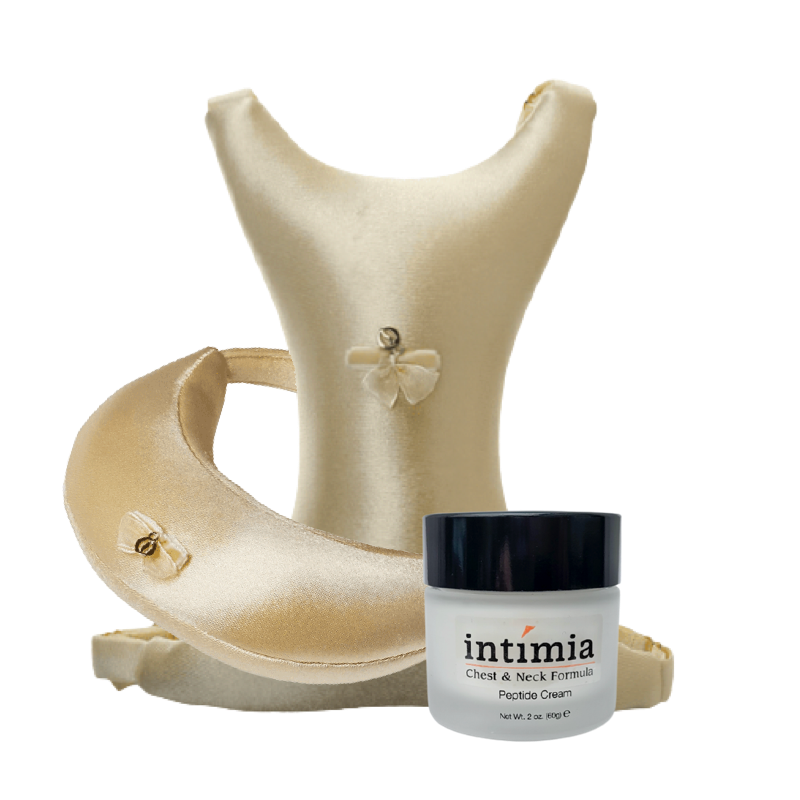
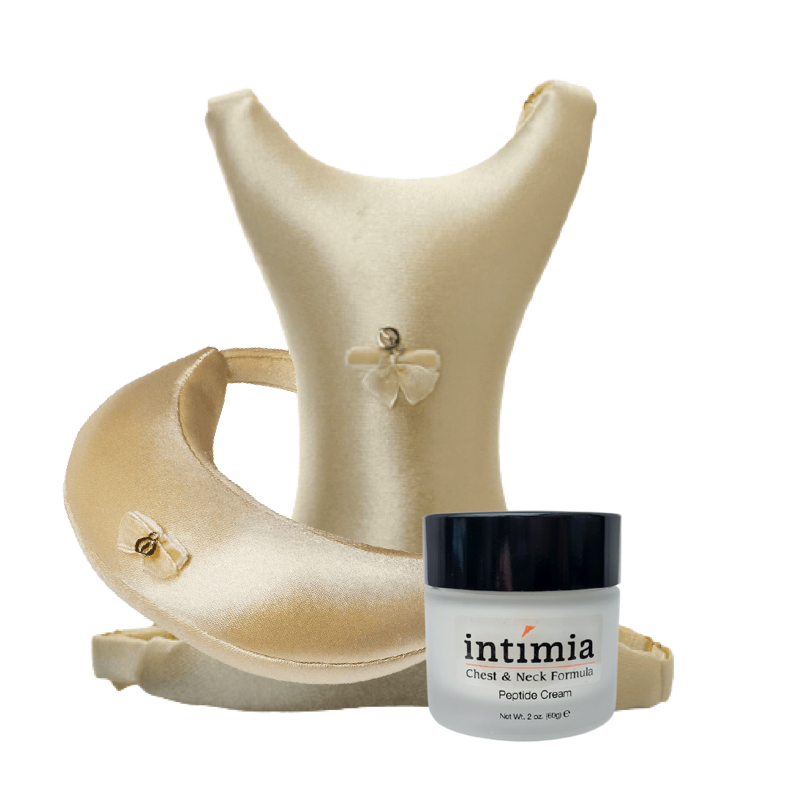
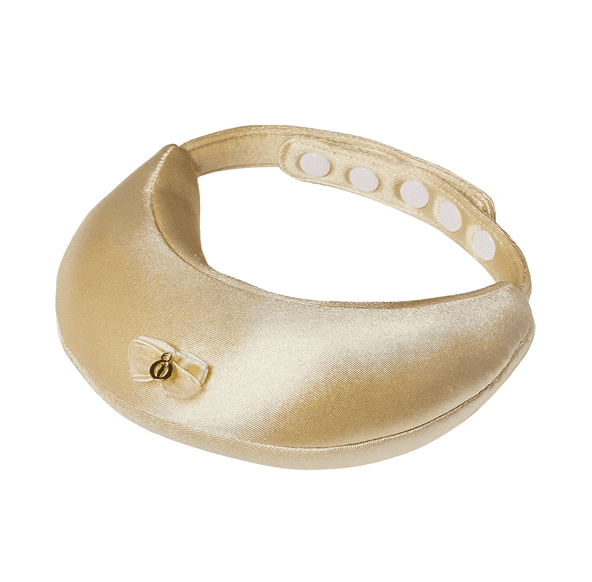
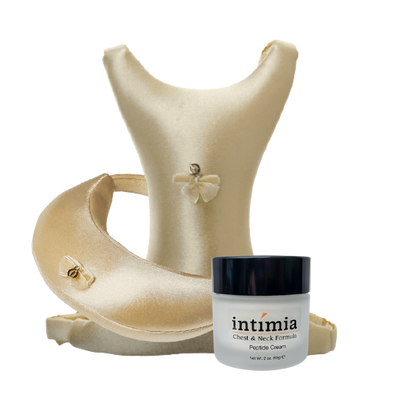
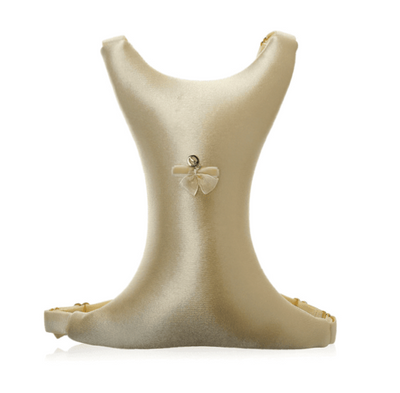
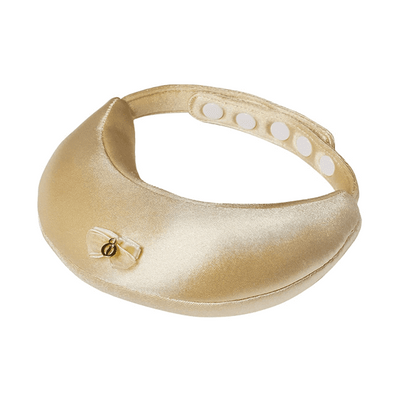
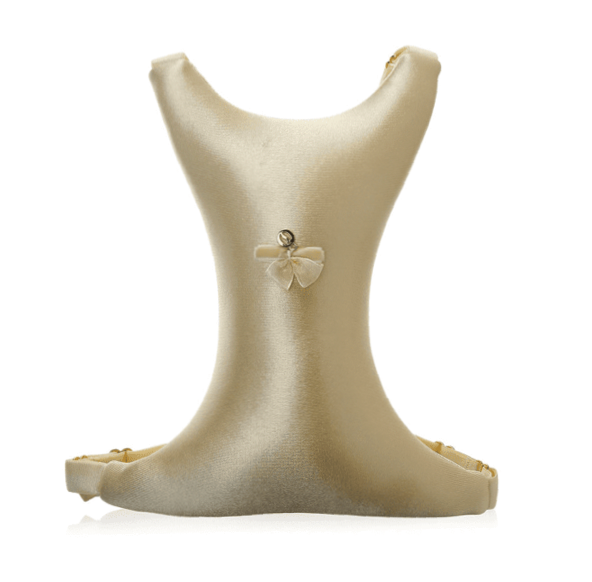
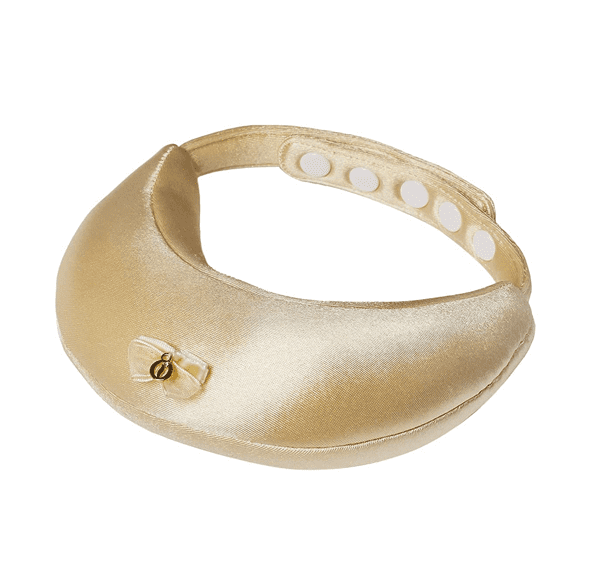
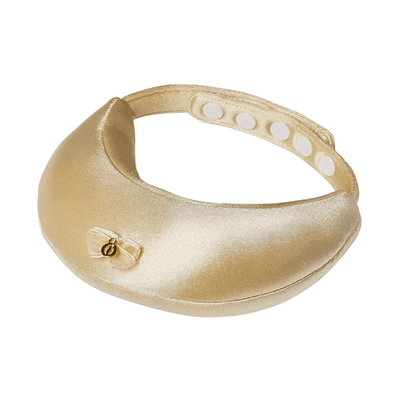
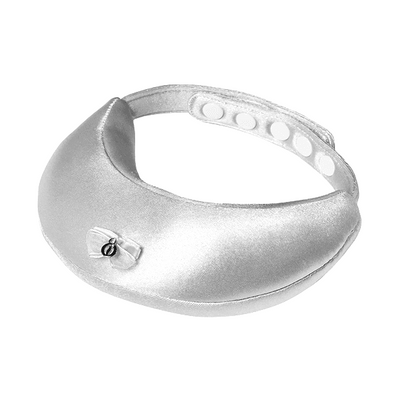
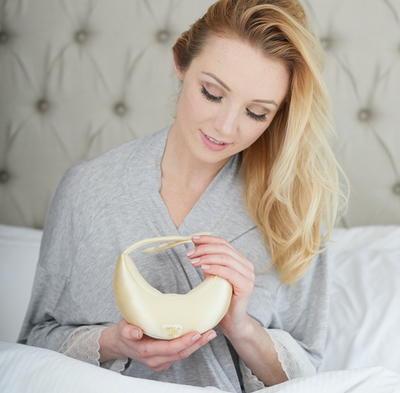
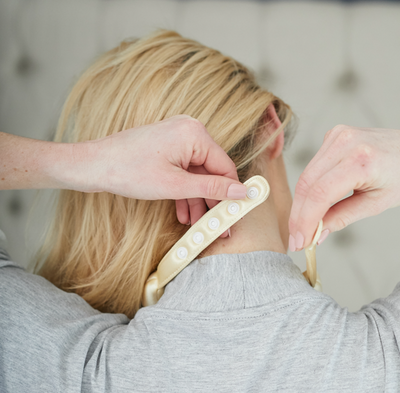
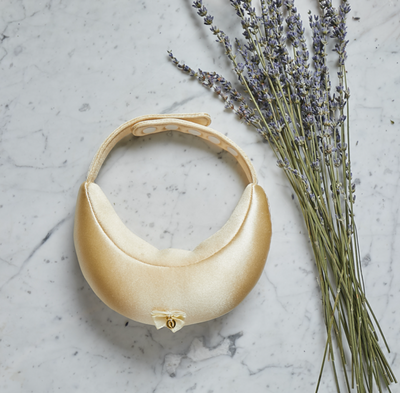
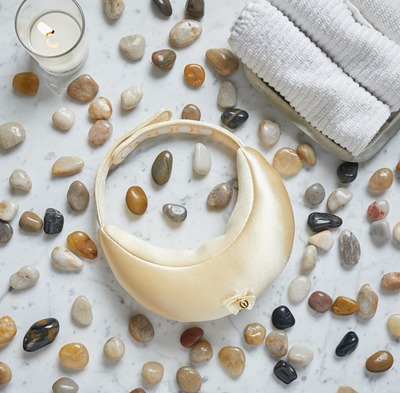
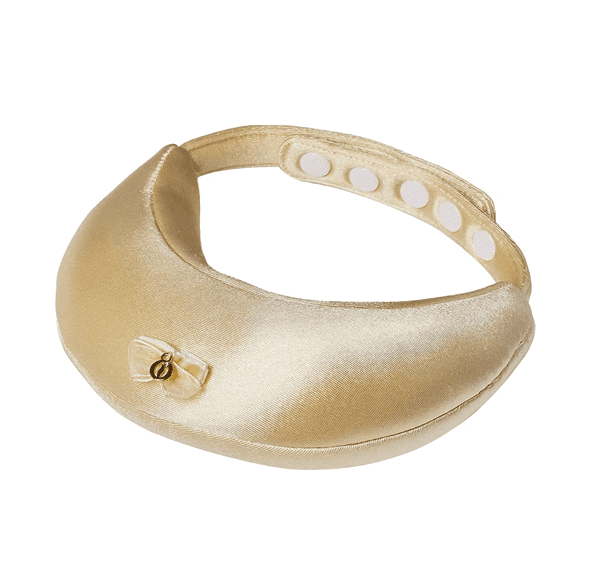
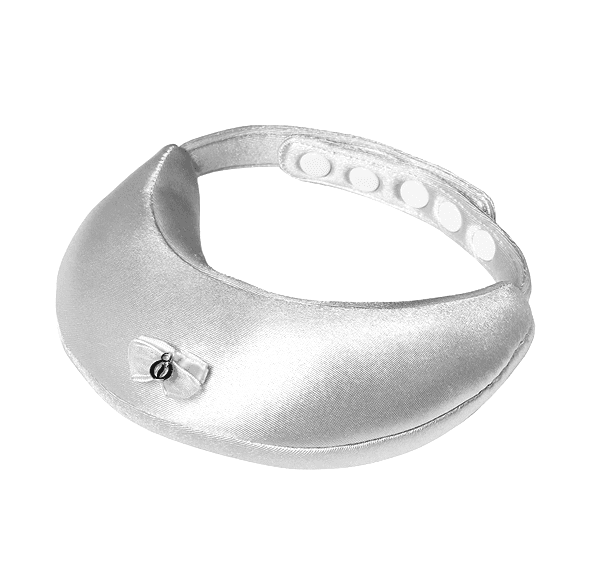
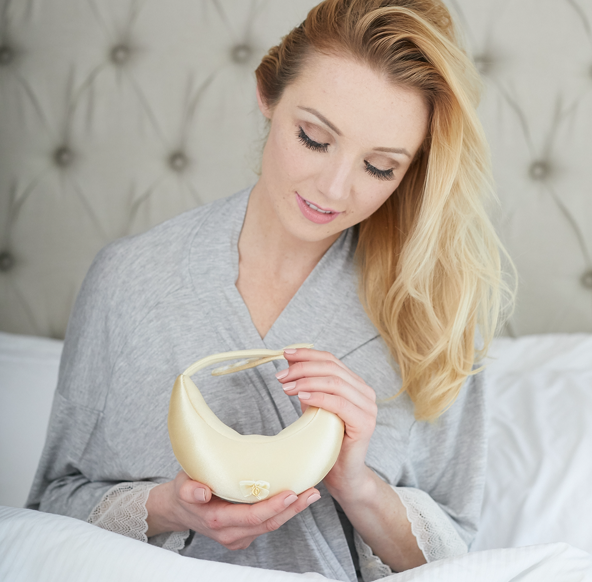
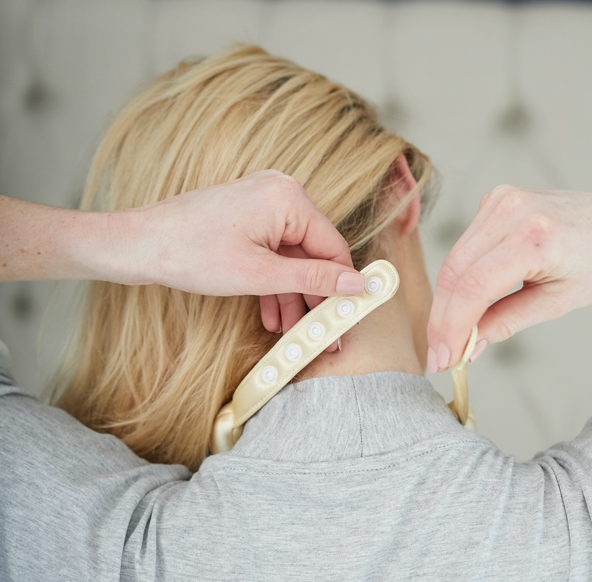
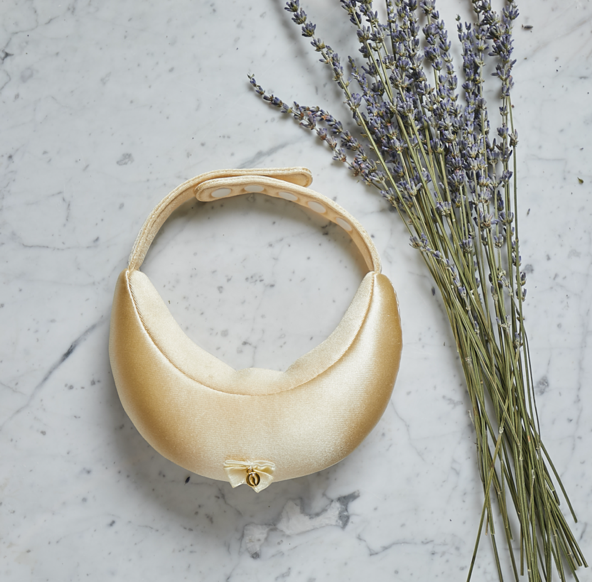
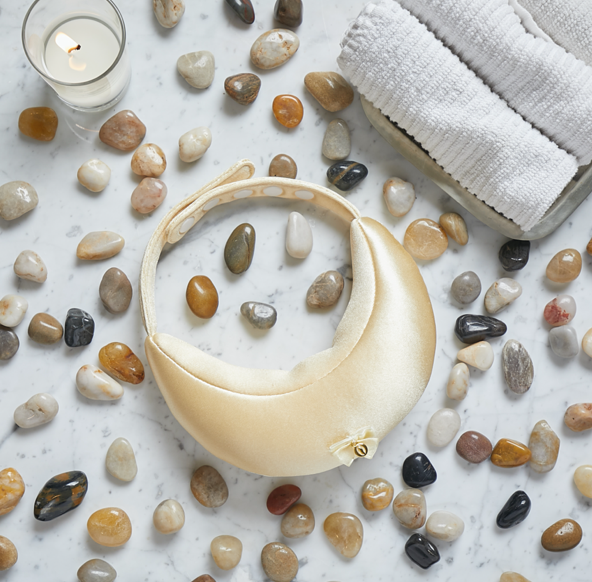
- Use a soft sleep bra or a dedicated chest cushion to keep the cleavage crease open even if you do roll to your side. These strategies are mentioned in both décolleté care articles and the sleep wrinkle study.
- If you can’t change positions fully, at least change the physics: support the upper breast so it doesn’t collapse onto the lower one.
Prevention feels surprisingly sensual when you frame it right — honoring how your body wants to be held, even while you sleep.
Section 4: nighttime strategies to prevent cleavage wrinkles
Subsection A – pre-bed skincare steps for the décolleté
My night routine for the chest is three steps: clean, drench, seal.
- Cleanse gently to lift off sweat, SPF, and pollution without stripping. A mild, pH-balanced cleanser is ideal — harsh stripping is a fast track to irritation and more lines, as every chest-wrinkle guide (including Healthline’s) will tell you.
- Layer a hydrating serum with hyaluronic acid or glycerin to plump overnight. The Cleveland Clinic’s neck-and-chest recommendations specifically highlight these humectants.
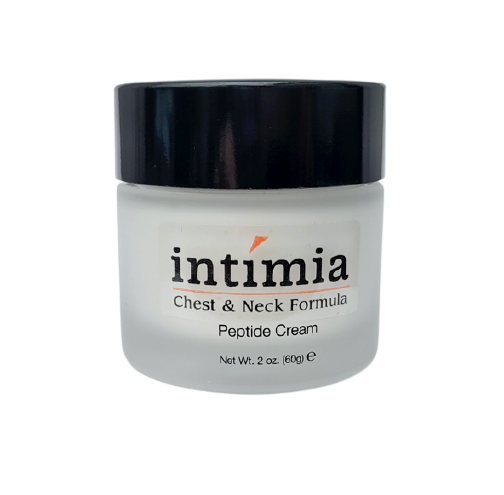
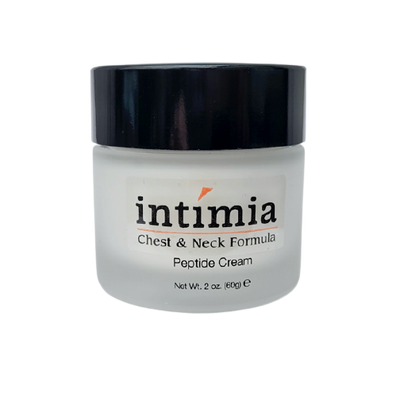
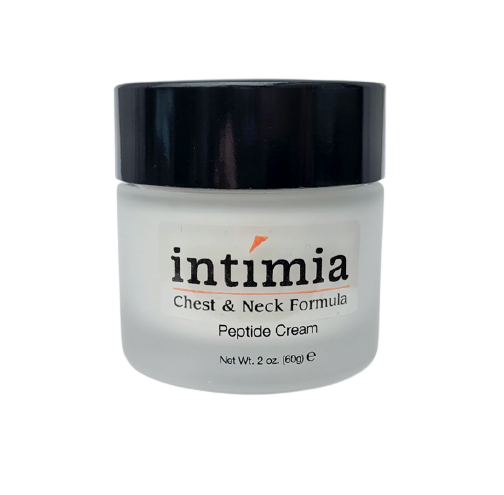
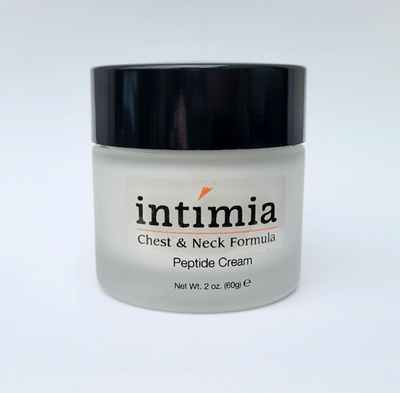
- Finish with a richer moisturizer or neck cream suited for thin skin. Neck cream roundups in Women’s Health and similar sources often feature ingredients like ceramides, peptides, and squalane — all great for the décolleté.
I treat this like brushing my teeth; it’s just what happens before bed, no drama.
Subsection B – physical tools that block nighttime folding
Here’s where we cheat gravity a little.
- Silicone anti-wrinkle chest pads hold the skin flat and lock in hydration. Articles on chest wrinkle treatments and décolleté care often mention them. Medical literature on occlusive silicone (from scar therapy) supports its role in smoothing and hydrating the top layers of skin.
- Chest pillows or positioners fit between the breasts for side-sleepers, easing compression; these are discussed in the sleep-wrinkle study as a mechanical fix for repetitive folding.
Use them nightly. Consistency is the difference between “nice idea” and “why does my chest look five years younger?”
Subsection C – how nighttime care supports natural skin remodeling
Skin does its heavy repair work at night: DNA fixes, collagen rebuilding, barrier restoration. That’s not marketing — it’s documented across anti-aging research, including the review on circadian rhythm and skin repair.
When the chest is:
- Well-hydrated
- Properly supported (no crushing)
- Fed with active ingredients
…you maximize what your own body is already trying to do. Early cleavage wrinkles soften; newer lines sometimes disappear entirely by morning. And if your décolletage looks flawless by morning — check if you actually slept on your side.
Section 5: skincare routine to get rid of cleavage wrinkles
Subsection A – gentle cleansing and exfoliation
Let’s talk about the routine that actually changes the lines.
- Cleanse twice daily with something mild and pH-balanced. Over-cleansing equals irritation, and irritated thin skin equals more wrinkles — a point repeated in derm-written chest wrinkle guides.
- Exfoliate 1–2 times a week with gentle lactic acid or mild AHAs. This nudges off dull cells and helps active ingredients get in deeper. The Cleveland Clinic’s neck and chest advice suggests this exact frequency to avoid over-thinning already delicate skin.
Skip the harsh scrubs — your chest is not a kitchen countertop.
Subsection B – targeted treatment ingredients
This is where science starts working visibly in your favor.
- Retinoids (retinol, tretinoin, adapalene) build collagen and thicken the dermis, which can soften the cleavage crease. A major review on topical retinoids and photoaging in the National Library of Medicine shows consistent improvement in fine lines and overall texture.
- Peptides signal the skin to firm up, especially helpful around those wrinkles in between chest. They’re a staple in many neck creams reviewed by the Cleveland Clinic and consumer roundups like Women’s Health.
- Vitamin C & niacinamide act as antioxidant bodyguards. They fight free radical damage, help even tone, and support collagen stability — all backed in the anti-aging literature and recommended widely in chest wrinkle care guides.
Start retinoids slowly: 1–2 nights a week, a pea-sized amount for the whole chest. If your skin protests, listen, pull back, and rebuild tolerance. The goal is long-term therapy, not a two-week chemical burn.
Subsection C – moisturizers and barrier support
Think of your moisturizer as the quilt you tuck over all that hard-working chemistry.
- Look for creams with hyaluronic acid, glycerin, ceramides, and cholesterol — they plump and reinforce thin chest skin. The Cleveland Clinic and Healthline both highlight barrier-support ingredients as critical for neck and décolleté.
- Don’t be shy about using a dedicated neck cream on the chest; most neck-cream recommendations actually aim to serve this broader zone.
When the barrier is happy, the lines look softer — even before collagen has truly changed — simply because the surface is smoother and better hydrated.
Subsection D – realistic expectations
Topicals are powerful — but they’re not Photoshop.
- They work best on early, fine lines and mild wrinkles in between chest.
- Deep, etched cleavage wrinkles will usually improve, not vanish. Studies on retinoids and peptides, like the review I mentioned earlier, show noticeable changes over 8–12 weeks of consistent use.
So give your chest at least three months of faithful, boring consistency before you judge the mirror.
Section 6: at-home devices and non-invasive options to get rid of cleavage wrinkles
Subsection A – at-home devices
Let’s bring in the gadgets — the fun part, if you ask my inner science nerd.
- Microcurrent devices send low-level electricity through the skin, gently stimulating fibroblasts and boosting circulation. Many derms consider them safe for the décolleté when used correctly, and they’re mentioned in décolleté-focused articles as an at-home firming option.
- Red and near-infrared LED therapy has a growing body of evidence behind it. Several studies (summarized in reviews of light-based rejuvenation) show increased collagen, improved texture, and softer fine lines with regular use. Look for chest-safe panels or flexible masks.
The key word here is “regular.” Three to five times a week, not “whenever I remember during Netflix.”
Subsection B – professional but non-invasive in-office options
When home care has done its part, and you still want more, non-invasive office procedures step in.
- Microneedling creates tiny controlled injuries that jump-start collagen production. For the chest, most derms recommend a series of 3–6 sessions. The clinical review on microneedling and rejuvenation shows improvements in fine lines and texture with relatively low downtime.
- Light chemical peels — think glycolic or lower-strength TCA — can brighten pigmentation and refine fine cleavage wrinkles. These are commonly used on the chest in cosmetic clinics, and their role is discussed in broader laser and peel reviews like this article on chemical peels in aesthetic dermatology.
- Non-ablative lasers heat the dermis gently to remodel collagen without fully wounding the top layer. Again, the laser and peel review highlights these as good options for texture and mild wrinkling with less downtime than ablative lasers.
Expect mild redness, some temporary sensitivity, and — if the provider is good — a customized plan for your specific skin, not a one-size-fits-all package.
Subsection C – combining devices with daily habits
Here’s the part many women skip: devices don’t replace habits, they amplify them.
Layer these tools on top of:
- Daily SPF
- Thoughtful skincare
- Sleep-position tweaks and anti-crease pads
Then they become your “secret weapon” to truly get rid of cleavage wrinkles — or at least coax them into something much softer and kinder. As one Healthline décolleté expert put it, tech plus touch beats tech alone every time.
Section 7: lifestyle changes that help prevent and reduce cleavage wrinkles
Subsection A – quit smoking and reduce alcohol
I’ve watched women quit smoking and look five years younger in photos without a single injection.
- Smoking dramatically increases oxidative stress and constricts blood vessels, starving your skin of oxygen and nutrients. The environmental aging review is blunt: smokers have more and deeper wrinkles, full stop.
- Heavy alcohol dehydrates your whole system and stresses collagen. That “puffy and lined” morning-after chest isn’t just in your head.
Cutting back isn’t about punishment — it’s about how you want to feel in your own skin in ten years.
Subsection B – nutrition and supplements
Picture your collagen like a scaffolding that needs constant maintenance.
- Eat lean proteins (fish, poultry, lentils, tofu) to supply amino acids.
- Add vitamin C and E (berries, citrus, peppers, almonds) and polyphenols (green tea, dark chocolate, colorful veggies) as internal antioxidants.
- Consider collagen peptides. The review on dietary collagen and skin shows modest improvements in elasticity and hydration in some studies — not miracles, but helpful. Just remember: they’re add-ons, not a substitute for whole foods.
Your chest will tell on your diet. Soft, luminous skin rarely comes from fast food and three coffees as breakfast.
Subsection C – stress, sleep quality, and hormones
There’s a moment in perimenopause when a woman looks in the mirror and says, “When did this happen?” It’s rarely just one thing.
- Chronic stress keeps cortisol high and repair low. Your skin heals slower, breaks down faster.
- Poor sleep cuts into the nighttime repair window we talked about earlier, and many studies, including the menopause-and-skin review, connect sleep loss with dullness and more wrinkles.
- Hormonal shifts around menopause thin the skin and reduce elasticity. This doesn’t mean you’re doomed. It means this is the time to get serious — and possibly talk with your doctor about hormonal or non-hormonal support for your skin.
Walking at sunset, a short meditation before bed, a truly dark bedroom — these are not small things. They’re wrinkle-care, too.
Subsection D – posture and gentle chest exercises
Stand in front of the mirror, let your shoulders slump forward… watch your cleavage crease deepen. Now roll them back and down, lift your sternum — see the difference?
- Do chest-opening stretches: doorframe stretches, gentle backbends over a rolled towel, shoulder rolls.
- Add upper-back strengthening: rows with resistance bands, light dumbbell reverse flys. By supporting your posture, you literally reduce the mechanical pull on those wrinkles in between chest. This connection between posture and neck/chest aging is mentioned in décolleté care articles and neck-skin guides.
Live strong, stand tall — your chest lines change when your spine does.
Section 8: when cleavage wrinkles need professional attention
Subsection A – signs it’s time to see a dermatologist
At some point, home care hits its limit, and that’s okay. That’s why dermatologists exist.
- Your cleavage wrinkles are deep and etched, ignoring months of consistent skincare and lifestyle changes.
- Your wrinkles in between chest are making you avoid certain necklines you love — and that genuinely bothers you.
- You notice sunspots, redness, rough patches, or changing moles on the chest. At that point, it’s not just about beauty; it’s about health. The Healthline décolleté guide specifically advises a pro check for pigmented or rough changes.
That’s your sign to book an appointment, not another serum.
Subsection B – medical-grade treatment options
Once you’re in expert hands, a few tools often come into play for stubborn chest lines:
- Botox (or similar neuromodulators) can relax dynamic lines formed by repetitive movement in the upper chest, though this is more niche than facial Botox.
- Dermal fillers like hyaluronic acid can gently plump deep cleavage wrinkles. The microneedling and rejuvenation review and broader aesthetic dermatology review describe fillers as a useful tool for volume loss and etched lines — with caveats about bruising, swelling, and the need for skilled injectors.
- More intensive lasers can remodel collagen more deeply than non-ablative options, usually with more downtime but stronger results.
Each of these has pros and cons — which is why a thoughtful conversation with your dermatologist matters more than a trend on social media.
Subsection C – balancing expectations, risk, and maintenance
Before you say yes to any procedure, ask:
- How many chests like mine have you treated?
- What are the realistic outcomes, and what are the worst-case side effects?
- How often will I need maintenance?
Professional treatments can absolutely help you get rid of cleavage wrinkles to a degree that creams alone can’t touch. But everything needs maintenance — and SPF, sleep, posture, and skincare are still the ones quietly holding the results in place.
Section 9: putting it all together – a practical 7-day plan to prevent and get rid of cleavage wrinkles
Subsection A – daily AM routine (days 1–7)
- Gently cleanse your chest with a mild, non-stripping cleanser.
- Swipe on an antioxidant serum like vitamin C or niacinamide over the cleavage crease and upper chest. Both Healthline’s chest-wrinkle guide and the Cleveland Clinic’s neck-care article suggest these ingredients for photo-protection and tone.
- Layer a broad-spectrum SPF 30+ over the full décolleté; reapply if you’re out or near windows. You’ll see this advice repeated in every serious décolleté-care article.
- Slip into a supportive bra that lifts without over-squeezing — this alone helps prevent cleavage wrinkles.
- Check your posture in the mirror: chest open, shoulders relaxed back and down.
Subsection B – daily PM routine (days 1–7)
- Cleanse the chest thoroughly (but gently) to remove SPF, sweat, and city air.
- Nights 1, 3, and 5: Apply a low-strength retinoid serum to the wrinkles in between chest — just a thin layer. The retinoid review supports slow, steady use for best results.
- On off nights: Use a hydrating serum (hyaluronic acid) and follow with a barrier-repairing moisturizer.
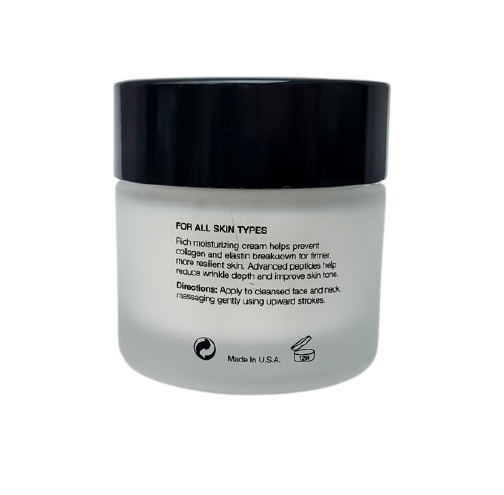
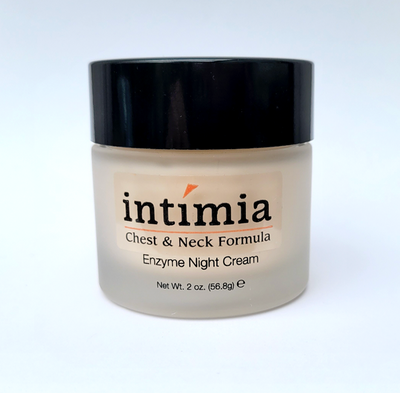
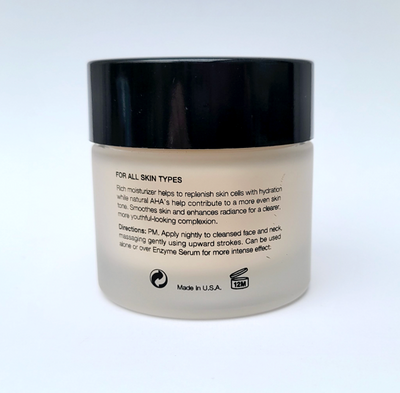
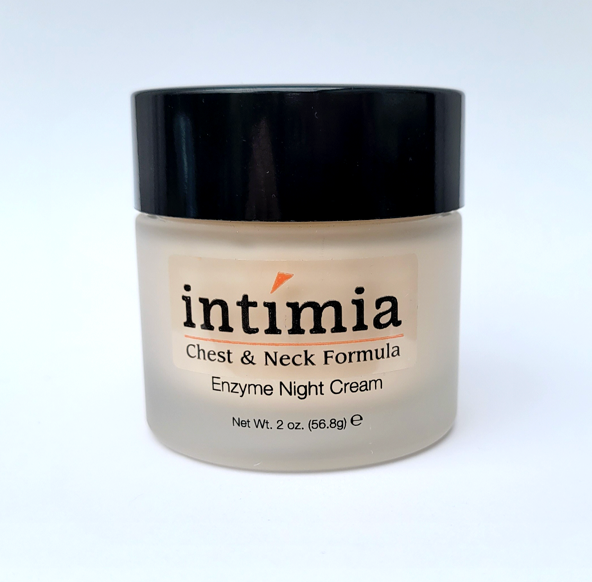
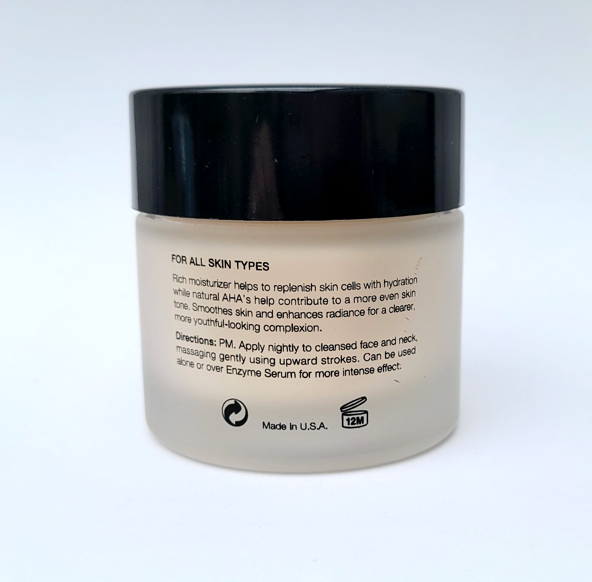
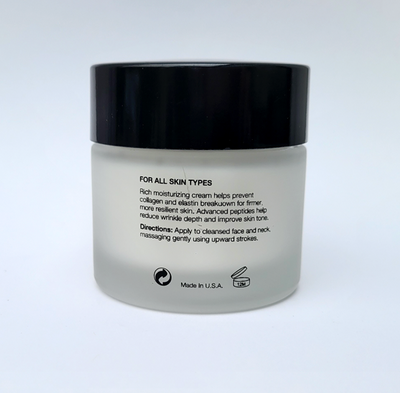
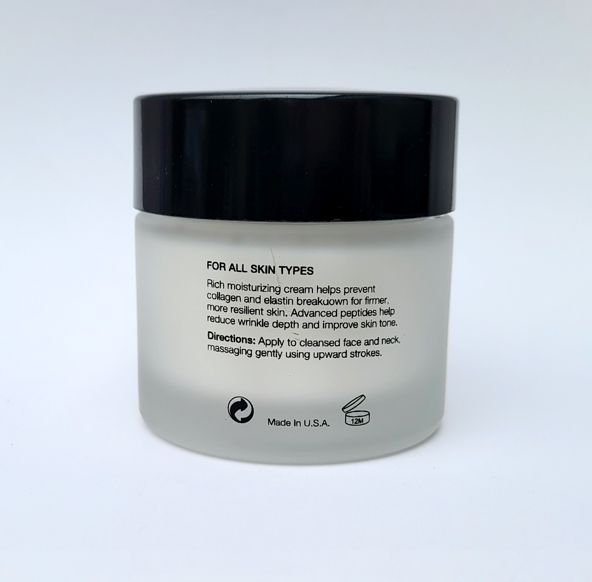
- Massage a rich chest or neck cream into the cleavage crease, using gentle upward strokes. The Cleveland Clinic and neck-cream reviews both emphasize richer formulas here.
- Apply silicone chest pads or place a chest pillow to minimize sleep-related cleavage wrinkles and wrinkles in between chest. These are recommended in derm-led wrinkle guides and supported by the sleep-crease study.
- Practice back sleeping, or if you must side-sleep, use a breast separator or specialized pillow.
This is your foundation week — not because everything changes in seven days, but because you do. You prove to yourself you can show up daily.
Subsection C – weekly add-ons
- Day 3: Gently exfoliate the chest with a mild AHA, then follow with extra moisturizer. This pattern is recommended in several chest-wrinkle skincare guides to avoid overdoing it.
- Day 6: Use a microcurrent or red/near-infrared LED session on the chest for a collagen kick. The role of these devices in rejuvenation is outlined in décolleté-focused resources and in overviews like the microneedling/energy-based review.
- Each evening, note small wins: better hydration, less pronounced morning lines, a smoother feel when you apply lotion. Watch your cleavage wrinkles shift from “etched” to “soft shadows.”
This plan builds confidence one sensual, deliberate step at a time.
Conclusion: consistent care can transform your cleavage area
Cleavage wrinkles, that stubborn cleavage crease, the wrinkles in between chest — they’re not proof you’ve failed at self-care. They’re proof you’ve slept on your side, laughed in the sun, breastfed babies, worn sports bras to live your life.
But if you’re ready to reclaim smoothness, you absolutely can.
Your core wins look like this:
- Daily SPF and smart clothing to prevent cleavage wrinkles before they deepen.
- Supportive bras, thoughtful sleep positions, and anti-crease pads to keep the cleavage crease from carving in deeper.
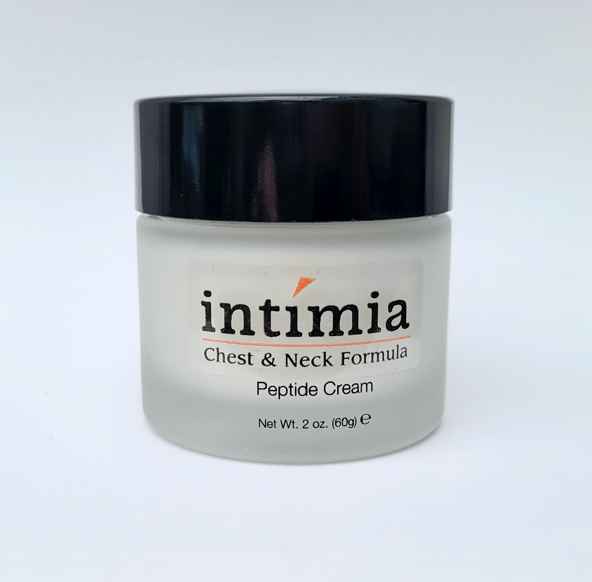
- Smart skincare — retinoids, antioxidants, peptides, and rich creams — to soften wrinkles in between chest over time.
- Lifestyle shifts: less smoke, less alcohol, better food, more posture, more rest. Devices and pro treatments as your “extra credit” when you want more.
Start small today. A little more SPF. One better pillow. A minute of chest cream rubbed in like a promise to yourself. Over weeks and months, consistency blooms into that quiet, timeless beauty — the kind where you can slip into your favorite neckline, glance down at your skin, and think, “Yes. This is me. And I’m not done yet.”
Related Articles
- Chest wrinkles: best prevention tips — Discover effective solutions for chest wrinkles and learn how to prevent a wrinkly chest at any age.
- Peptide cream décolleté for radiant chest — Discover the best peptide cream décolleté for youthful skin and combat crepey texture with our anti-aging neck cream.
- Breast pillow for side sleepers: guide — Discover the best breast pillow for side sleepers to prevent wrinkles and enhance your sleep wellness.
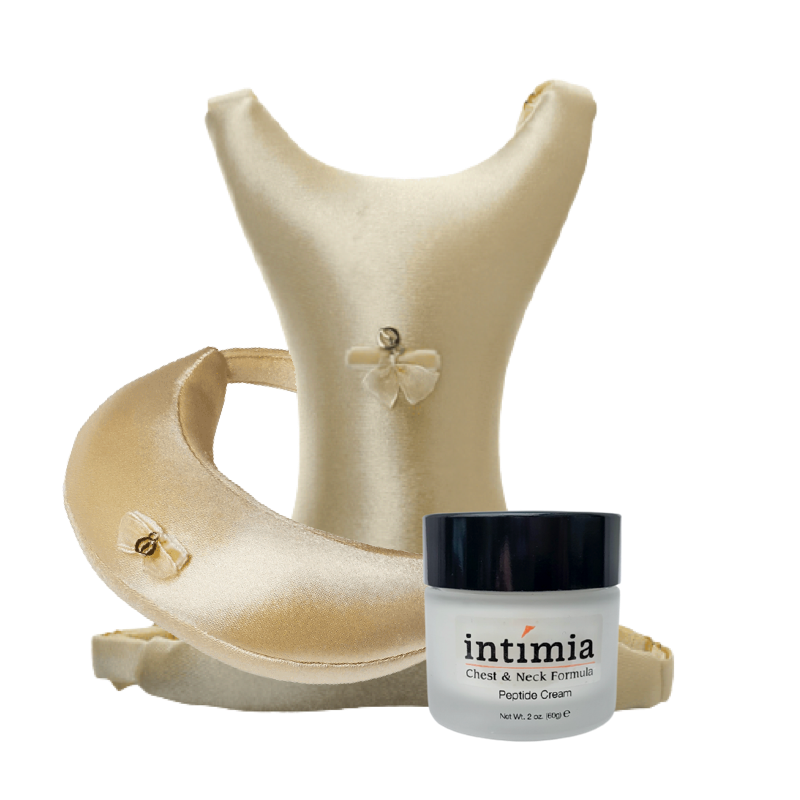
Want to discover flawless skin with Intimia? Shop now here: here