Prevent Chest Wrinkles Young Women Guide
How to prevent chest wrinkles young women: the complete early anti-aging guide for your décolleté
Introduction
I still remember the first time I noticed a tiny vertical line between my breasts. It was a summer morning, I was 34, getting dressed for a meeting. I caught my reflection, leaned closer to the mirror and thought, “That wasn’t there yesterday.” Of course it was. I just hadn’t been looking in the right light. The skin on our décolleté is like that — thin, honest, and completely unforgiving of midnight emails, sun-drenched brunches, and the “I’ll just sleep on my side this once” lie. Preventing chest wrinkles in young women matters because the skin here is naturally thinner, dries out faster, and loses elasticity early. UV exposure, side sleeping, tight bras — they quietly work on your collagen long before you see the first crease. Dermatologists I trust repeat this almost like a mantra: the chest ages earlier than the face, we just don’t look down often enough to see it. You’ll find the same warning in resources like this overview of the décolleté area and a detailed breakdown on chest wrinkles and causes. In this guide, I’m not talking about correction. No “fix it later with lasers and fillers” fairy tales. I’m talking about the quiet, powerful strategy of early prevention — daily protection, smart habits, and gentle routines that slide naturally into your life. We’ll walk through breast wrinkle prevention in young women, what it really means to start anti-aging early, and how to treat your chest as an equal partner in your skincare, not an afterthought. Pour yourself water. Or tea. We’re going to be practical, a little ironic, and very honest.
Main topic 1: why young women should care about chest wrinkle prevention now
A lot of women tell me, “I’m only 27, Irene. Wrinkles? On my chest? Not my problem yet.” And then they send me a message three years later: “Okay. I see what you meant.” Chest and cleavage wrinkles don’t politely wait for your 40th birthday. They start forming in your 20s and 30s — silently — from repeated folding and environmental damage. The collagen breakdown is happening under the surface long before the lines decide to show up. Dermatology resources like WebMD’s wrinkle overview and Cleveland Clinic’s guide to premature aging explain how early and cumulative this process is. Look at your habits for a single day: You sleep on your side — chest skin is pressed together for 6–8 hours, forming deep vertical folds. You run errands in a low-cut top, SPF only on your face — UV quietly chips away at your collagen. You work out in a tight sports bra that digs into your cleavage — repeated creasing every bounce, every stretch. All of that, every day, is how chest and cleavage wrinkles are written into your skin before they’re visible. Preventing chest wrinkles early is like saving money in your 20s. Boring at first glance. Genius ten years later. Preserving collagen is dramatically easier than trying to rebuild it when damage is already visible — a point echoed again and again in dermatology-backed wrinkle prevention guides. If your décolletage looks flawless by morning — check if you actually slept on your side. Because the bill for these habits usually arrives with a delay.
Main topic 2: prevention vs correction – understanding anti-aging prevention vs correction
Let me tell you a quick story. A client once came into my office, carefully holding her coffee like a peace offering. “I don’t do sunscreen,” she said. “But I’m totally open to lasers later.” We both laughed, but it was that nervous laugh of knowing something isn’t going to end well. Here’s the real difference: Anti-aging prevention is what you and I can do every single day — protecting healthy skin. Think sun avoidance, SPF, sensible bras, hydrating and strengthening the barrier. Correction is what we resort to later: lasers, fillers, peels, microneedling. They have their place, and there’s solid evidence for many of them (for example, this clinical review of microneedling for skin rejuvenation). But relying on correction while ignoring prevention is like mopping the floor with the faucet still running. Prevention protects the structure. Correction improves the view. Dermatologists underline that starting anti-aging early gives better long-term results on the thin décolleté skin — it maintains elasticity instead of desperately trying to restore it later, as discussed in both chest wrinkle overviews and wrinkle home-care guides. Let’s put it into a simple table:
| Aspect | Prevention | Correction |
|---|---|---|
| Approach | Daily SPF, moisturizers, smart habits, gentle active ingredients (source, source) | Lasers, fillers, microneedling, peels (source, source) |
| Cost/Time | Low, folded into your daily routine | High, multiple visits, maintenance required |
| Impact on décolleté | Helps maintain collagen and prevent future damage (source) | Improves appearance of existing wrinkles but doesn’t stop new ones from forming (source) |
I’m not against corrective treatments — I use some myself. I’m just very much in favor of you needing less of them, later, and on your own terms.
Main topic 3: specific risk factors for cleavage wrinkles in young women
Let’s walk through a typical day in a typical young woman’s life. Maybe yours. You wake up — on your side. Your breasts have been softly mashed together for hours, etching vertical lines from neck to cleavage. This repeated folding is one of the main drivers of cleavage wrinkles, especially if you have a larger cup size. Studies and dermatology articles on chest wrinkles emphasize that larger breasts, combined with gravity and side sleeping, create strong mechanical stress on this thin skin — something you’ll see echoed in comprehensive chest wrinkle guides. You pull on a tight sports bra — the kind you have to wrestle your way into. It flattens your chest, pushes the breasts inward, creates deep creases in the middle. “At least everything is secure,” you think. Yes. Secure and folded. Then there’s sun. You go out in a V-neck or a low-cut dress. Face has SPF. Chest? “I forgot.” Again. Ultraviolet rays are not sentimental; they break down collagen, speed up aging, and make décolleté wrinkles more pronounced over time. Resources on wrinkles and crepey skin both point to chronic UV exposure as one of the main villains. We add to that: - Tanning beds (a very firm no — every dermatologist and every reputable article, including this one on premature aging, will tell you that). - Smoking, which constricts blood vessels and accelerates collagen destruction. - Toxin exposure and pollution, which increase oxidative stress and dullness — discussed in multiple reviews, including Cleveland Clinic’s take on crepey skin. By the way, if you sleep on your stomach, the pressure is even worse. Your chest is flattened, twisted, and pulled into positions no bra designer would ever approve. But here’s the good news: each of these risk factors is modifiable. One by one. Habit by habit.
Main topic 4: daily skincare routine to prevent décolleté wrinkles
Now we get to my favorite part — routines. Not the kind that takes 40 minutes and a full Sephora shelf. A simple, realistic ritual you’ll stick to when you’re tired, late, or mad at your boss. The rule is simple: extend your facial care to the chest. The area from your hairline to the top of your breasts is one unit. Treat it that way. Dermatology articles on chest wrinkles and décolleté care repeat this advice over and over — the chest behaves like facial skin, just thinner and often more neglected. AM routine Think: protect and hydrate.
- Gentle cleanser — whatever works for your face, bring it down to your chest. No harsh soaps or body washes full of sulfates. The skin here is too delicate.
- Antioxidant serum — a vitamin C serum is ideal. It fights free radicals, boosts collagen, brightens tone. Many wrinkle-prevention sources, like this Healthline guide to wrinkle home remedies, prioritize antioxidants as daily protection.
- Hydrating lotion with ceramides — you want something that strengthens your skin barrier. Look for ceramides, glycerin, hyaluronic acid. Thin skin loses moisture quickly, and dryness exaggerates every tiny line.
- Broad-spectrum SPF 30+ on chest — non-negotiable. Apply it like you mean it. The same way you’d cover your face. Don’t forget the sides of your neck and that tiny exposed strip between bra or bikini and neckline. Dermatologists recommend SPF 30 or higher, broad-spectrum, and daily use, as emphasized in wrinkle prevention tips and chest-specific advice.
PM routine Think: renew and repair.
- Mild exfoliation if tolerated — 1–2 times a week. A gentle chemical exfoliant (like lactic acid or low-strength glycolic) works better here than a rough scrub. No scratching. The goal is to remove dead cells, not sandpaper your sternum. Over-exfoliation is one of the reasons women end up with crepey chest skin sooner than expected.
-
Nourishing ingredients:
- Hyaluronic acid — draws water into the skin, makes it look smoother and plumper.
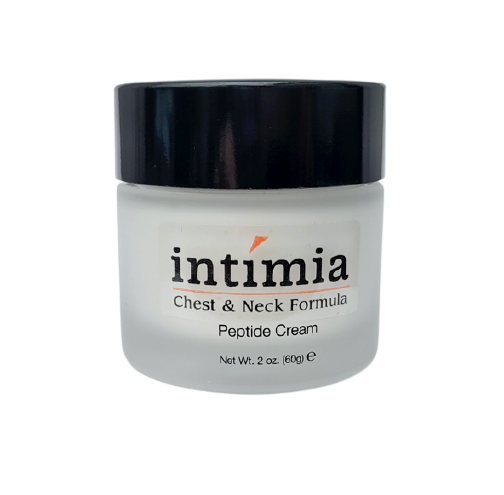
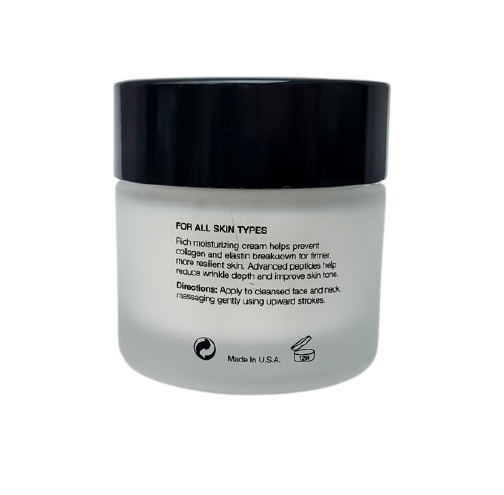
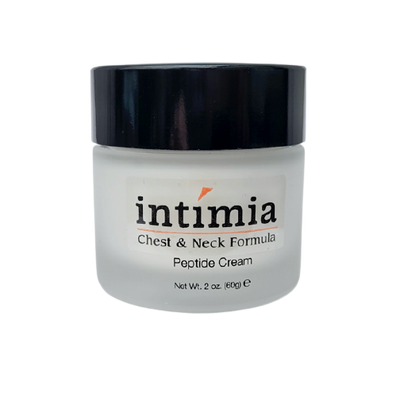
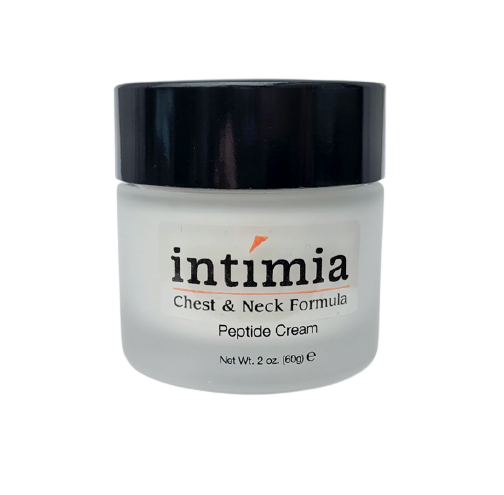
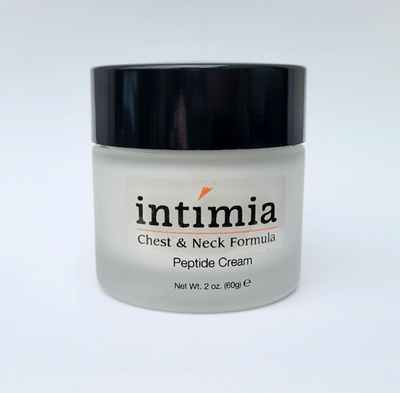
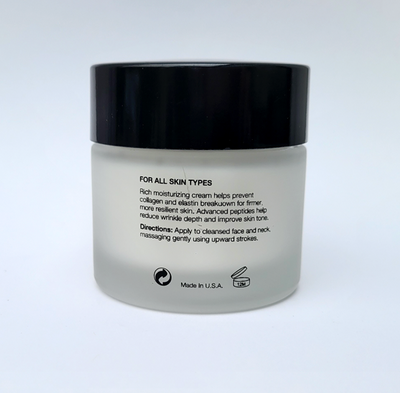
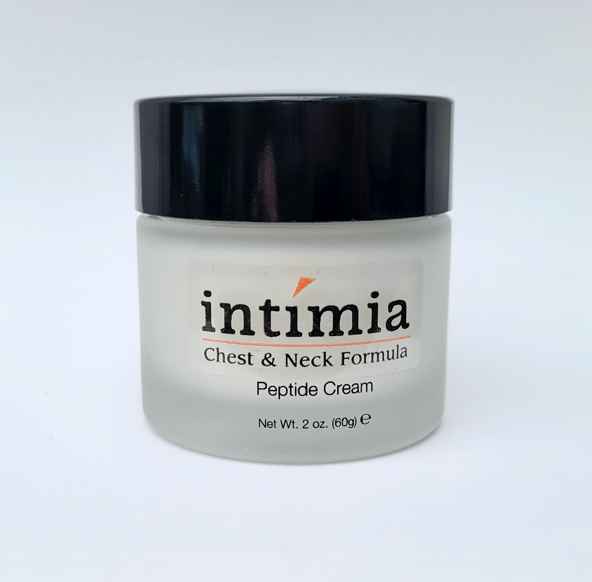
- Peptides — signal your skin to support collagen production.
- Retinoids — the gold standard for collagen support. Start with a low-strength retinol 1–2 times a week and move up slowly. The décolleté is reactive; treat it kindly.
When you apply anything to your chest, use gentle upward strokes, flat palms, and no tugging. This is not the time to aggressively rub product the way you’d polish your favorite pan. And if your skin throws a tantrum — redness, itching, flaking — pull back. More product is not more progress. Switch to soothing moisturizers for a week. Let the skin catch its breath. Then re-introduce actives one by one. Consistency with this simple routine does more for preventing chest wrinkles early and long-term cleavage wrinkles prevention than any miracle cream promising results “overnight.”
Main topic 5: smart sun protection for cleavage wrinkles prevention
If there is one hill I will happily stand on with a big SPF flag — it’s this one. The décolleté in young women is a UV magnet. Open necklines, tank tops, sports bras, off-shoulder everything. The skin is thin, often already a bit dry, and it sits right where the sun likes to hit. Articles on chest wrinkles and photoaging list the chest as one of the most vulnerable spots. So let’s make sun protection less negotiable and more automatic:
- Broad-spectrum SPF 30+ daily — UVA and UVB. Apply enough — about a nickel-sized amount for neck and chest together. Reapply every 2 hours if you’re outdoors, sweating, or at the beach.
- UPF clothing — lightweight UPF 30+ tops are a lifesaver for hikes, runs, or long walks. They’re more reliable than trying to remember your third reapplication.
- Timing — try to avoid peak sun from 10 AM to 4 PM when possible. If you can’t, that’s when you double down on SPF, shade, and clothing.
- Car and office windows — don’t underestimate them. UVA goes through glass. If you drive a lot or sit by a window, your chest is being slow-cooked. This is where habits like “SPF is my last skincare step, every morning, no matter what” truly pay off.
UV damage is one of the strongest, most well-documented triggers for wrinkles and collagen loss. You’ll see this across resources from premature aging guides to crepey skin explanations. If you invest your energy anywhere to prevent décolleté wrinkles and long-term cleavage wrinkles, make it here.
Main topic 6: sleep and posture habits for breast wrinkle prevention young women
Let’s talk about sleep — that four-to-eight-hour skincare treatment you’re secretly doing every night, whether you like it or not. Side or stomach sleeping compresses your chest skin, folds it vertically, and holds it like that for hours. Night after night. Imagine folding a sheet of paper along the same line over and over. At some point, the crease becomes permanent. Dermatologists frequently mention this mechanical factor when discussing chest wrinkles and sleeping positions. A little scene from my own life: “Why do you sleep like a vampire?” my husband asked once, watching me lie perfectly on my back, arms close, chest open. “Because I like my collagen where it is,” I answered. Was it always like this? No. I trained myself. Here’s how you can start:
- Switch to back sleeping — put a small pillow under your knees, use a slightly heavier blanket, and support your neck well. It makes you feel “tucked in” and less likely to roll to the side.
- Pillow strategy — place a pillow or rolled towel next to your body on the side you usually roll toward. It won’t stop you completely, but it makes it just inconvenient enough to break the habit over time.
- Posture during the day — shoulders back, chest open. That slouch you do over your laptop? It folds the upper chest and neck. Think of a string gently pulling the top of your head up. Your chest will naturally open with it.
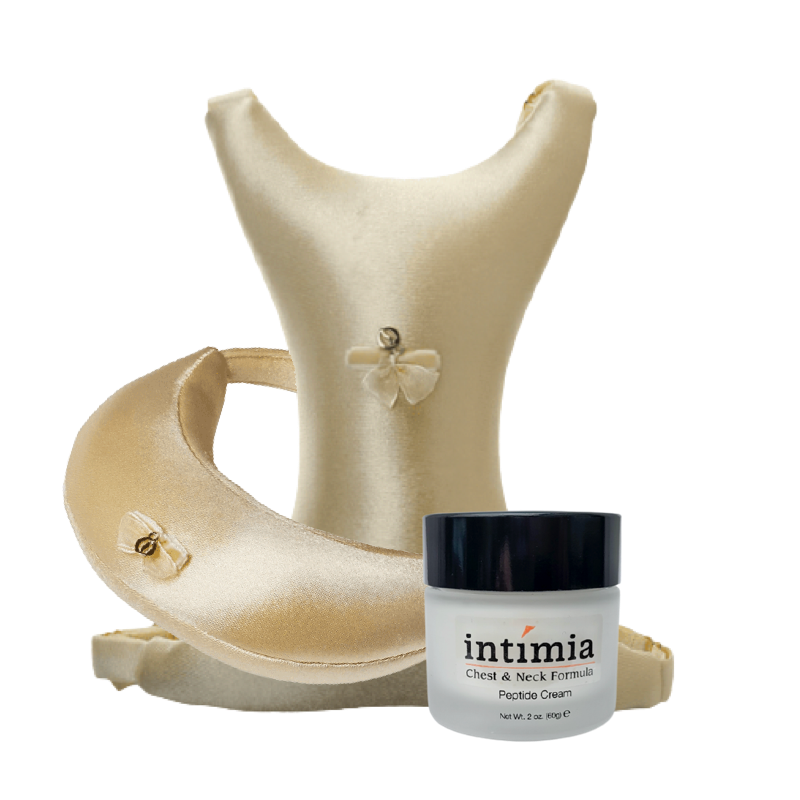
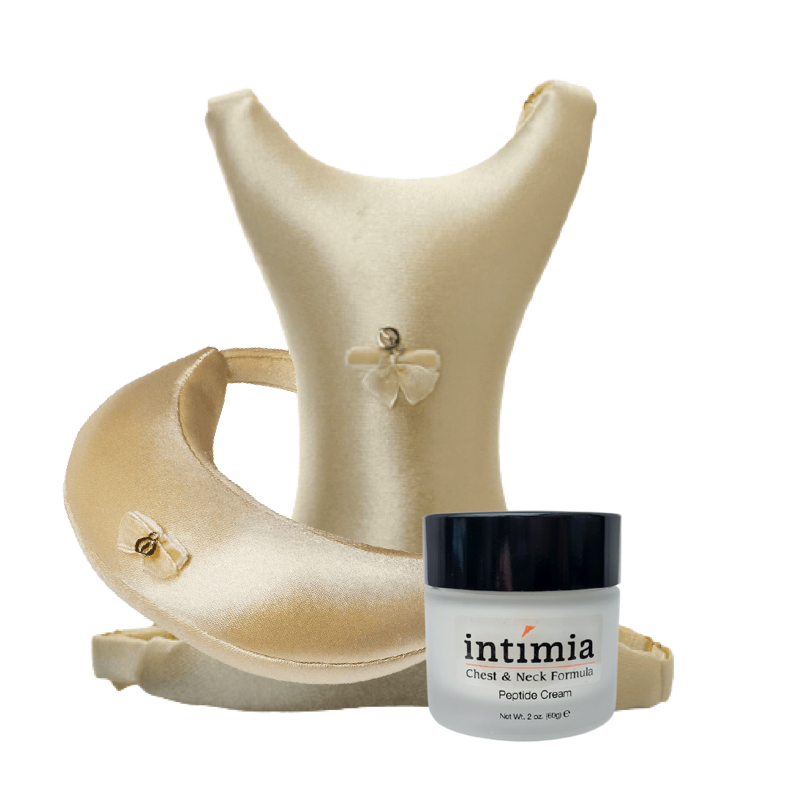
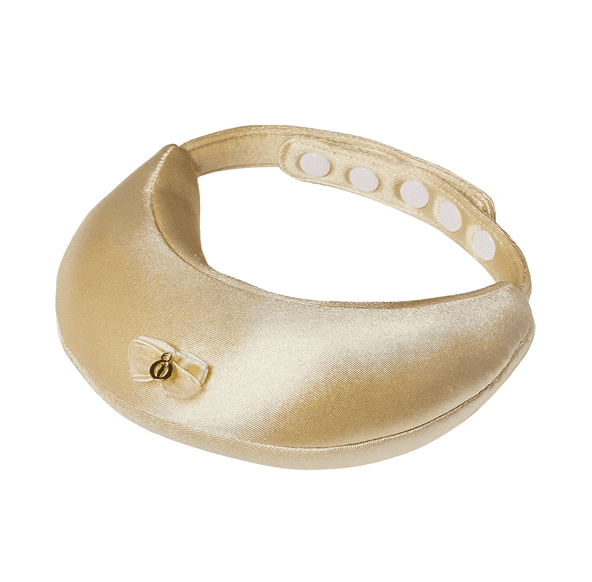
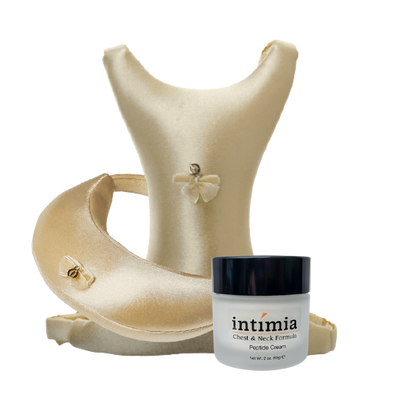
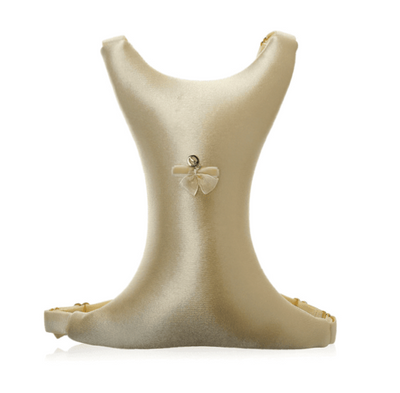
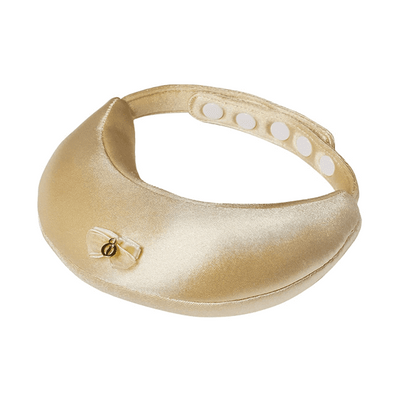
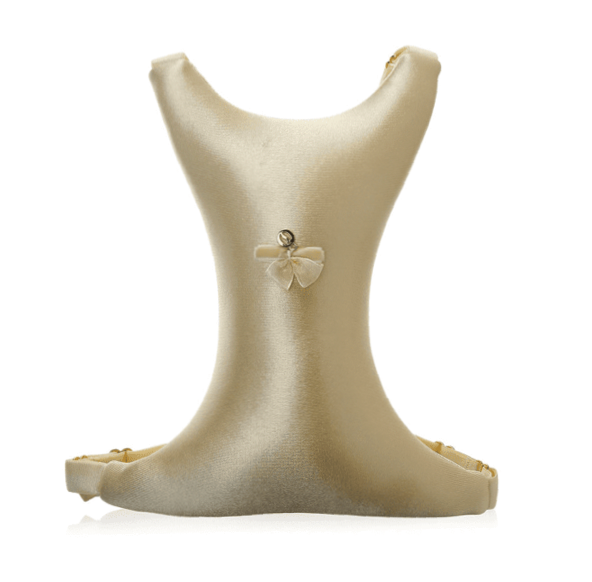
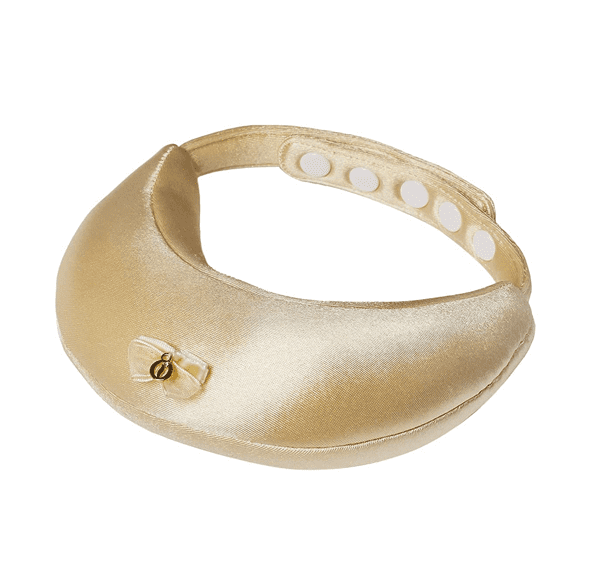
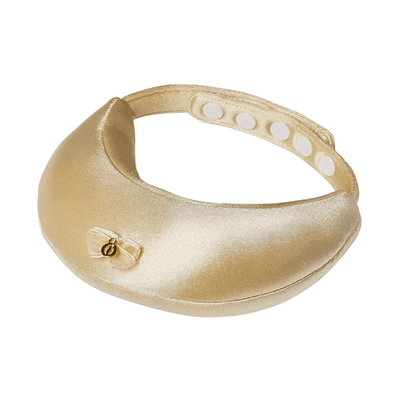
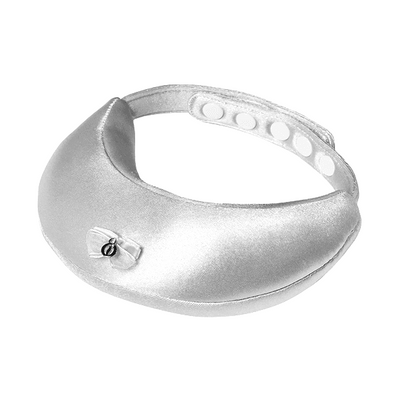
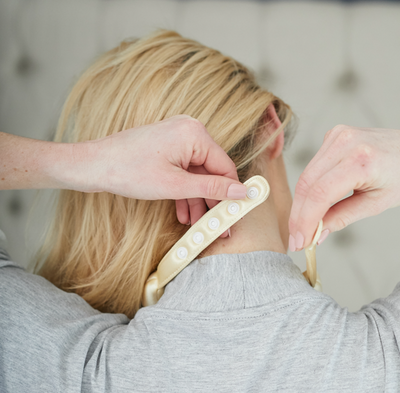
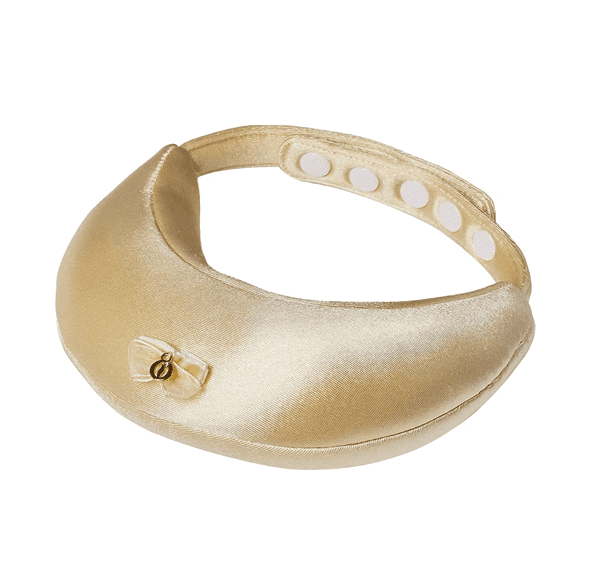
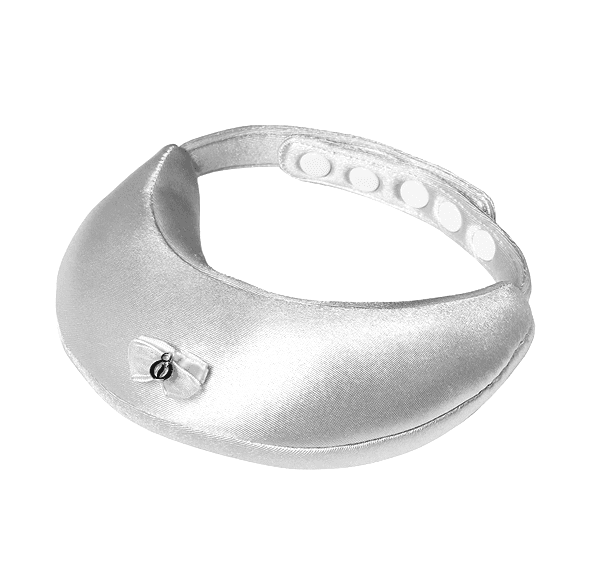
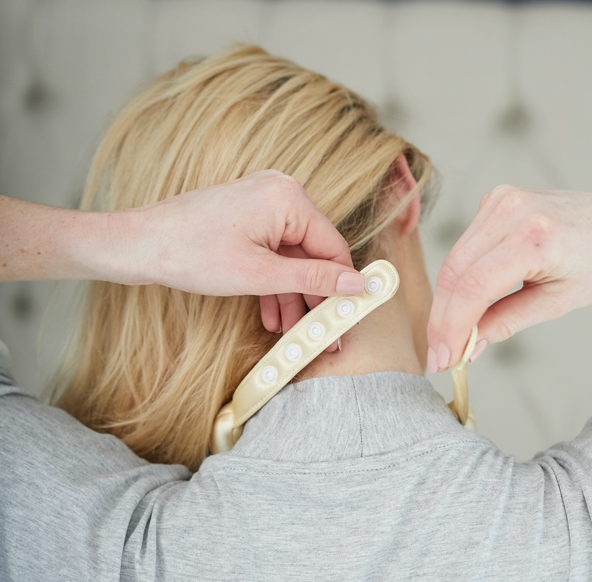
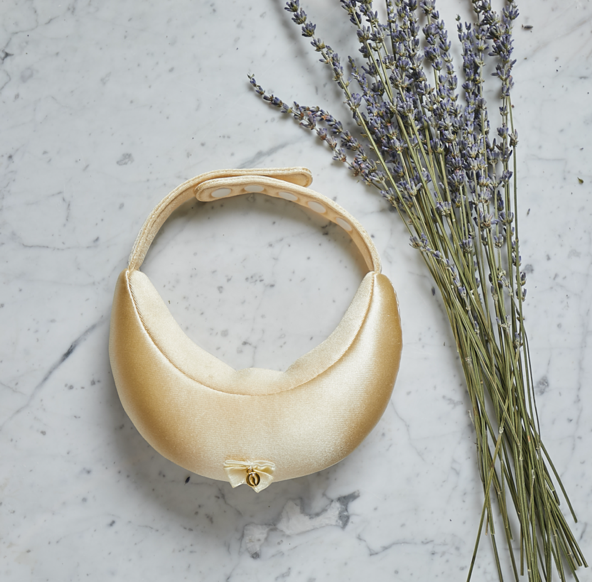
- Silicone pads or specialty pillows — these are wonderful non-invasive aids. Silicone chest pads keep the skin flat and hydrated overnight. Specialty anti-wrinkle pillows support the upper body and reduce pressure between the breasts. They’re often recommended in practical guides like this one on chest wrinkles.
Are you going to wake up every now and then twisted like a pretzel, on your side again? Yes. You’re human. Just gently correct, reposition, and keep going. Habits aren’t broken in a night — but your chest lines don’t appear in one night either. Breast wrinkle prevention in young women lives in these tiny, quiet corrections.
Main topic 7: bras, sports, and everyday clothing for young women chest care
A confession: I have ended my relationship with more bras than with men. Your bra can be your friend or your saboteur when it comes to young women chest care and breast wrinkle prevention. Here’s what I see often: - Tight sports bras that flatten the breasts and shove them together — creating deep, sharp folds in the cleavage area. Great for a high-impact run, terrible if worn all day. - Poor-fitting everyday bras — straps digging into shoulders, cups cutting into tissue, underwire pressing on the chest. All of this distorts the natural shape of your breast and strains the skin. To support prevent chest wrinkles young women, think in terms of gentle structure, not brute force:
- Get properly fitted — ideally in person. A good fitter changes lives. The right band and cup size strongly affect how your breast tissue sits — and how much your chest skin is pulled or folded.
- Choose soft fabrics — avoid scratchy lace on areas that already tend to dry out, like the upper chest. Smooth, breathable materials reduce irritation.
- Night bras — if you have a larger chest, a non-compressive sleep bra that gently separates the breasts can help prevent deep vertical cleavage lines. Just make sure it’s soft and not tight.
- Necklines and fit — very tight necklines or stiff seams across the upper chest can leave marks that over time become habitual creasing. Looser, softly draped necklines are kinder to the skin.
- UPF athletic wear — for outdoor sports, UPF tops or sports bras with chest coverage protect your décolleté better than SPF that melts off in sweat.
Everyday clothing doesn’t need to be perfect. Just ask yourself once in a while: “Is this flattening, digging, or folding my chest in ways it doesn’t naturally want to go?” If the answer is yes — adjust. Your wardrobe can support young women chest care without losing an ounce of style.
Main topic 8: lifestyle habits that support early chest anti-aging
If skincare is the surface story, lifestyle is the plot twist underneath. You can use the best cream in the world — but if you’re chronically sleep-deprived, dehydrated, living on sugar and cigarettes, your chest skin will tell on you. Loudly. Let’s go through the quiet support team behind starting anti-aging early:
- Hydration — water is not magic, but dehydration absolutely makes lines more visible. Keeping your body hydrated helps maintain turgor — that subtle bounce in your skin. Articles that discuss crepey skin and texture changes often highlight dehydration as a co-conspirator.
-
Antioxidant-rich diet — think color on your plate:
- Vitamin C (berries, citrus, peppers) — essential for collagen synthesis.
- Vitamin E (nuts, seeds, avocados) — helps protect cell membranes from oxidative stress.
- Omega-3s (salmon, sardines, flax) — support the lipid barrier and reduce inflammation.
- Quality sleep — your skin repairs itself at night. Chronic sleep deprivation appears again and again in discussions of premature aging. Aim for 7–9 hours where your body isn’t fighting for basic recovery.
- Stress management — high cortisol over time = collagen breakdown, slower healing, more inflammation. I’ve seen women’s skin calm down within weeks when they add one small stress-management ritual: a walk, short journaling, ten minutes of stretching before bed.
- Avoiding smoking and moderating alcohol — no surprise here. Smoking directly harms collagen and elastin; alcohol dehydrates and can exacerbate inflammation and redness. Dermatology sources on wrinkles and skin aging all repeat this.
These habits don’t show results in a selfie tomorrow. But they silently support cleavage wrinkles prevention for years. Think of them as deposits in your future skin’s savings account. And if you have a week where your diet is pizza, your sleep is four hours, and your stress is through the roof? Welcome to being human. Just don’t let “one week off” become “this is who I am now.” Gently come back.
Main topic 9: when to consider professional guidance (still focused on prevention)
There’s a moment I see often: A woman stands in front of the mirror, fingers tracing faint lines on her chest, not yet deep, but definitely there. She looks closer. Maybe googles. Maybe sighs. That’s a perfect moment to bring in professional help — not because you’ve “failed,” but because you’re smart enough to get personalized guidance early. Consider seeing a dermatologist if:
- You have a family history of early wrinkling or photoaging — genetics matter, as noted in premature aging resources.
- You notice early signs: fine vertical lines on the chest upon waking that take longer to fade; persistent redness; rough, crepey patches.
- You’ve had heavy sun exposure or used tanning beds in your teens or 20s.
A good dermatologist won’t just jump to correction. They’ll help you build a young women chest care plan that’s still prevention-focused:
- Mild peels — to gently smooth texture and stimulate renewal without aggressive downtime.
- LED therapy — supports collagen production and calms inflammation with minimal risk.
- Microneedling — tiny controlled injuries stimulate collagen and elastin. Evidence for its role in rejuvenation is strong, summarized in reviews like this one on microneedling.
These are still on the “prevention leaning toward early correction” side of the spectrum. They fit nicely into the broader picture of anti-aging prevention vs correction, helping prevent chest wrinkles early from becoming deeper, more stubborn folds. If a proposed treatment feels too aggressive for where your skin is now, ask: “What are our lightest, most preventive options?” Any good professional will respect that.
Conclusion: building a sustainable preventive routine for young women
Let me leave you with this picture: You — a few years from now — catching your reflection while putting on a dress with a low neckline. You lean in, out of habit, waiting to see the fine vertical lines you remember from before. But they’re softer. Or never came. That didn’t happen because of one eye-wateringly expensive treatment. It happened because, at some quiet point in your 20s or 30s, you decided your chest was worth daily care, not just last-minute rescue. To prioritize prevent chest wrinkles young women is to invest in your skin’s future — before the crisis, before the panic googling. The pillars are simple, but powerful:
- Daily SPF — on the chest as faithfully as on the face.
- Back sleeping and better posture — fewer folds, less nighttime creasing.
- Proper bras and kinder clothing — supporting, never crushing or contorting.
- A consistent, gentle skincare routine with hydration, antioxidants, and smart actives.
- Supportive lifestyle habits that make your skin’s job easier, not harder.
This is how you prevent décolleté wrinkles without fear, without drama, without living in a dermatologist’s waiting room. You don’t need to overhaul your life tonight. Start with one or two changes that feel doable this week — maybe SPF on your chest every morning and experimenting with back sleeping. Maybe swapping the tightest sports bra for a softer, better-fitted one. Tiny steps, repeated, become your new normal. Your chest will quietly thank you for years. And one morning, while fastening your necklace, you’ll look down at your skin — smooth, calm, still very much yours — and realize you didn’t just fight aging. You befriended time.
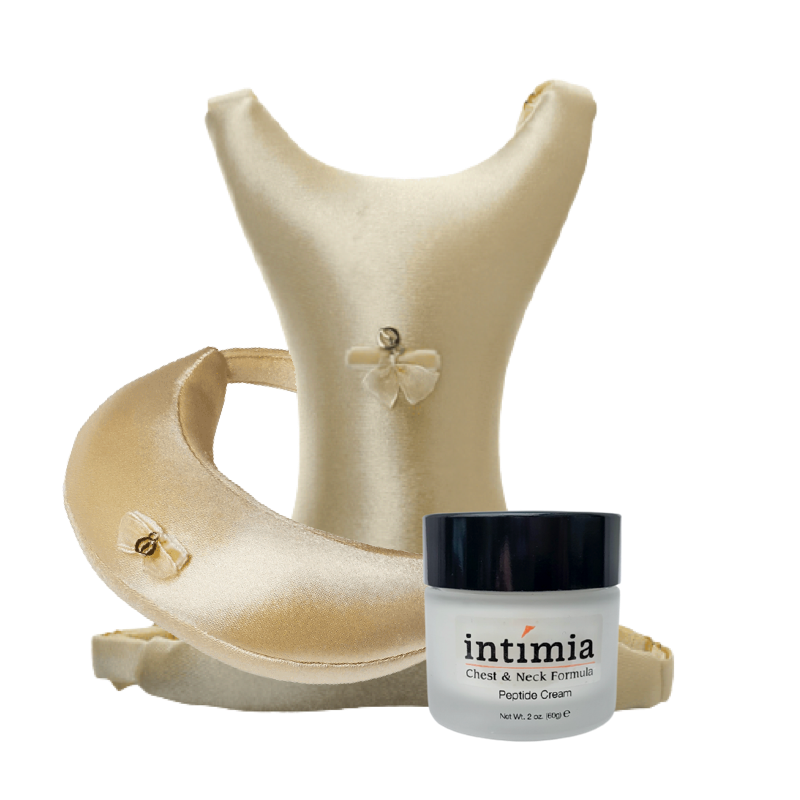
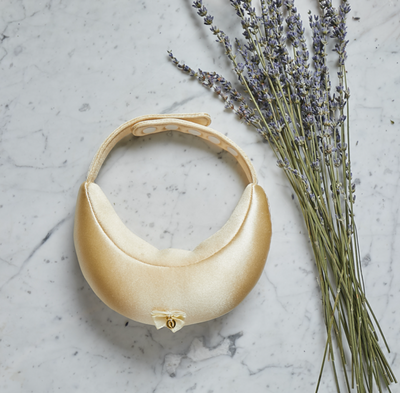
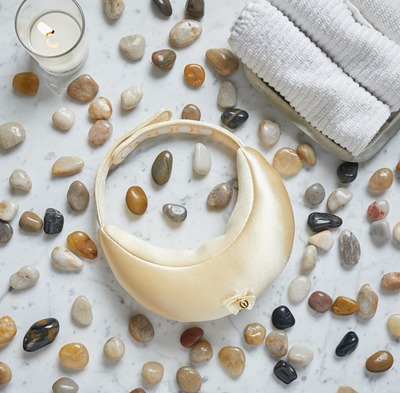
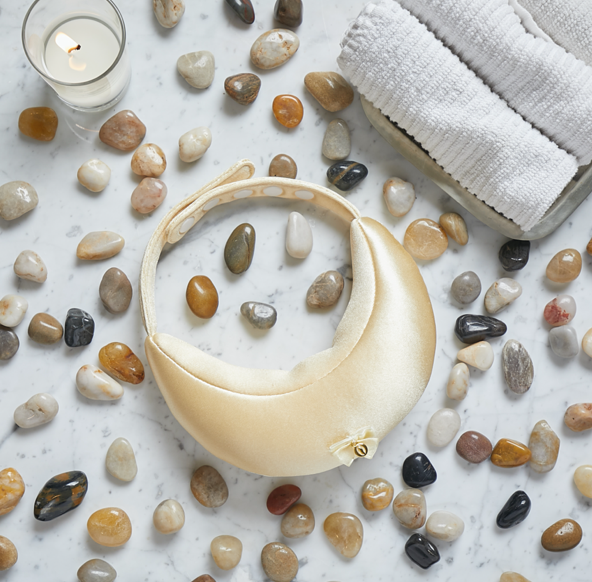
Intimia® Breast Pillow
Related Articles
- Chest wrinkle treatment comparison – best options — Discover the best chest wrinkle treatment comparison, from home remedies to laser options. Find your ideal solution today!
- Get rid of chest wrinkles: how-to — Discover how to get rid of chest wrinkles with our comprehensive guide on effective treatments and the best ways to remove chest wrinkles today!
- Peptide cream décolleté for radiant chest — Discover the best peptide cream décolleté for youthful skin! Combat crepey texture with our anti-aging neck cream. Shop now for radiant results!
- Best cream for crepey neck and chest — Discover the best cream for crepey neck and chest to combat aging. Rejuvenate with our top anti-wrinkle solutions! Click to learn more.
- Décolleté skin care routine: tighten & glow — Discover the ultimate décolleté skin care routine to tighten chest skin and combat aging. Click to learn essential anti-aging tips today!
Want to discover flawless skin with Intimia? Shop now here: here