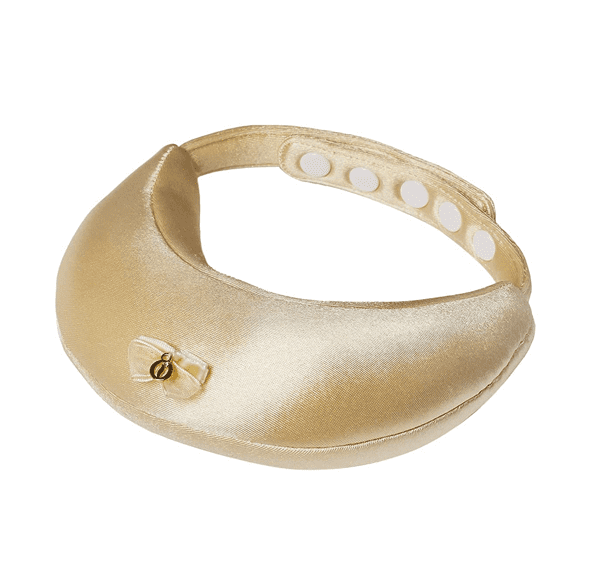
Sleep Face Mask for Wrinkles: Efficacy
Sleep face mask for wrinkles: how to prevent sleep lines and wake up to smoother skin
I learned to recognize the exact moment a new wrinkle moves in.
It’s usually 6:15 a.m., in that gray half-light, when I walk past the bathroom mirror and catch a sharp little crease running from the corner of my mouth toward my chin. “Excuse me,” I once told my reflection, “who invited you?”
That line used to fade in an hour. Then it took three. Then one day it stayed until lunch. That’s when I stopped blaming “just bad sleep” and started looking at what my pillow and my habits were really doing to my face.
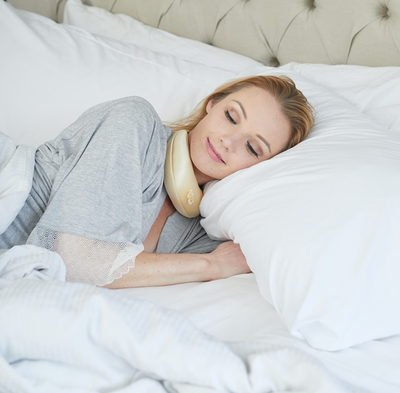
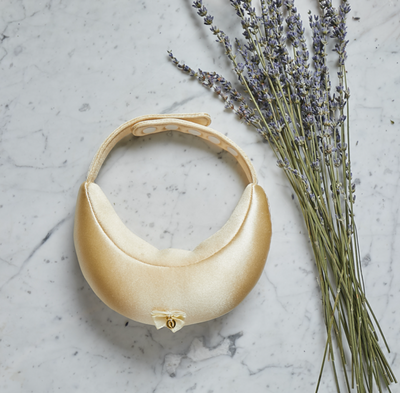
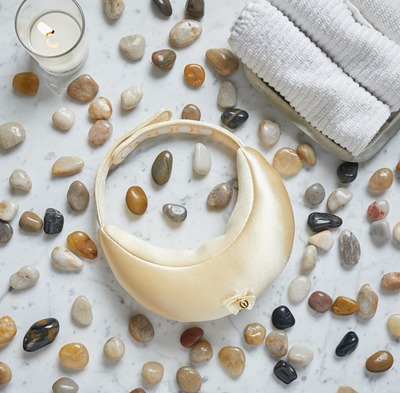
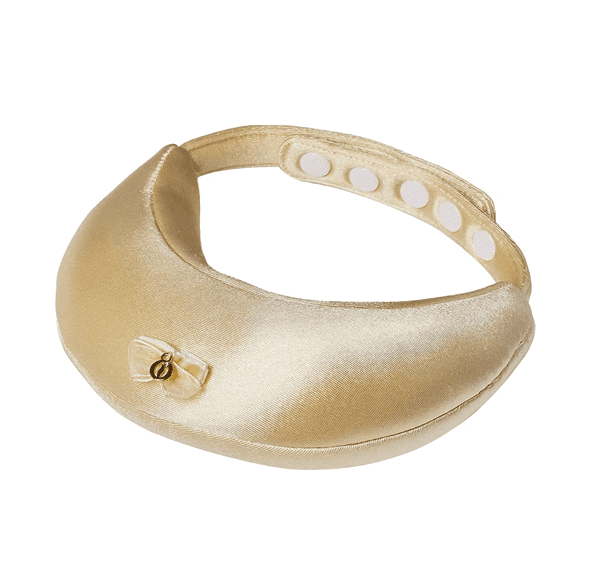
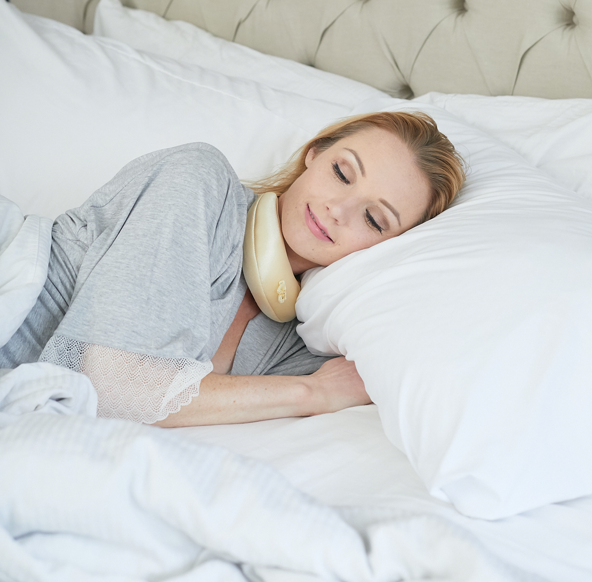
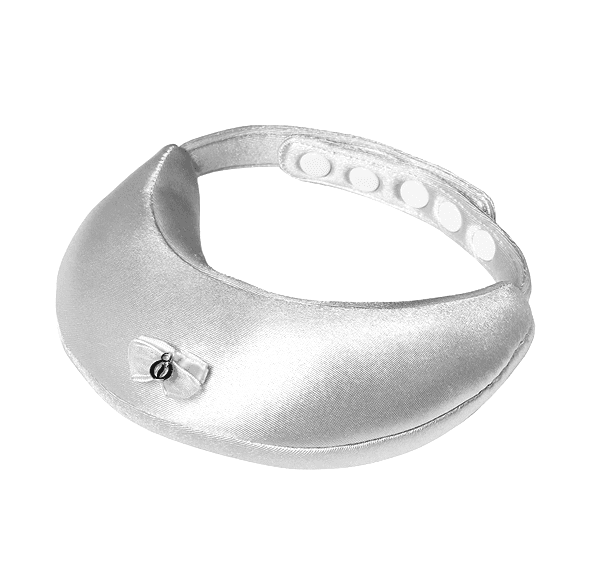
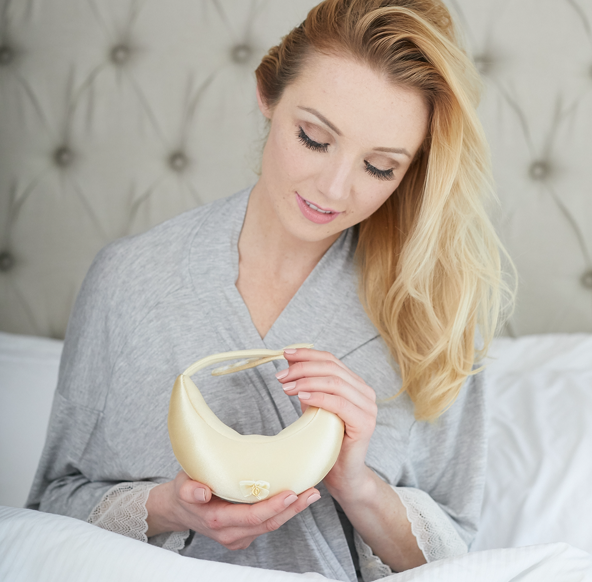
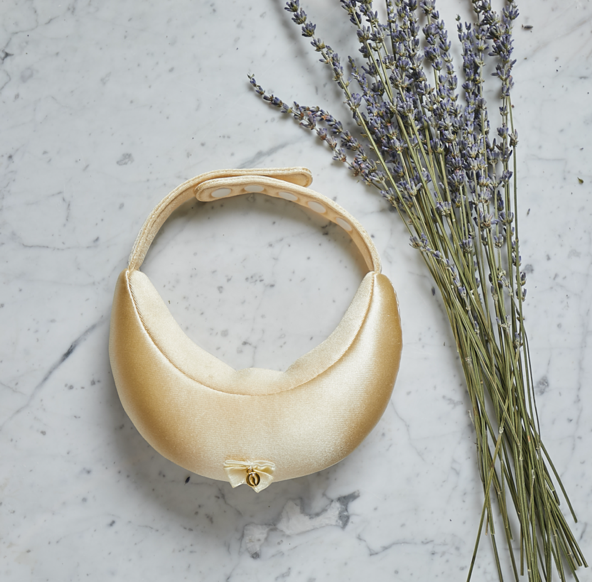
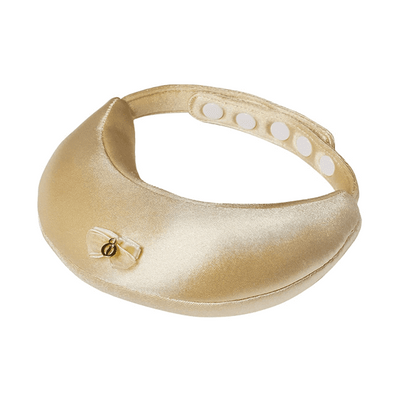
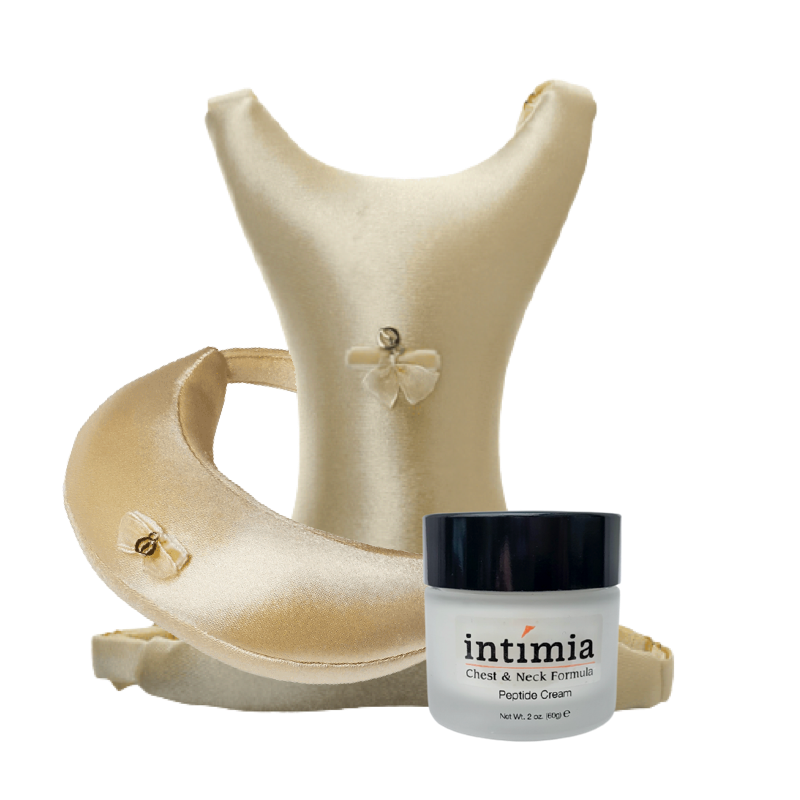
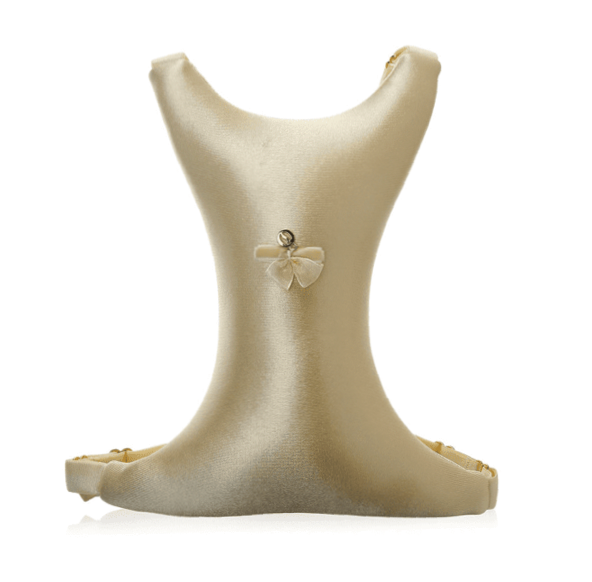
Sleep face masks for wrinkles aren’t magic. They’re tools. Smart, simple ones that work while you do the one thing you can’t outsource—sleep. These overnight masks are designed to hydrate skin, reduce friction, and support repair while you sleep, helping women 35+ combat sleep lines—those temporary creases from pillow pressure that become more persistent as our collagen quietly steps out the back door.
Unlike short-term sheet masks that you peel off after 20 minutes, these reusable options—like silicone masks or masks infused with neuro-ingredients—lock in moisture and support skin regeneration in a way that feels almost unfairly easy. You put it on, fall asleep, wake up slightly skeptical… then catch yourself in the mirror and think, “Oh. That’s different.”
In this guide, I’m walking you through the most useful, evidence-based options, what actually helps, and how to choose the best face mask for sleeping to prevent wrinkles—without wasting money on pretty-but-useless fabric.
What is a sleep face mask for wrinkles?
When I say a sleep face mask for wrinkles, I don’t mean the flimsy airplane eye mask the flight attendant hands you with a packet of pretzels.
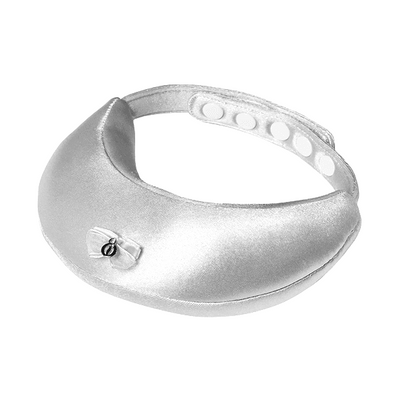
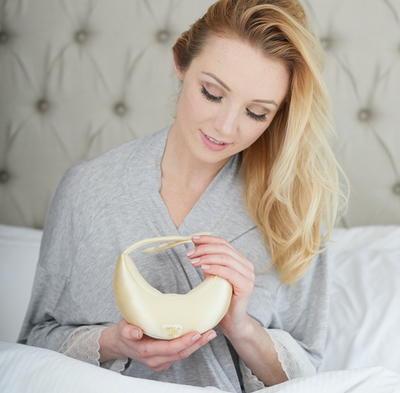
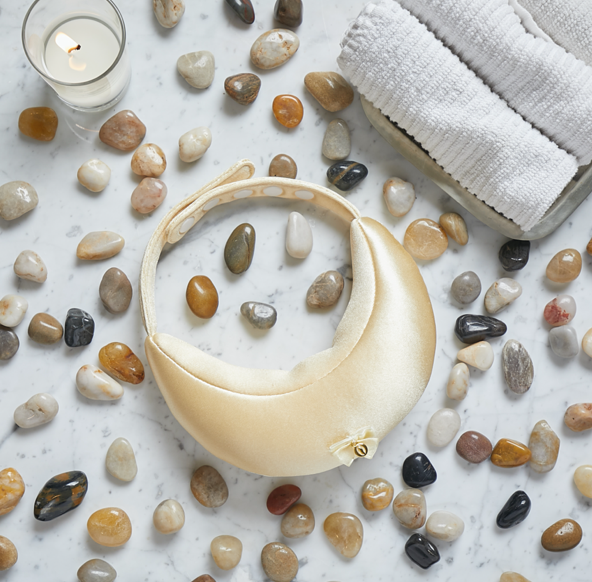
I mean a reusable, overnight wearable that actually works with your skin while you sleep. It can cover your full face or just the eye area, and it usually uses materials like medical-grade silicone, silk, or infused formulas to hydrate and protect your skin all night. Very different from disposable sheet masks (10–20 minutes, lots of serum, then into the trash) and basic fabric masks that only block light.
Well-designed sleep masks have one job: buffer your skin from the pillow and let your nighttime skincare do its best work. The key purposes are:
- Smoothing surface texture so your face glides instead of drags on the pillow.
- Minimizing friction and tugging that deepen creases.
- Supporting overnight repair to prevent sleep lines from becoming permanent residents.
They’re especially helpful for side or stomach sleepers, and for women over 35 whose thinner dermis means those morning creases linger longer and longer. As we age, skin doesn’t bounce back from pressure like it used to—so what used to be “morning lines” quietly become “all-day lines.”
How sleep lines and wrinkles form during the night
Let me tell you about my favorite liar: the cotton pillowcase.
It looks harmless. Soft. Innocent. But when you sleep on your side, your cheek, jaw, and chest get folded and compressed into that cotton all night long. Those folds are what we call sleep lines—compression creases from repetitive facial folds against the pillow. They’re different from expression lines (smiling, frowning) or UV-induced wrinkles from too much sun.
After 35, our skin runs on a different budget. Less collagen. Less elastin. A slower repair process. The dermis gets thinner, so the same pillow pressure that once left a faint line now leaves a sharp groove that takes half a day to relax.
Every night that you sleep on your side, the same areas—outer eye, cheeks, nasolabial folds, corners of the mouth—get pressed in the same direction. Repetition is how a crease becomes a wrinkle. Back sleeping, in contrast, minimizes these folds, but most of us aren’t going to spend eight hours lying perfectly still like a mummy. I certainly don’t. I’ve tried.
This is exactly where a thoughtfully designed mask steps in: as a buffer between your skin and all that nightly pressure.
Types of face mask for sleeping to prevent wrinkles
Let’s talk options—because not every “sleep mask” online is built to protect your skin. Some just block light and call it a day.
Main categories of face mask for sleeping to prevent wrinkles include:
Fabric-based masks: silk and satin
These are the gentler cousins of regular cotton masks. Silk and satin reduce friction and tugging on the skin. A smooth fabric glides; cotton grabs.
- Pros: Breathable, comfortable, and usually easy to wash. Great if you’re sensitive or tend to overheat at night.
- Cons: They don’t actively hydrate like gels or silicone, and they can still shift during sleep, especially if you’re a dramatic side sleeper who flips like a fish.
High-quality silk eye masks and pillowcases can reduce friction, which is a big part of why people report smoother skin with regular use. But on their own, they’re a “gentler pillow,” not exactly a shield.
Structured and contoured masks
These look a bit like high-tech goggles or sculpted shades. Their design lifts the fabric away from your lids and lashes, or even certain parts of your face, so there’s less direct pressure on the delicate skin around the eyes and cheekbones.
- Pros: Highly targeted sleep line prevention in the areas that fold the most. Great for women who wake up with deep creases around their eyes even after “enough” sleep.
- Cons: A bit bulkier. You may need a few nights to get used to the fit, and some styles don’t work well if you sleep fully face-down.
Contoured masks really shine for side and back sleepers who want to protect the eye area and brows without feeling smothered.
Gel and cushioned masks: silicone and neuro-infused designs
Now we’re in power-tool territory.
Gel or cushioned masks—often made from silicone or infused with active ingredients—sit snugly on the skin and create a micro-environment over your face. Think of it as a tiny climate-controlled zone for your skin.
- Pros: They create gentle compression, help lock in moisture, and can feel cooling and soothing. Some silicone options act like occlusive barriers that enhance product penetration and support plumper-looking skin by morning. Others use “neuro” or botanical ingredients aimed at calming both skin and nervous system, helping your face and mind unwind together.
- Cons: They require more maintenance—regular washing, careful drying—and they’re usually pricier than basic fabric masks.
Clinical and expert reviews of face masks—including whether face masks actually work overnight—point toward occlusive materials like silicone and well-formulated overnight masks as useful tools when combined with a solid skincare routine.
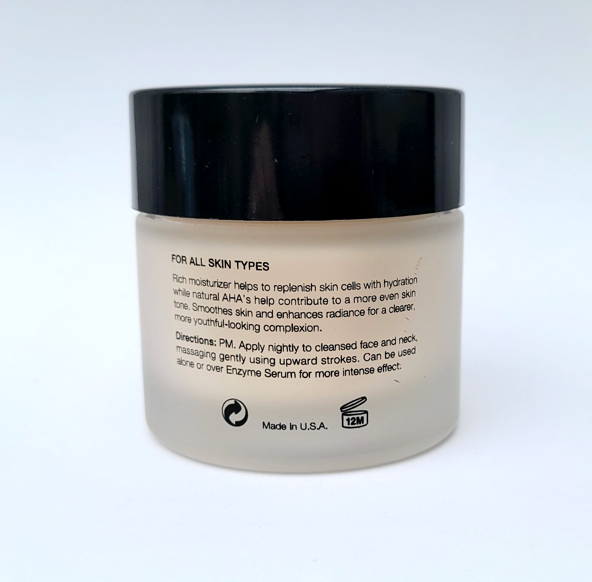
Bonus: overnight formulas that use ingredients like hyaluronic acid or mild acids (AHAs) can take advantage of your skin’s natural nighttime repair mode. They penetrate better, help refine texture, and can soften fine lines over time—especially when combined with a mask that keeps everything in place.
Sleep eye mask anti wrinkle – focusing on the eye area
The eye area is like the canary in the collagen mine—it shows the first signs of trouble.
A sleep eye mask anti wrinkle focuses everything on that fragile territory from brow bone to mid-cheek. The best ones don’t just cover the eyes; they’re shaped to respect them.
What that looks like in real life:
- Contoured cups that keep the mask from pressing on your lids or lashes.
- Ultra-smooth, hypoallergenic materials that reduce micro-friction around crow’s feet.
- Full light blocking, which supports deeper, better-quality sleep—something your skin quietly loves.
Some newer eye masks raise the bar even higher. A number of red light and LED designs for the eye area have appeared in recent years. Reviews of red light therapy eye masks and broader LED face masks point to their potential for stimulating collagen, reducing fine lines, and improving overall tone when used consistently.
The science behind red light therapy is still evolving, but resources like the Cleveland Clinic’s overview of red light therapy explain how certain wavelengths may support collagen production and reduce inflammation—two boxes we absolutely want checked around the eyes.
One of my clients, Anna, started using a structured eye mask after she noticed the same vertical line at the outer corner of her right eye every morning. “It’s like my pillow has a personal vendetta against that spot,” she joked. Two weeks in, that line still appeared—but softer, shallower, and gone faster. That’s the quiet win we’re after.
Key features to look for in a sleep face mask for wrinkles
When I buy a mask—whether for myself or for testing—I treat it like hiring someone to work the night shift for my face. If it doesn’t do its job, it’s fired.
Here’s the checklist I use for a good sleep face mask for wrinkles (or a focused sleep eye mask anti wrinkle):
- Material: Smooth, breathable, and hypoallergenic. Medical-grade silicone, silk, or high-quality gel are good bets. Look for something that retains moisture without suffocating your skin. Articles on silicone sheet mask benefits show why silicone is often used to support hydration and healing.
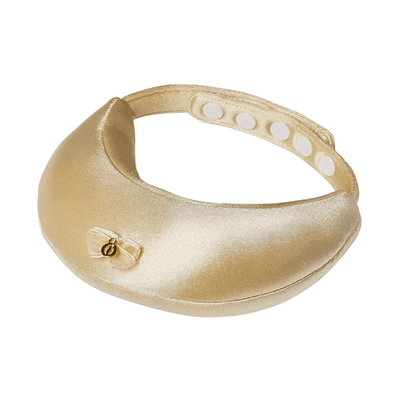
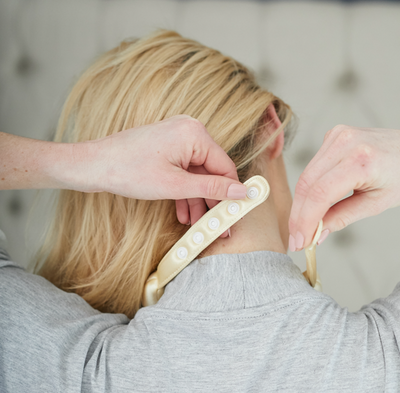
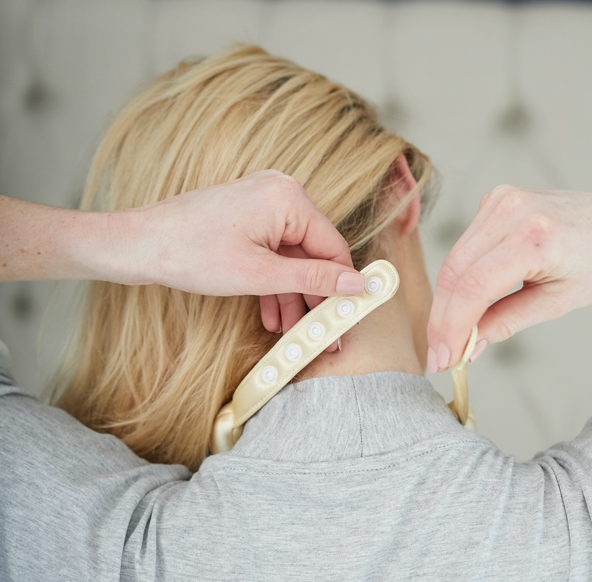
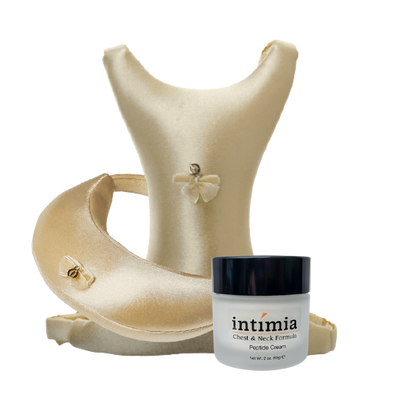
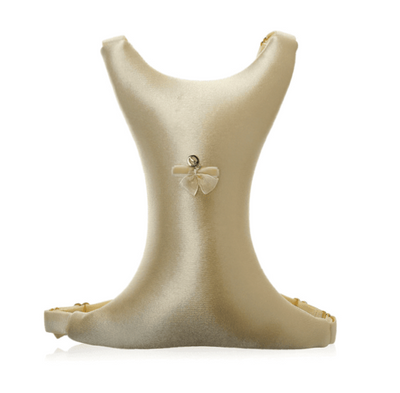
- Fit and design: Adjustable straps are non-negotiable. No hair tugging, no lines etched into your scalp by morning. The design should be contoured to lift off the most delicate zones (like the thin skin over your lids) while still protecting them from the pillow.
- Coverage level: Do you want a full-face mask for comprehensive protection, or a targeted sleep eye mask anti wrinkle for just the eye area? Be honest about where your sleep lines show up first.
- Ease of care: You’ll be using this every night—or close. Look for something that can be cleaned easily (ideally with mild soap and water, or machine washable fabric) and that won’t fall apart in a month.
- Skincare compatibility: The mask should be non-absorbent so your carefully chosen serums and moisturizers stay on your face—not in your mask. Health and beauty experts often stress that occlusive materials can help products penetrate better rather than drink them up.
I once bought a gorgeous-looking mask that soaked up half my night cream like a thirsty sponge. Lovely color, terrible performance. Don’t be fooled by appearances; check the details.
How to use a face mask for sleeping to prevent wrinkles effectively
Here’s how I walk my clients through it—step by step, no drama.
- Cleanse your face thoroughly. No mascara smudges, no half-removed sunscreen. A clean canvas is non-negotiable.
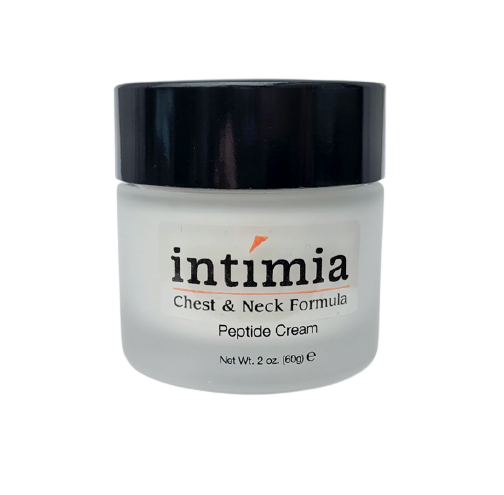
- Apply your serums and treatments. This is where your retinoids, peptides, or vitamin C come in, if you tolerate them at night. Let each layer sink in for a minute.
- Seal with a moisturizer. Something suited to your skin type—light gel for oilier skin, richer cream for drier, mature skin.
- Secure your sleep face mask for wrinkles snugly. Not tight. It should sit against the skin or float above delicate areas without digging in.
This is the routine I use myself. On nights when I sleep mostly on my back, the mask adds extra protection and product support. On the nights I inevitably roll onto my side—because I’m human—it becomes a buffer between my skin and the pillow.
Pro tips from a woman who has tested far too many things in the name of “research”:
- Keep your mask by the bed so you don’t “forget” it during those exhausted evenings when washing your face already feels like running a marathon.
- Expect visible smoothing of sleep lines in days to a few weeks with regular use. This isn’t an instant facelift—it’s consistent micro-protection that pays off.
- If your skin reacts, back off. Shorter wear time, gentler products underneath, or a different material can make all the difference.
And if you wake up one morning and your décolletage looks flawless—no lines, no creases—just check that you didn’t somehow sleep on your back all night. It happens. Rarely.
Comparing a sleep face mask for wrinkles with other non-invasive solutions
Sleep masks aren’t the only player in this game. They’re part of a broader, non-invasive toolkit. I like to think of them as the quiet team member that makes everyone else’s job easier.
| Solution | How it works | Complements masks? |
|---|---|---|
| Back sleeping | Reduces folds almost entirely by keeping your face off the pillow. | Yes—masks add protection on the nights you inevitably roll to the side. |
| Specialty pillows | Use cutouts or contours to cushion the face and minimize direct pressure. | Yes—use together for friction and compression reduction. |
| Anti-aging skincare (retinoids, vitamin C, peptides) | Boost collagen, fight free radicals, and hydrate to keep skin plump. | Yes—masks can help products absorb better and stay where you applied them. |
There’s also a growing category of high-tech masks that blend light therapy with sleep. Reviews of devices like LED masks tested by editors and beauty journalists, as well as in-depth coverage of the best LED face masks, can help you evaluate whether those upgrades make sense for your routine and budget.
A traditional sleep mask and an LED mask won’t do the same thing—but they can both belong in an anti-aging toolbox, depending on your needs and tolerance.
Who benefits most from a sleep face mask for wrinkles?
If you’re wondering whether you’re “the type” who needs one of these, let me sketch a few women I see again and again:
- Busy professionals who fall into bed exhausted and wake up with deep lines from sleeping face-first into the pillow.
- Moms whose sleep is choppy and precious, and who don’t have 20 minutes to lie still with a sheet mask sliding down their face.
- Frequent travelers collecting not just miles, but also airplane cabin dryness and hotel pillow wrinkles.
- Women with mature or sensitive skin who notice that morning lines are lasting longer, especially after 40.
Signs you’re a good candidate:
- You can trace the same vertical or diagonal sleep line on your face most mornings, like a little map of your favorite pillow position.
- Your morning creases take hours to fade—or they don’t fully disappear anymore.
- Regular pillowcases irritate your skin, causing redness or sensitivity.
In those cases, a breathable, well-designed mask helps you keep your preferred sleep position without sacrificing your skin. Think of it as a compromise between your comfort and your collagen.
How to evaluate and choose the right product
When you’re scrolling reviews at 11 p.m., trying to pick between ten similar-looking masks, use this short checklist. It’s the one I hand my own friends when they text me, “Irene, which one do I buy?”
-
Materials:
- Silicone or gel if you want hydration support and an occlusive layer that can help active products work better—there’s growing coverage on why silicone masks can support moisture and healing.
- Silk if your priority is friction reduction and comfort.
- Prevent sleep lines design: Make sure it’s marketed and shaped for wrinkle prevention—not just light-blocking. Look for contours, padding, or cups where your lines usually appear.
- Sleep style fit: Side sleeper? You’ll want something that doesn’t shift easily. Stomach sleeper? You’ll need a low-profile mask that won’t dig in.
- Real reviews from women 35+: I read the comments that mention “morning lines” and “crow’s feet” more than the ones about the color. That’s where the truth sits.
- Extras worth paying for: Neuro-ingredient formulas that support relaxation, or LED/red light features, can justify a higher price if you’ll actually use them. Investigative reviews like the Neurae Harmonie sleeping mask review give a good sense of what these high-tech options feel like in real life.
On the flip side, red flags:
- Rigid seams that press into your skin.
- Straps that are impossible to adjust comfortably.
- Non-breathable fabrics that make you sweaty under the mask (you’ll rip it off at 2 a.m.—ask me how I know).
In my experience, the “perfect” mask is the one you forget you’re wearing—but miss when you skip it.
Integrating a sleep face mask for wrinkles into an anti-aging night routine
I’m a big believer that after 35, our night routine should be like a small, daily love letter to future us. Nothing fussy. Nothing performative. Just consistent care.
Here’s how I integrate a face mask for sleeping to prevent wrinkles into that rhythm—and how I suggest my clients do it too:
- Cleanse: Gently but thoroughly. No harsh scrubbing. Just remove the day.
- Treat: Apply retinoids, peptides, or vitamin C (if your skin tolerates it at night). Start low and slow. Your skin will tell you what it likes.
- Moisturize: Choose a texture that matches your skin type and climate. On dry winter nights, I’ll layer a slightly richer cream.
- Mask: Put on your sleep face mask for wrinkles or sleep eye mask anti wrinkle.
Then you let the night do its work. A well-chosen mask doesn’t replace skincare; it reinforces it. It supports your collagen efforts, pairs beautifully with staying hydrated and aiming for 7–9 hours of sleep, and quietly reduces the mechanical stress your pillow puts on your skin every single night.
Beauty editors and dermatology-informed articles, including deep dives into how different face masks work and coverage of advanced LED masks, all point to the same bottom line: no single tool will do it all. But the right combination—thoughtful products, sleep position, and smart accessories like masks—can shift the direction of your skin aging in very real, very visible ways.
One last thing. You don’t have to do this perfectly. If you forget your mask one night, or fall asleep on the couch with Netflix asking “Are you still watching?”—you just start again the next night. Consistency over perfection. Kindness over panic.
A sleep face mask for wrinkles or sleep eye mask anti wrinkle won’t turn back time. But it can slow the way sleep lines carve into your skin, protect all the effort you pour into your routine, and give you that subtle but unmistakable “rested” look—on mornings when you may not feel rested at all.
And sometimes, catching your reflection and seeing fewer lines than you expected… that’s enough to change the feel of your whole day.
Related Articles
- How Sleep Affects Skin: Prevent Wrinkles — Discover how sleep affects skin health and why a good night's rest is essential for reducing wrinkles and fighting skin aging.
- Permanent Sleep Wrinkles: Treatments That Work — Discover effective treatments for permanent sleep wrinkles and learn how to prevent sleep lines that won’t go away.
- Sleep Lines on Face: Fade Wrinkles — Discover effective ways to get rid of sleep lines on face! Learn about prevention and solutions for sleep line wrinkles that won’t go away.
- Under Eye Wrinkles from Sleeping: Prevent — Discover how to prevent under eye wrinkles from sleeping! Learn effective tips to combat sleep lines under eyes for a youthful look.
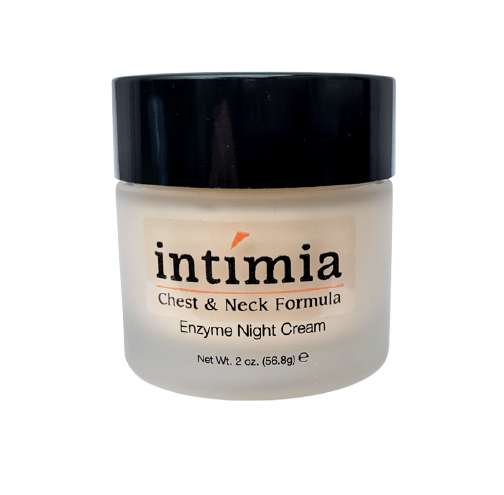
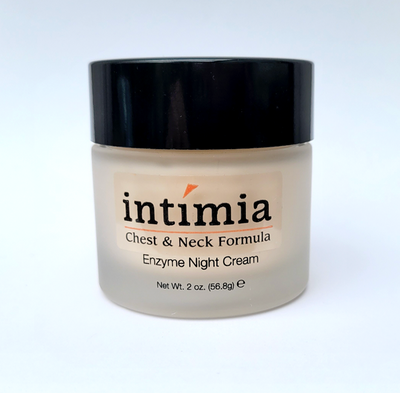
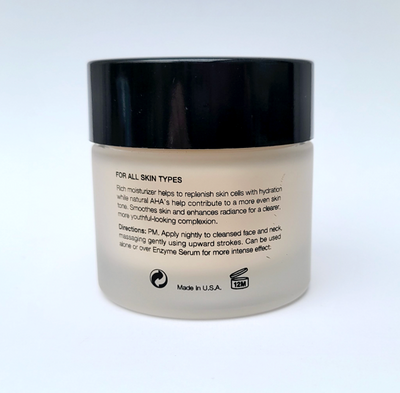
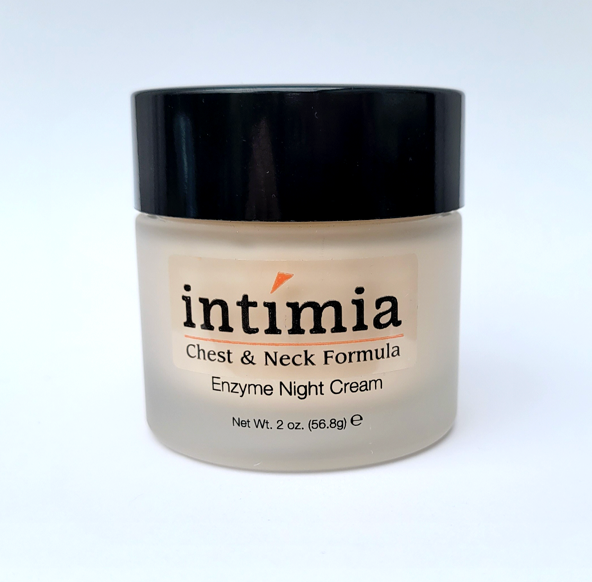
- Enzyme Night Cream Rejuvenates Overnight — Discover the best enzyme night cream for skin renewal while sleeping. Fight aging with our anti-aging night cream—wake up refreshed!
Want to discover flawless skin with Intimia? Shop now here: here